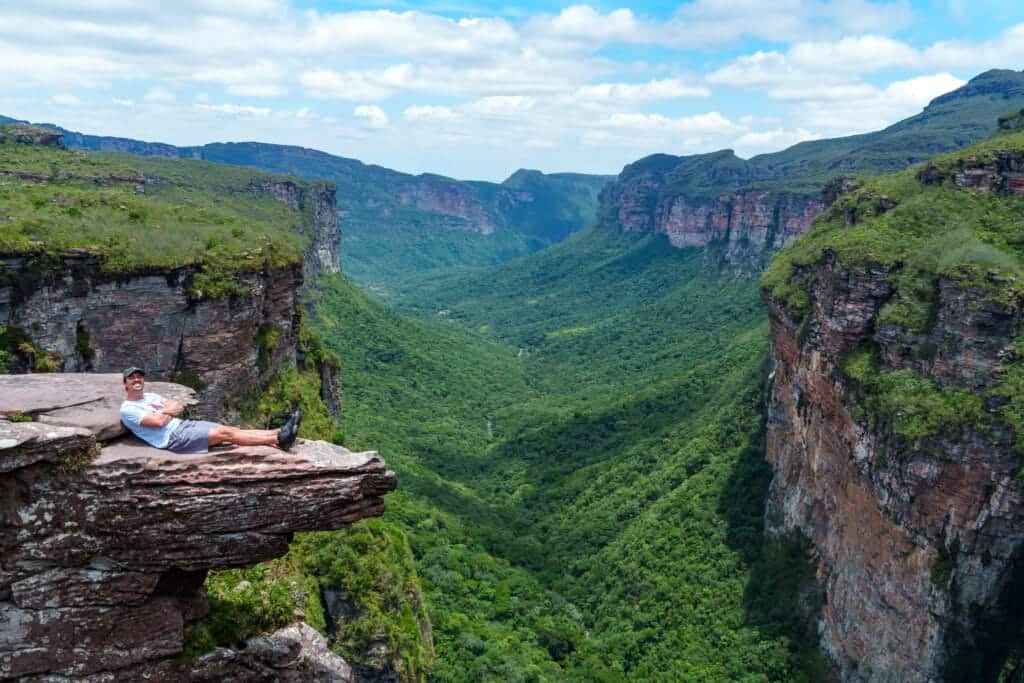
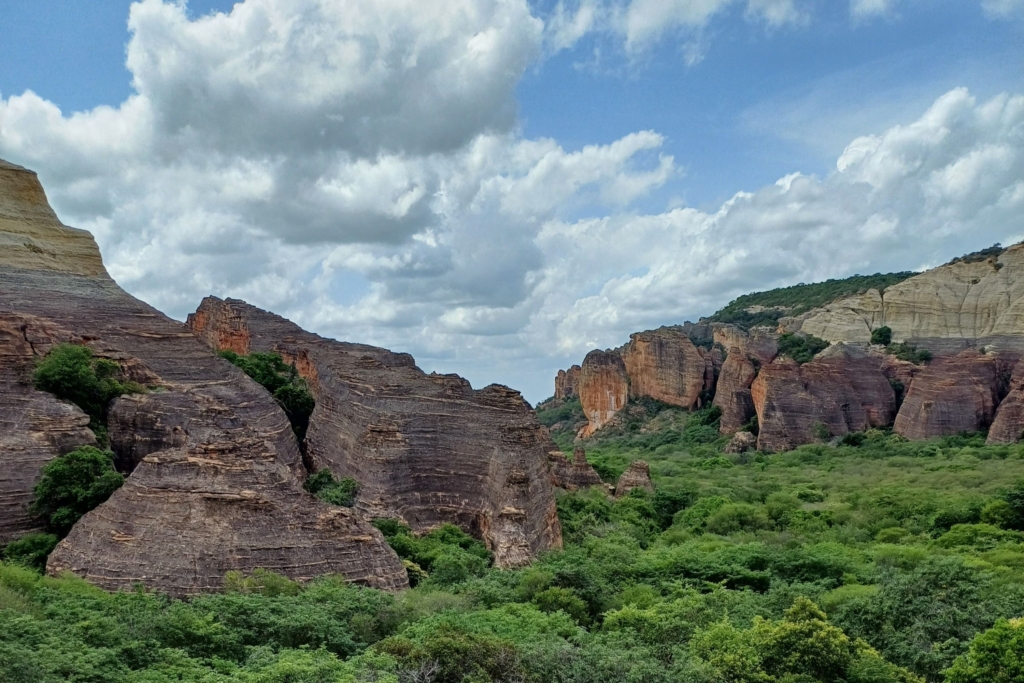
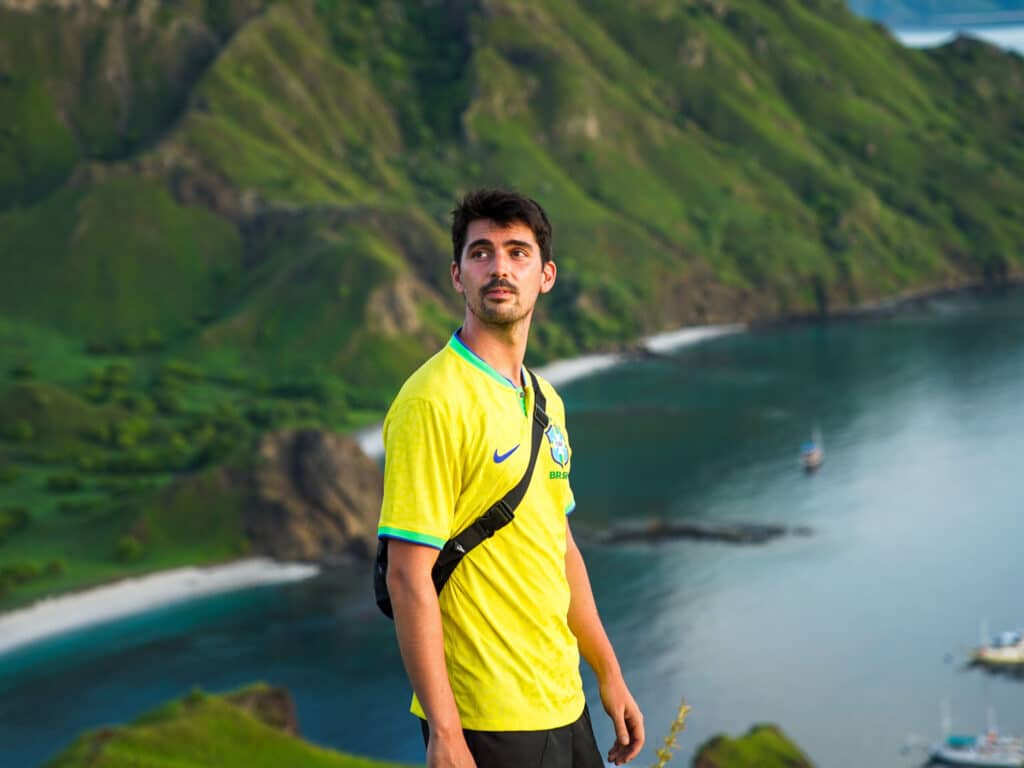
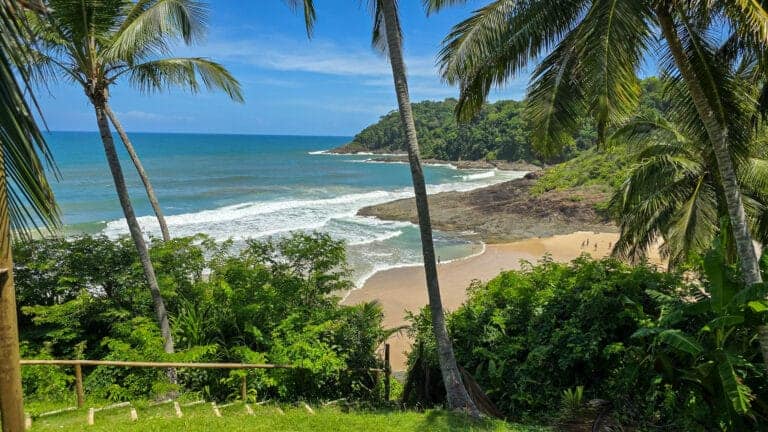
Morro do Castelo View point in Chapada Diamantina National Park in Brazil.

23+ Best National Parks in South America (Ultimate List)

This post is also available in :

South America holds some of the wildest protected land on the planet, and the best national parks in South America run from Patagonian glaciers to Amazon rivers.

This guide covers more than 23 parks grouped by region, so you can pick what fits your trip. You’ll find fees, best months and how to get there for each one.

Most of the parks sit in the Andes, the Amazon and Patagonia. I added a short bonus section on Mexico and Costa Rica at the end, because many readers pair them with a South American trip and these national parks in Latin America are worth the detour.

Fees are for foreign adults and they change often, so double-check the official site before you go. Some links in this post are affiliate links, which cost you nothing extra.

Table of Contents

Iconic Patagonian Parks

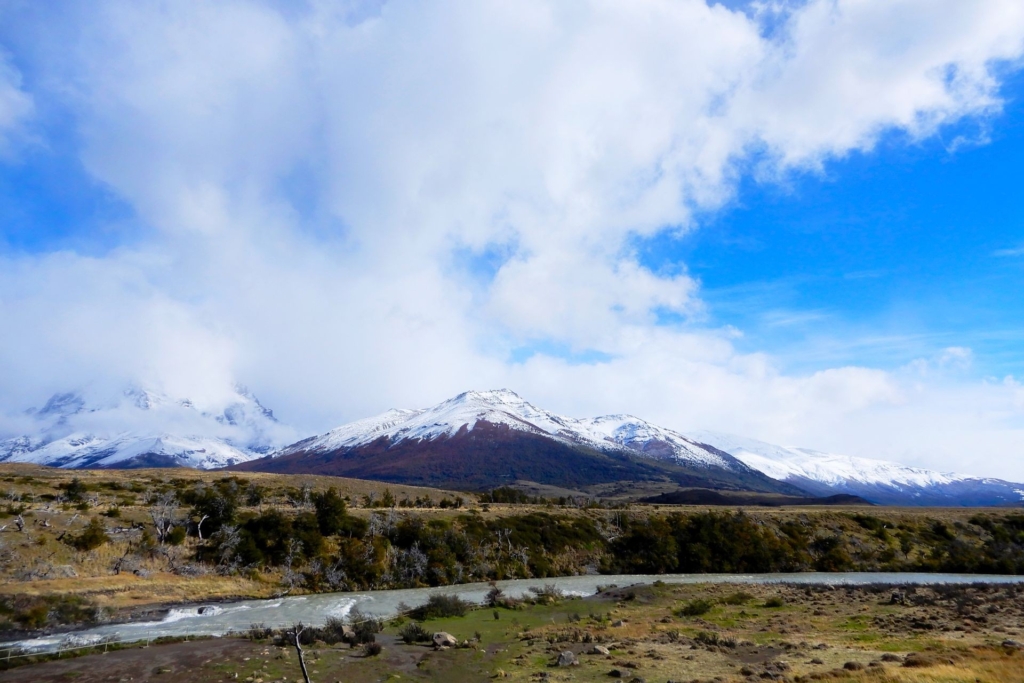
Patagonia is shared between Chile and Argentina, and these three national parks in South America give you three very different trips. Torres del Paine is for trekking, Los Glaciares is for ice and mountain views, and Patagonia National Park is for wildlife and quiet. Trekking season runs roughly November to March across the region.

Budget a little extra for card payments here. Los Glaciares doesn’t take cash at its gates.

If you’re heading to South America, WanderWallet is what I use for my money.

Torres del Paine National Park, Chile

Torres del Paine is the park most people picture when they think of Patagonia. Granite towers rise above turquoise lakes, and the two classic viewpoints are Mirador Las Torres and Grey Glacier. It's the best park in South America for multi-day trekking, and November to March is the best time to go.

The W Trek is the right pick for most first-time Patagonia hikers, and it takes 4 to 5 days. The O Circuit loops around the whole massif and suits stronger hikers with more days. It's hiked anticlockwise only.

The O Circuit reopened on November 1, 2026 after the winter closure, but the John Gardner Pass can close at any time for wind or snow. Stricter safety rules apply since five hikers died near the pass in November 2025, so check the park's daily report before you plan around it.

Book first and hike later. Refugio and campsite reservations are mandatory, and peak months fill up months ahead. Two companies run every site on the W and O, Las Torres and Vertice Patagonia.

Foreign adults pay 32,400 CLP (about $35) for a one-day ticket or 48,500 CLP for a multi-day pass. Buy it online at pasesparques.cl and download the QR code ahead, because there's no cell signal at the entrance. If you're building a longer route, my guide to the best hikes in South America has more options.

Short on time or not into camping? A guided day trip from Puerto Natales gets you the main viewpoints.

Los Glaciares National Park, Argentina

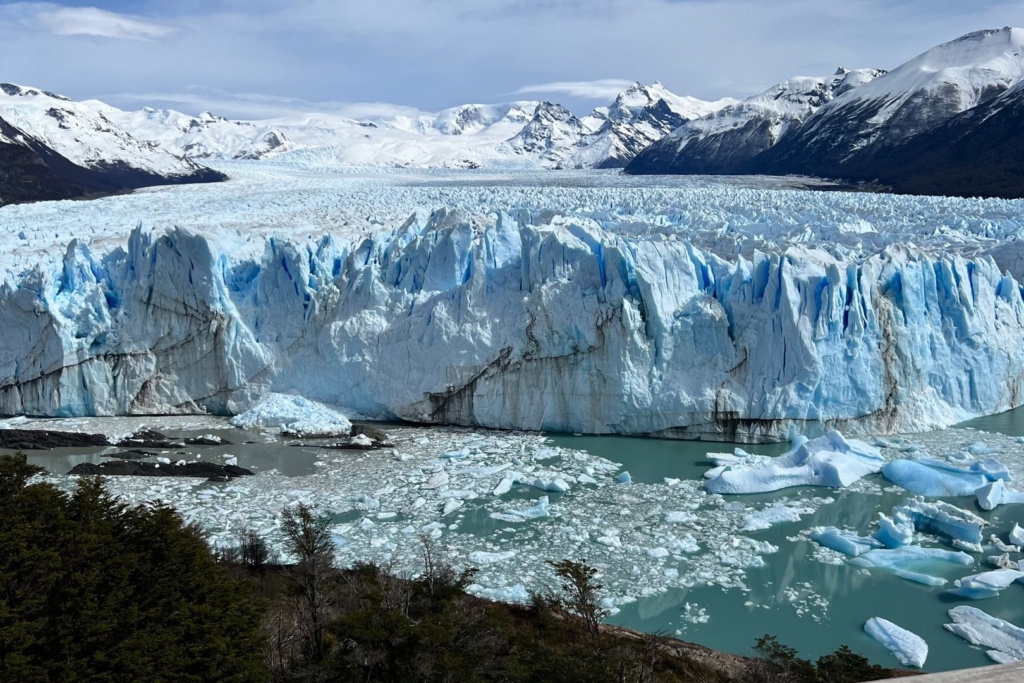
Los Glaciares is really two trips in one park. The southern sector near El Calafate is home to the Perito Moreno Glacier, and the northern sector around El Chaltén holds Mount Fitz Roy and Cerro Torre. The warmest weather runs from December to March.

The official Argentine national parks site lists the current fees and passes. It’s a little bit expensive but worth it.

Arrive at opening to get the walkways nearly to yourself and softer light for photos. Plan half a day to a full day here.

Minitrekking, Big Ice hikes and glacier cruises often sell out weeks ahead, so book them early.

El Chaltén is the better base for hikers, and you should plan at least three days. The classic Mirador Fitz Roy trail is 4 km one way, takes about 1.5 hours and climbs 350 m. The bus between El Chaltén and El Calafate takes 2h40 to 3 hours.

Patagonia National Park, Chile

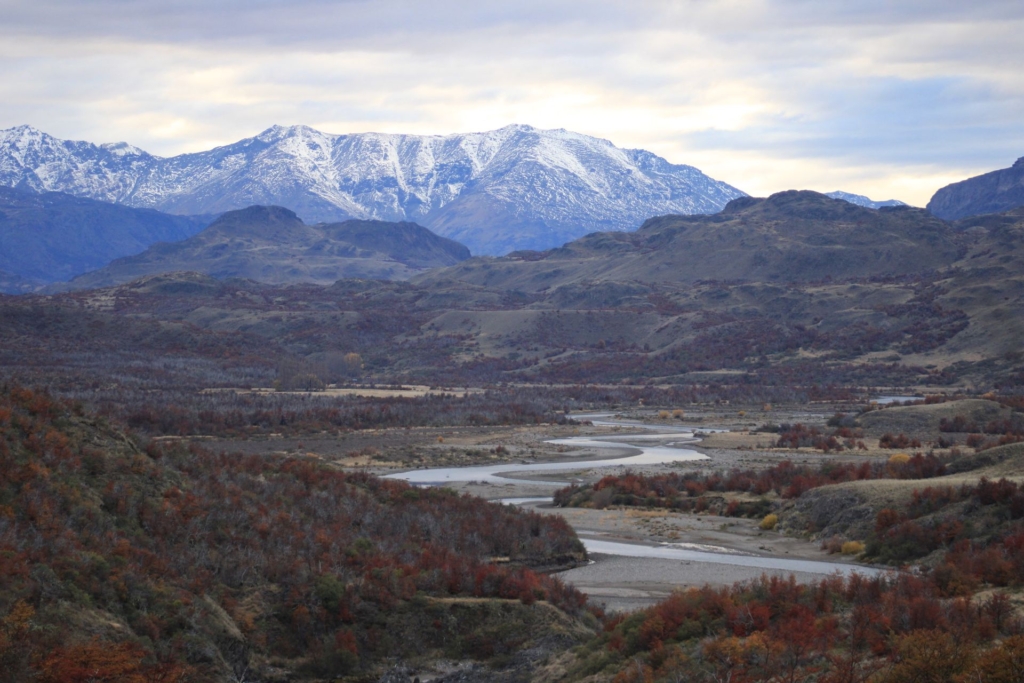
Patagonia National Park is the quiet alternative to Torres del Paine. It covers about 300,000 hectares in the remote Aysén region and was created in 2018, when a rewilded former cattle estate in Valle Chacabuco was joined with two older reserves.

The best time to visit is October to April, with December to February the most stable for high trails.

The wildlife is the draw. More than 3,000 guanacos ( some kind of llamas) live in the park, and pumas follow them, usually seen at dawn or dusk. Sightings are never guaranteed, so plan the trip around the scenery and the guanacos, and treat a puma as a bonus.

You get there on the Carretera Austral, via the town of Cochrane. The Valle Chacabuco sector is reached by the X-83 road, which branches off the Carretera Austral, and it's open Tuesday to Sunday from 8:30 a.m. Plan 2 to 3 days.

Be honest with yourself about time. It's a long way from the main Patagonia circuit, and a car makes it far easier.

If you only have a week in Patagonia, I'd stick to Torres del Paine and Los Glaciares.

Amazon and Tropical Rainforest Parks

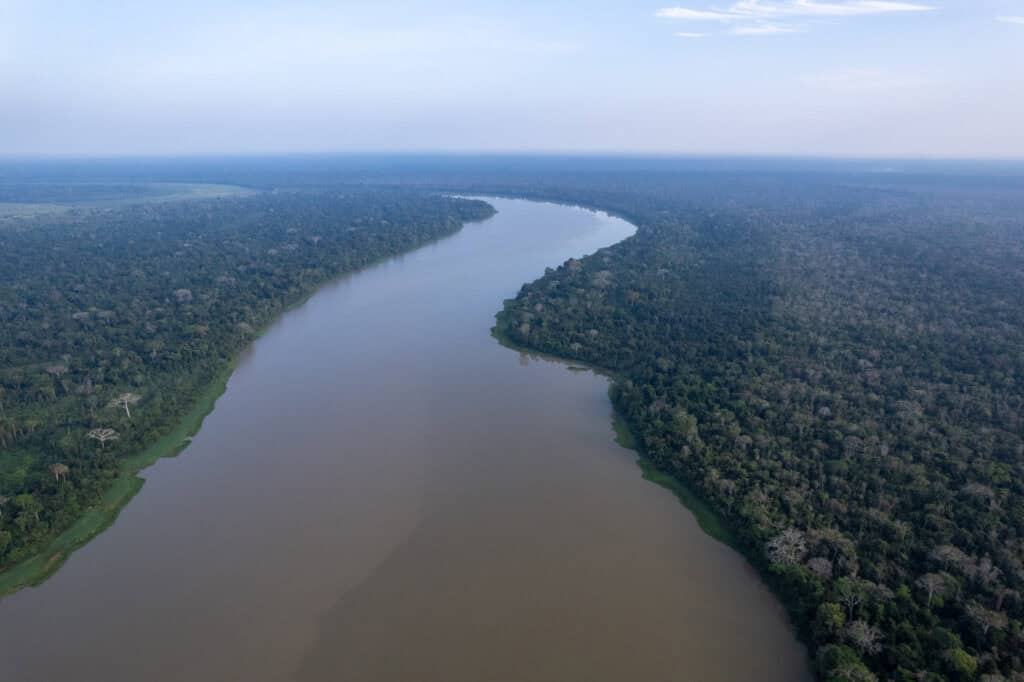
The Amazon basin covers a huge part of South America, and these national parks in South America protect very different corners of it. Manu is the remote classic, Madidi is the easiest to add to a Bolivia route, and Pacaya Samiria is a flooded forest you explore by boat.

Plan on a tour for all three, because Madidi and Pacaya Samiria require an authorized operator and so does the best part of Manu.

Jungle trips are also where travel insurance earns its keep.

If you want a bigger list of jungle bases, check my guide to the best places to explore the Amazon jungle.

Manu National Park, Peru

Manu protects more than 1 700 000 hectares on the eastern slope of the Andes and has been a UNESCO World Heritage Site since 1987.

The park drops from about 4,000 meters in the Andes to about 300 meters on the Manu River, and it holds more than 1,000 bird species and about 200 mammal species.

The main decision is which zone to visit.

The Cultural Zone is the buffer zone outside the park's core, along the Alto Madre de Dios, and it works for 3 to 5 days with cloud forest, cock-of-the-rock displays and parrot clay licks.

The Reserved Zone is the Manu River sector inside the park, open only with an authorized operator, and you need 6 to 8 days to do it properly. Pick the Reserved Zone if you want giant river otters, caimans and tapirs.

You can check the current fees and the list of authorized operators on the official SERNANP page for Manu.

Getting there takes time. Cusco to Atalaya is about 9 hours by road, and Atalaya to Limonal is about 7 hours by boat. SERNANP recommends April to November, and the driest months, May to October, are the most popular.

Be realistic about jaguars. A sighting is possible but never guaranteed, and no honest operator will promise one.

My list of the 13 monkeys of the Amazon rainforest will help you know what to look for. Most tours leave from Cusco, so my guide to everything to do in Cusco covers your days before departure.

Madidi National Park, Bolivia

Madidi covers about 19,000 square kilometers and drops from 6,000-meter Andean peaks to 180-meter Amazon lowlands. A wildlife survey recorded 1,028 bird species there, which is why it's often called the most biodiverse protected area on Earth.

I'll be upfront. I spent three months in Bolivia, passed through Santa Cruz and nearly made the trip to Madidi to look for jaguars, but I didn't go, so I can't give you a firsthand review.

Madidi is in the far north of the La Paz department and you reach it from Rurrenabaque.

You choose between two styles of trip. Jungle tours go inside Madidi along the Tuichi River, and pampas tours go to the open wetlands of the Pampas del Yacuma, where wildlife is much easier to spot.

Getting to Rurrenabaque is easy. A 45-minute flight from La Paz costs about $80 to $100 each way, and the bus takes around 18 hours in the dry season and much longer when landslides hit.

The dry season, May to October, is the most reliable window. Jaguars and tapirs live here, but they are rarely seen, so expect macaws, spider and titi monkeys and capybaras.

The closest I got to a jaguar was in the Aquicuana Reserve near Riberalta, where a researcher set camera traps to prove the cats roam there. I volunteered in that reserve for a month, and I tell the story in my guide to volunteering in South America.

If you want to fit Rurrenabaque into a bigger route, my Bolivia itineraries show how. Multi-day jungle tours are much cheaper here than in Peru, and my list of cheap places to travel in South America has more budget ideas.

Pacaya Samiria National Reserve, Peru

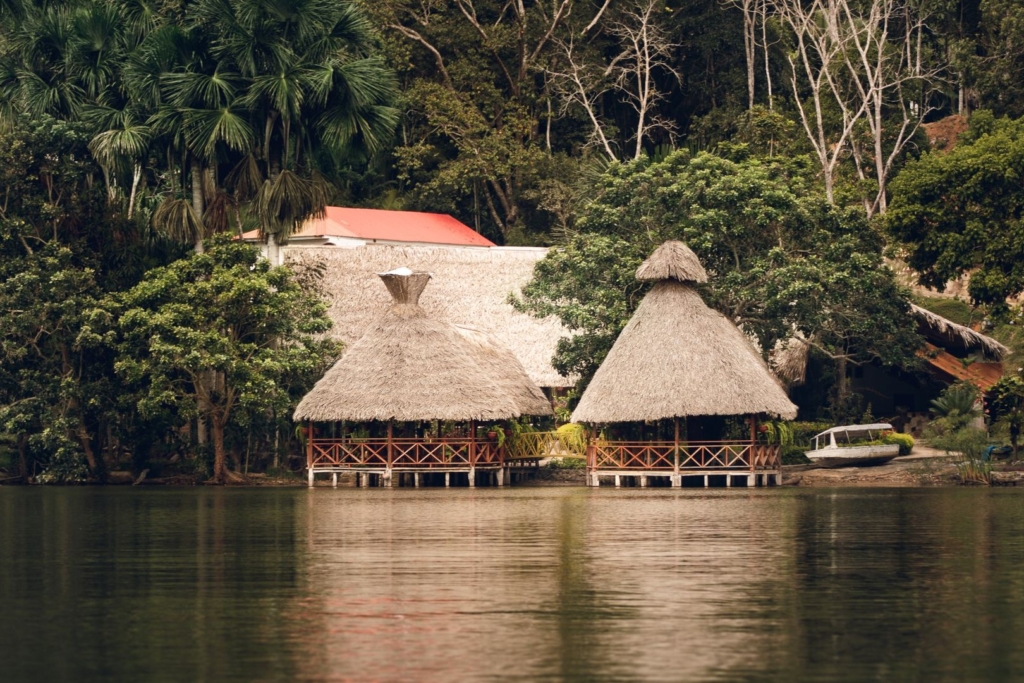
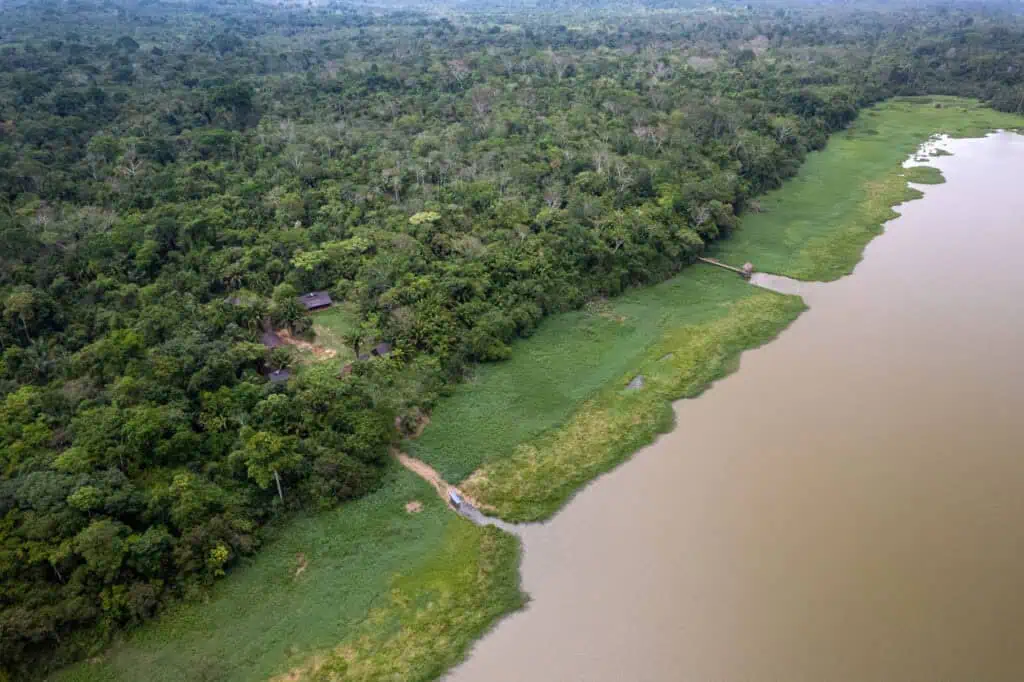
Pacaya Samiria covers more than 2,000,000 hectares in the Loreto region. It's called the "jungle of mirrors" because the river sediment gives the water a reflective surface, and you can spot manatees, pink dolphins, giant otters, caimans and monkeys from a boat.

The usual route starts in Iquitos. A flight from Lima takes 1 hour 45 minutes, then you take a bus 104 km to Nauta, which takes about 2 hours. From Nauta, the most frequent entrance is the Yanayacu Pucate route, about 4 hours by boat to the first checkpoint.

You must enter with an operator authorized by SERNANP. Fees for foreign adults are S/30 for one day, S/60 for 2 to 3 days and S/150 for 4 to 30 days, and tour packages normally include them. SERNANP recommends 3 days for the Yanayacu Pucate route.

The recommended season is May to September, and the rainy season runs October to April.

From July to the first week of September, taricaya turtles lay eggs on the beaches, so keep your boat away from the sand in the afternoon and at night.

Brazil's Dunes, Islands and Plateaus

Brazil has some of the best national parks in South America, and these four couldn’t be more different.

Lençóis Maranhenses has the dunes, Chapada Diamantina has the hiking, Fernando de Noronha has the diving and Serra da Capivara has the rock art.

If you’re not sure how to connect them, my Brazil itinerary shows a route through the country.

Lençóis Maranhenses National Park, Brazil

Lençóis Maranhenses looks like a desert, but it isn't. White dunes fill with clear blue lagoons after the rains, and the park became a UNESCO World Heritage Site in 2024.

Timing is everything here. I first visited 10 years ago and found the lagoons full and the water warm. I went back in January 2026 and found dry sand, so go between May and September if you want to swim.

Barreirinhas is the easiest base, and a 4×4 day tour to Lagoa Azul and Lagoa Bonita is the classic first trip. If you want fewer people, Santo Amaro has the best lagoons and Atins is a quiet fishing village. Only certified vehicles can enter the park, so every tour goes through a licensed agency.

My full Lençóis Maranhenses guide covers each base, the tours and the 3-day trek. If you're continuing along the northeast coast, Jericoacoara is the natural next stop.

Chapada Diamantina National Park, Brazil

Chapada Diamantina is a highland plateau in the middle of Bahia, with big waterfalls, caves and some of the best trekking in South America. The old diamond town of Lençóis is the base for almost everything.

Don't confuse it with Lençóis Maranhenses, which is a completely different park in the north.

The big trek is the 3-day Vale do Pati. You sleep at family-run base camps in the valley, and the highlights are the Mirante do Pati viewpoint, the top of Morro do Castelo and the huge Cachoeirão por Cima waterfall. It had been on my list for years and it delivered.

For trekking, go in the drier months from May to October. I went in January, when everything was green but the waterfalls weren't at full power.

If you don't want a multi-day trek, day trips from Lençóis cover the Morro do Pai Inácio viewpoint, natural pools and a few waterfalls.

Lençóis is about 7 hours from Salvador by bus, and flights run only a few days a week. My Chapada Diamantina guide has the day-by-day trek and where to stay, and my list of the best waterfalls in South America shows how it compares.

Fernando de Noronha Marine National Park, Brazil

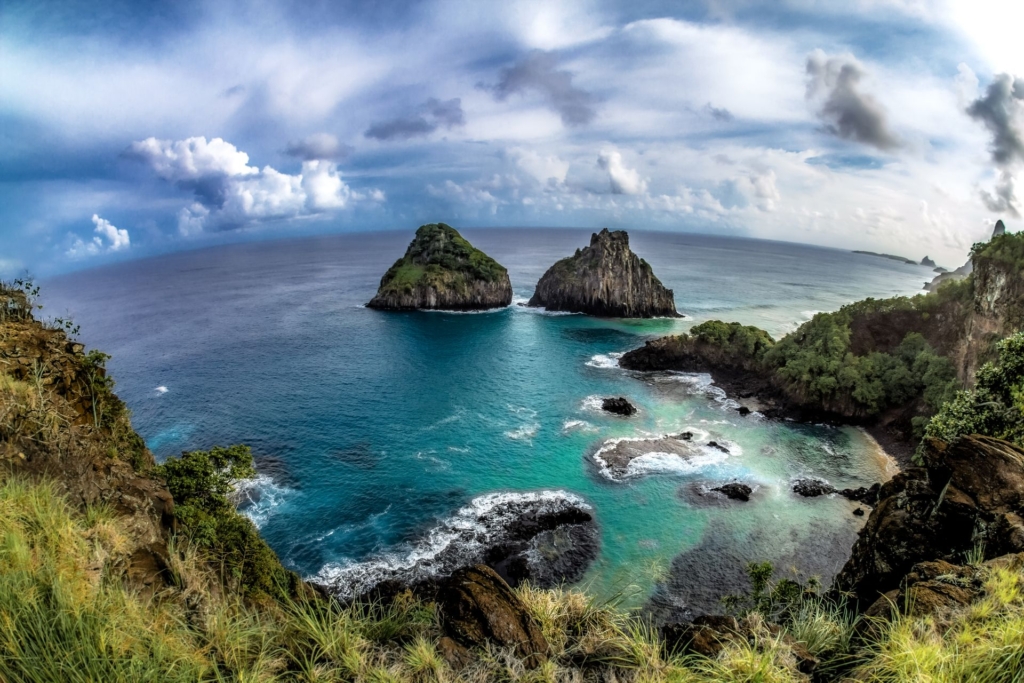
Fernando de Noronha is an archipelago off Brazil's northeast coast with some of the clearest water in South America. The marine park covers most of the islands, and the best beaches, including Baía do Sancho and Baía dos Porcos, are inside it.

Two fees apply to every visit. One is an environmental tax that grows the longer you stay, starting at about R$106 for the first day, and the other is the park ticket, which costs R$393 for foreign visitors since November 1, 2026 and is valid for 10 days. Pay both online before you go, because some foreign cards get declined on the tax site.

The park's official ICMBio ticket page explains how to buy the park ticket and the rules inside the park.

Visitor numbers are capped. Popular spots like the Atalaia tide pools need a time slot that depends on the low tide, so book it as soon as you buy your ticket. The dry season, from August to December, has the best water visibility.

You fly in from Recife or Natal.

Diving is the main reason to go, so if you aren't certified yet, sort it out before you land.

For more island ideas, see my list of the best beaches in South America.

Serra da Capivara National Park, Brazil

Serra da Capivara, in Piauí, has one of the largest collections of prehistoric rock art in the Americas, and it's a UNESCO World Heritage Site.

The paintings sit under cliffs and inside canyons across a dry landscape. It's the quietest of the four parks, and a great fit if you like archaeology.

You need an accredited guide for every visit, and you pay the guide directly. The base town is São Raimundo Nonato, about 25 km from the main entrance. There's no public transport inside the park, so a car with good ground clearance is the practical choice.

Go between May and October, start early and bring plenty of water, because afternoons get very hot. Plan 3 days to see the main circuits.

Galápagos and Coastal Parks

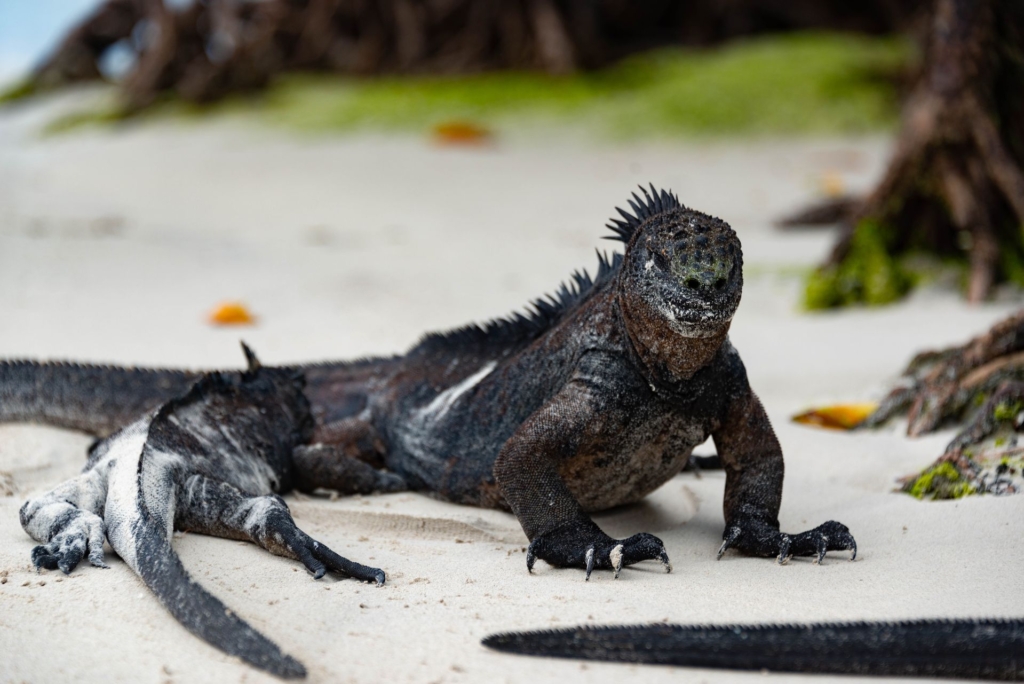
These three coastal parks give you three very different trips. Galápagos is the big wildlife trip, Paracas is an easy desert-and-sea stop on the Peruvian coast, and Tayrona is jungle meeting the Caribbean.

Together they cover some of the most varied national parks in South America for beach and wildlife lovers.

Galápagos National Park, Ecuador

Galápagos is where Darwin built his ideas on evolution, and the animals still act as if humans don't exist. Sea lions nap on benches, giant tortoises cross the road and marine iguanas pile up on the rocks.

Almost all the land on the islands is protected, so every visit follows strict rules.

Two charges catch people off guard. You need a $20 Transit Control Card before you fly to the islands, and you pay the $200 park fee in cash when you land. Cards aren't accepted for the park fee, so bring the dollars with you.

The official fee table from the Galápagos government lists every category, including reduced rates for visitors from Andean and Mercosur countries.

You can visit in two ways. Island hopping means sleeping in hotels on the main islands and taking day trips by boat, which costs less and gives you more freedom. A cruise sleeps on the boat and reaches farther islands, but it costs a lot more.

Flights to the islands leave from Quito or Guayaquil.

Paracas National Reserve, Peru

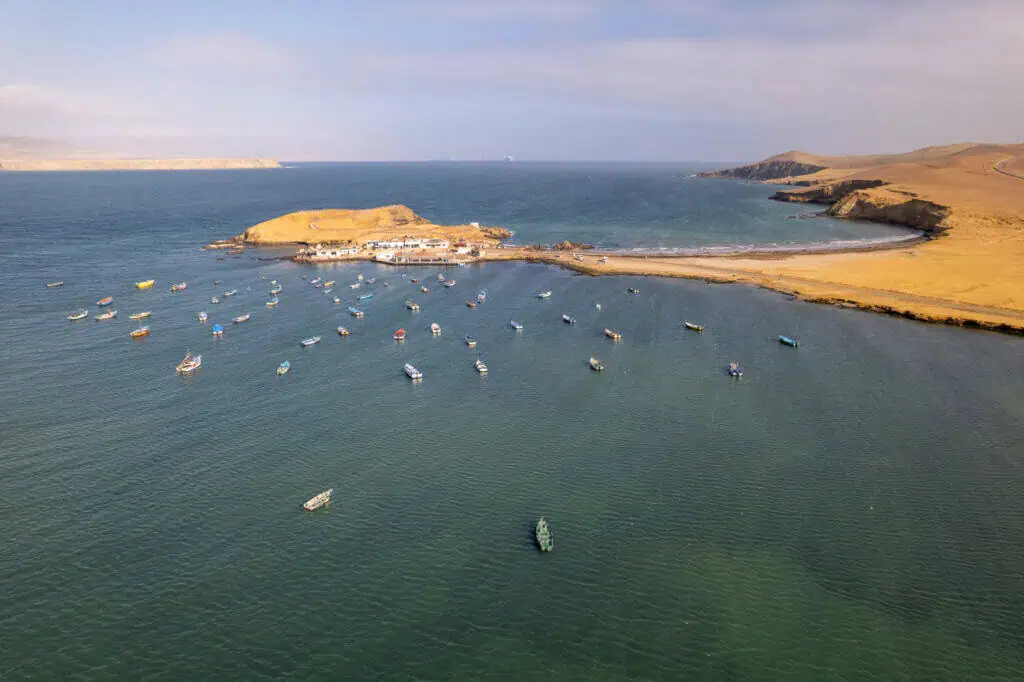
Paracas is a small desert town on the Peruvian coast, and the national reserve starts right at the edge of it. It's technically a reserve and not a national park, but it works the same way for visitors. It's a classic one-day stop between Lima and Cusco.

The boat trip to the Ballestas Islands is the main event, and it takes about two hours. I'd pick a seat on the left side for the best views of the cliffs and the Candelabra geoglyph.

You'll see sea lions, Humboldt penguins and lots of seabirds, though the sea lion crowds are smaller than they used to be, so keep your expectations realistic.

The land part of the reserve is a loop of desert viewpoints, red-sand beaches and the La Catedral rock formation. My favorite way to see it is renting a scooter for the day, which costs around 100 soles. Lagunillas, a small fishing village, is the only place inside the reserve where you can eat, so plan lunch there.

Entry to the reserve is S/11, or S/17 for a combined ticket with the Ballestas Islands. The boat is about S/40 if you buy it at the pier. It's 3.5 hours by bus from Lima, so my Paracas guide covers the logistics, and it pairs well with Huacachina and the Nazca lines.

Tayrona National Park, Colombia

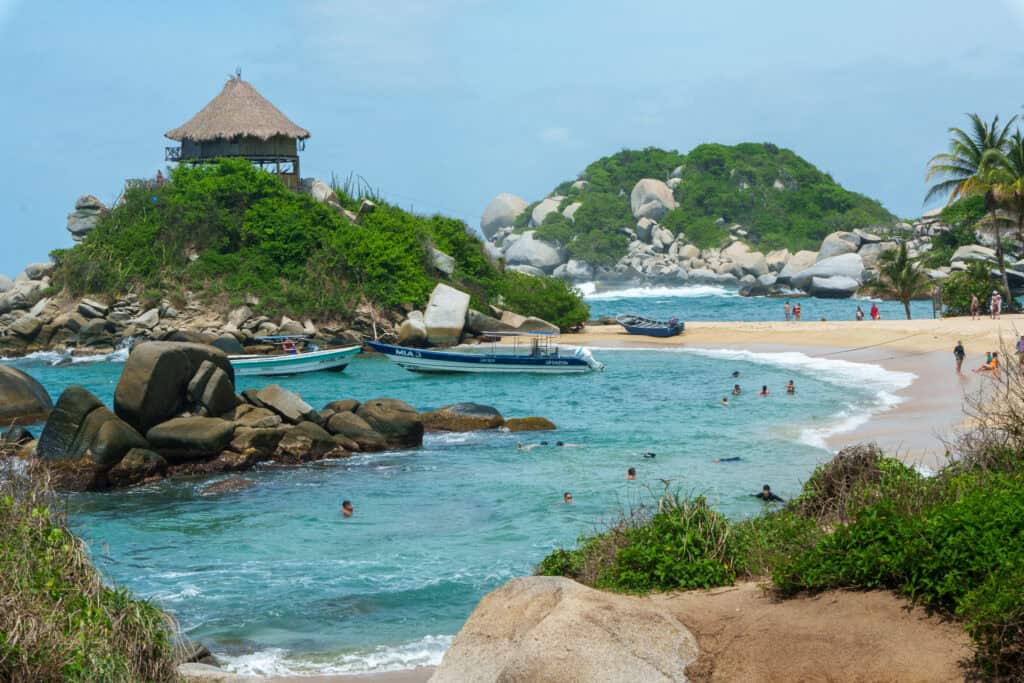
Tayrona is where the Sierra Nevada mountains meet the Caribbean Sea. The beaches sit behind thick jungle, and you reach most of them on foot.

I stayed in Taganga, which is smaller than Santa Marta and has great diving. Then I took a boat to Cabo San Juan, slept there and hiked out to the main entrance the next morning. You'll see monkeys, crocodiles, frogs and plenty of birds, and you get the trails to yourself before the day-trippers arrive.

Plan around the closures. The park shuts three times a year, from February 1 to 15, June 1 to 15 and October 19 to November 2. There's no online booking, so tickets are sold at the gate each day. Bring your passport.

A foreign visitor pays 81,000 COP in the low season and 96,500 COP in the high season. The main gate is El Zaino, which leads to Cañaveral, Arrecifes and Cabo San Juan.

If you want the full picture of the coast, read my Colombia coasts guide. My guide to scuba diving in Colombia covers Taganga, and my honest take on safety in Colombia answers the question most readers ask first.

Andean Highland Parks

The Andes hold some of the most dramatic national parks in South America, and these four sit between 3,000 and 6,000 meters.

Altitude is the one thing they share, so plan a few days to acclimatize before any big hike. Huascáran is the trekking park, Lauca is the remote one, Cotopaxi is the easy volcano and Machu Picchu is the one you’ve always wanted to see.

Huascáran National Park, Peru

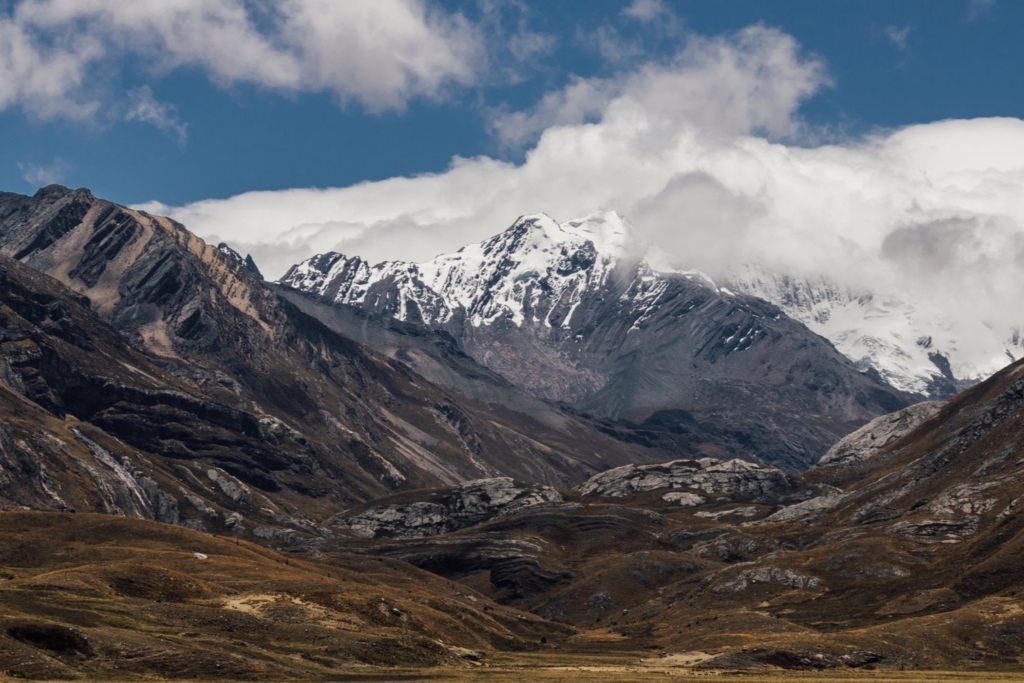
Huascáran protects the Cordillera Blanca, home to Peru's tallest peaks and some of its best day hikes. Huaraz is the base for almost everything.

Laguna 69 is the hike most people come for. It's a long day to a turquoise lake at about 4,600 meters. Since February 2026, you can only reach it with an agency authorized by SERNANP, which buys your ticket and handles the transport.

Spend at least 2 days in Huaraz first, and do an easier hike like Laguna Churup to acclimatize. Start early, because clouds roll in after midday. The best months are May to September.

The park ticket is S/30 for a foreign visitor for one day, and it usually isn't included in the tour price. You can compare Laguna 69 tours here.

For more high-altitude hikes, check my guide to the best hikes in South America.

Lauca National Park, Chile

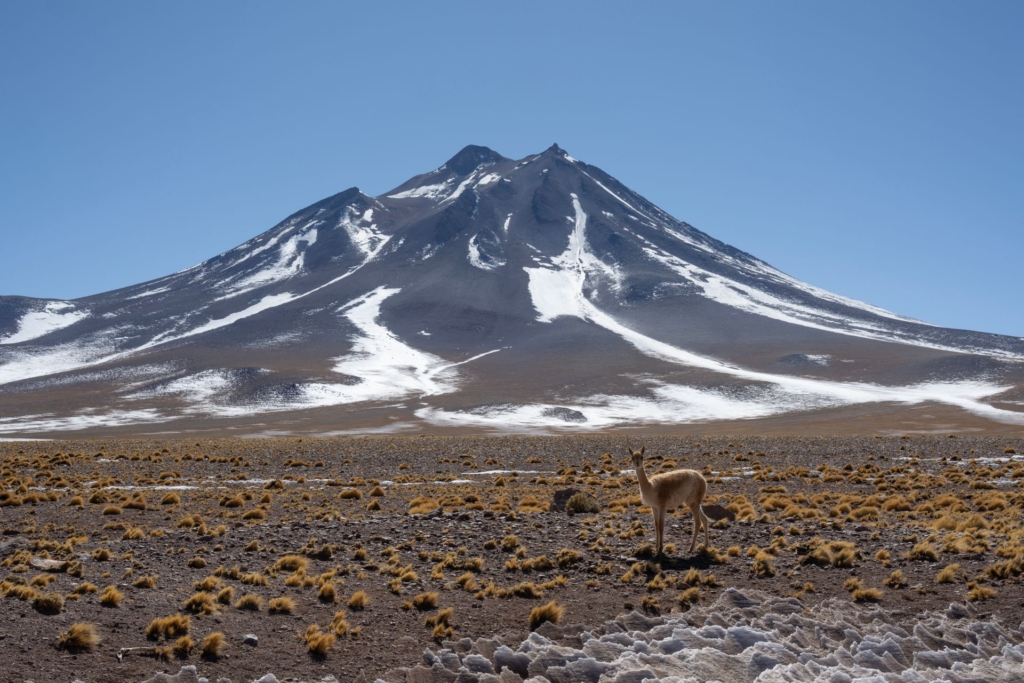
Lauca is a high-altitude park in northern Chile, close to the Bolivian border. It has volcanoes, lakes and wide open plains, and vicuñas, flamingos and vizcachas wander around in the open. It's remote, and that's exactly the appeal.

Lake Chungará sits at about 4,500 meters, so the altitude hits fast. Arica has day tours, but sleeping in Putre first gives your body a chance to adjust. There are almost no shops or restaurants along the way, so bring water and snacks.

Highway 11 is also the main route for Bolivian trucks, so avoid driving it at night. If you prefer your own pace, renting a car is the easiest way to see the park.

If you continue north into Peru, Puno and Lake Titicaca make a natural next stop.

Cotopaxi National Park, Ecuador

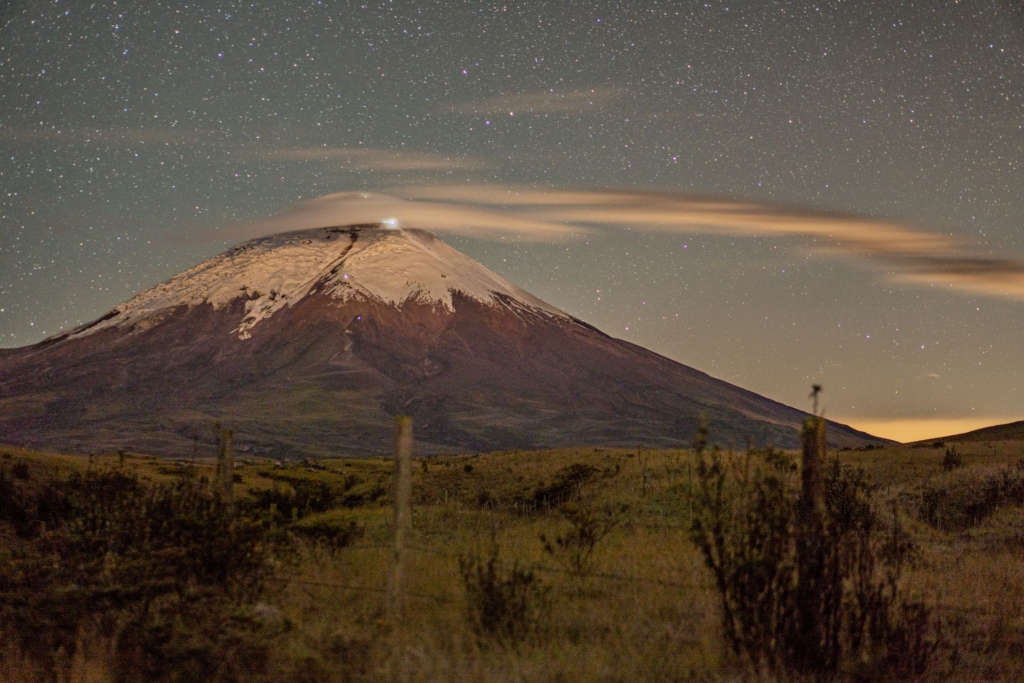
Cotopaxi is one of the highest active volcanoes in the world, a snow-capped cone at 5,897 meters. It's about 90 minutes south of Quito, so you can see it on a day trip.

You can drive most of the way up to the car park at about 4,500 meters. From there, it's a steep 45 to 60 minute walk on loose volcanic sand to the José Rivas refuge at 4,800 meters. Going beyond the refuge, onto the glacier or to the summit, requires a licensed guide.

Go in the morning, because clouds cover the cone by late morning. Spend 2 days in Quito before you come up, since the entrance alone is at 3,500 meters. Entry is free according to most sources, but bring your passport to register at the gate.

If a glacier climb appeals to you, my guide to climbing Huayna Potosí in Bolivia shows what a high-altitude push really feels like.

Machu Picchu, Peru

Machu Picchu isn't officially a national park. It's a historic sanctuary, but the protected forest around it works the same way for visitors, and it would be strange to skip it on a list like this one.

I reached it by trekking the 5-day Salkantay route with TreXperience in mid-July. The highlights were Humantay Lake on day one, the Salkantay Pass at 4,630 meters on day two and the first view of the citadel from Llactapata on day three.

The last two days were the cloud forest and a walk along the railway to Aguas Calientes. My Salkantay trek guide has the full day-by-day.

On the final morning I took the first bus up and walked Circuit 2 at sunrise. I'd pick it over the others because it takes you right through the ruins, and the crowds are still thin. Then I used a second ticket for Circuit 3 and climbed Huayna Picchu, which was worth the extra cost.

Plan around the tickets. Entry has a strict time slot and latecomers aren't waited for. If you don't have a ticket, about 1,000 last-minute entries are released daily at the Ministry of Culture office in Aguas Calientes.

Most people spend a few days in Cusco first, and my guide to everything to do in Cusco covers the best use of that time. My full Machu Picchu travel guide covers the tickets, circuits and how to get there.

Near Cusco, Pisac and the Rainbow Mountain make easy add-ons. If you want another big trek in Peru, head south to the Colca Canyon, with Arequipa as your base.

Unique Landscape Parks

Some national parks in South America look like nothing else on the continent, and these four are proof.

Canaima has flat-topped mountains and the tallest waterfall on Earth, Talampaya has red canyon walls carved by wind and water, Amboró has giant ferns and volcano-shaped hills and Iguazú has 275 waterfalls in one place.

Canaima National Park, Venezuela

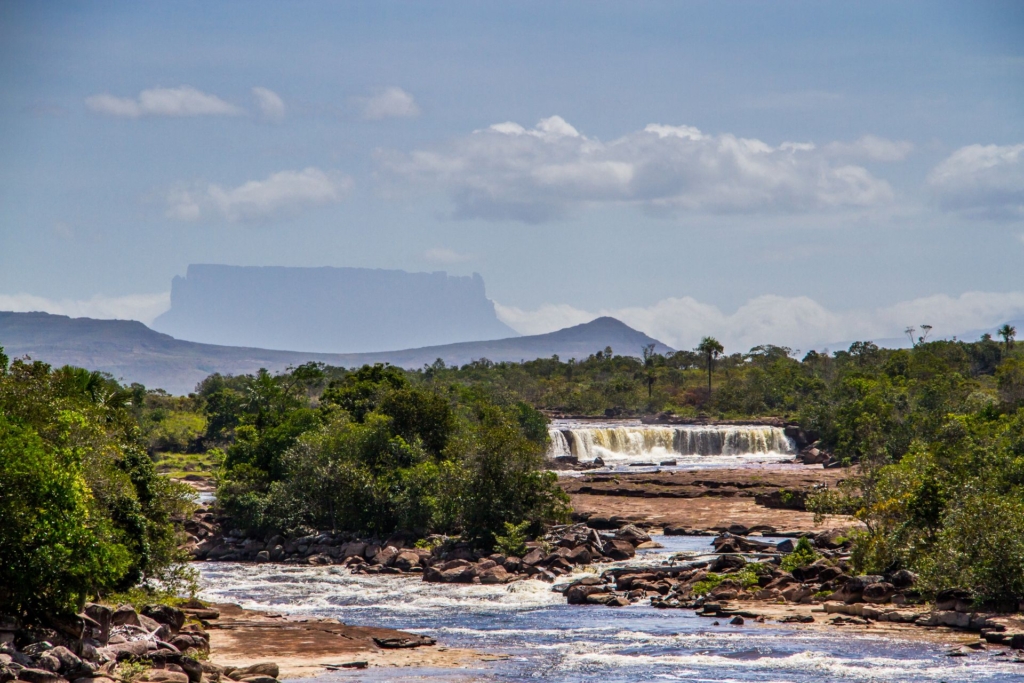
Canaima is home to Angel Falls, the world's tallest uninterrupted waterfall at 979 meters. It drops from the top of Auyán-tepui, one of the flat-topped mountains called tepuis that inspired Arthur Conan Doyle's The Lost World.

The park is a UNESCO World Heritage Site, and UNESCO's official page explains why the tepuis are so special. About 65% of the park is covered by these table mountains.

There are no roads to Canaima, so you fly in. Small planes leave from Ciudad Bolívar and take about an hour, and some operators also fly from Puerto Ordaz or Caracas. Most travelers book the whole trip through an agency, since independent booking is hard and often costs more.

The standard visit is 3 days and 2 nights. You take a motorized canoe up the Churún River for most of a day, then hike about 90 minutes to the viewpoint.

Timing matters a lot. The rainy season, from June to November, gives you the strongest waterfall and deep rivers that boats can cross. In the dry season, the falls can shrink to a thin stream and the boat trip may not run at all.

Be honest with yourself about the risks. The U.S. State Department rates Venezuela Level 3, reconsider travel, and advises against travel to rural parts of Bolívar state, where Canaima sits, because of crime and kidnapping.

Tour operators say Canaima itself is safe for organized trips, but a June 2026 earthquake closed Caracas airport to commercial flights, so check your routing and your government's advice before you book.

You also need a visa before you arrive. A yellow fever vaccine is strongly recommended because of an active outbreak, and there is malaria risk in Bolívar state.

My list of the most beautiful waterfalls in South America shows how Angel Falls compares to the others.

Talampaya National Park, Argentina

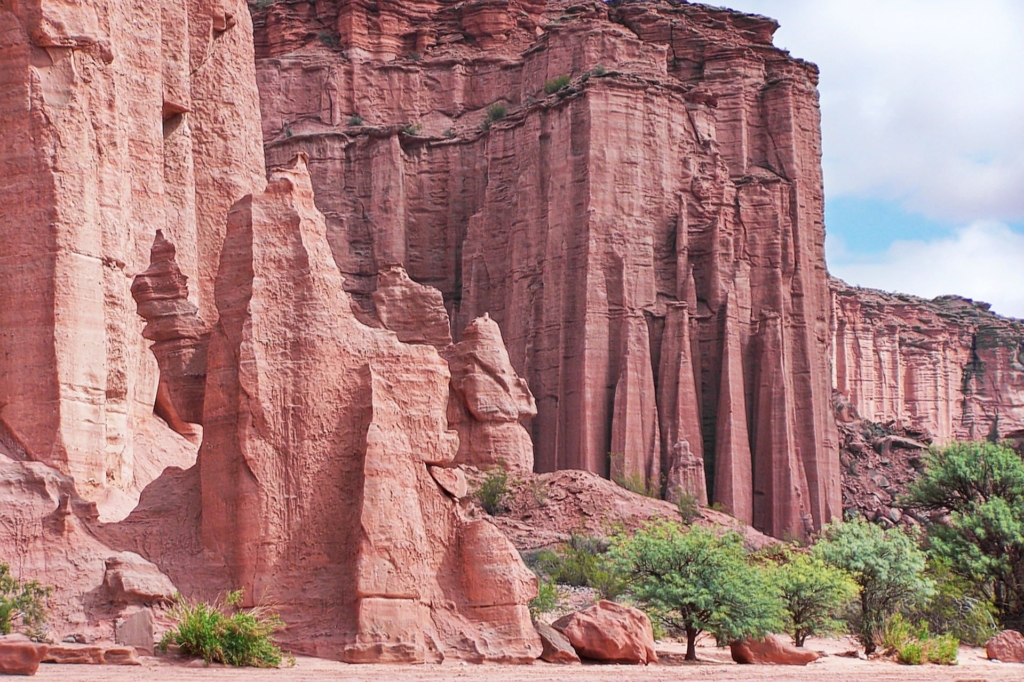
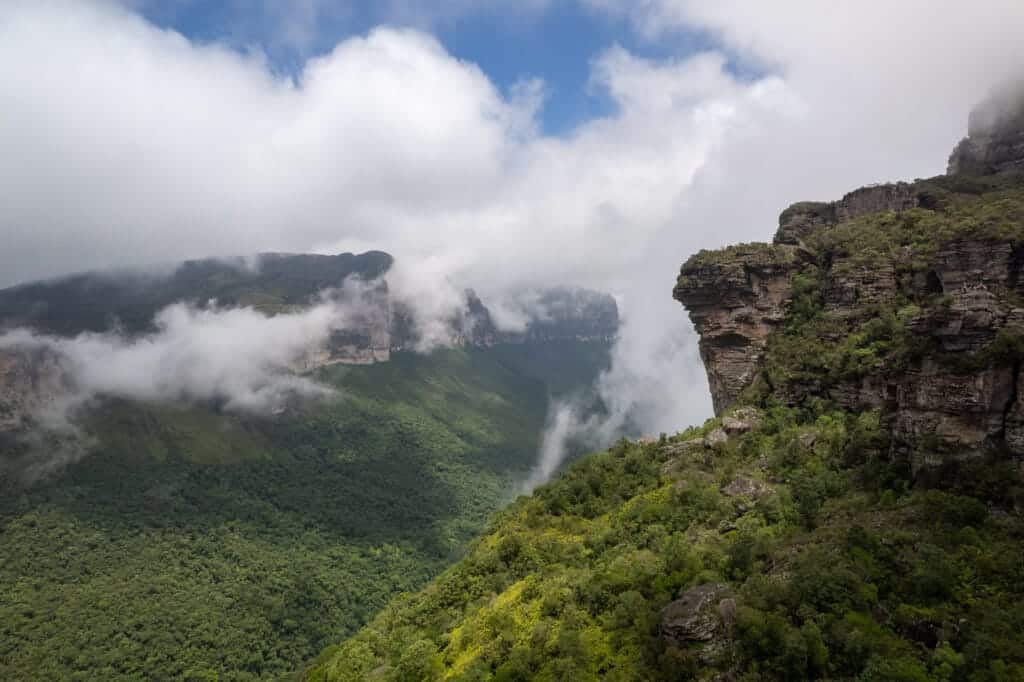
Talampaya is a desert park in La Rioja with red sandstone cliffs, wind-carved rock formations, ancient petroglyphs and fossil sites. The canyon walls reach up to 150 meters, and the whole landscape feels like a film set.

You can't enter on your own. Every visit is a guided excursion, and the classic one is a 2.5 hour vehicle tour through the Talampaya Canyon. It stops at the petroglyphs, the botanical garden and rock formations called the Gothic Cathedral and the Monk.

If you want more, the park also runs 4×4 safaris to the Shimpa Canyon, trekking circuits and bike tours.

Book your slot ahead, because tours leave at set times, and heavy rain or strong wind can close the park. Villa Unión, about 60 km away, is the base. The best months are April to October, since summer goes above 40°C with almost no shade.

Most travelers pair it with Ischigualasto, also called the Valley of the Moon. It's a provincial park in the next province, about 75 km away, and it has a very different grey, fossil-rich landscape. A car makes the pair easy, and doing one park per day is much less rushed.

Amboró National Park, Bolivia

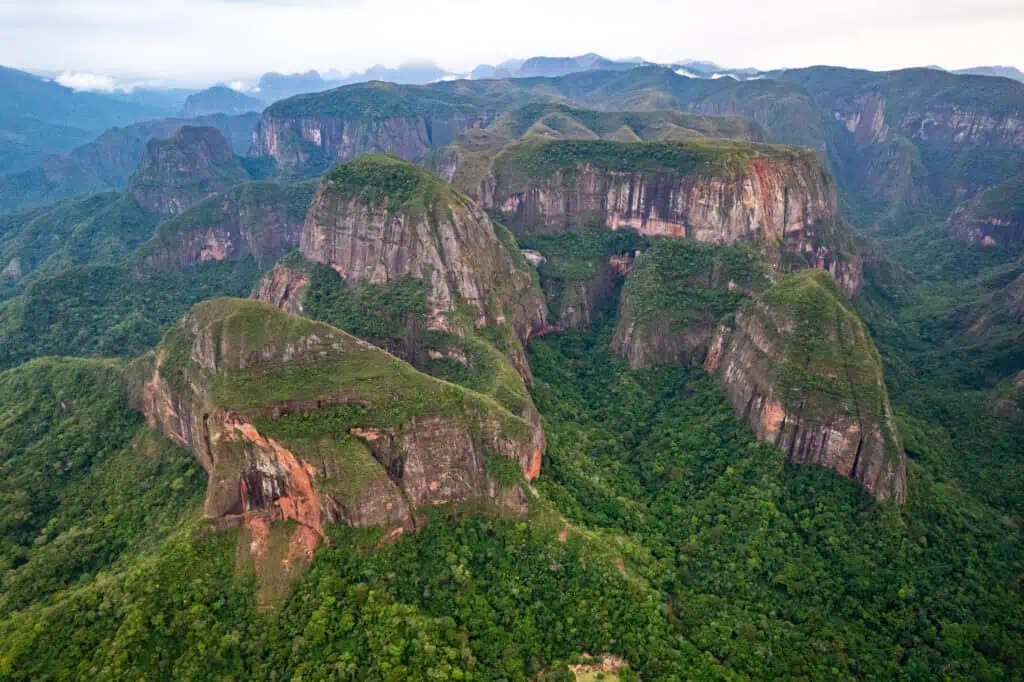
Amboró is the park that surprised me most in Bolivia, and I've never seen a landscape like it anywhere else. It sits where the Andes meet the lowland jungle, close to Santa Cruz.

Volcano-shaped hills rise above the forest, waterfalls drop from the cliffs and forests of giant tree ferns grow in the cloud forest, some of them over 10 meters tall.

I based myself in Samaipata, a small town about three hours from Santa Cruz, and I preferred the park to the town's famous archaeological site, El Fuerte. You need an authorized guide to enter, and day tours from Samaipata cost roughly Bs 160 to Bs 285 per person. Ask whether the park fee is included before you book.

One full day is enough for the giant fern walk. With two or three days, you can add Refugio Los Volcanes, a private reserve with red sandstone cliffs and waterfalls on the road between Santa Cruz and Samaipata.

If you want the hot, wet lowland rainforest instead, the town of Buena Vista is the base, about two hours from Santa Cruz.

Go between April and October, when the trails are firm. From November to March, expect mud, swollen rivers and some closed roads. Spectacled bears and pumas live here, but you'll almost never see them, so go for the scenery.

My Bolivia itineraries show how to fit Samaipata into the Oriente route, and my list of fun facts about Bolivia will give you a sense of the country before you land.

Iguazú National Park, Brazil and Argentina

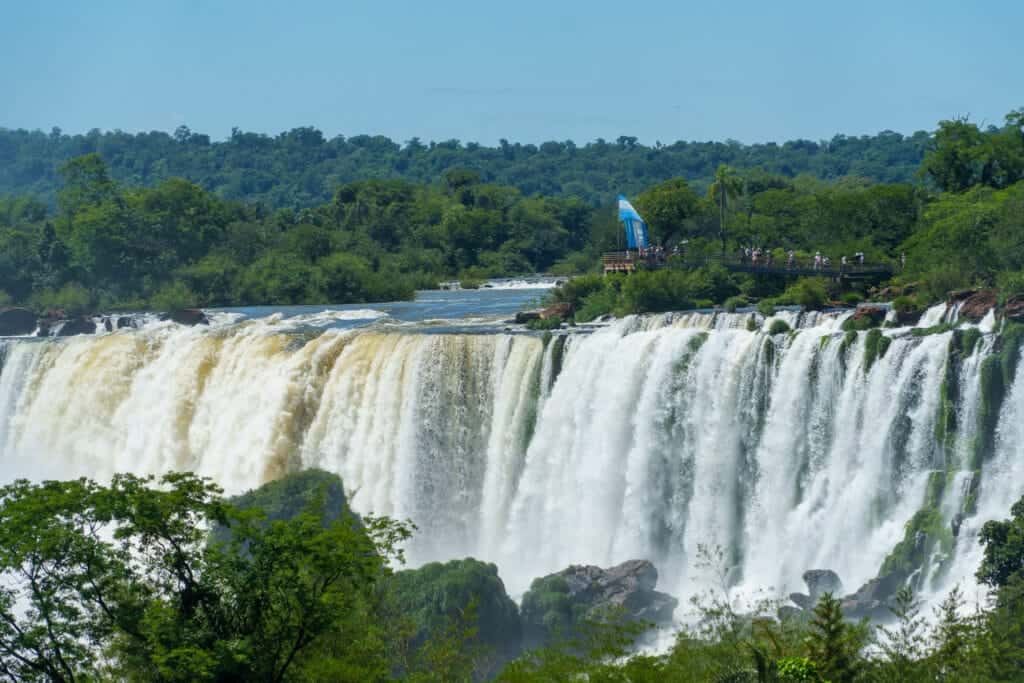
Iguazu Falls is unique in South America, and probably in the world. It's 275 separate waterfalls spread across almost 3 kilometers of river, and two national parks share them, one in Brazil and one in Argentina.

I've visited twice, both times in late November, and both times I thought the same thing. Pictures don't capture the power of this place.

It isn't the Amazon, but the subtropical forest around the falls is just as dense. You'll hear birds everywhere and see coatis and monkeys on the trails, and the coatis will steal your food if you let them.

You need to see both sides. Brazil gives you the panoramic postcard view and ends on a walkway right in front of the Devil's Throat. Argentina puts you in the middle of the action, with the Upper and Lower circuits and a long steel footbridge to the Devil's Throat. Give each side one full day.

The best months are April to May and September to October, when you get clear water and smaller crowds. I went in late November, in the rainy season, and the water was brown instead of blue, but the falls were at their most powerful. The busiest weeks are December to February.

My full Iguazu Falls guide covers both sides, the boat rides and where to stay, and my Brazil itinerary shows where it fits in a longer trip.

Southern Tip and End-of-the-World Parks

Go far enough south and the road, then the land, simply stops. These two parks sit at the bottom of the continent.

You can reach one by bus from Ushuaia, and the other only by boat.

Tierra del Fuego National Park, Argentina

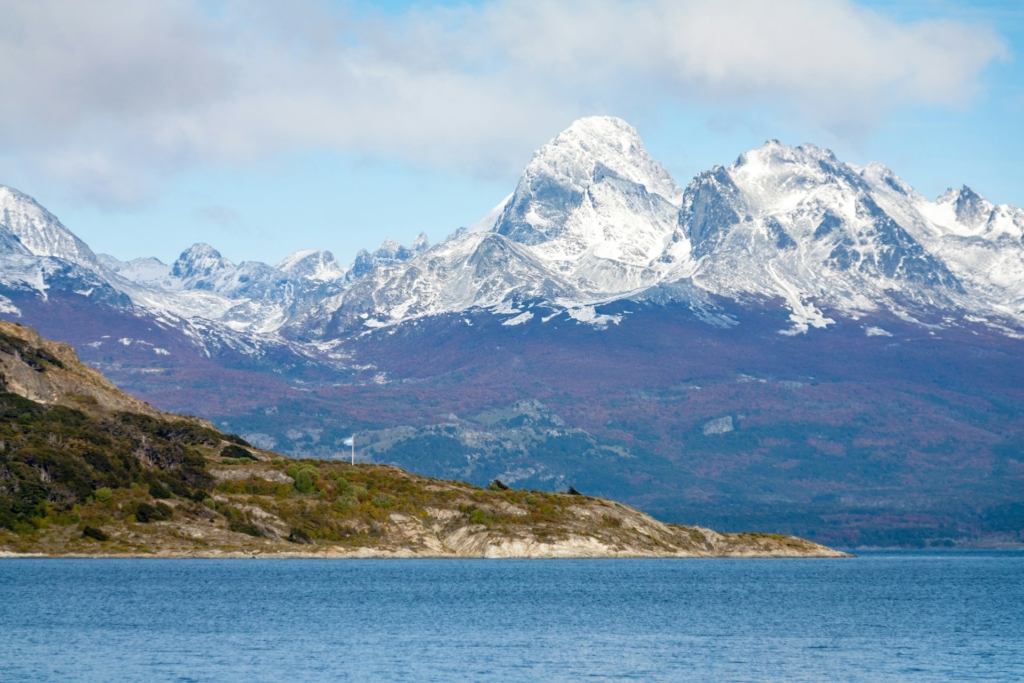
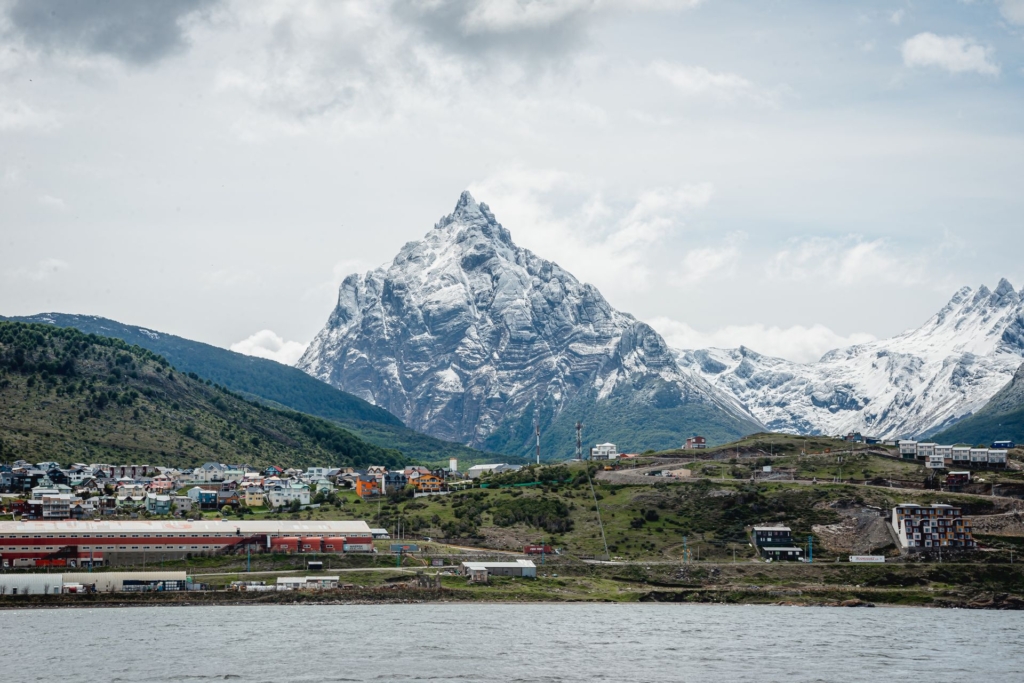
Tierra del Fuego is often described as the southernmost national park in the world. Beech forests, peat bogs, mountains and quiet channels sit right next to Ushuaia, so it's an easy day out.

With half a day, do Lapataia Bay, a couple of short boardwalk trails and the Lago Acigami viewpoint. With a full day, add the Senda Costera coastal trail or the climb up Cerro Guanaco.

The coastal walk shows you far more landscape than the End of the World Train, which is fun but costs extra and is a separate ticket.

Park entry is ARS 40,000 for foreign visitors since June 1, 2026. Buy it online by card at ventaweb.apn.gob.ar, because the 50% discount for a second day within 72 hours only applies to online tickets. You can also pay at the gate, and the train doesn't include park entry.

Alberto de Agostini National Park, Chile

Alberto de Agostini is a remote wilderness of glaciers, fjords and channels in Chilean Tierra del Fuego. It's one of the least visited parks on the continent, and that's exactly why people go.

There's no road, so you reach it by boat.

The easiest option is a 10-hour catamaran day trip from Punta Arenas. You leave at 4:30 a.m., cross the Strait of Magellan and sail along a stretch known as the Avenue of the Glaciers, with Mount Sarmiento in the background.

You'll pass up to six glaciers, including the Águila and Cóndor glaciers.
If you want to go deeper, expedition cruises also sail these fjords. There is no road, so the trip is about the scenery from the water. Dress in warm layers, because the weather changes fast.

Latin America Bonus Parks

Neither Mexico nor Costa Rica is in South America, but many readers pair them with a trip south.

They also hold some of the best national parks in Latin America, so here are three bonus stops.

Sumidero Canyon National Park, Chiapas, Mexico

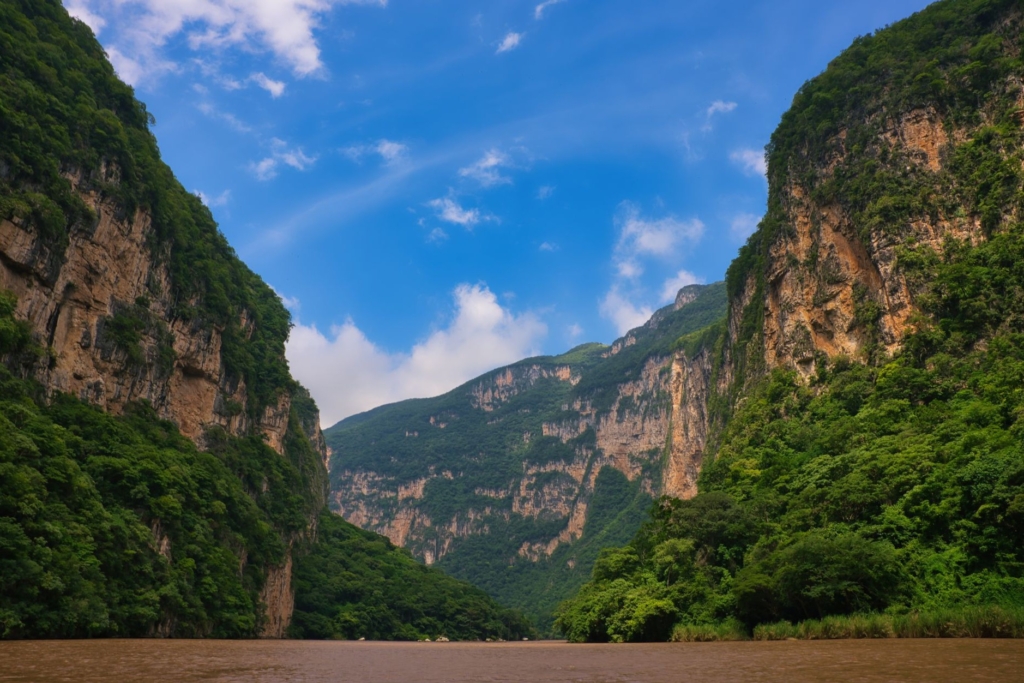
Sumidero Canyon is a deep gorge cut by the Grijalva River in Chiapas. You see it from a boat that leaves from the town of Chiapa de Corzo and travels for about two hours up to the Chicoasén dam. Boats run daily.

A boat ticket costs about 460 pesos for foreign visitors at the dock, and the price usually includes the park bracelet. Day tours from Tuxtla Gutiérrez or San Cristóbal de las Casas cost about $80 to $110 and include transport and entry.

Go in the morning to avoid the crowds and the midday heat.

Chiapas pairs well with Palenque, which I cover in my guide to the Maya sites of Central America. If you're heading on to Guatemala, my guide to crossing from Mexico to Belize and Guatemala walks you through the border.

Corcovado National Park and the Osa Peninsula, Costa Rica

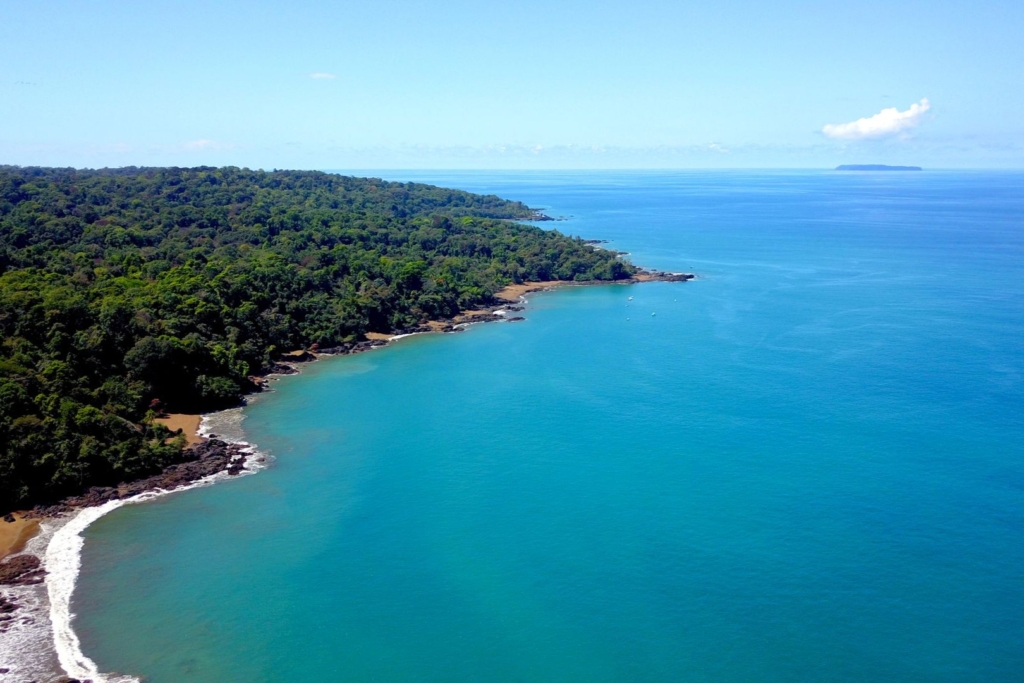
Corcovado is a remote rainforest on the Osa Peninsula, and it's one of the best places in Costa Rica to see wildlife.

Tapirs, scarlet macaws and several monkey species live here, and wild cats show up now and then. I haven't made it to the Osa yet, and a puma is the sighting I'd come back for.

You can't enter without a certified guide, and rangers check at every station. Daily numbers are capped, so book ahead, especially in the dry season from December to April.

Most visitors book a day tour from Drake Bay, Uvita or Puerto Jiménez. Day tours cost about $100 to $130 per person, and they usually include the guide, the boat and the park entry fee, which is $15 plus tax.

Drake Bay is the base for boat trips to San Pedrillo and Sirena, and Puerto Jiménez and Carate are the base for La Leona.

My Costa Rica wildlife guide lists every animal I've spotted so far, and the Osa is on my "places I missed" list in my Costa Rica itinerary.

Manuel Antonio National Park, Costa Rica

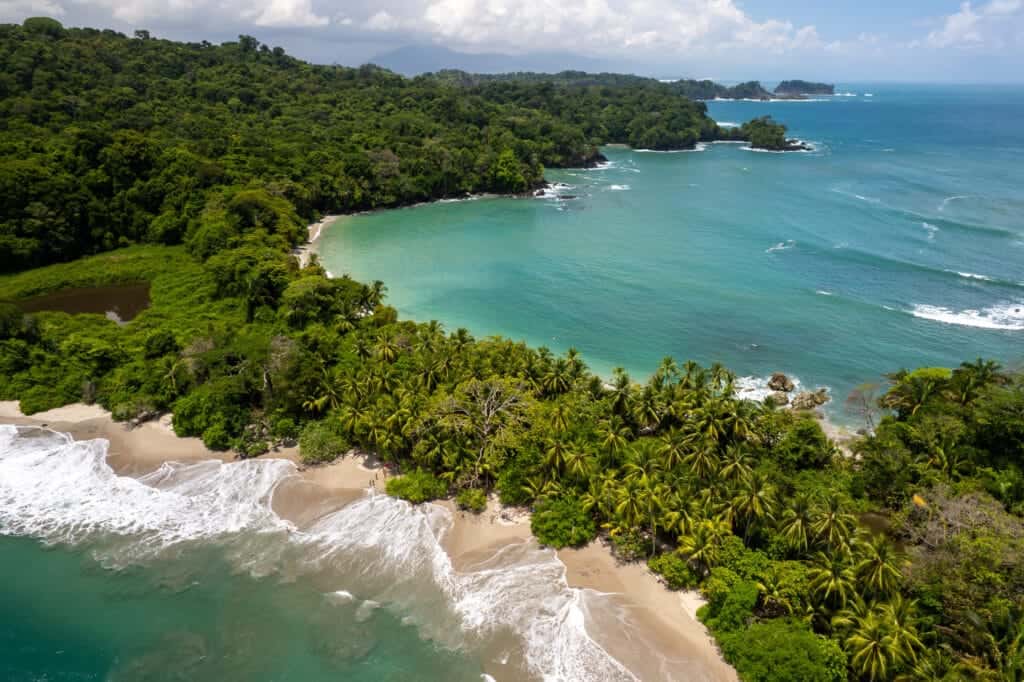
Manuel Antonio is the most famous national park in Costa Rica, with white beaches, jungle trails and easy wildlife.

When I went, I saw three kinds of monkeys, sloths, coatis and even boas. Arrive early to beat the crowds and have the beaches almost to yourself.

An adult ticket costs about $18, and you need your passport and the confirmation on your phone. In the dry season, from December to April, tickets can sell out days ahead.

A certified guide costs about $25 to $40 per person at the gate, and it helps a lot with spotting sloths. If general tickets are sold out, a guided tour has its own allotment.

Another national park sits just south of here, in Uvita. Marino Ballena is known for its whale-tail sandbar, which you can only walk on at low tide, and for humpback whales, which pass in two seasons, December to April and July to November. Entry is about $7, so it's a cheap, quieter alternative to Manuel Antonio.

If you drive north toward La Fortuna with an extra day, Río Celeste is worth a stop, and I cover it in my Volcán Tenorio and Río Celeste post.

My Costa Rica itinerary shows how Manuel Antonio and Uvita fit into the full route.

Final Thoughts

I’ve been lucky enough to visit a few of these national parks in South America, and they are every bit as good as you’d hope.

Walking through the Vale do Pati in Chapada Diamantina, arriving at Machu Picchu after the Salkantay trek and watching monkeys and sloths at Manuel Antonio are some of my favorite travel memories.

The rest are still on my list, and I’ll update this guide as I tick them off.

Maybe you’ve already been to a few of them. If not, pick one and book the flights. These parks don’t get easier to visit with time, and some of the permits and tickets sell out months ahead.

If you want more ideas for your route, my guide to Colombia’s hidden gems and my guide to Ilha Grande in Brazil are good places to start. If you’re heading to Bolivia, my list of things to do in La Paz makes a great pairing with Madidi.

Set up your WanderWallet before you land in South America, it’ll save you hassle.

Tell me in the comments which park is next on your list.

This post is also available in :

Subscribe to the Newsletter

Join our community and receive exclusive travel stories, guides, and special offers!

    What's on My Desk Right Now

    The Brazilian flag with green and yellow brush strokes, a blue globe with stars and a white banner reading Ordem e Progresso in the center.

    🗺️ Planning a Trip?

    Skip the research rabbit hole.

    I’ll build you a personalised day-by-day itinerary — or answer all your questions on a quick 60-min call.

    Let's Connect

    Affiliate Disclosure

    Some of my posts include affiliate links. If you choose to make a purchase through them, I may earn a small commission—at absolutely no extra cost to you.


    Using these links is the best way to support my work and say thank you, and I appreciate it so much! Of course, everything I share reflects my honest opinions and experiences.

    📸 Work With Me

    Brand, tourism board or hotel?

    Let’s create something together — content, reviews and campaigns that reach real travellers who are ready to book.

    Buy Me A Coffee

    Latest Posts

    Horizonhugo - Vietnam - Hue - 6
    A two-day Hue itinerary from someone who took the trip...
    A person wearing a dark jacket and cap stands overlooking the colorful, layered mountains of Jujuy, Argentina, under a partly cloudy blue sky.
    An honest comparison of backpacking Southeast Asia...
    A cityscape with tall buildings in the background, a body of water in the middle, and houses surrounded by trees and greenery in the foreground under a partly cloudy sky—this picturesque scene evokes some of the top things to visit in Hanoi.
    Hanoi or Saigon? This guide compares the atmosphere,...
    Horizonhugo - Vietnam - Da Nang - Son Tra Monkey - 3
    Monkey Mountain Da Nang on Son Tra Peninsula is one...
    view of praia da costa in Itacaré Brazil. there are palms tree, green grass, waves and blue sky.
    I crossed four South American borders and struggled...

    Get My Personal Map of 500 Must-See Places - FREE

    I’ve compiled 500 of the best places across my travels into one free Google Map.

    The kind of spots you won’t find in a guidebook.

      A world map titled UNESCO World Heritage displays numerous brown, blue, and green icons marking heritage sites across all continents.

      Table of Contents

      Got Questions?

      Still figuring things out for your trip, or just want to double check something before you book? Send me a message and I’ll get back to you as soon as I can.

      Or hit me up on Instagram, I’m there anyway and always happy to chat about the trip.

        Share it with the person you to travel with !

        You might also like to read these articles

        Scroll to Top