Finding My Volunteering Gig in Bolivia
Without going too deep into my volunteering experience in Bolivia, I think sharing it can help you get a feel for what volunteering is really like. Even though each volunteering experience is unique, you’ll notice some common threads.
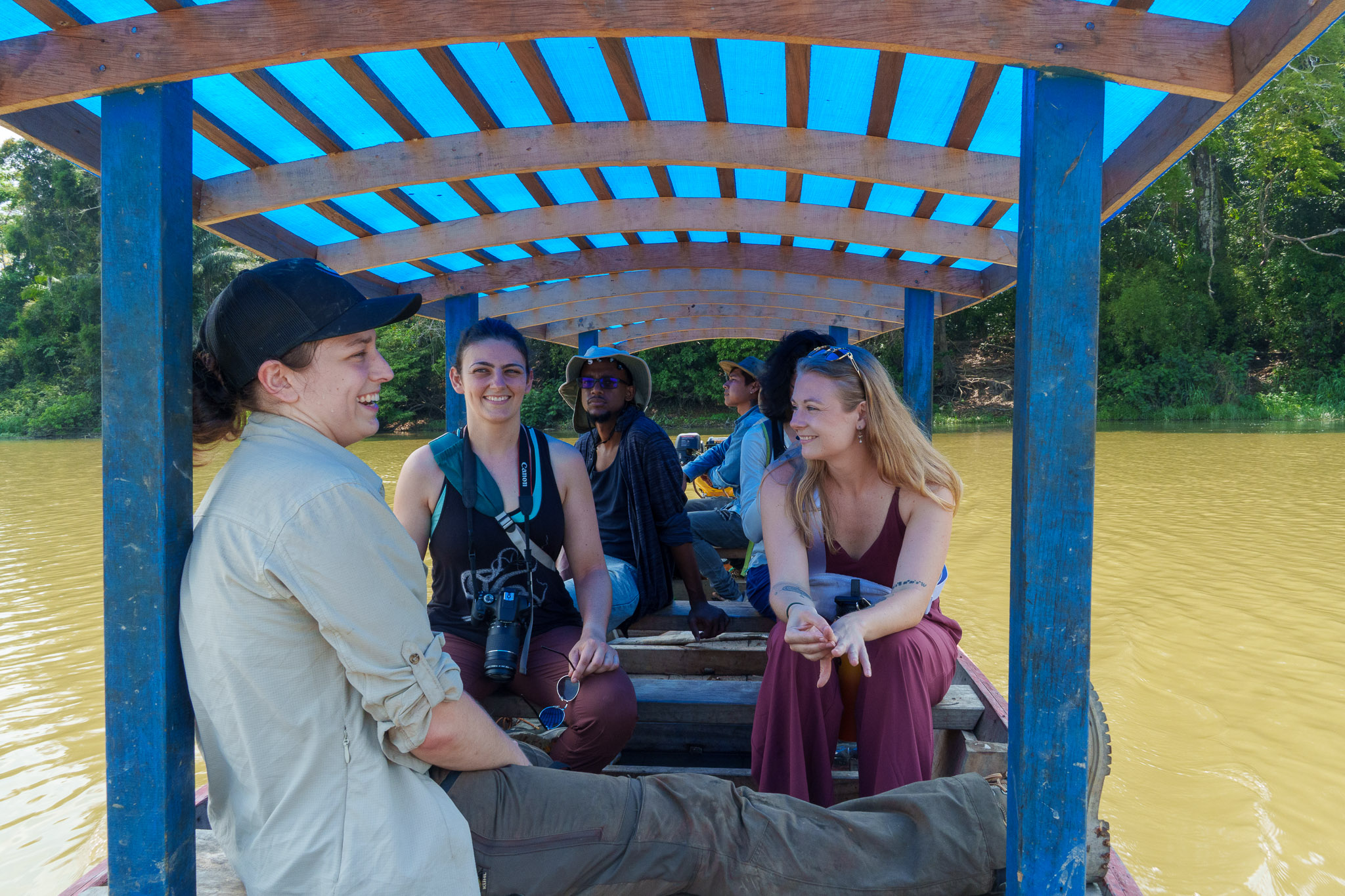
I searched through various platforms and explored different options. Many opportunities in Bolivia are with hippie communities, eco-retreats, and art hostels. Eventually, I found my perfect match,na videographer position with Sustainable Bolivia, an organization near Riberalta .
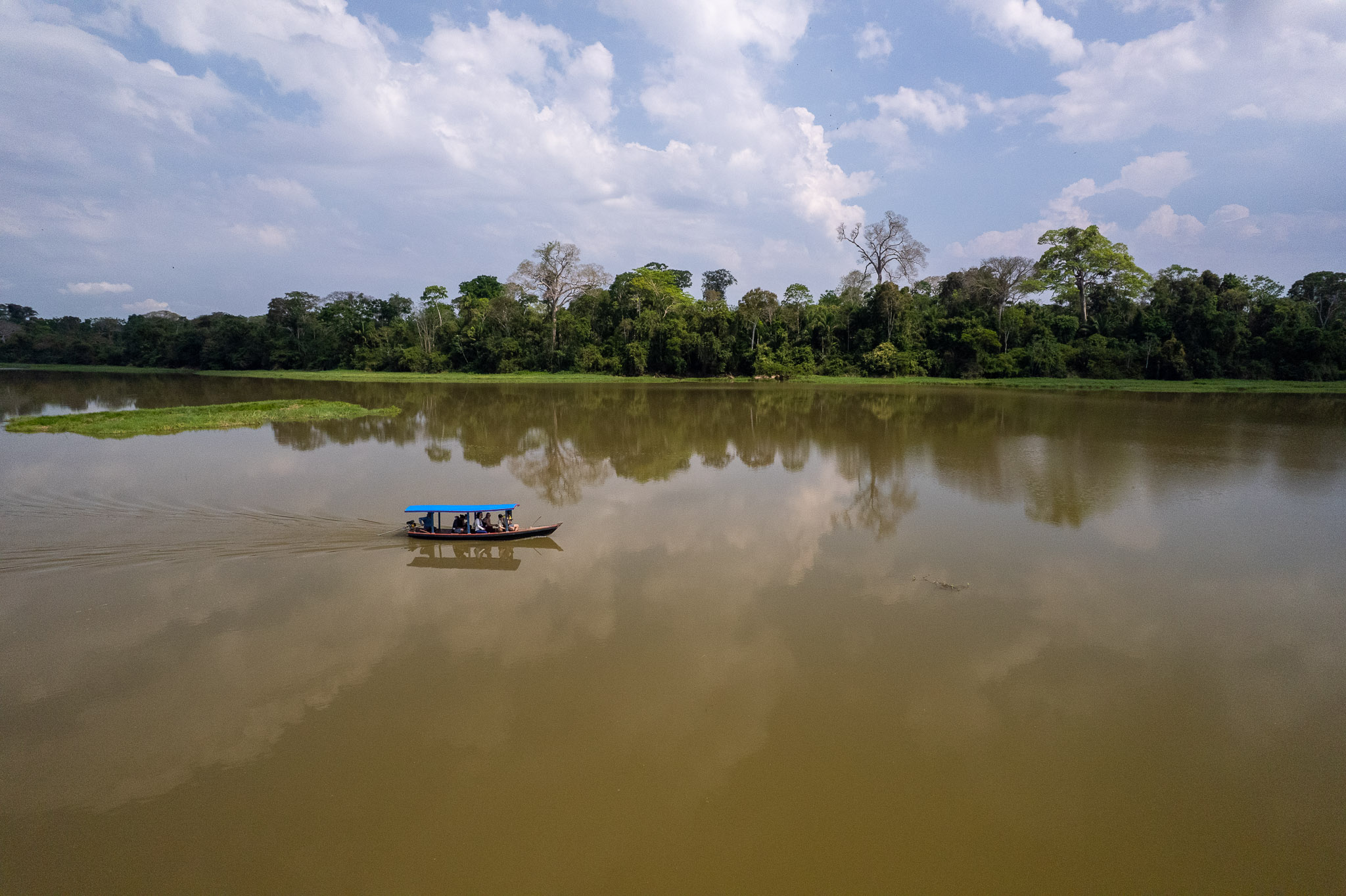
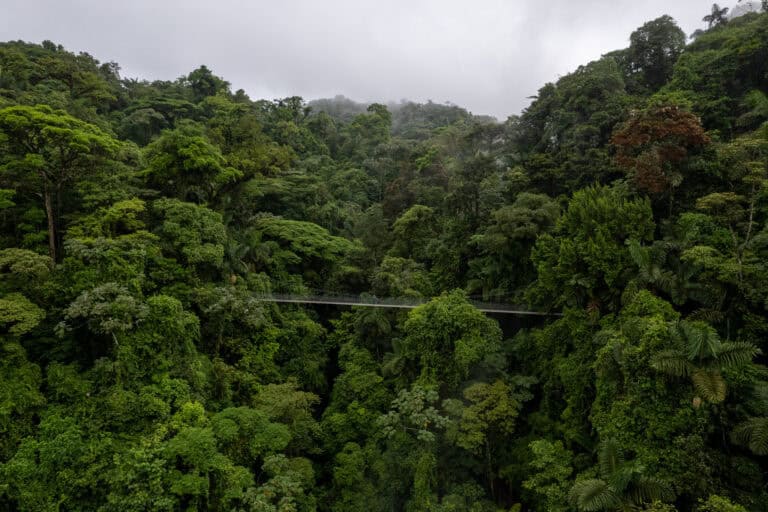
Riberalta is known as the “Capital of Amazonia” to Bolivians, one of the best place to explore the amazon rainforest. This gig was perfect because I got to combine my love for the Amazon with my photography and videography skills, making it a unique and rewarding experience.
That’s something important to keep in mind when looking for a volunteer program, try to find something you’re passionate about or really enjoy. You’ll be doing this for at least two weeks, maybe a month, or even up to six months or a year depending on the program.
If you’re heading to South America, WanderWallet is what I use for my money.
Volunteering with Sustainable Bolivia for 1 Month
Sustainable Bolivia is an international nonprofit based in Riberalta . They’ve been around since 2007, working to protect and support the Bolivian Amazon in a sustainable way. Erik and Sasha are the founders of Sustainable Bolivia. Erik is from the US but has lived in Bolivia for almost two decades, and Sasha, his wife, is native to Bolivia. What a beautiful love story, right?
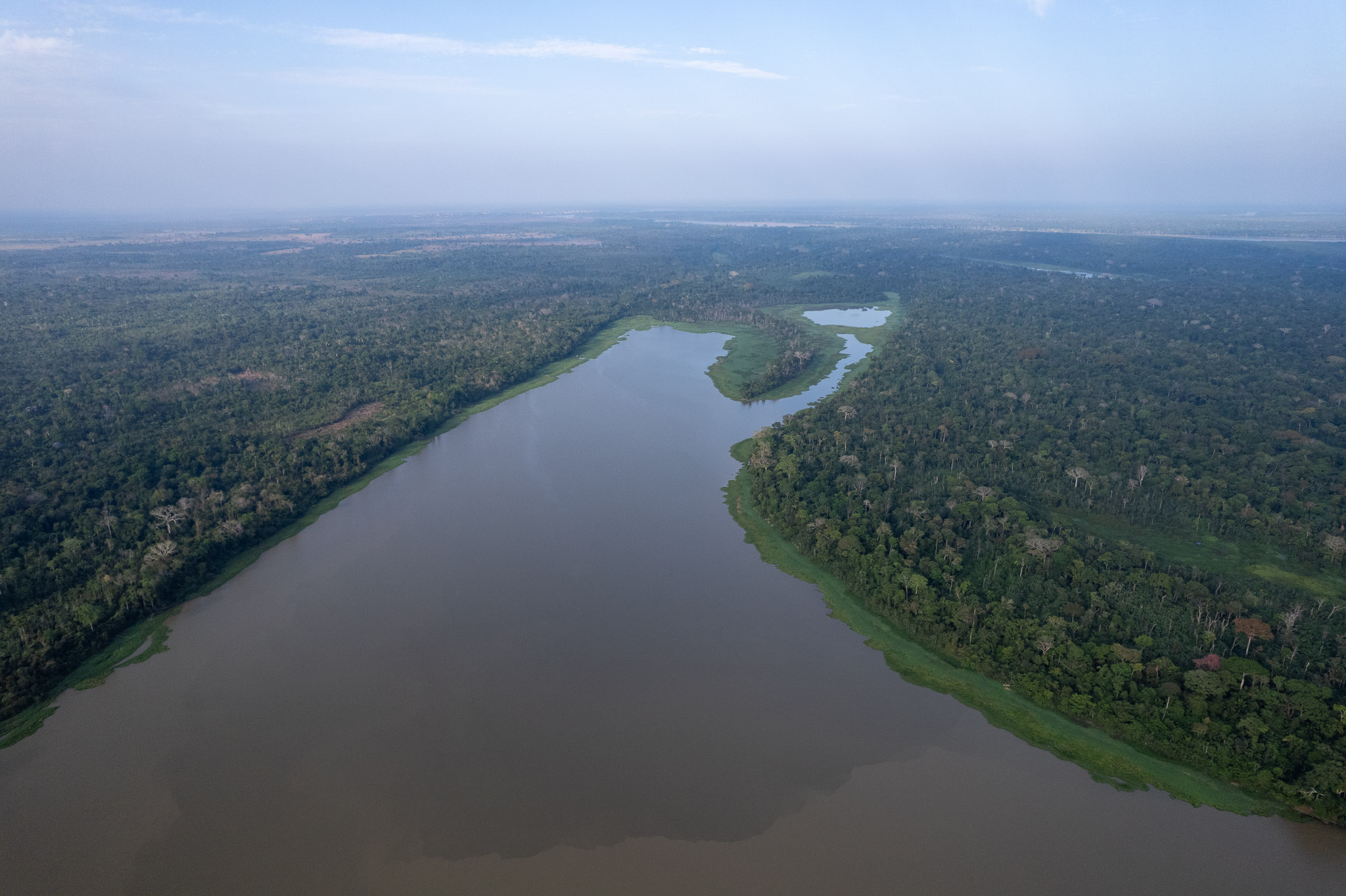
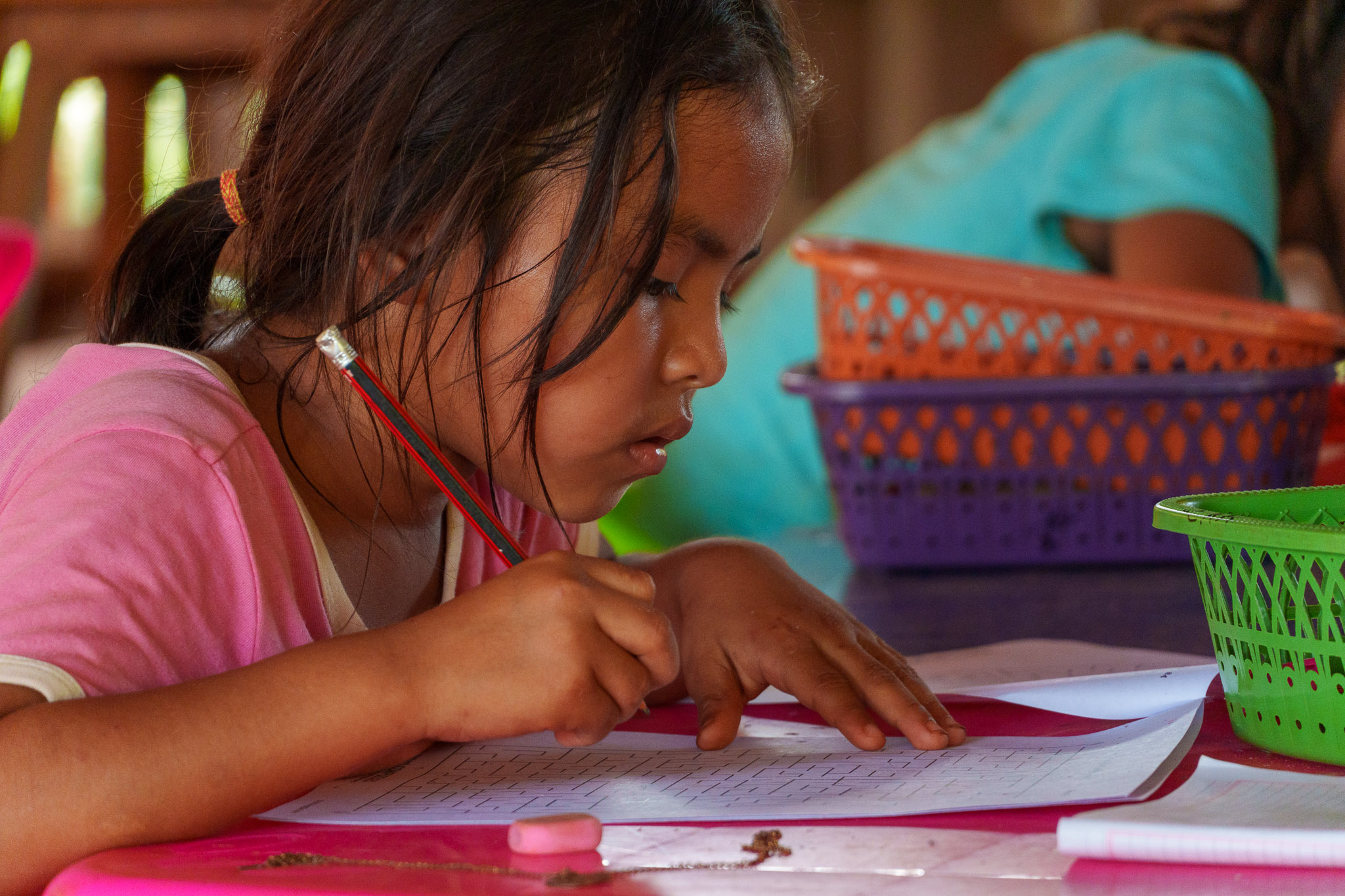
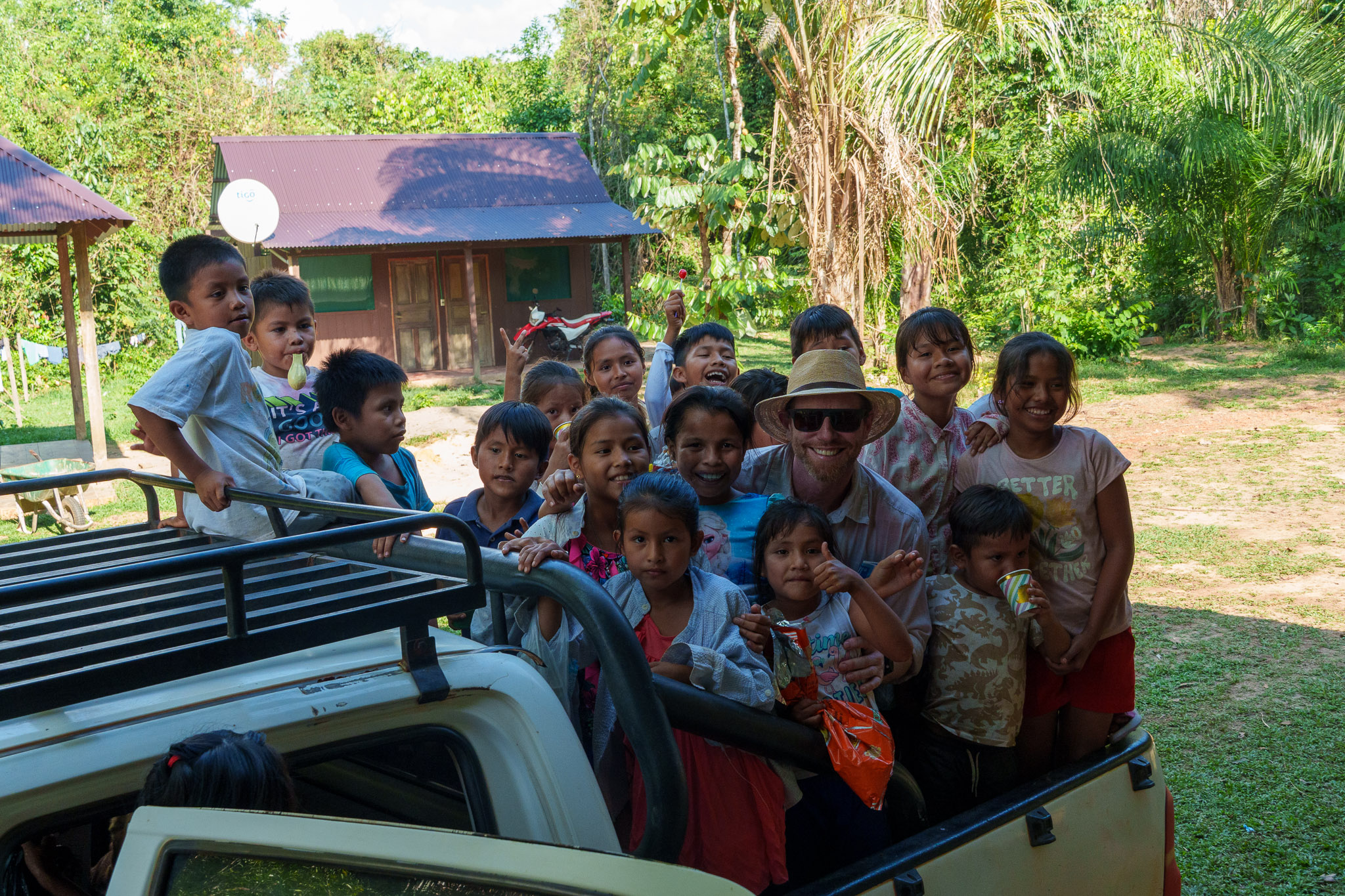
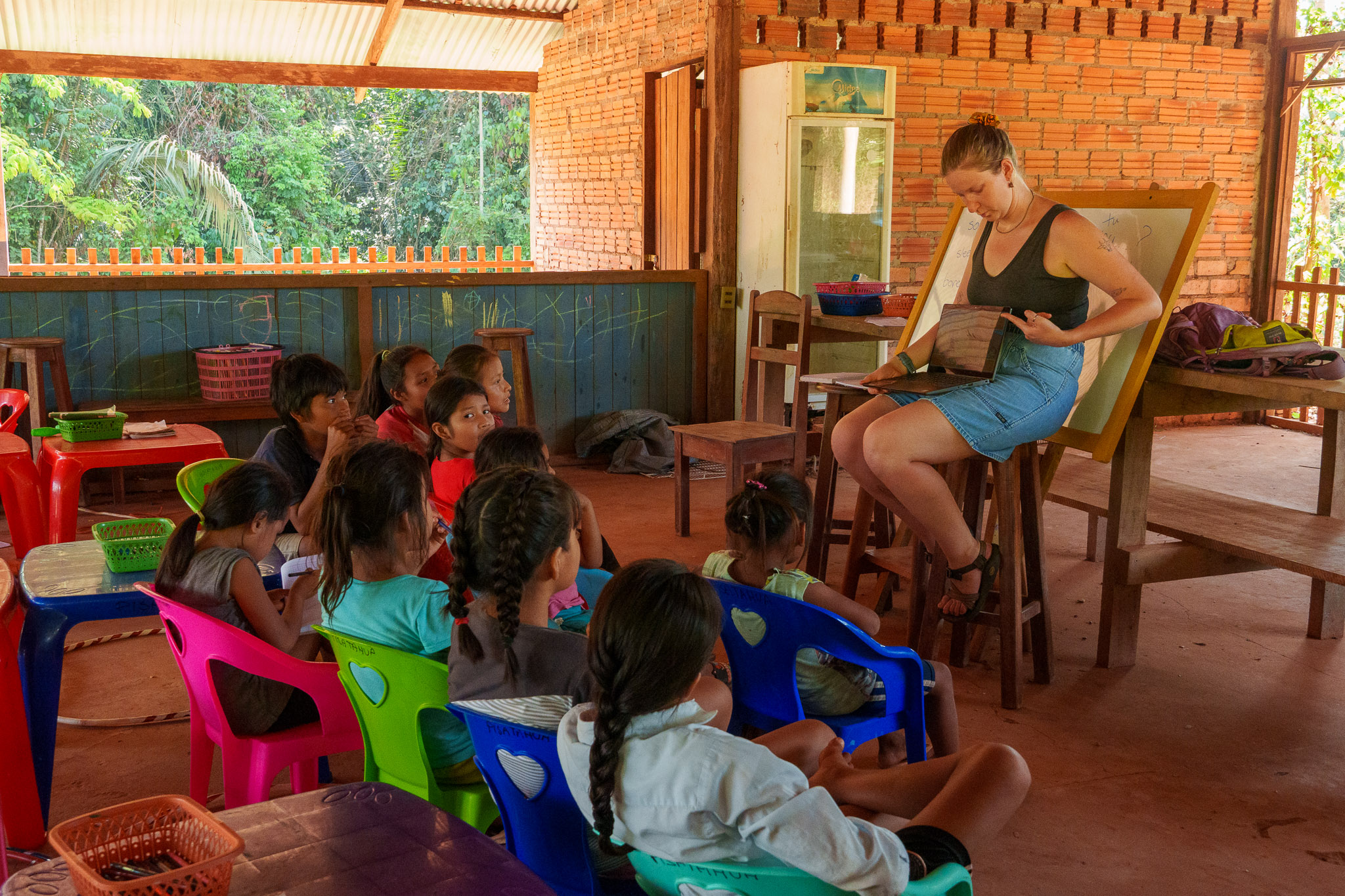
Their main focus is on conservation and sustainable development inside the Aquicuana Reserve, where they collaborate with local communities and run projects around education, ecotourism, and environmental research.
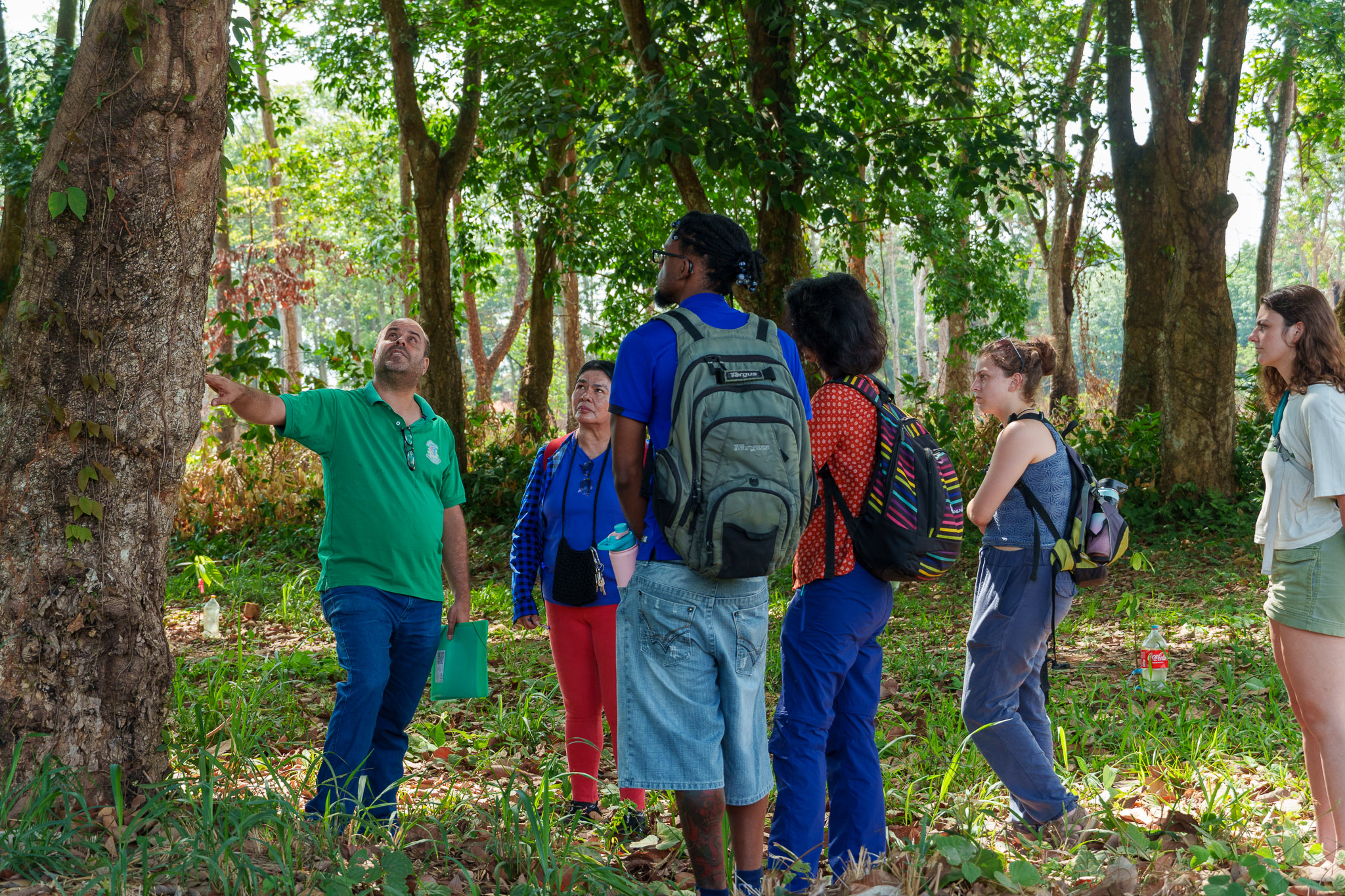
Volunteering with Sustainable Bolivia means joining a friendly, community-focused program that connects you with meaningful projects like education support, NGO assistance, and eco-friendly initiatives. It’s a great way to get involved while experiencing life in the Amazon.
Getting There: Practical Logistics
For the application process with Sustainable Bolivia, I contacted them through Volunteer World, expressed my interest, and after about a week of back-and-forth, I paid the fees and booked my flight. Many volunteer projects ask volunteers to cover some costs like food, electricity, and other basics.
Visa-wise, as a European passport holder, I got a 3-month visa for Bolivia. Some Americans volunteering with Sustainable Bolivia only received a 1-month visa, and they had to go to Riberalta to apply for an extension. It was a bit annoying but totally doable. Its part of the fun fact that make Bolivia interesting.
I was already in South America (actually in La Paz , Bolivia!) when I planned to do this volunteering. The national flight cost me about $120. Since I was already in the region, I didn’t include any long-haul flight costs here.
To prepare for this volunteering adventure on the other side of the world, here’s what you need to do:
- Discuss the volunteering project with the organization before buying your flight.
- Check your visa status.
- Buy your flight ticket, and you’re ready to go!
The Infrastructure at Sustainable Bolivia
I was expecting much less luxury right in the middle of the Amazon!
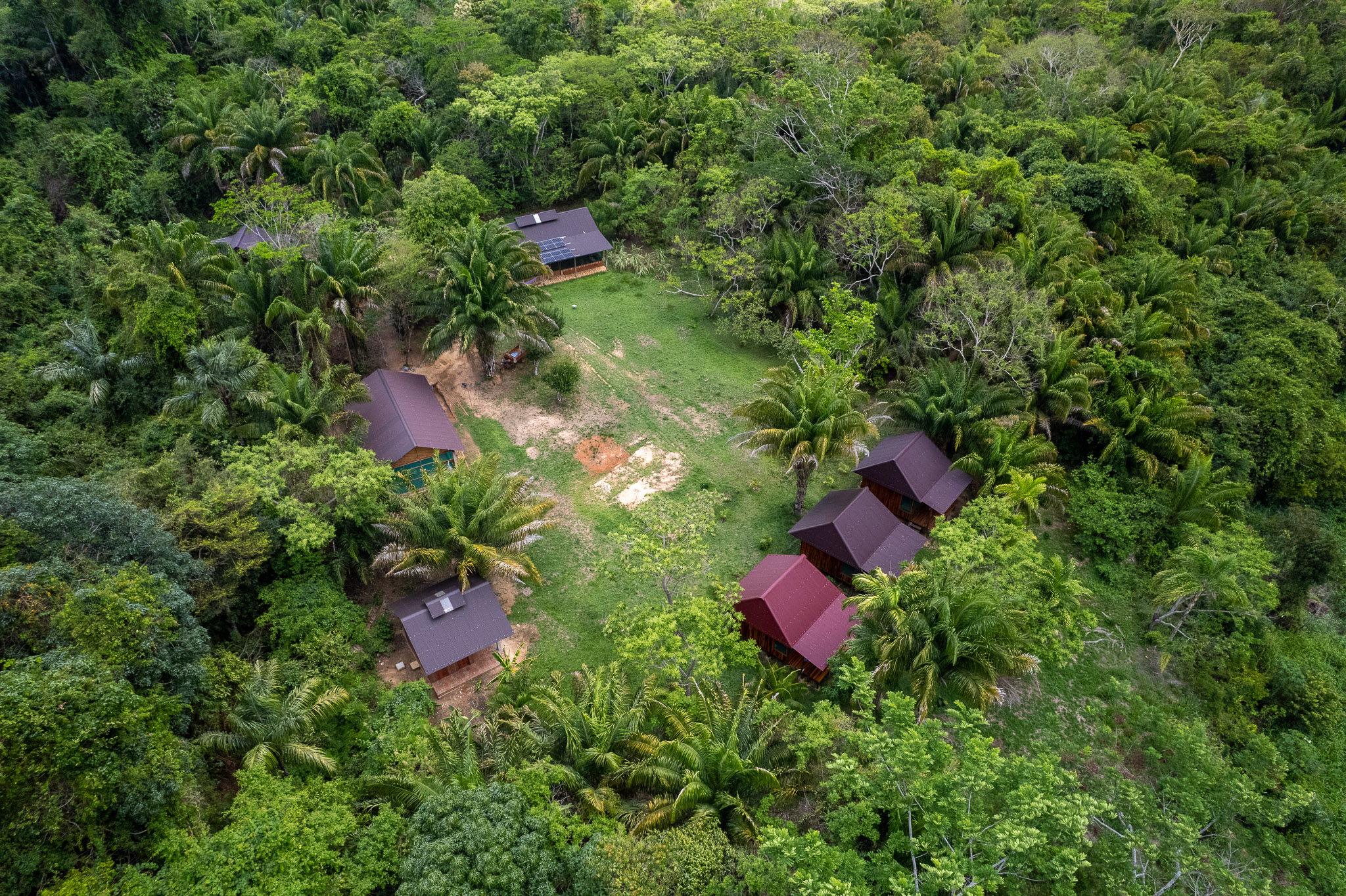
There’s a main building that’s really spacious, with desks to work at and sofas to relax on. The kitchen has two cookers, but they’re only there when there are five or more researchers onsite. There are three cabins, each with four bedrooms, plus bathrooms with super clean toilets and showers.
Every place has electricity thanks to solar panels, and internet access via Starlink. It’s pretty amazing to be able to work on your computer from such a remote spot in the Amazon.
Just two years ago, this level of infrastructure didn’t exist. Volunteers had to sleep in Riberalta and commute daily to the reserve for their research. Now, while there’s still accommodation in the city (sometimes used on weekends), everyone sleeps at the reserve, surrounded by the jungle’s nonstop sounds day and night.
Sustainable Bolivia has grown a lot in recent years thanks to donations from around the world, film projects that help fund their work, and Pisatahua , a medical center retreat linked to Sustainable Bolivia. This support has made a big difference in improving facilities and expanding their impact.
What is Pisatahua?
Pisatahua was also founded by Erik and Sasha. Originally, their offer was to create group retreats (1 week, 10 days, etc.) using ayahuasca with their own shaman guiding the experience.
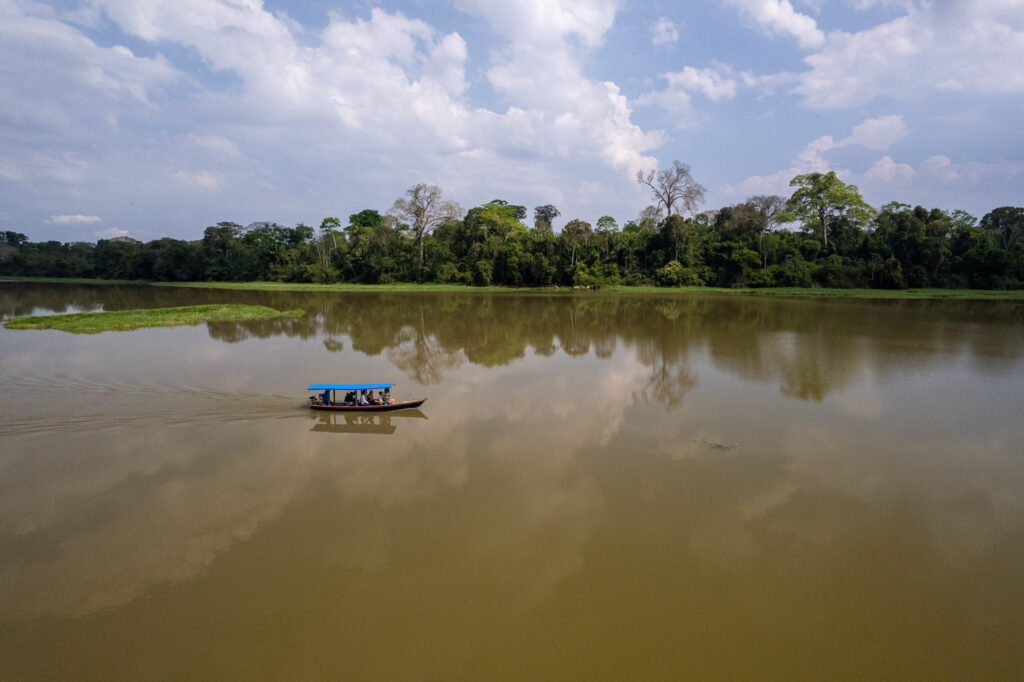
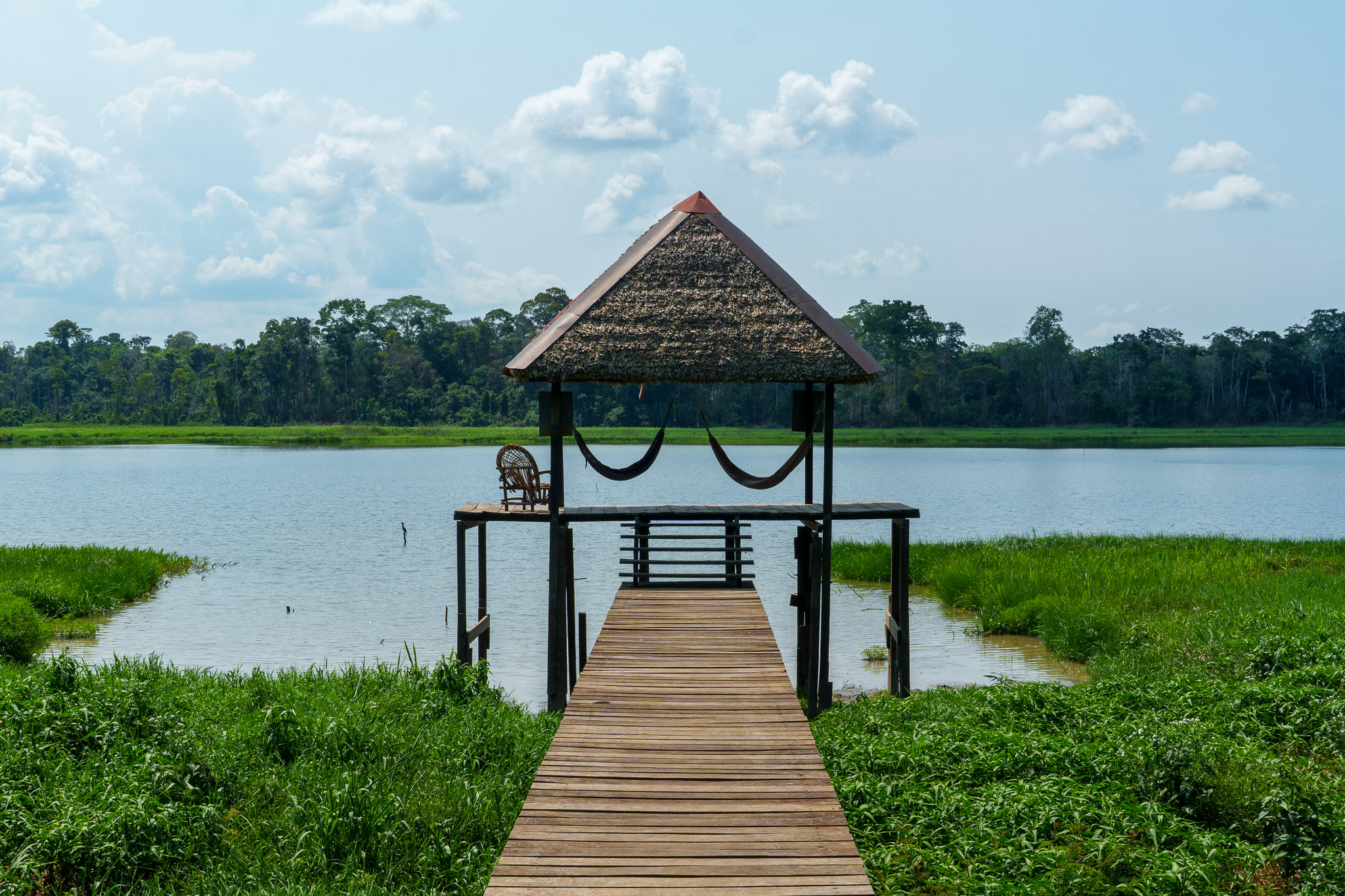
Pisatahua has since expanded to host pre-made groups, whether led by their own shaman, yoga retreats, ecotourism, or other groups wanting to explore the Amazon comfortably. The site features nice cabins, a big maloca (traditional ceremony space), and a pontoon on the lake.
This business has contributed a lot to the growth of Sustainable Bolivia, which their customers really appreciate. However, Sustainable Bolivia and its volunteers don’t interact with the retreat, even though the two sites are only about 100 meters apart.