My Personal Stories
I’ve hit this wall more than once, and each time it taught me something about how to pay in USD or EUR in South America without getting hit by fees at every turn.
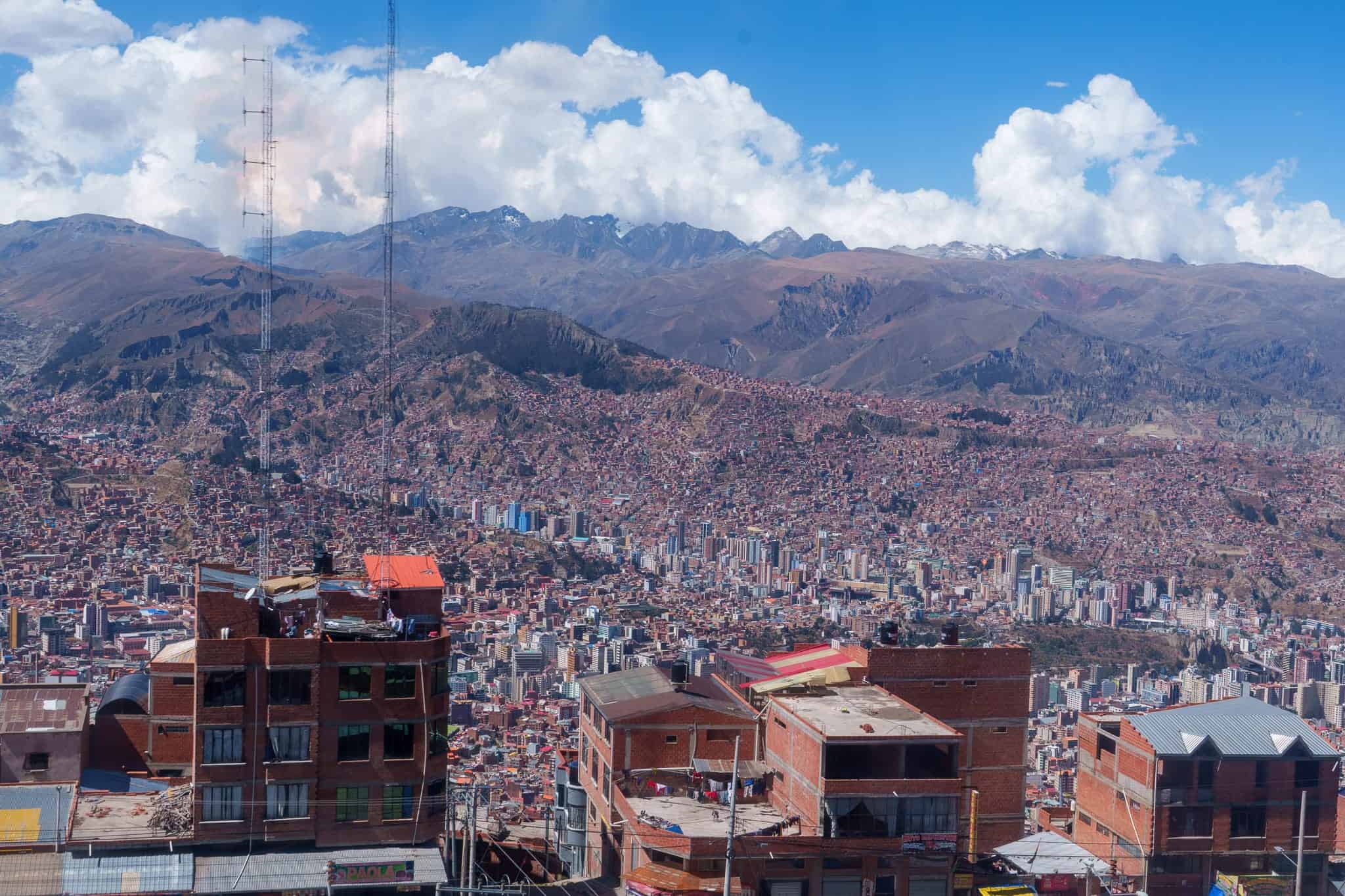
Getting stuck at the Argentina-Bolivia border in Jujuy
I crossed from Bolivia into Argentina with zero Argentine pesos in my pocket. I needed a way to pay for a bus ticket, and the only options nearby were cash or a card, so I walked into Humahuaca to find an ATM.
The ATM let me withdraw a maximum of 30,000 pesos as a foreigner, which came out to roughly €20-30, and on top of that it charged a flat 10,000 peso fee, so I lost about 25% of my withdrawal just to fees. I later tried paying by card at a local restaurant instead, and the card surcharge there ran another 10%. That frustration pushed me to search for a better way to pay, and that’s when I discovered WanderWallet.
Unlike the ATM route, WanderWallet doesn’t touch withdrawals at all. Everything happens online, so you can pay any merchant directly, whether that’s by scanning a QR code or sending money to an alias, a unique name tied to each account, or sometimes a number, depending on the country.
My total fees dropped to around 1-2%, compared to the 10-25% I’d been losing.
Paying at the Jesuit Missions when cards failed
Visiting the San Ignacio Jesuit Mission ruins is a great side quest you can add while you’re near Iguazu Falls. But I arrived at the entrance with no cash, hoping I could pay with wanderwallet, and the small ticket booth only took Argentine pesos in person.
I found a restaurant owner nearby and asked if I could send him money through WanderWallet by alias, in exchange for cash to cover my entrance fee. He agreed, and that quick alias transfer got me the cash I needed to buy my ticket.
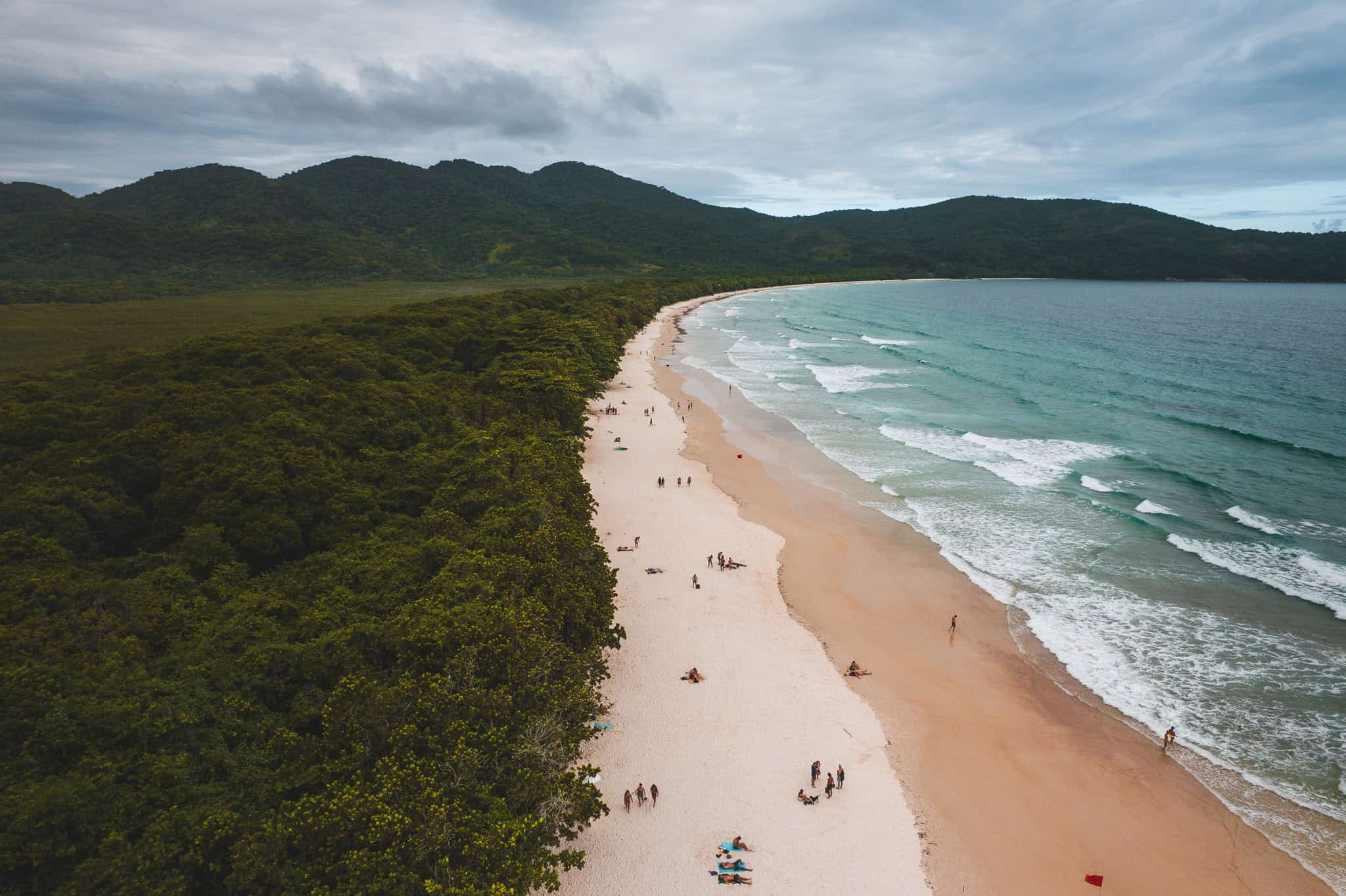
Carnaval in Rio: cash-free in the streets
During Carnival in Rio, every street vendor selling beer, caipirinhas, and snacks accepted Pix through a QR code. Carrying cash in that crowd felt risky, but my phone was one thing I could keep track of and lock down.
I paid for nearly everything by scanning QR codes directly through WanderWallet, which meant I never had to dig through my pockets for cash and maybe loose some at the same time. It’s a small thing, but when you’re weighing cash vs digital wallet travel South America decisions in a packed crowd, the phone wins every time.
Paying for a trek in advance from abroad (Chapada Diamantina)
I booked a 3-day trek through Chapada Diamantina for about €300, which required a 30% deposit upfront. At the time, I was already in Rio, several hundred kilometers away from the tour company, so paying in person wasn’t an option.
The tour company sent me their Pix code, and I paid the deposit through WanderWallet by alias transfer in about five minutes. No missing account numbers, no failed transfers, no lost booking.
The same solution would have worked just as well if I’d been in Europe planning the trip months in advance. Whether you’re a few hundred kilometers away in Rio or on another continent entirely, WanderWallet’s alias transfers close that distance the same way, since the app doesn’t care how far you are from the tour operator, only that the alias and amount are correct.
I have been able to do the same with hotels in various locations while planning my itinerary in Brazil. This is so much easier now.