What to Expect on a Cu Chi Tunnels Tour: Step by Step
First Stop: Handicraft Center
Many tours make a stop at a handicraft center on the way to the tunnels.
This center is run by disabled artisans who produce intricate mother-of-pearl artwork, including small decorative boxes, tableaux, and other pieces.
You can watch the production process and buy items if something catches your eye. It’s a meaningful stop that supports the local community, and the craftsmanship is genuinely impressive.
Orientation and Introductory Film
Once you arrive at the Cu Chi Tunnels site, the tour typically begins with a short documentary film.
It covers the history of the tunnels and provides context about the Vietnam War from the Vietnamese perspective. It sets the tone for everything that follows, so pay attention.
Outdoor Exhibits: Booby Traps, Tanks, and Tunnel Entrances
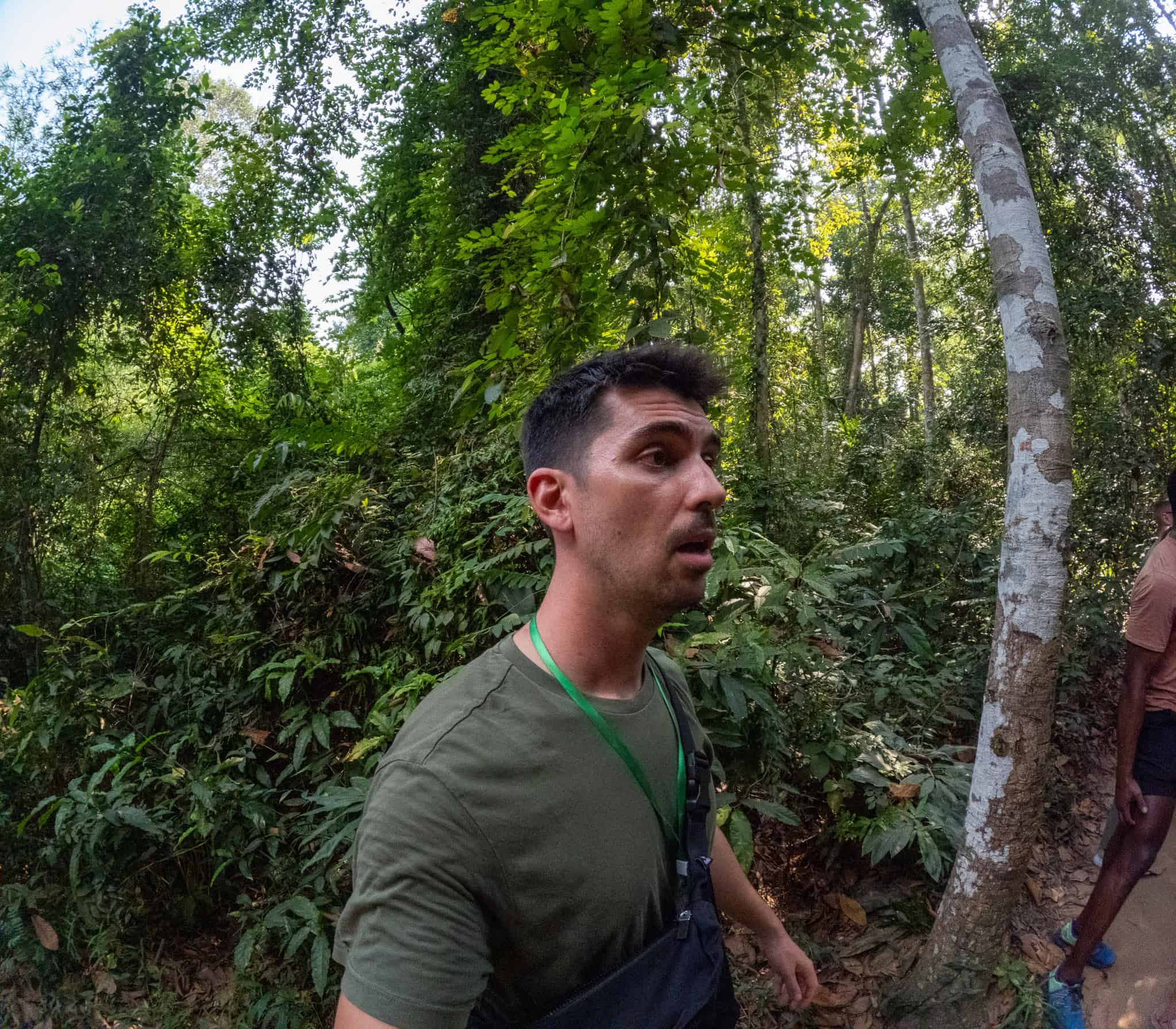
The outdoor section of the site is set in a shaded, forested environment that feels almost peaceful until you start noticing what’s around you.
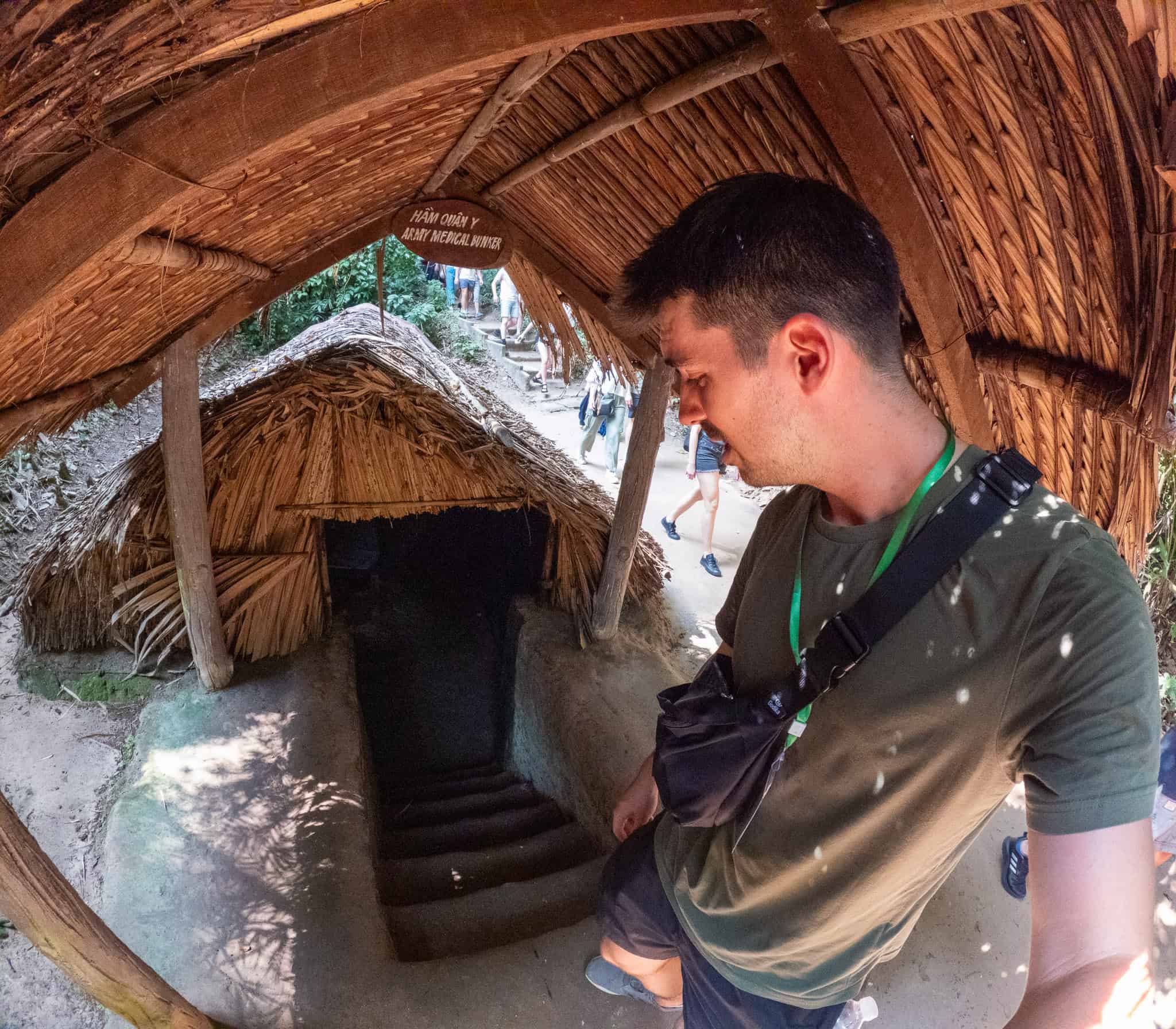
There are mannequin displays of soldiers in wartime gear, original tanks, demonstrations of the spike traps used against troops, and camouflaged tunnel entrances disguised with fallen leaves. Some of the trapdoors are so well hidden you’d walk right past them.
Breathing mounds used to ventilate the tunnels are scattered throughout the area. Your guide will point these out and explain how the tunnel dwellers survived underground for months at a time.
Crawling Through the Tunnels
This is the part people remember. Visitors can crawl through modified tunnel sections ranging from about 10 to 15 meters all the way up to 100 meters. The tunnels are hot, humid, and extremely tight.
The tourist versions have been slightly enlarged from their original size, but they’re still a genuine test. The original tunnels were hand-dug and barely shoulder-width. Even the enlarged versions will have most people moving slowly on hands and knees with their head down.
I’m not claustrophobic, but even I felt a wave of anxiety near the end of the longer section. The air gets thin, the space gets tighter, and your brain starts doing the math. It’s not dangerous, but it is genuinely uncomfortable.
Tapioca and Pandan Tea Break
After the crawl, many tours offer a small snack of tapioca and pandan tea. Tapioca was a staple food for the people living in the tunnels during the war, eaten because it was cheap and available. It’s a small cultural detail, but it adds something real to the experience.
Optional Shooting Range Experience
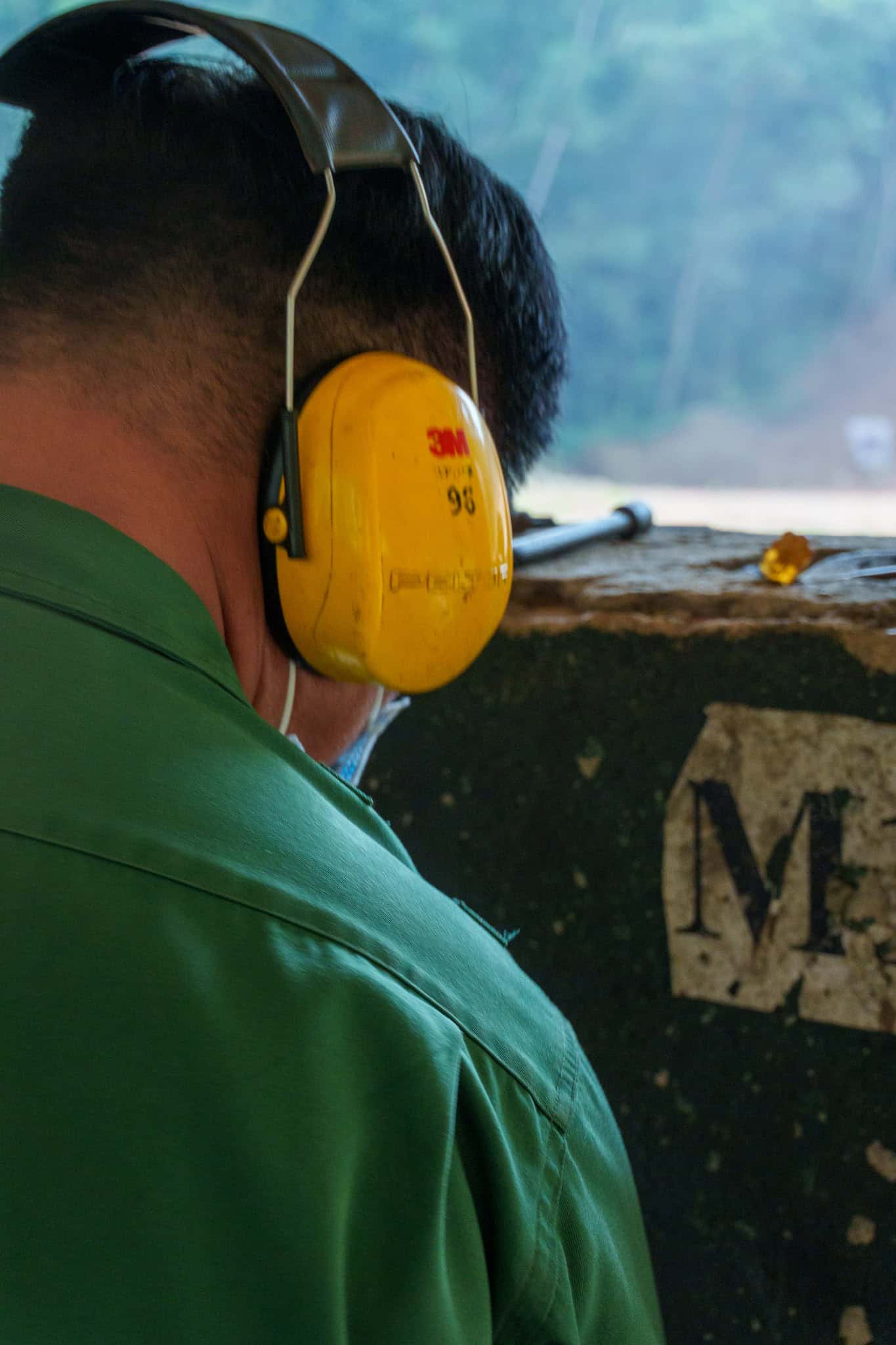
At the end of the tour, you’ll have the option to visit the on-site shooting range. Pricing is approximately 60,000 VND per bullet (around $2.40 USD), with a typical minimum of 10 bullets.
Expect to spend around $24 to $28 USD for a standard session. This is almost never included in the base tour price, and payment is made directly at the range.