Sapa Vietnam Travel Guide: Everything You Need

This post is also available in :

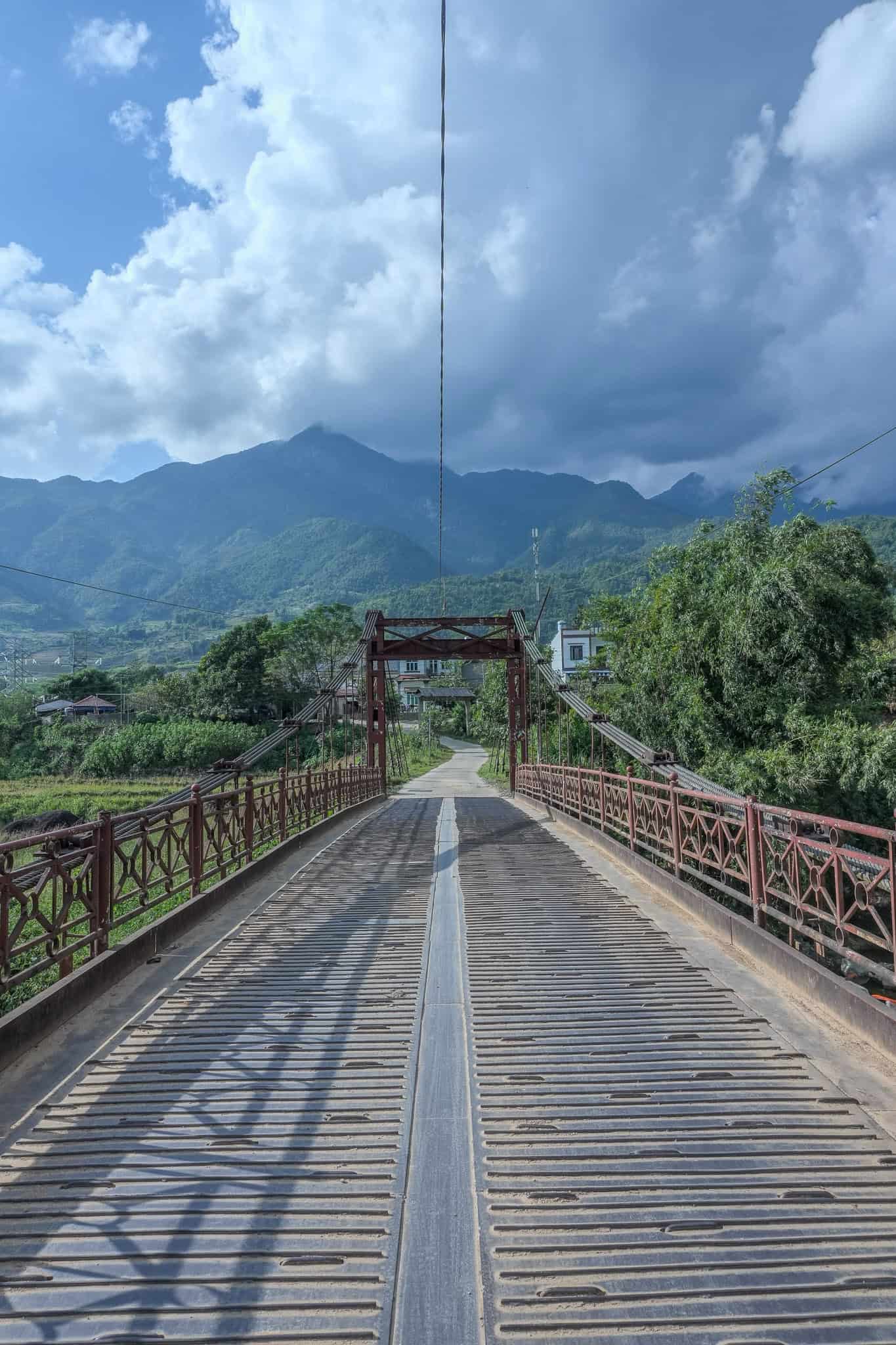
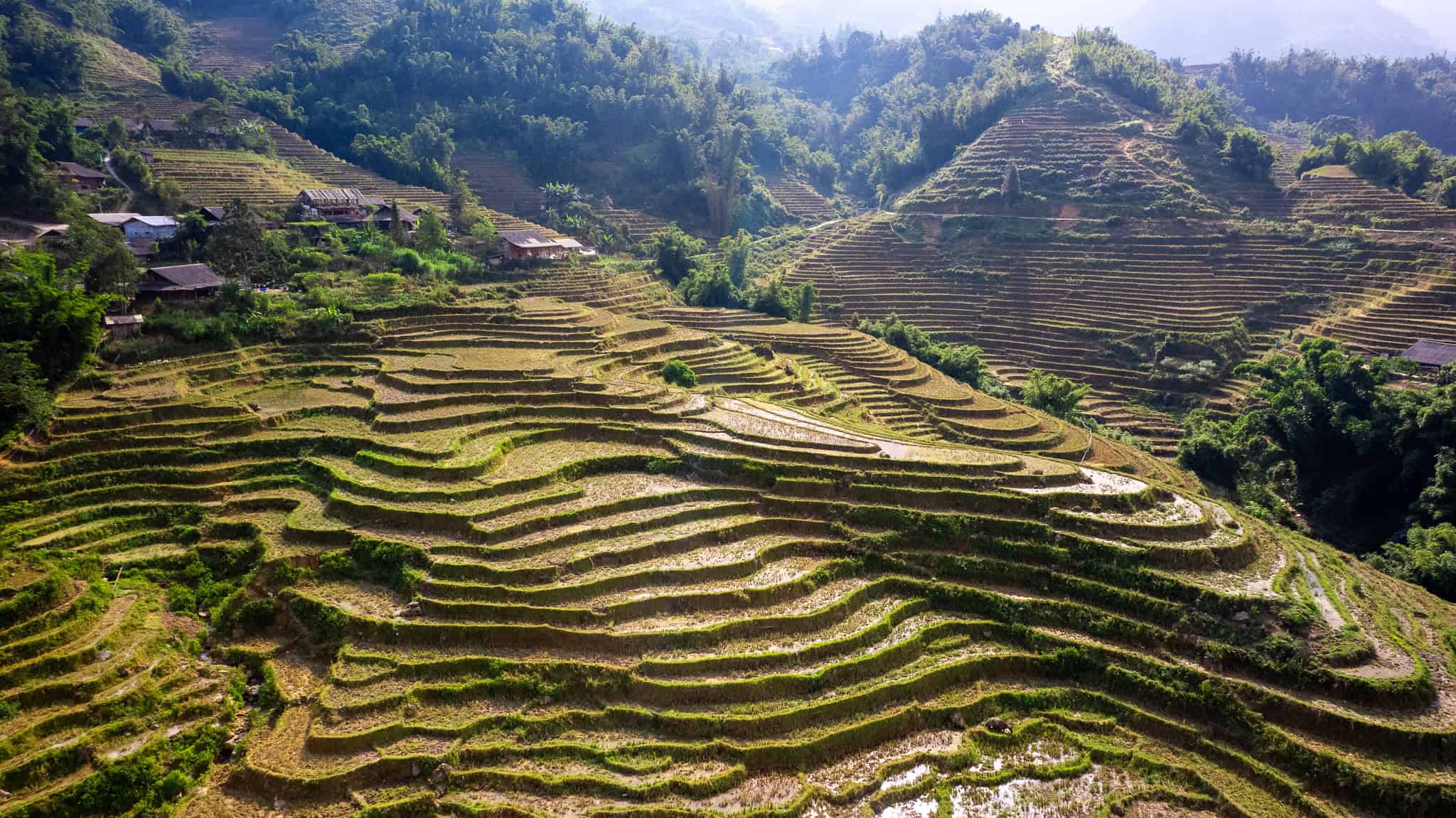
Sapa Vietnam sits on the classic Hanoi backpacker route, but not everyone makes it here. Some travelers skip it for the Ha Giang Loop, which is wilder and more about adventure. Sapa is calmer, slower, and built around mountain views and rice terraces, but don’t let that fool you into thinking there’s nothing to do.

I spent a few days in Sapa myself, and this guide is based on what I actually saw and did there, not just a list pulled from a map. I’ll walk you through things to do in Sapa, where to stay, when to go, and a simple sapa itinerary you can follow.

Table of Contents

Getting From Hanoi to Sapa, Vietnam

Most travelers get from Hanoi to Sapa Vietnam by bus, van, or overnight train, and the ride takes around 5 to 6 hours by road.

I made the trip by bus during the day, leaving Hanoi in the morning and arriving in Sapa by late afternoon. It was a relaxed way to do it, and I got to watch the landscape shift the whole way.

12Go makes it simple to book local transport without the stress.

One thing worth knowing before you go. As you climb from near sea level up into the mountains, the road winds through a lot of valleys, and it gets pretty twisty. The buses themselves are comfortable, with your own little space to stretch out, but if you’re prone to motion sickness, grab some pills before you leave Hanoi.

When I’m planning my trip, I always check flights on Skyscanner first, since it lets me compare prices and find the best deal, and most of the time I also go on Trip.com afterward, which is another great price comparison tool for flights and hotels.

FREE Google Map - Best 500 Places in the World

Most travelers visit the same 20 places their whole life.

Here are 500 reasons to do better.A curated world map of 500 unforgettable destinations across every continent — open it in Google Maps and start planning.

    Sapa Town or the Countryside

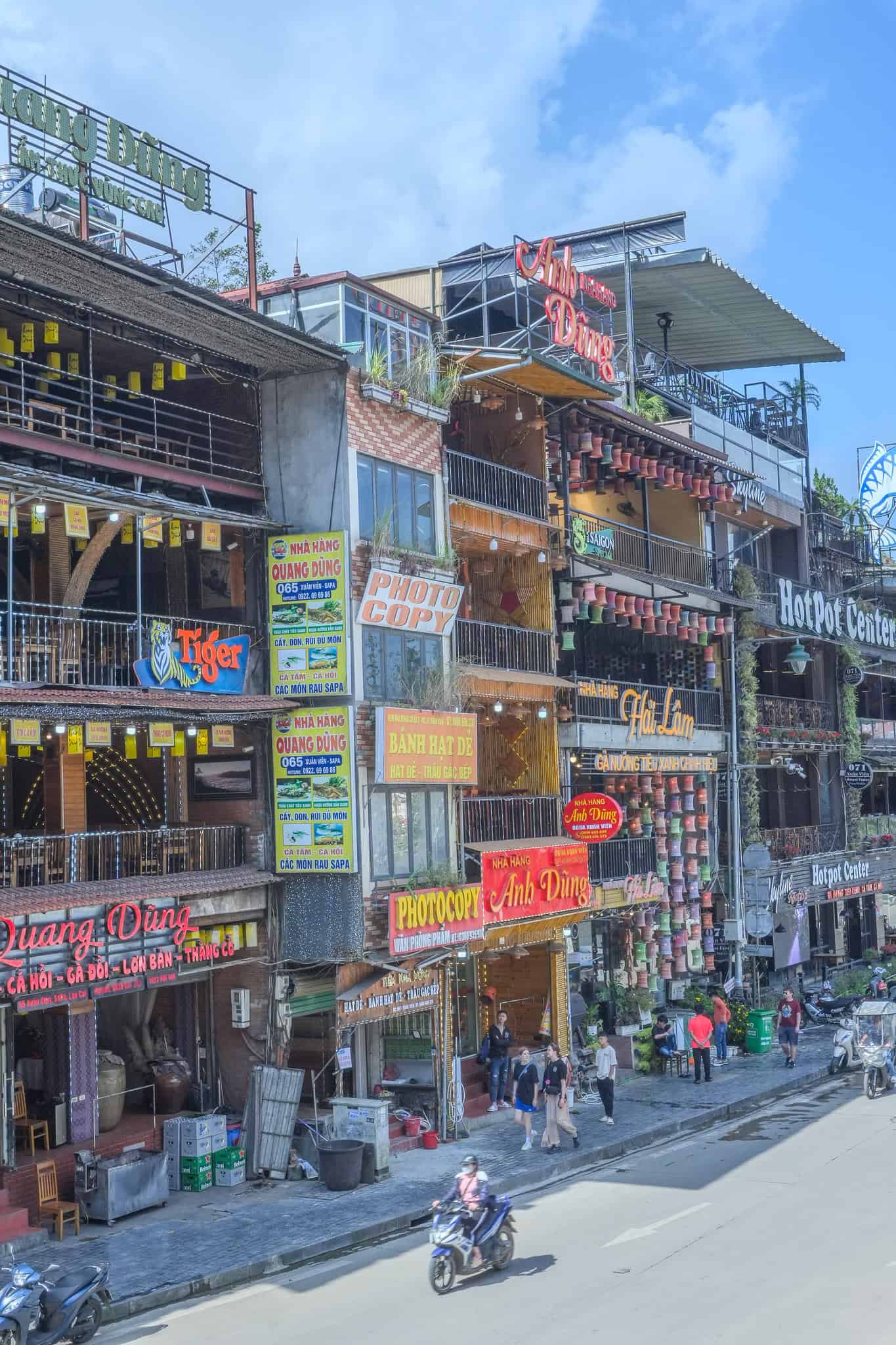
    There are really two ways to experience Sapa. Some people stay in the town center and enjoy the markets, small shops, massages, bars, and restaurants. Others stay outside town, closer to the rice terraces, and keep things quiet.

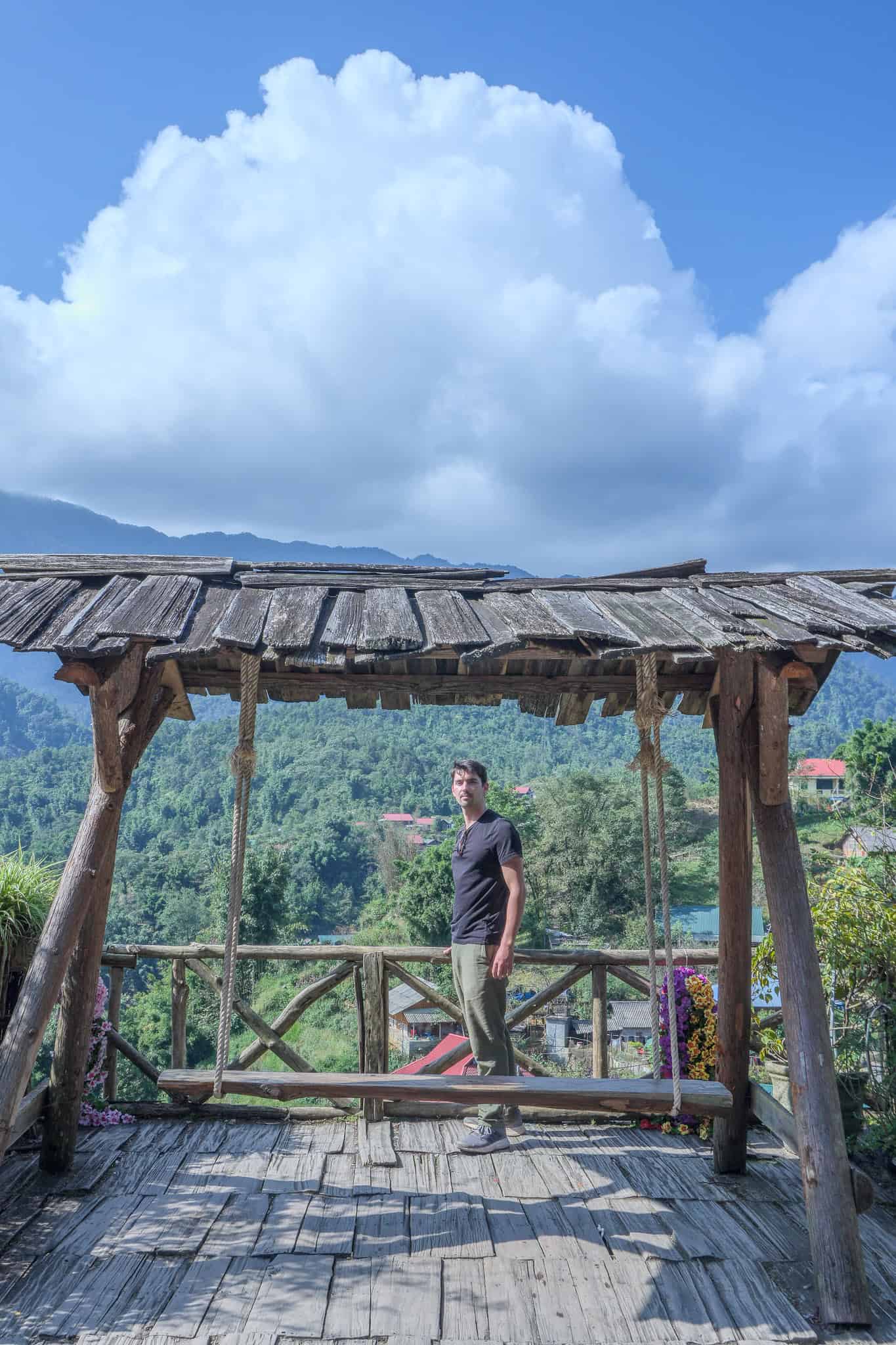
    I chose the second option. My hotel was about 5 to 10 minutes away by scooter from downtown, tucked into a valley that wasn’t the most famous one in Sapa, but it was peaceful and felt like real countryside. As soon as you leave the town, you’re in the fields, and it’s genuinely pretty.

    I stayed close to my hotel most of the trip, since there was a small cafe and restaurant just a five-minute walk away. It was quiet, rural, and honestly a nice break from busier stops on the trip.

    Where to Stay in Sapa

    Your pick depends on whether you want town energy or countryside calm, but here are three solid options in each price range.

    Luxury

    • Hotel de la Coupole – MGallery. Sapa’s only international 5-star hotel, built in a French Indochine style right in the town center, with an indoor pool, spa, and direct access to the Fansipan cable car. This is the “European mountain town” feel I mentioned earlier, but with modern comfort layered on top.mgallery.
    • Topas Ecolodge. About 45 minutes outside Sapa town in Hoang Lien National Park, this eco-lodge has rice terrace and mountain views from nearly every bungalow, plus an infinity pool. It’s the closest match to the quiet valley setup I stayed in myself, just at a higher price point.
    • Aira Boutique Sapa Hotel & Spa. A newer high-end option in town known for its rooftop pool and panoramic valley views, a good alternative if Hotel de la Coupole is booked out.

    Mid-Range

    • My Boutique Hotel & Spa. A 4-star boutique property near the Fansipan cable car station with a European-inspired design, spa, and consistently high guest ratings.
    • Aliana Boutique Sapa Hotel & Spa. Rated 9.8 on Expedia and 4.5 stars, this one gets praised for a heated outdoor pool and a romantic, comfortable feel without hitting luxury pricing.
    • Sapa Jade Hill Resort. Set slightly outside the busiest part of town, this one gives you a bit of the countryside feel without straying too far from amenities.

    Hostel and Budget

    • Sapa Backpacker Hostel. A reliable town-center base, easy on the wallet and popular with solo travelers.
    • Sapa Odyssey Hostel. Rated 8.7 on Booking.com with over 500 reviews, known for staff who help book treks and buses, comfortable beds, and standout mountain views from the rooms.
    • Hmong Sister House. Run by local Hmong guides, this one leans into trekking culture and gives you a more local angle on your stay.

    Whenever I want to book a hotel, I always check both Booking.com and Agoda first, since they usually have the same options but sometimes one has a better price than the other, so it’s worth comparing both, but if I’m looking for something cheaper and I also want to meet other travelers, I go with Hostelworld instead.

    Best Time to Visit Sapa

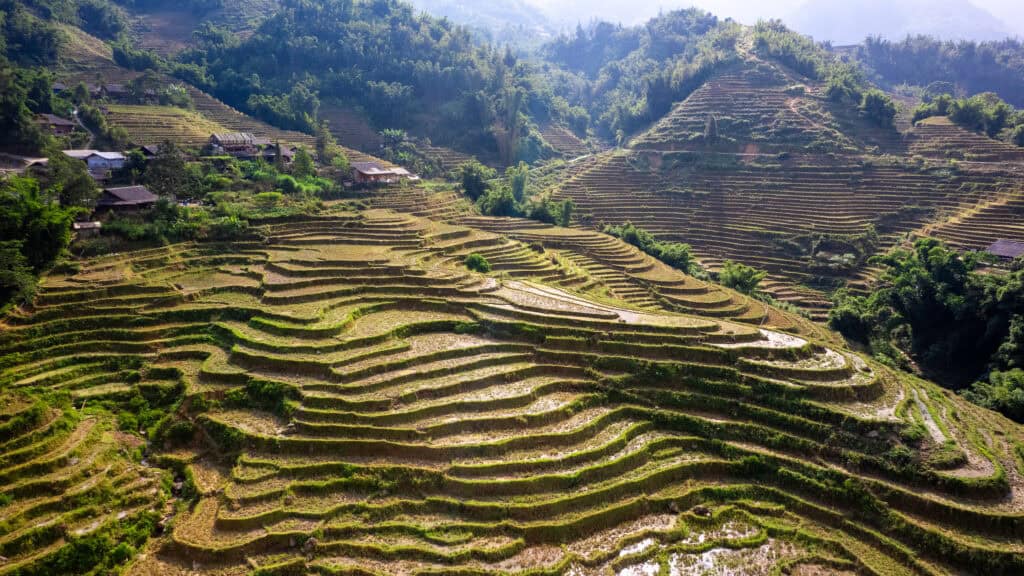
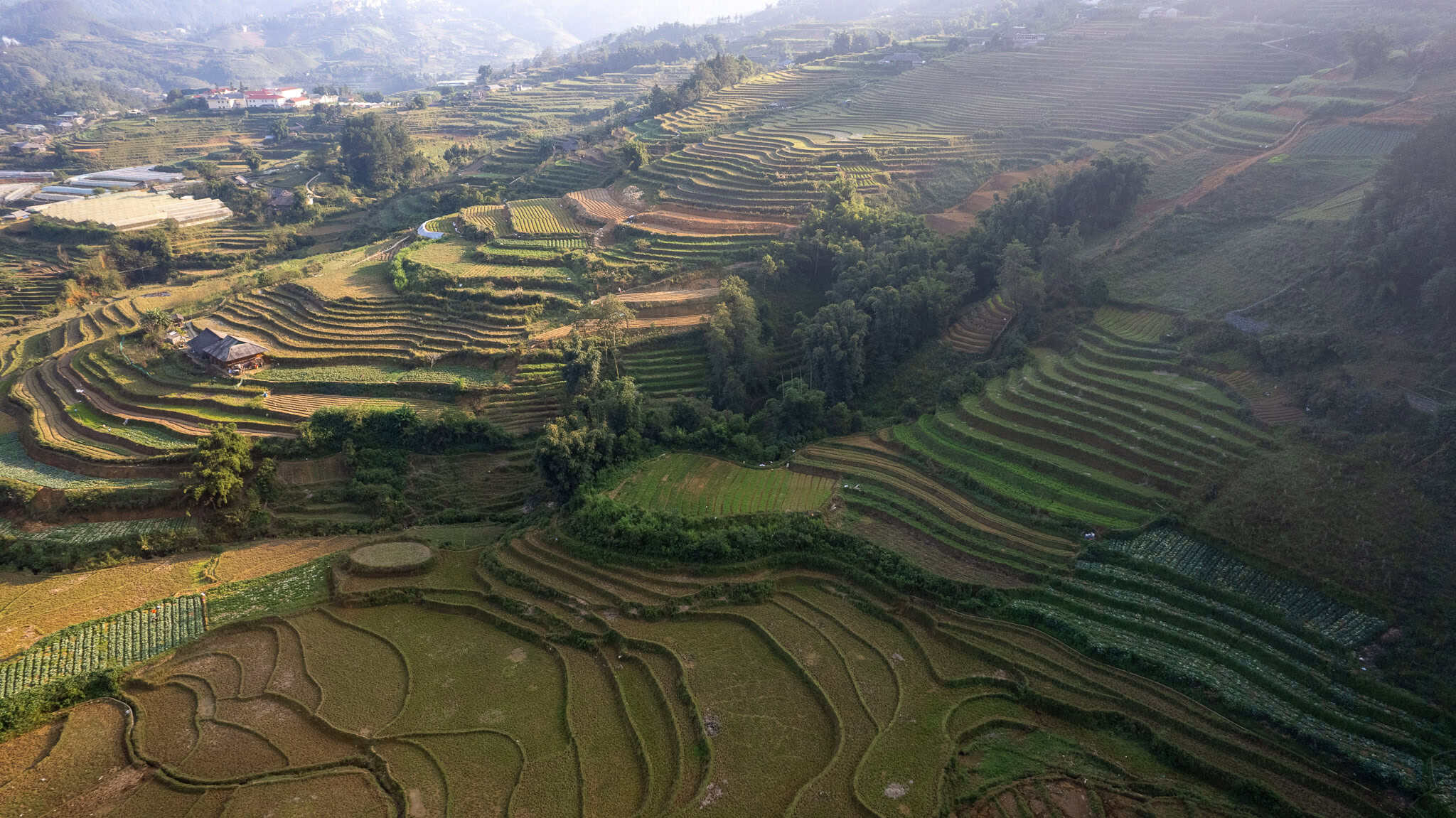
    The best time to visit Sapa depends on what you want to see. If you’re chasing the flooded, mirror-like rice terraces, aim for mid-May through June. If you want the golden harvest look, mid-August through late September is your window, with the peak usually falling around mid-September.

    One honest note here. A lot of guides send people in October expecting golden fields, but by then most of the rice has already been harvested. Plan around September if photos of the terraces are your main goal.

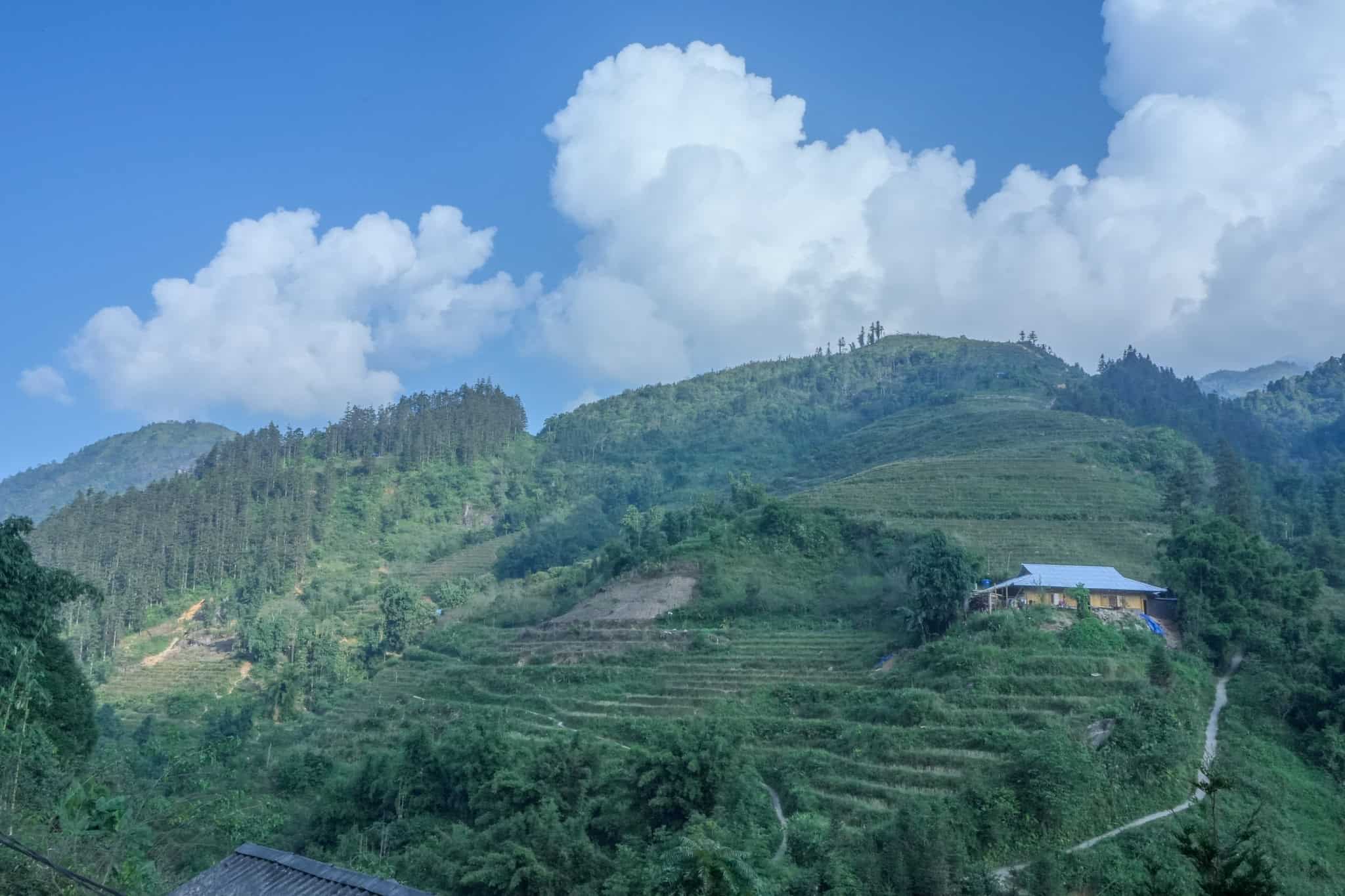
    When I visited, the terraces around my valley were lush and green rather than golden, and honestly it was still one of the prettiest landscapes I’ve seen in Vietnam. So don’t stress too much about hitting the exact peak week. Even outside the golden harvest window, Sapa’s valleys are worth the trip.

    Things to Do in Sapa

    If you want to book a tour or an activity without any hassle, Get Your Guide is honestly one of the easiest platforms I use, with a huge range of experiences, flexible cancellation on most bookings, and you can even get 5% off with my code HORIZONHUGO5.

    Rent a Scooter and Ride the Tram Ton Pass

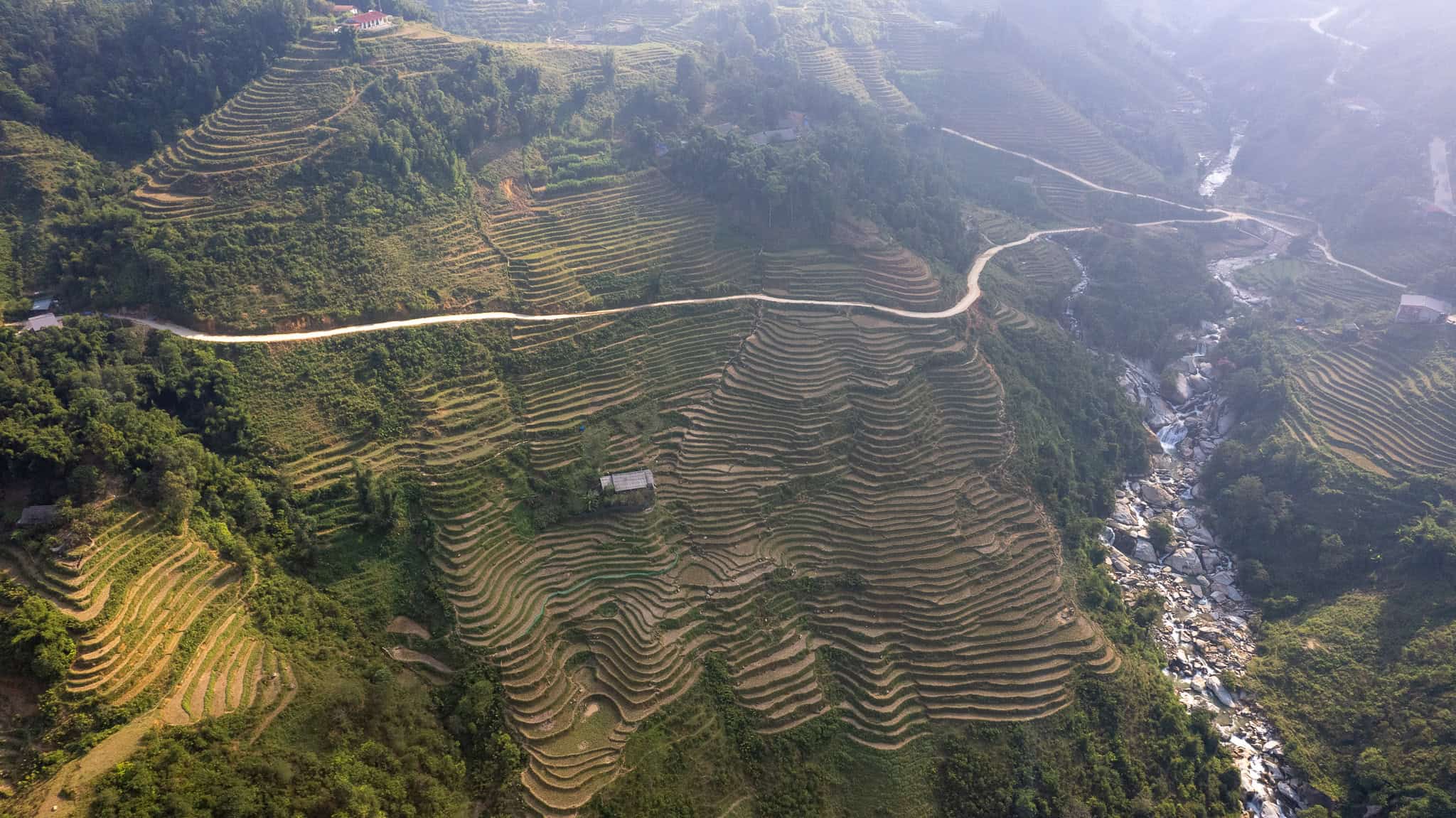
    Renting a scooter is one of the best ways to see the rice terraces around Sapa, and it’s also how you get to the Tram Ton Pass. I did this myself, and while some of the curves and slopes look intimidating at first, it’s manageable if you’re comfortable on a scooter.

    Whenever I need to rent a car, I check DiscoverCars first because it compares prices from lots of rental companies and shows the full price upfront, so there are no hidden fees waiting for you at pickup.

    Go Trekking Through the Valleys

    I did a one-day trek in Sapa, and it’s where I saw the best rice terrace views of the whole trip. The trail passes through pretty markets, a few spots that feel a bit staged for photos, and then genuinely rural villages where you’re mostly alone with the landscape.

    If you’re up for something more adventurous, multi-day treks of 2 to 3 days, or even longer, are also available, taking you deeper into the valleys with overnight homestays along the way. I stuck with the one-day version since it fit my schedule, but if you’ve got the time, a longer trek is a great way to see even more of the region.

    Take the Cable Car to Fansipan

    Fansipan is Vietnam’s highest mountain, and it’s a big deal for both Vietnamese and Chinese travelers. The cable car ride up takes about an hour, and it can be cold at the top, sometimes even snowy or icy, so bring a jacket.

    I didn’t have time to do this one myself, since I chose scooter riding and trekking instead.

    Relax at a Hot Spring or Get a Massage

    Sapa town has a good number of massage spots, and I believe there are also hot spring or thermal bath options nearby worth checking before you go. This is a good way to rest after a trekking day.

    Ride the Muong Hoa Mountain Train

    The small train you may have heard about is the Muong Hoa Funicular, Vietnam’s longest mountain railway, and it’s genuinely become an icon of Sapa. It runs about 2 km from Sun Plaza in the heart of Sapa town straight to the base of the Fansipan cable car, cutting a 15 to 20 minute drive down to around 6 minutes.

    Round-trip tickets run about 200,000 VND per adult, and the train operates roughly from 7:15 AM to 5:30 PM depending on the day, with departures every 15 to 30 minutes. It’s worth combining with your Fansipan cable car trip, since the funicular is the easiest way to reach the cable car station from town.

    Explore the Sapa Night Market

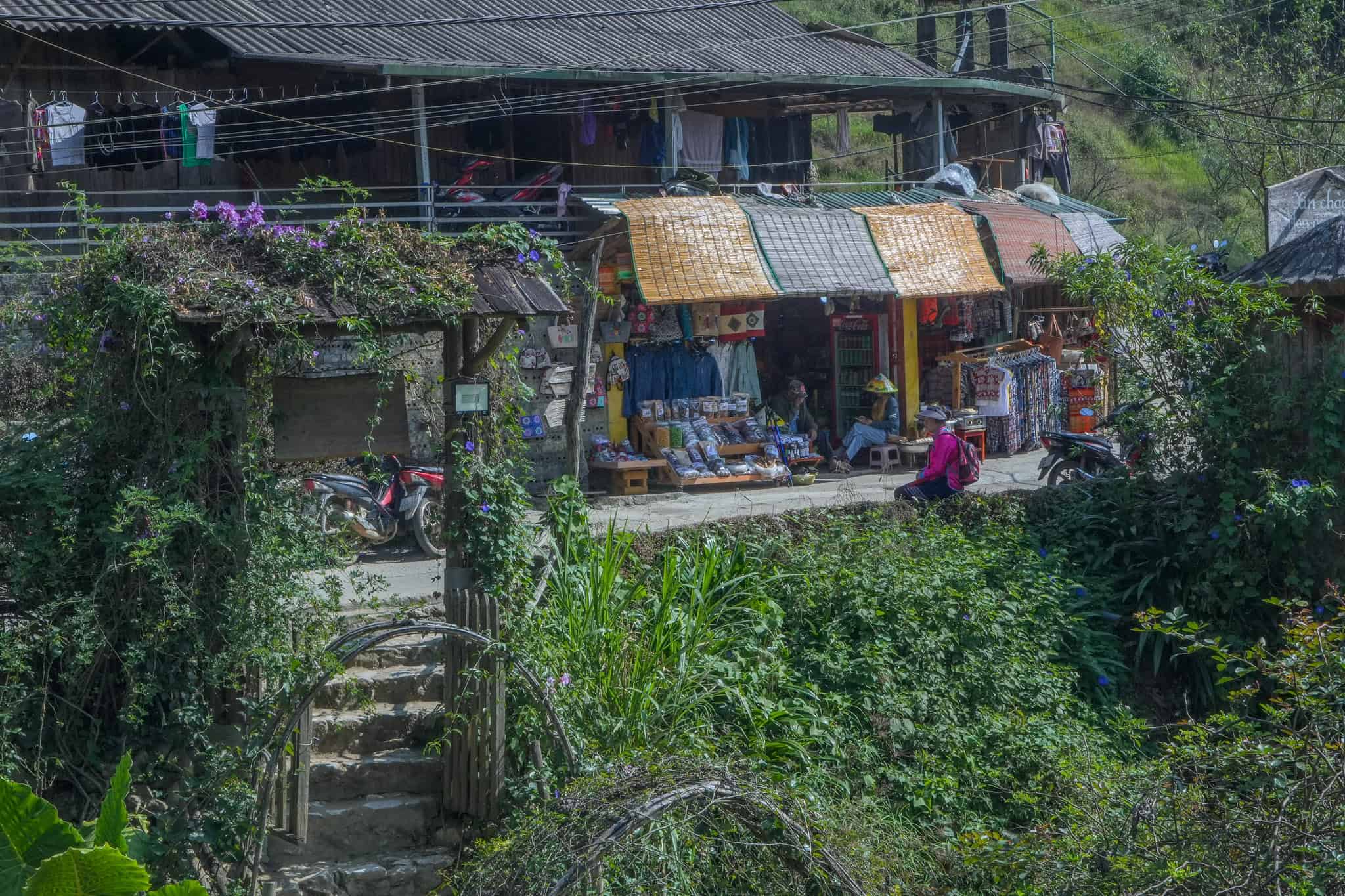
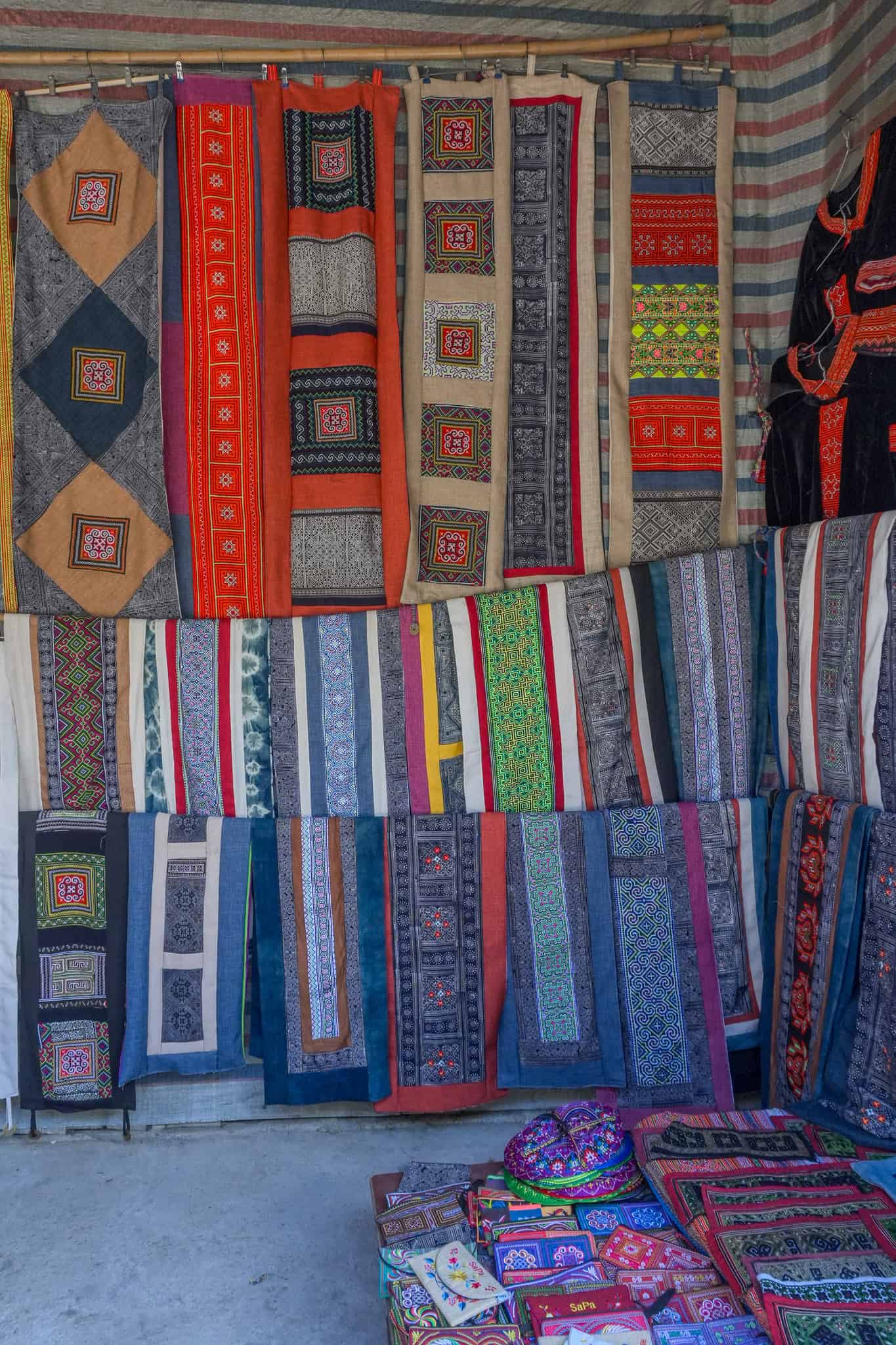
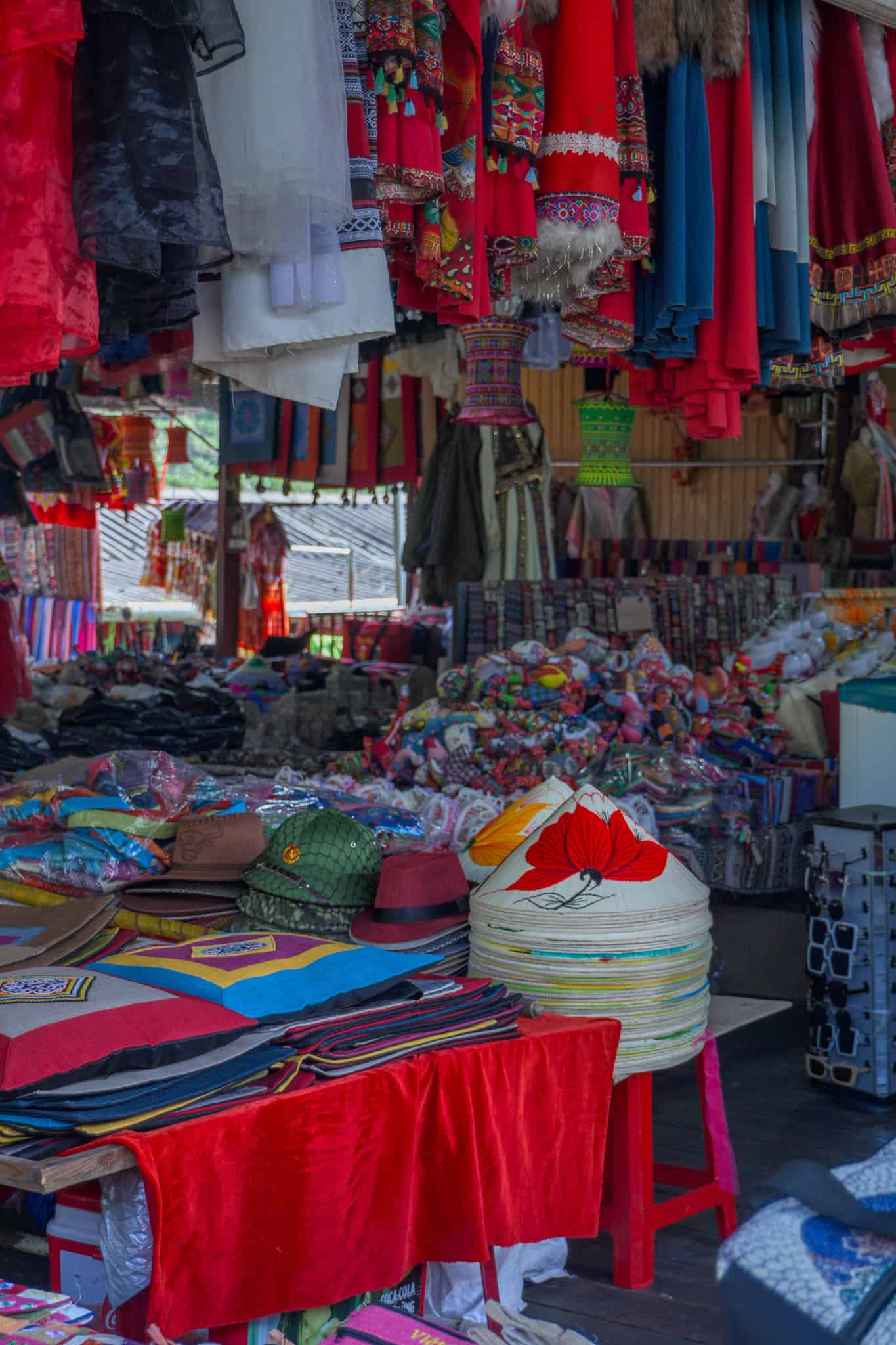
    The Sapa Night Market runs Friday, Saturday, and Sunday from around 4 PM to late, on N1 Street right in the town center. You’ll find stalls selling Hmong and Dao textiles, hand-embroidered bags, silver jewelry, and grilled street food like skewered meats and sticky rice cooked in bamboo.

    If you’re around on a Saturday night, don’t skip the Love Market, a local tradition where young people gather to sing folk songs and play traditional instruments. It’s a good way to see a side of local culture that most day-trippers miss entirely.oxal

    Day Trip to Bac Ha Sunday Market

    If you happen to be in the area on a Sunday, Bac Ha Market is worth the detour, about a 2-hour drive from Sapa town. It’s considered the largest and most colorful market in the northwest highlands, with ethnic minority groups from surrounding villages coming to trade food, textiles, and livestock, and it’s liveliest between 7 AM and noon.

    Don’t forget to apply HORIZONHUGO5 at checkout on GetYourGuide before you book.

    A Simple Sapa Itinerary

    If you’ve only got a few days, here’s how I’d structure a sapa itinerary based on my own trip and what most travelers realistically manage.

    Day 1: Arrival and settling in. You’ll likely arrive from Hanoi in the morning after an overnight bus or train, or by early afternoon if you took a day bus. Check into your hotel, whether that’s in town or out in the valley, and use the rest of the day to walk around, grab a coffee, and get your bearings. If you’re staying in town, this is a good time to check out the market and grab dinner at one of the local restaurants.

    Day 2: Trekking day. This is the day I’d prioritize if you only have one full day in Sapa. Book a one-day trek through the valleys, since this is where you’ll see the best rice terrace views, pass through small markets, and end up in genuinely rural villages that feel worlds away from the town center. Wear good shoes, since the trails can get muddy, especially right after rain.

    Day 3: Scooter day. Rent a scooter and ride the Tram Ton Pass, stopping at viewpoints along the way. This is also a good day to circle back through any rice terrace valleys you didn’t see on your trek. Give yourself the full day here, since the roads have enough curves and slopes that you won’t want to rush.

    Day 4: Fansipan or hot springs, then departure. If you’ve got a fourth day, take the cable car up to Fansipan for the highest views in Vietnam, and dress warm since it gets cold at the top. If you’d rather take it slow, book a massage or hot spring session in town instead. Either way, this is a good half-day activity before heading back to Hanoi.

    This pacing worked well for me, since I skipped Fansipan to spend more time on the scooter and trekking, but you can shuffle days around depending on what matters most to you.

    Where to Go After Sapa

    Once you’ve had your fill of rice terraces and mountain air, there are a couple of common paths travelers take next. Some head straight to Ha Giang to continue the adventure on a motorbike, tackling the famous Ha Giang Loop the way I did on my own trip.

    Others loop back to Hanoi first, then work their way toward Cat Ba Island and Tam Coc before continuing south, eventually making their way all the way down to Ho Chi Minh City. These stops are part of the classic Vietnam backpacker route, so if you’re mapping out a longer trip beyond Sapa, they’re worth building into your plans.

    This post is also available in :

    A man in a yellow sports jersey stands on a hill overlooking a scenic landscape with green mountains, a winding shoreline, and blue water below—perhaps contemplating his next adventure and learning how to solo travel while traveling around the world.
    Picture of Hugo Mathieu
    I'm Hugo, a traveler driven by curiosity and a passion for discovering the world's hidden corners. After exploring over 30 countries across Latin America and Southeast Asia, I've learned that every adventure shapes who we become. I'm here to share those lessons and inspire your next great journey.

    Subscribe to the Newsletter

    Join our community and receive exclusive travel stories, guides, and special offers!

      What's on My Desk Right Now

      The Brazilian flag with green and yellow brush strokes, a blue globe with stars and a white banner reading Ordem e Progresso in the center.

      🗺️ Planning a Trip?

      Skip the research rabbit hole.

      I’ll build you a personalised day-by-day itinerary — or answer all your questions on a quick 60-min call.

      Let's Connect

      Affiliate Disclosure

      Some of my posts include affiliate links. If you choose to make a purchase through them, I may earn a small commission—at absolutely no extra cost to you.


      Using these links is the best way to support my work and say thank you, and I appreciate it so much! Of course, everything I share reflects my honest opinions and experiences.

      📸 Work With Me

      Brand, tourism board or hotel?

      Let’s create something together — content, reviews and campaigns that reach real travellers who are ready to book.

      Buy Me A Coffee

      Latest Posts

      A white helicopter flies near a misty mountain with the Christ the Redeemer statue in the background, framed by green tree branches above—a breathtaking moment often experienced during a rio helicopter tour.
      I've flown the Rio helicopter tour twice, and here's...
      Aerial view of the Vidigal favela and dois irmaos mountian in rio de janeiro , Brazil.
      Everything you need to know about the Dois Irmaos hike...

      Get My Personal Map of 500 Must-See Places - FREE

      I’ve compiled 500 of the best places across my travels into one free Google Map.

      The kind of spots you won’t find in a guidebook.

        A world map titled UNESCO World Heritage displays numerous brown, blue, and green icons marking heritage sites across all continents.

        Table of Contents

        Got Questions?

        Still figuring things out for your trip, or just want to double check something before you book? Send me a message and I’ll get back to you as soon as I can.

        Or hit me up on Instagram, I’m there anyway and always happy to chat about the trip.

          Share it with the person you to travel with !

          You might also like to read these articles

          Scroll to Top