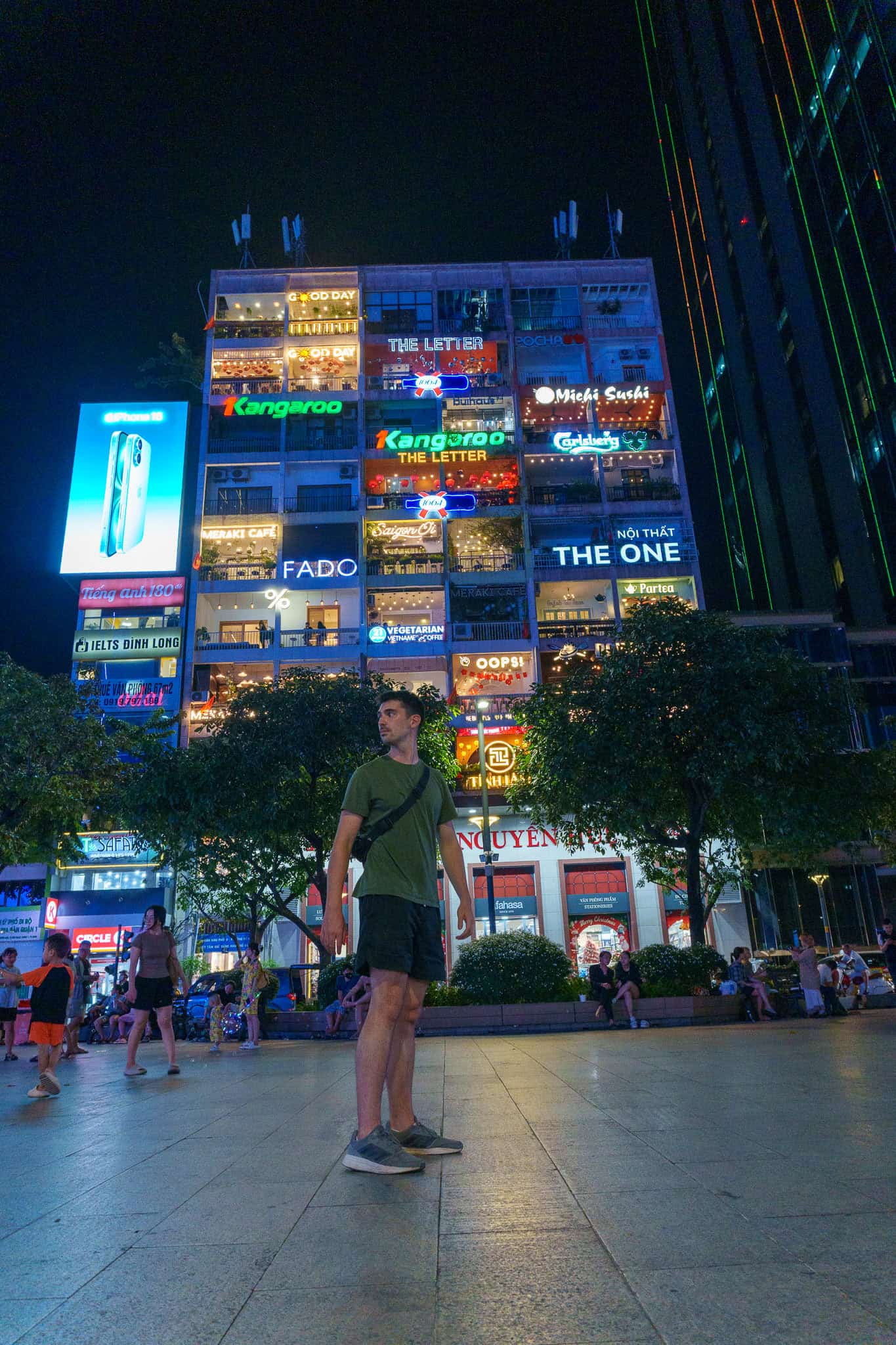
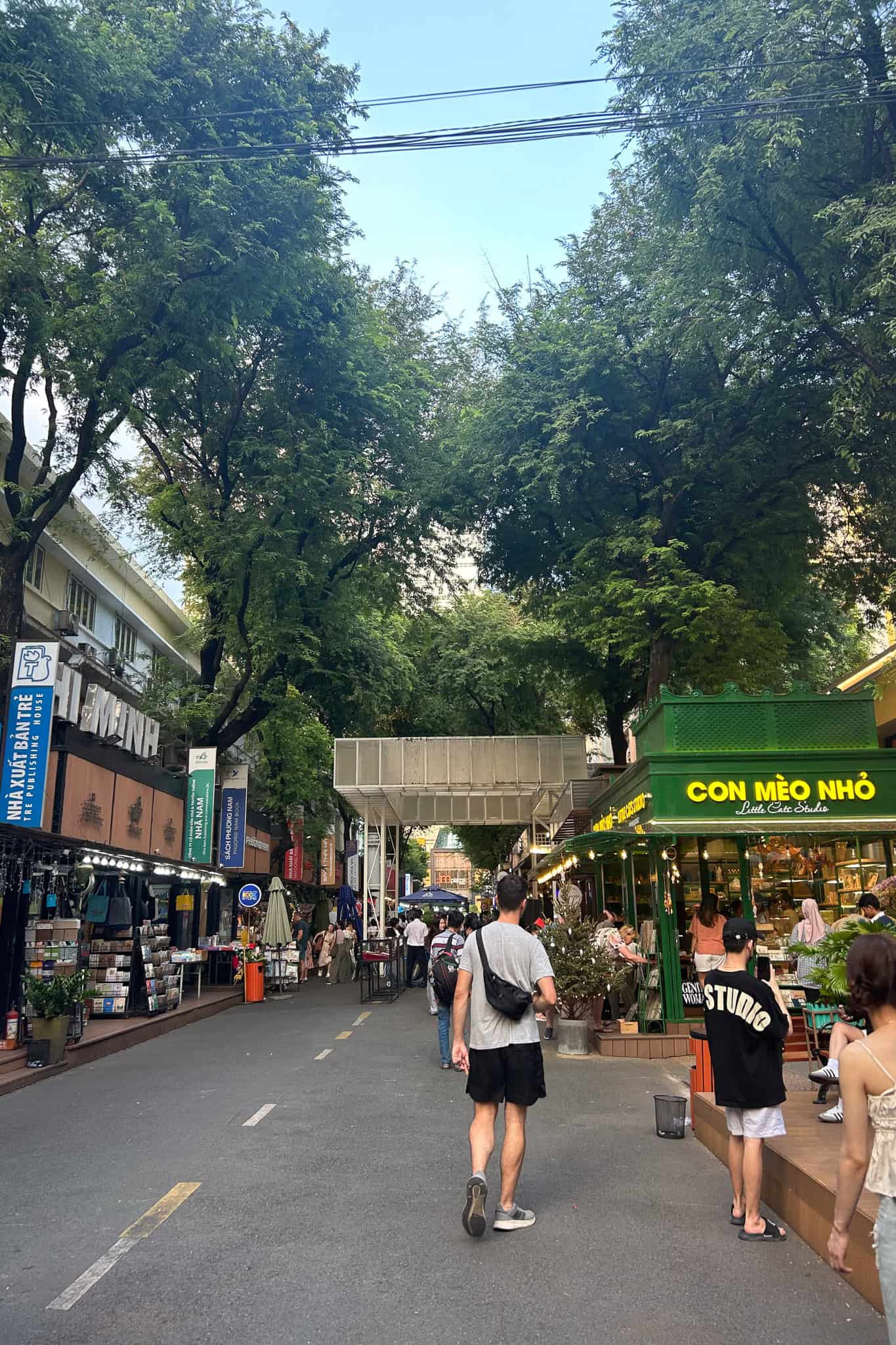
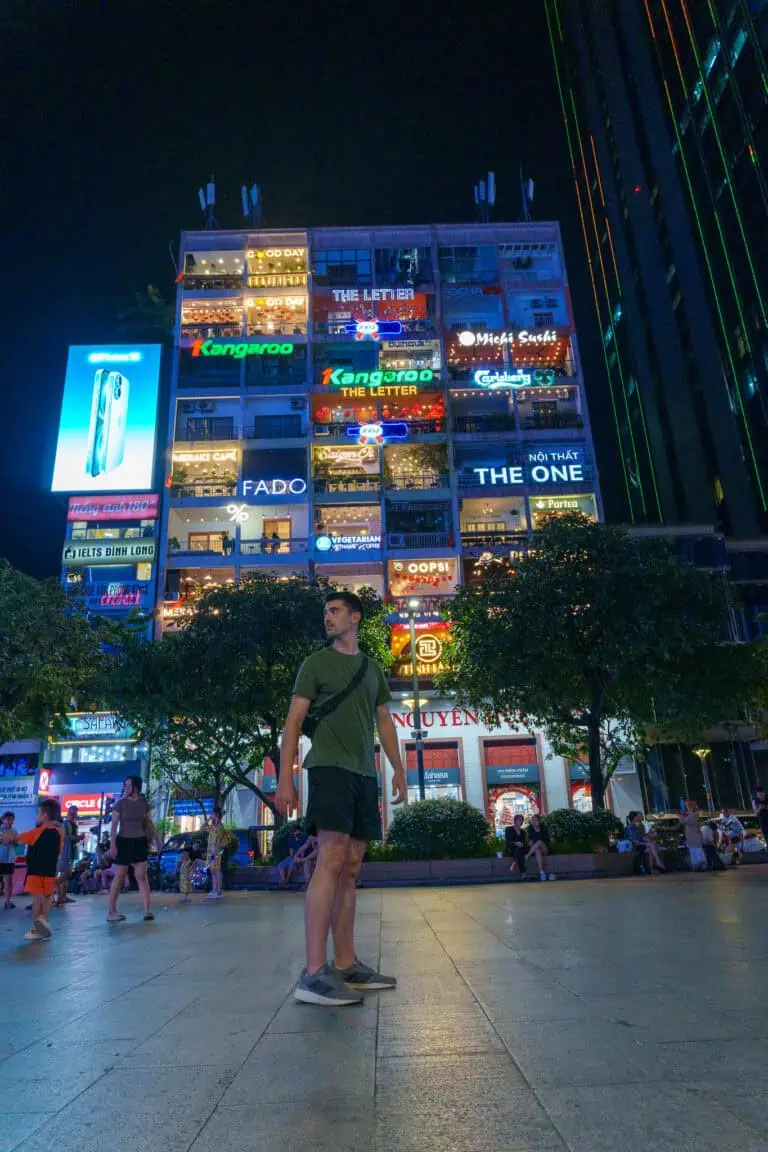
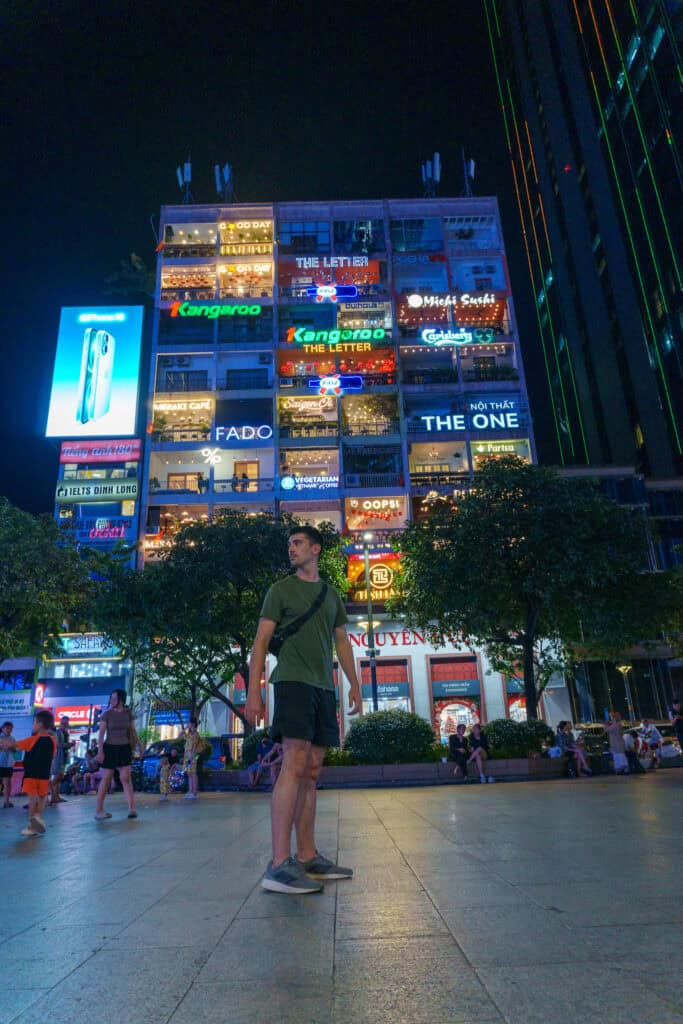
A man stands in a plaza at night in front of a brightly lit building covered in colorful signs and advertisements, evocative of scenes from the Ben Tan Market Saigon section of any Ho Chi Minh City travel guide. People sit and walk nearby, while trees frame the bustling scene.

Ho Chi Minh City Travel Guide: What to See, Do, and Know Before You Go

This post is also available in :

If you’re planning a trip to Ho Chi Minh City, you’ve probably already noticed that this place goes by two names depending on who you ask.

The official name is Ho Chi Minh City. Most locals still call it Saigon.

Either way, it’s one of the most energetic cities in Southeast Asia, and it tends to surprise first-time visitors in the best possible way.

This guide covers everything you need to plan a solid visit, from the main landmarks in District 1 to day trips, nightlife, food culture, and where to sleep without losing your mind to bass-heavy music at 2 a.m.

Whether you have two days or five, this Ho Chi Minh city travel guide should help you figure out what’s actually worth your time.

Table of Contents

Ho Chi Minh City at a Glance

Saigon or Ho Chi Minh City?

The city was officially renamed Ho Chi Minh City on July 2, 1976, about a year after the end of the Vietnam War. The name honors revolutionary leader Ho Chi Minh.

But walk around District 1, ask a local for directions, or book a motorbike ride, and you’ll hear “Saigon” constantly. Both names are used and accepted, so don’t overthink it.

The city sits in a flat, tropical region in southern Vietnam. It’s hot year-round, with an average temperature around 27°C (81°F). It can feel intense at first, mostly because of the traffic.

But once you get your bearings, it’s actually easier to navigate than it looks.

Is Ho Chi Minh City Worth Visiting?

Honestly, yes. I found it more modern and easier to enjoy than Hanoi, which has a more chaotic older urban core. Ho Chi Minh City feels cleaner, with newer buildings and wider streets in many areas.

That doesn’t mean it lacks character. It just wears it differently.

If you want history, good coffee, street food, nightlife, and a mix of French colonial architecture and modern Vietnamese energy, all within walking distance of each other, this city delivers.

It’s a strong base for day trips too, which makes it easy to stretch a two-day visit into something much more rewarding.

When I’m planning my trip, I always check flights on Skyscanner first, since it lets me compare prices and find the best deal, and most of the time I also go on Trip.com afterward, which is another great price comparison tool for flights and hotels.

FREE Google Map - Best 500 Places in the World

Most travelers visit the same 20 places their whole life.

Here are 500 reasons to do better.A curated world map of 500 unforgettable destinations across every continent — open it in Google Maps and start planning.

    A world map with orange location markers highlighting the Best 500 Places in the World across various continents. The title appears at the top on a beige banner.

    Walk Around District 1

    Build Your Own Central Saigon Walking Route

    Almost every major landmark worth seeing on your first day sits within a short walk of each other in District 1.

    The Reunification Palace, Notre-Dame Cathedral, the Central Post Office, the Opera House, Ben Thanh Market, and Nguyen Hue Walking Street are all clustered in the same neighborhood.

    You can cover most of them comfortably in a single day without needing a taxi or motorbike.

    Start early. By 7:00 or 7:30 a.m., the streets are manageable and the light is good. By 10:00 a.m., the heat starts to build, and the crowds at the main sites fill up fast. Getting an early start makes the whole day better.

    Reunification Palace

    This is the one landmark in District 1 that actually earns its place on every itinerary. Located at 135 Nam Ky Khoi Nghia Street, the palace was the presidential residence of South Vietnam until April 30, 1975, when North Vietnamese tanks drove through its gates and effectively ended the war.

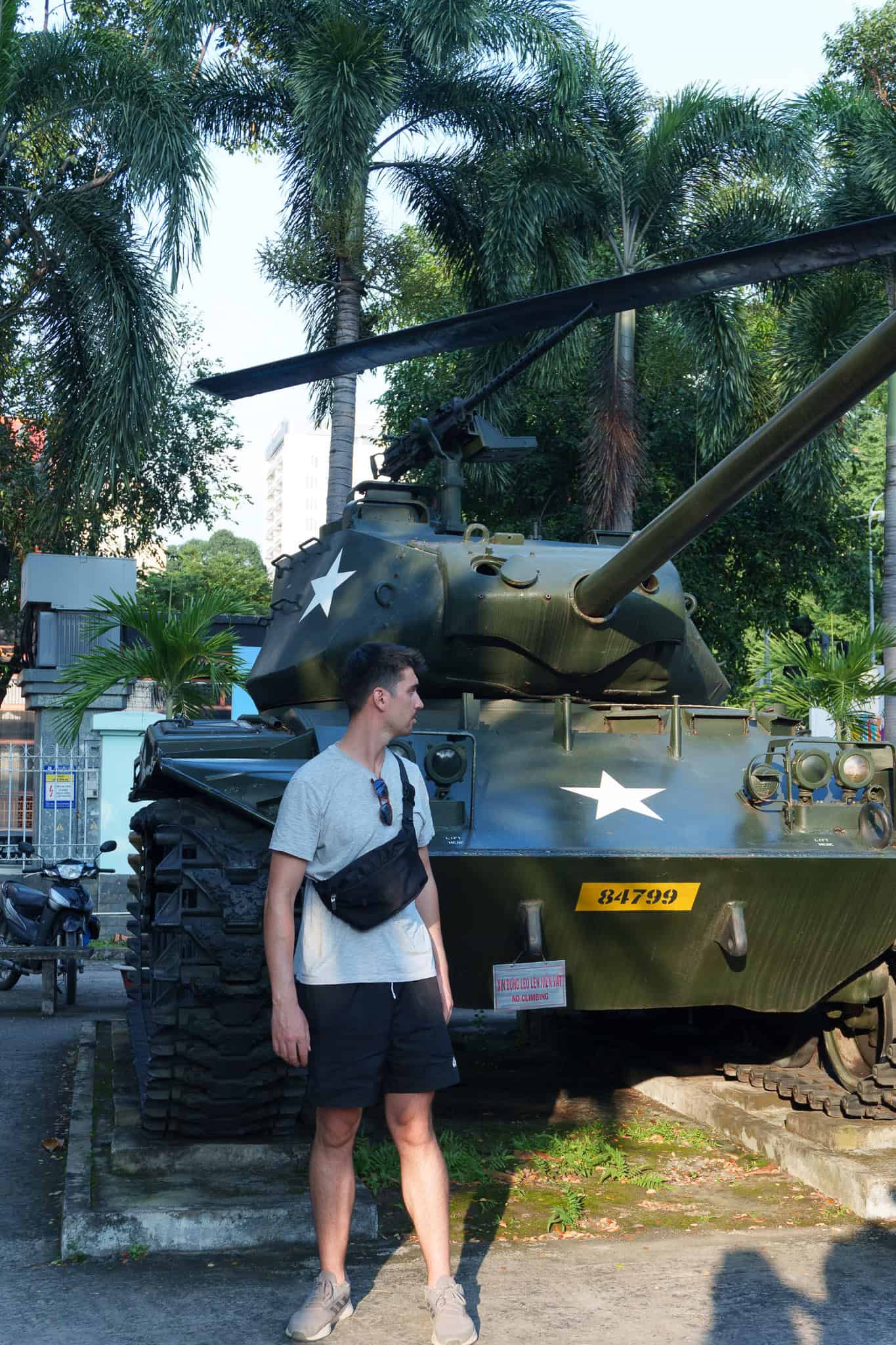
    The moment is one of the most photographed events in modern history, and two tanks still sit outside as a memorial.

    Inside, you can walk through the original war rooms, basement command bunkers, and communications equipment that were used during the conflict.

    The rooftop helipad is also open to visitors. The building is open daily from 7:00 a.m. to 6:00 p.m. Give yourself at least 90 minutes to do it properly.

    Whenever I need to rent a car, I check DiscoverCars first because it compares prices from lots of rental companies and shows the full price upfront, so there are no hidden fees waiting for you at pickup.

    Notre-Dame Cathedral, Central Post Office, and Opera House

    These three French colonial landmarks are close enough to visit back to back on the same walk.

    Notre-Dame Cathedral, at 1 Cong Xa Paris Street, was built between 1877 and 1880 in Romanesque style with red brick and two bell towers reaching 58 meters.

    It’s one of the finest examples of French colonial architecture in Southeast Asia. That said, restoration work has been ongoing, so check current access conditions before planning a visit inside.

    Directly opposite the cathedral is the Central Post Office, which is still a working post office with a beautifully preserved colonial interior worth stepping into for five minutes.

    A short walk away, the Saigon Opera House (built 1897–1900, inspired by the Petit Palais in Paris) anchors the southern end of Nguyen Hue Walking Street.

    Even if you don’t catch a show, the façade alone is worth seeing at night when it’s lit up.

    Visit the War Remnants Museum

    A Difficult but Essential Visit

    I visited the War Remnants Museum, and I’ll be direct: it is shocking.

    It’s also one of the most important things you can do in this city. The museum documents the Vietnam War through a Vietnamese perspective, with photographs, artifacts, and testimony covering war crimes, the use of Agent Orange, and the suffering of civilians.

    Many exhibits are graphic. Many visitors find it deeply emotional.

    That’s the point. The museum exists to make sure you understand what happened here and what the Vietnamese people lived through.

    It’s not comfortable, and it shouldn’t be.

    Give Yourself Enough Time

    Don’t treat this as a 30-minute photo stop.

    Give yourself at least two hours, and go with a respectful mindset. Read the captions. Slow down. The museum is located in District 3, within walking distance of District 1, and opens daily at around 7:30 a.m.

    If you’re visiting with historical context in mind rather than just checking a box, you’ll leave with a much better understanding of why this city and this country are the way they are.

    Explore Ben Thanh Market and Nguyen Hue

    Ben Thanh Market After Dark

    Ben Thanh Market, on Le Loi Street in District 1, is exactly what you’d expect from a central city market: a maze of stalls selling souvenirs, clothing, snacks, dried goods, and local products.

    The indoor market runs from 6:00 a.m. to 6:00 p.m.

    The prices are higher than what you’d pay at a local neighborhood market, so negotiate if you’re buying.

    The more interesting option is arriving in the late afternoon and staying for the night market that sets up on the surrounding streets from around 6:00 p.m. to 10:00 p.m.

    The energy shifts, street food vendors appear, and the area gets genuinely lively. It’s a good place to eat something cheap and wander without a plan.

    The Café Apartment on Nguyen Hue Walking Street

    At 42 Nguyen Hue Street, there’s a nine-story residential building that has been taken over almost entirely by independent cafés, boutiques, and creative spaces.

    More than 50 venues operate inside, each with its own concept and décor. The balconies overlooking Nguyen Hue Walking Street are the main draw, especially between 4:00 and 6:00 p.m. when the sunset light hits the boulevard.

    If you visit earlier in the day, it’s quieter and easier to find a good seat. In the evening, it can get crowded, but the views over the pedestrian street are still worth it.

    Most cafés are open from 8:00 a.m. to 10:00 p.m.

    Experience Saigon’s Coffee Culture

    One of the genuinely pleasant surprises of Ho Chi Minh City is how good and how varied the coffee scene is.

    There are hundreds of cafés spread across every neighborhood, each with its own personality. Some are tiny, tucked into alleyways, with plastic stools and a phin filter dripping slowly into a glass. Others are airy, modern roasteries with long brew menus.

    Try to get up early and visit a local café before the heat kicks in. Vietnamese phin coffee is the classic starting point, strong and slow-dripped.

    Coconut coffee has become a popular modern variation and is worth ordering at least once. Mornings are the best time, when the city is a little calmer and the café culture feels more like the locals actually live it.

    Experience Saigon After Sunset

    Walk Nguyen Hue at Night

    Nguyen Hue Walking Street is one of those places that costs nothing and delivers a lot. The broad pedestrian promenade runs through the heart of District 1, lit up at night with the Opera House at one end and the Saigon River views at the other.

    It’s an easy, relaxed evening activity that works well whether you’re starting your night or winding it down.

    Combine it with a stop at a riverside bar, a walk along Bach Dang Wharf, or a return visit to the Café Apartment for a drink with a view. It doesn’t need to be complicated.

    Visit Bui Vien Walking Street

    Bui Vien gets compared to Khao San Road in Bangkok, and I’d say the comparison is fair but Bui Vien has its own energy that feels more compact and more alive.

    Even if you’re not someone who wants to sit in a bar all night, it’s worth walking through on a Friday or Saturday to see what it actually looks like.

    Expect dense crowds, loud music, low plastic stools spilling into the street, and dozens of bars competing for your attention with happy hour deals and neon signs.

    Local beer runs around 30,000 to 50,000 VND (roughly $1.20 to $2). Cocktails are typically 80,000 to 150,000 VND ($3 to $6).

    It’s chaotic in the best possible way, and an hour walking through it gives you a real feel for the city’s nightlife without committing to a full evening out.

    Book a City Tour if Time Is Short

    If you only have a day or two and want historical context without organizing every stop yourself, a guided tour is a smart move.

    The Ho Chi Minh City highlights walking tour (rated 4.86) includes the main war history stops and finishes with a Vietnamese coffee at a local café, which is a nice touch.

    If you’d rather skip the walking and cover more ground, the half-day city highlights tour by car (rated 4.79) hits the Reunification Palace, War Remnants Museum, Notre-Dame Cathedral, and the Central Post Office in a single comfortable loop.

    Both are solid options for first-time visitors who want to understand what they’re looking at.

    Before you book your next tour, don’t forget to use my code HORIZONHUGO5 on Get Your Guide, it only takes a second to apply and gets you 5% off, so it’s basically free money for something you were going to book anyway.

    Take a Day Trip to the Cu Chi Tunnels

    What Makes the Cu Chi Tunnels Worth Visiting

    About 70 km northwest of central Ho Chi Minh City, the Cu Chi Tunnels are one of the most remarkable wartime sites in Vietnam.

    The tunnel network was originally built in the 1940s to resist French occupation, then dramatically expanded during the Vietnam War.

    At their peak, the tunnels stretched more than 250 miles, running from the Saigon River all the way to the Cambodian border.

    Vietnamese fighters used them as supply routes, communication channels, field hospitals, weapon storage, and living quarters.

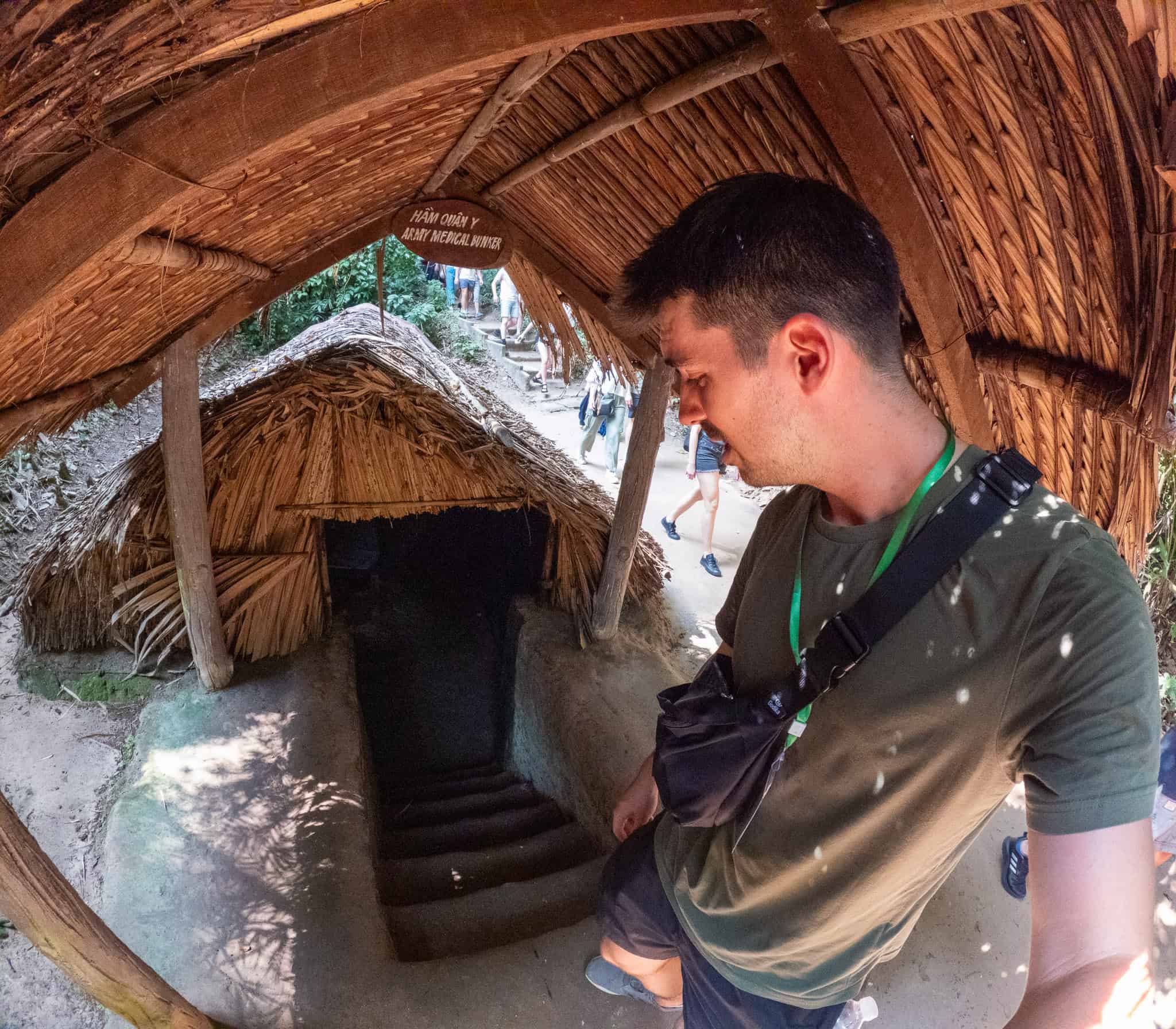
    During a visit, you’ll walk through sections of the original tunnels, which are narrow, low, and genuinely claustrophobic.

    Crawling through them for even a short stretch gives you a much more physical understanding of what life underground actually involved than any photograph can. It is a challenge, and some visitors find it difficult. That’s part of the experience.

    Choose the Right Tour

    The Cu Chi Tunnels are typically a half-day or full-day excursion from the city center, with transport included. The guided Cu Chi Tunnels tour with morning or afternoon departure is a focused option that includes going underground and learning how fighters lived inside.

    If you want to combine the tunnels with city sightseeing in one long day, the Cu Chi Tunnels and city full-day tour adds an afternoon of landmark visits and ends near Ben Thanh Market.

    Either way, plan for a full day out of the city center. It’s worth it.

    I did it when I visited Ho Chi Minh. This is a strong visit, but to compare, the visit of the War Museum was more intense, as you have more photos and grahics.

    Go Beyond the City Center

    Visit Thien Hau Temple in Cholon

    In District 5, about 7.5 km southwest of downtown in the Cholon area (Saigon’s Chinatown), the Ba Thien Hau Pagoda is one of the oldest Chinese temples in the city.

    Built around 1760 by Cantonese immigrants, it’s dedicated to Thien Hau, the Goddess of the Sea. T

    he temple is still an active place of worship, with ornate roof decorations, colorful sculptures, and incense coils hanging from the ceiling.

    It’s open from 8:00 a.m. to 5:00 p.m. and free to enter.

    For travelers who want a cultural stop that feels less organized around tourism, this is a worthwhile detour.

    I didn’t make it there myself due to time constraints, but it consistently comes up as one of the more atmospheric sites in the city.

    Take a Mekong Delta Day Trip

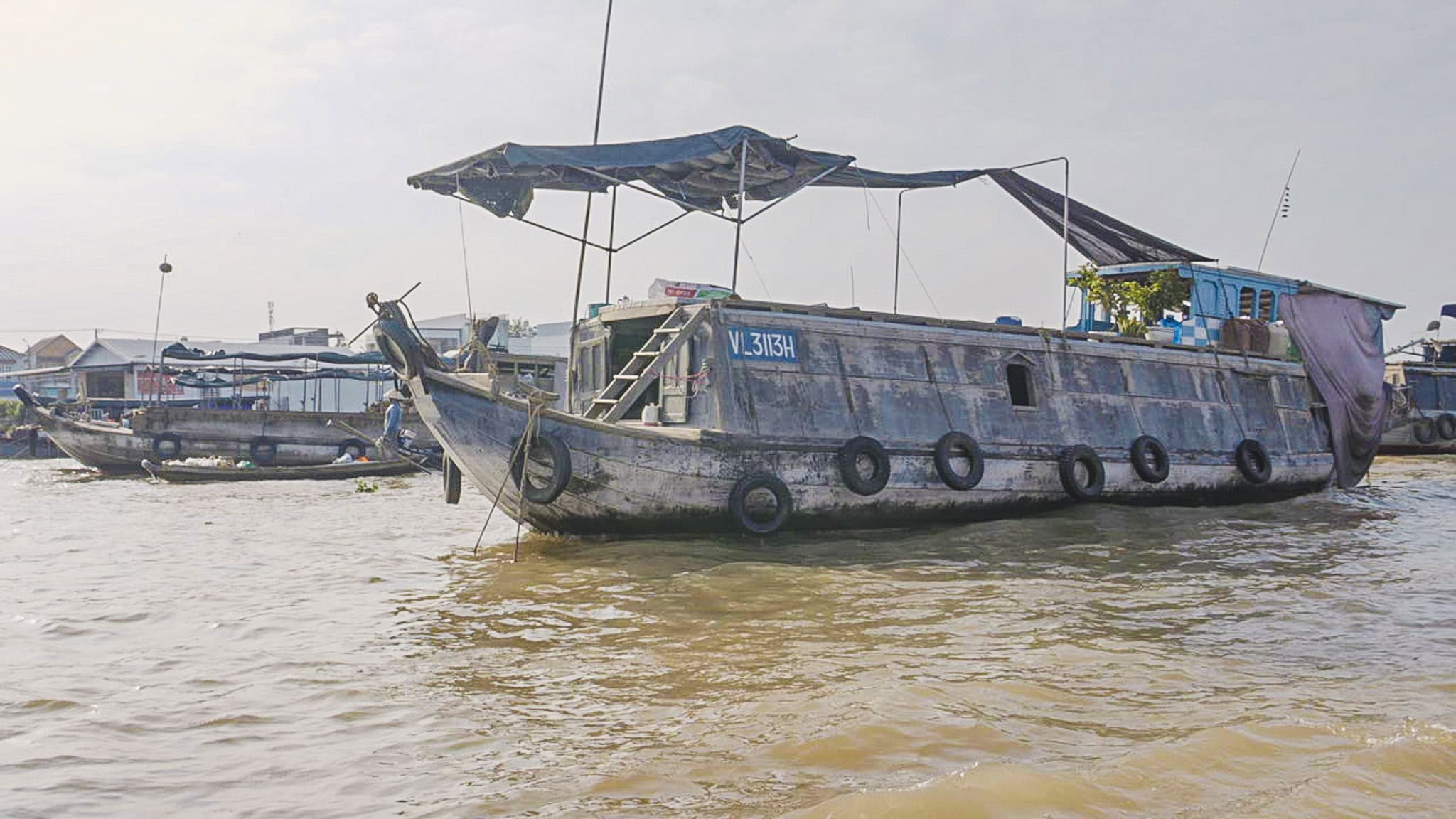
    A standard Mekong Delta day trip from Ho Chi Minh City takes 8 to 10 hours and typically includes sampan rides through canals, visits to fruit orchards, and stops at local villages.

    It’s a popular option and a reasonable way to see the delta landscape without committing to multiple days.

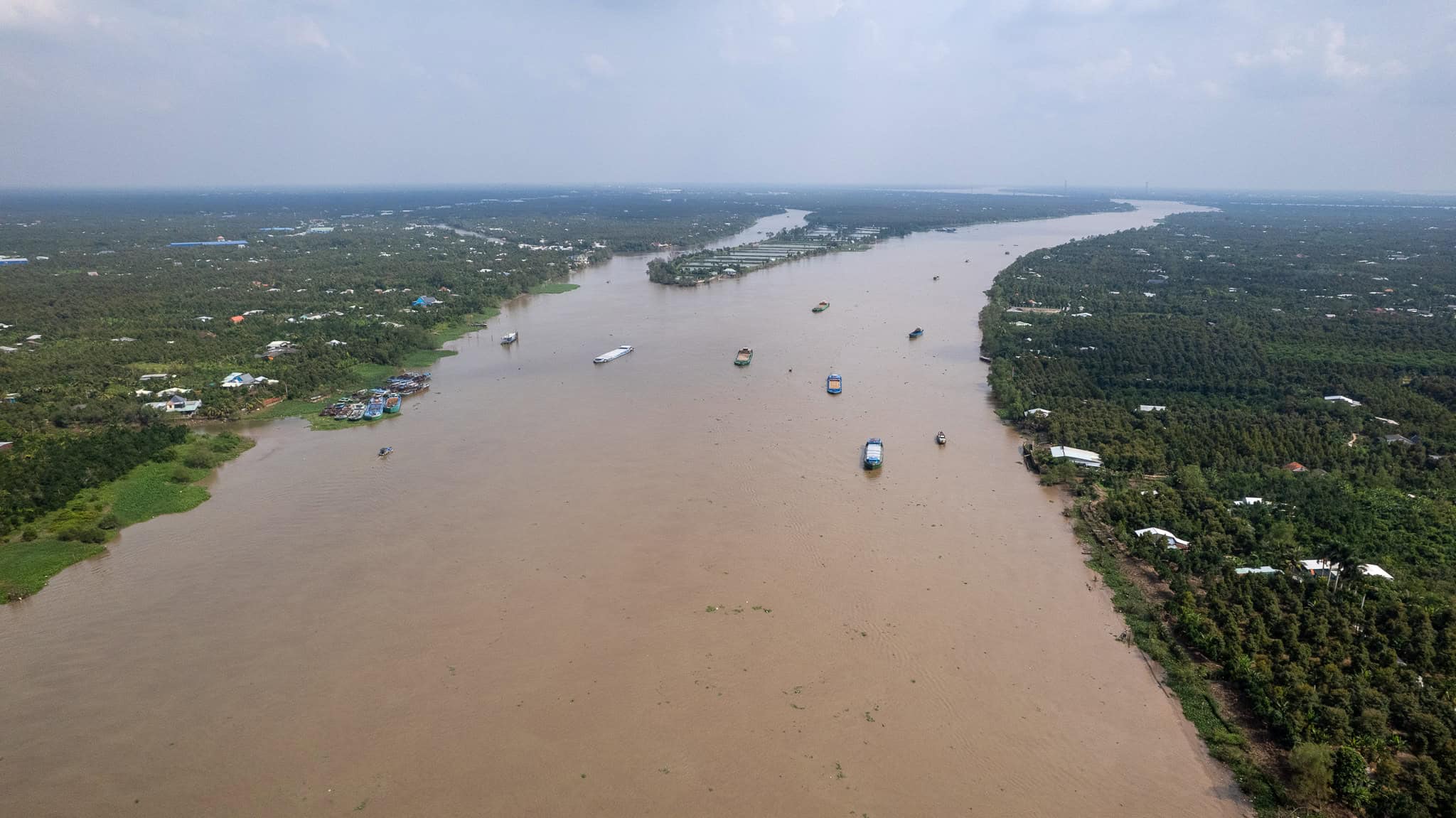
    I took a different route: a three-day, two-night adventure heading toward Cambodia, with stops throughout the region. That wasn’t a full three-day crusie boat, but some activites where on the Mekong.

    That kind of journey gives you a much deeper sense of the river and the communities along it.

    If your goal is go to Cambodia after, it’s genuinely worth considering. If you don’t, even a day trip shows you a side of Vietnam that’s very different from the city.

    See the Skyline from the Saigon River

    For a more relaxed perspective on the city, a short river cruise is an easy option. The Saigon River boutique cruise takes you past landmarks like the Tran Hung Dao Statue, Dragon Wharf, and the Bitexco Financial Tower from the water.

    It’s a low-effort way to see the skyline from a different angle and take a break from walking.

    Don’t forget to apply HORIZONHUGO5 at checkout on GetYourGuide before you book.

    Where to Stay in Ho Chi Minh City

    Best Area for First-Time Visitors

    District 1 is the best base for a first visit to Ho Chi Minh City.

    It keeps you close to landmark sights, Ben Thanh Market, cafés, restaurants, nightlife, and the pickup points for Cu Chi Tunnels and Mekong Delta day trips.

    The area around Nguyen Hue Walking Street, the Opera House, and the Reunification Palace is usually the better choice if you want central but calmer surroundings.

    Pham Ngu Lao and Bui Vien suit backpackers looking for cheap stays and a social atmosphere, but they can be very loud at night.

    Avoid Noise From Bars and Nightclubs

    I learned this the hard way. I stayed close to a nightclub in Saigon, and the bass was impossible to ignore, even during the week.

    Many buildings have limited sound insulation, so read recent reviews carefully and check the map before booking.

    Try to choose a room on a higher floor, away from the street. Avoid staying directly on Bui Vien unless partying is a priority.

    Whenever I want to book a hotel, I always check both Booking.com and Agoda first, since they usually have the same options but sometimes one has a better price than the other, so it’s worth comparing both, but if I’m looking for something cheaper and I also want to meet other travelers, I go with Hostelworld instead.

    Budget Stays

    Hanoi Backpackers Lodge is a cheap hostel-style option for travelers who want to keep accommodation costs low. It is rated well by guests for its central location and is usually available for around $10 per night.

    Haven Boutique Hotel Quy Nhon is a highly rated, affordable stay with a more boutique feel than a typical hostel. The beachfront location, garden, terrace, and on-site restaurant make it a good option around $25 per night.

    LOOP Hostel Cao Bang is a straightforward hostel for budget travelers. It has practical features including a shared kitchen, bar, 24-hour reception, and help organizing local tours, generally for under $20 per night.

    Mid-Range Stays

    The Windie Home – Đào Tấn – Central Hanoi – Quiet – Bathtub is a highly rated apartment-style stay for travelers who want more privacy and comfort. It offers city views, a terrace, and a bathtub, with rates often around $25 per night.

    Tru by Hilton Lao Cai City Riverside adds familiar hotel comfort without moving into luxury pricing. It has a fitness center, restaurant, bar, shared lounge, and private parking, usually around $30 per night.

    Harmony Botanical Garden Stay is a more peaceful, nature-focused choice. It is highly rated for its garden setting, natural stream, and hundreds of plant species, with rooms often available around $50 per night.

    Comfortable and Higher-End Stays

    Legacy Yen Tu Resort & Retreat – MGallery Collection is a highly rated retreat for travelers seeking a peaceful, upscale escape. Its location in the Yen Tu cultural landscape and refined design make it suitable for a special stay, generally around $140 per night.

    Meliá Vinpearl Cam Ranh Beach Resort is the choice for a proper beach-resort stay. It offers modern villas on Long Beach in Cam Ranh Bay and is best suited to couples, families, or travelers extending their Vietnam trip beyond city sightseeing, with prices often around $260 per night.

    Meliá Vinpearl Phu Ly is a comfortable, highly rated hotel with an on-site Asian restaurant and private parking. It provides an accessible upscale option at around $80 per night.

    Final Thoughts on Visiting Ho Chi Minh City

    Ho Chi Minh City is a great first stop in Vietnam if you want history, energy, good coffee, busy markets, and a city that never seems to slow down.

    Give yourself at least 4-5 days to see the main sights, visit the War Remnants Museum, explore District 1, and take a day trip to the Cu Chi Tunnels or the Mekong Delta.

    But don’t stop your Vietnam itinerary in Saigon. Head to the center for a different pace in Da Nang, a relaxed coastal city where you can mix city life with beach time. It is a good place to slow down after the intensity of Saigon.

    Then make your way north to Hanoi, Ha Long Bay, or Cat Ba.

    Cat Ba and Lan Ha Bay are especially worth considering if you want dramatic limestone landscapes and boat trips with fewer crowds than Ha Long Bay.

    For mountain scenery and a more adventurous side of Vietnam, continue toward Sapa or tackle the Ha Giang Loop.

    Vietnam changes completely from south to north. Saigon gives you the fast, modern, tropical side of the country.

    The central coast adds beaches, while the north brings historic cities, bays, rice terraces, and mountain roads.

    That contrast is exactly what makes a longer trip through Vietnam so rewarding.

    This post is also available in :

    Subscribe to the Newsletter

    Join our community and receive exclusive travel stories, guides, and special offers!

      What's on My Desk Right Now

      The Brazilian flag with green and yellow brush strokes, a blue globe with stars and a white banner reading Ordem e Progresso in the center.

      🗺️ Planning a Trip?

      Skip the research rabbit hole.

      I’ll build you a personalised day-by-day itinerary — or answer all your questions on a quick 60-min call.

      Let's Connect

      Affiliate Disclosure

      Some of my posts include affiliate links. If you choose to make a purchase through them, I may earn a small commission—at absolutely no extra cost to you.


      Using these links is the best way to support my work and say thank you, and I appreciate it so much! Of course, everything I share reflects my honest opinions and experiences.

      📸 Work With Me

      Brand, tourism board or hotel?

      Let’s create something together — content, reviews and campaigns that reach real travellers who are ready to book.

      Buy Me A Coffee

      Latest Posts

      A man stands in a plaza at night in front of a brightly lit building covered in colorful signs and advertisements, evocative of scenes from the Ben Tan Market Saigon section of any Ho Chi Minh City travel guide. People sit and walk nearby, while trees frame the bustling scene.
      This Ho Chi Minh City travel guide covers District...
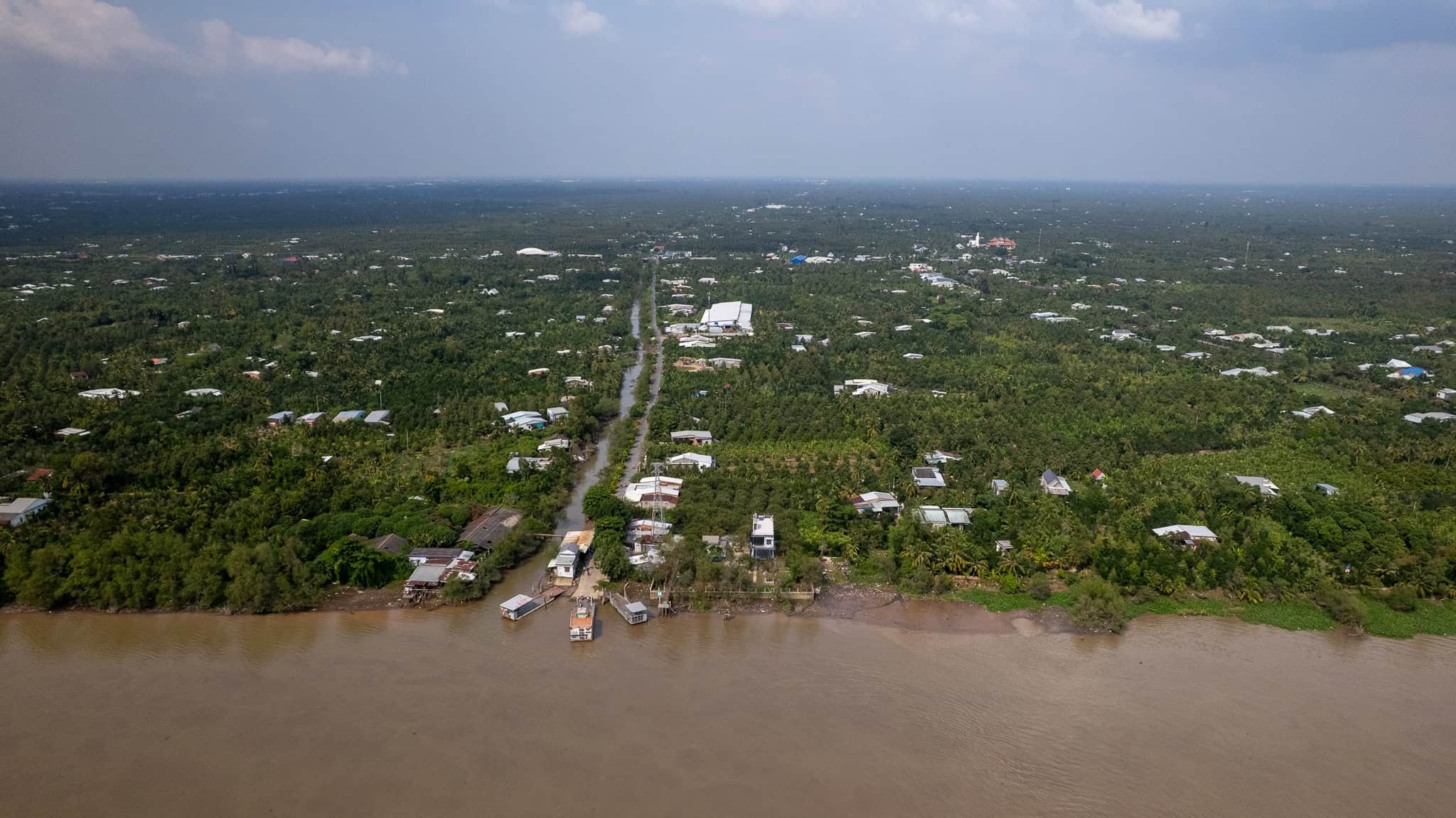
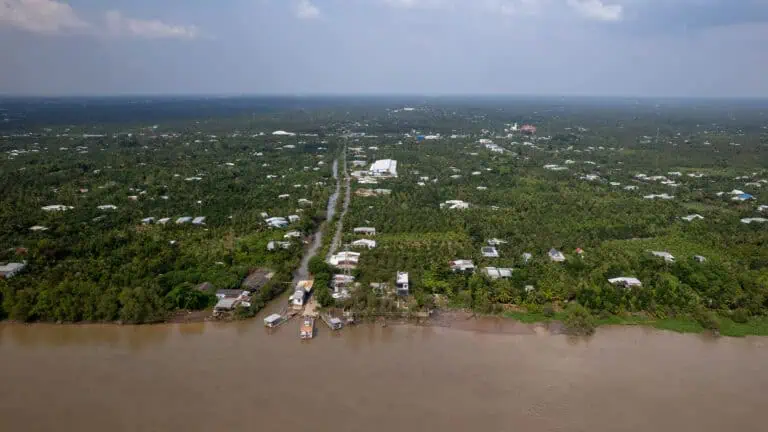
      Aerial view of a river with muddy water bordered by green vegetation and scattered houses, a road extends from the river through a lush rural landscape under a cloudy sky—capturing scenes reminiscent of the picturesque routes you might experience on a Vietnam to Cambodia tour, such as traveling from Ho Chi Minh City to Phnom Penh.
      Discover what to expect at the Cu Chi Tunnels, how...
      Aerial view of several boats sailing among limestone islands in calm blue water under a clear sky, with rocky green islets scattered across the horizon—an iconic scene near Cat Ba Island, home to some of the most beautiful beaches in Vietnam.
      Discover the key differences between Lan Ha Bay and...
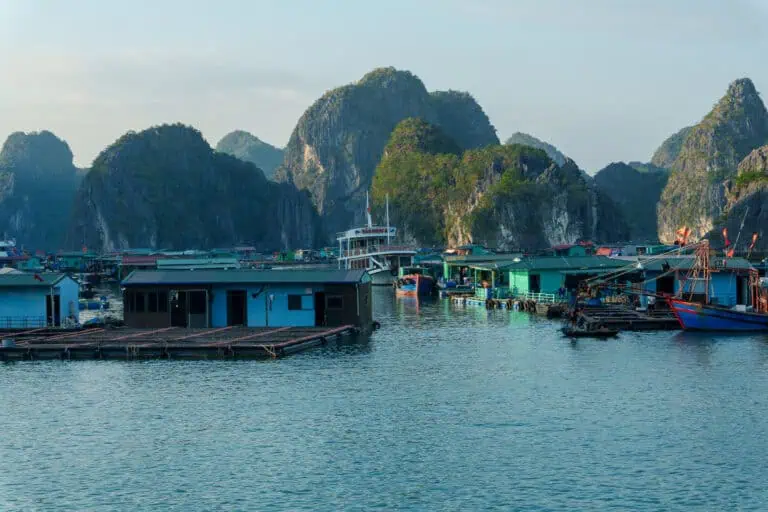
      Floating houses and boats on calm water, surrounded by green limestone hills under a partly cloudy sky, create a tranquil scene reminiscent of Cat Ba Island in Vietnam.
      Discover Cat Ba Island, Vietnam's quieter alternative...
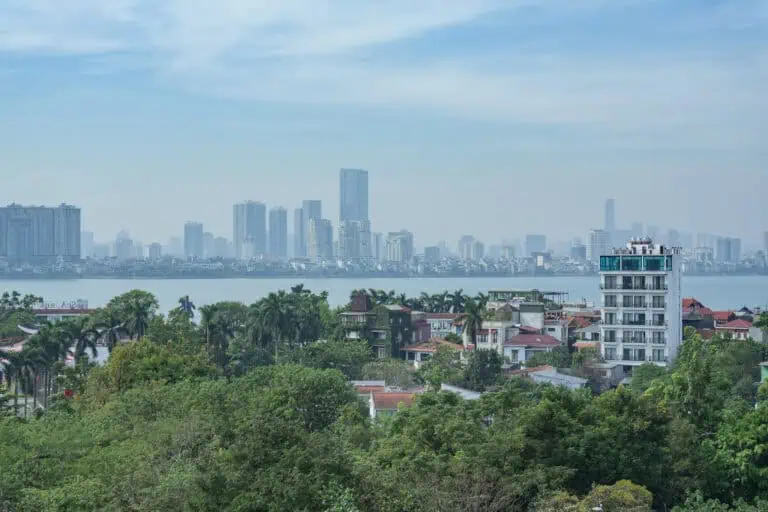
      A cityscape with tall buildings in the background, a body of water in the middle, and houses surrounded by trees and greenery in the foreground under a partly cloudy sky—this picturesque scene evokes some of the top things to visit in Hanoi.
      Discover how to travel to Hanoi with this comprehensive...

      Get My Personal Map of 500 Must-See Places - FREE

      I’ve compiled 500 of the best places across my travels into one free Google Map.

      The kind of spots you won’t find in a guidebook.

        A world map titled UNESCO World Heritage displays numerous brown, blue, and green icons marking heritage sites across all continents.

        Table of Contents

        Got Questions?

        Still figuring things out for your trip, or just want to double check something before you book? Send me a message and I’ll get back to you as soon as I can.

        Or hit me up on Instagram, I’m there anyway and always happy to chat about the trip.

          Share it with the person you to travel with !

          You might also like to read these articles

          Scroll to Top