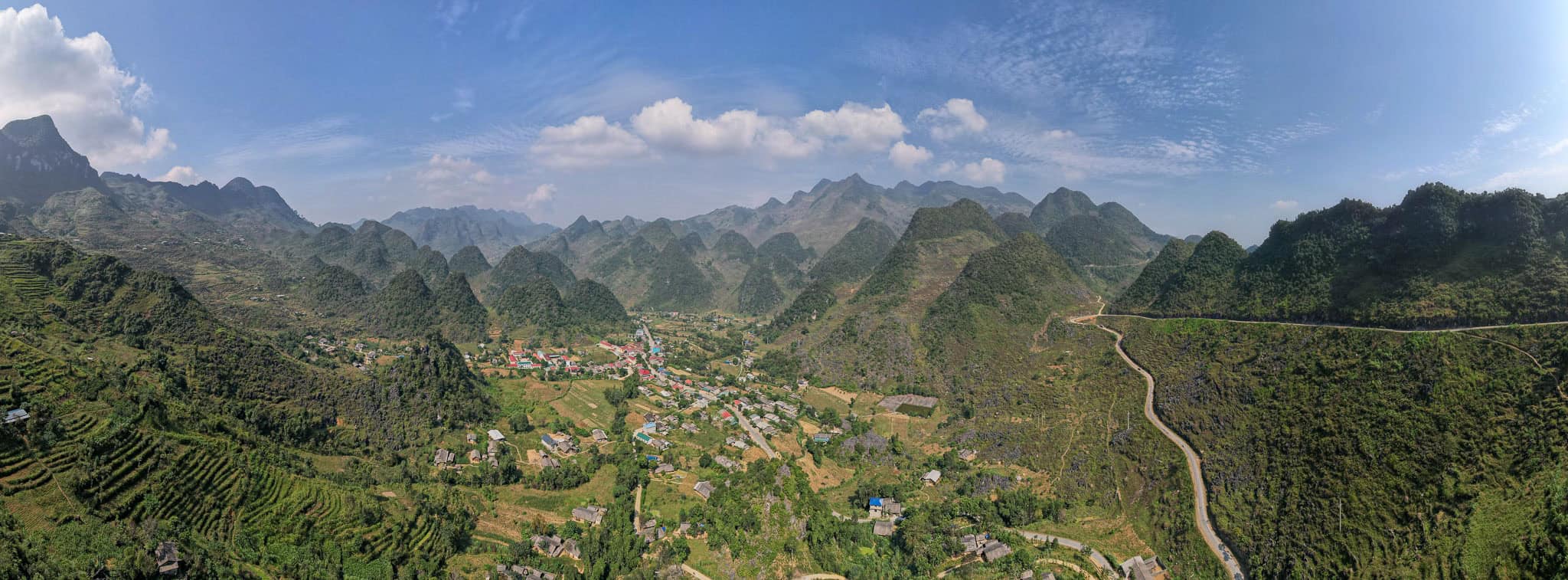
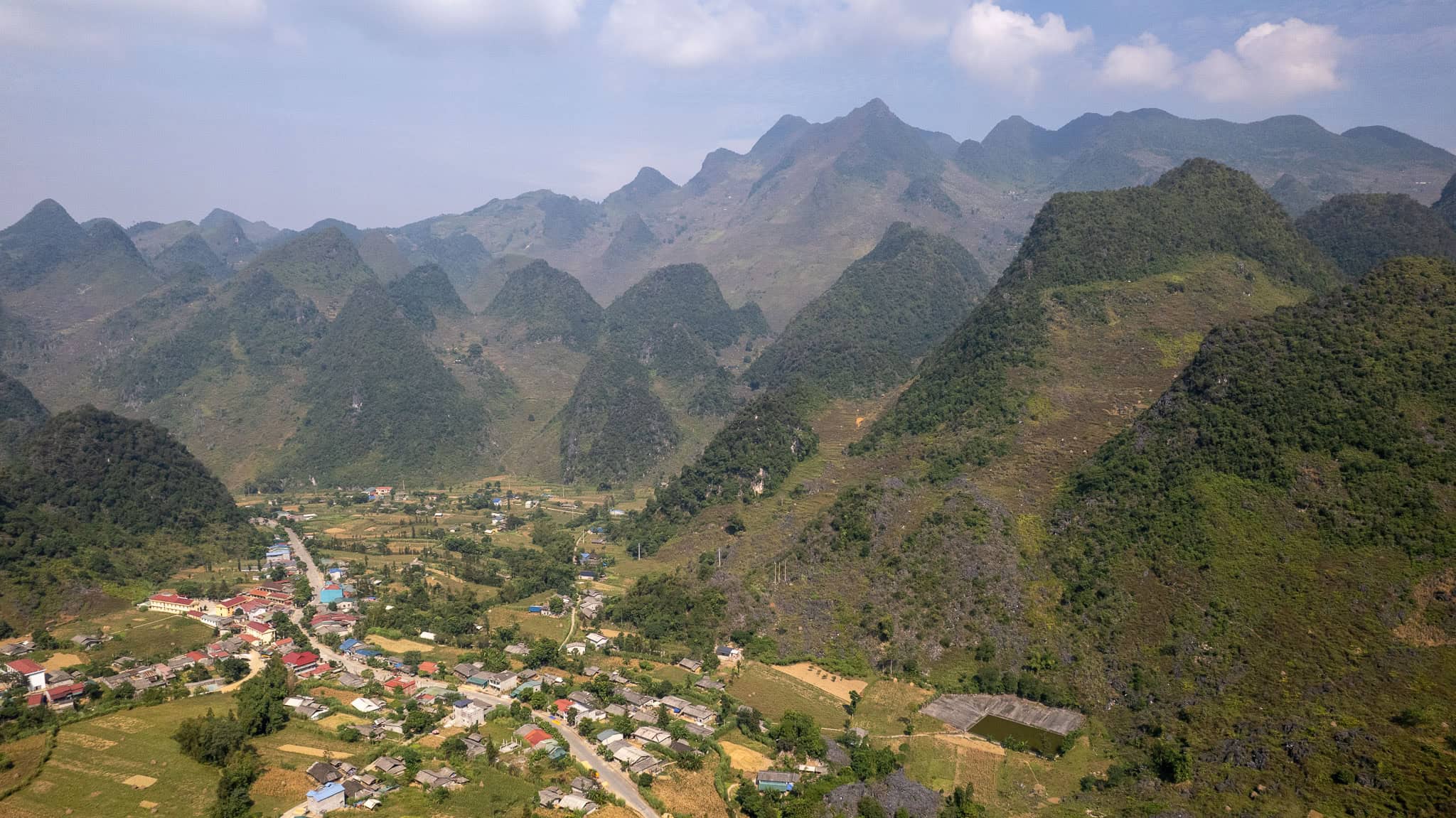
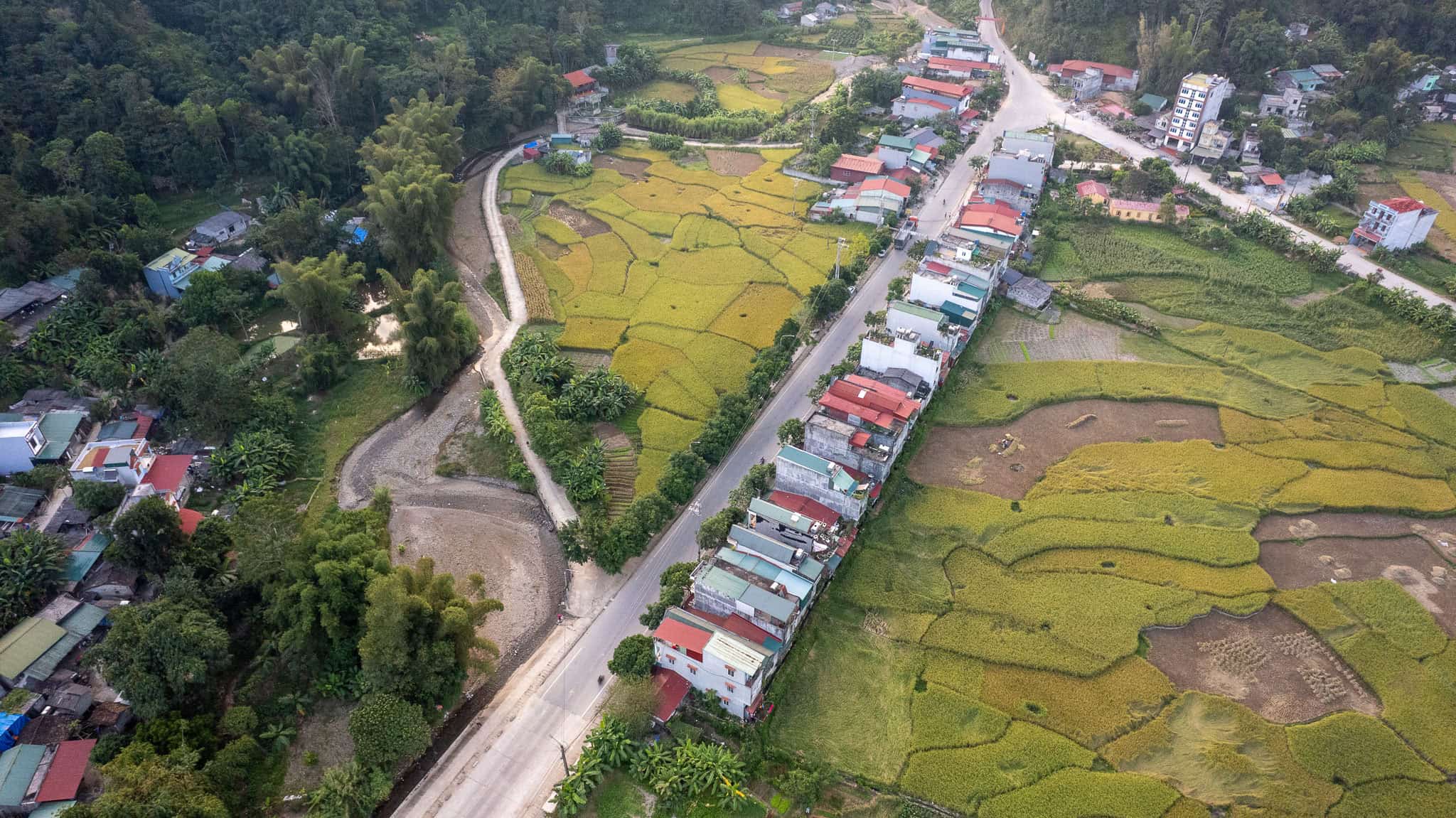
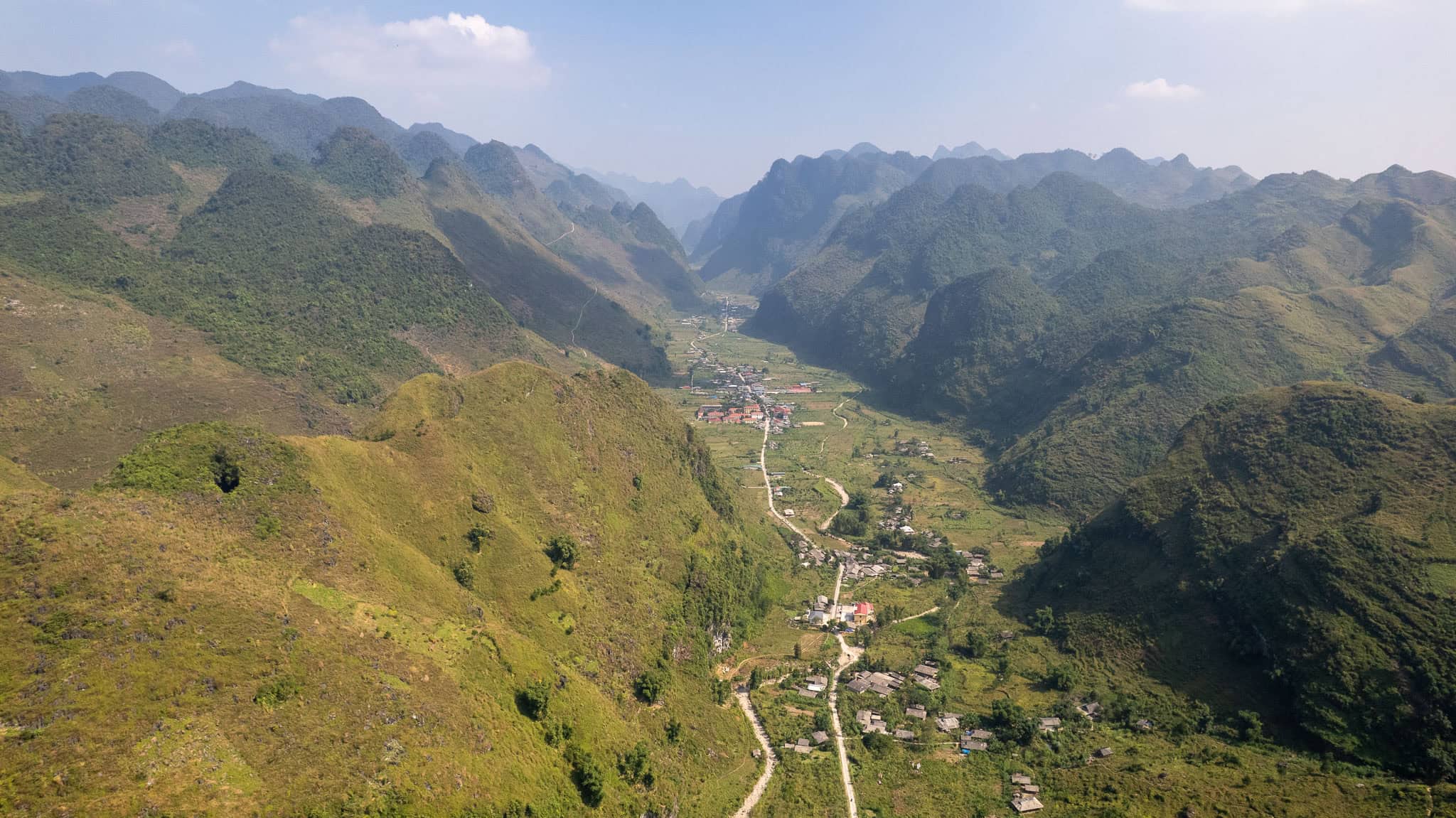
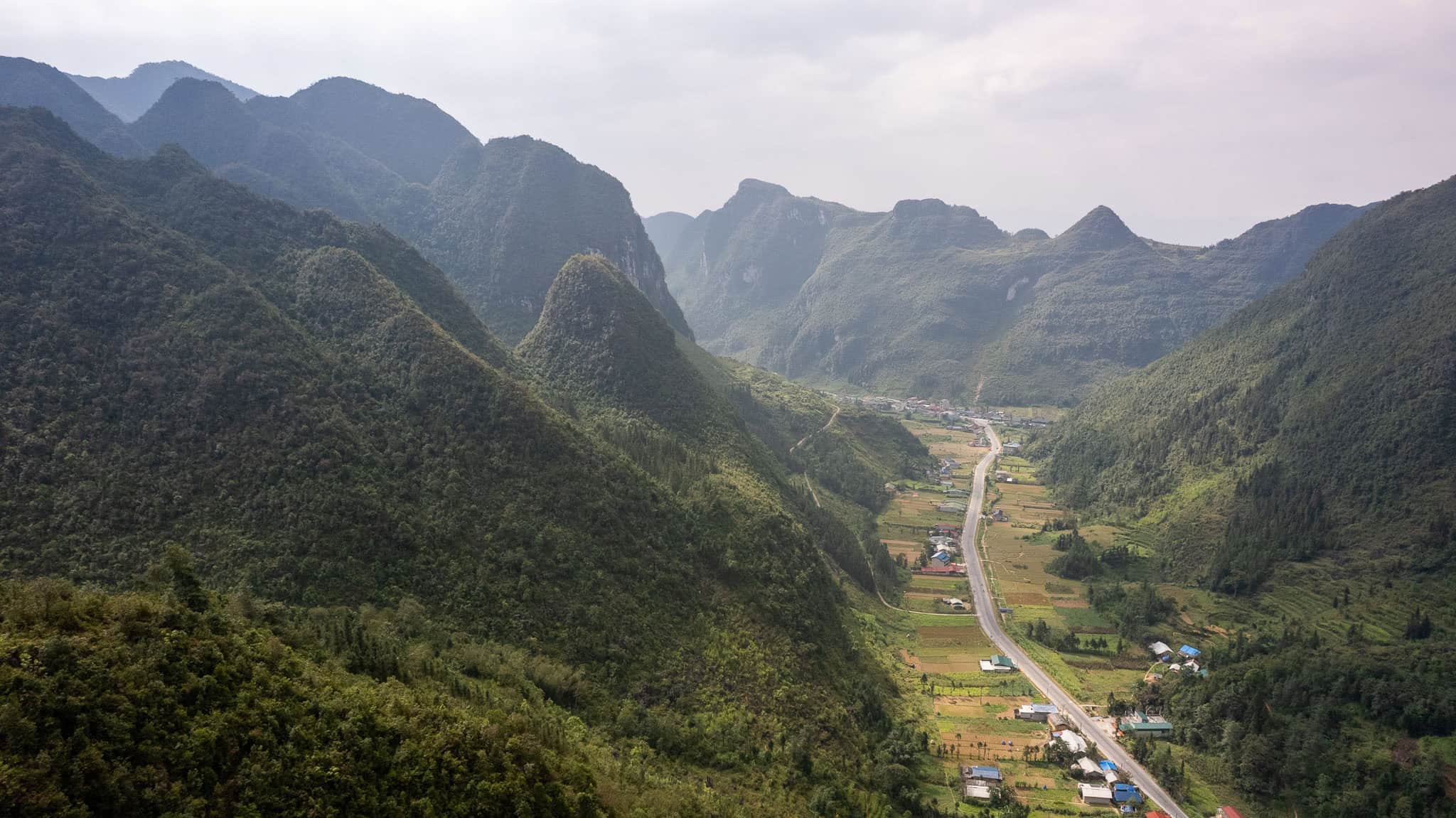
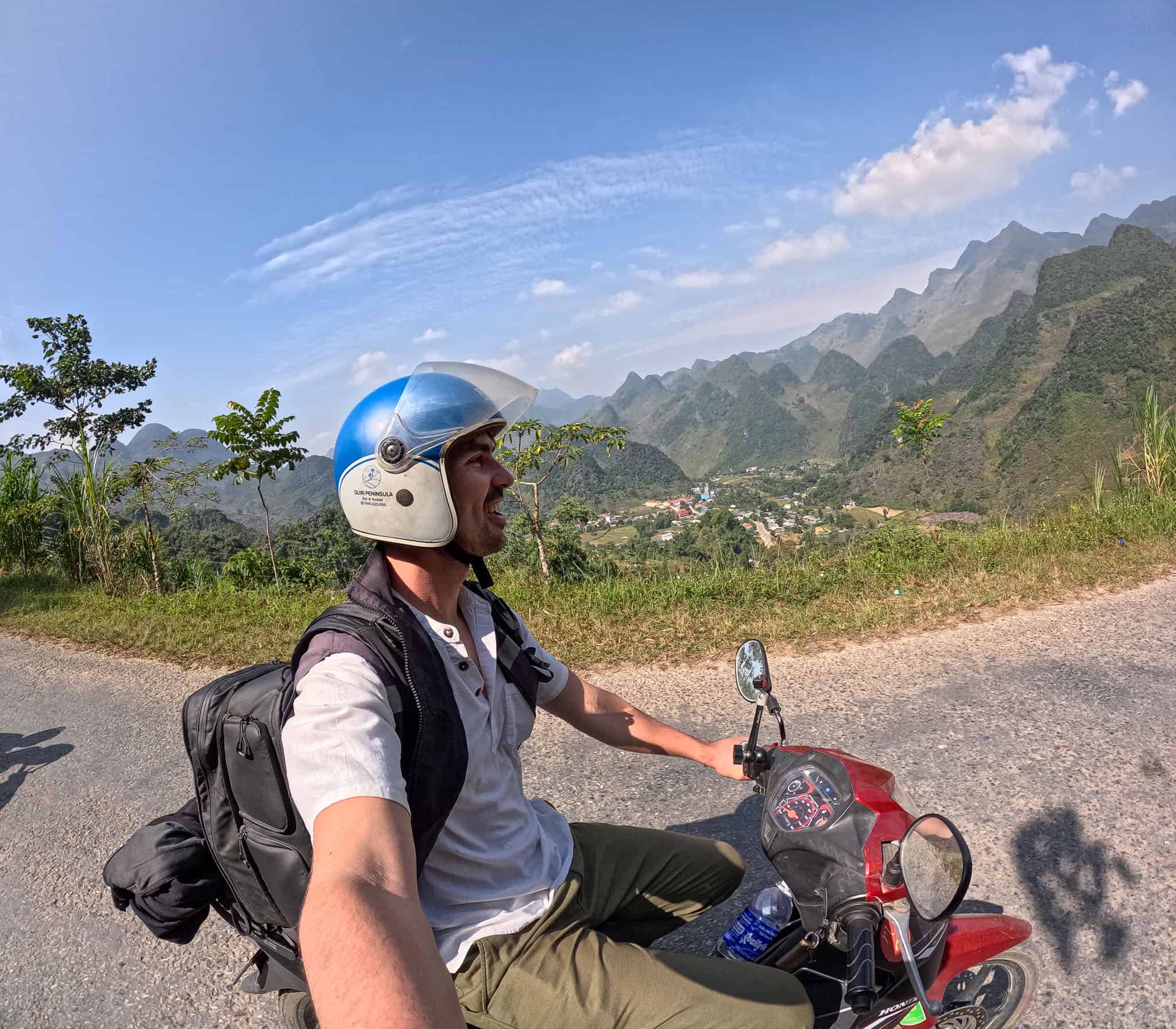
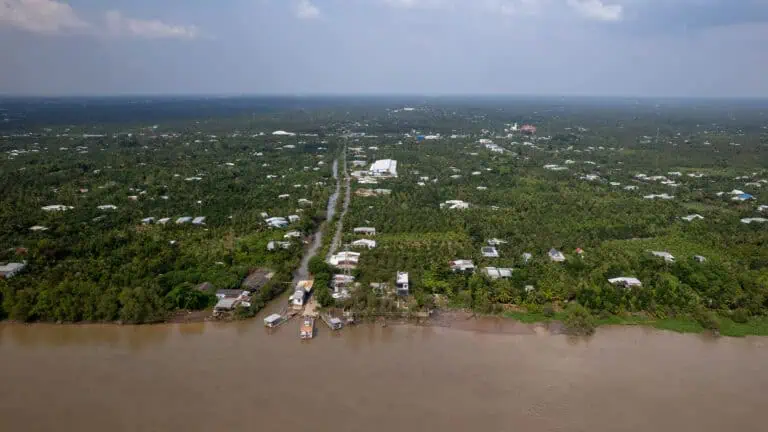
A narrow valley with a winding road runs between tall, green mountains under a blue sky with scattered clouds. Small houses and fields are visible along the valley floor.

Ha Giang Loop Tour: 4-Day Vietnam Motorbike Adventure

This post is also available in :

The Ha Giang Loop isn’t just another motorbike tour.

It’s a 3-4 day journey through Vietnam’s northernmost province that challenges your physical limits, rewires your sense of adventure, and delivers views that genuinely take your breath away.

But here’s what most travel blogs won’t tell you: the Ha Giang Loop is intense, demanding, and absolutely not suitable for everyone. That’s exactly why it’s become the ultimate bucket-list experience for adventure travelers willing to embrace discomfort for authenticity.

I’ve researched every angle of this journey and ridden it myself to give you the unfiltered truth: the stunning highlights that define this route, the practical realities that catch people off guard, the different ways to experience it, and exactly how to prepare for one of Southeast Asia’s most rewarding road trips.

Table of Contents

What is the Ha Giang Loop and Why Is It Different from Other Vietnam Tours

The Route That Defined Adventure Travel in Southeast Asia

The Ha Giang Loop is a circular motorbike route through Vietnam’s far north that starts and ends in Ha Giang City. It covers approximately 300 to 400 kilometers depending on detours and side trips you take. This isn’t just another scenic ride; it’s recognized as one of the world’s most spectacular motorcycle routes, comparable to famous roads in New Zealand and the Alps.

What makes it unique is the UNESCO Global Geopark status. You’re riding through protected geological landscapes with worldwide significance, not just climbing random mountains. The loop follows national highways QL4C and QL34, which wind through remote terrain rarely seen by mainstream tourists. These aren’t pristine highways; they’re challenging mountain roads that test both your bike and your confidence.

When I’m planning my trip, I always check flights on Skyscanner first, since it lets me compare prices and find the best deal, and most of the time I also go on Trip.com afterward, which is another great price comparison tool for flights and hotels.

Why It’s Called Epic (and Not in a Hype Way)

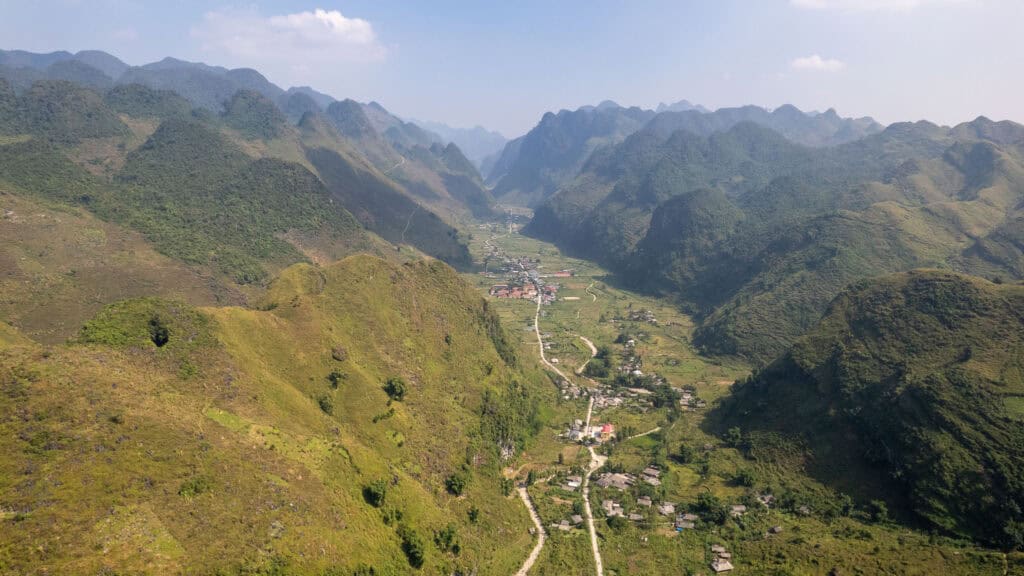
Every turn reveals new dramatic limestone karst peaks and deep valley drops. There are over 30 winding mountain passes that test both rider and bike throughout the loop.

The authentic interaction with ethnic minority villages, Hmong, Tay, and Zao people, happens because these communities haven’t been overtouched by tourism infrastructure. You’re not visiting a theme-park version of village life; you’re encountering real places where people actually live.

The sheer remoteness means limited ATMs, fuel stations, and emergency services. You’re genuinely off-grid in ways that most Southeast Asia tourism doesn’t offer. Most travelers report the Ha Giang Loop as a transformative experience rather than just a scenic ride.

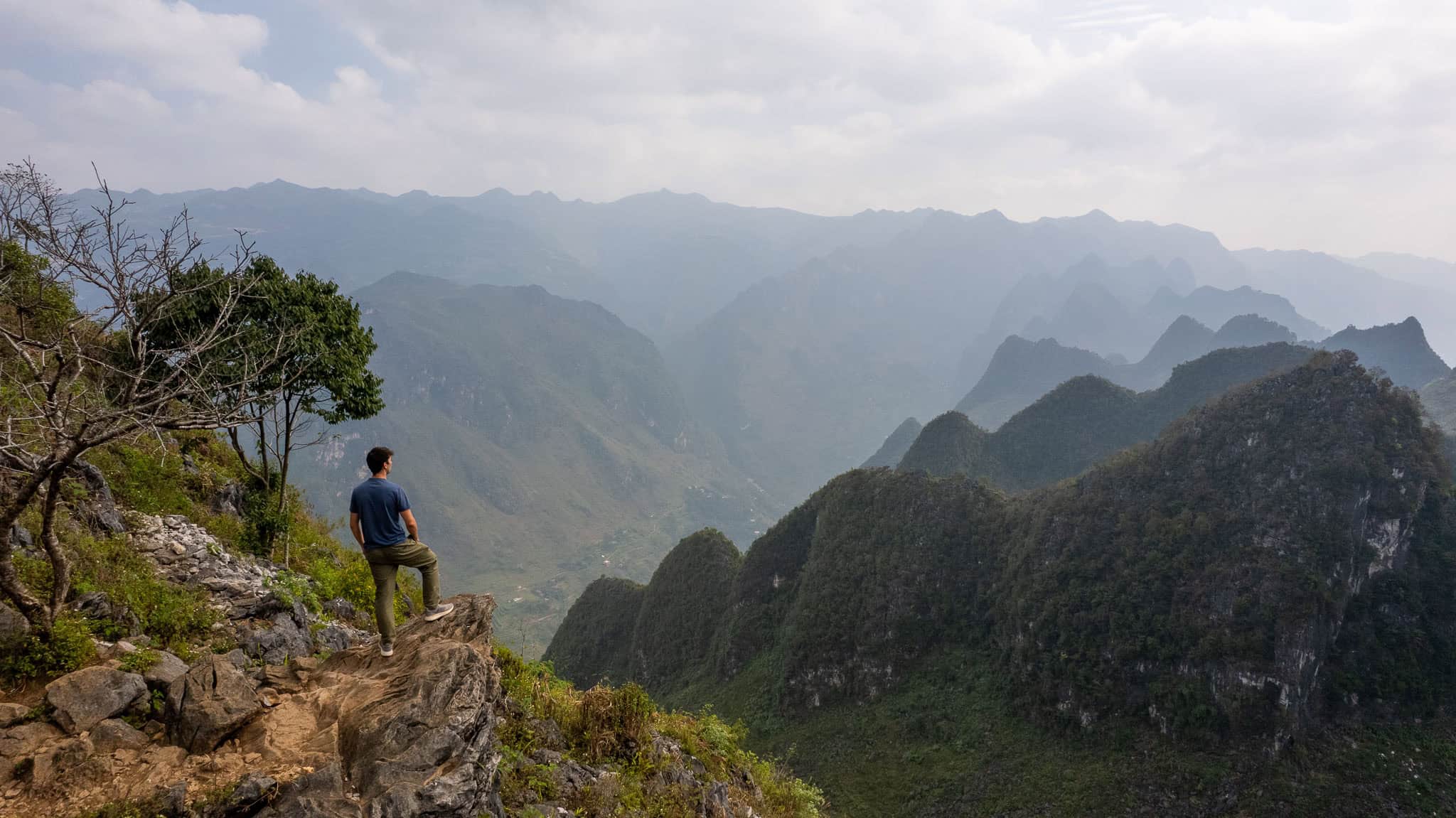
When I rode this loop, the mountains landscape, nature, and the people and culture made me realize this place is really special in ways I didn’t expect.

How the Ha Giang Loop Differs from Sapa or Other Northern Vietnam Routes

Sapa focuses on hiking and colonial charm; the Ha Giang Loop is pure adrenaline and raw landscape. Sapa is accessible and crowded with local or Asian tourists; the Ha Giang Loop requires commitment and genuine motorbike confidence. The vibe is different too.

Sapa attracts a mix of casual travelers; the Ha Giang Loop draws a younger, more adventurous crowd, predominantly European tourists seeking genuine challenge.

They’re just two different spots with two different landscapes, and honestly, you should explore both if your time in northern Vietnam allows it. But if you have to choose, the Ha Giang Loop offers something Sapa simply can’t deliver: a raw, unfiltered mountain adventure that transforms how you see travel.

Whenever I want to book a hotel, I always check both Booking.com and Agoda first, since they usually have the same options but sometimes one has a better price than the other, so it’s worth comparing both, but if I’m looking for something cheaper and I also want to meet other travelers, I go with Hostelworld instead.

FREE Google Map - Best 500 Places in the World

Most travelers visit the same 20 places their whole life.

Here are 500 reasons to do better.A curated world map of 500 unforgettable destinations across every continent — open it in Google Maps and start planning.

    The Complete Ha Giang Loop Itinerary: What You’ll Actually Experience Each Day

    Planning Your Duration: 3 Days vs 4 Days on the Ha Giang Loop

    Three-day Ha Giang Loop tours cover 6-8 hours of riding per day and hit main highlights but feel rushed. Four-day Ha Giang Loop itineraries allow 4-6 hours of riding daily, with time for photography, village exploration, and recovery. Four days is the sweet spot for capturing the essence without exhaustion-driven mistakes on technical roads.

    There’s a budget consideration: four days costs slightly more in accommodation and meals, but it significantly improves the experience quality.

    Three-day tours work if you have tight schedules, but you’ll sacrifice the slower exploration that makes the loop memorable. Most travelers who do three days wish they’d committed to four.

    I’ve done the four days tour and you should too !

    Day 1: Ha Giang City to Yen Minh, Your First Taste of What’s Coming

    Start early from Ha Giang City with breakfast before hitting the QL4C northeast. The landscape transforms within the first hour from city streets to limestone mountain ranges covered in jungle.

    The first major stop is Dong Van Karst Plateau, the UNESCO Global Geopark that sets the tone for scenic intensity. Heaven’s Gate Pass arrives mid-morning and serves as your first real adrenaline checkpoint with tight curves and dramatic cliff views that make your stomach drop. The Quan Ba area presents the famous Two Peaks panoramic viewpoint, most operators stop here for photos and refreshment, and it’s genuinely worth the pause.

    Afternoon riding towards Yen Minh showcases rice terraces clinging to mountainsides at impossible angles. These aren’t neat agricultural operations; they’re survival-level farming on terrain that should be uninhabitable. You’ll overnight in Yen Minh or Du Gia area in homestays or small guesthouses. This is your first experience with rural accommodation and local food, and it’s usually much better than you’d expect.

    Day 2: The Border Route to Dong Van, The Day That Changes Your Perspective

    This is widely considered the most dramatic day of the Ha Giang Loop for sensory experience and technical difficulty. The early start begins with local pho breakfast before heading to Dong Van via QL4C. Within the first two hours, Dốc Chín Khoanh (Nine Turn Pass) challenges arrive, visible switchback roads descend into valleys far below in ways that make your palms sweat.

    You’ll stop in Sà Phìn area for fuel and food before the afternoon’s main event. An optional three-hour detour to Lũng Cú Flag Tower, Vietnam’s northernmost point, presents 360-degree border views into China that are genuinely worth the extra riding. The ride to Mã Pí Lèng Pass begins in early afternoon and builds to climactic views that don’t disappoint.

    Night in Dong Van gives you time to visit the ethnic minority market (morning or evening) and witness Hmong, Tay, and Zao people in traditional dress. This day often includes homestay experiences where you eat dinner with local families and gain cultural perspective impossible to find in cities. Day two is also statistically the day when riders feel most challenged, but pushing through it is when the Ha Giang Loop transforms from a tour into genuine adventure.

    Day 3: Dong Van to Mao Pí Lèng, The Technical Peak and the Most Photogenic Stretch

    Many travelers describe this as the most mind-blowing stretch of road in all of Vietnam, and that’s not exaggeration. The ride from Dong Van to Mã Pí Lèng Pass features the valley floor dropping hundreds of meters as you wind through massive peaks and canyons. Every turn reveals something more dramatic than the last.

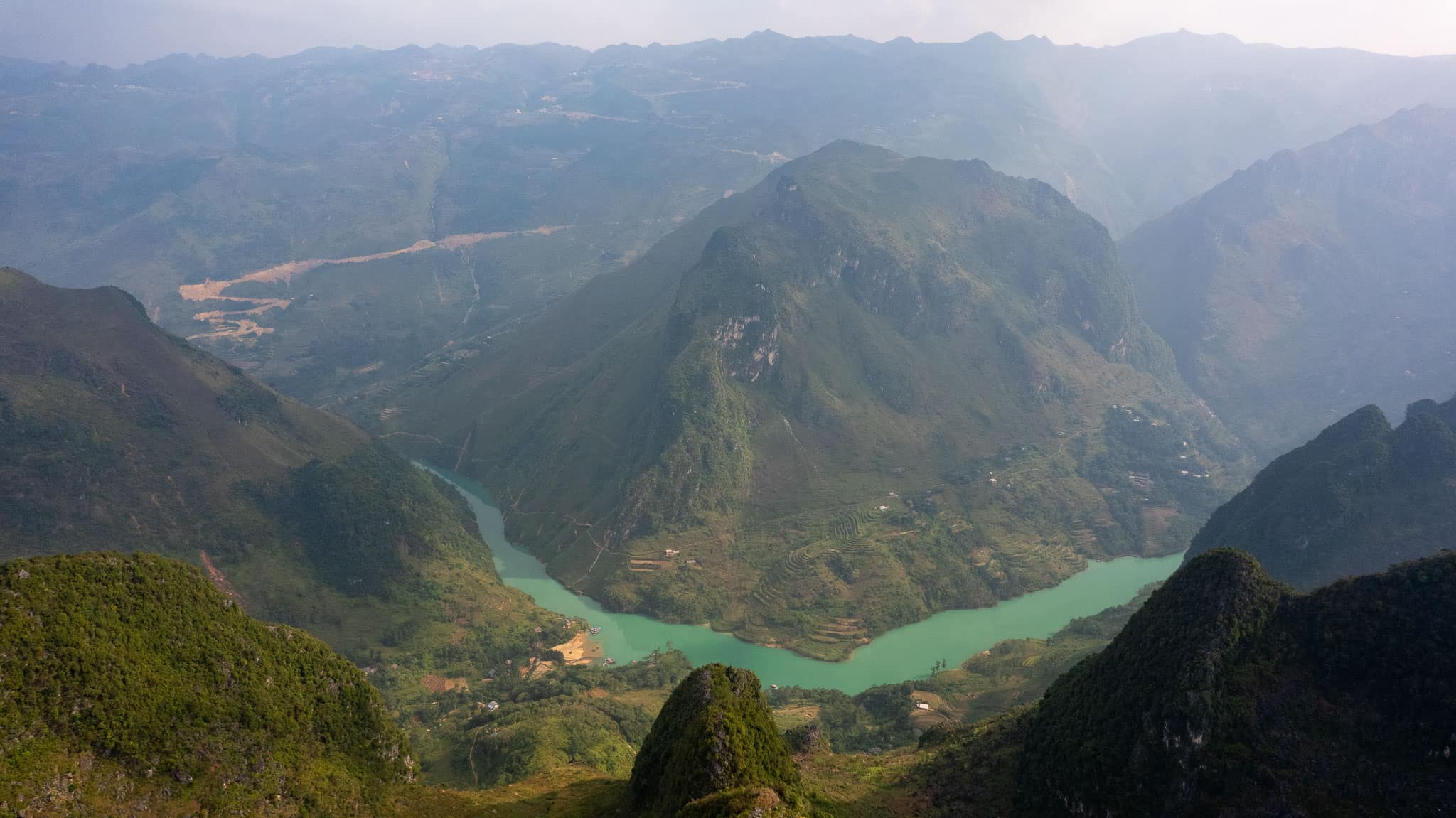
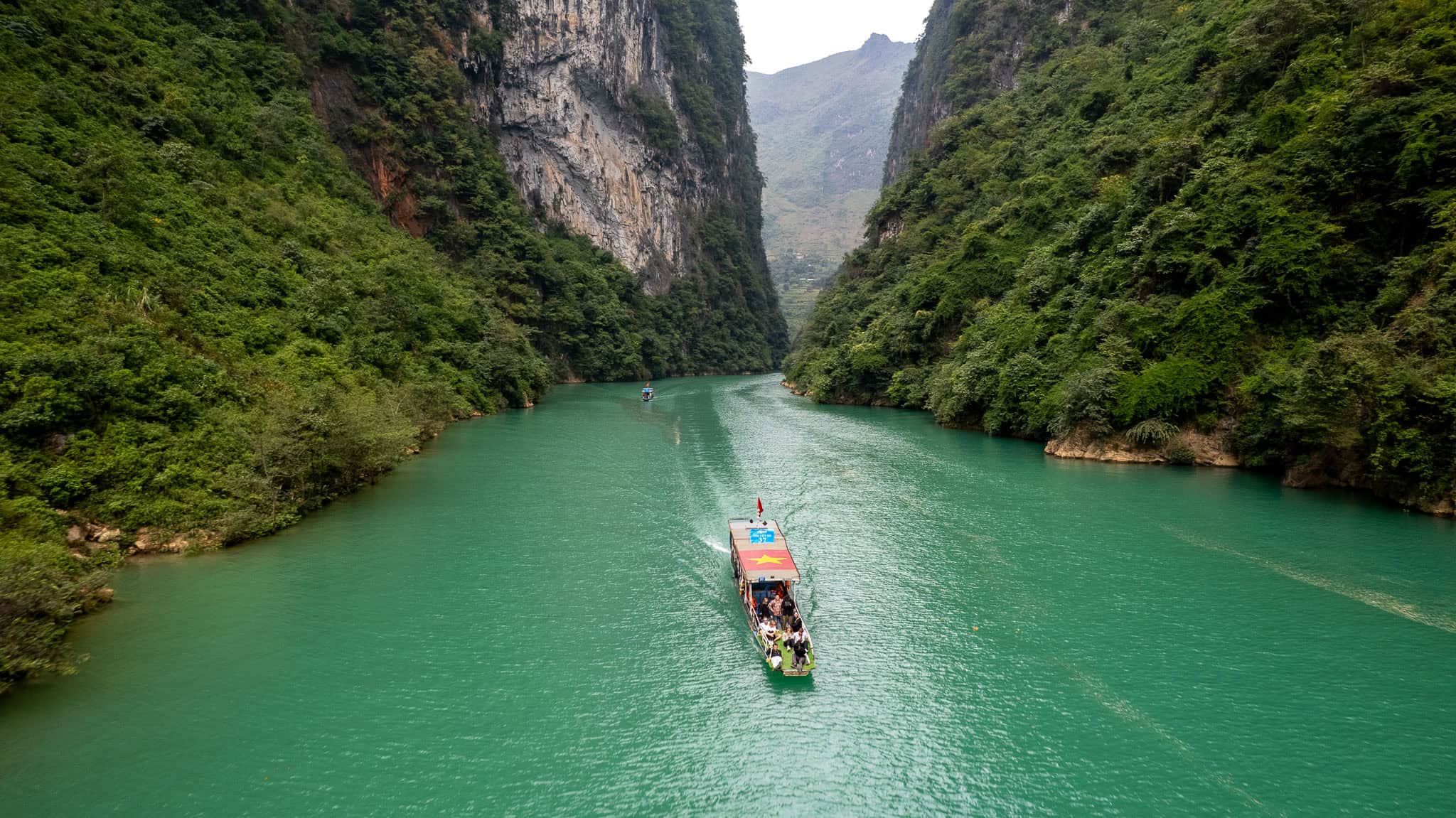
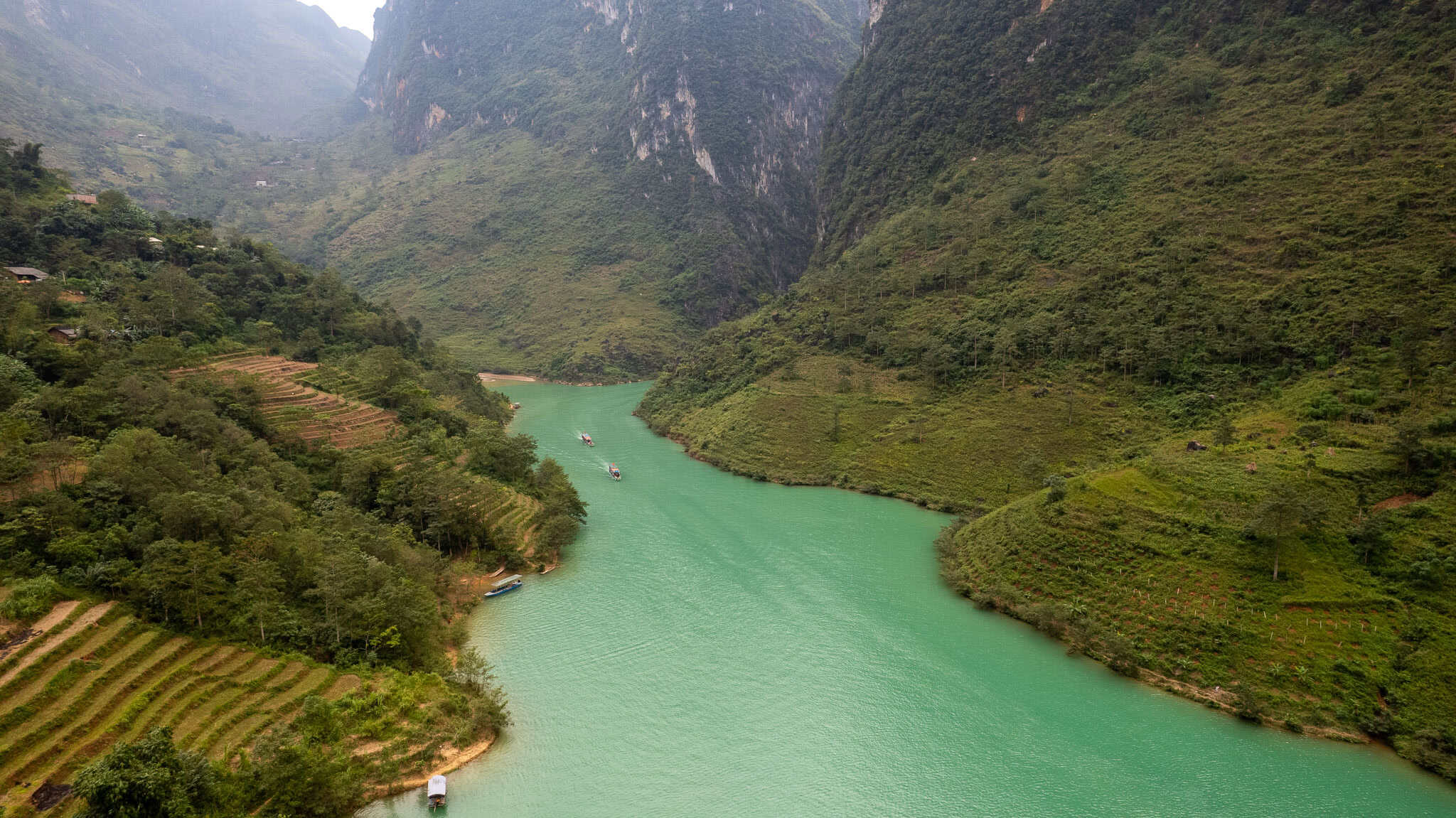
    The Nho Que River and Canyon stop provides one of the most stunning panoramic views on the entire loop. Almost everyone stops here because the perspective is almost incomprehensible: you’re suspended above a deep river canyon with nearly vertical cliff faces and crystal-clear water visible far below. The technical difficulty increases with tighter curves and more dramatic elevation changes, but the views more than compensate for the concentration required.

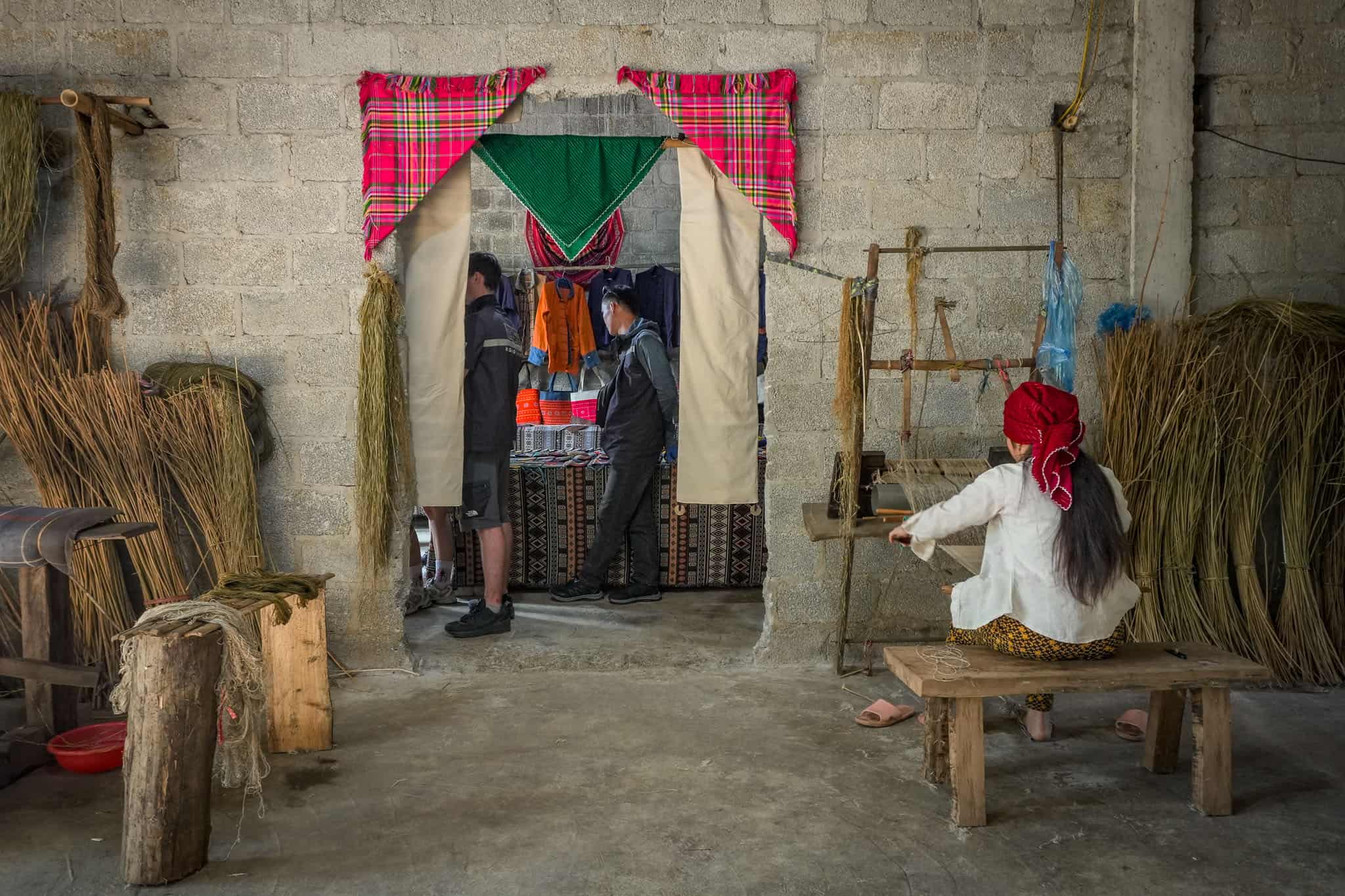
    Multiple photo stops become mandatory; every turn reveals different lighting and perspectives of the same dramatic landscape. Some Ha Giang Loop tours include bamboo rafting or other water activities depending on the operator. Afternoon wind-down happens as the road opens slightly, with opportunities to visit local workshops and witness traditional handicrafts. You’ll stay in Meo Vac area or similar mountain towns that feel furthest from tourism development.

    Day 4: Return Journey, The Gentler Finish and Reflection Time

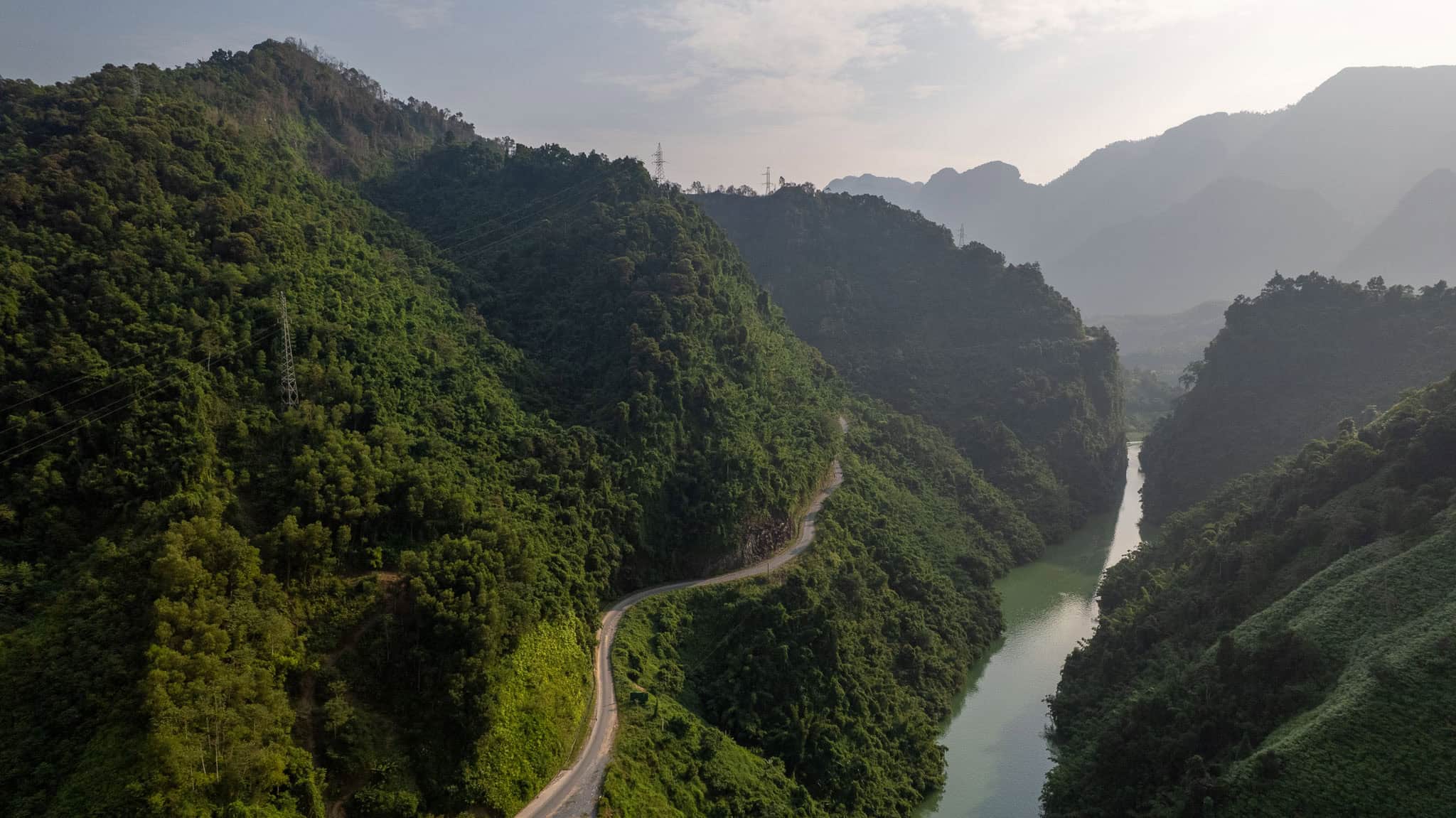
    The final day departs from Bảo Lâm heading southwest on QL34 back towards Ha Giang. The QL34 follows the Gâm River most of the time, making for an enjoyable drive along the valley floor compared to previous days’ elevation and technical intensity. The pace is significantly gentler with fewer technical passes, allowing mental and physical recovery.

    Stops often include additional ethnic villages or waterfalls not visited on the northern portion. You get time to reflect on the previous three days and absorb the journey rather than chase adrenaline. Arrival back in Ha Giang City typically happens by early afternoon, with opportunities to rest or explore the city itself. This mental and emotional transition time shifts you from adventure mode back to regular travel pace.

    This arrival gives you times to chill a bit, take a shower and take a night bus back to hanoi or Sapa.

    The Practical Reality: What Tour Operators Don’t Fully Explain About the Ha Giang Loop

    Physical Challenges and Why Confidence on a Motorbike Matters

    Roads feature over 30 passes with varying difficulty; not all are maintained equally. Loose gravel and recent road construction (ongoing as of 2026) can create hazardous conditions with heavy trucks and dust clouds that appear without warning. Riding at 30 to 40 kilometers per hour average speed sounds slow until you’re navigating hairpin turns over hundreds-meter drops.

    Buttocks and lower back pain is real. Most riders experience significant soreness by day two or three, it’s just the reality of sitting on a motorbike seat for extended periods. Helmet fatigue and sun exposure are genuine physical stressors on top of concentration demands. Altitude sickness can affect some travelers; the highest passes reach approximately 1500 to 1600 meters.

    If you’ve never ridden a motorbike before, seriously consider practicing or hiring an easy rider (driver) who handles the bike. This isn’t the place to learn motorcycle skills; the terrain demands experience.

    The Easy Rider Decision: Driving vs Riding Your Own Bike

    Easy riders (hired drivers with tour groups) cost more but eliminate technical riding stress and allow you to focus on scenery. Self-driving a rented motorbike is cheaper but requires genuine riding ability and comfort with Vietnamese traffic and mountain roads. Easy rider experience means riding on the back, which comes with its own challenges: holding on during aggressive turns, exhaust pipe burns, and limited control of your own safety.

    Many travelers prefer easy rider for first-time Ha Giang Loop experiences to build confidence and observe road conditions without the pressure of controlling the bike.

    My Experience Riding my own Motobike

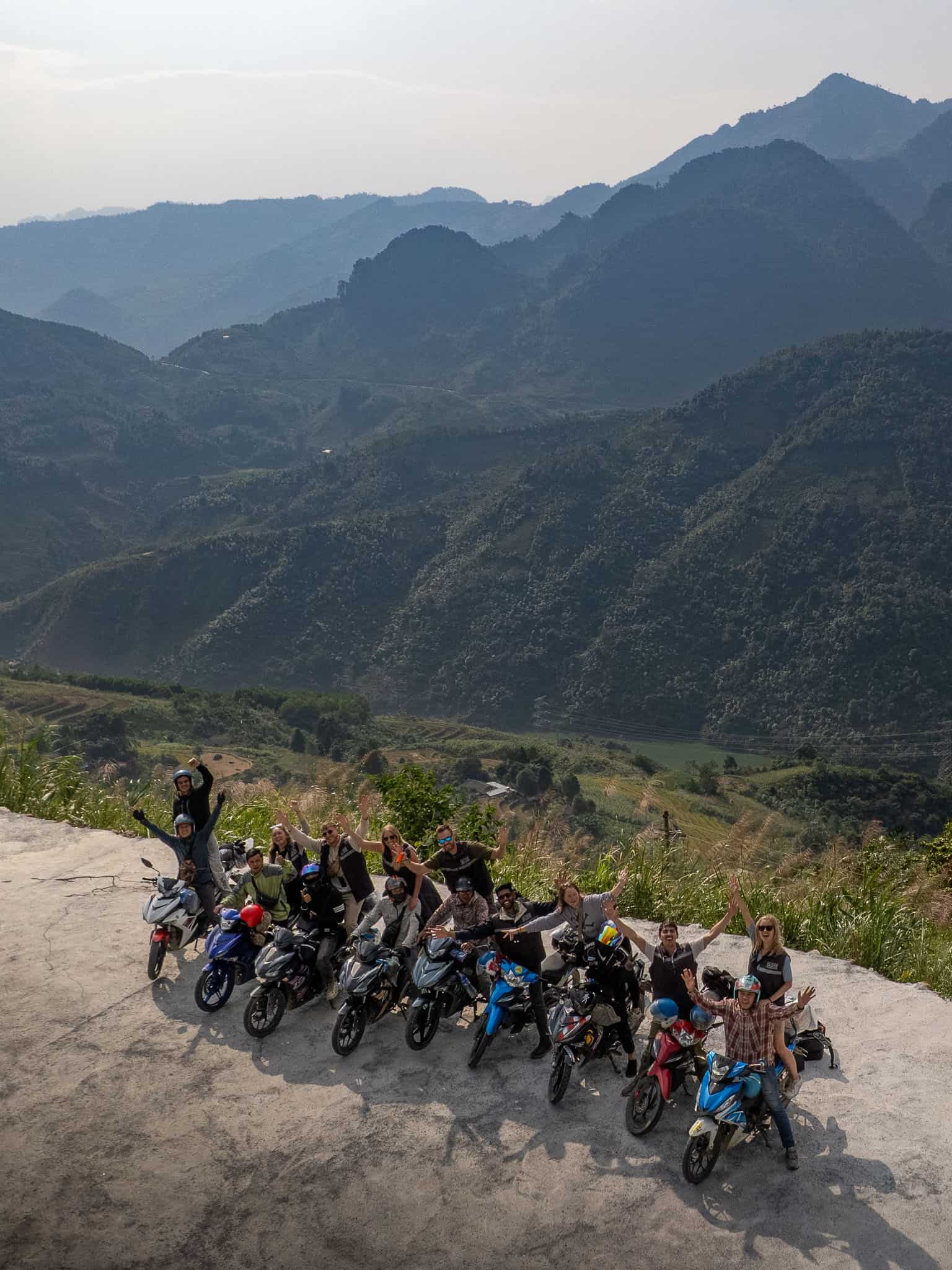
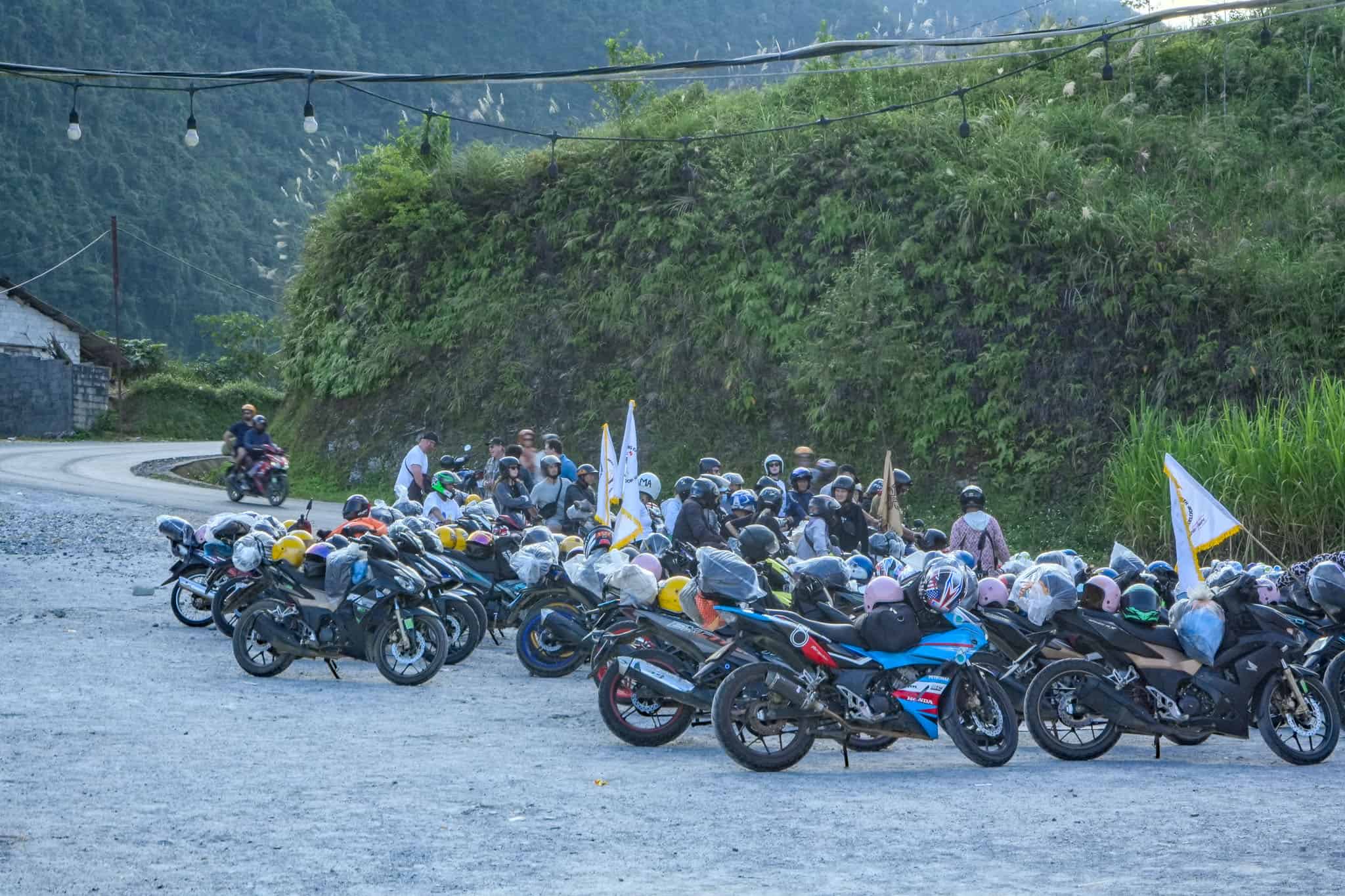
    It shouldn’t be your first time driving, especially not on steep mountain roads like the Ha Giang Loop. I didn’t have my international driving license, which became a problem during police controls. We had two checkpoints total, and without proper documentation, it’s a 1 to 2 million Vietnamese dong fine. The guides helped us pass the police controls, but it was stressful.

    Despite the license hassle, I genuinely enjoyed driving the loop. Handling the bike on those technical passes absolutely added to the adrenaline factor and made the experience more engaging than being a passenger. It forces you to be present in a way that passive riding doesn’t. If you have the skills and courage, riding your own bike is worth it.

    Renting your own bike works if you have intermediate to advanced motorcycle skills and aren’t intimidated by challenging mountain terrain.

    Weather, Seasons, and Why Timing Affects Your Experience

    Winter months (October to February) bring clear skies but can include foggy passes and cooler temperatures requiring warm layers. Rainy season (May to September) means potential muddy roads, reduced visibility, and slippery surfaces that turn challenging roads into genuine dangers. Best visibility and weather typically occurs November through February, though this is also peak tourist season.

    I did the loop at the beginning of November, and it was fresh in the mornings and nights, but warm during the day. We never had a drop of rain, though we sometimes encountered fog. Considering the risk of landslide and accident during rainy season, I strongly advise doing it in the winter season. Road conditions deteriorate significantly during and immediately after heavy rain, making the technical passes even more demanding.

    Early morning rides often feature fog that burns off by mid-morning, affecting photography quality. Pack rain gear even during the dry season; mountain weather changes rapidly and unexpectedly. You’ll see clear skies one moment and clouds rolling in the next.

    Safety Considerations and Why Accidents Happen

    The combination of challenging roads, inexperienced riders, and tourist pressure creates genuine safety risks. Speeding and overconfidence on the curves account for most accidents; you must respect the road’s difficulty. Limited emergency services in remote areas mean that serious injuries require long evacuation times to proper medical facilities.

    Insurance requirements vary by tour operator; verify that coverage includes serious medical evacuation before booking. Travel insurance specifically including motorcycle activities is essential and often overlooked by travelers rushing to book. Single-day accidents are rare, but several accidents on challenging days suggest rider fatigue and overconfidence as factors.

    My group didn’t have any accidents, and we didn’t see any on the route, which is good. But the potential is real, and respecting that reality is what keeps you safe. Don’t be the person who thinks you’re invincible on a mountain pass.

    How to Get to Ha Giang from Hanoi

    The distance from Hanoi is approximately 300 kilometers north; the journey takes 6 to 7 hours by car or bus. Most tour operators provide sleeper bus pickup from Hanoi late evening, arriving in Ha Giang early morning. This saves you a hotel night and gets you to the loop with minimal fuss.

    Seats fill up fast on popular routes, so book your ticket on 12Go today.

    Private car transfer costs significantly more but provides comfort and flexibility if you’re traveling with others or want more control over timing.

    Self-driving from Hanoi requires navigating Vietnamese traffic and highland roads; it’s honestly not recommended for first-time visitors dealing with jet lag and unfamiliar roads.

    Some travelers combine Hanoi to Ha Giang with stops in Sapa or other northern destinations for a multi-stop itinerary. All-inclusive tours typically include Hanoi pickup and drop-off, simplifying the logistics considerably.

    Tour Operators, Hostels, and Booking Your Ha Giang Loop Experience

    Major Tour Companies and Their Different Approaches

    Buffalo Hostel tours offer budget-friendly group experiences with social elements and homestay accommodation.

    Mad Monkey Hostels focus on high-energy group experiences with activities beyond the loop like bamboo rafting, football, and group meals. Easy rider tour operators specialize in intimate small-group experiences with professional drivers who handle technical riding.

    Private tour companies like Mr. Hung Tourism and specialized loop operators offer customized itineraries and flexible pacing if you want more control over where you stop and how long you stay.

    Each operator has different inclusion levels; some include all meals and activities while others offer more independent flexibility.

    Reading reviews on TripAdvisor and other platforms reveals operator reliability and recent traveler experiences. Check specifically for feedback about driver behavior, accommodation quality, and how they handle medical issues or problems on the route.

    Pricing and What Different Budget Levels Include

    Budget tours (3 days) cost approximately 2.8 to 3.2 million Vietnamese dong for easy rider, or 2.3 to 2.5 million for self-driving. Mid-range tours (4 days) cost approximately 4 to 4.8 million Vietnamese dong for easy rider, or 3.2 to 3.8 million for self-driving. Premium private tours involve custom pricing typically 5 to 8 million Vietnamese dong for 4 days with personalized itinerary.

    Inclusions vary significantly between operators:

    • check whether meals, entrance fees, activities, and transportation from Hanoi are covered.
    • Tips for the driver and guide are customary (100,000 to 200,000 Vietnamese dong per day if satisfied).
    • Hidden costs include personal equipment like a quality helmet if not provided, extra snacks, souvenirs, and tips.

    Use platforms like Get Your Guide to compare tour packages and get better pricing on transportation and accommodation components. Many tours offer discounts for group bookings or early reservations.

    Before you book your next tour, don’t forget to use my code HORIZONHUGO5 on Get Your Guide, it only takes a second to apply and gets you 5% off, so it’s basically free money for something you were going to book anyway.

    The Highlights That Make This Ride Legendary and Why They Matter

    Mã Pí Lèng Pass: The Peak of the Peak

    Mã Pí Lèng is recognized as one of the most dramatic mountain passes in Southeast Asia. The elevation and winding sections create panoramic views that expand with every hairpin turn as you ascend. The final approach reveals a valley thousands of meters below; the visual impact is genuinely awe-inspiring.

    Most tours spend 30 to 60 minutes at Mã Pí Lèng for photos and emotional processing. Don’t rush this stop; it’s one of those moments you’ll replay in your memory for years.

    Nho Que River and Canyon: Nature’s Masterpiece

    A suspended perspective over a deep river canyon with nearly vertical cliff faces hits different than viewing it in photos. The viewpoint feels impossibly high and provides the most stomach-dropping perspective of the entire loop. Crystal-clear water visible far below creates a sense of being suspended between earth and sky.

    Dong Van Karst Plateau: The UNESCO Global Geopark

    Spanning 2000 plus square kilometers of protected limestone formations, the Dong Van Karst Plateau combines geological significance with raw natural beauty. You’re riding through an internationally recognized geological wonder, not just mountains. The geological perspective adds context to why these landscapes matter beyond just looking dramatic.

    Lung Cu Flag Tower: Vietnam’s Northernmost Point

    Located at Vietnam’s northern border with China at approximately 1534 meters elevation, Lung Cu Flag Tower represents the country’s geographic extreme north. The optional detour takes three hours but rewards with 360-degree border views and a genuine sense of geographic achievement. The flagpole and tower serve as tangible proof of reaching the country’s extreme north.

    Ethnic Minority Villages and Markets: The Human Element

    Encounters with Hmong, Tay, and Zao people in traditional dress and daily life provide irreplaceable cultural perspective. Early morning or evening markets showcase local trade, handicrafts, and genuine community interaction that makes the landscape meaningful.

    Homestay experiences include eating meals prepared by local families, connecting you to the place in ways that tourist restaurants never could.

    These moments provide context for why the landscape matters. Real people have called this home for generations, developing sustainable relationships with terrain that seems impossibly difficult to inhabit.

    Interactions are generally welcoming, but respectful distance and ethical photography practices are important to maintain the authenticity that makes these encounters valuable.

    What Nobody Tells You: The Honest Reality Beyond Instagram

    The Discomfort Factor and Mental Challenges

    Long days on a motorbike (either riding or as a passenger) accumulate physical toll by day two. Concentration required on challenging roads creates mental fatigue as significant as physical fatigue. Altitude, dust exposure, and sun intensity combine to create headaches in some travelers; it’s not just imagination.

    The experience is amazing but not comfortable. Romanticizing it sets unrealistic expectations that lead to disappointment. Many travelers report emotional overwhelm on day two or three; this is normal and part of the transformation that makes the loop valuable. Moments of fear are real; if you don’t experience some apprehension on technical passes, you’re not paying appropriate attention to the road.

    The discomfort is actually the point. You’re not supposed to be cozy and relaxed; you’re supposed to be present and engaged in ways that push your boundaries.

    The Tourist Reality and Overtourism Concerns

    While remote compared to other Vietnam destinations, Ha Giang Loop tourism has increased significantly in recent years. Road improvements for safety also attract more tourists; it’s becoming busier but still relatively uncrowded compared to Sapa or other tourist hotspots.

    Some homestays feel more like guesthouses now; authentic cultural experiences require searching for operators maintaining genuine connections with communities. I for my experience haven’t met or feel this encounter with the minorities, just twice during my 4-days tour.

    Peak season (November through February) means more bikes on the road, particularly on highlight days. Off-season months feature better solitude but potentially worse road conditions and less reliable restaurant and shop operations.

    Plan according to your priorities: solitude or clearer roads, community or convenience.

    Why the Ha Giang Loop Isn’t for Everyone (and That’s Okay)

    Physical limitations may include balance issues, fear of heights, or previous injuries making extended riding dangerous.

    Some personalities prioritize comfort and familiarity over challenge and transformation, and that’s completely valid. The loop requires embracing uncertainty, discomfort, and genuine risk.

    Not everyone wants that from travel, and acknowledging the Ha Giang Loop isn’t right for you is wisdom, not failure.

    If you’re looking for other adventures, consider exploring Tam Coc, which is as exiting considering the limestone ladnscape.

    Packing the Right Gears

    Tour companies usually provide equipment including helmet, gloves, and a jacket. Sometimes they include long sleeves too, but don’t assume this. Bring sunscreen in high quantities; altitude intensifies UV exposure significantly beyond what you experience at sea level.

    Motion sickness medication is worth packing if you’re prone to nausea on winding roads. Cash in various denominations is essential; ATMs are scarce and unreliable in remote areas. A basic first aid kit for minor injuries like blisters from helmet rubs or small scrapes is useful ( but tour guide should have one). Extra layers for temperature variation at higher altitudes are necessary even during warmer months.

    Consider bringing a good quality selfie stick for photos without stopping the bike constantly. A waterproof phone case is essential even in the dry season, as unexpected water crossings happen.

    Is the Ha Giang Loop Actually Worth It?

    For adventure travelers seeking authentic challenge and transformation, the Ha Giang Loop delivers disproportionate value. The cost of 280 to 400 USD for 3 to 4 days compares favorably with other Southeast Asia adventure experiences, especially considering the meals, accommodation, and transportation included.

    For comfort-seeking travelers or those on very tight schedules, other Vietnam destinations like Sapa may be more suitable.

    The mental and emotional impact of the Ha Giang Loop often exceeds expectations; travelers report it as life-changing more than other tourism experiences.

    This was an insane experience that I remember sometimes, and it makes me smile every time those memories come back. I got frustrated on day two when the dust was thick and the roads seemed endless. But by day three, I understood why people describe this as transformative.

    The Ha Giang Loop isn’t a vacation; it’s an adventure that reshapes how you see travel and your own capabilities.

    If you’re considering it, book now. Make sure you choose a reputable operator through GetYourGuide or directly from trusted companies, get your travel insurance sorted with EKTA coverage for motorcycle activities, and commit to the full four days if possible. Your future self will thank you for the decision.

    The Ha Giang Loop isn’t for everyone, but if it’s calling to you, that’s probably reason enough to go.

    Where to Go After the Loop

    Once you’ve survived four days of hairpin turns and mountain dust, your body will ask for a break. Many riders head to Cat Ba Island, a quieter and less touristy alternative to the classic Ha Long Bay cruise crowd. Others swing back through Sapa to walk through the rice terraces, though fair warning, scooter tours are just as popular there if you’re not done with two wheels yet.

    From there, most travelers roll south to Hanoi for the chaos and street food, down the coast to Da Nang for beach time, or all the way to Ho Chi Minh City to close out the trip. If you want zero adrenaline and just want to float, Tam Coc is the most relaxing stop on this side of the country, a slow boat ride through limestone karsts instead of around them.

    This post is also available in :

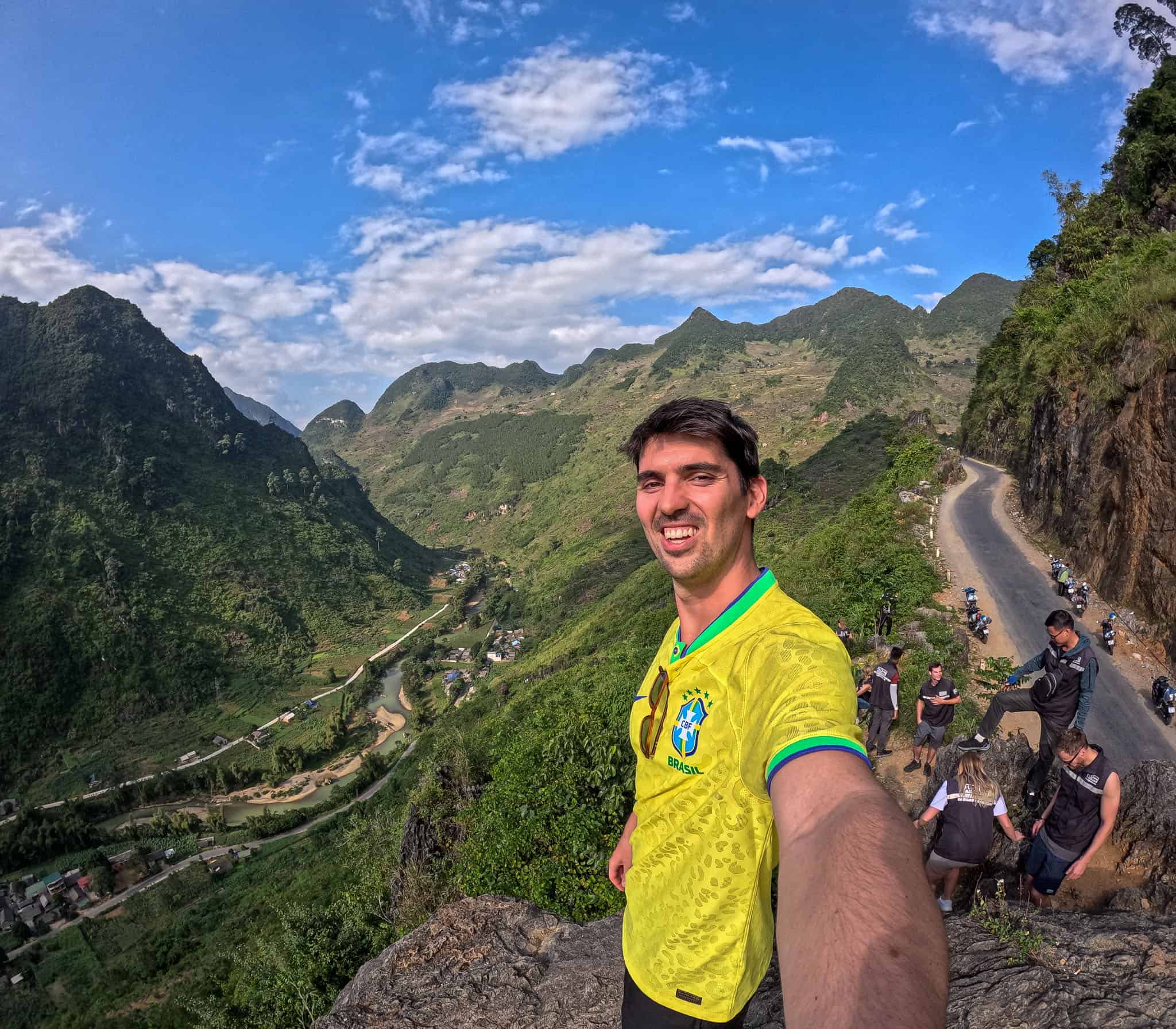
    A man in a yellow sports jersey stands on a hill overlooking a scenic landscape with green mountains, a winding shoreline, and blue water below—perhaps contemplating his next adventure and learning how to solo travel while traveling around the world.
    Picture of Hugo Mathieu
    I'm Hugo, a traveler driven by curiosity and a passion for discovering the world's hidden corners. After exploring over 30 countries across Latin America and Southeast Asia, I've learned that every adventure shapes who we become. I'm here to share those lessons and inspire your next great journey.

    Subscribe to the Newsletter

    Join our community and receive exclusive travel stories, guides, and special offers!

      What's on My Desk Right Now

      The Brazilian flag with green and yellow brush strokes, a blue globe with stars and a white banner reading Ordem e Progresso in the center.

      🗺️ Planning a Trip?

      Skip the research rabbit hole.

      I’ll build you a personalised day-by-day itinerary — or answer all your questions on a quick 60-min call.

      Let's Connect

      Affiliate Disclosure

      Some of my posts include affiliate links. If you choose to make a purchase through them, I may earn a small commission—at absolutely no extra cost to you.


      Using these links is the best way to support my work and say thank you, and I appreciate it so much! Of course, everything I share reflects my honest opinions and experiences.

      📸 Work With Me

      Brand, tourism board or hotel?

      Let’s create something together — content, reviews and campaigns that reach real travellers who are ready to book.

      Buy Me A Coffee

      Latest Posts

      A white helicopter flies near a misty mountain with the Christ the Redeemer statue in the background, framed by green tree branches above—a breathtaking moment often experienced during a rio helicopter tour.
      I've flown the Rio helicopter tour twice, and here's...
      Aerial view of the Vidigal favela and dois irmaos mountian in rio de janeiro , Brazil.
      Everything you need to know about the Dois Irmaos hike...

      Get My Personal Map of 500 Must-See Places - FREE

      I’ve compiled 500 of the best places across my travels into one free Google Map.

      The kind of spots you won’t find in a guidebook.

        A world map titled UNESCO World Heritage displays numerous brown, blue, and green icons marking heritage sites across all continents.

        Table of Contents

        Got Questions?

        Still figuring things out for your trip, or just want to double check something before you book? Send me a message and I’ll get back to you as soon as I can.

        Or hit me up on Instagram, I’m there anyway and always happy to chat about the trip.

          Share it with the person you to travel with !

          You might also like to read these articles

          Scroll to Top