Cities in the Occidente to include in your itinerary in Bolivia
Sucre la Capital
Sucre is officially the capital of Bolivia, though no politics or government offices have been based here for many years. It used to be the main city where everything happened in Bolivia’s early days.
In this city, you can dive into the rich history of Bolivia and discover how it became the country it is today. There are walking tours available, along with many historical buildings and museums to visit.
For those interested in geology and precious minerals, the Museo del Tesoro is an amazing spot to learn about Bolivia’s mineral wealth and history.
Many foreigners fall in love with the “White City” of Bolivia. Personally, I found it cute, but it’s definitely a must-visit for anyone following a Bolivia itinerary, especially those looking for a mix of culture and history.
Potosí
Potosí is a small city in the mountains but was once one of the richest cities in South America, thanks to its famous mines. It used to extract vast amounts of silver back in the day.
Today, the mining focus has shifted mainly to other minerals like tin, zinc, and lead.
Visitors can tour the mines to see firsthand how miners work and experience what a hard life it is under the surface.
You’ll also learn about the local traditions and culture, including meeting the “uncles” who protect the mines, made sacred through offerings made by miners to ensure safety and prosperity.
Including Potosí in your Bolivia itinerary offers a fascinating glimpse into the country’s rich mining history and the resilience of its people.
Uyuni and the Salt Flats
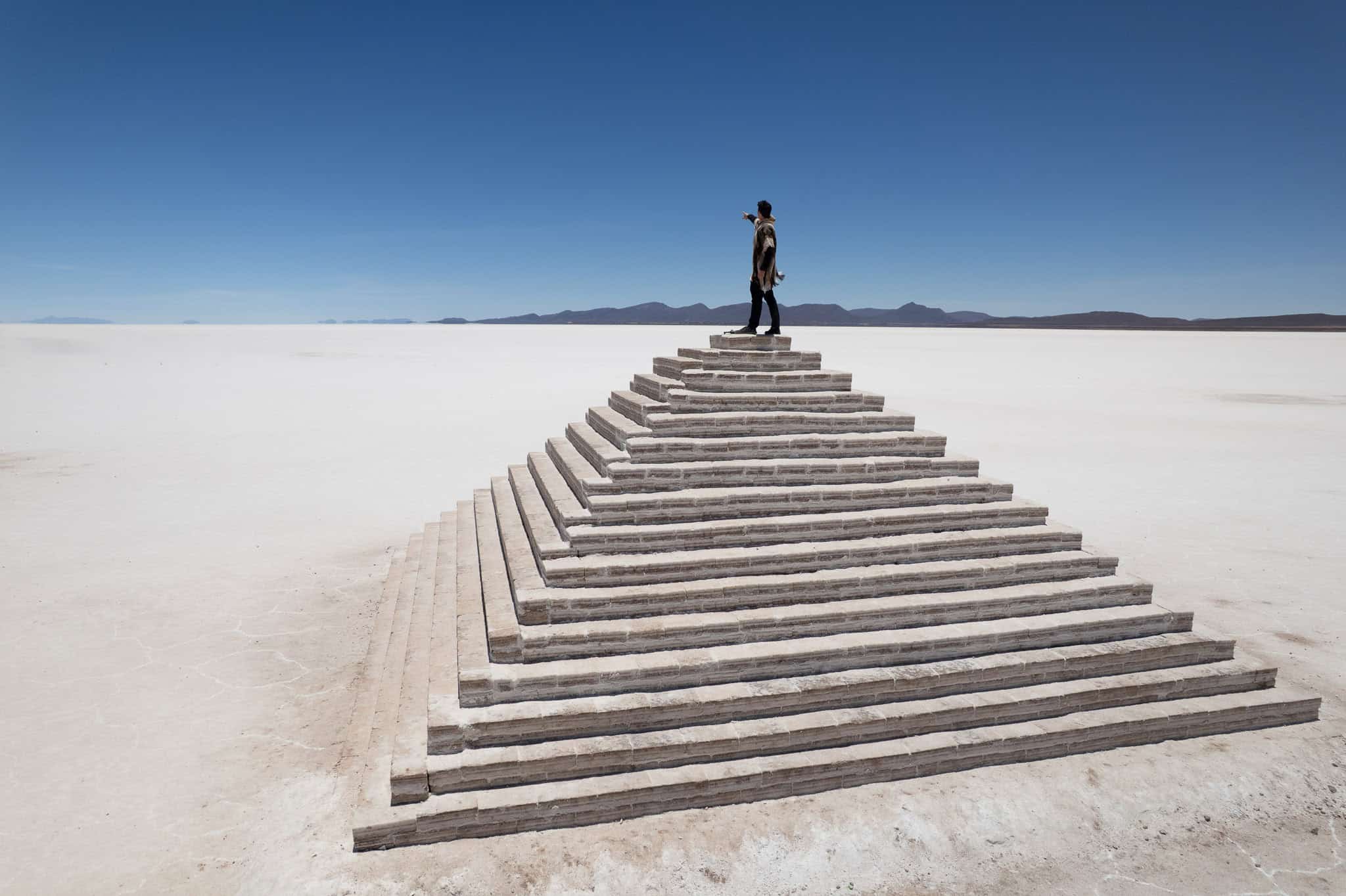
One of the most famous places in Bolivia, and South America in general, is Uyuni. The city itself is small, but its name is closely associated with the stunning salt flats, often called “El espejo del mundo” or “the mirror of the world.”
The salt desert covers roughly 2,000 km²—huge, truly enormous. Once you’re in the middle of it, you see nothing but white salt stretching in every direction. It’s an unforgettable sight.
Many companies offer tours ranging from 1 to 3 days (sometimes even 4, though that’s rare). These tours let you explore not only the salt flats but also nearby deserts, mountains, and volcanoes. The landscapes are incredible and constantly changing.
I did this tour myself, and it had been on my bucket list for years!
Before you book your next tour, don’t forget to use my code HORIZONHUGO5 on Get Your Guide, it only takes a second to apply and gets you 5% off, so it’s basically free money for something you were going to book anyway.
Tupiza
Tupiza is a small city in the south of Bolivia where the weather tends to be warmer than in the highlands.
It’s a great place to relax after your travels or before starting outdoor adventures. From Tupiza, you can embark on tours exploring the nearby canyons and valleys, often compared to those in the American Southwest with dramatic red rock formations.
Popular activities include horseback riding through the stunning landscapes and 4×4 tours that head towards the entrance of the Eduardo Avaroa Reserve.
It’s less crowded than the salt flats but offers equally impressive scenery for those who want to explore the rugged beauty of southern Bolivia.
Oruro
Oruro is known as the folklore city of Bolivia, deeply rooted in Andean mountain culture.
It’s famous as the host of the Carnaval de Oruro , Bolivia’s biggest and most colorful carnival held every February, drawing visitors from around the world.
Even outside carnival season, Oruro offers rich cultural experiences, with traditional markets, mining history, and beautiful colonial churches like the Santuario de la Virgen del Socavón .
You can stroll through its lively streets, enjoy local music and dance performances, and soak in the vibrant heritage alive in the city year-round.
La Paz
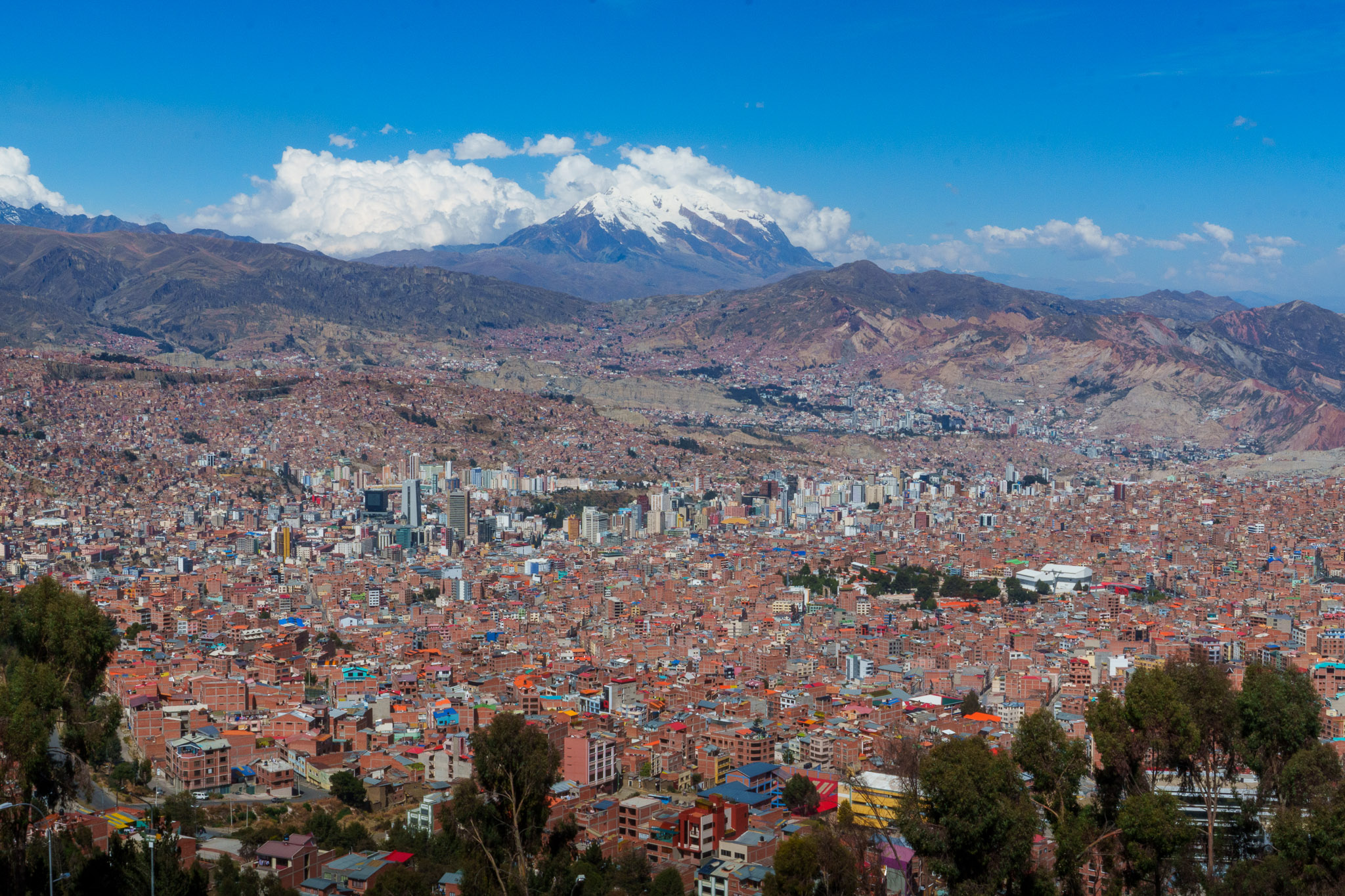
The “second capital” of Bolivia, La Paz, sits at about 3,800 meters — the highest capital city in the world, which can be a challenge if you’re not used to the altitude.
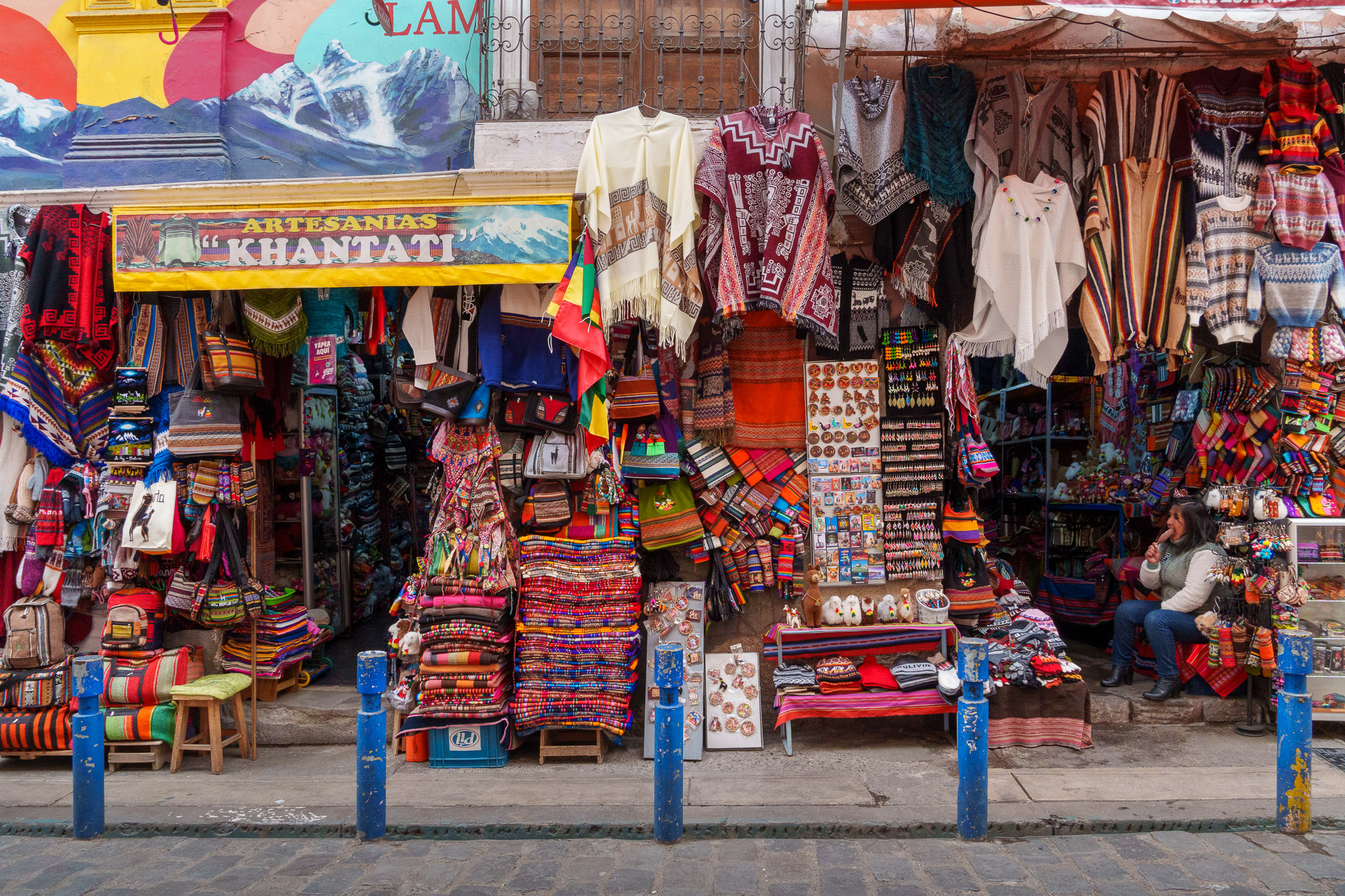
But once you adapt, there’s plenty to explore. You can take walking tours through historic neighborhoods like El Alto and the Witches’ Market, where traditional Aymara remedies and crafts are sold.
Outside the city, you can venture to spots like the Valley of the Moon or take cable cars for breathtaking views of the city nestled among the mountains.
More crazy activity like biking the Death Road or climbing the Huayna Potosi is also an option.
La Paz offers a unique blend of bustling urban life and access to incredible natural landscapes nearby.