Rio Celeste Costa Rica: How to Hike the Blue River

This post is also available in :

The first time I saw Rio Celeste, I genuinely thought someone had edited the photos. That electric, sky-blue color cutting through the jungle looks too vivid to be natural.

But it's 100% real, and seeing it in person is even better than the pictures.

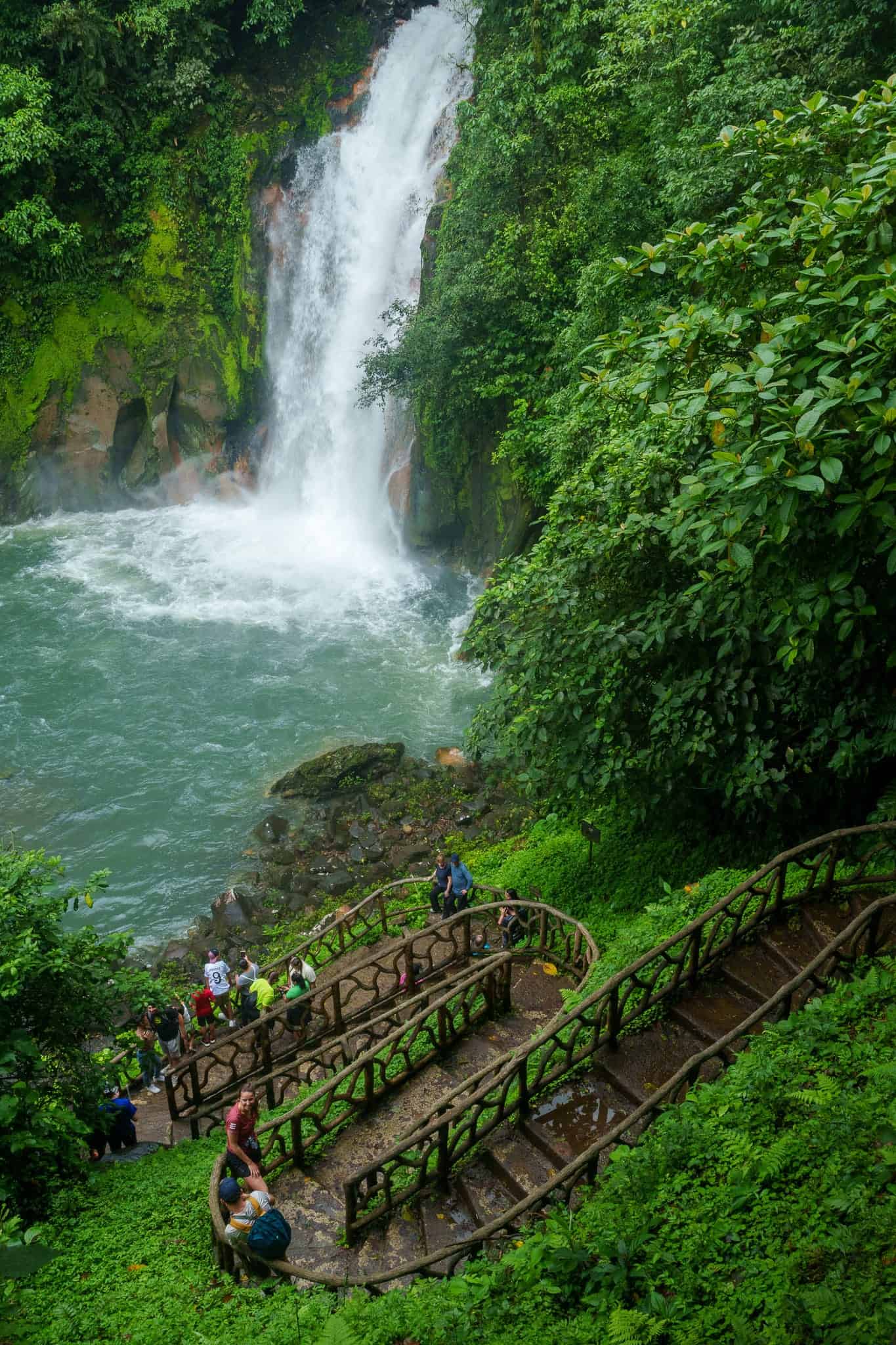
The trail to get there starts calm and busy. Most people head straight for the Rio Celeste Costa Rica waterfall, take their photos, and turn back, and honestly, you can't blame them, it's stunning.

But here's the thing: right after the waterfall, the trail climbs, the crowd thins out dramatically, and the rest of the hike gets even more interesting.

Don't be one of the people who turns around too early.

Rio Celeste is a bright blue river and waterfall tucked inside Volcan Tenorio National Park in northern Costa Rica. It's a jungle hike, not a roadside stop, with moderate effort and a serious payoff. It's perfect for nature lovers, photographers, couples, and backpackers who don't mind getting a little muddy for something unforgettable.
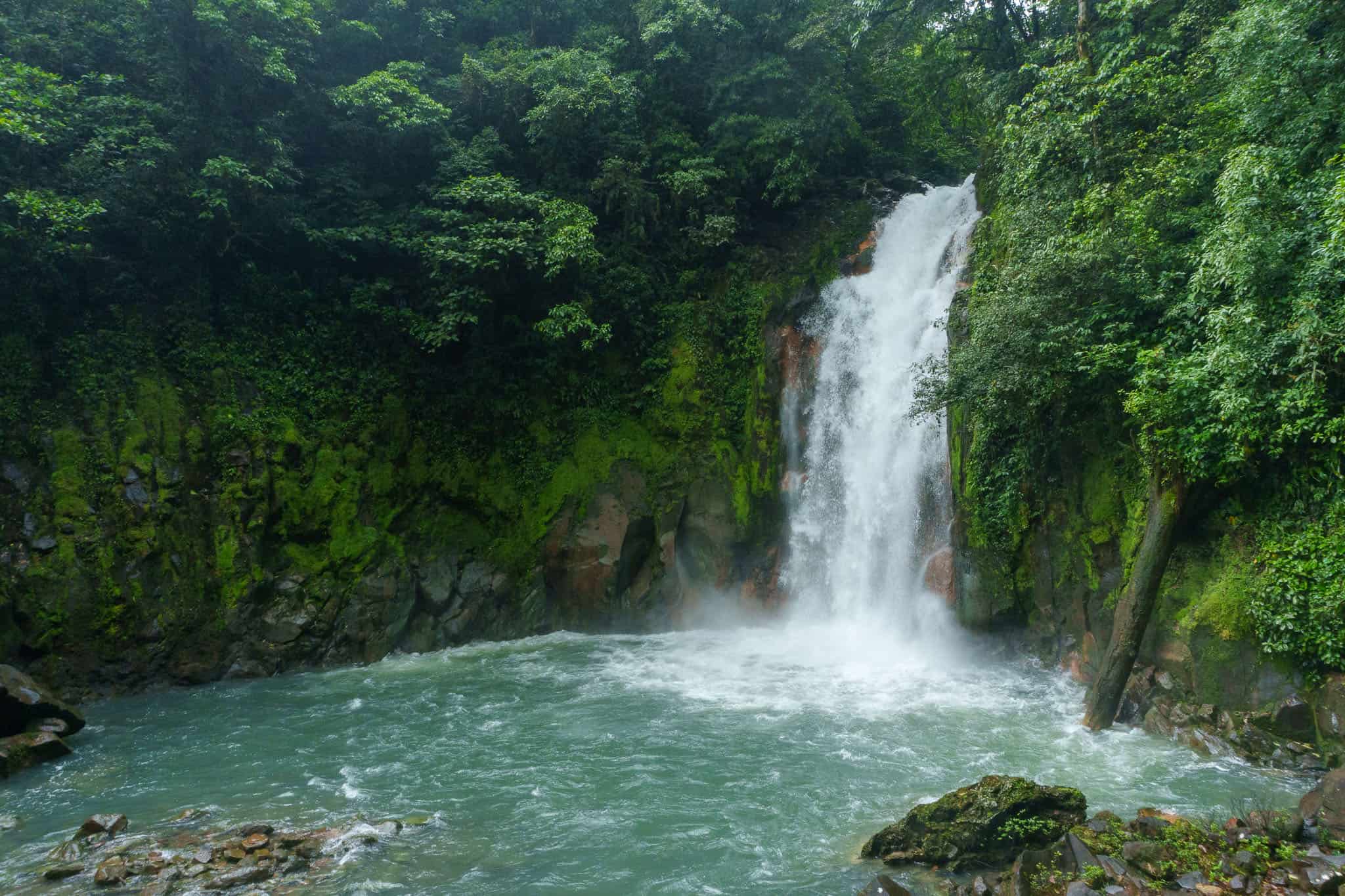

Table of Contents

Where Is Rio Celeste in Costa Rica?

If you're asking where is Rio Celeste in Costa Rica — it's in the province of Alajuela, within Volcan Tenorio National Park, in the rural highlands of northwestern Costa Rica. The nearest towns are Bijagua to the west and Katira to the east.

The vibe around here is quiet and unhurried — rolling green hills, cattle farms, cloud forest, and dense rainforest. It's a completely different side of Costa Rica compared to the busy beach towns on the Pacific or Caribbean coasts. If you're building a wider trip around the country, check out the this itinerary guide to make the ebst out of Costa Rica.

Distances & Getting There

There's one official entrance to the park, and that's where the Rio Celeste trail starts. Navigate to “Parque Nacional Volcán Tenorio” or “Parqueo del Parque Nacional Tenorio” on Google Maps — not just “Rio Celeste,” which has multiple pins.

Approximate driving times:

  • La Fortuna / Arenal → park entrance: ~1.5 hours
  • Liberia → park entrance: ~1.5 to 2 hours depending on route

Volcan Tenorio National Park Costa Rica: The Basics

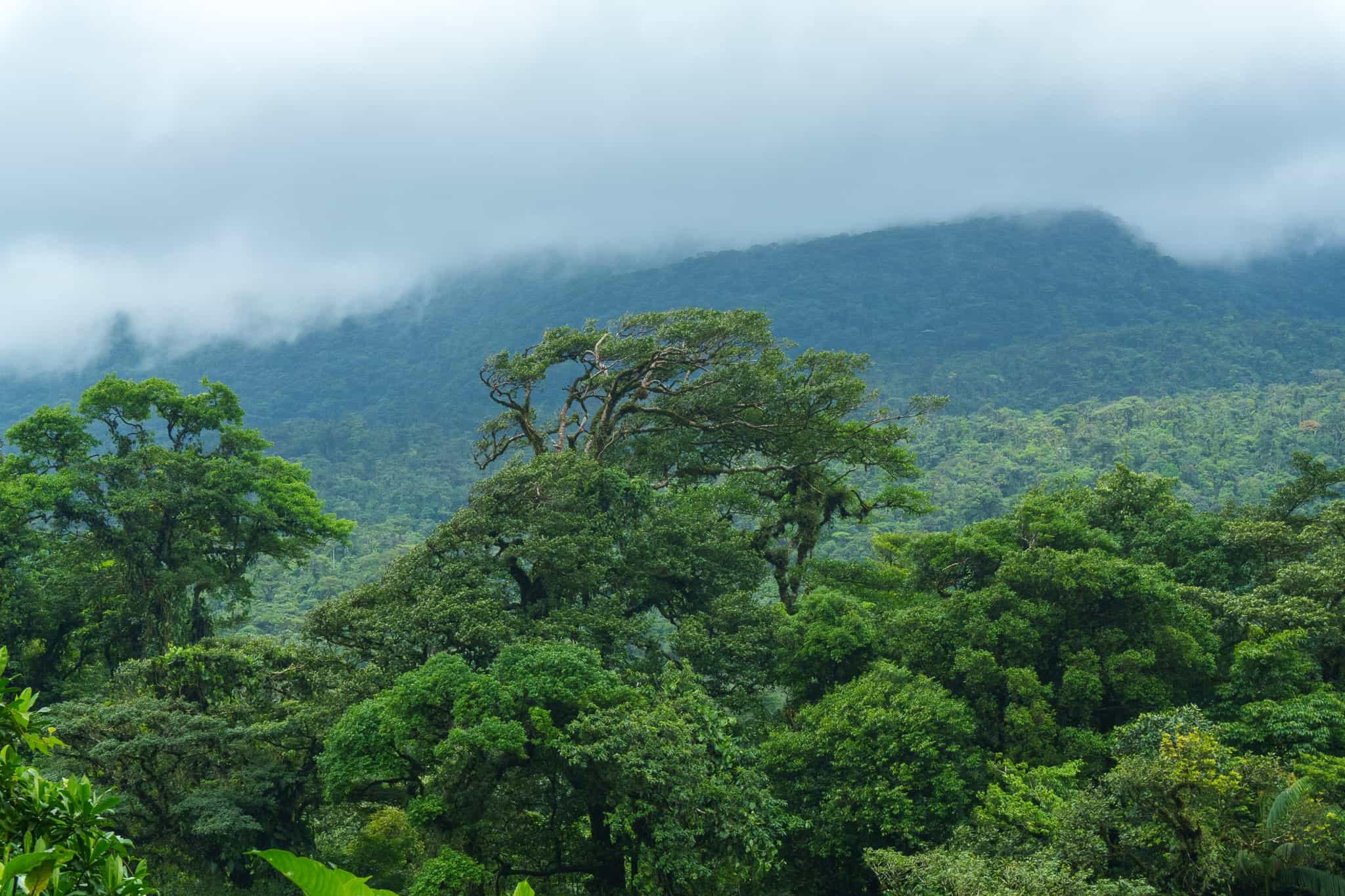
Volcan Tenorio National Park in Costa Rica was created in 1995 and covers roughly 12,867 to 31,795 acres as part of the Guanacaste volcanic range. The park is built around Volcan Tenorio, a dormant stratovolcano reaching up to 1,916 m, with cloud forest higher up and lush rainforest lower down.

Rio Celeste is the main draw, but Volcan Tenorio National Park has more to offer — hot springs, small geysers, rivers, lagoons, and viewpoints when the weather cooperates. It's a full ecosystem, not just a one-waterfall stop.

Park Entrance, Hours & Tickets

The park has one main ranger station with basic facilities — parking, toilets, and sometimes a small snack option. Here's what to know before you show up:

  • Opening hours: 8:00–16:00, last entry around 14:00
  • Daily visitor limits: ~1,000 per day / 500 inside at one time — this means you may have to wait at the gate during peak season
  • Entrance fee: ~$12–13 USD for adults, less for children
  • Book in advance: Time-slot reservations are now recommended (sometimes required) — don't show up without one in high season
  • Check for closures: The main waterfall viewing platform and final staircase have been temporarily closed in the past due to storm damage — always check recent info before going
  • Ticket to Rio Celeste Waterfall & Tenorio National Park

When I’m on the road, I always take travel insurance—EKTA lets me get covered online in a few minutes for any trip, any nationality, and any destination, so I can focus on the adventure instead of hospital bills.

Get My Ekta

Rio Celeste Hike: Trail Overview & Difficulty

The main Rio Celeste hike is an out-and-back trail of roughly 5–6 km (3.1–3.7 mi) roundtrip if you do the full circuit of viewpoints. You can cut it shorter by stopping at the waterfall and heading back.

  • Elevation gain: ~200 m on the full trail
  • The real challenge: ~250 steep steps down to the waterfall lookout — and back up
  • Difficulty: Moderate — fine for reasonably fit people, but mud and humidity add up
  • Time: About 2–3 hours for the full circuit, depending on fitness and how many times you stop for photos
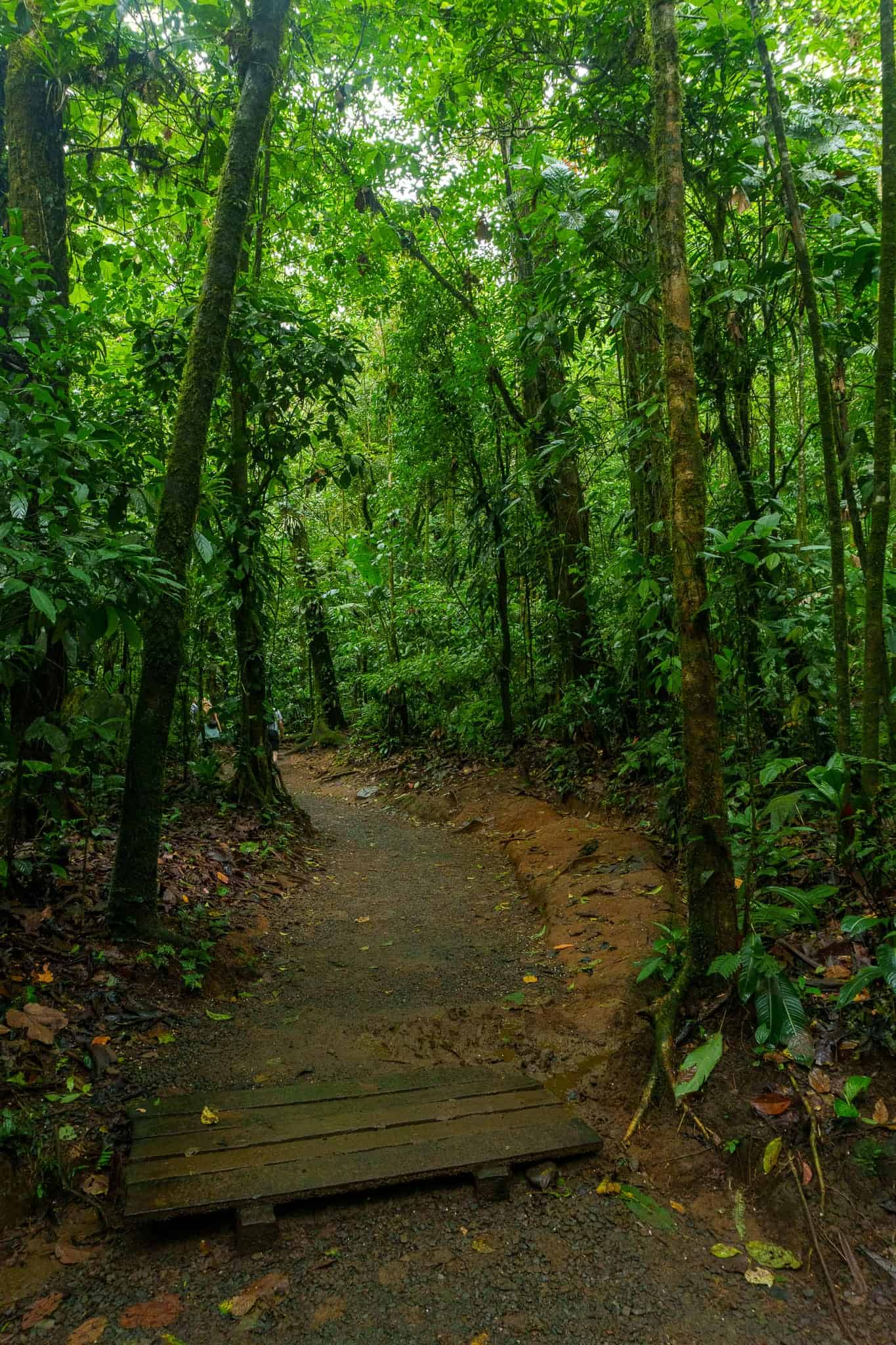
  • Trail surface: Partially improved with paved sections and boardwalk at the start, but expect mud further in

Rules & Safety

  • No swimming at the waterfall or along most of the river inside the park — this is strictly enforced for safety and conservation
  • Drones require special permits — don't fly one without them
  • Stay on marked trails at all times
  • The stairs are genuinely slippery — watch your step, especially after rain
  • Pack out everything you bring in

There are legal swimming spots in Rio Celeste outside the park — small local balnearios along the river where you can get in the water. Worth it if the weather is right.

Hiking the Rio Celeste Costa Rica Waterfall Trail

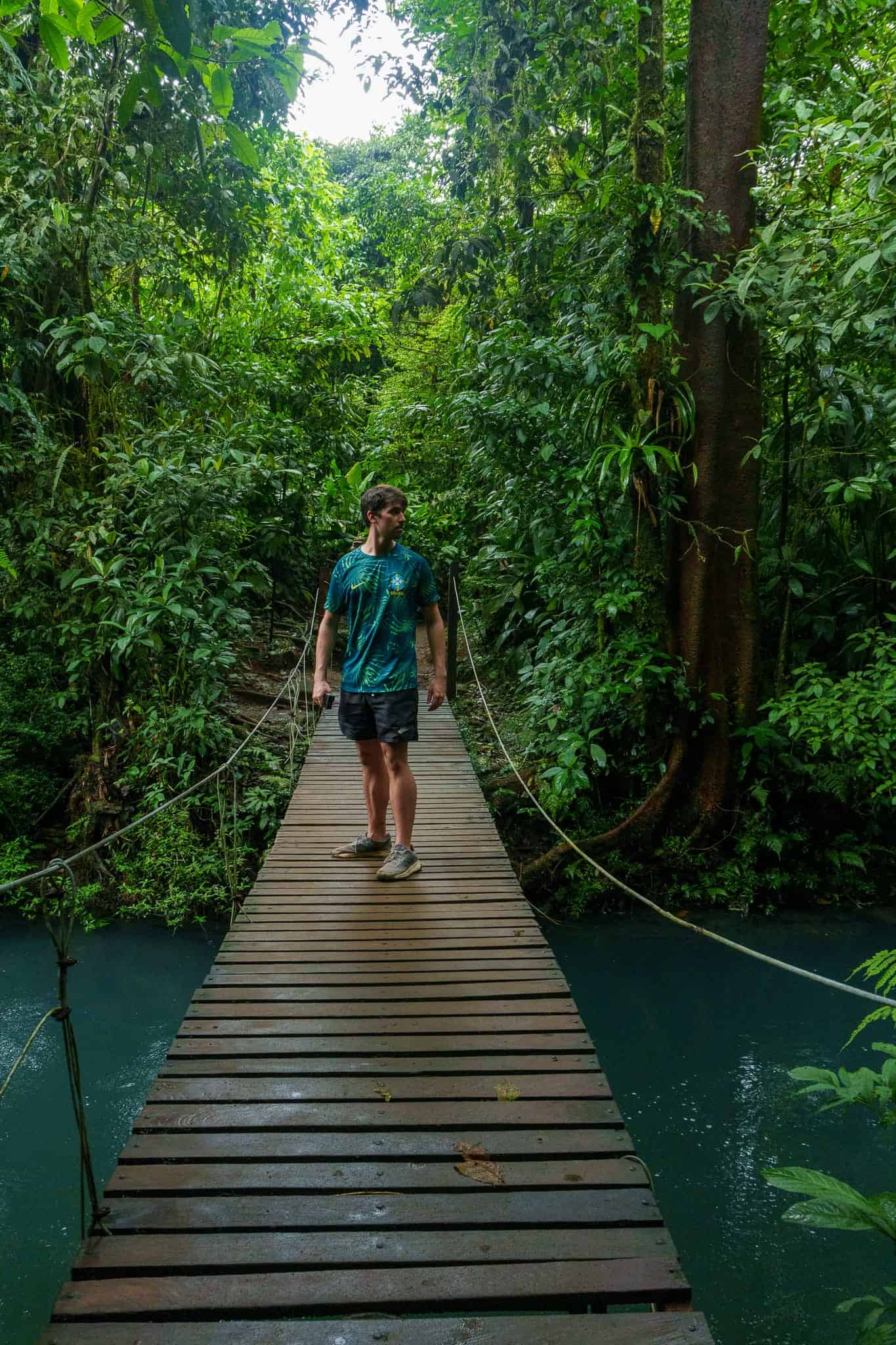
The hike itself is a treat even before you reach anything blue. You're walking through dense jungle with the sound of the river below, howler monkeys overhead, and the occasional burst of birdsong cutting through the humidity.

Key Highlights on the Trail

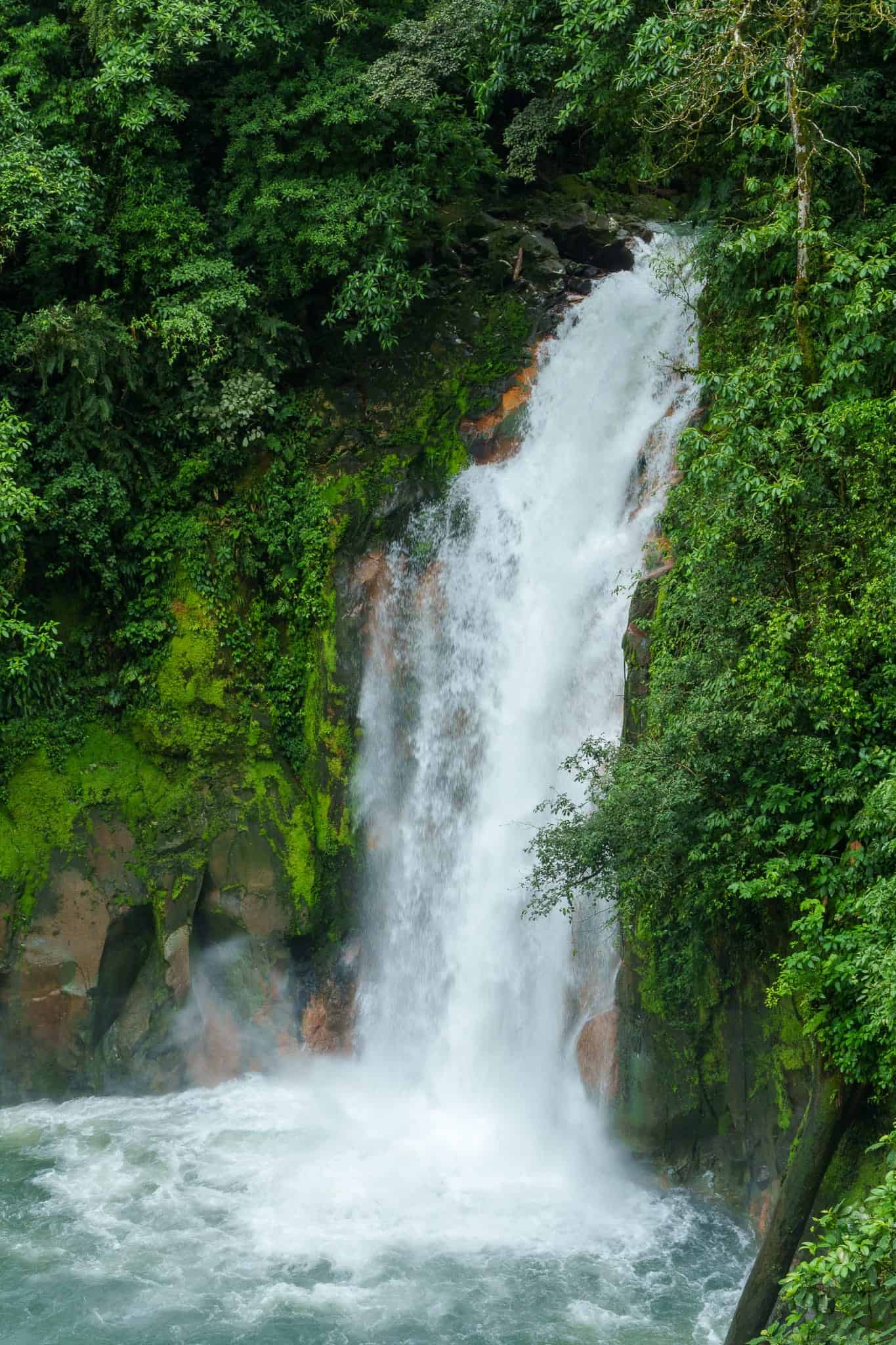
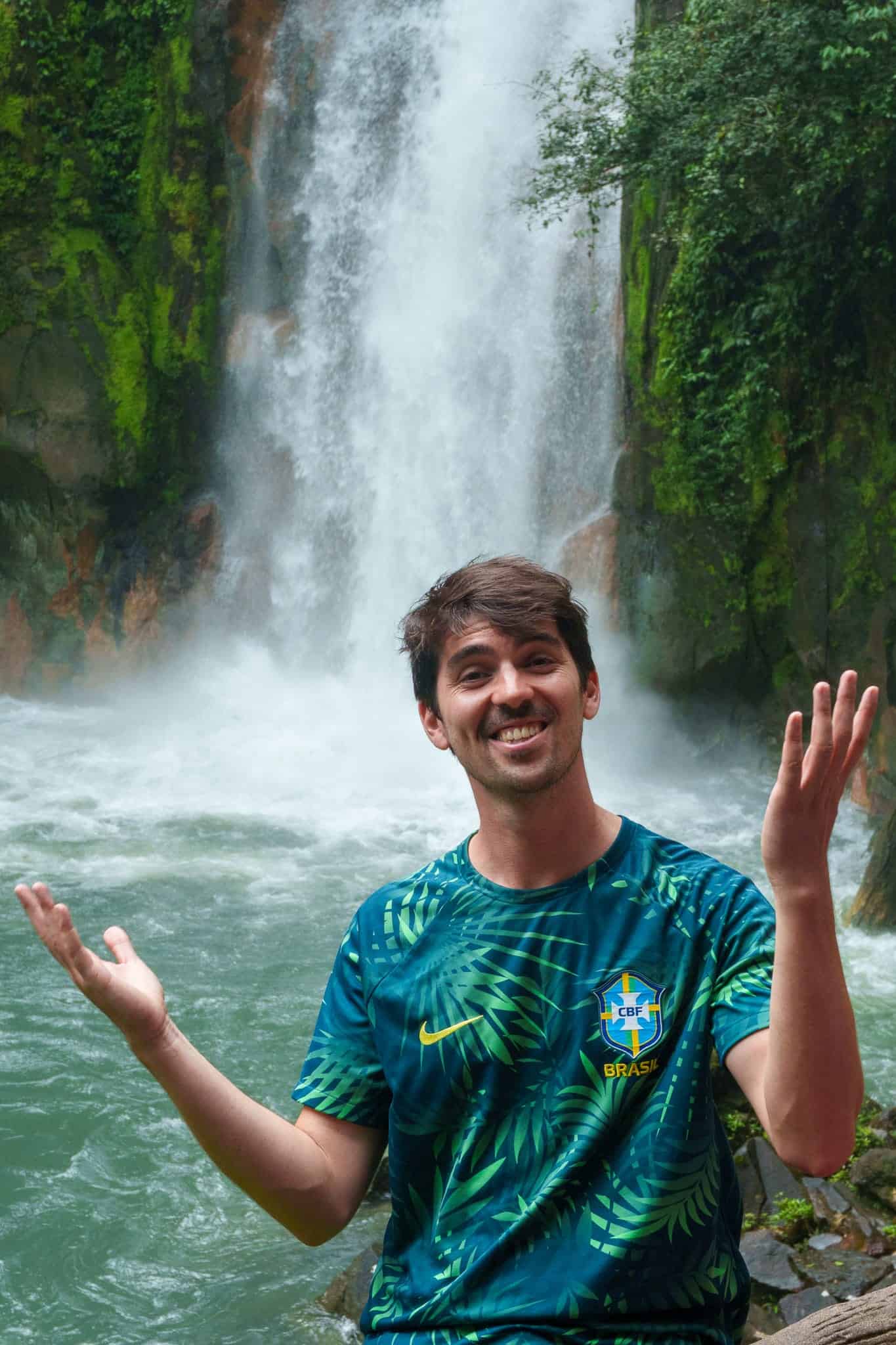
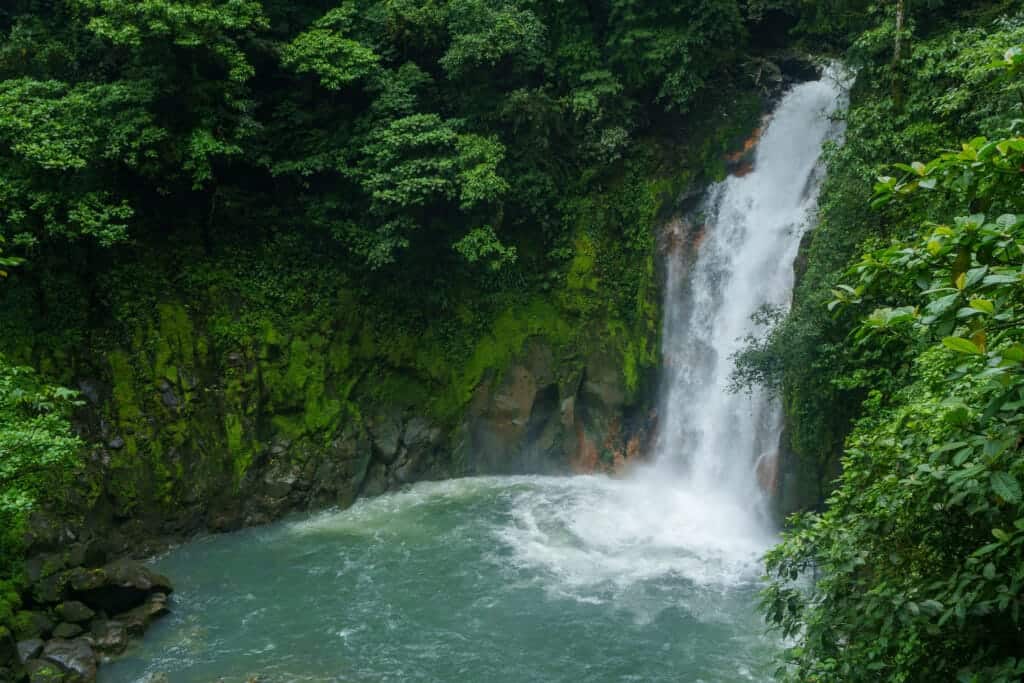
Rio Celeste Waterfall — The classic viewpoint: a 30 m / ~95 ft drop into a vivid turquoise pool, framed by jungle on all sides. Busy, worth it, genuinely beautiful.

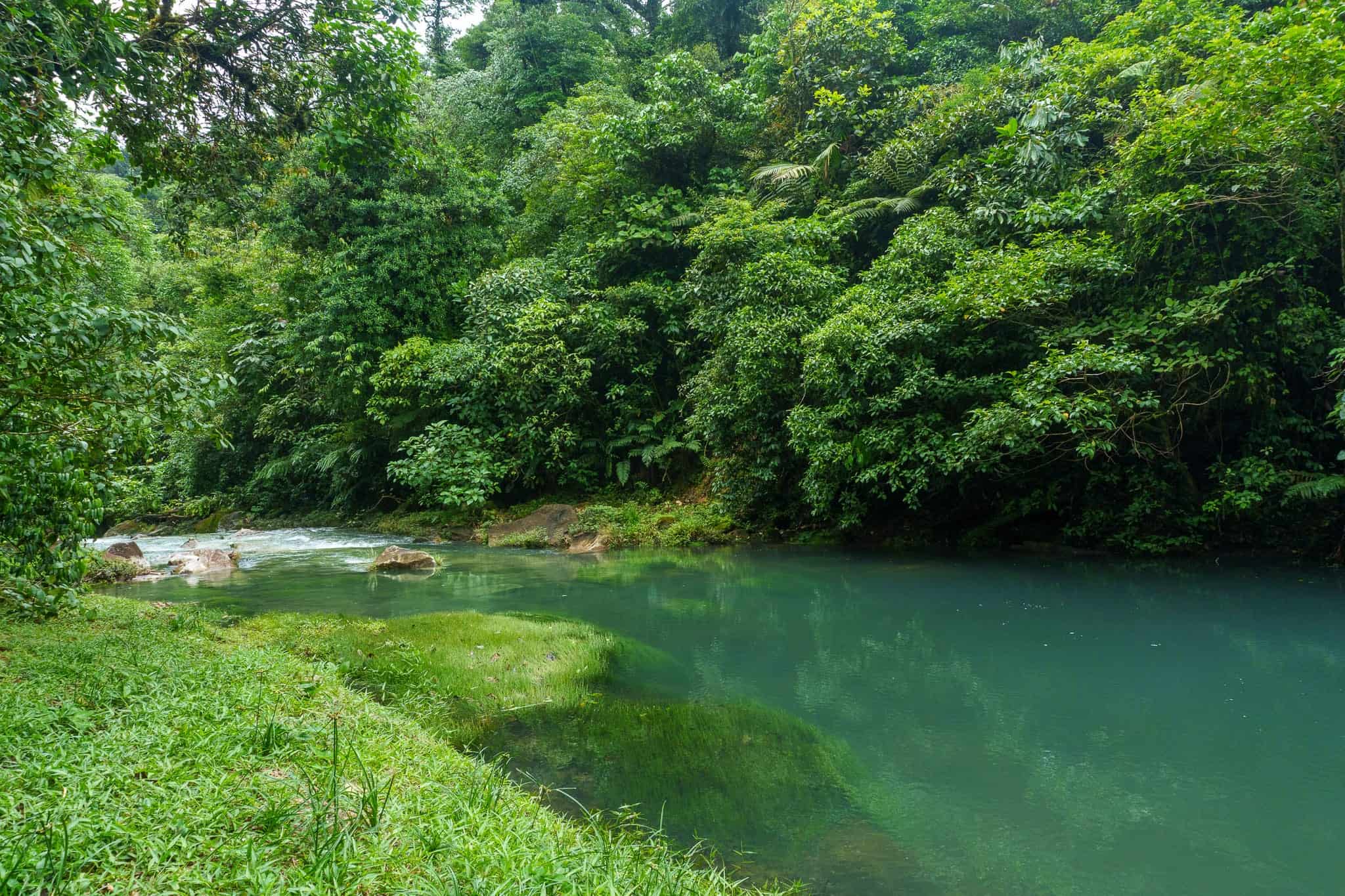
Laguna Azul (Blue Lagoon) — A small, intensely blue pool just off the main trail. It looks like a set from a fantasy film. Don't skip it.

Los Borbollones / Hervideros — Sections of the river where geothermal gases and hot water bubble up from below. You'll smell the sulfur before you see it. Oddly fascinating.

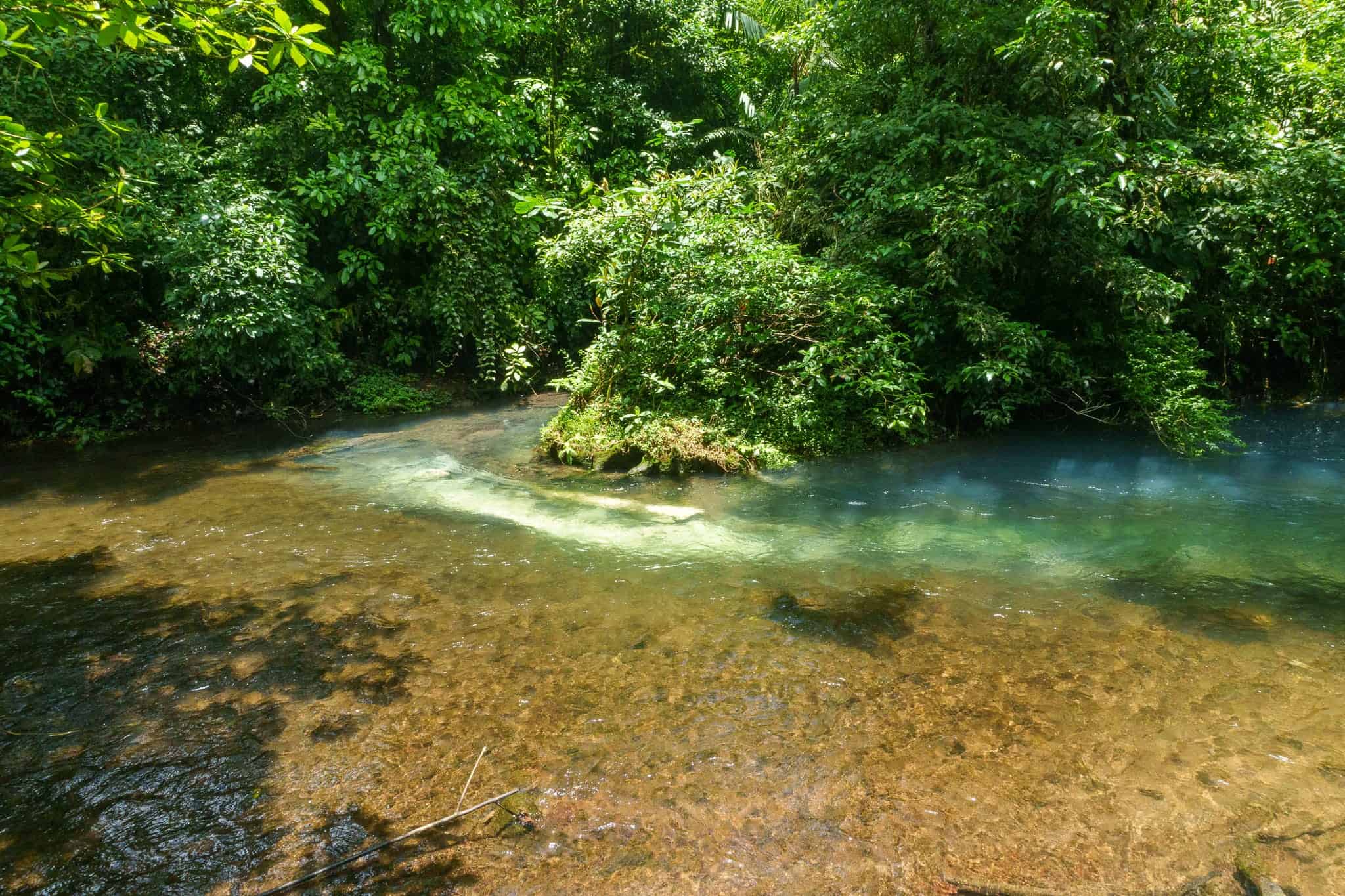
Los Teñideros — This is the most interesting part scientifically. Two clear rivers — Rio Buena Vista and Quebrada Agria — meet here, and the water turns blue right in front of you. More on why below.

Mirador — On a clear day, you get views toward Volcan Tenorio and the surrounding hills. Go on a cloudless morning for the best chance.

My recommendation: push past the waterfall. The crowds thin out, the trail gets quieter, and the Teñideros section alone is worth the extra effort.

If you plan to visit that country, especially during high season, don’t wait too long—prices can rise quickly. Trip.com is the perfect place to compare flights, hotels, car rentals, and even book activities. Everything you need, all in one place!

Visit Trip.com

Trail Conditions: Mud, Rain & Reality

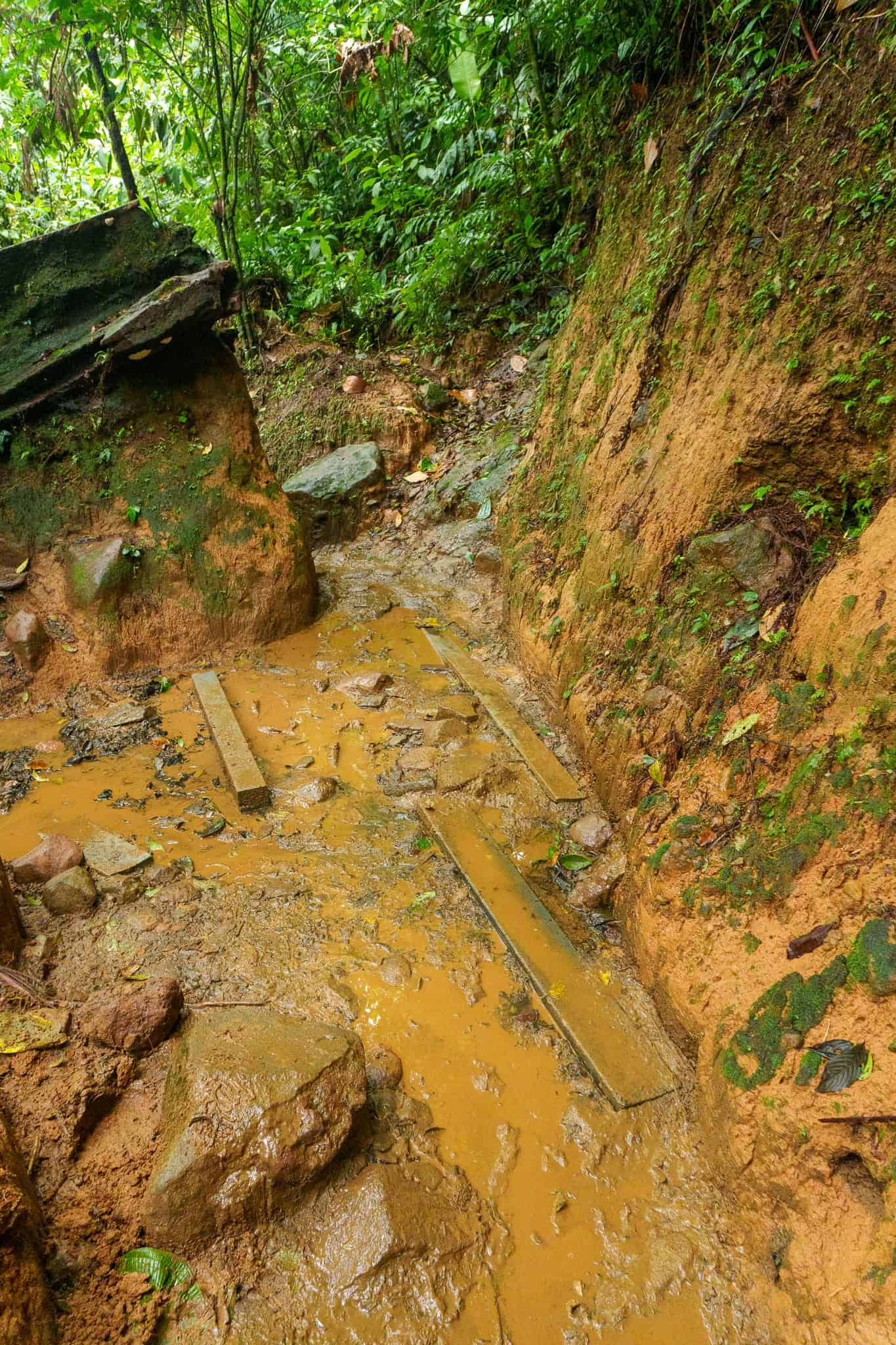
The trail can get seriously muddy in rainy season. The improved sections help at the start, but further in, you'll hit puddles and thick mud regardless of the season. You have two options:

  • Trail runners or hiking boots with good grip — what I'd go with
  • Rubber boots — available to rent from local shops near the park entrance, worth it if it's been raining heavily the past few days

The forest keeps it cooler than you'd expect, but it's still humid. Take it slow, enjoy the surroundings, and don't rush the hike.

Crowds & When to Arrive

Arrive at or just before 8:00 when the park opens. Weekday mornings are best — weekends and local holidays fill up fast. In peak season, latecomers sometimes wait outside the gate for visitors to exit before they can enter.

Early entry also means better light on the water and a good chance of finishing before afternoon rain rolls in.

Why Is Rio Celeste So Blue?

This section gets people every time, and rightly so — the science is genuinely cool.

The Science: Mie Scattering

The color has nothing to do with dye or minerals coloring the water directly. It's an optical phenomenon called Mie scattering. Here's what happens:

  1. Rio Buena Vista carries tiny aluminosilicate particles from volcanic activity — too small to see individually
  2. Quebrada Agria is an acidic river flowing from the volcano
  3. When the two rivers meet at Los Teñideros, the drop in pH causes the particles to aggregate into a size that scatters sunlight
  4. That scattering produces the intense turquoise color you see

The water isn't “blue” — it's light bending in a very specific way. On a cloudy day or after heavy rain, the color can look duller or even brownish. The conditions have to be right.

The Legend

The local story is simpler and honestly more satisfying: after painting the sky, God washed the paintbrushes in this river, leaving it permanently sky-blue.

Standing at the waterfall for the first time, looking at that color in the middle of a jungle — the legend feels more plausible than the physics.

Best Time to Visit Rio Celeste in Costa Rica

Dry season (December to April) gives you the most reliable shot at vivid blue water — brighter colors, less mud, more predictable weather. It's also busier and hotter.

Shoulder season can be great if you get lucky. Fewer crowds, greener surroundings, but a higher chance of rain affecting the color.

Avoid going right after several days of heavy rain — flooded, muddy conditions can turn the river brownish and flatten the whole experience.

Checking Conditions

Before you go, check recent Instagram tags (#RioCeleste) or local tour operator pages to see what the river looked like in the past few days. Rain the night before can still affect the color the next morning.

If you're staying nearby for two nights, you get a second chance to pick the better weather window.

Best Time of Day

Mid-morning light (around 9:00–11:00) hits the river beautifully, especially at the waterfall and lagoon. The trick is entering at 8:00, hiking slowly, and timing your arrival at key spots once the sun is up.

Don't rush straight to the waterfall — let the light catch up with you.

What to Pack for the Rio Celeste Hike

Keep it light and practical:

  • Footwear: Sturdy trail shoes or boots with grip — or rent rubber boots near the entrance if conditions are very muddy
  • Clothing: Light, quick-dry layers — no jeans, no heavy cotton
  • Rain jacket or poncho — non-negotiable, even in dry season
  • Water and snacks — no food stalls on the trail
  • Insect repellent and sunscreen
  • Small towel + swimsuit if you plan to swim in the river outside the park
  • Dry bag or ziplock for your phone and camera
  • Small garbage bag to pack out your own trash

Toilets are available at the entrance but not on the trail itself. Plan accordingly.

How to Get to Rio Celeste

Driving Yourself

The road to the Tenorio NP entrance is now paved and manageable in a standard 2WD — no 4×4 required if you take the main route. Navigate specifically to the national park ranger station, not just “Rio Celeste” on Google Maps, which has several pins.

Paid parking is available in lots near the ranger station, run by local families. Don't leave valuables visible in the car.

Day Trip from La Fortuna / Arenal

Day trips from La Fortuna are popular and typically include transport, a guide, park entrance, and sometimes lunch or a hot springs stop.

  • Pros: No driving stress, a guide who explains the color phenomenon and identifies wildlife, good for those short on time
  • Cons: Fixed schedule, less flexibility to linger, more crowded experience on the trail
  • From La Fortuna: Rio Celeste Full-Day Tour

From Liberia & Guanacaste

Doable from Liberia or beach towns like Tamarindo — roughly 1.5–2 hours by car. It's a long day trip from the coast. If you're coming from Guanacaste, strongly consider staying a night near Bijagua rather than trying to squeeze it all into one day.

Public Transport

Buses to Bijagua exist but are slow and don't sync well with park hours. This route works only if you're willing to overnight near the park — not ideal for a day trip.

Where to Stay Near Volcan Tenorio

The main base for the park is Bijagua de Upala, with eco-lodges, boutique stays, and budget guesthouses. There are also small hotels and cabinas directly on the access road to the park — closer, but with fewer restaurant and shop options.

If you search “hotel volcan tenorio,” you'll find a cluster of small hotels right on the access road, walking distance or a short drive from the ranger station. These are ideal if you want to enter the park early without a long morning commute.

Boutique & Eco-Lodge Options

Budget & Backpacker Stays

Rio Celeste Backpackers and a handful of simple guesthouses around Bijagua offer basic rooms, sometimes with shared kitchens, and good access to local sodas (family-run restaurants). Solid option for meeting other travelers and keeping costs down.

Other Things to Do Around Rio Celeste

Hot Springs & Swimming

There are natural hot springs and legal swimming spots in rivers near the park — separate from the national park trails. Some lodges have their own hot river access, and a few small paid hot springs operate nearby. A good way to end a day of hiking.

Tubing & Kayaking

The rivers around Bijagua and the Tenorio area are perfect for a lazy afternoon on the water. Several local operators offer tubing on nearby rivers — you float downstream through the jungle in an inflatable ring, spotting birds and the occasional caiman along the banks.

It's low-effort, fun, and a completely different way to experience the same landscape you just hiked through.

For something more active, kayaking is available on local rivers and lagoons in the area. It's a solid half-day add-on if you're staying two nights — do the hike on day one, get on the water on day two.

Both activities are typically organized through local lodges or small operators in Bijagua, so ask at your accommodation when you arrive rather than booking far in advance.

Wildlife & Birdwatching

The region around Bijagua and Volcan Tenorio is rich with wildlife. Common sightings include:

  • Howler and white-faced monkeys
  • Coatis
  • Tapirs (rare, but possible)
  • Trogons, bellbirds, and dozens of other bird species
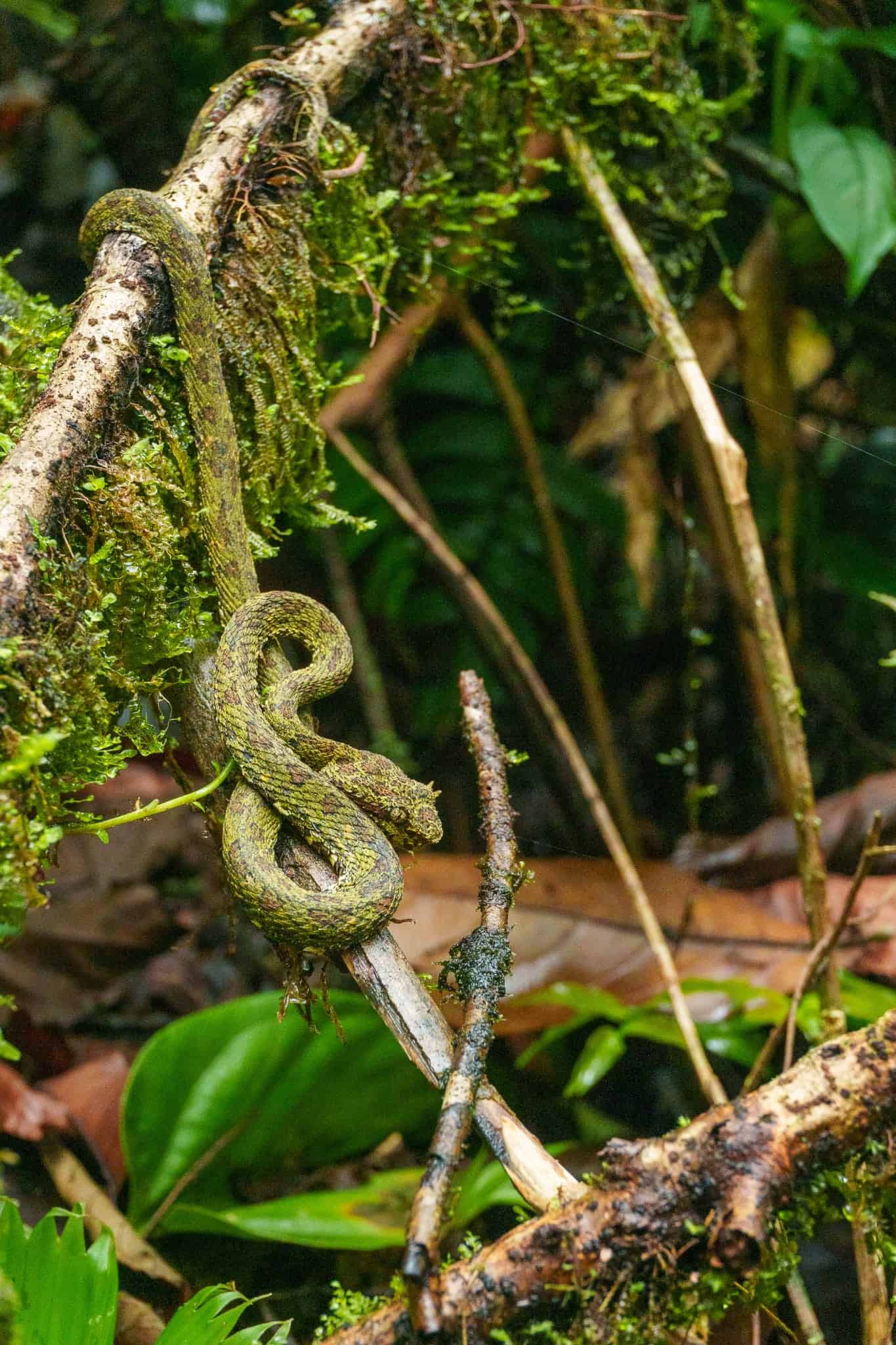
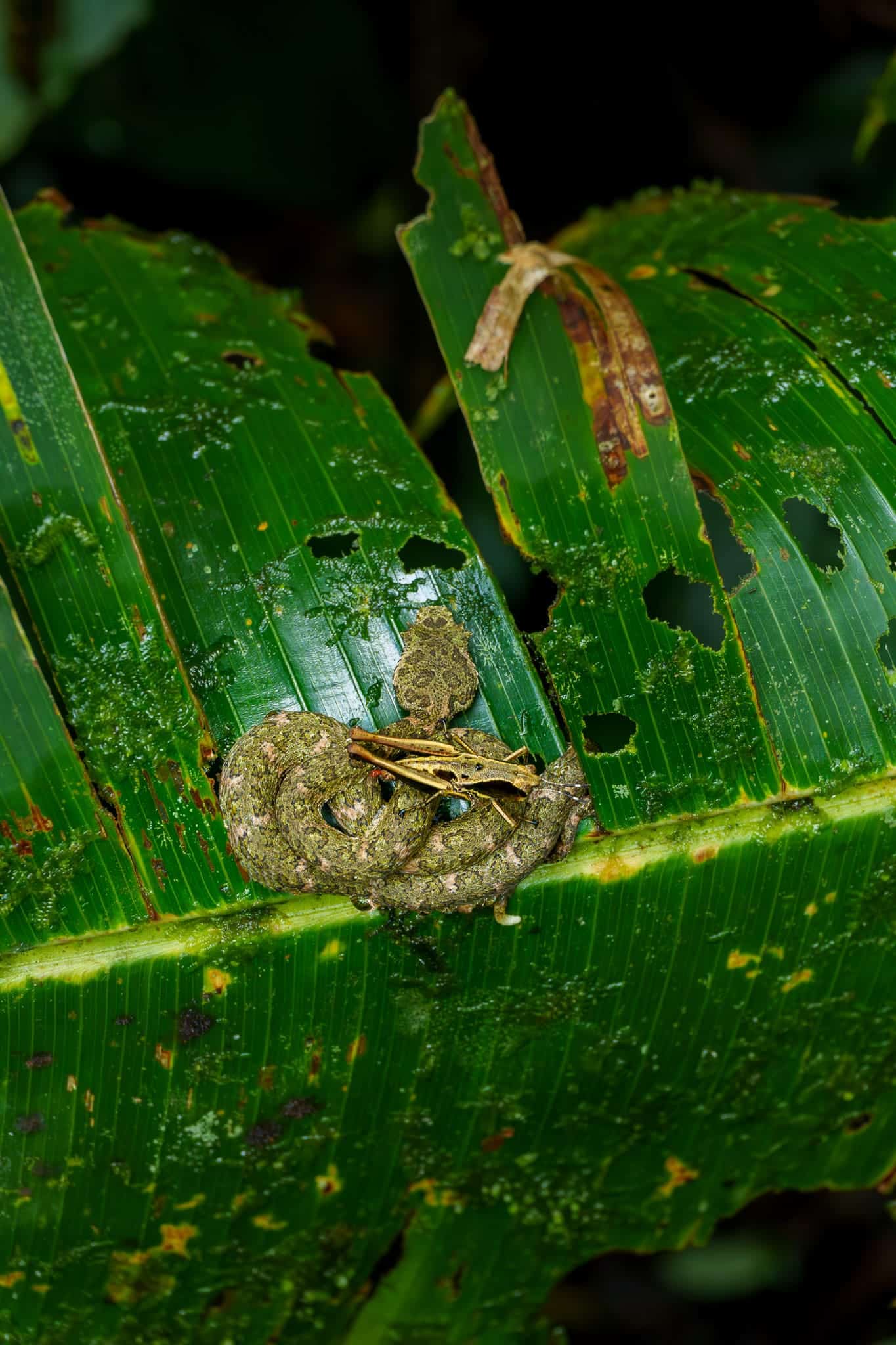
  • Pumas exist here — you almost certainly won't see one, but someone has to say it

Go early morning or late afternoon for the best chance of spotting animals. A guided walk around your lodge is often more productive than the main trail. For context on what wildlife Costa Rica can throw at you, this Costa Rica wildlife guide is worth a read before your trip — and if you're curious about rainforest monkeys specifically, the monkeys of the Amazon rainforest guide is a fun deep-dive.

Tours vs DIY: What I'd Choose Next Time

When a Guided Tour Makes Sense

  • You don't have a rental car and can't easily get yourself there
  • You're solo and want the social element of a group
  • You want someone to explain the color phenomenon and point out wildlife you'd walk straight past
  • You want everything bundled — transport, entrance, guide, and maybe lunch or hot springs
  • From La Fortuna: Rio Celeste Full-Day Tour

Many tours from La Fortuna and Guanacaste include hotel pickup and can be combined with other stops like sloth sanctuaries.

When Going Independently Is Better

  • You want control over your timing — entering at exactly 8:00, lingering at Laguna Azul, going back the next day if the color was off
  • You're staying nearby in Bijagua and the park is a short drive away
  • You're a backpacker keeping costs tight — DIY is often cheaper once you factor in the tour markup
  • Ticket to Rio Celeste Waterfall & Tenorio National Park

Personally, I'd go independent and stay two nights. That flexibility to pick the better weather day is worth more than any organized tour convenience.

Practical Tips & Mistakes to Avoid

On the Trail

  • Bring more water than you think you need — the humidity is real
  • Leave non-essential valuables at your accommodation, not in the car
  • Carry a small garbage bag and pack out your own trash
  • Poles are helpful on the steep staircase sections if you have knee issues

Avoiding Color Disappointment

Rio Celeste is not always neon blue. After heavy rain, it can look brownish and flat — not the magical turquoise you came for. Don't treat this as a one-shot day trip if you can help it. Build in two nights nearby and check conditions the morning you plan to go. That buffer is the difference between a great experience and a disappointing one.

Responsible Travel

  • Stay on marked trails — the riverbanks and vegetation are fragile
  • Eat at local sodas, book with family-run lodges, and hire local guides when you can
  • The Bijagua community depends on tourism from the park — spending locally makes a real difference

FAQ About Rio Celeste in Costa Rica

Yes — especially if you're into hiking, nature, and getting off the beaten path. It's one of Costa Rica's most visually striking experiences and doesn't get the same international hype as Arenal or Manuel Antonio. That's part of the appeal.

Not at the waterfall or on the official park trails. Swimming is prohibited inside Volcan Tenorio National Park. There are legal swimming spots in the river outside the park — small balnearios where you can get in the water without breaking any rules.

The hike itself takes 2–3 hours. A day trip covers the essentials, but 1–2 nights in the area lets you explore the region properly, check conditions, and avoid rushing.

The trail is moderate — manageable for reasonably fit people. The steep staircase section (around 250 steps) and muddy conditions can be tough for some. Walking poles help with the descent. Not a good fit for very young children or anyone with serious mobility issues.

Freebie For You !

Thanks for sticking around until the end — that really means a lot. To show my appreciation, I’ve prepared something special for you: a Travel Guide 101 packed with my favorite tips, useful websites, and practical info to help you plan your next adventure.

    This post is also available in :

    Picture of Hugo Mathieu
    I'm Hugo, a traveler driven by curiosity and a passion for discovering the world's hidden corners. After exploring over 30 countries across Latin America and Southeast Asia, I've learned that every adventure shapes who we become. I'm here to share those lessons and inspire your next great journey.

    Subscribe to the Newsletter

    Join our community and receive exclusive travel stories, guides, and special offers!

      Now Exploring

      Brasil

      Let's Connect

      Affiliate Disclosure

      Some of my posts include affiliate links. If you choose to make a purchase through them, I may earn a small commission—at absolutely no extra cost to you.


      Using these links is the best way to support my work and say thank you, and I appreciate it so much! Of course, everything I share reflects my honest opinions and experiences.

      You Like The Photos ?

      You can purchase them as prints, digital downloads, or with a commercial license.

      Visit my photo shop to bring these moments into your home or project.

      Buy Me A Coffee

      Related Adventure

      Horizonhugo - Costa Rica - Rio Celeste-04
      A vivid turquoise river hidden inside Volcan Tenorio...
      Vale do Pati in January 2026. It's green with clouds. Bahia , Brazil.
      Your complete guide to Lençóis, Bahia — where to stay,...
      During low tide boats need to do detour to avoid sandbanks. this is in Barra Grande, Marau Brazil.
      A hidden gem on the Maraú Peninsula — Barra Grande,...
      Aerial view of the Tiririca beach near the town of Itacaré, Brazil. the sea meets the jungle, the ebach is small with parasol, chairs and people.
      A small town on the Bahia coast with jungle, surf,...
      Aerial view of lencois maranhenses, with dunes and lagoons in Brazil, Ceara.
      White dunes, turquoise lagoons, and one mistake that...

      Hugo Mathieu

      I'm Hugo, a traveler driven by curiosity and a passion for discovering the world's hidden corners. After exploring over 30 countries across Latin America and Southeast Asia, I've learned that every adventure shapes who we become. I'm here to share those lessons and inspire your next great journey.

      Share it with the person you to travel with !

      You might also like to read these articles

      Scroll to Top