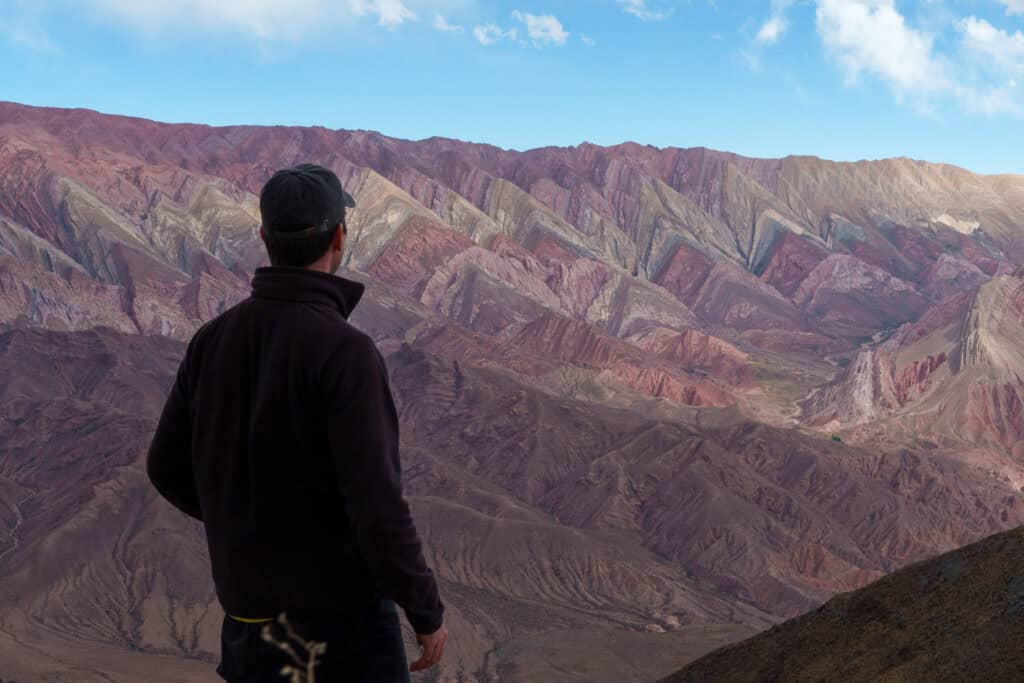
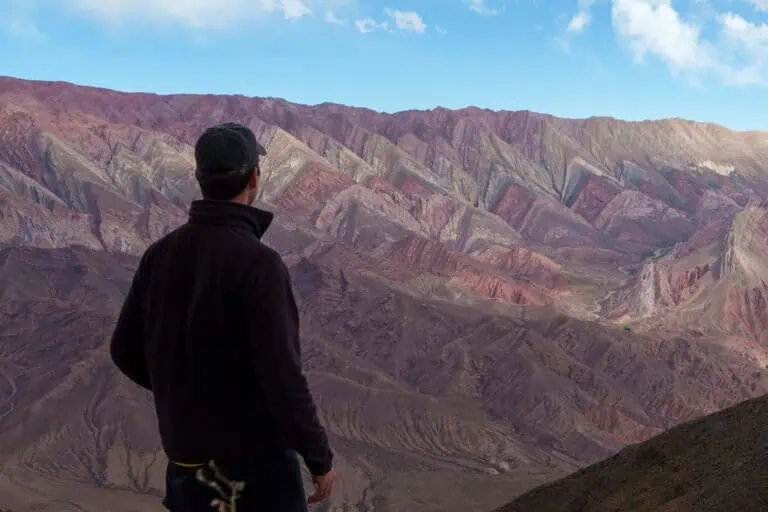
A person wearing a dark jacket and cap stands overlooking the colorful, layered mountains of Jujuy, Argentina, under a partly cloudy blue sky.

Backpacking Southeast Asia vs South America: Honest Take

This post is also available in :

If you are planning your first backpacking trip and trying to choose between Southeast Asia and South America, you are not alone. It is one of the most common questions in travel circles, and it does not have a simple answer.

I have backpacked through both regions for months, and after all that time on the road, I still cannot tell you one is better than the other. What I can tell you is which one is better for you, depending on your budget, your travel style, and what you actually want out of a trip.

This comparison covers the categories that matter most: cost, safety, transport, visas, landscapes, language, food, and the social side of travel. By the end, you should have a clear enough picture to make the call.

Table of Contents

Why “Which Is Better?” Is the Wrong Question

Two different travel experiences

Southeast Asia is compact, affordable, and genuinely easy to navigate. You can hop between Thailand, Laos, Vietnam, Cambodia, and Indonesia without spending a fortune or losing too much time in transit. The infrastructure for backpackers is well established, and the learning curve is gentle.

If Thailand is your starting point, here are my honest reviews and hidden gems in Thailand. And for a real example of a multi-island route, see my one-month Indonesia itinerary from Sumatra to Komodo.

South America is a different beast. The continent is massive, the distances are serious, and getting from one country to the next often requires a full day or more of travel. That is not a flaw, it is just a different kind of trip, one that rewards patience and slower pacing.

Neither region is universally better. The right choice depends on what you are looking for, not on any objective ranking.

What this comparison covers

We will go through budget and accommodation first, since that is usually the most pressing concern. Then safety, transport logistics, visa requirements, landscapes, language, food, and the social side of backpacking.

For anyone working remotely while traveling, there is a section on digital nomad infrastructure too. At the end, I will give a clear recommendation by traveler type, which is the closest thing to a verdict this comparison is going to offer.

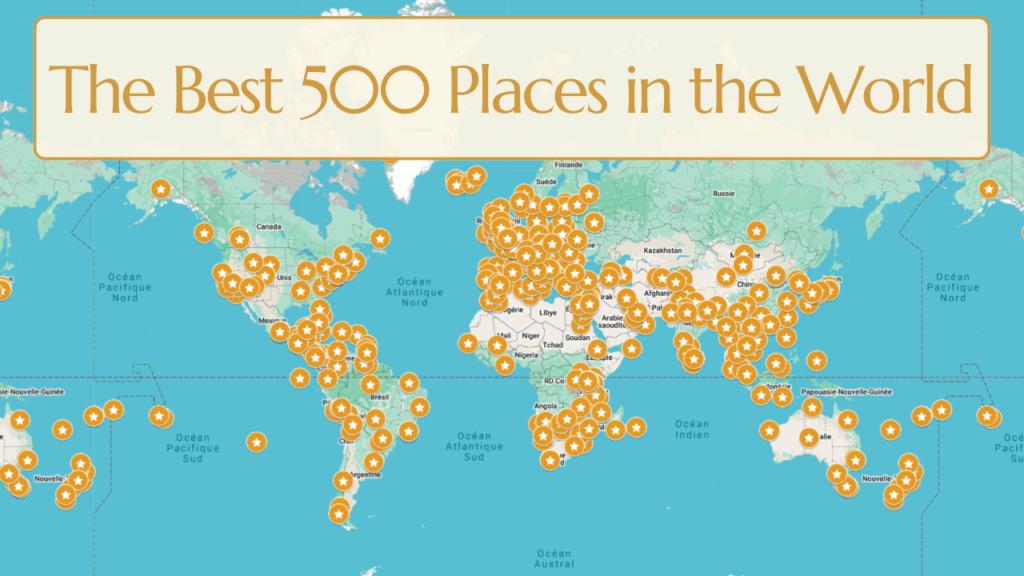
FREE Google Map - Best 500 Places in the World

Most travelers visit the same 20 places their whole life.

Here are 500 reasons to do better.A curated world map of 500 unforgettable destinations across every continent — open it in Google Maps and start planning.

    A world map with orange location markers highlighting the Best 500 Places in the World across various continents. The title appears at the top on a beige banner.

    Budget: Southeast Asia Stretches Your Money Further

    Accommodation costs

    The numbers tell a straightforward story. A private room in Southeast Asia typically runs around $10 to $15 per night. The same type of room in South America is closer to $20 to $25. Dorms follow the same pattern, landing between $5 and $10 in Southeast Asia versus $10 to $15 in South America.

    That gap might not sound dramatic, but it adds up fast over a multi-week or multi-month trip.

    What the price difference means

    For the same length of trip and the same activities, you will spend noticeably less in Southeast Asia. A tight budget goes further, which means more destinations, more tours, and the ability to splurge occasionally without blowing your finances.

    If you want to see how far a tight budget can go, I put together a list of the cheapest places to travel in South America.

    If your budget is the deciding factor, Southeast Asia wins this category clearly.

    When I’m on a budget, Hostelworld is where I find my hostels.

    Room quality surprise

    Here is something that genuinely caught me off guard. In places like Bali and Thailand, you can find stylishly designed, modern, and comfortable private rooms for $10 or $15 a night. They look good. They feel good. The price seems almost impossible.

    If you want to know where to find rooms like these, I listed my picks in where to stay in Bali.

    In South America, finding that same level of design and comfort usually requires spending $30 to $40 per night. The budget options exist, but they rarely match the quality you can get in Southeast Asia for half the price.

    In Asia especially, I always check Agoda first for my stays.

    Watch The Video

    If you prefer beautiful landscapes and listening instead of reading, I’ve also made a YouTube video about this place. Hit play, relax, and let me show you what it really looks like on the ground.

    Safety and Scams: Perception vs Reality

    The safety question

    A lot of first-time travelers, especially women going solo, approach South America with more fear than Southeast Asia. The news contributes to this. The reputation sticks.

    But from my own experience, and from talking with many solo female travelers I met on the road, almost none of them ran into serious safety problems in South America. In many places, locals are genuinely warm and welcoming in a way that can surprise people who arrived braced for trouble.

    If you want to see what this looks like in one country, read my honest experience of how safe Colombia really is.

    Honest caveats

    That said, machismo culture is real in parts of South America. It can create uncomfortable situations for women even when it does not lead to anything dangerous. That discomfort is worth acknowledging.

    In both regions, basic precautions matter. Research the neighborhoods you are staying in. Keep your phone out of sight in crowded areas. Do not flash expensive gear.

    None of this is unique to either continent.

    For an official, country-by-country overview of current risks, check your government’s travel advisories before departure, such as the U.S. State Department travel advisories.

    Scams are a tie

    Both regions have their tourist traps. Southeast Asia is known for the scooter-damage scam, where you rent a bike and get charged for scratches that were already there, as well as inflated tuk-tuk fares and fake booking agents.

    South America has its own versions of these schemes.

    I have felt like an obvious tourist being taken advantage of in both places. Neither continent wins this one. Call it a draw.

    Distances and Transport: Compact vs Massive

    Southeast Asia’s advantage

    The countries in Southeast Asia sit relatively close together.

    Multi-country routes are genuinely manageable without losing huge chunks of your trip to transit.

    Cheap flights connect major cities, sleeper trains run between Bangkok and Chiang Mai, and Vietnamese sleeper buses let you stretch out in a flat bed while crossing the country overnight.

    Transport options are varied, affordable, and often part of the experience.

    South America’s reality

    South America operates on a different scale entirely.

    The distances between destinations are enormous. Flights exist but tend to be expensive because of how far apart everything is.

    Buses become the default mode of travel, and quality varies enormously depending on where you are.

    Bolivia’s buses can be rough. Brazil’s overnight buses, on the other hand, often come with reclining seats, air conditioning, and a level of comfort that rivals some budget airlines.

    But between cities, you will regularly burn full days just sitting in transit or waiting at terminals.

    Planning implication

    If you only have three weeks and want to tick off many countries, South America will punish that approach. You need to pick fewer destinations and pace yourself realistically.

    Shorter trips in South America work best when you focus on one country or one region rather than trying to cross the continent. Bolivia can feel rough on the body, while Brazil’s long-haul bus routes are surprisingly comfortable for the price.

    When I’m planning my trip, I always check flights on Skyscanner first, since it lets me compare prices and find the best deal, and most of the time I also go on Trip.com afterward, which is another great price comparison tool for flights and hotels.

    Watch The Video

    If you prefer beautiful landscapes and listening instead of reading, I’ve also made a YouTube video about this place. Hit play, relax, and let me show you what it really looks like on the ground.

    Visas: The Passport Lottery

    Southeast Asia’s admin

    Southeast Asia can be administratively fiddly. On my last trip through the region, I landed in Thailand with sixty days and had to pay extra just to extend by thirty more. Entering Laos cost $40 for thirty days. Vietnam and Indonesia each required their own paperwork and fees.

    None of these individual costs are catastrophic, but they pile up across a multi-country trip and eat into both your time and your budget.

    South America’s simplicity

    As a European traveler, South America felt almost frictionless by comparison. In almost every country I visited, I received three months on arrival with no extra paperwork and no additional fees. That kind of easy entry saves real time and reduces pre-trip stress considerably.

    For many nationalities, South America wins this category without much debate.

    Check your own passport

    The catch is that visa rules depend heavily on where you are from. American travelers to Bolivia have historically faced a fee of around $160 for a single month, though those rules may have changed.

    The situation can shift with little warning.

    Before you book anything, check your specific passport on Passport Index. It shows current entry requirements by nationality and is worth bookmarking as a pre-trip tool.

    Never assume what applies to someone else applies to you.

    Landscapes: Crowds vs Solitude

    Southeast Asia’s density

    Southeast Asia packs a lot of natural beauty into a small space, and that is both its strength and its limitation.

    Popular routes like the Ha Giang Loop in northern Vietnam, where you ride a motorbike through dramatic mountain scenery, can feel genuinely crowded during high season.

    Everyone follows the same well-worn trails, which means the most famous spots often come with other tourists.

    The nature is real and beautiful. Solitude, though, is harder to find.

    South America’s scale

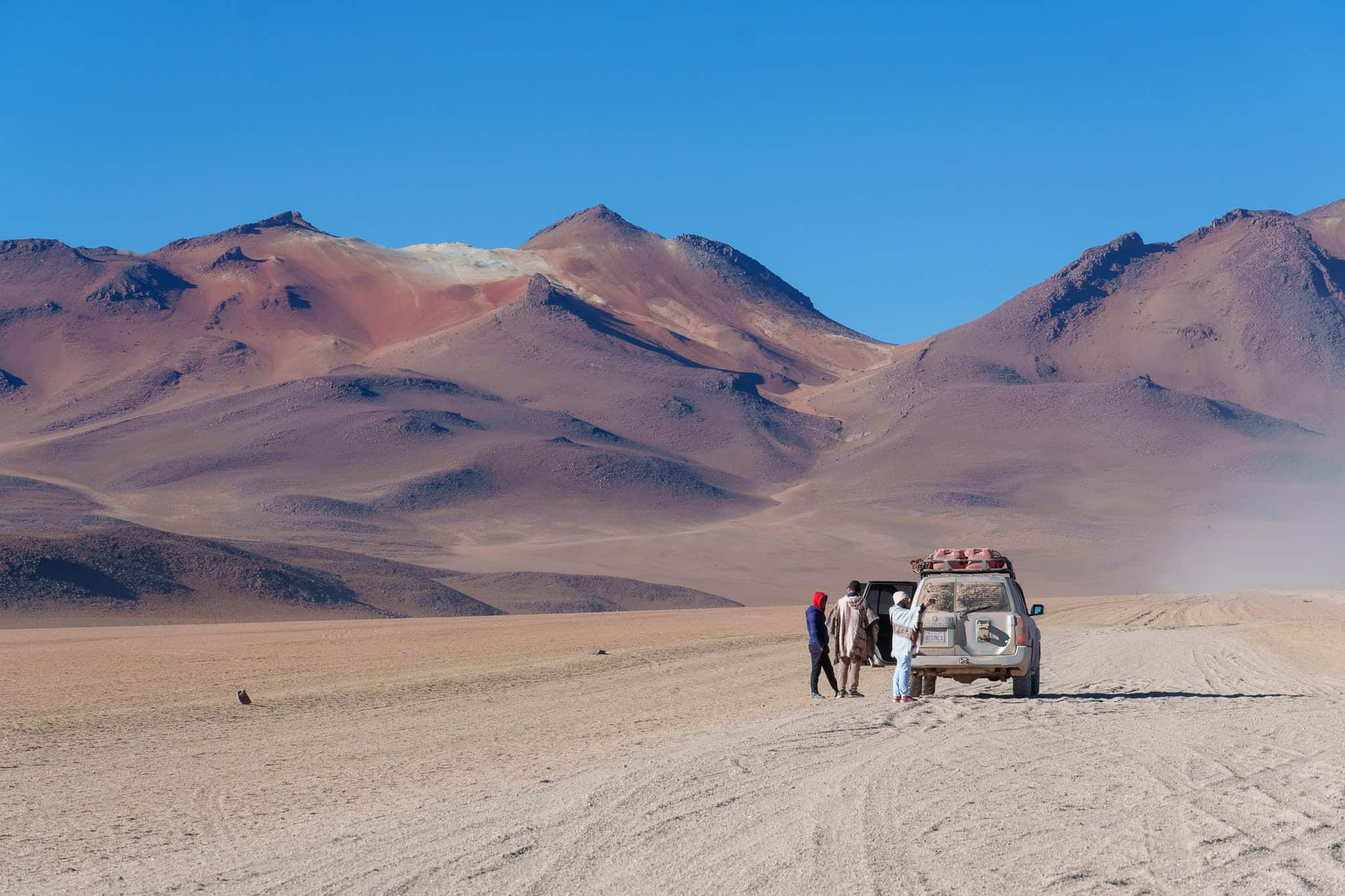
    I remember standing in front of Amboró National Park near Samaipata in Bolivia, surrounded by orange rock formations draped in jungle, with not a single other tourist in sight.

    Getting there required a local bus and a stop in a tiny village, but that effort created exactly the kind of feeling that is hard to replicate in more traveled regions.

    Chapada Diamantina in Brazil offers a similar experience. Canyons, forests, and small traditional farms called fazendas fill the landscape, and even though some tourism exists there, the sheer scale of the place prevents it from ever feeling packed.

    If you want to hike there yourself, here is my full Chapada Diamantina guide.

    If you like big empty landscapes, Lençóis Maranhenses in Brazil and the Salkantay Trek in Peru are worth the detour.

    The trade-off

    Southeast Asia gives you accessibility and variety within a compact area. You can cover a lot of ground without too much effort, and the highlights are genuinely impressive.

    South America gives you grandeur, remoteness, and a stronger feeling of exploration. The effort required to reach its best places is part of what keeps them uncrowded.

    Language and Cultural Depth

    South America’s shared languages

    Most of South America speaks Spanish or Portuguese.

    After spending enough time there, I learned both well enough to have real conversations with local people, and that changed everything. Friendships formed. Cultural context clicked. Encounters that might have stayed transactional became something more meaningful.

    A shared language, even a basic one, opens doors that English rarely can.

    Southeast Asia’s fragmentation

    Each country in Southeast Asia has its own language, and realistically, a backpacker spending one or two months in each place cannot learn enough to have deep conversations. English fills the gap, and locals are often happy to use it.

    But those interactions tend to stay closer to the surface.

    That is not a failure of the region. It is simply a structural reality of traveling through many linguistically different countries in quick succession.

    Cultural diversity

    South America packs a remarkable range into one continent.

    The Andes, the Amazon, Caribbean beaches in Colombia, ancient archaeological sites in Peru, and the energy of Brazilian cities all exist within the same landmass.

    Each country feels genuinely distinct from the last.

    Southeast Asia has strong regional similarities across Thailand, Laos, and Cambodia, with Vietnam feeling a bit more distinct and Indonesia and the Philippines adding their own island character.

    The region is culturally rich, but the range of landscape and cultural variation is narrower than what South America offers across the same travel budget.

    Food, People, and Working While Traveling

    Food

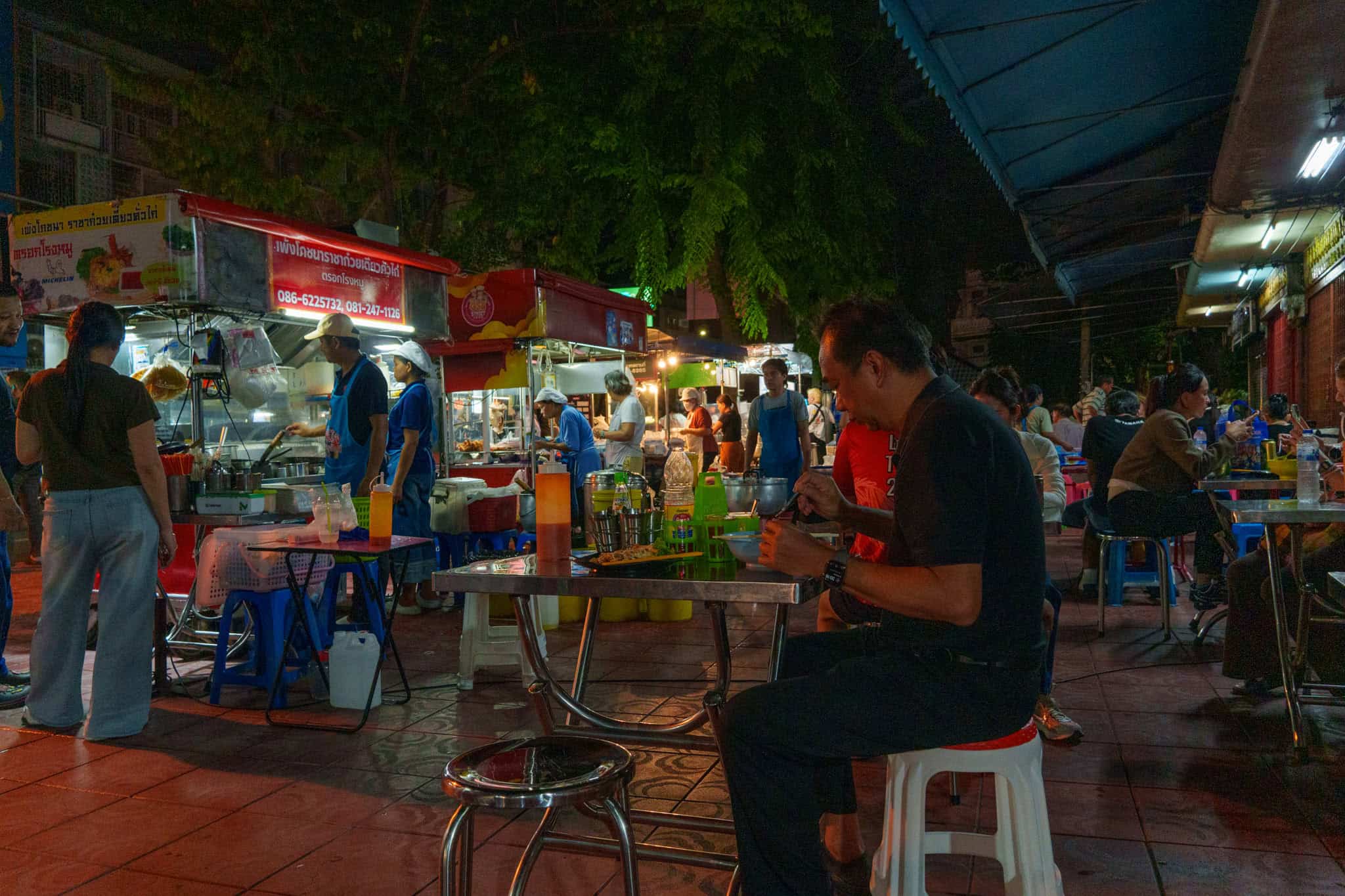
    Southeast Asian street food is hard to argue with. It is cheap, varied, widely available, and generally easy on the stomach. Noodles, rice dishes, grilled meats, and vegetarian options show up almost everywhere, from night markets to roadside stalls.

    South America leans heartier and more meat-focused. Brazilian churrasco and feijoada are genuinely great. Lima and Cusco in Peru have food scenes that punch well above what most backpackers expect, though the price reflects that. Vegetarian travelers will have a tougher time outside major cities.

    If you pass through Lima, a free walking tour is a good way to discover the city, and my Cusco guide covers what to do once you get there.

    For most backpackers, Southeast Asia is the stronger destination food-wise in terms of variety, cost, and accessibility.

    Meeting travelers

    If connecting with other backpackers matters to you, Southeast Asia makes it almost effortless.

    The hostel trail is dense and well-worn. I once did a multi-day trek with a group of people my age and ran into two or three of them again a month later in a completely different country. The circuit is small enough that paths keep crossing.

    South America’s size works against this. Travelers spread out across a massive continent, and spontaneous reunions are much rarer.

    The experience there tends to be more independent and self-directed, which suits some travelers perfectly and frustrates others.

    Digital nomads

    For anyone working remotely while traveling, Southeast Asia is the stronger choice right now.

    Places like Bali and Chiang Mai have built solid ecosystems around remote work, with fast Wi-Fi and real coworking spaces.

    South America is improving, but reliable infrastructure is still inconsistent outside major urban centers. If your work depends on a stable connection, that gap matters.

    I use Yesim for mobile data whenever I land in a new country.

    The Verdict: There Is No Winner

    Choose Southeast Asia if you want

    Southeast Asia makes the most sense if your priorities look like this:

    • The lowest possible daily budget with the best room quality for the price
    • Easy, varied transport between countries without burning full days in transit
    • A social hostel scene where meeting other travelers happens naturally
    • Reliable Wi-Fi and coworking infrastructure for remote work
    • A first backpacking trip with a gentle learning curve

    Explore my Southeast Asia guides

    Choose South America if you want

    South America is the better fit if you are drawn to:

    • Vast, uncrowded landscapes where solitude is actually achievable
    • Cultural depth that comes from a shared language across most of the continent
    • A wider range of environments, from the Andes to the Amazon to Caribbean coastlines
    • Simpler visa entry for many nationalities
    • A slower, more immersive style of travel that rewards patience

    Explore my South America guides

    If you’re heading to South America, WanderWallet is what I use for my money.

    What’s My Favorite ?

    My own heart leans toward South America.

    The scale of the landscapes, the depth that speaking Spanish and Portuguese unlocks, and the sheer diversity packed into one continent are things I have not found anywhere else.

    But I completely understand why someone would choose Southeast Asia, especially if budget and ease of travel are at the top of the list.

    Neither choice is wrong. They are just different trips for different travelers.

    If you have already backpacked through either region, drop a comment and tell me which one you chose and why.

    And if you have not been to either yet, which one are you leaning toward? Is it the price, the landscapes, the food, or something else pulling you in that direction?

    This post is also available in :

    Subscribe to the Newsletter

    Join our community and receive exclusive travel stories, guides, and special offers!

      What's on My Desk Right Now

      The Brazilian flag with green and yellow brush strokes, a blue globe with stars and a white banner reading Ordem e Progresso in the center.

      🗺️ Planning a Trip?

      Skip the research rabbit hole.

      I’ll build you a personalised day-by-day itinerary — or answer all your questions on a quick 60-min call.

      Let's Connect

      Affiliate Disclosure

      Some of my posts include affiliate links. If you choose to make a purchase through them, I may earn a small commission—at absolutely no extra cost to you.


      Using these links is the best way to support my work and say thank you, and I appreciate it so much! Of course, everything I share reflects my honest opinions and experiences.

      📸 Work With Me

      Brand, tourism board or hotel?

      Let’s create something together — content, reviews and campaigns that reach real travellers who are ready to book.

      Buy Me A Coffee

      Latest Posts

      Horizonhugo - Vietnam - Hue - 6
      A two-day Hue itinerary from someone who took the trip...
      A person wearing a dark jacket and cap stands overlooking the colorful, layered mountains of Jujuy, Argentina, under a partly cloudy blue sky.
      An honest comparison of backpacking Southeast Asia...
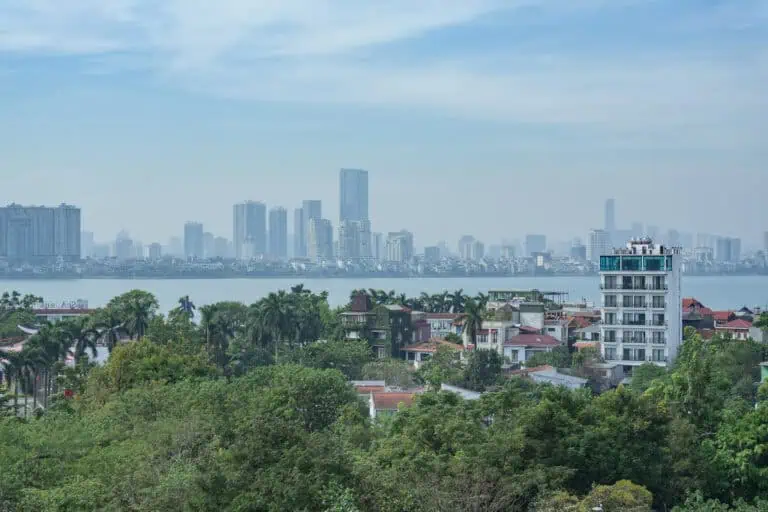
      A cityscape with tall buildings in the background, a body of water in the middle, and houses surrounded by trees and greenery in the foreground under a partly cloudy sky—this picturesque scene evokes some of the top things to visit in Hanoi.
      Hanoi or Saigon? This guide compares the atmosphere,...
      Horizonhugo - Vietnam - Da Nang - Son Tra Monkey - 3
      Monkey Mountain Da Nang on Son Tra Peninsula is one...
      view of praia da costa in Itacaré Brazil. there are palms tree, green grass, waves and blue sky.
      I crossed four South American borders and struggled...

      Get My Personal Map of 500 Must-See Places - FREE

      I’ve compiled 500 of the best places across my travels into one free Google Map.

      The kind of spots you won’t find in a guidebook.

        A world map titled UNESCO World Heritage displays numerous brown, blue, and green icons marking heritage sites across all continents.

        Table of Contents

        Got Questions?

        Still figuring things out for your trip, or just want to double check something before you book? Send me a message and I’ll get back to you as soon as I can.

        Or hit me up on Instagram, I’m there anyway and always happy to chat about the trip.

          Share it with the person you to travel with !

          You might also like to read these articles

          Scroll to Top