Aerial view of Bogota with montserrat church on the first plan

Is Colombia Safe? My Honest Experience After Three Trips

This post is also available in :

In one word: yes.

But let me give you the full picture. Colombia is not a perfect country, but based on my three trips there — as a backpacker, a student, and a digital nomad — I have found it to be genuinely safe, and in some ways safer than certain cities in Europe.

This Colombia safety guide is built on real experience, not headlines.

Table of Contents

My Three Trips to Colombia

I have visited Colombia three times over the past decade, each with a completely different travel style. The first time, I backpacked across the country for three weeks, moving every three or four days.

The second time, I spent six months in Medellín on an engineering exchange with my French university.

The third time, I returned as a digital nomad in 2025, working remotely and exploring at a slower pace.

Each trip gave me a different lens through which to see Colombia’s safety. Here is what I found.

FREE Google Map - Best 500 Places in the World

Most travelers visit the same 20 places their whole life.

Here are 500 reasons to do better.A curated world map of 500 unforgettable destinations across every continent — open it in Google Maps and start planning.

    Backpacking in Colombia: Safe and Welcoming

    My first trip was a classic backpacker route. I crossed from Ecuador to Cali by bus — you can book intercity buses easily through Busbud or 12Go — then continued to Medellín before heading to Panama. During those three weeks, I never felt in danger.

    Whether I was on the bus, at the station, in the streets, or in the metro, I felt safe everywhere.

    When backpacking, you naturally travel light, which makes you less of a target. More importantly, Colombians are genuinely warm and welcoming — this came through in every city and village I visited.

    For budget accommodation, Hostelworld has a solid selection of well-reviewed hostels across Colombia, which are generally safe, social, and centrally located.

    Studying in Medellín: Everyday Life and Safety

    I spent six months in Medellín studying at an engineering school, living in a shared apartment with other students.

    We had parties, visited friends, and regularly went out late at night — and at no point did I feel threatened, even at three in the morning walking through empty streets.

    That said, one friend had his phone stolen by a pickpocket in the metro. He did not feel a thing, which is typical of skilled pickpockets in busy urban spaces.

    This is common in major cities across South America, not specific to Colombia. You will see locals wearing their backpacks in front of them on public transport — follow their lead. For more on what Medellín has to offer beyond safety, check the Rappelling at Cueva de la Tronera guide for a taste of the adventures around the city.

    Best of Latin America - The Ultimate Travel Map

    The only travel map you need before your trip

    Hand-picked beaches, hikes, waterfalls, national parks, monuments, cities and hidden gems.

    I’ve pinned them from my own travel in Latin America.

    Opens directly on Google Map on your phone, and I updated them regurlarly.

    Get the Map

    Digital Nomad Life: Exploring More of Colombia

    In 2025, I had the chance to explore even more of the country. I visited the Caribbean coast, Bogotá, the Antioquia region, and the Pacific coast. Everywhere I went, locals were warm and open to foreigners.

    Despite Colombia’s tough history and lingering stereotypes, that past represents only a small part of the country’s story today.

    During this entire trip, nothing bad happened to me or my friends. In small villages, everyone knows each other and tourists are genuinely welcomed — people understand that tourism matters for their community.

    If you want to discover lesser-known corners of the country, the Colombia Hidden Gems guide is a great starting point. For coastal adventures, Colombia’s two coasts — the Caribbean and the Pacific — each offer a completely different vibe.

    Is Colombia Safe by City?

    Medellín

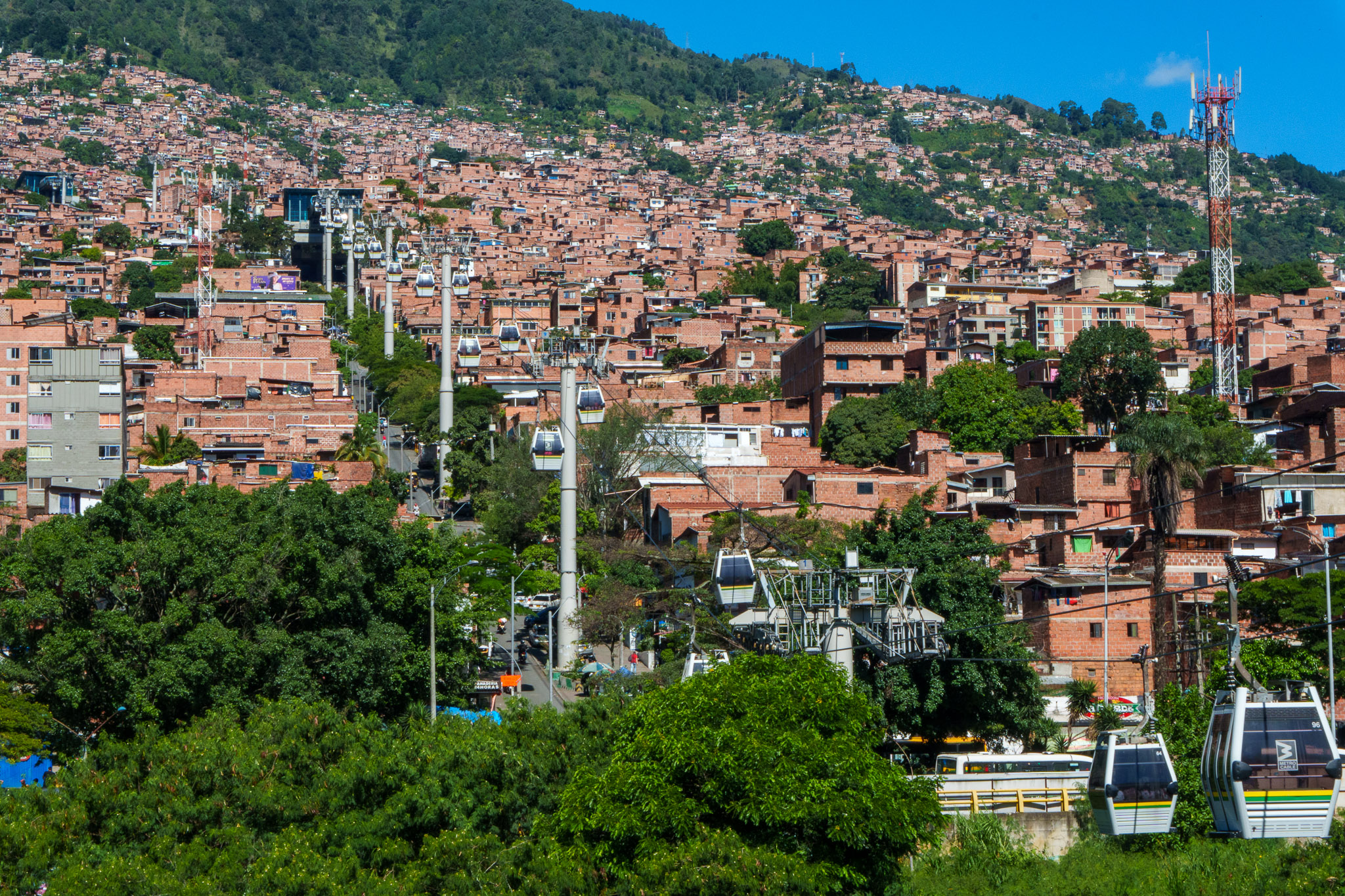
    Medellín is safe for tourists and is probably the city I know best after six months living there. The neighborhoods of El Poblado, Laureles, and Envigado are comfortable, well-lit, and full of other travelers. Avoid wandering into hillside comunas at night without a local guide, but during the day many of them — like Comuna 13 — are popular tourist spots.

    Cartagena

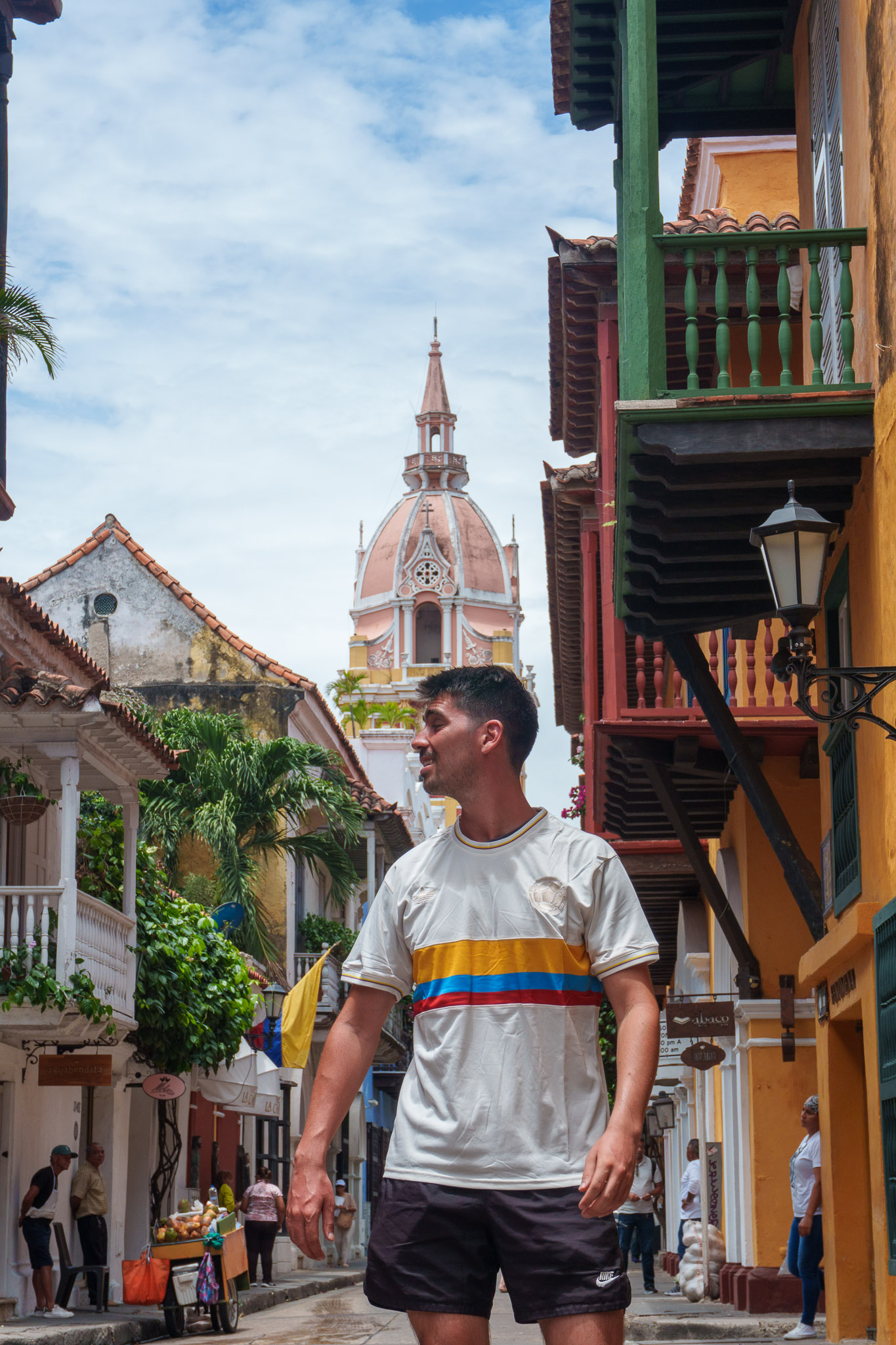
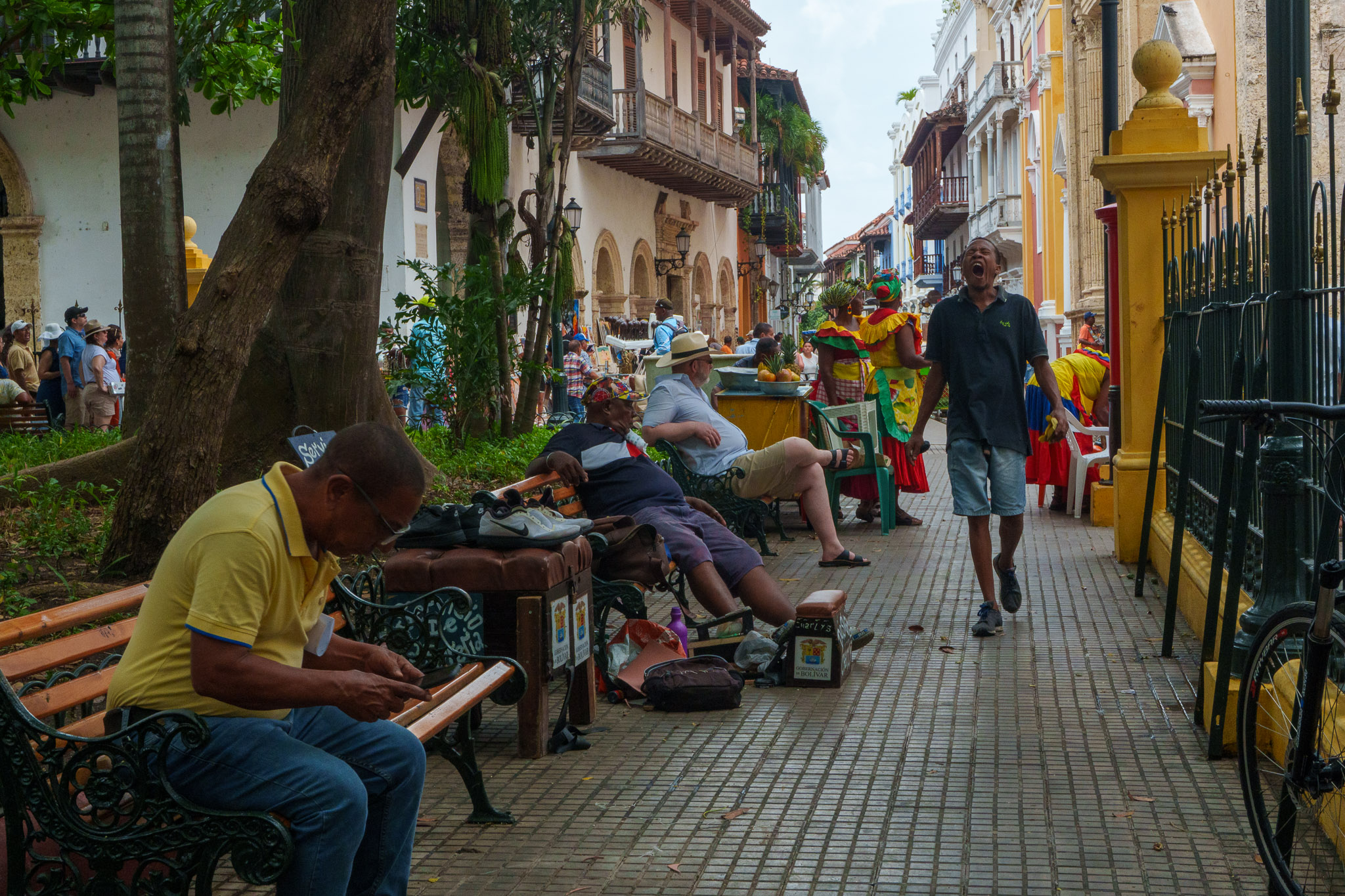
    Cartagena is one of the safest cities in Colombia for visitors. The walled city and Getsemaní are well-patrolled and lively at all hours. Your biggest risk here is more likely to be overpriced drinks than actual crime.

    Bogotá

    Bogotá is the most mixed of the major cities. Neighborhoods like Usaquén, Chapinero, and Zona Rosa are perfectly safe and great to explore. La Candelaria is fine by day but best avoided after dark. Always use Uber or InDrive at night rather than hailing a random taxi off the street.

    Salento & the Coffee Region

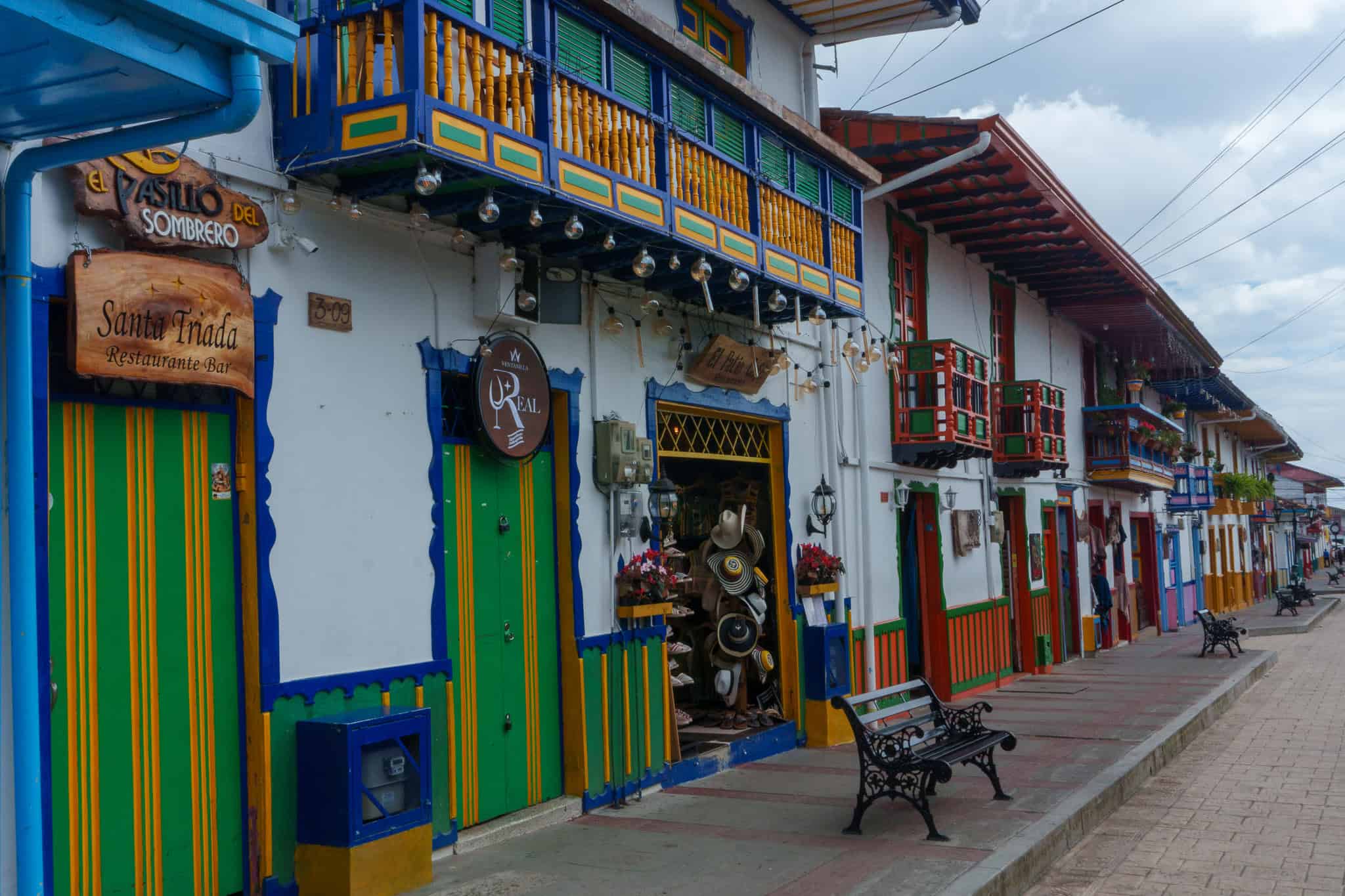
    Salento has a small-town feel where everyone knows each other. It is one of the most relaxed and welcoming places I visited in Colombia, and safety was never a concern there for a single moment.

    Caribbean Coast

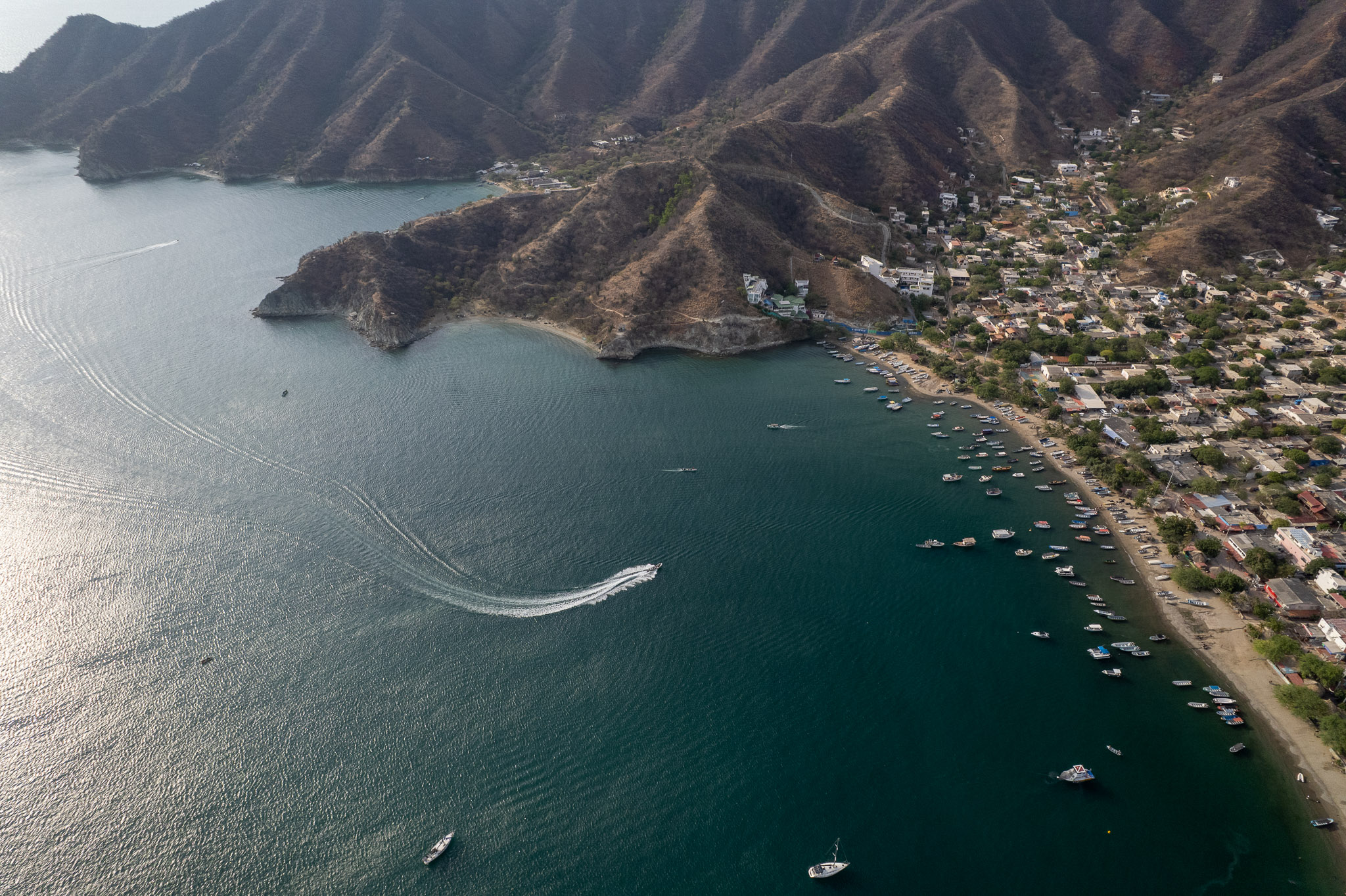
    Santa Marta, Palomino, and Tayrona are well-traveled and very safe. This is classic backpacker territory with a strong tourism infrastructure.

    Pacific Coast

    The Pacific coast is more remote and requires a bit more preparation, but it is safe when you plan ahead. Booking through a reputable operator via GetYourGuide or Viator is the smartest way to explore this side of Colombia.

    Colombia Safety Tips: What to Know Before You Go

    These are the practical habits that kept me and my travel friends safe across all three trips:

    • Don’t flash expensive gear — Keep your phone in your pocket in crowded areas, especially on public transport
    • Use Uber or InDrive at night — Avoid hailing random taxis off the street in big cities
    • Book buses in advance — Use Busbud or 12Go for reliable intercity routes with legitimate operators
    • Stay connected — Having data is a safety tool. Yesim offers affordable eSIMs that work across South America without needing a local SIM
    • Carry small amounts of cash — Use ATMs in malls or banks, not on the street.
    • Get travel insurance — This is non-negotiable. If something does go wrong — theft, accident, illness — you want coverage. I recommend EKTA Travel Insurance as a solid option for travelers
    • Book tours for remote areas — If you want to explore the Pacific coast or adventure activities, going with a reputable operator via GetYourGuide (use code HORIZONHUGO5 for 5% off) or Viator adds a layer of safety and local knowledge
    • Check official advisories — Before you travel, check your government’s current travel advisory. Situations in border regions can change quickly

    Areas to Avoid in Colombia

    There are still regions that should not be on your itinerary. Areas near the Venezuelan border, parts of the Amazon, and some zones in Chocó (Pacific) have active paramilitary groups or narco activity. These are not tourist zones and should simply be skipped. If you stick to classic destinations — Cartagena, Santa Marta, Bogotá, Salento, and Medellín — you will have zero problems.

    The Reality of Crime in Colombia

    There may be a minority of people who steal or commit crimes in certain districts, often out of desperation. But this is a minority — just like in any major city in the world. Most incidents happen in specific low-income neighborhoods that tourists rarely visit. If you stay aware and use common sense, Colombia is a safe and deeply rewarding destination. It has some of the most diverse landscapes, warmest people, and exciting adventures in all of South America — from scuba diving to whale watching on the Pacific coast.

    FAQ

    Most travelers from Europe, the Americas, Australia, and several other countries do not need a visa for stays up to 90 days. You only need a valid passport and a return ticket. Check your country’s requirements before traveling.

    Colombia is considered safe for tourists in most areas, especially major cities and tourist spots. Like anywhere, use common sense and avoid risky neighborhoods at night.

    You can travel by domestic flights, long-distance buses, and taxis or ride-hailing apps in cities. In rural areas, buses and colectivos are common.

    The official currency is the Colombian peso (COP). Credit cards are accepted in most cities, but cash is needed in rural areas.

    Colombia has a tropical climate with regional variations. The Caribbean coast is hot year-round, while Bogotá and mountain areas are cooler and can be rainy.

    You can travel without Spanish, but knowing basic phrases helps a lot. English is not widely spoken outside tourist areas.

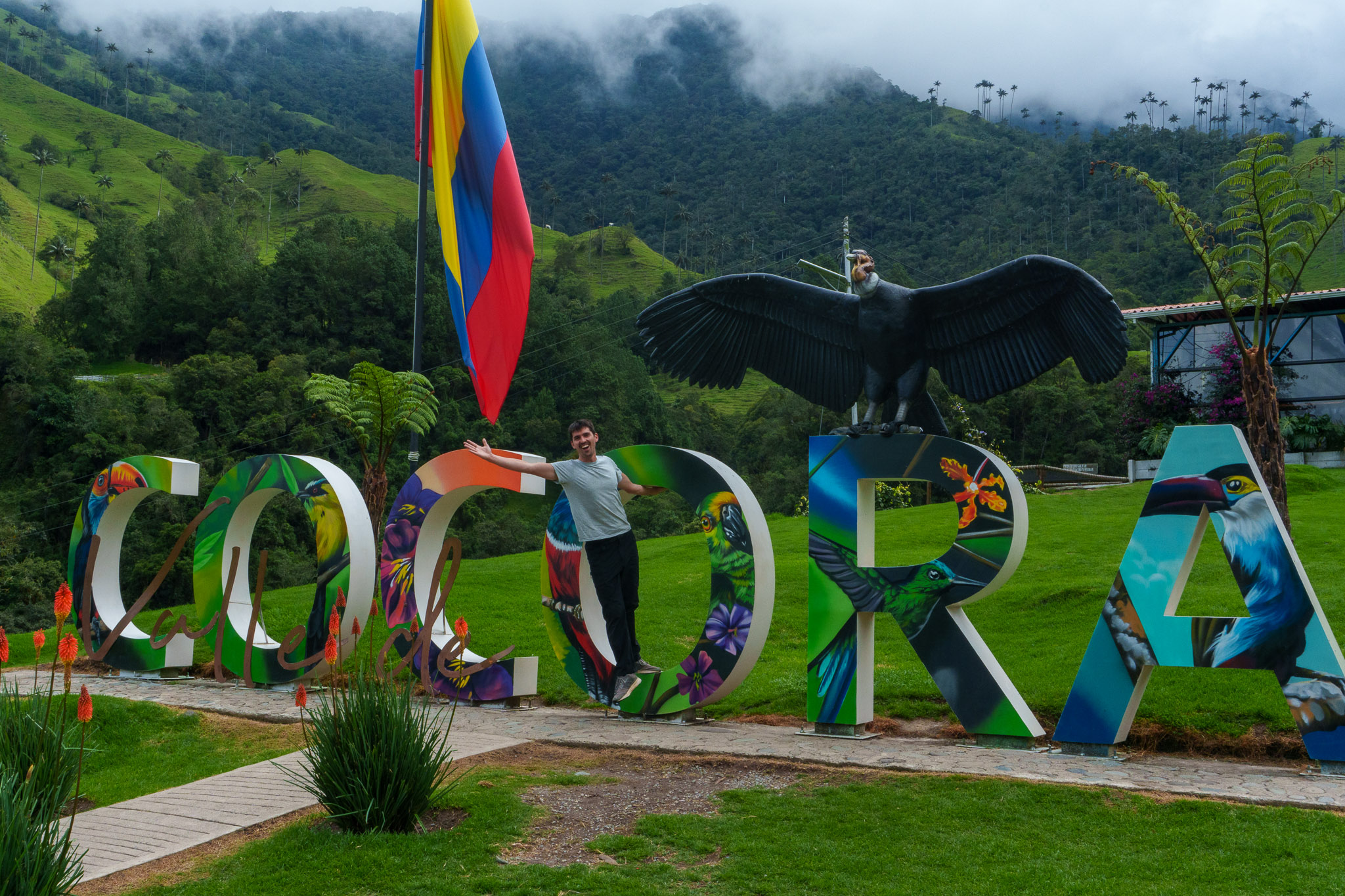
    Don’t miss Bogotá, Medellín, Cartagena, the Coffee Region, and natural sites like the Cocora Valley and Tayrona National Park.

    Routine vaccines are recommended, plus hepatitis A and typhoid. Yellow fever vaccine is needed for some regions like the Amazon.

    A week lets you see one or two regions. Two to three weeks is ideal for exploring cities, the coast, and the countryside.

    Pack for varied climates: light clothes for the coast, a sweater or jacket for cool mountain cities, and rain gear. Don’t forget sunscreen and insect repellent.

    This post is also available in :

    Picture of Hugo Mathieu
    I'm Hugo, a traveler driven by curiosity and a passion for discovering the world's hidden corners. After exploring over 30 countries across Latin America and Southeast Asia, I've learned that every adventure shapes who we become. I'm here to share those lessons and inspire your next great journey.

    Subscribe to the Newsletter

    Join our community and receive exclusive travel stories, guides, and special offers!

      What's on My Desk Right Now

      🗺️ Planning a Trip?

      Skip the research rabbit hole.

      I’ll build you a personalised day-by-day itinerary — or answer all your questions on a quick 60-min call.

      Let's Connect

      Affiliate Disclosure

      Some of my posts include affiliate links. If you choose to make a purchase through them, I may earn a small commission—at absolutely no extra cost to you.


      Using these links is the best way to support my work and say thank you, and I appreciate it so much! Of course, everything I share reflects my honest opinions and experiences.

      📸 Work With Me

      Brand, tourism board or hotel?

      Let’s create something together — content, reviews and campaigns that reach real travellers who are ready to book.

      Buy Me A Coffee

      Latest Posts

      compressed view of houses of lencois in Bahia, Brazil. houses have red tiles and colorful walls. the city is surrounded by forest.
      Planning a Brazil itinerary is trickier than it looks....
      HorizonHugo - Brazil - Curitiba-05
      Curitiba is one of Brazil's hidden gems. The city feels...
      HorizonHugo - Laos - Kuang Si Falls-08
      Kuang Si Falls is one of Southeast Asia's most stunning...
      HorizonHugo - Brazil - Ilha do Mel-19
      Ilha do Mel is a protected car free island in Paraná,...
      HorizonHugo - Brazil - Ilha Grande-12
      Lopes Mendes Beach on Ilha Grande is ranked among Brazil's...

      Get My Personal Map of 500 Must-See Places - FREE

      I’ve compiled 500 of the best places across my travels into one free Google Map.

      The kind of spots you won’t find in a guidebook.

        Table of Contents

        Share it with the person you to travel with !

        You might also like to read these articles

        Scroll to Top