Ilha Grande: The Ultimate Travel Guide to Rio’s Island Paradise

This post is also available in :

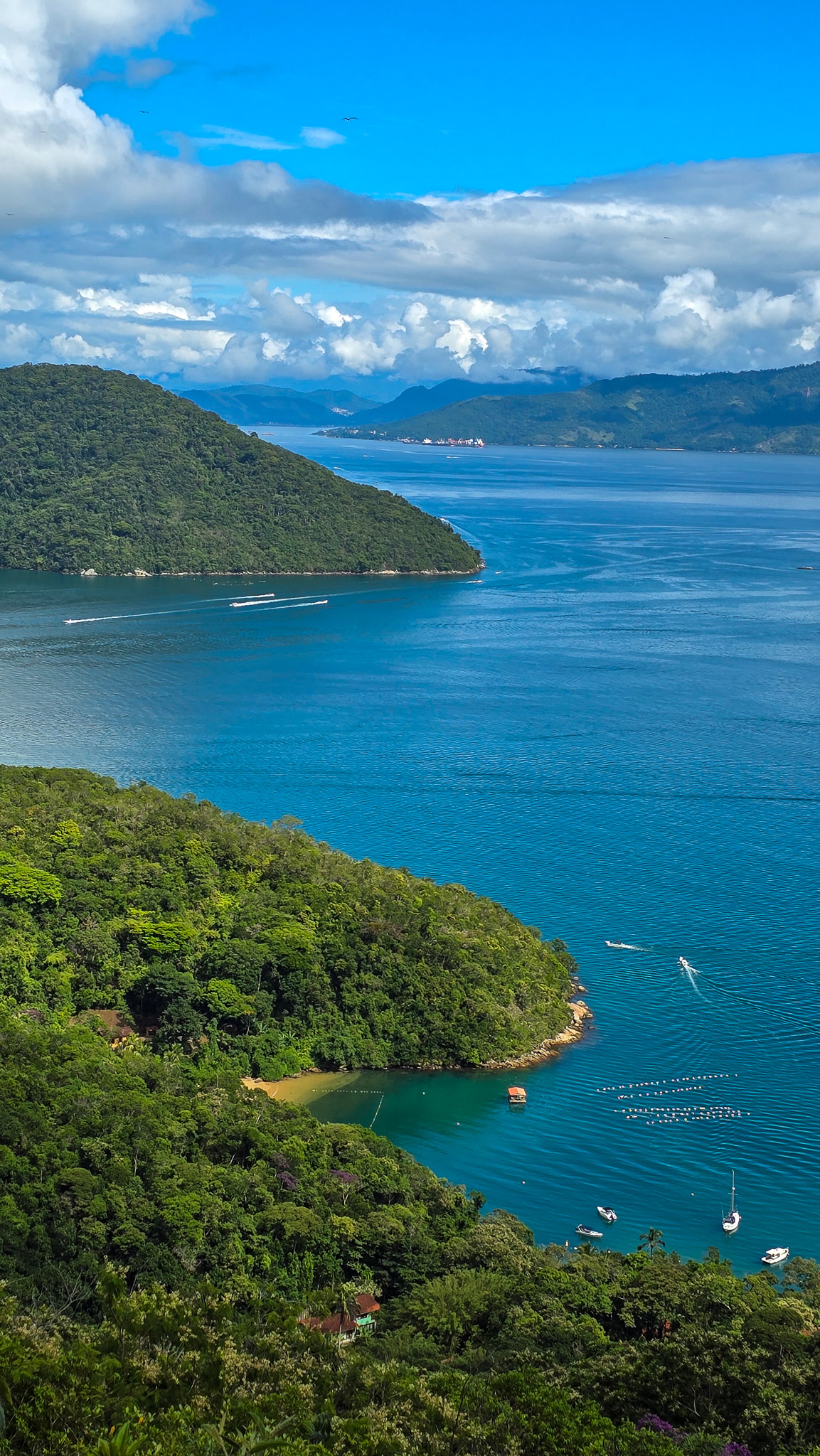
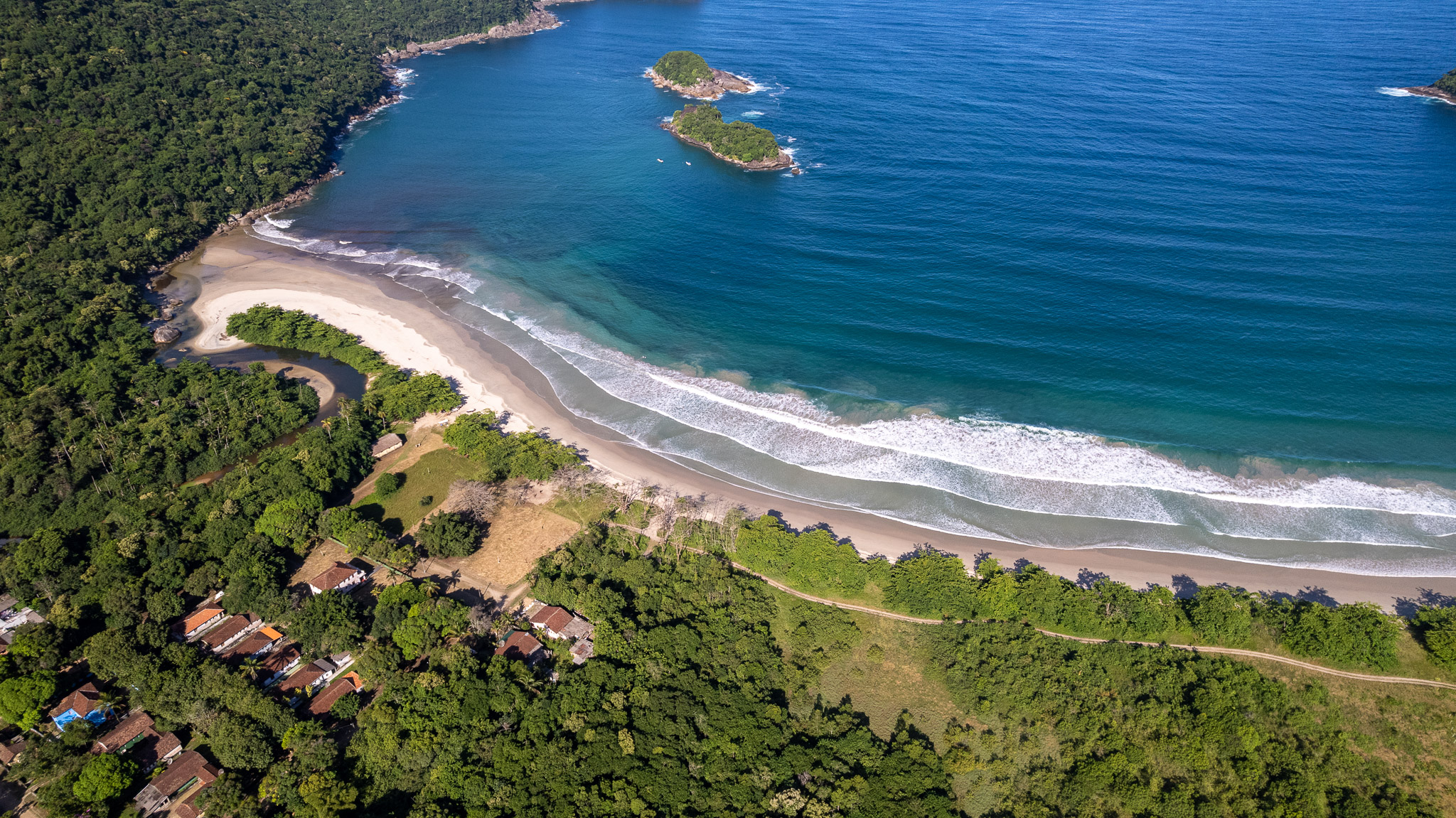
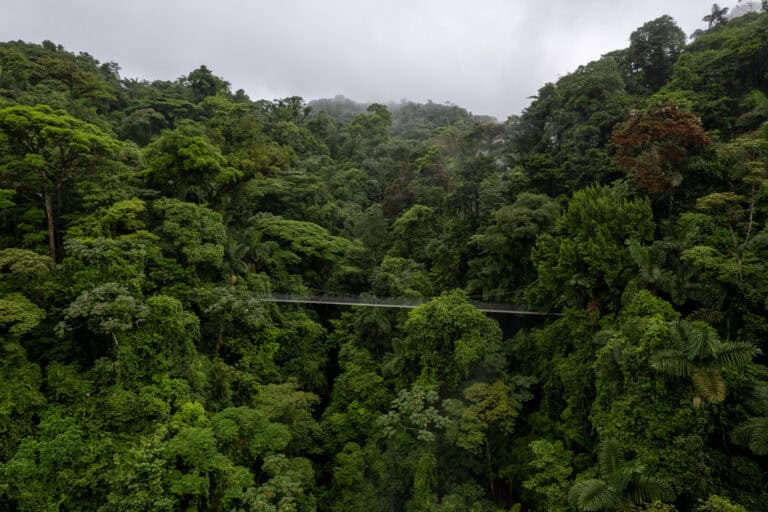
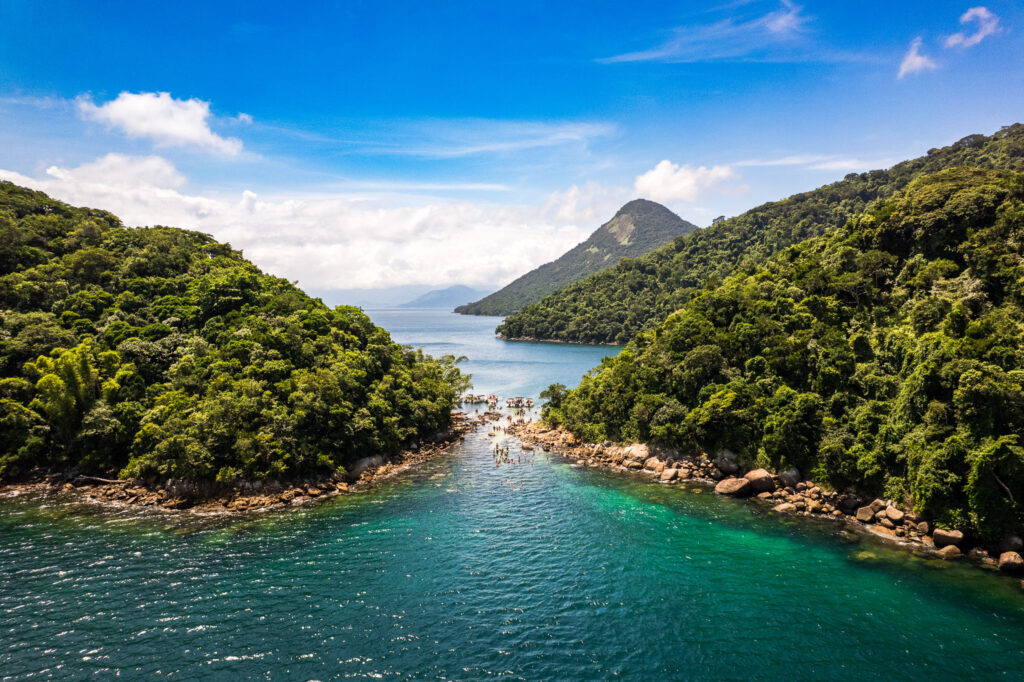
Ilha Grande feels like you’ve stepped through a portal to another world. This car-free island paradise sits just off the coast of Rio de Janeiro, offering over 100 beautiful beaches, jungle trails that wind through towering rainforest, and a pace of life that forces you to leave your stress on the mainland.

I’ve spent multiple trips here, and each time I discover something new.

Whether you’re escaping the chaos of Rio’s beaches or looking for serious adventure, Ilha Grande delivers both in doses as large or small as you want.

This guide covers everything from getting there to finding the best pousada to hiking to sunrise on the island’s highest peak.

Table of Contents

How to Get to Ilha Grande from Rio de Janeiro

Ferry and Transportation Options

Getting to Ilha Grande from Rio requires a combination of land and water travel. You’ll start at one of Rio’s bus terminals where frequent departures head toward the coast. The journey can feel long, but it’s part of the adventure.

I usually check BlaBlaCar alongside traditional buses since locals often offer spare seats at competitive rates.

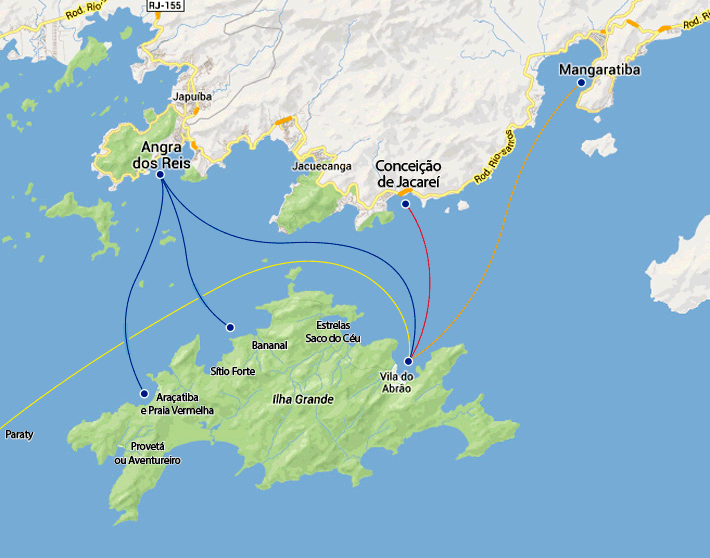
The three main departure points are Mangaratiba, Conceição de Jacareí, and Angra dos Reis.

Angra dos Reis sees the most ferry departures daily, though it’s also the furthest from Rio. The pier you choose depends on where you want to stay on the island (more on that next), so it’s worth checking schedules for all three options.

The easiest approach is booking a shared van and boat transfer package from Rio. This runs roughly $50 USD per person for the complete journey, taking about four hours.

If you prefer independence, rent a car and drive to whichever pier makes sense for your island destination, then catch the ferry.

Depart early from Rio to maximize your first day exploring. I’ve learned the hard way that arriving after lunch leaves you with only a few hours of daylight.

Best Time to Travel and Booking Tips

Book your transport in advance during peak season from December through February. Weekend ferries fill up fast as local Brazilians flock to the island, and scrambling for a last ferry back to Rio causes unnecessary stress. Off-season months offer lower prices and actual breathing room on boats.

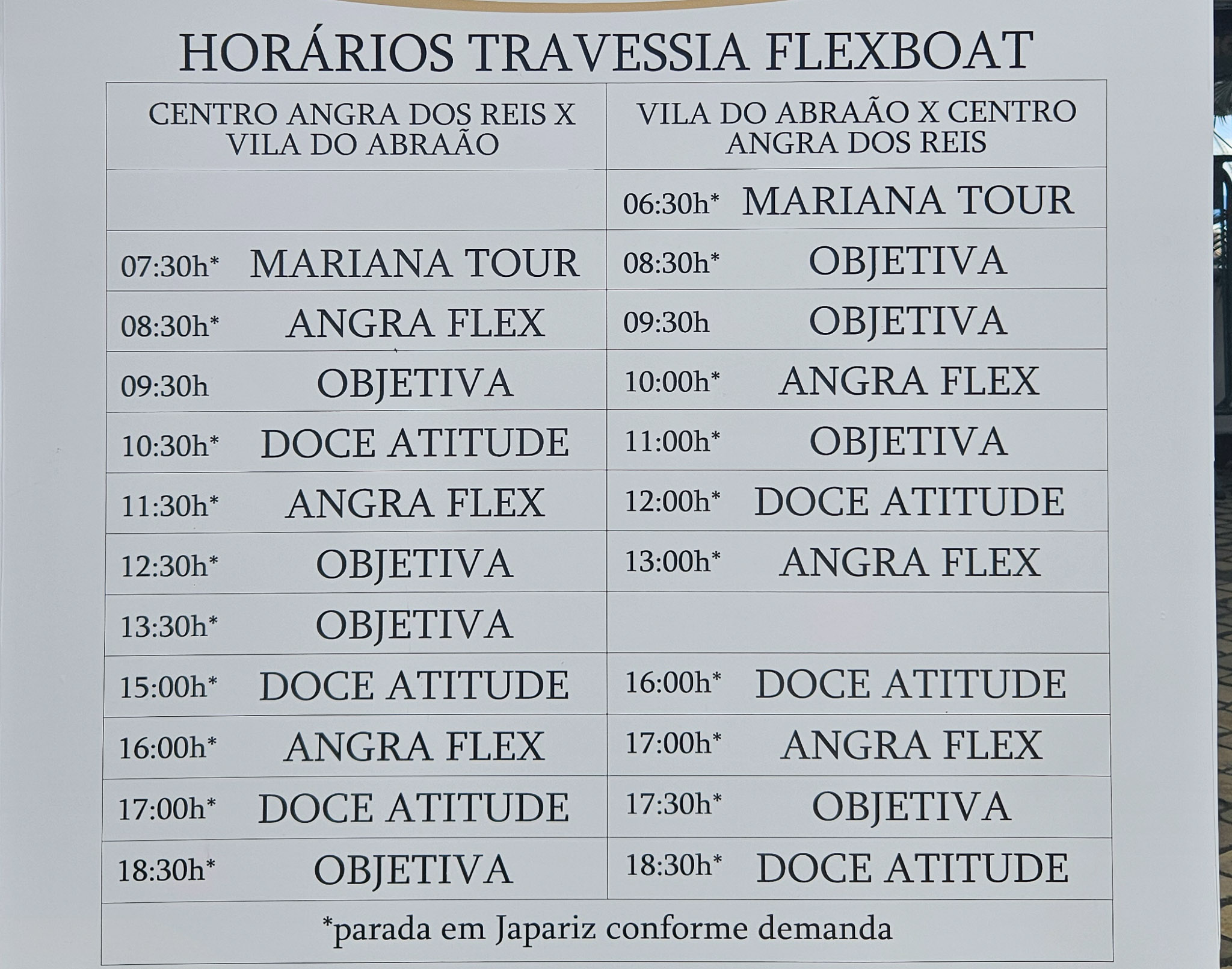
If you’re prone to seasickness, pack motion sickness medication. The ferry ride from the mainland runs about an hour and a half, and speedboat more like 30-40min, and the Atlantic can get choppy without warning.

Get My Personal Map of 500 Must-See Places

I’ve compiled 500 of the best places across my travels into one free Google Map.

The kind of spots you won’t find in a guidebook.

    Where to Base Yourself: Abraão or Other Bays?

    Vila do Abraão

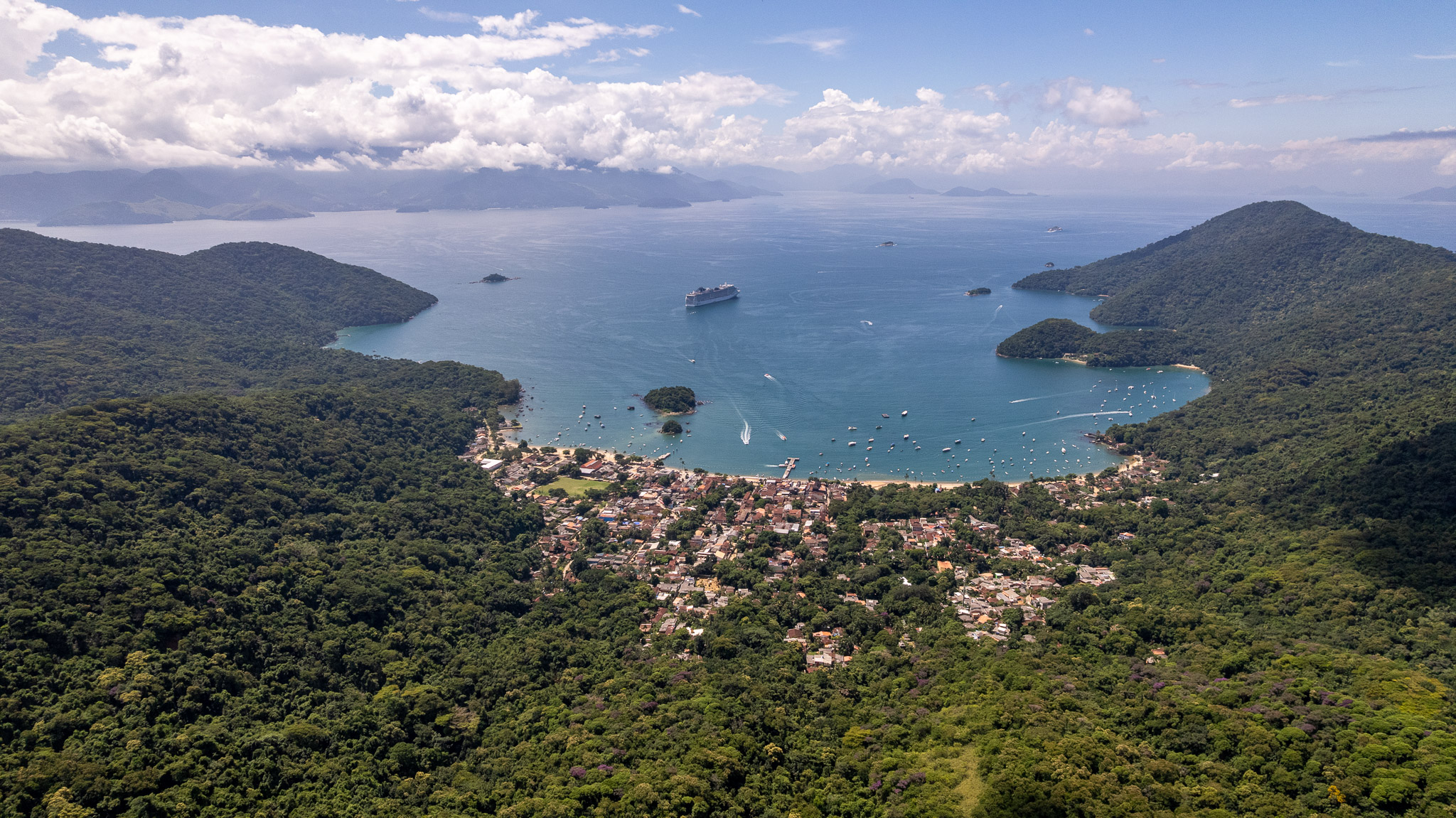
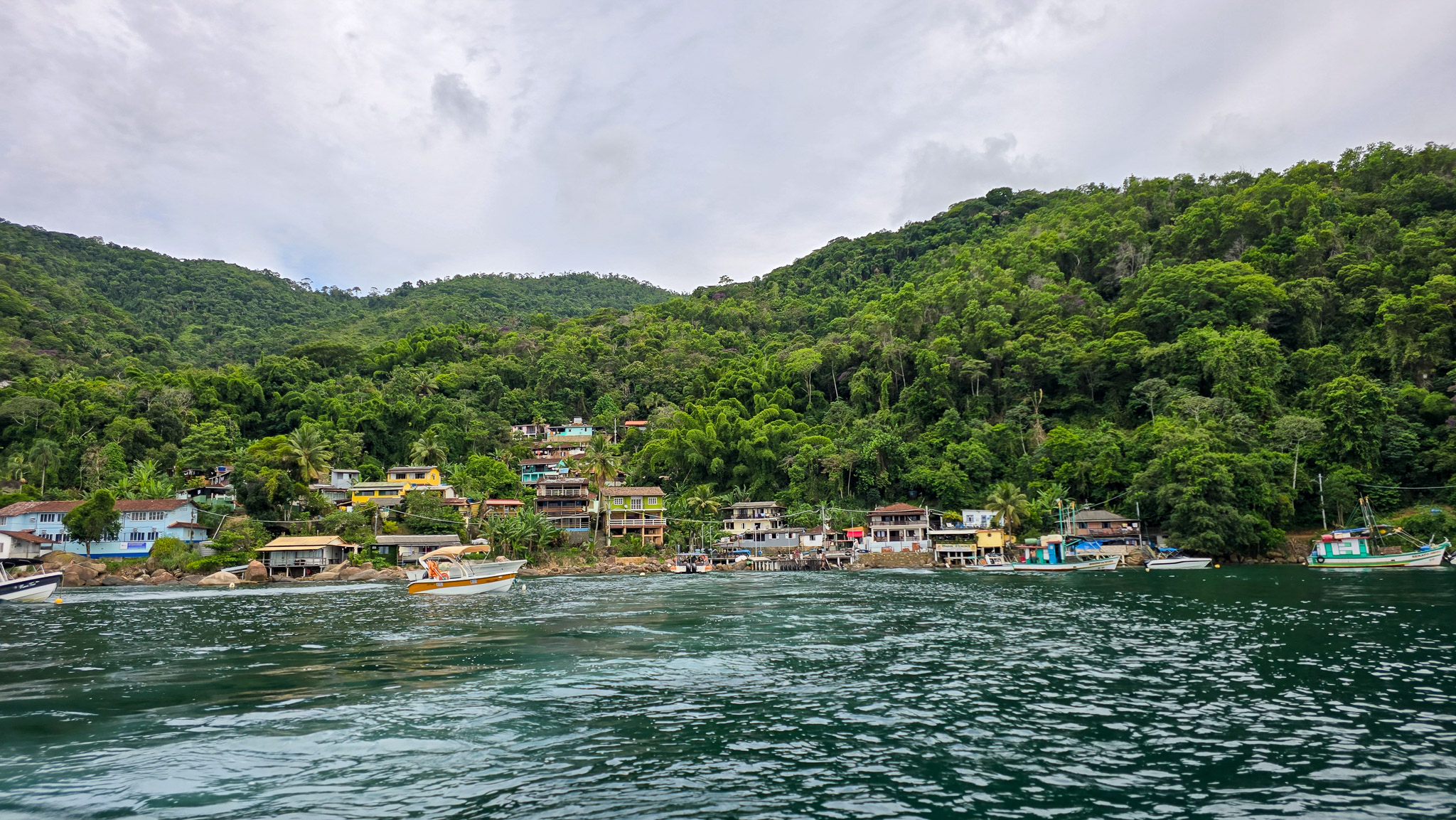
    Vila do Abraão is where the island’s heartbeat pulses. It’s the main village and the best base for your first visit to Ilha Grande. Everything concentrates here: hiking trailheads, restaurants, boat tour operators, and the ferry dock.

    Sandy paths replace roads, creating this uniquely peaceful atmosphere where foot traffic is the only traffic. The waterfront area near the port contains the highest concentration of shops, restaurants, and tour companies. Staying close to the dock maximizes your time for activities rather than spending it walking back to remote accommodations.

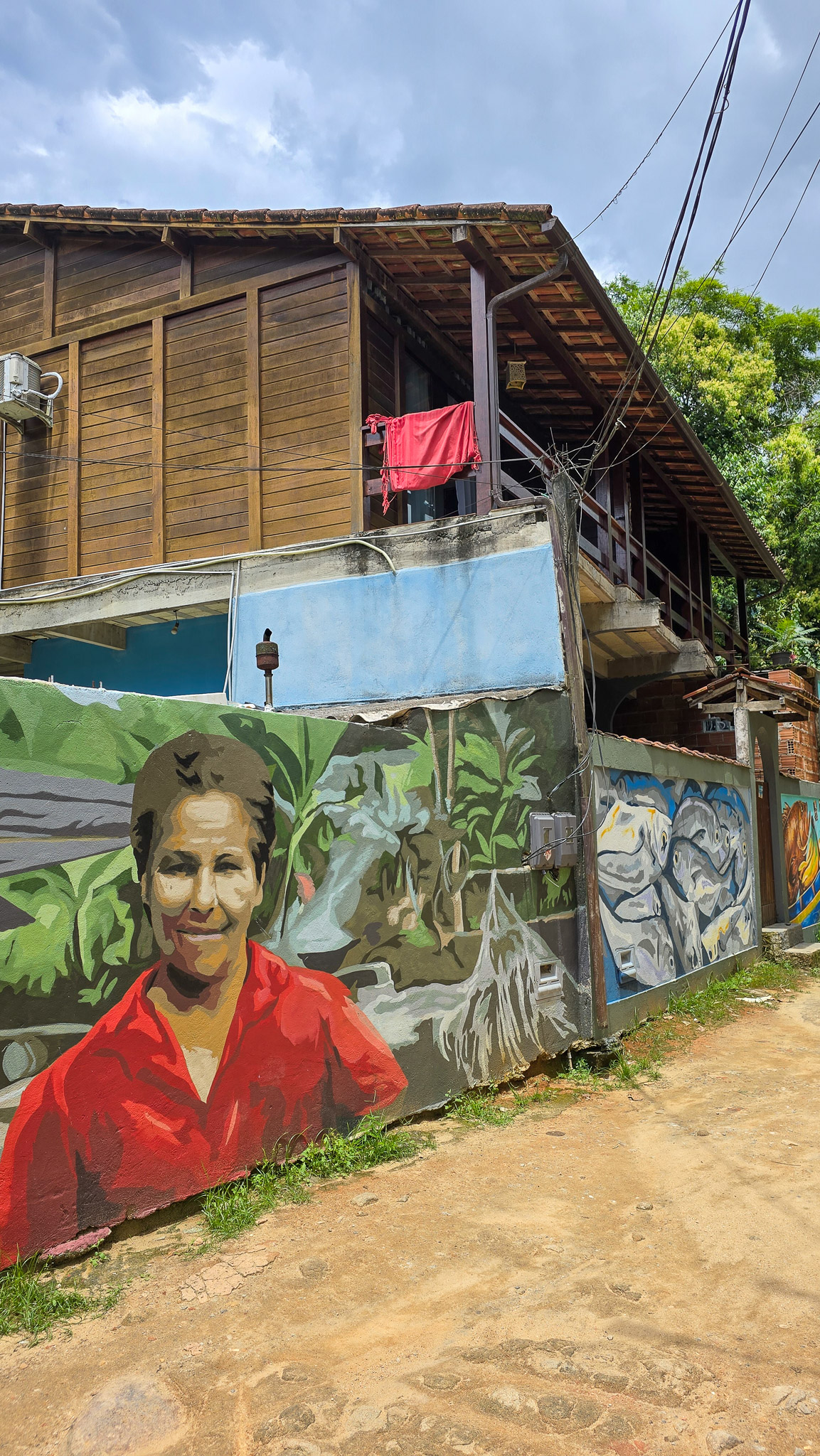
    The village isn’t just about practicality though. There’s something about the slow pace of Abraão that resets your nervous system. You’ll find bohemian cafes, casual bars, and local spots where genuine connection happens. This is where the island’s social energy lives.

    If you’ve been in Bahia states, you’ll see some smilar vibe like in Morro de Sao Paulo or Itacaré, it’s a relax atmosphere. You could also compared to Jericoacoara, but this one sits higher in the relax vibe.

    Araçatiba: The Cute Little Bay

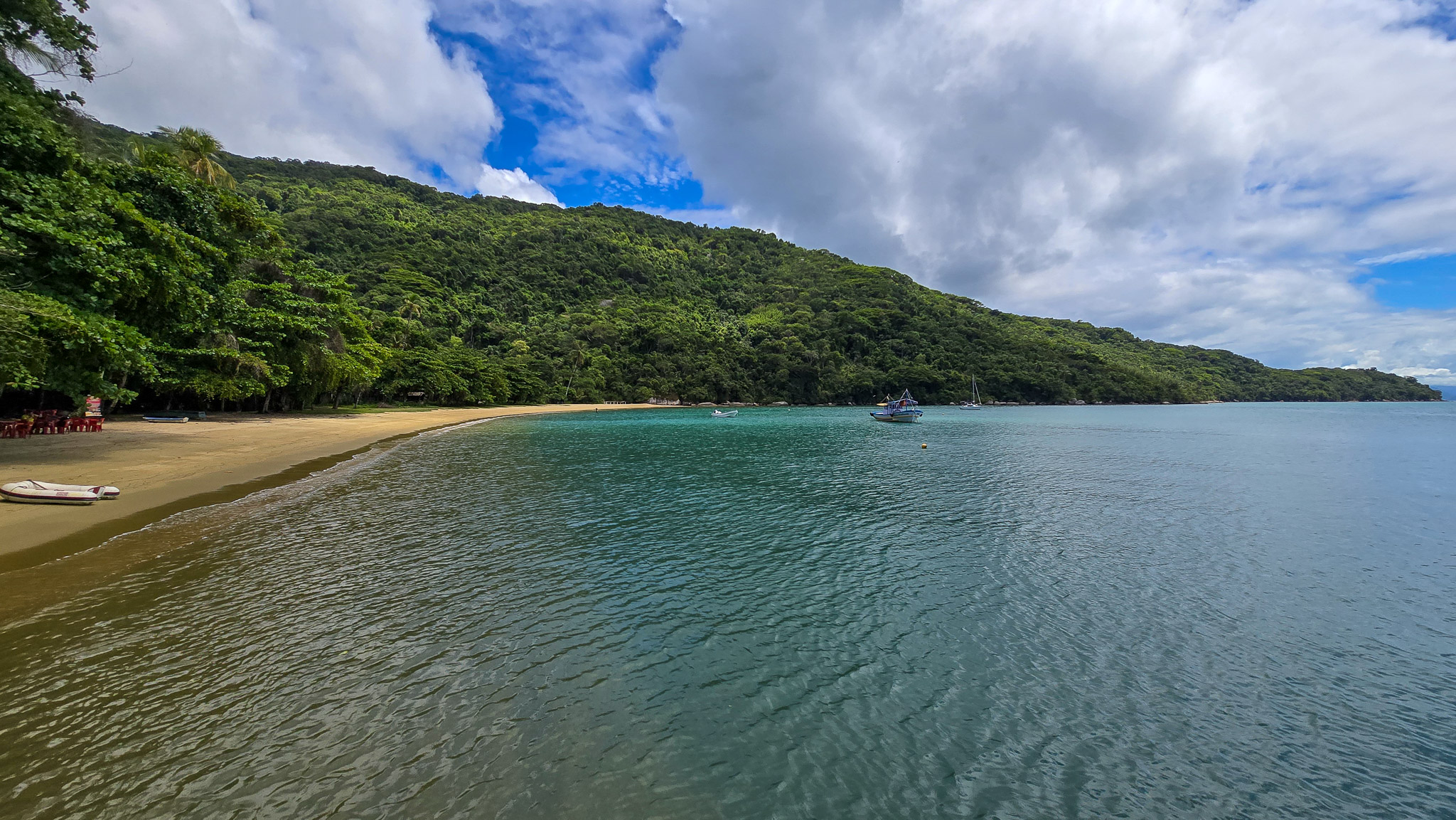
    Araçatiba sits on a wide bay about a boat ride away from Abraão. It’s significantly quieter and draws fewer tourists. You’ll find basic trails and beach access, but definitely fewer restaurants and bars compared to Abraão. Services are limited, which appeals to people seeking deeper solitude.

    The trade-off is clear: less convenience for more tranquility. If you’re comfortable with minimal options and spontaneous dining, Araçatiba works beautifully.

    The Other Bays

    Ilha Grande has multiple bays sprinkled around its coastline, each with their own pousadas and beach access. These places are harder to reach, requiring flexboat service from Abraão. The isolation is genuine here.

    Talk with your hotel about boat schedules and how to coordinate arrivals, since you’ll be more dependent on their arrangements.

    My Recommendation

    Go to Abraão on your first Ilha Grande trip. You need the restaurants, the trail infrastructure, the tour operators, and the other travelers who’ve become friends by sunset. Stay maximum a week to hit different beaches, take a boat tour or two, and conquer at least one serious hike.

    If you’re a couple laser-focused on nature and peace, other bays make sense. But Abraão isn’t the party destination people sometimes imagine. Plenty of tranquil spots exist here for quiet mornings and peaceful evenings. The difference is you’re not isolated from island life.

    Best Place to Stay in Ilha Grande

    Top Pousadas and Accommodation Types

    Finding the right pousada shapes your entire Ilha Grande experience.

    Pousada Rubi sits beachfront on Abraão Beach with sea views and a garden.

    Pousada do Canto offers a pool with hot tub and panoramic sea views, while

    Pousada Tropicana is a beachfront guest house on Abraão Beach with an internal garden and hammocks.

    Recreio da Praia commands panoramic views of Pico do Papagaio, while

    Aratinga Inn consistently ranks among the top accommodations on travel review sites.

    Pousada Lagamar offers something different: a remote beach location with colored bungalows and excellent food, though it requires a short boat ride from Abraão.

    On a tight budget? Raio de Sol Pousada & Camping and camping options provide basic accommodations for travelers counting every real.

    Accommodation Price Range and Booking Strategy

    Budget pousadas on Booking.com start at $29 USD per night. Mid-range places run $50-100 USD nightly with breakfast included. Beachfront and premium pousadas cost $100-200 USD per night.

    Book through the shoulder seasons (May-June or September-October) for better rates and availability. Most accommodations offer full refunds, giving you flexibility if plans change. All-inclusive pousada packages that include meals make sense given the limited restaurant diversity in remote areas.

    Availability opens up dramatically outside December-February when local tourists vanish and prices drop accordingly.

    For hotel searches beyond Booking.com, you can also check Agoda.

    Things to Do in Ilha Grande: Adventures and Activities

    Top Beaches to Visit

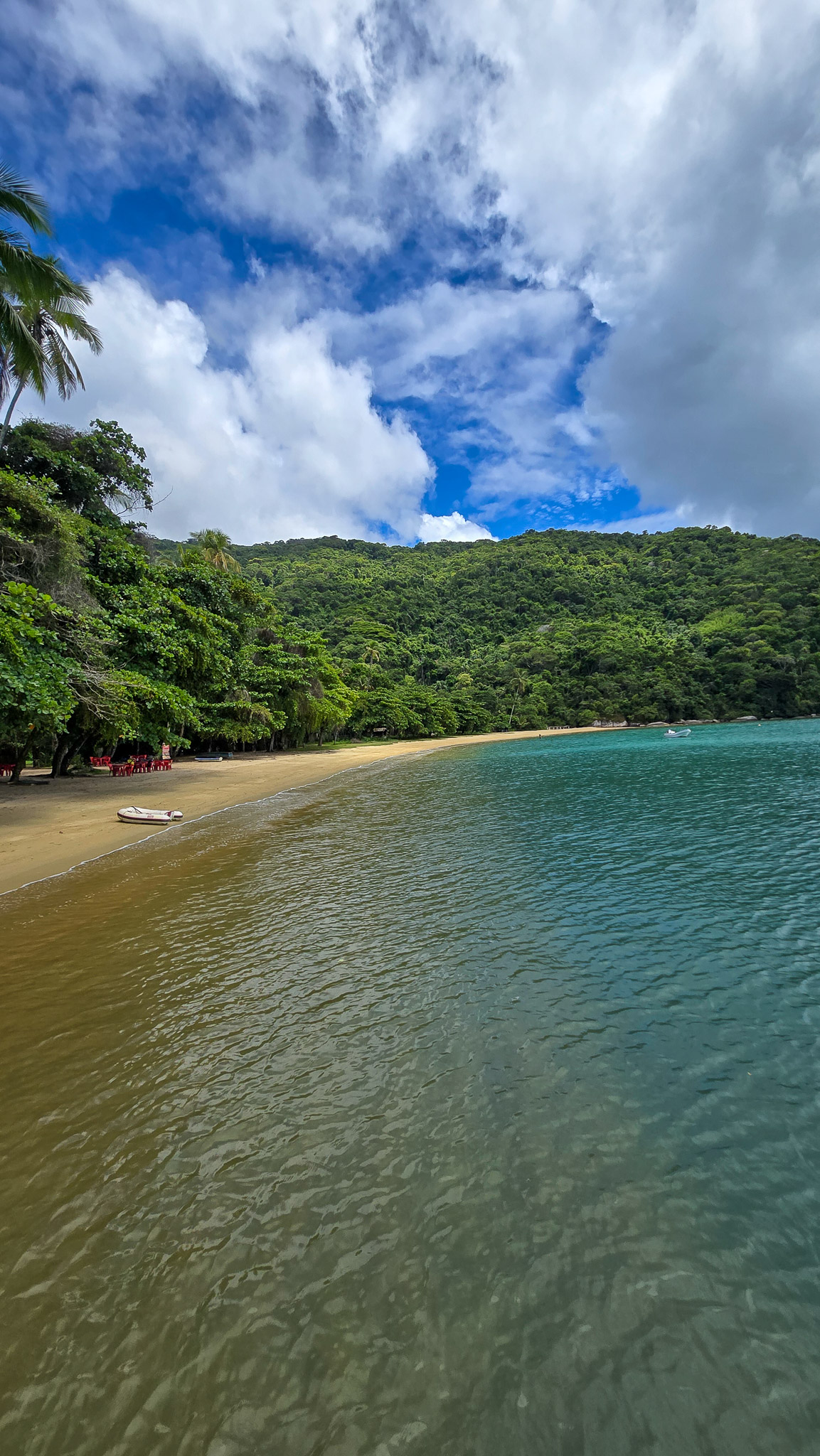
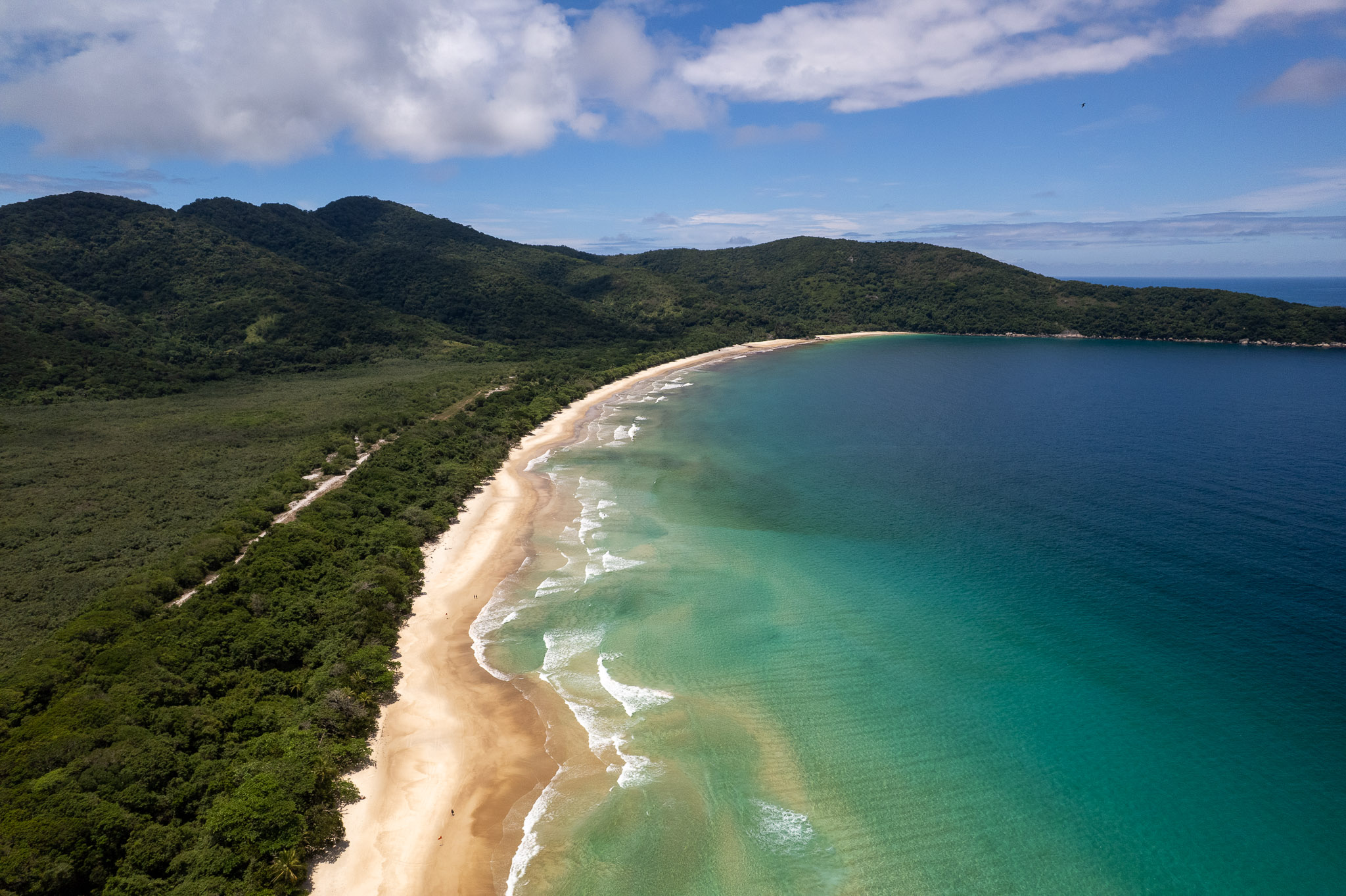
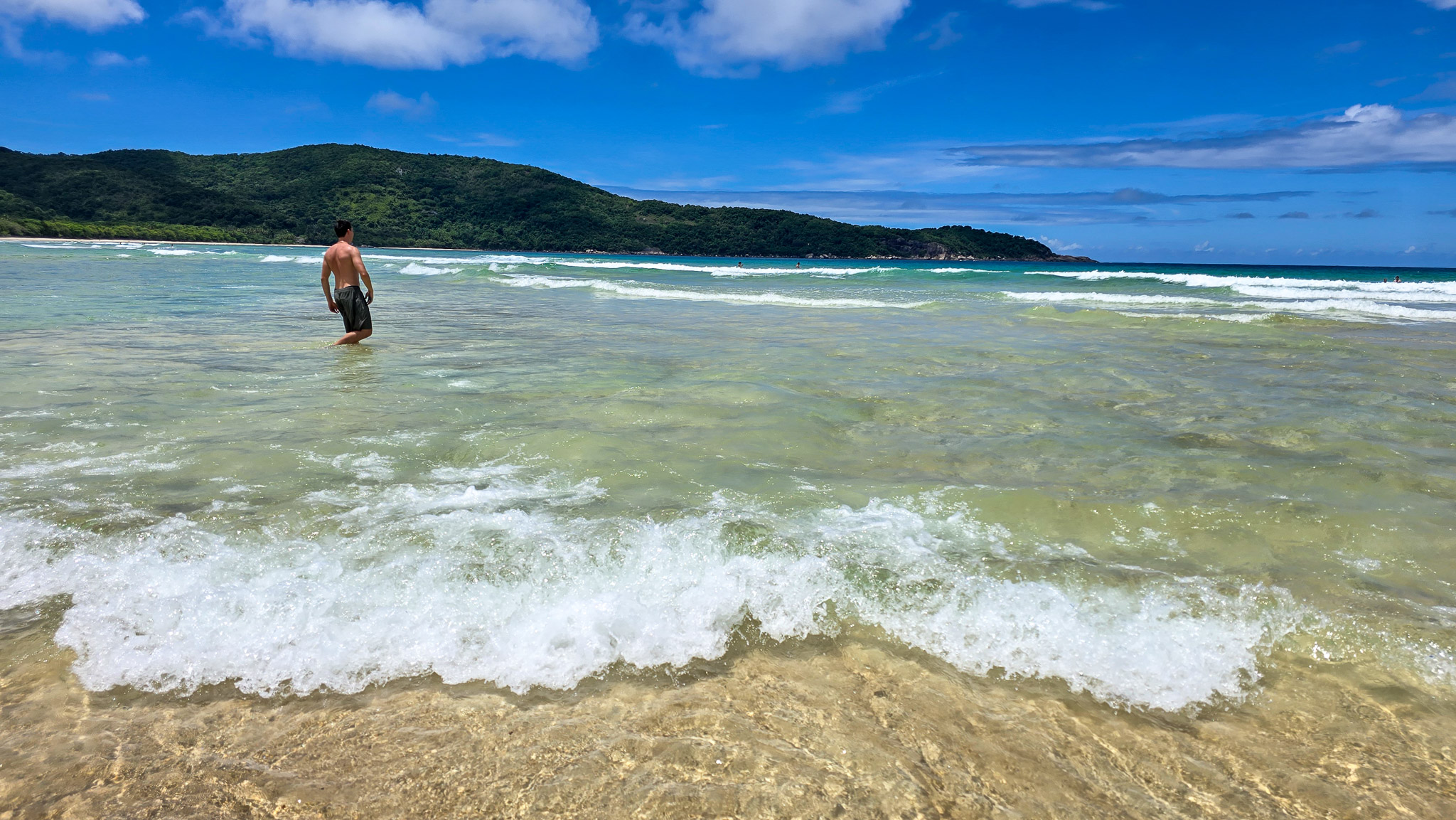
    Lopes Mendes is the island’s most famous beach for good reason. The sand is almost powder fine, the water shifts between turquoise and deep blue, and mountains rise dramatically behind you. Reach it by a 2-hour rainforest hike or book a water taxi departing at 3 PM, 4 PM, or 5 PM for $25 USD return. I’ve been twice and loved it both ways.

    Praia Preta is Ilha Grande’s only black sand beach. The water stays calmer here, making it perfect for sunset walks from Abraão in just 45 minutes. Enseada das Palmas on the eastern side draws most day tour boats for good reason: the water is impossibly clear and the beach feels wide open.

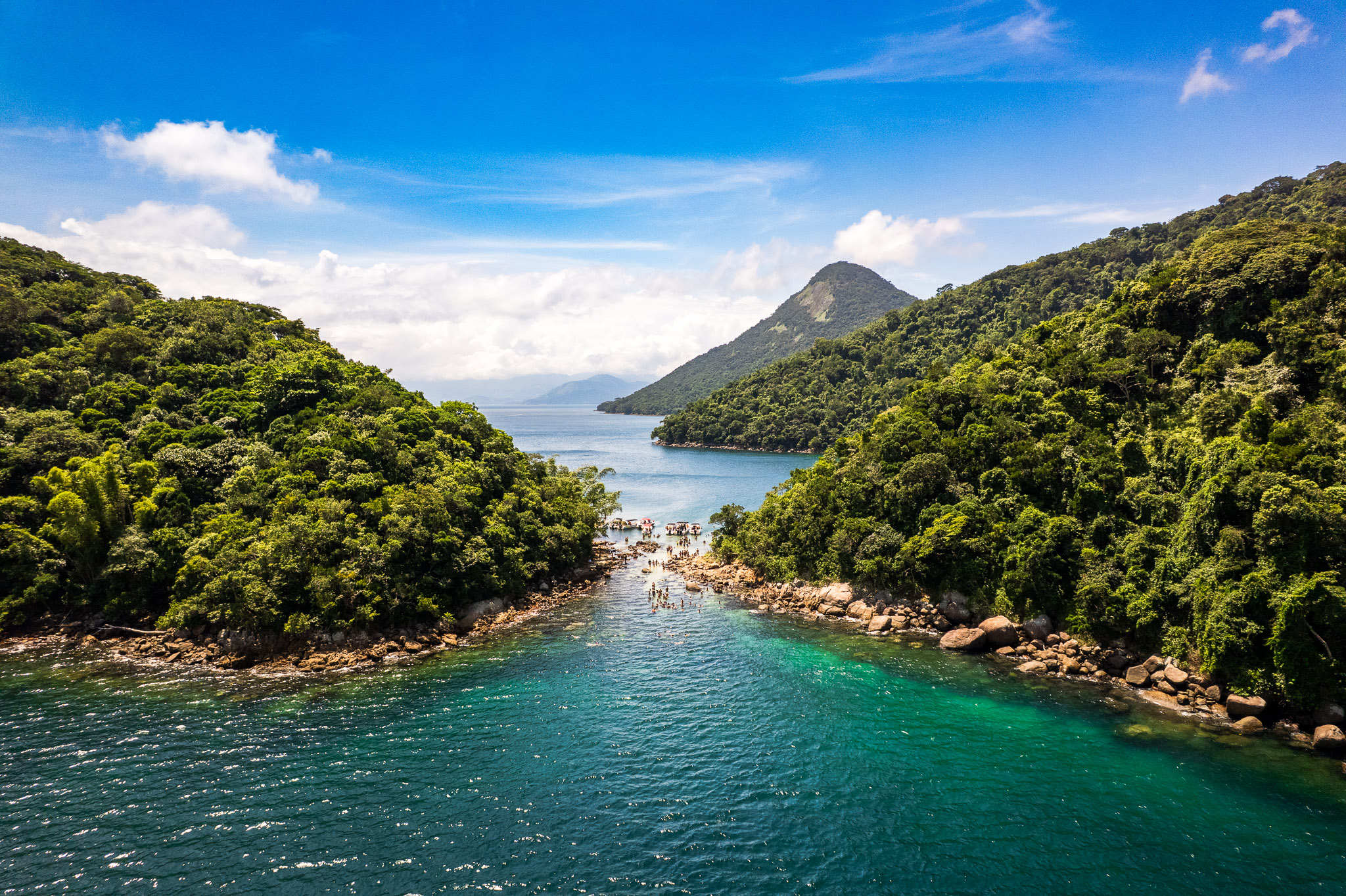
    Lagoa Azul offers sheltered, fish-filled waters up north with a historic church dating to 1843 nearby. Lagoa Verde presents crystal-clear green water ideal for snorkeling with vibrant marine life. Full island boat tours hit Caxadaço, Dois Rios, Parnaioca, and Aventureiro. Dos Meros is the most remote but rewards you with abundant snorkeling marine life.

    Hiking Trails and Mountain Adventures

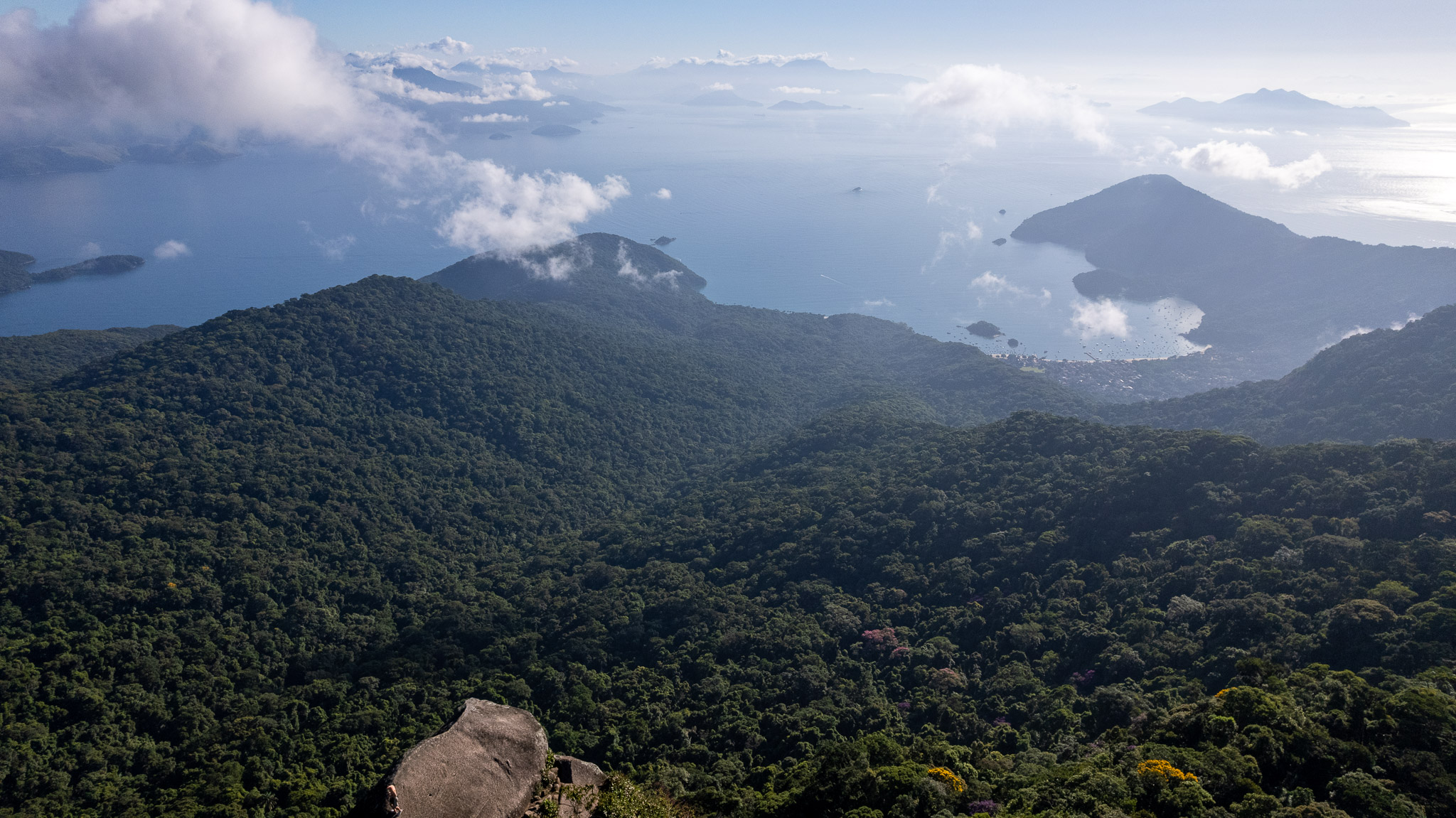
    Pico do Papagaio is the island’s highest point at roughly 1000 meters elevation. On a clear day, the views stretch to infinity. The hike takes about 8 hours round trip from Abraão.

    I did it alone at midnight to reach the summit for sunrise, which was insane and honestly not recommended. Get a guide if you’re attempting this at dawn.

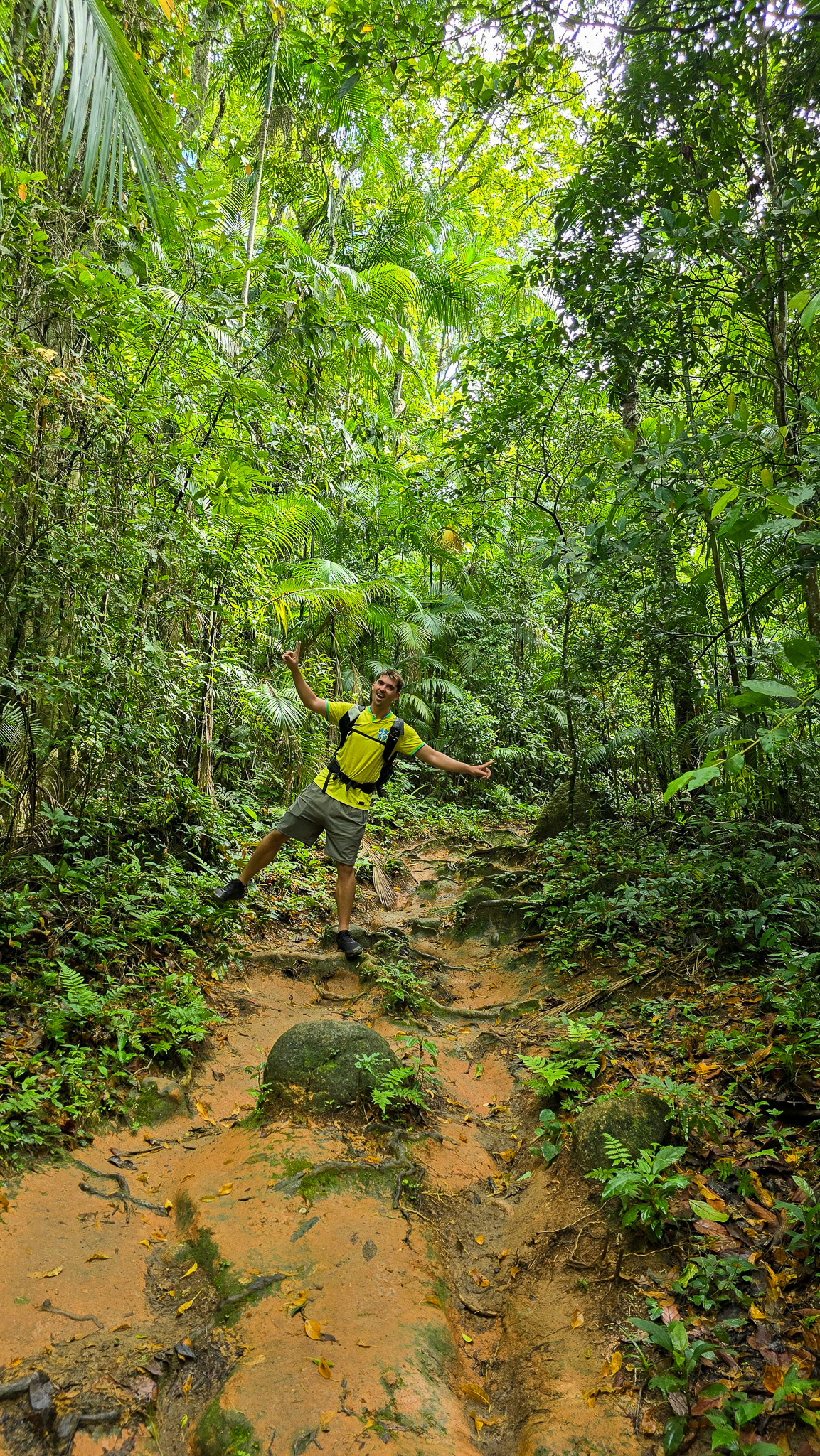
    The Abraão Circuit is perfect for casual explorers. This 45-minute loop passes the Feiticeira waterfall, colonial aqueduct ruins, Lazareto remains, and finishes at Praia Preta. It’s accessible without being boring.

    The trail to Lopes Mendes takes 2.5 hours of rainforest hiking with scenic viewpoints before opening onto that famous beach.

    Poção Natural Pool Trail leads to a natural swimming pool hidden in the jungle, perfect for cooling off after hours of hiking.

    Boat Tours and Water-Based Activities

    Full island boat tours hit all the major beaches in one long day. These operate from storefronts at the Abraão port with multiple options ranging from quick excursions to all-day adventures. Book from the waterfront or through your pousada.

    I did a scuba excursion with Dive & Cia that completely changed how I understood Ilha Grande’s marine richness. We saw turtles, angelfish, and dozens of other species I couldn’t name. I was genuinely impressed by how alive the ocean felt here. Snorkeling excursions to Lagoa Azul and Lagoa Verde put that same marine life within reach for non-divers.

    Private boat charters exist for travelers wanting customized explorations without the group energy.

    Weather in Ilha Grande: What to Expect by Season

    Summer Season (December to February)

    Summer brings heat, humidity, and crowds. Temperatures reach 25-30°C (77-86°F) with afternoon rain showers that usually pass quickly. The sun is intense here, demanding serious SPF sunscreen and protective clothing.

    I visited once before Carnival when the island turned cloudy almost daily with intense rain lasting at least an hour. The months before Carnival usually offer sunshine, but February onwards gets moody with weather. Peak season means higher accommodation prices and beaches packed with locals and tourists.

    Winter Season (June to August)

    Winter feels genuinely pleasant. Temperatures sit between 18-24°C (64-75°F) with lower humidity and less rain. Weather stabilizes enough to make ambitious hiking feel doable. Off-season rates at pousadas drop noticeably, and trails feel peaceful without crowds. The water cools down but stays comfortable for swimming.

    Shoulder Seasons (May-June and September-October)

    Shoulder seasons might be the sweet spot. Temperatures hover between 20-25°C (68-77°F). Rain comes in bursts between sunny days. Accommodation availability opens up and prices sit between peak and off-season rates. Most activities feel comfortable during these months.

    What to Pack Based on Weather

    Pack a lightweight rain jacket or poncho. Storms arrive quickly here and usually pass faster. Sturdy hiking shoes with serious grip matter on wet jungle trails. Quick-dry clothes handle the humidity and water activities that fill your days. A wide-brimmed hat plus high SPF sunscreen are non-negotiable.

    Bring a waterproof bag for electronics during boat tours and rainy hikes. The last time I visited, it rained constantly, so I’m a believer in over-preparing.

    Practical Travel Information and Insider Tips

    Getting Around the Island

    Ilha Grande is completely car-free. All transportation happens on foot or by boat.

    Sandy paths connect Abraão to nearby attractions.

    Water taxis reach different island sections for remote beach access.

    Allow extra time when planning activities. Boat schedules follow island time, meaning occasional delays or unexpected changes. This isn’t frustrating if you embrace it.

    Money, markets, and food

    Bring cash, because ATMs are limited and things don’t always work as smoothly as you’d hope. Most places take cards, and Pix is always an option, but it’s still smart to have some reais on hand. Small supermarkets usually cover the basics: water, sunscreen, mosquito repellent, and a few simple food supplies.

    If you rent an apartment-style pousada with a kitchen, that can save you a good amount of money. I’d buy breakfast supplies and maybe one simple meal at the market instead of eating out every time.

    Most of the restaurants are in Vila do Abraão, especially around Rua Getúlio Vargas and the waterfront, with spots like Dom Mario, Las Sorrentinas, Steak and Beach, Lua e Mar, and Marola Restaurante.

    Internet and digital nomad life

    Wi-Fi is patchy in Ilha Grande, and that’s just part of the experience. Most pousadas have decent connection in the common areas, but not always in the rooms. I actually think that works in the island’s favor.

    If you’re coming here to work remotely, don’t expect miracles. Some people do find pousadas with solid internet, but I wasn’t one of the lucky ones during my stays. Ilha Grande is better for switching off than for being productive online.

    Final recommendations

    Ilha Grande is an easy place to travel solo. There’s a real sense of safety, and it’s pretty easy to meet people on hikes and boat trips. Hostels in Abraão make it simple to find company if you want it.

    Most poeple combine ilha grande while they’re in Rio for the carnival, either to go before the big days or after to relax.

    Don’t overplan every day. Weather changes fast, boats don’t always run exactly on time, and the island works best when you stop trying to control everything. Some of the best moments here happen when a plan falls apart and you end up somewhere better.

    And if you do come, treat the place with care. Stay on the trails, use reef-safe sunscreen, support local businesses, and don’t leave trash behind. Ilha Grande stays special because people still treat it like a real island, not just a backdrop.

    This post is also available in :

    Picture of Hugo Mathieu
    I'm Hugo, a traveler driven by curiosity and a passion for discovering the world's hidden corners. After exploring over 30 countries across Latin America and Southeast Asia, I've learned that every adventure shapes who we become. I'm here to share those lessons and inspire your next great journey.

    Subscribe to the Newsletter

    Join our community and receive exclusive travel stories, guides, and special offers!

      What's on My Desk Right Now

      🗺️ Planning a Trip?

      Skip the research rabbit hole.

      I’ll build you a personalised day-by-day itinerary — or answer all your questions on a quick 60-min call.

      Let's Connect

      Affiliate Disclosure

      Some of my posts include affiliate links. If you choose to make a purchase through them, I may earn a small commission—at absolutely no extra cost to you.


      Using these links is the best way to support my work and say thank you, and I appreciate it so much! Of course, everything I share reflects my honest opinions and experiences.

      📸 Work With Me

      Brand, tourism board or hotel?

      Let’s create something together — content, reviews and campaigns that reach real travellers who are ready to book.

      Buy Me A Coffee

      Latest Posts

      HorizonHugo - Laos-4
      Nong Khiaw is a hidden gem in northern Laos offering...
      HorizonHugo - Laos - Slow Boat-6
      The slow boat from northern Thailand to Luang Prabang...
      Haw Phra Bang temple and street market in Luang Prabang, Laos.
      From Rosewood to budget guesthouses, Kuang Si waterfalls...
      waterfall and the rio celeste inside the volcan tenorio national park, costa rica.
      A vivid turquoise river hidden inside Volcan Tenorio...
      Vale do Pati in January 2026. It's green with clouds. Bahia , Brazil.
      Your complete guide to Lençóis, Bahia — where to stay,...

      Get My Personal Map of 500 Must-See Places

      I’ve compiled 500 of the best places across my travels into one free Google Map.

      The kind of spots you won’t find in a guidebook.

        Table of Contents

        Share it with the person you to travel with !

        You might also like to read these articles

        Scroll to Top