Why Nong Khiaw Should Be Your Next Weekend Escape
What Makes Nong Khiaw Special
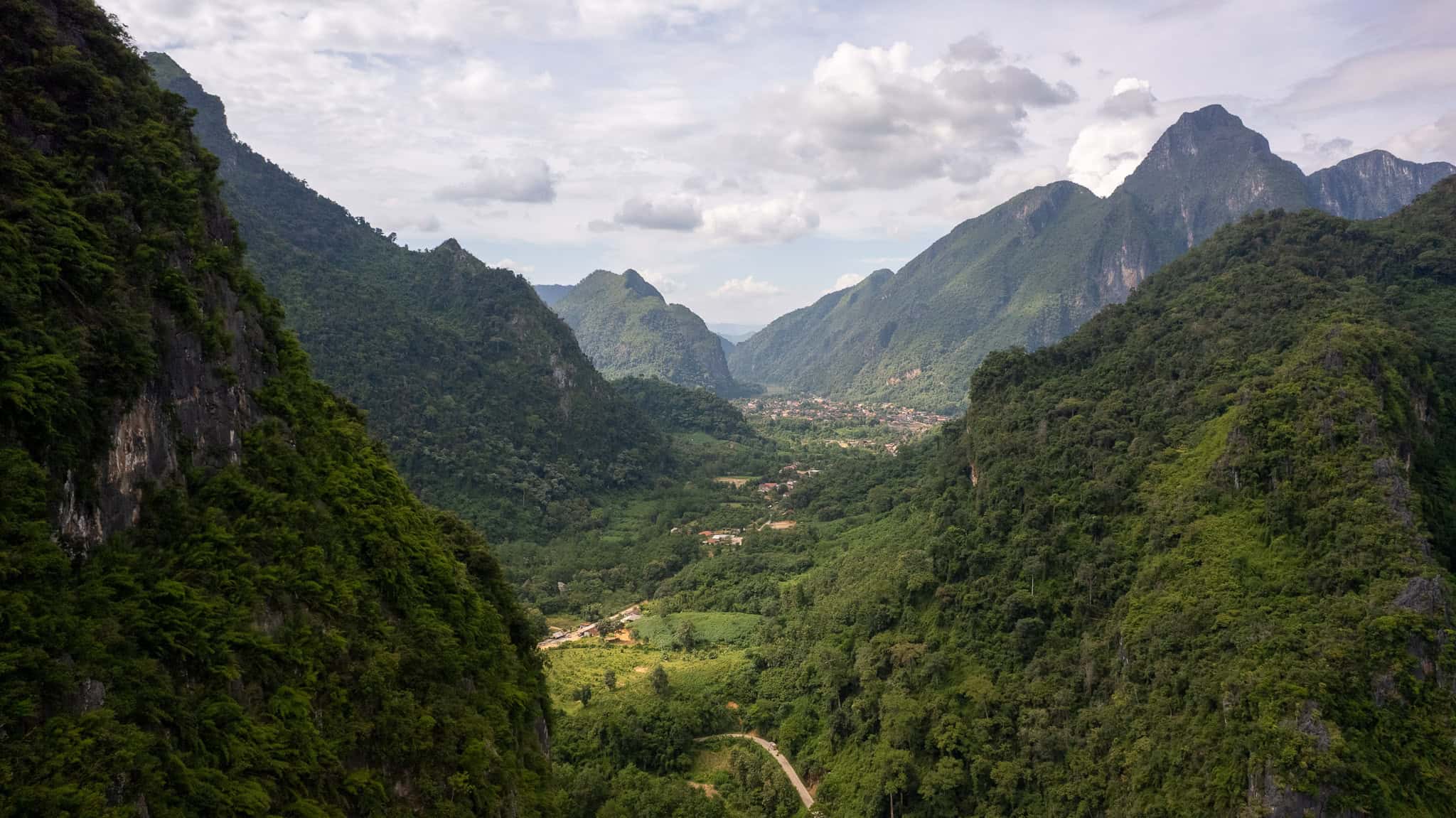
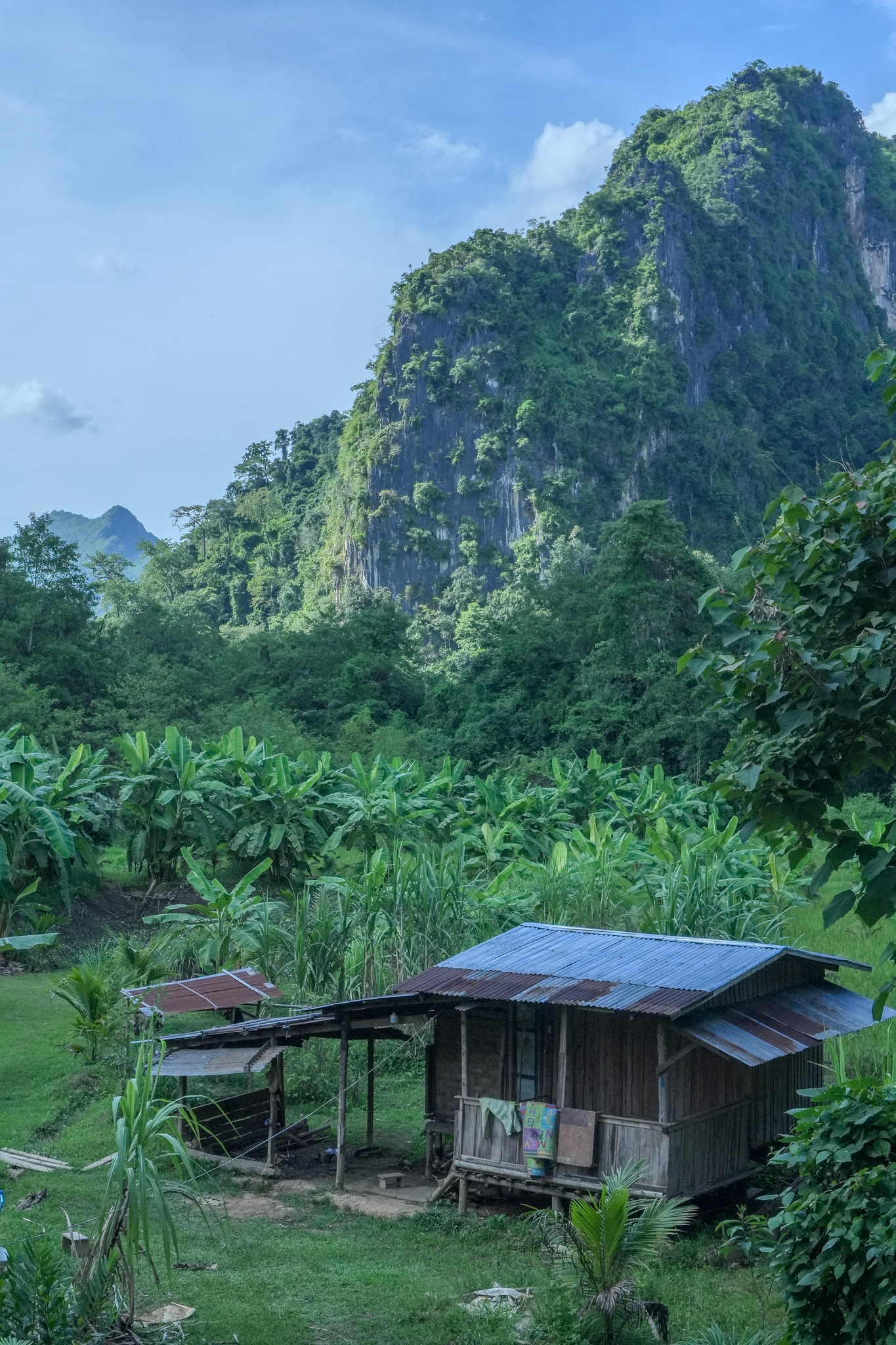
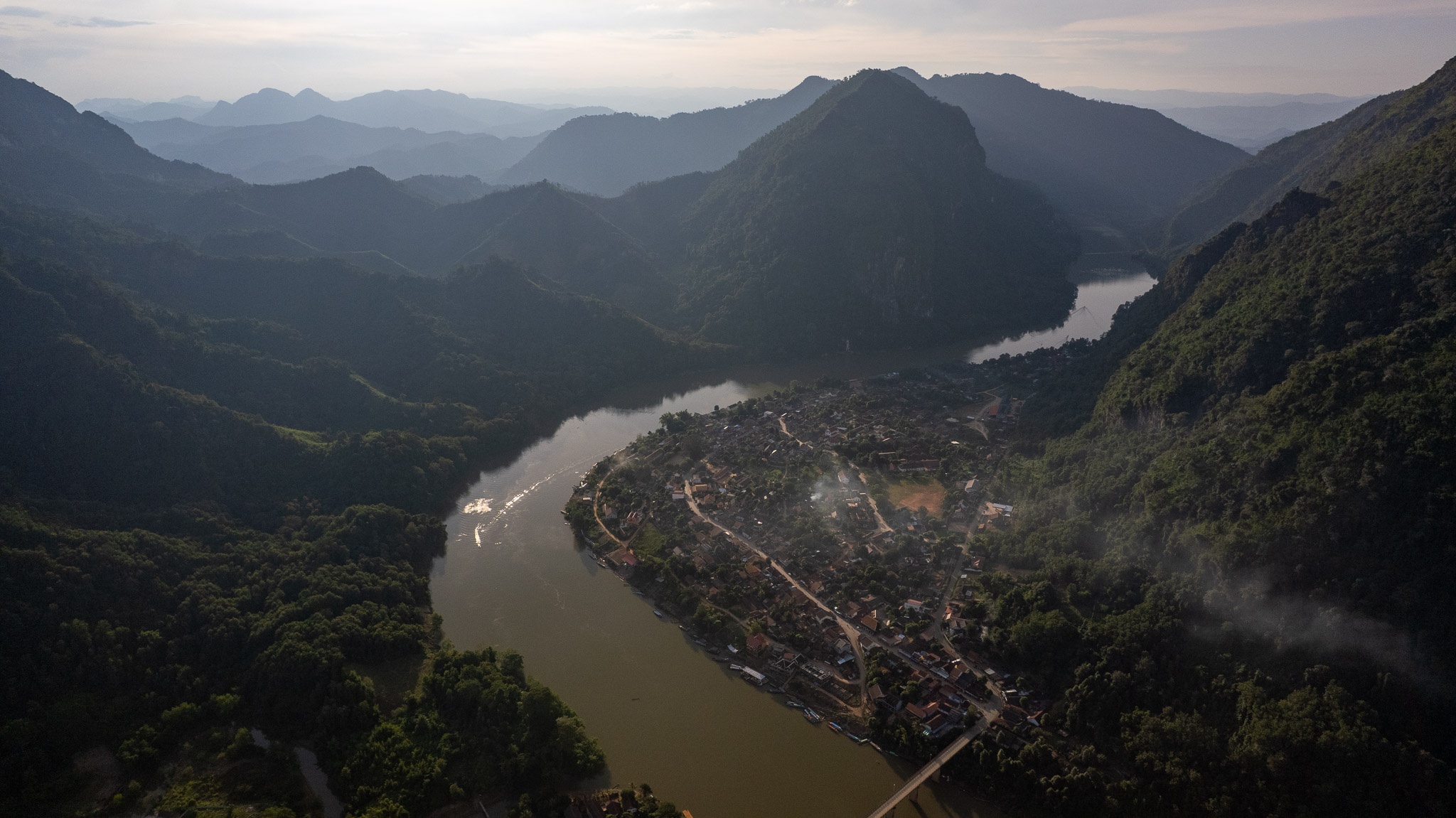
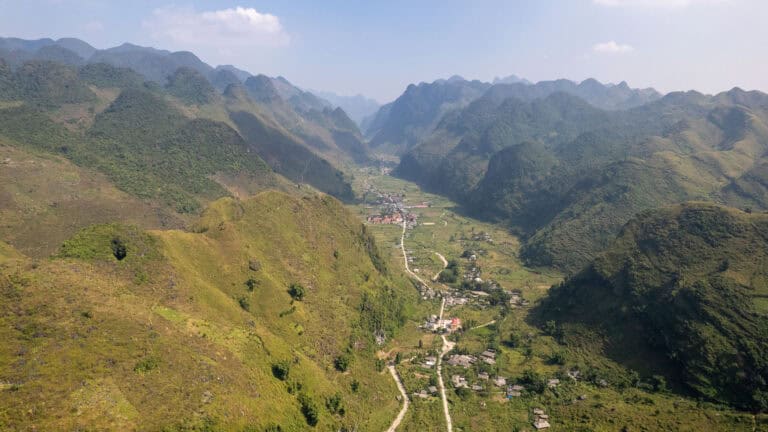
The first thing that hits you when you arrive is the landscape. Dramatic limestone peaks jut straight out of the earth around you, creating this otherworldly scenery that feels more like stepping into a fantasy novel than a real place.
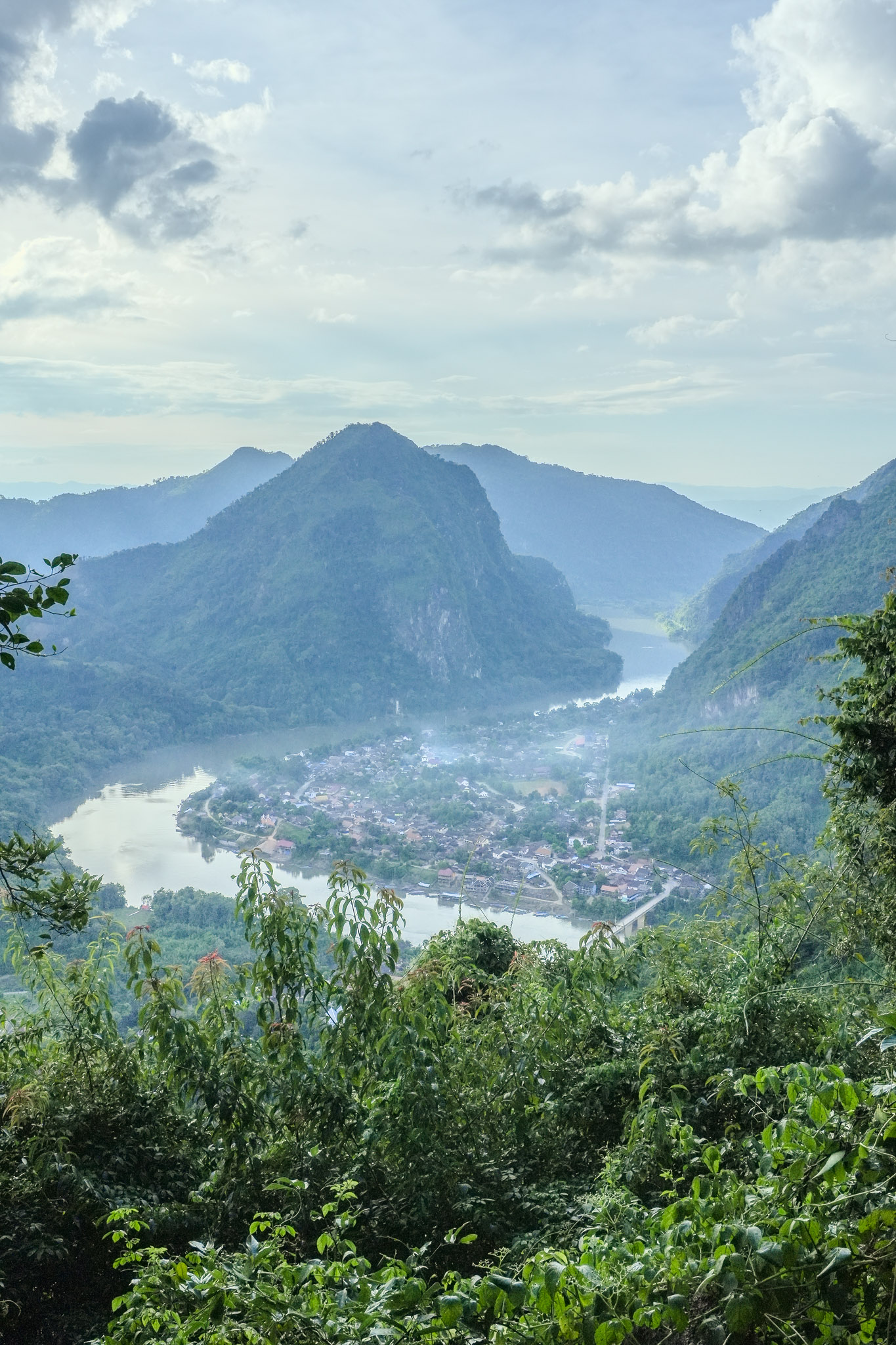
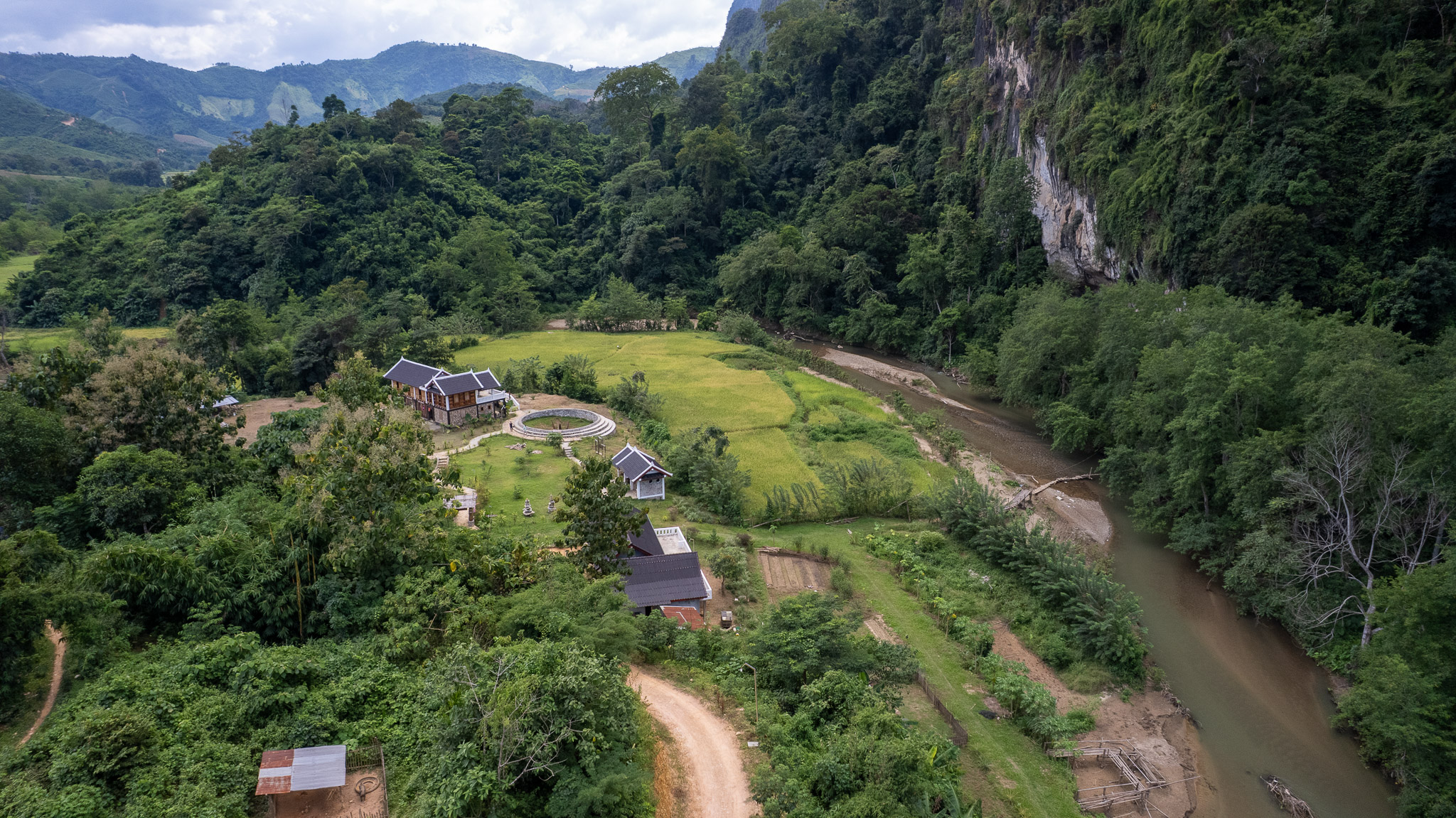
The town nestles between these mountains and the river, creating a natural amphitheater that somehow manages to feel both dramatic and peaceful at the same time.
What I appreciated most was the balance it strikes. This isn’t a place that’s been sanitized for tourists, yet it has enough infrastructure that you’re not roughing it.
The accommodations range from budget hostels to comfortable riverside bungalows, the restaurants serve excellent local food, and there are tour operators who actually know their routes and care about the experience.
Prices remain genuinely affordable. Most activities hover between $20–100 depending on what you book. The town is compact enough to explore entirely on foot but developed enough that you’re not completely isolated.
Best Time to Visit Nong Khiaw
If you’re planning a trip, aim for October through February. This is the cool and dry season when hiking conditions are actually enjoyable and viewpoints aren’t shrouded in cloud cover. The temperatures drop enough that you’re not drenched in sweat by 9 a.m., and the mountains reveal themselves in their full glory.
Avoid May through September. I’ve heard horror stories from travelers who showed up during monsoon season only to find trails washed out, viewpoints completely invisible behind clouds, and the whole experience diminished. Skip those months entirely.
Peak season runs November through January, which means more tourists but also stable weather and crystal-clear mountain vistas. If you can swing it, visit in October or February when the weather is still perfect but the crowds thin out slightly.
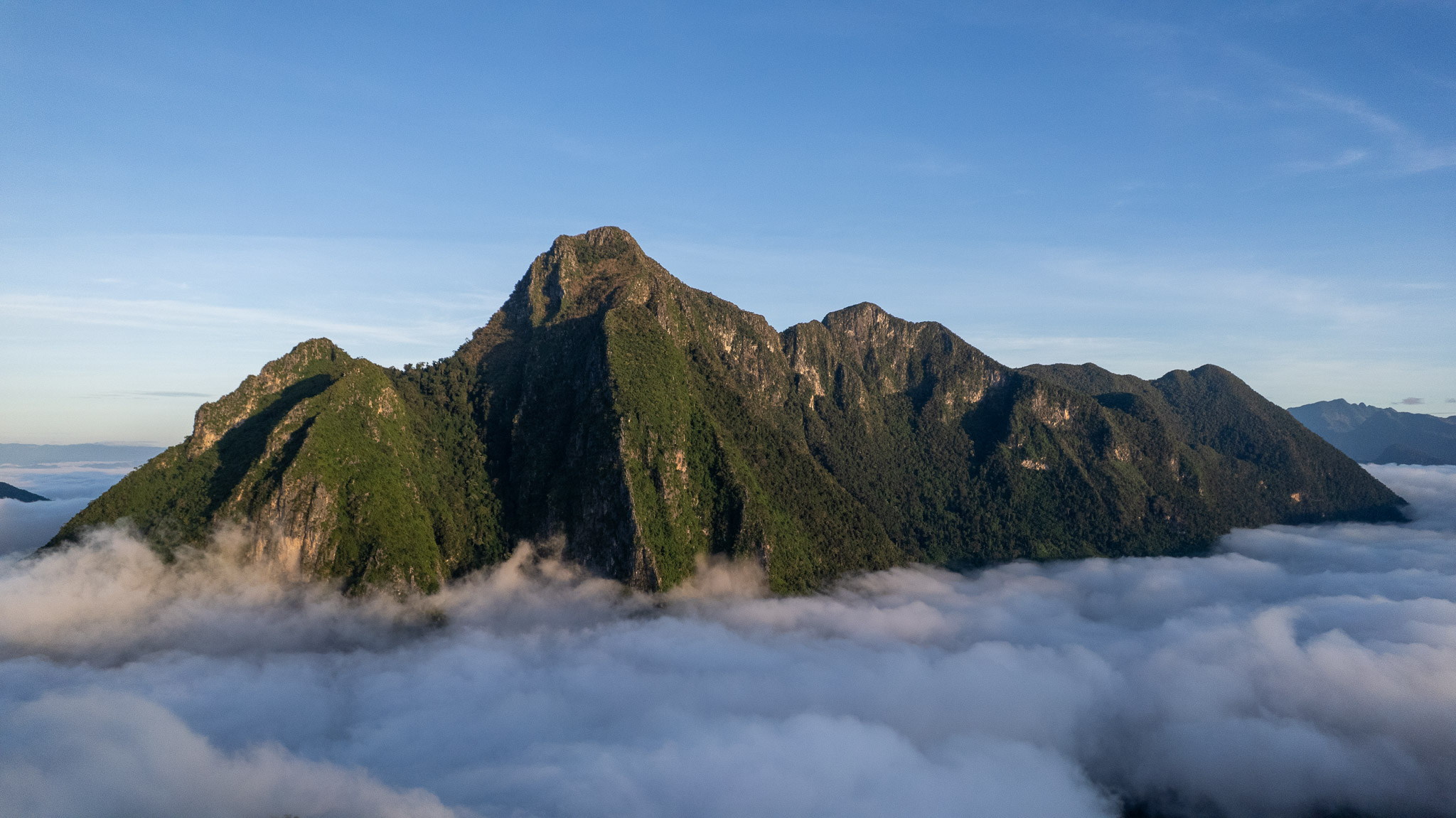
I passed by Nong Khiaw in mid October and it was perfect. Some cloud in the morning to have quite a unqiue landscape if you sleep on the top of a mountain. and not too cold or too hot. At this period yo ualso have the lantern festival in Luang Prabang, just saying.
How to Get to Nong Khiaw from Luang Prabang
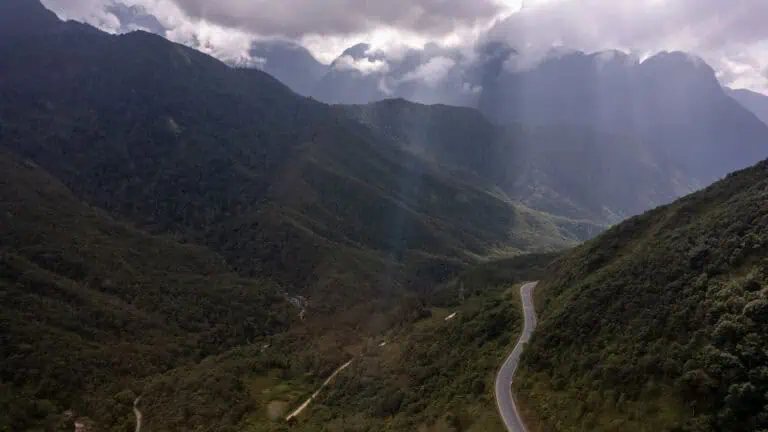
The journey from Luang Prabang to Nong Khiaw takes roughly 4-5 hours via minivan or private transport. Regular minivans depart from Luang Prabang’s main bus stations throughout the day, and the road winds through genuinely stunning northern Laos countryside with pockets of traditional villages.
Budget transport costs between 50,000–100,000 kips per person depending on which operator you use. I’d recommend organizing this through your accommodation or a tour operator rather than hunting down the minivans yourself. Or you can book everything through **12Go.**
If you want door-to-door service or prefer traveling with a guide, private transfers and organized tours are worth the extra cost. I booked my trip completely organized from Luang Prabang, I did the 2 days 1 night trek to sleep on the top of Pha Daeng Peak.
If you’re flying into the country first, compare flight deals on Skyscanner before booking.
Nong Khiaw Viewpoint Hikes: Sunrise, Sunset & Mountain Views
These hikes are the heartbeat of what makes Nong Khiaw special. They’re proper adventures where the climb demands something of you, and then rewards you with views that make you understand why people travel here.
Pha Daeng Peak (Nong Khiaw 360 Viewpoint)
Pha Daeng Peak is the crown jewel. It’s the most famous viewpoint in the area, and honestly, it deserves the hype. The trail offers options depending on your fitness level and time: you can do a challenging 1.5-hour steep climb to the summit, or if that sounds brutal, there’s an easier 20-minute ascent that still delivers fantastic views.
The trailhead sits on the south side of the river just past Home Cafe. There are multiple resting spots along the way with benches and bins, so you can catch your breath without feeling like you’re dying.
The entrance fee ranges depending on which source you check, but expect to pay somewhere between 20,000–50,000 kips at the ticket booth.
Best time to visit? Sunrise or sunset. Both are magical, but they offer completely different experiences.
If you want to experience both, book through an agency to do this hike as a 2-day 1-night experience trek ( there’s onther things in this tour too).
The Mountain Camping Experience: Sleep Above the Clouds
This is the experience that changed how I think about travel. You depart town around 3 p.m., giving yourself enough time to reach the peak before the sun starts its descent. Most tour operators have the logistics down perfectly, so you’re climbing with a guide, carrying minimal gear, and focusing entirely on the hike.
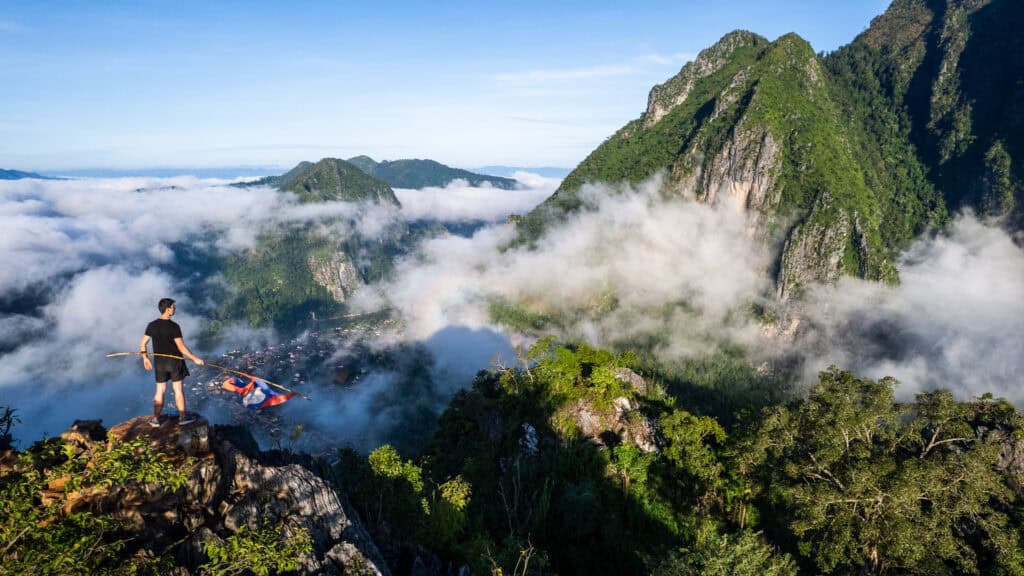
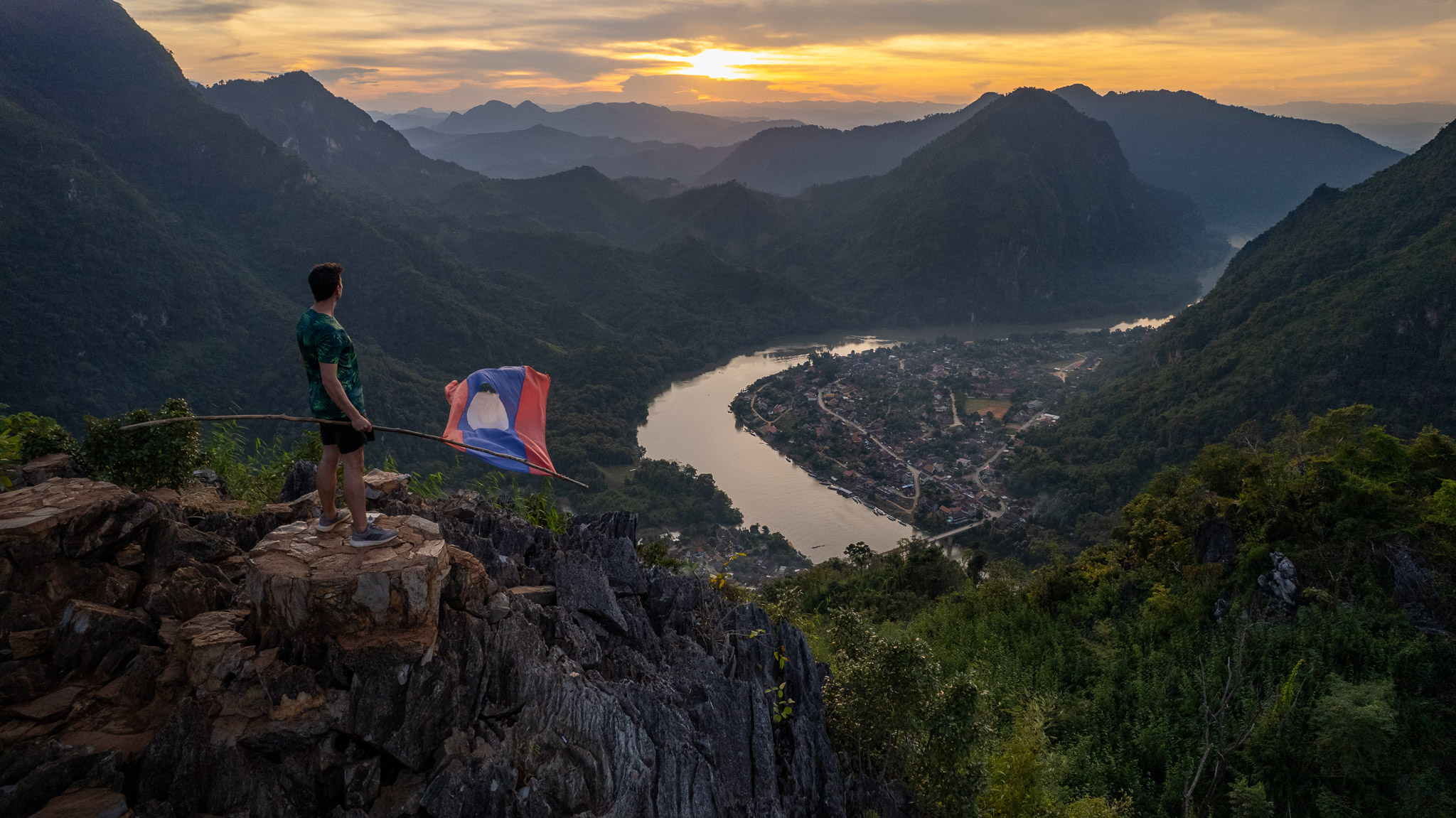
The view from the top is unreal. Imagine standing on a mountain watching the sun sink behind an endless sea of limestone peaks, with the Nam Ou River winding through the valley far below like a silver thread.
Your guides set up a basic tent, prepare dinner, and suddenly you’re sleeping above the clouds with nothing but the sound of wind and distant wildlife.
Watching the sun paint those clouds in shades of pink and orange was genuinely one of the most stunning moments I’ve experienced traveling.
You can book this exact experience — trekking and camping above the clouds — directly through GetYourGuide: Nong Khiaw: Trekking to Camping Above the Clouds
Sleeping Lady Peak & Other Viewpoint Hikes
Beyond Pha Daeng, there’s Sleeping Lady Peak, which offers a different perspective of the landscape and tends to be less crowded. Multiple smaller viewpoints scatter around the area, giving you flexibility in planning your days.
If you’re staying 3+ days, consider hitting 2-3 different viewpoints to see how the landscape transforms depending on where you’re standing and what time of day you visit.
Don’t forget to sort travel insurance before your trip — for adventure activities like trekking and kayaking, EKTA Travel Insurance is worth considering.