The Classic Inca Trail takes hikers through the Andes along ancient stone pathways, passing mountain valleys, cloud forests and archaeological ruins before reaching Machu Picchu. For a complete overview of the site, see this Machu Picchu travel guide.
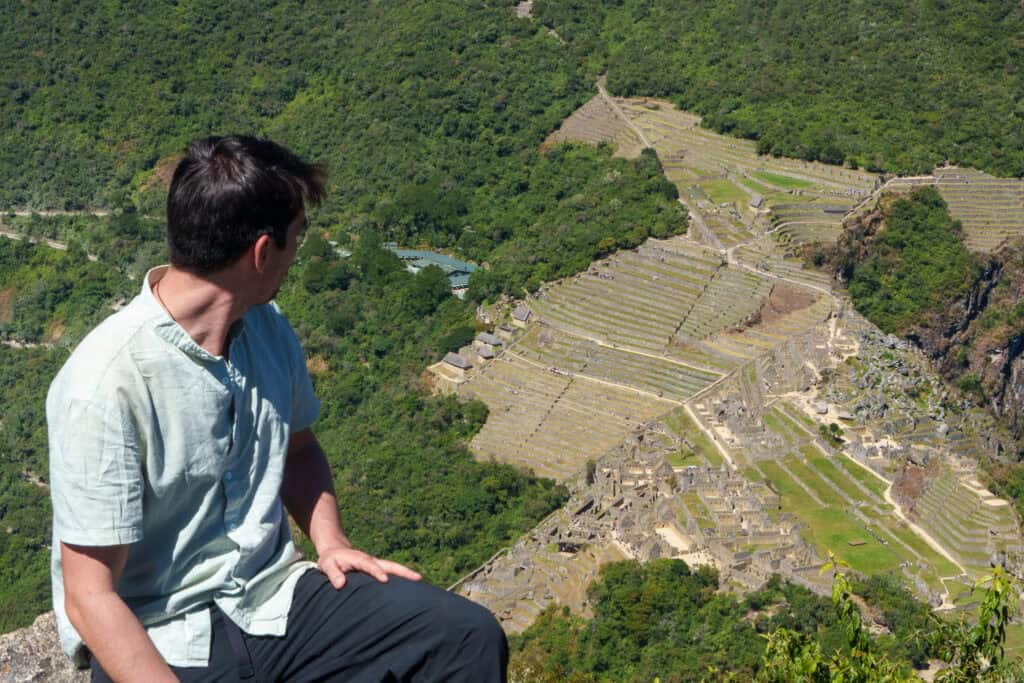
One of the highlights comes near the end of the trek, when the trail leads to Inti Punku, or the Sun Gate. From here, you can look down towards the famous stone citadel, surrounded by steep green mountains that sometimes disappear beneath the clouds.
The traditional route takes four days and three nights, with challenging sections that include steep stone stairways and high mountain passes. If you prefer a less restricted route, the Salkantay Trek to Machu Picchu is a popular alternative.
Dead Woman’s Pass is the highest point, reaching approximately 4,215 meters (13,829 feet). Along the way, hikers pass Inca sites such as Wiñay Wayna and walk through sections of dense vegetation. May through September is generally a good period for trekking, with less rainfall, although mountain weather can still be unpredictable.
The Inca Trail requires a permit and must be booked through an authorized tour operator. Places are limited and popular dates can sell out months ahead, so arrange your trek well in advance. Spending a few days in Cusco, where you can also find plenty of things to do in Cusco, can help you adjust to the altitude.
The trail also closes in February for maintenance, making it important to check dates before finalizing your plans.