Off the Beaten Path Adventures: 5 Remote Journeys Worth the Effort

This post is also available in :

Some of the most interesting off the beaten path destinations take you far from major cities and familiar tourist routes.

Reaching a remote mountain trail, rainforest river or polar coastline might involve long drives, boat transfers or days of hiking. Getting there takes extra effort, but it also brings opportunities to discover places that relatively few travelers get to see.

Planning these trips means paying attention to the seasons, transport options and conditions on the ground. A desert expedition requires different preparation from a mountain trek, while volcanic highlands bring their own challenges.

Here are some of the best off the beaten path travel destinations, with practical details on how to reach them, when to go and what to expect along the way. These remote travel destinations reward travellers willing to make the extra effort.
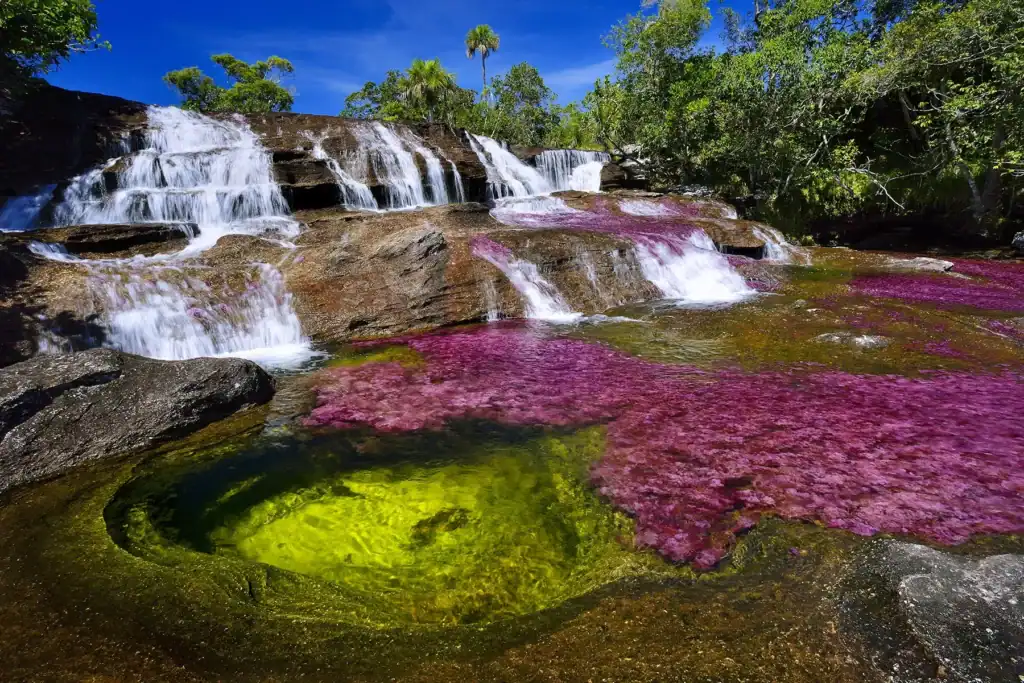
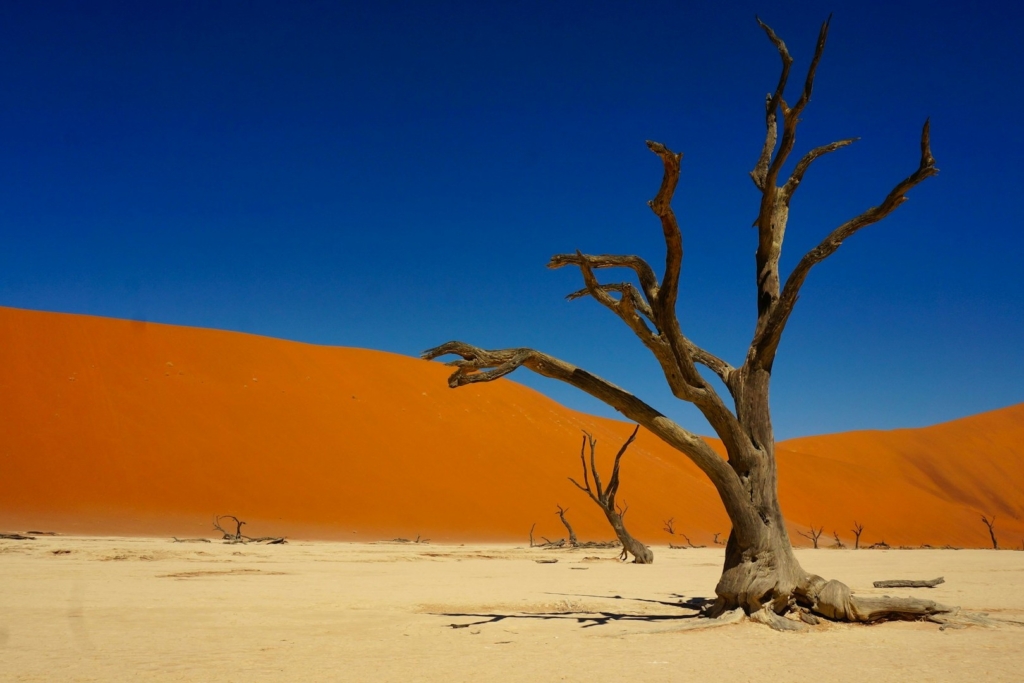
Table of Contents

Trekking Past Turquoise Glacial Lakes in the Everest Region

Nepal

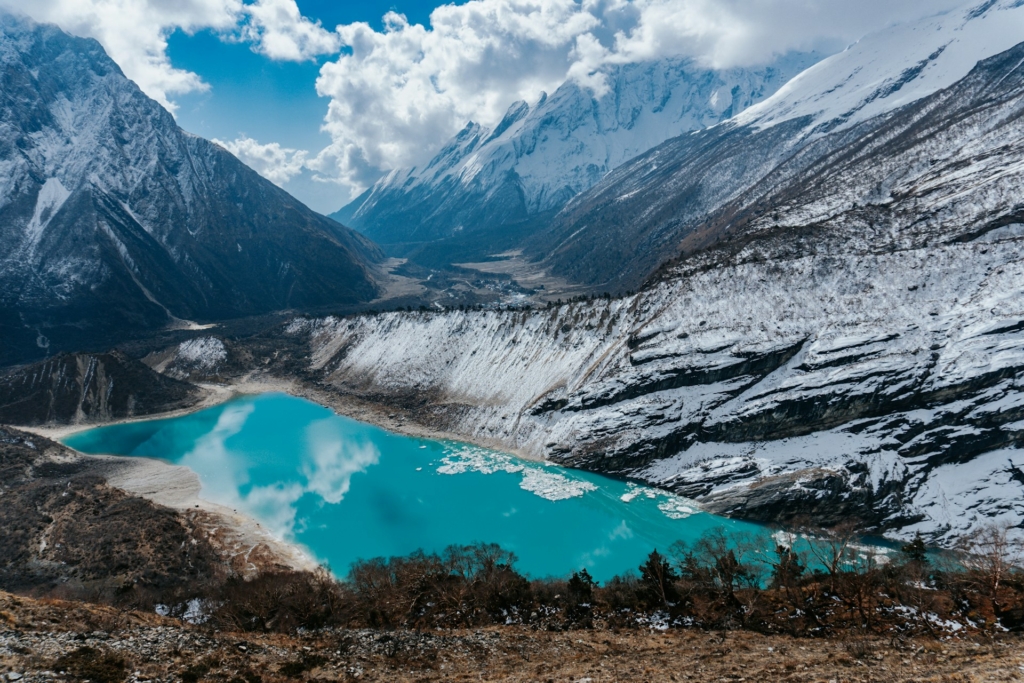
The Gokyo Valley offers a quieter alternative to the popular Everest Base Camp trail, with turquoise glacial lakes surrounded by snow-covered Himalayan peaks. Most trekkers begin with a flight to Lukla before following the Dudh Koshi River toward Namche Bazaar.

From there, the route continues through smaller Sherpa villages, yak pastures and rocky mountain trails, eventually reaching the lakes near the Ngozumpa Glacier, making it one of the most remote travel destinations in the Himalayas.

One of the highlights is the climb to Gokyo Ri, a viewpoint standing 5,357 meters above sea level. On clear days, you can see four of the world’s highest mountains, including Everest, Lhotse, Makalu and Cho Oyu. The best trekking seasons are generally March to May and late September to November, when conditions are more favorable for hiking and mountain views. Even then, temperatures can drop sharply at higher elevations.

One practical question for travellers curious about trekking in Nepal is how much time to set aside. The Gokyo Lakes trek typically takes around 11 to 14 days, including time to acclimatize. Expect long hiking days and simple teahouses, and arrange the necessary permits and an experienced local guide. Allow some flexibility for weather-related flight delays at Lukla.

Exploring a Multicoloured Riverbed in Caño Cristales

Colombia
A vibrant river with cascading waterfalls, clear water, bright green algae, and patches of vivid pink and red aquatic plants—one of Colombia’s hidden gems—flows serenely, surrounded by lush green trees under a blue sky.

Caño Cristales lies deep within Colombia’s Serranía de la Macarena, where a riverbed turns vivid shades of red, pink, yellow and green during certain months of the year. It’s one of Colombia’s hidden gems, far from the country’s best-known tourist routes.

Reaching this remote destination usually involves a flight to La Macarena, followed by a boat ride along the Guayabero River, a four-wheel-drive transfer and a guided hike. The journey passes through tropical vegetation and rocky terrain before reaching the colorful river.

The unusual colors come largely from an aquatic plant called Macarenia clavigera, which changes appearance depending on sunlight and water levels. The best viewing period generally falls between June and November, although official opening dates vary each year.

Guided walks follow designated trails past small waterfalls, smooth rock formations and natural pools. Some areas allow swimming, but visitors must stay clear of the delicate plants.

Access is carefully managed, with daily visitor limits and authorized local guides required. Hiking routes vary in difficulty, and some take five to seven hours to complete. Sunscreen, insect repellent and other lotions are prohibited during visits because their chemicals can harm the river’s ecosystem.

Wear lightweight long sleeves, a hat and comfortable walking shoes, and book your excursion in advance to secure a place.

Spotting Penguin Colonies and Icebergs

Antarctic Peninsula

Reaching the Antarctic Peninsula usually begins with a voyage from Ushuaia, Argentina, followed by roughly two days crossing the Drake Passage.

The crossing can be rough, but the scenery changes as the ship approaches Antarctica, with icebergs floating beneath snow-covered mountains and rocky shores where gentoo and chinstrap penguins gather. Rough seas or changing weather can cause delays, so it’s best to allow some extra time in your travel plans.

Expedition days typically involve guided excursions in small inflatable Zodiac boats, taking travelers along icy coastlines or ashore at designated landing sites.

You might watch penguins moving between their nests and the water, spot seals resting on ice or see humpback whales offshore. Guides maintain safe distances from wildlife, and landing locations can change depending on ice, weather and animal activity.

The main expedition season runs from November through March, when longer daylight hours and reduced sea ice make access easier. Ship size and opportunities for shore excursions are important considerations when comparing Antarctica cruises. For more ideas at sea, explore these bucket list cruises for active travellers. Vessels carrying more than 500 passengers cannot make landings, while smaller expedition ships offer guided visits when conditions permit.

Some itineraries also include flights across the Drake Passage, although these can be affected by weather.

Climbing Red Dunes Beside the Deadvlei Clay Pan

Namibia

Deep within Namibia’s Namib-Naukluft National Park, Deadvlei is a white clay pan surrounded by towering red sand dunes. Dark, dead camel thorn trees stand across the cracked surface, preserved by the desert’s dry conditions for hundreds of years.

Reaching the area involves several hours of driving from Windhoek to Sesriem, followed by a journey through the dunes and a final stretch of deep sand that requires a four-wheel-drive vehicle or shuttle.

One of the main activities is climbing Big Daddy, a towering dune overlooking Deadvlei. The ascent takes around one and a half to two hours, with every step sinking into the soft sand. From the ridge, you can see the white clay pan far below, surrounded by red and orange dunes.

After descending, walk across Deadvlei to see the ancient trees, which died when shifting dunes cut off their water supply.

May through September brings cooler temperatures, making it a good time for desert hikes. Aim to visit early in the morning, before the sand becomes too hot to walk comfortably. The park gates have specific opening hours, so staying near Sesriem makes an early start easier.

Bring plenty of water, sun protection and comfortable shoes, as there’s almost no shade around the dunes, making it a memorable off the beaten path vacation destination.

Driving 4x4 Tracks to Rhyolite Mountains and Hot Springs

Iceland

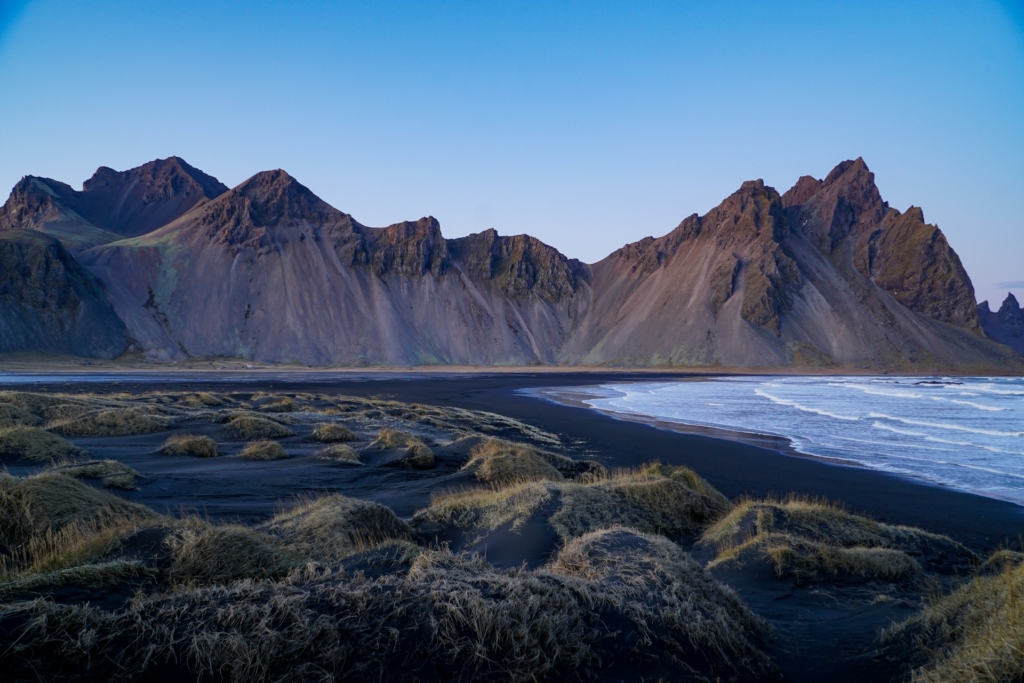
Landmannalaugar lies deep in Iceland’s southern highlands, surrounded by colorful rhyolite mountains, black lava fields and steaming geothermal vents. Getting there involves driving along rough mountain roads known as F-roads, some of which cross unbridged rivers.

A suitable four-wheel-drive vehicle is essential, although travelers who prefer not to drive can take a highland bus or join a guided tour during the summer season.

Once there, hiking trails lead through the Laugahraun lava field and into hills streaked with yellow, orange and green. The Laugahraun loop takes around two hours, while the climb toward Brennisteinsalda provides wider views of the surrounding mountains.

Landmannalaugar is also the starting point of the longer Laugavegur Trail. After hiking, visitors can soak in a naturally heated stream near the campsite, where geothermal water mixes with cooler water.

The main visiting season generally runs from late June through early September, although road openings depend on snow and weather conditions. Check the latest road updates before leaving, particularly if driving yourself.

River crossings can be dangerous, and rental vehicle insurance typically doesn’t cover water damage. Accommodation is basic, with a mountain hut and campsite available, so bring warm clothing, food and supplies if you’re staying overnight.

Where will your next adventure be?

Reaching Nepal’s Gokyo Lakes after days of hiking feels very different from exploring Colombia’s colorful Caño Cristales or sailing through the icy waters of Antarctica. Namibia’s towering dunes and Iceland’s volcanic highlands bring their own challenges, from climbing through soft sand to navigating remote mountain roads.

Before choosing your next destination, consider the season, travel time and physical demands involved. Leave some flexibility for delayed flights, changing weather or unexpected road closures.

Careful planning makes these challenges easier to manage, leaving you more time to enjoy some of the best off the beaten path destinations in the world.

This post is also available in :

Subscribe to the Newsletter

Join our community and receive exclusive travel stories, guides, and special offers!

    What's on My Desk Right Now

    The Brazilian flag with green and yellow brush strokes, a blue globe with stars and a white banner reading Ordem e Progresso in the center.

    🗺️ Planning a Trip?

    Skip the research rabbit hole.

    I’ll build you a personalised day-by-day itinerary — or answer all your questions on a quick 60-min call.

    Let's Connect

    Affiliate Disclosure

    Some of my posts include affiliate links. If you choose to make a purchase through them, I may earn a small commission—at absolutely no extra cost to you.


    Using these links is the best way to support my work and say thank you, and I appreciate it so much! Of course, everything I share reflects my honest opinions and experiences.

    📸 Work With Me

    Brand, tourism board or hotel?

    Let’s create something together — content, reviews and campaigns that reach real travellers who are ready to book.

    Buy Me A Coffee

    Latest Posts

    A cityscape with tall buildings in the background, a body of water in the middle, and houses surrounded by trees and greenery in the foreground under a partly cloudy sky—this picturesque scene evokes some of the top things to visit in Hanoi.
    Hanoi or Saigon? This guide compares the atmosphere,...
    Horizonhugo - Vietnam - Da Nang - Son Tra Monkey - 3
    Monkey Mountain Da Nang on Son Tra Peninsula is one...
    view of praia da costa in Itacaré Brazil. there are palms tree, green grass, waves and blue sky.
    I crossed four South American borders and struggled...
    A wide brown river, often traveled on a Vietnam Cambodia tour from Ho Chi Minh City to Phnom Penh, flows past a lush green landscape dotted with houses and several blue-roofed barges under a cloudy sky.
    This three-day route from Ho Chi Minh City covers the...
    A man stands in a plaza at night in front of a brightly lit building covered in colorful signs and advertisements, evocative of scenes from the Ben Tan Market Saigon section of any Ho Chi Minh City travel guide. People sit and walk nearby, while trees frame the bustling scene.
    This Ho Chi Minh City travel guide covers District...

    Get My Personal Map of 500 Must-See Places - FREE

    I’ve compiled 500 of the best places across my travels into one free Google Map.

    The kind of spots you won’t find in a guidebook.

      A world map titled UNESCO World Heritage displays numerous brown, blue, and green icons marking heritage sites across all continents.

      Table of Contents

      Got Questions?

      Still figuring things out for your trip, or just want to double check something before you book? Send me a message and I’ll get back to you as soon as I can.

      Or hit me up on Instagram, I’m there anyway and always happy to chat about the trip.

        Share it with the person you to travel with !

        You might also like to read these articles

        Scroll to Top