My Sapa One Day Trek, Step by Step
Starting in Town
We met up around 8:30 in the morning. I was told the group would be four people plus a guide, but by the time we started, it was just two of us plus the guide. That ended up being the best part of the whole day.
With a smaller group, you set your own pace, ask more questions, and don’t feel rushed by anyone else. If you’re picky about your sapa day tour group size, ask the operator directly before booking, a private or small-group option is worth the extra cost.
Our guide was a local Hmong woman who lived in one of the nearby villages. She spoke great English, was completely open about her life and her community, and clearly enjoyed the questions. Having a guide who’s actually from the valley, not just trained to lead tours through it, made a real difference in how much we learned.
If you want to book a tour or an activity without any hassle, Get Your Guide is honestly one of the easiest platforms I use, with a huge range of experiences, flexible cancellation on most bookings, and you can even get 5% off with my code HORIZONHUGO5.
Through the Market Street
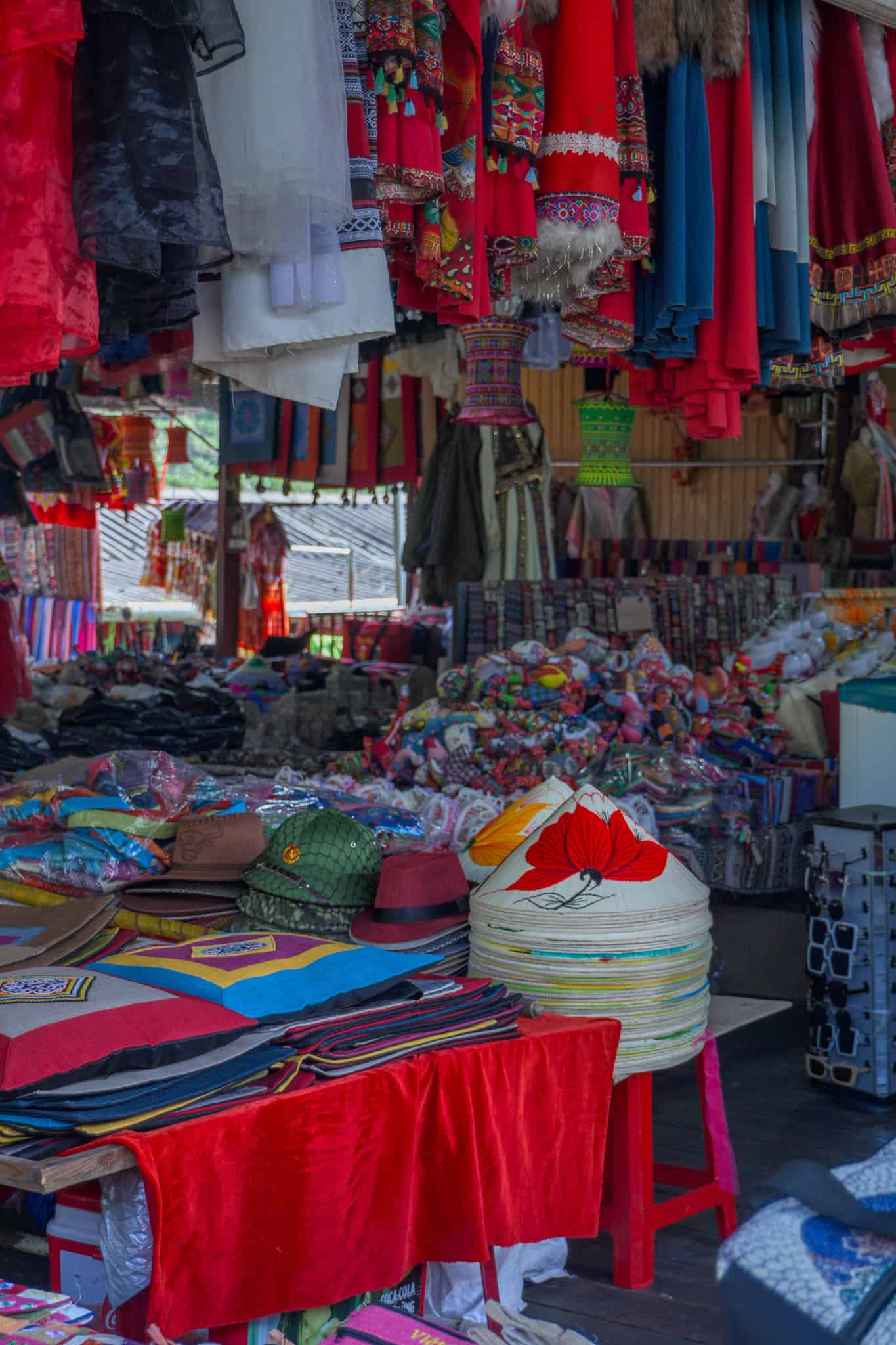
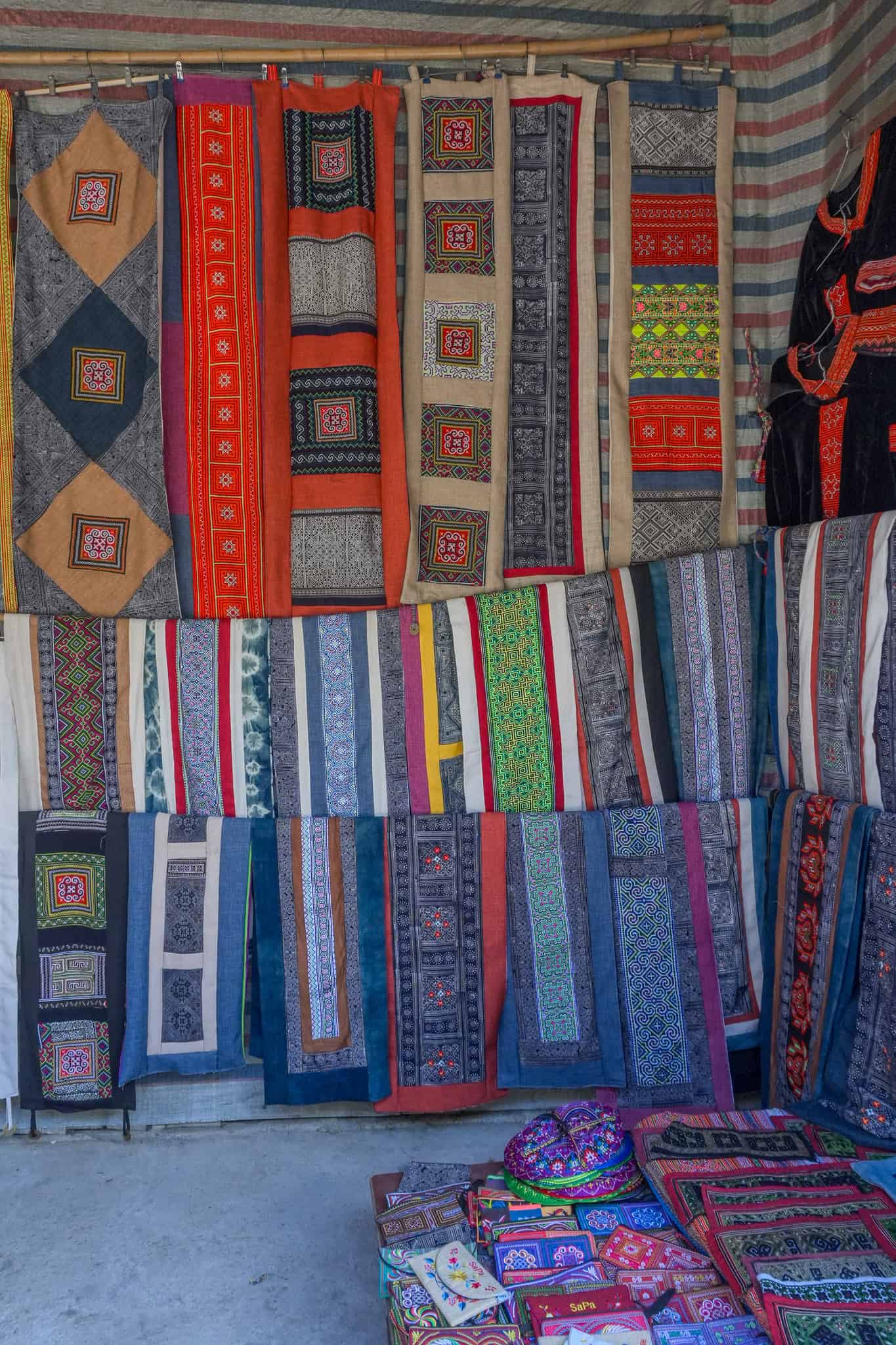
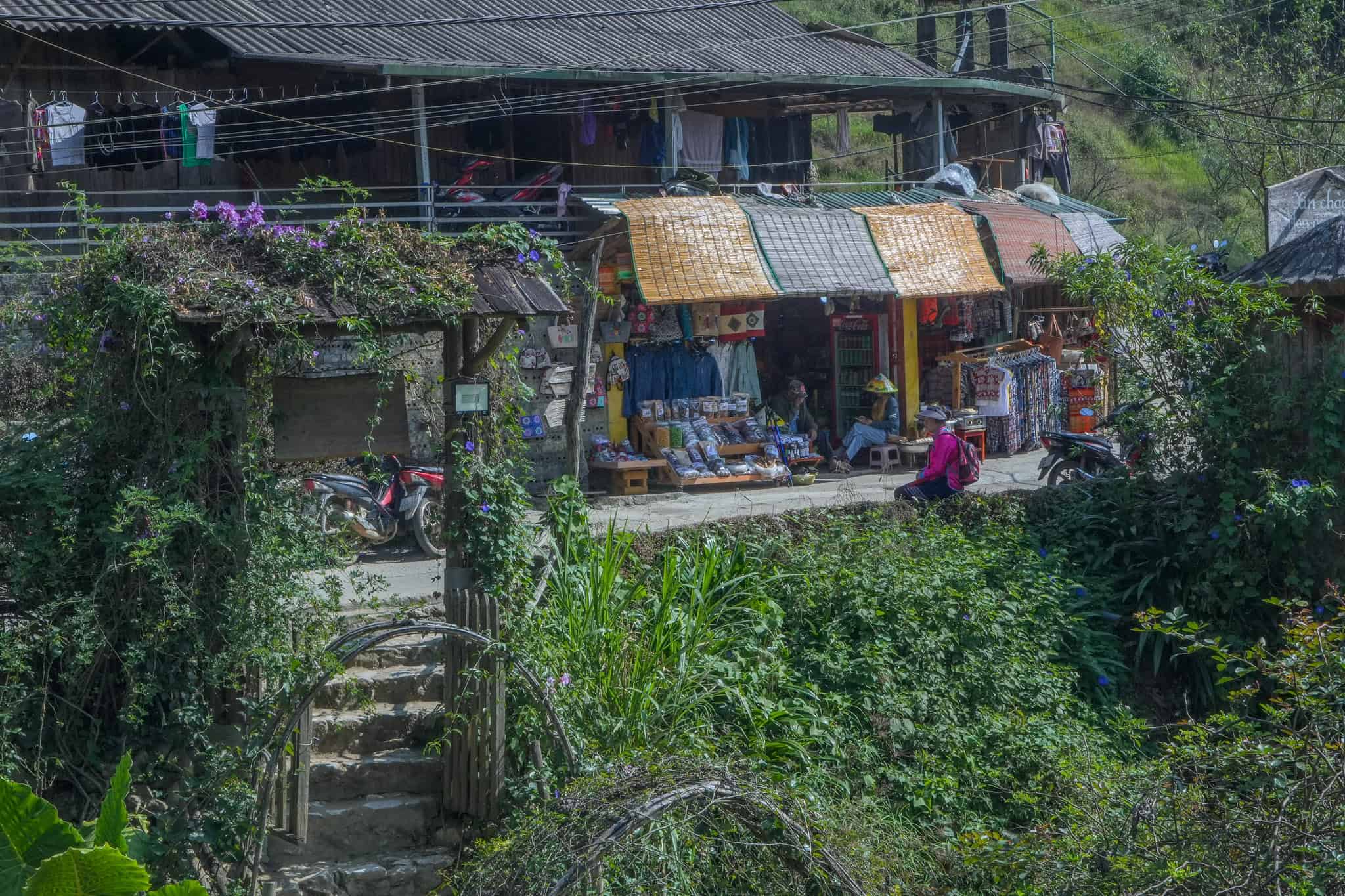
The first stretch out of the agency was just a few blocks, but the town dropped away fast. We walked down a sloped street lined with small shops, more like a market than a shopping district, selling traditional textiles and clothing.
The pieces on display were almost certainly Black Hmong garments, deep indigo-dyed hemp cloth, hand-batiked and embroidered, some paired with silver jewelry for special occasions like weddings or New Year celebrations. The color and detail work is genuinely impressive up close.
One practical tip, don’t buy anything here yet. You’re about to spend a full day walking, and full hands make for a miserable trek. Shop on the way back instead.
Traditional Houses and Everyday Tools
Further down, we passed a few traditional wooden houses that were still standing and open to visitors. Inside were old tools once used for harvesting rice and handling other everyday farm tasks.
It’s rustic, almost like stepping into a different century, but that’s not a performance for tourists. Families in the surrounding villages still use tools like these, and many still live on very little. Seeing that up close is a better introduction to Hmong daily life than anything you’ll read online.
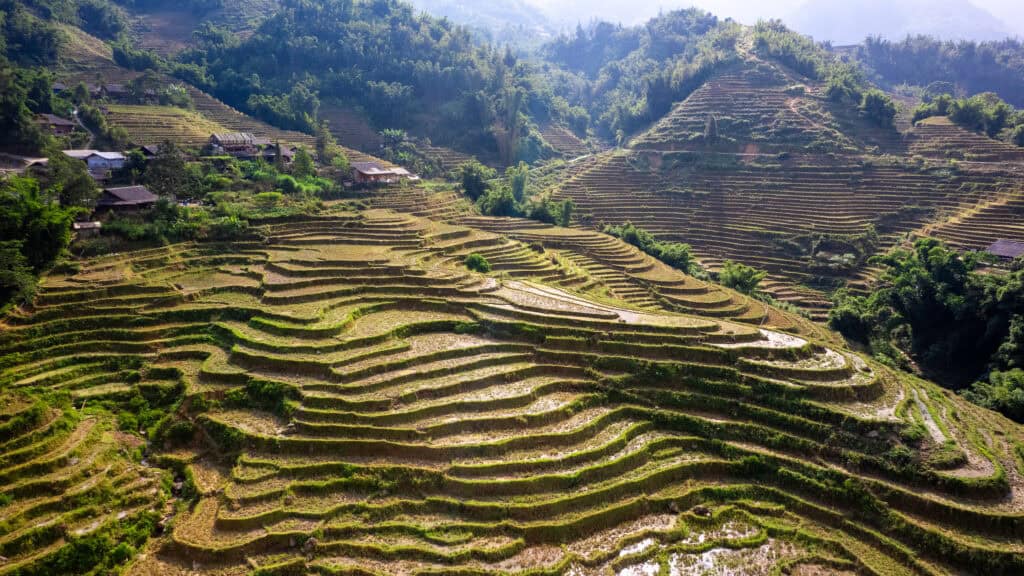
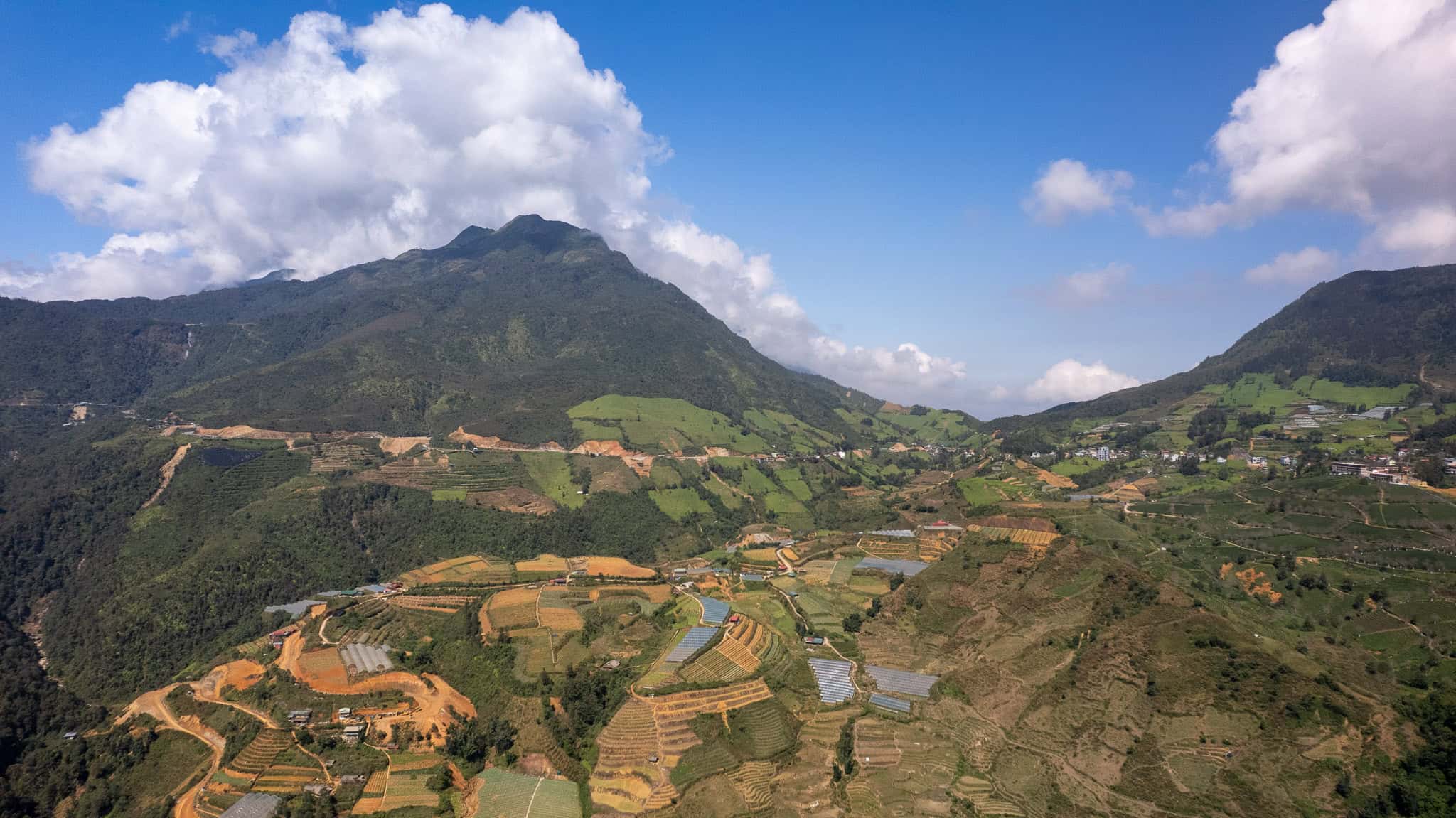
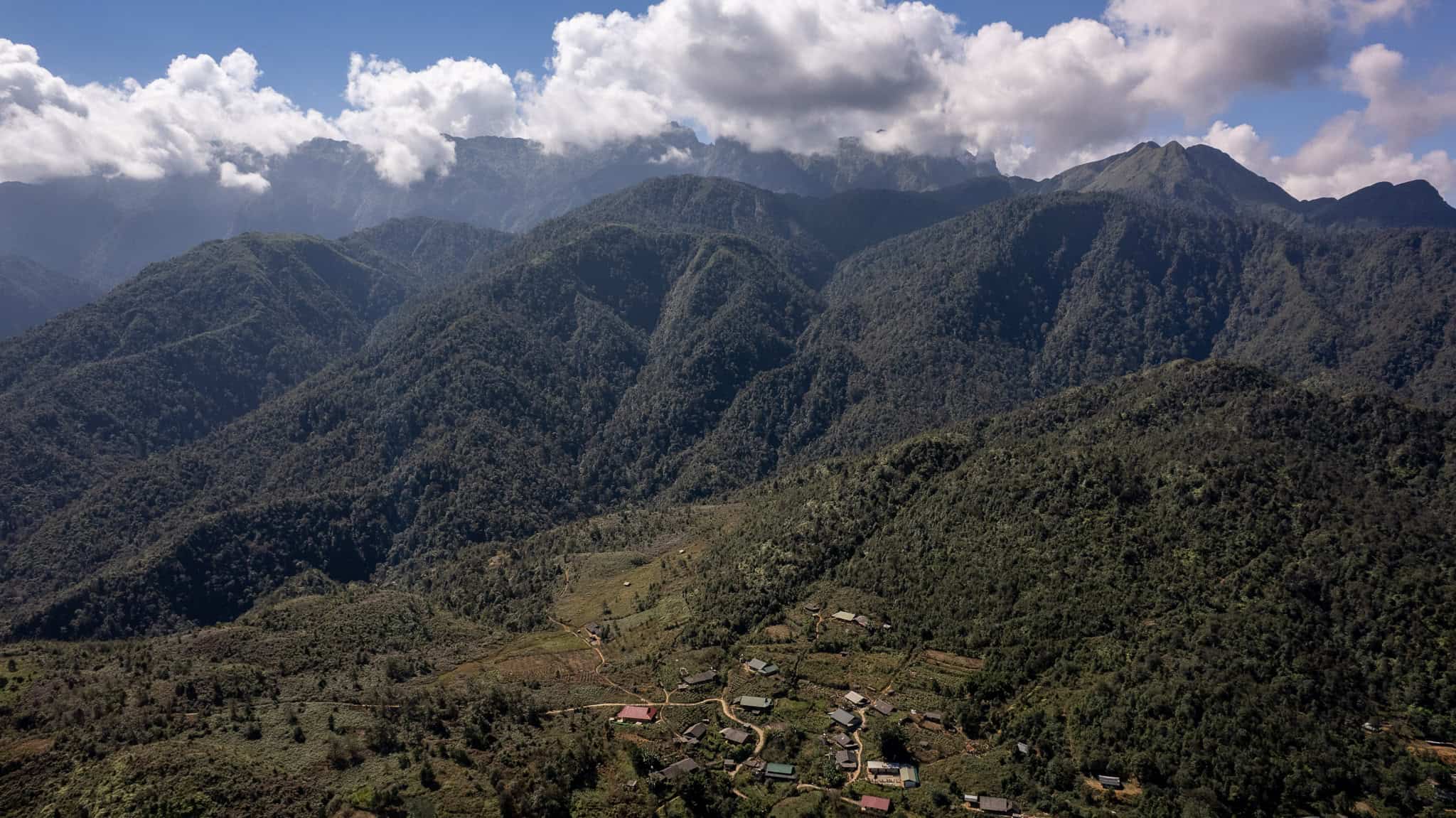
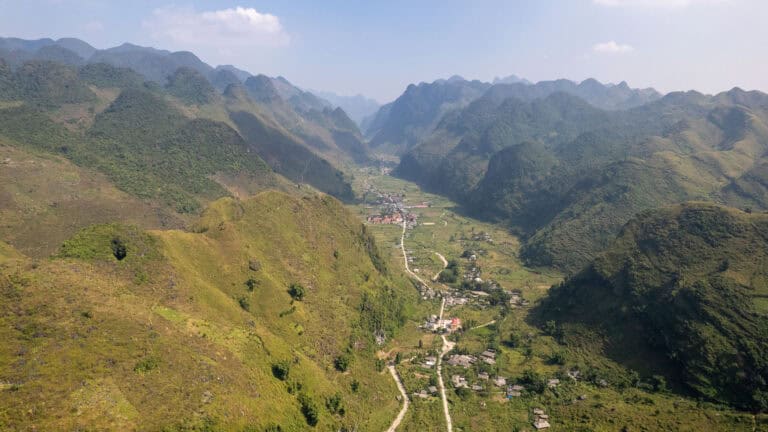
Past the houses, the valley properly opens up. Buildings thin out, the trail narrows, and the rice terraces start to dominate the view.
Into the Hmong Valley
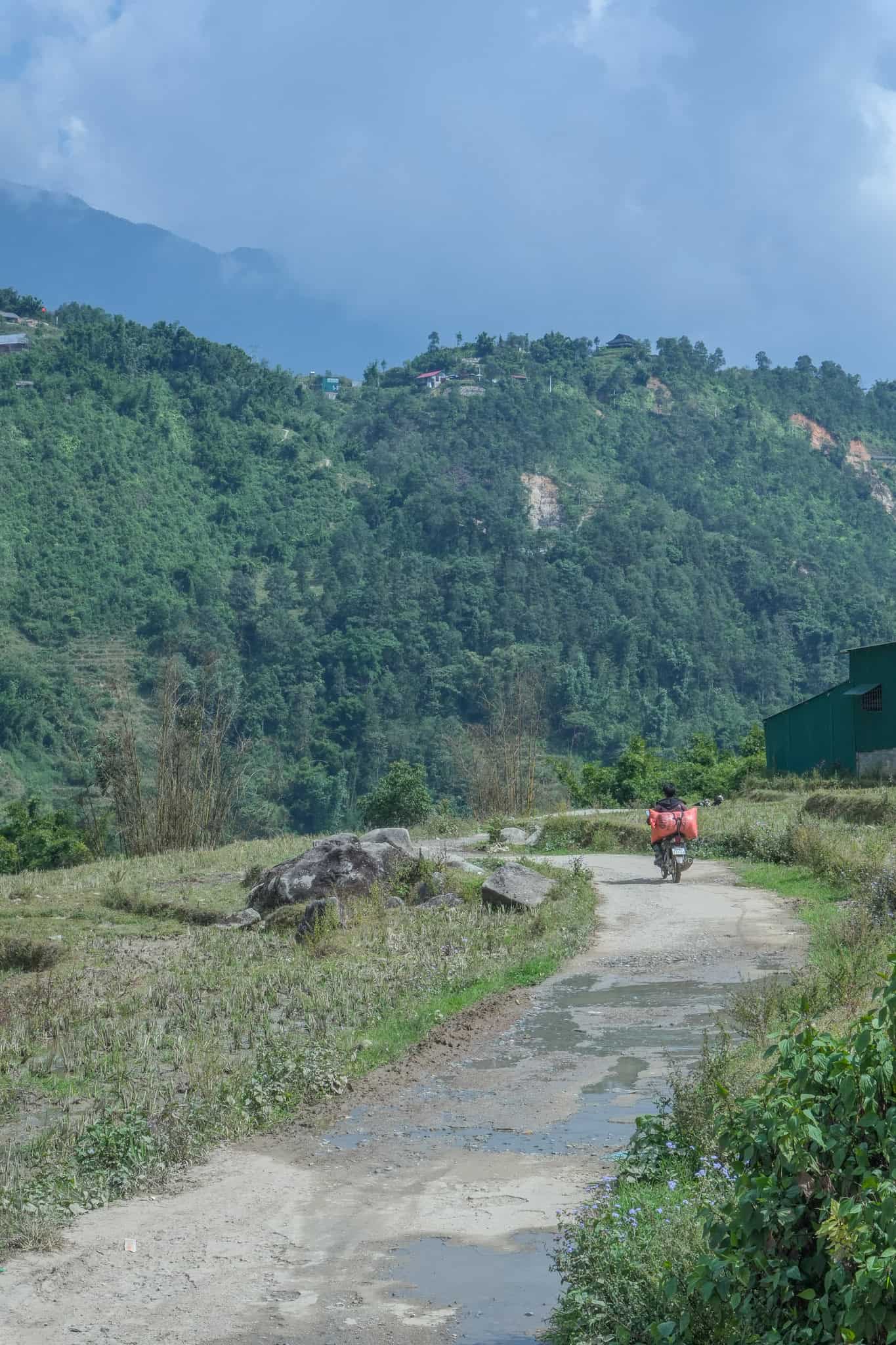
From here, the trek settles into a rhythm, up and down along small green hills that hug the edge of the valley. None of it is technical, but there’s real elevation change, enough to make you feel like you earned the views.
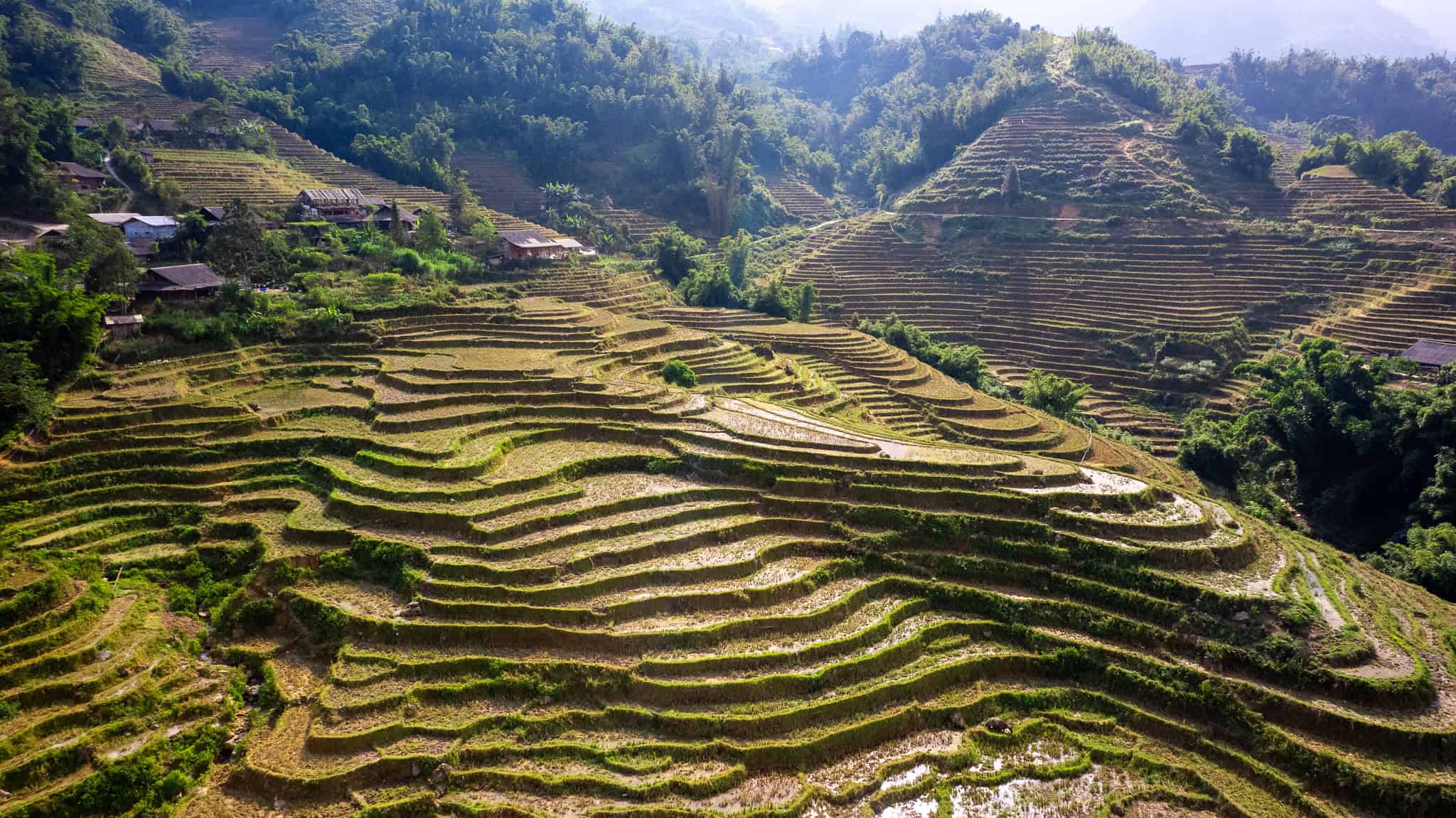
This stretch is where the trip starts to feel like an actual Hmong valley trek instead of a countryside walk. The terraces stack up on either side, and the trail hugs the contour of the hills for a couple of hours before dropping into the valley floor.
The Touristy Complex (Worth a Stop, Not the Highlight)
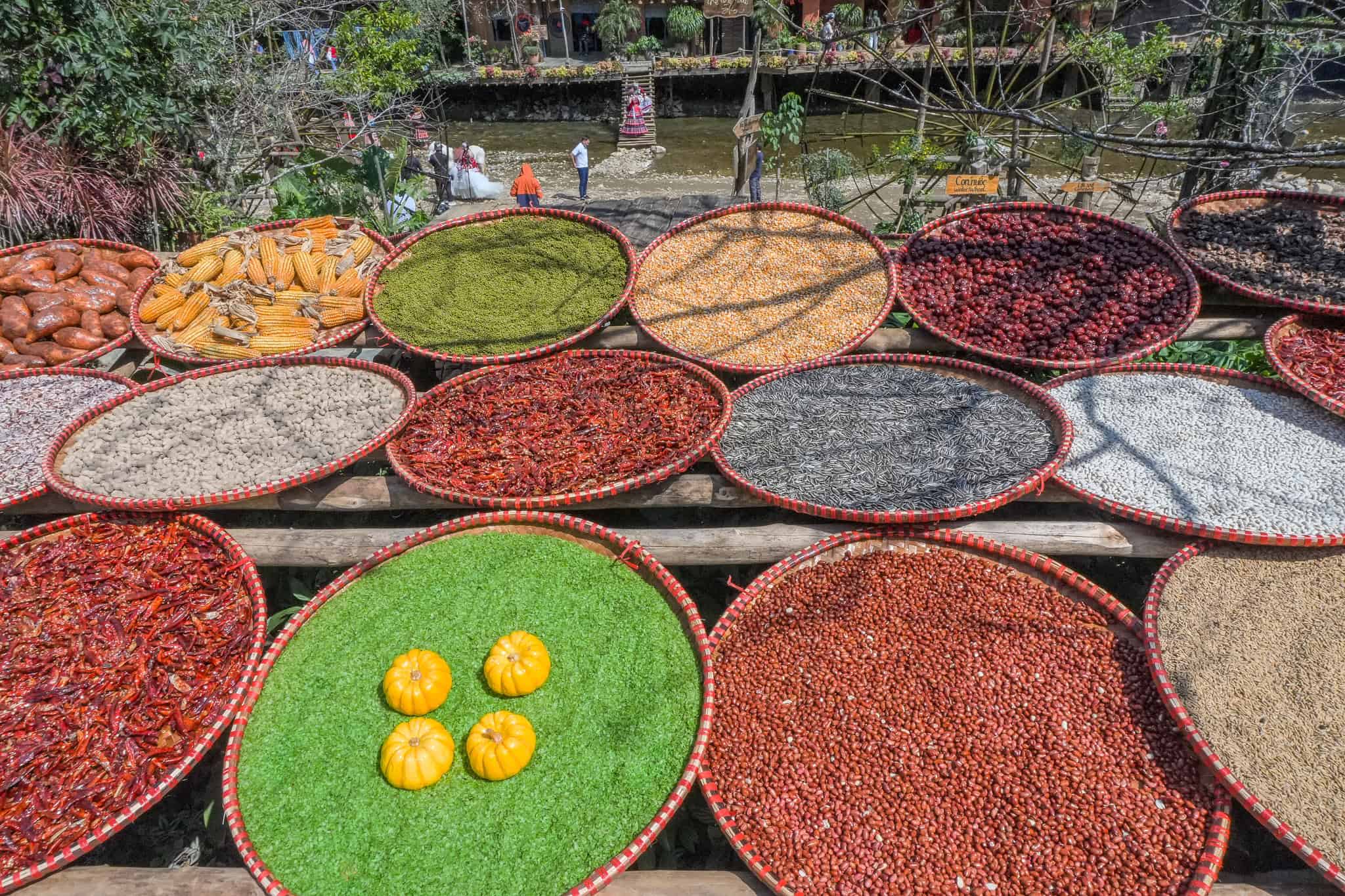
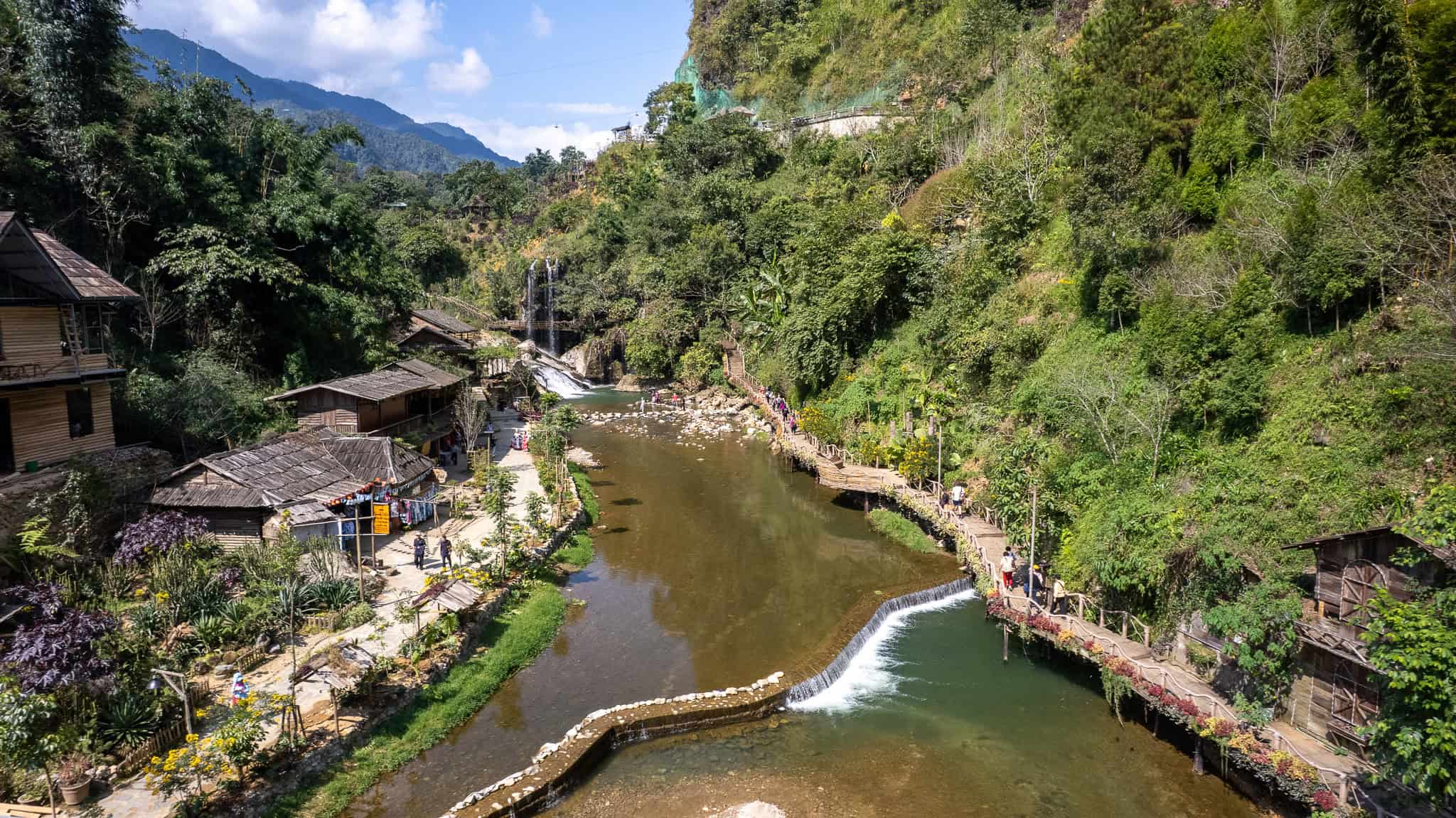
Eventually the trail drops steeply into a small enclosed valley with a large waterfall on one side. On the other side is a built-up complex of restaurants, bars, and cultural performance areas, clearly built for tour groups passing through.
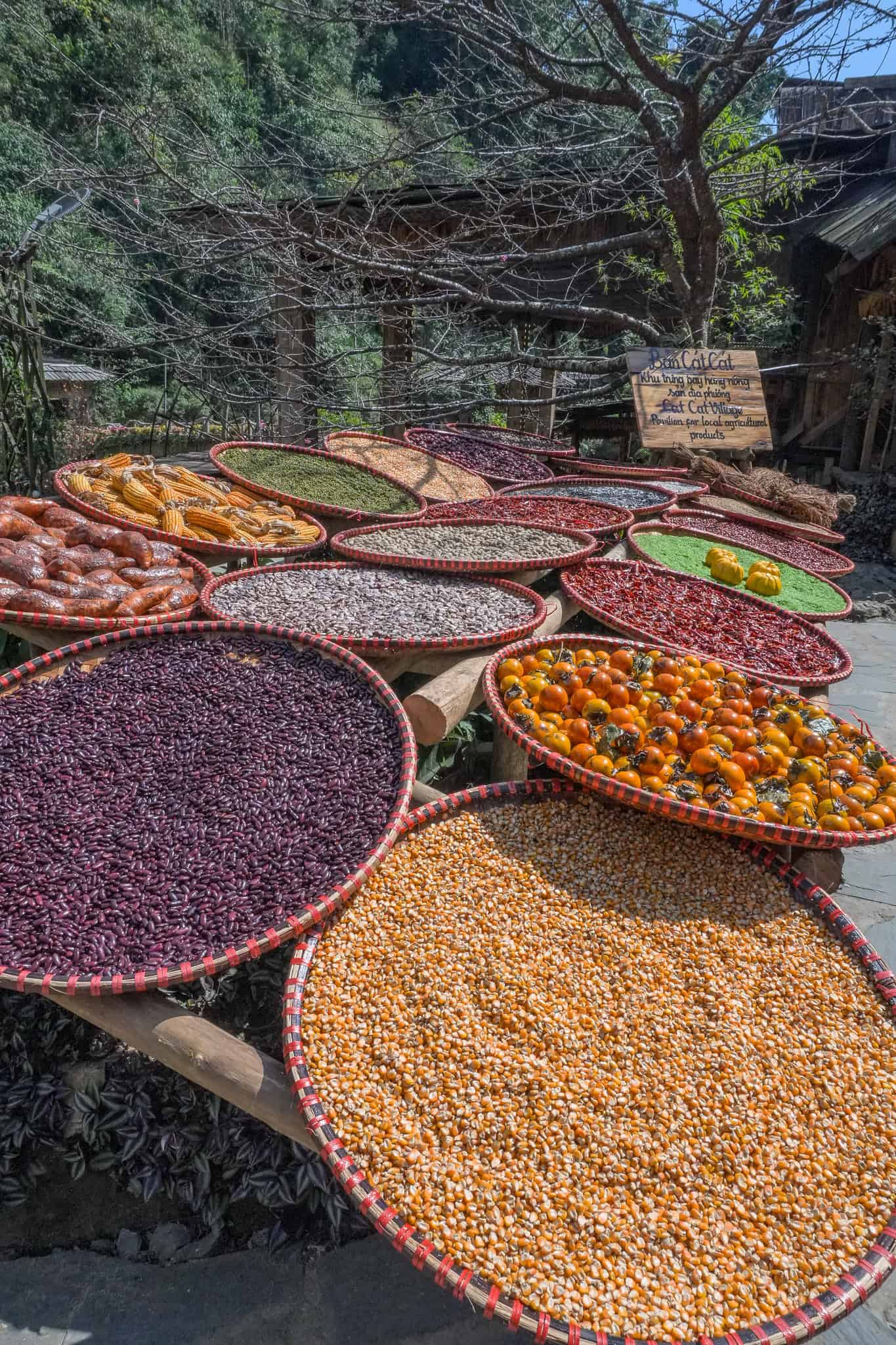
There are horses for photos, displays of local crops and rice varieties, and demonstrations of traditional weaving and dance. It’s worth a look, and I did learn a few things and see some nice textile work. But it’s the one part of the trek that felt staged rather than authentic, and it’s also where the other tour groups reappear after a quiet morning.
If your priority is culture over crowds, don’t linger here too long. The best parts of the trek are still ahead.
Deep Valley Walking
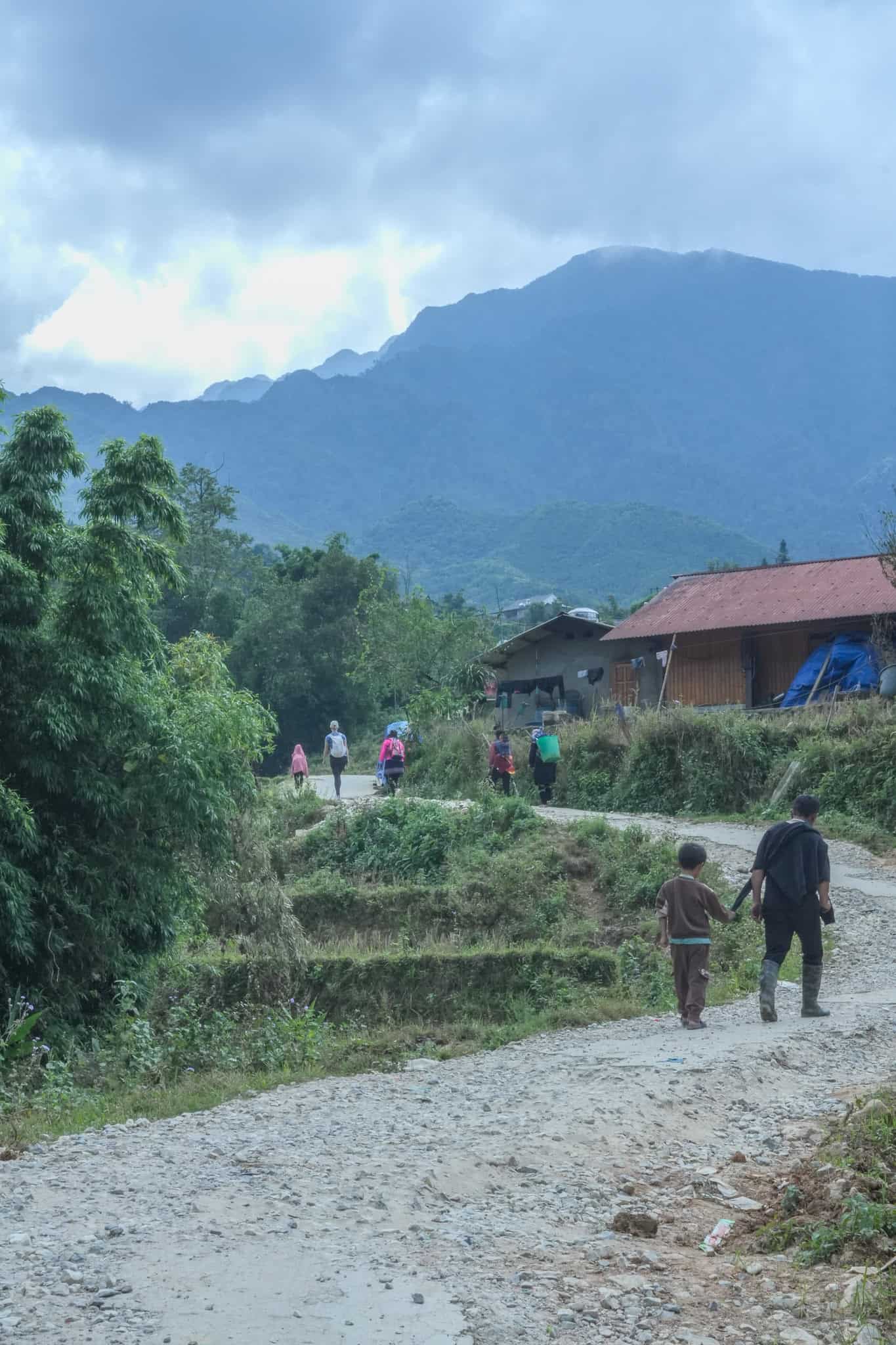
After the complex, the trail opens back up and the crowds vanish again. This stretch ran for hours through open valley, with rice terraces on both sides and almost no one else around.
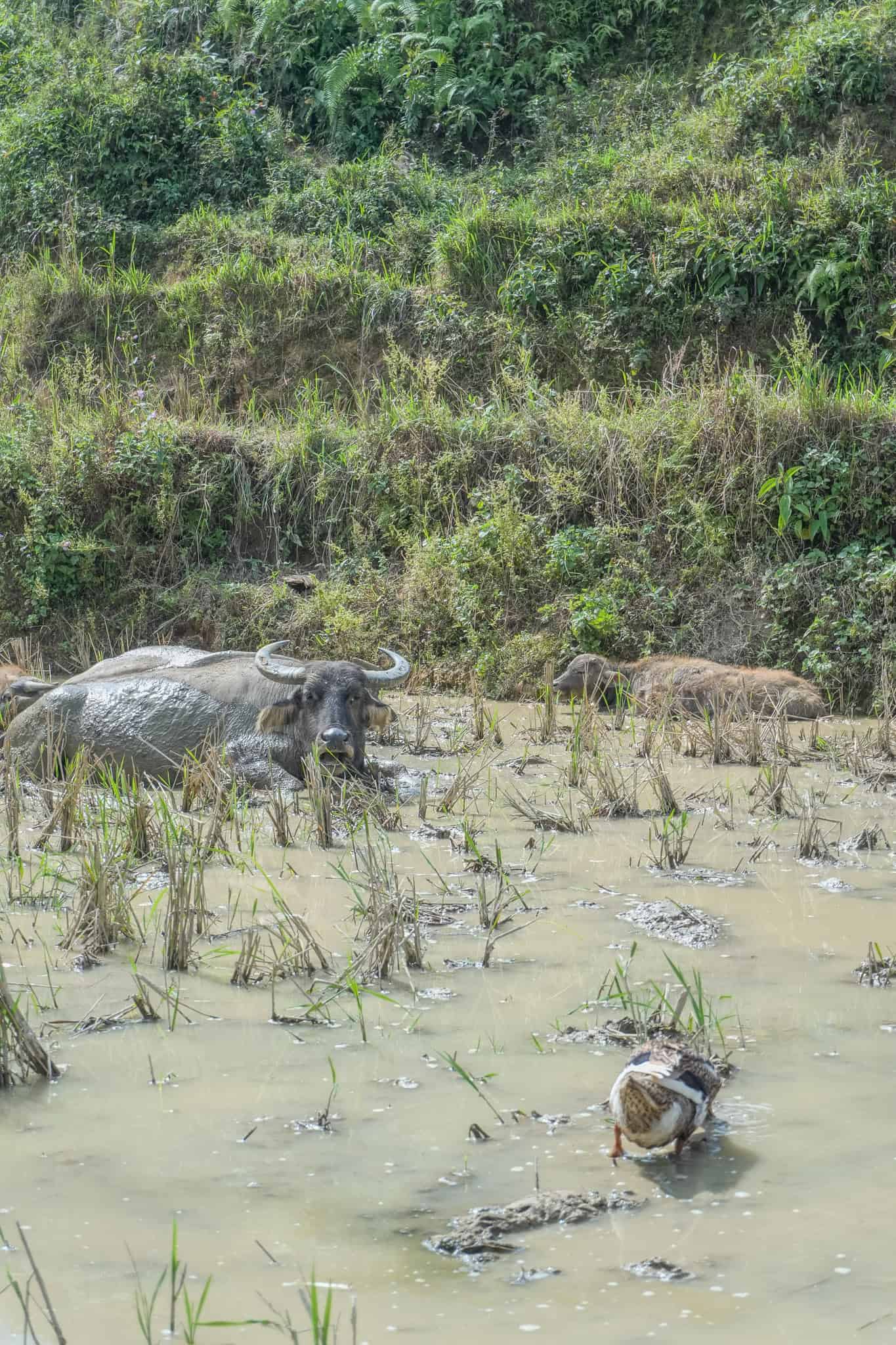
Along the way, our guide pointed out a plant that turns your fingers blue when you rub it, a small taste of the same indigo dyeing process behind those textiles back in town. We also passed water buffalo working the fields and farmers out doing the actual daily labor that keeps these villages running.
It’s easy to get lost in how pretty it all looks and forget that this is genuinely hard work for the people living here, not a backdrop.
Lunch With a View
We stopped for lunch at a small, basic, very local restaurant with a wide-open view over the valley. The food was simple and good, and this was the first time since the market and the tourist complex that we saw other groups again.
It’s a natural rest point on most sapa day tour itineraries, and a good spot to slow down before the final stretch.
The Final Stretch
After lunch, the trekking continued, but it shifted into more of a steady walk than a sightseeing stop. We passed through a few more villages, slightly less rural in feel than the ones from earlier in the day, before a car met us to drive back into Sapa town.
Our guide stayed behind since she lived close by, which was a nice reminder that for her, this wasn’t a tour, it was just the way home.