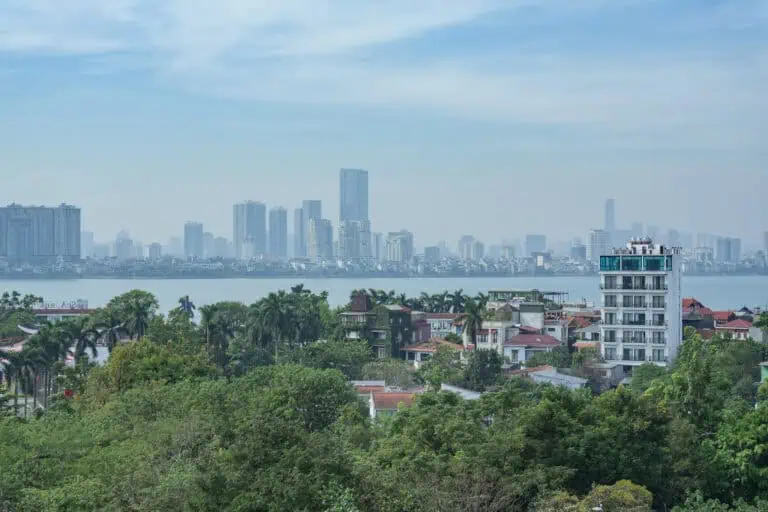
A cityscape with tall buildings in the background, a body of water in the middle, and houses surrounded by trees and greenery in the foreground under a partly cloudy sky—this picturesque scene evokes some of the top things to visit in Hanoi.

How to Travel to Hanoi: Complete City Guide

This post is also available in :

If you’re planning a trip to Hanoi, you’re probably wondering whether the chaos is worth it, how long you actually need to stay, and what separates the tourist traps from the real experiences. I get it. Hanoi comes with a reputation for being loud, intense, and bewilderingly crowded, but that energy is also what makes it genuine and unforgettable.

This guide covers the practical essentials before you book: the best neighborhoods for your style of travel, how to move around without losing your mind, what food and experiences are actually worth your time and money, and nearby day trips that showcase why northern Vietnam matters. Whether you’re a backpacker on a tight budget or someone seeking quieter lakeside stays, Hanoi has something that fits.

The city rewards curiosity and flexibility. The constant horn-honking, chaotic motorbike traffic, and narrow streets aren’t bugs. They’re the actual texture of Hanoi life, and once you accept that, you’ll find yourself having a better time than you expected.

Table of Contents

Planning Your Trip to Hanoi

Best Time to Visit

October to November brings the most pleasant weather to Hanoi. Temperatures hover around 20 to 25 degrees Celsius, the skies clear up, and the air feels breathable after months of humidity. March to April offer similar comfort, with mild weather and temperatures ranging from 17 to 27 degrees Celsius, though occasional light rain can happen.

Avoid June through August entirely. The heat is oppressive, humidity clings to everything, and monsoon rains turn streets into temporary rivers. December through February surprises many travelers with cold, misty days where temperatures can dip to around 10 degrees Celsius. The city becomes grey and damp, and it’s genuinely uncomfortable if you’re not prepared.

How Long Should You Stay

Three to four days is the bare minimum to hit Hanoi’s main attractions without completely rushing. You’ll see Hoan Kiem Lake, the Old Quarter, a few temples, and maybe one museum. But you’ll miss the neighborhoods that actually reveal how the city works.

Five to seven days is what I’d recommend. This gives you time to slow down in different neighborhoods, take a day trip to Ninh Binh or Cat Ba, spend an evening just walking around and eating street food, and actually feel like you’re in Hanoi rather than just checking boxes. The city rewards time and curiosity.

Getting to Hanoi

Noi Bai International Airport sits about 45 kilometers north of the city center. The drive into town takes 45 to 60 minutes depending on traffic, which in Hanoi is always unpredictable. Your options are taxis from the official airport taxi stand, ride-sharing apps like Grab, or pre-arranged airport transfers through your hotel. Grab is usually the cheapest and most convenient, especially if you already have the app on your phone.

FREE Google Map - Best 500 Places in the World

Most travelers visit the same 20 places their whole life.

Here are 500 reasons to do better.A curated world map of 500 unforgettable destinations across every continent — open it in Google Maps and start planning.

    Where to Stay in Hanoi

    Best Neighborhoods

    The Hanoi Old Quarter lives up to its chaotic reputation. Narrow streets jam-packed with boutiques, cafĂ©s, street food vendors, and motorbikes create constant sensory overload. It’s vibrant, authentic, and intense. If you want to be in the thick of things and don’t mind noise, this is your spot. The proximity to Hoan Kiem Lake and everything central makes logistics easy.

    The French Quarter offers a completely different vibe. Colonial architecture, wider streets, more breathing room, and a noticeably calmer atmosphere make it feel like you’ve stepped into a different city. Restaurants here lean upscale, and the pace is slower. If you want charm without the chaos, stay here.

    Tay Ho, or the West Lake area, suits travelers who want escape. This neighborhood is where Hanoi’s wealthy live and where you’ll find Tran Quoc Pagoda sitting on a peaceful islet. It’s quiet, scenic, and requires more intentional exploration to find restaurants and bars. You’ll spend more time traveling to reach Old Quarter attractions, but the tranquility is real.

    Budget Hostels & Backpacker Lodges

    All three options have free WiFi and the kind of social energy that helps backpackers navigate Hanoi.

    Mid-Range Hotels

    • Golden Rooster Hotel sits a four-minute walk from Dong Xuan Market in the heart of things, with a bar and on-site dining for around $45 a night.

    These properties give you solid comfort, friendly service, and actual amenities without the luxury price tag. They work well for travelers who want more than a hostel bed but aren’t willing to spend $100 a night.

    Luxury Hotels & Boutique Properties

    • Proverb Hotel Hanoi delivers luxury at around $107 a night, with an outdoor swimming pool, fitness center, and air-conditioned rooms.

    These properties cater to travelers seeking modern comfort, fine dining options, and wellness facilities after a day navigating Hanoi’s intensity.

    Getting Around Hanoi

    Transportation Overview

    Motorbikes dominate Hanoi’s streets, and yes, they honk constantly. It’s not aggression. It’s how the traffic works. Your main options are taxis from the street, Grab ride-sharing (which is cheaper and more transparent than negotiating taxi fares), motorbike taxis, and buses. Walking works perfectly for exploring individual neighborhoods, but you need to stay alert.

    Crossing streets takes nerve. Follow the locals, move steadily, don’t sprint, and don’t make sudden stops. Motorbike drivers anticipate your movement and flow around you. Hesitation is more dangerous than confidence.

    Tips for Navigating the City

    Stick to main streets when possible, use a reliable maps app, and allow extra time during rush hours (7 to 9 AM and 5 to 7 PM). If you’re exploring countryside areas or venturing outside the central city, hiring a scooter or joining a guided tour is smarter than trying to navigate alone.

    Top Things to Do in Hanoi

    Historic Temples & Spiritual Sites

    Tran Quoc Pagoda sits on a small islet in West Lake and is the oldest Buddhist temple in Hanoi, originally built in the 6th century over 1,500 years ago. It was moved to its current location in 1615 to protect it from Red River flooding. The grounds are peaceful, and the water views are serene. Entry is free, and hours run from 7:30 AM to 11:30 AM and 1:30 PM to 6:30 PM. Go early to avoid crowds.

    The Temple of Literature showcases Vietnam’s scholarly heritage as the country’s first national university. Visiting early morning beats the tour groups and gives you space to actually absorb the atmosphere.

    Colonial Landmarks & War History

    Ho Chi Minh Mausoleum at Ba Dinh Square is constructed from grey granite quarried from Ho Chi Minh’s birthplace in Nghe An province. The building stands 21.6 meters tall and was designed by Soviet architect Alexey Shchusev, who also created Lenin’s Tomb in Moscow. The interior features polished black, grey, and red stone with marble columns. It’s architecture with genuine historical weight.

    Hoa Lo Prison reveals Vietnam’s complex wartime history and civilian experiences during the country’s conflicts. This isn’t a pleasant tour, but it’s an important one. Combine it with guided war history tours that explore the deeper stories behind famous monuments and everyday life under the planned economy from both North and South Vietnamese perspectives.

    Thang Long Imperial Citadel explores Vietnam’s political heritage and offers a less crowded alternative to some of Hanoi’s busier monuments.

    Water Puppet Theatre & Traditional Arts

    Thang Long Water Puppet Theatre is one of Vietnam’s oldest buildings still in operation and holds the Asian record for performing water puppetry 365 days a year without missing a single day. Shows run daily at 3:00 PM, 4:10 PM, 5:20 PM, 6:30 PM, and 8:00 PM. Each performance lasts about 45 to 50 minutes and features roughly 17 short sketches depicting rural life and folklore. Admission costs around $4 to $5 USD.

    Water puppetry is a 1,500-plus-year-old art form unique to Vietnam, born in the rice paddies of the Red River Delta. It’s touristy, yes, but it’s also genuinely moving and completely unlike anything you’ll see elsewhere. Go.

    Street Culture & Neighborhoods

    Walk through the Old Quarter near Hoan Kiem Lake. The narrow streets, constant horn honking, and packed boutiques and cafĂ©s create sensory overload that’s somehow addictive. This is authentic Hanoi street life, not a theme park version. The chaos feels real because it is real.

    Turtle Tower sits in Hoan Kiem Lake and connects to the legend of Emperor Le Loi and the magical sword returned by a golden turtle. The tower was built in 1886. Strolling around Hoan Kiem Lake at sunset is one of Hanoi’s best free activities, with better light and cooler temperatures as evening approaches.

    Explore emerging art galleries and street art in lesser-known neighborhoods beyond the main tourist zones. Free walking tours offered by volunteer organizations can introduce you to these spots and connect you with locals who actually know the city.

    Local Experiences & Hands-On Activities

    Take a hands-on coffee workshop learning to brew Vietnam’s famous coffee styles, including egg coffee, coconut coffee, and traditional Vietnamese drip methods using premium local beans. These workshops usually last 1 to 2 hours and connect you directly with local baristas. The Six Cups of Vietnam Coffee Workshop teaches authentic Vietnamese techniques and includes multiple regional tastings.

    Visit CafĂ© Giang to experience egg coffee while learning its wartime history. Egg coffee, or CĂ  PhĂŞ Trứng, was created in 1946 by Nguyen Van Giang, a bartender at the Sofitel Legend Metropole Hotel during the First Indochina War. Milk was severely scarce, so he substituted whisked egg yolks mixed with condensed milk as a replacement for dairy cream, creating something that resembled Italian cappuccino. The drink became so popular that Giang opened his own cafĂ©, which still operates today and is run by his son. While not all Vietnamese people drink it daily, it’s become an iconic part of Hanoi’s food culture and a must-try experience.

    Food & Drink Guide

    Must-Try Street Foods

    Pho from street vendors early morning or evening is quintessential Hanoi. The best bowls come from humble stalls with wooden stools and plastic tables, not fancy restaurants. Bun cha pairs grilled pork with rice noodles and is a Hanoi specialty that hits differently when you eat it on the street where it originated.

    Explore the Old Quarter night markets for fresh tropical fruits, bánh mì sandwiches, and steamed dumplings. These markets operate in the evening and feed both locals and travelers. The prices are fair, and the food is genuine.

    Iconic Hanoi Dishes

    Egg coffee deserves its own mention because it’s so specific to Hanoi. Created in 1946 during wartime milk shortages, it combines whisked egg yolks with condensed milk and is now an iconic Hanoi experience. CafĂ© Giang remains the original and still family-run, making it worth the visit just to understand this drink’s history. The taste is surprisingly rich, custard-like, and nothing like regular coffee.

    Coffee Culture

    Vietnam’s coffee culture extends beyond egg coffee. Coconut coffee combines coconut milk with strong Vietnamese coffee. Traditional drip coffee uses a metal phin filter and premium local beans, creating something thick and intense that you sip slowly. Coffee workshops teach these techniques and often include tastings of multiple regional varieties. This is worth an hour or two of your time just to understand how seriously Vietnam takes coffee.

    Restaurants & Dining Scenes

    Old Quarter restaurants cluster around narrow streets with open-air seating and street-level energy. You’re eating where the chaos happens, which is part of the appeal. French Quarter dining offers colonial-era ambiance with modern Vietnamese cuisine, ideal if you want charm and comfort. Upscale restaurants in luxury hotels provide refined takes on traditional dishes if you want fine dining without leaving your comfort zone.

    Nightlife & Beer Street

    Bia Hoi Street is the epicenter of Hanoi’s nightlife, where locals and travelers gather for cheap draught beer and casual street food. A beer costs about $0.50 to $1. The social atmosphere is unpretentious and lively. You’ll sit on tiny plastic stools next to strangers and end up having unexpected conversations. This is how real Hanoi people unwind.

    Day Trips from Hanoi

    Ninh Binh and Tam Coc

    Ninh Binh sits about two hours south by bus and is one of Hanoi’s best full-day excursions. The Hoa Lu, Trang An Boat Ride & Mua Cave Tour combines three experiences worth your time. Hoa Lu was Vietnam’s ancient capital, and cycling through it connects you to that history. The Trang An boat ride takes you through dramatic limestone caves and feels worlds away from Hanoi’s chaos. Mua Cave sits atop a limestone mountain with panoramic views of the karst landscape that will reset your sense of Vietnam’s geography.

    Combining all three in one day is doable but requires an early start. The total experience showcases history, nature, and adventure without requiring an overnight stay.

    Halong Bay and Cat Ba Island

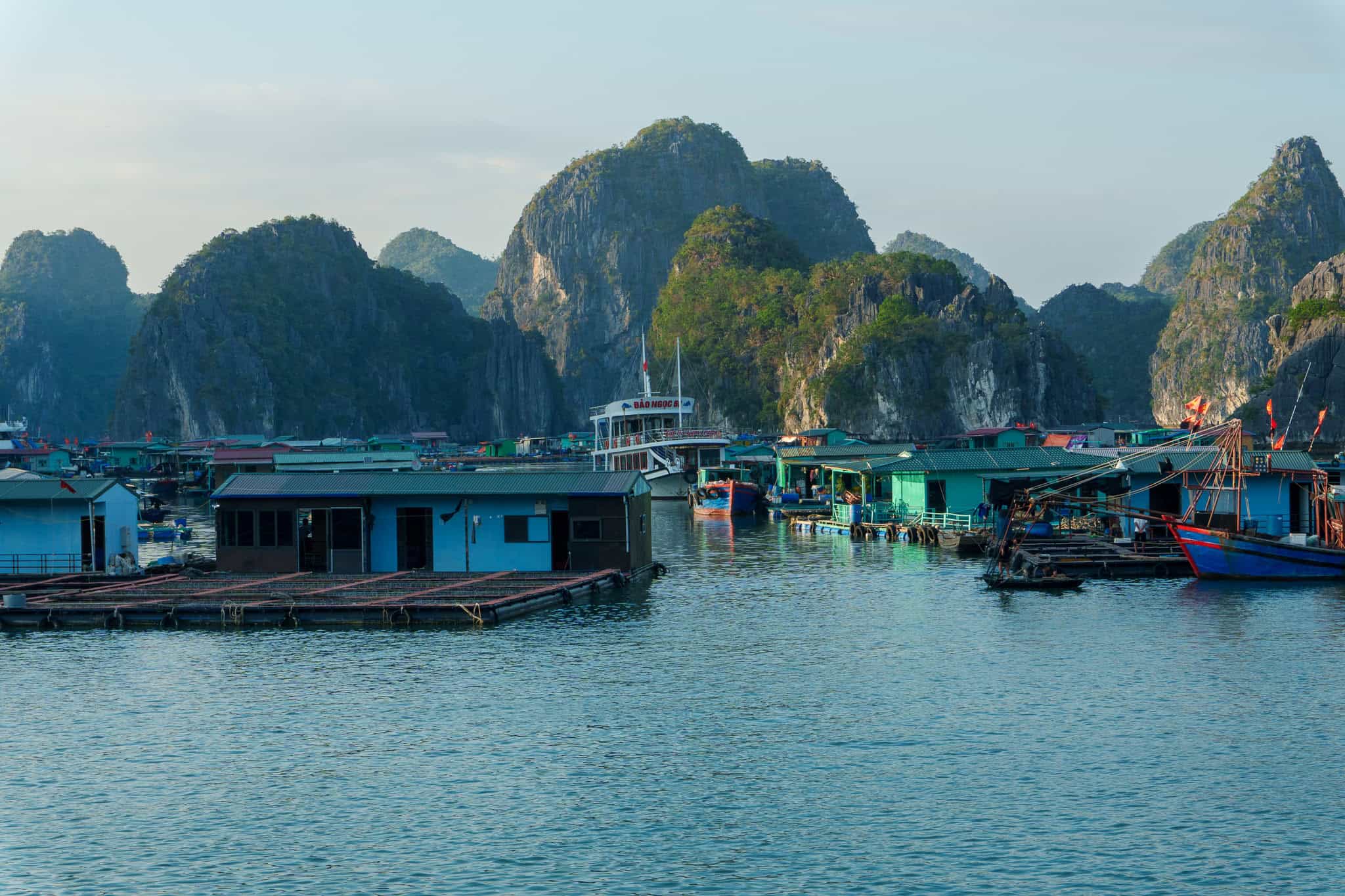
    Halong Bay sits 2.5 to 3 hours north by shuttle bus and is Vietnam’s most iconic cruise destination. The karst limestone formations are genuinely stunning, and overnight cruises give you a deeper experience than a day trip. The downside is that it can feel crowded, especially during peak season.

    Cat Ba Island offers an alternative gateway to Halong Bay. Taking the bus to Cat Ba and exploring from there gives you a less crowded experience and more of a local island atmosphere. You get the same dramatic geology with fewer cruise ships.

    Mountain and Rural Escapes

    Sapa is a 6 to 7 hour overnight bus journey from Hanoi and opens into trekking routes through rice terraces and H’Mong villages. It’s best visited from May to September when skies clear and hiking conditions are reliable. This is where many backpackers spend several days without regretting it.

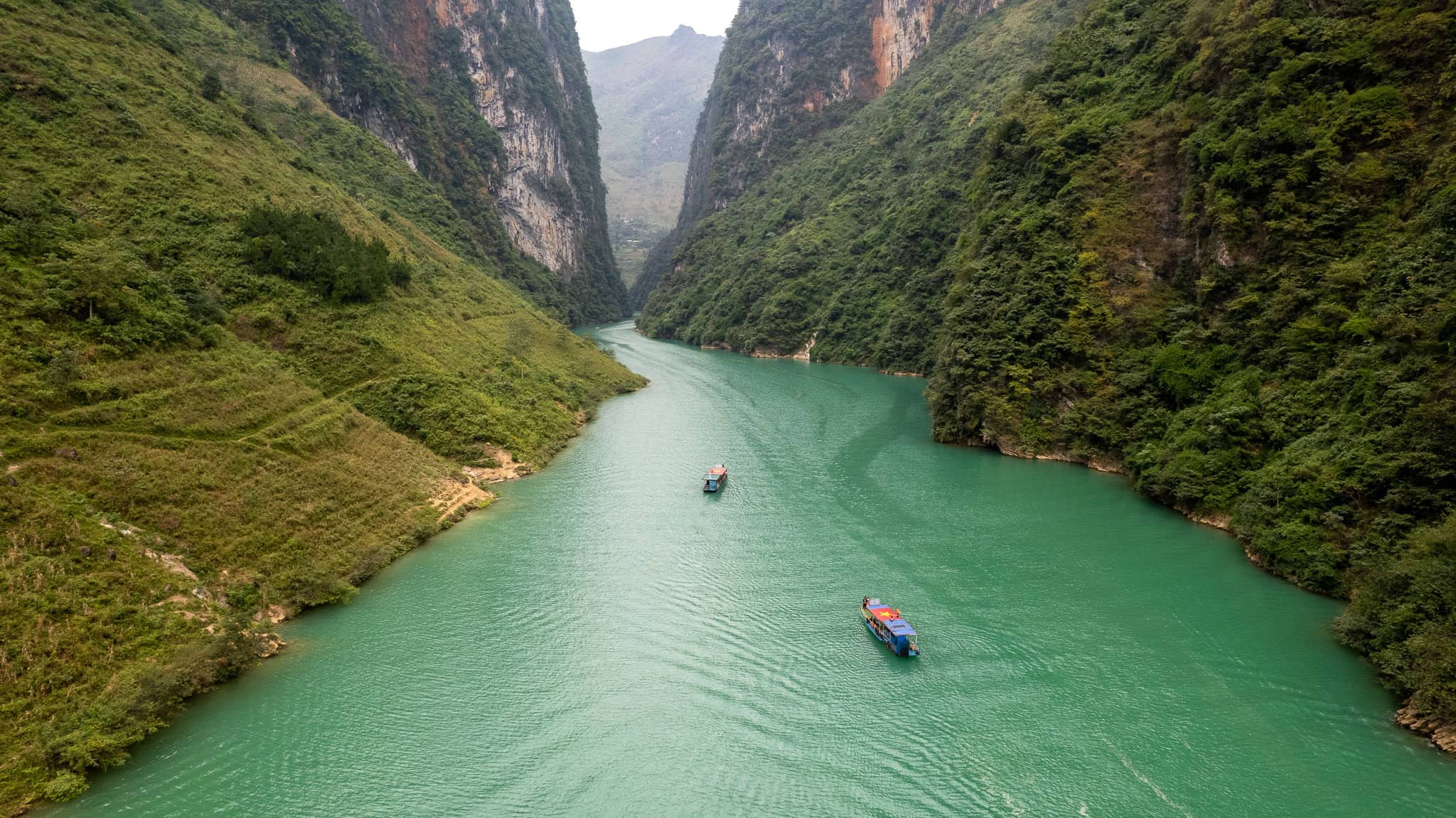
    Ha Giang Loop is a 3 to 4 day motorbike adventure reachable by a 6 to 7 hour bus journey. It’s for travelers seeking dramatic mountain scenery and remote ethnic minority communities. This is off-the-beaten-path travel that demands physical stamina but rewards with unforgettable landscapes.

    Yen Tu Mountain provides spiritual temple visits and nature hikes closer to the city, ideal if you want a mountain escape without overnight travel.

    Cultural Villages

    Quang Phu Cau and Chuong Villages near Hanoi showcase traditional incense-making and artisan crafts. Free walking tours explore local neighborhoods and connect you with everyday Hanoi culture beyond tourist hotspots. Supporting these villages directly helps local communities and provides context you won’t get from guidebooks.

    Practical Information & Safety

    Language & Communication

    Vietnamese is the official language. English is spoken in tourist areas and hotels but becomes less common in local restaurants and villages. Learning basic phrases like greetings, “thank you,” and numbers genuinely improves how locals respond to you. Translation apps help with detailed conversations.

    Free walking tours operate in multiple languages through volunteer organizations like Hanoi Free Walking Tours. These tours are tips-based, keeping them accessible to all budgets while supporting local guides.

    Safety & Health Considerations

    Hanoi is generally safe for tourists. Exercise standard precautions against petty theft in crowded areas like the Old Quarter and night markets. Watch your belongings on buses and in packed spaces.

    Tap water is not drinkable. Buy bottled water everywhere and treat it as non-negotiable. Food safety is generally good at established restaurants and street stalls with high turnover, but eat where locals eat rather than at tourist-oriented venues. Travel insurance is recommended. Natural disasters are rare, but occasional monsoons occur from June to August.

    Money & Costs

    Vietnamese Dong (VND) is the local currency. Budget accommodations cost $9 to $15 per night, mid-range $30 to $50, and luxury $100 and up. Street food meals cost $1 to $3, while restaurant dining ranges from $5 to $20. Everything is significantly cheaper than Western countries.

    Cash is preferred at street vendors and small shops, though ATMs are widely available in tourist zones. Grab and other ride-sharing apps accept card payments and handle currency conversion automatically.

    Cultural Tips & Etiquette

    Respect religious sites by dressing modestly with covered shoulders and knees. Remove shoes where indicated. Temple etiquette includes bowing to monks and avoiding pointing at Buddha images. Accept gifts and business cards with both hands, which shows respect.

    Haggling is expected at markets but not in shops or restaurants. The constant horn honking in traffic reflects local driving culture, not aggression. Tipping is not mandatory but is appreciated for guides and service workers who go above and beyond.

    Beyond Hanoi: Onward Travel

    Northern Vietnam Routes

    Sapa is ideal for trekking and mountain culture. Ha Giang attracts motorbike adventurers seeking dramatic scenery. Tam Coc and Ninh Binh offer limestone scenery and historical sites. All are easily reached by overnight buses popular with backpackers.

    Train and Coach Options

    The North-South train journey to Hue offers scenic countryside views and an authentic Vietnamese travel experience. Sleeper trains are common for multi-day journeys and feel like a cultural immersion in themselves. Coach buses provide affordable alternatives with frequent daily departures to major destinations.

    Multi-Destination Itineraries

    Many travelers use Hanoi as a base to design custom itineraries. Combine Sapa trekking with Ha Giang motorbike loops for a full northern experience. Mix nearby Ninh Binh with Ha Long Bay for nature diversity. Train connections enable onward travel toward central Vietnam and beyond.

    Final Thoughts: Is Hanoi Worth It?

    Hanoi is a lot. It’s loud, it’s dense, and the traffic never really stops moving, but that’s exactly why it works. The city packs more personality into its narrow streets than most capitals manage in three times the space, from ancient pagodas next to egg coffee shops to a food scene that rewards anyone willing to sit on a plastic stool and eat where the locals eat.

    That said, Hanoi isn’t a place to linger for weeks. A few days, or a week at the absolute most, is enough to get a real feel for the Old Quarter, the lakes, the temples, and the food without burning out on the noise and crowds.

    Once you’ve had your fill of the chaos, the smartest move is to get out and let the rest of northern Vietnam show you what it’s made of. Karst mountains rise straight out of rice paddies in Tam Coc, just two hours south, and Sapa, Ha Giang, and Halong Bay are all waiting once you’re ready to trade Hanoi’s energy for something quieter.

    This post is also available in :

    Subscribe to the Newsletter

    Join our community and receive exclusive travel stories, guides, and special offers!

      What's on My Desk Right Now

      The Brazilian flag with green and yellow brush strokes, a blue globe with stars and a white banner reading Ordem e Progresso in the center.

      🗺️ Planning a Trip?

      Skip the research rabbit hole.

      I’ll build you a personalised day-by-day itinerary — or answer all your questions on a quick 60-min call.

      Let's Connect

      Affiliate Disclosure

      Some of my posts include affiliate links. If you choose to make a purchase through them, I may earn a small commission—at absolutely no extra cost to you.


      Using these links is the best way to support my work and say thank you, and I appreciate it so much! Of course, everything I share reflects my honest opinions and experiences.

      📸 Work With Me

      Brand, tourism board or hotel?

      Let’s create something together — content, reviews and campaigns that reach real travellers who are ready to book.

      Buy Me A Coffee

      Latest Posts

      A cityscape with tall buildings in the background, a body of water in the middle, and houses surrounded by trees and greenery in the foreground under a partly cloudy sky—this picturesque scene evokes some of the top things to visit in Hanoi.
      Discover how to travel to Hanoi with this comprehensive...
      Aerial view of lush green terraced rice fields on hillsides, with scattered houses and trees under soft sunlight in a rural, mountainous area.
      I trekked Sapa's rice terraces on foot to see what...
      A long hanging bridge in Costa Rica stretches across dense, lush green rainforest, surrounded by tall trees and misty skies.
      From the Mistico Arenal Hanging Bridges Park in La...
      A winding road cuts through the lush green mountains of Tram Ton Pass under a cloudy sky, with rays of sunlight streaming down and creating a dramatic, scenic landscape.
      Ride the Tram Ton Pass by scooter for waterfalls, mountain...
      Aerial view of lush green terraced rice fields on hillsides, with scattered houses and trees under soft sunlight in a rural, mountainous area.
      I spent days exploring Sapa, Vietnam, from scootering...

      Get My Personal Map of 500 Must-See Places - FREE

      I’ve compiled 500 of the best places across my travels into one free Google Map.

      The kind of spots you won’t find in a guidebook.

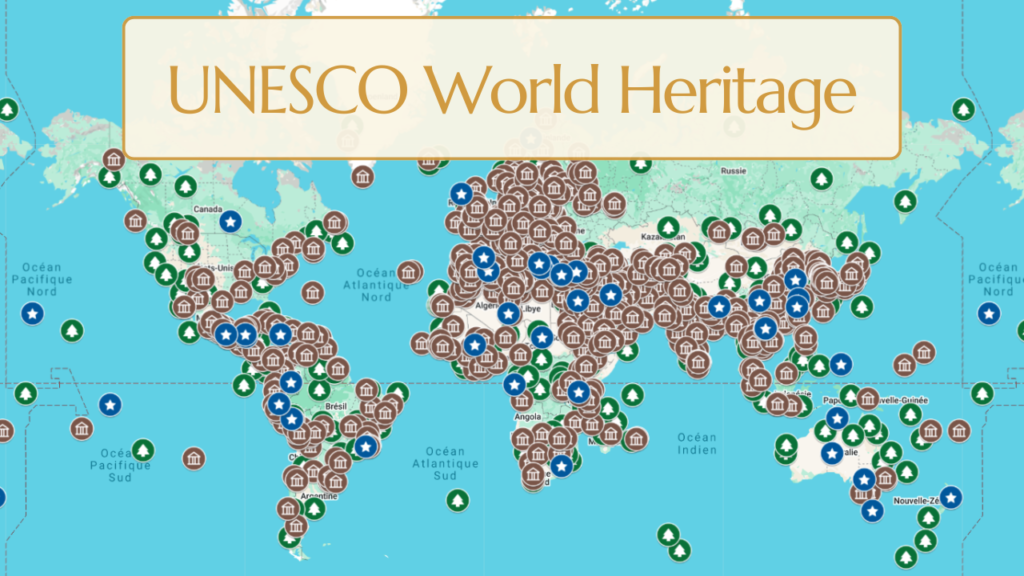
        A world map titled UNESCO World Heritage displays numerous brown, blue, and green icons marking heritage sites across all continents.

        Table of Contents

        Got Questions?

        Still figuring things out for your trip, or just want to double check something before you book? Send me a message and I’ll get back to you as soon as I can.

        Or hit me up on Instagram, I’m there anyway and always happy to chat about the trip.

          Share it with the person you to travel with !

          You might also like to read these articles

          Scroll to Top