Visit the Iguazu Falls on Both Sides
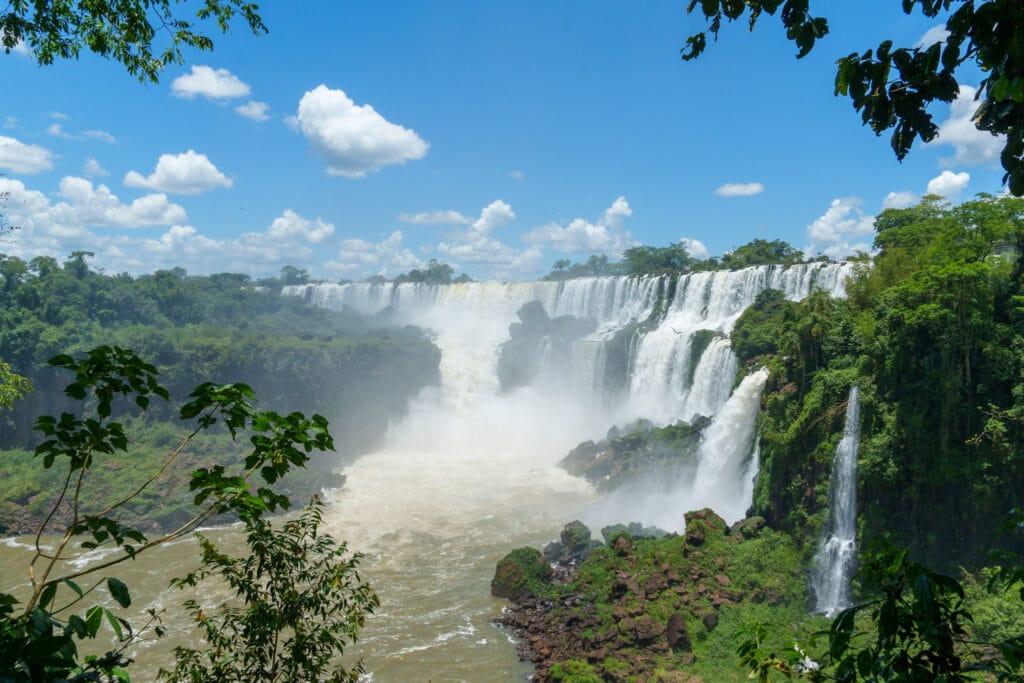
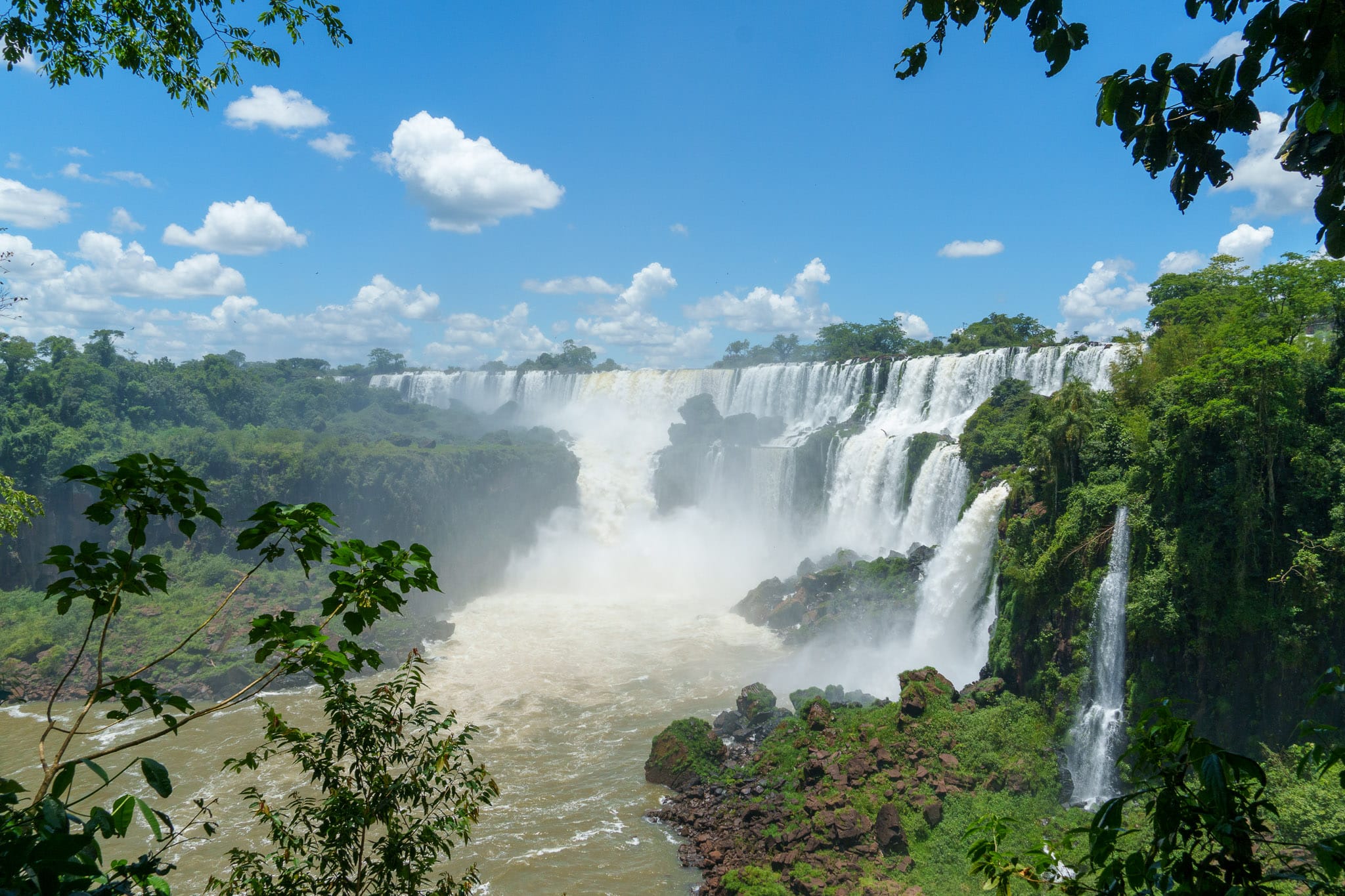
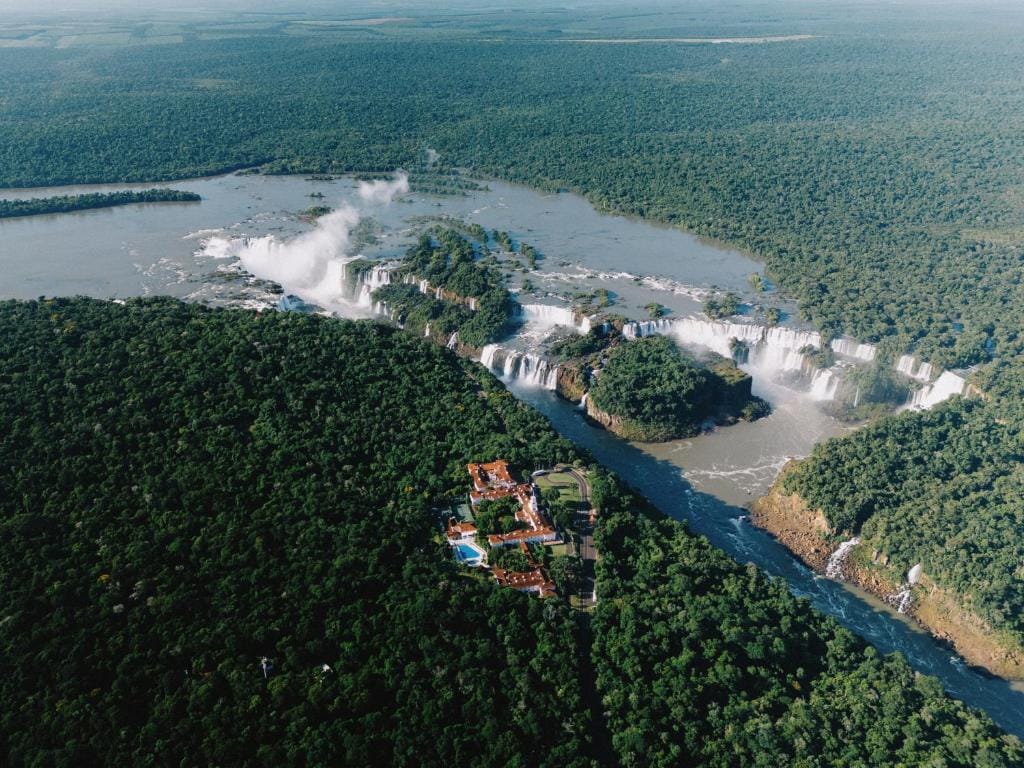
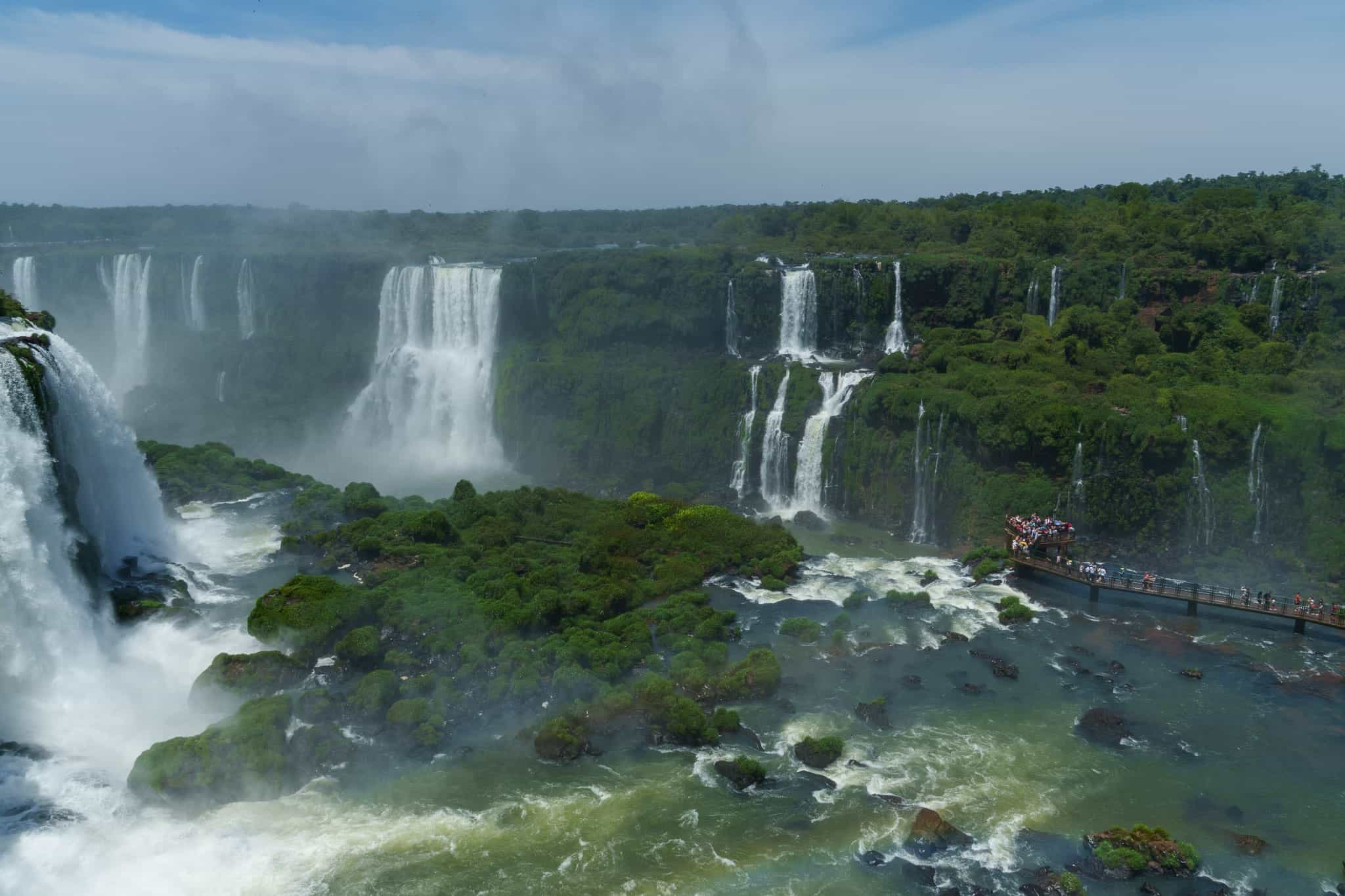
Both sides feature visitor centers with viewpoints, restaurants, and well-maintained trails to explore. Each delivers a completely different perspective of the waterfalls – the Brazilian side gives you the panoramic “postcard” view, while the Argentine side puts you right in the middle of the action.
Brazilian Side
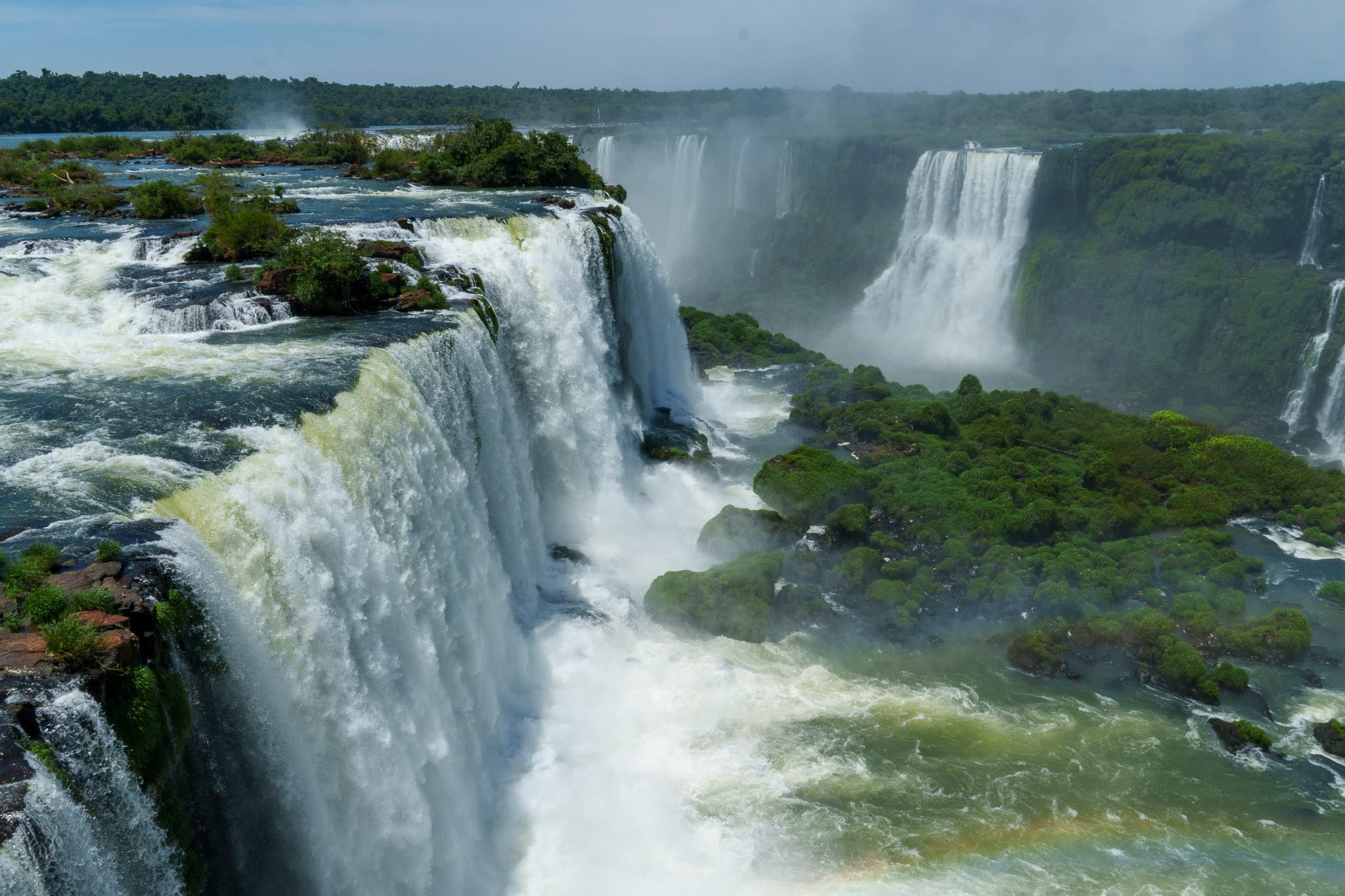
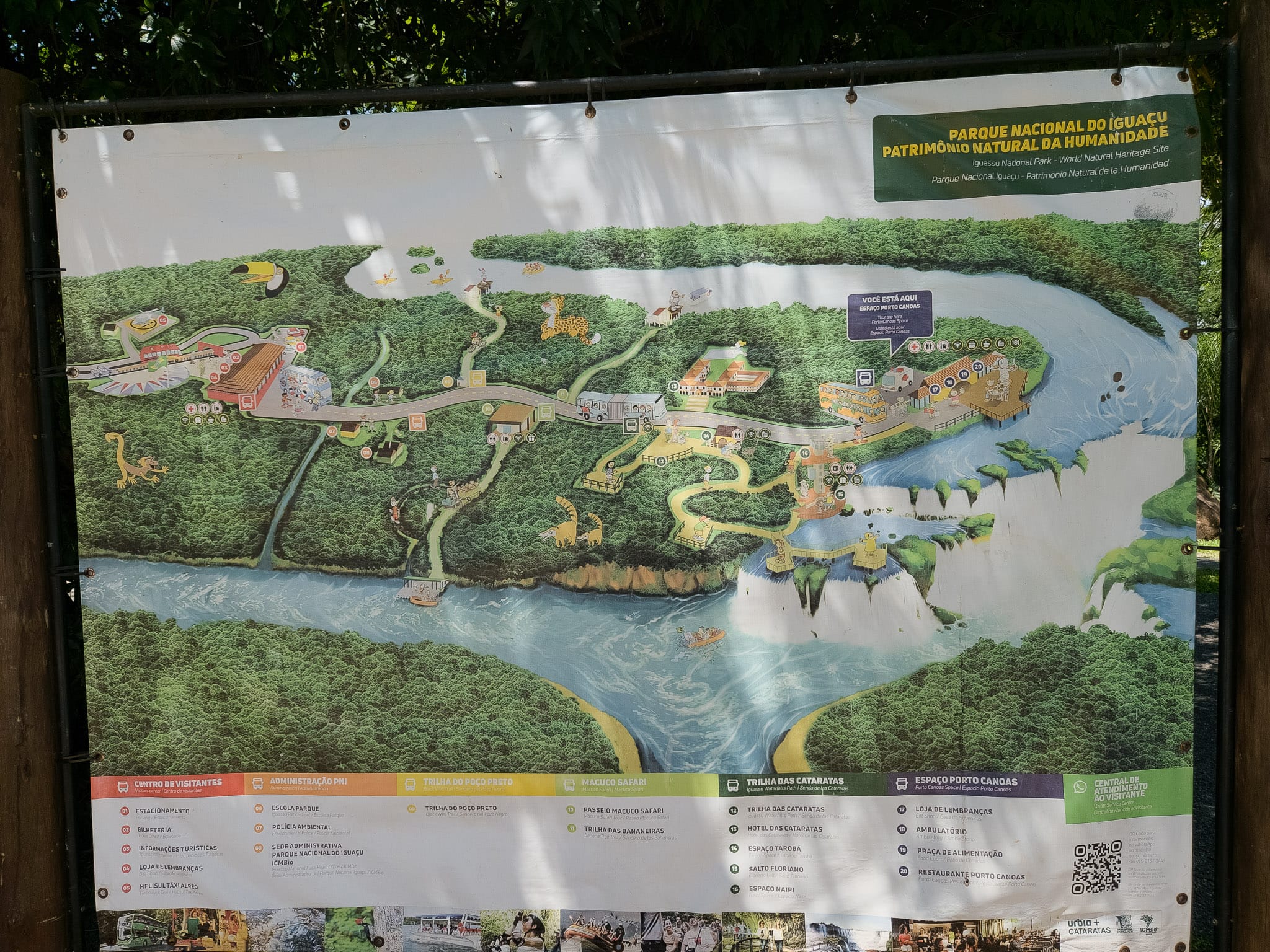
The Brazilian Iguazu Falls side is all about that sweeping panorama. You get one main trail about 1.6 km long that runs along the opposite riverbank, giving you front-row seats to watch the Argentine falls crash down across the gorge.
The walk takes about 90 minutes at a relaxed pace, with multiple designated photo stops along the way. The trail is paved, mostly flat, and accessible for wheelchairs – anyone can do this walk. You ride a bus from the visitor center to the trailhead, then follow the path as it gradually brings you closer to the falls.
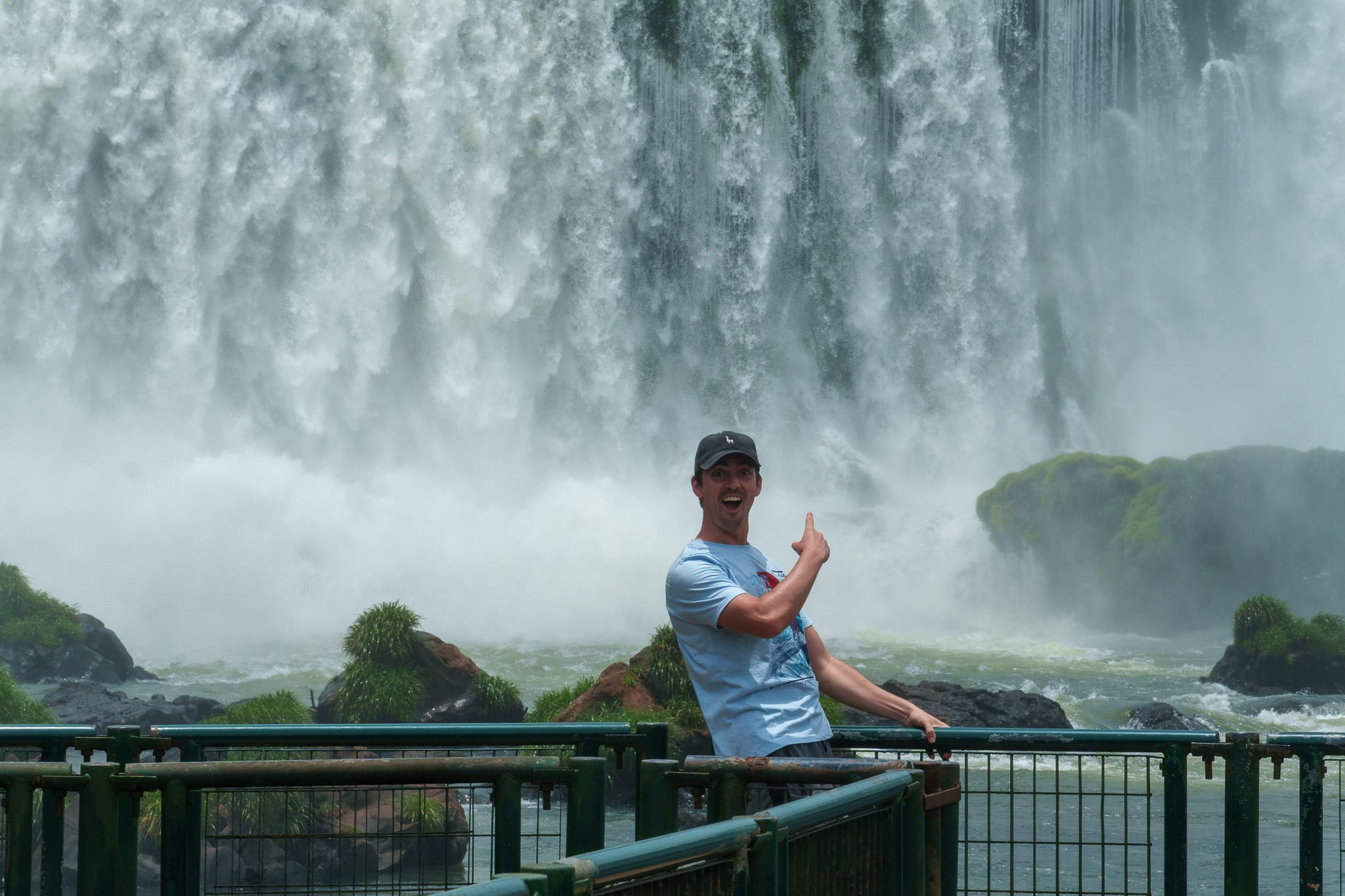
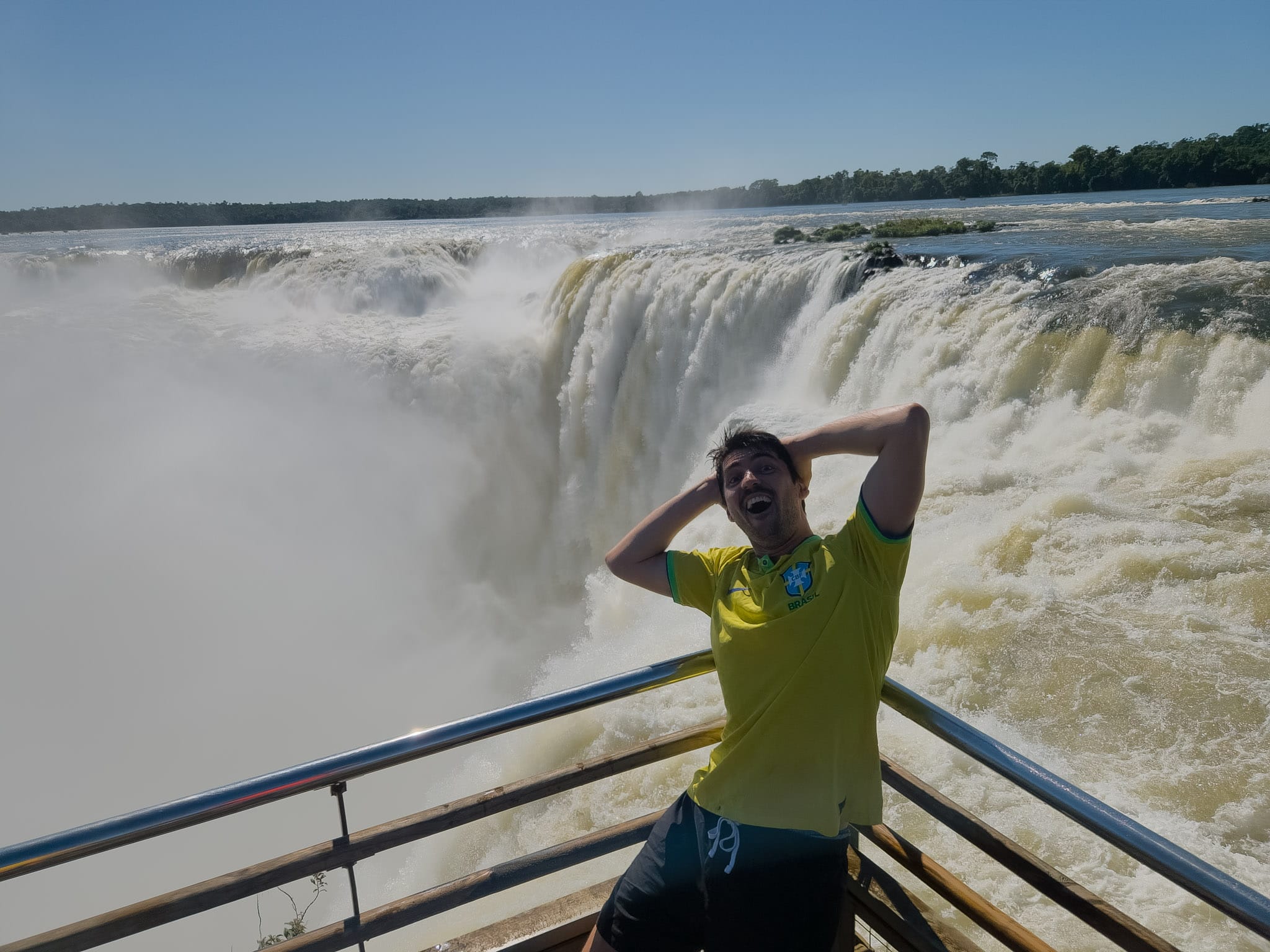
The finale is the walkway extending to Devil’s Throat, where you stand directly in front of the massive horseshoe-shaped cascade. The mist soaks you completely – bring a waterproof bag for your phone or accept that you’re getting drenched. This is where I got my best photos both times I visited.
Argentine Side
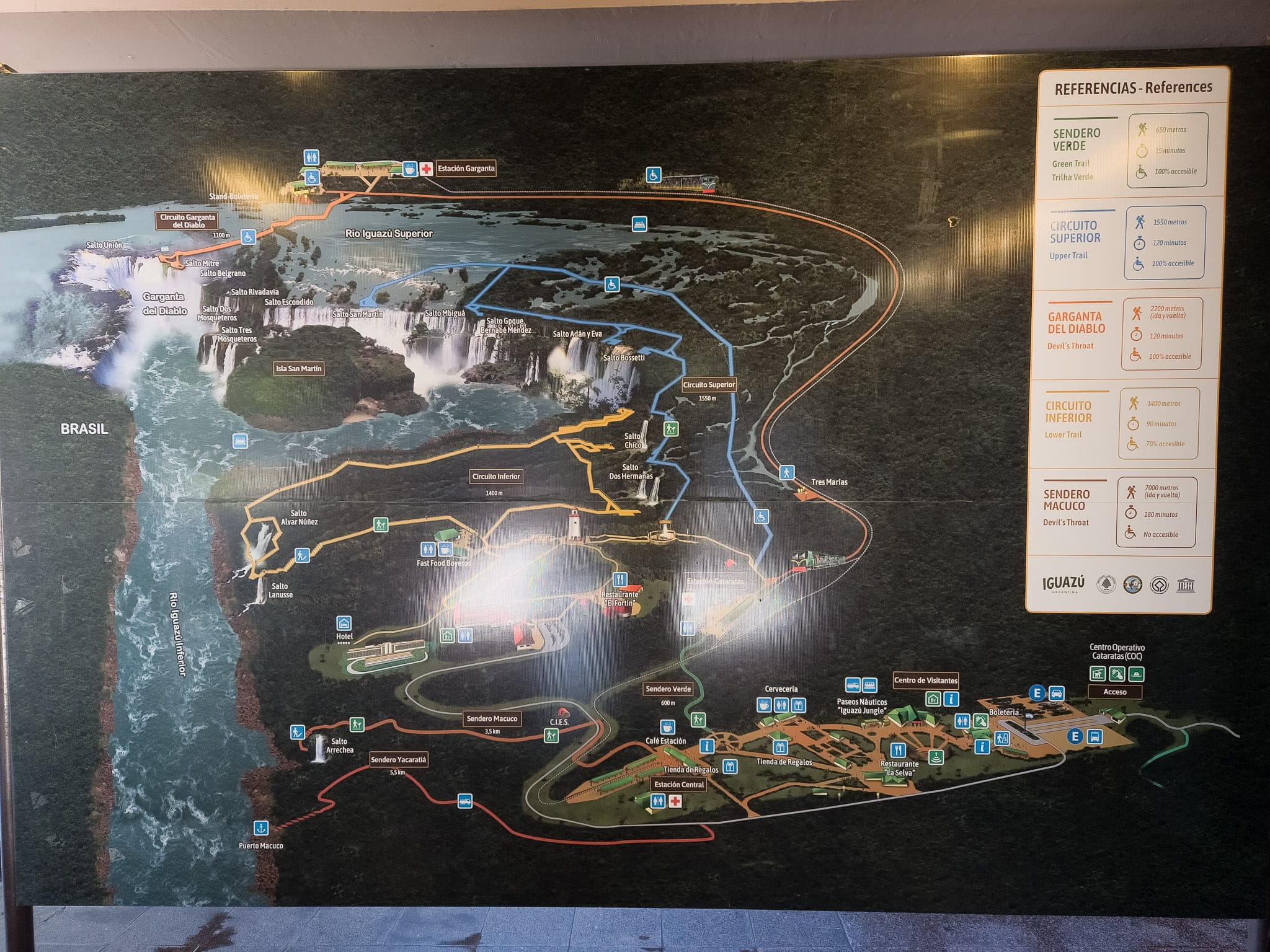
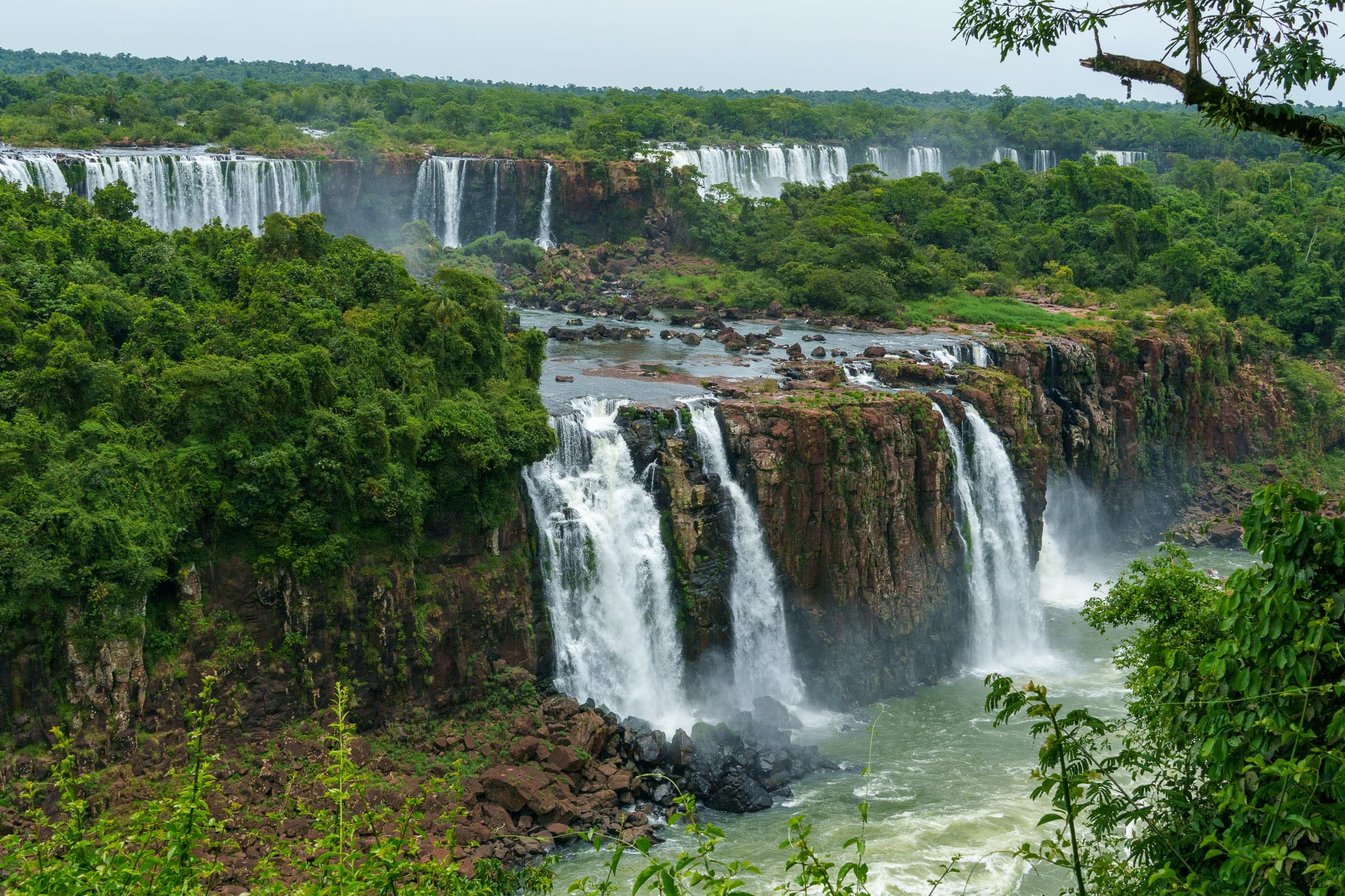
Iguazu Falls Argentina gives you 80% of the actual waterfalls spread across a massive park. You take the Ecological Jungle Train to access different trail circuits – the Upper Circuit shows panoramic views from above the falls, while the Lower Circuit takes you to the base where you feel the power up close.
The Upper Circuit is a 1.7 km walkway along the top edge of the waterfalls, looking straight down into cascades like Dos Hermanas, Chico, Ramírez, and Bosetti. The Lower Circuit descends to water level where you walk through subtropical rainforest between individual falls.
Devil’s Throat from the Argentine side requires a 2.2 km round-trip walk on steel footbridges over the calm upper river. You spend most of the walk thinking “where are the falls” until suddenly a giant chasm opens up and half the river disappears into a roaring hole you can barely see the bottom of.
Opening Hours on Both Sides
The Argentine side opens daily from 8:00 AM to 6:00 PM year-round. Ticket sales and access to the Cataratas area stop at 4:00 PM, and the last train to Devil’s Throat typically leaves around 3:30 PM – show up early if you want the full experience.
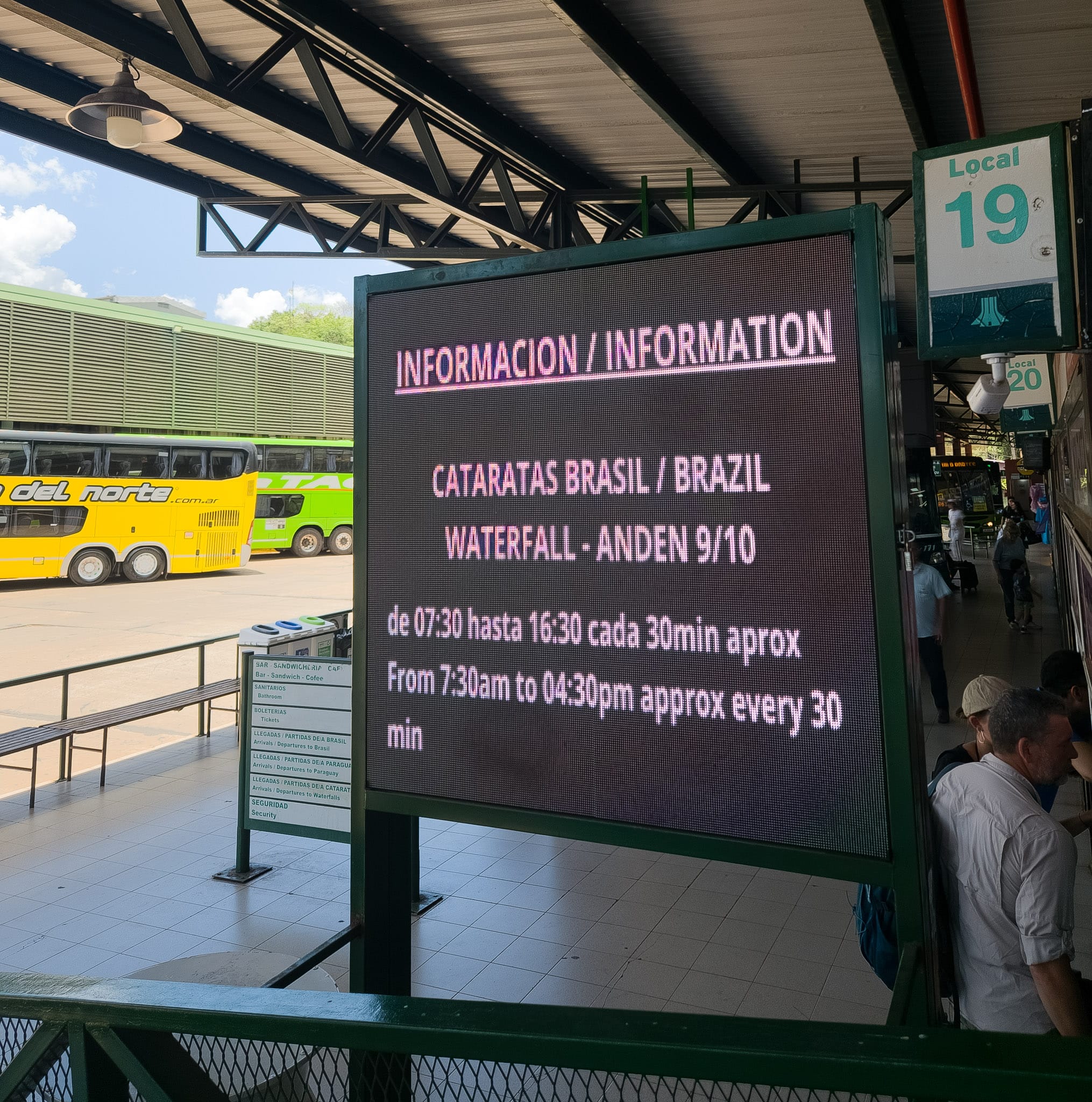
The Brazilian side opens Monday-Friday from 9:00 AM to 4:00 PM, and Saturday-Sunday from 8:30 AM to 4:00 PM. Once you’re inside, you can stay until 5:30 PM. The later opening time on weekdays catches some people off guard, so plan accordingly.
Both parks stay open on holidays and rainy days – they only close trails during dangerous flooding conditions.
Which Side is Best
Brazil wins for views, Argentina wins for experience. That’s the honest take after visiting both sides twice.
The Brazilian side gives you that jaw-dropping panoramic shot where you see dozens of falls at once – this is the photo that ends up on Instagram. You spend less time walking and more time soaking in the massive scale of the place.
The Argentine side has more variety with different circuits, longer trails, closer encounters with individual falls, and better chances to spot wildlife in the surrounding jungle, like monkeys or coatis ( becareful of your food! ). You feel like you’re exploring rather than just viewing.
Most travelers ask which side to skip if they only have time for one. Don’t skip either – you need both to understand why this place is a natural wonder.
Boat Ride
Both sides offer boat rides that take you directly under the waterfalls, and yes, you will get absolutely soaked. These aren’t gentle sightseeing cruises – they’re adrenaline-pumping speedboat rides that deliberately drive into the base of the falls.
On the Brazilian side, the boats hold 20 passengers and depart every 10-20 minutes from 8:00 AM to 4:40 PM. You get about 5 minutes of being completely drenched as the boat parks under the cascades, followed by 5 minutes of photo opportunities from calmer water.
The Argentine side this boat ride is longer than Brazil’s and goes into the waterfalls multiple times, giving you more opportunities to experience the power up close. The boats are slightly more spacious with better photo opportunities between the waterfall approaches.
Bring a waterproof bag for everything you don’t want destroyed – phones, wallets, cameras all need protection. Some people wear swimsuits under their clothes and change after, which honestly seems smart.
Helicopter Ride
Helicopter tours operate from the Brazilian side only, giving you 10-12 minutes of aerial views over the falls.
You fly over the entire waterfall system, the tri-border area, and the surrounding rainforest. The perspective from above shows you the sheer scale that’s impossible to grasp from ground level. Bring your passport since you cross into Brazilian airspace, and expect to share the helicopter with 3-4 other passengers.
Is it worth the money for 10 minutes in the air? That depends on your budget and how much you value unique perspectives.
My Recommendation
Give yourself one full day for each side. Some guides claim you can rush through both in a single day, and technically you can, but you’ll be sprinting through one of the world’s great natural wonders.
I spent a full day on the Argentine side exploring all three circuits without feeling rushed. The Brazilian side takes less time – you can finish in 3-4 hours – but pairing it with a relaxed afternoon at the nearby bird park makes for a perfect day.
If you absolutely must do both in one day, hit the Brazilian side first thing in the morning when it opens, then cross to Argentina for the afternoon. You’ll see the highlights but miss the deeper experience of actually being present in the moment.