The Types of Parties During Rio Carnival
Sambódromo Parades
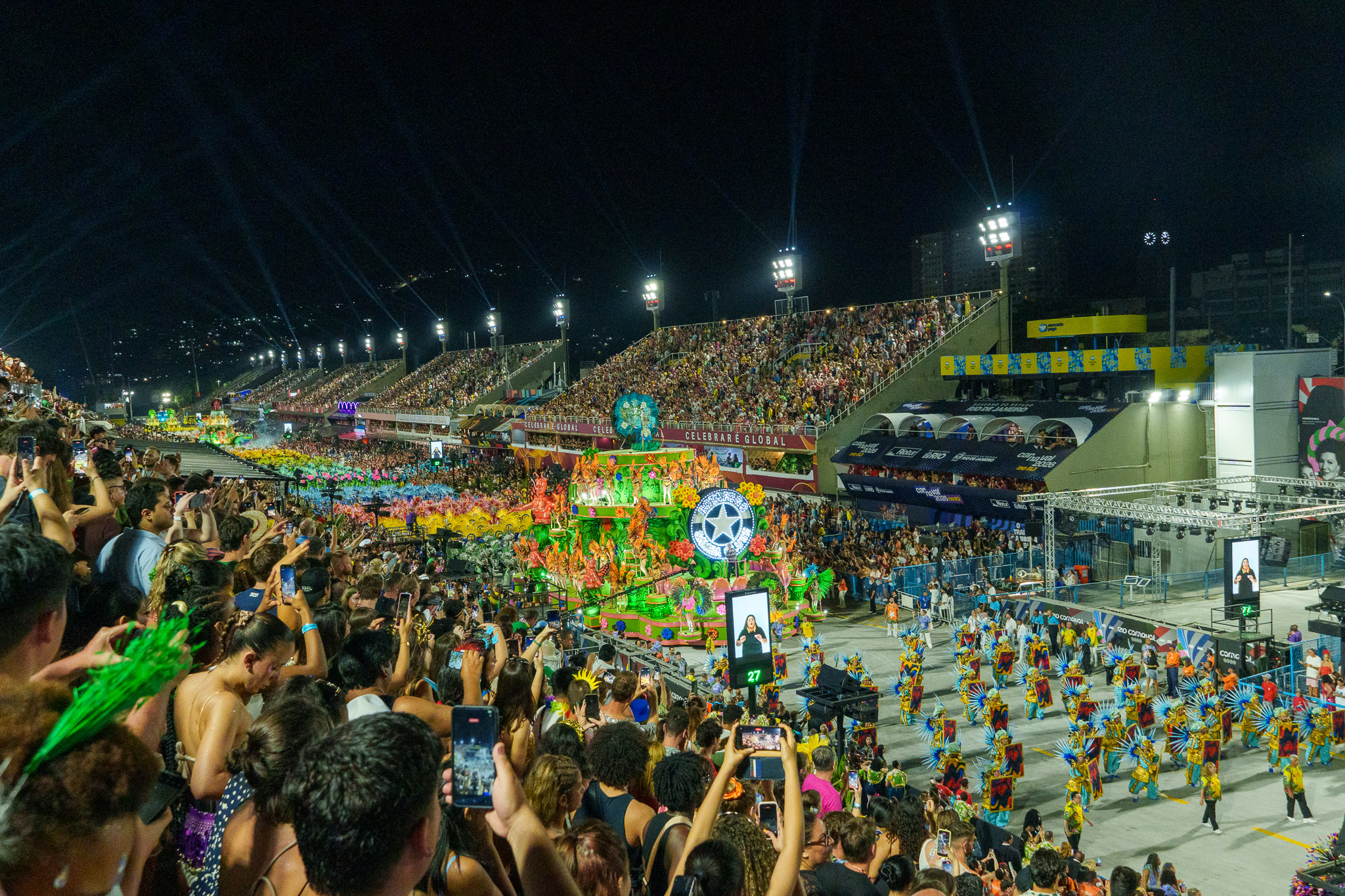
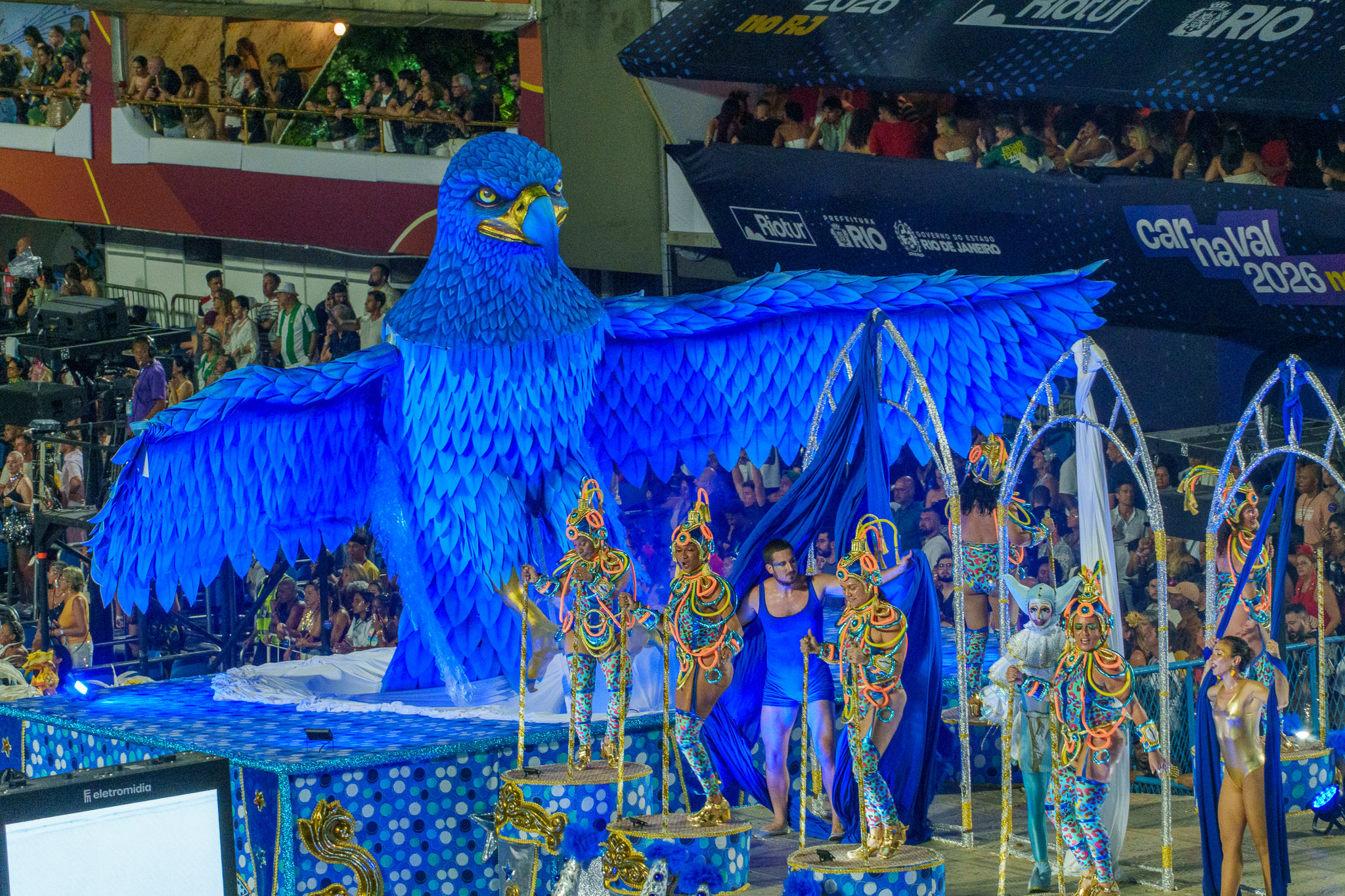
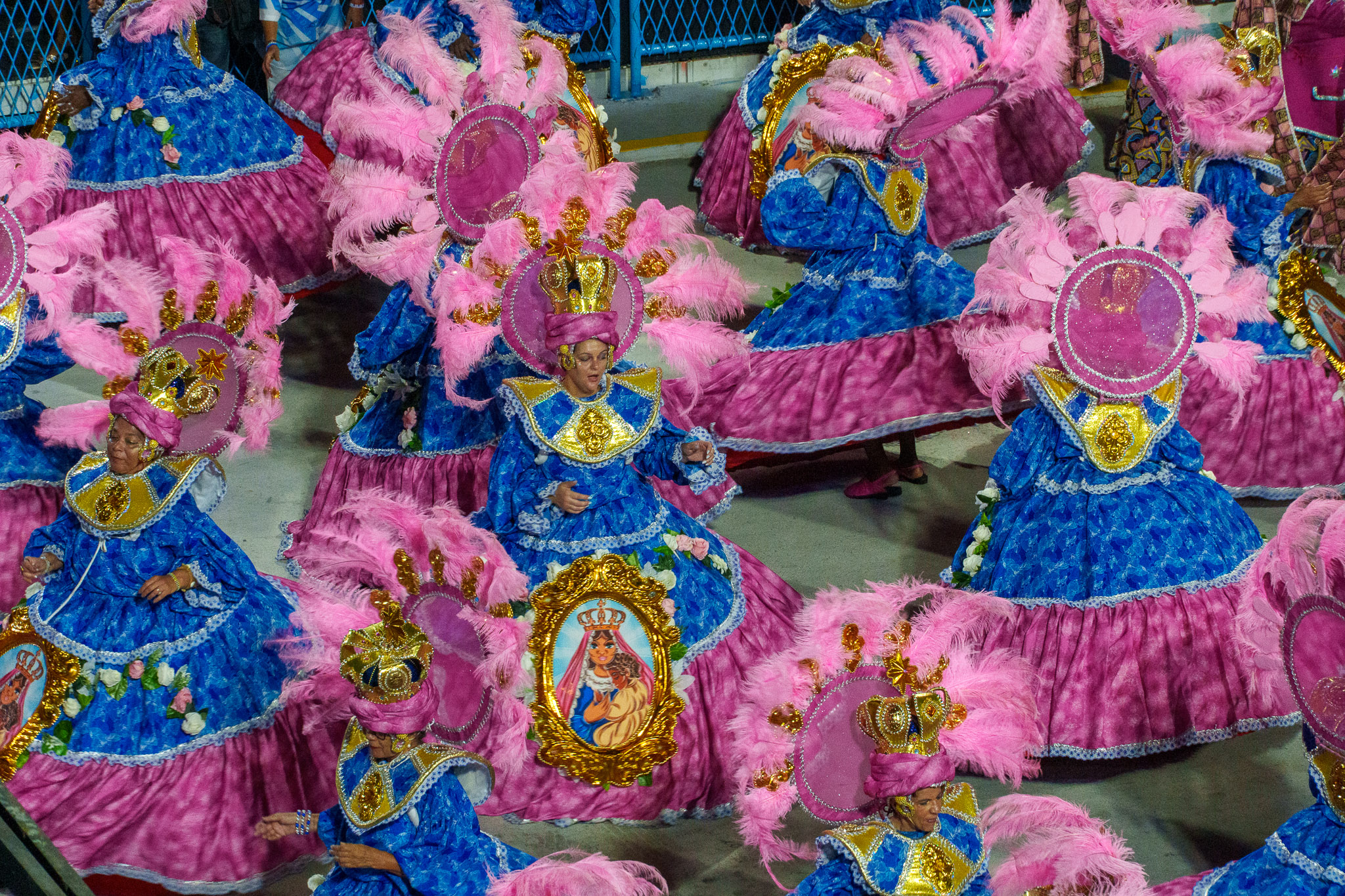
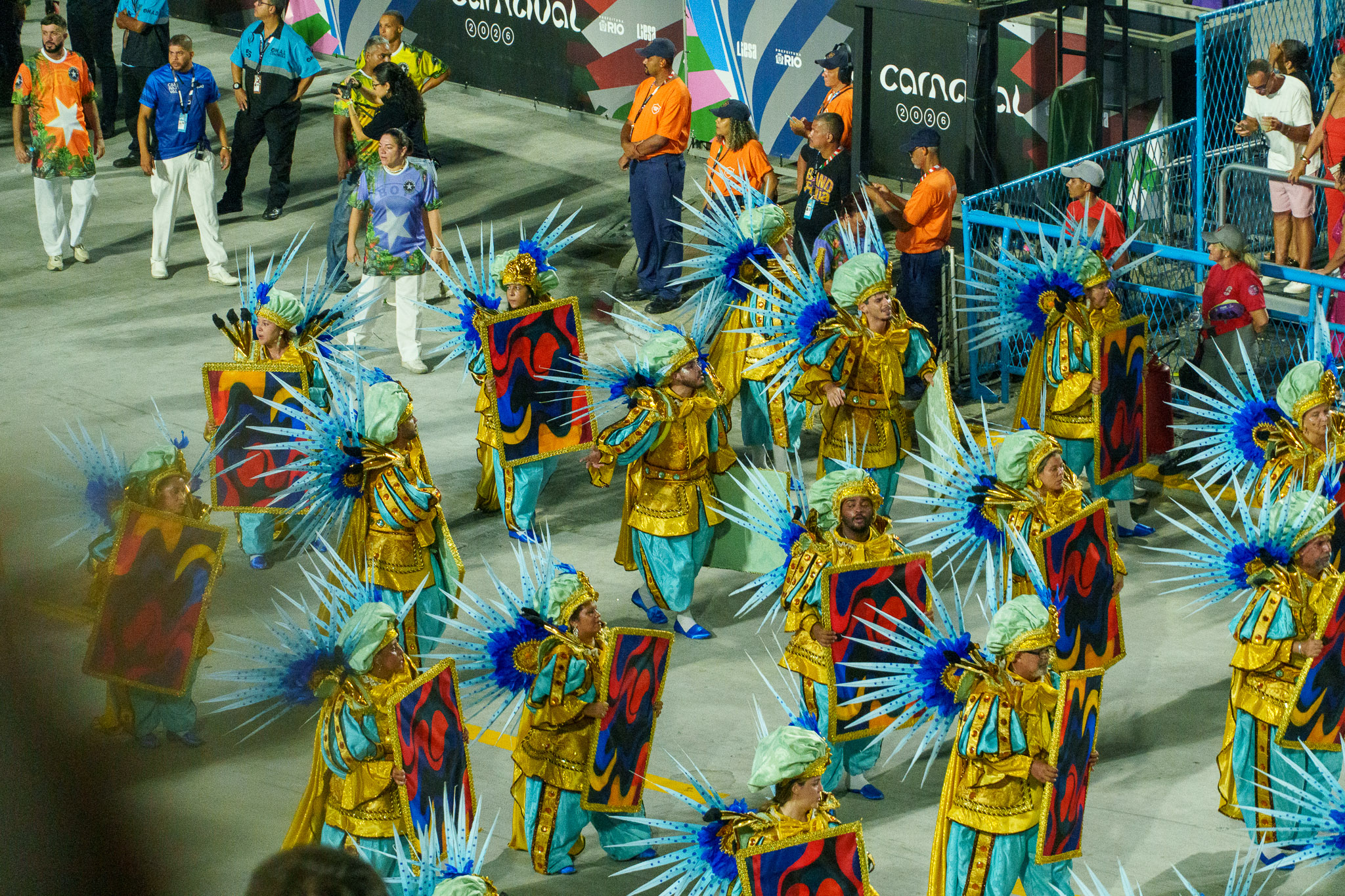
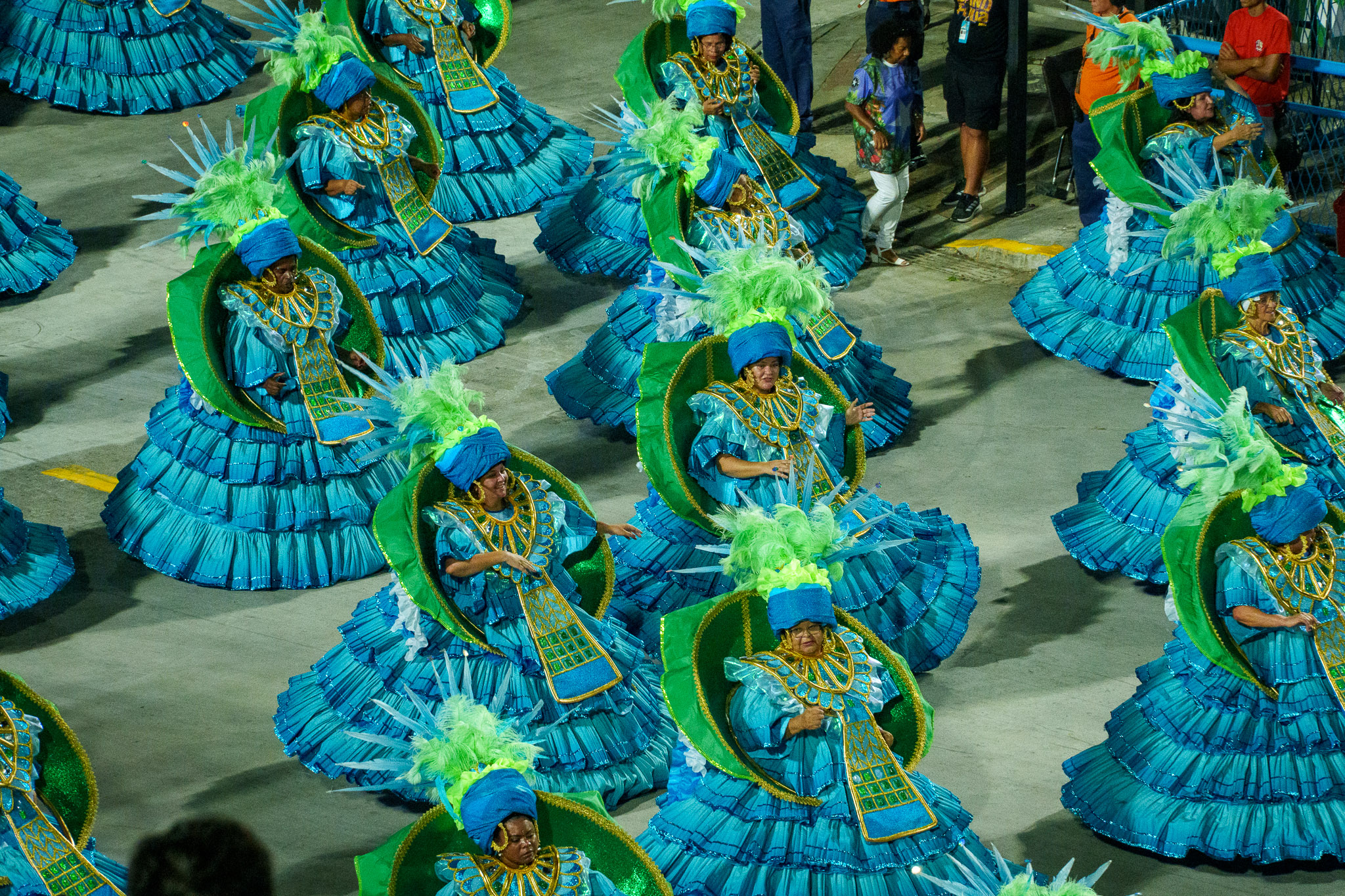
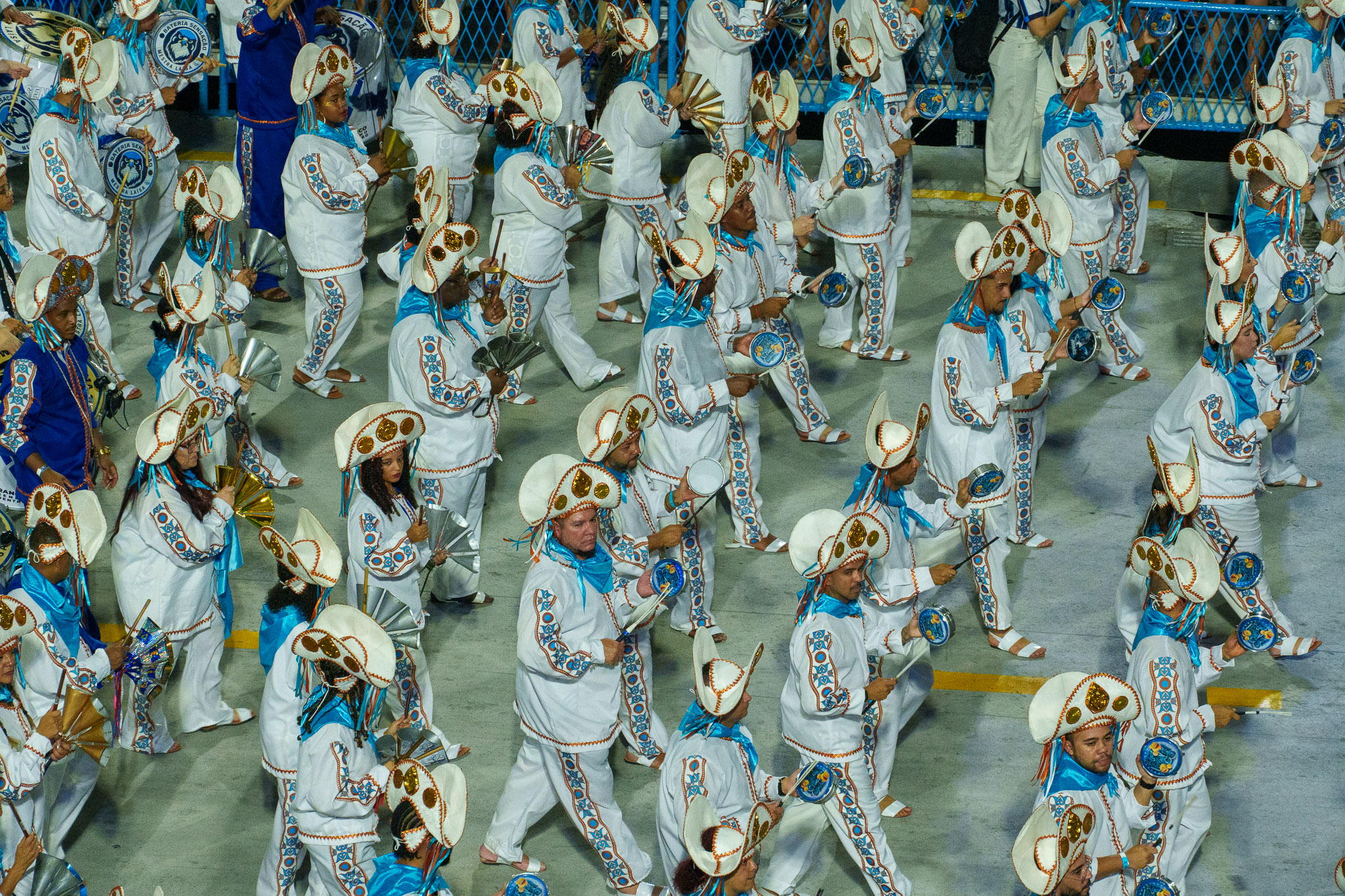
This is probably the Rio Carnival you’ve seen on TV and in photos. The biggest samba schools compete to deliver the best spectacle and claim first place.
Parades span several days across three categories: the Access Group (also called Ouro Série), the Special Group, and the Champions Parade. Tickets range from $25 to $1,500. Think of it like a football match, but with better seats and private cabins available.
To buy tickets, head to the official Rio Carnival website, or grab a package through GetYourGuide (use code HORIZONHUGO5 for 5% off) . The sooner you book, the cheaper they are: I booked mine 4 months ahead for €30, then booked another seat just two weeks before for €70. Same section!
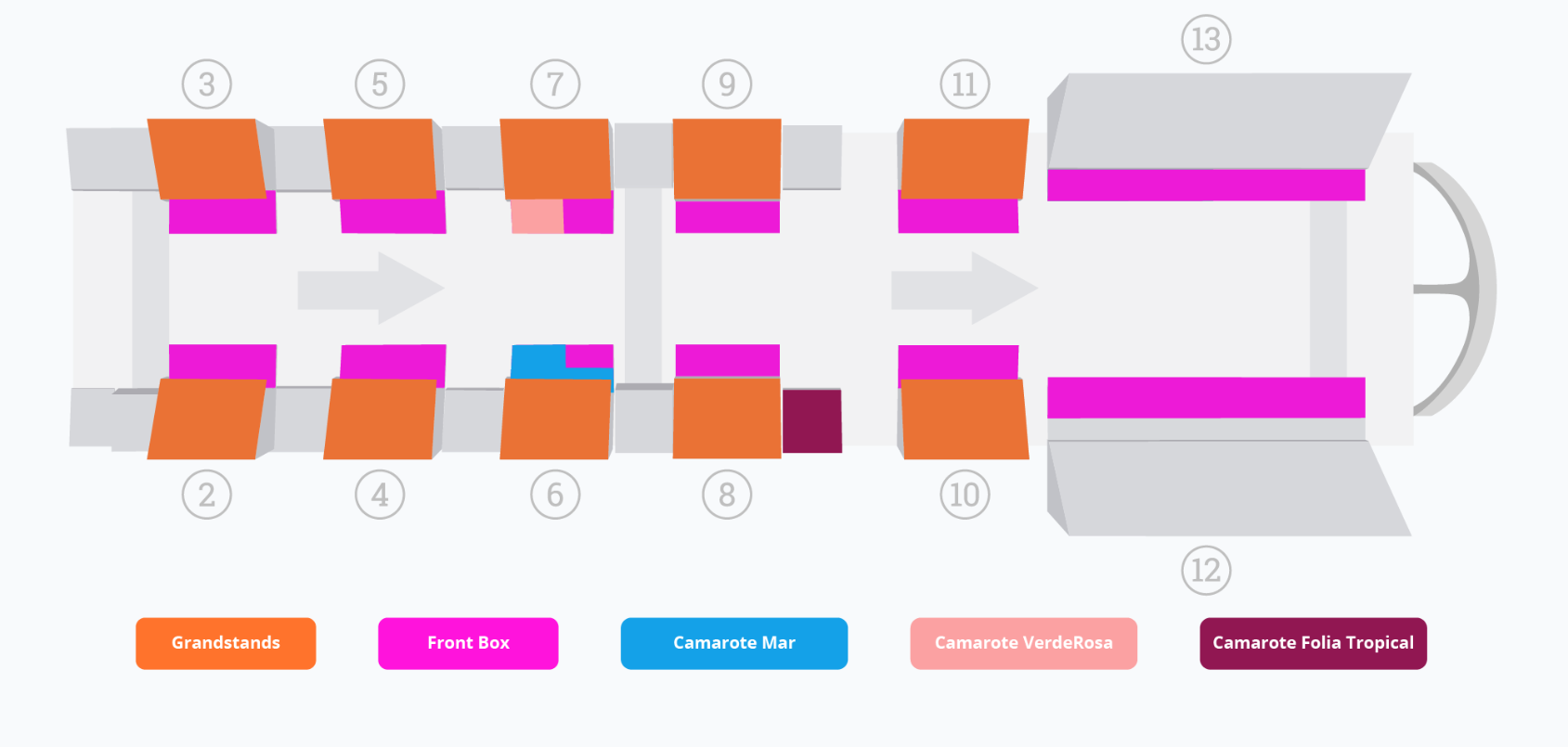
The cheap seats are the grandstands (arquibancadas) — they’re great, you see everything from above. Avoid grandstands 12 and 13 though; they’re the last ones and slightly out of sync with the action. I was in section #10 and loved it. Sections 8 and 9 are widely considered the best.
One night runs from 10 p.m. to 6 a.m., a full samba blast. People arrive even earlier to grab unnumbered seats. It’s a mythic part of Rio Carnival, though not everyone gets to experience it. Personally, I find it a breathtaking spectacle, but not the real Carnival. The real one happens in Rio’s streets.
Blocos de Rua
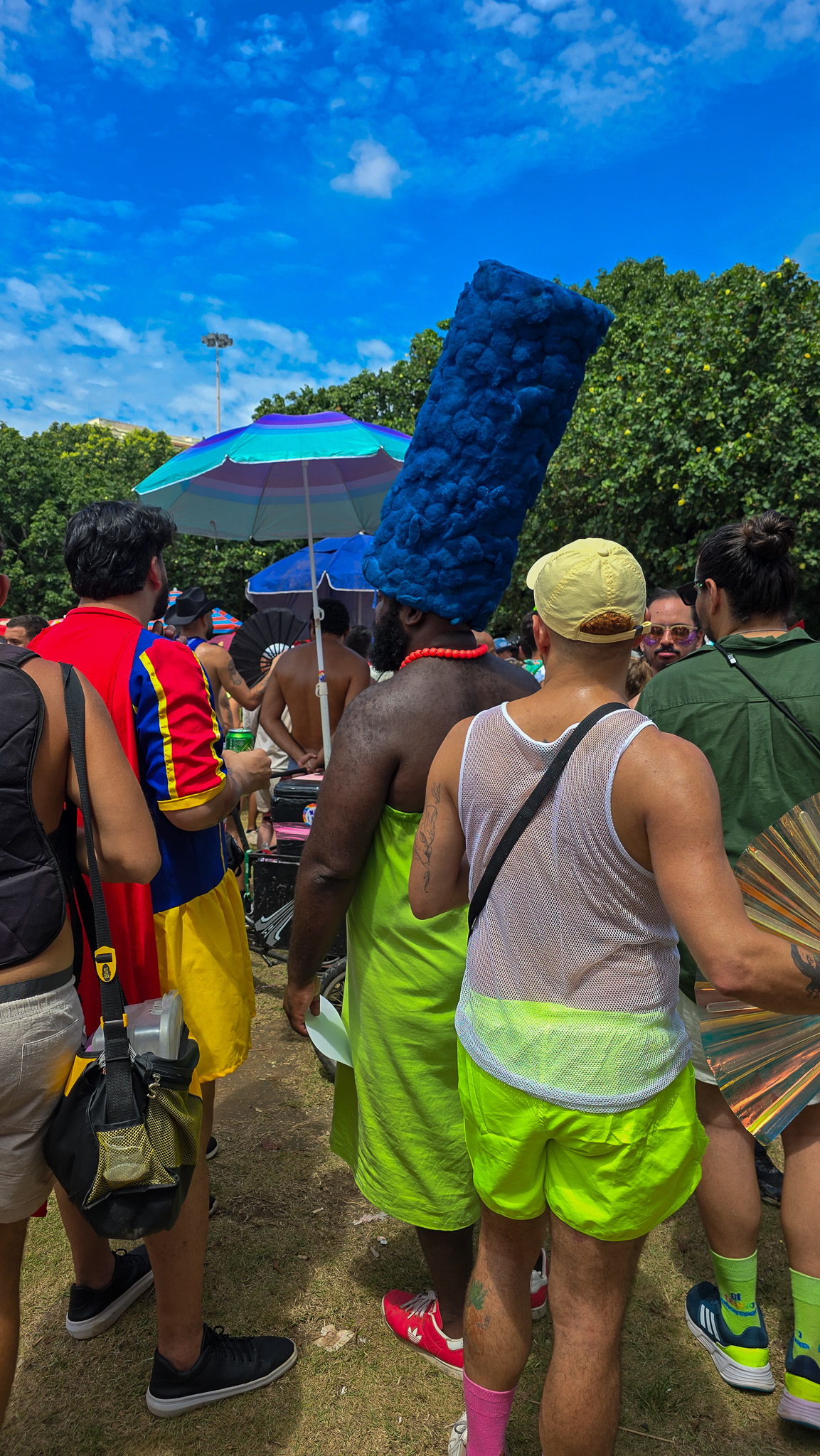
Samba schools at the Sambódromo aren’t the only ones bringing Rio Carnival music to life. An impressive number of acts, from massive names like Monobloco or Anitta, the famous Brazilian singer, to small groups of friends or up-and-coming acts, perform in the streets.
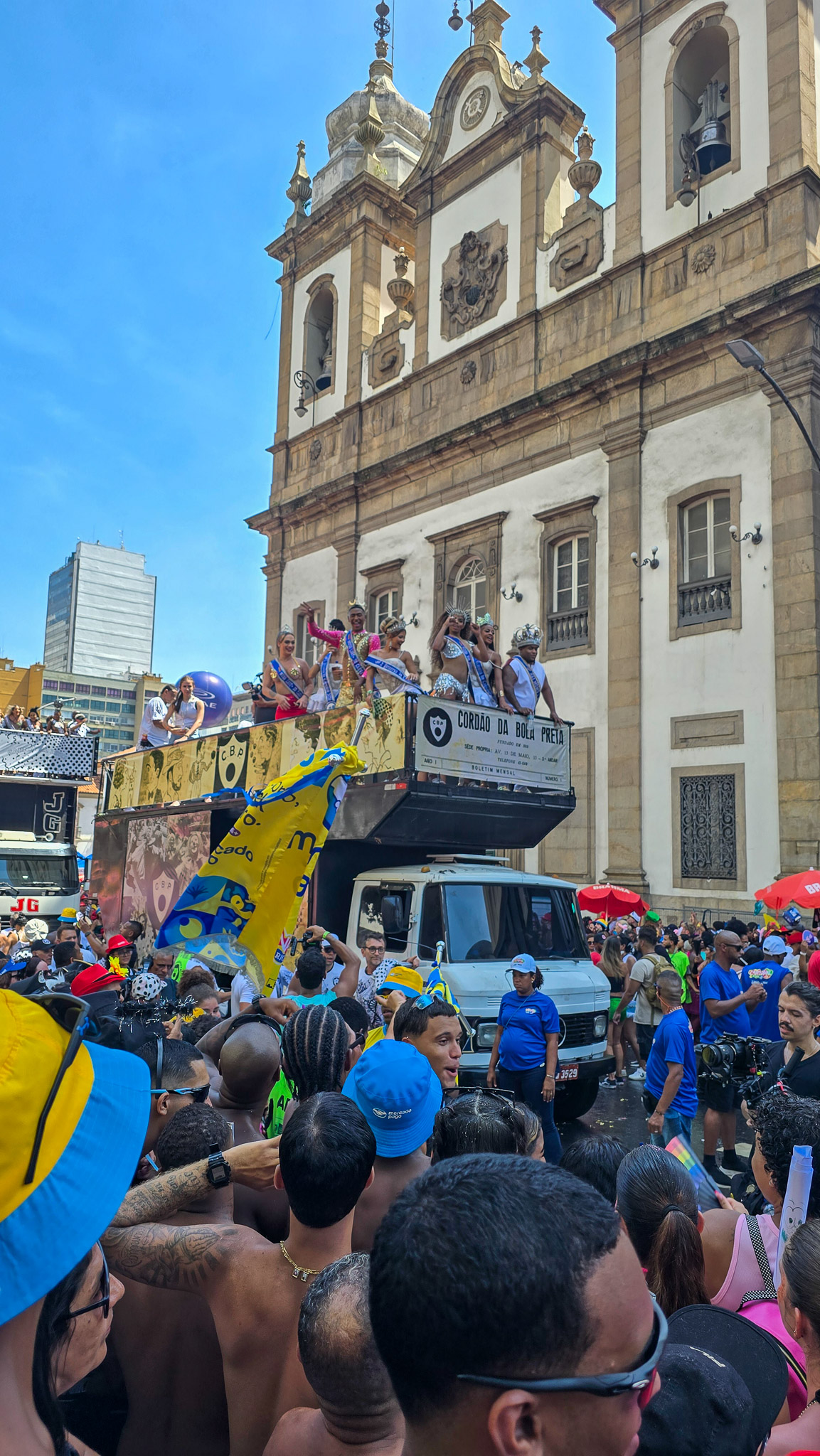
Most performances happen on a moving bus, with the group or singer performing on top surrounded by massive speakers, so everyone around can see, hear, and dance at the same time.
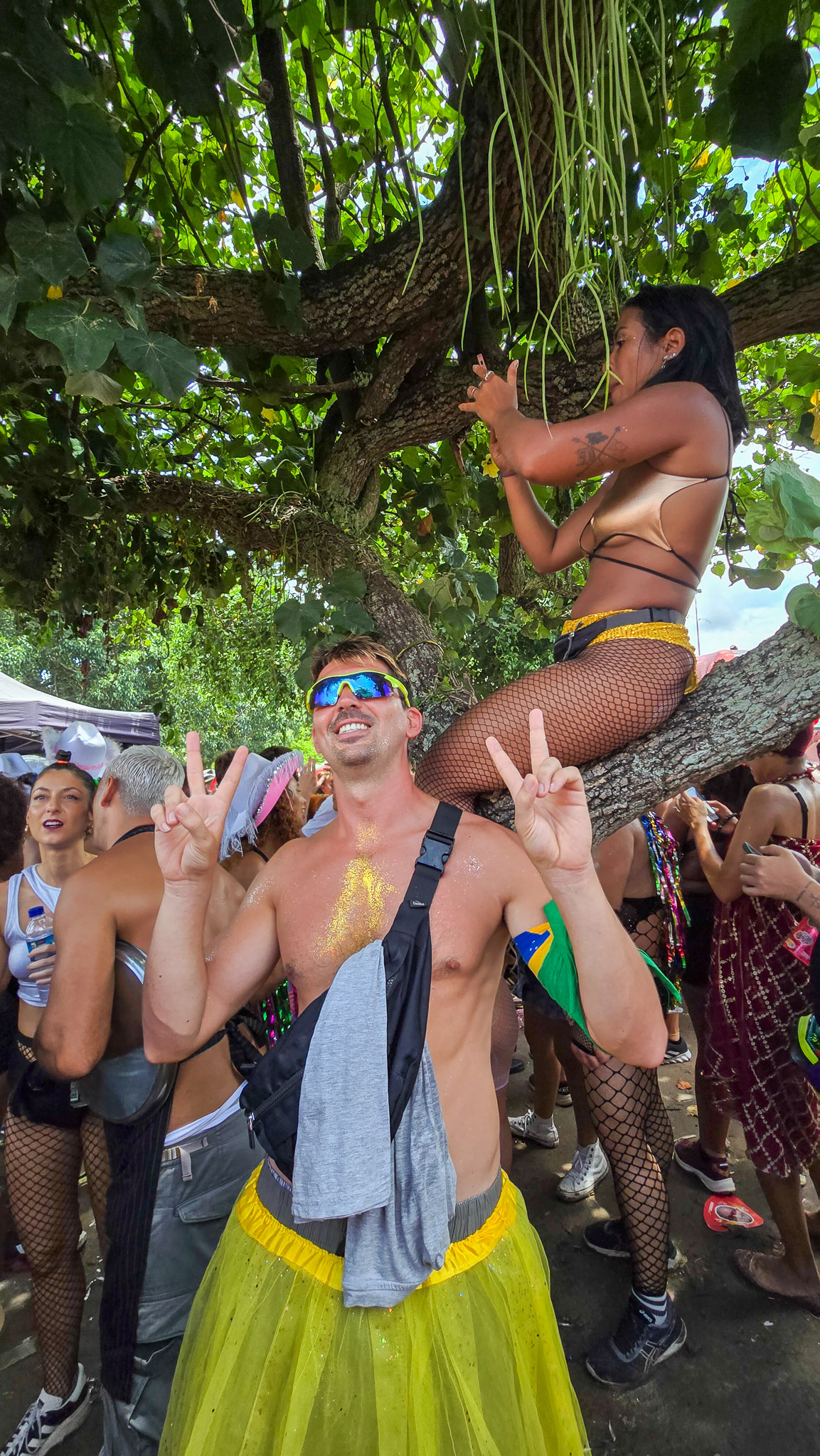
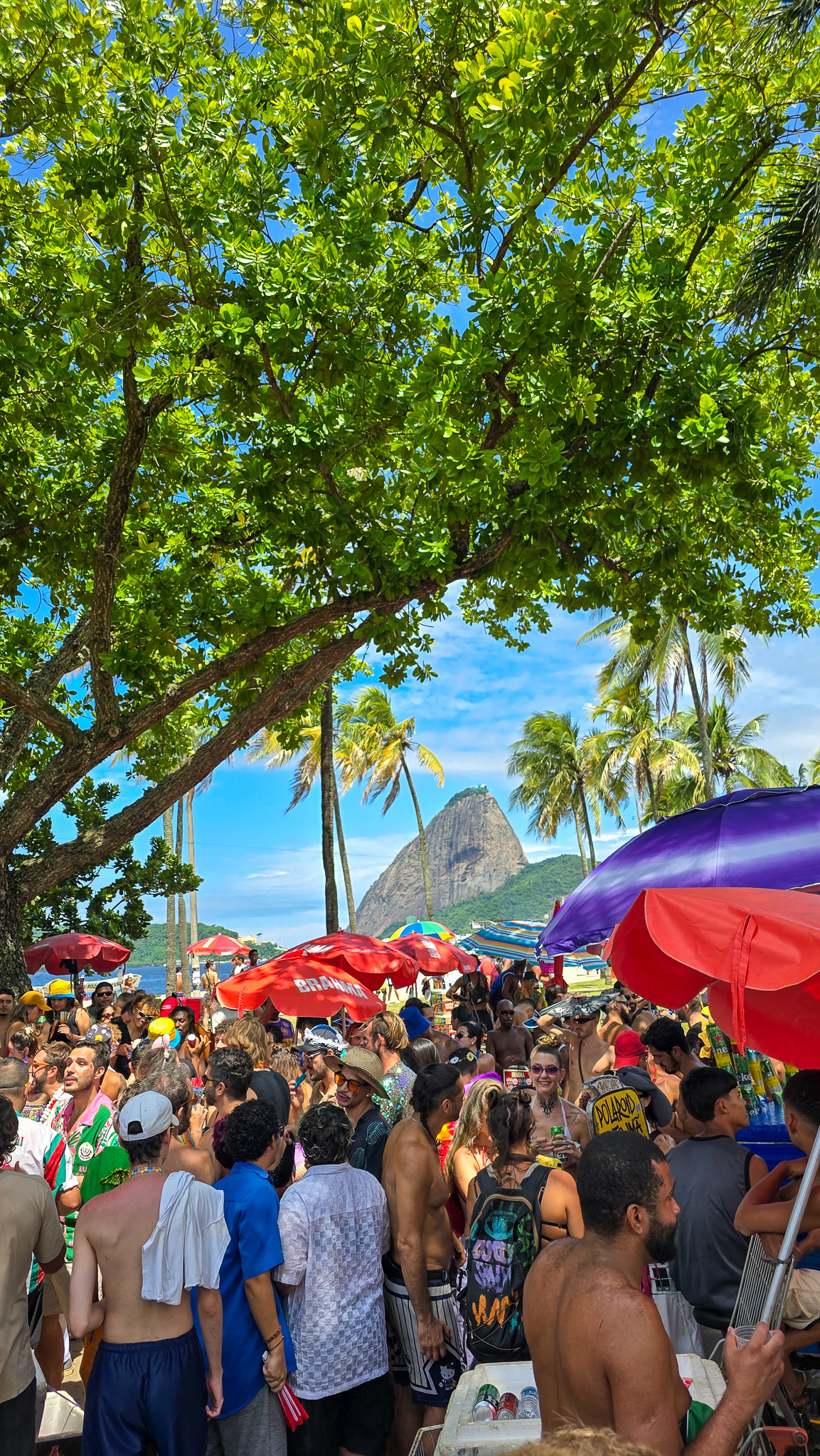
This is a bloco, and THIS is Rio Carnival.
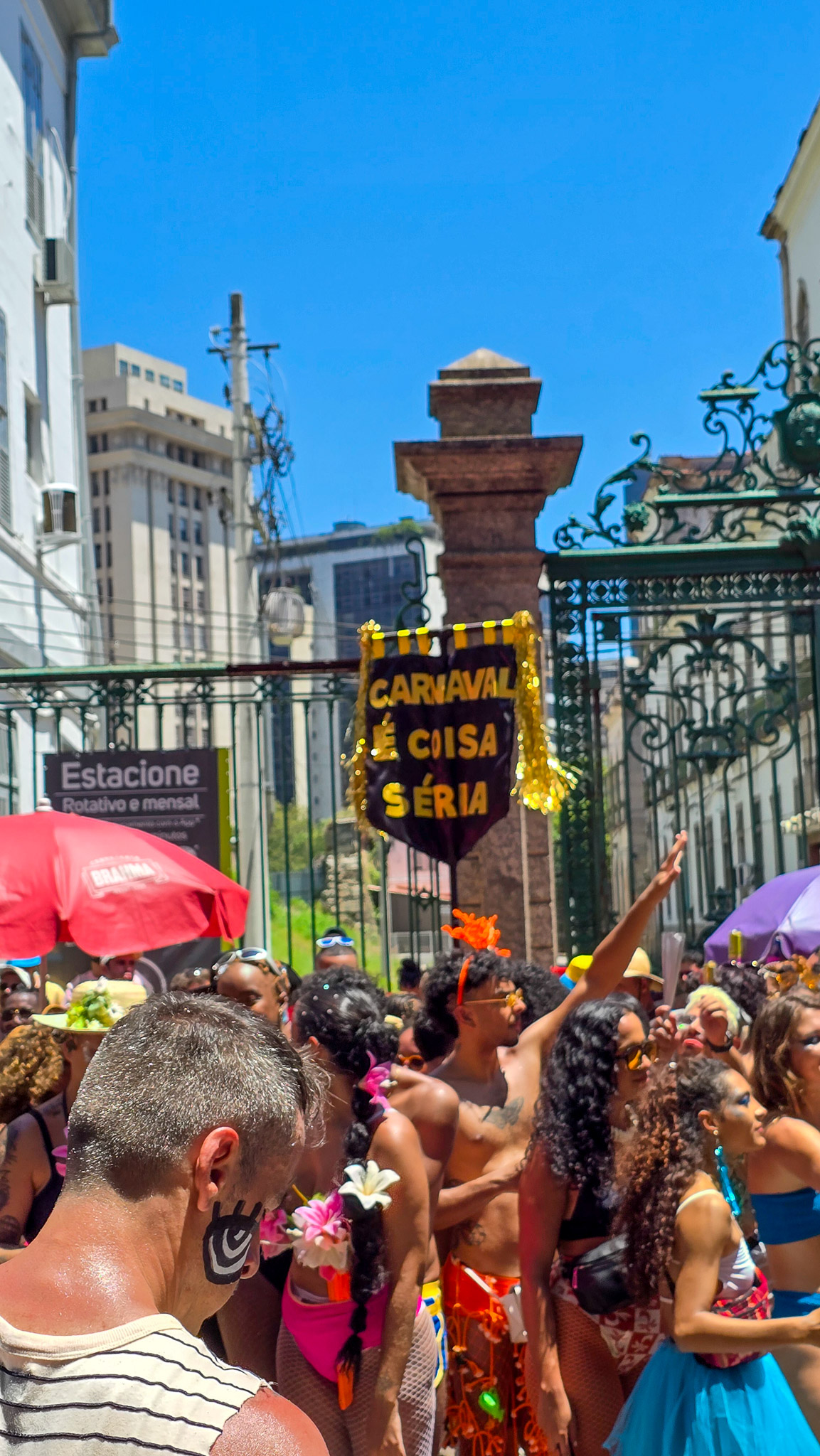
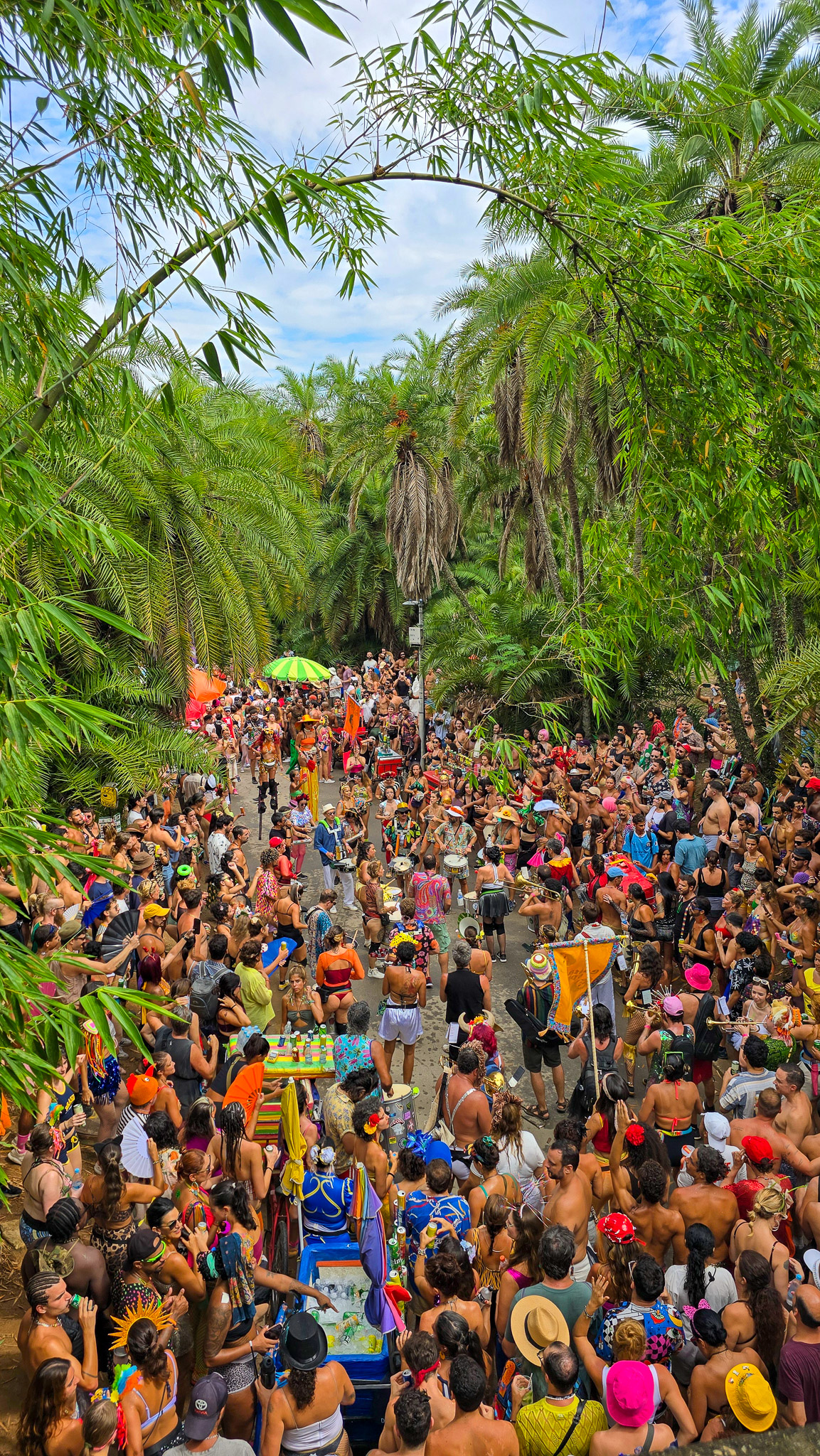
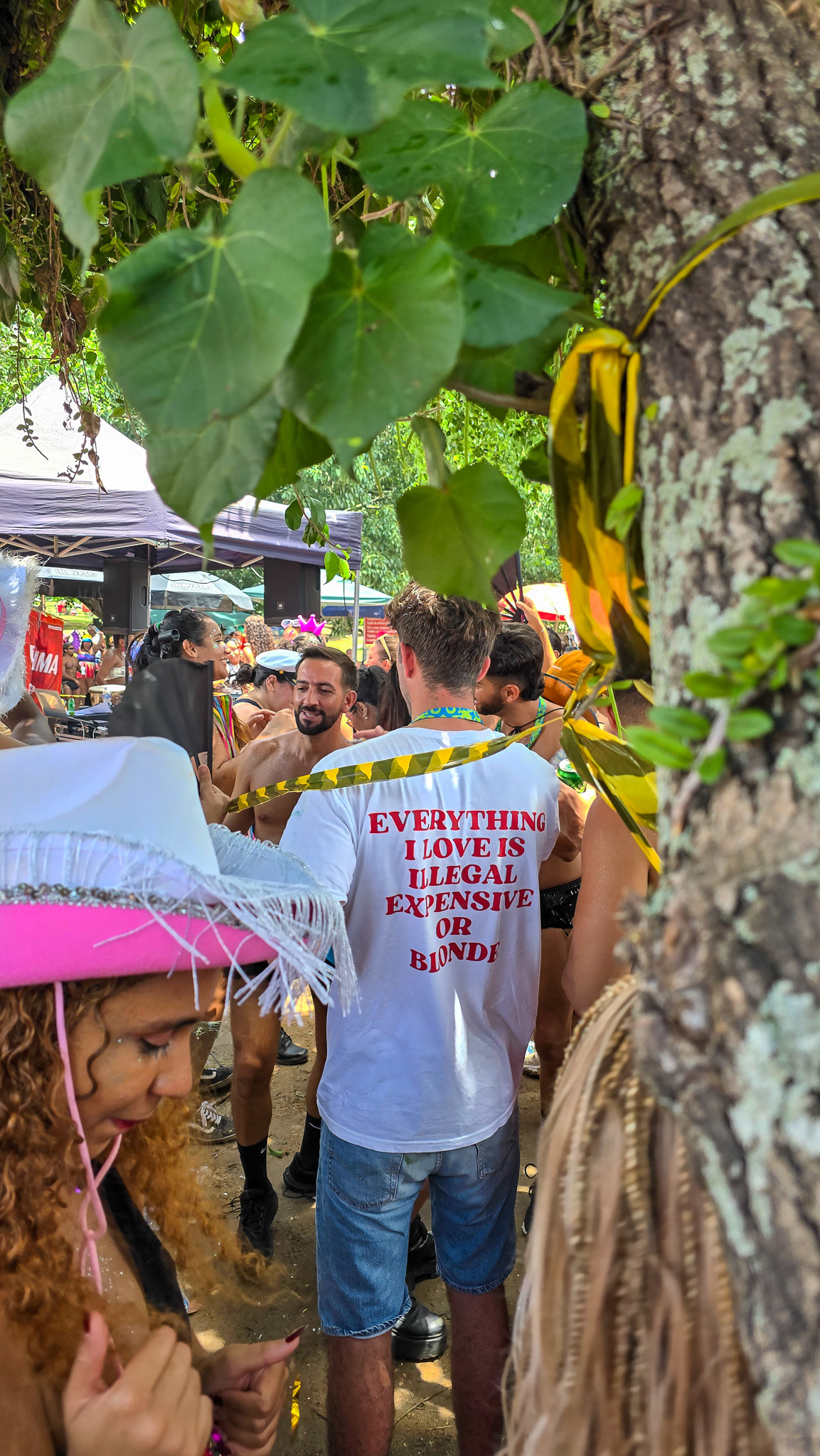
The vibe in the streets during blocos is insane. It can get incredibly crowded; you’re packed tight moving through narrow streets following the bloco, jumping together to songs everyone knows.
Some blocos stay in one place, some move slowly, and some you practically run to keep up with, very funny, that last type.
Dozens of street vendors trail alongside selling beers and caipirinhas, so you’ll never go thirsty. During the official Carnival dates, 10 to 20 blocos happen every single day, each with its own vibe and style of music. I’ll share the best apps to track them later.
Here are some unmissable ones:
- Banda de Ipanema
- Monobloco
- Bloco da Anitta
- Amigo da Onça
- Bloco Areia
- Bloco da Carmelitas
- Boi Tolo
Bars & Private Parties
During Carnival, clubs stay open and throw parties throughout the week. Venues like Marina da Glória and the Museu do Amanhã host major ticketed events. These are private parties, you pay to enter. While blocos remain completely free.
Private parties mostly run at night, picking up where blocos leave off since street parties wrap up by 10 p.m. at the latest.
For the samba bar experience, head to Rio Scenarium or Carioca da Gema in the city center, or explore the Lapa district for great street energy.
That said, my honest advice: rest at night and save your energy for the blocos during the day.
The daytime street parties are what make this event truly unique — streets overflowing with people in costume, music everywhere, all under the Rio sun. That’s the soul of Carnival.
For accommodation during Carnival, book well in advance through Booking.com or Hostelworld. Prices spike dramatically closer to the dates.
Check out our full guide on the best things to do in Rio de Janeiro and the best bars in Rio to plan your nights out.