
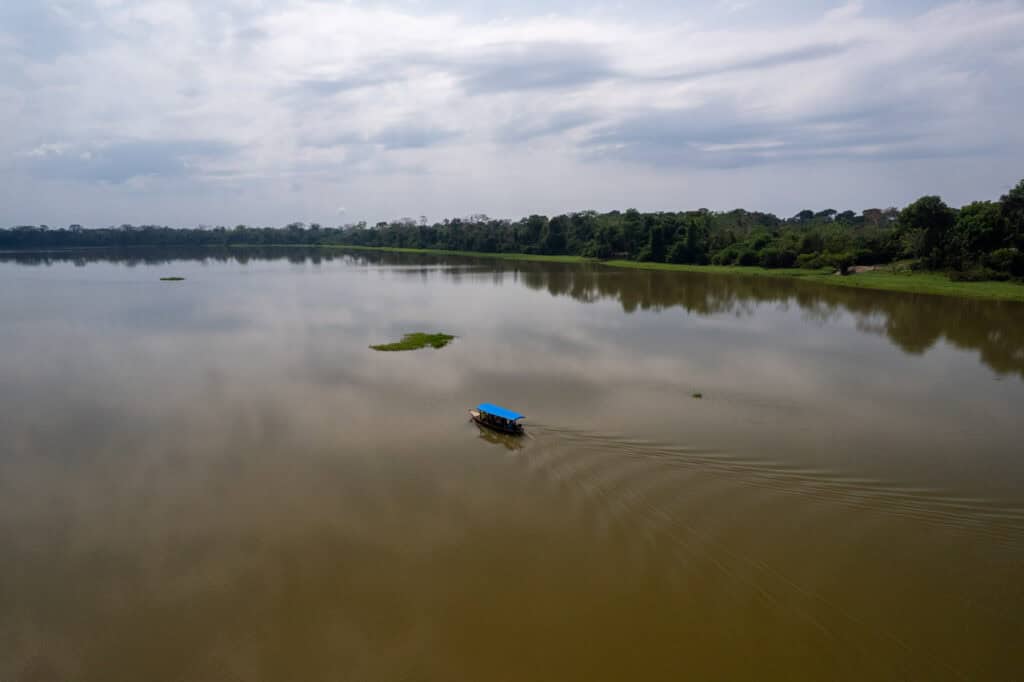
Best Places for Amazon Tour: 13 Gateway Cities
This post is also available in :
The Amazon rainforest stretches across nine countries, so picking the best places to visit in the Amazon really comes down to which gateway city fits your trip. Each entry point offers its own mix of wildlife, tours, and river access, and no two feel quite the same.
This guide breaks down the best cities to explore the Amazon, one by one, so you can match your interests (jaguars, pink dolphins, indigenous communities, or a full jungle immersion) to the right departure point. Some of these I’ve visited myself during a South America backpacking trip and a month of volunteering deep in the Bolivian Amazon. Others I’ve researched thoroughly so you get an honest, complete picture before booking your Amazon rainforest tours.
Table of Contents
Iquitos
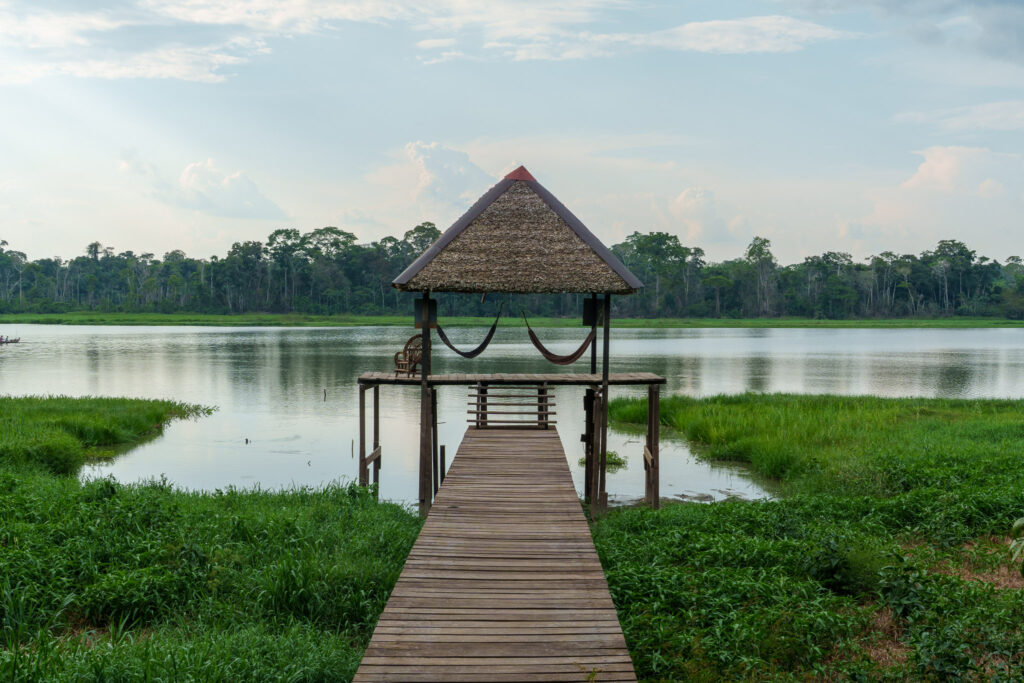
Iquitos is one of the largest cities in the world with no road access, and that alone makes it one of the best places for Amazon tour planning if you want a real river-city feel. I passed through here backpacking about a decade ago, and even back then it struck me as this strange mix of a sleepy daytime town and a riverside boardwalk that came alive at night.
The city was much bigger than I expected, and the Malecón (the riverside promenade) was packed with life once the sun went down. Iquitos remains one of the top departure points in Peru for multi-day boat trips, and a 4-day wildlife tour into Pacaya-Samiria is one of the most popular ways to see it properly.
- Pacaya-Samiria National Reserve expeditions – Peru’s largest protected wetland, reachable by multi-day riverboat trips deep into flooded forest
- 3-day, 2-night jungle immersion – sailing the river, spotting pink and gray dolphins, and a night in a jungle lodge
- 6-hour introductory wildlife tour – a shorter option if you’re only passing through, with sightings of piranhas, sloths, and anacondas
- 2-day, 1-night quick escape – good for travelers on a tight schedule who still want an overnight jungle stay
- Belén floating market and neighborhood – a chaotic, colorful market built on stilts and boats along the river
- Monkey Island and Pilpintuwasi Butterfly Farm – rescue sanctuaries with free-roaming monkeys, an ocelot, and a resident jaguar
I didn’t do a jungle tour myself back then simply because the budget wasn’t there, but looking back, Iquitos is genuinely one of the best cities to explore the Amazon if boat-based, multi-day immersion is what you’re after.
Puerto Maldonado
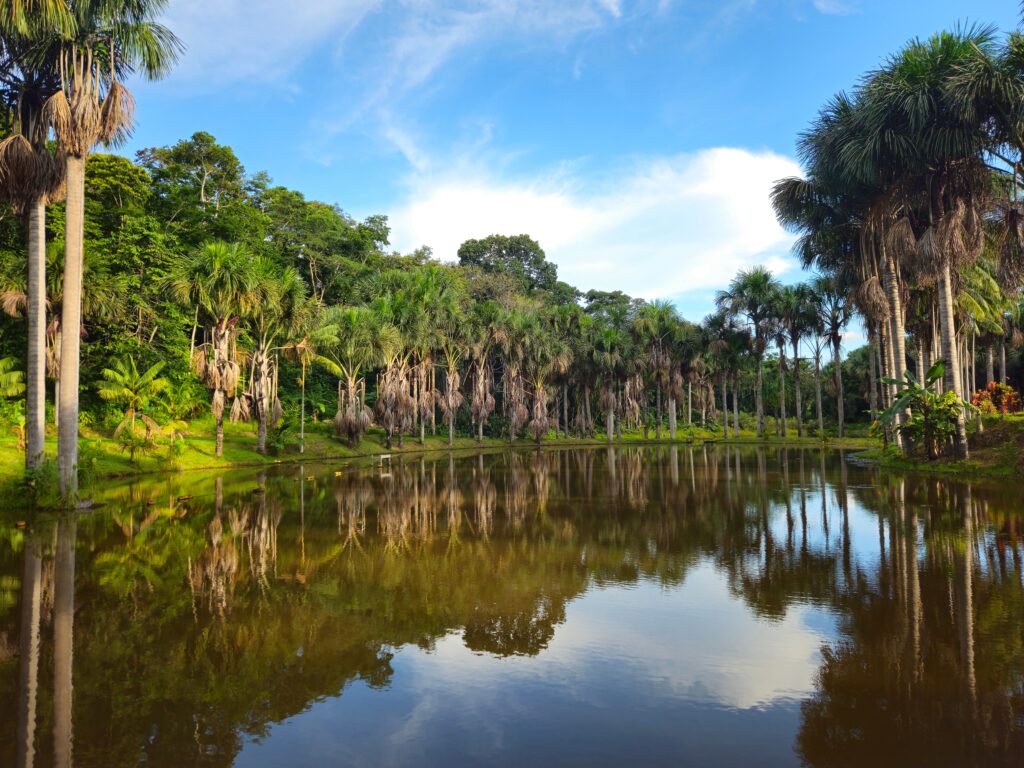
Puerto Maldonado has become the busier, more accessible answer to Iquitos, mostly because travelers doing Machu Picchu and the south of Peru can bolt it onto the same trip without much extra effort. It sits at the meeting point of the Tambopata and Madre de Dios rivers, with flights arriving straight from Lima or Cusco.
Its proximity to Cusco and Arequipa is exactly why it’s overtaken some other gateways in popularity.
- 4-day Tambopata rainforest tour – the standard package most lodges offer, staying overnight in a jungle house near Lake Sandoval
- 2-day Tambopata jungle tour – a compressed version if you’re short on time but still want the essentials
- Tambopata National Reserve 4-day excursion – lodging and meals included, with a broad range of wildlife sightings
- 3-day, 2-night all-inclusive package – a mid-length option covering the reserve’s main highlights
- Lake Sandoval and macaw clay licks – home to giant river otters and daily gatherings of macaws and parrots
- Monkey Island and zip-lining – a short boat ride to spot monkeys, plus canopy zip-lining that most lodges bundle in
Puerto Maldonado works best as an add-on to a bigger Peru trip built around Cusco, the Sacred Valley, or Machu Picchu, since it’s genuinely one of the easiest and most affordable Amazon add-ons in South America.
Rurrenabaque
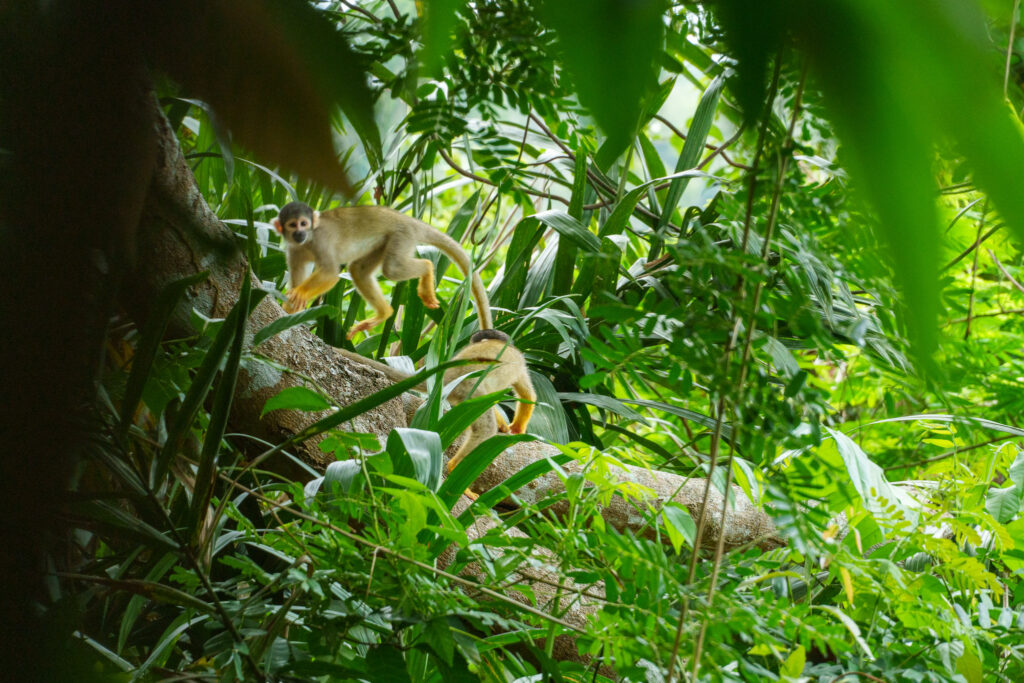
Rurrenabaque is Bolivia’s answer to Puerto Maldonado, and it’s earned a reputation as the cheapest, easiest way into the Amazon in this part of South America. You get there by a short flight or a long bus ride from La Paz, and once you’re in town, the jungle and pampas tours are cheap enough that most backpackers do both.
That affordability is exactly why so many travelers pick Rurrenabaque over the pricier gateways nearby, and the tours here cover an impressive amount of ground for the cost.
- Madidi National Park 3-day jungle tour – river navigation on the Beni and Tuichi, guided hikes, and nights in hanging tents by a jungle lake
- Amazon Jungle and Pampas 4-day tour – combines rainforest trekking with pink dolphin and jaguar spotting in the open pampas
- Pampas and Awaisal indigenous community tour – a 3-day trip along the Yacuma River with a cultural exchange built in
- Treetent stays in Madidi – a unique overnight option deep in one of the most biodiverse parks on Earth
- Pink river dolphin and caiman spotting – a near-guaranteed sighting on the pampas boat routes, alongside capybaras and howler monkeys
Rurrenabaque is the pick if budget matters and you still want the full Amazon experience, jungle trekking, river pampas, and wildlife, packed into a short, affordable trip from La Paz. Rurrenabaque is part of the classical Bolivia’s itinerary.
Riberalta
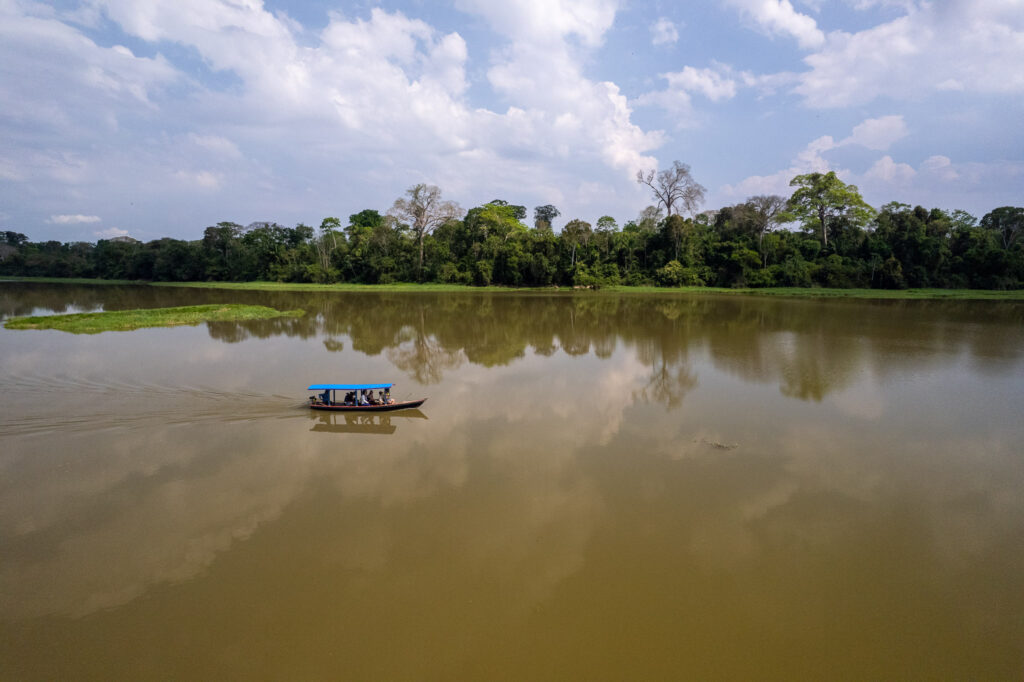
Riberalta is nicknamed the “Pearl of the Acre,” sitting where the Beni and Madre de Dios rivers meet in Bolivia’s Beni department. This is where I spent a month volunteering with a local children’s organization at the Aquicuana Reserve, and it gave me a completely different side of the Amazon than the tourist circuit.
Riberalta doesn’t have the polished tour infrastructure you’ll find in Rurrenabaque or Puerto Maldonado. What’s here leans much more toward ecotourism and river culture than packaged wildlife-spotting tours, and honestly, that’s part of what makes it worth mentioning.
- Aquicuana Reserve – 20,000 protected hectares just outside town, with birdwatching, macaw sightings, and Tacana community visits (this is where I volunteered for a month, more on that in my dedicated post)
- Lake Tumichucua – a short trip out for canoeing, swimming, and hikes among mapajo and motacú trees
- Brazil nut harvest tours – between November and March, you can join local castañeras (nut harvesters) heading into the forest
- Cachuela Esperanza – a faded rubber-boom town 90 km away with rapids and remnants of an early 20th-century city
- River culture and riverside evenings – boat rides along the Beni at sunset, plus the Costanera promenade for local food and daily life
If you want the Amazon without the tourist packaging, Riberalta gives you that. It’s not where you go for slick multi-day itineraries, but it’s genuinely one of the best places for Amazon tour seekers looking for something more grounded and community-based.
Leticia
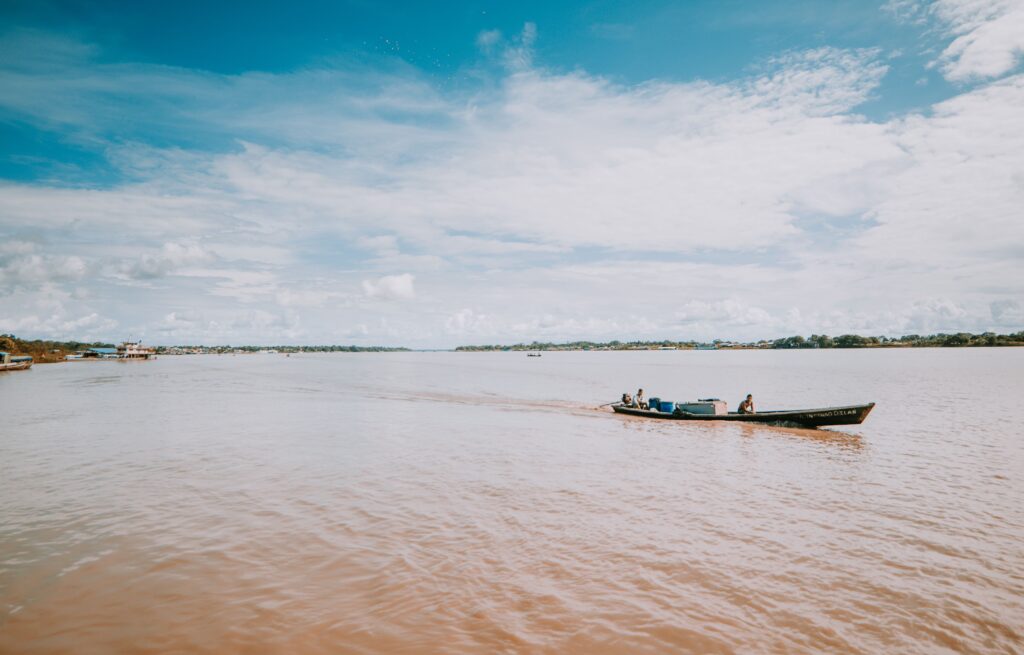
Leticia sits at the triple border of Colombia, Brazil, and Peru, and there’s no road in. You fly in from Bogotá, and that isolation is part of the charm.
I passed through Leticia during a South America trip, and it left an impression as a surprisingly lively little city for how remote it is. From here, most operators run day trips into Amacayacu National Park, where spotting pink river dolphins is a regular highlight.
- Amazon World Ecological Park – the area’s only environmental education center, good for a first look at local wildlife
- Indigenous village visits – jungle treks into Huitoto territory paired with cultural talks and fishing activities
- River day trips – boat excursions stopping at riverside communities along the Amazon
- Night safaris and jungle lodges – for travelers who want to stay a night or two in the rainforest itself
Leticia works well if you want a manageable, walkable base with easy access to smaller-scale jungle excursions rather than a multi-day deep expedition.
Mocoa
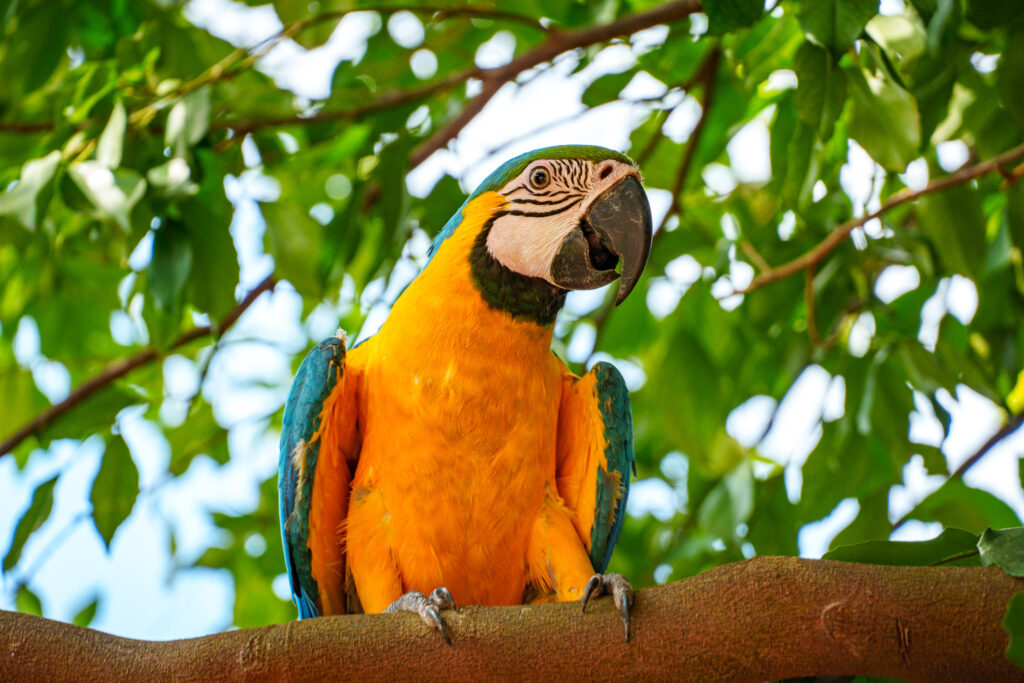
Mocoa is where the Andes drop straight into the Amazon, and honestly, that mix is what makes it worth the detour. This is the capital of Putumayo, and it’s turned into one of Colombia’s best adventure hubs for anyone chasing waterfalls instead of just wildlife.
I haven’t made it here myself yet, but it’s firmly on my list after digging into everything you can do around town. The star attraction is the Fin del Mundo waterfall, a 70-meter drop you hike over an hour to reach, and you can canyon down through the pools once you’re there. It’s not in my top list of the most beautiful waterfalls I’ve seen, but it’s still well worth the hike if you’re already in the area.
- Fin del Mundo and Ojo de Dios waterfalls – two separate cascades a few kilometers apart, both set up for canyoning and swimming
- Churumbelos National Park – dense, lush forest just 10 km out, good for birdwatching and jungle hikes
- Río Vides Archaeological Park – petroglyphs carved over 600 years ago, tucked into the hills near town
- Paway Nature Reserve – a laid-back spot to walk among butterflies and spot birds along a small stream
- Ayahuasca ceremonies – some indigenous communities in the area run these for travelers who want that experience
Mocoa isn’t a jungle-immersion, spot-a-jaguar kind of place. It’s more andino-amazonian, all cascades and canyon hikes, so it pairs well if you want an active break from the flatter Amazon lowlands.
Mitú
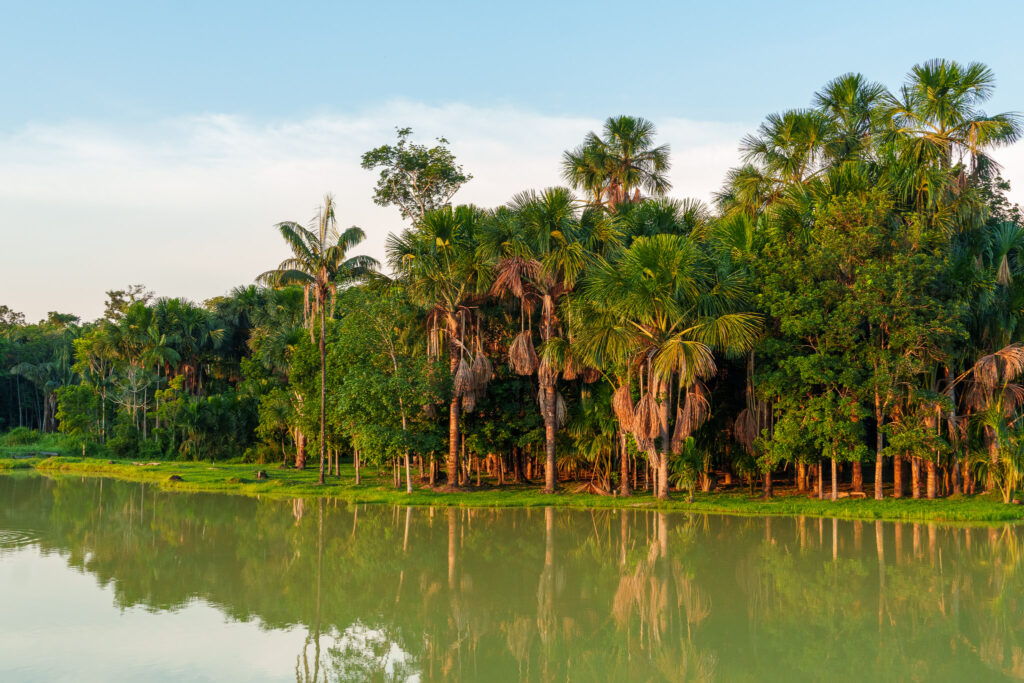
Mitú is about as deep as you can get into the Colombian Amazon without a boat. This is the capital of Vaupés, tucked right up against the Brazilian border, and it stays off most travelers’ radars simply because it takes real effort to reach.
I haven’t been here myself, but every source I’ve dug through keeps pointing to the same thing: this is one of the best cities to explore the Amazon if birdwatching is your thing. Over 550 bird species have been recorded in the region, including the rock cock, a bird so shy you basically need to sit still and wait for it.
- Mituseño Urania indigenous community – a short hike or bike ride out of town, with bat caves and a jungle viewpoint over the Vaupés River
- Jirijirimo Rapids and Yaigojé Apaporis National Park – one of Colombia’s largest protected areas, over a million hectares of rainforest and river
- Cerro de Urania and other tepuis – rocky outcrops you hike up for a 360-degree view over the jungle canopy
- Maloca visits – traditional indigenous longhouses where communities share dances, crafts, and food
- Caño Sangre and river swims – the water here turns an earthy red from algae, and it’s one of the more unusual swimming spots in the Amazon
Mitú isn’t set up for quick day trips or big tour groups. It’s slower, more remote, and best suited for travelers who want an authentic jungle stay over a packed itinerary.
Tena
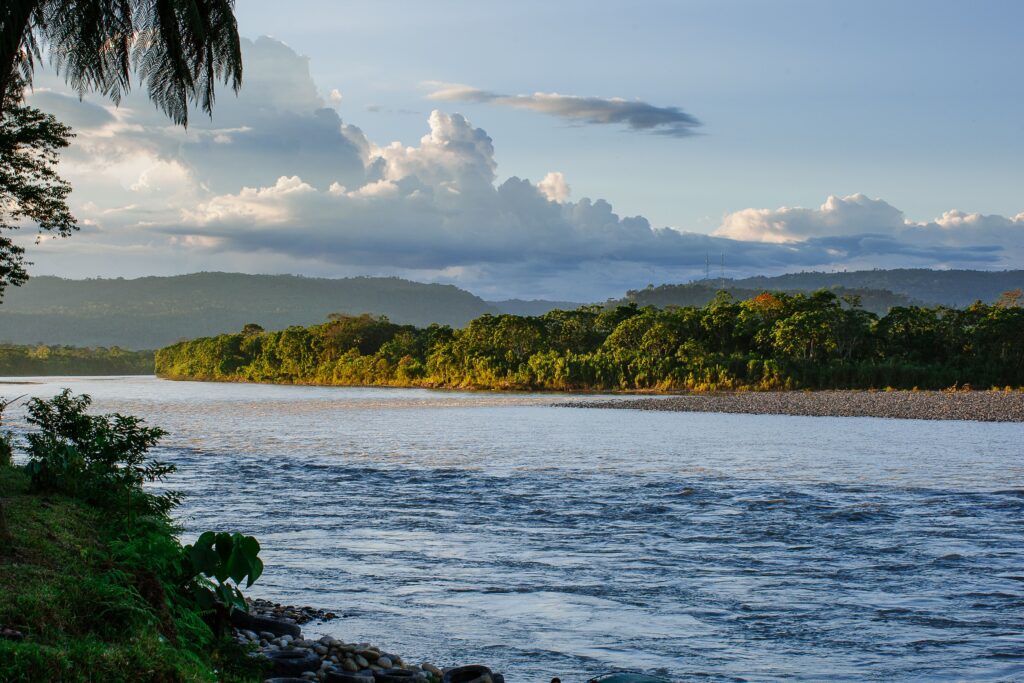
Tena is Ecuador’s rafting capital, and it’s become one of the go-to bases for anyone wanting Amazon rainforest tours without flying deep into the jungle. This is the capital of Napo province, reachable by a scenic few hours’ drive from Quito, so no flight required.
The setup here is hard to beat if you want adrenaline mixed with jungle immersion. The Jatunyaku River rafting run is considered one of the best in the country, with class III and IV rapids depending on which stretch you pick.
- Whitewater rafting on the Jatunyaku and Jondachi rivers – beginner-friendly class III on one, tougher class IV on the other
- Canoe and kayak tours – calmer alternatives to rafting for exploring the rivers around town
- Kichwa community visits – stay with local families, learn traditional crafts, and sometimes take part in a shamanic ceremony
- Parrot caves (Kali Kali) – a short trip out where parrots gather once a year to breed
- Jungle survival treks – multi-day expeditions where you build shelter, fish for piranha, and camp under the canopy
Tena works best if you want a shorter, activity-packed Amazon stop rather than a slow, wildlife-focused immersion. It’s also an easy add-on if you’re already looping through Quito or Baños.
Coca
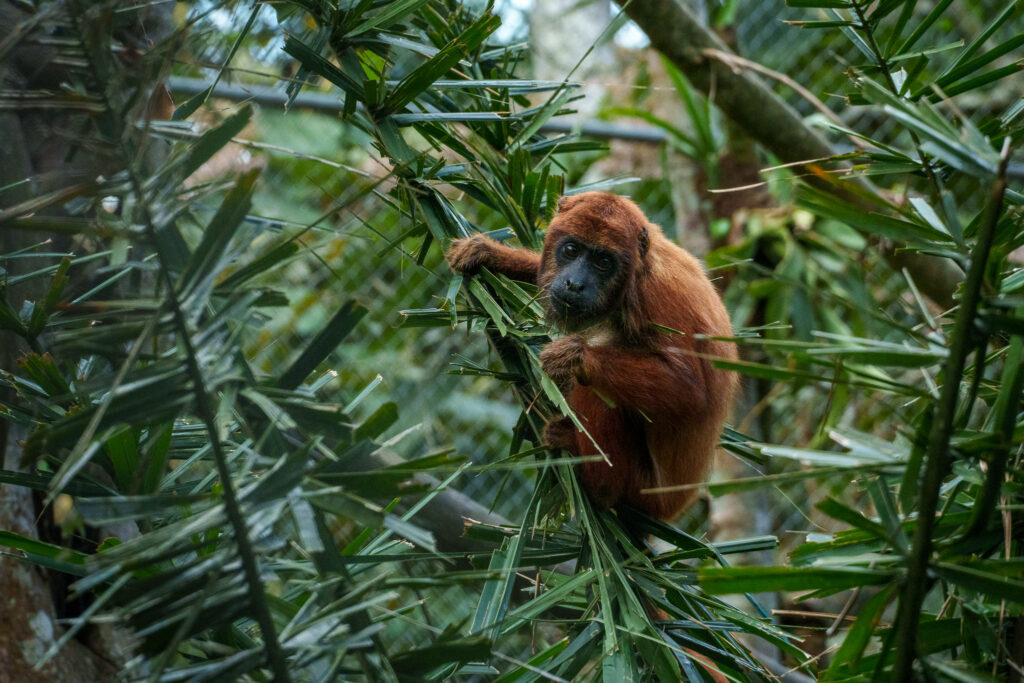
Coca (officially Puerto Francisco de Orellana) is the main gateway to Yasuní National Park, one of the most biodiverse spots on the planet. This town sits where the Coca and Napo rivers meet, and it’s a straightforward flight or drive from Quito.
If there’s one place on this list where your odds of spotting monkeys are the highest, it’s here. Yasuní alone is home to many monkey species, and studies in the neighboring Río Curaray basin have recorded primate densities as high as 65 individuals per square kilometer for woolly and squirrel monkeys. If you’re working through my list of the 13 monkeys to spot in the Amazon, Coca is genuinely your best shot at checking several off in one trip.
- 3-day, 2-night Yasuní Tour – the standard way in, with boat rides down the Napo River and jungle lodge stays
- Yasuní and Limoncocha 4-day wildlife adventure – combines the national park with a nearby wetland reserve known for birdlife
- Limoncocha 1-day eco-tour – a shorter canoe trip through calm canals for birdwatching if you’re pressed for time
- Napo Wildlife Center and canopy towers – climb above the treeline for a view over the rainforest and a shot at macaws and toucans
- Parrot clay licks and Kichwa/Waorani community visits – riverbank feeding sites plus cultural exchanges with indigenous groups living near the reserve
Coca is less about quick day trips and more about committing to a few days inside Yasuní. If your goal is deep wildlife immersion, especially primates, this is the best city on this list to explore the Amazon for exactly that.
Puyo
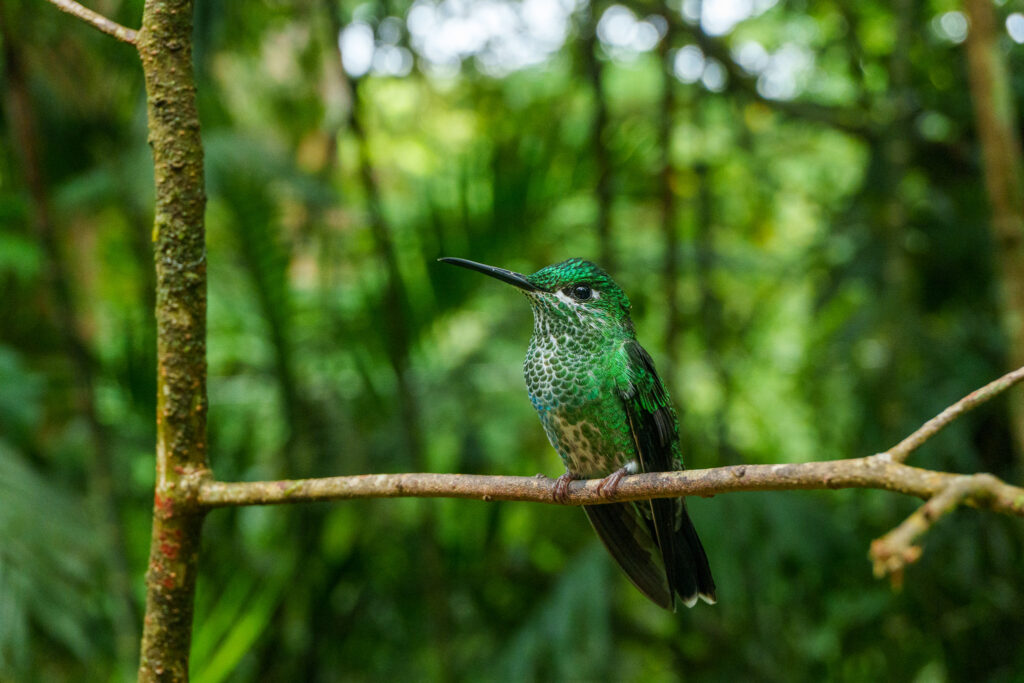
Puyo bills itself as the “Gateway to the Amazon,” and it earns that name mostly as a stopover between Baños and Tena rather than a final destination in itself. It’s the capital of Pastaza province, and its mix of easy nature sites makes it a good breather if you’re moving through the region on a longer Ecuador loop.
The Hola Vida waterfall reserve is the standout here, a 40-meter cascade you hike to through the jungle before swimming in the pool below.
- Omaere Ethnobotanical Park – one of South America’s first ethnobotanical gardens, focused on medicinal plants used by Amazonian communities
- Hola Vida Waterfall – a private reserve with a short jungle hike leading to a swimmable 40-meter cascade
- Cotococha Kichwa community visits – homestays and cultural exchanges 30 minutes outside town
- Full jungle circuits from Quito – multi-day tours that pass through Puyo en route to ecolodges deeper in the rainforest
- Rio Puyo Riverwalk – a birdwatching and swimming trail right in town
Puyo isn’t where you go for a deep jungle expedition. It’s more of a practical stop that rounds out a bigger Ecuador itinerary, especially if Baños and Tena are already on your route.
Manaus
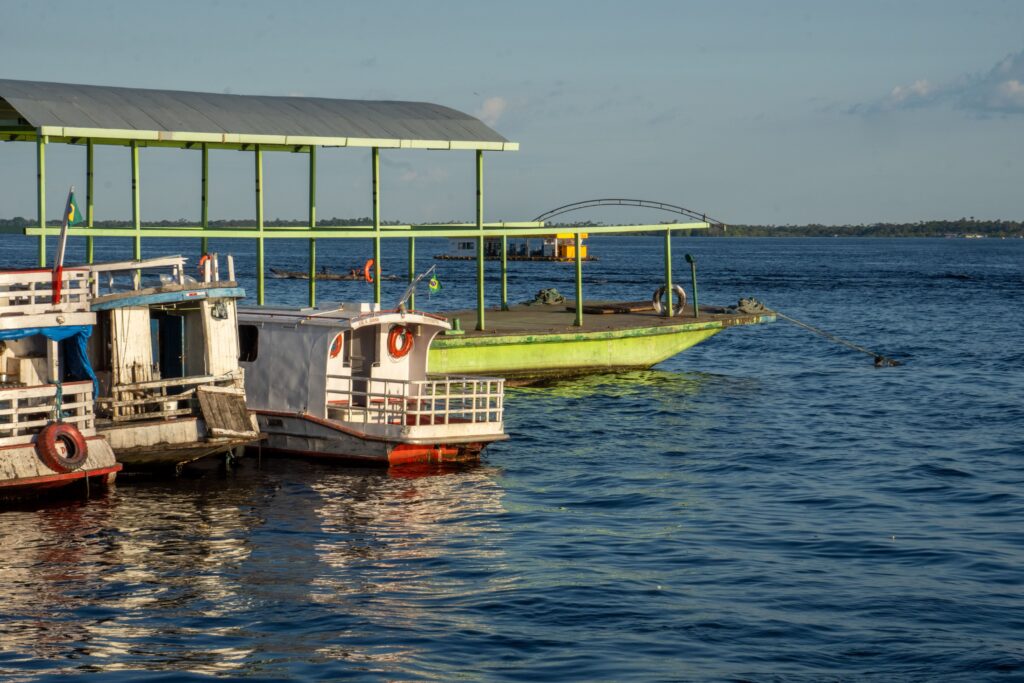
Manaus is the giant of the group, a city of over 2 million people sitting right in the middle of the Amazon. I passed through here roughly a decade ago while making my way up the Amazon River, and it’s a strange contrast, this genuinely huge, hot city surrounded on all sides by dense rainforest.
What struck me most was the Amazonas Theater, a full opera house built during the rubber boom, sitting in the heart of a jungle metropolis. As the main gateway to the Brazilian Amazon, Manaus is a common addition to a classic Brazil itinerary for travelers with a bit of extra time beyond Rio and São Paulo. From here, you’ve got endless options for tours ranging from a few hours to several days.
- Meeting of the Waters and Pink Dolphin Tour – watch the Rio Negro and Rio Solimões run side by side without mixing, then swim with pink dolphins
- Full-Day River Tour – visits a floating village, an indigenous tribe, and a lake full of giant water lilies
- 2-Day Amazon Jungle and Ipanema Lake Excursion – an overnight lodge stay with night alligator watching and jungle trail walks
- Amazonas Theater – the opera house I mentioned, still hosting performances and open for guided tours
- Multi-day lodge stays – anywhere from 2 to 5 days deeper into the flooded forest for those wanting more than a day trip
The thing to know about Manaus is that you won’t get the same sense of deep immersion you’d find in smaller gateways like Riberalta or Rurrenabaque, since the big city is right there. If you want that smaller-scale, feel-the-jungle experience, Puerto Maldonado or the triple-frontier towns do it better.
Pantanal (Campo Grande, Corumbá, and Poconé)
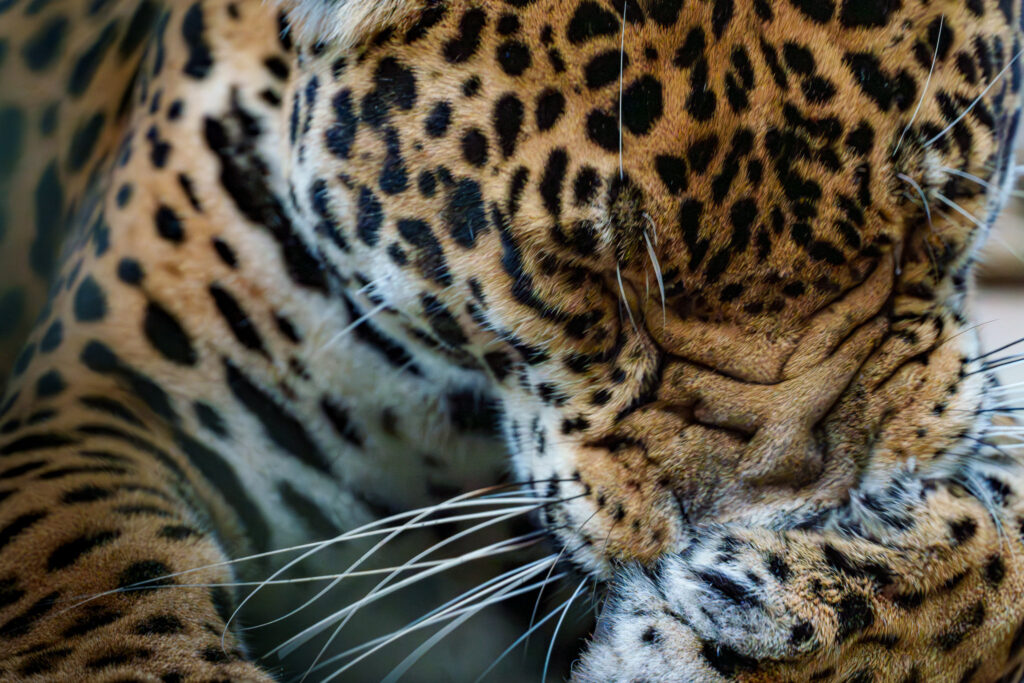
The Pantanal is a different kind of Amazon experience entirely, technically not rainforest but the largest tropical wetland on Earth, and a UNESCO World Heritage Site since 2000. It’s still on my list to visit, but everything I’ve read points to it being one of the best places for Amazon tour seekers chasing jaguars specifically, since this is the only place on Earth where spotting a wild jaguar during the day is a realistic goal.
Campo Grande, Corumbá, and Poconé all serve as entry points, with the Transpantaneira road cutting straight through the wetland toward Porto Jofre, the jaguar-spotting hotspot.
- Jaguar and wildlife safari – speedboat trips along the Miranda River, with night safaris for nocturnal wildlife
- Pantanal Matogrossense National Park – considered the best spot in the world to see wild jaguars in their natural habitat
- Porto Jofre – the main jaguar-viewing base along the northern rivers
- Fazenda eco-lodges – working cattle ranches turned into wildlife lodges, many with horseback safaris included
- Transpantaneira road trips – a slow drive through the wetland itself, with capybaras, caimans, and hundreds of bird species visible from the road
The Pantanal rewards patience more than any other spot on this list. You’re not walking through dense jungle canopy, you’re out on open wetland and rivers, and that’s exactly why the jaguar sightings here are so much more reliable than anywhere else in the Amazon basin.
Which Amazon Gateway Should You Actually Pick
If you want the classic wildlife safari experience with the best odds of spotting a wild jaguar, head to the Pantanal. If monkeys are the priority, Coca and Yasuní are hard to beat. If you’re weaving the Amazon into a bigger Peru trip around Machu Picchu, Puerto Maldonado wins on convenience, while Rurrenabaque covers the same ground in Bolivia for less money. And if you want something rawer, further off the beaten path, Riberalta, Mitú, or the triple frontier at Leticia deliver that without the tour-bus crowds.
There’s no single best country to visit the Amazon rainforest. Ecuador, Peru, Bolivia, Colombia, and Brazil all offer a distinct angle on the same rainforest, and the right gateway city really just comes down to what you want to see and how deep into the jungle you’re willing to go. Pick based on your priority animal, your budget, and how much time you’ve got, and you’ll walk away with the Amazon trip that actually matches what you came for.
This post is also available in :


Subscribe to the Newsletter
Join our community and receive exclusive travel stories, guides, and special offers!

🗺️ Planning a Trip?
Skip the research rabbit hole.
I’ll build you a personalised day-by-day itinerary — or answer all your questions on a quick 60-min call.
Affiliate Disclosure
Some of my posts include affiliate links. If you choose to make a purchase through them, I may earn a small commission—at absolutely no extra cost to you.
Using these links is the best way to support my work and say thank you, and I appreciate it so much! Of course, everything I share reflects my honest opinions and experiences.
📸 Work With Me
Brand, tourism board or hotel?
Let’s create something together — content, reviews and campaigns that reach real travellers who are ready to book.

Latest Posts
Get My Personal Map of 500 Must-See Places - FREE
I’ve compiled 500 of the best places across my travels into one free Google Map.
The kind of spots you won’t find in a guidebook.
Table of Contents
You might also like to read these articles