My personal experience: visiting the Mines of Potosí
Getting to the mine
For my Cerro Rico mine experience I went with Koala Tours, starting right from their little office in town.
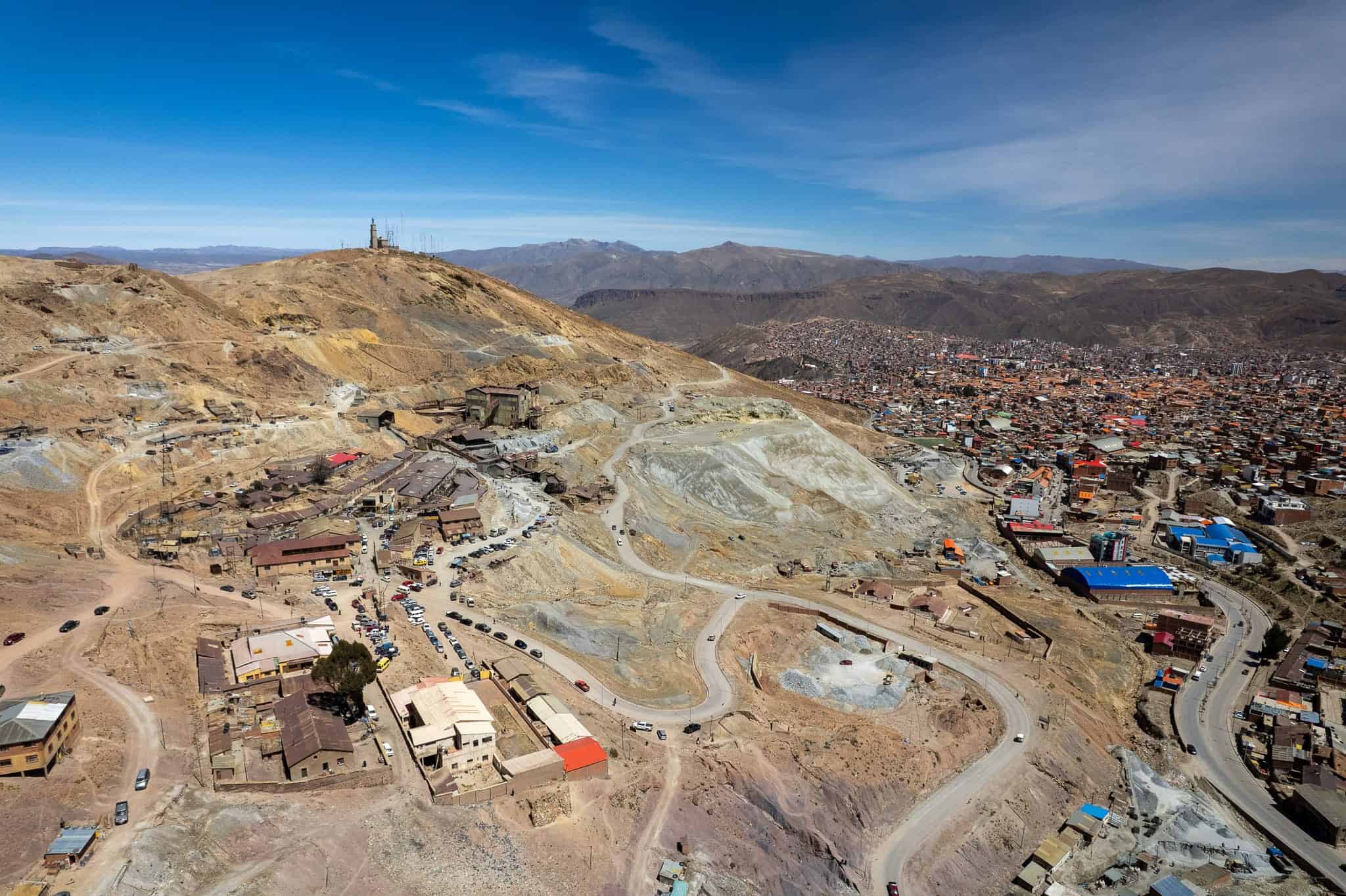
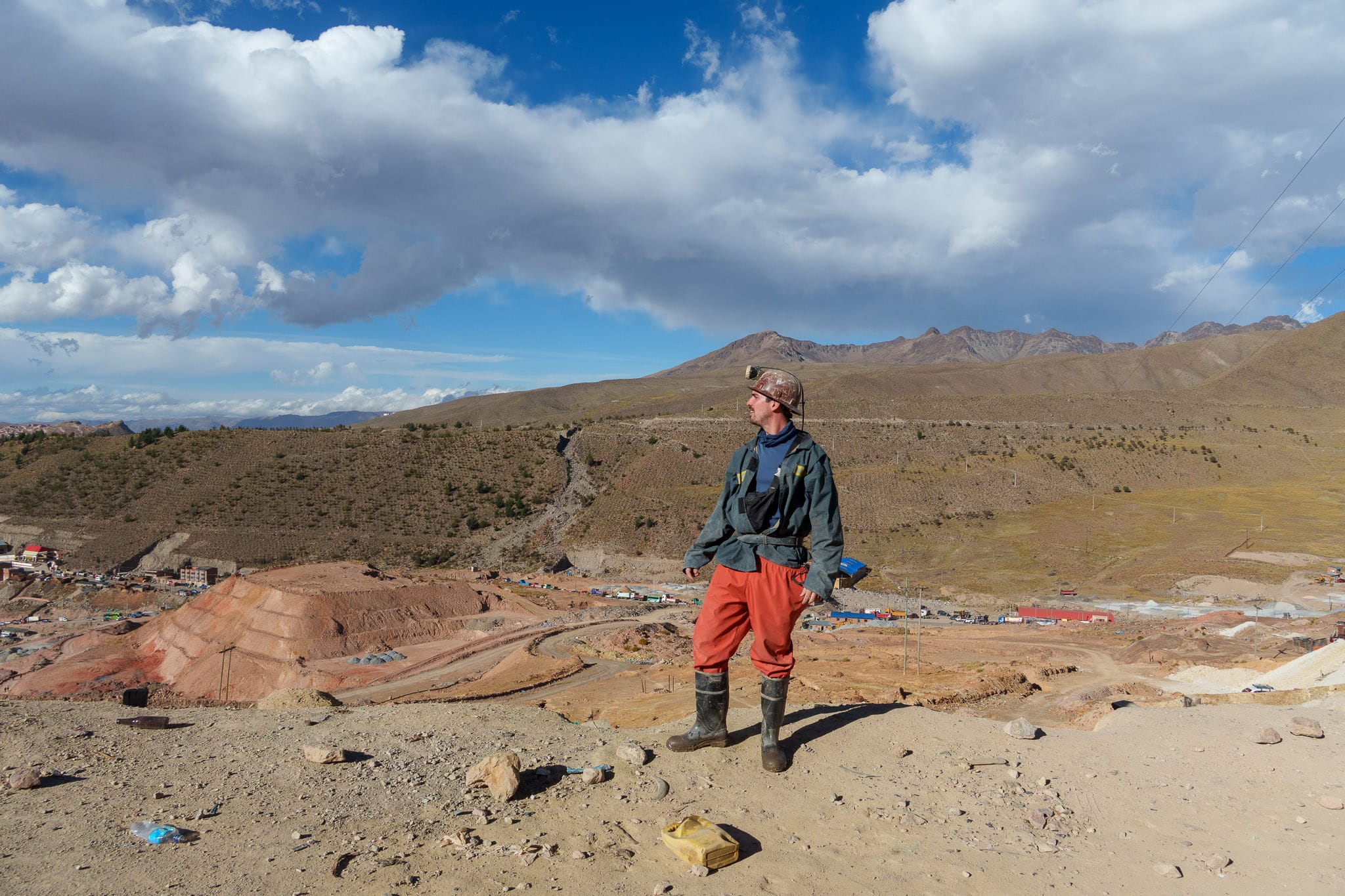
We jumped in a van for about 10 minutes and drove up toward the mountain to a small base where they keep all the gear for visiting the Mines of Potosi. There they suited us up like real miners. It feels a bit bulky at first, but you definitely want that inside a Cerro Rico silver mine.
Once everyone was ready, we climbed back into the van and made a quick stop at the “miner supermarket.” This is where the guys who work in the Potosí silver mine buy everything for their shift: coca leaves, sodas like Fanta, stronger headlamps, gloves, and even dynamite sitting casually on the shelves.
We bought coca, drinks, and yes, one stick of real dynamite that the guide would later demonstrate inside the tunnels, which already gives you an idea of how different this is from your usual holiday activity.
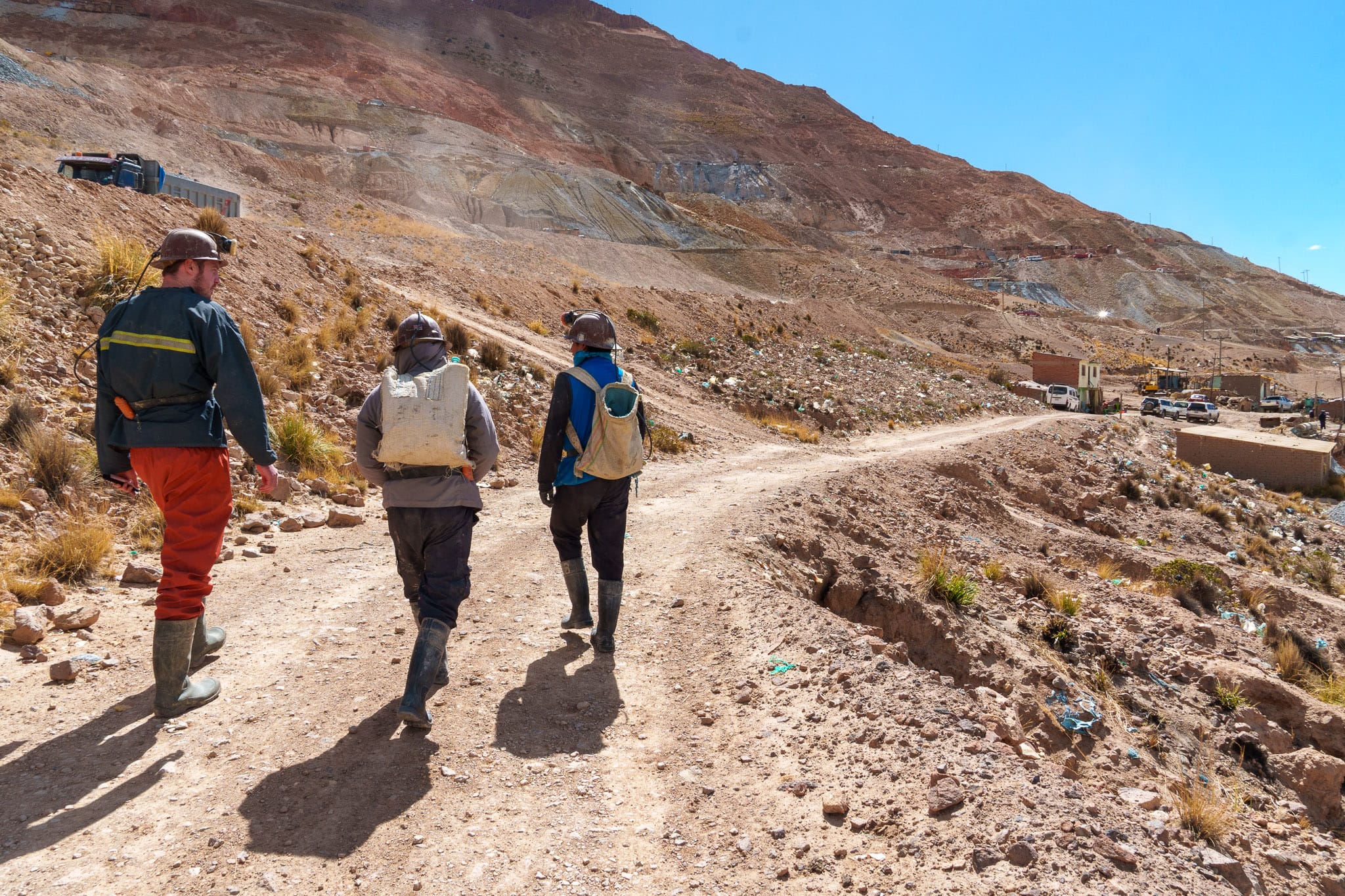
From there it was another 10 minutes driving toward the entrance of Cerro Rico. On the way we passed miners walking along the road, some with faces completely black from dust after hours underground, others just heading in for their shift.
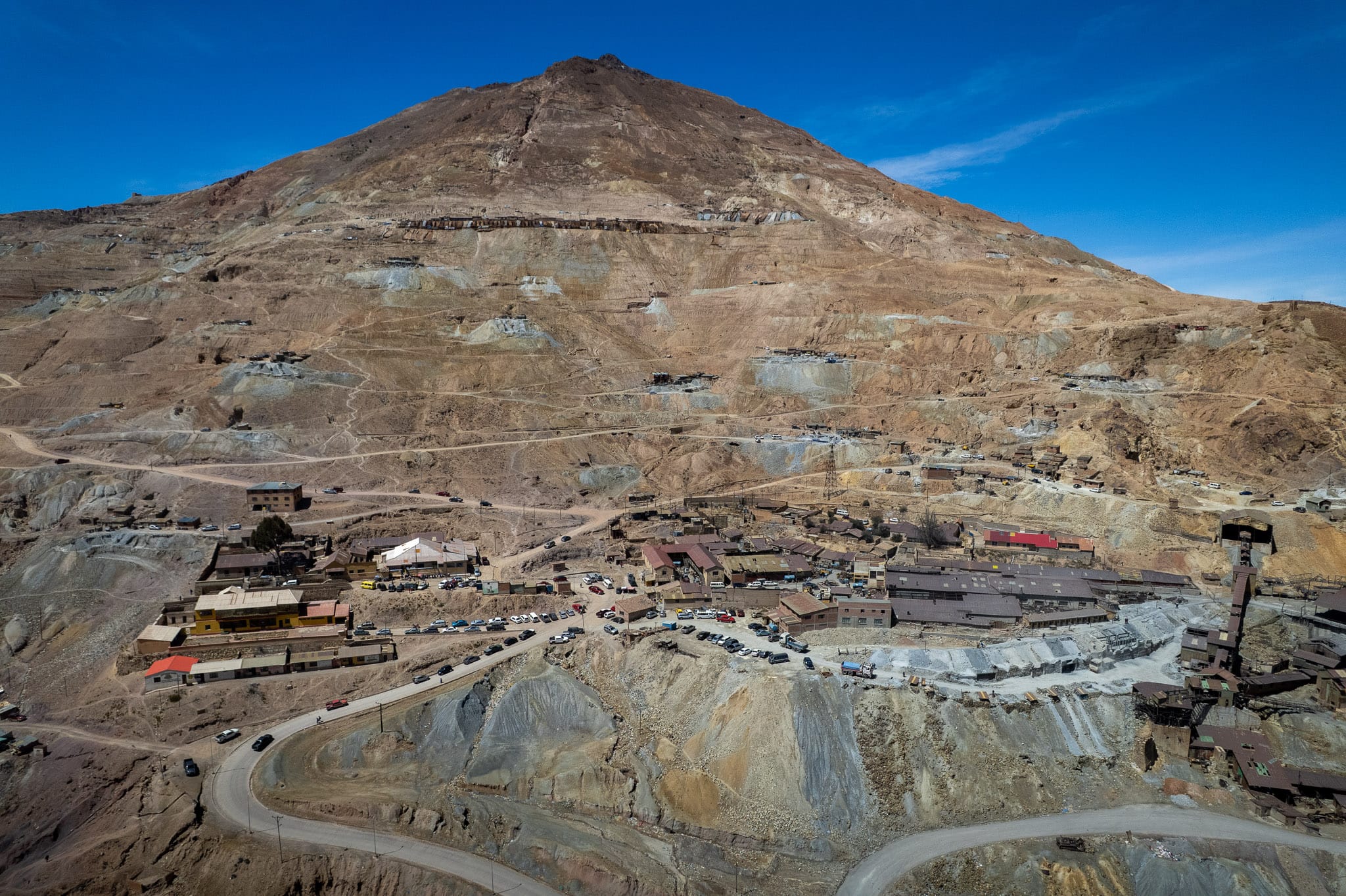
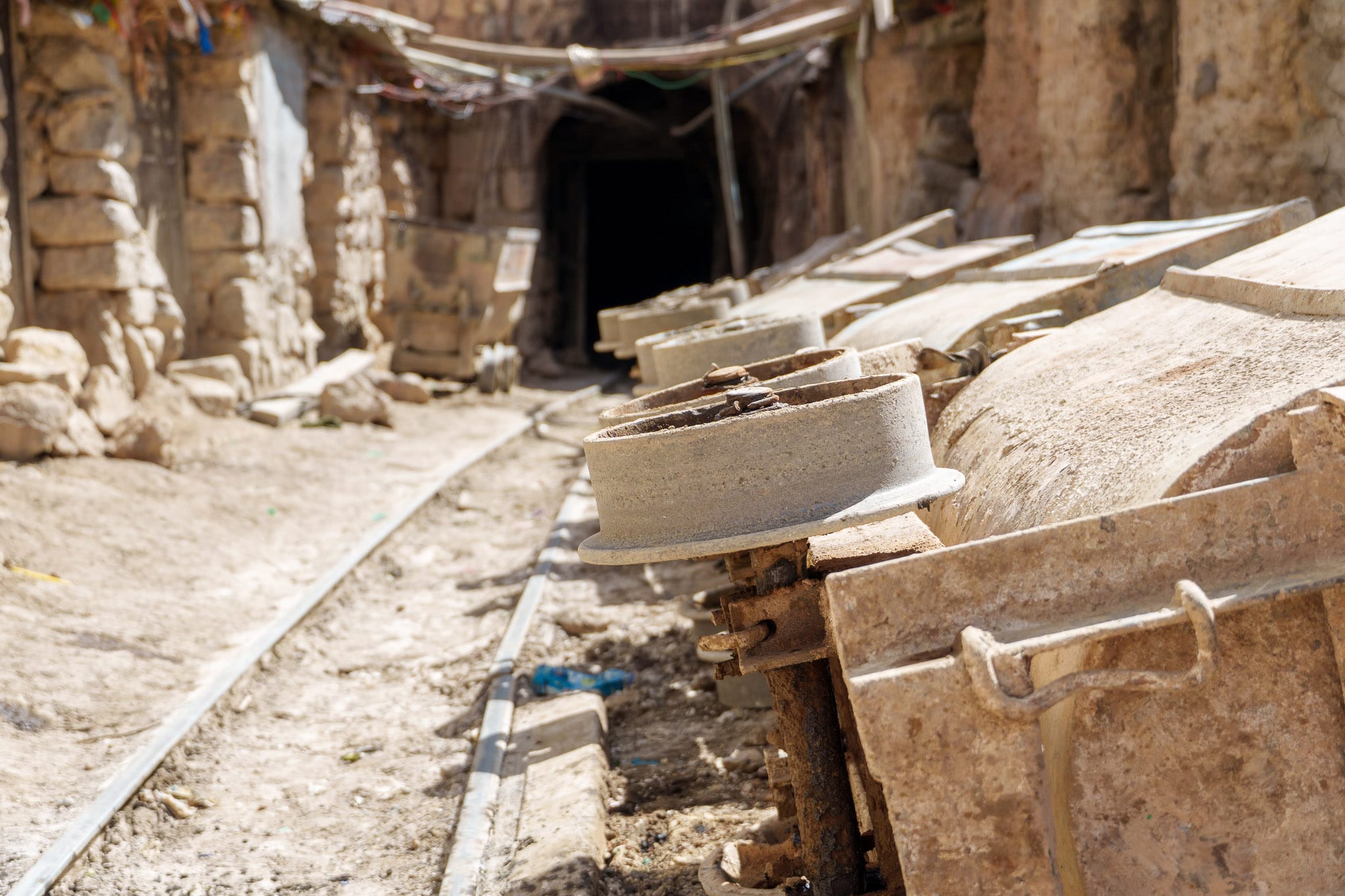
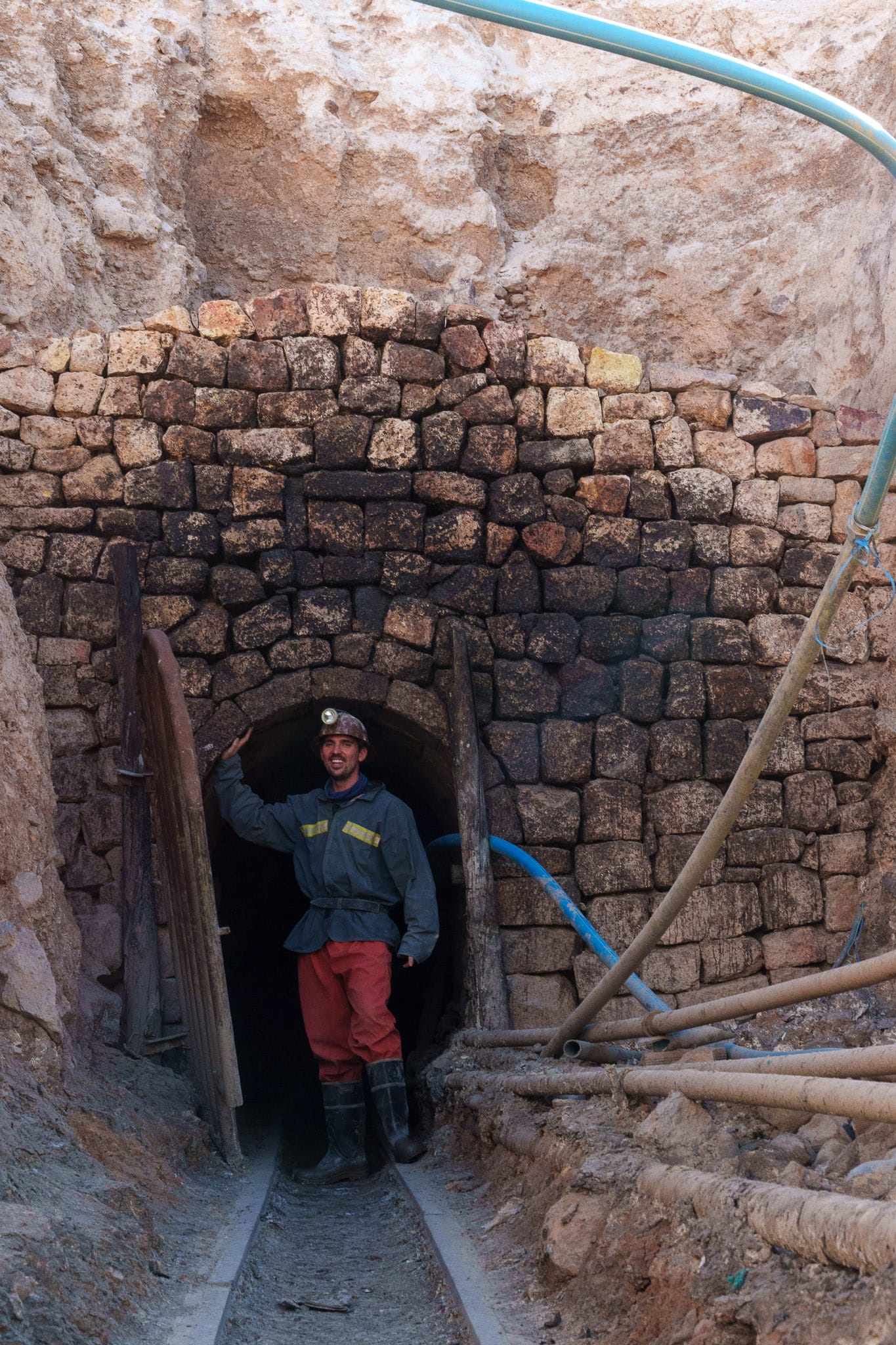
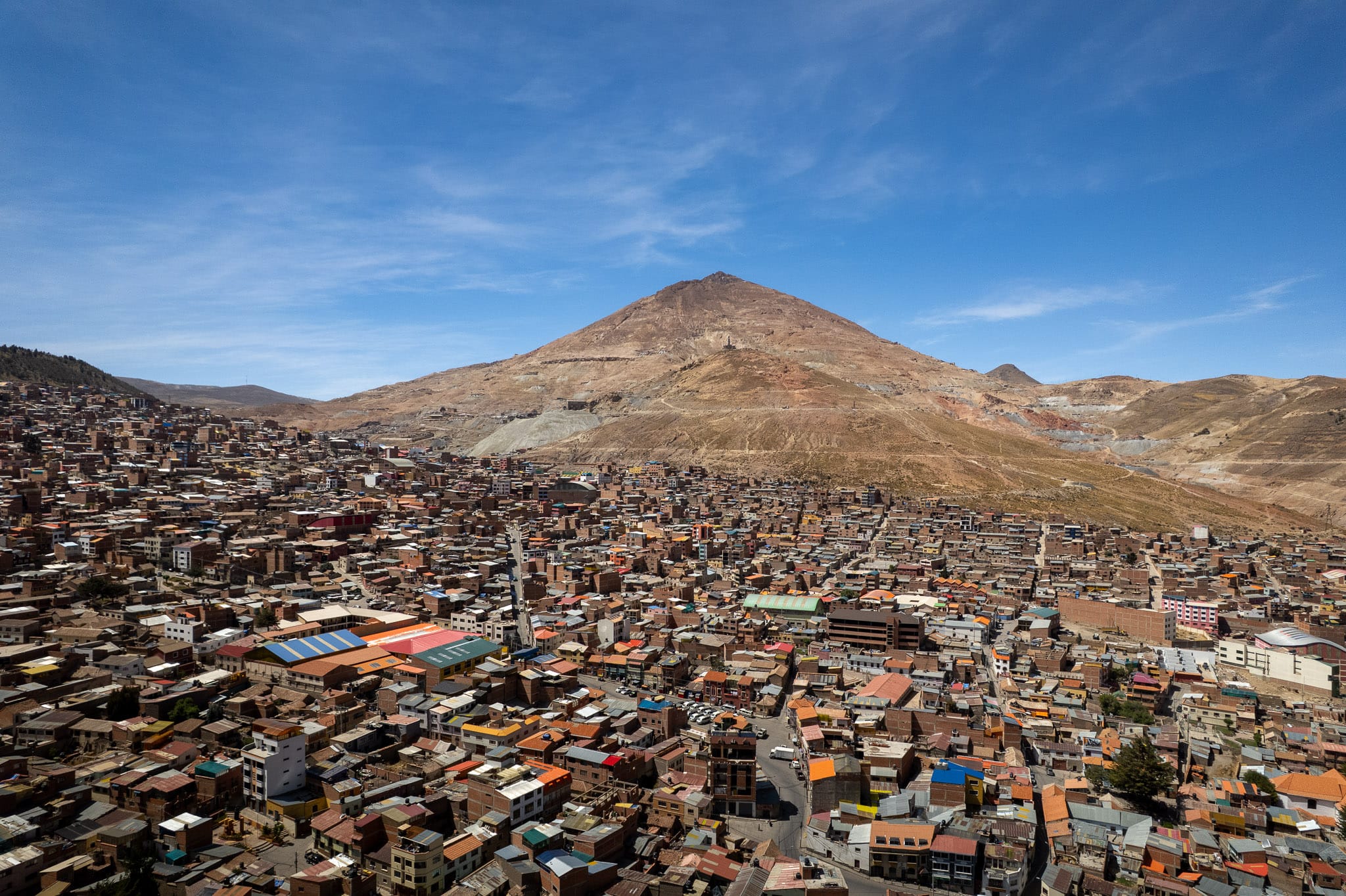
When we arrived at the mine entrance you suddenly see how real it all is: narrow rails, mine carts loaded with ore, compressors, jackhammers, and piles of rock everywhere under the shadow of the “Mountain That Eats Men,” not a theme‑park version of Bolivia mining history but the actual working silver mines of Potosi.
Offerings to “El Tío” at the entrance and inside
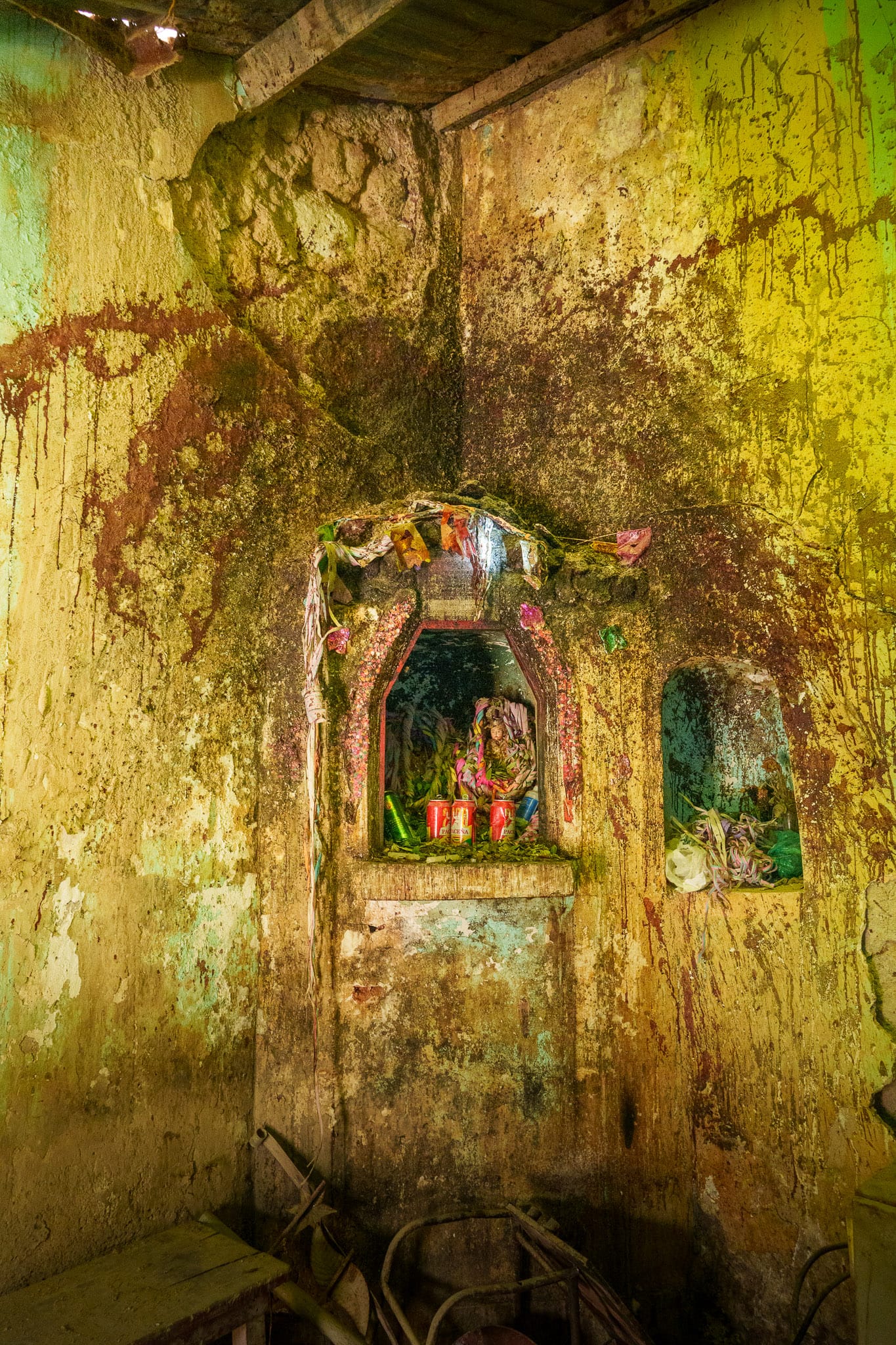
Before stepping into the Cerro Rico silver mine, our guide took us into a small, dark room right by the entrance where the miners greet the spirit of the mountain. In the corner there was a rough statue of the “uncle” of the mine, El Tío, surrounded by empty bottles, coca leaves, and half‑melted candles, the kind of scene you only find in the silver mines of Potosi.
Miners stop here to make offerings of coca, cigarettes, strong alcohol, and during special rituals even llama blood, splashed on the walls in thick, dark stains that give the place a pretty creepy atmosphere.
Our guide explained that the blood offering happens only outside, at this first Tío, never inside the tunnels.
Deeper in the mine you find other El Tío statues where workers still leave coca or alcohol, but spilling blood underground is believed to wake the Mountain spirit and make it demand more lives, so that line is never crossed.
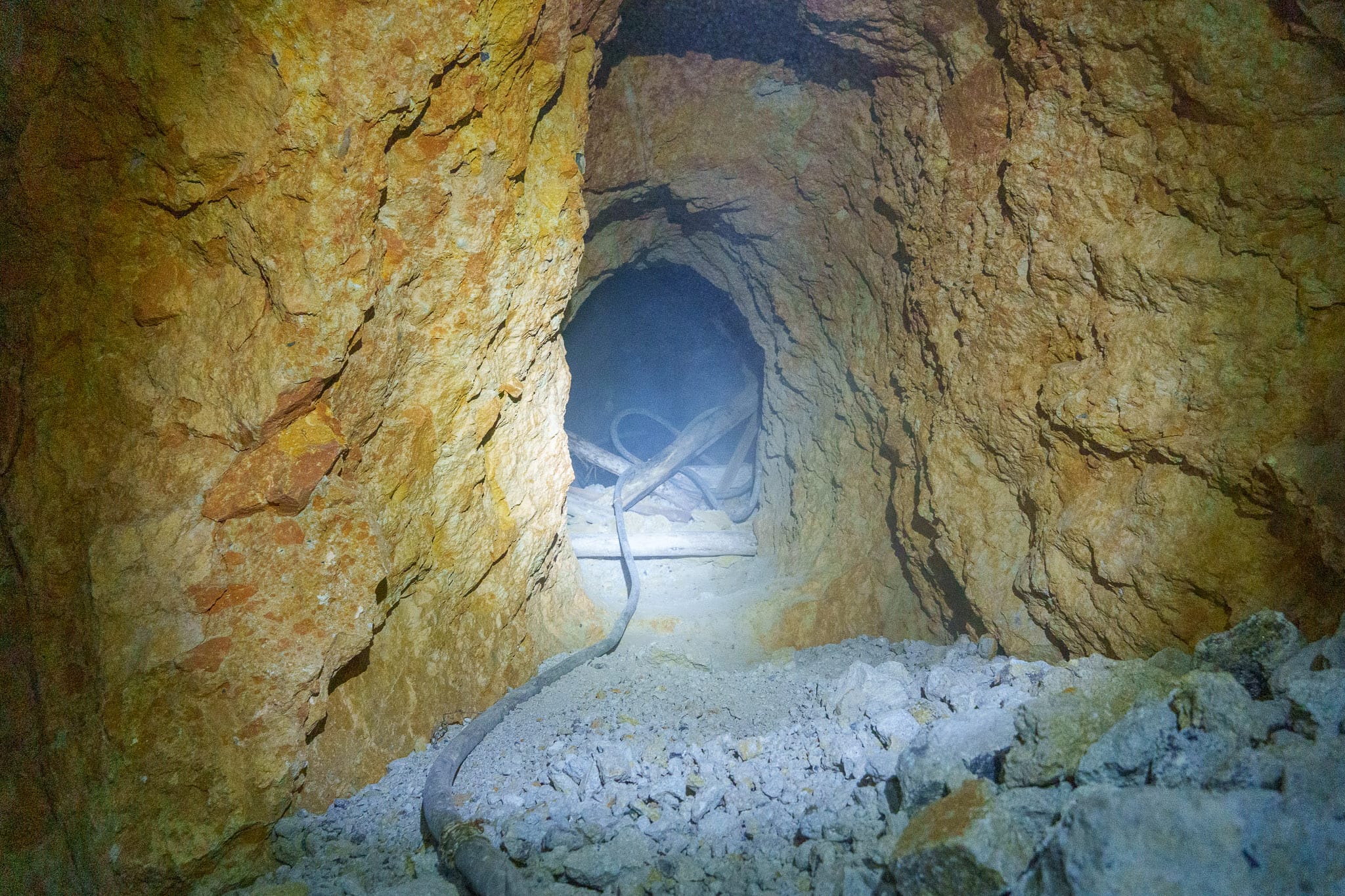
After that short, intense intro, we ducked through the low entrance and the whole vibe changed immediately: the light disappeared, the air turned humid and dusty, and within a few meters we were in the real heart of the Mines of Potosi
First impressions underground
We entered through the Candelaria mine, which is not the wide, “tour‑friendly” tunnel most visitors see on classic Potosí mine tours.
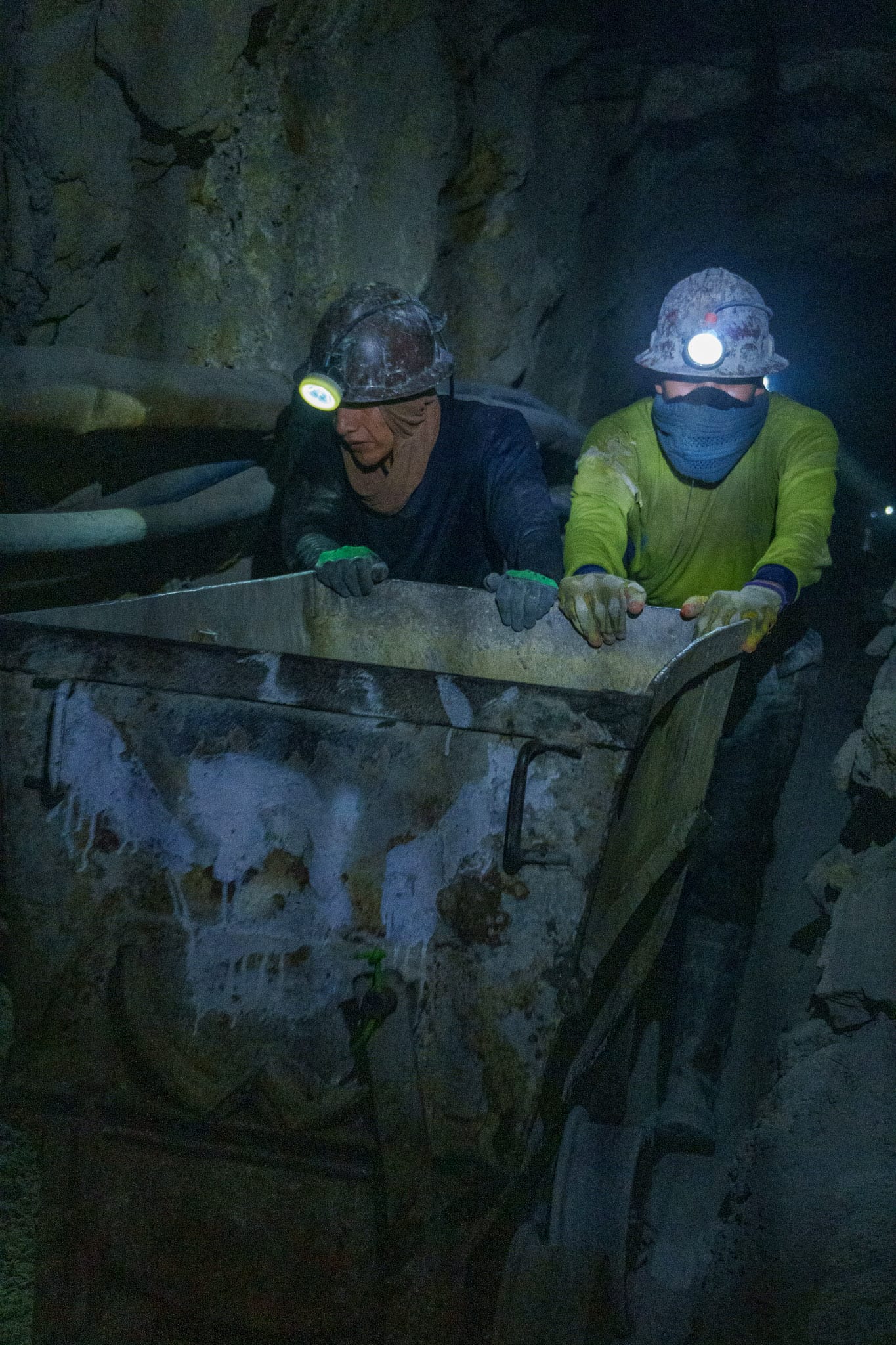
The roof here is so low you spend most of the time bent over, and every few minutes miners squeeze past with heavy mine carts full of ore, forcing you to press yourself against the wall while the wheels rattle by in the dark.
The helmet lamp only lights up exactly where you look, so everything outside that narrow beam disappears into black, and you quickly realize how disorienting the Cerro Rico mine experience would be without a guide.
It is fascinating and honestly a bit shocking at the same time: you know you are only down here for a couple of hours, but it is hard not to think about the guys who spend weeks, months, and even years working in these tunnels just to make a living in Potosí Bolivia.
Learning the job
We were lucky enough to see miners actually working, even though it was already afternoon, when things are usually quieter in the silver mines of Potosi. Most of the action in Cerro Rico happens in the morning, so if you want lots of mine carts, jackhammers, and teams moving around, aim your Potosí mine tours for earlier in the day.
One group we met was using a pneumatic drill, a jackhammer running on compressed air, to break the rock, and even standing roughly 10 meters away the noise and dust were intense.
A bit further on, we watched another team managing the mine carts on a single rail: the cart full of ore stayed on the track heading out, while the empty one was literally lifted and thrown off to the side to let it pass, then muscled back onto the rails afterward.
It looks simple until you remember an empty cart weighs around 350–500 kilos and a fully loaded mine cart can reach 2–3 tons of ore, depending on the design.
We tried pushing one on a flat or slightly downhill section and it felt manageable for a short distance, but it is easy to imagine how brutally hard it gets for the miners on steeper stretches when they have to haul that weight out of the Cerro Rico silver mine day after day.
A tiny “museum” underground
At some point we stopped in a wider chamber that our guide called the “museum,” even though it is really just a small corner carved out inside the Mines of Potosi.
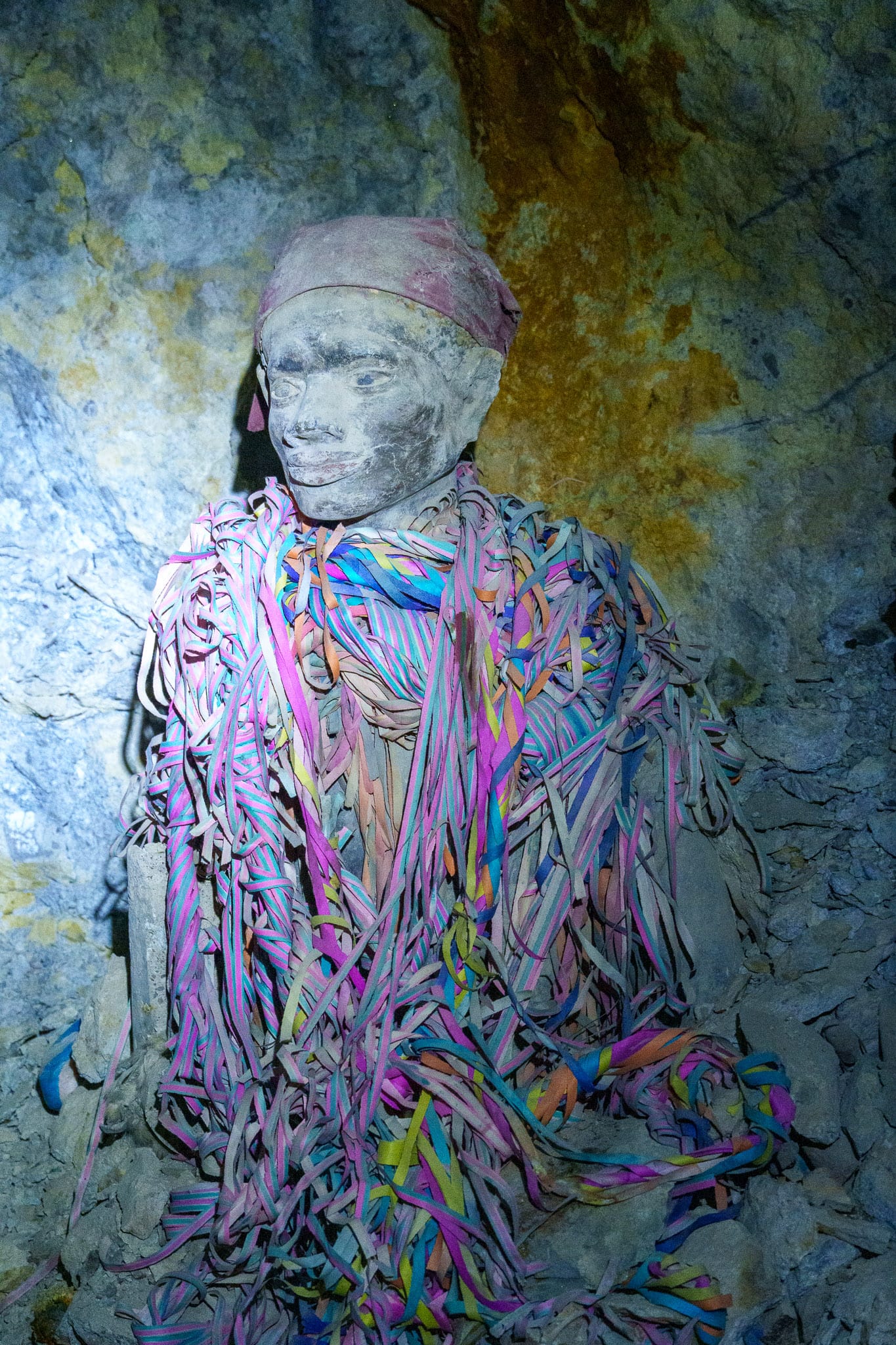
There are a few rough statues and a commemorative plaque, but each figure represents someone important to the miners’ history or another version of El Tío, surrounded by cigarettes, coca leaves, and small bottles left as offerings. You really feel how much meaning these have by the number of objects hanging from their necks or resting in their hands.
A bit deeper we met another Tío statue, again covered in coca, alcohol, and colorful decorations, but this one had a very obvious erect penis, which our guide explained with a completely straight face. For the miners, El Tío is the spirit of Cerro Rico itself: if he is “fertile,” the mountain will produce more silver and other minerals, just like farmers make offerings for a good harvest, so these slightly funny details are all about asking the “Mountain That Eats Men” to stay generous rather than cruel.
The cool (and slightly scary) dynamite demo
One of the wildest parts of this Cerro Rico mine experience was trying real dynamite. Our guide took us into an abandoned section of the Mines of Potosi, away from where anyone was working, and started explaining what dynamite is made of and how miners actually use it to break the rock. Then, very casually, he lit the fuse right in front of us and told us he had about 2 minutes and 30 seconds to get it into position, which definitely woke everyone up.
He jogged maybe 30 meters away, disappeared behind a pile of rocks, and hid the dynamite somewhere we could not see, while we stayed back and waited in the dark. Those few seconds felt long, and then suddenly there was this massive BOOM that echoed through the tunnel, a shockwave you feel in your chest and in your eardrums at the same time, honestly one of those moments that is both amazing and a bit terrifying, and probably something you only witness once in your life.
Visiting two mines in one
Another thing that makes this Cerro Rico mine experience with Koala Tours pretty unique is that you actually visit two different mines. We entered through the Candelaria mine and came out later through Rosario, and even if both tunnels feel quite similar inside.
The transition between the two is the fun part. To get from Candelaria to Rosario you crawl through a super narrow passageway, about 50 meters long, where you basically have to wriggle forward like a worm, taking your time and squeezing between the rock. If you are claustrophobic you will hate that section, no lie, but if you enjoy a bit of adventure it adds a serious dose of adrenaline to visiting the Mines of Potosi.