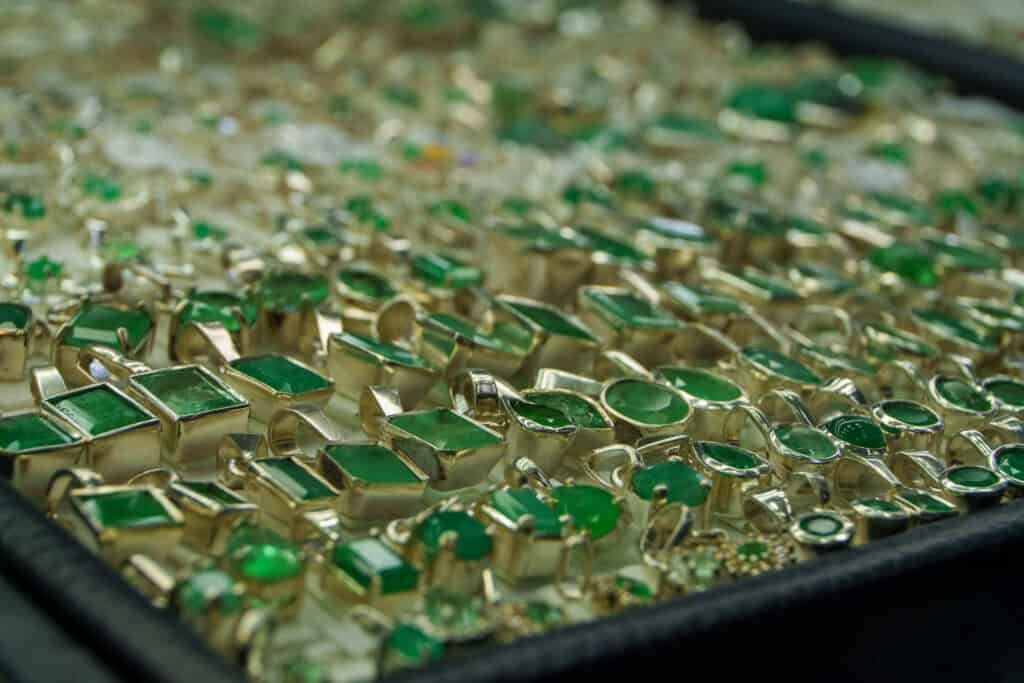
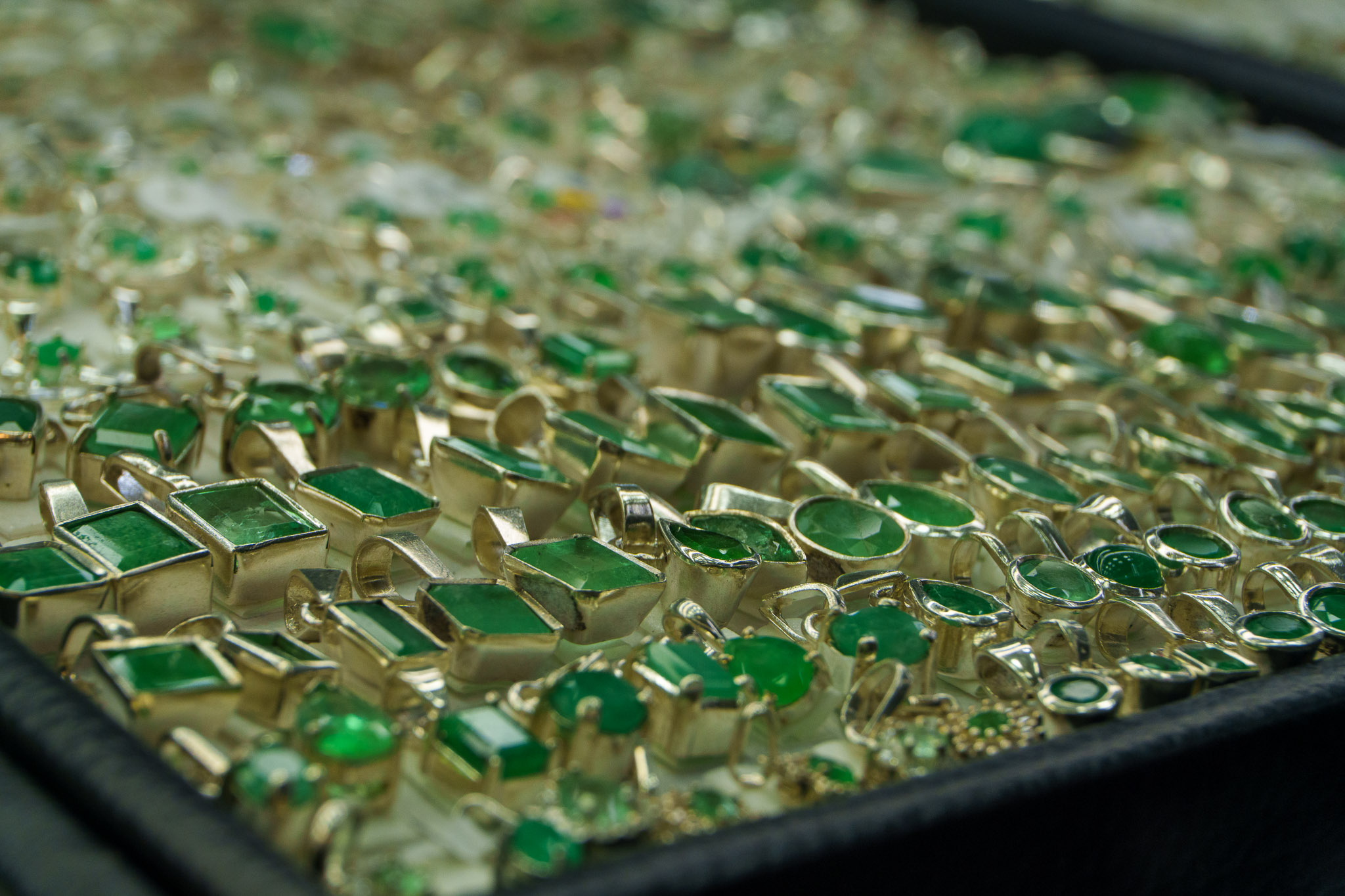
CLose up of jewlery with Muzo emerald as the main piece of it

Muzo Emeralds: Chasing Colombia’s Legendary Mining Town

This post is also available in :

I’d been dreaming about Muzo Colombian emerald mining since my first backpacking trip through South America 10 years ago. Back then, I passed close to it through Medellín, but it was too far and too complicated to reach. A few years later, on a student exchange in Colombia, Muzo was on my list again, but there was too much else to see.

The third time was the one that stuck. This time, Muzo wasn’t just on my list, it was on my route.

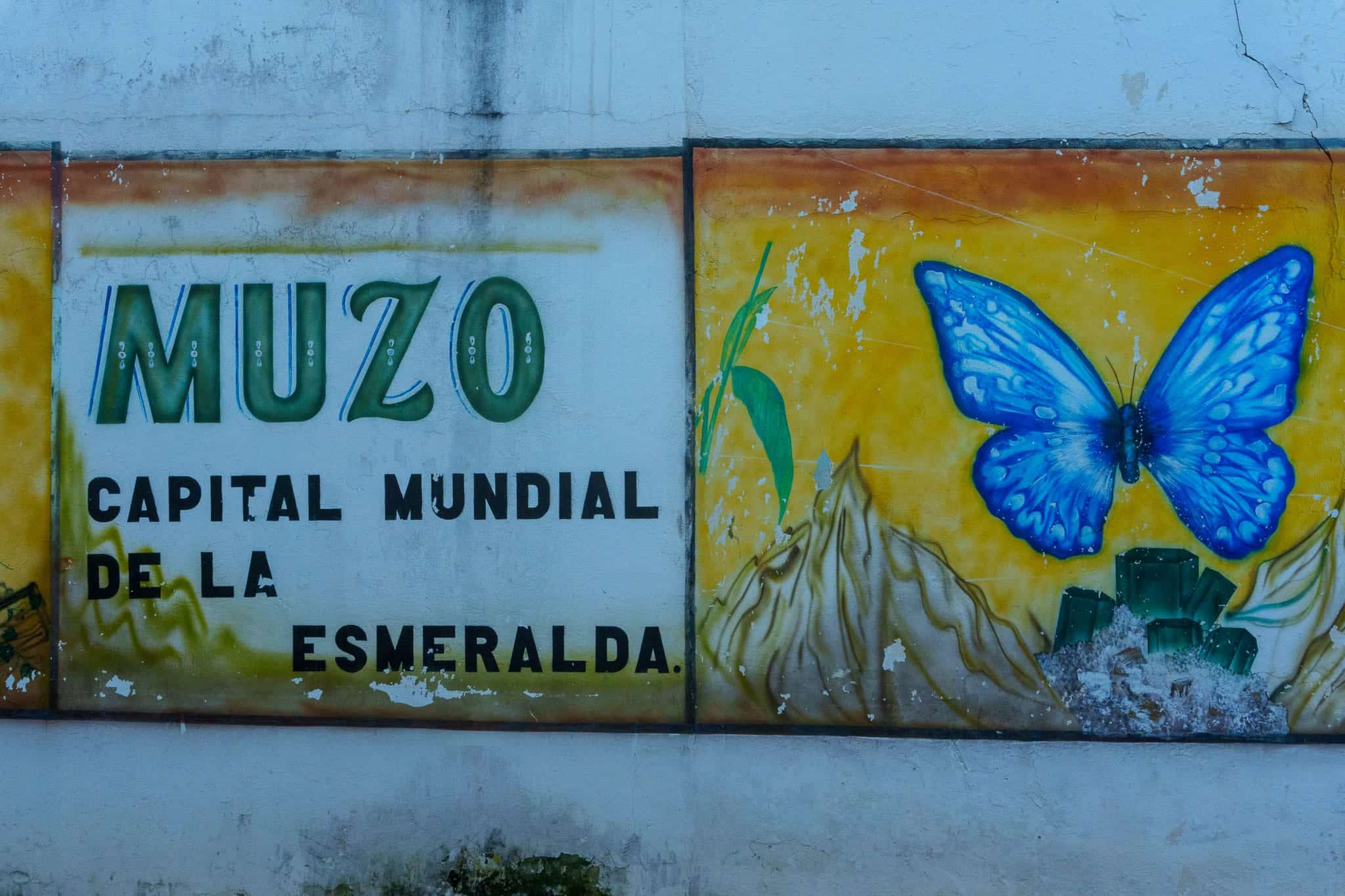
If you’re looking for a real adventure in Colombia, head to Muzo, the emerald capital of the world. This isn’t your typical tourist stop. Getting here takes time and patience, but what you’ll find is a raw, authentic experience. From bumpy mountain roads to meeting local miners and even trying your luck underground, Muzo offers a glimpse into a world few travelers ever see.

Table of Contents

Before Muzo, Start at Bogotá’s Gold Museum

If you’re passing through Bogotá on your way to an emerald mine in Colombia, stop at the Museo del Oro first. I saw pieces there with emeralds set into gold that took my breath away, and it’s a stark reminder that during Spanish colonization, most of Colombia’s finest stones were taken.

Right next to the museum, you’ll find shops selling mounted emerald rings and pendants. They’re beautiful, but pricier than what you’ll find at the source. I wanted mine raw or uncut, which meant going straight to Muzo.

If you’re building a longer Colombia itinerary, Cartagena’s colorful streets make a great contrast to Muzo’s raw mining energy

Getting to Muzo, the Adventure Begins

Traveling from Bogotá to Muzo is a journey you won’t forget. I caught a van from Bogotá to Chiquinquirá for 30,000 pesos, then a second van from Chiquinquirá to Muzo.

The road itself is the real story. On one side, a rock wall. On the other, a drop of several hundred meters. The turns are tight and the driver acts like it’s the most normal road in the world. When I visited, heavy rains had caused landslides, so we took a smaller, less maintained route that made the trip even longer.

A few practical notes:

  • You can choose a van or a Toyota 4×4 for the Chiquinquirá to Muzo leg
  • The 4×4 is faster and handles the rough roads better
  • Transport runs all day, but start by 3 or 4 pm to avoid traveling after dark
  • Pack for dust and heat, not for comfort

If you’d rather book your onward transport ahead of time, 12Go covers buses and van transfers across Colombia.

FREE Google Map - Best 500 Places in the World

Most travelers visit the same 20 places their whole life.

Here are 500 reasons to do better.A curated world map of 500 unforgettable destinations across every continent — open it in Google Maps and start planning.

    Arriving in a Town Built on One Stone

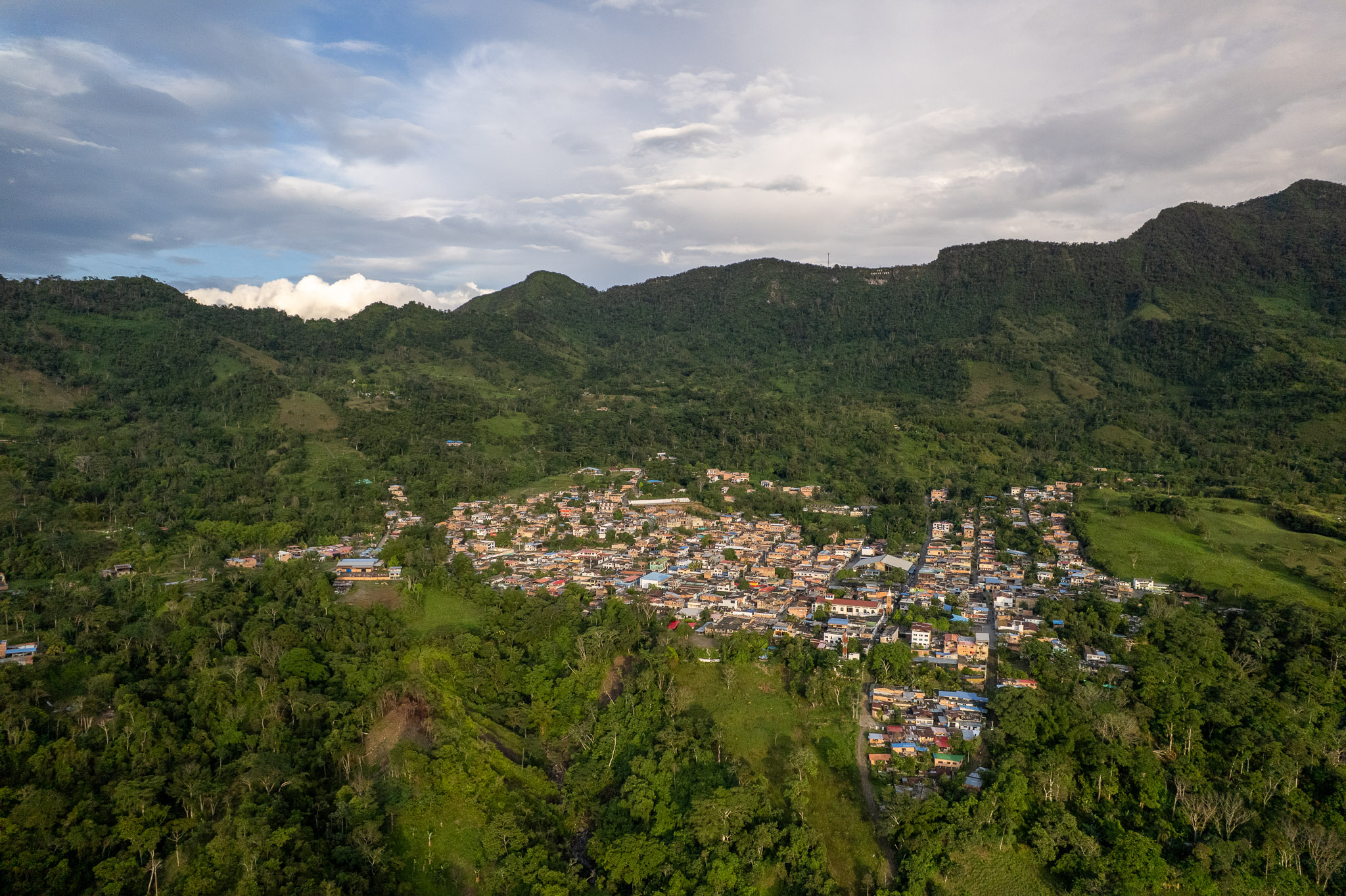
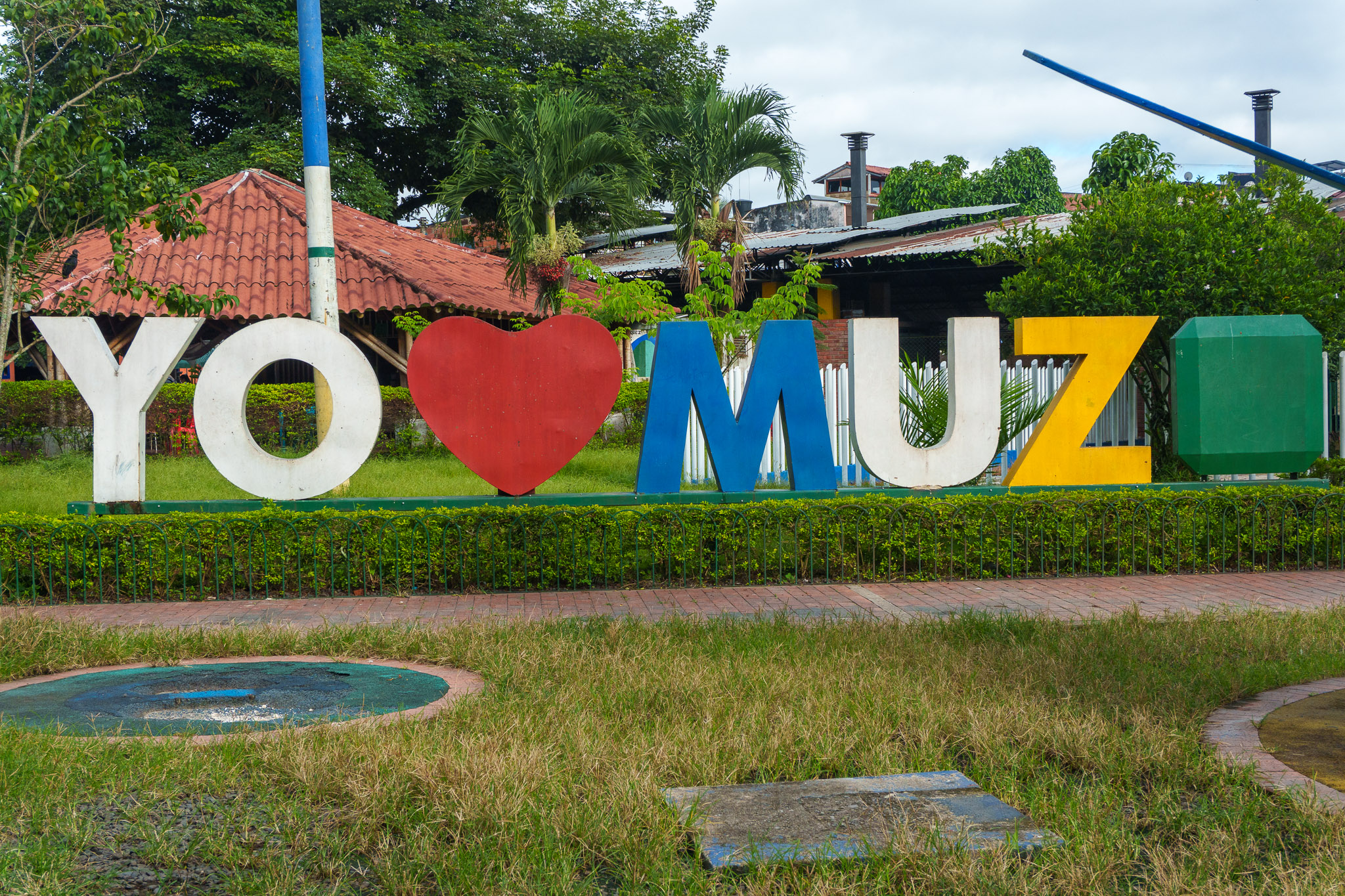
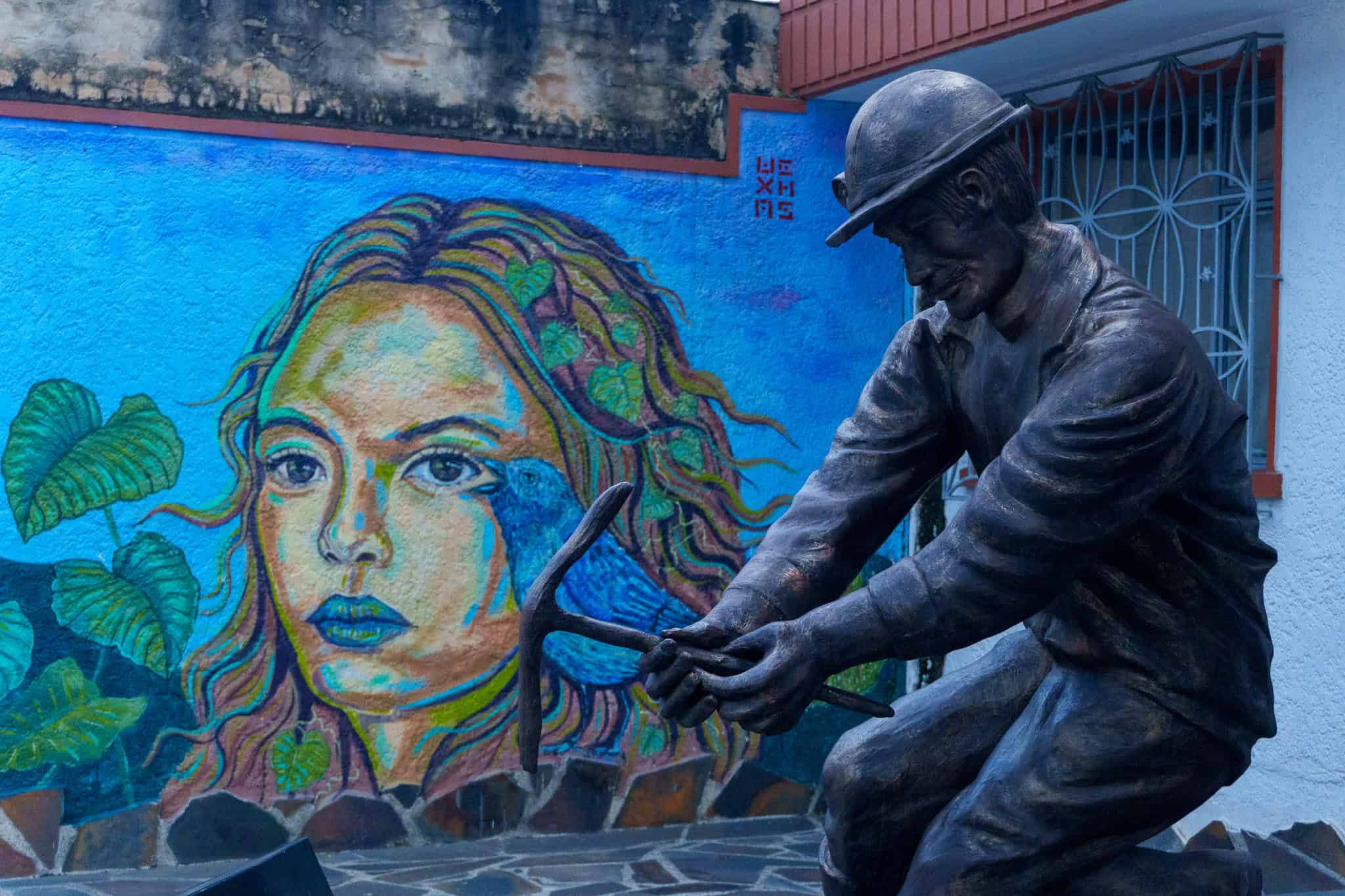
    Muzo is a classic Colombian mountain town. Green valleys surround it, and 20 to 30 streets cross in a grid around a church and a main square, just like most towns here. Except in Muzo, everything revolves around one thing, the emerald.

    Honestly, I expected something more dramatic, a mythical emerald city of some kind. What I found instead was an ordinary town where miners and buyers trade directly on the main square, and every shop, every conversation, every resident is tied to the green stone. It’s rare to see a place this single-minded, and it’s both fascinating and a little unsettling to wonder what happens the day the emeralds run out.

    Watch The Video

    If you prefer beautiful landscapes and listening instead of reading, I’ve also made a YouTube video about this place. Hit play, relax, and let me show you what it really looks like on the ground.

    Where I Stayed, Hotel Cristal and Jorge

    In Muzo, I stayed at Hotel Cristal. It’s a simple setup, a single bed, a fan, and a private bathroom with no hot water. What the hotel lacks in luxury, it makes up for in Jorge, the owner.

    Jorge used to be a miner himself. He knew every miner we crossed paths with during the tour, because he’d worked in those same tunnels and valleys before deciding to stop. Today he runs the hotel and guides the rare travelers who make it this far, and he offers a full day of access to the real, mostly illegal mines that you won’t find listed on TripAdvisor.

    You won’t find this tour advertised anywhere. You find it by talking to the person running your ten-dollar hotel room, which is exactly what makes it worth doing.

    Best of Latin America - The Ultimate Travel Map

    The only travel map you need before your trip

    Hand-picked beaches, hikes, waterfalls, national parks, monuments, cities and hidden gems.

    I’ve pinned them from my own travel in Latin America.

    Opens directly on Google Map on your phone, and I updated them regurlarly.

    Get the Map

    Into the Heart of the Muzo Mine

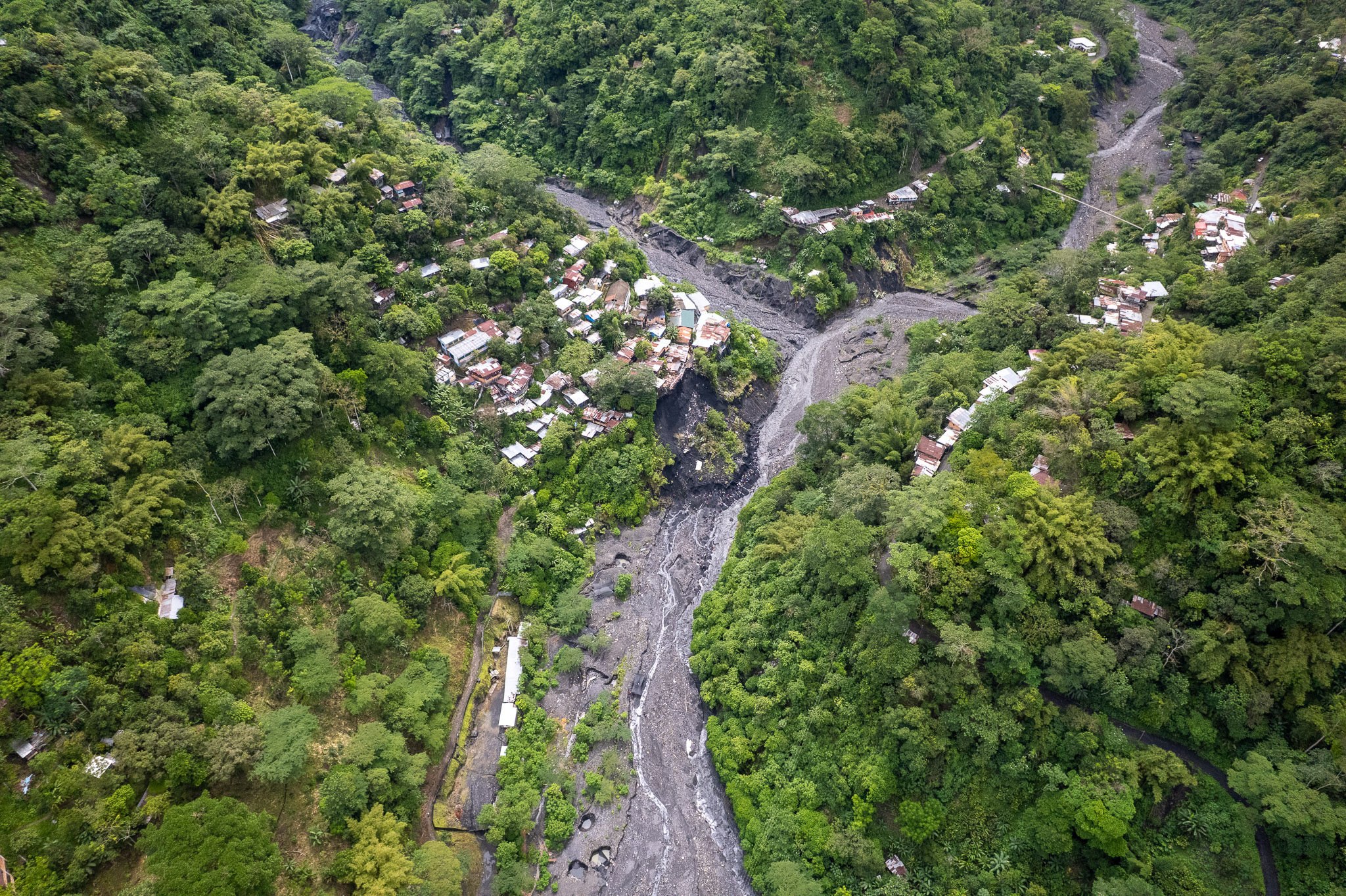
    The Valley of Tunnels

    The tour started at 9 am and ran until about 5 pm. We rode motorbikes into the mining valley, about 30 minutes through lush hills and dusty tracks, passing multiple tunnel entrances dug directly into the hillside.

    These tunnels are artisanal, not run by the big mining companies, which makes them more dangerous. A few months before my visit, the main local company stopped redistributing land to residents for informal work. So locals started digging their own tunnels directly on company land instead. The company doesn’t press charges, since it has richer zones elsewhere, and the miners do what they can.

    Underground With the Miners

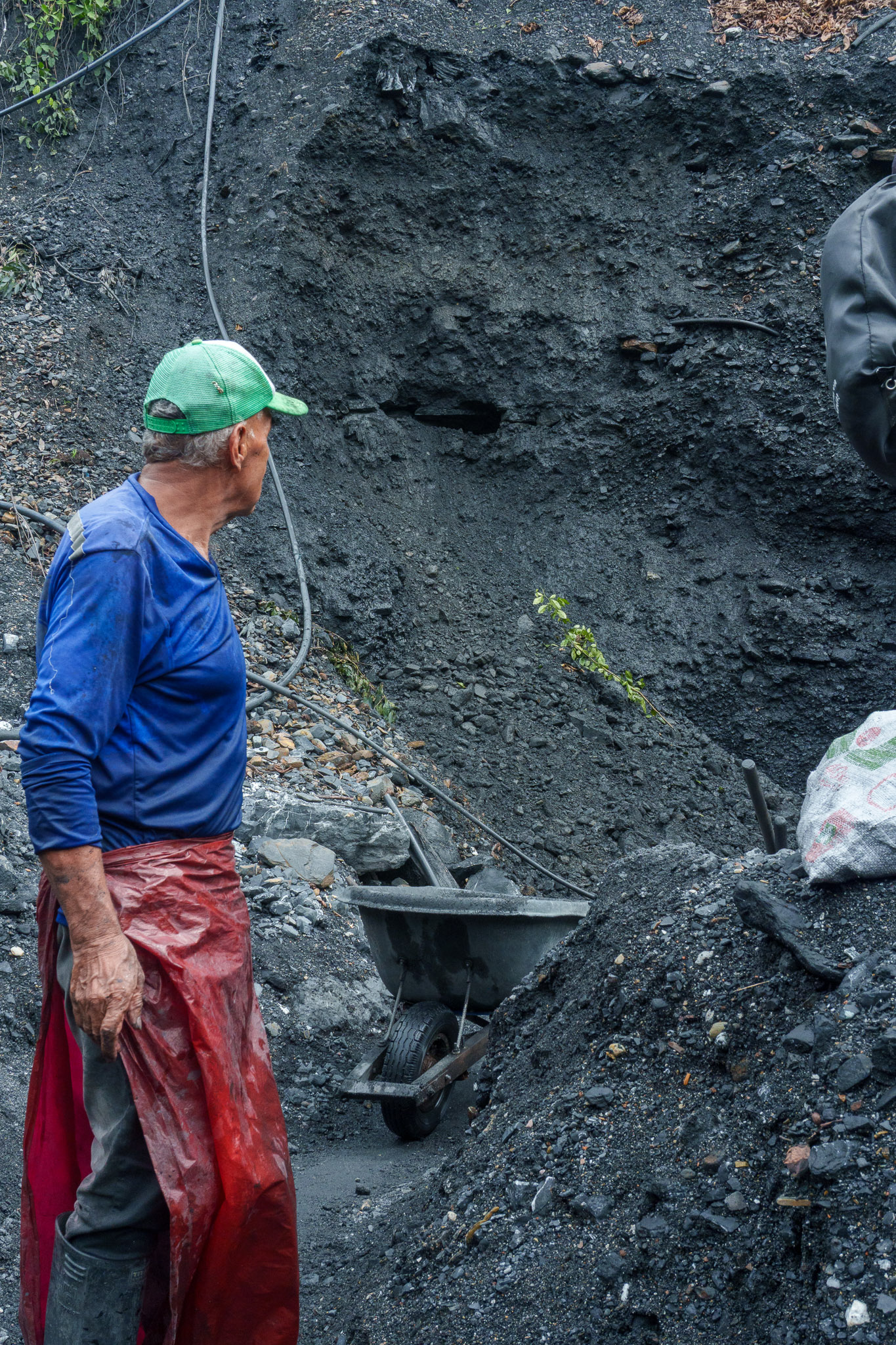
    Jorge took me down into one of the tunnels, and I didn’t hesitate. Climbing down wooden ladders that barely hold, squeezing through narrow passages, watching a miner run an electric jackhammer while another sifted through the rubble for white calcite veins, that’s where emeralds hide inside the black rock.

    The air was thick with dust, brutally hot, and loud. I lasted five minutes before I needed out, and the two miners down there switch shifts every 30 minutes to an hour, eight hours a day. Right next to that tunnel, a section had collapsed, and instead of stopping, the miners had already started a new tunnel beside it, because a collapse means fresh rock and fresh chances.

    The Water Cannon Valley

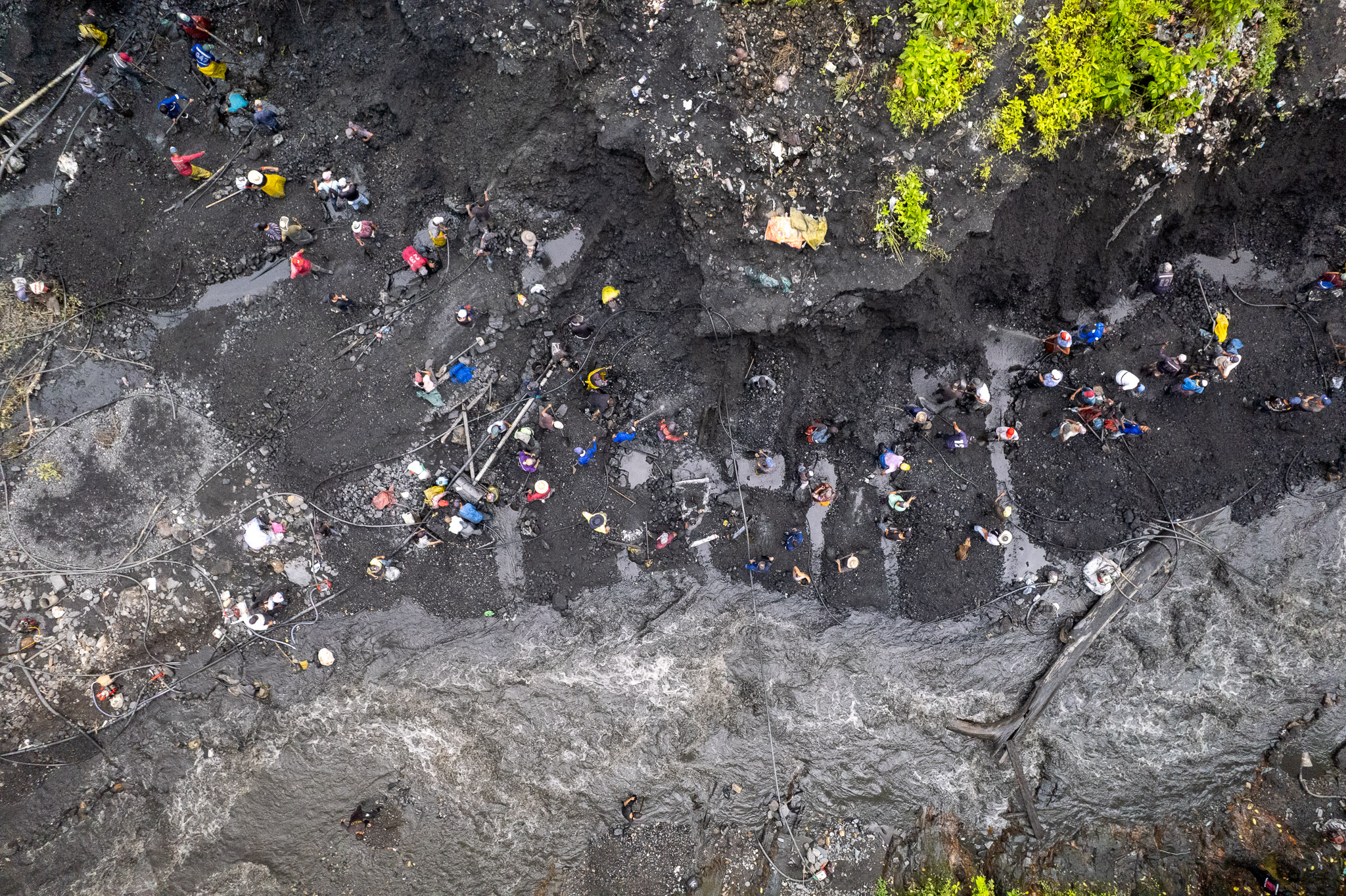
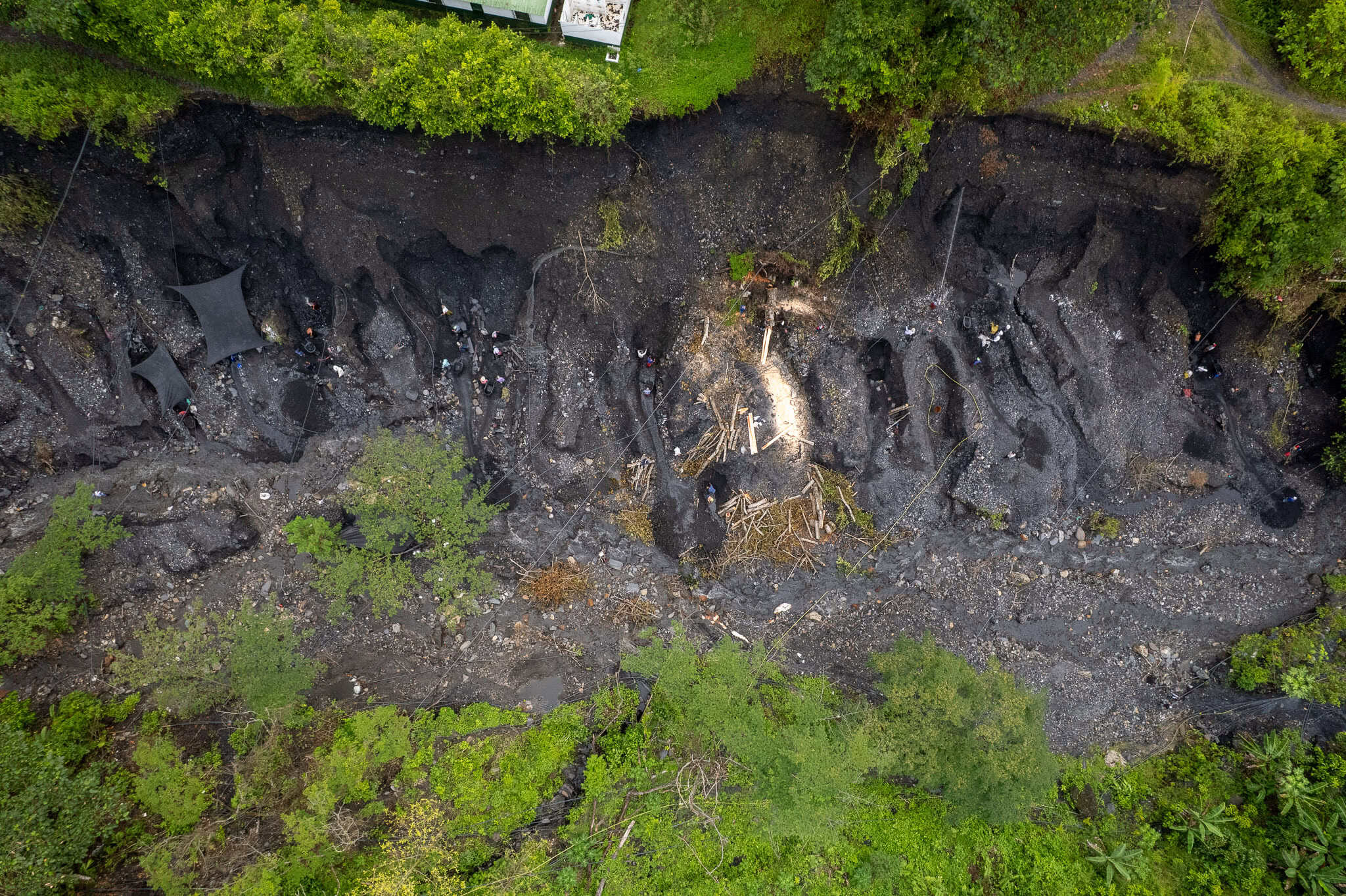
    A short ride away, we reached a cliffside where teams blast high-pressure water jets into old, already-processed earth, hoping to find what a mining company missed 40 or 50 years ago decades back. Watching 15 to 20 teams work the same eroding cliff at once is impressive and unsettling, especially with abandoned company buildings sitting directly above, waiting to collapse.

    Jorge told me a few weeks before my visit, two women had died there in a landslide. The land isn’t officially anyone’s, which means no one takes responsibility for making it safer.

    The River Miners

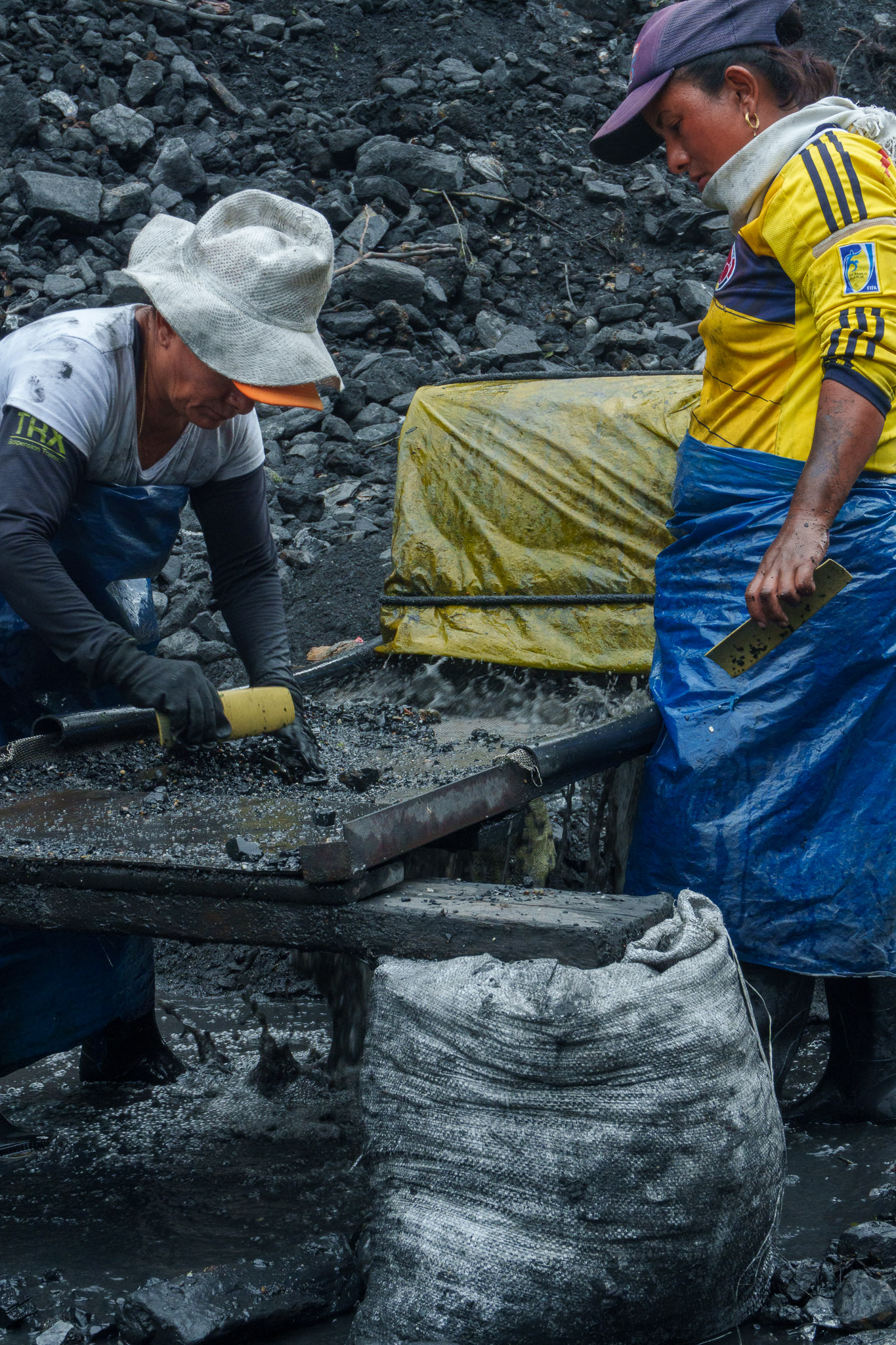
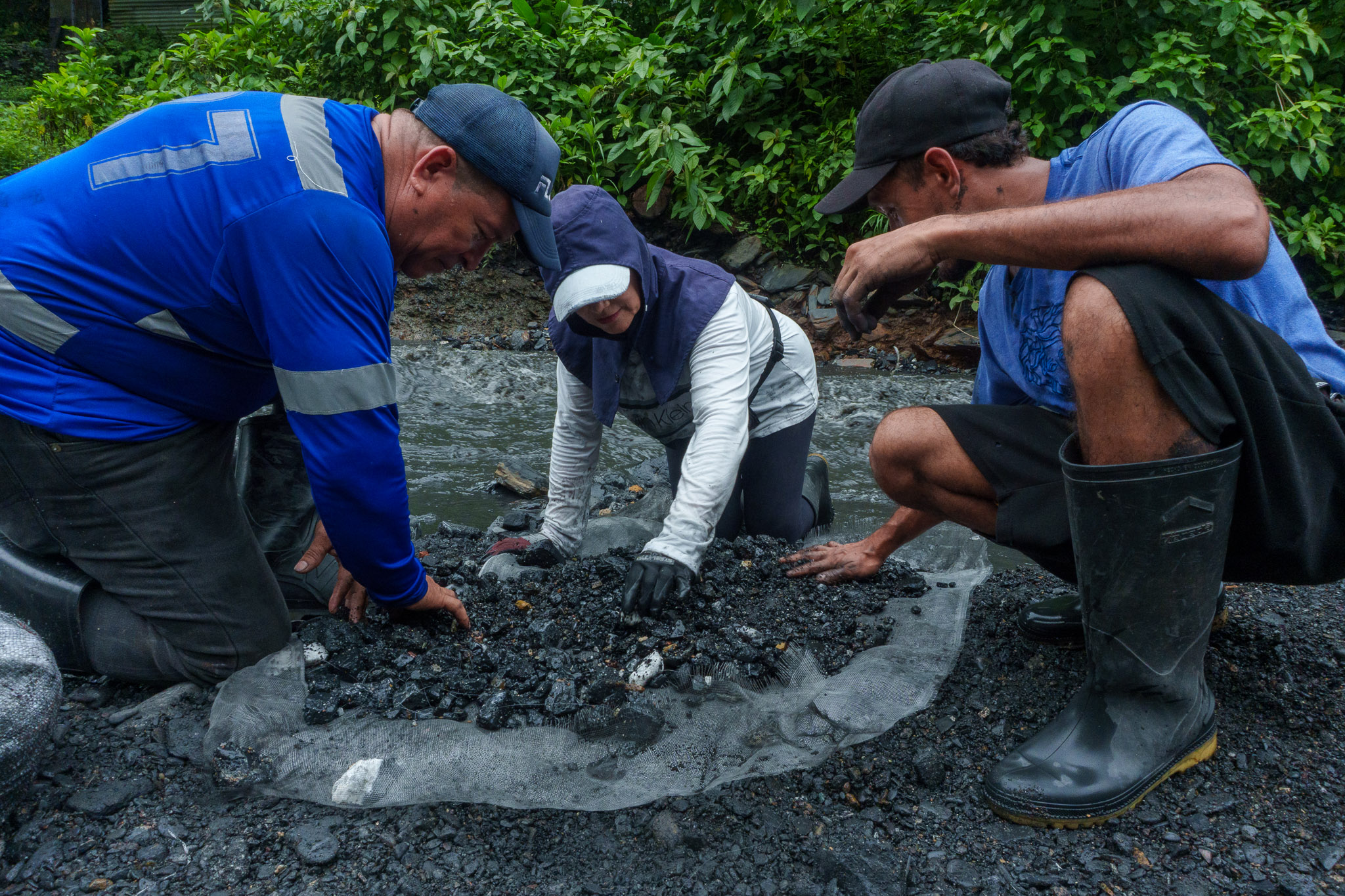
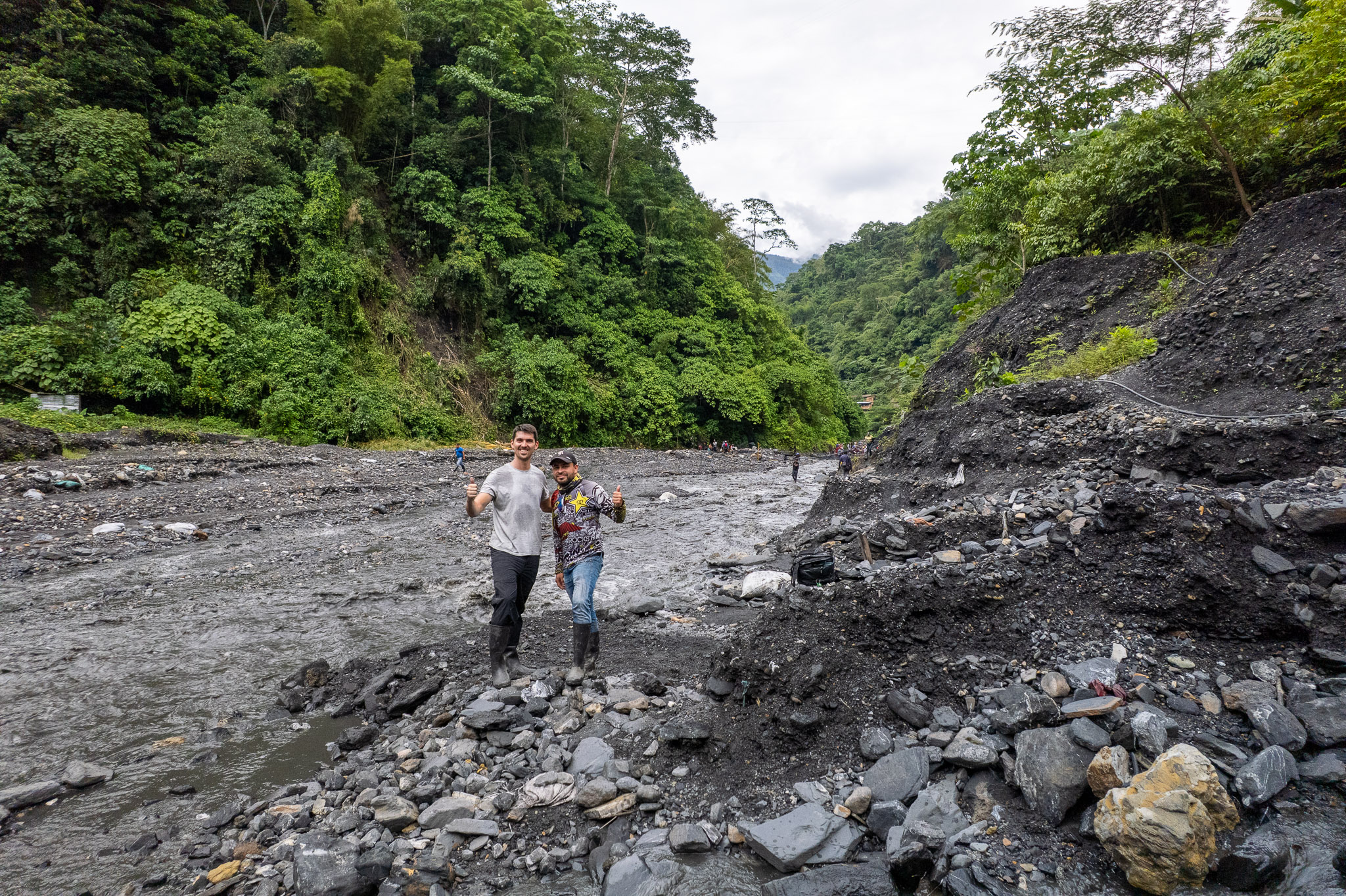
    At the Rio Minero, hundreds of people worked the banks and the water itself, some with small motorized separators, others with nothing but a thin net and a bag of rocks. A recent landslide, just two days old when I visited, had exposed fresh earth, which is why so many people had gathered there at once.

    I watched one older woman working alone with a shovel for a long time. She’d dig, spread the earth, check for green, find nothing, and start again. It’s the kind of scene that stays with you longer than any photo of the emeralds themselves.

    Trying My Hand at Mining

    After the tunnels, the water cannons, and the river, I stopped for lunch at a spot with a view over the whole valley, run by friends of Jorge and reachable only if you know someone. Below the restaurant sat an old private mine that Edwin, the owner, had dug by hand years earlier.

    With Edwin’s family, I went down and tried mining myself with the same electric tools I’d seen used all morning. I found a few tiny, low-quality emerald crystals, and the feeling of pulling something green out of the rock myself is hard to describe. After half an hour I genuinely didn’t want to stop, which tells you something about why hundreds of people do this every single day with no guarantee of finding anything.

    Why Jorge’s Story Matters More Than the Emeralds

    What stayed with me most wasn’t the mines. It was watching Jorge pick up his daughter from school at the end of the day, tired but not covered in black dust, present instead of exhausted.

    Jorge left mining and built something else from the same knowledge, the same valley, the same history. Not everyone can do that, since it takes a hotel, clients, and comfort talking to strangers. But it’s proof that the cycle isn’t unbreakable.

    Buying Emeralds in Muzo

    Once you’ve tried your luck in the mines, you’ll probably still want to bring home a real Muzo mine in Colombia souvenir. You have two main options, bargaining in the street or buying from a family-run shop.

    • Street bargaining happens near the church square, loud and chaotic, with no fixed prices and foreigners often quoted higher. Only go this route if you know emeralds well.
    • Family shops are run by locals with generations of expertise, selling raw stones and cut gems. Cut stones usually have displayed prices, while collection pieces are negotiable.

    I bought several stones from Andrés and his family, whose shop is full of pieces he and his brother found themselves in the same valley I’d just visited, including at the exact spot where the house had collapsed in the recent landslide. I paid a fair price, the kind you get when you’ve made the trip yourself rather than buying blind online.

    You can also book onward accommodation or trips through Colombia with Booking.com or find guided experiences with GetYourGuide (use code HORIZONHUGO5 for 5% off).

    Is the Muzo Emerald Mine Tour Worth It

    Mining for emerald from Colombia yourself means your stone comes with a story, which makes it worth more than its size or clarity ever will. Stay a day and a half if you’re short on time, or three days if you want to visit every shop and negotiate properly.

    I almost skipped the mine tour, and I would have regretted it for years. It’s tough to see how hard life is for the miners here, but it’s one of the most honest, unforgettable adventures I’ve had in Colombia, and Jorge’s tour gets the full HorizonHugo stamp of approval.

    If you liked this kind of raw, physical adventure, you’ll probably enjoy rappelling into Cueva de la Tronera too, another side of Colombia most tourists never see.

    This post is also available in :

    Picture of Hugo Mathieu
    I'm Hugo, a traveler driven by curiosity and a passion for discovering the world's hidden corners. After exploring over 30 countries across Latin America and Southeast Asia, I've learned that every adventure shapes who we become. I'm here to share those lessons and inspire your next great journey.

    Subscribe to the Newsletter

    Join our community and receive exclusive travel stories, guides, and special offers!

      What's on My Desk Right Now

      🗺️ Planning a Trip?

      Skip the research rabbit hole.

      I’ll build you a personalised day-by-day itinerary — or answer all your questions on a quick 60-min call.

      Let's Connect

      Affiliate Disclosure

      Some of my posts include affiliate links. If you choose to make a purchase through them, I may earn a small commission—at absolutely no extra cost to you.


      Using these links is the best way to support my work and say thank you, and I appreciate it so much! Of course, everything I share reflects my honest opinions and experiences.

      📸 Work With Me

      Brand, tourism board or hotel?

      Let’s create something together — content, reviews and campaigns that reach real travellers who are ready to book.

      Buy Me A Coffee

      Latest Posts

      No posts found

      Get My Personal Map of 500 Must-See Places - FREE

      I’ve compiled 500 of the best places across my travels into one free Google Map.

      The kind of spots you won’t find in a guidebook.

        Table of Contents

        Got Questions?

        Still figuring things out for your trip, or just want to double check something before you book? Send me a message and I’ll get back to you as soon as I can.

        Or hit me up on Instagram, I’m there anyway and always happy to chat about the trip.

          Share it with the person you to travel with !

          You might also like to read these articles

          Scroll to Top