13 Best Hikes in South America You Need to Experience
This post is also available in :
The landscapes in South America are somehow unique, impressive, and so diverse. From one country to another, you can get such a different vibe. But to truly see them, sometimes, if not always, you need to get out of the city and walk deep into places where no roads exist to find the best scenery.
That’s what this list is about, the best treks in South America for the most memorable landscapes and experiences the continent has to offer. I’ve loosely organized them by country, not necessarily from best to least.
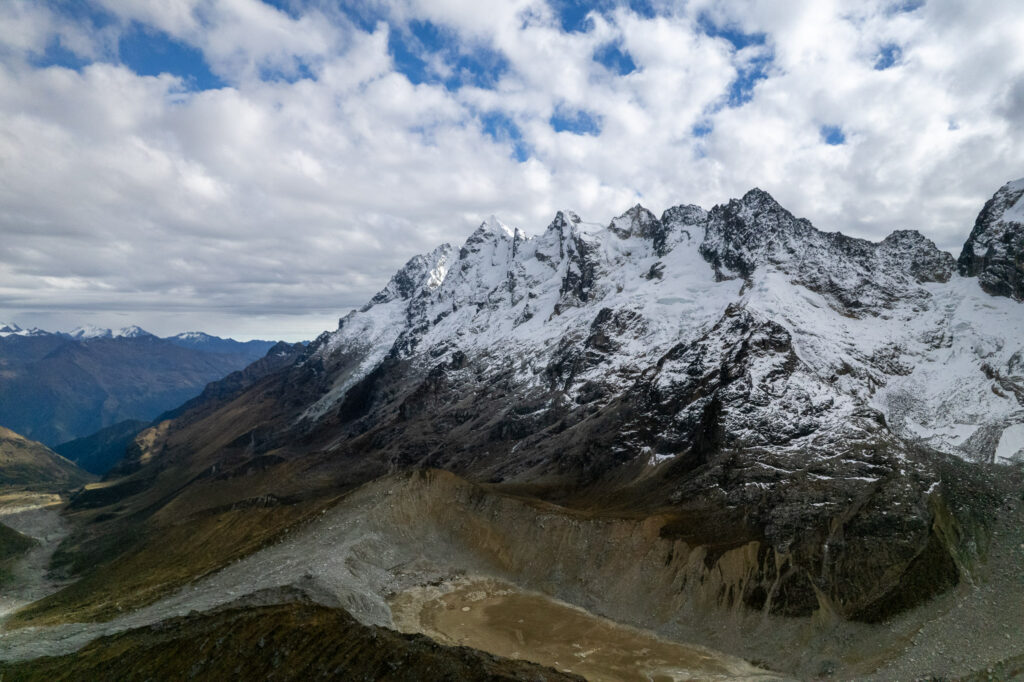
Table of Contents
Salkantay Trek

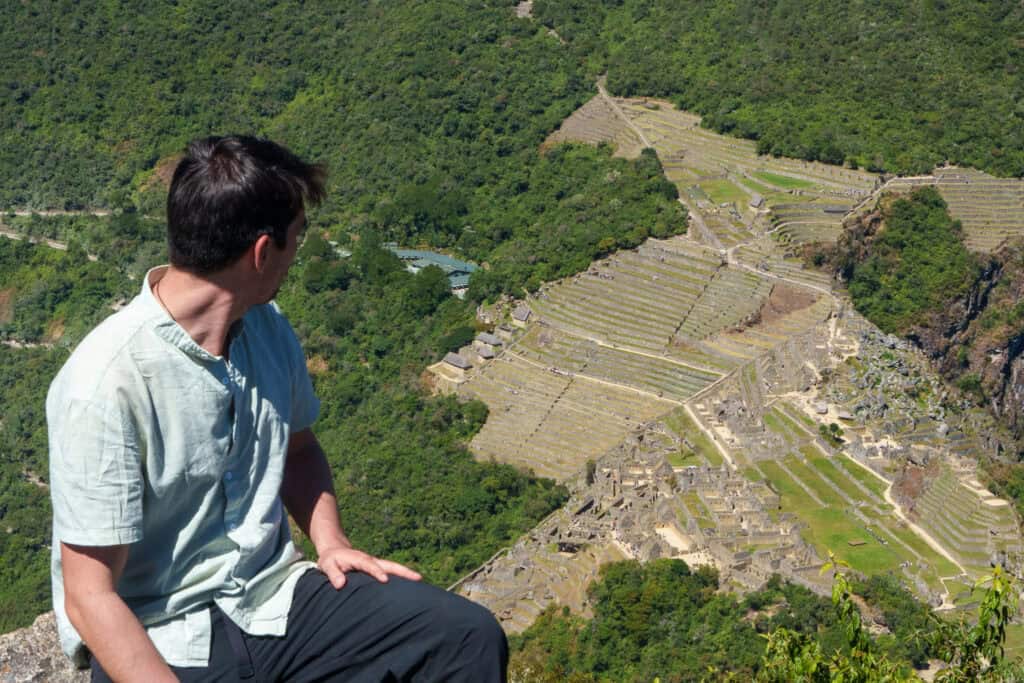
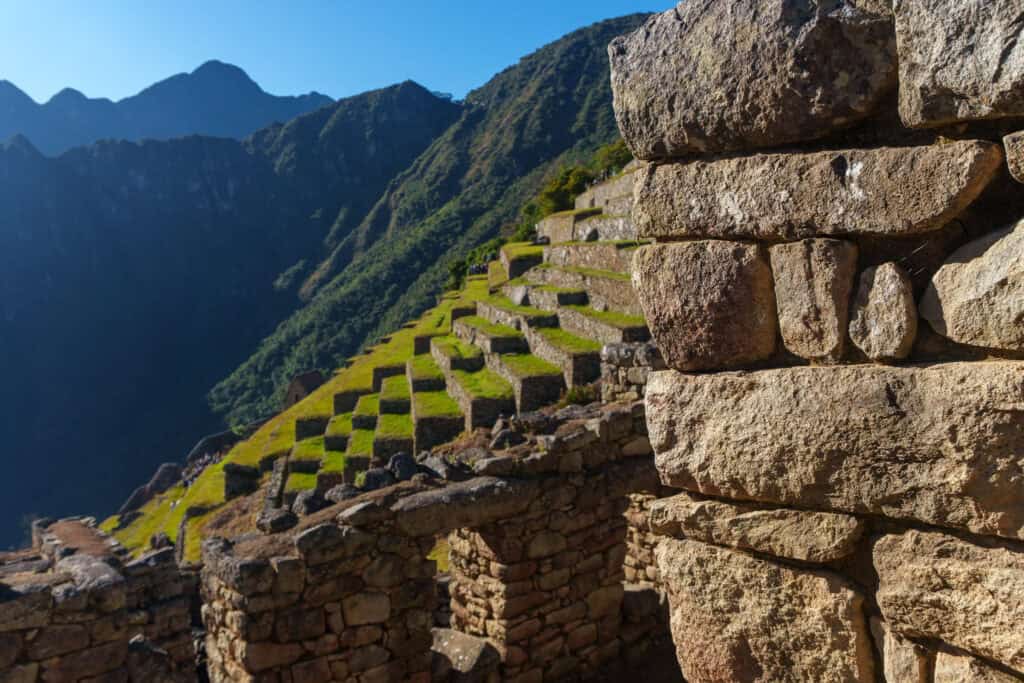
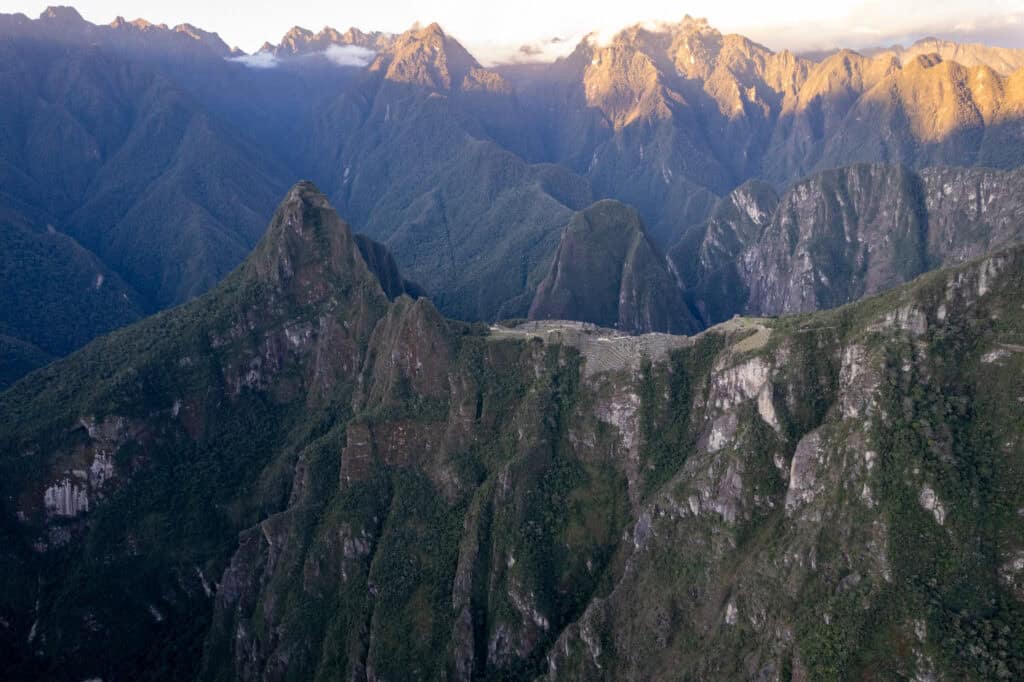
The Salkantay Trek is the wilder, tougher sibling of the Inca Trail and honestly, the better-looking one. Over 5 days and 74 km, you cross the Salkantay Pass at 4,630m, push through snow-capped mountain terrain, then drop into lush high jungle before landing at Machu Picchu.
It became famous because you don’t need a permit (which is the case for the Inca Trail). Because it’s wide, it feels less crowded too. The views really change each day, but you need some good fitness for the first two days because altitude is no joke here.
I’ve done that trek last year and can tell you this one is absolutely amazing, tough but very rewarding. If you visit Machu Picchu this way, it feels so much better because you feel like you deserved to visit that ancient city after all that walking in the mountains. I’ve written a full guide about the Salkantay Trek.
Inca Trail

The Inca Trail is the famous one that leads to Machu Picchu, because the end of it literally makes you arrive at the Sun Gate, one of the entrances to Machu Picchu. It’s a very cool one apparently, but because of its notoriety, you now need a permit (or a ticket if you prefer) to restrict the number of visitors. Hence, that trail feels a bit crowded.
This trail is lighter than the Salkantay, you don’t go as high and walk a bit less in total. Those permits are sold out months in advance, so if you prefer doing this one, really plan way in advance.
Cordillera Huayhuash Circuit

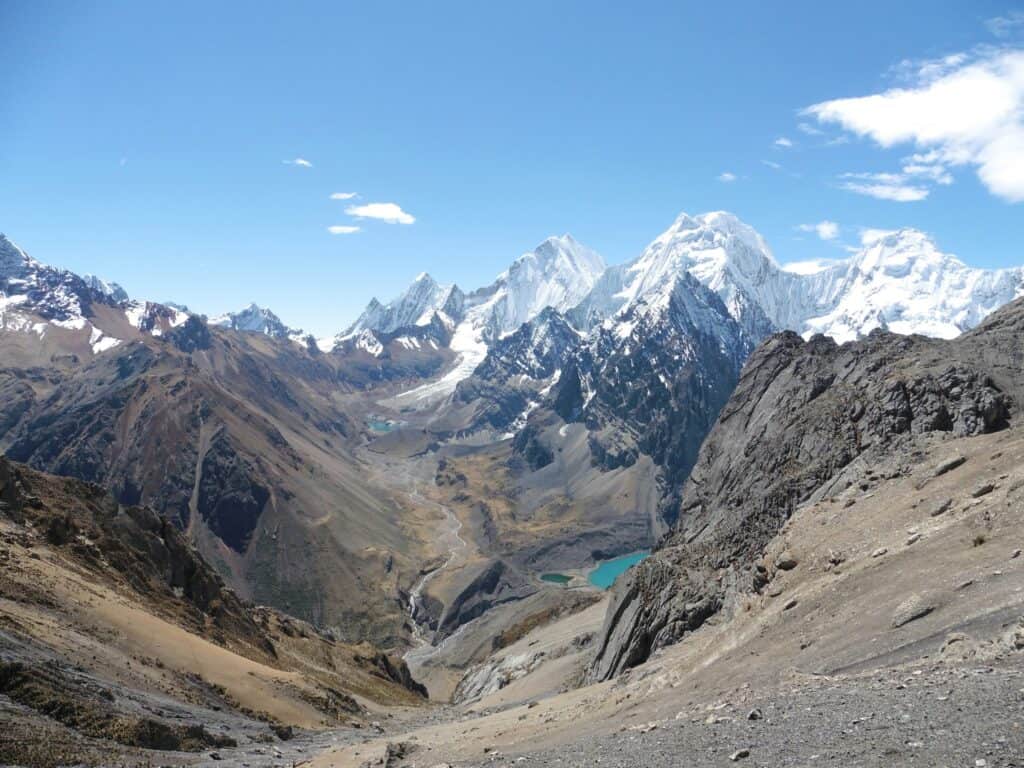
If you want the best trek in South America without a crowd in sight, this is it. The Huayhuash Circuit is a full loop through some of the most remote and dramatic Andean scenery on earth, think jagged 6,000m+ peaks, turquoise glacial lakes, and campsites with zero phone signal.
This trek is a long one if you want to do it properly. At 10 to 12 days, it demands serious endurance, but those who finish it tend to call it the best thing they’ve ever done. You’ve been warned.
This one is a regret of mine. I had planned to do it when I was in Lima but was too tired to commit. After that, every backpacker I met who had done it told me it was one of, if not the best trek they’d ever done, and most had already done plenty of other treks in South America.
Colca Canyon

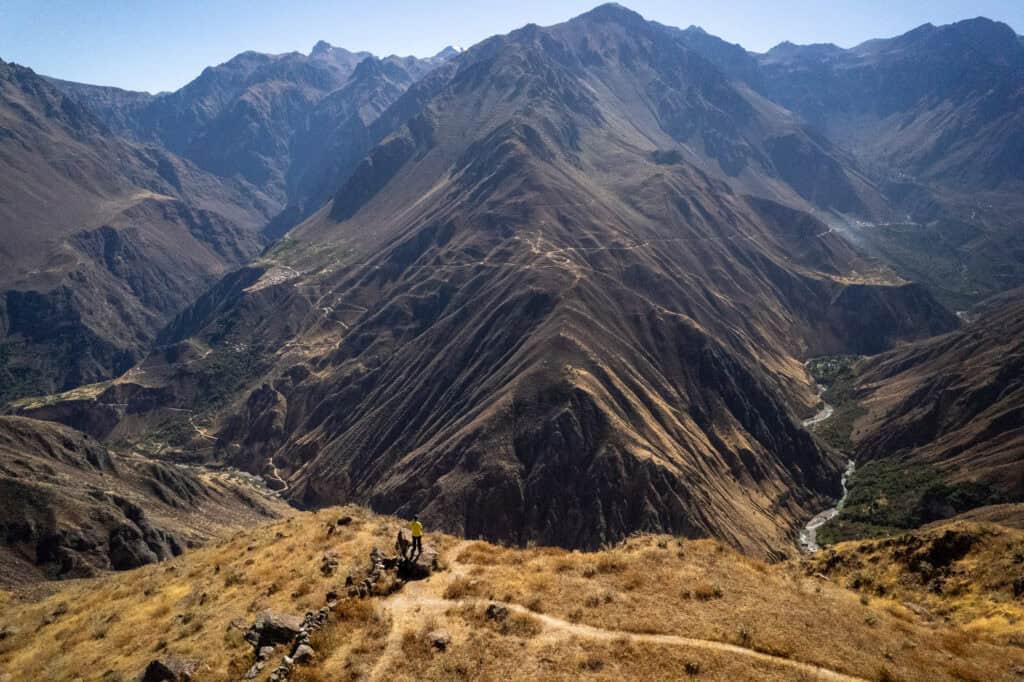
Colca Canyon is twice as deep as the Grand Canyon and yes, you hike down into it. Many people do a one-day visit from Arequipa to see the canyon and the Andean condors flying overhead.
The classic 3-day loop from Cabanaconde drops you into the canyon floor, passes hot springs, and rewards you with a brutal 1,000m climb back up on the final day.
I’ve written a full guide about the trip to Cabanaconde and that trek. This was probably one of my favorites, for the impressive depth of the canyon and those condors that fly above you. I can tell you the way down already makes your legs shake, so imagine the way back up.
Torres del Paine W Trek

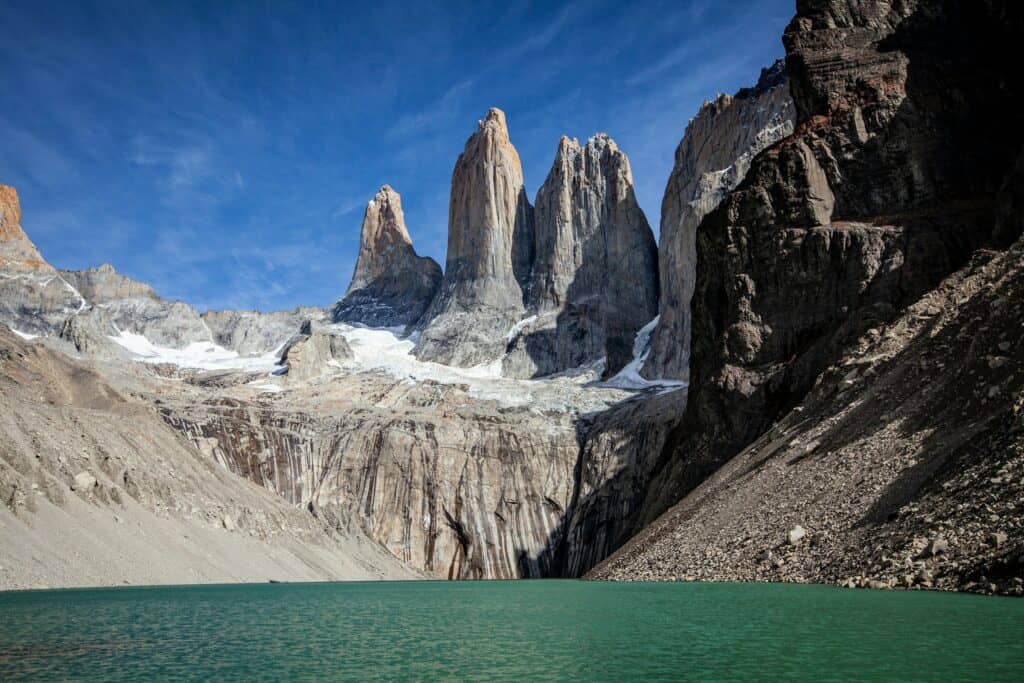
Torres del Paine is Patagonia at its most dramatic, glacier-fed lakes in impossible shades of blue, granite towers that shoot straight out of the earth, and wind so strong it’ll push you sideways on the trail.
The W Trek covers roughly 80 km over 5 days at a moderate pace, making it one of the most accessible multi-day hikes in South America for first-timers in terms of physical difficulty. In terms of costs though, booking the refugios and the park entrance can add up quite quickly, so do your research beforehand as prices vary a lot.
Book your campsites and refugios well in advance because this one fills up fast. It’s the most famous trek in Chile and the spots go early.
Fitz Roy Trek

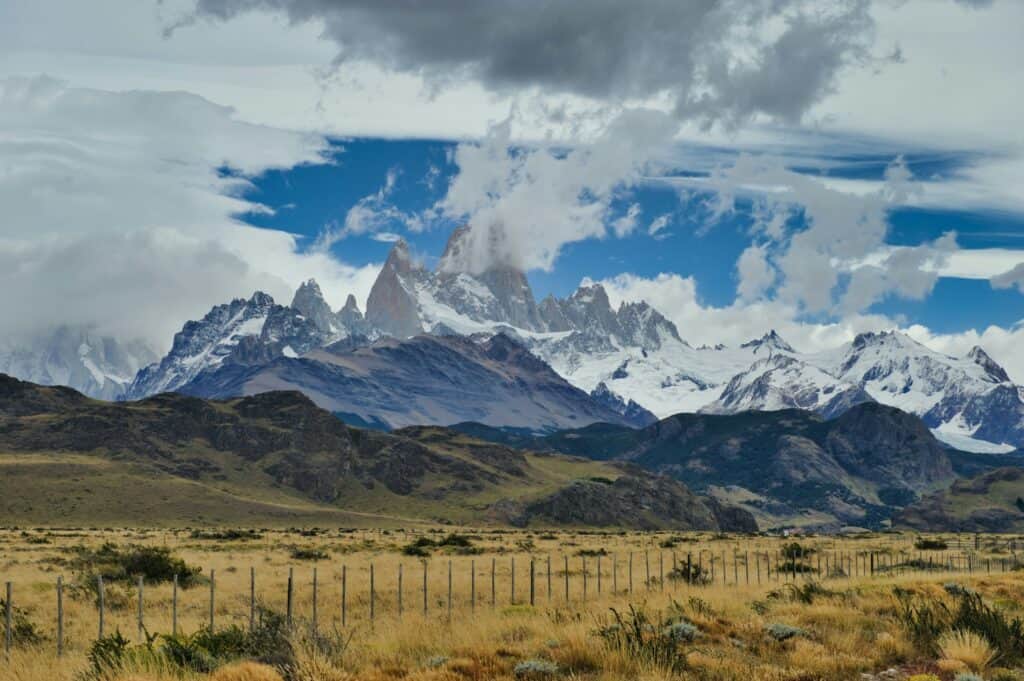
El Chaltén is Argentina’s trekking capital and the Fitz Roy Trek is the crown jewel. The iconic view of the jagged Fitz Roy massif reflected in a glacial lake is one of the most photographed images in South America, and when you see it in person, you’ll understand why.
You can do the main viewpoint as a tough day hike or stretch it into a multi-day circuit. I always suggest taking your time, enjoying the nature, and doing the longer version. Either way, it’s one of the best hikes in South America for sheer jaw-dropping scenery per km walked.
Ciudad Perdida (Lost City)

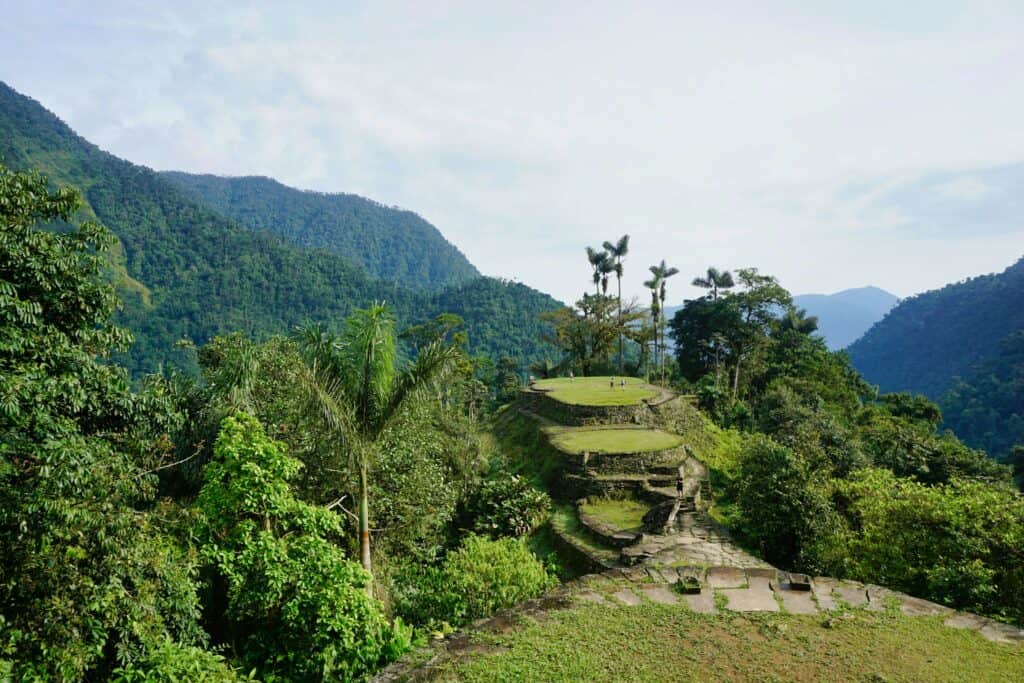
Older than Machu Picchu by about 650 years, the Lost City sits deep in the Colombian jungle of the Sierra Nevada de Santa Marta and getting there is an adventure in itself. Over 44 km and 4 to 5 days, you push through dense, steamy jungle, cross rivers on foot, and climb 1,200 ancient stone steps to reach the ruins. It’s hot, humid, and muddy, basically the hardest sauna session you’ll ever pay for.
I was in Taganga bay near Santa Marta, where most tour groups start the trek to the Lost City. I wanted to do it for a while and hesitated when I got there, because the price is quite steep for the number of days and, let’s say, what you actually get. Locals explained it as support for local communities, but also as a way to restrict the number of visitors and keep the crowds low ( well that worked on me).
Looking back, I think it’s worth the price and I should have done it, so it’s still on my bucket list.
Ausangate Circuit

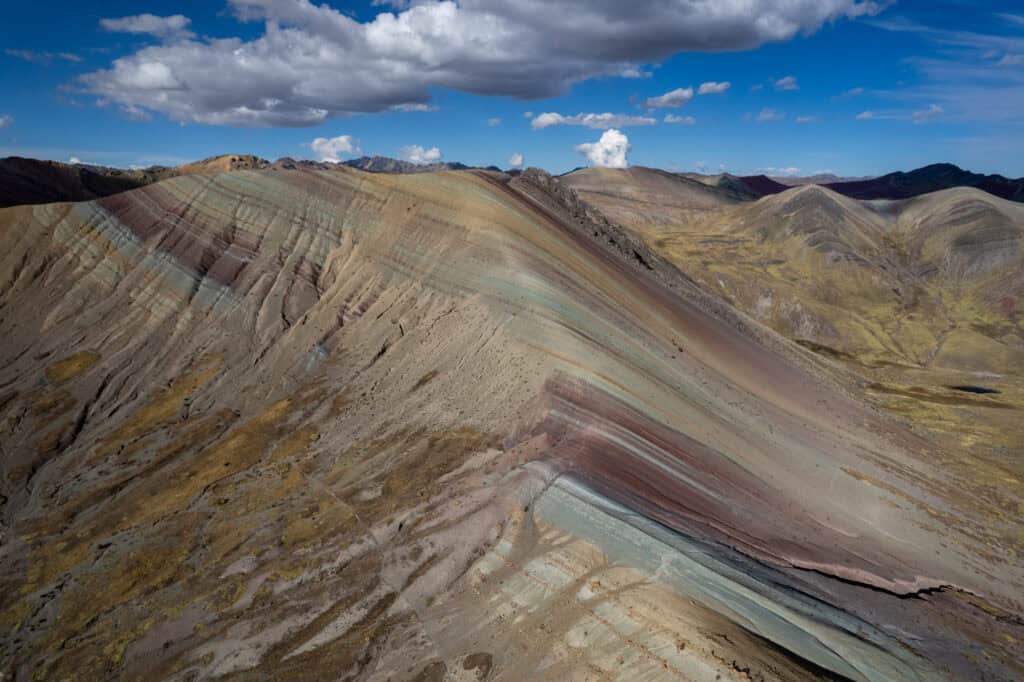
The Ausangate Circuit is where you go when you want Peru off the beaten track. The route circles the 6,372m Ausangate glacier, passing through the surreal, striped landscapes of Rainbow Mountain (Vinicunca) with altitudes pushing 5,000m+. At 4 to 6 days and 73 km, it’s a full-on high-altitude commitment, but the payoff is a trail so visually insane it looks like someone turned up the saturation filter on the whole mountain.
What’s interesting is that not many people know about this full circuit. They know Rainbow Mountain, but not the whole trek around it. When you ask locals in Cusco though, most will point you to this one. But you’ve seen those altitude numbers, so you need to be in decent shape to sustain multiple days at that elevation.
Choquequirao Trek

Choquequirao is what Machu Picchu was before the crowds arrived. It’s often called Machu Picchu’s twin sister. These Inca ruins sit at 3,085m above the Apurímac Canyon and can only be reached on foot, a 4 to 5 day, 64 km out-and-back involving steep canyon descents and relentless climbs.
Only a few hundred people visit per month, which means you might have an entire Inca citadel basically to yourself. That alone makes it one of the most special hikes in South America right now.
It may feel like a shame to skip Machu Picchu if you’ve come that far, but I’ve met plenty of people who were disappointed by it, mostly because of the crowds. Choquequirao can be a genuinely great alternative.
Condoriri Trek

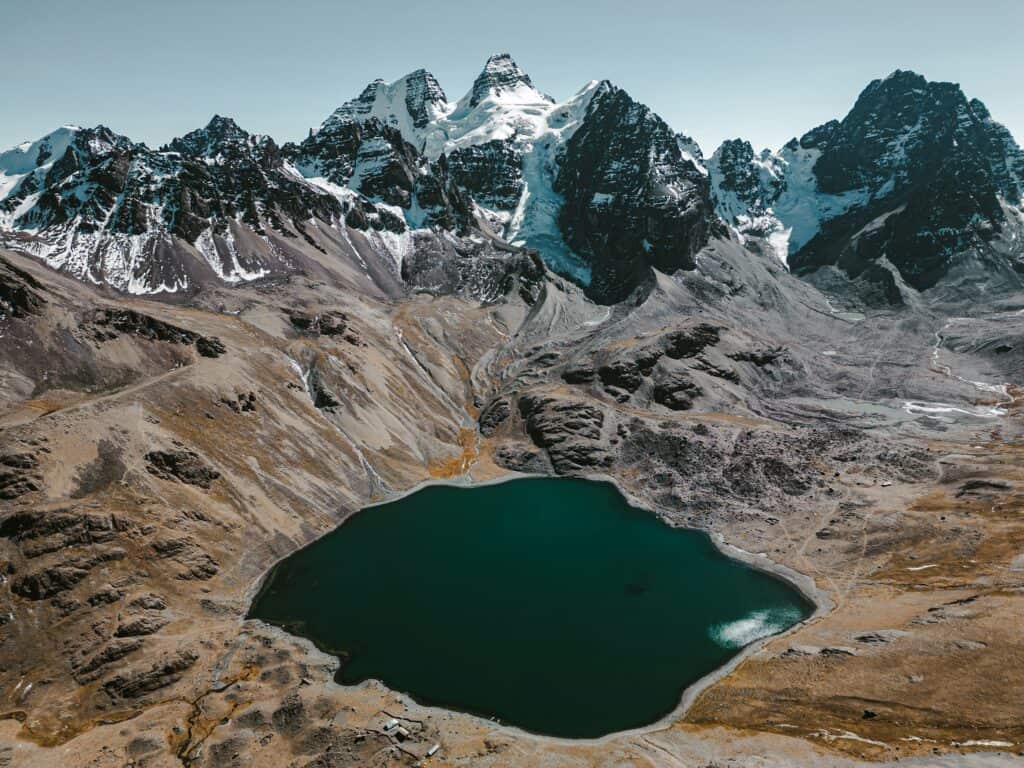
If you’re heading to Bolivia and want a serious taste of the Andes without committing to a full-blown expedition, the Condoriri Trek delivers. Over 3 days, you trek through the Cordillera Real between 4,000m and 5,100m, passing glaciers, high-altitude lagoons, and the stunning Condoriri massif.
It’s a popular acclimatization route for those planning to summit Huayna Potosí, but it’s absolutely worth doing for its own sake too.
Chapada Diamantina

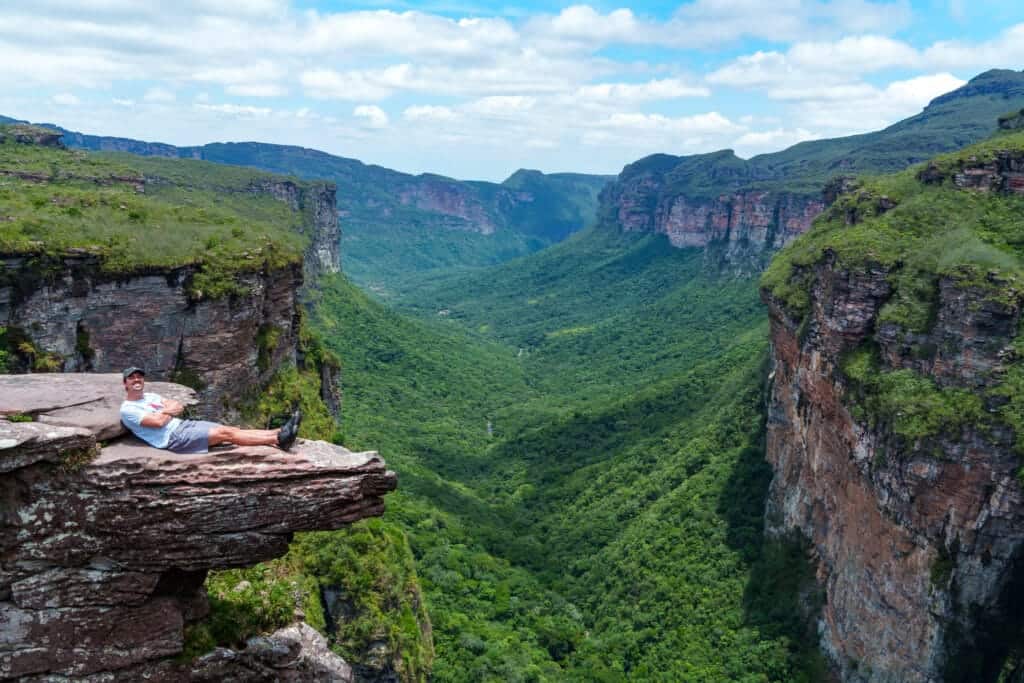
Chapada Diamantina is Brazil’s best hiking destination. Located in the interior of Bahia state near the city of Lençóis, this national park is a maze of waterfalls, natural swimming pools, cave systems, and flat-topped mountains called chapadas.
Most people explore the city and its national park over 3 to 7 days through a series of day hikes, making it one of the most flexible options on this list. It’s not the highest or toughest hike in South America, but for sheer variety of landscapes packed into one place, it punches well above its weight.
I recently did a 3-day hike in the Chapada Diamantina, passing through beautiful viewpoints and impressive waterfalls. I really recommend visiting Lençóis and doing this trek if you’re planning an itinerary in Brazil.
Lençóis Maranhenses

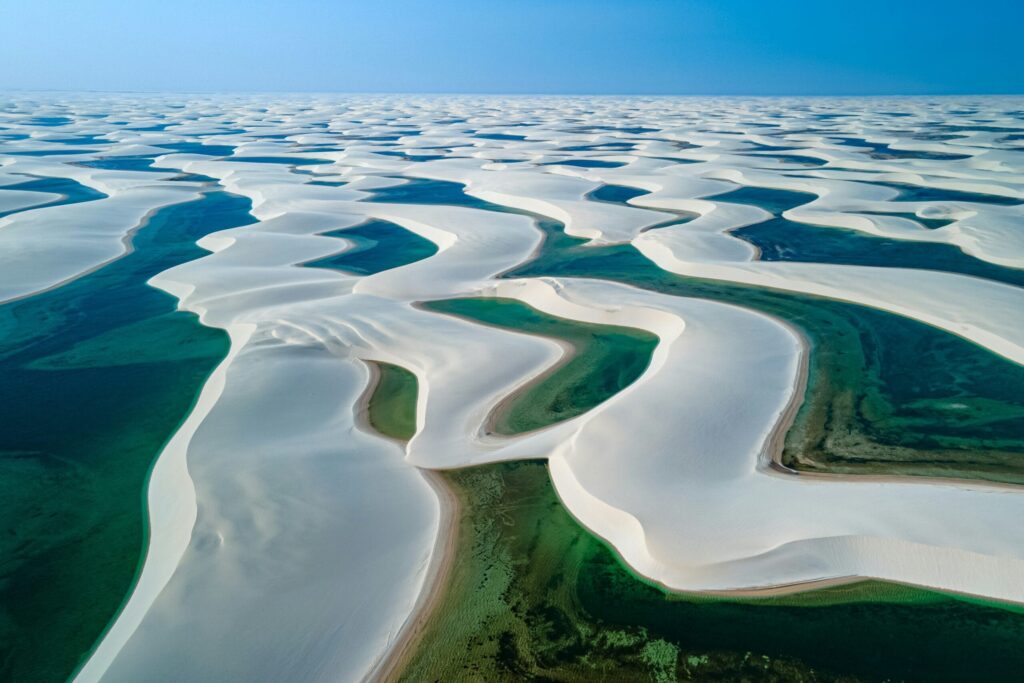
Lençóis Maranhenses looks like someone dropped the Sahara Desert next to the ocean, then filled it with crystal-clear lagoons. This UNESCO World Heritage site in northeastern Brazil is unlike anything else on this list.
Most people come to a nearby town and do a one-day visit. But you can actually do a 70 km, 3-day trek entirely on soft sand and through shallow waters. It sounds dreamy until you’ve been hiking on sand for four hours straight.
I wanted to do this trek this past January, but it wasn’t the right season. The lagoons were completely dry. The best time to visit is between June and September, when the lagoons are full and the colors are at their most surreal. I’ve written a full guide about Lençóis Maranhenses and how to make the most of that beautiful national park.
Mount Roraima

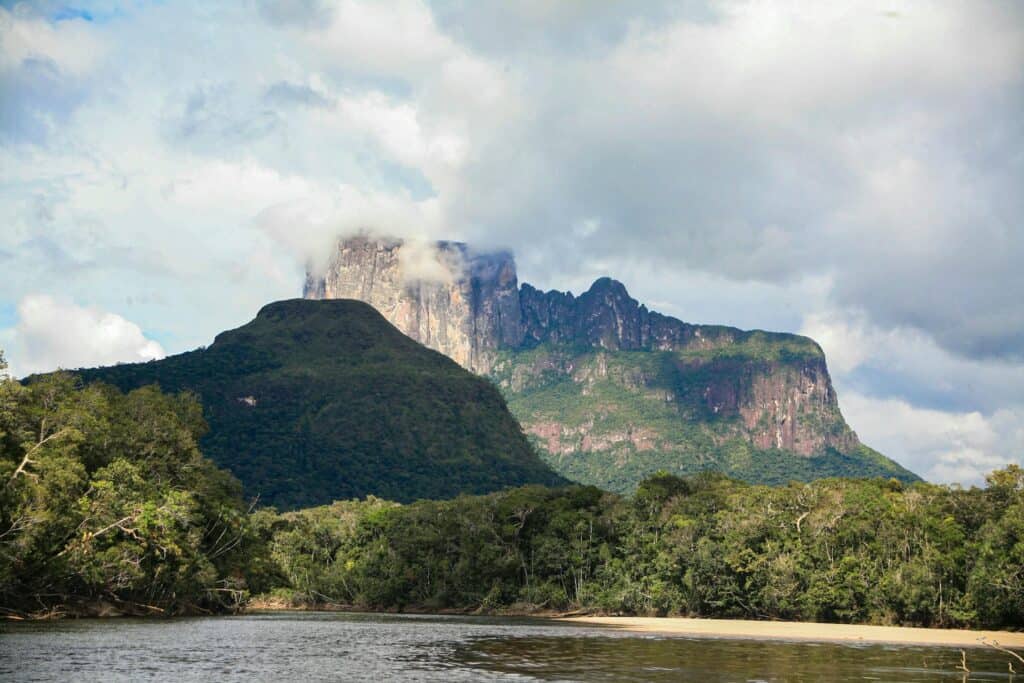
Mount Roraima is the mountain that inspired both The Lost World and Pixar’s Up and the summit looks exactly as otherworldly as you’d imagine. This place is just surreal, like the Chapada Diamantina high plateau, but even bigger and wider.
Over 5 to 6 days, you trek across open savannah, through cloud forest, and up a near-vertical wall to reach a 31 km² plateau at 2,810m covered in carnivorous plants, crystal valleys, and landscapes that look genuinely alien.
This trek has been on my bucket list for a while. Planning a trip to Venezuela is complex, even more so nowadays. But when I get there, you’ll hear about it on this blog.
Ready to Hike in South America ?
You don’t always need to be in peak athletic shape to do these trails. I wasn’t a big fan of multi-day treks, but when I did my first one in South America, the Salkantay, I realized how beautiful the landscapes can be and how rewarding it feels to reach certain places only on foot, after hours if not days of walking.
It’s hard sometimes, but that’s what builds your mental strength. That’s one of the best things about traveling and doing activities like this. It transforms you into a better version of yourself, stronger physically and mentally. And you’ll come back with stories and memories of landscapes you’ll never forget.
This post is also available in :

Subscribe to the Newsletter
Join our community and receive exclusive travel stories, guides, and special offers!
🗺️ Planning a Trip?
Skip the research rabbit hole.
I’ll build you a personalised day-by-day itinerary — or answer all your questions on a quick 60-min call.
Affiliate Disclosure
Some of my posts include affiliate links. If you choose to make a purchase through them, I may earn a small commission—at absolutely no extra cost to you.
Using these links is the best way to support my work and say thank you, and I appreciate it so much! Of course, everything I share reflects my honest opinions and experiences.
📸 Work With Me
Brand, tourism board or hotel?
Let’s create something together — content, reviews and campaigns that reach real travellers who are ready to book.
Latest Posts
Get My Personal Map of 500 Must-See Places - FREE
I’ve compiled 500 of the best places across my travels into one free Google Map.
The kind of spots you won’t find in a guidebook.

Table of Contents
You might also like to read these articles