The Floating Islands of Lake Titicaca
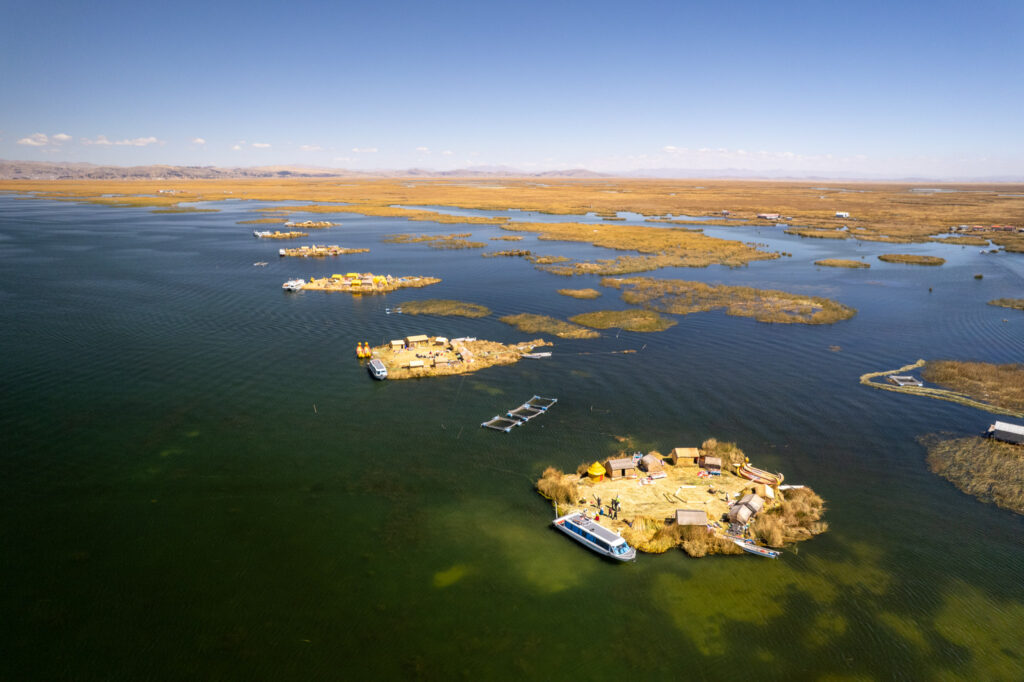
A visit to the floating islands is truly unforgettable. The Uros people have crafted their entire existence on these artificial islands, made completely out of reeds harvested from the lake. A stop at Taquile Island also introduces travelers to UNESCO-recognized textile traditions and unique community life, while Amantaní offers the more immersive experience of family homestays.
I booked my tour with Get Your Guide, although you will also find numerous travel agencies around the main plaza offering very similar trips. The one I chose was affordable, highly rated, and well organized, so it proved to be a great option.
The tour is full-day and begins early in the morning. Pickup was around 7 am, followed by departure from the port at 8 am. The boat ride itself was an enchanting experience. My guide Victor was outstanding, switching seamlessly between English and Spanish to make everyone feel included. He gave us rich explanations about the lake’s history, the Uros communities, and the way of life on Taquile.
The first stop was the Uros islands, which were truly extraordinary. Made completely of the local totora reeds, the ground feels soft and bouncy like a waterbed when you walk on it. It is fascinating and impressive to see how entire families live in such conditions. An island can sustain up to 20 people or more, and though they last for decades, the surface must be constantly renewed.
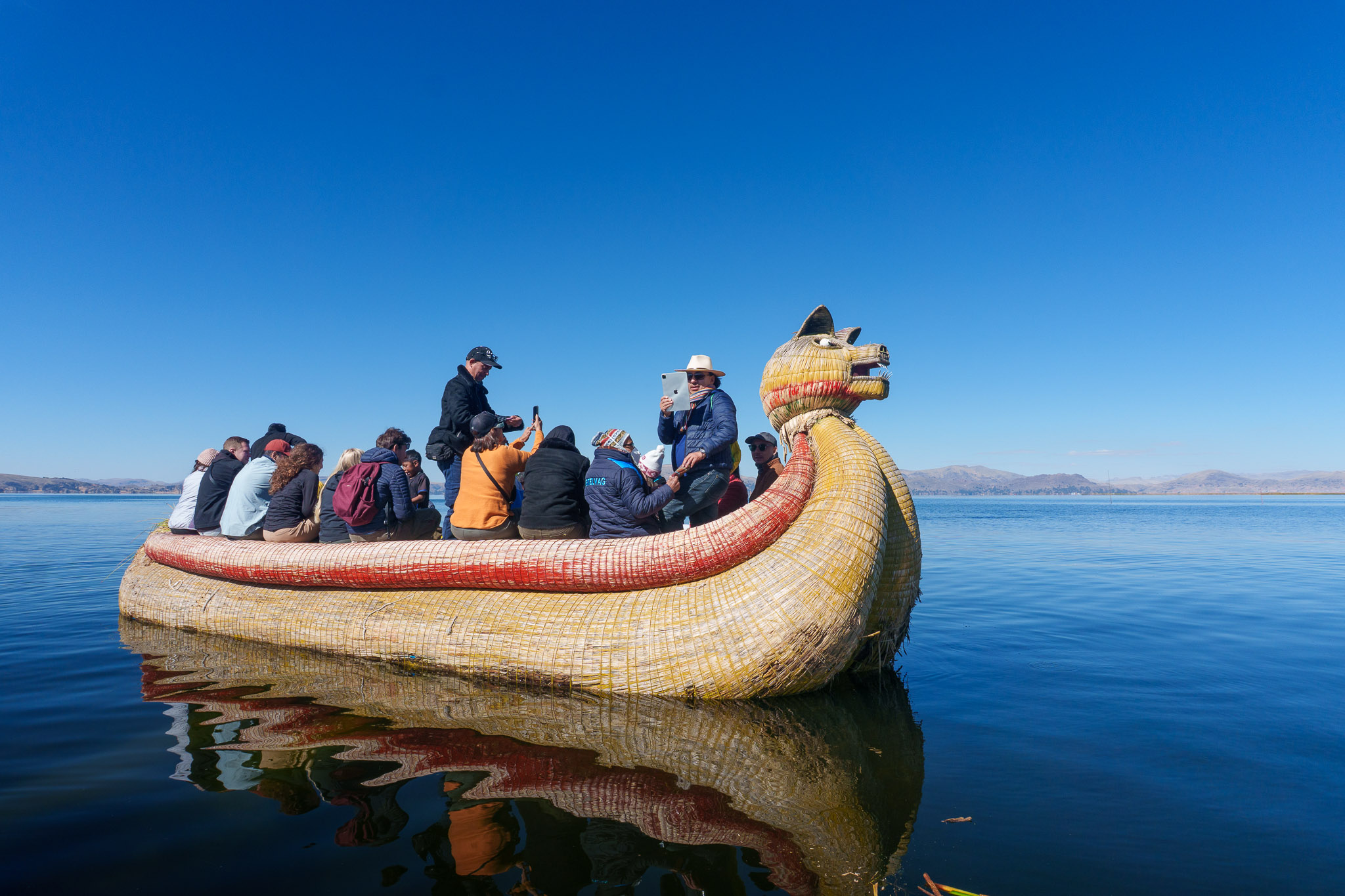
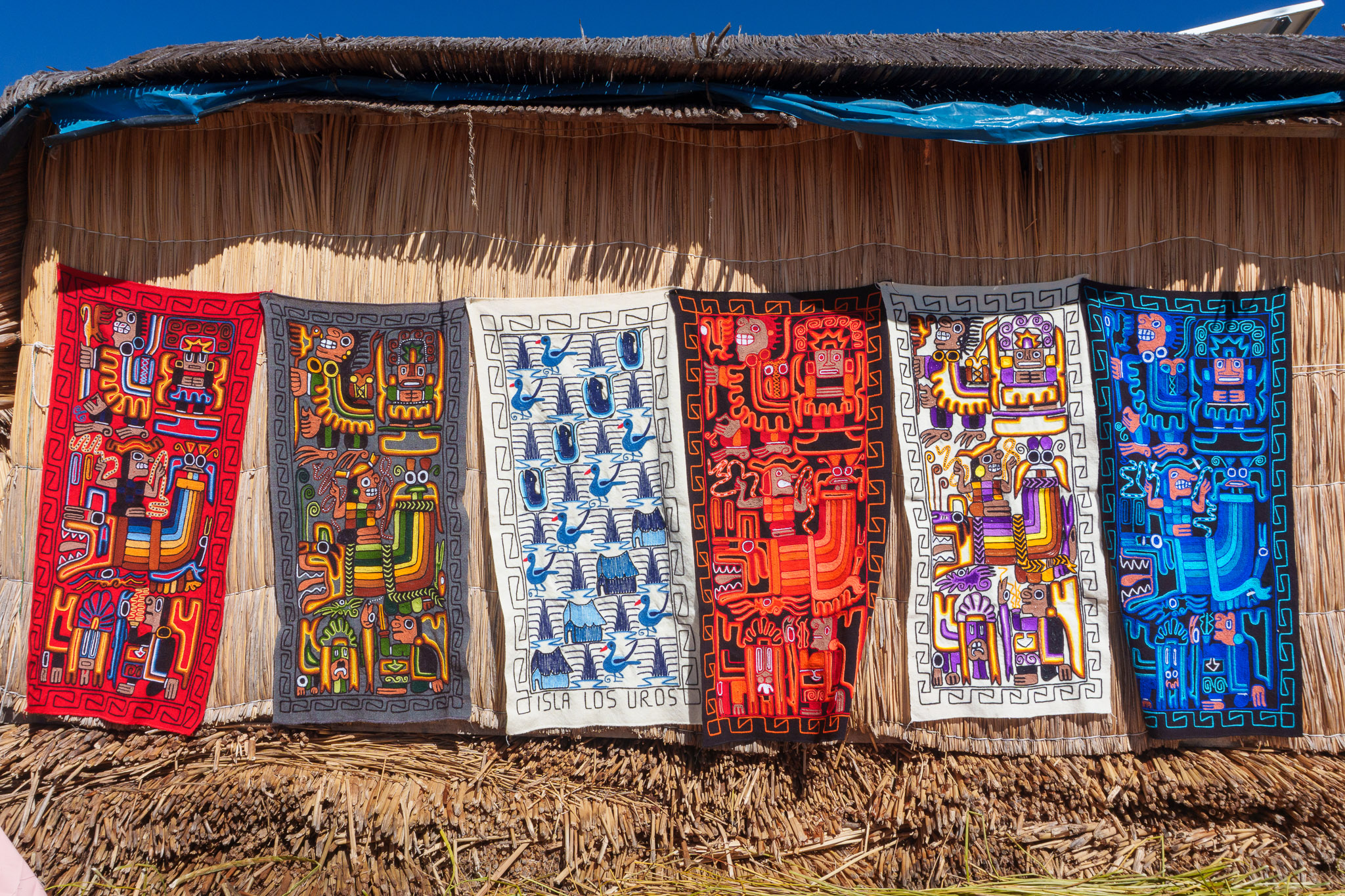
During the visit, we talked with locals, learned about their centuries-old lifestyle, and even took a short ride on traditional reed-built boats. The experience also supports their economy, since tourism has become one of their main sources of income. Buying handcrafts here is more than just a souvenir—it is a way to contribute directly to the community.
The tour continued with a visit to Taquile Island, a permanent island with sweeping landscapes and winding stone paths that circle the whole territory. It is home to six different communities with slightly distinct customs, but they all share cultural traditions. The highlight here is their remarkable textile art, where every piece of clothing represents identity.
Over lunch, which came with an incredible view of Lake Titicaca shimmering below, Victor explained how garments communicate personal details such as marital status, or whether someone is searching for a partner. This is not a performance for tourists—it is genuine daily life. To us westerners, it may seem old-fashioned or connected to the past, but in reality it is a touching demonstration of how tradition helps sustain community bonds and keeps culture alive.
We ended our experience at the island’s main square, where a lively local market offered handmade textiles and crafts. Traditional music and dances animated the atmosphere, reminding us that despite being far from big cities, Taquile thrives with culture and joy.
It was a wonderful day trip, filled with inspiring encounters and spectacular views. Between the cultures encountered, the diversity of the landscapes, and simply the beauty of being on the boat, it felt like an unforgettable journey. On my tour, you could even climb on top of the boat to enjoy the open air, breathe in the freshness of the Andes, and capture stunning photos.