What You Should Know About Jericoacoara
Where is Jericoacoara
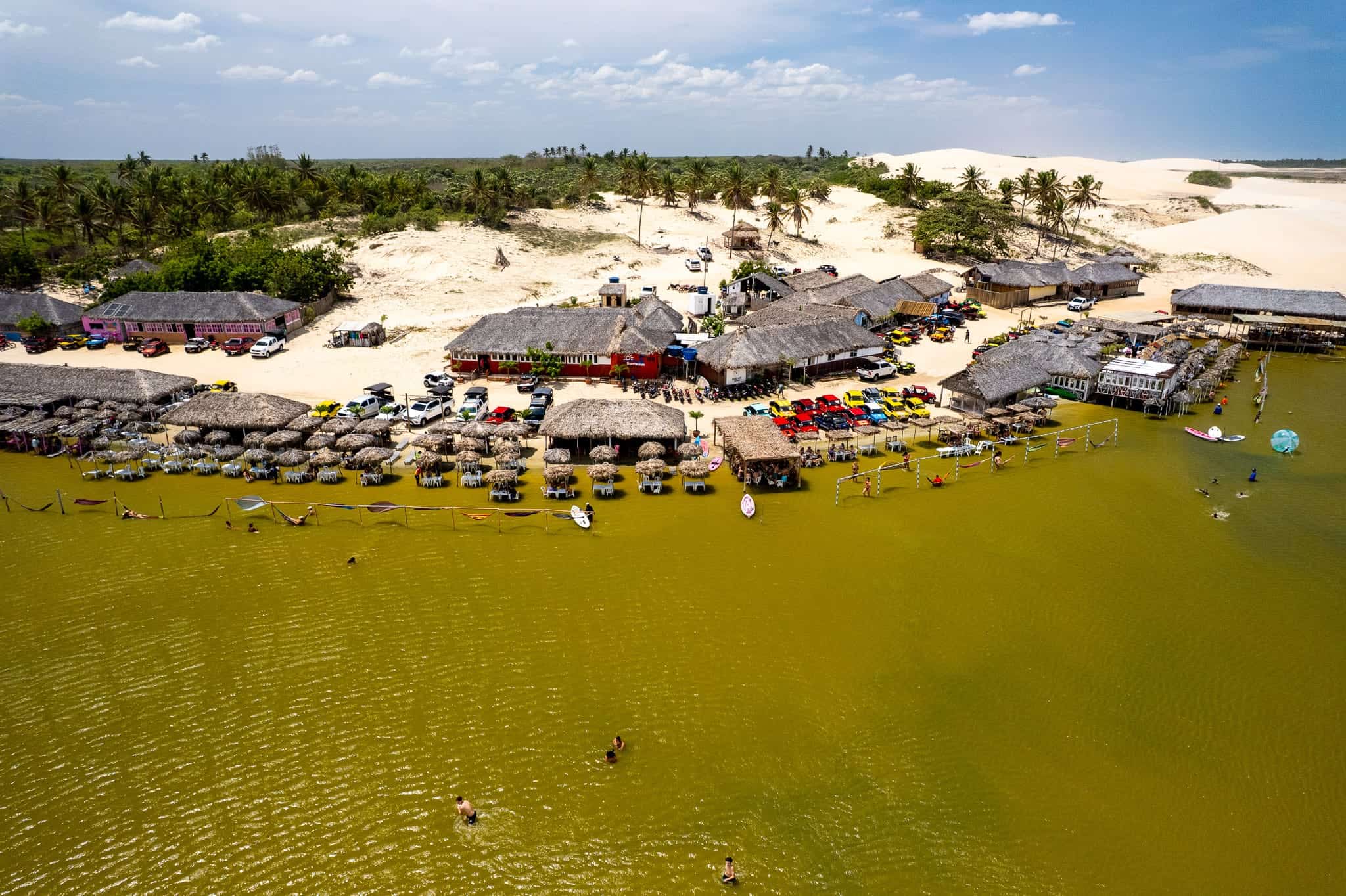
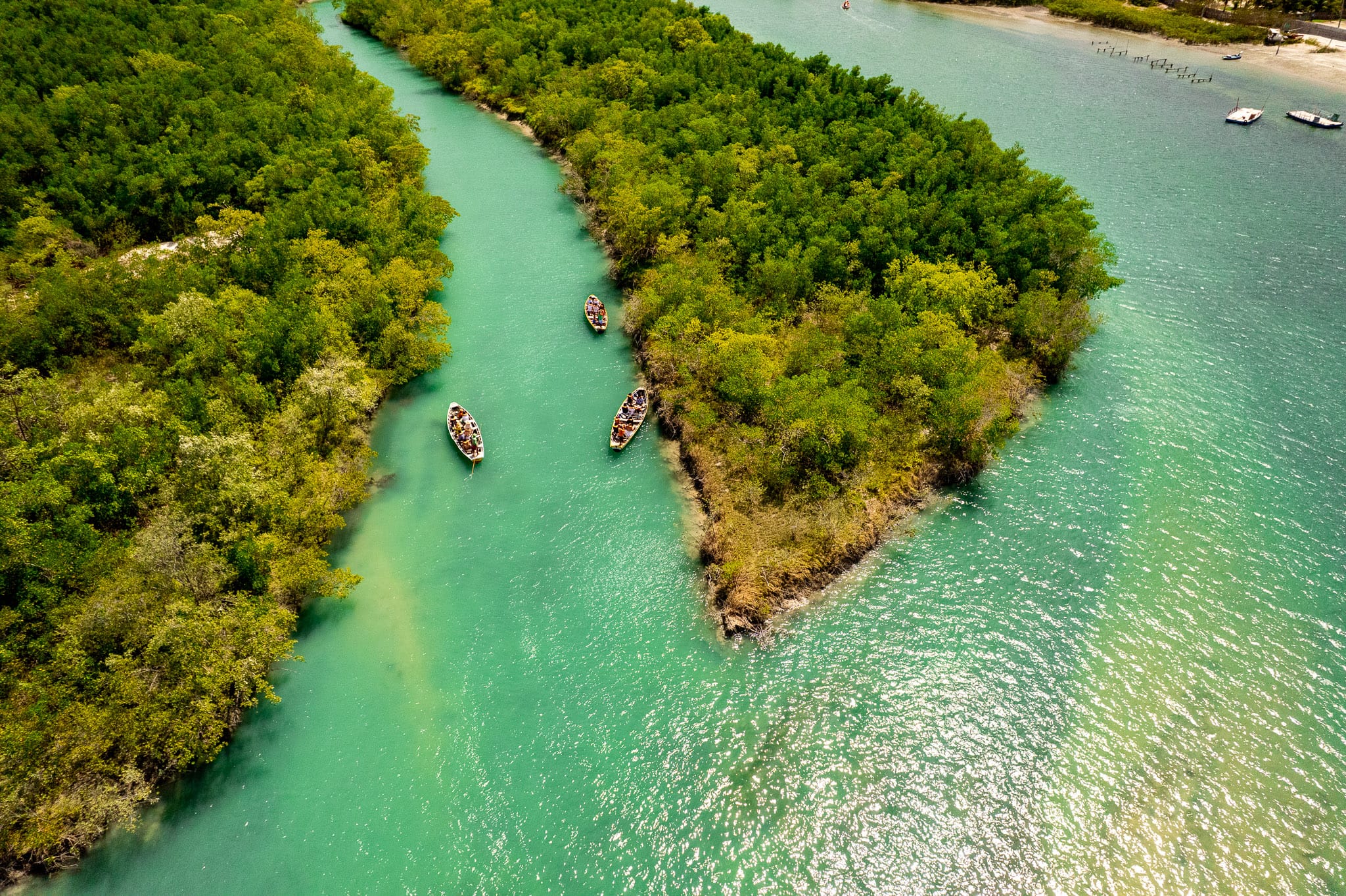
Jericoacoara, often called Jeri, sits on the coast of the state of Ceará in northeastern Brazil. It is part of the municipality of Jijoca de Jericoacoara and lies several hours west of Fortaleza, surrounded by dunes, lagoons, and protected national park land.
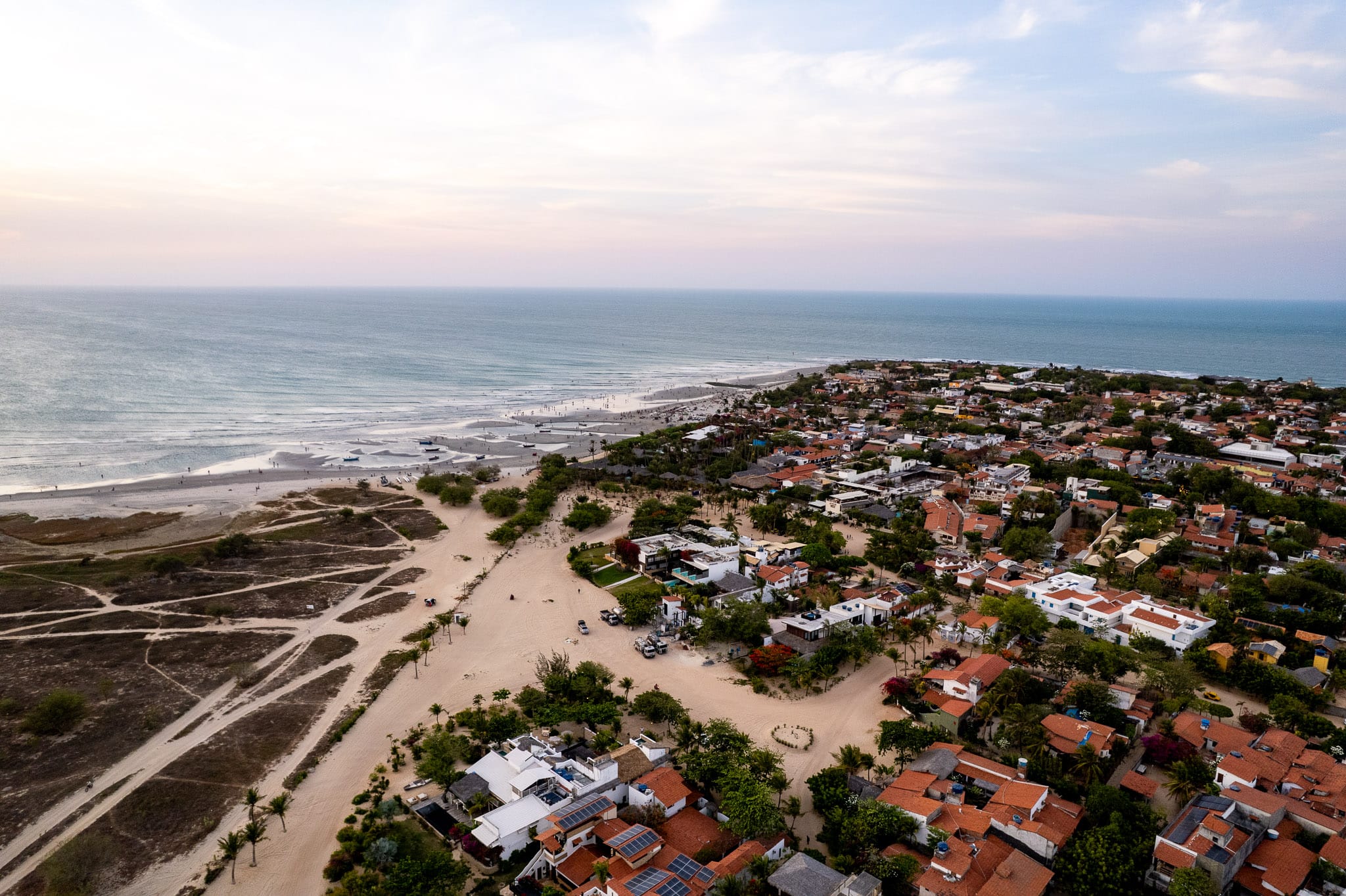
When you look at a Jericoacoara map, you’ll notice how isolated it is. The village is squeezed between the Atlantic Ocean and big sand dunes, with sandy streets instead of asphalt. That isolation is exactly what gives the town its slow pace and “end of the world” feel.
How to get to Jericoacoara
Getting to Jericoacoara used to be an adventure in itself. Today it’s easier, but it still takes a bit of planning.
You basically have two main options.
The Jericoacoara airport (officially called Comandante Ariston Pessoa Airport, code JJD) sits about 30 km from the village. From there you take a transfer in a 4×4 or van that can drive over the sand to your hotel. There aren’t flights from everywhere, but if you find a good connection, this is the most direct way.
Many visitors fly into Fortaleza, the main city in Ceará, then continue by road. You can:
- Book a 4×4 transfer that picks you up at the airport or your hotel and takes you straight to Jeri over a mix of roads and sand tracks.
- Take a bus or shared van to Jijoca, then switch to a jardineira (an open truck with benches) for the final sandy stretch to Jericoacoara. This is the cheapest way to get to Jericoacoara.
Whichever route you choose, count on half a day of travel from Fortaleza. This is one reason people often stay at least three nights in Jericoacoara instead of rushing through.
When I’m planning my trip, I always check flights on Skyscanner first, since it lets me compare prices and find the best deal, and most of the time I also go on Trip.com afterward, which is another great price comparison tool for flights and hotels.
Why is Jericoacoara famous
Jericoacoara is famous for a few simple but very memorable things.
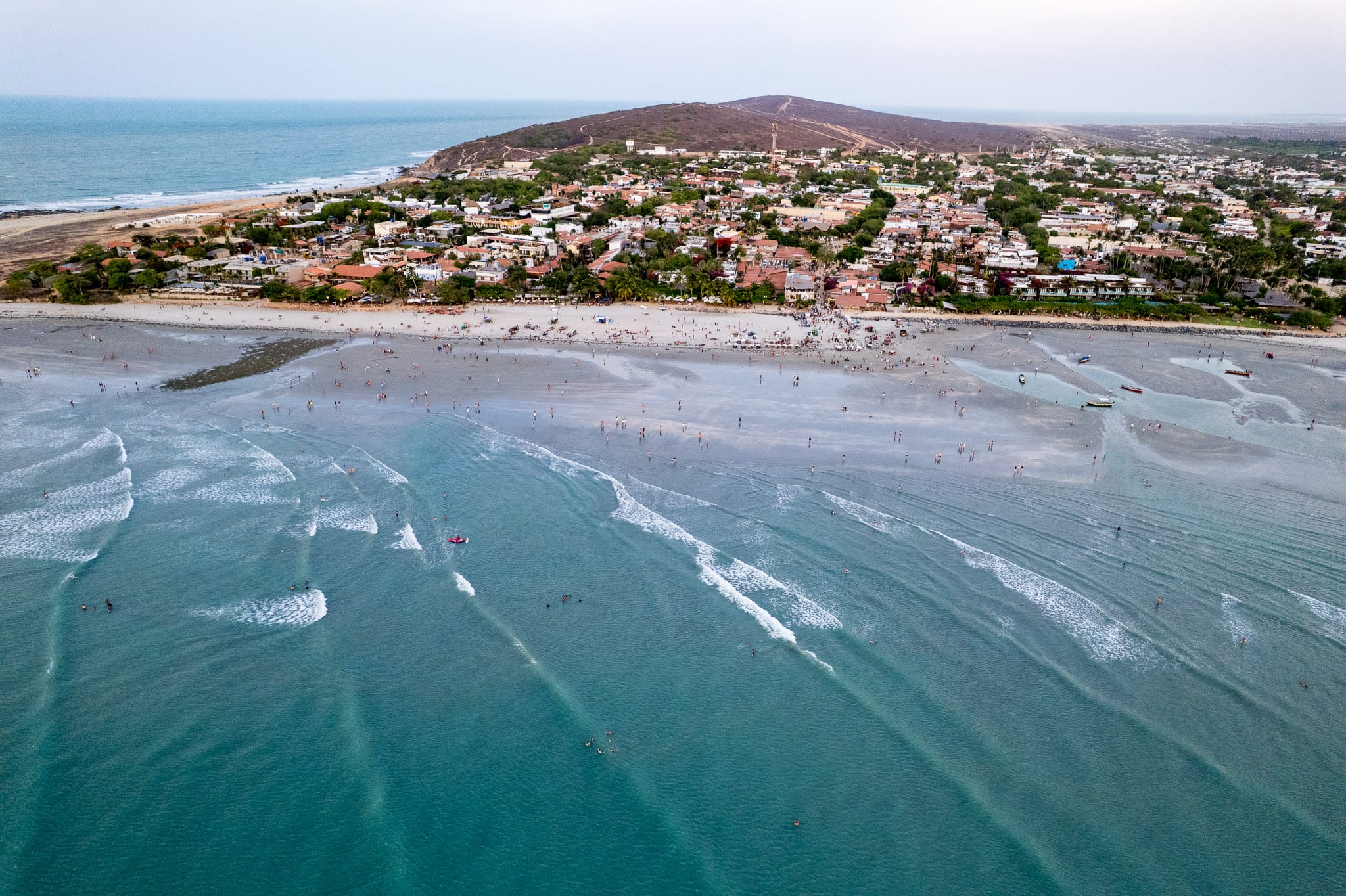
First, the dunes. The huge Dune of Jericoacoara rises right next to the village and faces the ocean. Every evening people walk up the sand to watch the sun disappear into the sea. This daily ritual, the “pôr do sol Jericoacoara,” is a big part of the town’s identity.
Unfortunately, the dune today is not as big as it used to be. I visited Jericoacoara 9 years ago and the dune was truly huge back then. Today a new dune has moved in and it’s smaller. I guess in a few years the dune behind the current one will move forward with the wind and look more like the older one again – big and impressive.
Having those dunes all around the city and this beautiful bay, it makes [Jericoacoara Beach part of the most beautiful ones in South America](/p/35f0ed39d51e80a7a419f45b88d53fb7?pvs=25).
Second, the donkeys. You’ll often see donkeys wandering near the dunes and on the edges of town, a reminder of Jericoacoara’s rural roots. They give the place a slightly wild, “still half village, half beach town” character.
Most of all, Jeri is famous among Brazilians as a place to slow down. It’s not a city full of sights to tick off. It’s a leisure-focused, tranquil place where you walk barefoot on sand streets, drink a caipirinha at sunset, and let the wind and tides set your rhythm.
The weather in Jericoacoara
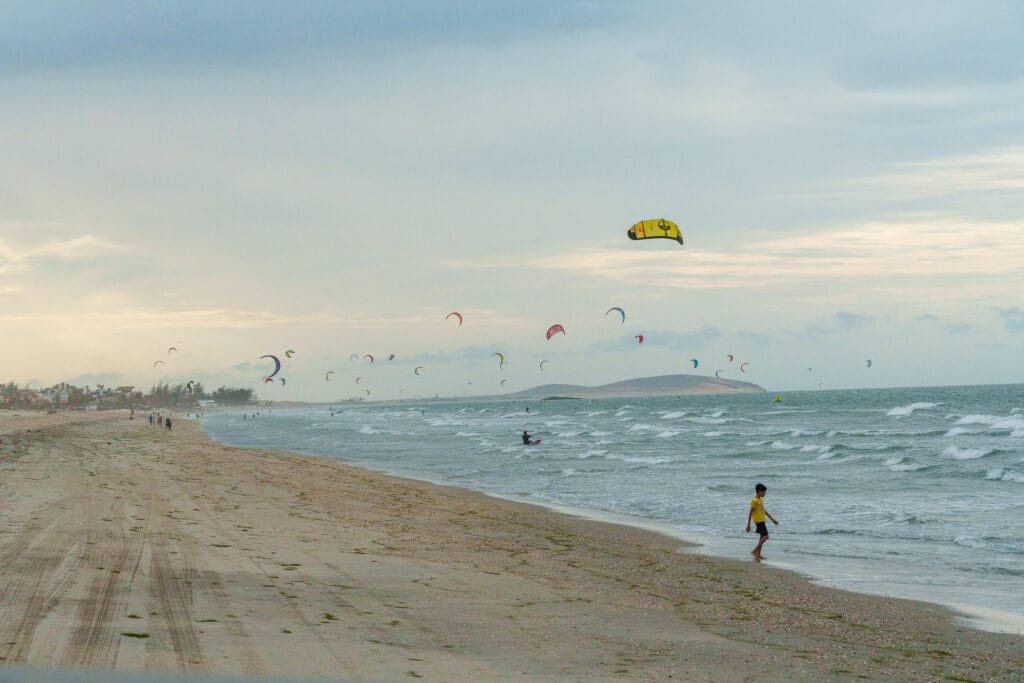
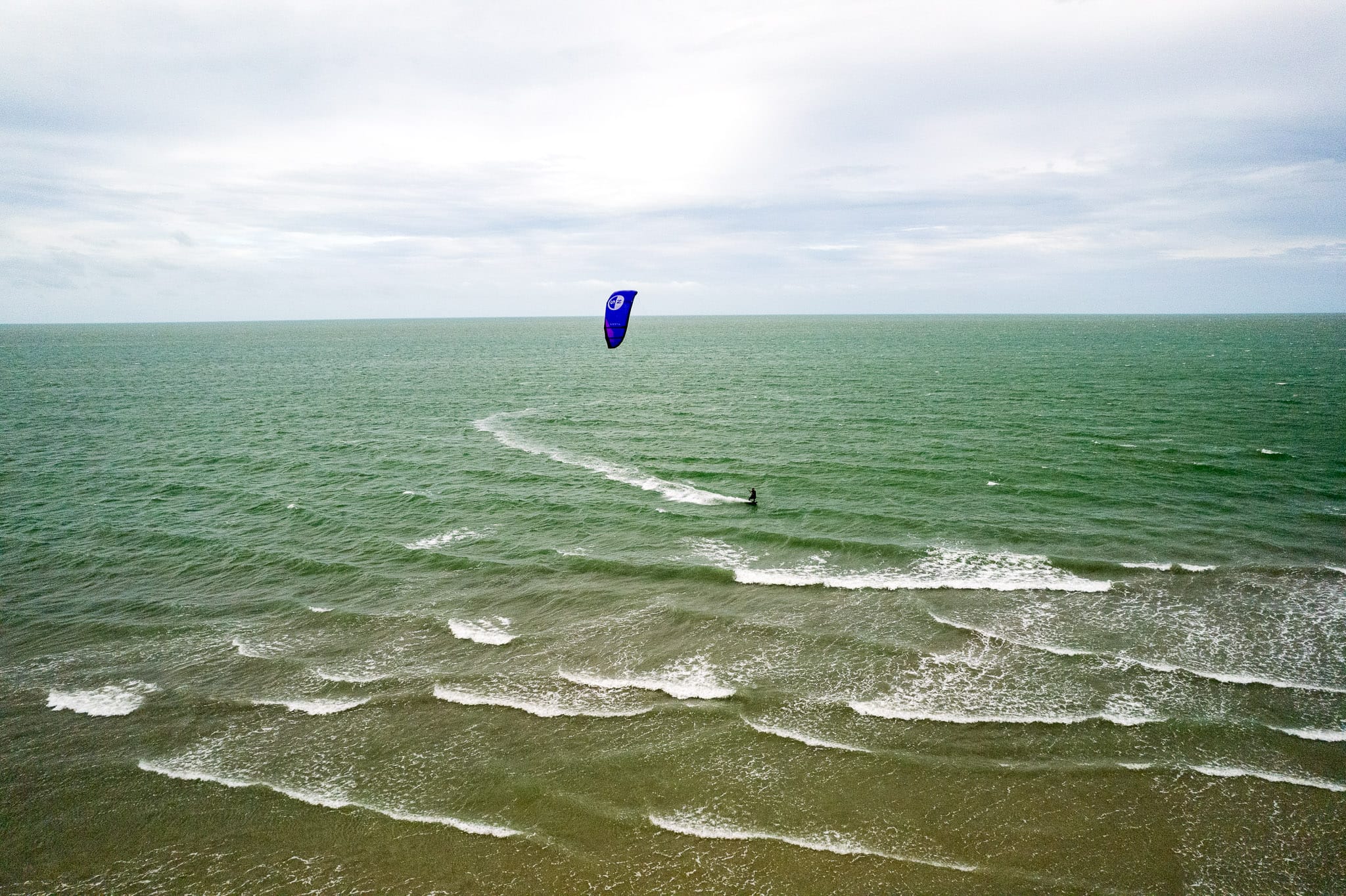
Jericoacoara has a warm, tropical climate all year, but the wind and rain patterns matter a lot, especially if you care about kitesurfing Jericoacoara.
- Dry and windy season: Roughly from July to January, you get strong, consistent trade winds and very little rain. This is peak season for wind sports and the most popular time to visit. The village is busier, and prices can be higher, but the energy is great.
- Rainier months: From about February to June, you can expect more showers and some cloudy days, but temperatures stay warm. The lagoons are usually fuller and greener in the months after the rains, which is great if you care more about relaxing at the water than about wind.
Nights are usually comfortable, and you don’t need heavy clothes. A light sweater can be handy if you stay out late in the wind, especially near the dunes.
Do you need a quad to move around ?
Inside the village itself, you don’t need a quad. Jericoacoara is small and walkable, with sandy streets and most restaurants, bars, and shops close together. You’ll probably walk in flip-flops or barefoot most of the time.
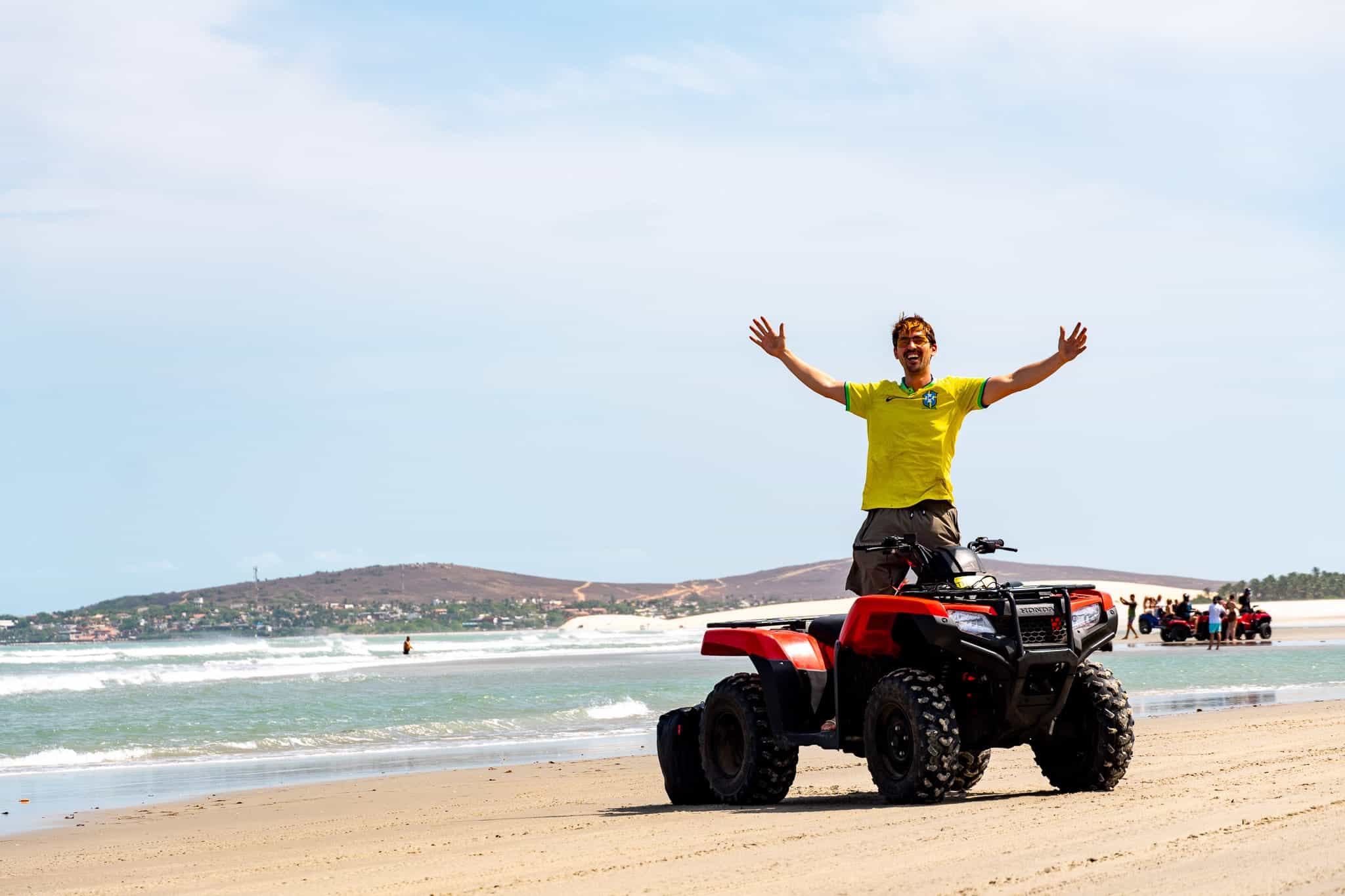
Quads and buggies really matter only when you leave town to explore the lagoons, viewpoints, and more distant beaches. For that, it’s usually better to join an organized tour Jericoacoara rather than renting a quad on your own, unless you’re very comfortable driving on sand and know the routes.