
Bolivia Travel Guide
Bolivia felt like two countries in one. In the west, the Occidente, La Paz sits at 3,800 meters below snowy peaks, and the highlands stretch south to salt flats and silver mines. In the east, the Oriente drops into flat green land, cattle ranches and the Amazon jungle, where monkeys shout from the trees.
This Bolivia travel guide follows the route I actually took, from Lake Titicaca and La Paz to the Amazon around Riberalta, the Oriente around Santa Cruz, and the southern highlands down to Uyuni and Tarija.
Rather than pretending to cover every corner of the country, I’m sharing the places I can really help you explore.
I spent three months in Bolivia, from mid-August to mid-November, traveling solo with a backpack. I crossed the border from Peru at Copacabana, on Lake Titicaca, then stayed about three weeks in La Paz. Apart from one flight to reach Riberalta in the Amazon, I moved everywhere by bus, little by little.
That slow pace is how I really felt the two Bolivias. After La Paz, I spent a month volunteering near Riberalta, in the heat and the nonstop noise of the jungle. Then came Santa Cruz, flat and green with cattle ranches all around. From there I climbed back into the Andes by bus, with Samaipata as the first step between both worlds, then Cochabamba, Oruro, Sucre, Potosí and Uyuni. Tarija, in the south, felt like another transition.
Nothing really went wrong, but not everything matched my plans.
The salt flats were sunny and dry, so I missed the famous mirror effect. On the second day of the Huayna Potosí climb, I was the slow one, out of breath every three steps.
What stays with me is how different the cultures feel between the Andes and the Amazon, and how kind people were with me everywhere I went.
Quick Facts
Money and cash
Cash still matters a lot in Bolivia, and tour agencies rarely take cards. Before the change of government in late 2025, the street rate for dollars was almost double the official one, and bringing US dollars and euros made my trip noticeably cheaper.
Daily budget
Bolivia was one of the cheapest countries of my whole South America trip. My usual average is around $50 a day, and Bolivia is where I spent the least on tours and entrance fees, even for big adventures. My list of cheap places to travel in South America compares costs country by country.
Best season
The dry season, roughly May to October, is the best time for treks, climbs and the Death Road. I traveled from mid-August to mid-November and had very little rain anywhere. The famous mirror effect on the salt flats needs the rainy months of December to February.
Visa
As a European, I got 90 days on arrival without any paperwork. US citizens used to need a paid visa, but since the new government took office in late 2025, they can enter visa-free too. Rules change often, so check your own passport on Passport Index, as I explain in my Bolivia itinerary guide.
Highlights
Climbing My First 6,000 m Peak
Huayna Potosí was my first real mountaineering climb, and my favorite adventure around La Paz. At 6,088 meters, it's one of the most affordable six-thousanders in the world, and my three-day trip cost around $120 with gear, guides, food and refuges included.
Summit night is where it gets real. The guides woke us at 12:30 a.m., and after more than five hours climbing in the dark, sometimes on a ridge just wide enough for one foot, I reached the top in thick fog. No sunrise view, but a huge feeling of relief, and the descent on shaking legs was even harder.
If you're fit, acclimatized and ready to suffer a little, my Huayna Potosí guide walks you through each day and how to choose your agency.
Biking the Death Road
The Death Road starts at 4,650 meters above La Paz and drops into the warm, green Yungas valley around Coroico. The first half is smooth asphalt, then you reach the real old road, narrow, muddy and sometimes right on the edge of the cliff, with no guardrails.
In my group of ten, a few people fell, and one man hit a sharp rock and was driven to a hospital in La Paz for stitches. That's why I'd only ride with a company that gives you good bikes, full protection and a support van.
My tour ended at the Senda Verde animal sanctuary, with a real meal and a cold beer, the perfect way to come down from the adrenaline.
My Death Road guide covers the ride, the real risks and how to pick your tour company.
Inside the Silver Mines of Potosí
Cerro Rico once financed the Spanish Empire, and miners still work inside it today. I went with a guide who used to be a miner. At the entrance, a dark room with a statue of El Tío, the spirit of the mountain, and old stains of llama blood set the mood.
Inside, you walk bent over in the dust and press against the wall when miners push carts of ore past you. In an abandoned tunnel, our guide lit the dynamite, and the blast hit me right in the chest. To move from one mine to the next, we crawled through a passage about 50 meters long, so skip this one if you're claustrophobic.
It's raw, close to dark tourism, and it changed how I see Bolivia's history. My Potosí mines guide explains how to visit respectfully and what to expect underground.
A Month Volunteering in the Amazon
For a month, I swapped the Andes for the Bolivian Amazon. I volunteered as a videographer with Sustainable Bolivia, a nonprofit working in the Aquicuana Reserve near Riberalta, the Amazon gateway furthest from everything. We lived in cabins in the forest, running on solar panels, with the jungle noise day and night.
My job was to film their two programs, so I followed everyone. I joined English classes at the village school, went out on the lake for water research, spotted birds and a group of squirrel monkeys, and helped set camera traps to prove jaguars roam the reserve.
My volunteering guide explains how I found this project and what daily life in the jungle looks like, and my list of Amazon monkeys will help you know who's howling above you.
Region
La Paz and the Cordillera Real
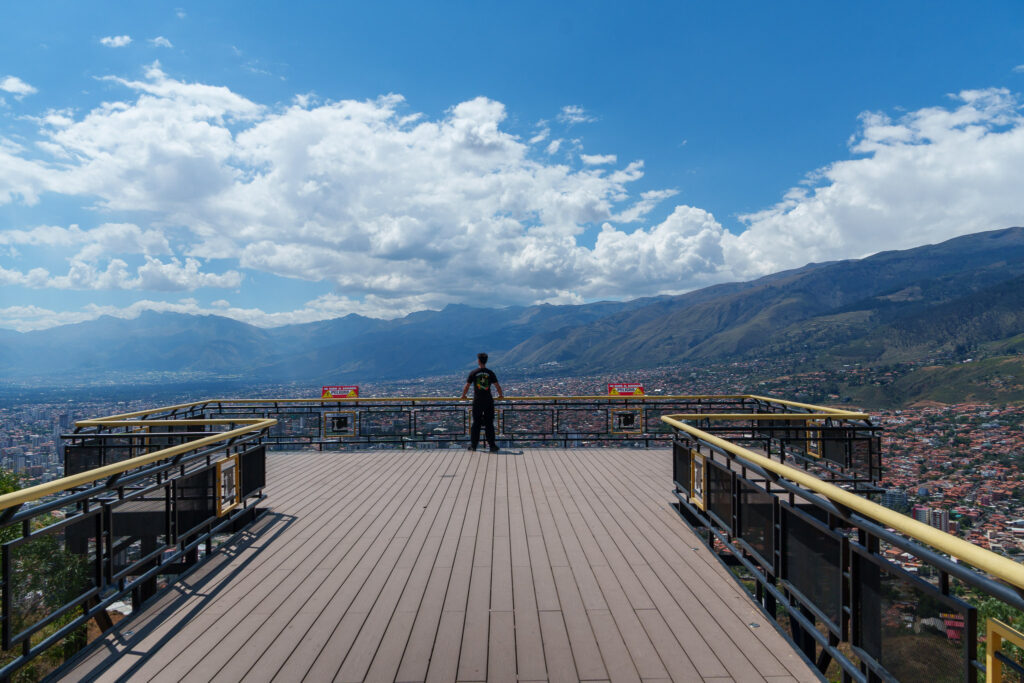
La Paz was my base for about three weeks, and I never ran out of things to do. The city fills a giant natural bowl at 3,800 meters, with El Alto on the rim above, and cable cars connect it all. Locals use them every day to commute, shop and even go on dates, and they give you the best views of the city.
In town, I loved the Witches’ Market, the cholitas wrestling in El Alto and, above all, Valle de las Ánimas, the most impressive place around the city for me. Just outside, the Cordillera Real opens up adventures like the Charquini trek, where I saw my first glacier, the Death Road and the Huayna Potosí climb. Lake Titicaca is close too, and Copacabana, where I crossed from Peru, is the easy base for Isla del Sol.
My La Paz guide lists more than a dozen things to do in and around the city, from easy afternoons to multi-day climbs.


Potosí, Sucre and the Uyuni Salt Flats
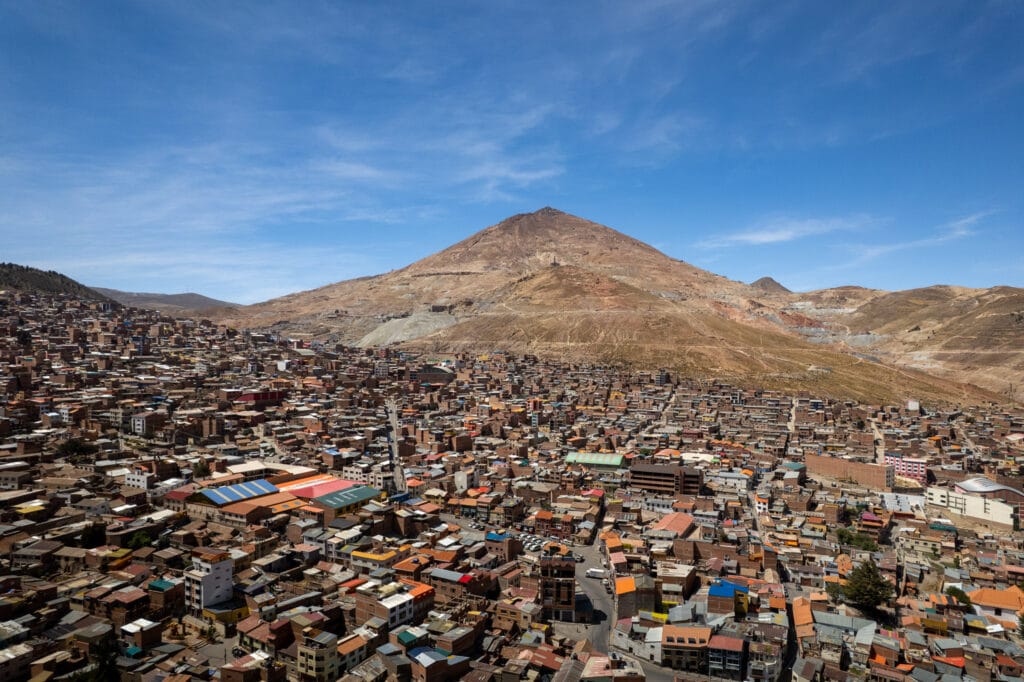
The southern highlands are the Bolivia most people picture. Potosí, one of the highest cities in the world, still lives around Cerro Rico, the mountain whose silver once made it one of the richest cities in the Americas. Sucre, the official capital, is a calmer white colonial city, good for museums and a slower pace.
Further south, the Uyuni salt flats had been on my bucket list for years. The three-day tour takes you across the white salt, then through deserts, mountains and volcanoes, and it cost me around $150. I went in the dry season, so the sky was blue but there was no mirror effect, which needs the rains of December to February.


The Oriente: Santa Cruz, Samaipata and Amboró
The Oriente is the Bolivia few travelers see. Santa Cruz, home to the main international airport, felt modern and relaxed, and people in the east are talkative and quick to invite you along. The meat is excellent too, with a filet mignon for around 10 to 12 euros.
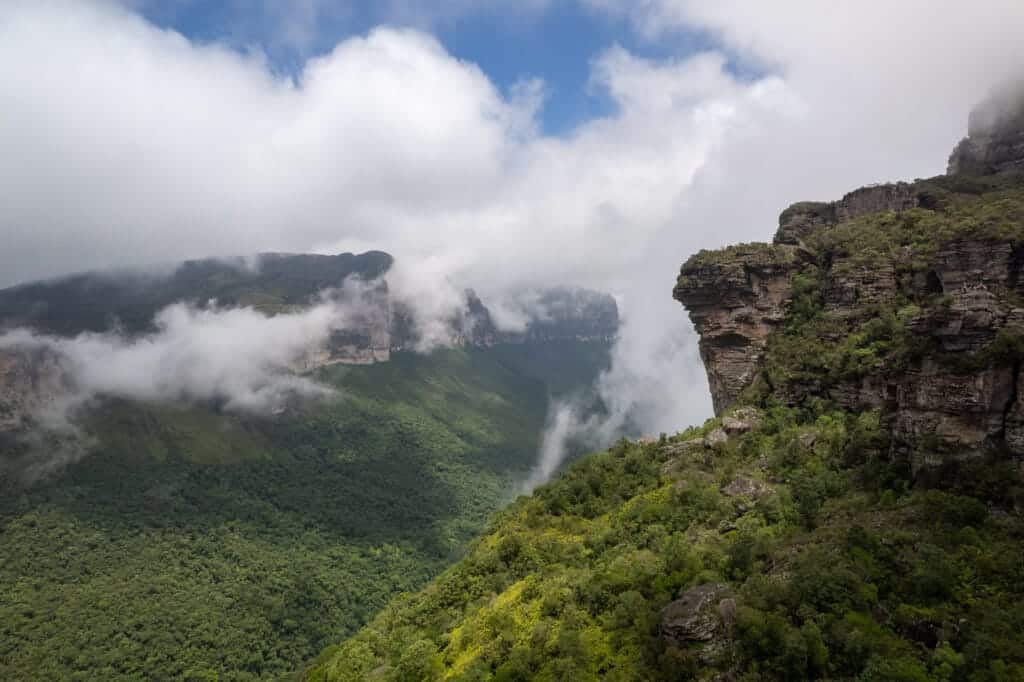
Samaipata was my favorite stop on this side, a small town with a mild climate and the El Fuerte archaeological site. I preferred Amboró National Park next door, with giant tree ferns, volcano-shaped hills and orange cliffs covered in jungle, and not a single other tourist in sight.
Climbing back toward the Andes, Cochabamba and Tarija sit between both worlds, one a green city watched over by its own Cristo, the other a wine valley famous for singani.
The Bolivian Amazon
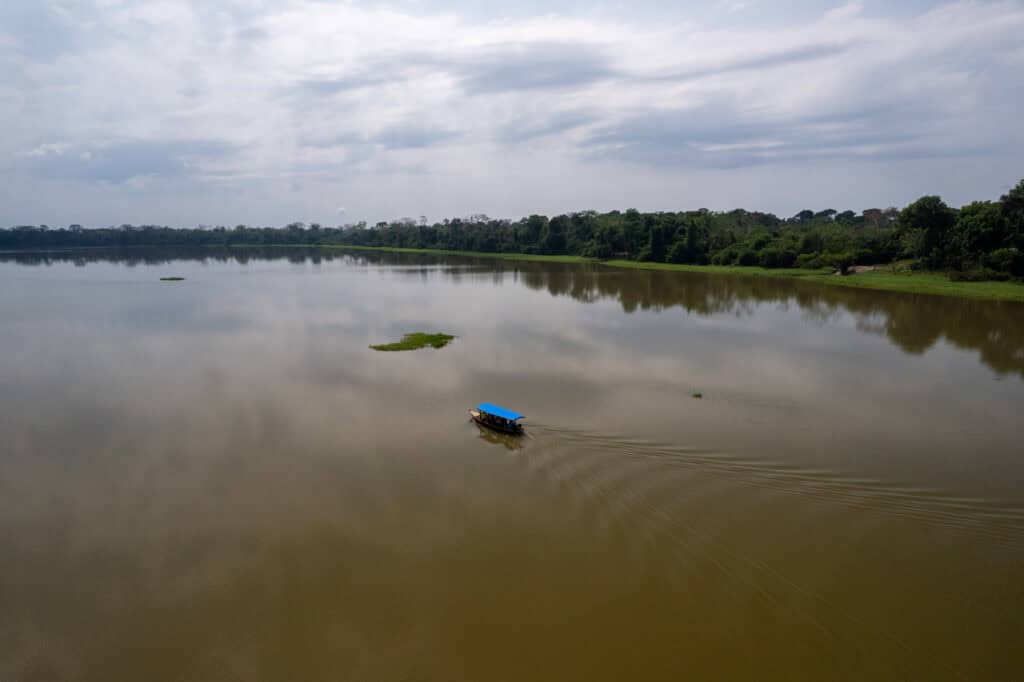
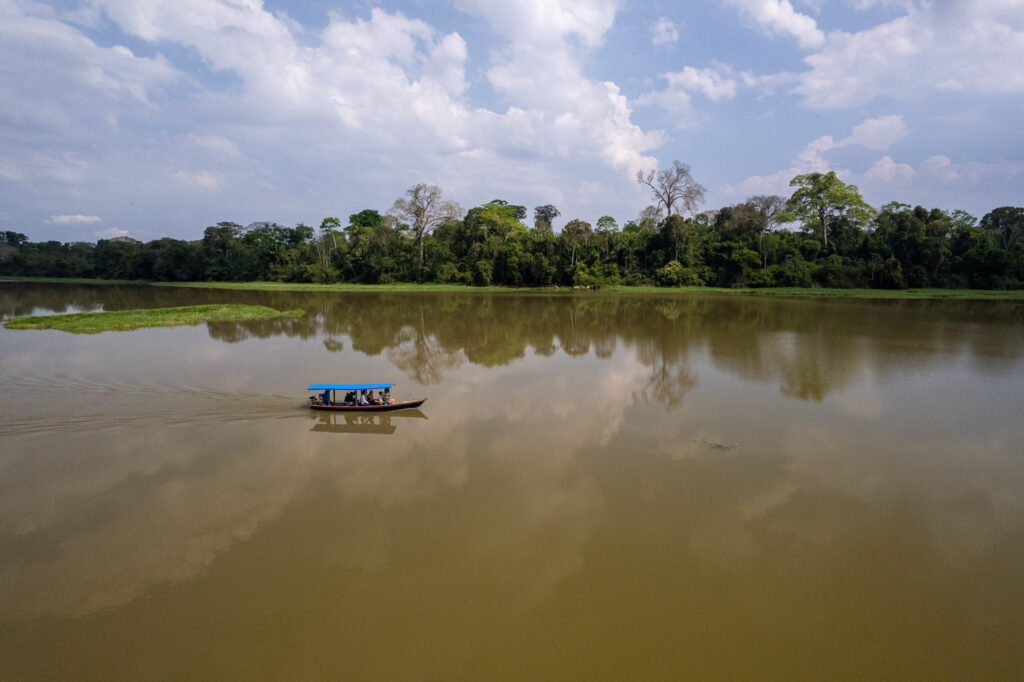
A huge part of Bolivia is Amazon, yet most travelers only see it on a short tour. Riberalta, in the far north, is the gateway furthest from everything, a hot and humid town with huge trees, parrots flying over at sunset and monkeys in the trees around it. I flew there from La Paz, about three hours instead of around 20 by bus.
For classic jungle and pampas tours, Rurrenabaque is the most popular base, the closest to La Paz and the gateway to Madidi National Park. I didn’t go myself, but it’s known for tours that cost much less than in Peru. Trinidad sits in between and is the closest gateway to Santa Cruz.
My guide to the best places to explore the Amazon compares all these gateways, and my list of Amazon monkeys tells you what you’re looking at once you’re in the jungle.

Bolivian Culture and Traditions
Bolivia has one of the strongest indigenous cultures in South America, and you feel it everywhere in the Andes. Cholitas in wide skirts and bowler hats run the markets of La Paz, and some of them even wrestle in the ring in El Alto. At the Witches’ Market, I ended up buying a few amulets from a very persuasive witch, just to be safe.
Traditions follow you underground too, with offerings of coca and alcohol to El Tío in the mines of Potosí. Then there’s the side of Bolivia that makes you smile, like a navy that trains on Lake Titicaca in a country with no sea, or 37 official languages. In the Oriente, the vibe changes completely, with modern clothes and people who love to chat.
My list of fun facts about Bolivia is the best way to get a feel for the country before you land.
How to Plan Your Bolivia Route
Most travelers give Bolivia 10 days to two weeks and stay in the Andes, with La Paz, Uyuni and maybe a jungle tour. That works, but I spent three months here without getting bored, so think about how much of the country you really want to see.
With 10 days, pick one theme. A culture route links Copacabana, La Paz, Oruro and Sucre. An adventure route goes from La Paz to the jungle, then on to Potosí and Uyuni. An Oriente route connects Santa Cruz, Samaipata and the Amazon around Trinidad.
With a month, you can cross the whole country. Coming from Peru, start at Lake Titicaca and finish in the south toward Argentina. Flying into Santa Cruz, start in the Oriente and loop through Sucre, Potosí, Uyuni and La Paz.
My Bolivia itineraries break down all five routes, with the number of days for each stop.
Recommendations
Acclimatize Before Any Big Climb
Give yourself a few days in La Paz before any big adventure. At 3,800 meters, even the steep streets leave you out of breath at first, and Huayna Potosí or the Death Road start much higher. Train your legs before you come too, because that’s where the climb hurt me most.
Choose Adventure Operators for Safety, Not Price
On the Death Road, the cheapest tours often cut corners on bikes and protection, and I saw how fast a fall happens on wet rock. Check the bikes, the safety gear and whether a support van follows the group. On Huayna Potosí, my small group of three climbers with two guides let me go at my own pace, which made a real difference.
Get Insurance That Covers Extreme Sports
Many travel insurance plans exclude mountain biking and climbing, which are exactly what most people come to Bolivia for. Check that yours covers extreme sports and medical evacuation, which gets expensive in remote areas. After watching a man in my Death Road group leave in an ambulance, I was glad I had mine.
Leave Buffer Days Between Bus Rides
Buses are the main way to get around Bolivia, and any trip over six hours usually means a night bus, comfy enough but not great for sleep. Fuel shortages and road blockades have been causing delays lately, so check the news before you go and keep a spare day or two in your plan. When a flight is the only sensible option, like for the far north, buy it at the airline office, where prices are often lower than online.
People Also Ask
- Is Bolivia safe to visit?
Yes, Bolivia is generally safe for tourists. Locals often warned me to be careful at night, but nothing ever happened to me in three months, and people were kind everywhere I went. I share more about safety in my Bolivia itinerary guide.
- Is Bolivia worth visiting?
Absolutely. Bolivia packs snowy peaks, salt flats, deserts and Amazon jungle into one country, and it’s one of the cheapest places to travel in South America. It’s been my biggest surprise of the continent so far, and my Bolivia itineraries show how to see the best of it.
- How many days do you need in Bolivia?
Plan at least 10 days for the classic Andes highlights, like La Paz and Uyuni. Two weeks to a month lets you add the jungle and the Oriente. I spent three months there without getting bored, and my Bolivia itineraries cover both 10-day and one-month routes.
- Is the Death Road in Bolivia safe?
It’s much safer than in the past, since trucks now use the new highway, but it remains a risky ride. According to my guide, a few riders still die there every year, and in my group several people fell, one badly enough to need stitches. My Death Road guide gives you the full picture before you decide.
- Can a beginner climb Huayna Potosí?
Yes, you don’t need mountaineering experience if you join a three-day guided tour, which starts with glacier training. You do need good fitness, because summit day means more than five hours of climbing. It was my first time with crampons and an ice axe, and my Huayna Potosí guide explains every day of the climb.
- Can you visit the mines of Potosí?
Yes, but only with a guided tour, because the mines of Cerro Rico are active and dangerous workplaces. I went with a company whose guides are former miners, with protective gear and a stop at the miners’ market to buy gifts. Expect dust, heat and very low tunnels, and read my Potosí mines guide to choose a respectful tour.
- Where is the best place to visit the Amazon in Bolivia?
Rurrenabaque is the most popular base, with affordable jungle and pampas tours close to La Paz. For something more remote and community-based, Riberalta is where I spent a month volunteering. My guide to the best places to explore the Amazon compares every gateway.
Build Your Own Bolivia Adventure
Whether you come for a 6,000-meter peak, the Death Road or a quiet month in the jungle, Bolivia rewards travelers who take their time. Explore all my guides and start building your own route.