
Brazil Travel Guide
Brazil is too big to see in one trip, and that’s part of the fun. In Rio, the mountains drop straight into the ocean. Bahia mixes jungle, surf towns and Afro-Brazilian culture, while the Nordeste hides white dunes and lagoons that look fake in photos. Down south, Iguazu Falls stops you dead, and car-free islands like Ilha Grande and Ilha do Mel slow everything down.
This Brazil travel guide brings together the places I explored over several trips, from Rio de Janeiro and the Costa Verde to Paraná and Iguazu, Bahia and the Nordeste coast. You’ll find ideas to choose your region, detailed guides to plan each stop, and a few honest warnings, like the timing mistake that can leave the Lençóis Maranhenses lagoons completely dry.
I can’t cover every corner of this huge country, so I stick to the places I can really help you with. My main advice is simple: visit fewer places, stay longer and feel the vibe.
My most recent trip covered the Brazilian summer, from December to February. I spent part of January in Itacaré, reached Salvador just as the city was gearing up for Carnival, and was in Rio for Carnival. Along the way, I hiked the Vale do Pati, hopped between car-free islands and crossed the dunes to Jericoacoara.
That wasn’t my first time in Brazil, though. About ten years ago, I traveled along the Amazon River through Manaus and saw the Lençóis Maranhenses with every lagoon full. That’s the trip where I really discovered the country, and it was amazing.
I moved mostly by bus. Within one region, going from town to town, buses are more than enough. To switch regions, I took internal flights, because distances here are huge. Not everything went to plan. When I went back to the Lençóis Maranhenses, the lagoons were dry, so check the season carefully before you book.
Quick Facts
When to go
I traveled from December to February, during the Brazilian summer, which is also Carnival season. Just know that the Lençóis Maranhenses lagoons are only full from May to September, so plan that stop carefully.
Daily budget
Brazil fits every budget, with beautiful hotels and great restaurants if you want to splurge. As a backpacker, around €30 to €40 a day covers pousadas and small local restaurants, which is very reasonable.
Getting around
Within one region, buses are more than enough to go from town to town. Brazil is huge, though, so when you switch regions, an internal flight saves you a lot of time.
Safety
I never had a single problem in Brazil, not even a pickpocket. Still, stay careful in big cities like Rio and Salvador, which have that reputation. In smaller places like Ilha Grande, Itacaré, Barra Grande or Lençóis, it’s very relaxed and people are really friendly.
Highlights
Three Days in the Vale do Pati
The Vale do Pati trek in Chapada Diamantina was on my list for years, and it delivered. The valley sits deep inside the park, and you can only reach it on foot. On the first day, the steep Subida dos Aleixos opens onto a wide plateau, then the Mirante do Pati reveals the whole valley below.
Day two took me up Morro do Castelo, with capuchin monkeys in the forest and swims under the Rio Funil waterfalls. The last day was the longest, 18 km with a detour to the Cachoeirão por Cima viewpoint, where an eagle decided to challenge my drone. We reached the cars around 8 p.m., legs completely done.
I went with an agency, and for most people that's the right call, because the trek is demanding. If you're an experienced hiker, going solo can be a good option, since the base camps also welcome independent trekkers. My guide breaks down each day, how much water to carry and how to choose between a tour and going alone.
Timing the Lagoons of Lençóis Maranhenses
Lençóis Maranhenses doesn't look real. White dunes stretch to the horizon, and after the rains, the valleys between them fill with clear blue lagoons. Ten years ago, I hit it at the perfect moment, with every lagoon full and the dunes golden in the late sun.
I went back in January 2026 expecting the same magic and found dry sand. The sand was so soft that the 4x4 couldn't drive onto the dunes, so we walked the whole circuit. I also gave up on the three-day trek I had planned, because without lagoons it becomes a long sandy slog.
The lesson is simple: go between May and September. My guide explains when to visit, how to choose between Barreirinhas, Atins and Santo Amaro, and which tours are worth it.
Living Rio Carnival in the Streets
I've been to Rio Carnival three times, and the real party isn't in the Sambódromo. It's in the blocos, street parties where a band plays on top of a moving bus while thousands of people jump, sing and follow it through the streets. During the official dates, 10 to 20 of them happen every day.
The Sambódromo is still worth one night. The parades run from 10 p.m. until dawn, and the earlier you book your tickets, the cheaper they get. In January, the free technical rehearsals give you the vibe without a ticket.
Pickpocketing is the main risk, so keep your phone in a money belt, and rest at night to save your energy for the day blocos. My guide covers the dates, the best blocos, the apps and what to wear.
Region
Rio de Janeiro
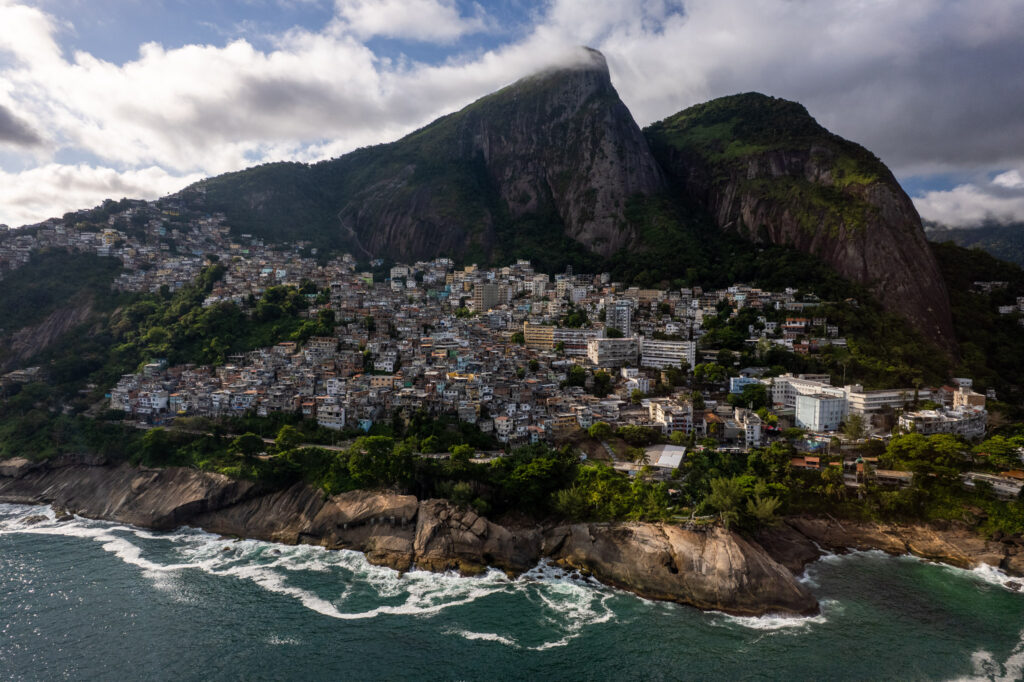
Rio is the obvious starting point, and it lives up to the hype. The mountains drop straight into the ocean, every neighborhood has its own personality, and there’s always something happening. Give it at least four or five days.
For the views, I’d start with the trails. The Dois Irmãos hike from Vidigal leads to the best viewpoint in the city, and my guide to the best hikes in Rio covers the other climbs worth your legs. If you want to see it all from above, I’ve flown the helicopter tour twice, and only one departure point is really worth it.
When the sun goes down, Rio changes again. My bar guide covers where to go out, and if you can time your trip for February, Carnival is an experience on its own, from the street blocos to the Sambódromo parades.




Ilha Grande and the Costa Verde
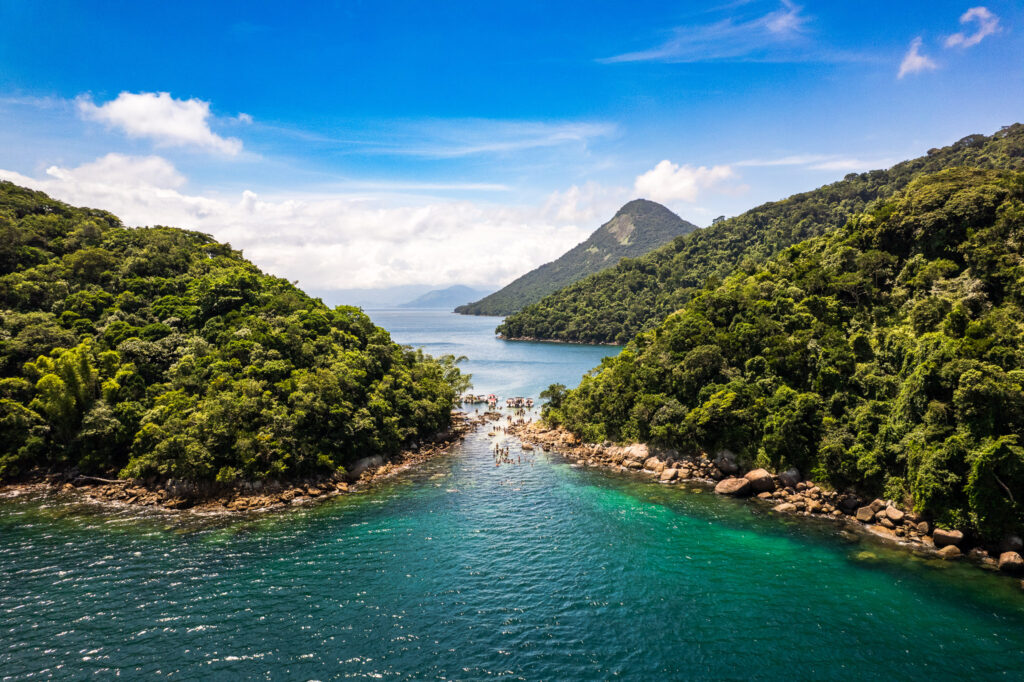
Ilha Grande is where cariocas go to escape their own city, which says a lot when you’ve just left Rio. There are no cars on the island, only jungle trails, clear water and beaches that photos don’t do justice to.
Getting there takes most of a day between the bus, the pier and the boat, so give it three full days minimum. Base yourself in Abraão, the main village, and explore on foot or by boat.
The walk from Abraão to Lopes Mendes is the classic. It’s often ranked among Brazil’s most beautiful beaches, and reaching it through the forest is half the adventure. My guide covers the trail, the timing and the boat option if you’d rather skip the hike.

Curitiba, Ilha do Mel and Iguazu Falls
The south of Brazil feels different from Rio or Bahia. Curitiba is a pleasant surprise, with green spaces, clean streets and real local culture. Most travelers skip it, but it’s a good stop on the way to Paraná’s coast or Iguazu.
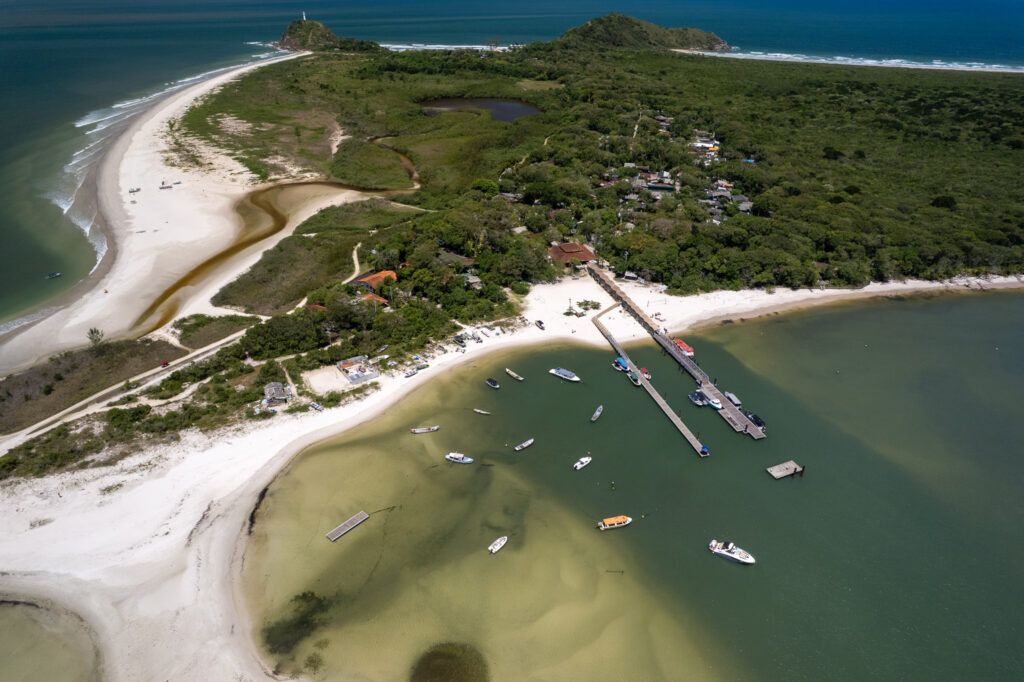
From there, Ilha do Mel is a protected island with no cars, wild beaches and dense Atlantic Forest. Life moves along sandy paths, and the slow pace genuinely resets you.
Then there’s Iguazu, on the border with Argentina. The falls are wider and louder than you expect, so don’t treat them as a day trip. Plan one day on the Brazilian side for the panoramic views, another on the Argentine side for the walkways right next to the water, and add the bird park if you can.


Bahia: Itacaré, Barra Grande and Chapada Diamantina
Bahia might be the most complete region in Brazil for a first trip, with culture, food, beaches and wild nature in one state. On the coast, I spent part of January in Itacaré, a small town where jungle-covered hills meet surf beaches, with trails leading to waterfalls inland.
Barra Grande, on the Maraú Peninsula, is quieter. Most visitors are Brazilian families and couples, the beaches are wide, and with a quad you can reach spots where you’re the only person on the sand.
Inland, Chapada Diamantina is one of the most underrated places in the country. The colonial town of Lençóis makes a great base, and the three-day Vale do Pati trek takes you through canyons and waterfalls far from any road. The last day was 18 kilometers with full packs, and it was worth every step.


The Nordeste: Jericoacoara and Lençóis Maranhenses
The Nordeste isn’t usually where you start in Brazil, but the landscapes here are surreal. Think wind-shaped dunes, turquoise lagoons and sandy villages at the end of rough tracks.
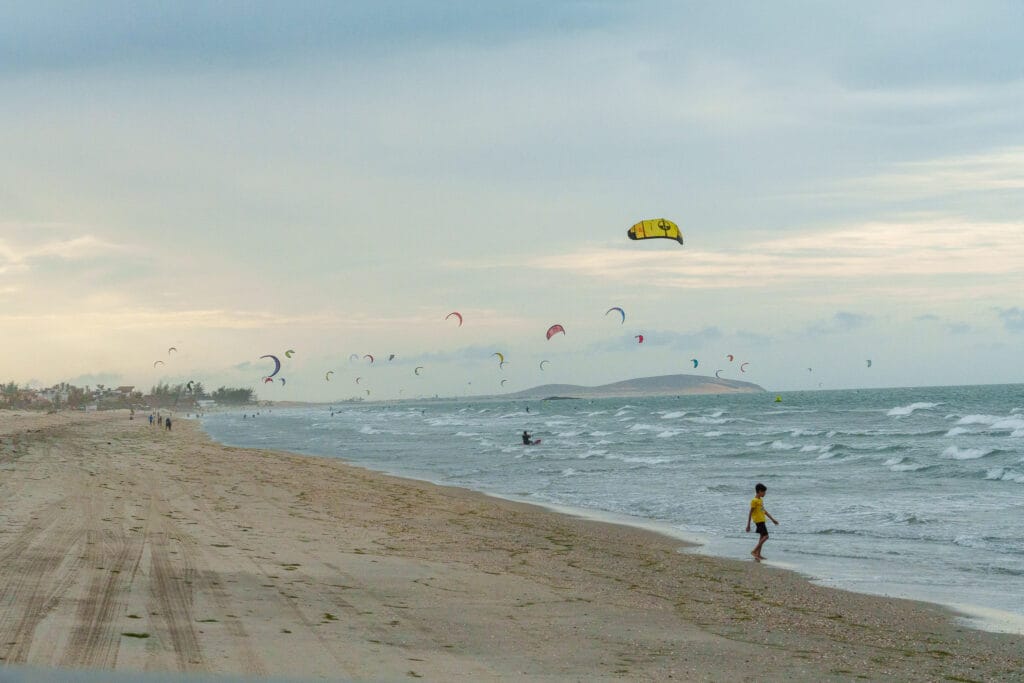
Jericoacoara is the kind of place that traps people. You reach it by 4×4 across the dunes, and the village itself is built on sand, with a relaxed vibe, kitesurfing and slow evenings watching the sunset. It’s remote, but you’ll find plenty of pousadas, restaurants and tours.
Lençóis Maranhenses is one of the most striking places I’ve ever seen, but timing is everything. On my latest visit, the lagoons were dry, so read my guide before you book. Based in Barreirinhas, you can also explore the Rio Preguiças, where jungle, dunes and river meet the ocean.

How to Plan Your Brazil Itinerary
Brazil is huge, and every move between places costs you half a day, sometimes a full one. Even Rio and Ilha Grande, which are neighbors on the Brazilian scale, are nearly a full day apart by bus and boat. So the best Brazil itinerary is the one that doesn’t try to see everything.
With 10 days, stay in Rio de Janeiro state. Rio and Ilha Grande already make a full and beautiful trip. With two weeks, pick one region and go deep: Rio state or Bahia both give you a city, beaches and nature, and buses are more than enough to move around.
If you can take a month, do it. That’s when you can combine regions, using internal flights to jump from Rio to Bahia, Iguazu or the Nordeste. My Brazil itinerary guide walks you through each option in detail.

Recommendations
Check the Season Before You Book
In Brazil, the same place can feel completely different depending on the month. The Lençóis Maranhenses lagoons are only full between May and September. I went in January and found dry sand, so this one really matters.
In Chapada Diamantina, the rainy season runs from November to April. The landscape gets very green, but trails can turn muddy on steep climbs. Rainfall changes from year to year, so check local conditions close to your travel dates.
Book Carnival Months Ahead
If your trip falls around Rio Carnival, book early. Sambódromo tickets get more expensive as the dates approach, and the cheapest seats sell out first.
Accommodation is the bigger issue. During Carnival week, prices can go up three or four times, and the best places are gone months ahead. Pick your neighborhood carefully too, because many streets close for the blocos and traffic gets heavy.
Protect Your Phone in the Crowds
In three Carnivals, I never had a serious problem, but soft pickpocketing is real in packed crowds. Keep your phone and card in a money belt under your clothes rather than in your pocket or hand.
If you have an old phone, bring that one to the blocos. Lock it with a code, turn on Find My Device, and agree on a meeting point with your friends, because the network barely works in a big crowd.
Pay Like a Local and Carry Little Cash
Brazilians pay for almost everything with Pix, the local instant payment system, using a QR code on their phone. Even without a Brazilian bank account, an app like WanderWallet lets you pay the same way, so you don’t need to carry much cash.
Keep a little cash for some street vendors, though. And plan ahead for remote places: Atins, for example, has no banks, so bring enough cash before you take the boat.
Plan the Logistics for Car-Free Places
Some of the best places in Brazil have no cars or no roads, and that’s part of their charm. Getting there just takes planning. From Rio, reaching Ilha Grande means a bus, a wait at the pier, a boat ride and a walk to your accommodation, so count most of a day.
Atins is only reachable by a 1h30 boat ride down the Preguiças River from Barreirinhas, and Jericoacoara by 4×4 across the dunes. Treat these journeys as part of the trip, and don’t plan anything else on travel days.
People Also Ask
- How long do I need for a first trip to Brazil?
For a first trip to Brazil, I’d plan a month minimum. That gives you time to discover at least two regions at a relaxed pace, without spending half your trip on buses and planes. Two weeks can work, but only if you stick to one region and accept you’ll miss things.
- Which region should I choose for my first trip to Brazil?
Start with Rio. It’s the must on a first trip, and it’s genuinely impressive. If you want more culture, add Bahia. For more adventure, head to the Amazon around Manaus. Iguazu is extraordinary too, but it’s far from everything else, so keep it for another trip unless you’re a nature fan.
- When should I visit Lençóis Maranhenses?
Visit Lençóis Maranhenses between May and September, when the lagoons are full. I went back in January and found dry sand, which made it a very different experience. Rainfall changes from year to year, so check conditions close to your dates before you book.
- Is Rio Carnival worth it, and is it safe?
Rio Carnival is absolutely worth it. I’ve been three times, and the street blocos are an experience you won’t find anywhere else. It’s safe overall, with a heavy police presence, but stay careful in the crowds. Pickpocketing is the main risk, so keep your phone in a money belt.
- Can I hike the Vale do Pati without a guide?
Yes, you can hike the Vale do Pati without a guide. I met several independent hikers at the base camps, which welcome travelers without an agency. The trek is demanding, though, so going solo makes more sense if you’re an experienced hiker. Otherwise, a tour takes care of the logistics.
- How many days should I spend at Iguazu Falls?
I’d plan around five days at Iguazu Falls. You need one day on the Brazilian side and another on the Argentine side, but there’s much more to do around, like the bird park. With five days, you can enjoy the place at your own pace instead of rushing.
- How do I get from Rio to Ilha Grande?
To get from Rio to Ilha Grande, take a bus to the pier, then a boat to Abraão, the main village. Between waiting times and the walk to your accommodation, it takes most of a day. My Ilha Grande guide covers the options in detail.
- Do I need to visit every place in this Brazil guide?
Not at all. This page brings together my articles so you can choose what suits your trip. Brazil doesn’t reward rushing, so pick a few places and stay longer in each.
Build Your Own Brazil Adventure
Rio’s trails, Bahia’s jungle coast, the dunes of the Nordeste or the falls of Iguazu: you don’t need to see it all. Pick one or two regions, give them time, and let Brazil set the pace. My guides will help you plan each stop.