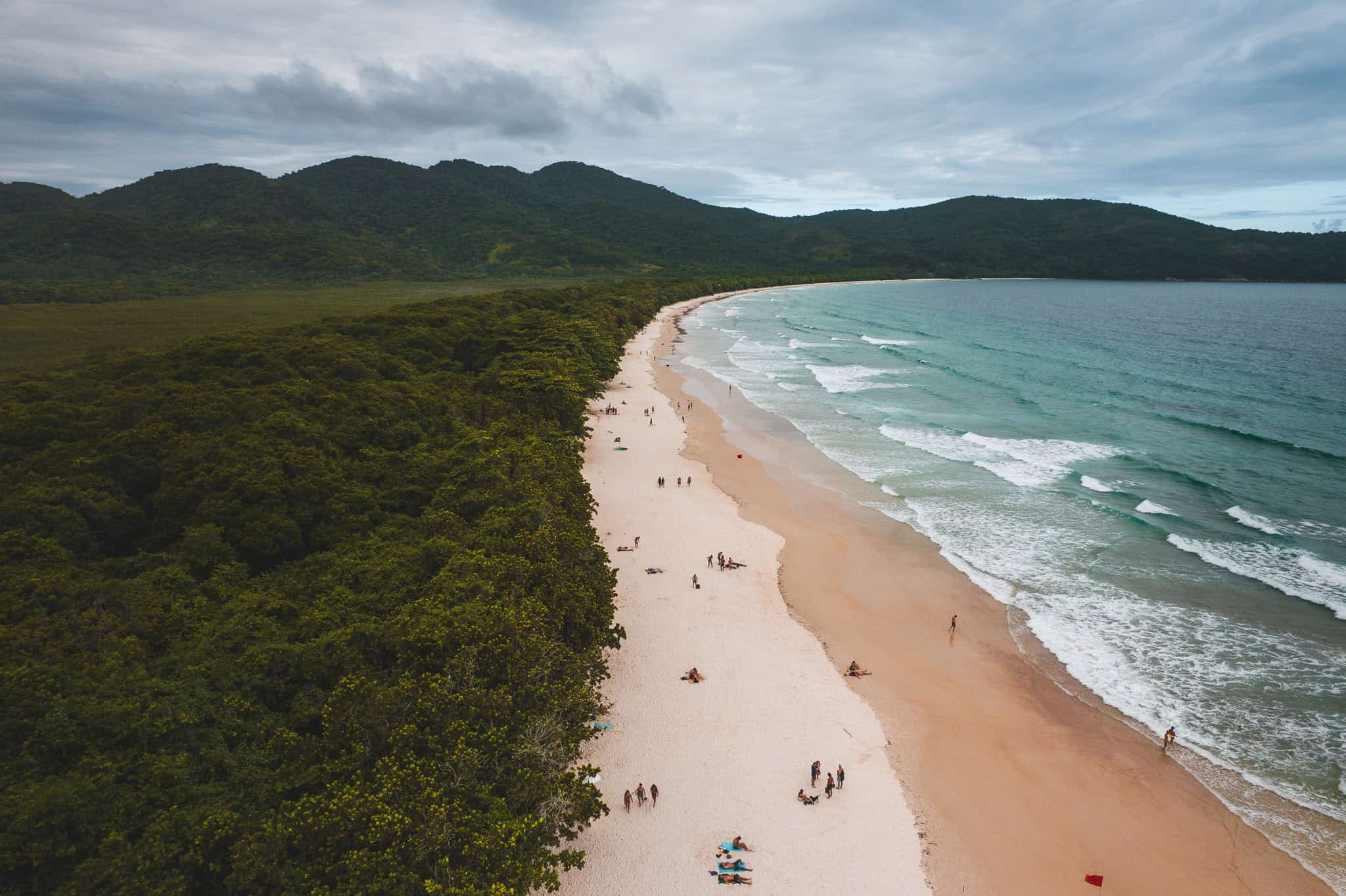
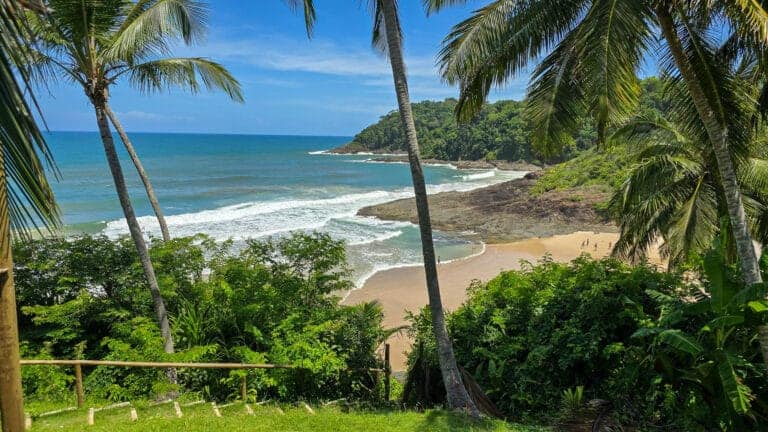
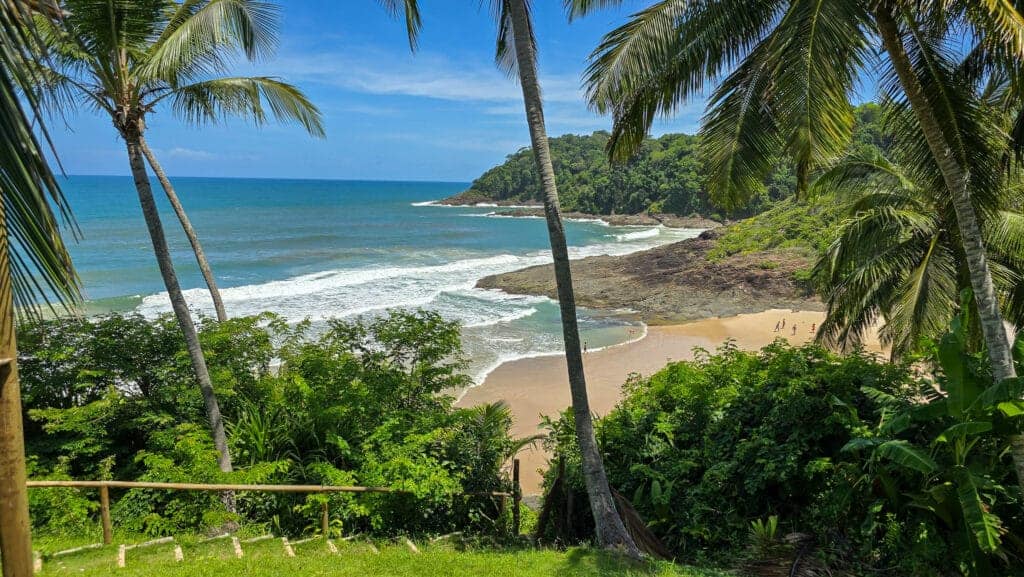
view of praia da costa in Itacaré Brazil. there are palms tree, green grass, waves and blue sky.

WanderWallet Review: Pay Like a Local Across South America

This post is also available in :

I crossed four South American borders in three months, and each time I hit the same wall. Every country runs on its own payment system, and none of them talk to each other. Bolivia’s QR Simple doesn’t work in Argentina. Argentina’s Mercado Pago is useless in Brazil. Brazil’s Pix means nothing in Colombia.

After struggling to pay like a local in country after country, I found WanderWallet, and it changed how I pay for everything on the road. This is my honest wanderwallet review, built from real trips and real fixes.

Table of Contents

The Digital Wallet Patchwork in South America

South America doesn’t have one dominant payment rail. It has five or six, and they’re all incompatible with each other.

  • Brazil: Pix is nearly universal. Street vendors, restaurants, and even the guy selling caipirinhas at Carnaval all use it.
  • Argentina: Mercado Pago, MODO, and Transferencias 3.0 (using Alias, CVU, or CBU) dominate everyday purchases.
  • Bolivia: QR Simple is accepted by almost every local merchant, from bus counters to corner stores.
  • Colombia: Nequi, Daviplata, and Bancolombia lead the market, with the new Bre-B system gaining ground.
  • Chile: Onepay, tied to Transbank and Webpay, is becoming the go-to for tap-to-pay.

If you’re a foreigner bouncing between these countries, you’re stuck learning a new system every time you cross a border. That’s the core problem this post digs into, and it’s exactly why a digital nomad payment app for LATAM matters so much right now.

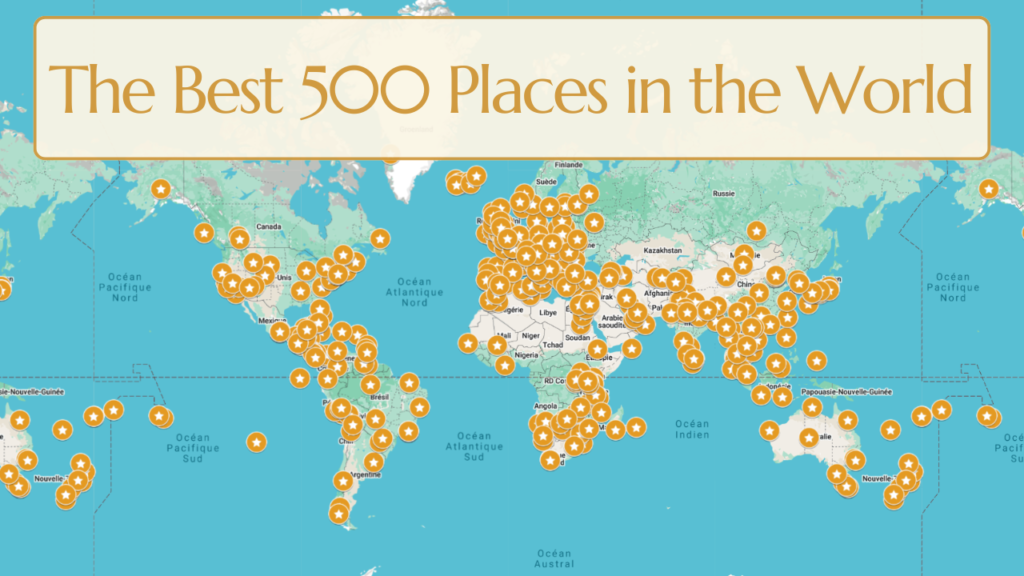
FREE Google Map - Best 500 Places in the World

Most travelers visit the same 20 places their whole life.

Here are 500 reasons to do better.A curated world map of 500 unforgettable destinations across every continent — open it in Google Maps and start planning.

    A world map with orange location markers highlighting the Best 500 Places in the World across various continents. The title appears at the top on a beige banner.

    Why This Is a Real Problem for Travelers

    Even when you manage to open a local account, it rarely lasts. Most of these wallets require a national ID or tax number, and tourist workarounds expire or get flagged after a few weeks.

    The structural issue is simple: these apps are built for residents, not for people moving through five countries in five months. Every border crossing means starting from zero, hunting for a new app, verifying your identity again, and hoping it works before your bus leaves.

    This is where the real cost shows up, and it’s not just annoyance. It’s cash.

    How WanderWallet Solves This

    WanderWallet connects directly to each country’s local payment rail, Pix in Brazil, Mercado Pago in Argentina, QR Simple in Bolivia, and Bre-B in Colombia, without requiring you to open a local bank account.

    You can deposit funds in USD or EUR, though your balance itself is held in USD for now, with EUR balances reportedly in development. The fees I paid, combining WanderWallet’s commission and the exchange rate, stayed low and predictable across every country I used it in.

    That same logic holds up in Brazil and Colombia too, where WanderWallet lets you pay by QR or alias transfer instead of hunting for a local bank workaround.

    The exchange rate it offers is nearly identical to what you’d get through one of the better online banks, so in practice, paying with WanderWallet feels almost the same as paying directly through your online bank account.

    My Personal Stories

    I’ve hit this wall more than once, and each time it taught me something about how to pay in USD or EUR in South America without getting hit by fees at every turn.

    Getting stuck at the Argentina-Bolivia border in Jujuy

    I crossed from Bolivia into Argentina with zero Argentine pesos in my pocket. I needed a way to pay for a bus ticket, and the only options nearby were cash or a card, so I walked into Humahuaca to find an ATM.

    The ATM let me withdraw a maximum of 30,000 pesos as a foreigner, which came out to roughly €20-30, and on top of that it charged a flat 10,000 peso fee, so I lost about 25% of my withdrawal just to fees. I later tried paying by card at a local restaurant instead, and the card surcharge there ran another 10%. That frustration pushed me to search for a better way to pay, and that’s when I discovered WanderWallet.

    Unlike the ATM route, WanderWallet doesn’t touch withdrawals at all. Everything happens online, so you can pay any merchant directly, whether that’s by scanning a QR code or sending money to an alias, a unique name tied to each account, or sometimes a number, depending on the country.

    My total fees dropped to around 1-2%, compared to the 10-25% I’d been losing.

    Paying at the Jesuit Missions when cards failed

    Visiting the San Ignacio Jesuit Mission ruins is a great side quest you can add while you’re near Iguazu Falls. But I arrived at the entrance with no cash, hoping I could pay with wanderwallet, and the small ticket booth only took Argentine pesos in person.

    I found a restaurant owner nearby and asked if I could send him money through WanderWallet by alias, in exchange for cash to cover my entrance fee. He agreed, and that quick alias transfer got me the cash I needed to buy my ticket.

    Carnaval in Rio: cash-free in the streets

    During Carnival in Rio, every street vendor selling beer, caipirinhas, and snacks accepted Pix through a QR code. Carrying cash in that crowd felt risky, but my phone was one thing I could keep track of and lock down.

    I paid for nearly everything by scanning QR codes directly through WanderWallet, which meant I never had to dig through my pockets for cash and maybe loose some at the same time. It’s a small thing, but when you’re weighing cash vs digital wallet travel South America decisions in a packed crowd, the phone wins every time.

    Paying for a trek in advance from abroad (Chapada Diamantina)

    I booked a 3-day trek through Chapada Diamantina for about €300, which required a 30% deposit upfront. At the time, I was already in Rio, several hundred kilometers away from the tour company, so paying in person wasn’t an option.

    The tour company sent me their Pix code, and I paid the deposit through WanderWallet by alias transfer in about five minutes. No missing account numbers, no failed transfers, no lost booking.

    The same solution would have worked just as well if I’d been in Europe planning the trip months in advance. Whether you’re a few hundred kilometers away in Rio or on another continent entirely, WanderWallet’s alias transfers close that distance the same way, since the app doesn’t care how far you are from the tour operator, only that the alias and amount are correct.

    I have been able to do the same with hotels in various locations while planning my itinerary in Brazil. This is so much easier now.

    Countries Currently Supported by WanderWallet

    WanderWallet currently covers Brazil, Argentina, Bolivia, and Colombia, with Peru and Paraguay both reportedly coming soon. A year ago it only covered Argentina and Brazil, and it has already expanded well beyond that. This steady growth suggests it’s a company built for the long haul, one that’s working to integrate every country in Latin America.

    I’m planning trips back to Paraguay, Bolivia, and Colombia in the coming months, and I’m looking forward to testing the app firsthand to see how well it holds up there.

    From what I’ve heard, and from other travelers who’ve used it in Colombia and Bolivia, it works remarkably well and makes everyday payments genuinely easier.

    You carry less cash, you always have your phone on you, and network coverage is usually reliable enough that paying on the spot is never a hassle.

    Actually tha’t what I felt in Argentina and Brazil, so it must be the same in Bolivia and Colombia ( and soon Peru and Paraguay !)

    Is It Worth It? (Honest Take)

    I’ll be straight with you. WanderWallet comes first for me now when I’m traveling through South America.

    I still use an online bank, and it works well for moving money between currencies or paying online.

    But there are still blind spots, and I think those blind spots will always exist with online banks, simply because withdrawing or paying abroad often depends on rules set by the local country, not by the bank itself.

    Even with a solid online bank, being a foreigner usually means paying more, unless you can plug directly into the local system.

    That’s exactly where WanderWallet fits in. It was the missing piece that let me pay like a local in four countries without opening four separate bank accounts.

    Final takes

    For me, WanderWallet was a discovery and a genuine relief when I was struggling in Argentina.

    It saved me a huge amount of hassle, and I ended up relying on it just as much in Brazil, which made the rest of my trip far smoother with fewer administrative headaches.

    It gave me the freedom to pay merchants by QR or alias transfer, even far from my usual banking setup, which mattered a lot in Brazil’s smaller towns and local spots.

    It was that practical. Now, every time I head back to Latin America, WanderWallet is the first app I open.

    This post is also available in :

    Subscribe to the Newsletter

    Join our community and receive exclusive travel stories, guides, and special offers!

      What's on My Desk Right Now

      The Brazilian flag with green and yellow brush strokes, a blue globe with stars and a white banner reading Ordem e Progresso in the center.

      🗺️ Planning a Trip?

      Skip the research rabbit hole.

      I’ll build you a personalised day-by-day itinerary — or answer all your questions on a quick 60-min call.

      Let's Connect

      Affiliate Disclosure

      Some of my posts include affiliate links. If you choose to make a purchase through them, I may earn a small commission—at absolutely no extra cost to you.


      Using these links is the best way to support my work and say thank you, and I appreciate it so much! Of course, everything I share reflects my honest opinions and experiences.

      📸 Work With Me

      Brand, tourism board or hotel?

      Let’s create something together — content, reviews and campaigns that reach real travellers who are ready to book.

      Buy Me A Coffee

      Latest Posts

      view of praia da costa in Itacaré Brazil. there are palms tree, green grass, waves and blue sky.
      I crossed four South American borders and struggled...
      A wide brown river, often traveled on a Vietnam Cambodia tour from Ho Chi Minh City to Phnom Penh, flows past a lush green landscape dotted with houses and several blue-roofed barges under a cloudy sky.
      This three-day route from Ho Chi Minh City covers the...
      A man stands in a plaza at night in front of a brightly lit building covered in colorful signs and advertisements, evocative of scenes from the Ben Tan Market Saigon section of any Ho Chi Minh City travel guide. People sit and walk nearby, while trees frame the bustling scene.
      This Ho Chi Minh City travel guide covers District...
      Aerial view of a river with muddy water bordered by green vegetation and scattered houses, a road extends from the river through a lush rural landscape under a cloudy sky—capturing scenes reminiscent of the picturesque routes you might experience on a Vietnam to Cambodia tour, such as traveling from Ho Chi Minh City to Phnom Penh.
      Discover what to expect at the Cu Chi Tunnels, how...
      Aerial view of several boats sailing among limestone islands in calm blue water under a clear sky, with rocky green islets scattered across the horizon—an iconic scene near Cat Ba Island, home to some of the most beautiful beaches in Vietnam.
      Discover the key differences between Lan Ha Bay and...

      Get My Personal Map of 500 Must-See Places - FREE

      I’ve compiled 500 of the best places across my travels into one free Google Map.

      The kind of spots you won’t find in a guidebook.

        A world map titled UNESCO World Heritage displays numerous brown, blue, and green icons marking heritage sites across all continents.

        Table of Contents

        Got Questions?

        Still figuring things out for your trip, or just want to double check something before you book? Send me a message and I’ll get back to you as soon as I can.

        Or hit me up on Instagram, I’m there anyway and always happy to chat about the trip.

          Share it with the person you to travel with !

          You might also like to read these articles

          Scroll to Top