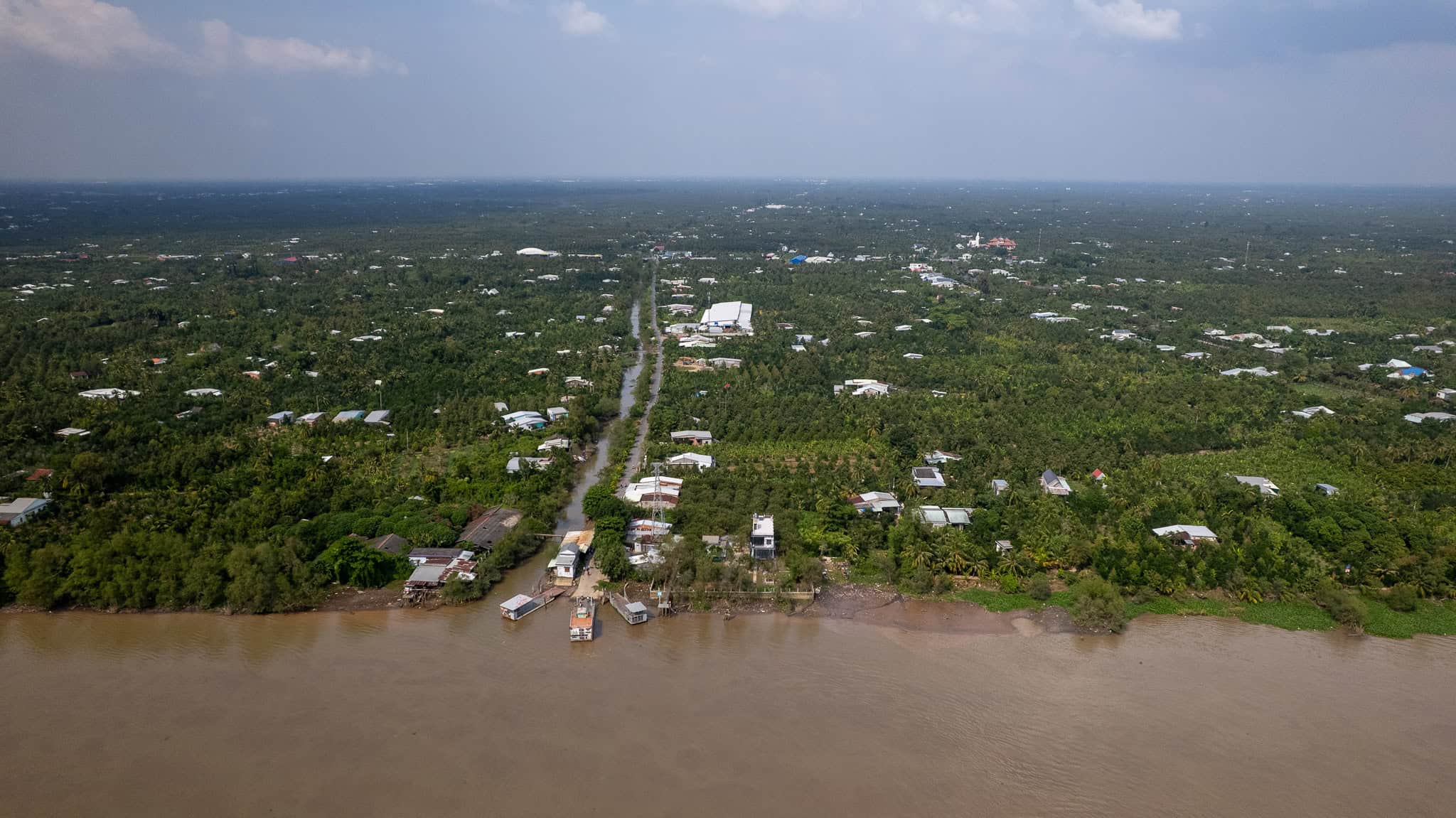
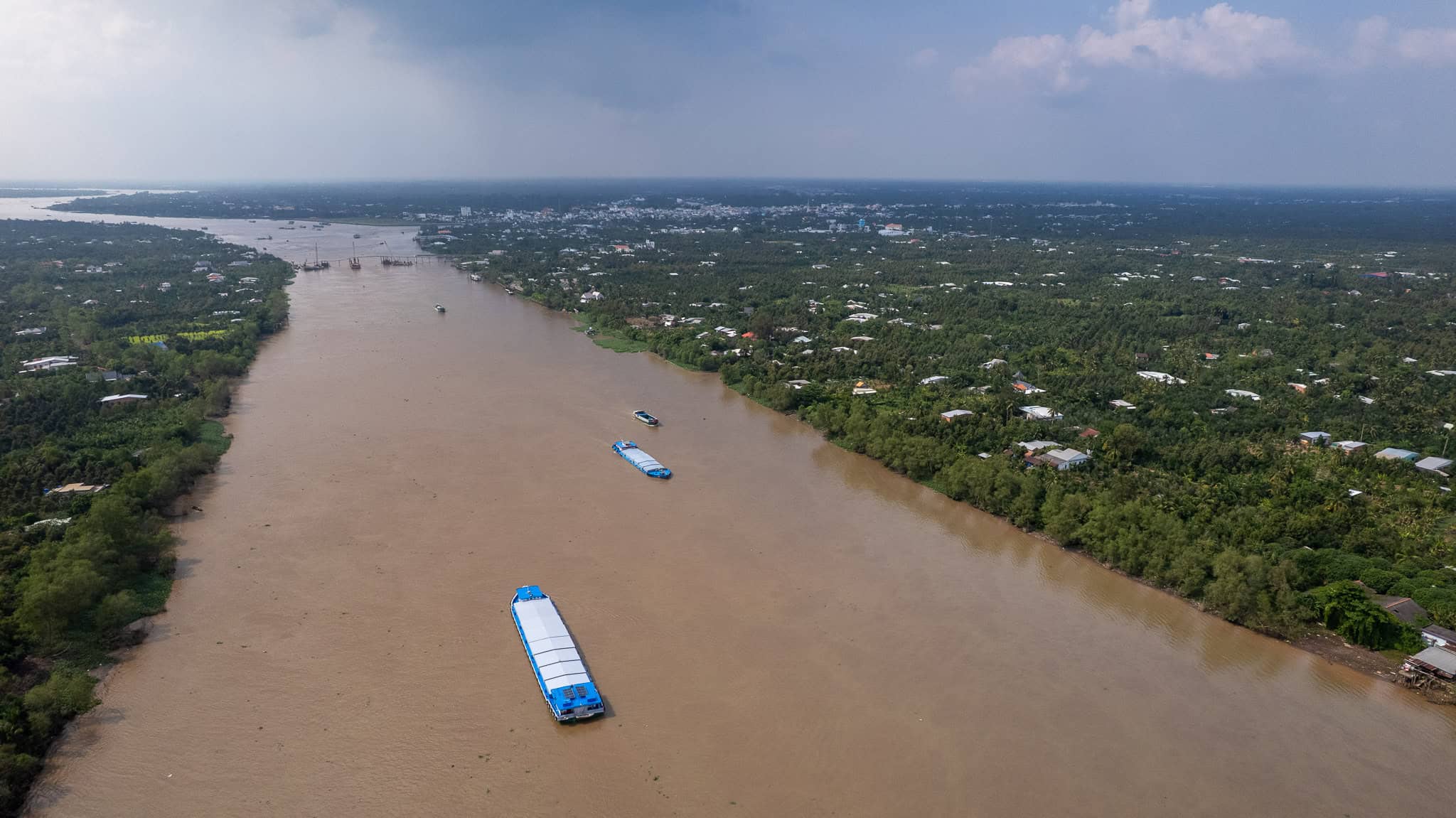
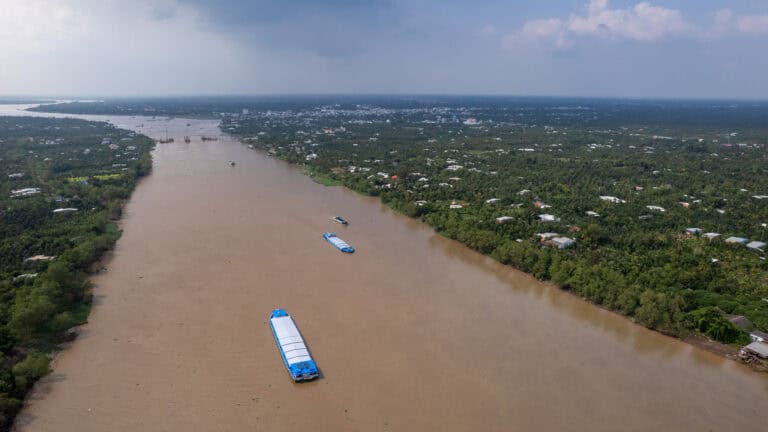
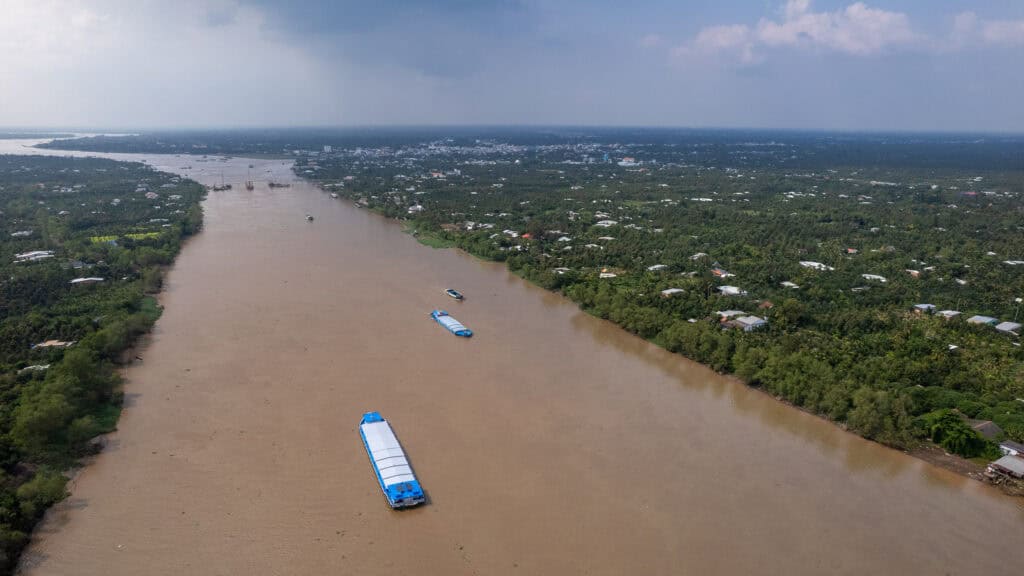
A wide brown river, often traveled on a Vietnam Cambodia tour from Ho Chi Minh City to Phnom Penh, flows past a lush green landscape dotted with houses and several blue-roofed barges under a cloudy sky.

Ho Chi Minh to Phnom Penh by Boat: 3 Days on the Mekong

This post is also available in :

If you’re searching for how to get from Ho Chi Minh to Phnom Penh, you already know the basic options exist.

What you might not know is that one of those options turns a simple border crossing into a three-day journey through the Mekong Delta, flooded forests, lychee farms, and Buddhist temples before dropping you on a riverbank in Cambodia’s capital.

I did this trip and it was one of the better decisions I made in Southeast Asia. But it’s not for everyone, and it’s definitely not the fastest or cheapest way to cross the border.

This article walks through the full Vietnam to Cambodia by boat experience, what the three days actually look like, what the border crossing feels like from the inside, and whether it’s worth choosing over the bus or the plane.

I’ll also cover the other transport options quickly so you can compare everything before you decide.

Table of Contents

How to Get from Ho Chi Minh City to Phnom Penh: Your Main Options at a Glance

Before getting into the boat trip, it helps to see all four main options side by side. The right choice depends entirely on your time, budget, and what kind of travel experience you’re after.

By Bus: The Cheapest and Most Popular Route

Direct sleeper or limousine buses run daily from Ho Chi Minh City to Phnom Penh via the Moc Bai to Bavet border crossing.

The journey takes roughly six to eight hours and costs around 15 to 25 USD. The bus waits for passengers during the border crossing, so you don’t need to figure out the process yourself.

This is the go-to option for budget travelers who just need to get there efficiently.

By Flight: The Fastest Option

Flights from Tan Son Nhat (SGN) to Phnom Penh International (PNH) take about one hour.

Prices typically range from 50 to 150 USD, though budget carriers occasionally go lower.

If time is tight, flying makes obvious sense. There’s no scenic value to speak of, but you’ll be in Phnom Penh before lunch.

When I’m planning my trip, I always check flights on Skyscanner first, since it lets me compare prices and find the best deal, and most of the time I also go on Trip.com afterward, which is another great price comparison tool for flights and hotels.

By Boat: The Scenic Multi-Day Experience

This is the option this article focuses on.

The boat route combines river travel with overland stops through the Mekong Delta before a speed boat takes you across the border on day three.

It costs significantly more than the bus and takes three full days, but it also doubles as a tour of southern Vietnam. More on this below.

By Private Car or Minivan

Private car or minivan transfers exist and can work well for small groups.

The cost is generally higher than the bus but may undercut flights depending on the season and how many people are sharing.

The road journey itself is long, similar to the bus experience, so don’t expect the private option to feel dramatically different from a logistical standpoint.

Always check flight prices first, since budget carriers sometimes make the plane the more sensible call.

The Chau Doc to Phnom Penh Route: A Shorter Boat Option

Some independent travelers skip the multi-day tour and instead take a bus or boat from Ho Chi Minh City to Chau Doc first, then catch a speed boat from Chau Doc directly to Phnom Penh. This is a popular and flexible route. It’s less structured than the three-day tour, but it works well if you want to move at your own pace and have already explored the Mekong Delta separately.

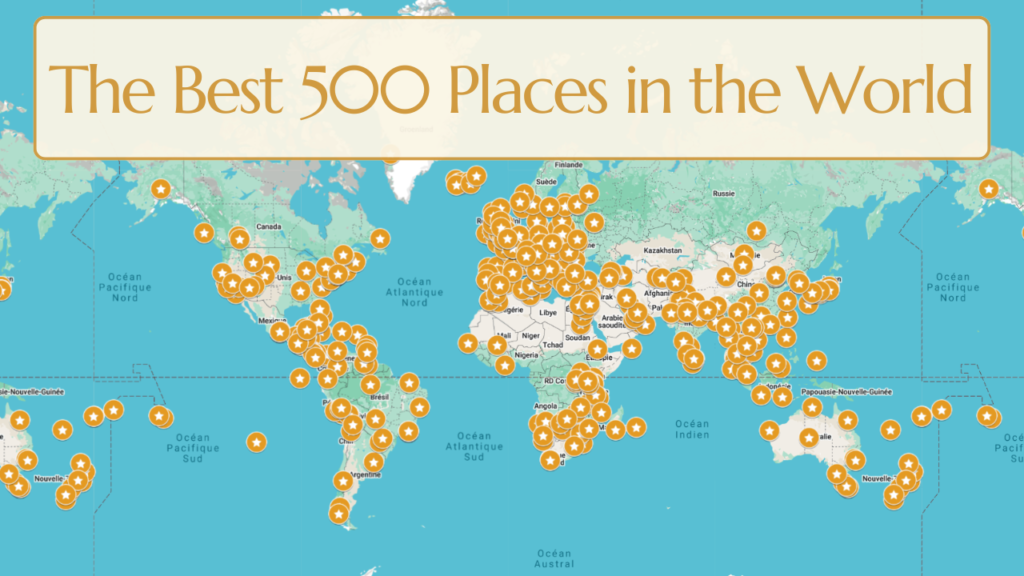
FREE Google Map - Best 500 Places in the World

Most travelers visit the same 20 places their whole life.

Here are 500 reasons to do better.A curated world map of 500 unforgettable destinations across every continent — open it in Google Maps and start planning.

    A world map with orange location markers highlighting the Best 500 Places in the World across various continents. The title appears at the top on a beige banner.

    Why I Chose the 3-Day Mekong Cruise Over the Bus or Plane

    For me, the decision came down to one thing: I wanted to cross the border and see the south of Vietnam at the same time. The bus would have gotten me to Phnom Penh faster, but I would have missed the delta entirely.

    The three-day cruise solved both problems at once.

    As a backpacker on a moderate budget, paying around 100 to 150 EUR for three days of transport, guided stops, and accommodation felt reasonable.

    Full river cruises that travel only by boat can run 200 to 400 EUR, so this hybrid land-and-water version was a much more affordable way to experience the same region.

    Booking Through a Local Agency in Ho Chi Minh City

    I booked through TNK Travel, a local agency in central Ho Chi Minh City.

    I had already used them for the Cu Chi Tunnels tour and found them reliable, so going back for this made sense.

    If you’re starting from scratch, the Bui Vien and Pham Ngu Lao backpacker district in Ho Chi Minh City is a good place to compare agencies.

    Walk into a few, ask questions, and get everything in writing before you hand over any money.

    Tips for Choosing a Reliable Operator

    Before booking, confirm a few things with any operator you’re considering.

    Ask exactly what is included: meals, boat tickets, accommodation, and guides.

    Ask which border crossing you’ll use and whether the Cambodian e-visa is accepted at that specific point, since not all crossings confirm this.

    Also ask about group size. Smaller groups tend to make the experience more personal, though the speed boat on day three will likely have many more people from other tours.

    What Is the Ho Chi Minh City to Phnom Penh Boat Tour? The Full 3-Day Itinerary

    Day 1: Mekong Delta by Boat – Mangroves, Villages, and Exotic Tastings

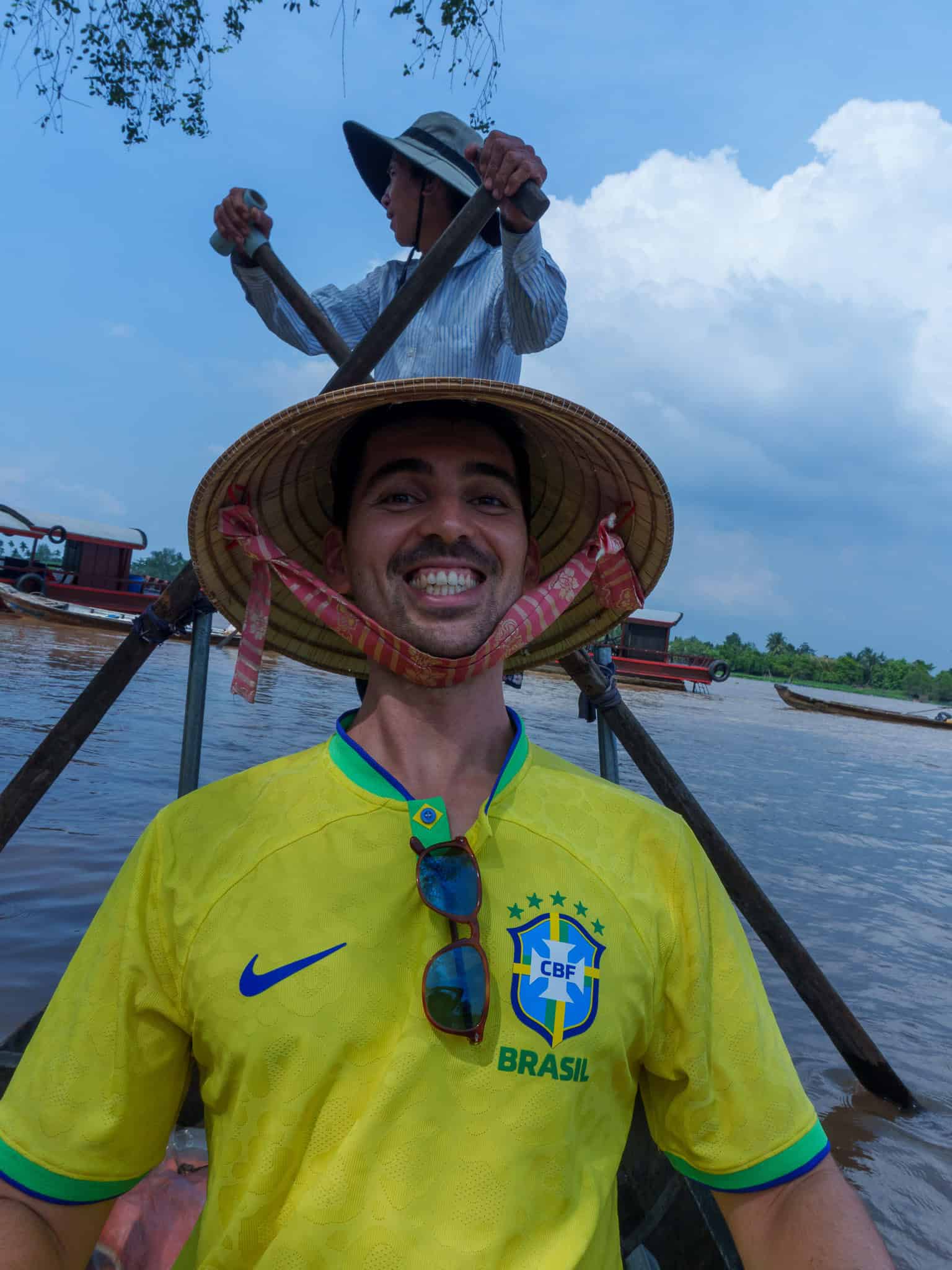
    About ten of us set off from Ho Chi Minh City together on a large boat. The Mekong scenery is genuinely pretty, and being on the water from the start sets the right tone for the trip.

    At some point, we transferred to smaller boats to explore narrower waterways feeding into the Mekong and passed through a section of mangrove. It’s muddy and not dramatic, but it has a quiet, natural appeal that’s hard to find close to a major city.

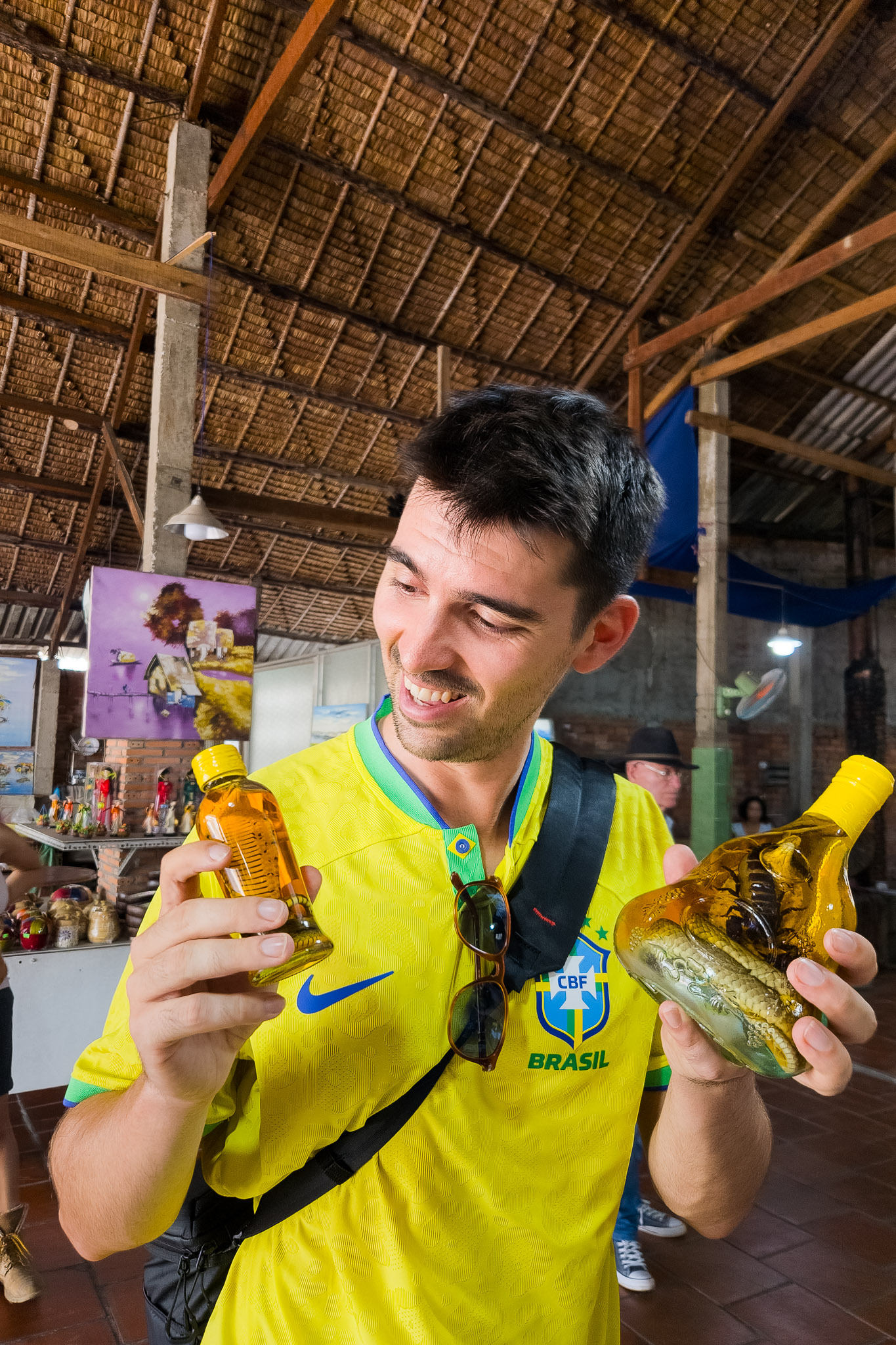
    Later, we stopped at a local river village with market-style stalls selling regional products. The most memorable items were small bottles containing scorpions or spiders preserved in what appeared to be medicinal alcohol.

    A bit unsettling, but fascinating. I’d seen something similar in a fishing village in northern Vietnam while doing the Lan Ha bay boat tour, the hidden cousin of the Ha Long bay, where locals made their own spirits with snakes inside for flavor and supposed medicinal properties. Finding this tradition again in the south felt like a genuine cultural connection.

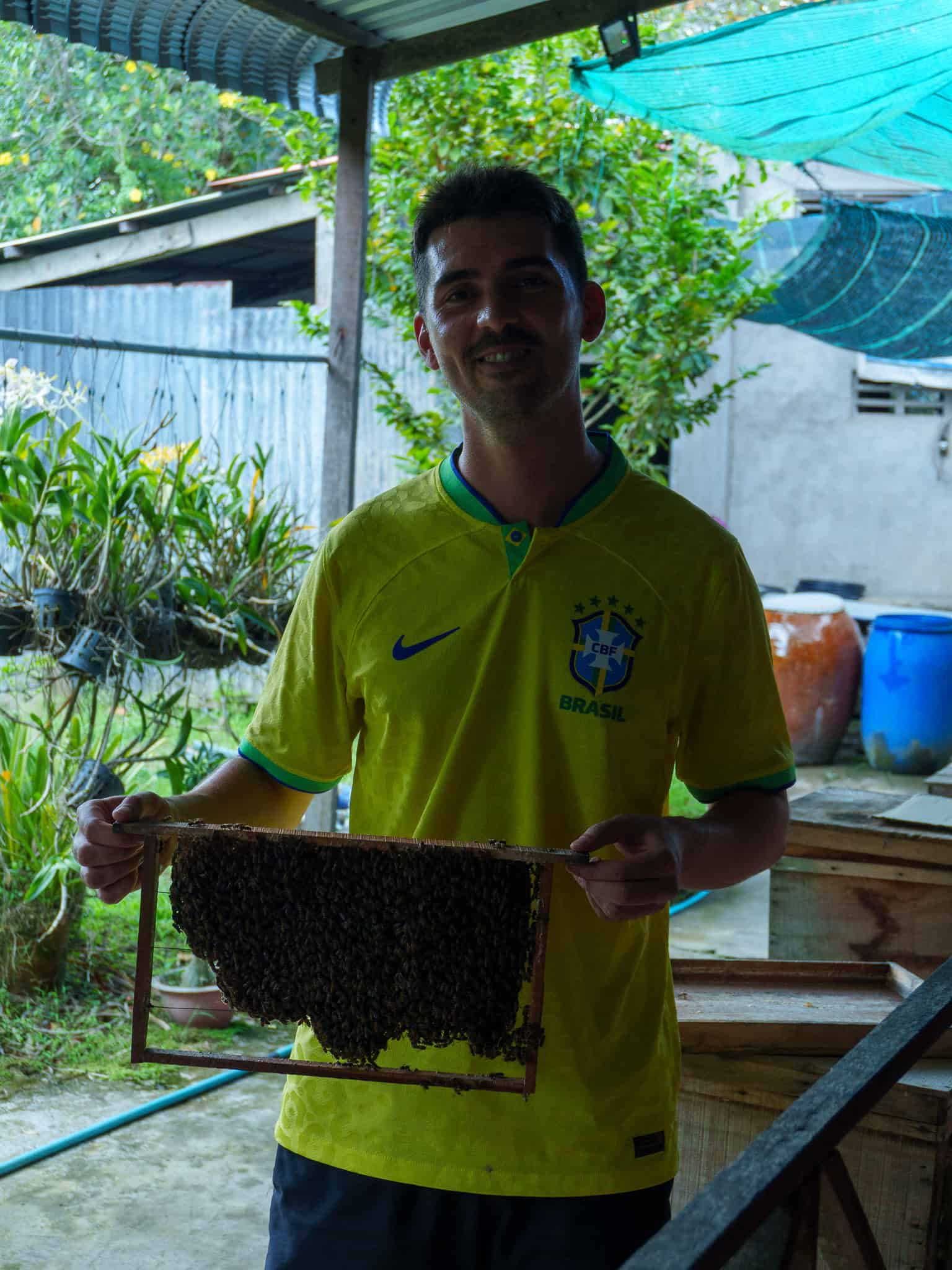
    We also visited beehives and tasted honey and pollen, which were sold at good prices.

    The day ended with a traditional dance performance and a fruit tasting: dragon fruit in both white and pink varieties (I prefer the pink, which has more flavor), durian, and lychee.

    We slept at Can Tho, a cute small city. Dinner that evening was not included in the tour, so I went out alone and found a cheap riverside restaurant. The area had a relaxed, local feel and the meal cost almost nothing.

    Day 2: Lychee Farms, Flooded Forests, and Buddhist Temples Near the Border

    Day two involved more driving than day one, heading toward the border zone by car through flat farmland and rice fields. The landscape is agricultural and wide open.

    The morning started at a lychee farm. We tasted several varieties with different flavor profiles: some tart, some sweeter. It lasted about an hour and was genuinely interesting rather than just a tourist checkbox.

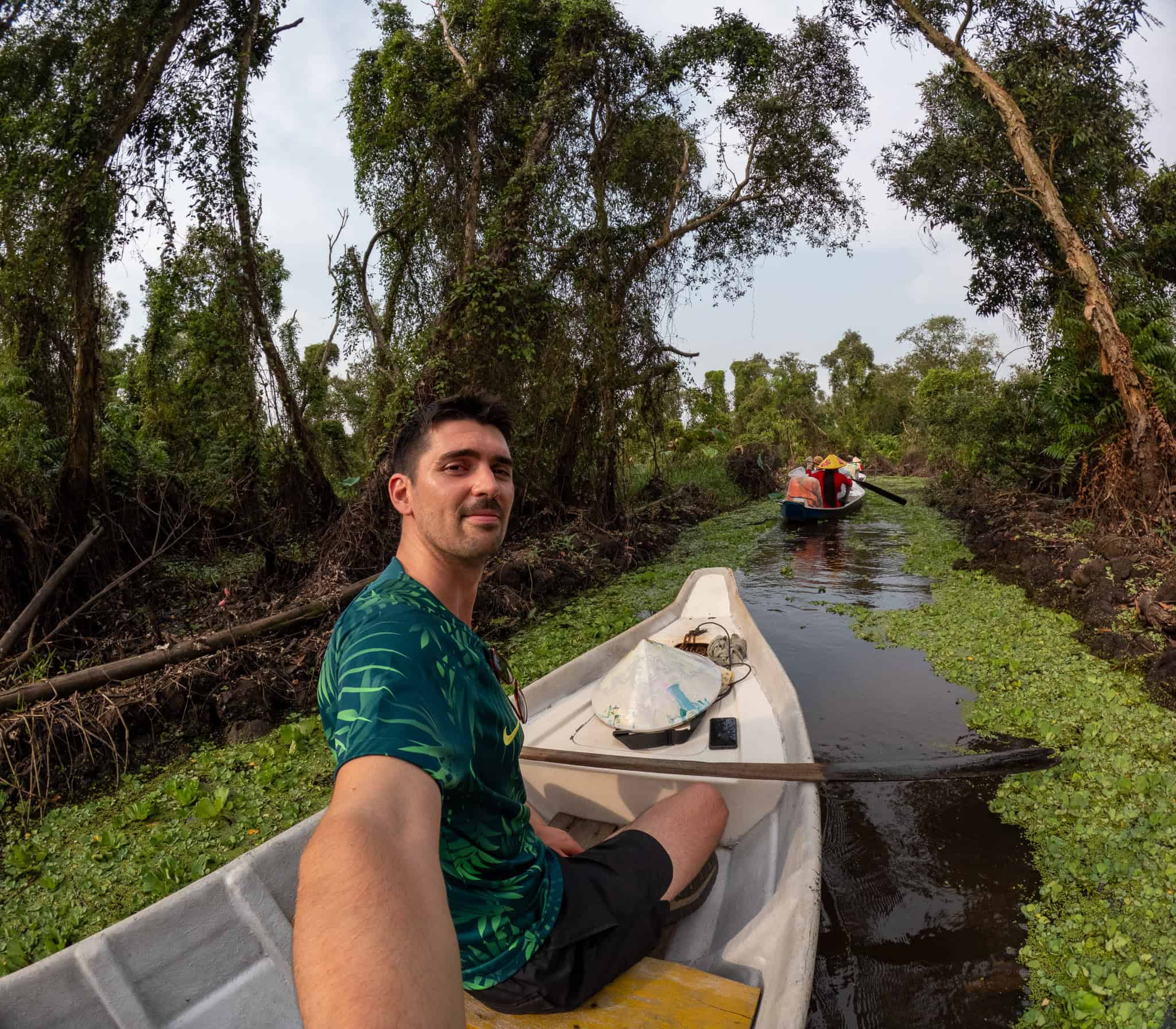
    After the farm, we boarded boats for a visit to a flooded forest, the Tra Su cajuput forest in An Giang province.

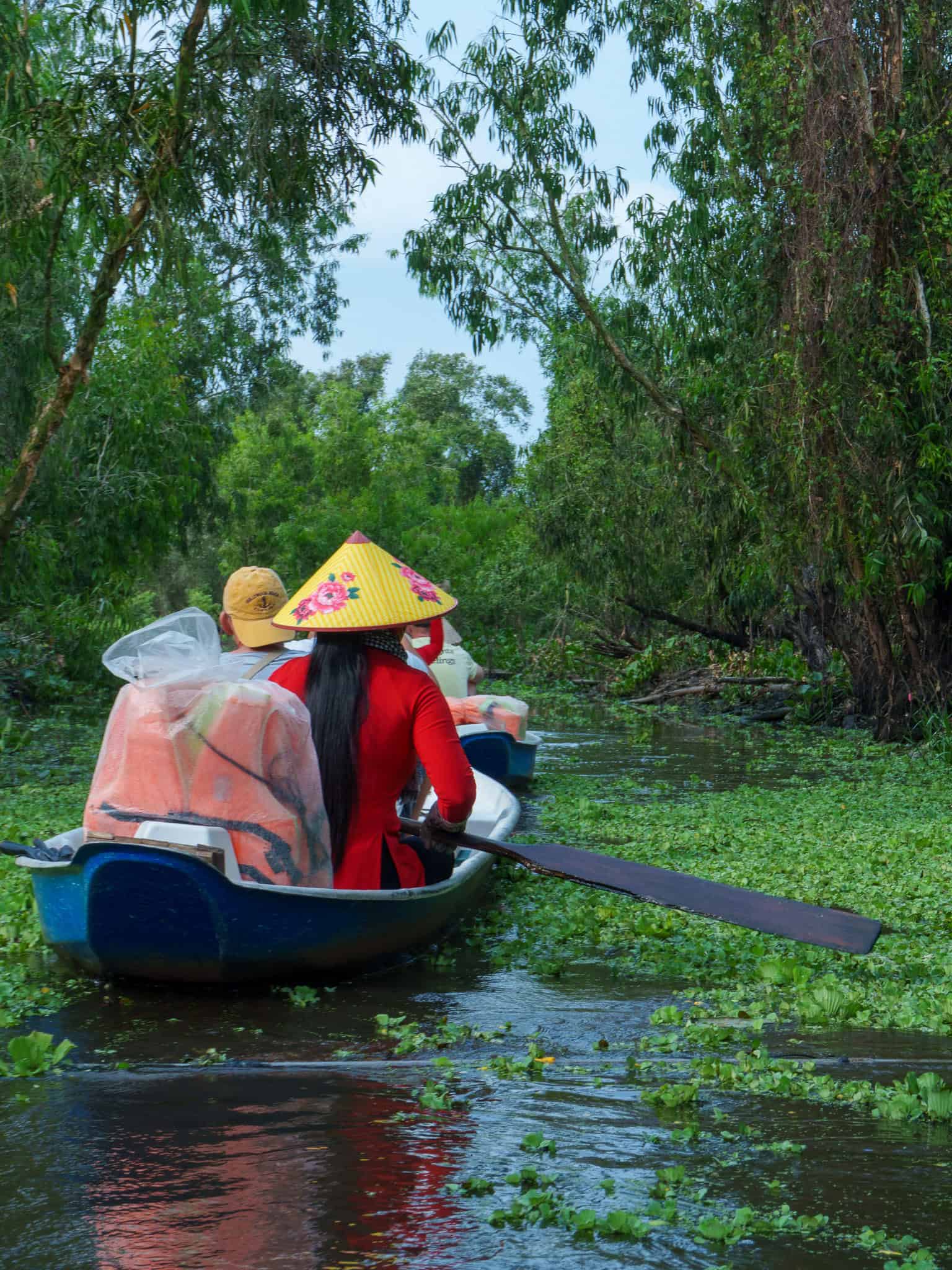
    The experience came in two parts. First, a motor boat tour of about 20 to 30 minutes that gave a broad view of the forest and its waterways. Then we switched to a rowing boat for another 20 to 30 minutes through narrower channels where the engine noise wouldn’t scare the wildlife.

    We saw several bird species up close, and it was genuinely peaceful.

    What struck me most was how few people were around. I saw no other tourists during the rowing section at all. Traveling in November may have played a role in that.

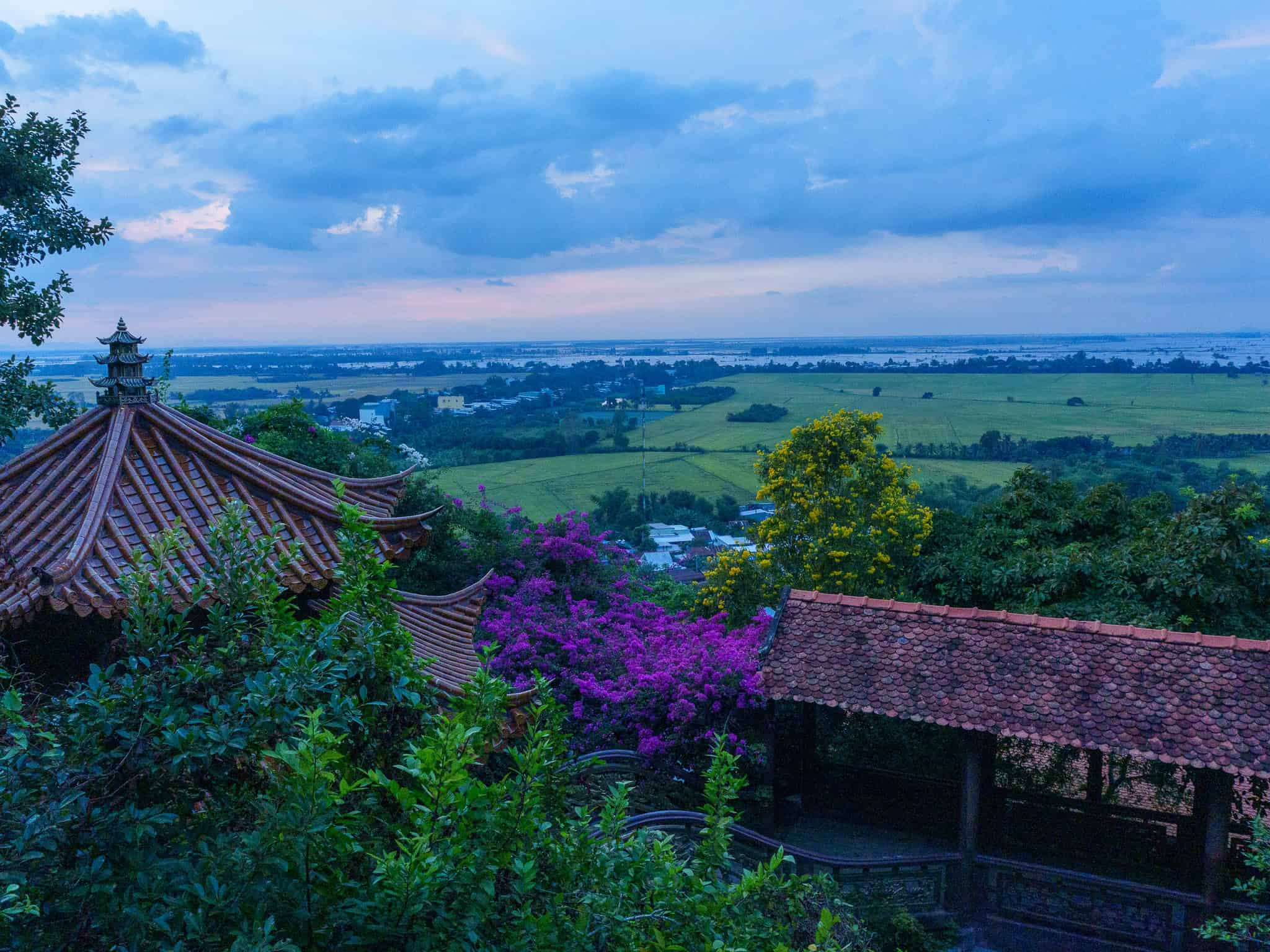
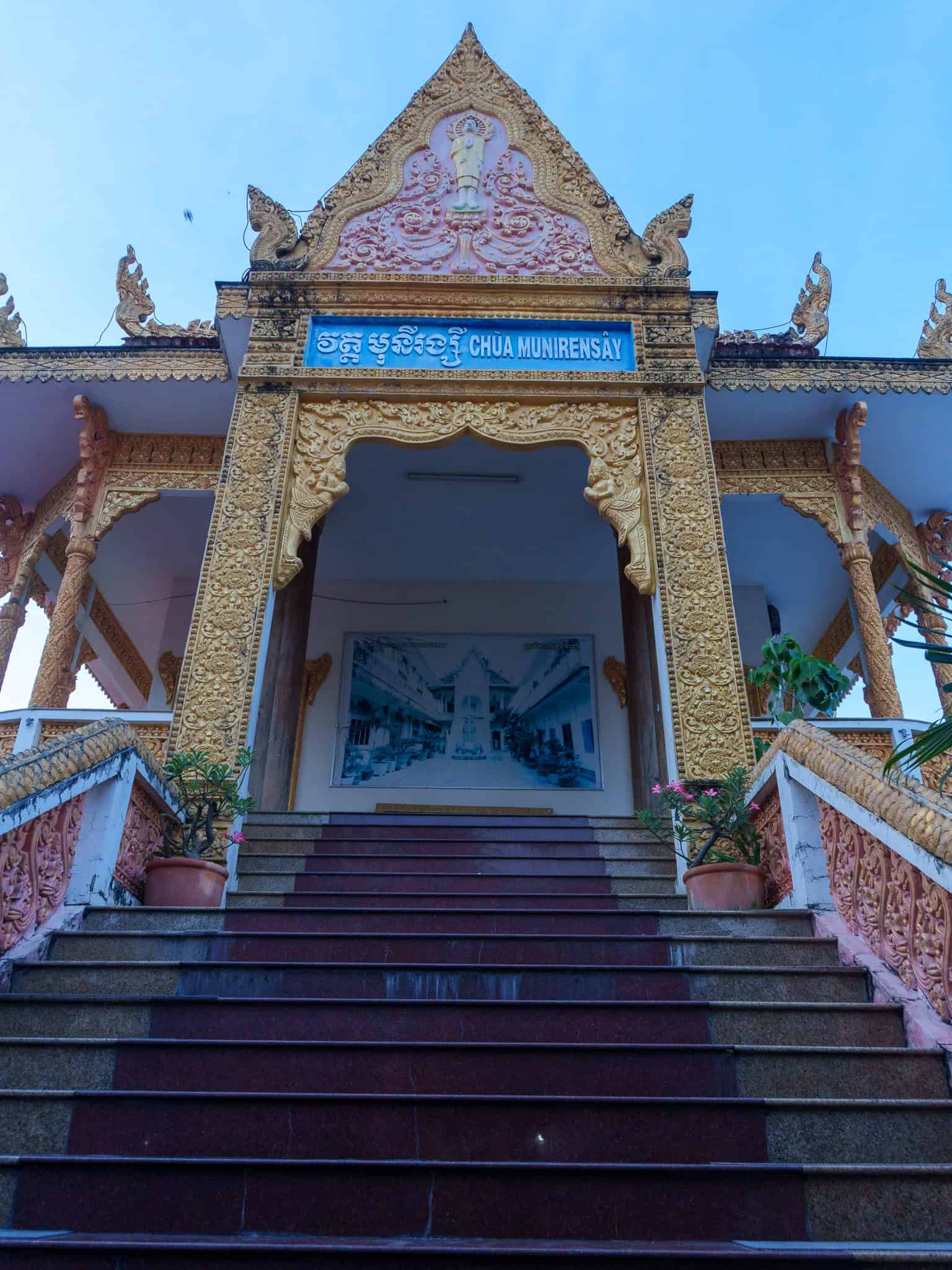
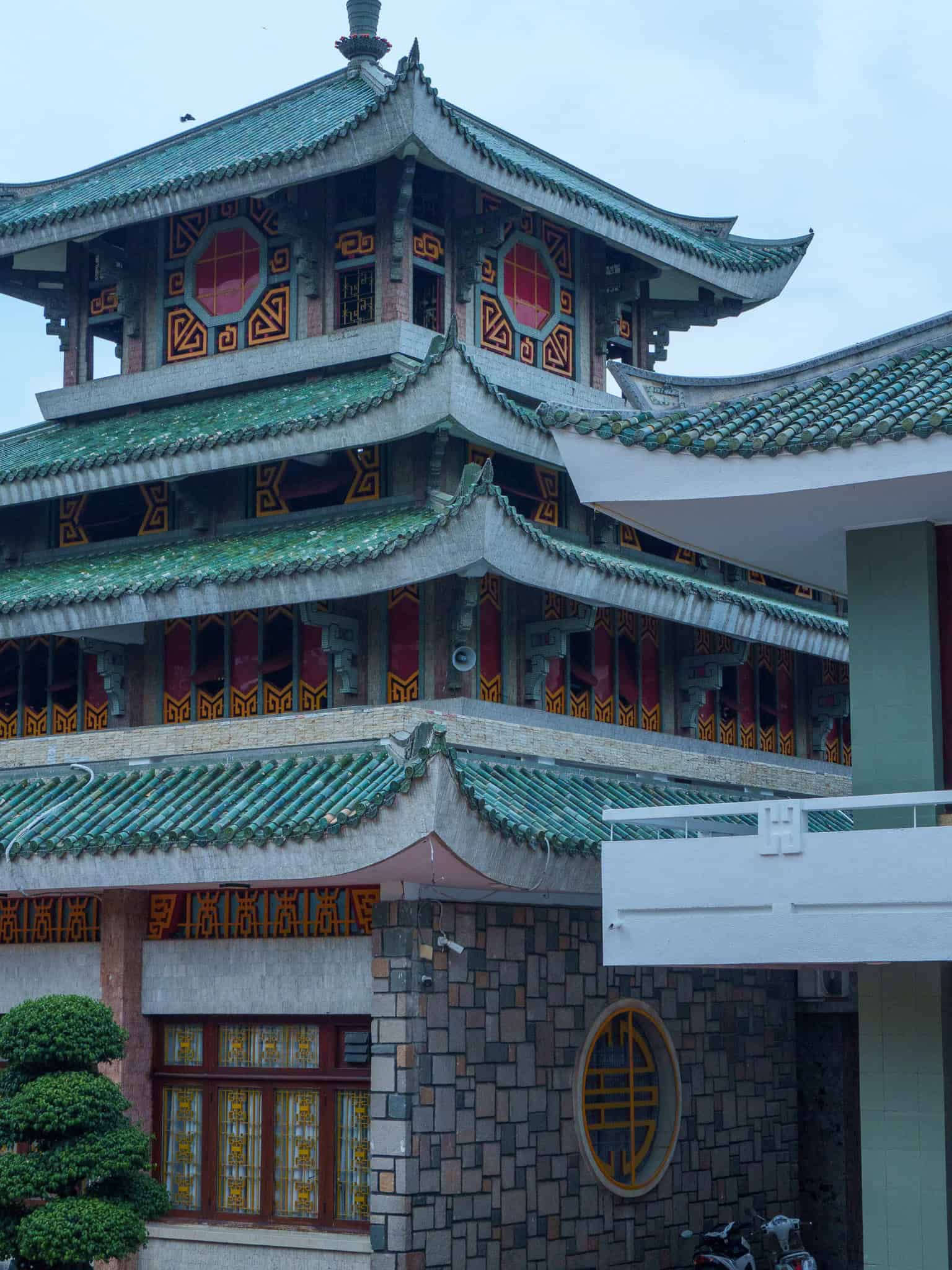
    The afternoon brought two temple visits in Tinh Bien, one Chinese temple and one Buddhist temple. Both were beautiful.

    From one of the elevated temples, you could see Cambodia directly across the border. Our guide spoke about the historically tense relationship between Vietnam and Cambodia, which added some real context to what we were about to do the next day.

    That evening, the whole group had dinner together in the city where we spent the night before the border crossing.

    Day 3: Speed Boat to the Border and Onward to Phnom Penh

    An early start was required. The boat on day three was not the same leisurely vessel as day one. It was a speed boat with around 50 to 70 passengers from multiple tour groups. This is where you say goodbye to your guide and driver.

    After about 40 minutes on the water, we reached the Vietnamese border post, which sits on the river itself.

    The crew are handling everything, whichis good and scary as you give them your passport and just have to wait.

    From there, all passangers needs to get of the boat and wait until the passport are stamped. It can take some times because we’re not the only speedboat.

    We do then a five minutes of river crossing later, we were on the Cambodian side.

    The immigration compound was on land, enclosed, and required filling out a form that we’d been given on the boat.

    A big notice here, you need 35$ in cash for the Cambodian visa. So be sure to have them before boarding the speedboat.

    Once stamped, everyone reboarded for three to five hours of river navigation to Phnom Penh, arriving around 3 to 4 PM.

    My Personal Experience: What the Mekong Cruise Was Actually Like

    The Moments That Surprised Me

    The spider and scorpion bottles in the village market caught me off guard in the best way.

    I wasn’t expecting to encounter that kind of local tradition on what is, technically, a tourist tour.

    It reminded me of the homemade snake spirits I’d seen in a northern Vietnamese fishing village, and recognizing that cultural thread across different parts of the country felt like something a bus to Phnom Penh would never have given me.

    What I’ll Remember Most

    The flooded forest rowing section was unexpectedly quiet.

    Almost no other tourists, soft sounds, birds visible through the tree cover. I attribute that partly to traveling in November, which may be considered shoulder season in that area.

    The contrast was sharp when we arrived at the border post on day three, which was packed with travelers from multiple boats and felt more like a crowded transit hub than a river crossing.

    What I Would Do Differently

    I had no idea the Cambodian visa fee (around 35 USD) had to be paid in cash on arrival.

    I didn’t have USD on me. Someone on the boat was kind enough to lend me the money, and I paid them back once we reached Phnom Penh.

    It worked out, but it was an uncomfortable moment that was completely avoidable. Bring clean, undamaged USD bills.

    There is no ATM, no card reader, and no currency exchange at the border crossing.

    Practical Details: Price, Duration, and What’s Included

    How Much Does the Tour Cost?

    Based on my experience, the three-day tour cost me roughly 100 to 150 EUR.

    That’s an estimate from memory, so verify current pricing directly with operators before booking. Full Mekong river cruises that travel entirely by boat can run 200 to 400 EUR.

    This hybrid format, which combines overland stops with river travel, sits comfortably below that range while still covering the main highlights of the delta.

    What Is and Isn’t Included

    Boat tickets for day three should be included in the tour price, but confirm this when you book.

    The Cambodian visa fee of around 35 USD is not included and must be paid in cash on arrival. Some meals are not included either. My dinner on day one was on my own.

    Ask the operator for a clear list of what is and isn’t covered before you pay anything.

    How Long Does the Journey Take?

    The trip spans three full days departing from Ho Chi Minh City.

    You arrive in Phnom Penh around 3 to 4 PM on day three, which leaves the afternoon and evening free but doesn’t give you a full sightseeing day on arrival.

    Plan your first night in Phnom Penh accordingly. The river journey on day three after the border crossing takes approximately three to five hours.

    The Border Crossing: What Actually Happens at the Vietnam–Cambodia Frontier

    Step-by-Step: Crossing from Vietnam to Cambodia by Boat

    About 40 minutes into the speed boat ride, you reach the Vietnamese border checkpoint. This post sits on the water. You can’t walk freely outside, and the space fills up quickly with passengers from multiple boats arriving at the same time.

    The boat crew collects all passports and handles the paperwork on your behalf. It moves quickly, which is convenient, but handing over your passport to a crew member you’ve just met can feel unsettling. Keep track of your group and don’t wander.

    Once the Vietnamese exit is done, it’s about five minutes by boat to the Cambodian side. Immigration there takes place inside an enclosed compound on land.

    You’ll need to have your form filled out already (they hand it out on the boat), then wait your turn for a stamp. The Cambodian side can also take a while, especially when multiple boats arrive together. Once that’s done, everyone reboads and continues upriver to Phnom Penh.

    The Cambodian Visa: What You Need and How to Pay

    You have two options. The Cambodian e-visa can be applied for online before departure at evisa.gov.kh for around 35 USD. Visa on arrival is also available at this crossing for roughly the same price. Either way, the fee must be paid in cash USD at the border.

    Bills need to be in good condition. Damaged or heavily worn notes are often refused, and you are unlikely to receive change.

    There is no ATM, no card terminal, and no currency exchange at the border. Bring exact change if possible. This is the single most important practical detail in this entire article.

    The e-visa may or may not be accepted at your specific crossing point. Sources on this are inconsistent, so confirm directly with your operator before departure.

    Scams and Unofficial Fees to Watch Out For

    The crossing used on this type of tour is likely Vinh Xuong on the Vietnamese side and Kaam Samnor on the Cambodian side, in An Giang province. Confirm the exact crossing point with your operator before you go.

    I did not personally experience any unofficial fees or pressure during my crossing.

    However, “overtime charges” and other informal fees are a known issue at some Cambodian border points.

    If someone requests payment for something that seems unofficial, stay calm, ask for a receipt, and check with your group or guide.

    Best Time to Do the Vietnam to Cambodia Boat Trip

    I traveled in November and it did not rain once across all three days. The weather was warm and manageable, and the flooded forest was at a good water level for the rowing boat section. November sits at the edge of the rainy season in the Mekong Delta, but my experience was genuinely excellent.

    The flooded cajuput forest is actually at its most spectacular when water levels are high, roughly August through November. So if the forest is a priority for you, late rainy season travel is worth considering despite the risk of occasional showers.

    The dry season from December to April is the most popular period for travel in both Vietnam and Cambodia. Crowds are higher, but conditions are more predictable.

    The peak of the wet season from July to September brings the most dramatic flooding in the delta, which is visually impressive, but logistics can be more complicated and uncomfortable.

    Arriving in Phnom Penh: Your First Steps

    The boat docks at a riverside pier in Phnom Penh. You’ll arrive around 3 to 4 PM, which is enough time to reach your accommodation, get your bearings, and explore the riverfront before dark.

    From the pier, tuk-tuks are readily available and easy to negotiate with. Grab, the Southeast Asian ride-hailing app, also works in Phnom Penh and is a reliable way to avoid overpaying if you’re not up for bargaining after a long day on the water.

    On currency: the Cambodian riel is the official currency, but USD is widely accepted throughout the country, including in Phnom Penh. ATMs are plentiful in the city. Do not exchange money at or near the border, where rates are poor. Wait until you reach Phnom Penh.

    With Cambodia open in front of you, it’s worth taking a little time to plan what comes next.

    Angkor Wat is the obvious landmark, and it earns its reputation.

    But Cambodia also has places like Kampot, a laid-back riverside town in the south, and Koh Rong, an island that sits well off the typical backpacker circuit.

    Both are worth a look if you have the time.

    This post is also available in :

    Subscribe to the Newsletter

    Join our community and receive exclusive travel stories, guides, and special offers!

      What's on My Desk Right Now

      The Brazilian flag with green and yellow brush strokes, a blue globe with stars and a white banner reading Ordem e Progresso in the center.

      🗺️ Planning a Trip?

      Skip the research rabbit hole.

      I’ll build you a personalised day-by-day itinerary — or answer all your questions on a quick 60-min call.

      Let's Connect

      Affiliate Disclosure

      Some of my posts include affiliate links. If you choose to make a purchase through them, I may earn a small commission—at absolutely no extra cost to you.


      Using these links is the best way to support my work and say thank you, and I appreciate it so much! Of course, everything I share reflects my honest opinions and experiences.

      📸 Work With Me

      Brand, tourism board or hotel?

      Let’s create something together — content, reviews and campaigns that reach real travellers who are ready to book.

      Buy Me A Coffee

      Latest Posts

      A wide brown river, often traveled on a Vietnam Cambodia tour from Ho Chi Minh City to Phnom Penh, flows past a lush green landscape dotted with houses and several blue-roofed barges under a cloudy sky.
      This three-day route from Ho Chi Minh City covers the...
      A man stands in a plaza at night in front of a brightly lit building covered in colorful signs and advertisements, evocative of scenes from the Ben Tan Market Saigon section of any Ho Chi Minh City travel guide. People sit and walk nearby, while trees frame the bustling scene.
      This Ho Chi Minh City travel guide covers District...
      Aerial view of a river with muddy water bordered by green vegetation and scattered houses, a road extends from the river through a lush rural landscape under a cloudy sky—capturing scenes reminiscent of the picturesque routes you might experience on a Vietnam to Cambodia tour, such as traveling from Ho Chi Minh City to Phnom Penh.
      Discover what to expect at the Cu Chi Tunnels, how...
      Aerial view of several boats sailing among limestone islands in calm blue water under a clear sky, with rocky green islets scattered across the horizon—an iconic scene near Cat Ba Island, home to some of the most beautiful beaches in Vietnam.
      Discover the key differences between Lan Ha Bay and...
      Floating houses and boats on calm water, surrounded by green limestone hills under a partly cloudy sky, create a tranquil scene reminiscent of Cat Ba Island in Vietnam.
      Discover Cat Ba Island, Vietnam's quieter alternative...

      Get My Personal Map of 500 Must-See Places - FREE

      I’ve compiled 500 of the best places across my travels into one free Google Map.

      The kind of spots you won’t find in a guidebook.

        A world map titled UNESCO World Heritage displays numerous brown, blue, and green icons marking heritage sites across all continents.

        Table of Contents

        Got Questions?

        Still figuring things out for your trip, or just want to double check something before you book? Send me a message and I’ll get back to you as soon as I can.

        Or hit me up on Instagram, I’m there anyway and always happy to chat about the trip.

          Share it with the person you to travel with !

          You might also like to read these articles

          Scroll to Top