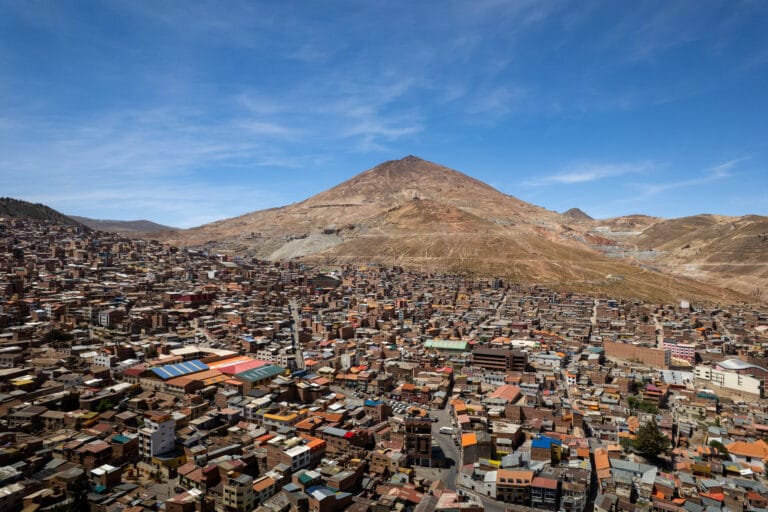
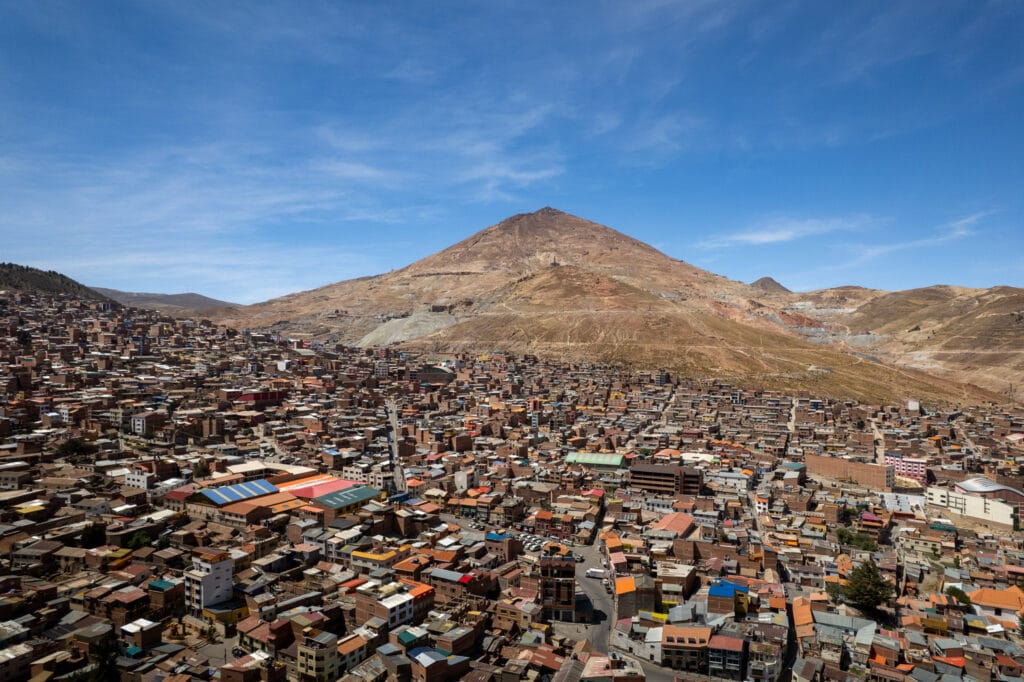
I went to Potosí in Bolivia to explore one of the most infamous Mines of Potosi, the Cerro Rico silver mine that once bankrolled the Spanish Empire. During colonial times this Cerro Rico of Potosí was the richest silver mine on earth, turning Potosí Bolivia into one of the wealthiest and most important cities in South America even though most travelers today have barely heard of it.
Today the silver mines of Potosí are still active, and you can actually go underground on Potosí mine tours to see how miners work inside the “Mountain That Eats Men” and what modern Bolivia mining history looks like up close.
This guide to the silver mine Potosí and the city around it will help you understand the Potosí silver mine history, decide if visiting this kind of dark tourism Bolivia experience is right for you, and plan a safe trip to visit Cerro Rico.
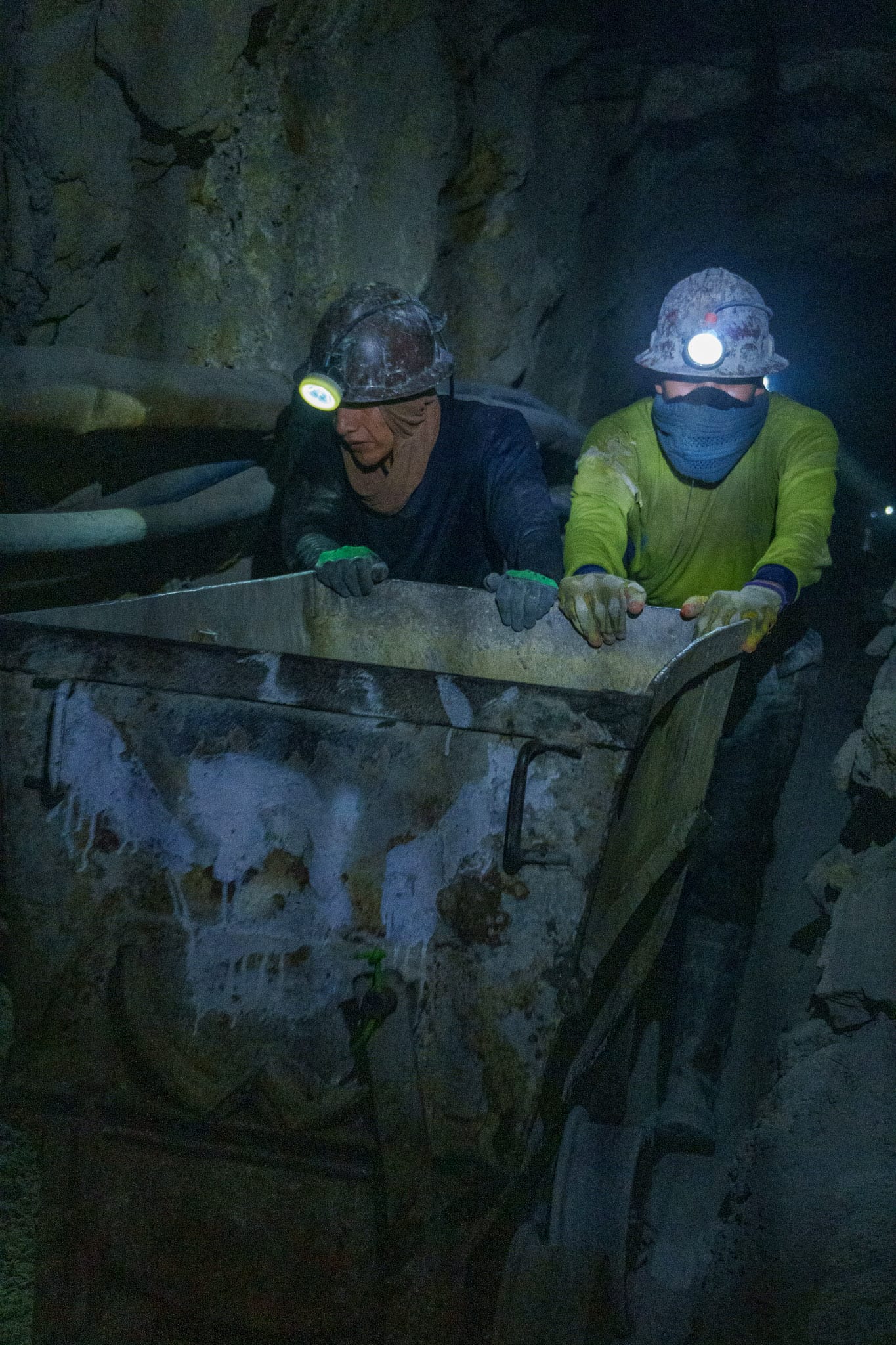
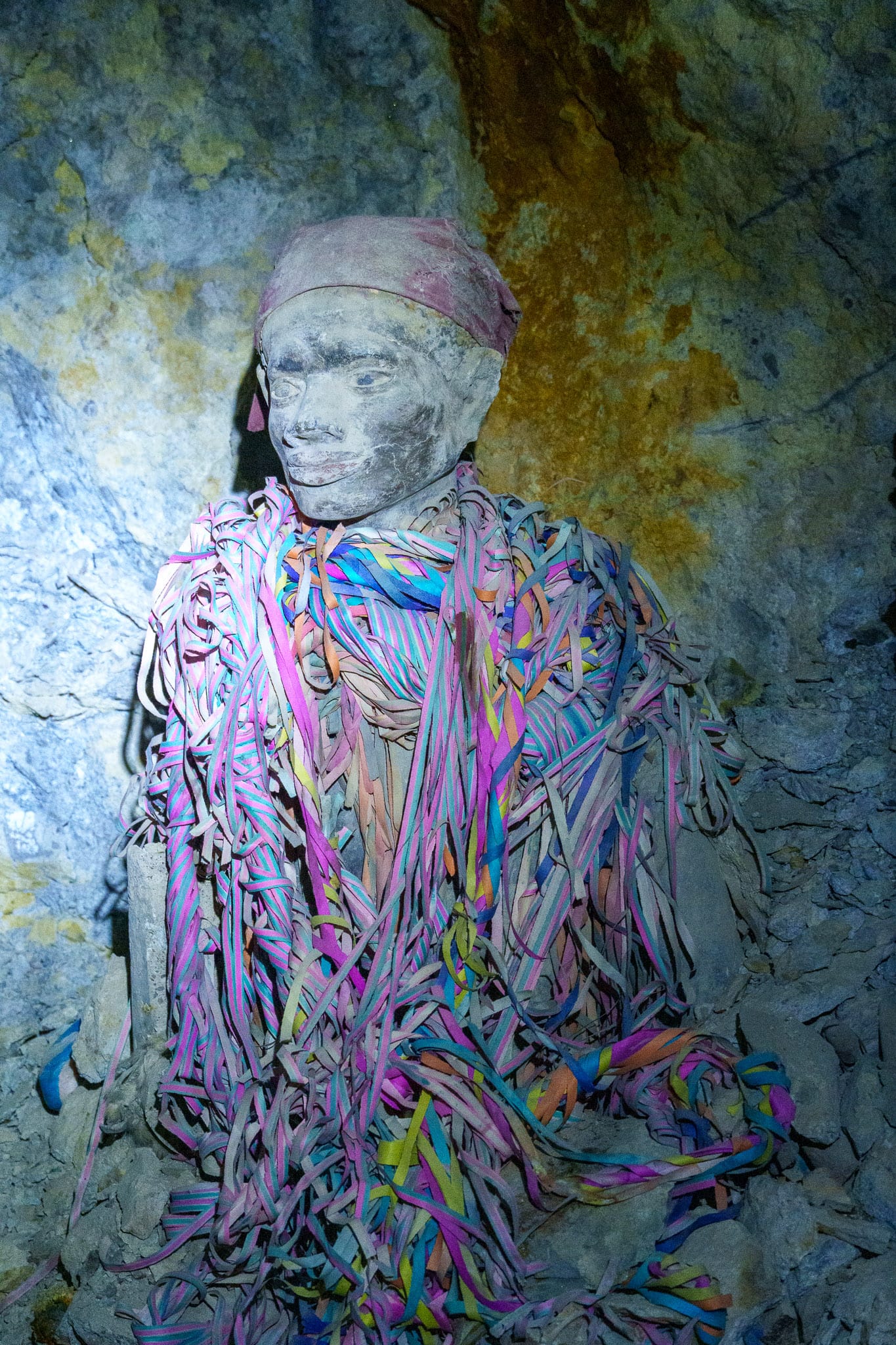
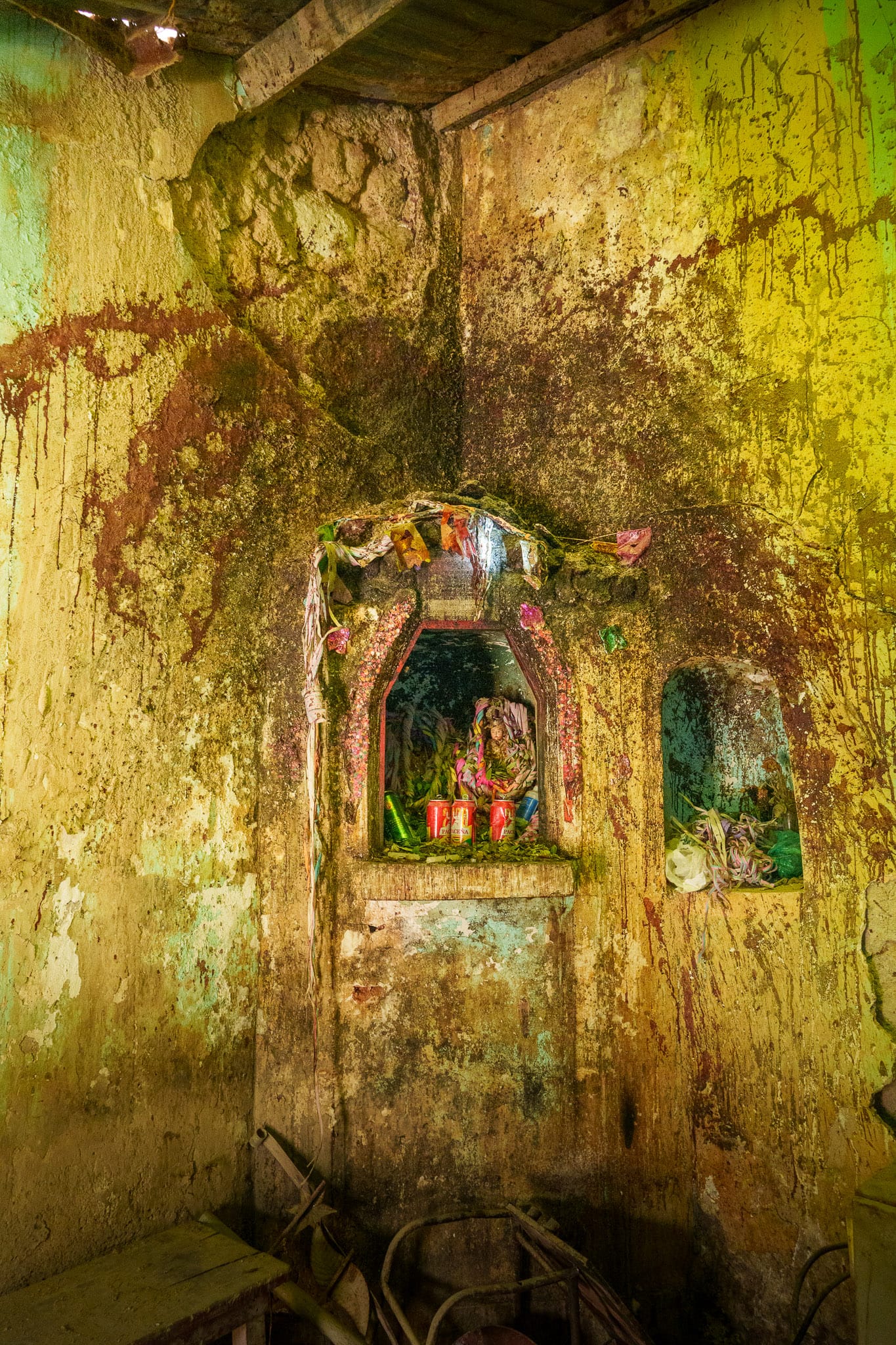
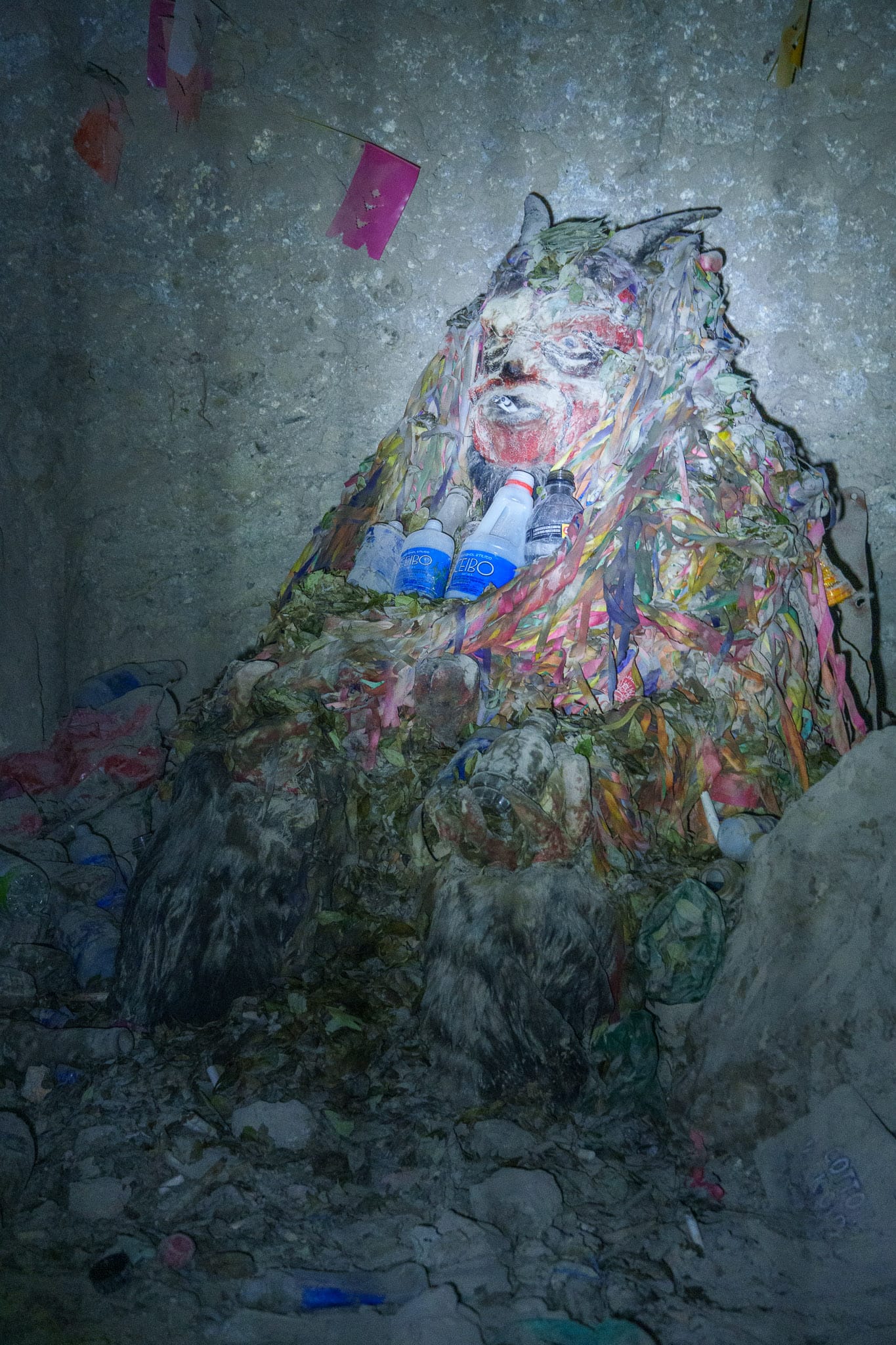
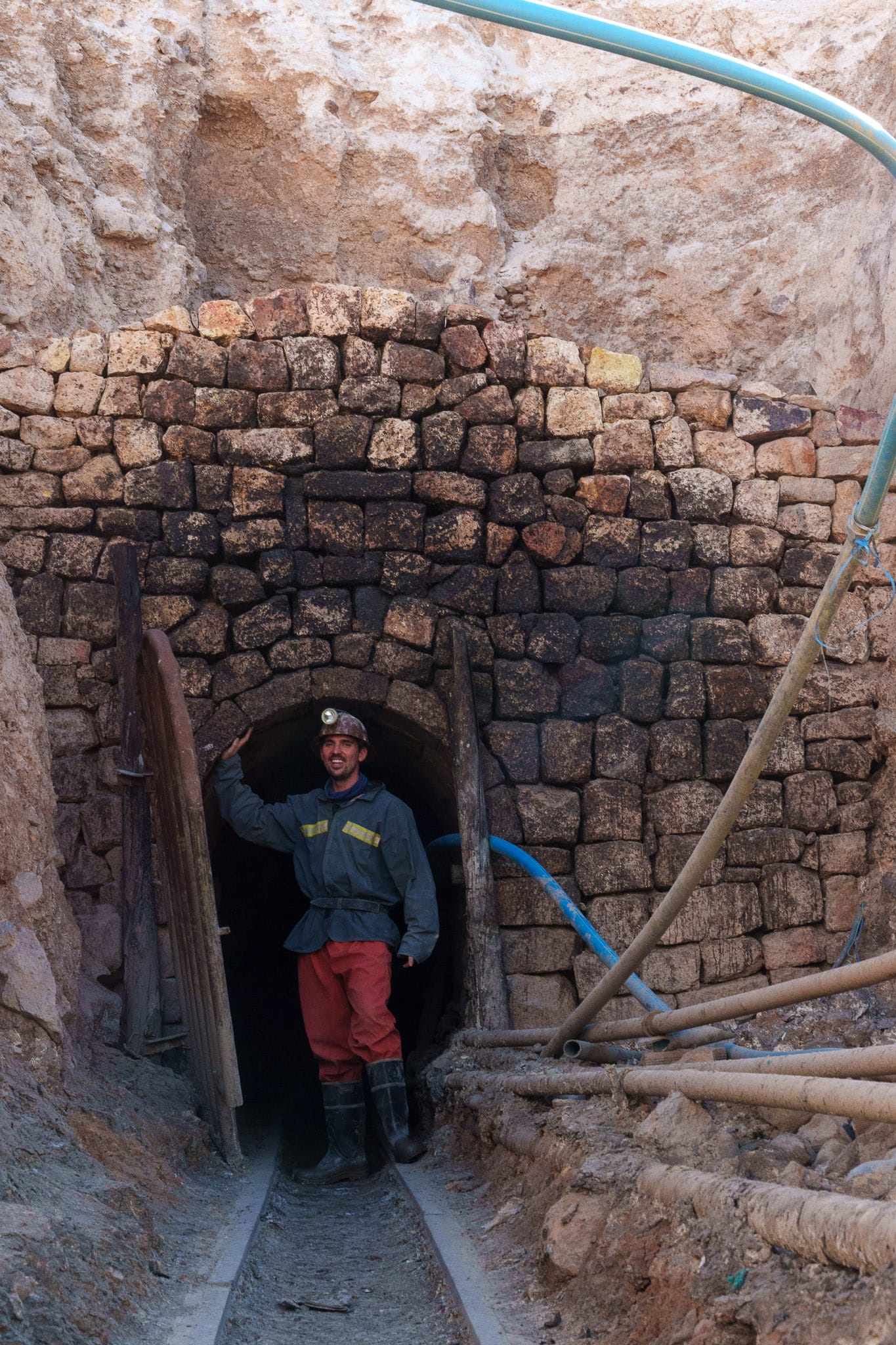
Table of Contents
Discovering Potosí and Cerro Rico
Why visit Potosí?
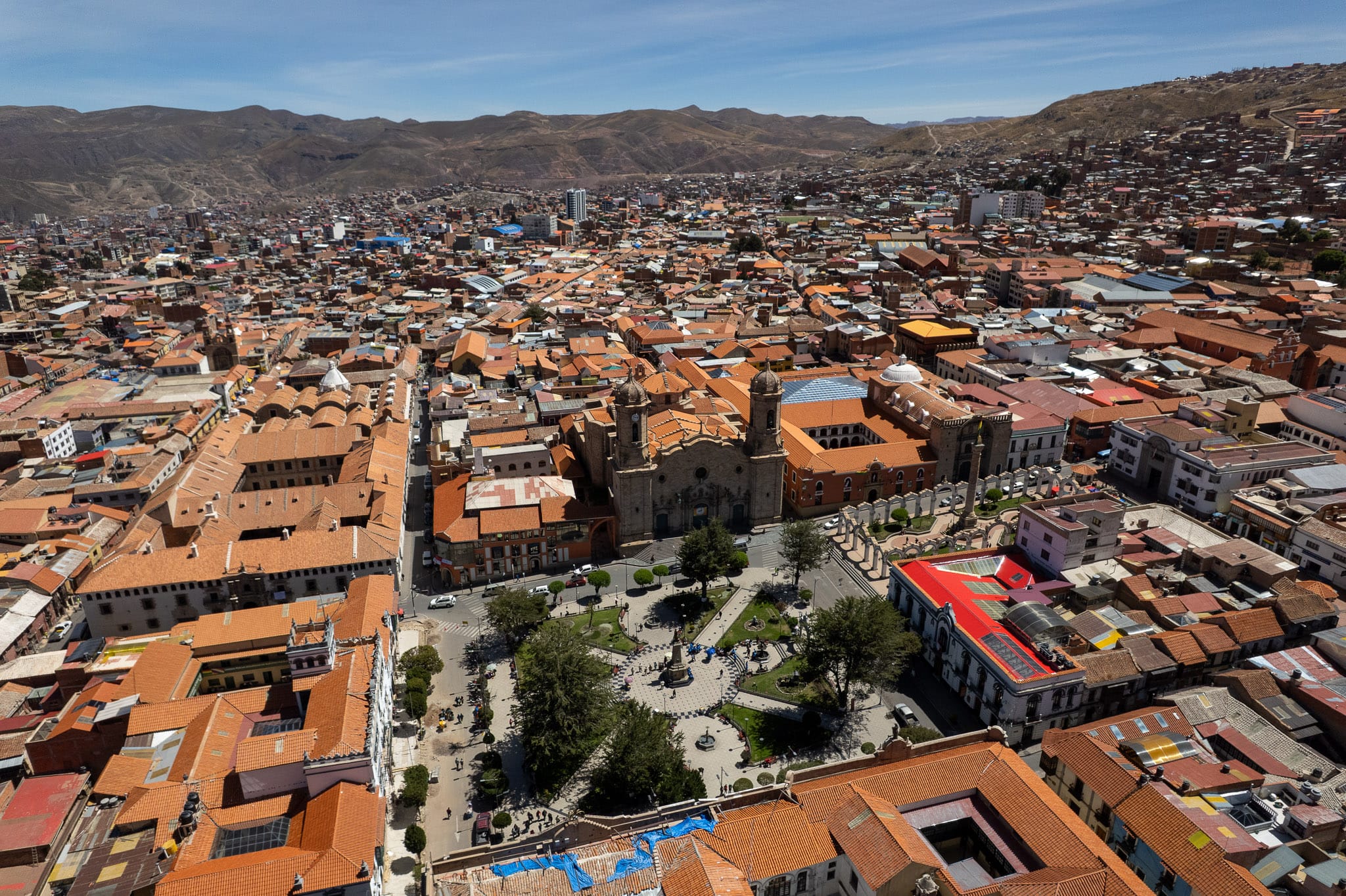
Potosí is one of the highest cities in the world, sitting at about 4 067 meters above sea level, so walking its steep streets feels intense for most travelers even though daily life goes on normally for locals.
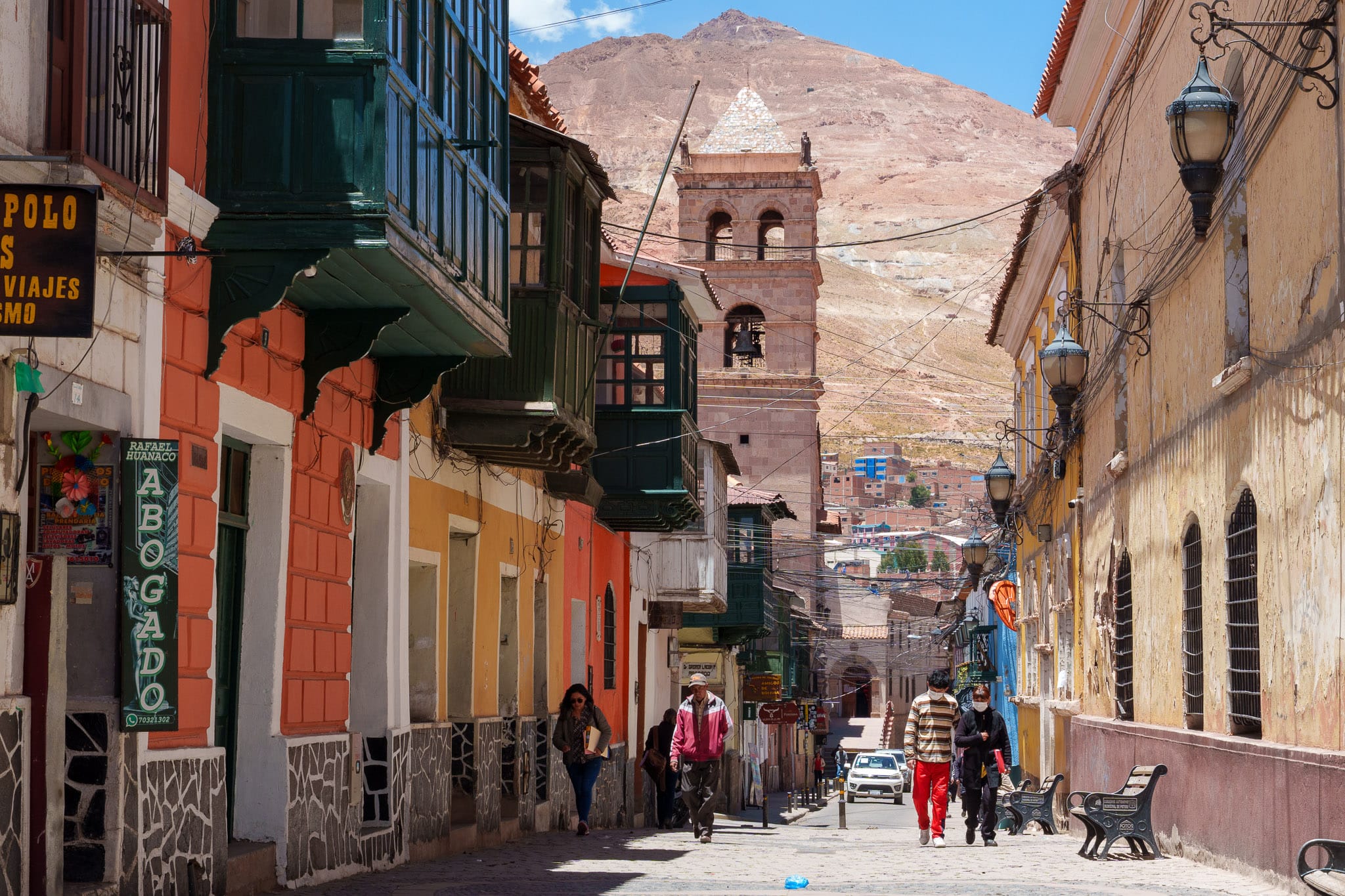
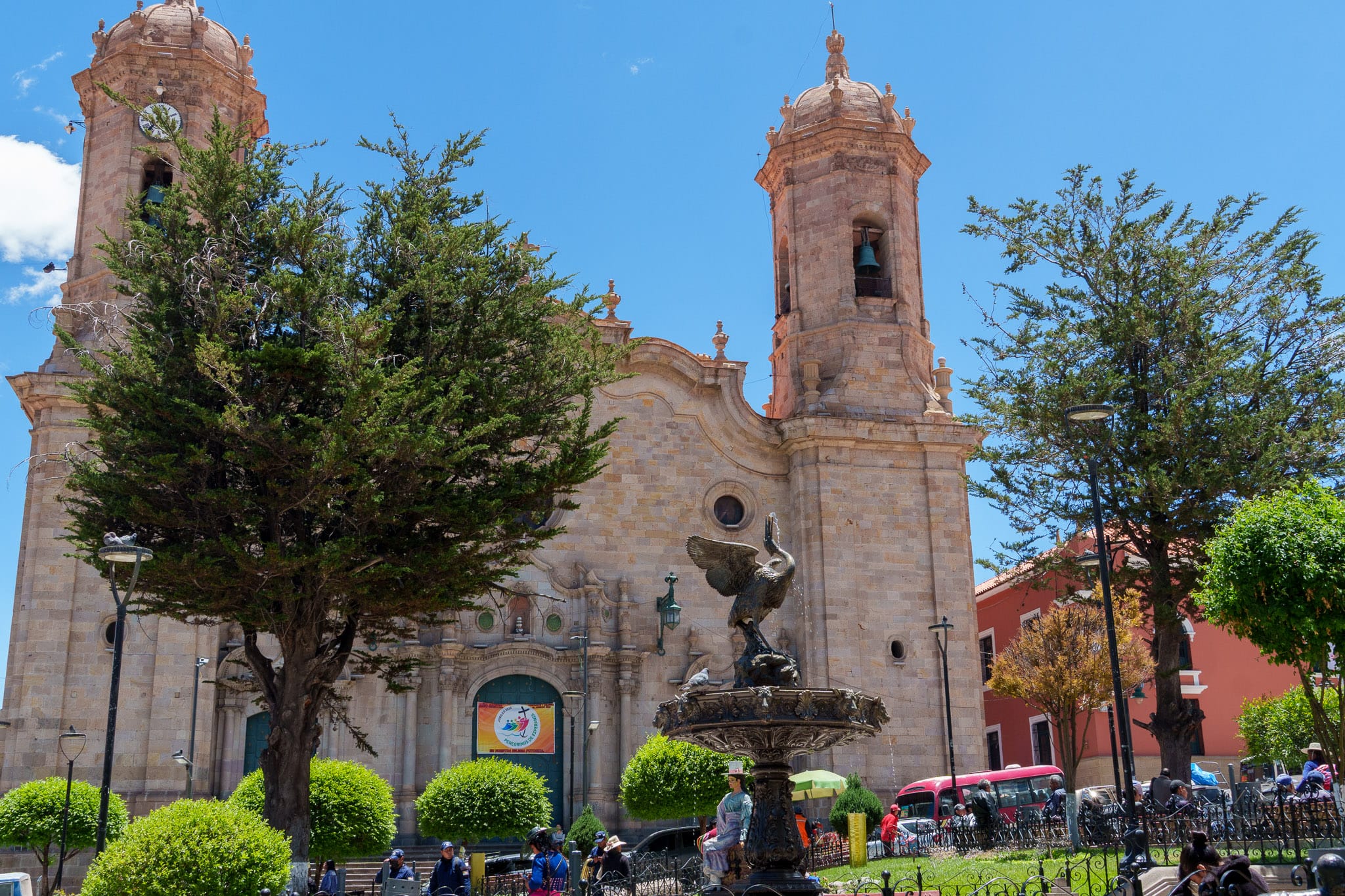
The historic center is packed with colonial churches, balconies, and stone plazas that still echo the era when Spanish conquistadors turned Potosí into a mining boomtown built on Cerro Rico silver.
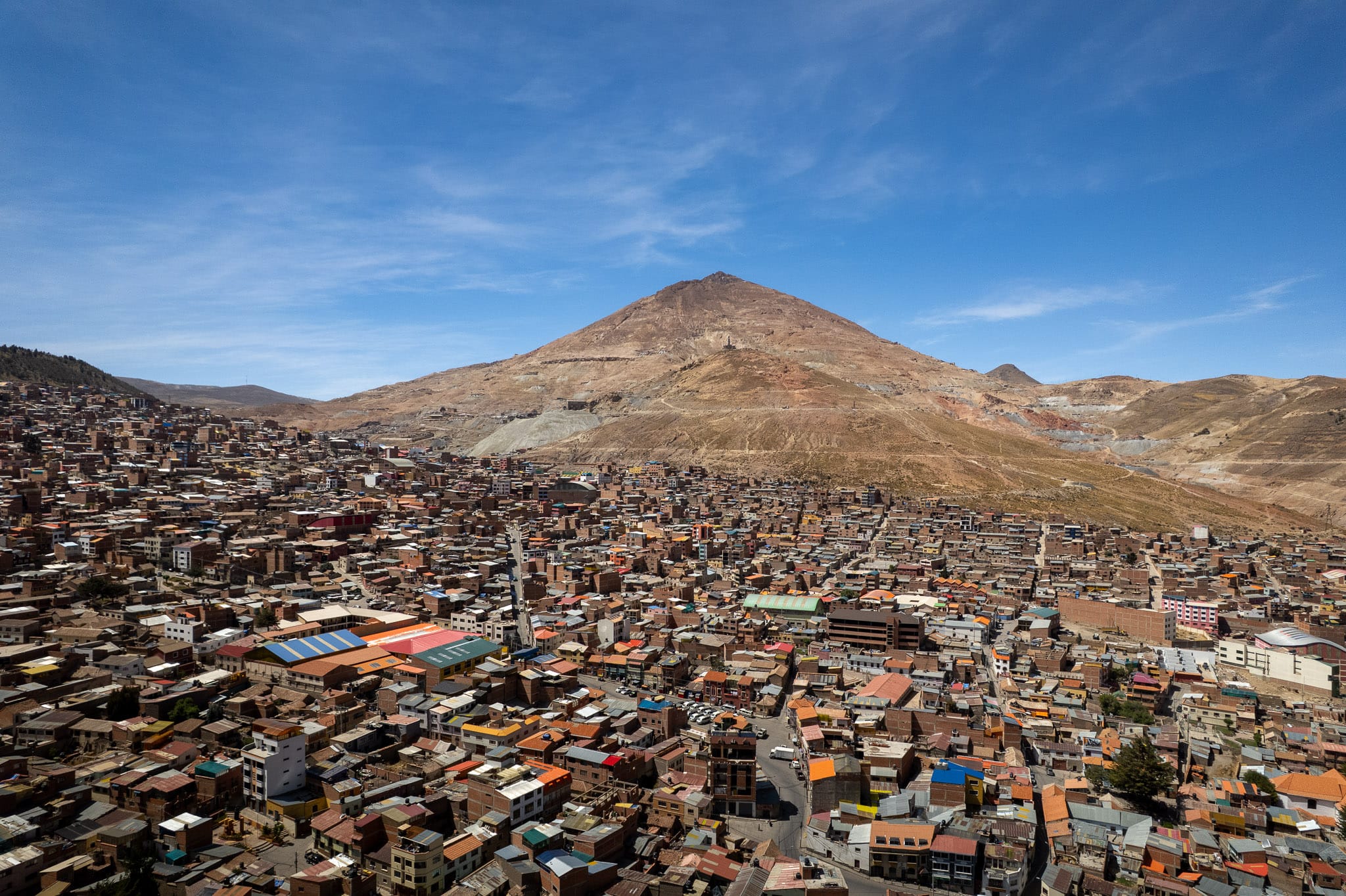
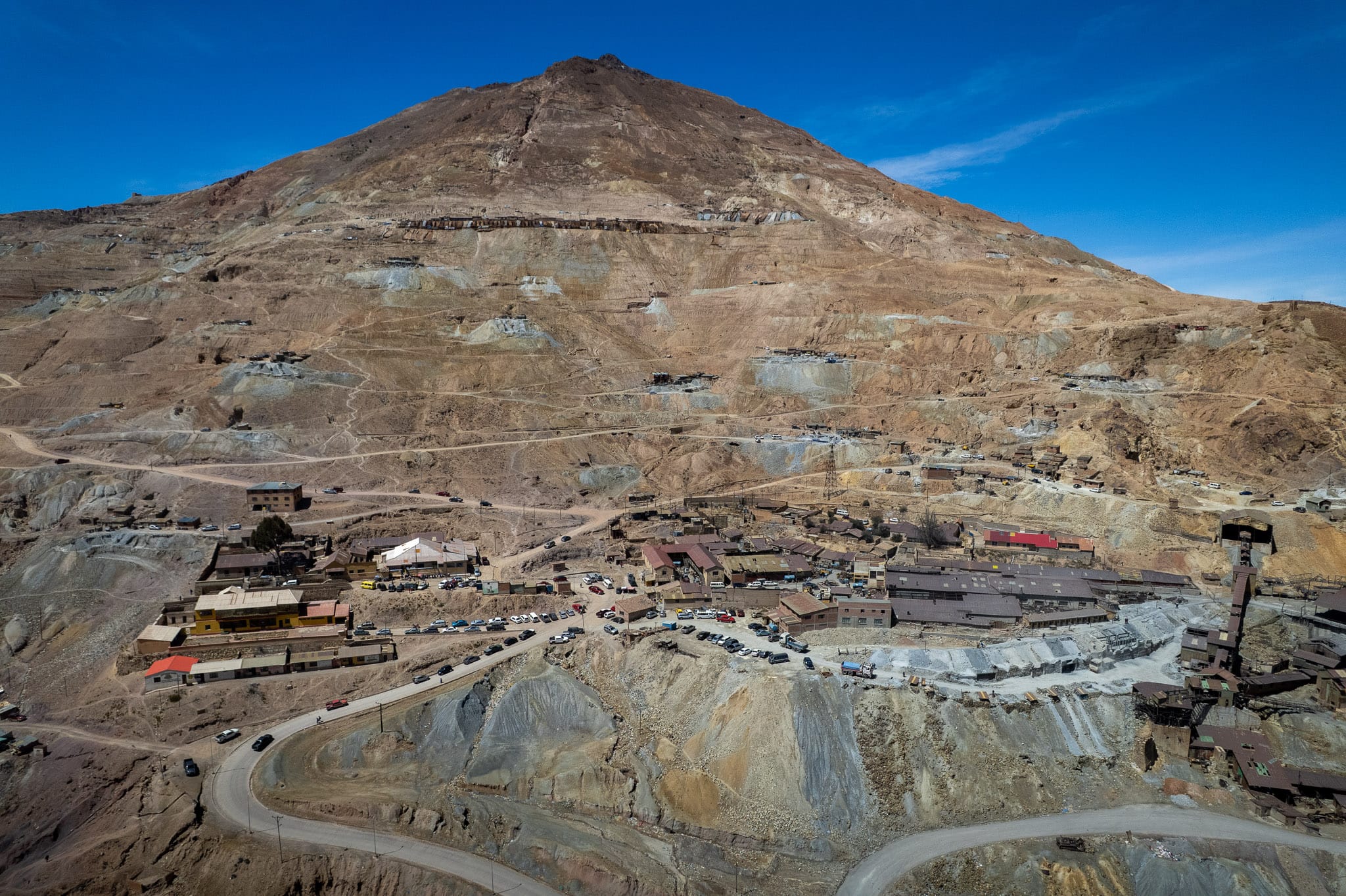
Beyond the pretty centro, the main reason to visit Potosí Bolivia today is Cerro Rico, the “Mountain That Eats Men,” with its maze of active and abandoned silver mines of Potosi spread across the slopes.
Guided Potosí mine tours take you inside a working Cerro Rico silver mine to learn about Potosí silver mine history, meet miners, and see traditions like offerings to “El Tío,” the underground spirit who is believed to protect workers in this harsh environment
What is Cerro Rico?
Cerro Rico is the conical mountain that towers above Potosí, famous for being one of the world’s largest silver deposits and the heart of the historic Mines of Potosi. For centuries, tunnels were dug all through this hill to extract silver that helped finance the Spanish Empire and turned Potosí into a global mining capital.
Inside Cerro Rico there is a huge polymetallic deposit, which means the rock holds several valuable minerals mixed together. Silver is the most famous, but after hundreds of years of mining, most Cerro Rico silver ore close to the surface is gone, so today miners mostly extract tin, zinc, lead, and smaller amounts of copper and remaining silver.
Potosí and its mining past are one of the things that make Bolivia so unique.
How to go to Potosi ?
Potosí might look isolated on the map, but it is well connected by Bolivia’s extensive bus network, especially from nearby hubs like Sucre and Uyuni. From Sucre to Potosí there are buses almost all day between about 6:00 and 20:00, while the Uyuni to Potosí route also has several departures daily and takes around 4 hours.
Many people include Potosí on their itinerary in Bolivia, and it makes a great 2–3 day stop between La Paz and Uyuni. A classic route is to spend a few days in La Paz, head south, break the journey in Potosí to explore the Mines of Potosi and the historic center, and then continue on to Uyuni for the Salar
If you are coming from further away, you can usually find direct or connecting buses from cities like La Paz, Cochabamba, Oruro, or Santa Cruz, often with both daytime and night bus options depending on the season and company. The journey is rarely complicated, just long and sometimes bumpy, so plan extra time and avoid super tight connections.
There is also a small regional airport serving Potosí, with domestic airlines like Ecojet offering flights that you will not always see on global search engines, so checking local sites or aggregators focused on Bolivia is essential. These flights tend to be more expensive than buses, so they make sense mainly if your schedule is tight and your budget has room for a time‑saving splurge.
Where to stay in Potosi ?
Most hostels in Potosí Bolivia cater to the same backpacker crowd with simple private rooms or dorms, hot showers, and basic breakfasts, so you do not need a huge accommodation budget for a short Cerro Rico mine experience. Since most travelers only spend two or three nights to visit Cerro Rico and the main sights, it makes sense to keep things affordable and save your money for tours and onward travel.
One place that stands out a bit is Hostal Eucalyptus, mainly for its rooftop terrace rather than the rooms themselves. From the top you get a 360‑degree view over the historic center, the Andean mountains, and Cerro Rico silver mine silhouetted above the city, which is pretty special at sunrise and sunset. I stayed there and it was quite nice.
The History of the Silver Mines of Potosí
The founding of Cerro Rico
The discovery of Cerro Rico dates back to 1545, when an Indigenous prospector named Diego Huallpa (often written Diego Gualpa) stumbled on rich silver veins high above what would become Potosí.
That moment, often called the discovery of Cerro Rico, kicked off the history of silver mines in Bolivia and turned this lonely Andean peak into one of the richest sources of silver the world had ever seen.
Within just a few years, the Spanish crown and private mine owners built an enormous mining complex on the Cerro Rico silver mine, drawing in thousands of Indigenous and African workers through systems like the mita draft.
The silver pouring out of the Mines of Potosi helped transform the Spanish Empire, funding wars in Europe, fueling the global silver trade with Asia, and making colonial Potosí so wealthy that people said it “was worth a Potosí” when something was unimaginably valuable.
If you plan to visit that country, especially during high season, don’t wait too long—prices can rise quickly. Trip.com is the perfect place to compare flights, hotels, car rentals, and even book activities. Everything you need, all in one place!
The rise and fall of the silver rush
At its peak in the 16th century, the Mines of Potosi were so productive that Cerro Rico was supplying around 60 percent of the world’s silver, making Potosí one of the biggest and richest cities in the Americas with over 200 000 inhabitants.
Between 1545 and 1810, historians estimate that Potosí’s Cerro Rico silver mine produced roughly 150 000 tons of silver, contributing close to 20 percent of all the silver known to have been mined globally over those 265 years and feeding trade routes that linked Spain, Europe, and China.
Over time the richest surface and near‑surface veins were exhausted, ore grades dropped, and the easy money days of the Potosí silver mine history faded as other regions like Mexico and later industrial mines elsewhere took over the market.
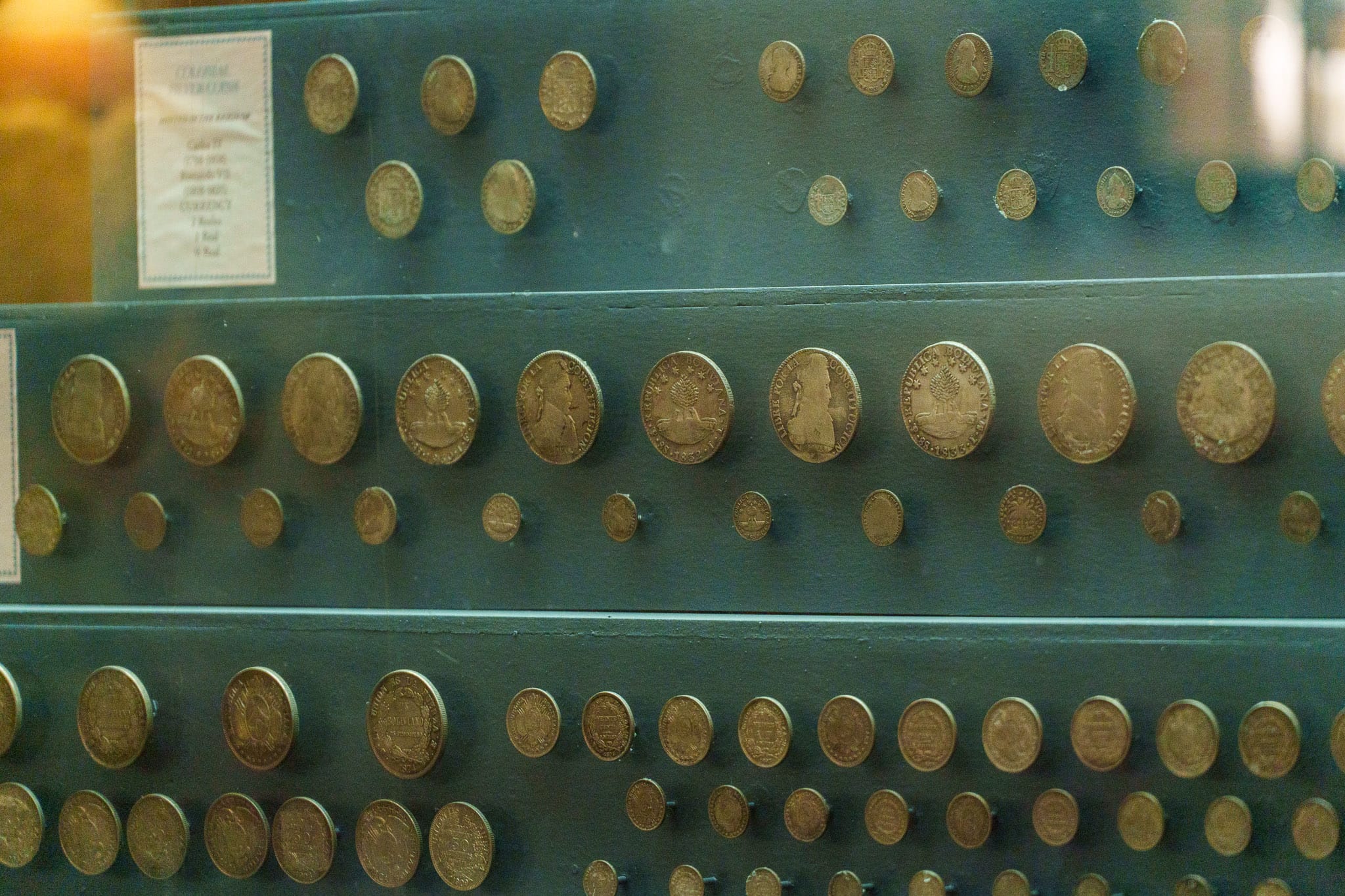
You can feel this whole arc of boom and decline inside the Casa de la Moneda Potosí museum, where heavy colonial machinery, wooden mills, and displays on coin production show how silver coins were minted for the Spanish Empire and how brutal life was for enslaved and forced laborers who powered that wealth.
The human cost and Cerro Rico deaths
The “Mountain That Eats Men” nickname for Cerro Rico comes from the horrific human cost behind the silver rush, with colonial systems like the mita forcing thousands of Indigenous people to work deep underground for months at a time.
Conditions were so lethal that some modern estimates speak of millions of deaths over the centuries, driven by rockfalls, toxic mercury used in refining, and diseases linked to cold, dust, and extreme altitude in the Mines of Potosi.
A common account describes mitayos carrying up to 25 bags of ore a day, each weighing about 45 kilos, up steep, dark tunnels while breathing dust that destroyed their lungs long before they ever saw freedom again.
Today the Cerro Rico mine experience is still dangerous: many miners work as independent cooperatives with basic gear, relying on coca leaves, alcohol, and offerings to “El Tío” for protection, and accidents, collapses, and early deaths from silicosis remain part of everyday Bolivia mining history on this mountain
Visiting the Cerro Rico mines: What to Expect
Knowing the Potosí silver mine history makes visiting the Cerro Rico silver mine feel heavy, but the reality is that mining is still the main way many families survive here. Most current miners work in cooperatives, essentially on their own account, entering the silver mines of Potosi each day hoping to earn more than they would in other local jobs.
Visiting with respect, through ethical Potosí mine tours that support miners and share their story honestly, is a way to understand Bolivia mining history rather than just treat it as dark tourism Bolivia.
Choosing a mine tour
You cannot safely or legally explore the Mines of Potosi alone, so skip the idea of just walking up to the base of Cerro Rico and trying to find a random guide, especially since many miners only speak Quechua or Aymara rather than Spanish or English.
The best option is to book one of the organized Potosí mine tours in town, which usually include transport, safety gear, a stop at the miners’ market, and a guided Cerro Rico mine experience inside an active or semi‑active mine.
Tours vary: some focus on wider, more accessible tunnels in a single mine, while others go into narrower, more adventurous sections where you may need to crouch or crawl, with intense heat and dust in parts of the route.
Koala Tours is a popular choice for a visit Cerro Rico tour because many of their guides are former miners, they run small groups, and they work closely with specific cooperatives, which means part of your fee and the gifts you bring go directly to the workers you meet underground.
When you travel abroad, your phone current plan often doesn’t include internet. Buying a local SIM card can be expensive and takes time at the store. With Yesim, you can purchase an eSIM in advance (just make sure your phone supports it) and get connected instantly upon arrival. That way, you can book your Uber straight from the airport instead of paying for an overpriced taxi.
When you travel abroad, your phone current plan often doesn’t include internet. Buying a local SIM card can be expensive and takes time at the store. With Yesim, you can purchase an eSIM in advance (just make sure your phone supports it) and get connected instantly upon arrival. That way, you can book your Uber straight from the airport instead of paying for an overpriced taxi.
Safety and ethical considerations
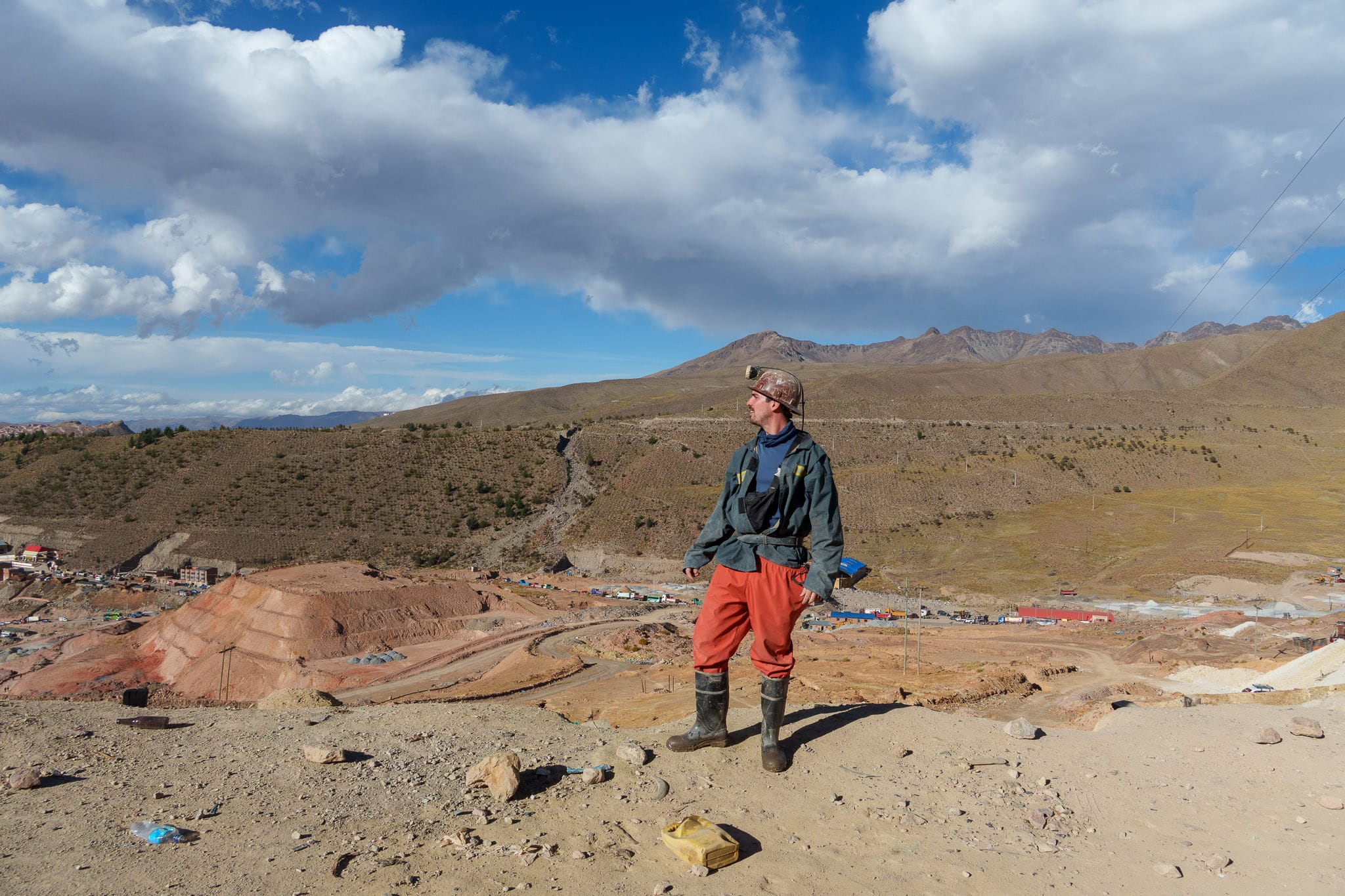
For most Potosí mine tours you will get basic safety gear like a thick overall, rubber boots, and a helmet with a battery lamp, which is essential because Cerro Rico tunnels are dark, dusty, and full of loose rock. If you already own a strong headlamp, bring it as a backup, because many visitors find the standard lamps a bit dim, and consider adding a dust mask or bandanna for your lungs.
This kind of Cerro Rico mine experience definitely sits close to dark tourism Bolivia, since you are entering a dangerous workplace and confronting harsh conditions rather than ticking off a normal holiday attraction. At the same time, mining is still a pillar of the national economy, with mining and quarrying accounting for roughly 7–9 percent of Bolivia’s GDP in recent years, so visiting can also be a way to understand the country’s reality, not just its postcard views.
To keep things respectful, choose a company that works directly with cooperatives, follow your guide’s instructions, ask before taking photos, and remember miners are people at work, not a show. Buying practical gifts at the miners’ market such as sodas or coca leaves is helping the miners.
What to bring and expect inside
For gear, your Potosí mine tours operator will usually give you an overall, boots, and a helmet with a lamp, but bringing your own brighter headlamp and a good mask or buff makes a big difference in the dark, dusty Cerro Rico tunnels. Avoid shorts, light sneakers, or fancy clothes, and dress in warm layers you do not mind getting filthy, because temperatures swing from cold at the entrance to hot and sweaty deeper in the Cerro Rico silver mine.
At the start of most Cerro Rico mine experience tours you stop at a “miners’ market” or small supermarket where workers buy what they need for the day. Here you learn about coca leaves, soft drinks, work tools, and the bottles of singani or almost pure 96–98 percent alcohol some miners sip in tiny doses as part of their rituals and to push through long shifts.
Part of visiting these silver mines of Potosi respectfully is buying small gifts like coca leaves, sodas, or cigarettes that your guide passes to miners you meet briefly inside, without interrupting their work. Do not expect long chats or staged photo moments, because most miners are focused on the job and tolerate visitors as long as groups move quickly, stay out of the way, and follow safety instructions in this extreme Potosí Bolivia environment.
When I plan my trip, I usually look at each city I’ll travel to and check all the activities offered on Get Your Guide to get an overview of what’s available and at what price.
My personal experience: visiting the Mines of Potosí
Getting to the mine
For my Cerro Rico mine experience I went with Koala Tours, starting right from their little office in town. We jumped in a van for about 10 minutes and drove up toward the mountain to a small base where they keep all the gear for visiting the Mines of Potosi.
There they suited us up like real miners. It feels a bit bulky at first, but you definitely want that inside a Cerro Rico silver mine.
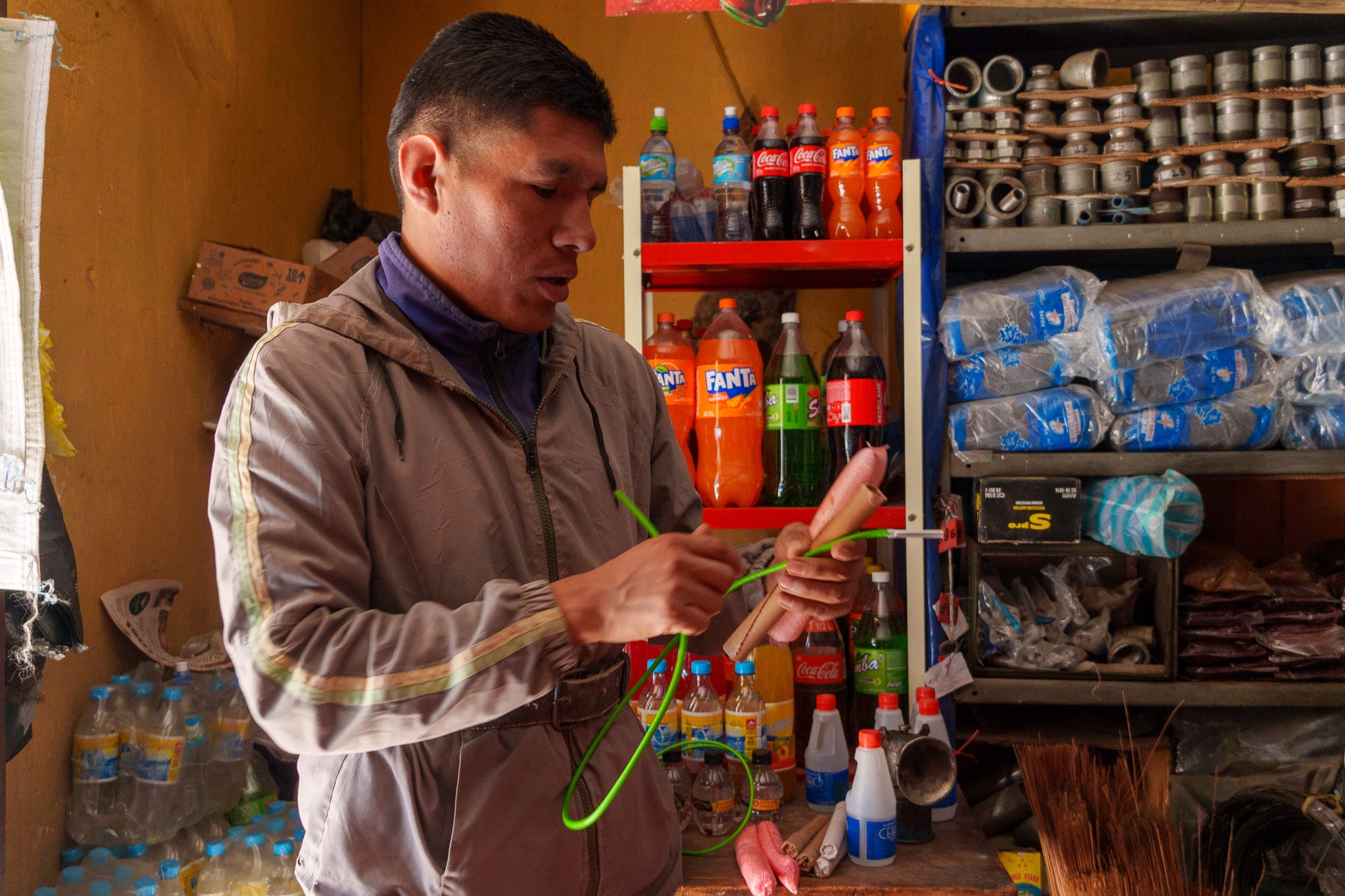
Once everyone was ready, we climbed back into the van and made a quick stop at the “miner supermarket.” This is where the guys who work in the Potosí silver mine buy everything for their shift: coca leaves, sodas like Fanta, stronger headlamps, gloves, and even dynamite sitting casually on the shelves.
We bought coca, drinks, and yes, one stick of real dynamite that the guide would later demonstrate inside the tunnels, which already gives you an idea of how different this is from your usual holiday activity.
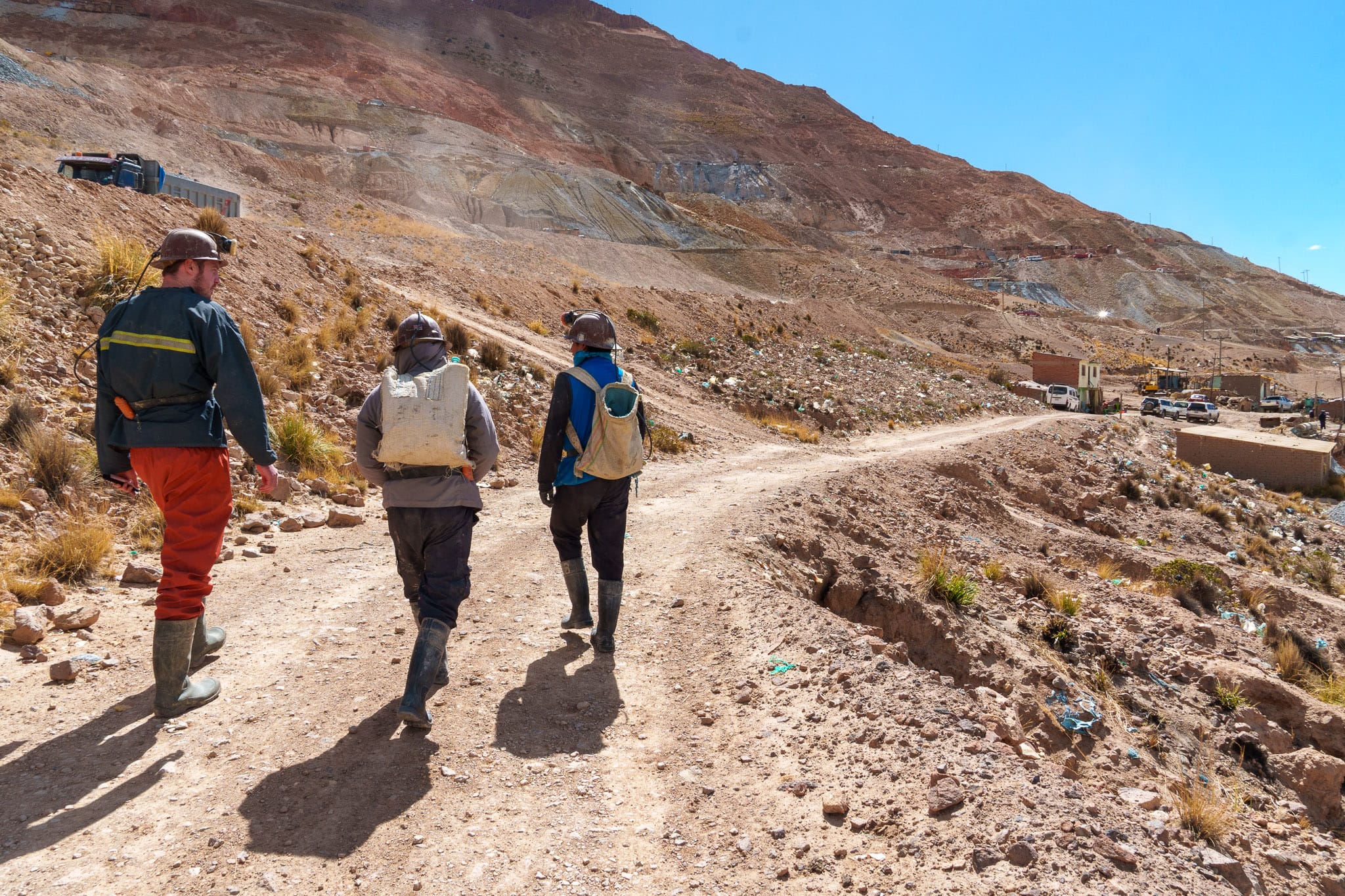
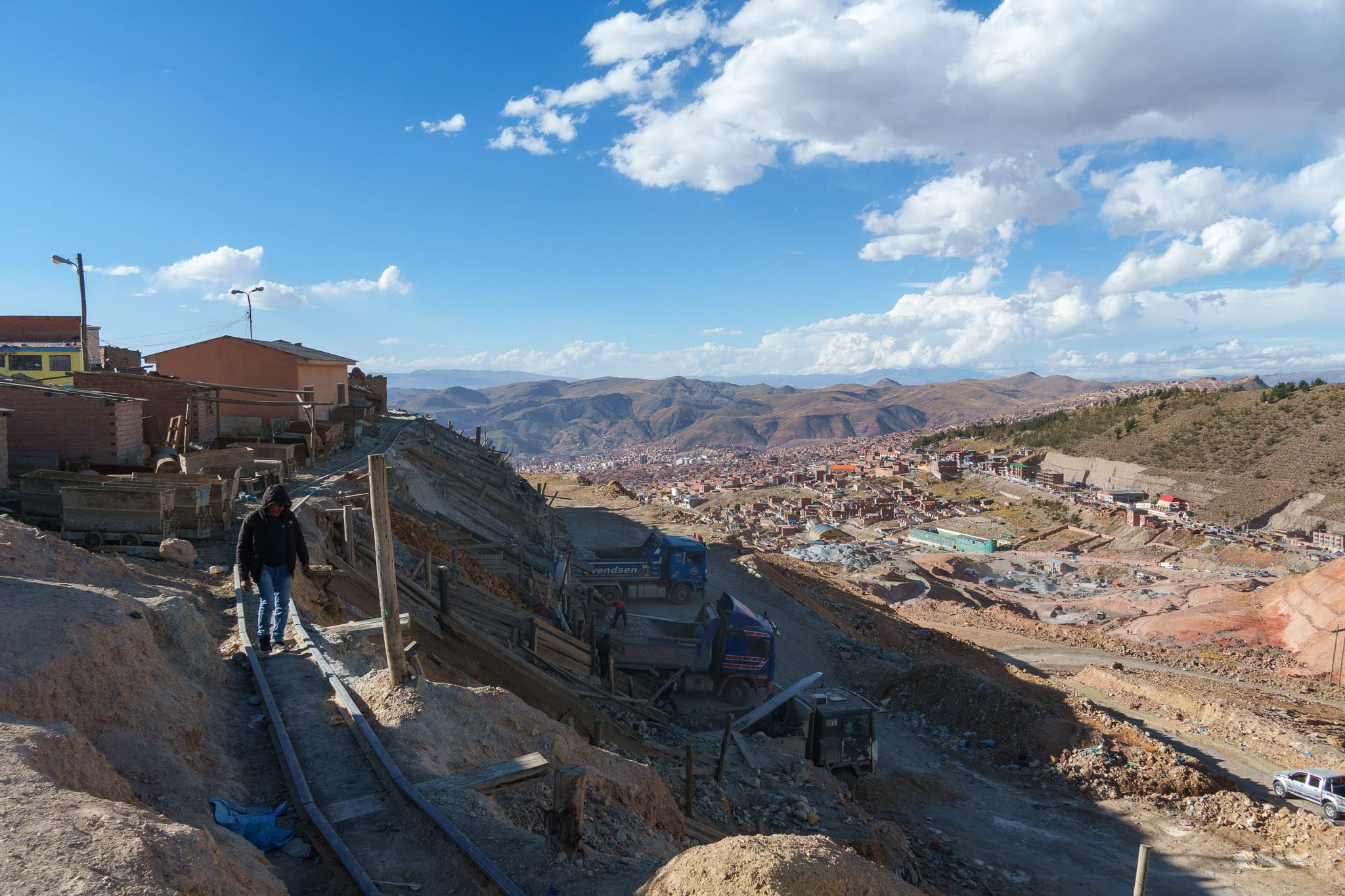
From there it was another 10 minutes driving toward the entrance of Cerro Rico. On the way we passed miners walking along the road, some with faces completely black from dust after hours underground, others just heading in for their shift.
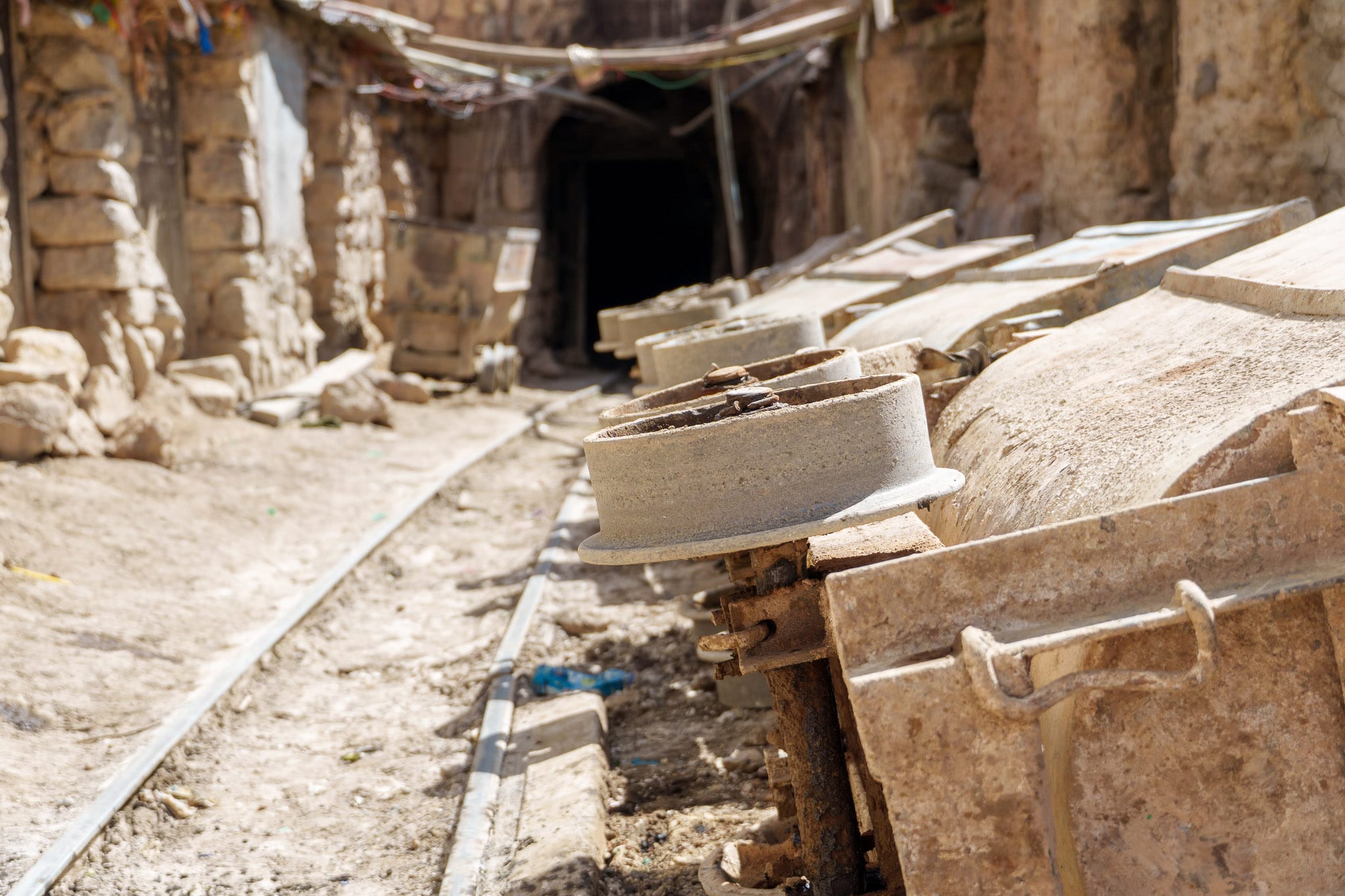
When we arrived at the mine entrance you suddenly see how real it all is: narrow rails, mine carts loaded with ore, compressors, jackhammers, and piles of rock everywhere under the shadow of the “Mountain That Eats Men,” not a theme‑park version of Bolivia mining history but the actual working silver mines of Potosi.
Offerings to “El Tío” at the entrance and inside
Before stepping into the Cerro Rico silver mine, our guide took us into a small, dark room right by the entrance where the miners greet the spirit of the mountain.
In the corner there was a rough statue of the “uncle” of the mine, El Tío, surrounded by empty bottles, coca leaves, and half‑melted candles, the kind of scene you only find in the silver mines of Potosi. Miners stop here to make offerings of coca, cigarettes, strong alcohol, and during special rituals even llama blood, splashed on the walls in thick, dark stains that give the place a pretty creepy atmosphere.
Our guide explained that the blood offering happens only outside, at this first Tío, never inside the tunnels. Deeper in the mine you find other El Tío statues where workers still leave coca or alcohol, but spilling blood underground is believed to wake the Mountain spirit and make it demand more lives, so that line is never crossed.
After that short, intense intro, we ducked through the low entrance and the whole vibe changed immediately: the light disappeared, the air turned humid and dusty, and within a few meters we were in the real heart of the Mines of Potosi
First impressions underground
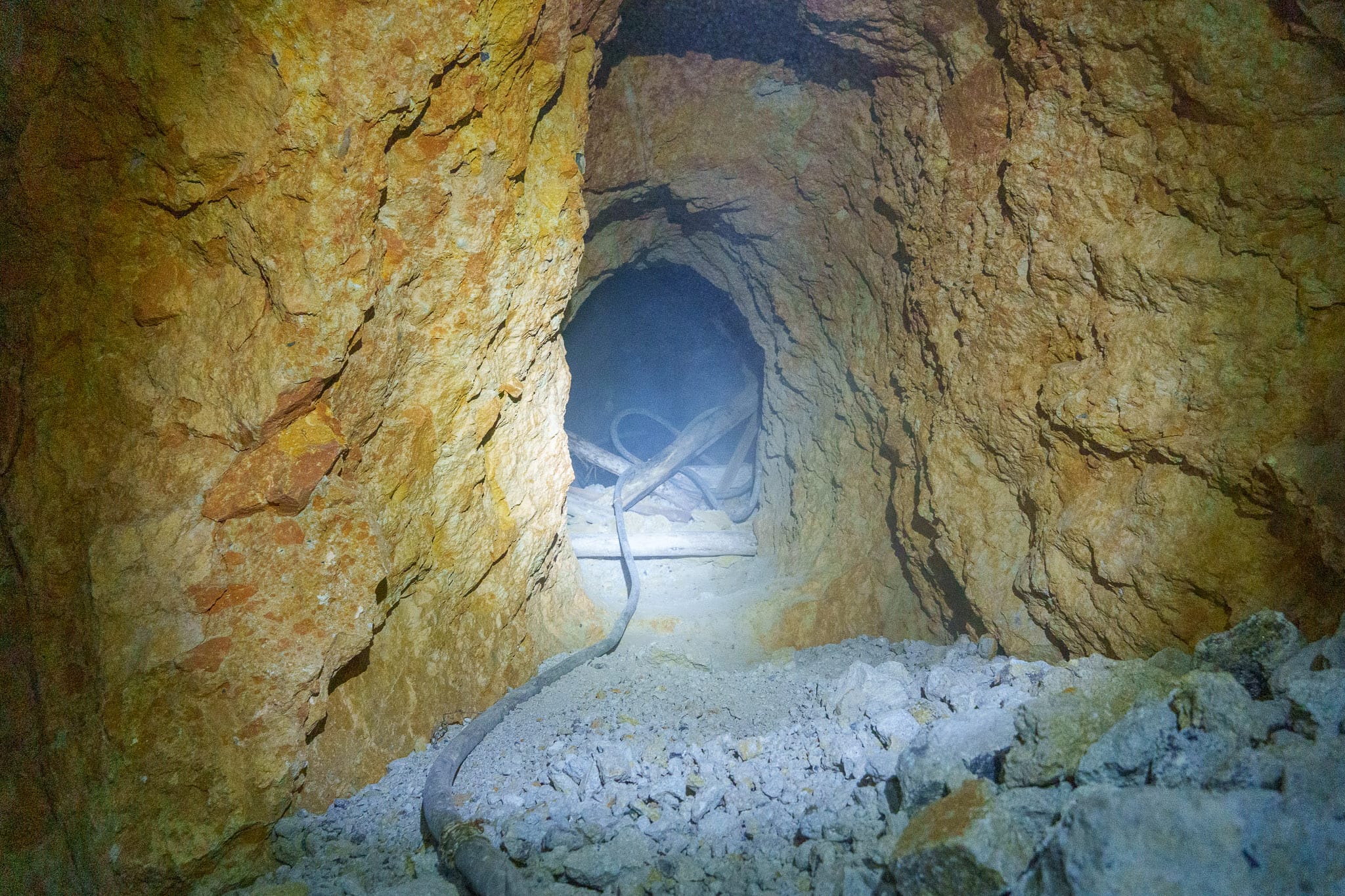
We entered through the Candelaria mine, which is not the wide, “tour‑friendly” tunnel most visitors see on classic Potosí mine tours.
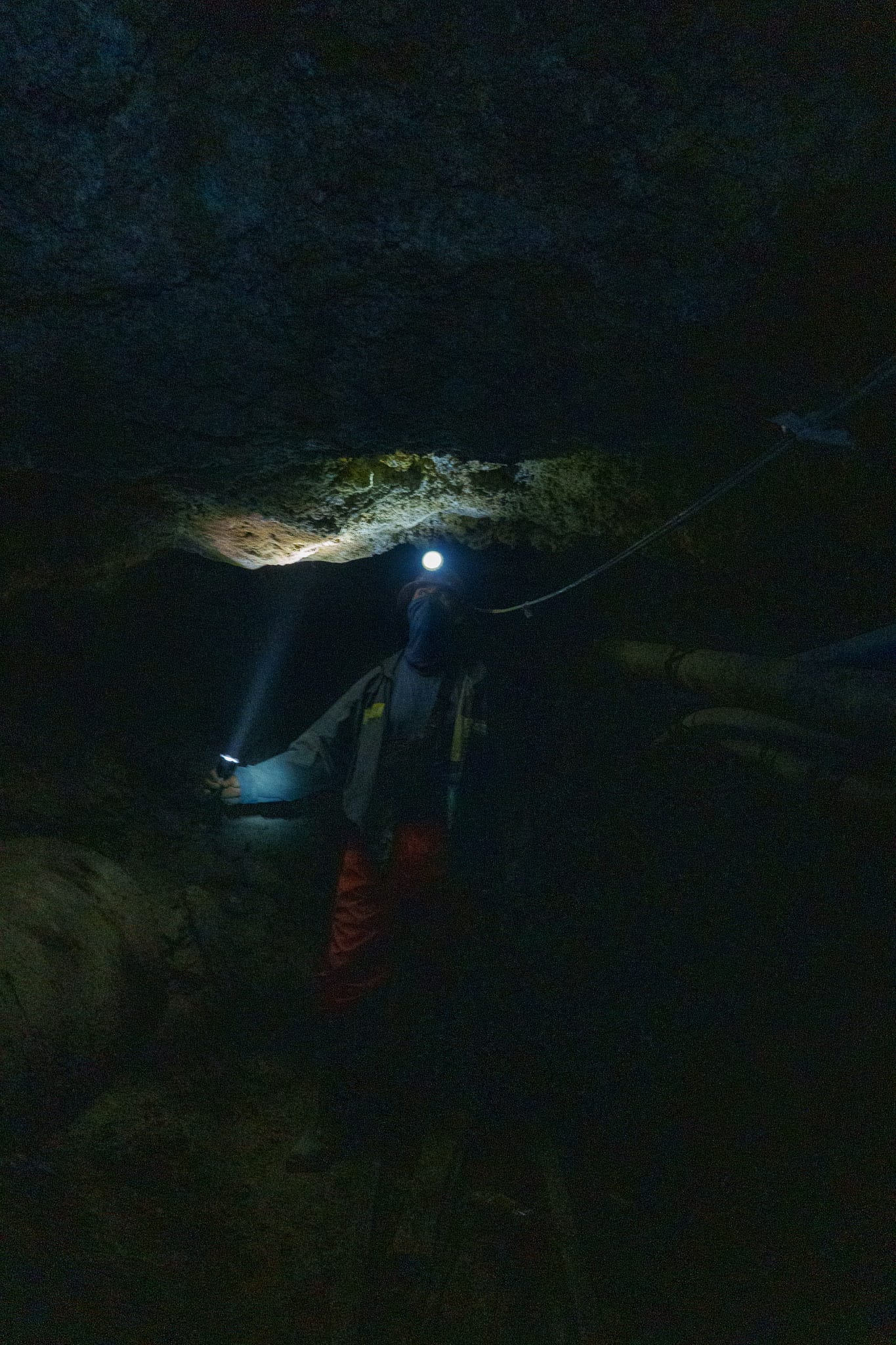
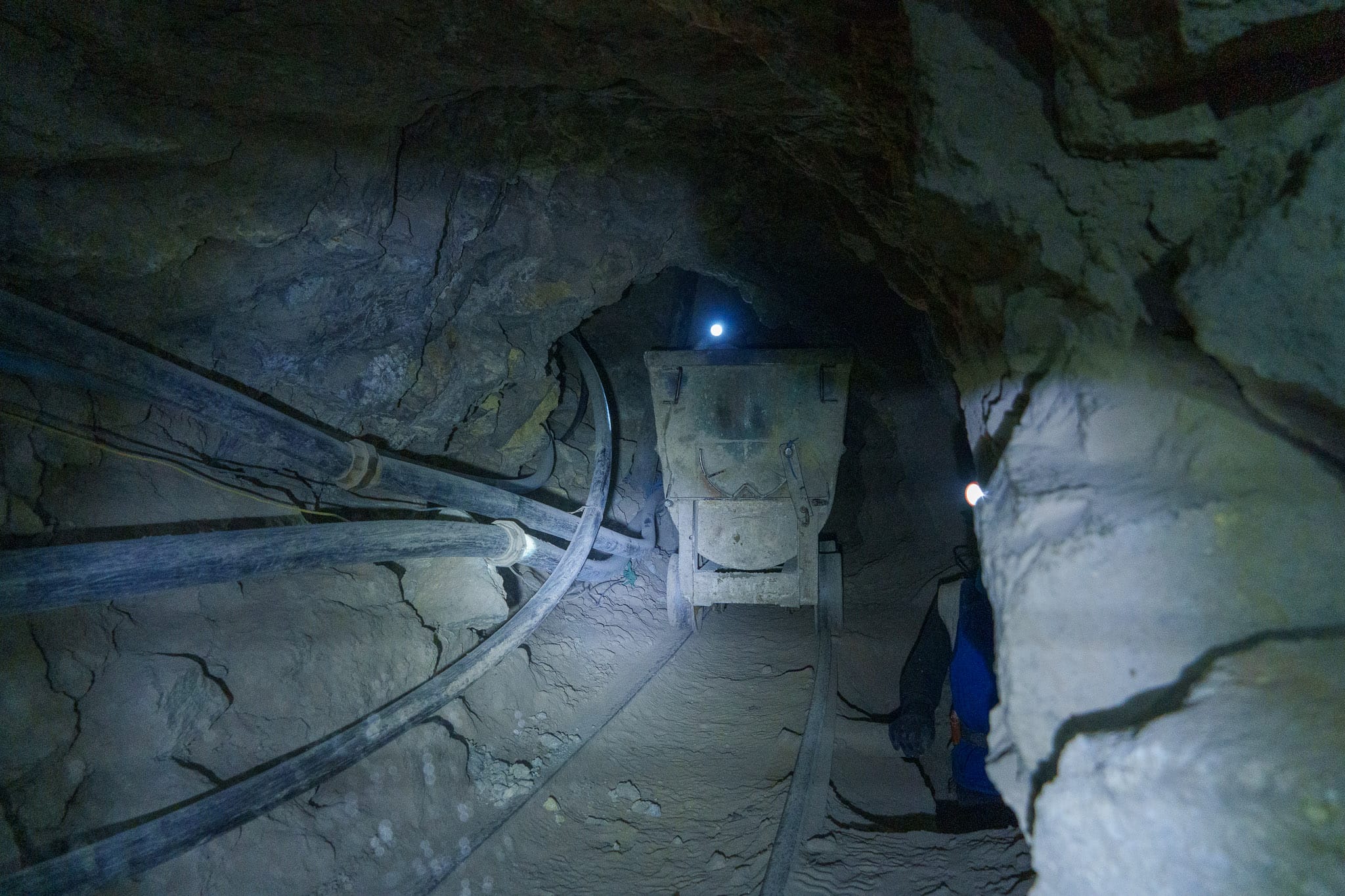
The roof here is so low you spend most of the time bent over, and every few minutes miners squeeze past with heavy mine carts full of ore, forcing you to press yourself against the wall while the wheels rattle by in the dark.
The helmet lamp only lights up exactly where you look, so everything outside that narrow beam disappears into black, and you quickly realize how disorienting the Cerro Rico mine experience would be without a guide.
It is fascinating and honestly a bit shocking at the same time: you know you are only down here for a couple of hours, but it is hard not to think about the guys who spend weeks, months, and even years working in these tunnels just to make a living in Potosí Bolivia.
When you travel abroad for holidays, you’re always exposed to risks like food poisoning, injuries, or even lost luggage. By booking insurance with EKTA, you’ll have peace of mind knowing you’re covered, so you can focus on enjoying your trip stress-free.
Learning the job
We were lucky enough to see miners actually working, even though it was already afternoon, when things are usually quieter in the silver mines of Potosi.
Most of the action in Cerro Rico happens in the morning, so if you want lots of mine carts, jackhammers, and teams moving around, aim your Potosí mine tours for earlier in the day.
One group we met was using a pneumatic drill, a jackhammer running on compressed air, to break the rock, and even standing roughly 10 meters away the noise and dust were intense.
A bit further on, we watched another team managing the mine carts on a single rail: the cart full of ore stayed on the track heading out, while the empty one was literally lifted and thrown off to the side to let it pass, then muscled back onto the rails afterward.
It looks simple until you remember an empty cart weighs around 350–500 kilos and a fully loaded mine cart can reach 2–3 tons of ore, depending on the design.
We tried pushing one on a flat or slightly downhill section and it felt manageable for a short distance, but it is easy to imagine how brutally hard it gets for the miners on steeper stretches when they have to haul that weight out of the Cerro Rico silver mine day after day.
A tiny “museum” underground
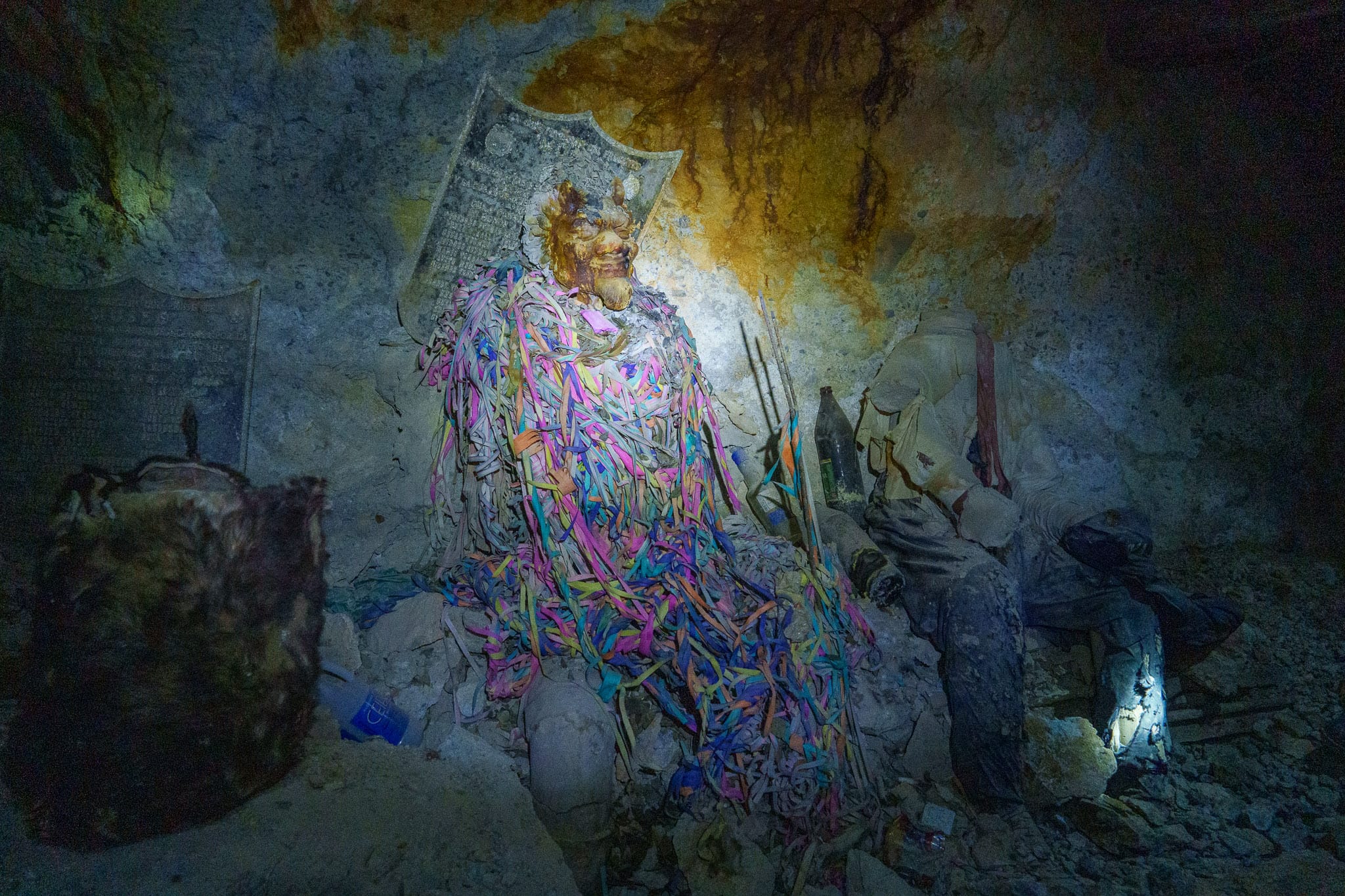
At some point we stopped in a wider chamber that our guide called the “museum,” even though it is really just a small corner carved out inside the Mines of Potosi.
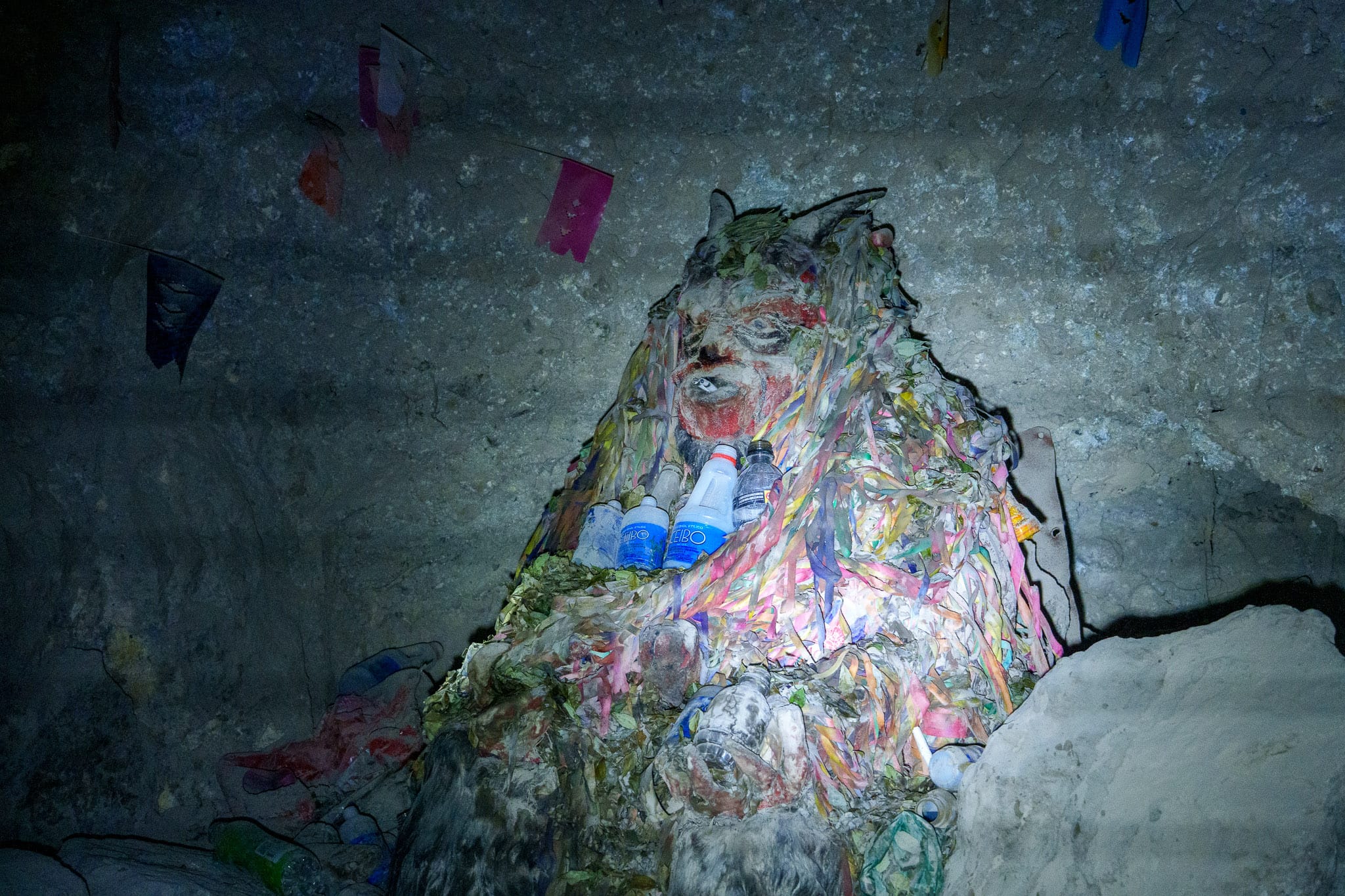
There are a few rough statues and a commemorative plaque, but each figure represents someone important to the miners’ history or another version of El Tío, surrounded by cigarettes, coca leaves, and small bottles left as offerings. You really feel how much meaning these have by the number of objects hanging from their necks or resting in their hands.
A bit deeper we met another Tío statue, again covered in coca, alcohol, and colorful decorations, but this one had a very obvious erect penis, which our guide explained with a completely straight face.
For the miners, El Tío is the spirit of Cerro Rico itself: if he is “fertile,” the mountain will produce more silver and other minerals, just like farmers make offerings for a good harvest, so these slightly funny details are all about asking the “Mountain That Eats Men” to stay generous rather than cruel.
The cool (and slightly scary) dynamite demo
One of the wildest parts of this Cerro Rico mine experience was trying real dynamite. Our guide took us into an abandoned section of the Mines of Potosi, away from where anyone was working, and started explaining what dynamite is made of and how miners actually use it to break the rock.
Then, very casually, he lit the fuse right in front of us and told us he had about 2 minutes and 30 seconds to get it into position, which definitely woke everyone up.
He jogged maybe 30 meters away, disappeared behind a pile of rocks, and hid the dynamite somewhere we could not see, while we stayed back and waited in the dark.
Those few seconds felt long, and then suddenly there was this massive BOOM that echoed through the tunnel, a shockwave you feel in your chest and in your eardrums at the same time—honestly one of those moments that is both amazing and a bit terrifying, and probably something you only witness once in your life.
Visiting two mines in one
Another thing that makes this Cerro Rico mine experience with Koala Tours pretty unique is that you actually visit two different mines.
We entered through the Candelaria mine and came out later through Rosario, and even if both tunnels feel quite similar inside.
The transition between the two is the fun part. To get from Candelaria to Rosario you crawl through a super narrow passageway, about 50 meters long, where you basically have to wriggle forward like a worm, taking your time and squeezing between the rock.
If you are claustrophobic you will hate that section, no lie, but if you enjoy a bit of adventure it adds a serious dose of adrenaline to visiting the Mines of Potosi.
Is Visiting the Mines of Potosí Worth It?
Visiting the Cerro Rico mines in Potosí is a pretty unique adventure. Even after seeing other mines in South America, like the emerald mines around Muzo in Colombia or the amethyst Wanda mines in Argentina, nothing really compares to walking inside the “Mountain That Eats Men” and watching an active Cerro Rico silver mine at work.
If you are planning a trip to Bolivia and wonder whether to squeeze Potosí Bolivia into your route, ask yourself two questions. Do you enjoy raw, unusual experiences that mix history, culture, and a bit of dark tourism Bolivia energy, and do you have two spare days you are not sure how to fill.
If the answer is yes, then adding the Mines of Potosi to your itinerary, booking one of the Potosí mine tours, and spending a couple of nights in town is absolutely worth it for a Cerro Rico mine experience you will remember long after you leave the Andes.
Freebie For You !
Thanks for sticking around until the end — that really means a lot. To show my appreciation, I’ve prepared something special for you: a Travel Guide 101 packed with my favorite tips, useful websites, and practical info to help you plan your next adventure.