If you’re in your 20s or early 30s and you love to travel but don’t have an infinite budget, I got you covered. I’ll share with you cheap places to travel in South America that still offer amazing adventures to experience.
I’ve visited most of the spots you’re about to read about, and trust me—South America has some seriously affordable places to explore.
For North Americans and Europeans, South America is generally affordable.
Sure, every country has its pricey cities or regions, but there are plenty of hidden gems and budget-friendly destinations to visit that won’t break the bank.
Table of Contents
Why is it affordable to travel in South America?
The currency rate exchange
One big reason traveling in South America is budget-friendly is the currency exchange. The US dollar or euro usually goes far compared to most South American currencies.
This means when you’re buying basics like food, transportation, or accommodation, things often cost way less than back in the US or Europe.
This exchange rate advantage makes South America an inexpensive place to travel.

Countries still in development
Many South American countries are still developing, which often means prices are lower and more affordable for travelers.
Sometimes, cheap places include spots with simpler, less fancy accommodations or more rustic vibes.
But that doesn’t mean you’re stuck with only basic options—there are plenty of affordable places that still offer comfort and great experiences.
So, while some cheap places might be a bit more old-school or down-to-earth, you’ll also find modern, budget-friendly spots around the continent.
Is it safe to travel in South America?
Safety is a common concern when talking about travel in South America.
Just like anywhere else, safety varies depending on the country and city—some places are super safe, while others require a bit more caution.
Personally, I always do a little homework on the specific destination.
For example, if I know I’m landing in a big city, I research which neighborhoods are safer than others to find my place to stay. This simple step can help you avoid trouble and have a worry-free trip.
In general, if a city is frequently mentioned in travel blogs, it usually means two things: it’s a beautiful place to visit and it’s relatively safe. Otherwise, people wouldn’t recommend it so often.
I have discussed more specifically the safety in Colombia and my trips there, in case you're interested.
BUT in any big city, you have accidents, robberies, and other not-so-cool things that happen in every big city in the world.
What I want to say is that millions of travelers explore the cheapest places to travel in South America every year without problems.
Just be careful and street smart
When you travel abroad for holidays, you’re always exposed to risks like food poisoning, injuries, or even lost luggage. By booking insurance with EKTA, you’ll have peace of mind knowing you’re covered, so you can focus on enjoying your trip stress-free.
How much does it cost to travel to South America?
Your budget in South America really depends on how you roll, but it’s almost always a great value for your money.
Budget travelers often manage on $30–$50 a day in affordable spots, while midrange comfort averages $50–$100.
Personally, my usual budget’s around $50 a day. I book hotel rooms on Booking.com or grab an apartment on Airbnb. Whether I eat out or hit the local markets to make my own food, sometimes it’s even cheaper to go to restaurants!
For tours, I might explore on my own or book through sites like Get Your Guide.
But $50 is just my daily average. Sometimes I spend as little as $10–$15, but once in a while, I’ll go on a $300 multi-day adventure like the Salkantay Trek in Peru or the Uyuni Salt Flats tour in Bolivia.
These big-ticket experiences do bump up your total budget but are totally worth it.
Heads up: Flights aren’t included in my daily spending.
Prices can skyrocket in high season, with hotel rooms and Airbnbs sometimes jumping from $15 to $30 a night.
Guided tours don’t really change much throughout the year.
The best trick is to travel in the low season for the cheapest South America vacation.
Cheap places to fly in South America
South America has several major international airports with lots of flight options from the US, Europe, and neighboring countries that can help you find affordable tickets. Here are some hubs worth checking for direct flights and deals:
Argentina
- Buenos Aires-Ezeiza International Airport (EZE): direct flights from US hubs (Miami, New York), Canada (Toronto), and European cities (Madrid, London, Paris).
Bolivia
- Viru Viru International Airport (VVI) in Santa Cruz is the largest airport with some direct flights from Miami (American Airlines), and connections to Europe often via São Paulo or Lima.
- El Alto International Airport (LPB) in La Paz has limited direct flights from the US, mainly Miami, and connections to Europe require layovers.
Brazil
- São Paulo-Guarulhos International Airport (GRU): major hub with many direct flights from the US (Miami, New York), Canada (Toronto), and Europe (London, Paris, Frankfurt).
- Rio de Janeiro-Galeão International Airport (GIG): direct flights from the US, some European cities, and Canada.
Colombia
- Bogotá-El Dorado International Airport (BOG): direct flights from US cities (Miami, New York), Canada (Toronto), and Europe (Madrid, Amsterdam, Frankfurt).
Chile
- Santiago International Airport (SCL): direct flights from US (Miami, Dallas), Canada (Toronto), and Europe (Madrid, Frankfurt, Paris).
Ecuador
- Quito and Guayaquil airports have some direct flights from US cities and limited European connections.
Guyana, Suriname, French Guiana
- Cheddi Jagan International Airport (GEO), Paramaribo-Zanderij International Airport (PBM), and Cayenne-Rochambeau Airport (CAY) have more limited direct international flights. They commonly connect via hubs like Panama City (PTY), Miami (MIA), or Caribbean airports for flights from US, Canada, and Europe.
Panama (Central America but key for flights to South America)
- Tocumen International Airport (PTY): a hub with extensive direct flights to the US, Canada, and Europe, connecting to many South American destinations.
Peru
- Lima International Airport (LIM): direct flights from US (Miami, New York), Canada (Toronto), and Europe (Madrid, Amsterdam).
Paraguay
- Silvio Pettirossi International Airport (ASU) in Asunción handles direct international flights from the US (Miami via connections), limited European connections, and Canadian flights usually with layovers.
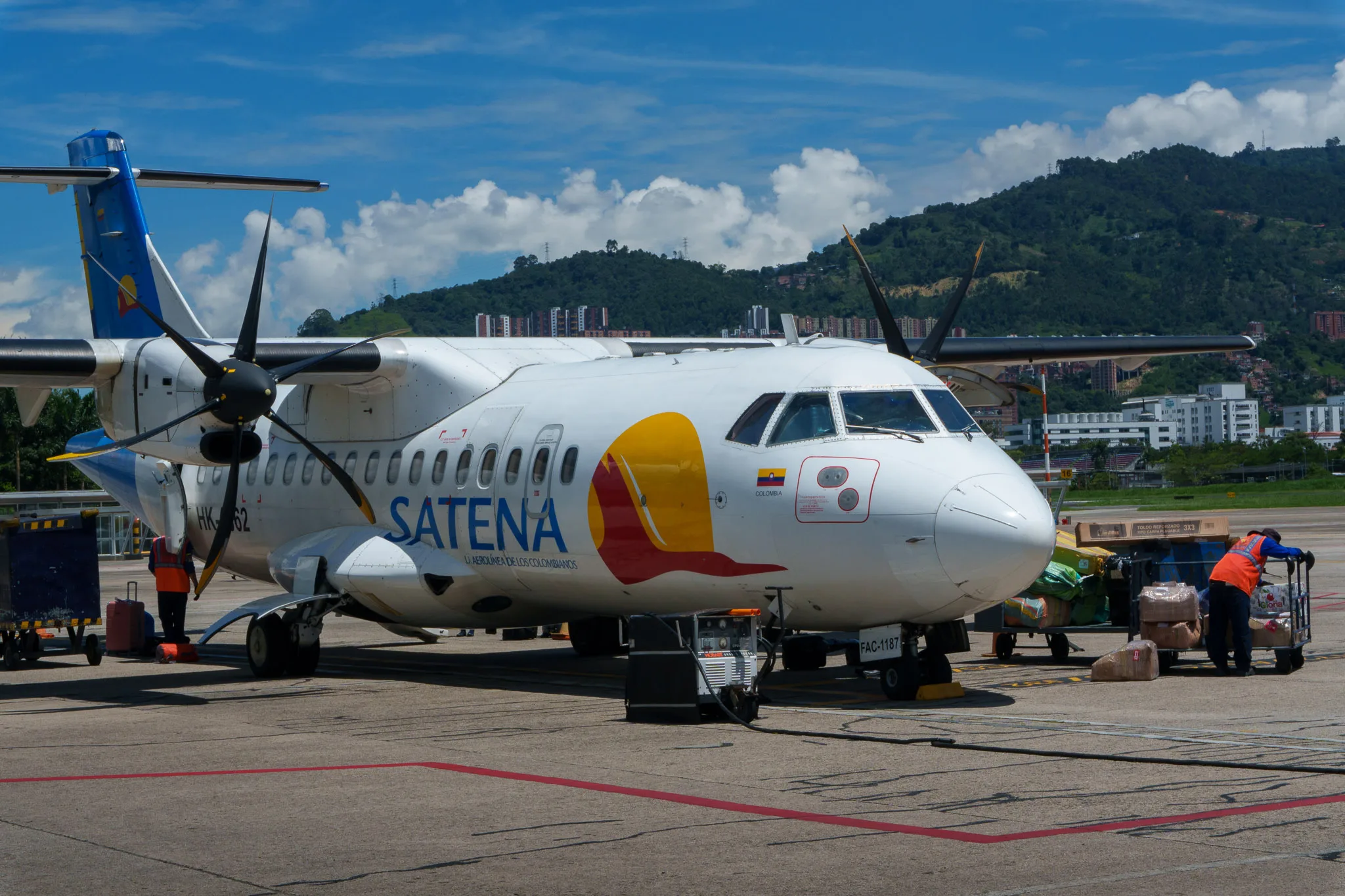
How much local people earn and what you’ll spend in South America
Local people earnings
To get why South America is such a cheap place to travel, it helps to look at how much money people make and how rich each country is.
Here's the average monthly salary for South American countries based on data from worldsalaries.com. The US is included for comparison:
Country | Average Monthly Salary (USD) |
|---|---|
United States |
$4,460 |
French Guiana |
$3,264 |
Peru |
$2,031 |
Chile |
$1,918 |
Brazil |
$1,478 |
Ecuador |
$1,468 |
Bolivia |
$1,228 |
Colombia |
$1,078 |
Paraguay |
$1,068 |
Uruguay |
$766 |
Suriname |
$490 |
Argentina |
$44 |
Note: Argentina's figure seems unusually low due to currency volatility and exchange rate fluctuations. The actual purchasing power is higher than this conversion suggests.
This shows that people in most South American countries earn way less than folks in the US.
That's a big reason why travel costs are so much lower—when local wages are smaller, prices for food, lodging, and activities stay affordable too.
Plus, this is just the average. The majority of people earn way less, and it’s compensated by rich people making thousands or even millions (in every country you have some).
That’s why even with a modest travel budget, you can enjoy a lot.
Daily budget to travel for each country
Here’s also a quick table to give you an idea of the main expense for each country in South America:
Country | Budget Hostel Dorm (USD/night) | Budget Restaurant Meal (USD) | Overnight Bus Journey (USD) | Avg 1-Day Guided Tour (USD) |
|---|---|---|---|---|
Argentina |
$4-10 |
$6-15 |
$40-90 (15-24 hrs) |
$50-100 |
Brazil |
$5-15 |
$5-12 |
$25-50 (12-24 hrs) |
$40-80 |
Bolivia |
$5-13 |
$3-8 |
$15-25 (8-12 hrs) |
$30-60 |
Chile |
$6-25 |
$8-15 |
$30-60 (12-20 hrs) |
$50-100 |
Colombia |
$8-12 |
$4-7 |
$20-40 (10-18 hrs) |
$25-50 |
Ecuador |
$11-15 |
$5-10 |
$15-30 (6-12 hrs) |
$35-70 |
Peru |
$8-15 |
$3-8 |
$20-40 (8-20 hrs) |
$40-80 |
Paraguay |
$7-12 |
$4-10 |
$15-30 (8-16 hrs) |
$30-60 |
Uruguay |
$10-18 |
$10-20 |
$10-20 |
$50-100 |
Suriname |
$12-20 |
$8-15 |
$15-35 (6-14 hrs) |
$40-70 |
You can easily see which countries are more expensive than others.
This also correlates with the earnings of local people, if you compare it to the table above.
In general, it is cheap to travel through South America and so much more affordable than flying.
You will see many locals using buses to travel overnight from one city to another. This is the main way of traveling for locals too.
Most don’t have a car—this is an expense most can’t afford and don’t need.
Guided tours (or paying entry fees while visiting alone) are often one of the biggest expenses while traveling.
I’ve realized that Colombia and Bolivia are where I spent the least on tickets and guided tours, even though I visited some very beautiful places.
17 Cheap Places to Visit in South America
1. Cusco & Machu Picchu, Peru
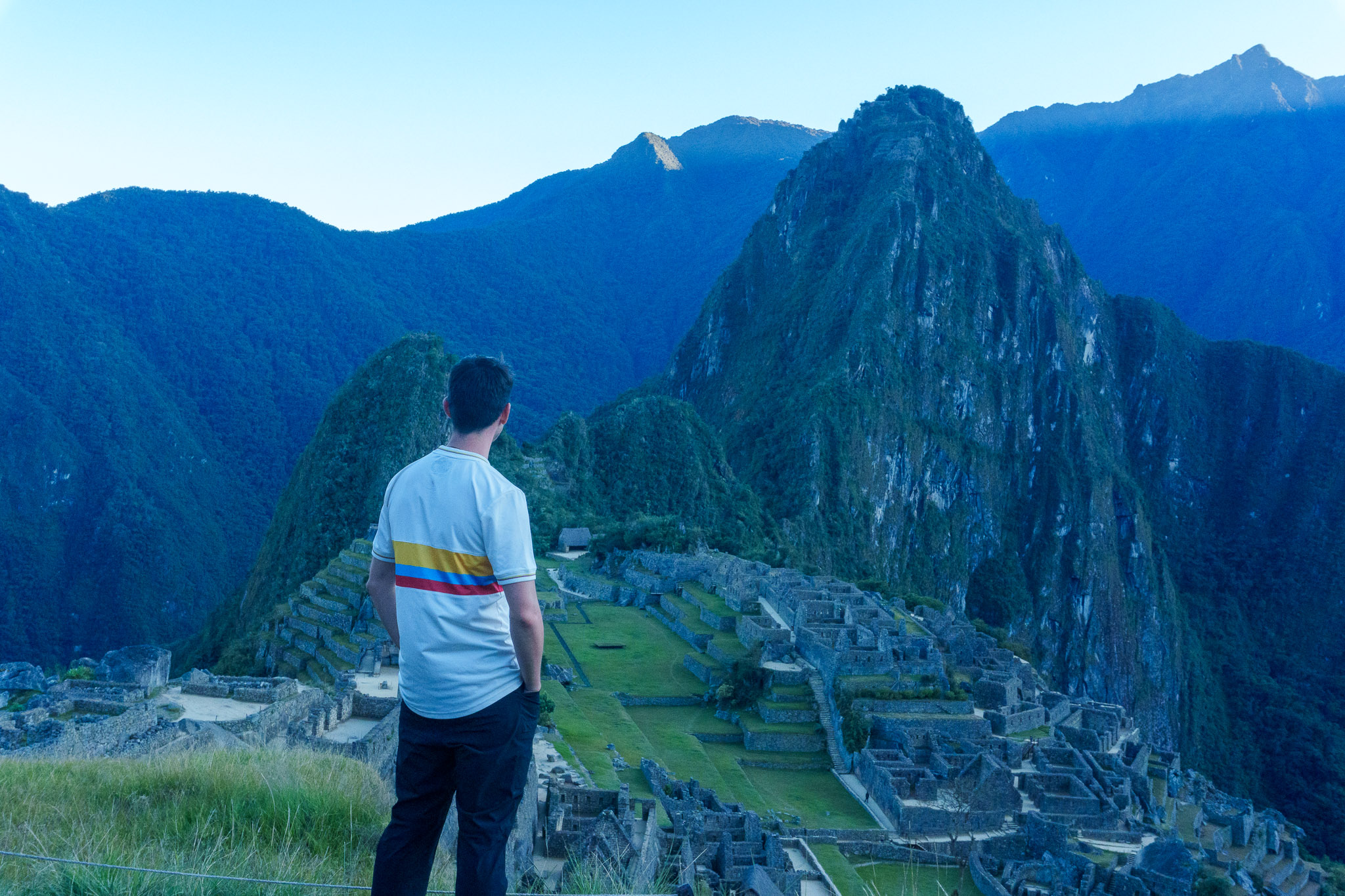
Cusco remains one of South America's most iconic destinations, and it's remarkably affordable for budget travelers.
You find a lot of affordable hostels in cusco, many museums, archeoligcal sites and activities to do in Cusco.
You have to visit this city at least once in your life, in combinaison with exploring the Machu Picchu. And if you're a true adventurer you can even do a 5 days hike to reach the Machu Picchu.
A typical week-long itinerary runs you $230-$340 for backpackers. Spend two days in Cusco exploring San Blas neighborhood, Plaza de Armas, and the Sun Temple (Coricancha).
Then head to the Sacred Valley for group tours of Pisac and Ollantaytambo ($30-$40), before tackling Machu Picchu.
The budget-friendly DIY route costs around $200 roundtrip from Cusco—local buses ($4), the train ($100), and accommodation in Aguas Calientes ($20 for two nights), plus entrance fees ($60-$80).

2. La Paz, Rurrenabaque & Uyuni, Bolivia
Bolivia is the real deal for cheap places to travel in South America.
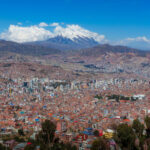
La Paz, the world’s highest capital, blends indigenous markets with Spanish colonial vibes. From here, an overnight bus gets you to Rurrenabaque, Bolivia’s gateway to jungle adventures.
A 10-day itinerary combines La Paz and its various sightseeing spots like the witches’ markets, cable cars, Valle de las Ánimas, or Valle de la Luna, along with mountain exploring at Charquini or Huayna Potosí, or discovering the Yungas and biking down the Death Road!
Continue with jungle tours in Rurrenabaque ($200–$300 for 3 days) to spot some wildlife in the Amazon.
Finish with the legendary Uyuni Salt Flats ($150 for a 3-day trip), where the landscape feels like you’re on another planet. This is one of the unique things about Bolivia.
If you're looking for other options of itineraries in Bolivia, it's right here !
3. Cartagena, Tayrona National Park & Minca, Colombia
Colombia’s Caribbean coast is ridiculously affordable while staying incredibly vibrant.
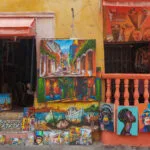
Cartagena’s walled city glows with colonial charm, colorful streets, and street food that’ll change your life.
Spend a few days exploring Cartagena’s historic center. Visit Isla del Rosario for one day (around $30). If you enjoy scuba diving, I’ve visited an amazing underwater museum with a wreck site—I went with cartagenadivers.com.
Continue along the coast to stay a few days at Taganga Bay, a less famous spot next to Santa Marta.
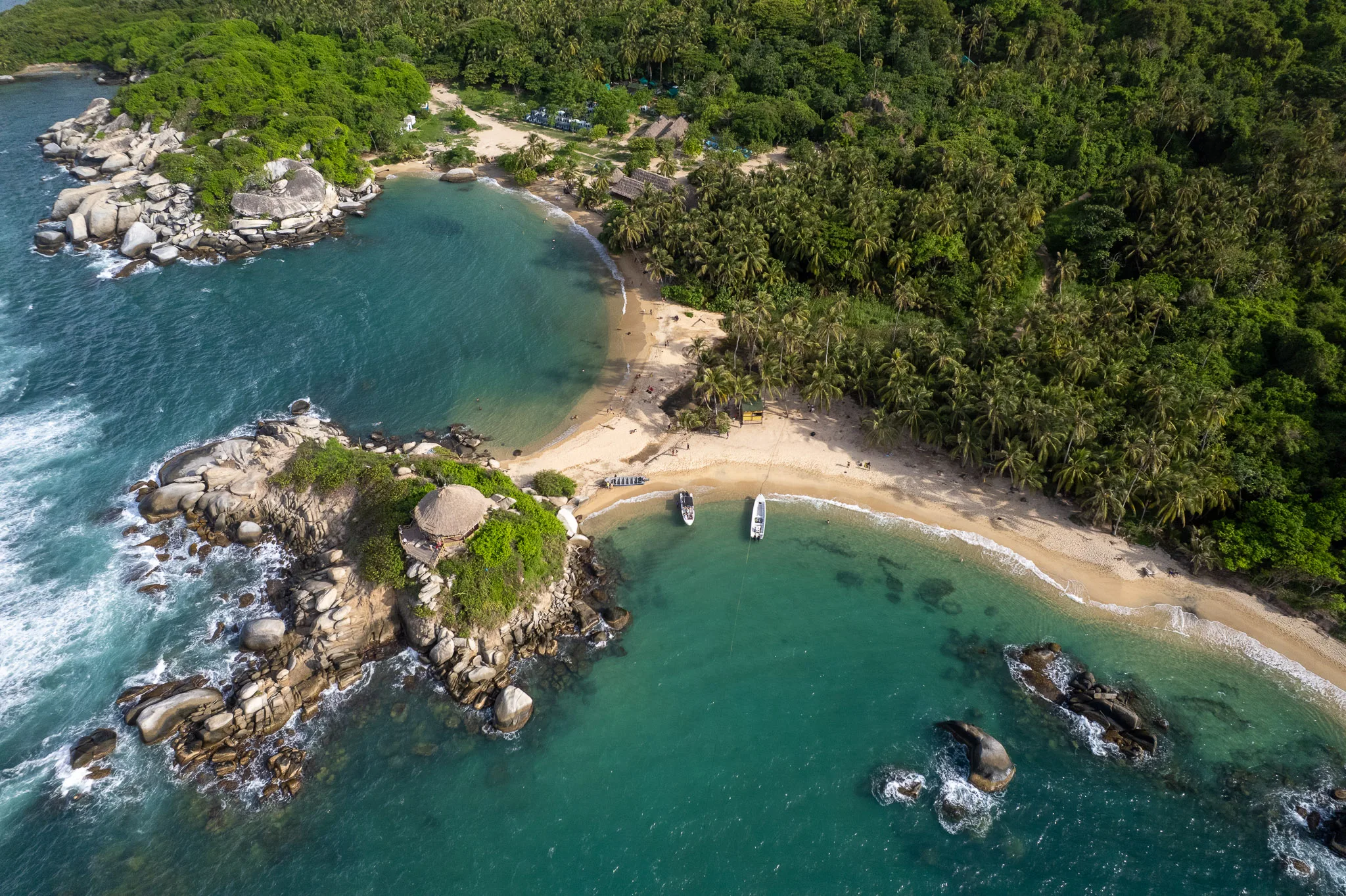
The vibe is better, and it’s the perfect place for a boat trip to Tayrona National Park, where you can spend a night (around $50 for 2 days, all included).
Tayronna Park and Taganga was one of my best adventure in Colombia.
Then head to Minca for mountain life and coffee. The climate is fresher and attracts a lot of foreigners, as it’s the perfect combination of everything!

4. Paraguay: Colonial Cities & Pantanal
Paraguay's often overlooked, which means it's one of the cheapest places to travel in South America.
Head to colonial Concepción for authentic history and near-empty streets.
A 10-14 day loop hits Asunción, Encarnación (near the stunning Jesuit ruins of Trinidad and Jesús), and the Pantanal wildlife reserve.
Pantanal is an expensive place to visit (roughly $1,000 USD for 4 days), but if you can afford it, you won’t regret it.

5. Arequipa & Colca Canyon
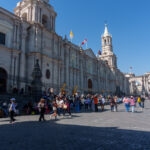
Arequipa, the “White City”, sits in the Andes and serves as your gateway to the Colca Canyon.
Arequipa is one of the most beautiful cities in Peru. The entire city is built using local volcanic rock called “sillar,” which gives it a unique white appearance.
Spend a few days here enjoying delicious coffee and food at local restaurants, visiting churches, and learning about the city’s history (a typical dish will cost you $8–$15).
Then take a bus to Cabanaconde to visit the Colca Canyon.
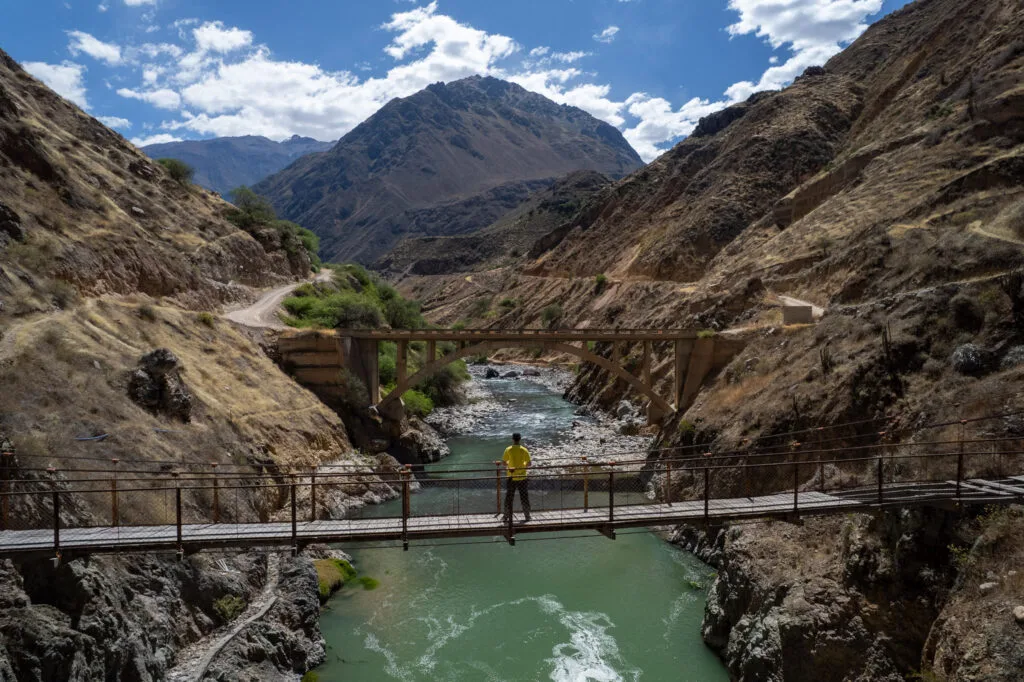
The Colca Canyon is a landscape you won’t find anywhere else.
This canyon is HUGE!
If you dare, you can embark on a three-day trek to the bottom of the canyon and back, experiencing thermals, amazing landscapes, and Andean condor spotting.
I did it alone and it cost me around 100$ ( bus from Arequipa, hotel and food).
This is one of the rare places in South America where you can spot the Andean condor, the largest bird in the world. So go for it !
6. Lake Titicaca, Both in Peru & Bolivia
Lake Titicaca is a world-known lake for its name and for being one of the highest navigable lakes in the world.
Fun fact: Lake Titicaca is divided almost equally between Peru and Bolivia.
However, most people know only the Peruvian part. The Bolivian side is just as beautiful as the Peruvian side.
Puno is the city on the Peruvian side for visiting Lake Titicaca. To be honest, the city itself is not very charming, but some streets and the main plaza are worth passing by.
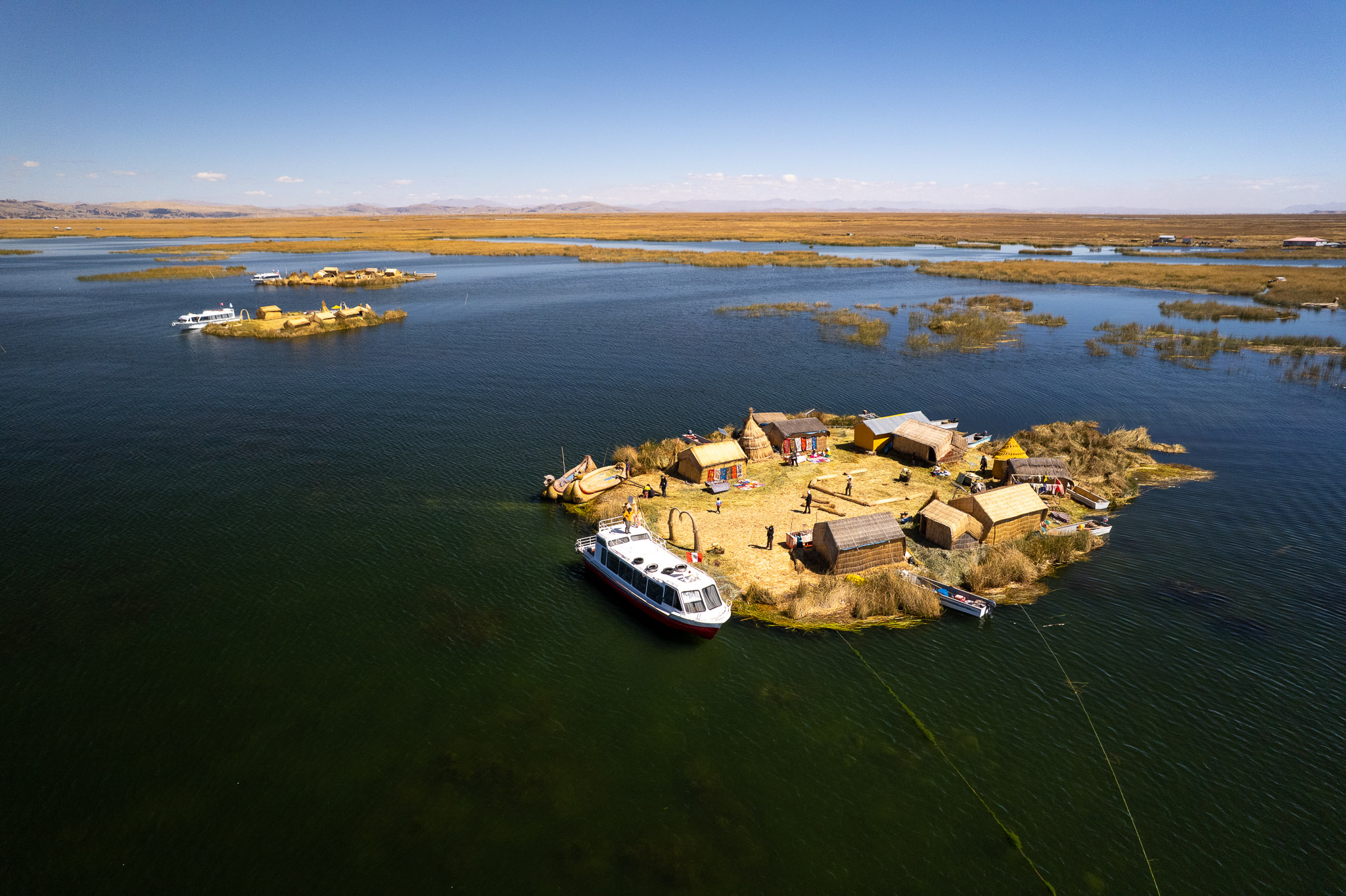
From Puno, you can do a one-day visit on the lake to explore floating islands and a real island with various communities living on both.
You can also stay overnight on the real island, called “Taquile”, to enjoy the deep blue water surrounding you.
I did the one-day tour, and it was great and enough to see everything on the Peruvian side (around $25).
On the other side of the border, in Bolivia, the city is much more charming. Copacabana has a few streets with good vibes and beautiful churches to visit.
This city is the starting point to do a one-day tour on the ‘Isla del Sol’. You can also stay overnight on the island and do some long walks there.
I also did the one-day tour, and it was great too (around $20).
Don’t forget to try the trucha frita (fried trout)!

7. Chile: Carretera Austral (Route 7)
The Carretera Austral is one of South America’s most epic road trips.
Chile is not generally considered a cheap destination in South America, but you can do it the right way to spend as little as possible.
This “Carretera Austral” is a great way to discover many places and landscapes at once in Chile.
It is a 1,200-kilometer-long road running from the north to the south of Chile.
Most people start from the north, at Puerto Montt, and finish the route at “Mirador Ventisquero El Mosco Villa O’higgins”.
In Chile, many rent cars for a few days to do this road trip or visit other remote sites.
I’m sure this option is great, but it’s not the cheapest.
Some friends of mine did this road trip by bike—3 weeks on a bike!
When they told me their stories, all the landscapes they saw and cities they visited, I was like “Yeah, I need to do it!”
So it’s on my bucket list now!
To give you a quick comparison between the bike adventure and the car option:
- With the bike, you would travel for about 3 weeks, and it would cost you maybe around $600–$700 (bike rental, accommodation, food).
- With the car option, you would travel for about 10 days, and the price would be more in the range of $1,000–$1,200 (car rental, accommodation, and food).

8. Lençóis Maranhenses, Brazil
This national park features massive white sand dunes and crystal-clear lagoons.
It is one of the most surprising landscapes I’ve ever seen.
Most people do a quick one-day visit from the nearby city—that’s what I did a few years ago, as it’s the cheapest option.
But I felt a bit disappointed.
To really enjoy Lençóis Maranhenses, you can do two other activities.
The first, a bit fancy and quick, is to take a 45-minute plane ride to see these shapes from a new perspective.
It costs around $110, and I think it’s really worth it, but maybe not the first choice if you’re on a really tight budget.
A second option, if you have the time, is to do a 2 to 4-day guided trek into the Lençóis to reach a small village in the middle of it.
That’s a real adventure!
You can find this 4-day trek adventure priced around $400 (meals, accommodation all included).

9. Florianópolis, Brazil
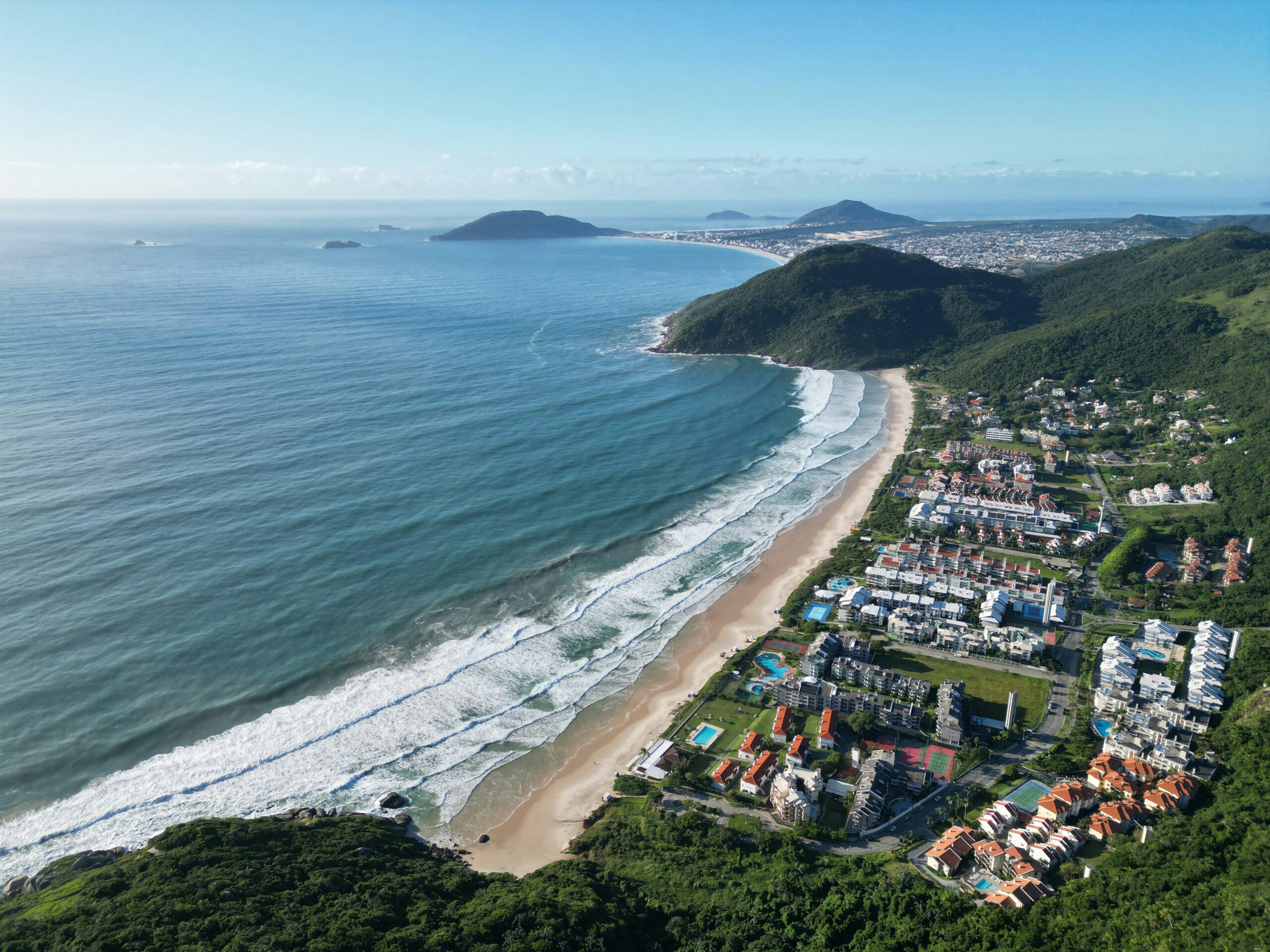
Florianópolis is a great island if you seek more leisure time, beautiful beaches, nature, and maybe some hikes to do.
This island is quite big, and you’ll find many cities and beaches where the vibes can vary from one spot to another.
Some beaches are very crowded during the summer, like “Playa da Lagoa”, “Campeche”, and “Lagoa da Conceição”.
But you can also find some less-known cities and really enjoy peaceful days.
When I visited the island, I really enjoyed the long hourly treks you can do along the coast.
I did them at the beginning of the summer in Brazil (December), and there were very few people on those paths.
Most were at the beach 😎

10. Jujuy & Salinas Grandes, Argentina
Jujuy is a desertic region in the north of Argentina, located on the west side, connected to Chile and Bolivia.
You’ll find very interesting natural attractions to visit, mostly dramatic mountain landscapes, with one big exception.
All along the route from the border with Bolivia to San Salvador de Jujuy, there are a few cute cities (more like “pueblos” or villages) to stop by with sightseeing activities.
Humahuaca is one of them with the spectacular “Mirador A la cercanía de los 14 Colores del Hornocal”.
Tilcara, another city, has beautiful treks to do around, like the one to reach the “Cascada Garganta del Diablo”.
Purmamarca is perhaps the most famous as it’s the city where most tours to the salt flats start.
No, I’m not talking about the Uyuni Salt Flats in Bolivia.
Those are less famous salt flats here in Jujuy, which offer a great alternative to visit with fewer crowds.
Even though I’ve visited the Uyuni Salt Flats, and it didn’t feel crowded at all… buuut it was low season.

11. Salvador da Bahia & Chapada Diamantina, Brazil
You can’t say you’ve visited Brazil if you haven’t passed by Salvador da Bahia.
Salvador da Bahia is a vibrant mix of African heritage, Afro-Brazilian traditions, colonial churches, and incredible street life.
I really enjoyed this city.
Spend 2–3 days in Salvador (hostels $12–$18/night, local food $3–$8) exploring Pelourinho's colorful streets and historic sites.
Then, if you like trekking and unforgettable adventure, head to Chapada Diamantina.
Chapada Diamantina is a vast canyon full of green vegetation, but it’s much more. If you're lucky you'll spot some monkeys in this region.
It’s a whole region with mountains, caves, and waterfalls. You could spend weeks exploring this area. Many companies offer 3- to 5-day treks to discover Chapada Diamantina.
A 5-day trek will cost you around $600, a budget to consider.
But for what you experience, it’s absolutely worth it!

12. Ilha Grande & Paraty, Brazil
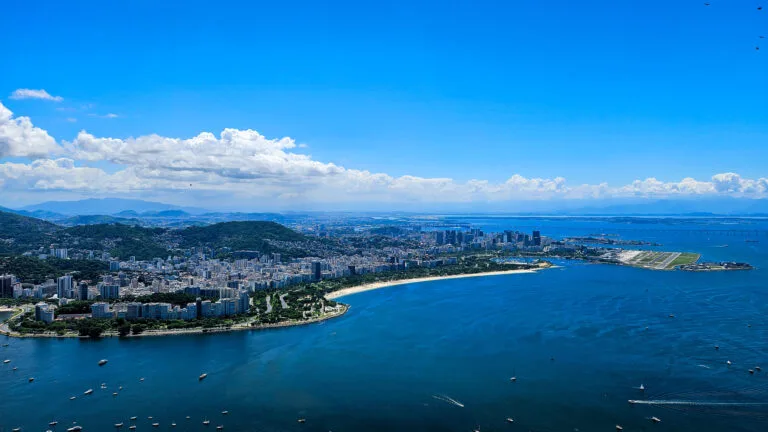
Rio is an obvious city to explore while visiting Brazil. And while you’re here, you should head a few hours south to visit two awesome places.
Ilha Grande is an island where nature surrounds the restaurants and hostels.
You have many activities to do, like hiking for a few hours to reach a beach that looks like you’ve landed in “Cast Away”.
If you prefer a more leisurely vibe, boat tours will take you to various places all around the island that you can only find here (like “Cueva do Acaia”).
You can expect to spend around $100 for a few days exploring Ilha Grande (all included, including the bus round trip from Rio).
I’ve done all the activities in Ilha Grande, and honestly, all of them are worth doing.
While most tourists visiting Ilha Grande are in their 20s, Paraty has more of a couple’s vibe.
But many people combine both destinations.
Paraty is a charming colonial city where the city center is preserved as it was hundreds of years ago. You can walk endlessly through those streets, shop, eat, and enjoy the weather.
You can do a few activities in Paraty.
The coolest one is probably the one-day boat trip to explore the coast and nearby small islands.
I’ve done it as well—it’s such a cool day spent seeing amazing landscapes and relaxing all day long.
Ilha Grande and Paraty are fantastic options for affordable places to travel in South America with nature, history, and relaxation.
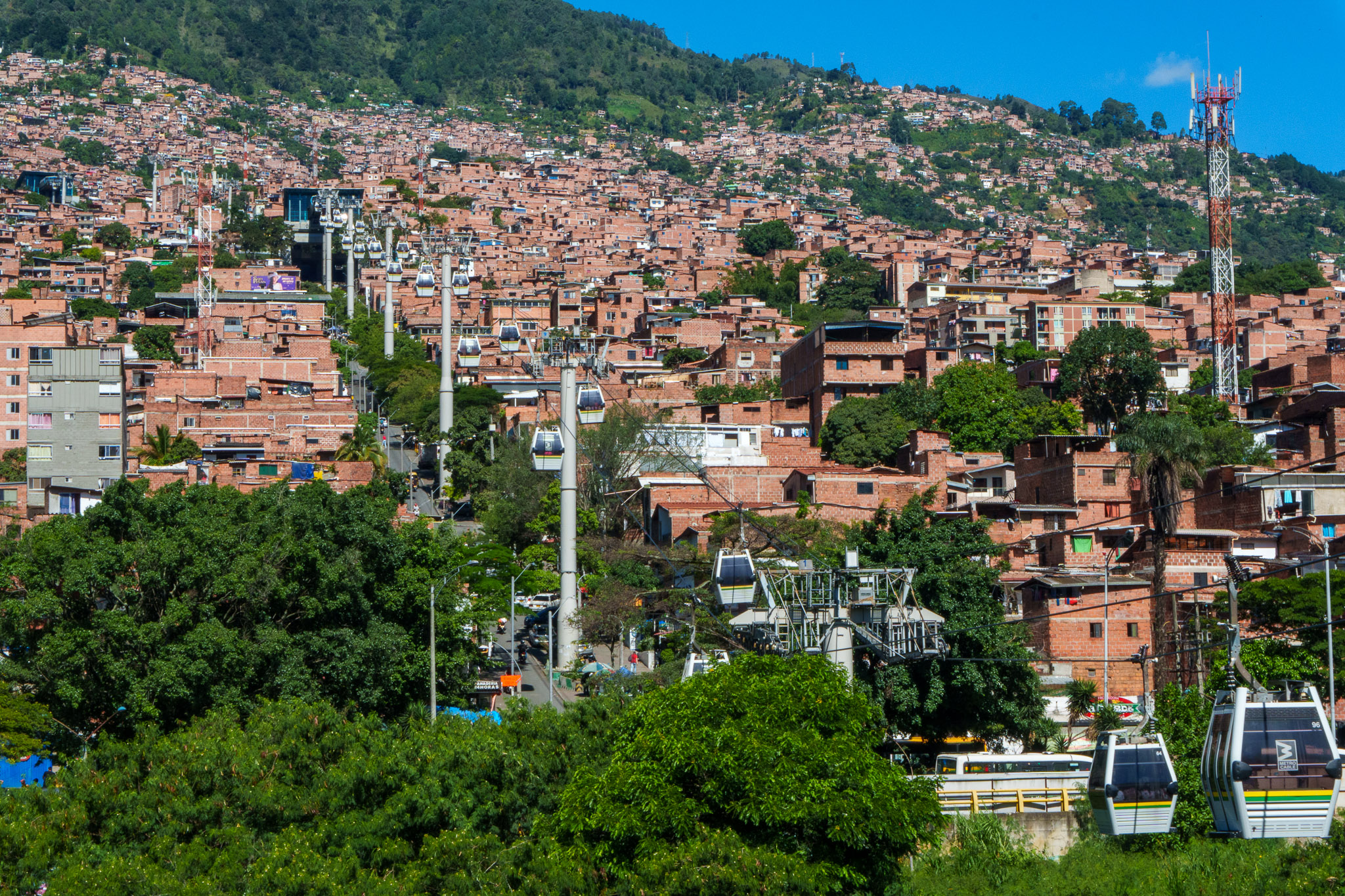
13. Medellin & Salento, Colombia
Medellín was once… well, you know.
I lived in this city for a few months, and I must say, I was impressed by everything.
The vibe in some districts (like in ’El Poblado’ or Estadio with the “Calle 70”) is exactly the type of atmosphere you imagine when thinking of Latin parties.
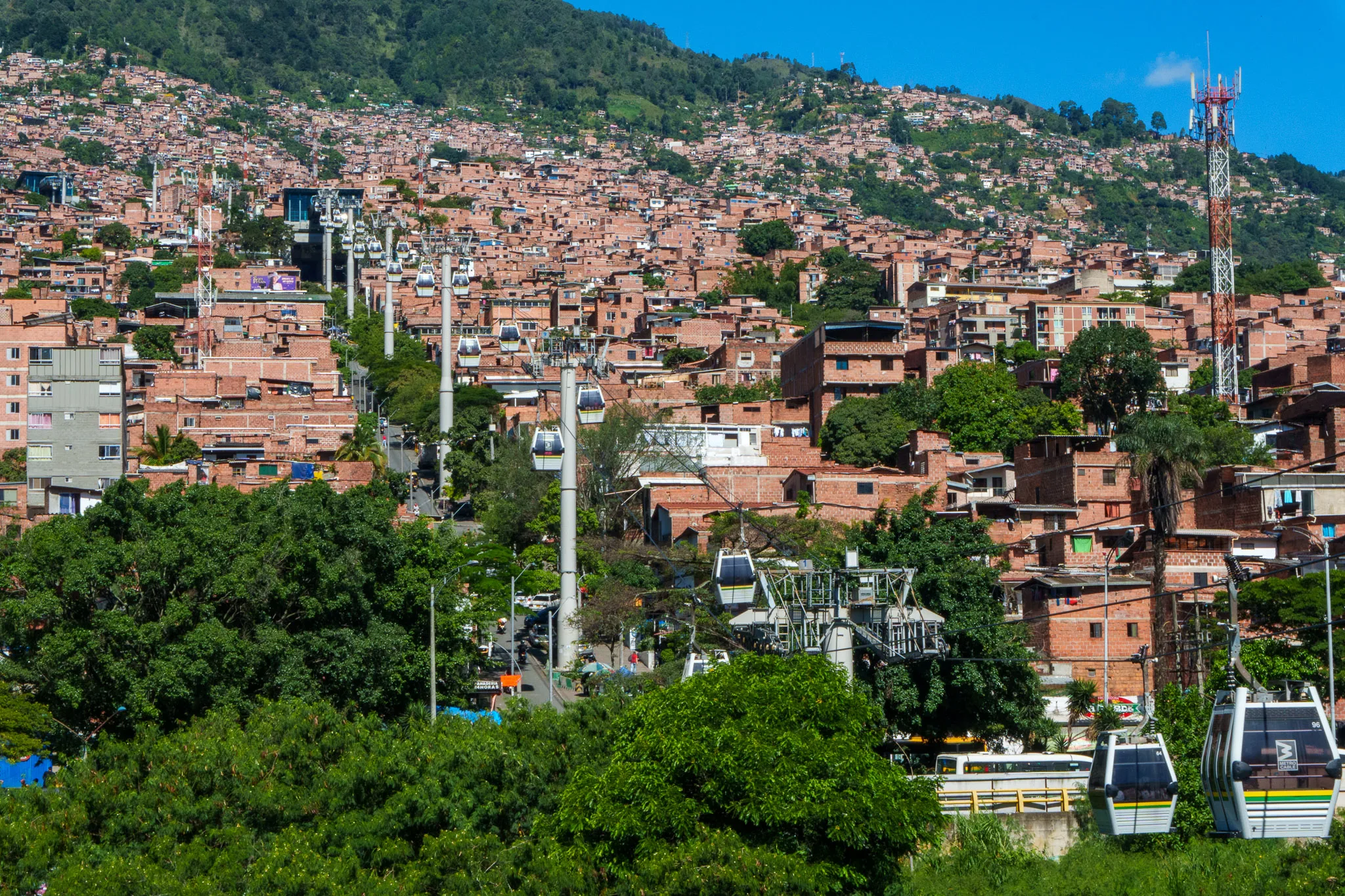
Discover the city with a walking tour in the city center, or a guided tour in Comuna 13 street art.
With both tours, you learn a lot about the history of Medellín and how it is now.
Medellín is one of the cheapest modern cities to visit in South America.
Also, many activities and small towns exist around Medellín that you have to explore! Guatapé, Santa Fé de Antioquia, and Barbosa are some cool pueblos to stop by.
One of them, a bit further, is worth visiting for a few days.
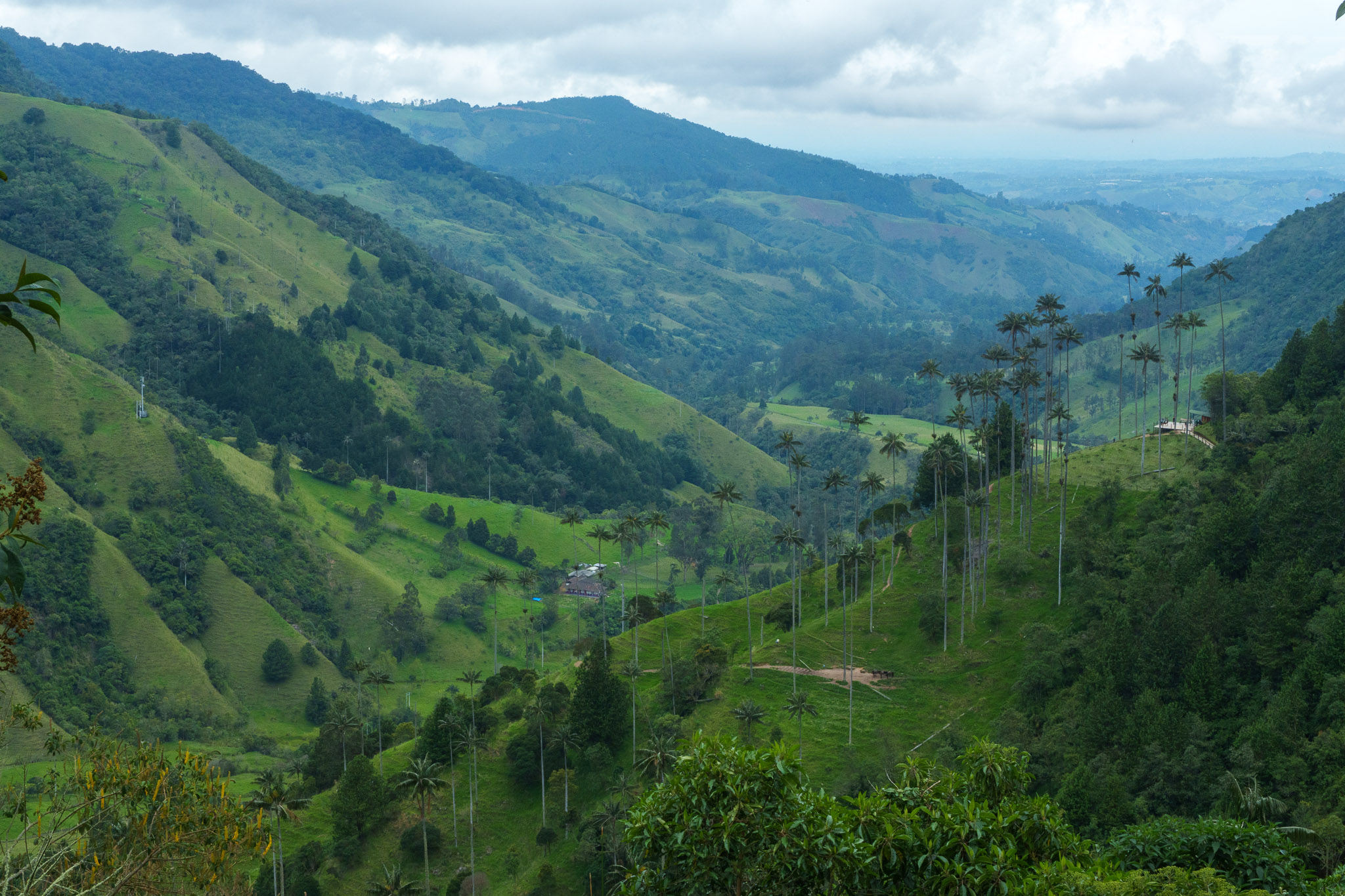
Salento is a coffee village—a really cute small city in the Colombian mountains with fresh weather.
Here you can visit coffee tours, learn the process, and drink reeeaaally good coffee.
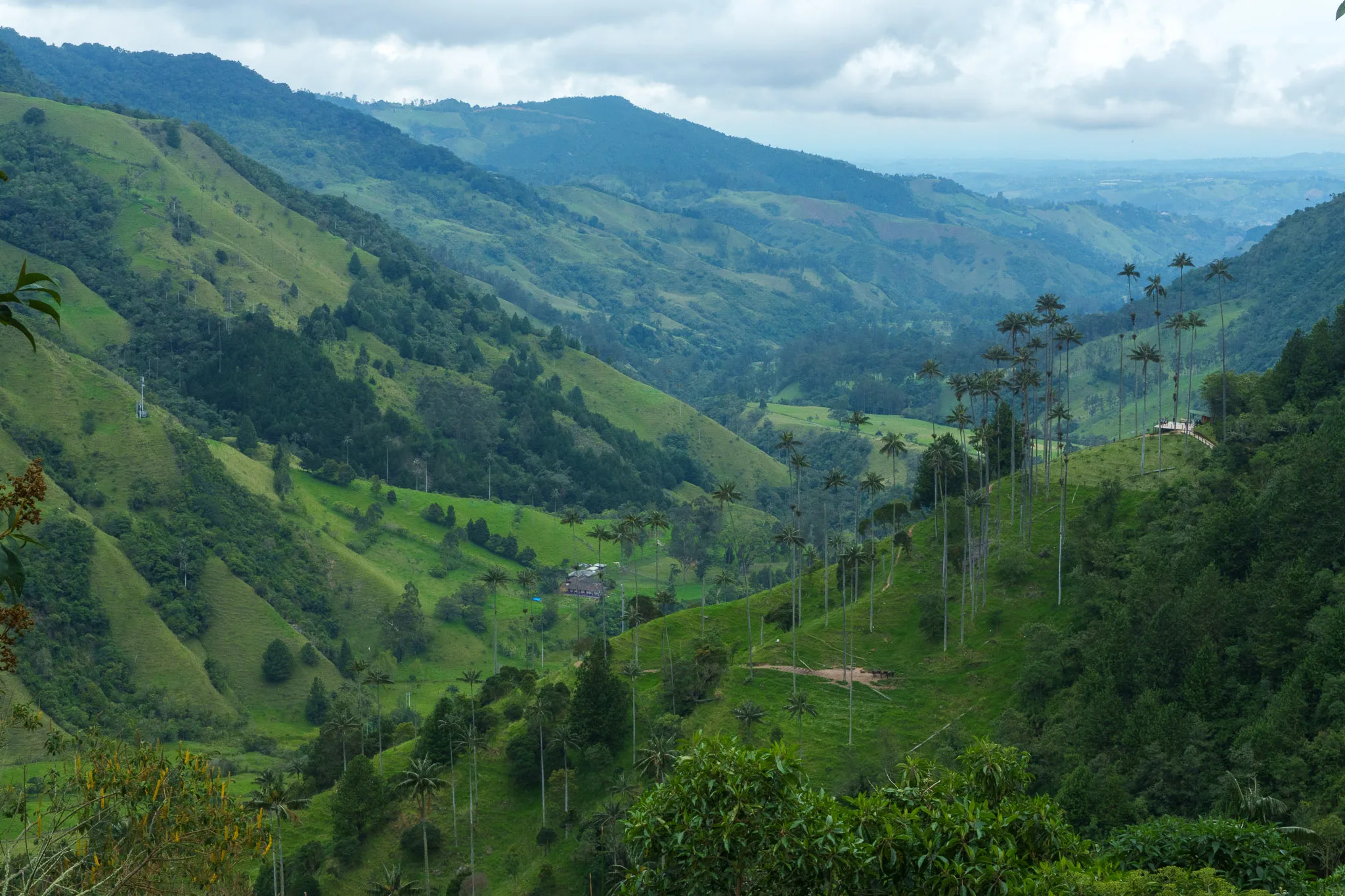
Nearby Salento is the Valle del Cocora, an amazing valley with palm trees all around the mountains. These palms are very special—they are super tall, like 60 meters tall!
I recommend spending 5 days in Salento to do the tours, hikes, and relax. You’ll spend around $100.
This area is a fantastic example of affordable and rich cultural experiences among the cheapest places to travel in South America.

14. Atacama Desert, Chile
The Atacama is one of Earth's driest places, offering alien landscapes, salt flats, and otherworldly rock formations.
It’s becoming an increasingly popular destination, much like Uyuni in Bolivia, for a 2–3 day road trip to explore this desert.
While you stay in the same region, you can see such different landscapes that seem unreal.
To be honest, if you do the Salar de Uyuni 3-day adventure, this one will feel very similar.
Both are nearby if you look on Google Maps.
But one thing that is unique here is that tours offer stargazing experiences to see the Milky Way, which you don’t get with the Uyuni tour.
For a 3-day tour in the Atacama Desert, departing from San Pedro de Atacama, you can find tours for around $250.

15. Quito, Cotopaxi & Baños, Ecuador
Ecuador’s compact size means you can visit distinct environments in one trip.
Start in Quito, the capital of Ecuador.
Here, you can take walking tours, explore the colonial center, and also ride the cable car for an amazing view over the city.
Cotopaxi is a very beautiful national park near Quito. You can do a day trip from Quito to visit the volcano and the park.
If you’re more adventurous, you can even climb the volcano.
When I was there a few years ago, it was unfortunately closed. It looks like it has reopened, but it is considered an active volcano.
That adds to the adrenaline since it can erupt at any moment! 😄
After all that effort to climb (or just pass by) Cotopaxi, head to Baños to relax in the hot springs.
It’s a small city in the Ecuadorian Andean mountains with fresh weather, perfect for enjoying the thermal baths.
There is also an amazing downhill road to bike (you can rent bikes in Baños). You can ride up to “El Pailón del Diablo”, an incredible waterfall.
This region is ideal for travelers looking for affordable places to visit in South America with a mix of adventure, nature, and relaxation.
16. Huacachina, Paracas & Nazca, Peru
When we think of Peru, we usually imagine mountains, Machu Picchu, etc., but the coastline region is quite different.
There are three cities or villages near the coast worth visiting: Paracas with its sea lions, Huacachina and its dunes, and Nazca with its “Lines”.
Paracas is a small fishing village slowly transforming itself to welcome tourists and wealthy locals who come for their second residences.
There is always wind there, making it an excellent spot for kitesurfing.
However, Paracas is more famous for its National Reserve and the “Islas Ballestas”.
These islands can be visited on a boat tour where you can spot many birds and, quite impressively, penguins and sea lions.
Seeing these for the first time was quite cool!
You can also visit part of the national reserve on your own by renting a scooter (like I did, and it was perfect) or join a group tour.
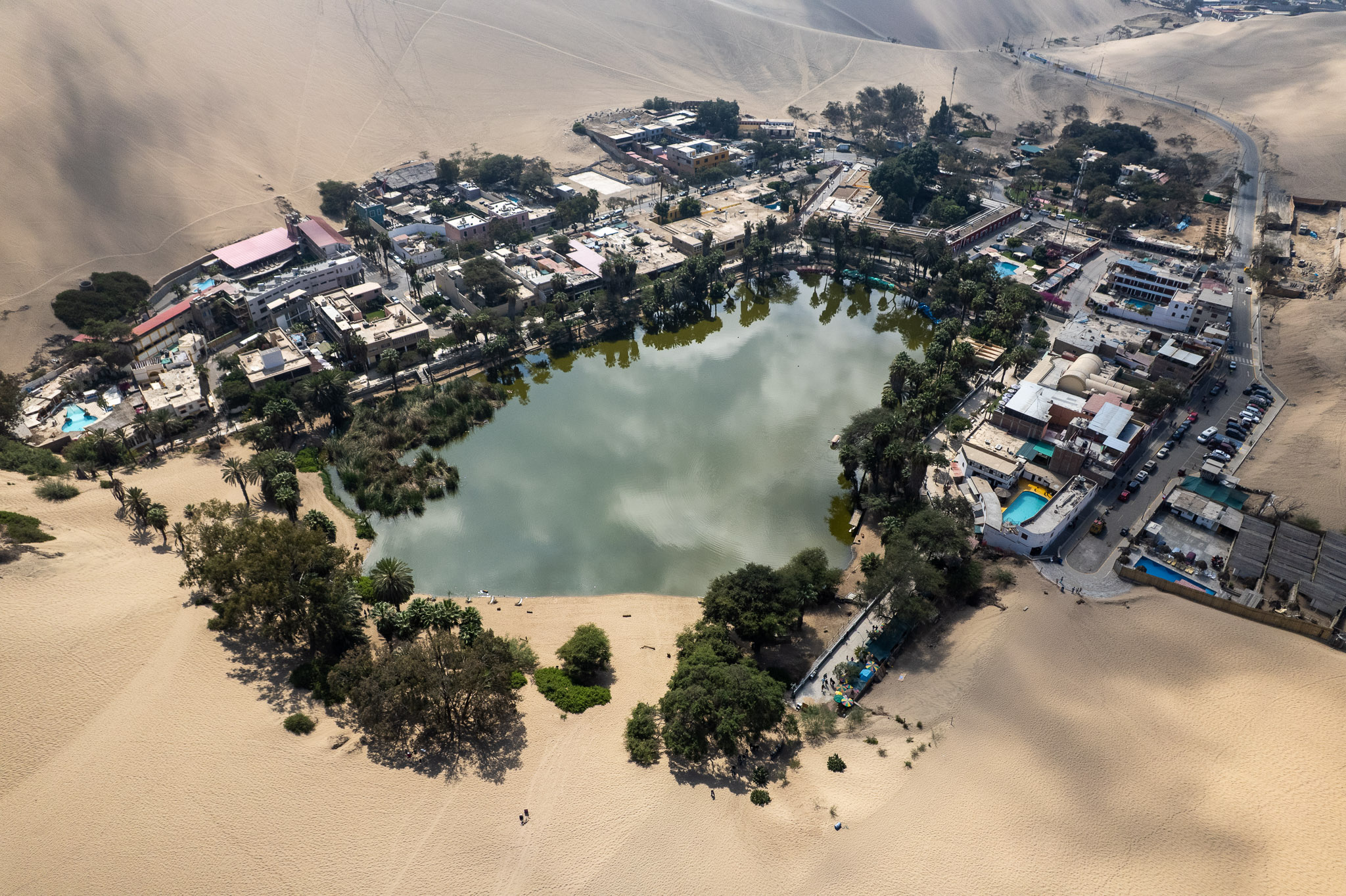
The second spot is Huacachina, a very cute oasis village surrounded by HUGE dunes.
Here, you’ll feel like you’re in another world.
You can climb the dunes and watch the sunset, take buggy tours, and enjoy many other activities.
The third city, Nazca, is quite famous. But if you haven’t heard of it, listen closely.
Around this city, there is an archaeological site covering thousands of square kilometers, consist of big lines drawn on the ground.
The archeological lines represent humans, animals, and symbols.
But you can’t really see them easily from the ground.
You have to fly to really see the lines and their shapes.
This is incredible! I did it and it’s really worth it (the 30-minute flight costs around $80).
In total, for this 10-day trip along the coast, you can budget around $350—and you’ll have plenty of stories to tell!


17 . Lima & Huanchaco, Peru
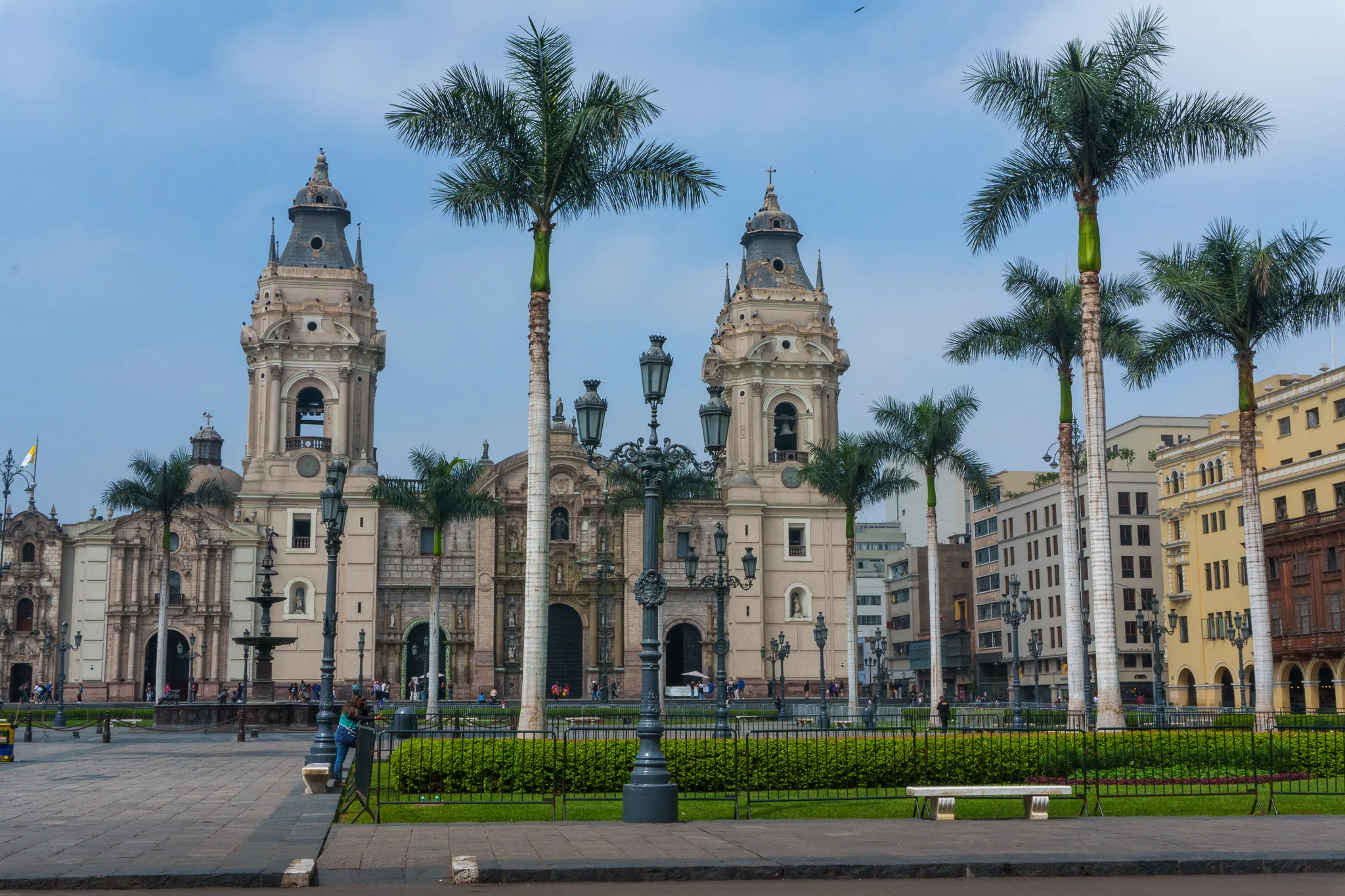
Continuing along the coastline of Peru, we have to mention Lima and Huanchaco.
I was very surprised by Lima, to be honest—I didn’t know much about the city beforehand.
It’s a very large city with plenty of things to do, including walking tours, museums, archaeological sites, and surfing.
But if you’re really into surfing, you should head up north to Huanchaco.
Huanchaco is a famous surfing destination where the sea is warmer and the vibe is really chill.
The very funny thing about Huanchaco is that some locals surf with the “caballitos”, a board made of the totora plant (the same found on the floating islands of Lake Titicaca).
That’s definitely something to try!
Lima and Huanchaco offer great experiences for budget travelers seeking cheap places to travel in South America, especially those interested in surfing and local culture.

18. Paramaribo, Suriname
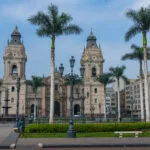
Paramaribo is one of the cheapest places to travel in South America, offering a fascinating blend of Dutch colonial architecture, Caribbean culture, and jungle proximity.
The city is rich in culinary experiences.
Visit the central market to try local dishes, explore the craft market, and join a walking tour to learn about the city’s history.
Due to its proximity to Brazil, some districts have Brazilian communities, leading to big parties at night.
Once you’re done with Paramaribo, head out for an adventure in the jungle.
I can’t suggest an exact route, as there are many options. But here’s Water Proof Suriname, they offer a wide range.
Overall, you’ll see amazing wildlife like the pink dolphin, meet locals living alongside the river, and experience their daily life.
A 4-day tour costs around $350, and from what I’ve heard, it’s quite worth it.
Are you ready to travel in South America ?
Each destination delivers distinct experiences.
I agree, it’s still a budget to consider. But hear me out: from the experiences you’ll live, these are truly cheap places to travel in South America.
You’ll have adventures you’ll remember for a lifetime. The hardest choice is deciding which destination to explore first.
I hope this list opens your mind to traveling more in South America.
This is not an exhaustive list, I’m sure there are plenty of other affordable adventures to discover on this vast continent.
South America is huge, and there are so many opportunities for budget-friendly travel.
Freebie For You !
Thanks for sticking around until the end — that really means a lot. To show my appreciation, I’ve prepared something special for you: a Travel Guide 101 packed with my favorite tips, useful websites, and practical info to help you plan your next adventure.