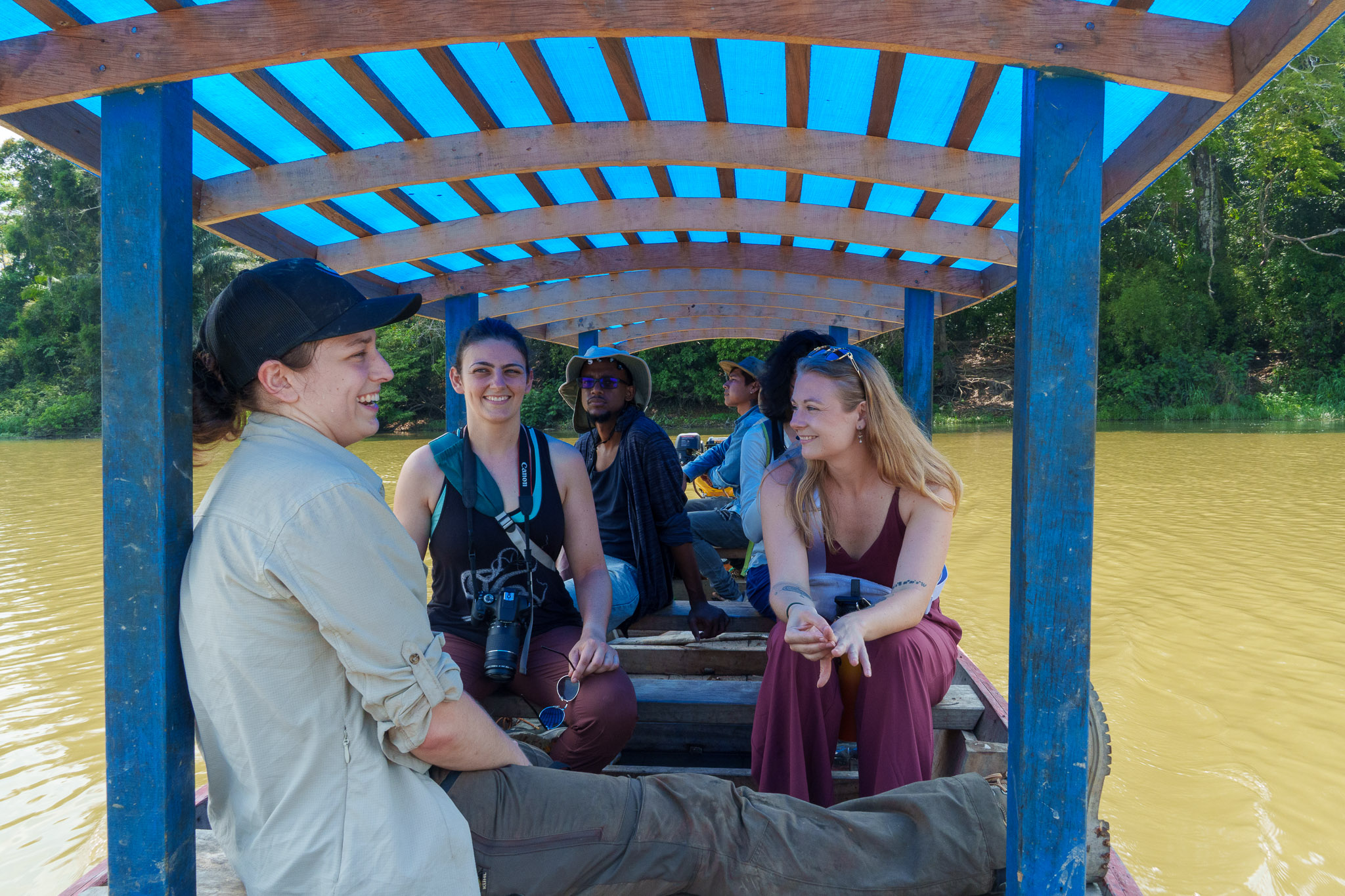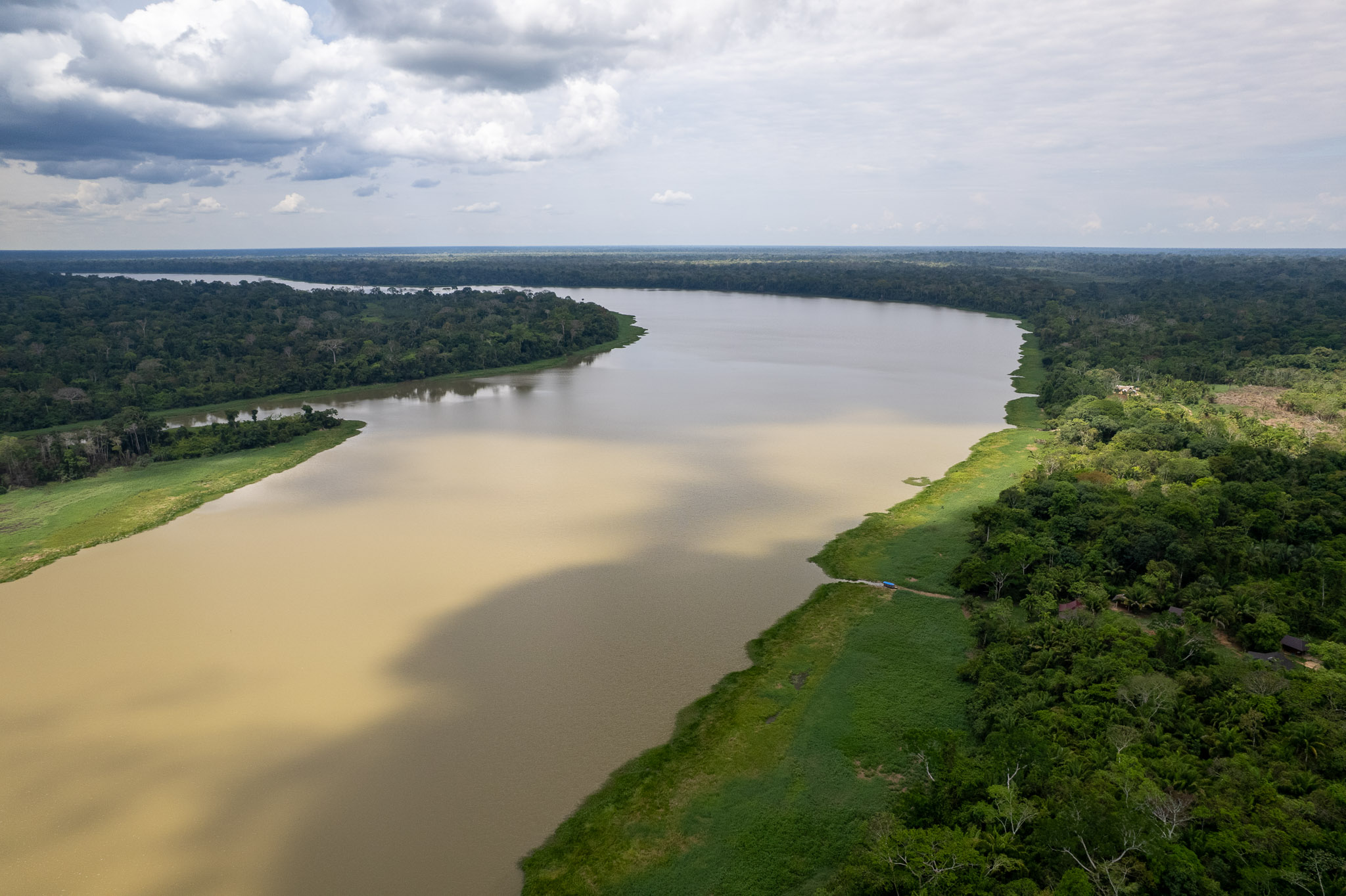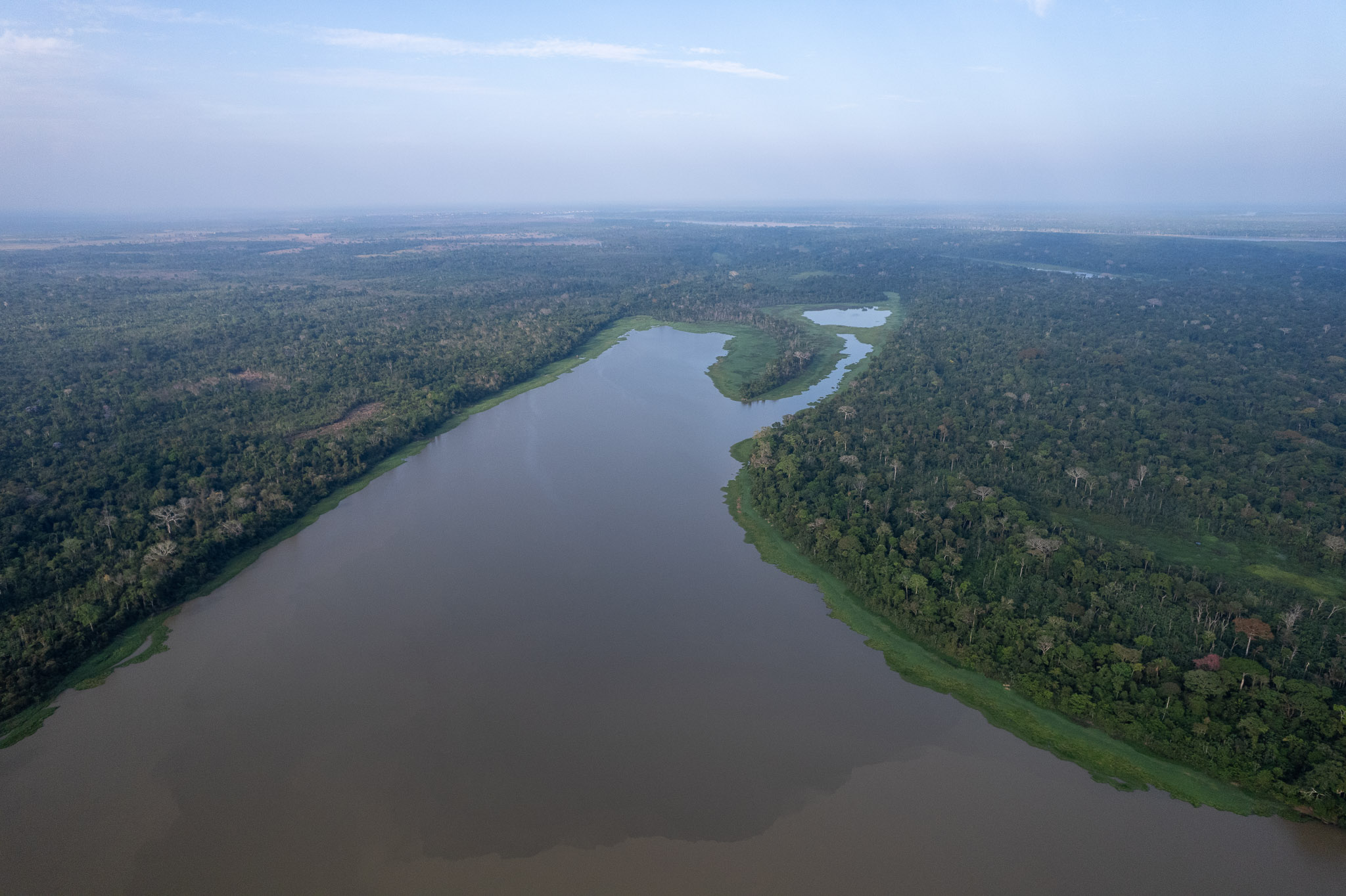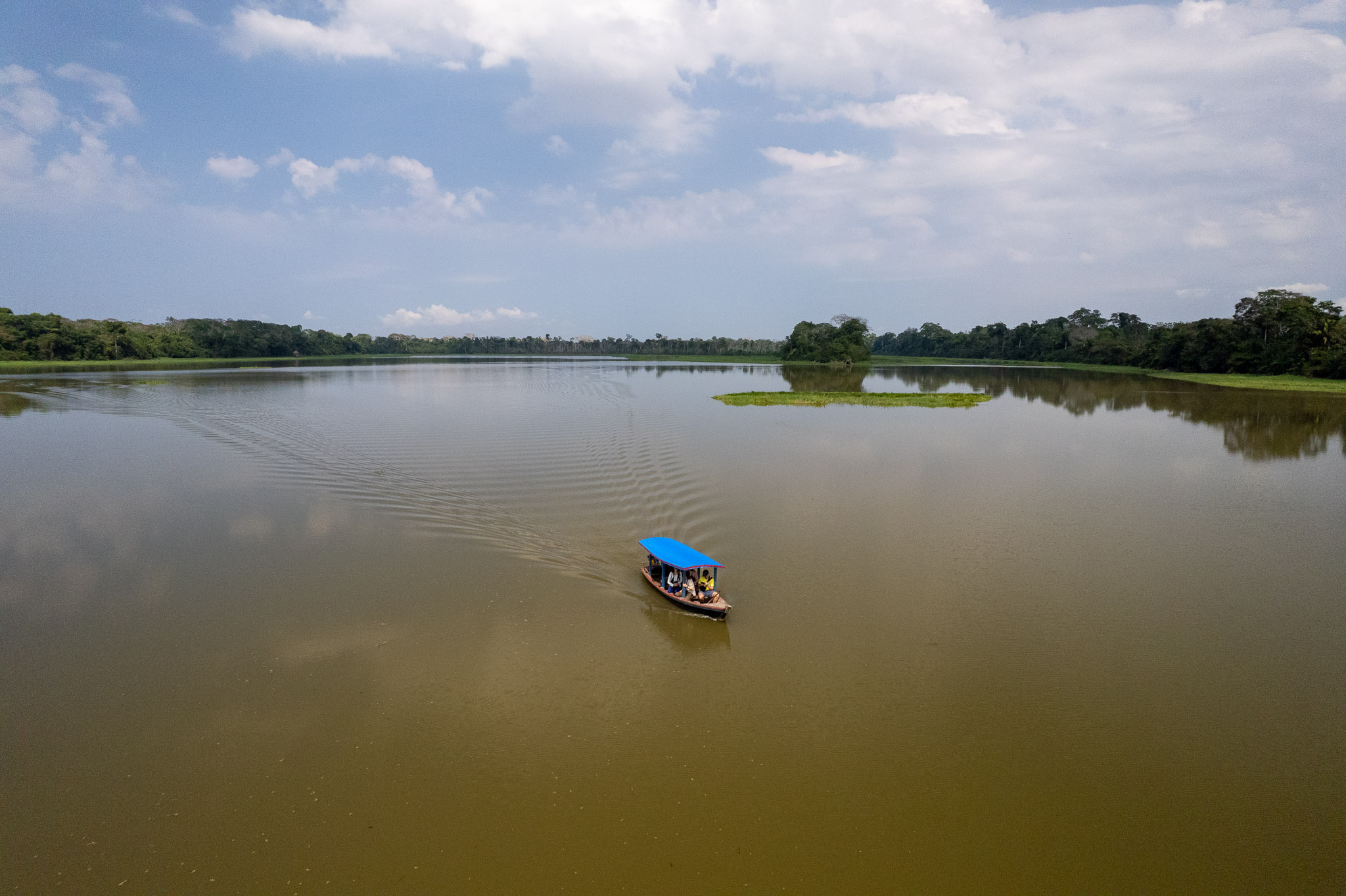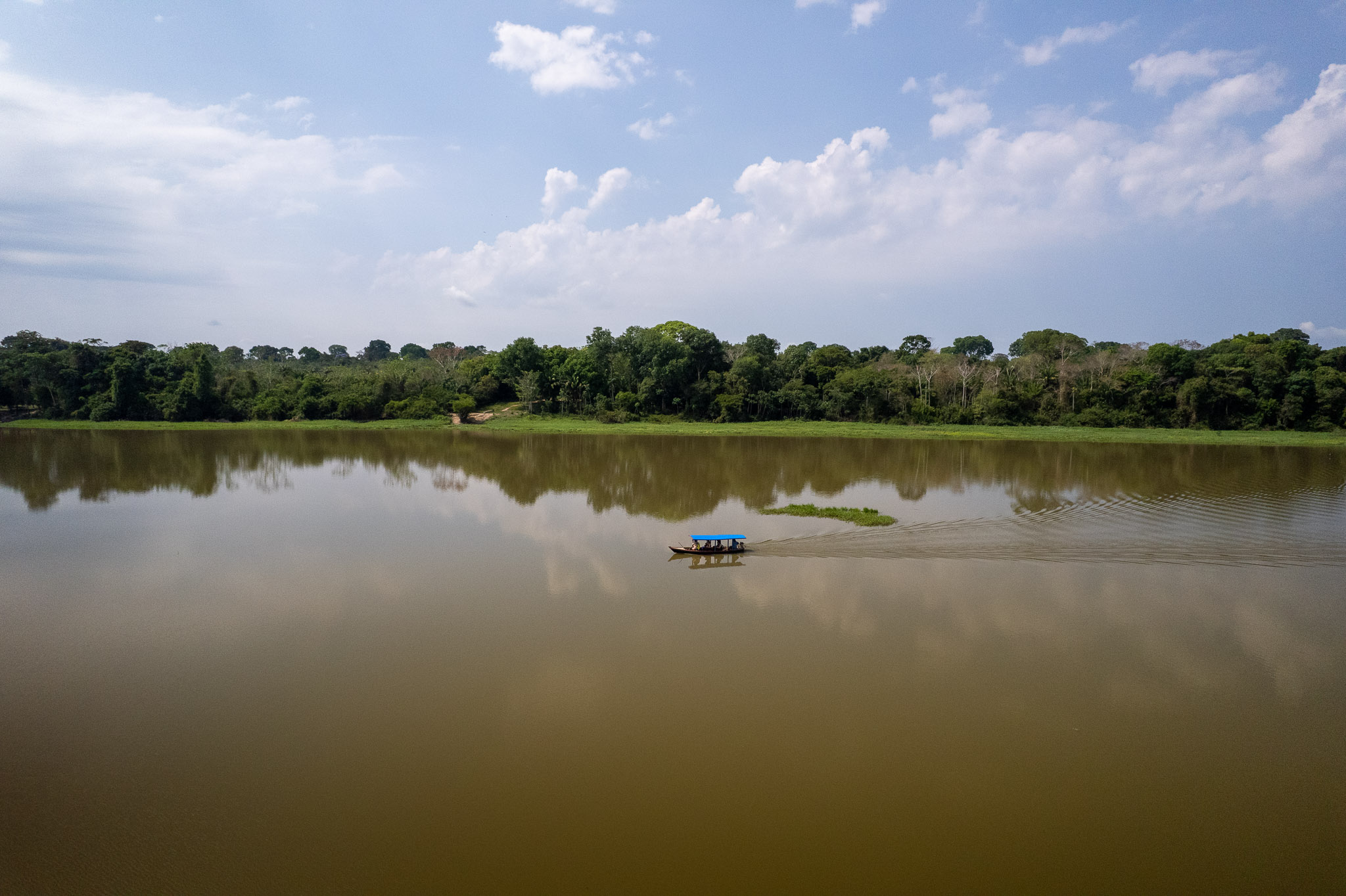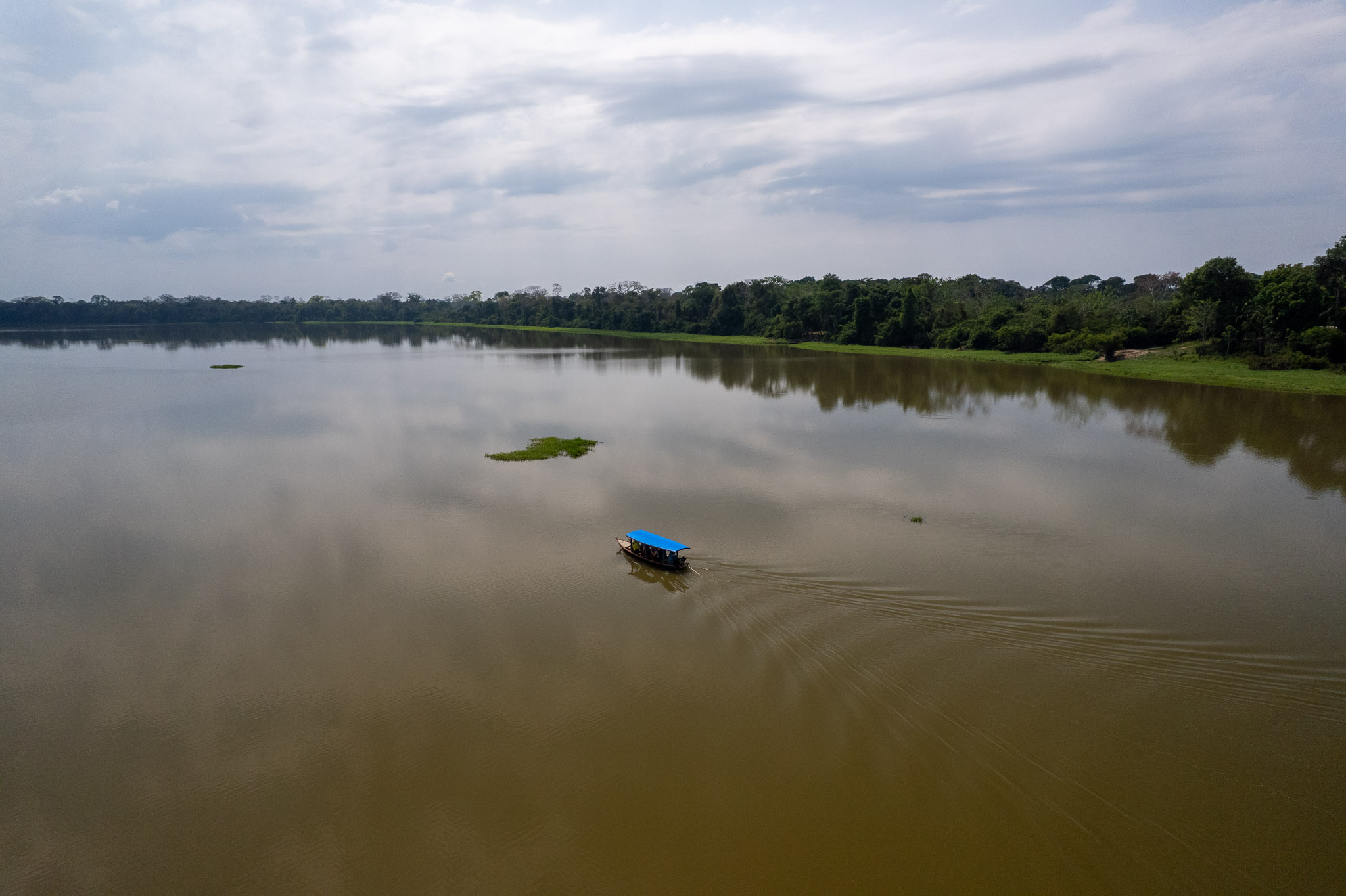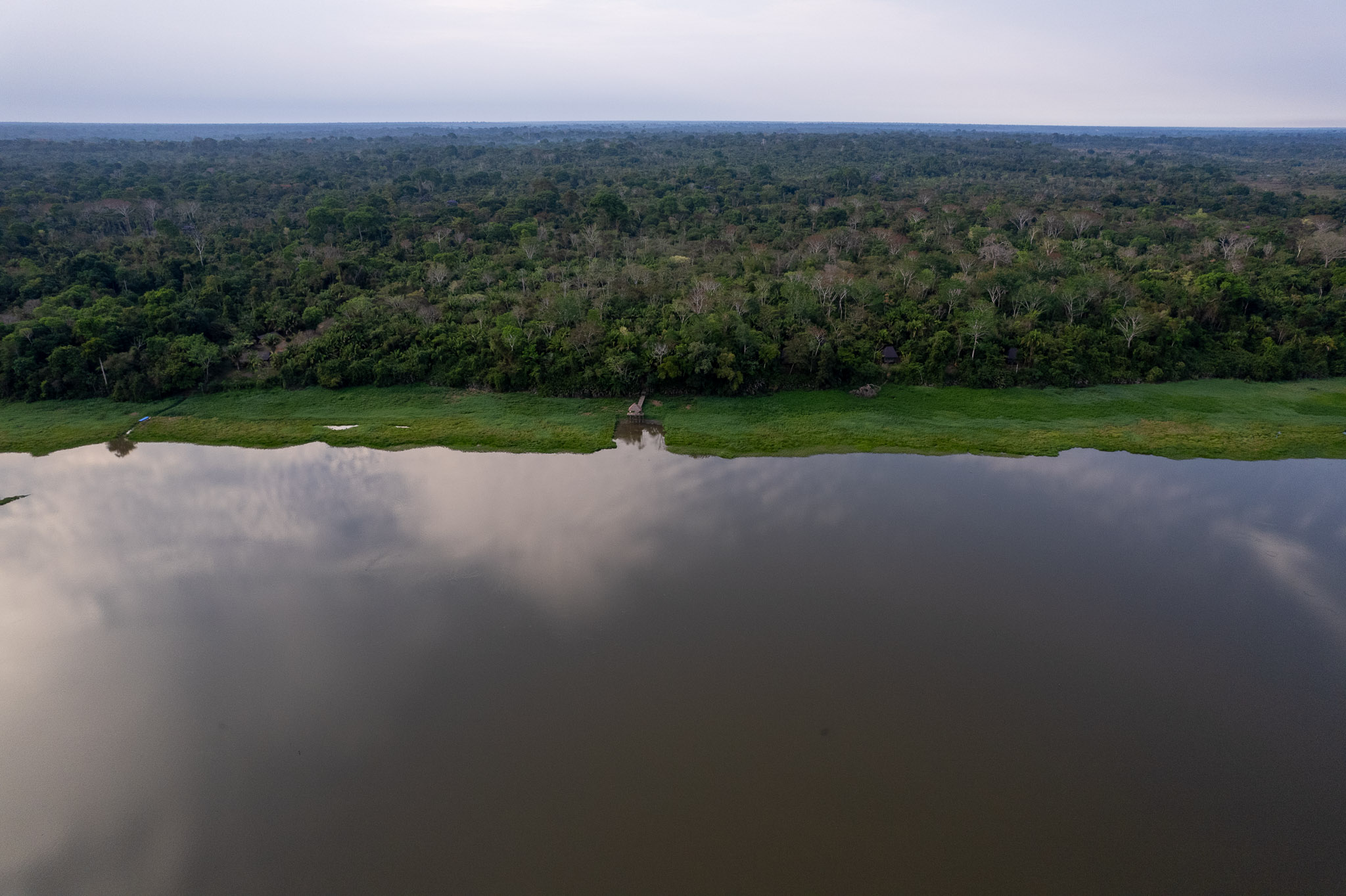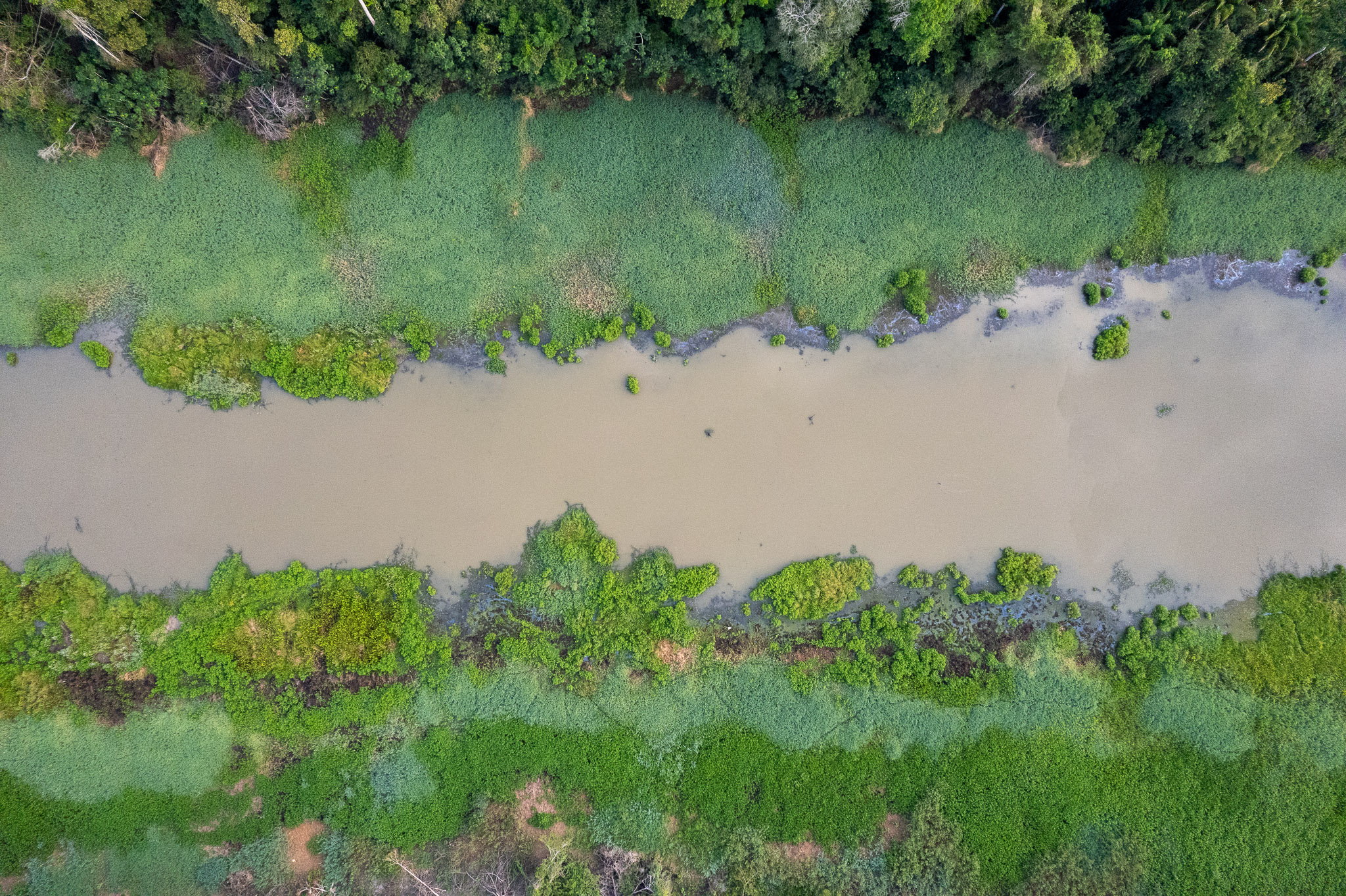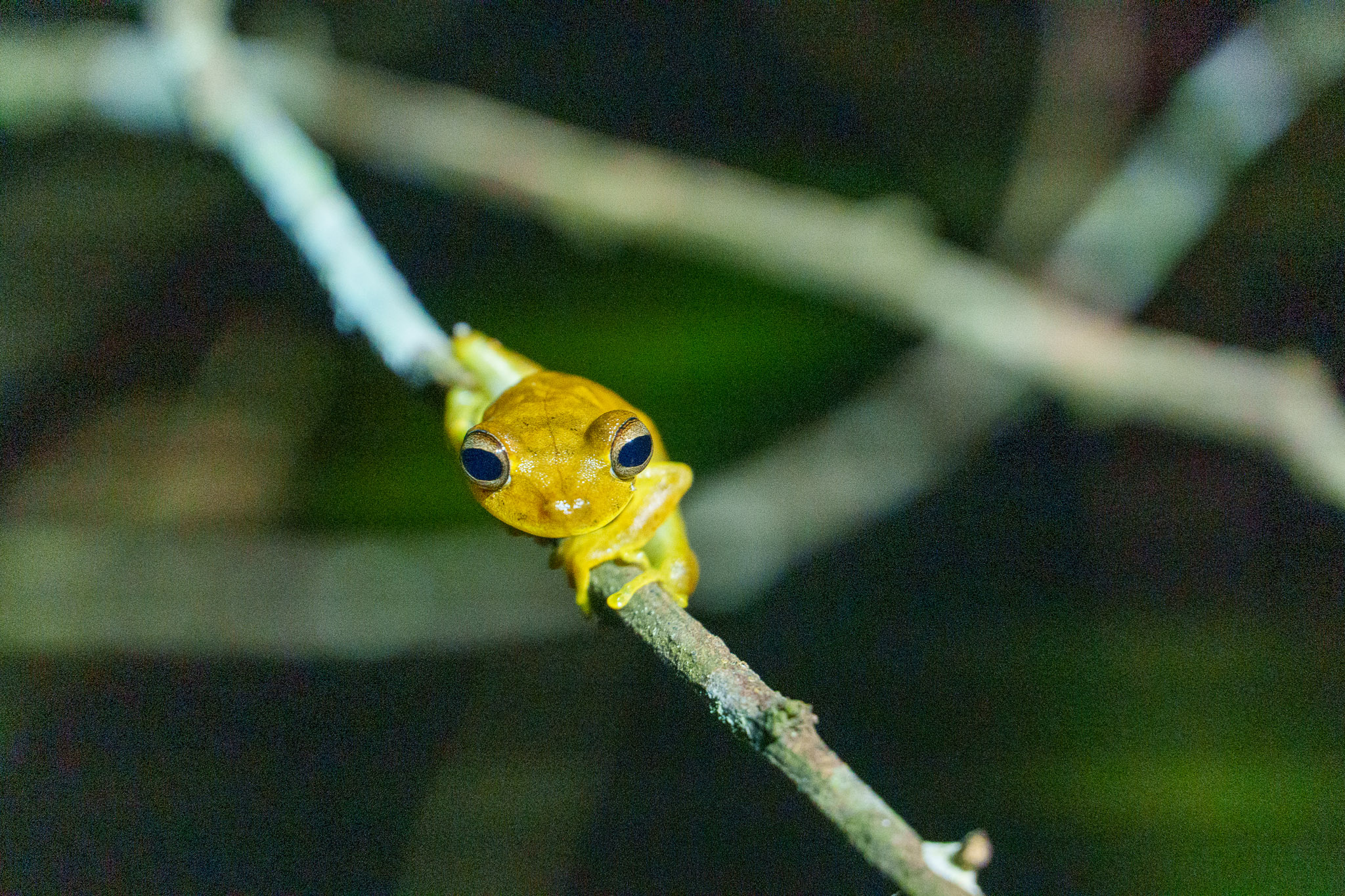
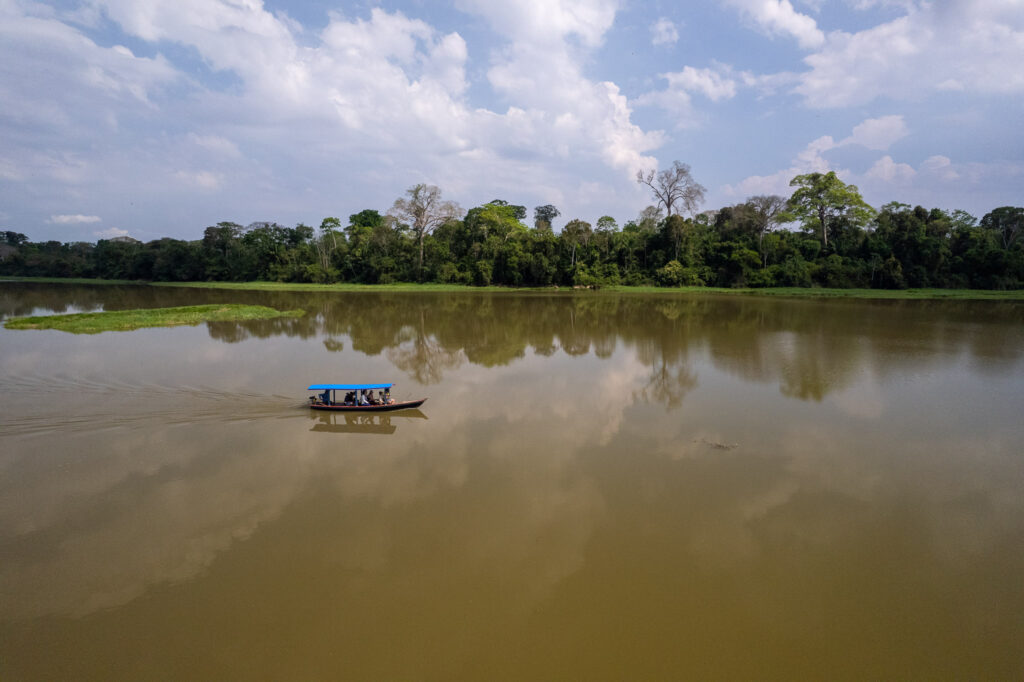

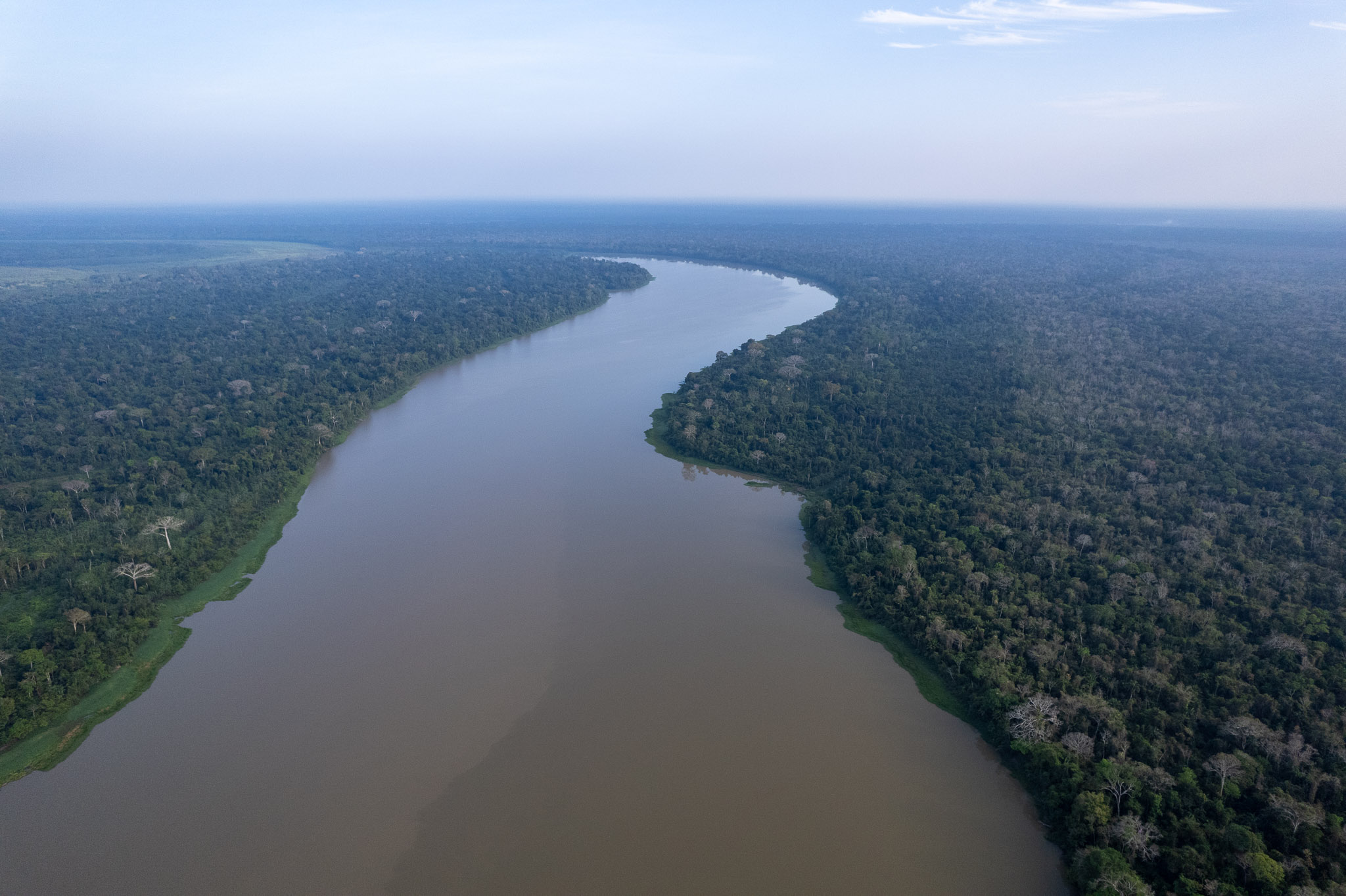
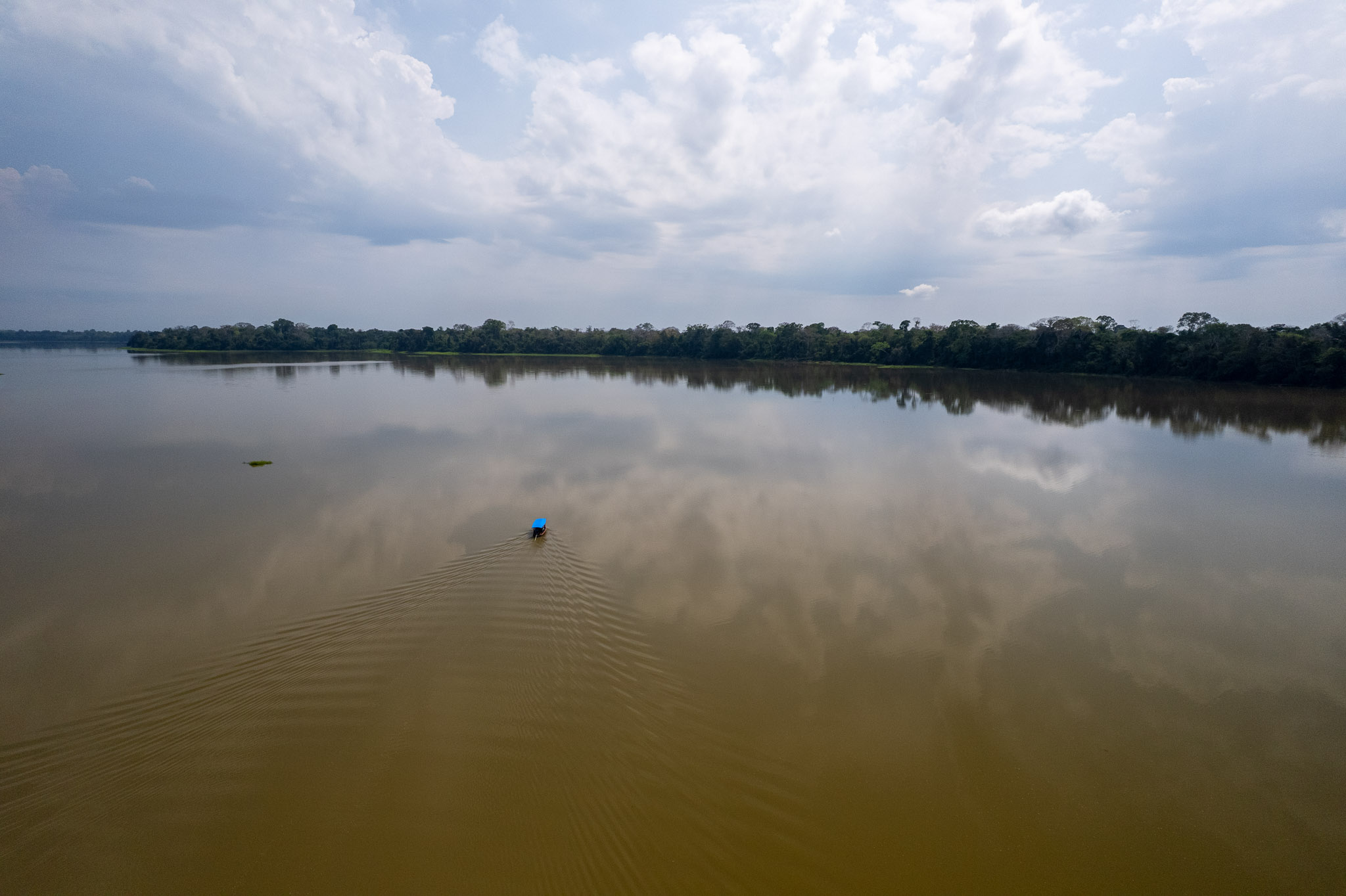
Sustainable bolivia boat and researchers cruising on the san jose lake in Bolivia. we can see the amazon jungle in the background.

Volunteering in South America: A Life-Changing Guide

This post is also available in :

Volunteering in Bolivia opens the door to immersive travel, real connections, and meaningful support for local communities. This post helps you understand what volunteering is all about, walks you through my one-month experience with Sustainable Bolivia, and gives practical advice for anyone curious about volunteering in South America.
Many travelers worry that volunteering in South America might feel unsafe or too unfamiliar. But that’s not true—volunteering here is safe, and lots of backpackers go for it because of its amazing benefits.
If you’ve ever thought about volunteering in Latin America but felt unsure, this guide breaks it all down—from daily life to cultural insights. These firsthand experiences will help you plan your own adventure without feeling lost or overwhelmed.

Table of Contents

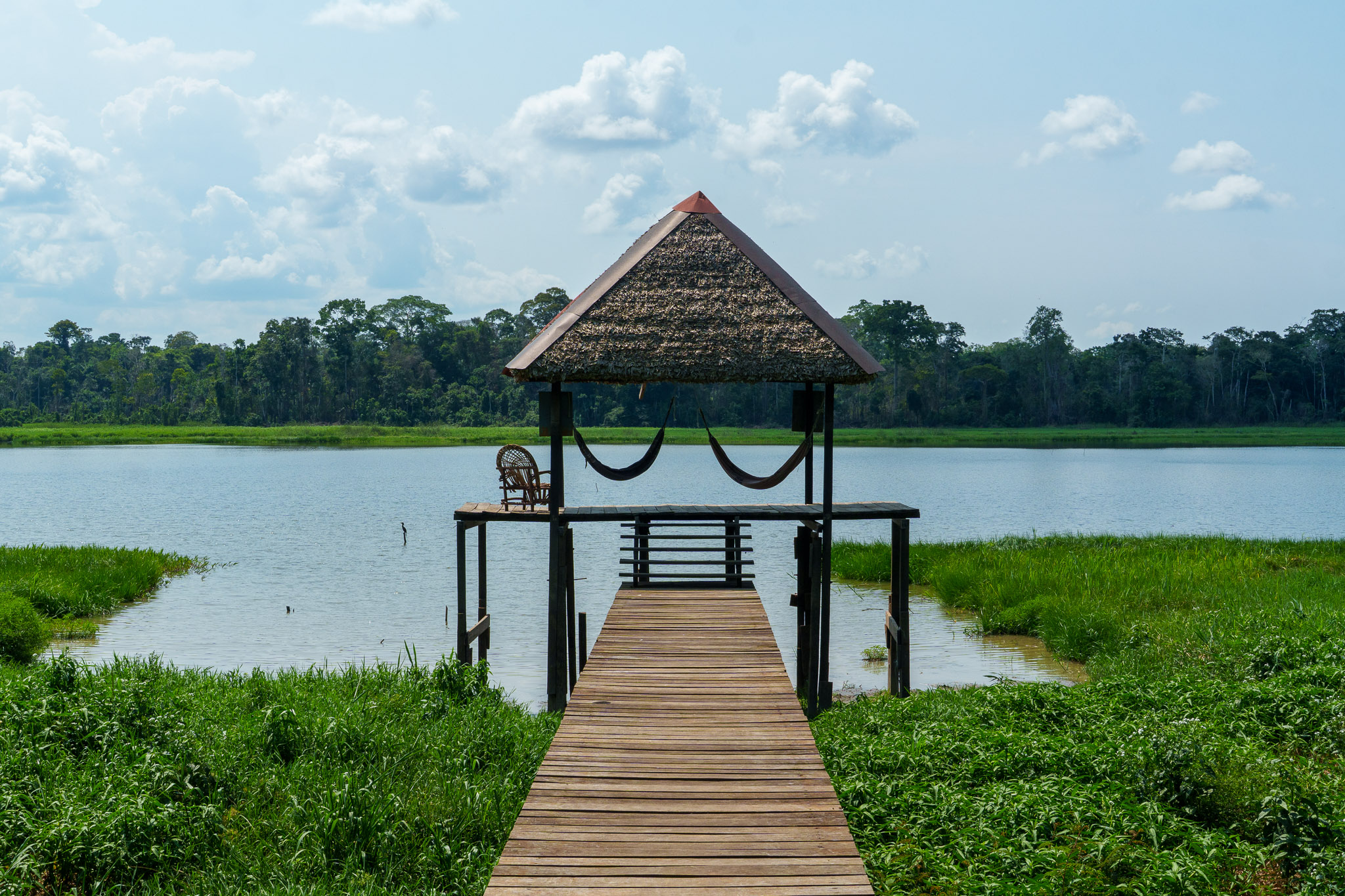
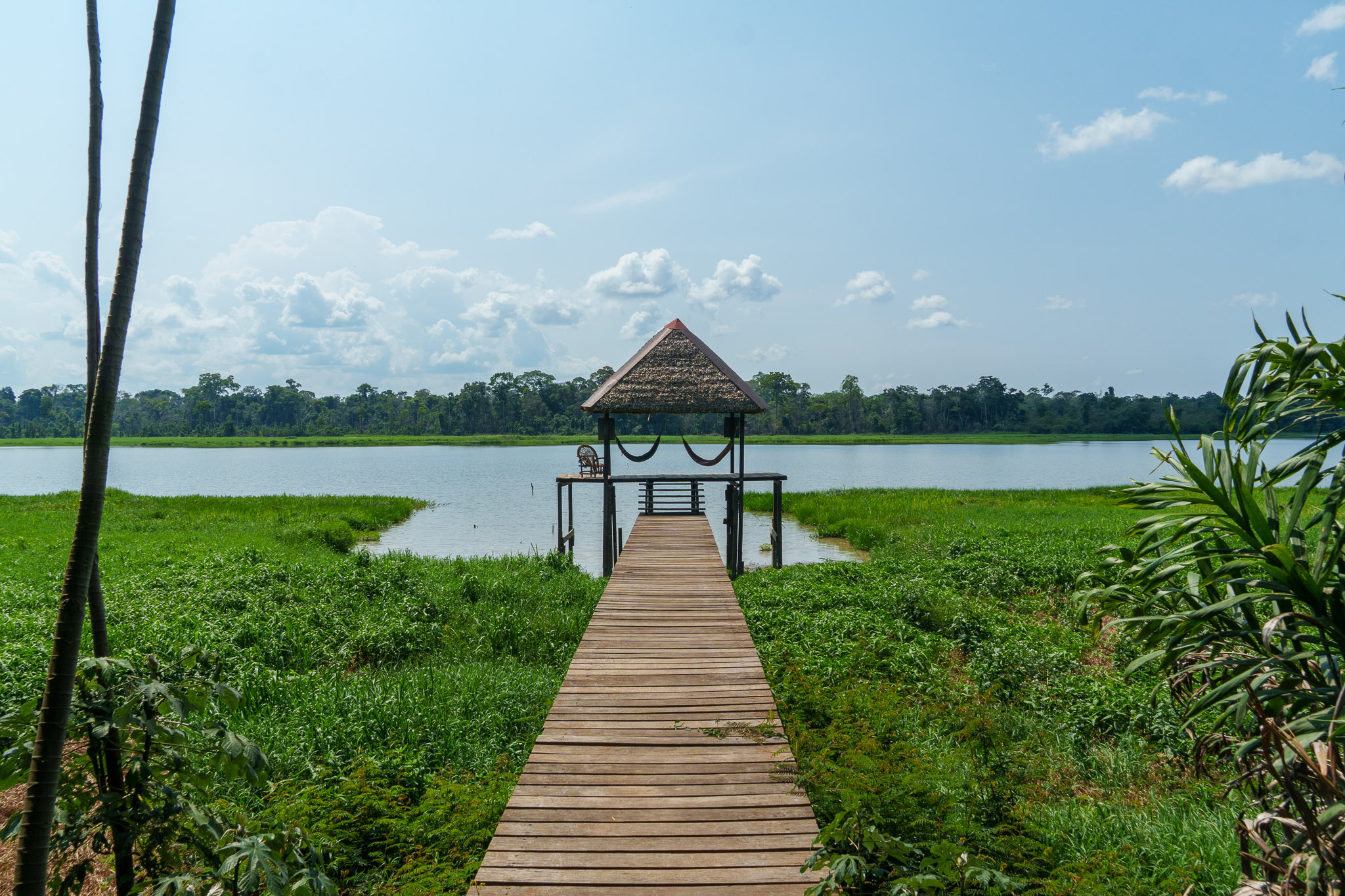
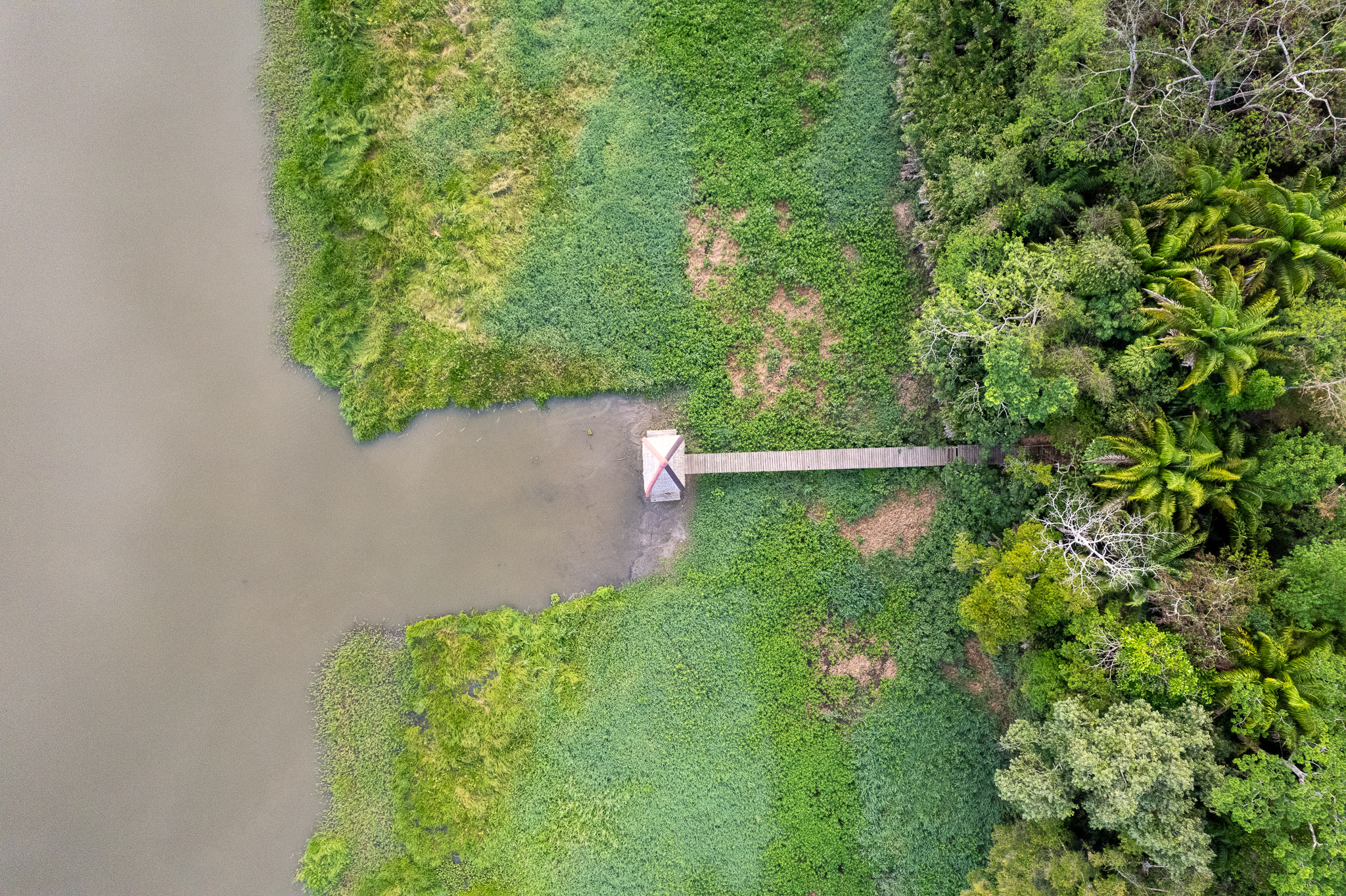
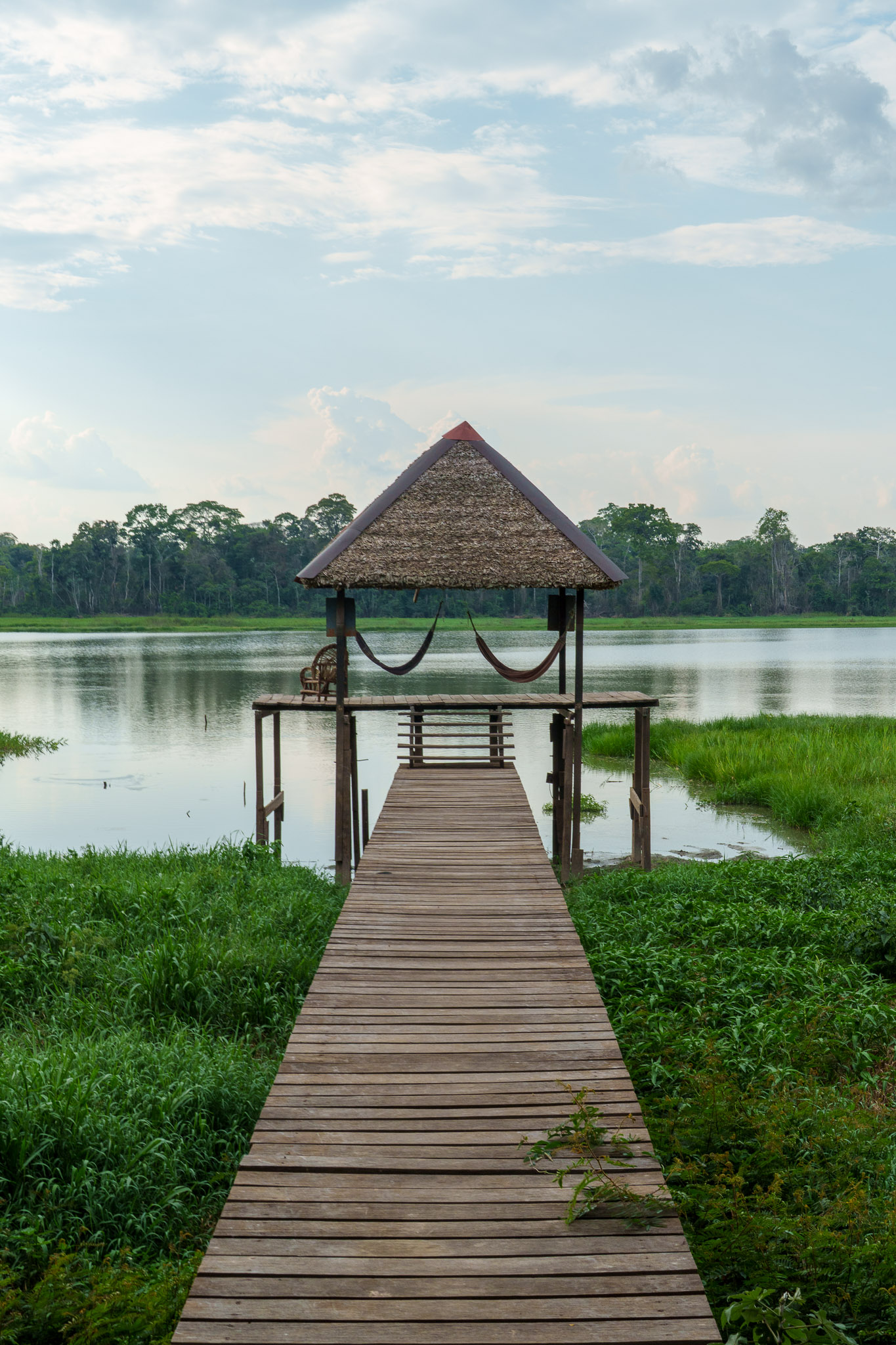
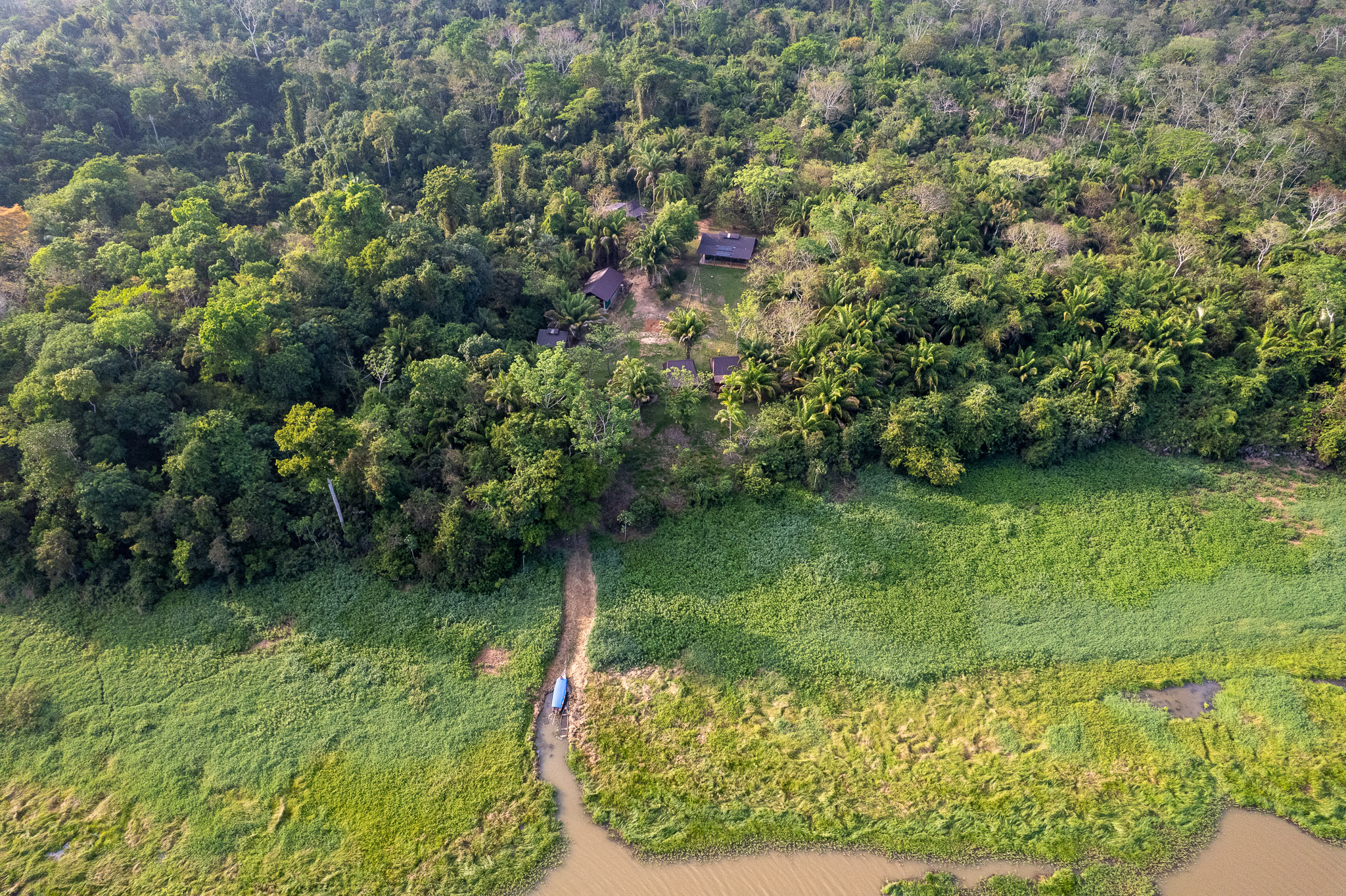
pontoon at sustainalbe bolivia site facing the san jose lake, surrounded by the amazon rainforest in Bolivia.

The Essentials

  • Volunteering in South America, especially Bolivia, offers immersive experiences that connect you deeply with local communities and nature.
  • Direct involvement and proactive communication with organizations can help tailor your volunteering experience, making it more rewarding and impactful.
  • Preparing for volunteering involves packing wisely for jungle life, being mindful of health precautions like vaccines and malaria prophylaxis, and setting realistic expectations for local facilities and pace of life.
  • Volunteering is about personal growth and transformation—building patience, gaining new perspectives, and forming meaningful bonds with locals and other volunteers.
  • Daily life in the Amazon involves early mornings, embracing the heat and humidity, shared meals, and a strong sense of community with fellow volunteers.

What Is Volunteering?
Volunteering is basically trading your time and skills to support a project or community. You usually get a place to stay (a shared room or dorm), three meals a day, and sometimes a few extras depending on the project. It’s not like a regular job where you’re paid—it's more about giving your time and getting something meaningful back.
For travelers, it’s a great way to dive into the local culture, meet people, and learn along the way. You’ll pick up new skills, share your own, and make real connections with locals—way more rewarding than just passing through as a tourist.

Woofing vs Volunteering

You’ve probably heard about Woofing—it’s pretty similar. Woofing usually means working on organic farms in exchange for room and board. The main difference is that Woofing stays focused on farm work, while volunteering can cover all kinds of projects like teaching, conservation, or community support.
So, if you’re thinking about the kind of experience you want on your trip, it’s good to know the vibe difference between Woofing and volunteering.

When you travel abroad, your phone current plan often doesn’t include internet. Buying a local SIM card can be expensive and takes time at the store. With Yesim, you can purchase an eSIM in advance (just make sure your phone supports it) and get connected instantly upon arrival. That way, you can book your Uber straight from the airport instead of paying for an overpriced taxi.

When you travel abroad, your phone current plan often doesn’t include internet. Buying a local SIM card can be expensive and takes time at the store. With Yesim, you can purchase an eSIM in advance (just make sure your phone supports it) and get connected instantly upon arrival. That way, you can book your Uber straight from the airport instead of paying for an overpriced taxi.

Where to Find Volunteering Opportunities

It’s tough to find volunteering opportunities just by searching on your own—most projects don’t really stand out online.

Here are some popular platforms that bring together a wide range of offers in one place:

Just keep in mind that these platforms often charge fees to both volunteers and organizations since they act as middlemen. A smart move is to find a project you like on one of these sites, then look up the organization directly and contact them. That way, you might save some money by skipping the platform fees.

What Types of Volunteering Exist?

There are many types of volunteering, each offering different experiences depending on where you go and what kind of work you want to do. Whether you prefer city life or the countryside, there’s something for everyone. This list isn’t exhaustive, but it covers the most common kinds of volunteering you’ll find:

Volunteering in Cities

  • Work with hostels and restaurants to help with daily operations.
  • Join urban NGOs and social projects making a local impact, like after-school teaching or health support.
  • Meet other travelers while volunteering in a structured environment.

Volunteering in the Countryside

  • Help on organic farms through WWOOF programs.
  • Volunteer at wildlife rescue centers caring for animals.
  • Support rural schools and community development projects.
  • Get involved in conservation projects and experience life closer to nature.
Finding My Volunteering Gig in Bolivia

Without going too deep into my volunteering experience in Bolivia, I think sharing it can help you get a feel for what volunteering is really like. Even though each volunteering experience is unique, you’ll notice some common threads.
I searched through various platforms and explored different options. Many opportunities in Bolivia are with hippie communities, eco-retreats, and art hostels. Eventually, I found my perfect match—a videographer position with Sustainable Bolivia, an organization near Riberalta.
Riberalta is known as the “Capital of Amazonia” to Bolivians. This gig was perfect because I got to combine my love for the Amazon with my photography and videography skills, making it a unique and rewarding experience.

That’s something important to keep in mind when looking for a volunteer program—try to find something you're passionate about or really enjoy. You’ll be doing this for at least two weeks, maybe a month, or even up to six months or a year depending on the program.

Volunteering with Sustainable Bolivia for 1 Month

Sustainable Bolivia is an international nonprofit based in Riberalta. They’ve been around since 2007, working to protect and support the Bolivian Amazon in a sustainable way. Erik and Sasha are the founders of Sustainable Bolivia. Erik is from the US but has lived in Bolivia for almost two decades, and Sasha, his wife, is native to Bolivia. What a beautiful love story, right?
Their main focus is on conservation and sustainable development inside the Aquicuana Reserve, where they collaborate with local communities and run projects around education, ecotourism, and environmental research.

Volunteering with Sustainable Bolivia means joining a friendly, community-focused program that connects you with meaningful projects like education support, NGO assistance, and eco-friendly initiatives. It’s a great way to get involved while experiencing life in the Amazon.
Getting There: Practical Logistics

For the application process with Sustainable Bolivia, I contacted them through Volunteer World, expressed my interest, and after about a week of back-and-forth, I paid the fees and booked my flight. Many volunteer projects ask volunteers to cover some costs like food, electricity, and other basics.
Visa-wise, as a European passport holder, I got a 3-month visa for Bolivia. Some Americans volunteering with Sustainable Bolivia only received a 1-month visa, and they had to go to Riberalta to apply for an extension. It was a bit annoying but totally doable.

I was already in South America, actually in La Paz in Bolivia doing all the possible activity in the region. The national flight cost me about $120. Since I was already in the region, I didn’t include any long-haul flight costs here.

To prepare for this volunteering adventure on the other side of the world, here’s what you need to do:

  • Discuss the volunteering project with the organization before buying your flight.
  • Check your visa status.
  • Buy your flight ticket, and you’re ready to go!

If you plan to visit that country, especially during high season, don’t wait too long—prices can rise quickly. Trip.com is the perfect place to compare flights, hotels, car rentals, and even book activities. Everything you need, all in one place!
The Infrastructure at Sustainable Bolivia

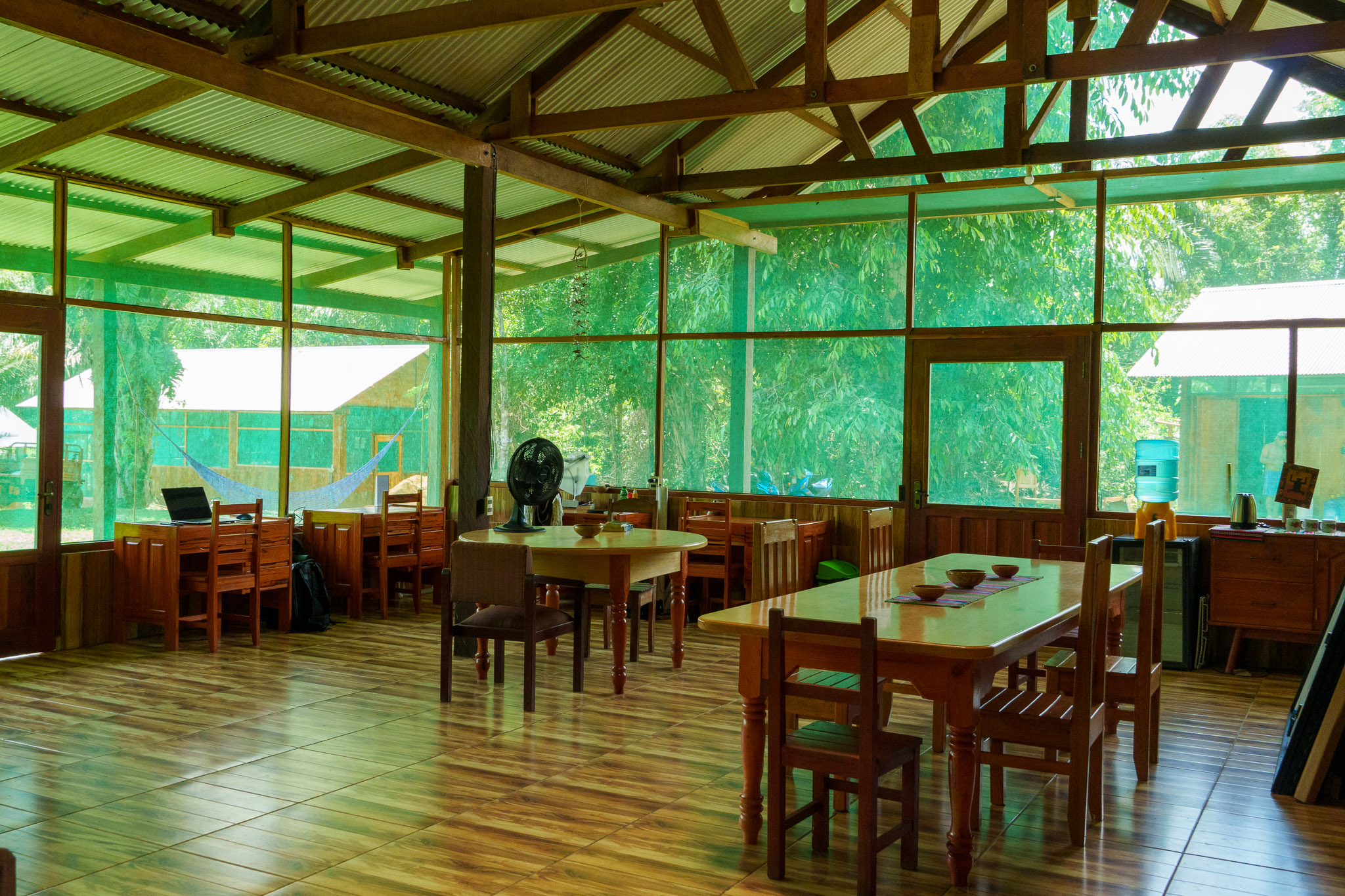
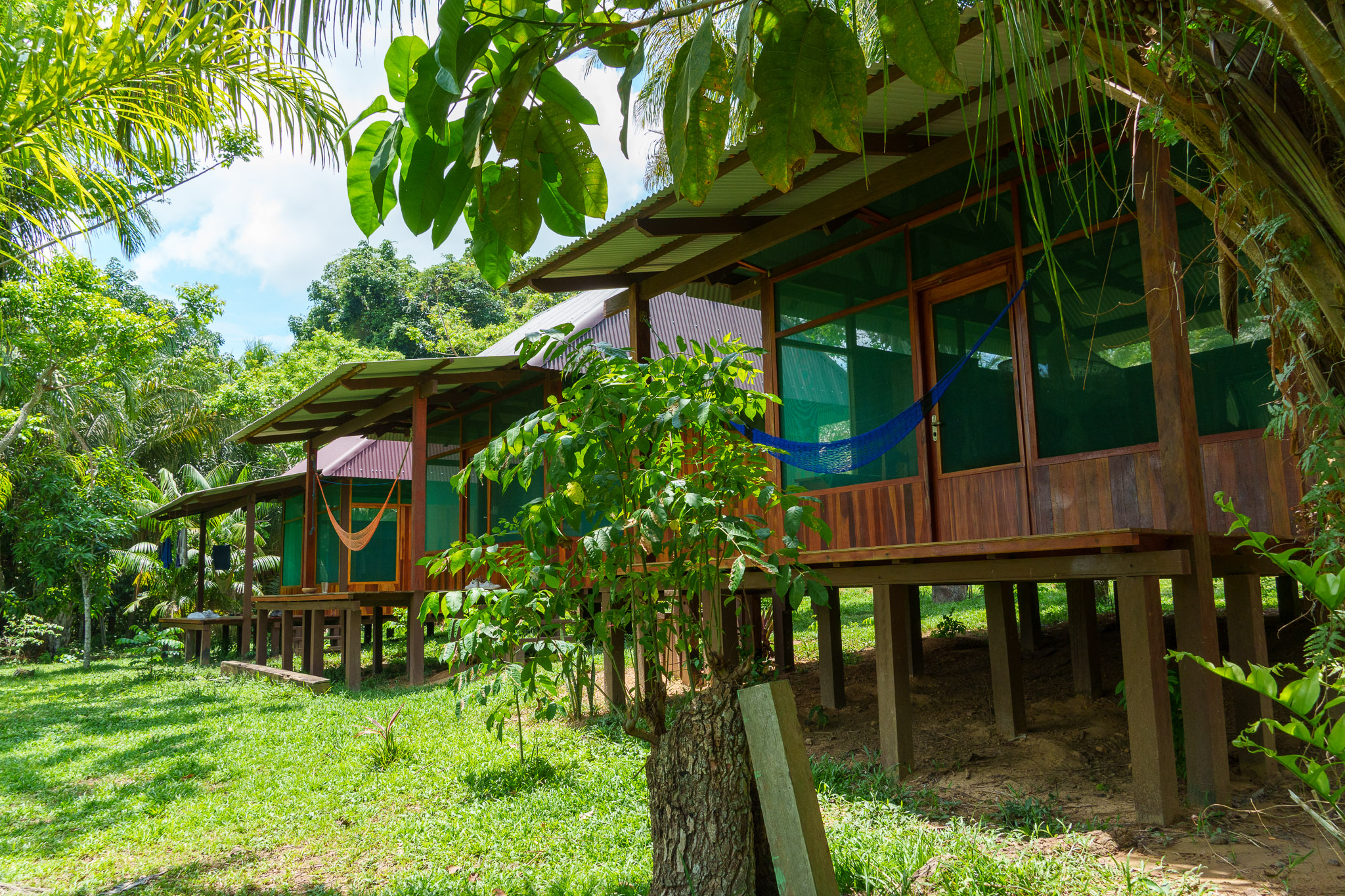
I was expecting much less luxury right in the middle of the Amazon!
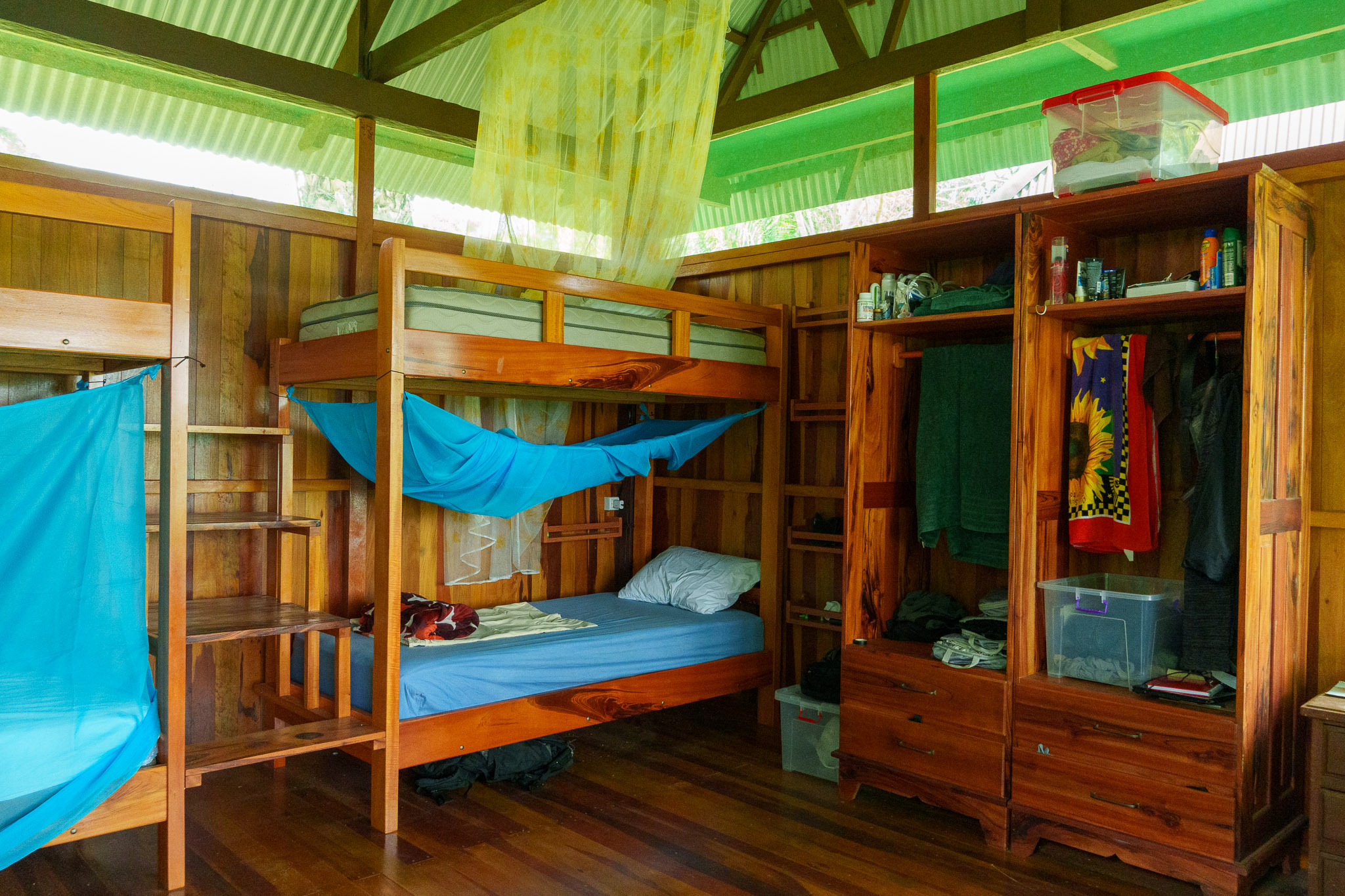
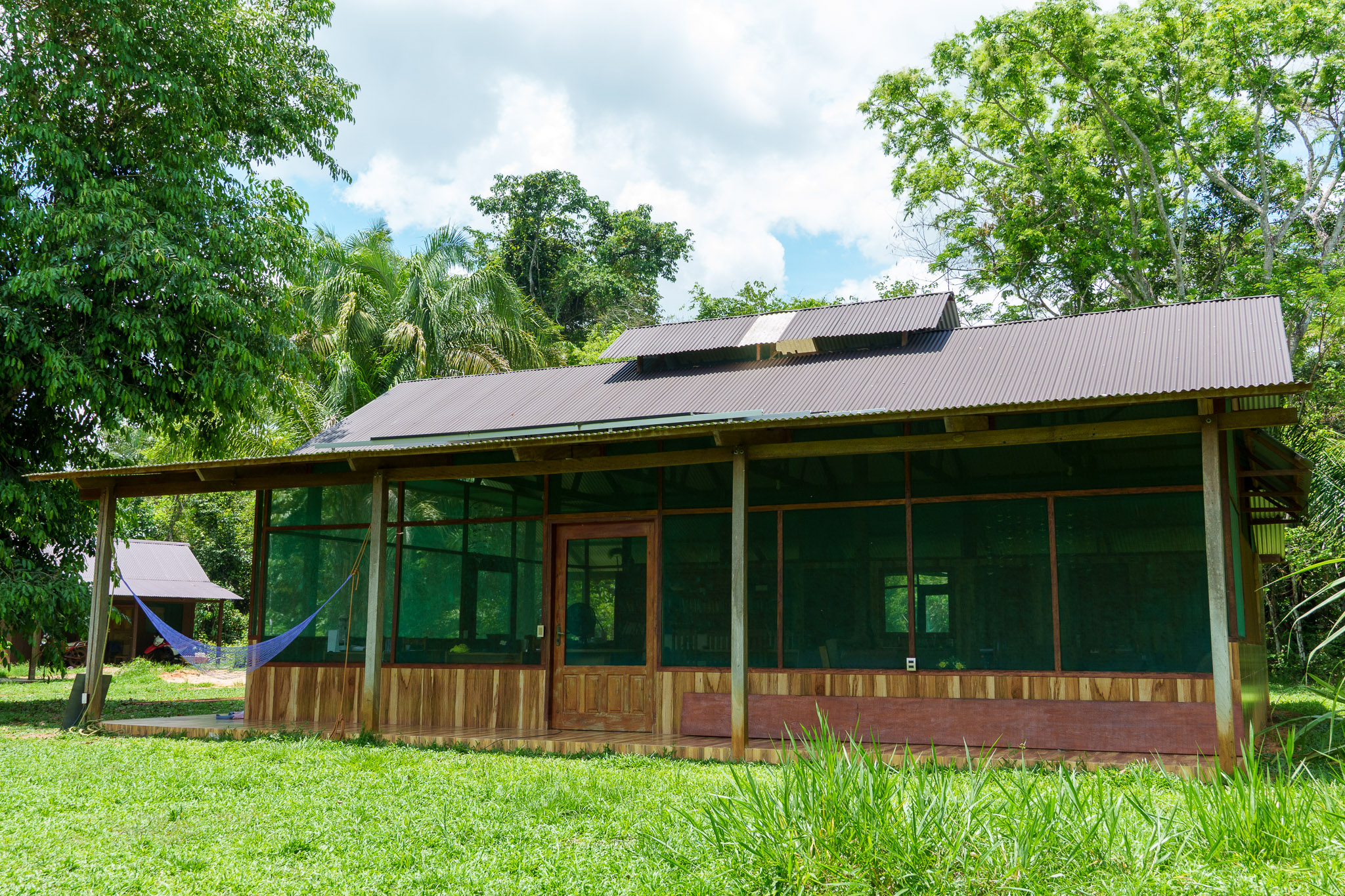
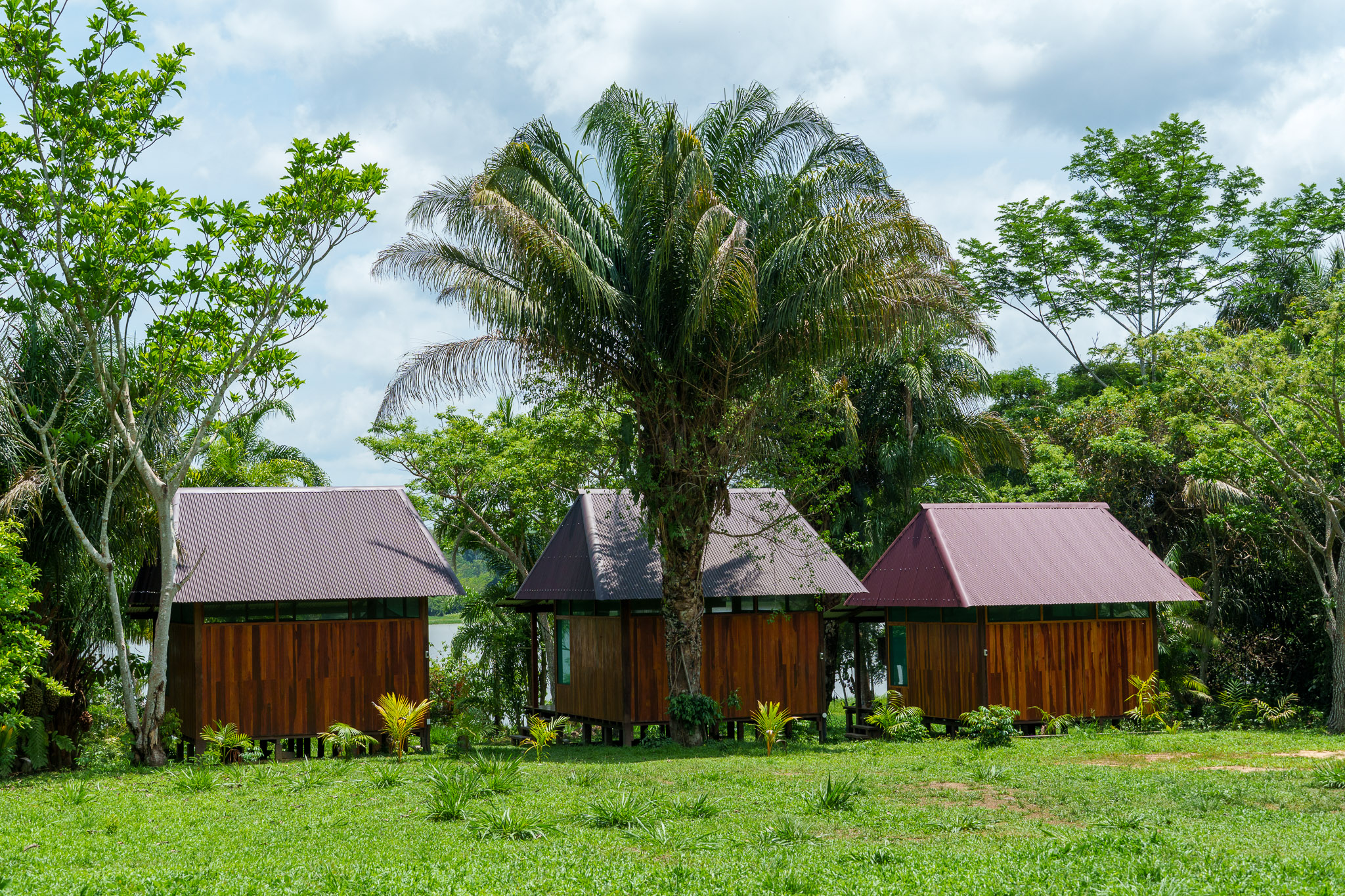
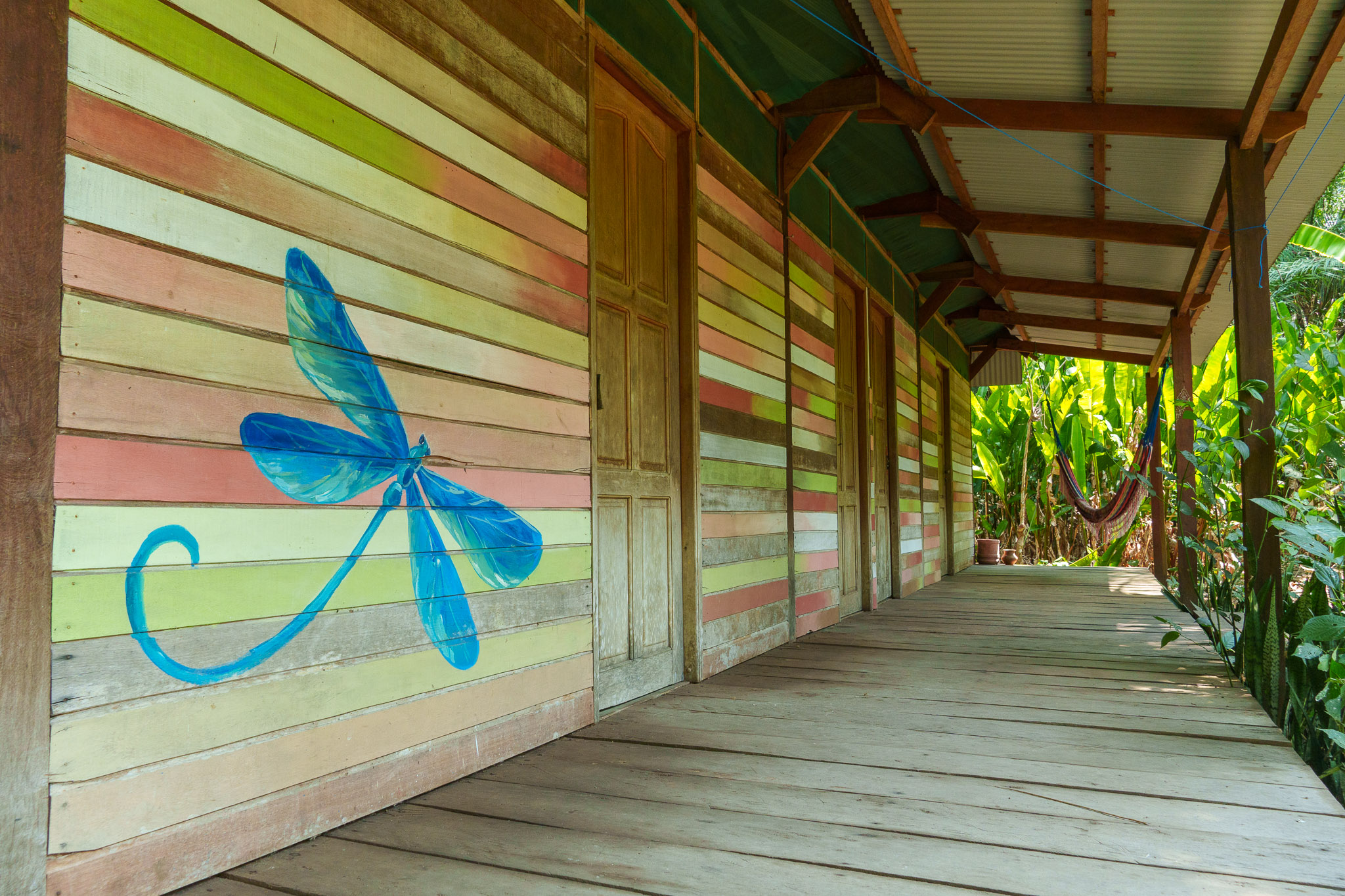
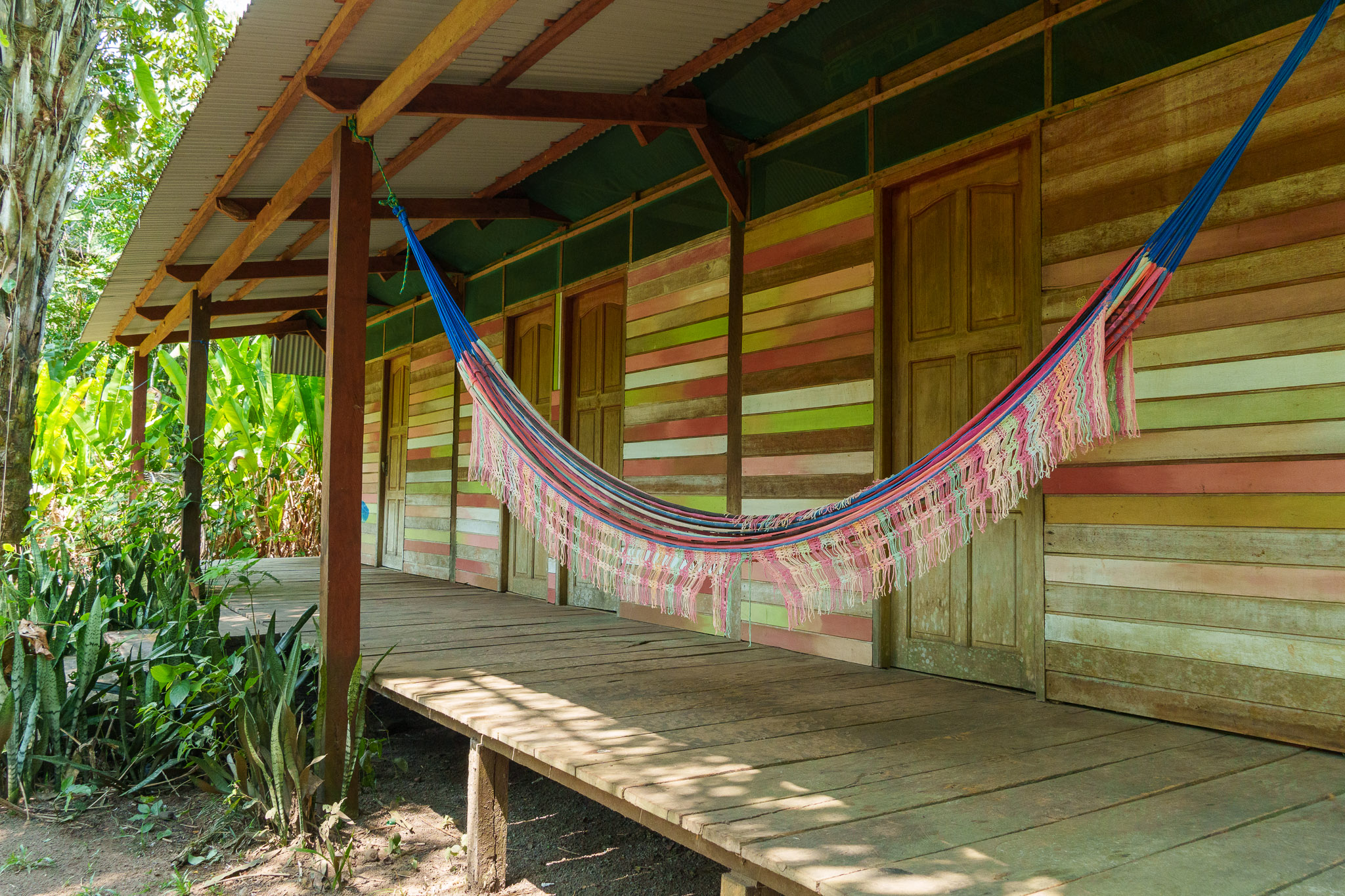
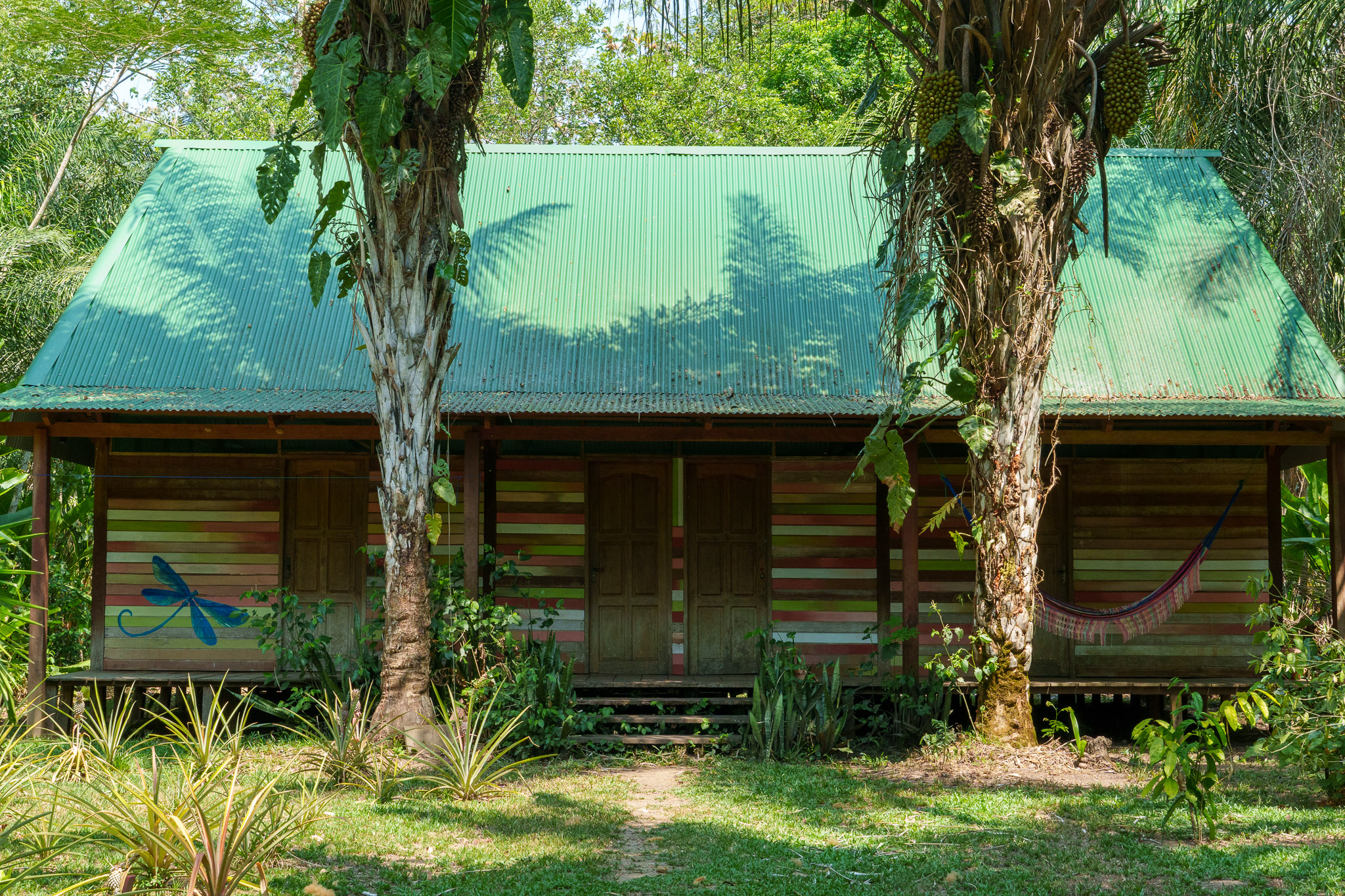
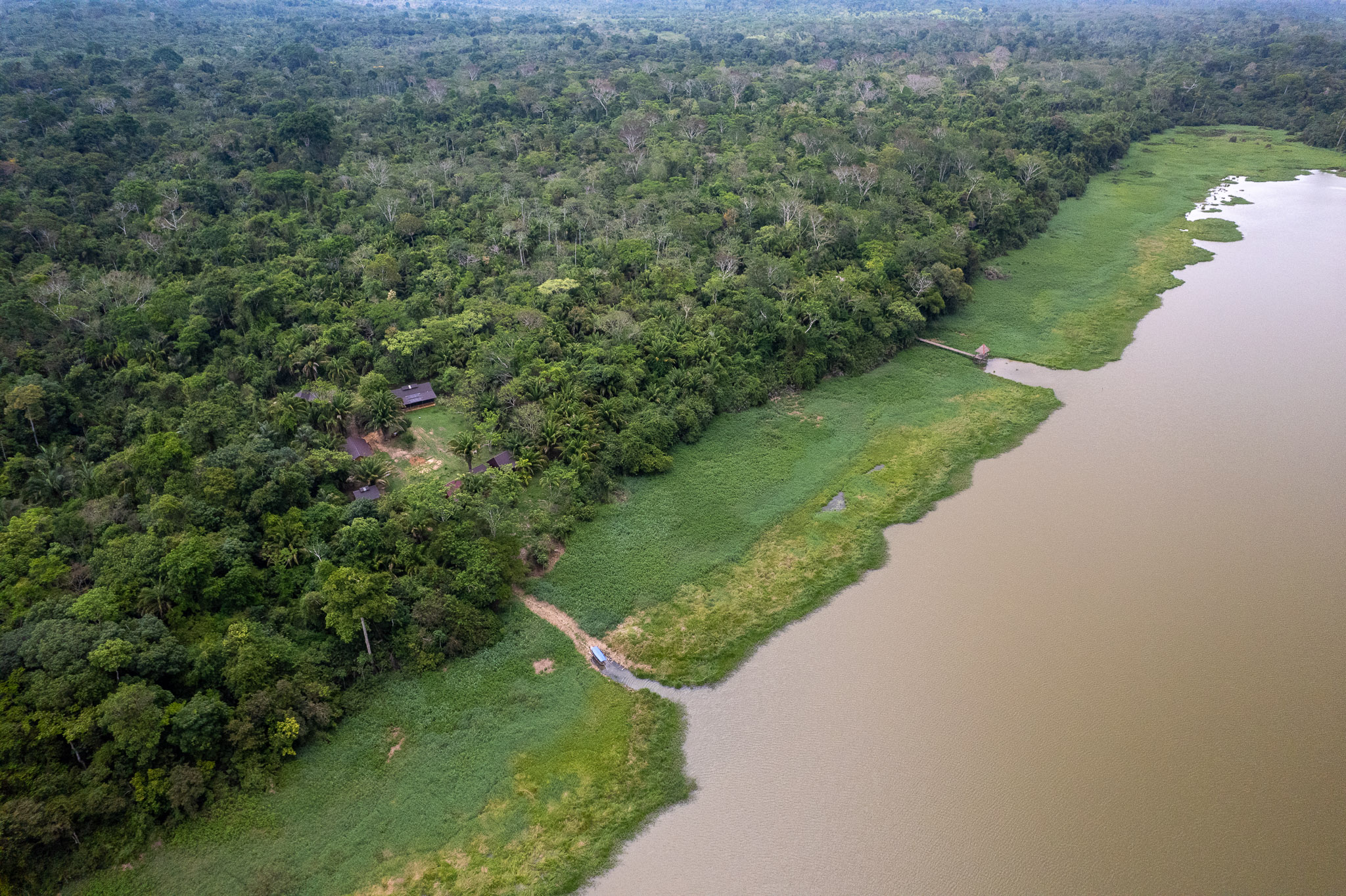
There’s a main building that’s really spacious, with desks to work at and sofas to relax on. The kitchen has two cookers, but they’re only there when there are five or more researchers onsite. There are three cabins, each with four bedrooms, plus bathrooms with super clean toilets and showers.
Every place has electricity thanks to solar panels, and internet access via Starlink. It’s pretty amazing to be able to work on your computer from such a remote spot in the Amazon.

When you travel abroad for holidays, you’re always exposed to risks like food poisoning, injuries, or even lost luggage. By booking insurance with EKTA, you’ll have peace of mind knowing you’re covered, so you can focus on enjoying your trip stress-free.
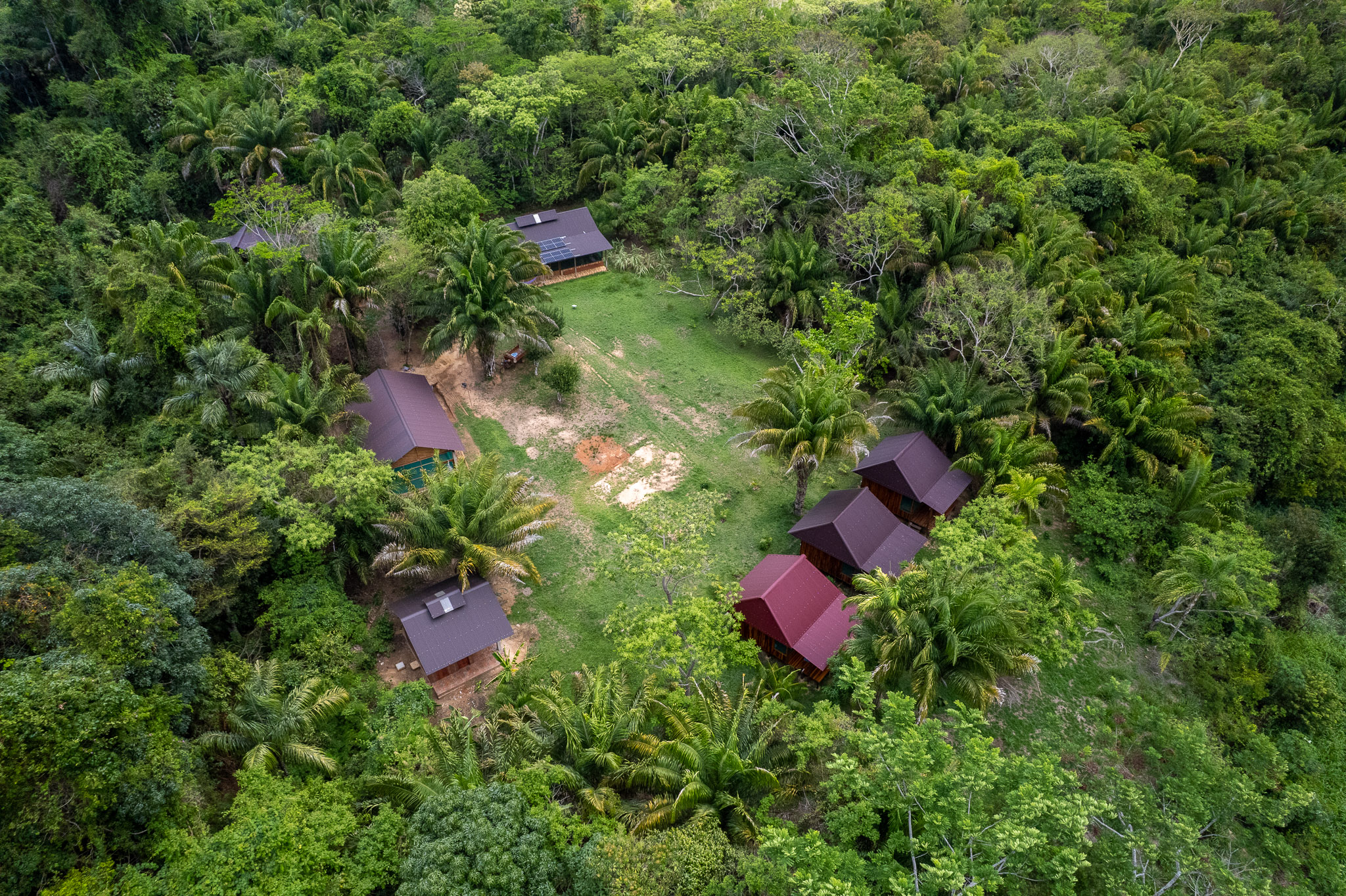
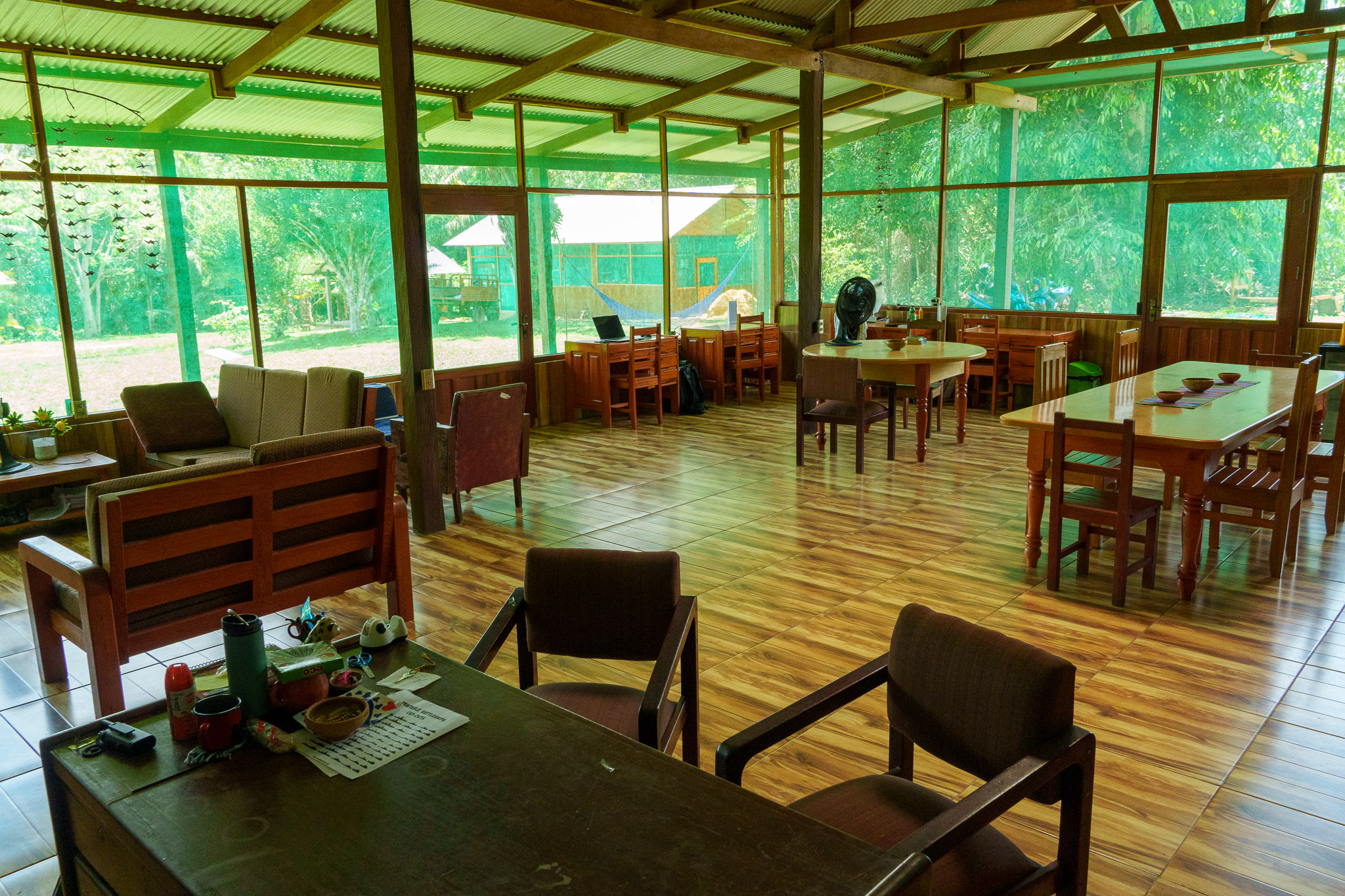
Just two years ago, this level of infrastructure didn’t exist. Volunteers had to sleep in Riberalta and commute daily to the reserve for their research. Now, while there’s still accommodation in the city (sometimes used on weekends), everyone sleeps at the reserve, surrounded by the jungle’s nonstop sounds day and night.
Sustainable Bolivia has grown a lot in recent years thanks to donations from around the world, film projects that help fund their work, and Pisatahua, a medical center retreat linked to Sustainable Bolivia. This support has made a big difference in improving facilities and expanding their impact.

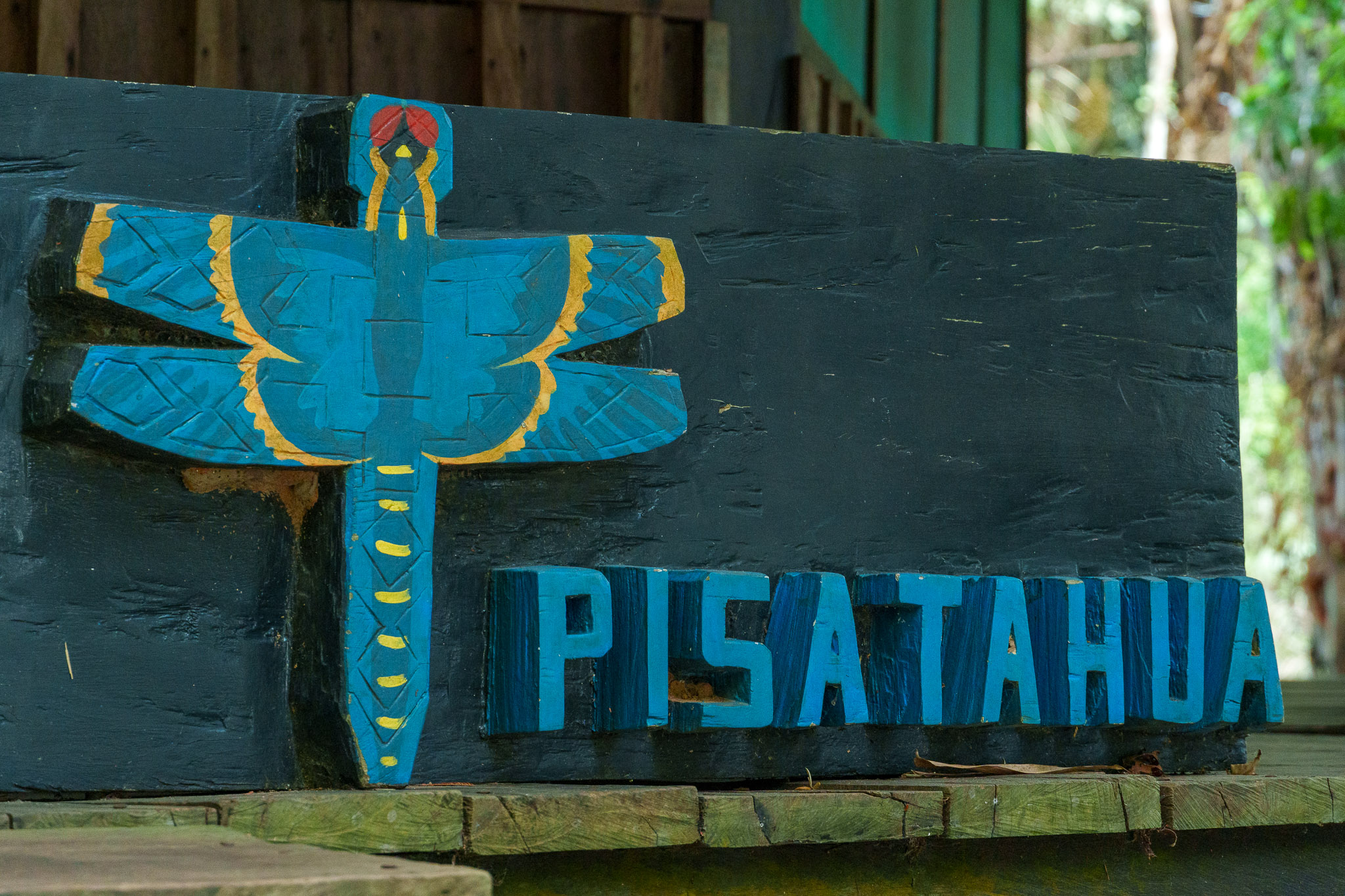
What is Pisatahua?

Pisatahua was also founded by Erik and Sasha. Originally, their offer was to create group retreats (1 week, 10 days, etc.) using ayahuasca with their own shaman guiding the experience.
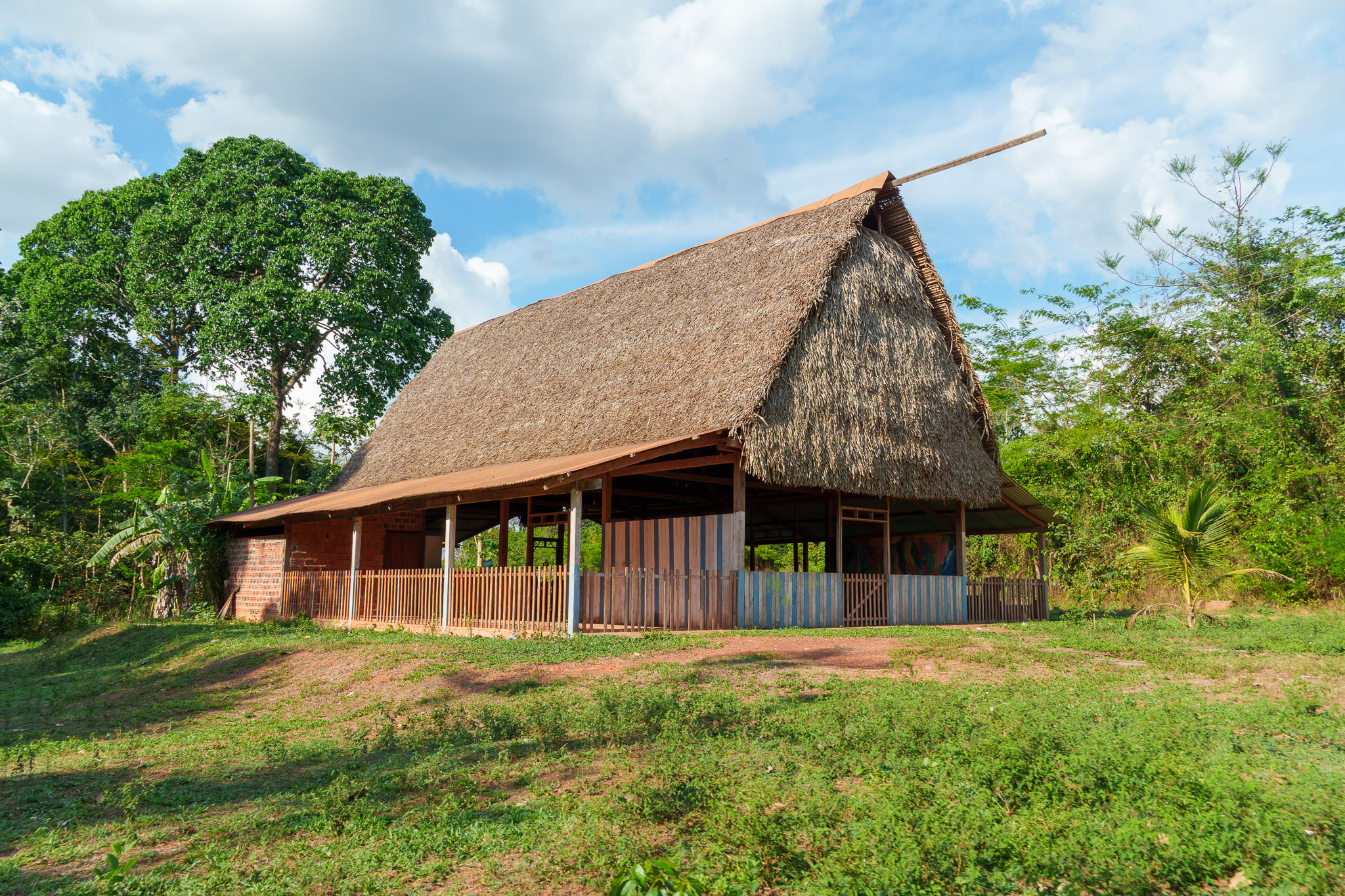
Pisatahua has since expanded to host pre-made groups, whether led by their own shaman, yoga retreats, ecotourism, or other groups wanting to explore the Amazon comfortably. The site features nice cabins, a big maloca (traditional ceremony space), and a pontoon on the lake.

This business has contributed a lot to the growth of Sustainable Bolivia, which their customers really appreciate. However, Sustainable Bolivia and its volunteers don’t interact with the retreat, even though the two sites are only about 100 meters apart.
The Two Main Volunteering Programs at Sustainable Bolivia

Going back to Sustainable Bolivia, they offer two main volunteering programs: the School Program and the Research Program. On the side, there are occasional other types of volunteers doing specific things—like me, making videos and promoting the place, or someone else looking for subventions and applying for them.

Here’s a tip for finding a volunteering program: if you discover a great organization you like but don’t see any opportunities that fit you, dig a little deeper. Find out if they might need your skills but don’t know it yet. Jump on a call with them and let them know how you can help that way.

The School Program at Sustainable Bolivia

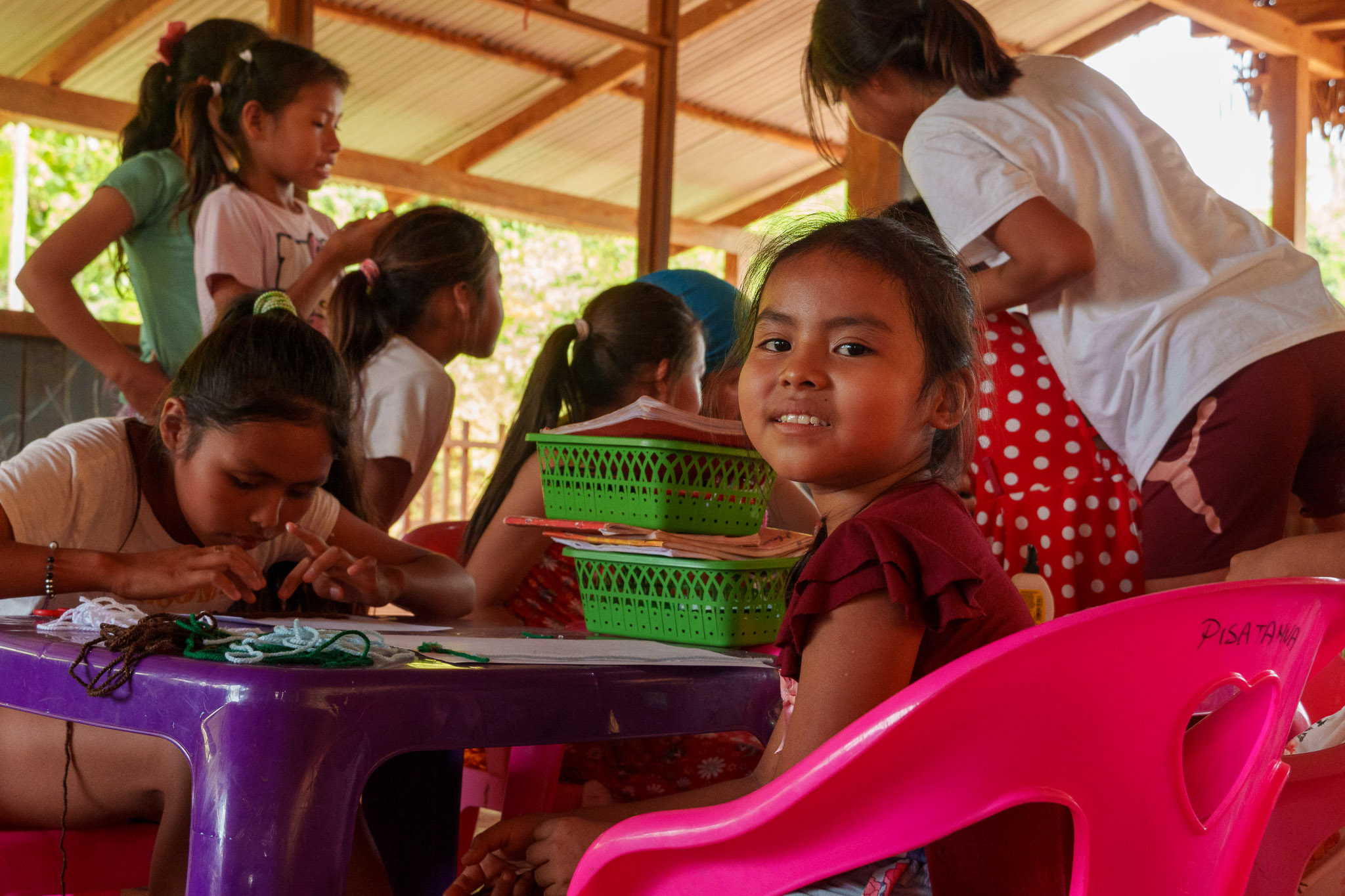
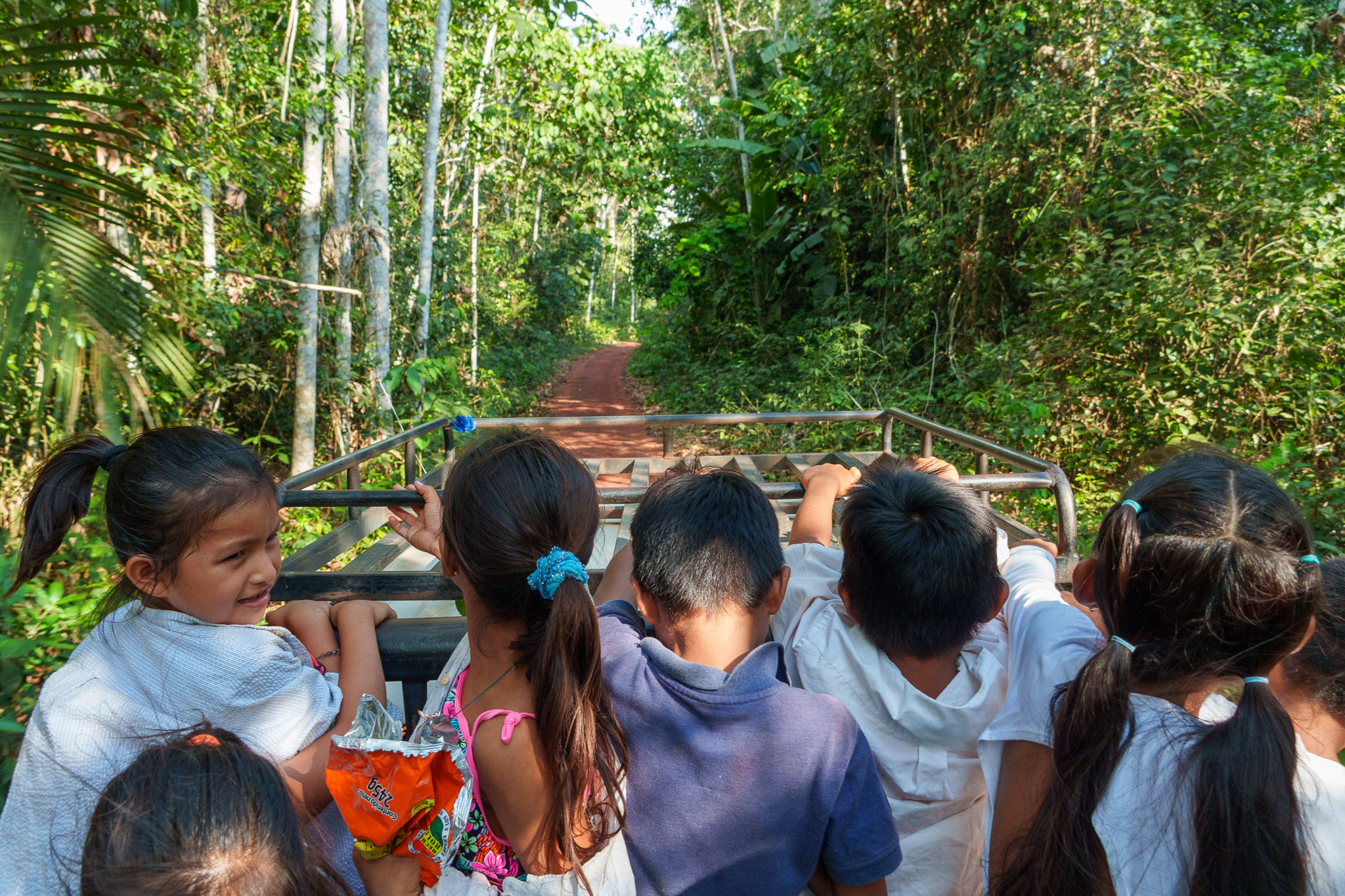
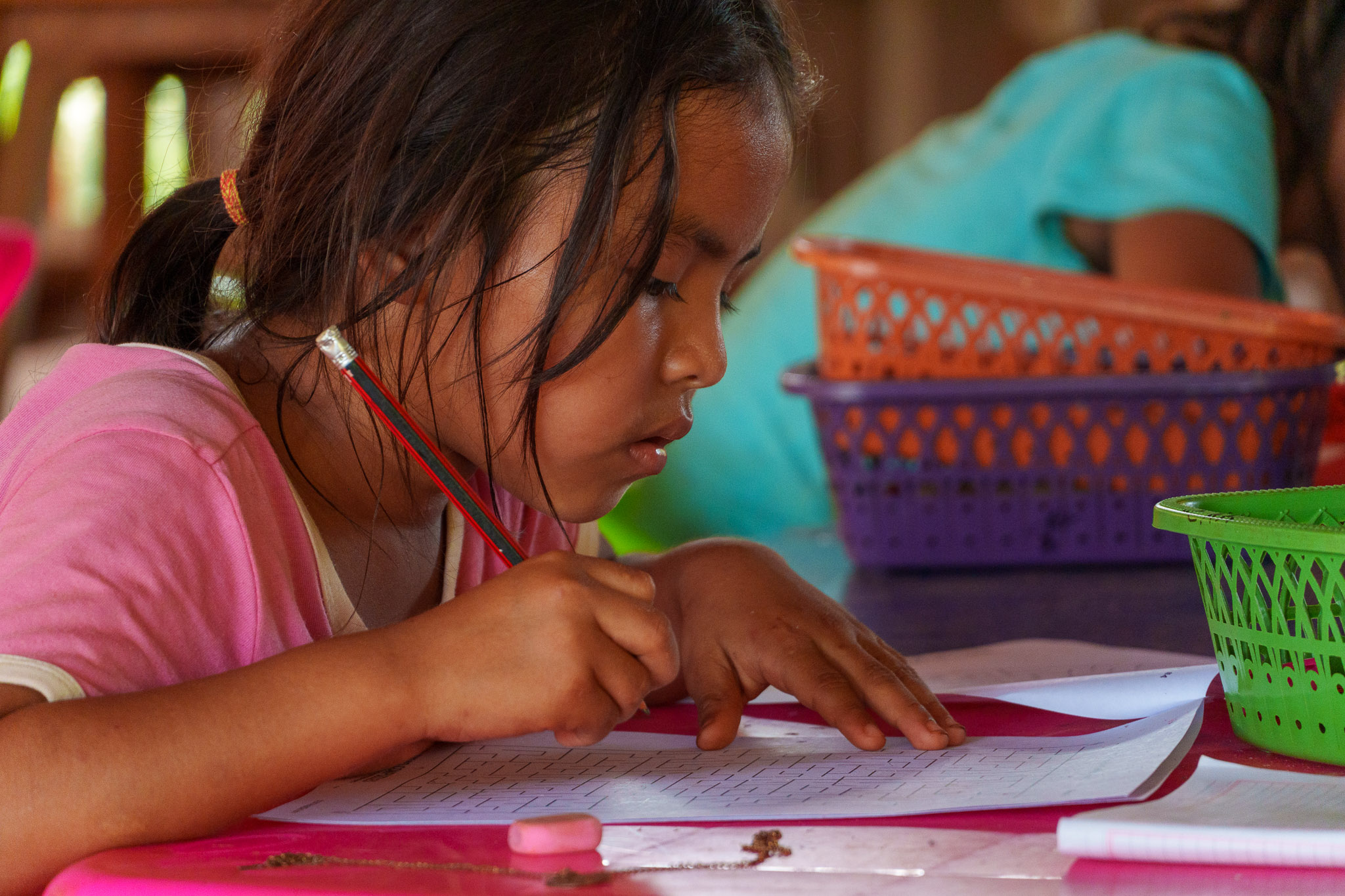
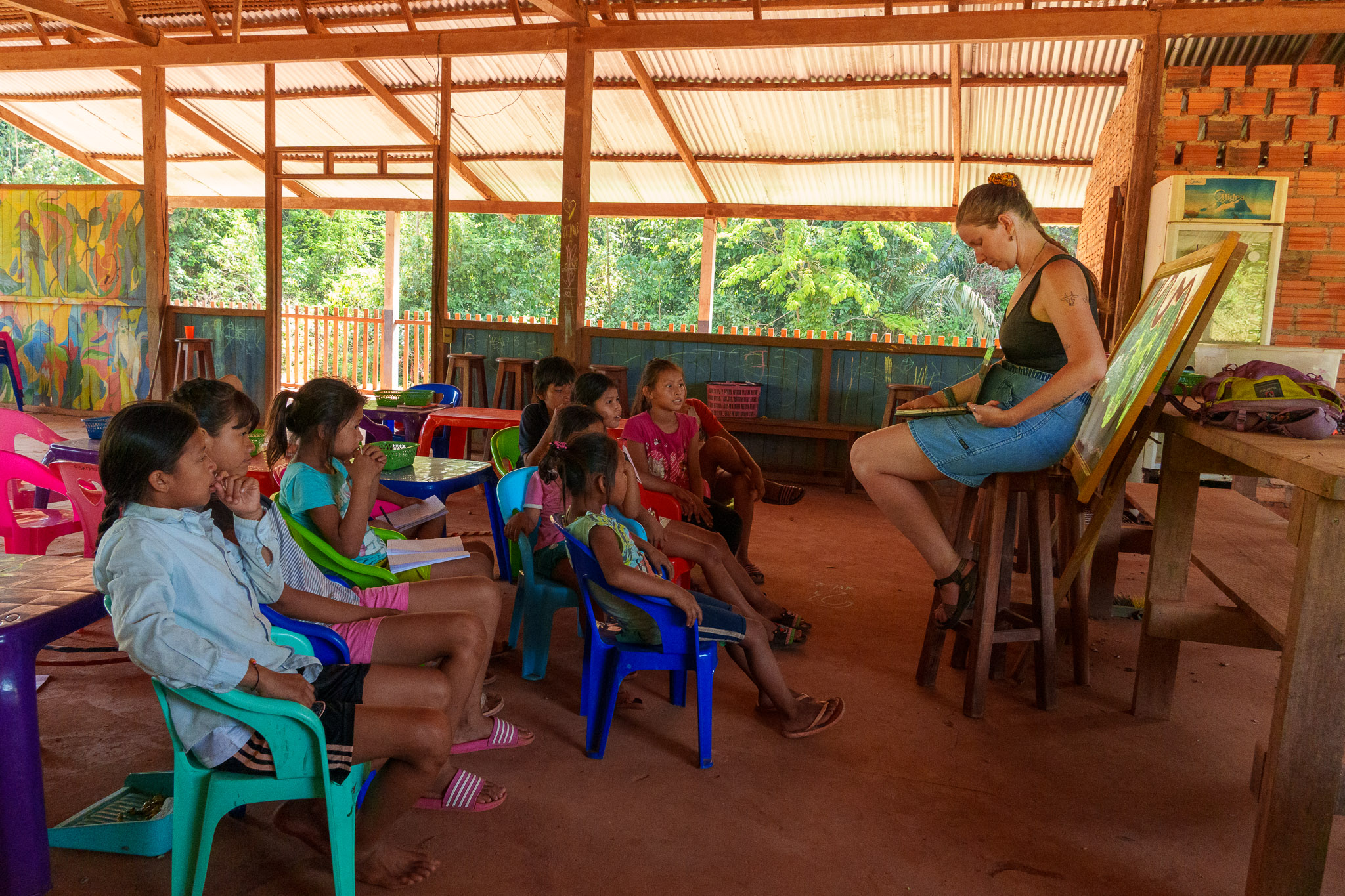
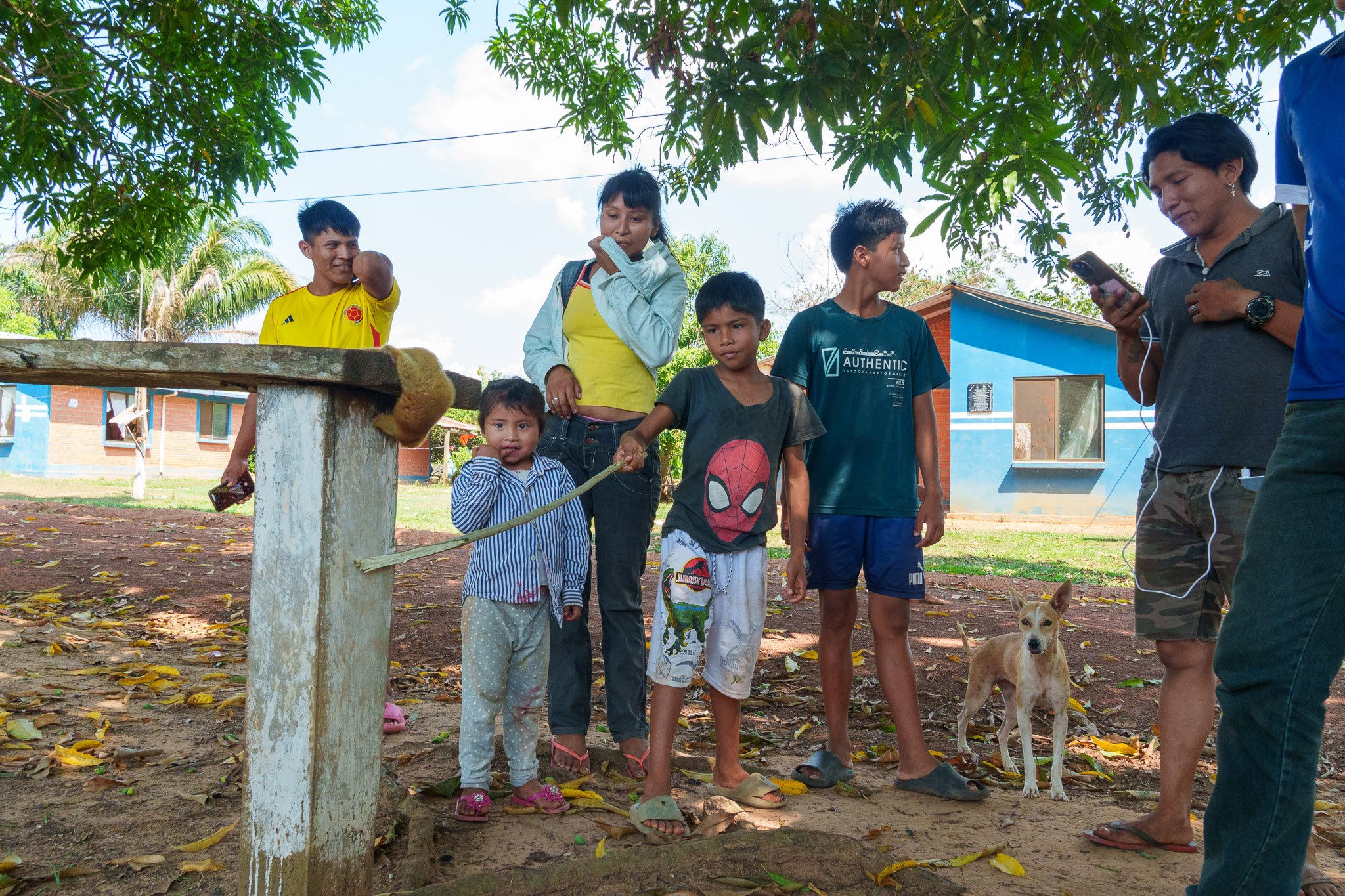
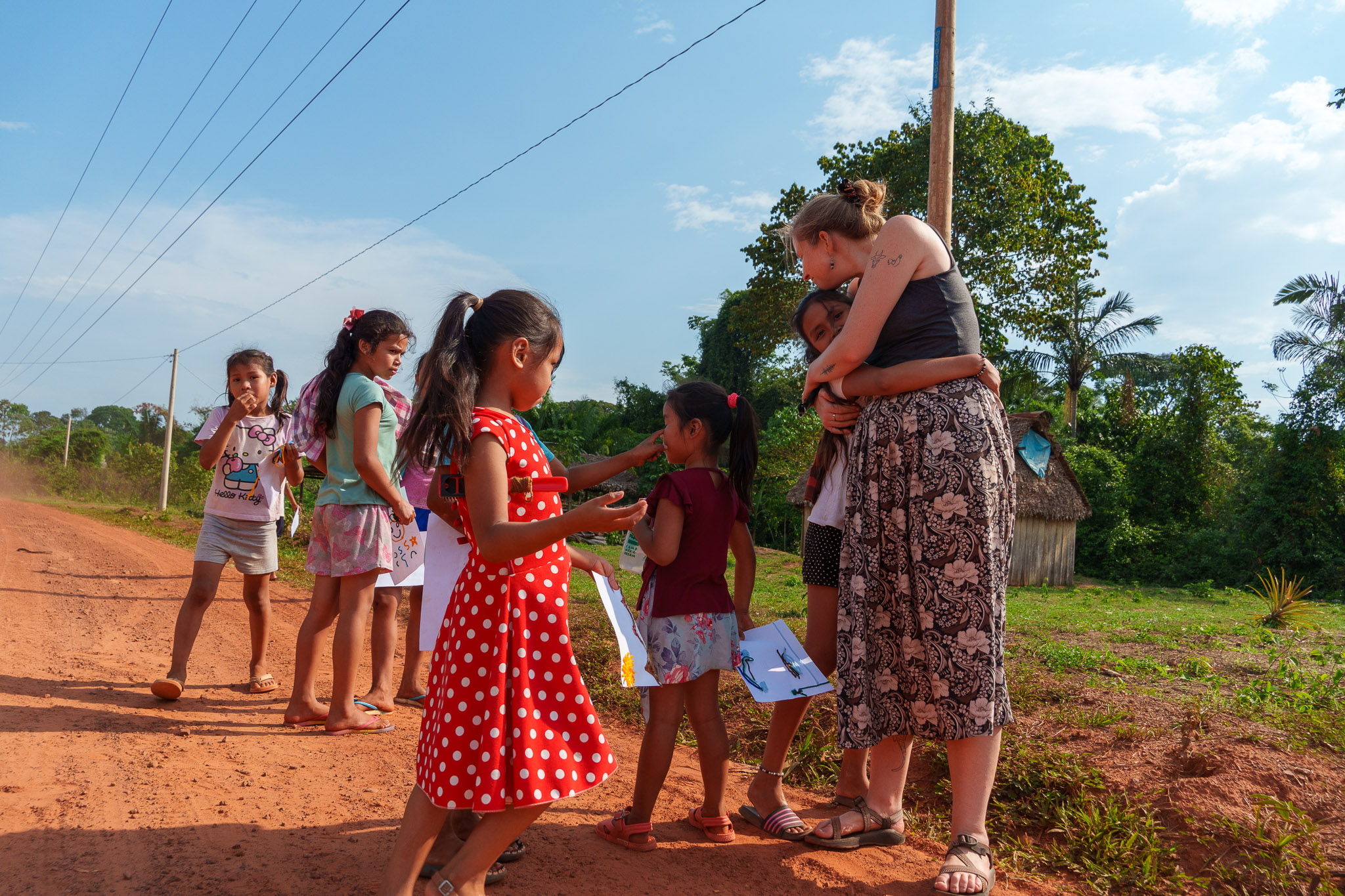
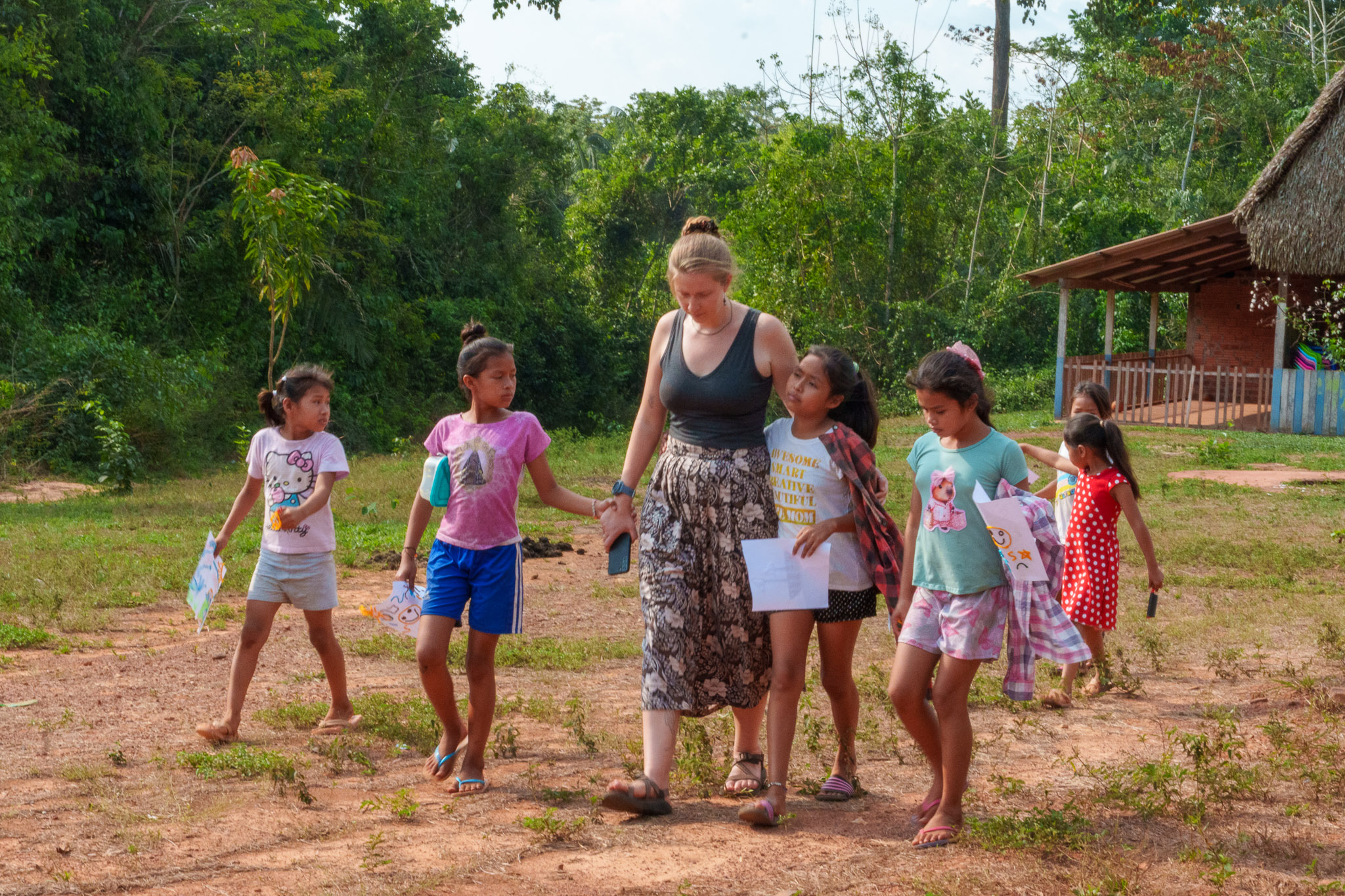
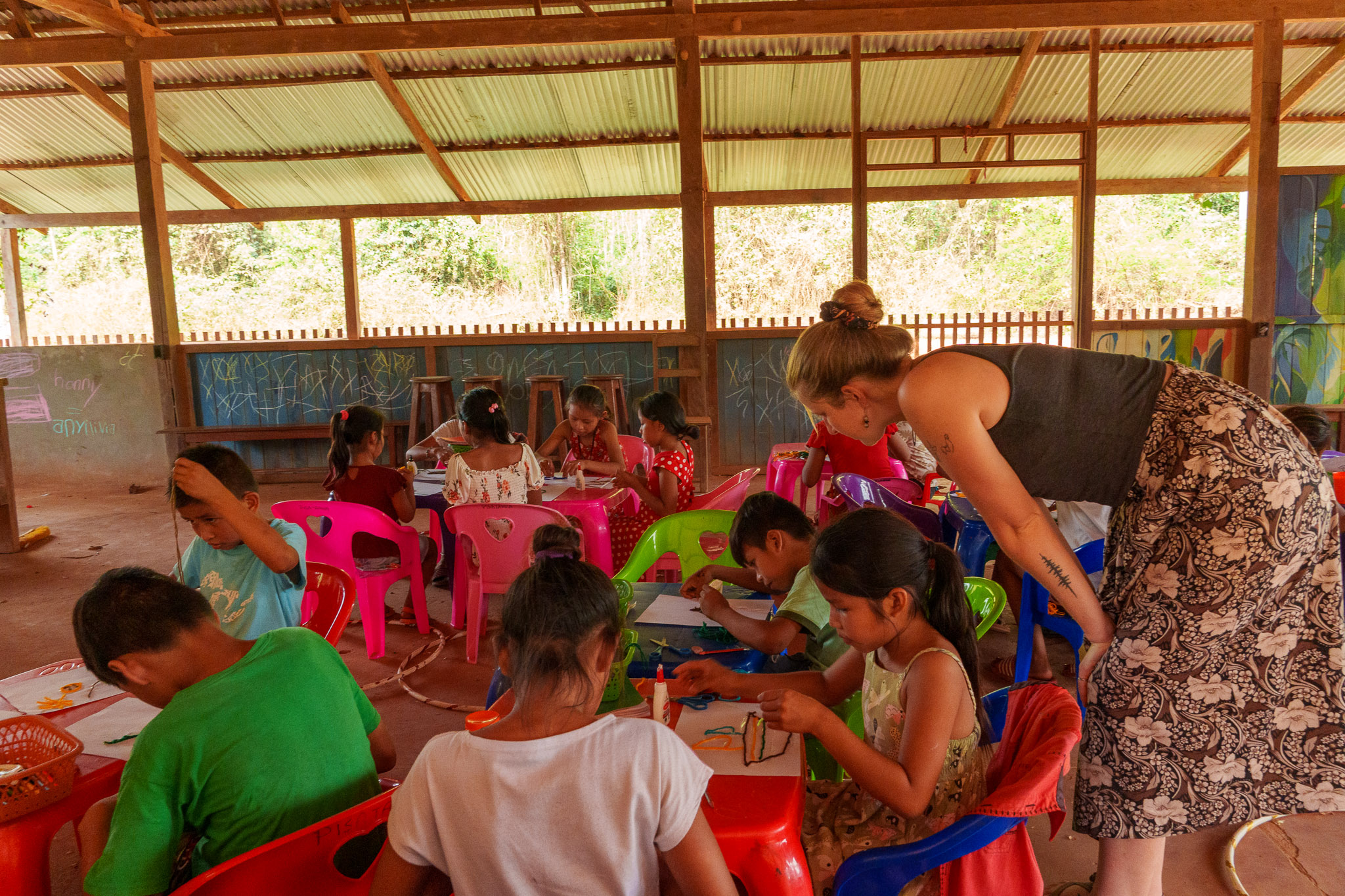
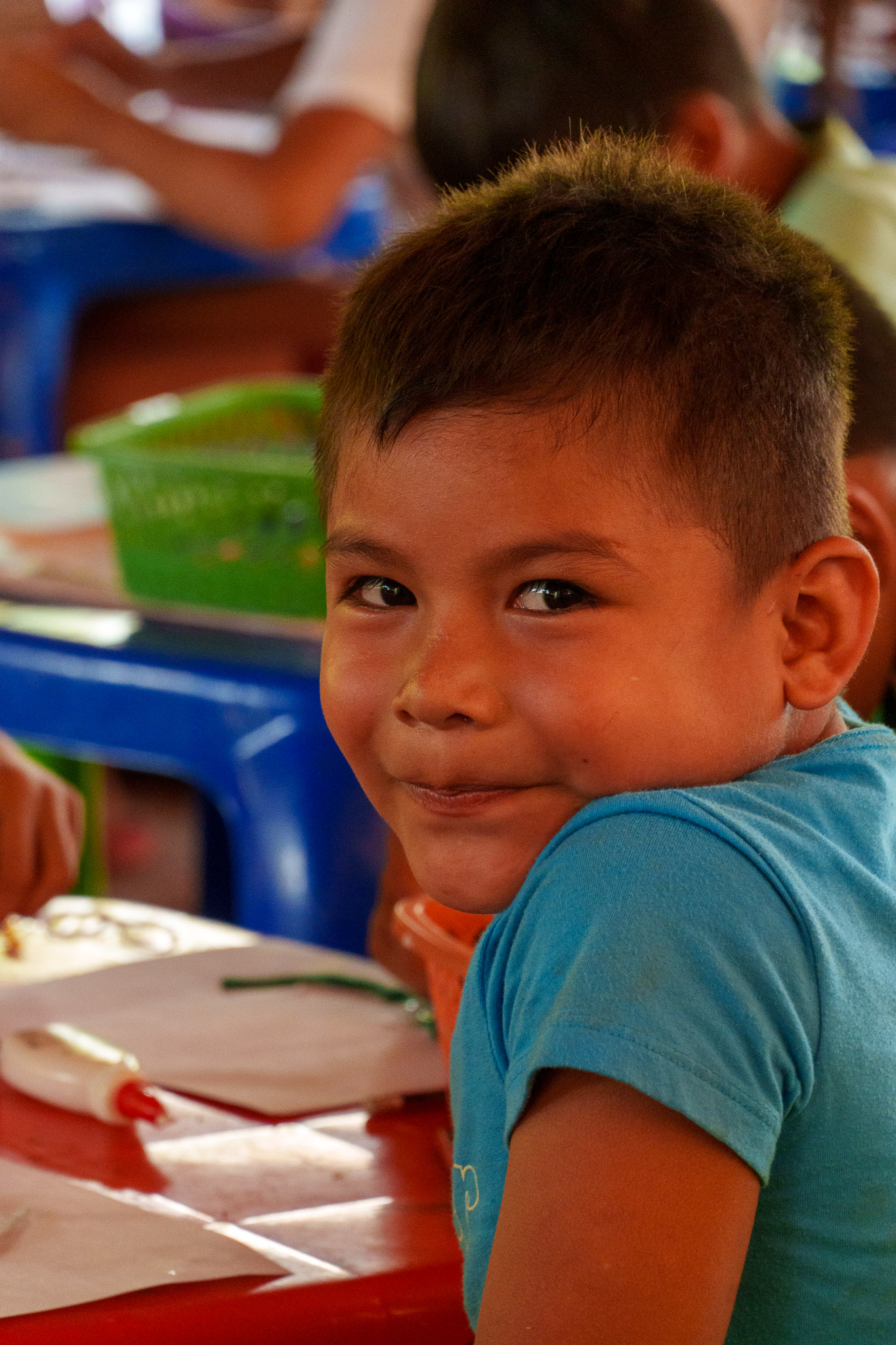
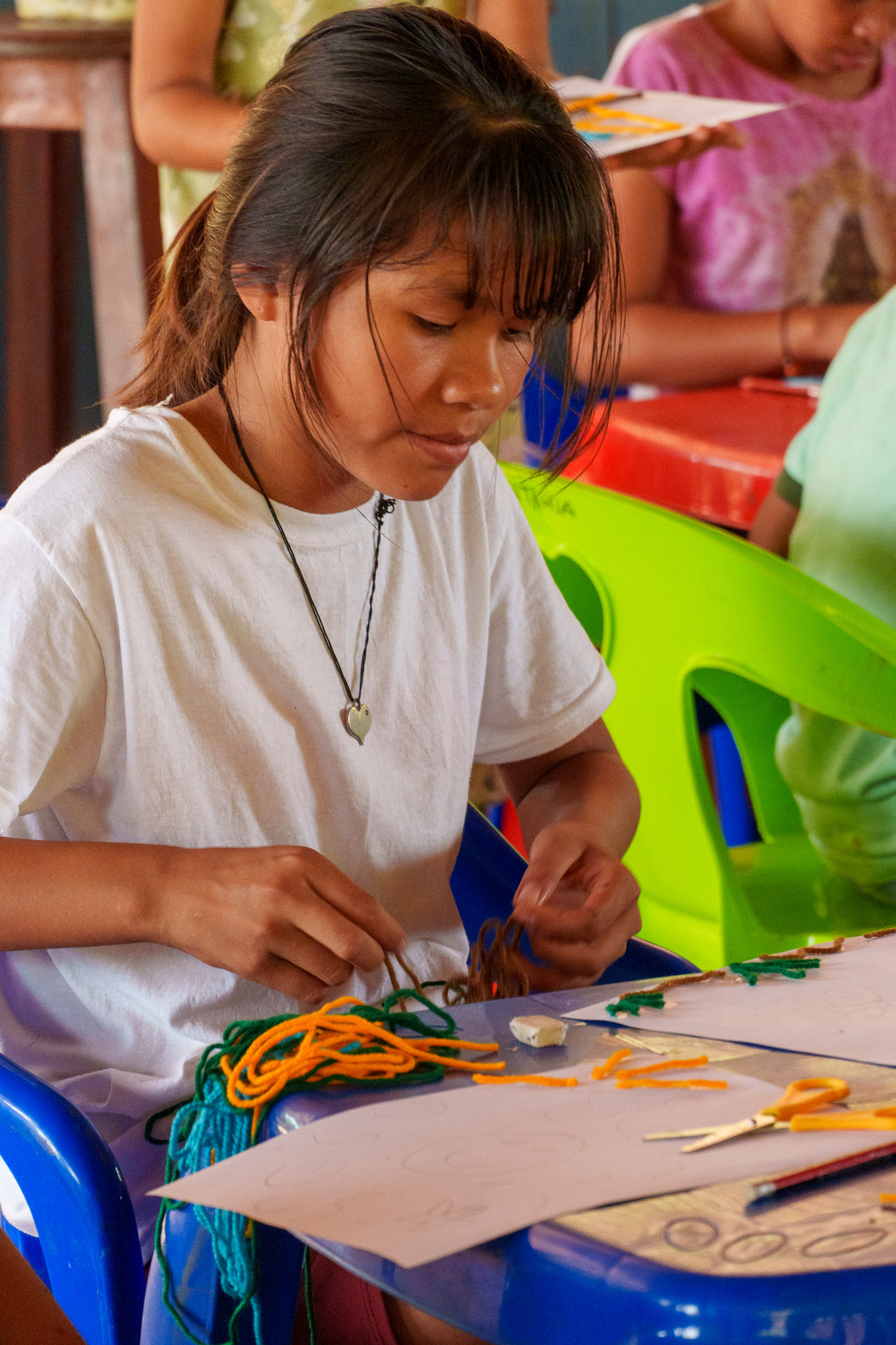
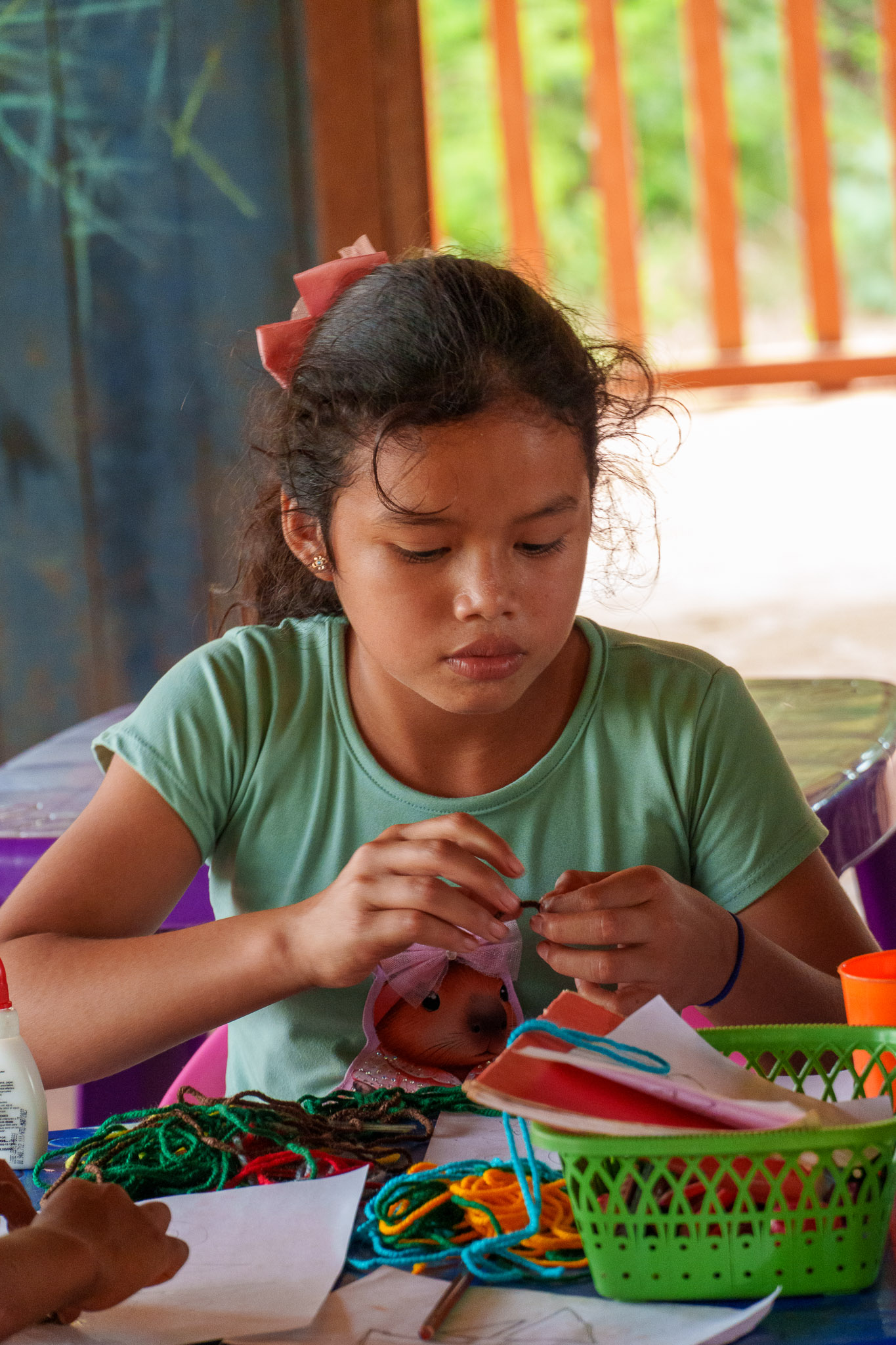
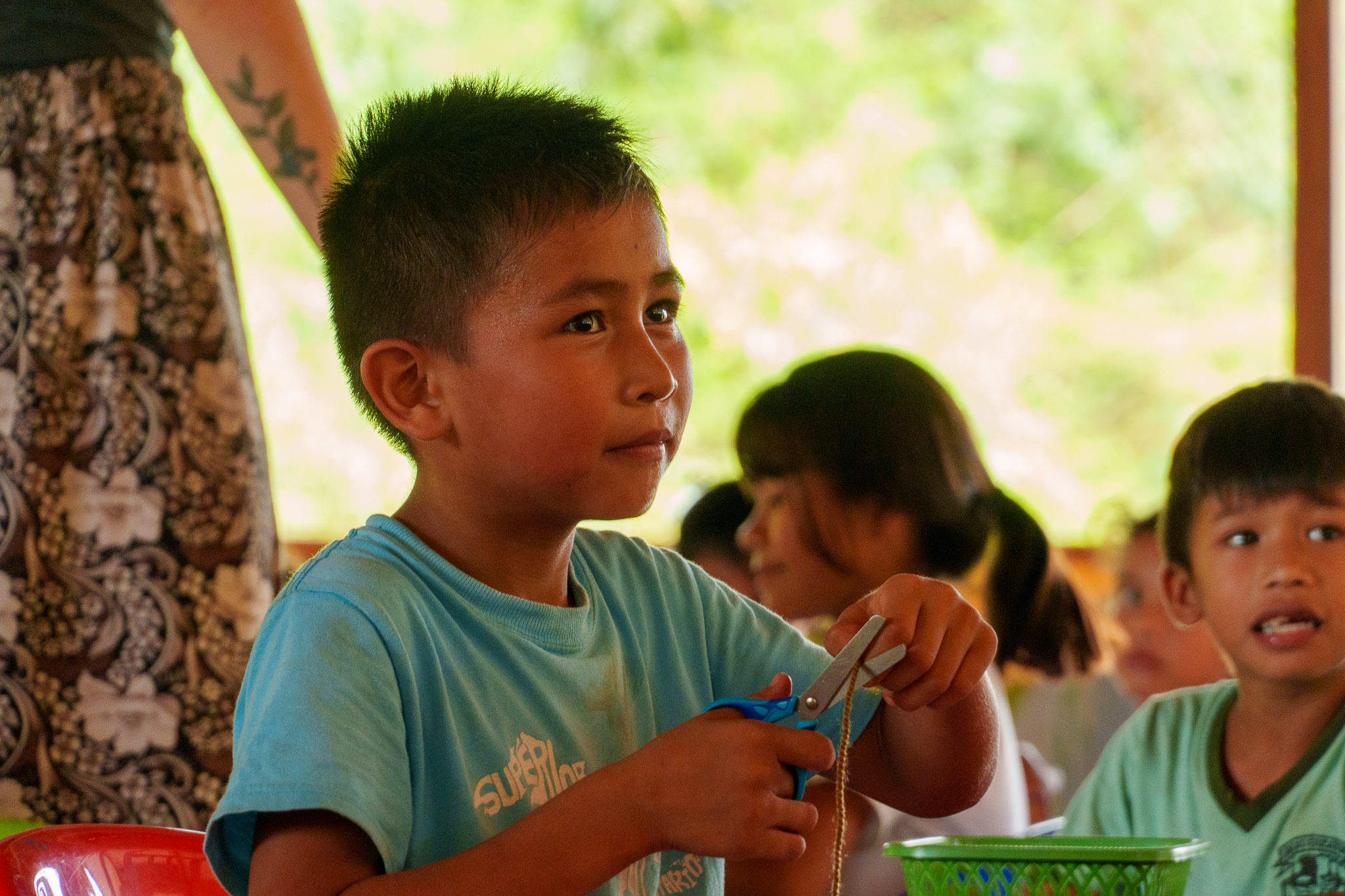
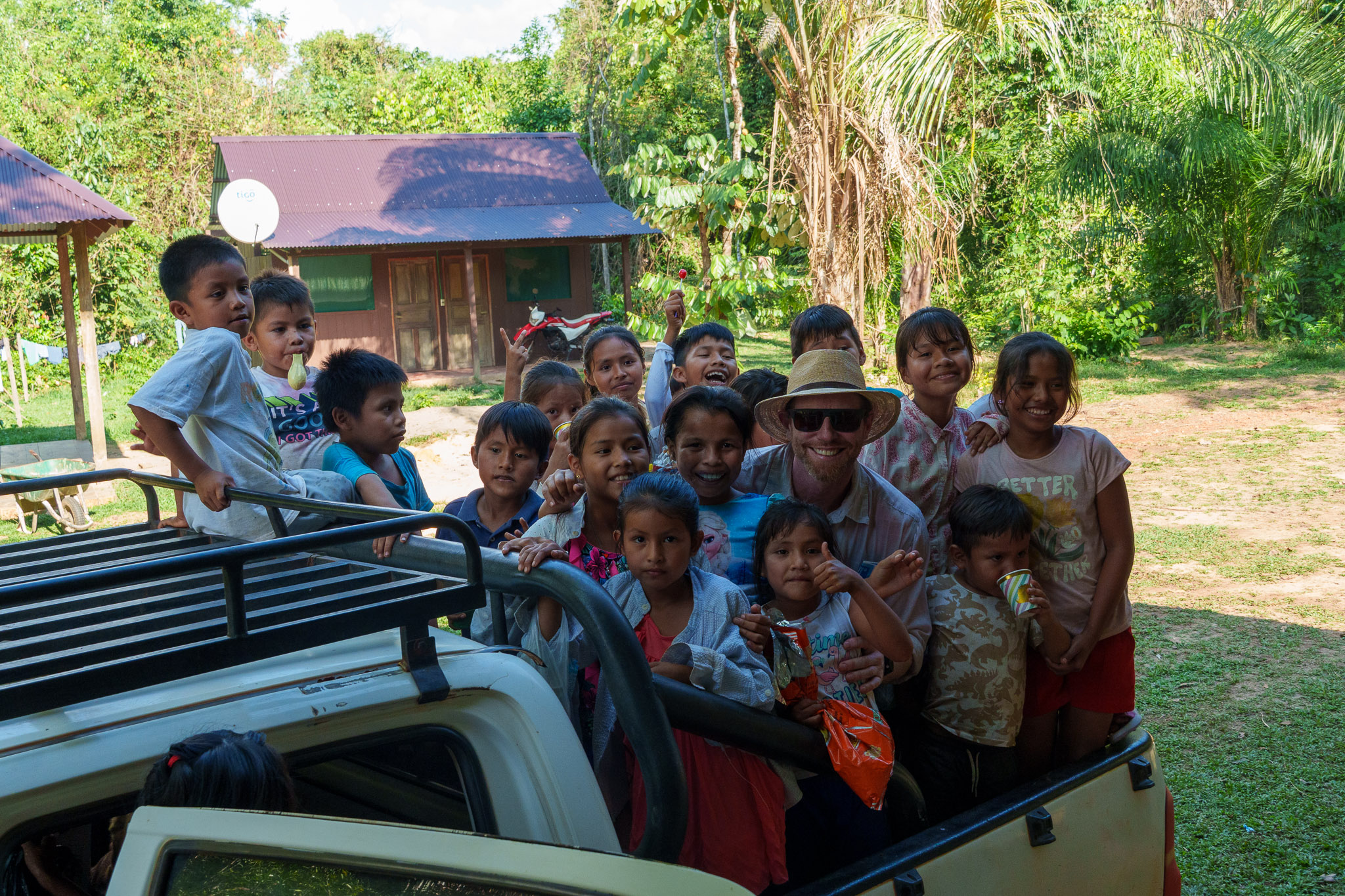
Warnes Village sits right next to the Aquicuana Reserve. It’s a small place with limited resources but a tight-knit community. Leah, the on-site manager and lead teacher, runs afternoon English classes for two groups: young children and older teens.

Leah runs the classes every weekday with the main goals to:

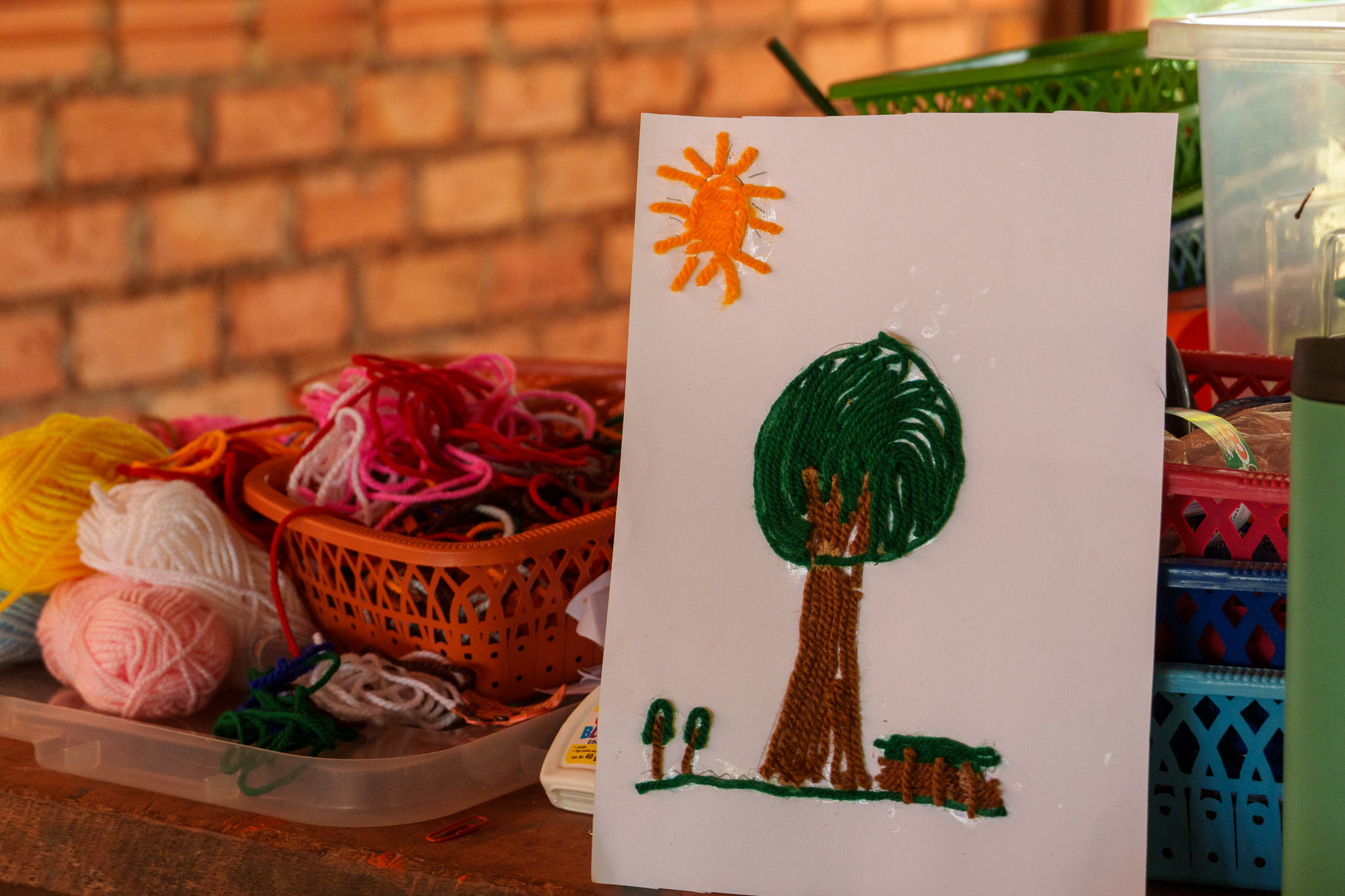
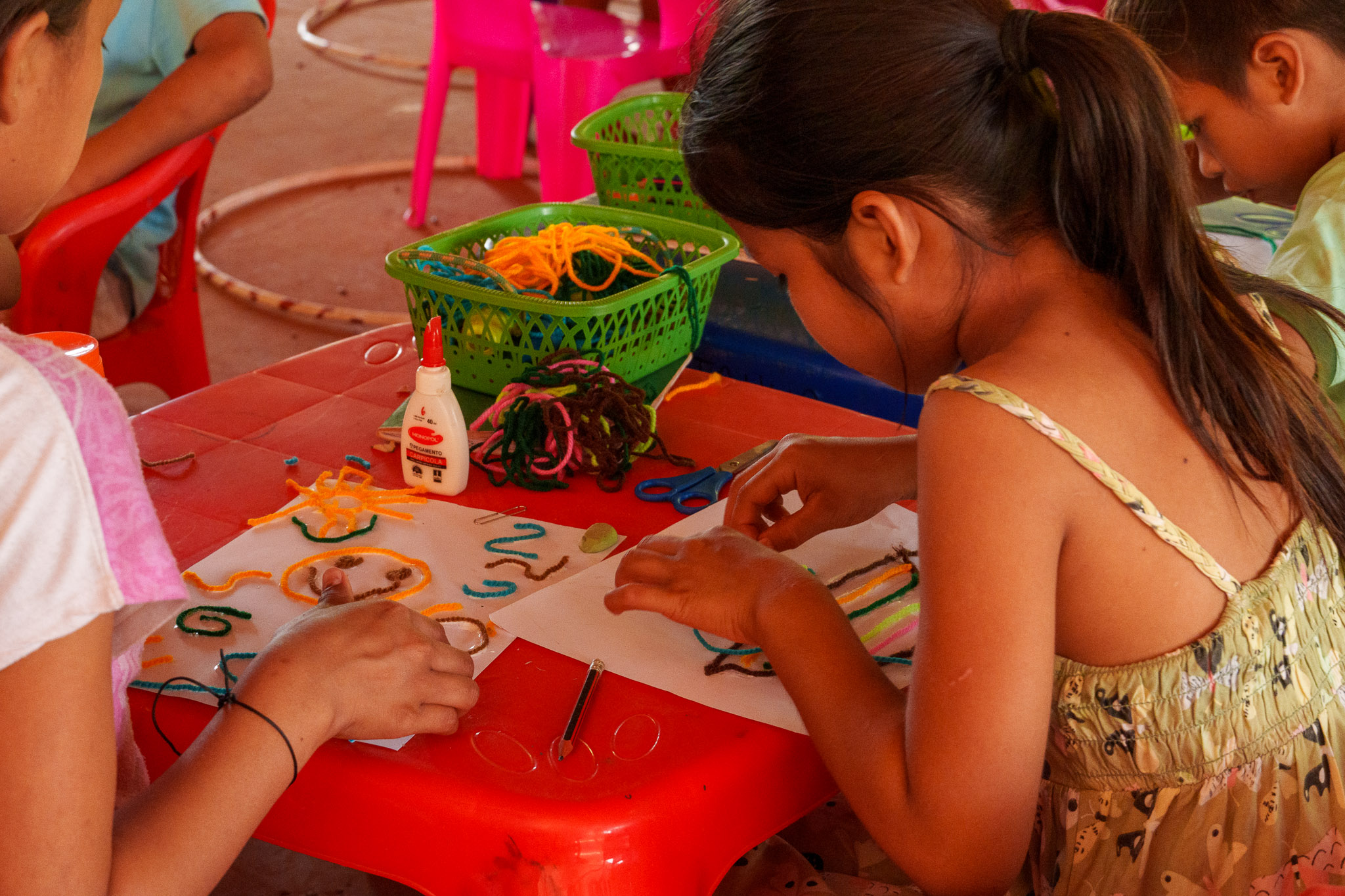
  • Teach crafts projects that spark creativity and teamwork.
  • Guide problem-solving activities to build critical-thinking skills.
  • Help students learn basic English through fun games and exercises.
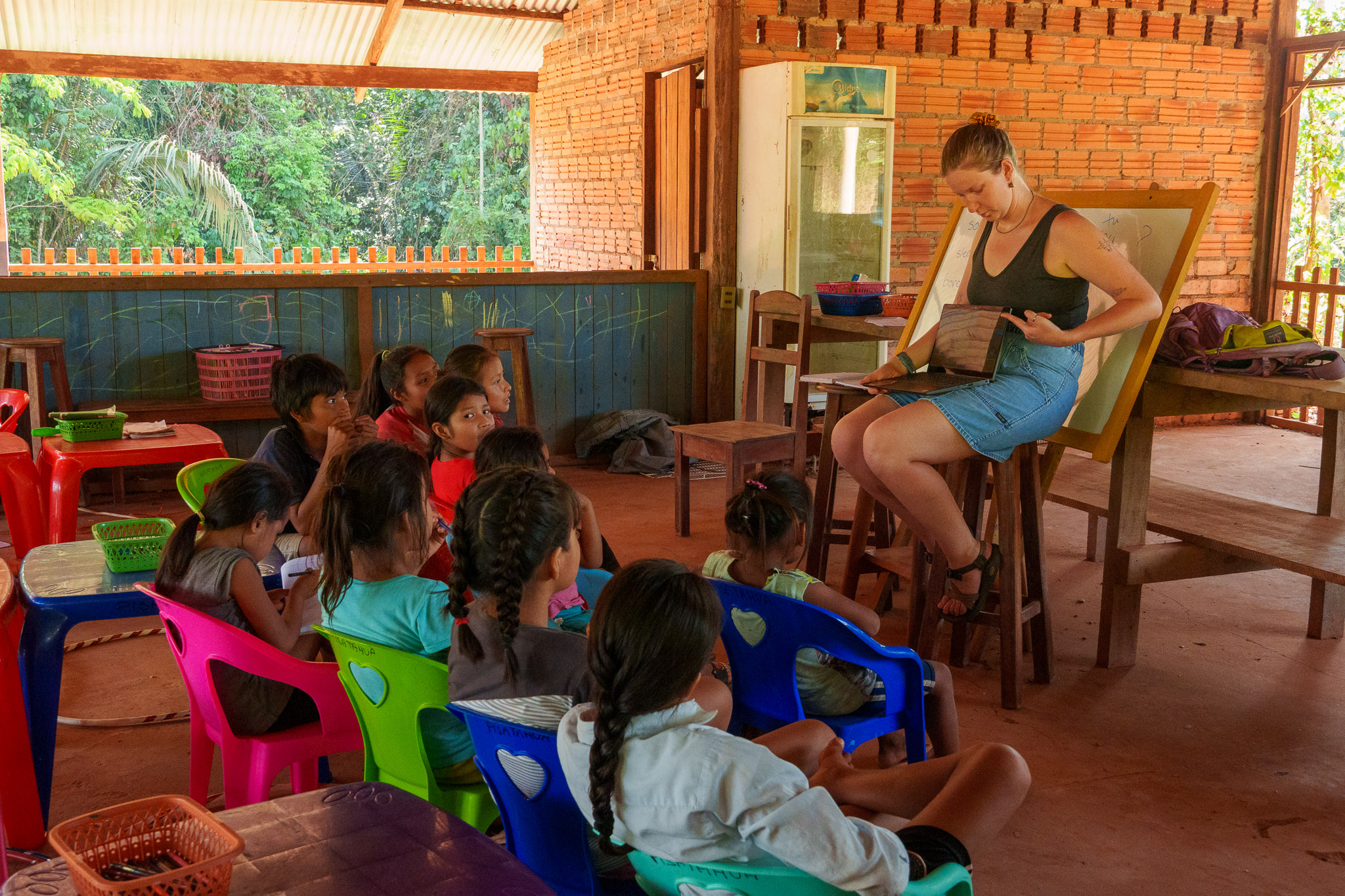
The students bring incredible determination to learn English and a real eagerness for cultural exchange. Their dedication is inspiring, especially considering the challenges they face with limited materials and space.

How to Support

Sustainable Bolivia is always looking for new volunteer teachers to join the program. They also rely on donations to keep classroom materials, books, and community events going strong. There are many ways to contribute—from sponsoring language lessons to funding teaching supplies or supporting community workshops.

The Research Program
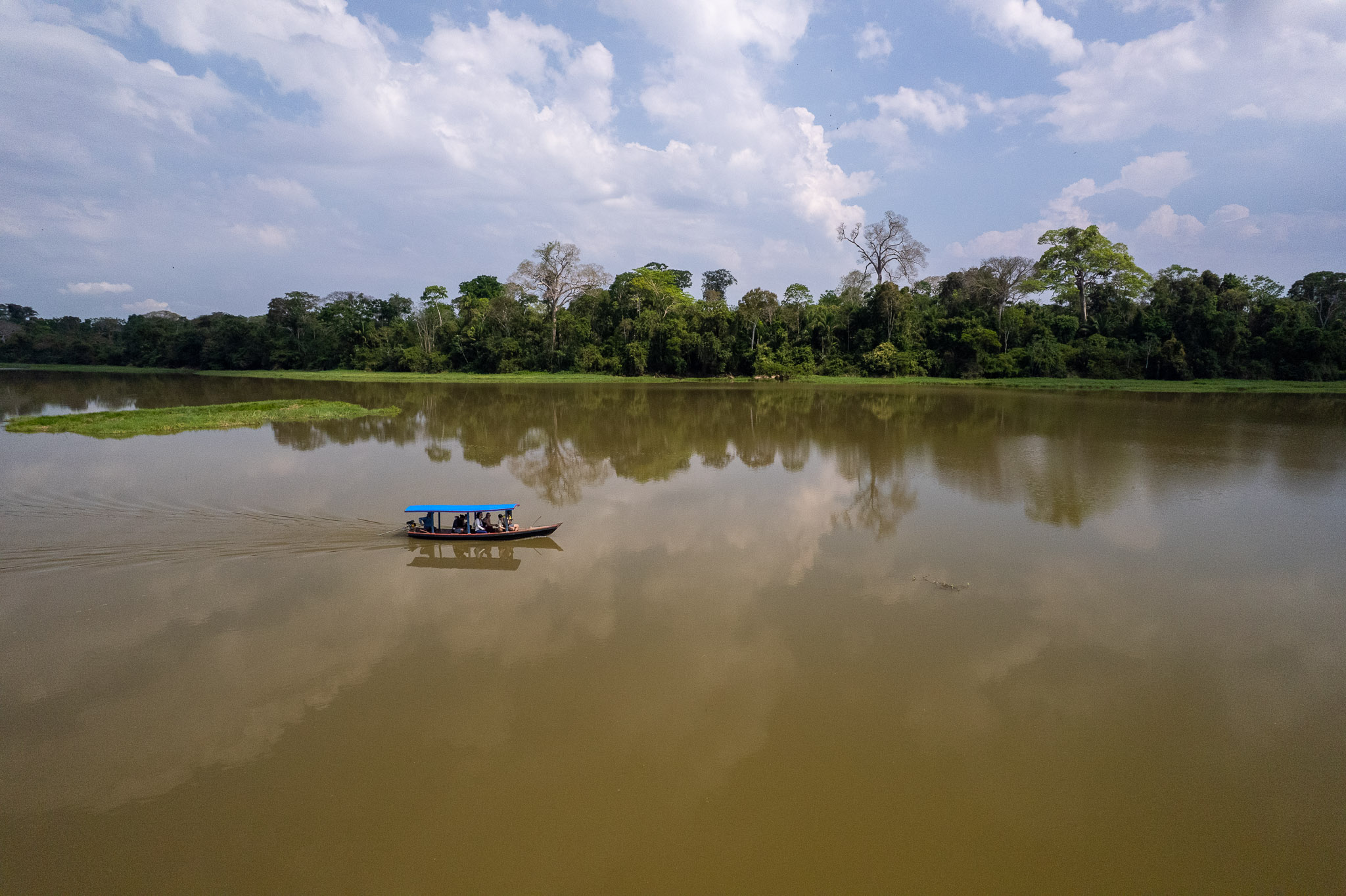
This program focuses on conservation and scientific research in the Amazon. Volunteers collect data on wildlife and plant species in the Aquicuana Reserve, monitor environmental changes, and assist with resource management projects. They also support ongoing research studies alongside international and local scientists.
The research program is where science meets jungle adventure. You can roll in with your own project idea or pick one of theirs—either way, Leah, Erik, Sasha, and a professor from the University of Riberalta will hop on a quick Zoom to nail down your plan and give it the thumbs-up.

Meet the Researchers

When I was there, three guys around my age were doing research. I followed them for a few days to learn about their projects and film them. Here’s what they were up to:
  • Xavier, from the US, geeked out on lake water stats—temperature, pH, you name it—to see how it impacts mosquito populations and the fun diseases they’re carrying.
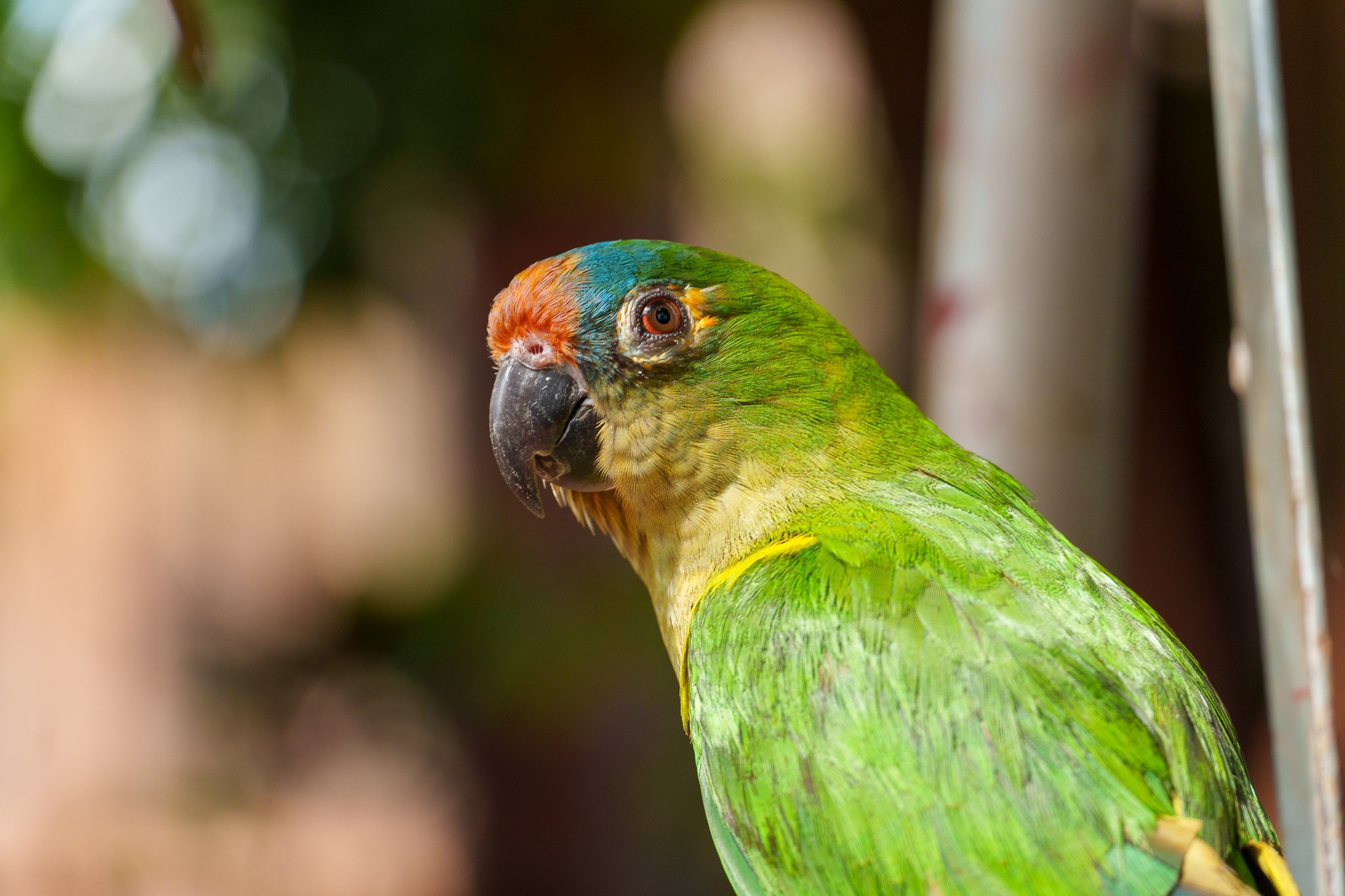
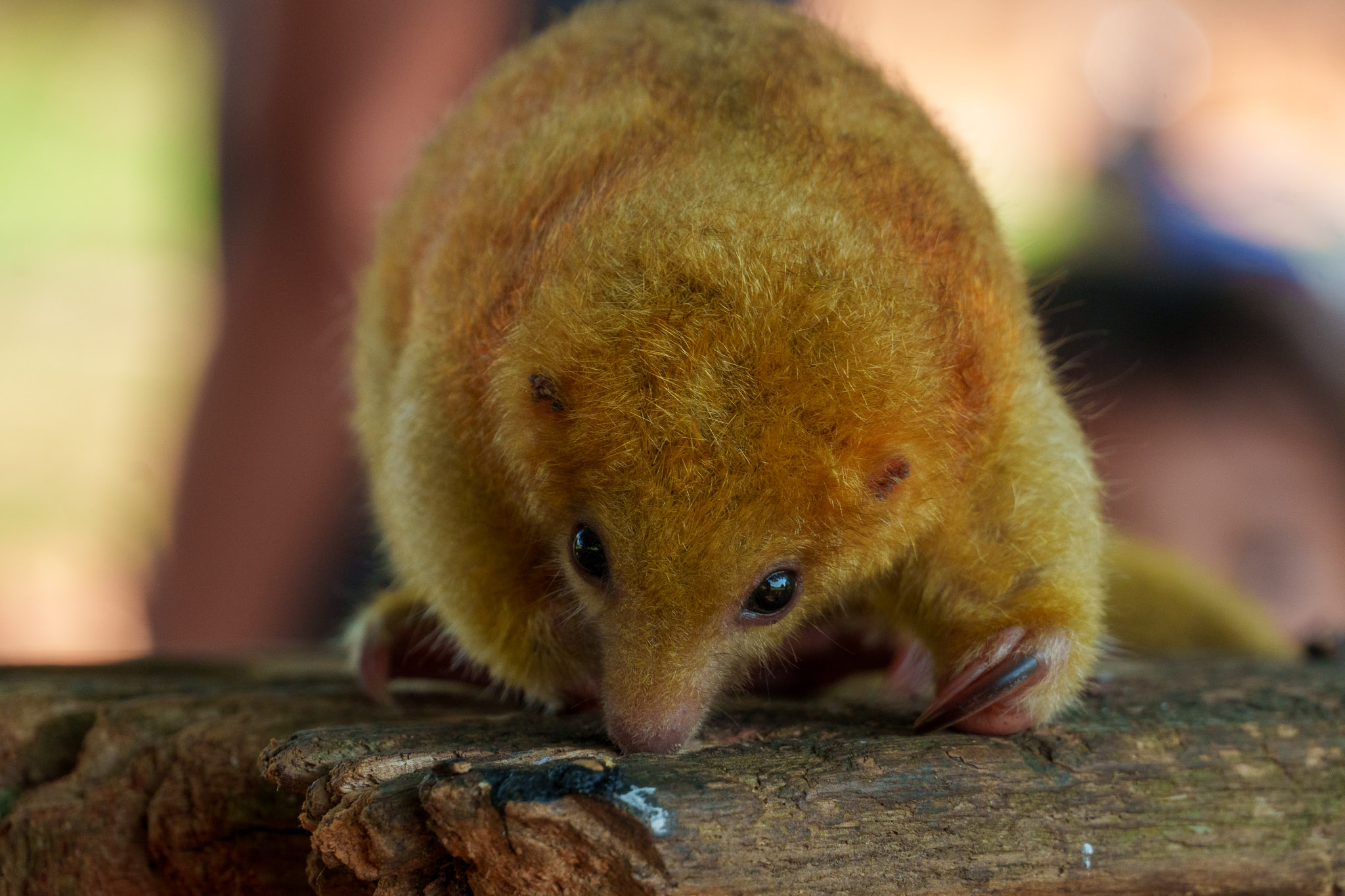
  • Suzie, also from the US, went full bird nerd, documenting every feathered friend in the reserve. She spent nights and days with her camera (no bird-wrangling, promise) and set up camera traps to catch critters snacking on palm trees.
  • Rachel? She was on a jaguar hunt—well, sort of. Instead of wrestling big cats, she teamed up with local guides to plant camera traps deep in the jungle and gather proof that jaguars really do roam here.

This research truly helps Sustainable Bolivia grow. Each project helps us better understand the ecosystem. The Peru Amazon is quite famous, as is the Brazil side. But Bolivia? Not so much—even though the Amazon region represents 75% of Bolivia’s territory. There’s so much to discover here!

How to Get Involved

Sustainable Bolivia welcomes volunteers from anywhere all year long. Check out their website at sustainablebolivia.org or shoot them an email. They’ll take care of your logistics, permits, and accommodation so you can focus on your jungle science—and maybe spot a jaguar or two.
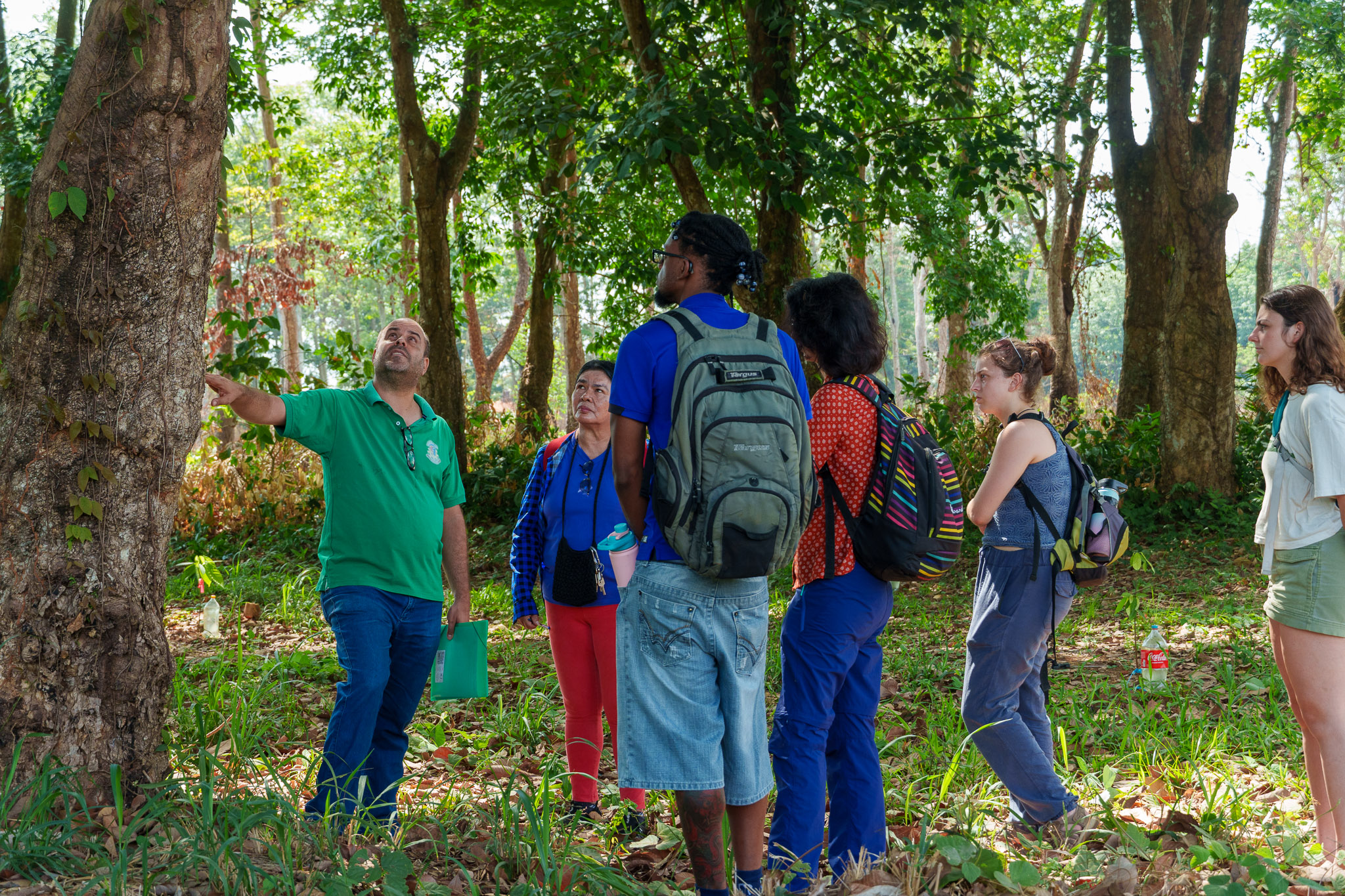
My Role

My job was to promote both programs by creating two videos that explain how each volunteering opportunity works.

School Program Video

For the school program, I filmed how the lessons are run, where they take place, and what the experience is really like. I highlighted the progress the kids were making and invited future volunteers to come teach Bolivian children.

Research Program Video

For the research program, I captured what the infrastructure looks like and interviewed current volunteers. These study cases help future volunteers understand the kind of research happening at the reserve and what they can expect if they join.
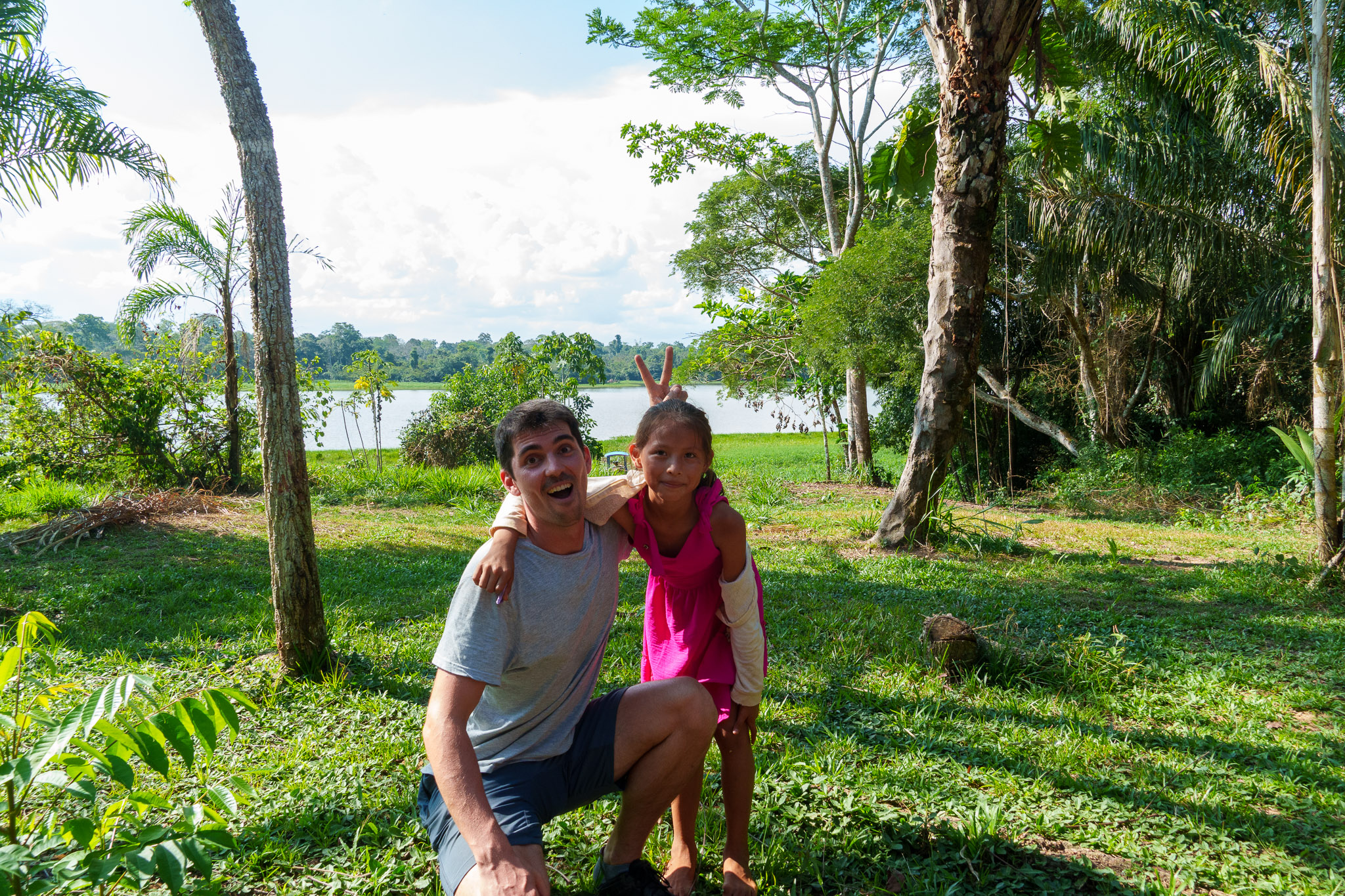
Daily Life in the Amazon: What to Actually Expect

Life at the reserve settles into a chill but productive rhythm once you get the hang of it.

Typical Day Breakdown

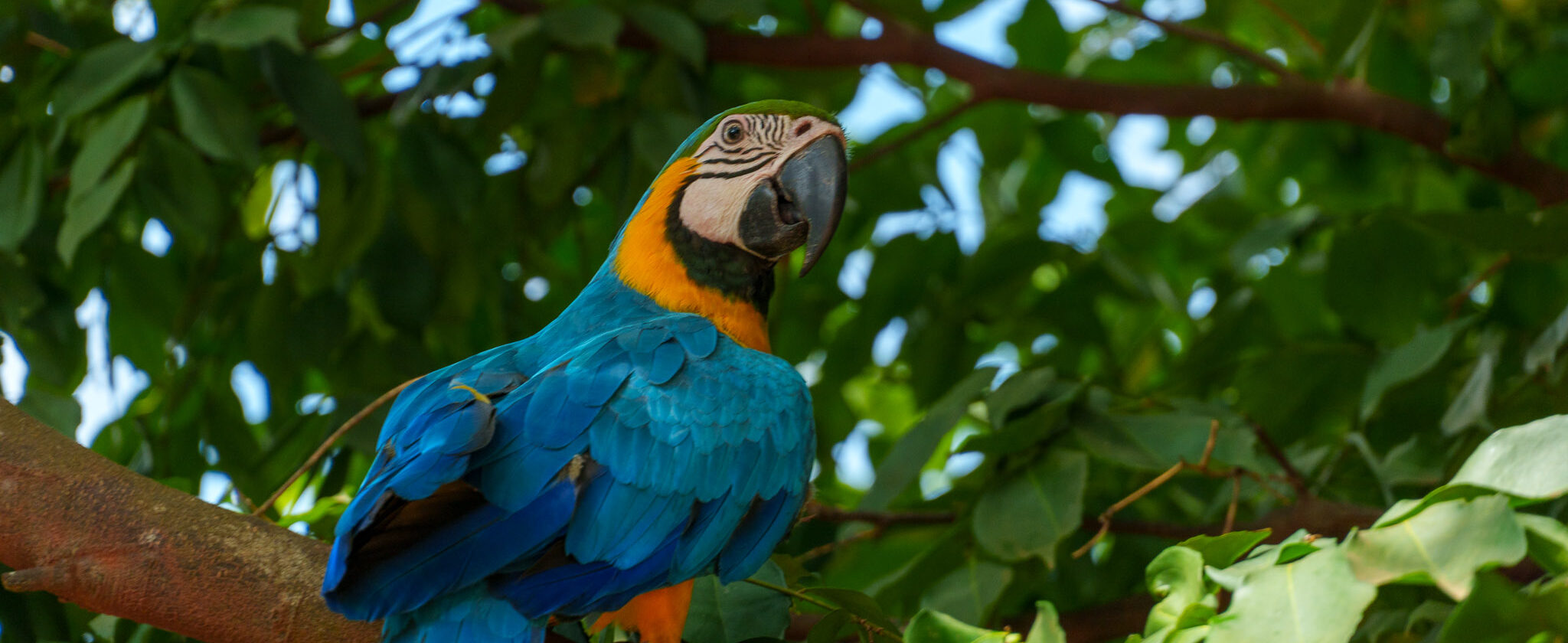
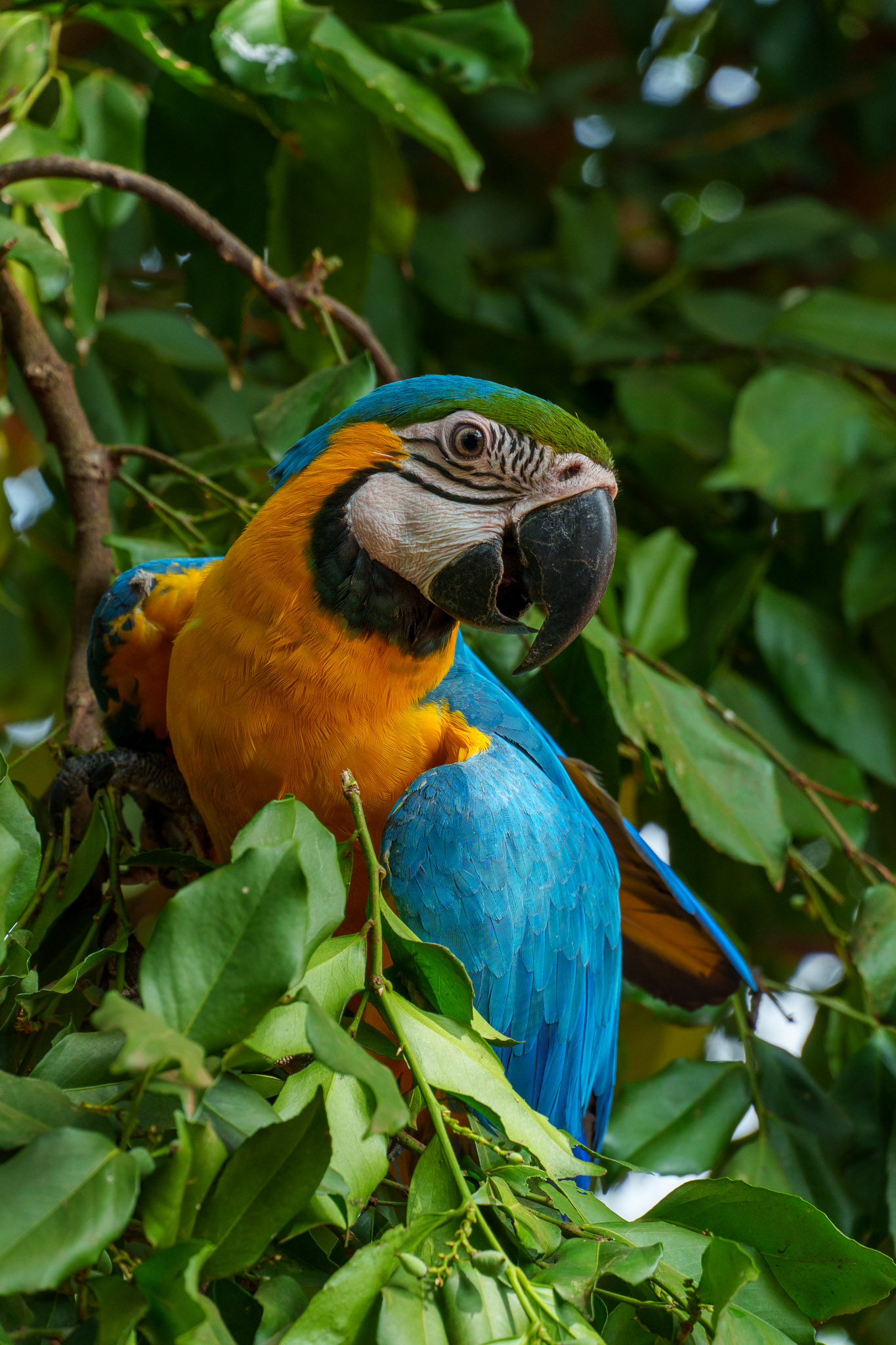
  • Morning work sessions: Wake up early to the jungle sounds—whether it’s crickets, parrots, or monkeys. This is the coolest time, perfect for working on my computer without it overheating.
  • The hot morning: After 11 a.m., it gets too hot to work on the computer. I usually switch to brainstorming or help other volunteers while gathering pictures and footage of their work.
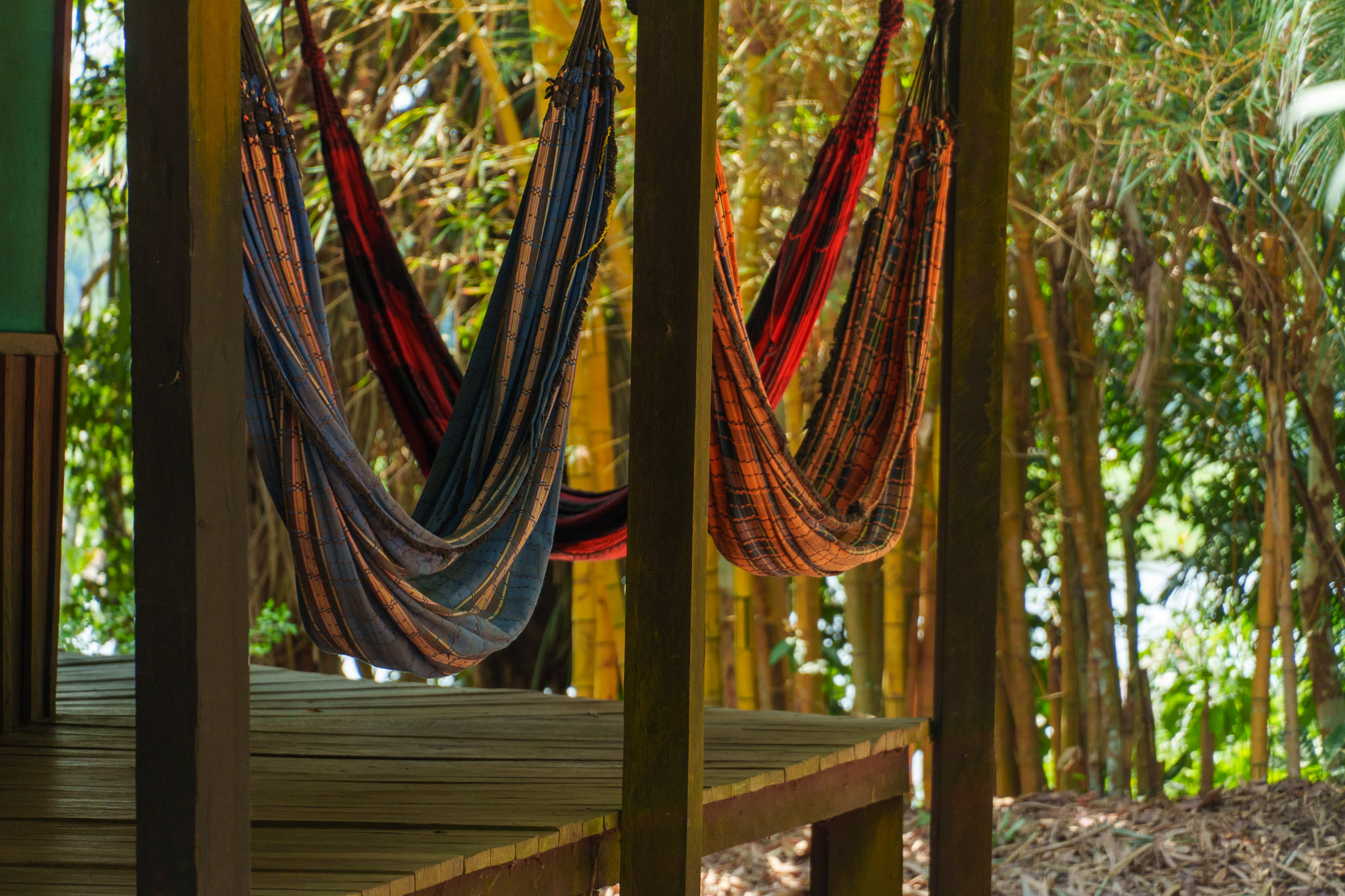
  • Lunch and siesta time: We all eat together, sharing stories and good moments. It’s also the perfect time to relax and nap in the hammock.
  • Afternoon activities: Dive back into work, help with site maintenance, or tag along on a wildlife outing. But no computer for me—it’s still too hot.
  • Evening relaxation: The sun sets early in the Amazon; by 7 p.m., it’s dark. It cools down again, so I can get back to work on my computer.
  • Dinner time and games: Like lunch, we eat together, share a beer, and play card games. It’s all fun.
The coolest part for me was tagging along with everyone to gather footage for my videos. I joined Leah at the school for lessons, headed out with Suzie in the bush to spot birds and monkeys, hopped on Xavier’s boat for lake research, and even followed Rachel deep into the jungle as she set up camera traps.

Preparing for Your Amazon Volunteering Adventure

As a volunteer, you’ll probably be heading to a country very different from your own, with a new culture, region, lifestyle, and packing needs. My list here is mainly for future volunteers heading to hot places like the jungle or forest. But take a moment to read it—it might give you useful ideas no matter where you do your volunteering.
Before you head into the jungle, here’s what you need to pack and know to make your month with Sustainable Bolivia smooth and safe.

Essential Packing List

  • Insect protection: Strong bug spray and a mosquito net
  • Clothing: Fast-drying shirts and pants, long sleeves, and a lightweight rain jacket
  • Tech: Headlamp, power bank, and waterproof bags for your gear
  • Health: First-aid kit and any prescription meds you need
  • Comfort items: Travel hammock, quick-dry towel, and a reusable water bottle
  • Work tools: Camera equipment or other gear specific to your role

Health and Safety Tips

  • Vaccines: Get Yellow Fever, Typhoid, and Hepatitis A shots before you go.
  • Malaria: Take prophylaxis and use mosquito nets at night.
  • Water: Stick to boiled or purified water only.
  • Sun and heat: Wear sunscreen, a hat, and stay hydrated.
  • Medical facilities: Basic clinic on site; major hospitals in Riberalta.
  • Emergencies: Follow Sustainable Bolivia’s protocols and keep their on-site manager’s number handy.

Setting Realistic Expectations

  • Facilities: Expect cold showers, simple meals, and occasional power outages.
  • Jungle life: It’s hot, humid, and you’ll share space with mosquitoes and other critters.
  • Internet: Starlink works, but speeds can vary—plan to disconnect sometimes.
  • Pace: Life moves slower here; go with the flow and embrace the downtime.
  • Weather: Rainstorms can pop up suddenly; pack quick-dry gear and patience.
Volunteering in South America is generally safe when you choose reputable organizations and follow local safety guidelines. Most volunteer programs are well-established, provide support and orientation, and operate in secure environments. Always research the organization beforehand, read reviews from past volunteers, and stay informed about the specific region you'll be visiting to ensure a safe and rewarding experience.
The cost to volunteer in South America varies depending on the program, location, and duration. Many programs charge fees ranging from $200 to $600 per month to cover accommodation, meals, and project support. Some organizations may ask for additional contributions for materials or community projects. It's also wise to budget for travel insurance, flights, visas, vaccinations, and personal expenses during your stay.
You don't always need to speak Spanish to volunteer in South America, but knowing basic Spanish greatly enhances your experience and communication with locals. Many programs offer English-speaking coordinators and support, especially in popular volunteer destinations. However, learning some conversational Spanish beforehand shows respect for local culture and helps you connect more deeply with the community and fellow volunteers.
Most volunteer programs in South America require a minimum commitment of two weeks to one month to ensure meaningful impact and allow you to settle into the community. However, some projects welcome longer stays of three to six months or even a year for deeper involvement. Consider your travel schedule, budget, and personal goals when deciding how long to volunteer in the region.
For volunteering in Bolivia, especially in the Amazon region, you'll need vaccines for Yellow Fever, Typhoid, and Hepatitis A. Yellow Fever vaccination is often mandatory for entry into jungle areas and may be checked at health checkpoints. It's also wise to ensure your routine vaccinations like tetanus are up to date and consult a travel health clinic several weeks before departure for personalized advice.
Yes, you can volunteer in South America without prior experience, as many programs welcome enthusiastic beginners and provide training and support. Programs often value your willingness to learn, adaptability, and genuine interest in helping more than specific skills or qualifications. Whether you're teaching, assisting with conservation, or supporting community projects, on-site coordinators will guide you through your tasks and responsibilities.
Yes, you can travel around South America while volunteering, especially if you plan your volunteer commitment around your travel itinerary. Many volunteers use weekends or breaks between programs to explore nearby cities, national parks, and attractions. Some programs also offer flexibility in scheduling, allowing you to combine meaningful volunteer work with travel adventures. Just ensure you meet your program's minimum commitment and coordinate time off with your host organization.

When you travel abroad for holidays, you’re always exposed to risks like food poisoning, injuries, or even lost luggage. By booking insurance with EKTA, you’ll have peace of mind knowing you’re covered, so you can focus on enjoying your trip stress-free.
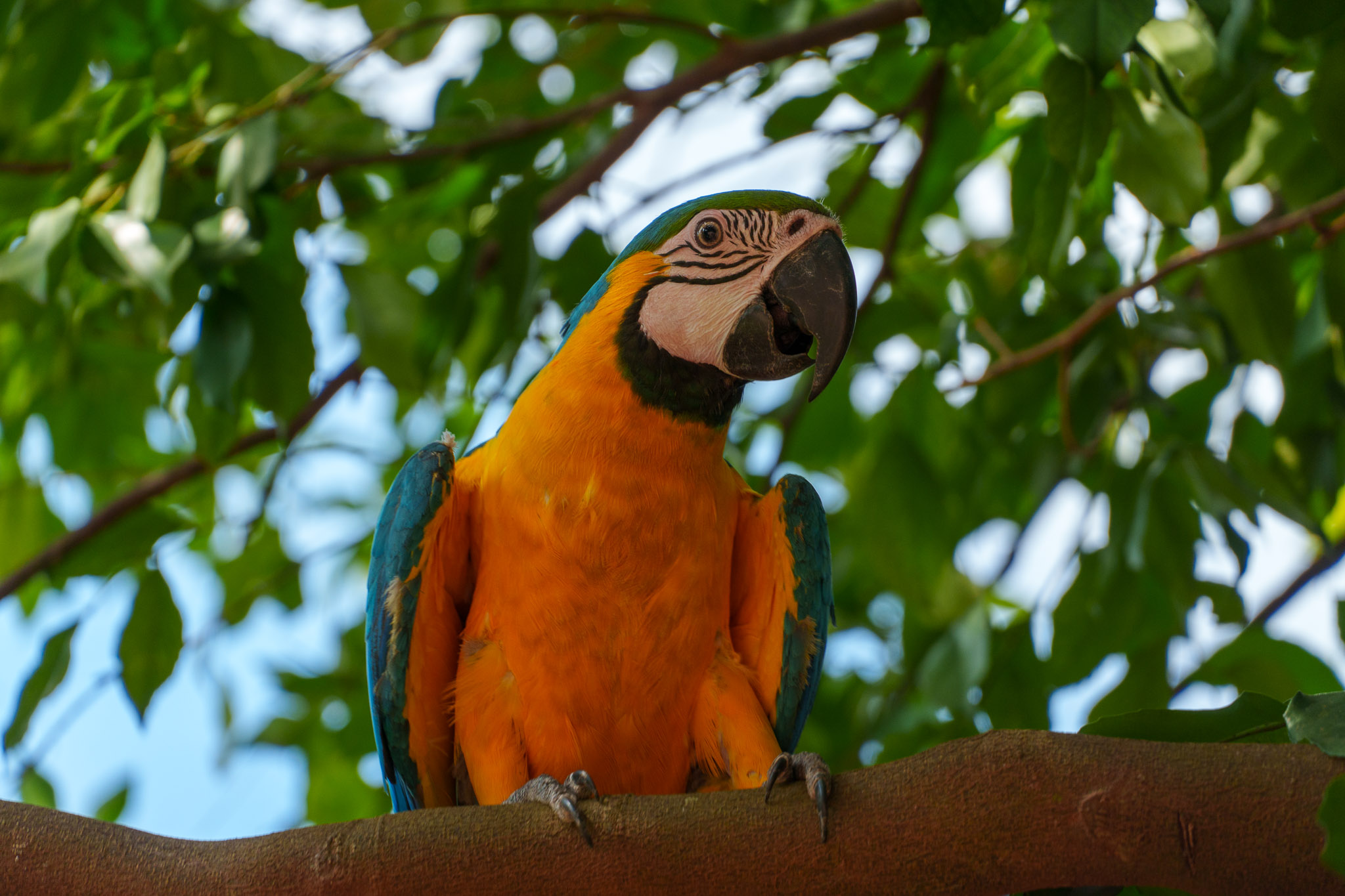
Conclusion: The Adventure of a Lifetime

Spending a month volunteering in Bolivia’s Amazon brought me face to face with real, passionate people working with conviction toward meaningful change. From new discoveries in the rainforest to projects that boost local capacities, every day was filled with deep connections and unforgettable moments.
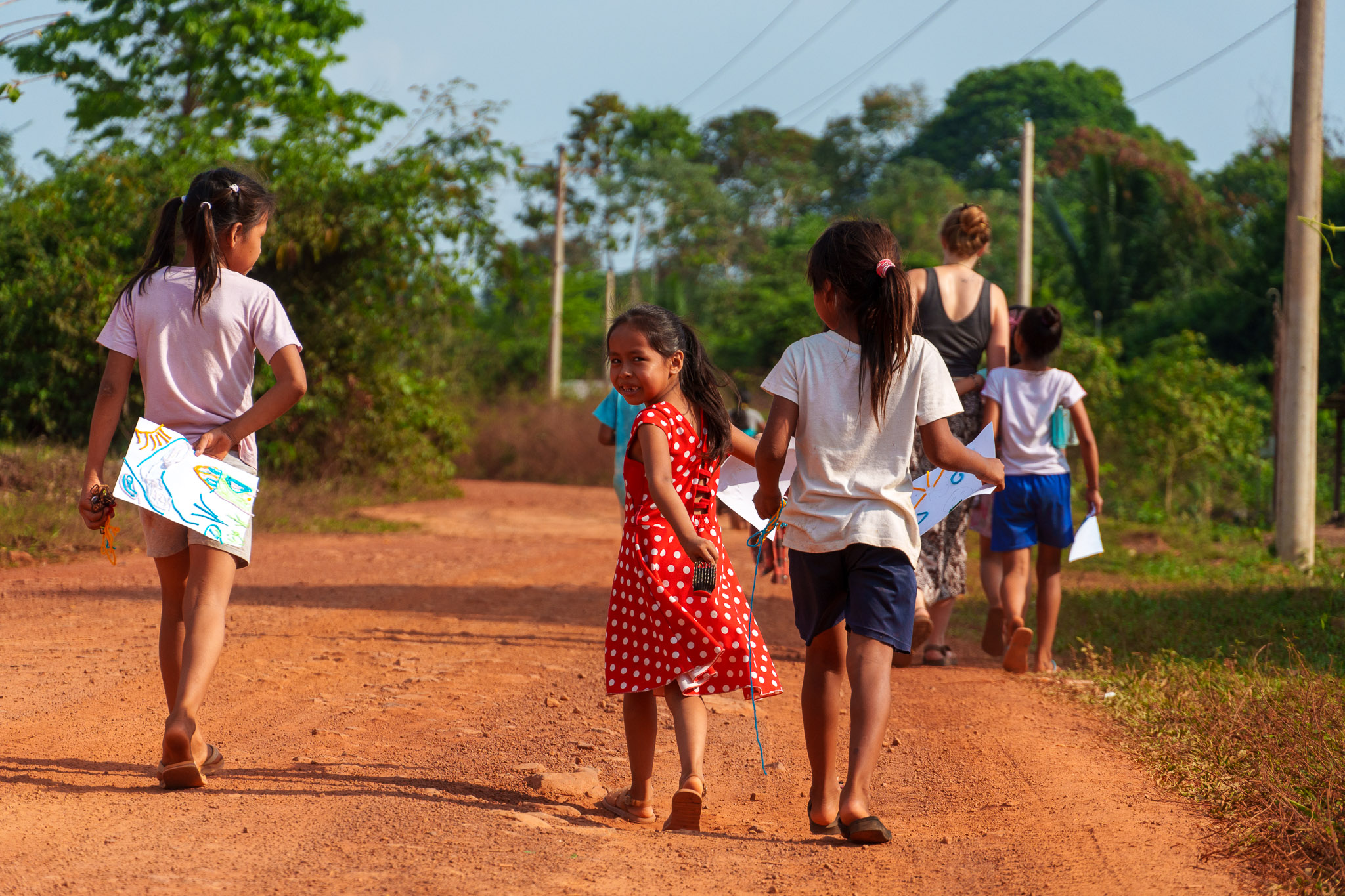
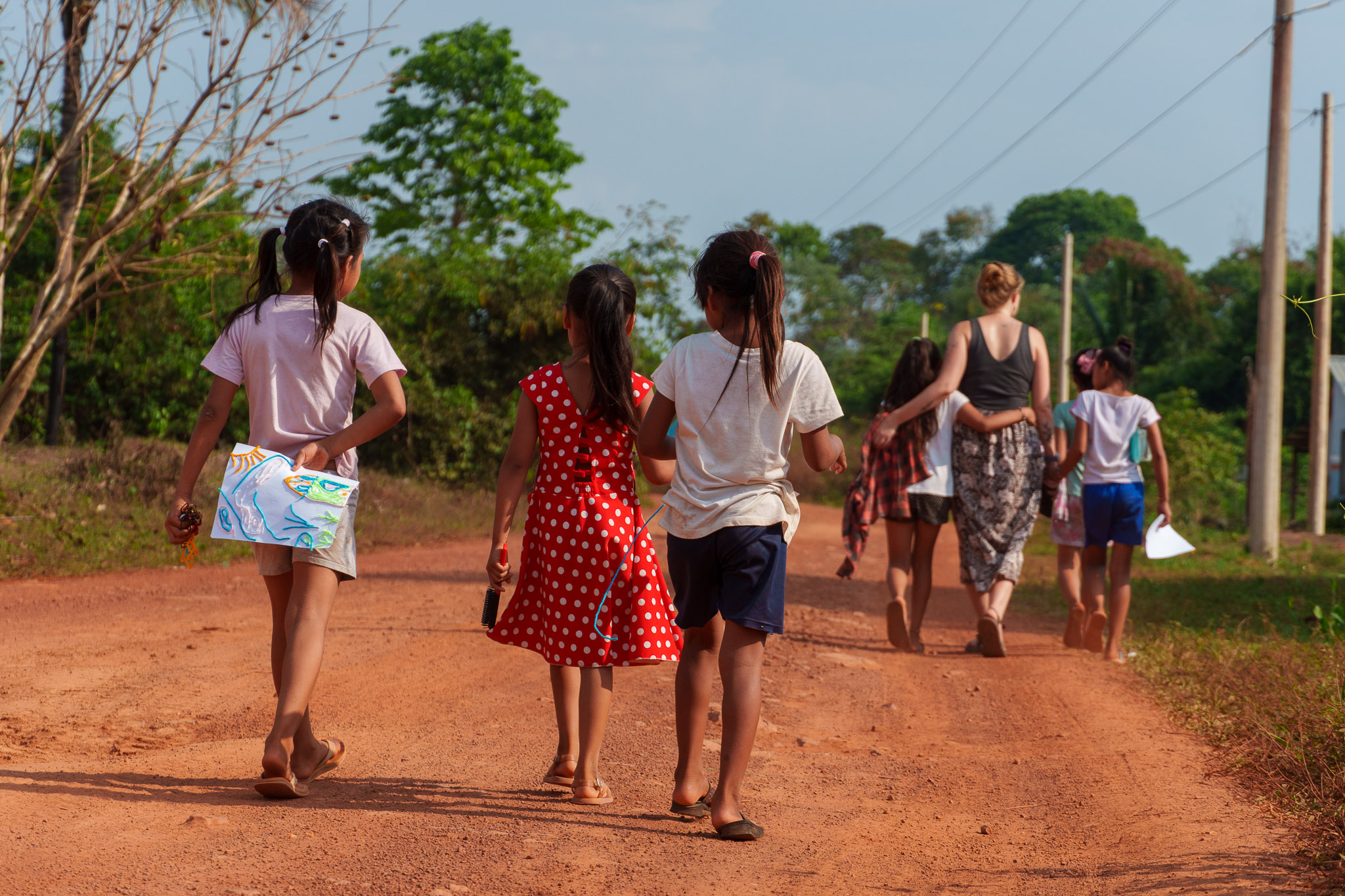
This experience teaches patience and slow living, showing you the value of community and the balance between preservation and daily life. It rewires your priorities, transforming the way you see the world and your role in it.

That's a really great place and activity to do if you plan a trip to bolivia.

Volunteering in Bolivia’s Amazon was truly the experience of a lifetime! Some days were quite hot, others plagued by mosquitoes invading every inch, but in the end, you only remember the good moments—the animals you discovered and the innocent moments shared with the children.
Freebie For You !

Thanks for sticking around until the end — that really means a lot. To show my appreciation, I’ve prepared something special for you: a Travel Guide 101 packed with my favorite tips, useful websites, and practical info to help you plan your next adventure.
    This post is also available in :

    Picture of Hugo Mathieu
    I'm Hugo, a traveler driven by curiosity and a passion for discovering the world's hidden corners. After exploring over 30 countries across Latin America and Southeast Asia, I've learned that every adventure shapes who we become. I'm here to share those lessons and inspire your next great journey.

    Subscribe to the Newsletter

    Join our community and receive exclusive travel stories, guides, and special offers!

      Now Exploring

      Brasil

      Let's Connect

      Affiliate Disclosure

      Some of my posts include affiliate links. If you choose to make a purchase through them, I may earn a small commission—at absolutely no extra cost to you.


      Using these links is the best way to support my work and say thank you, and I appreciate it so much! Of course, everything I share reflects my honest opinions and experiences.

      You Like The Photos ?

      You can purchase them as prints, digital downloads, or with a commercial license.

      Visit my photo shop to bring these moments into your home or project.

      Buy Me A Coffee

      Related Adventure

      View from the plane of Rio d ejaneiro with a beautiful blue sky. We can see the buildings and the beach of copacabana.
      Discover the 31 best things to do in Rio de Janeiro...
      Pedra do sal on a monday night in the center of Rio de Janeiro, Brazil. there is a huge crowded listening to a samba group in the middle.
      Discover where to go out in Rio, best bars in Rio, samba...
      Aerial view of the rice terrace field in Bali island above Ubud city
      Wondering where to stay in Bali? This practical guide...
      Drone view of Potosi and the Cerro Rico in the background.
      Discover the Mines of Potosi and Cerro Rico silver...
      Bloco at Ipanema beach during the Rio de Janeiro Carnival.
      Plan your first Rio Carnival like a pro. Learn about...

      Hugo Mathieu

      I'm Hugo, a traveler driven by curiosity and a passion for discovering the world's hidden corners. After exploring over 30 countries across Latin America and Southeast Asia, I've learned that every adventure shapes who we become. I'm here to share those lessons and inspire your next great journey.

      Share it with the person you to travel with !

      You might also like to read these articles

      Scroll to Top