
Pisac is often a simple stop on most Sacred Valley tours, yet this small village in the Andes deserves much more than just a few hours. Known for its breathtaking Inca archaeological site and its vibrant local culture, Pisac offers a mix of ancient history, colorful markets, and peaceful landscapes.
Located only a short drive from Cusco, it is often included in day trips, but spending one or two nights in Pisac will let you experience a unique side of the Sacred Valley, far away from the busy streets of the big city.
The charm of Pisac lies not only in its ruins but also in its atmosphere. The town has a warm and creative vibe, often described as a little hippie retreat in the Andes, where local families and international travelers live together in harmony.
With cobbled streets, friendly people, cozy coffee shops, and breathtaking mountain views, Pisac is the kind of destination that invites you to slow down and enjoy every detail.
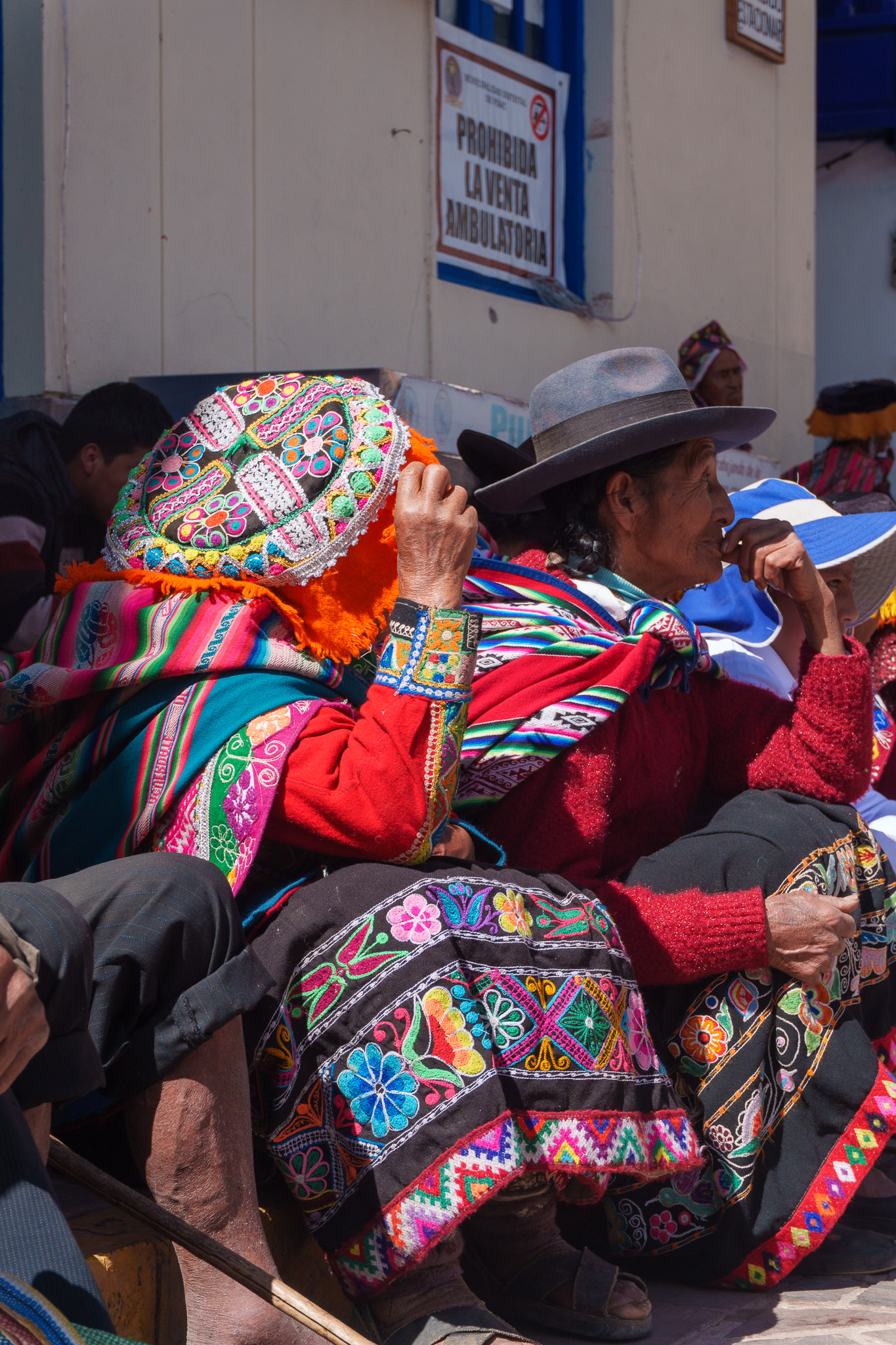
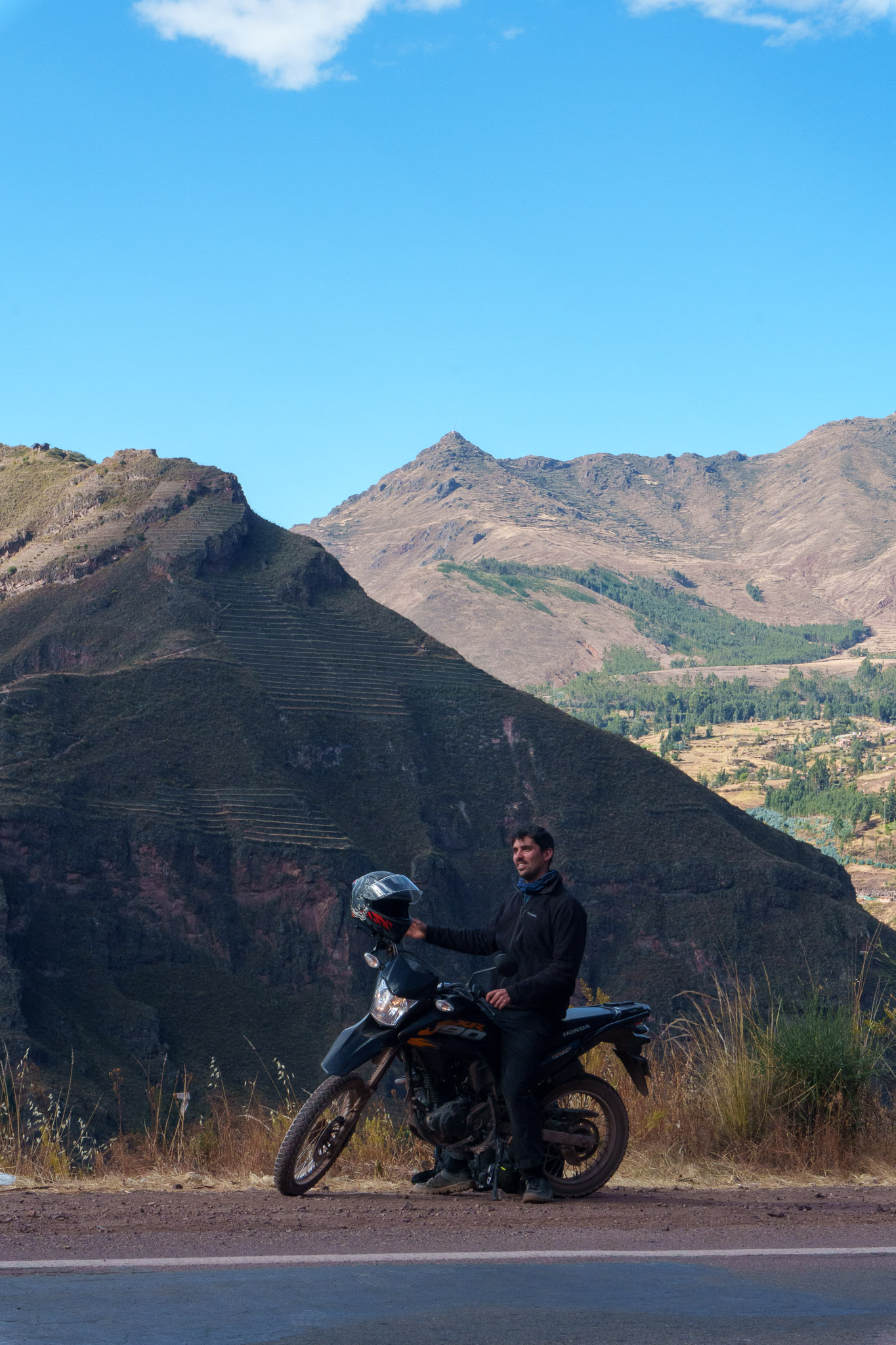
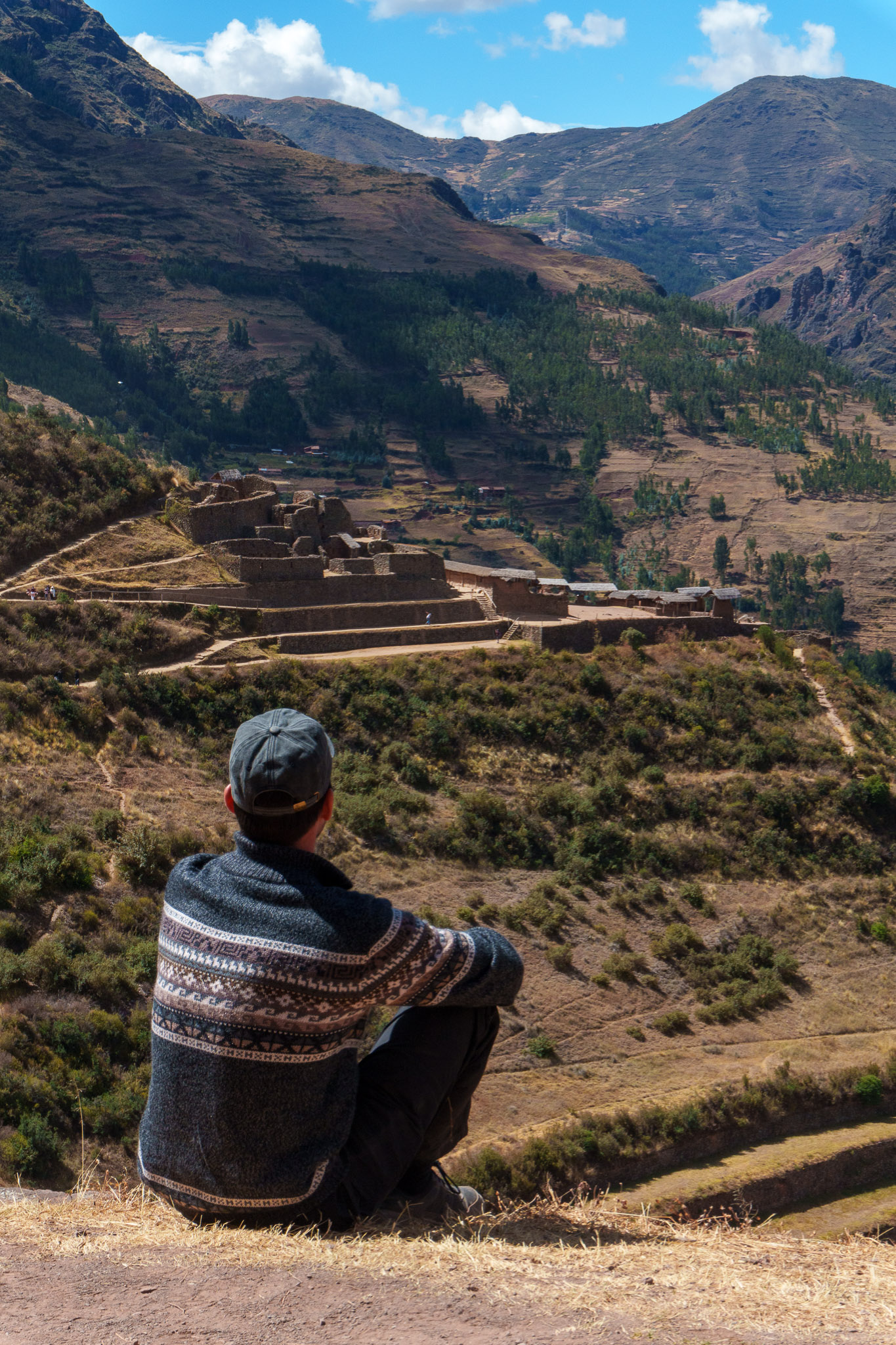
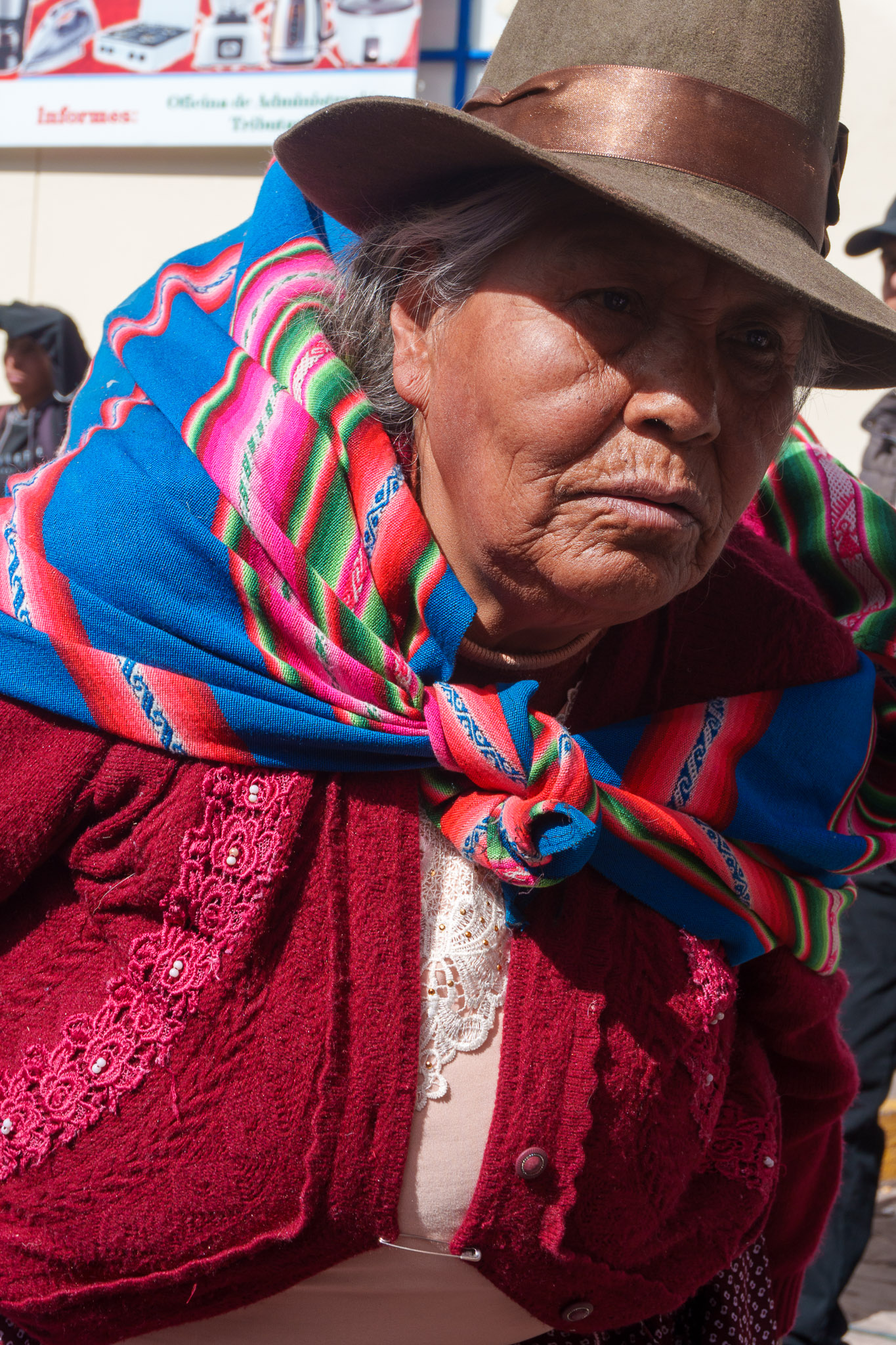
Table of Contents
Essential Information about Pisac
Why is Pisac Famous?
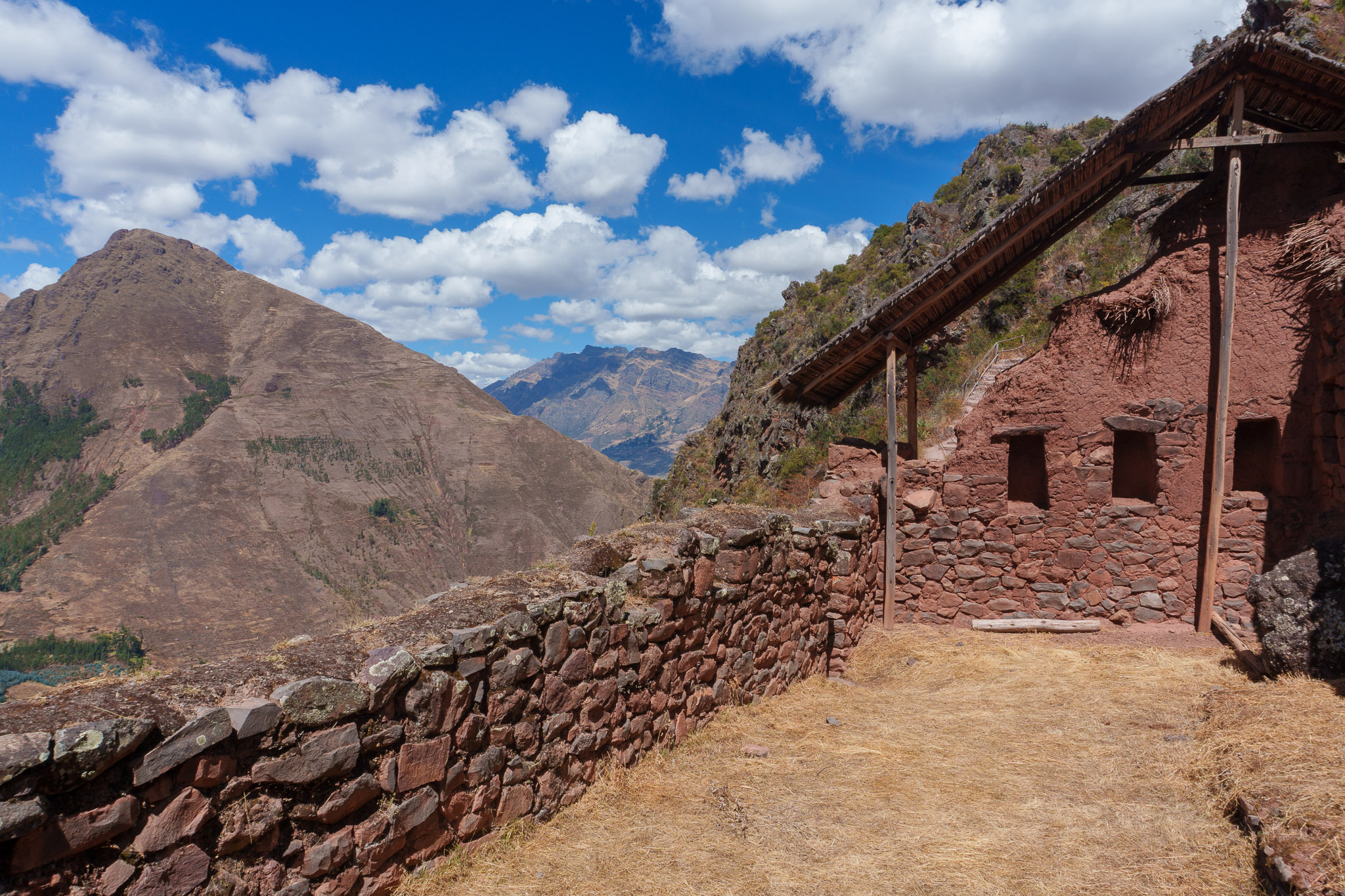
Pisac is mainly known for the impressive archaeological site that towers above the village. Built by the Incas, it is one of the largest and most remarkable citadels of the Sacred Valley.
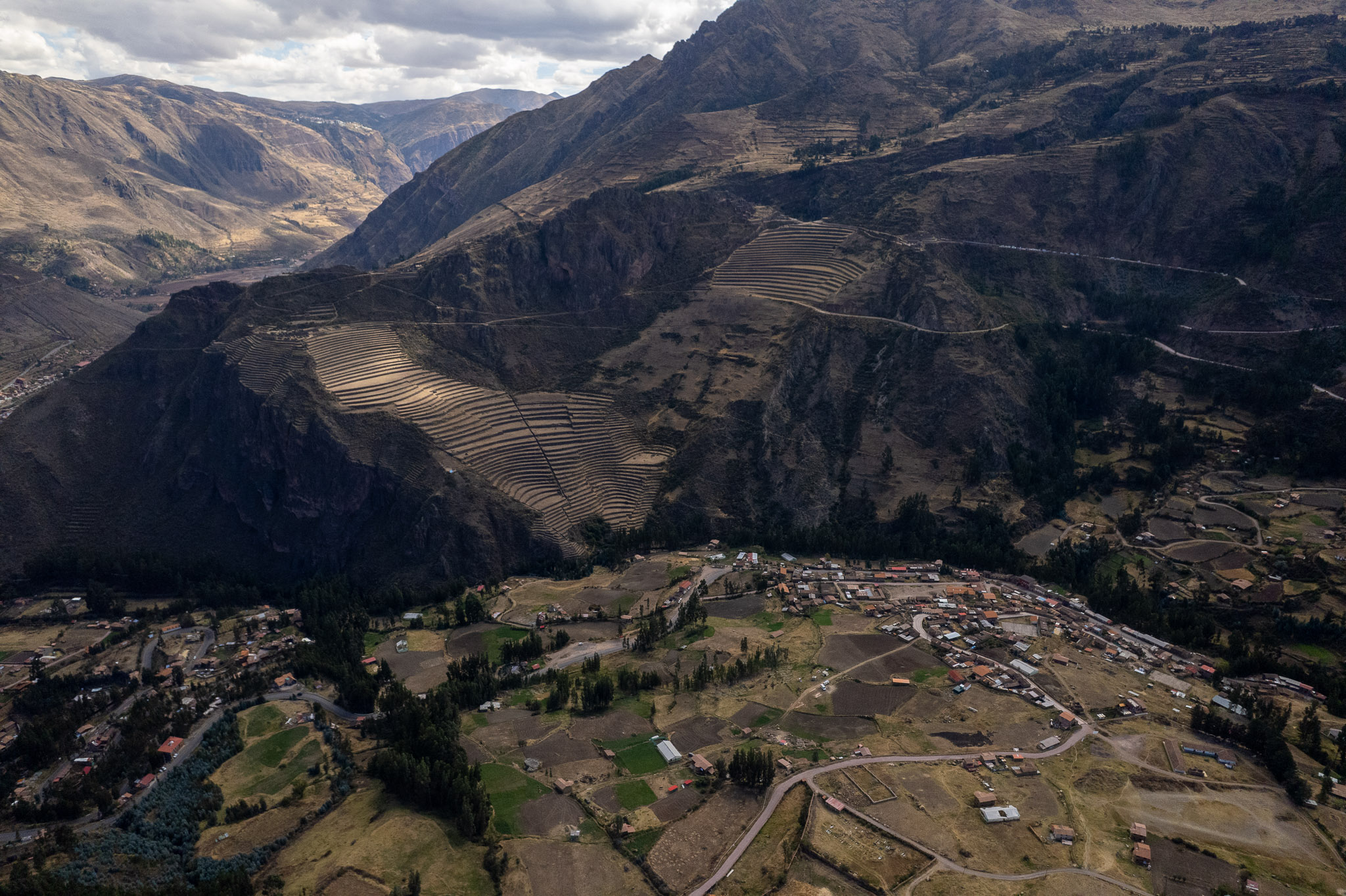
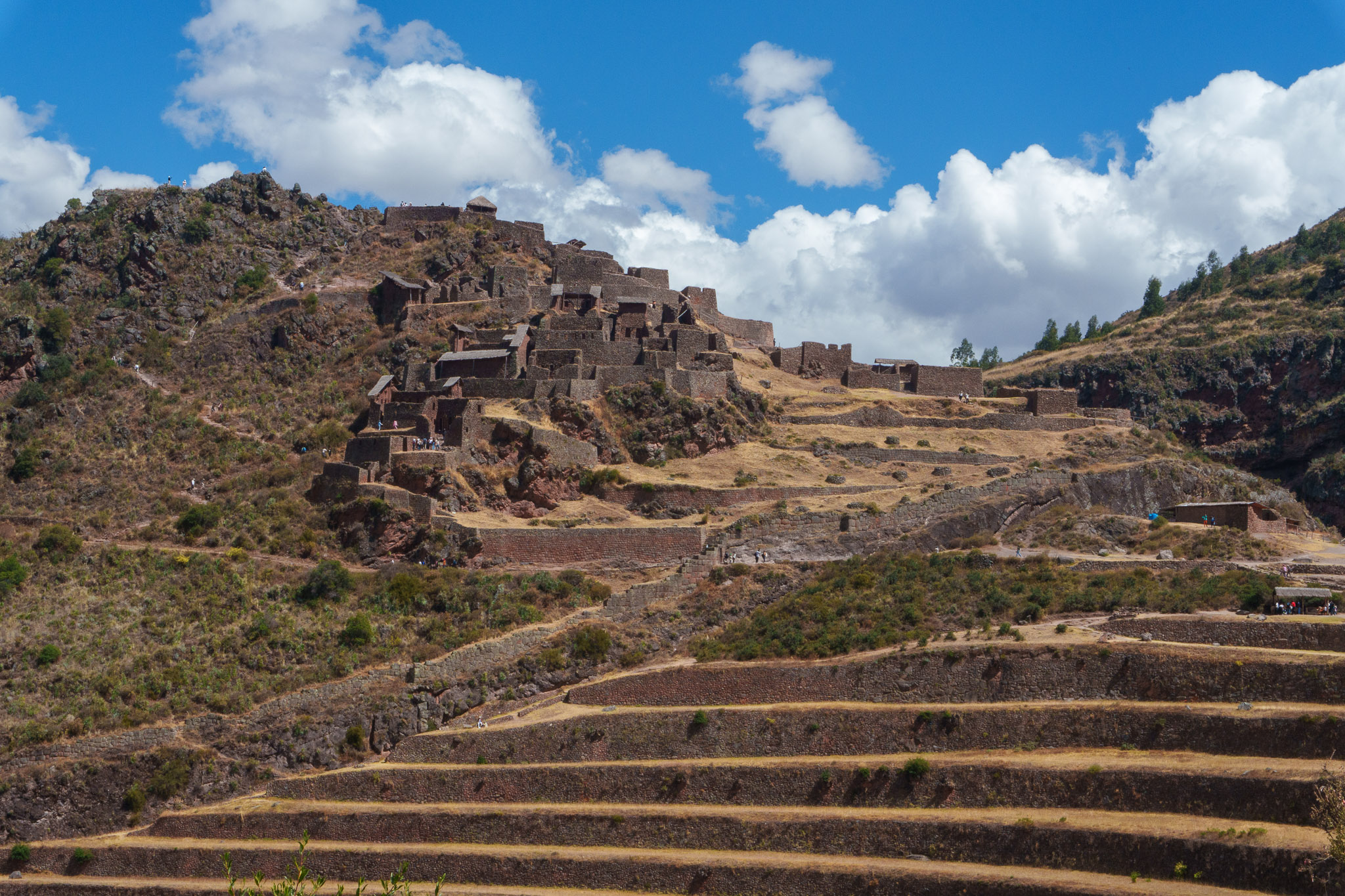
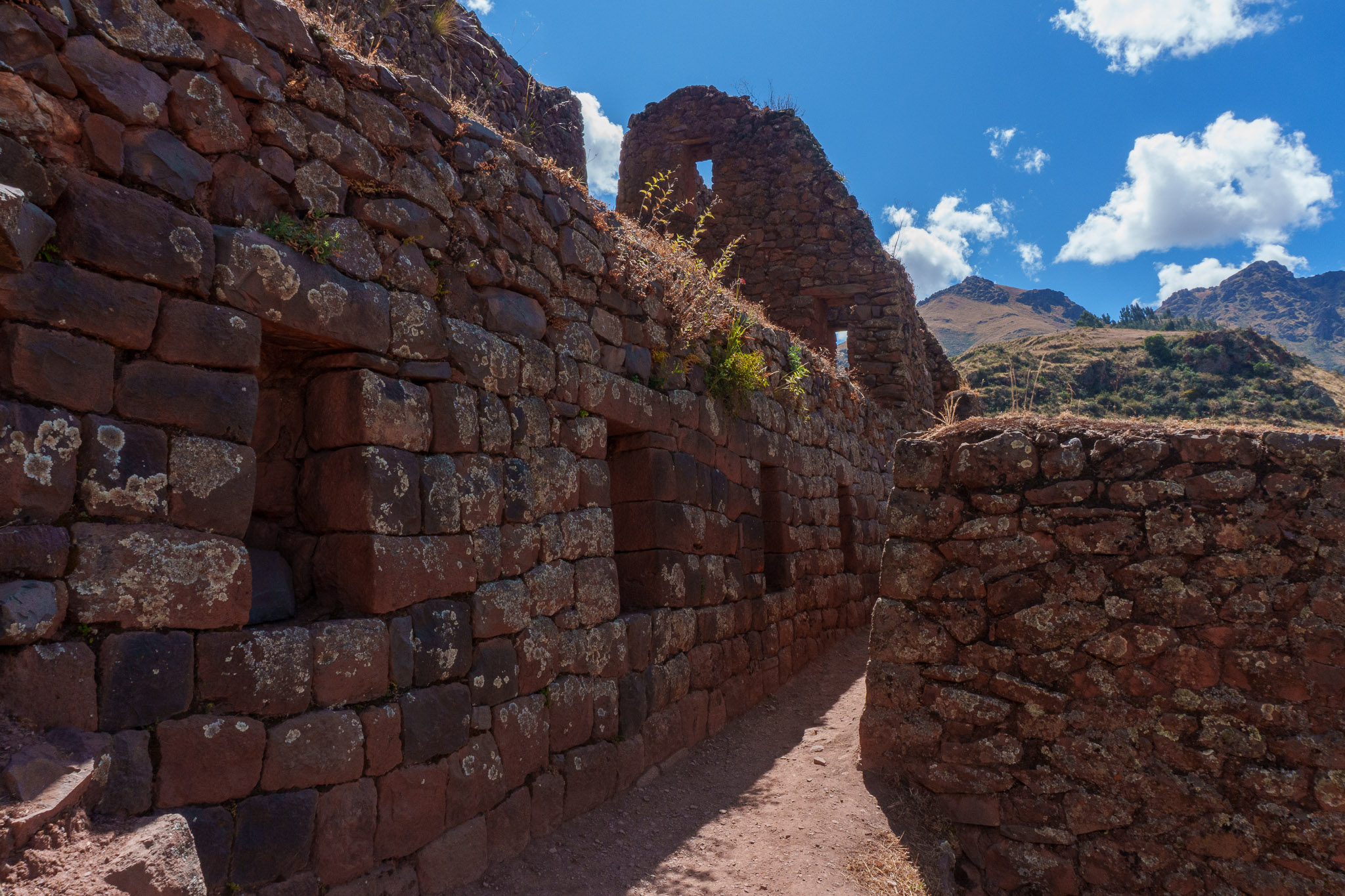
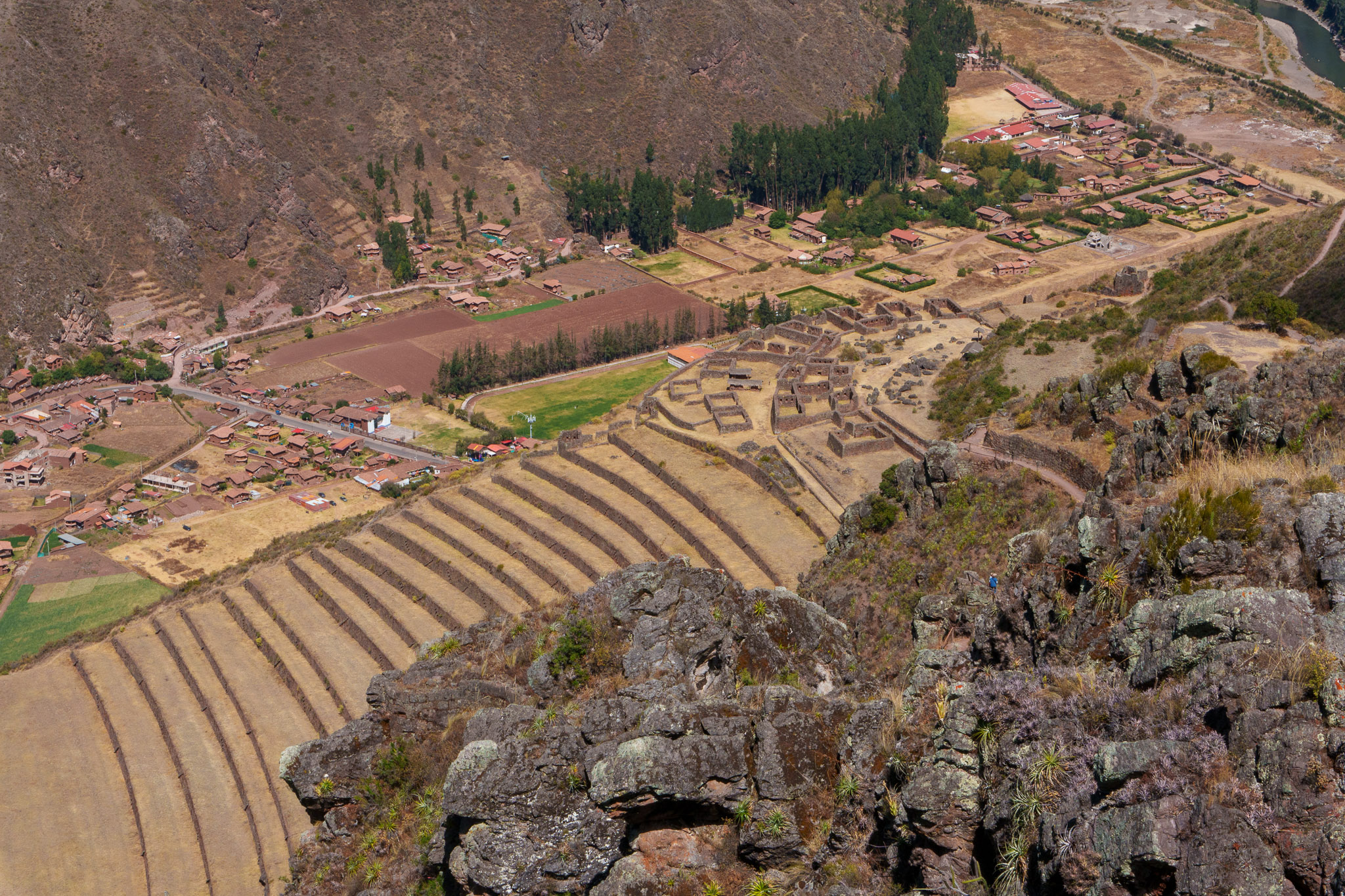
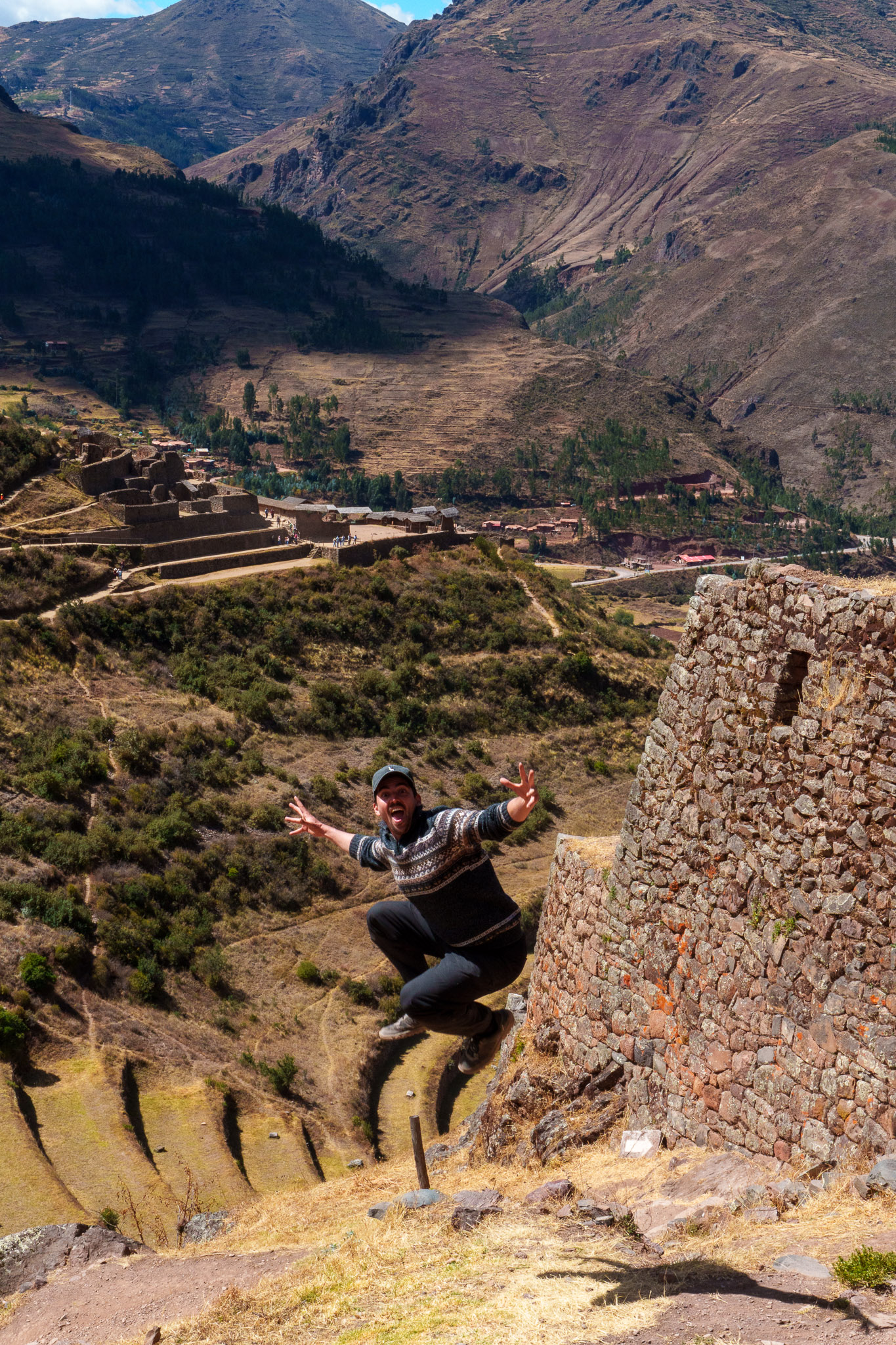
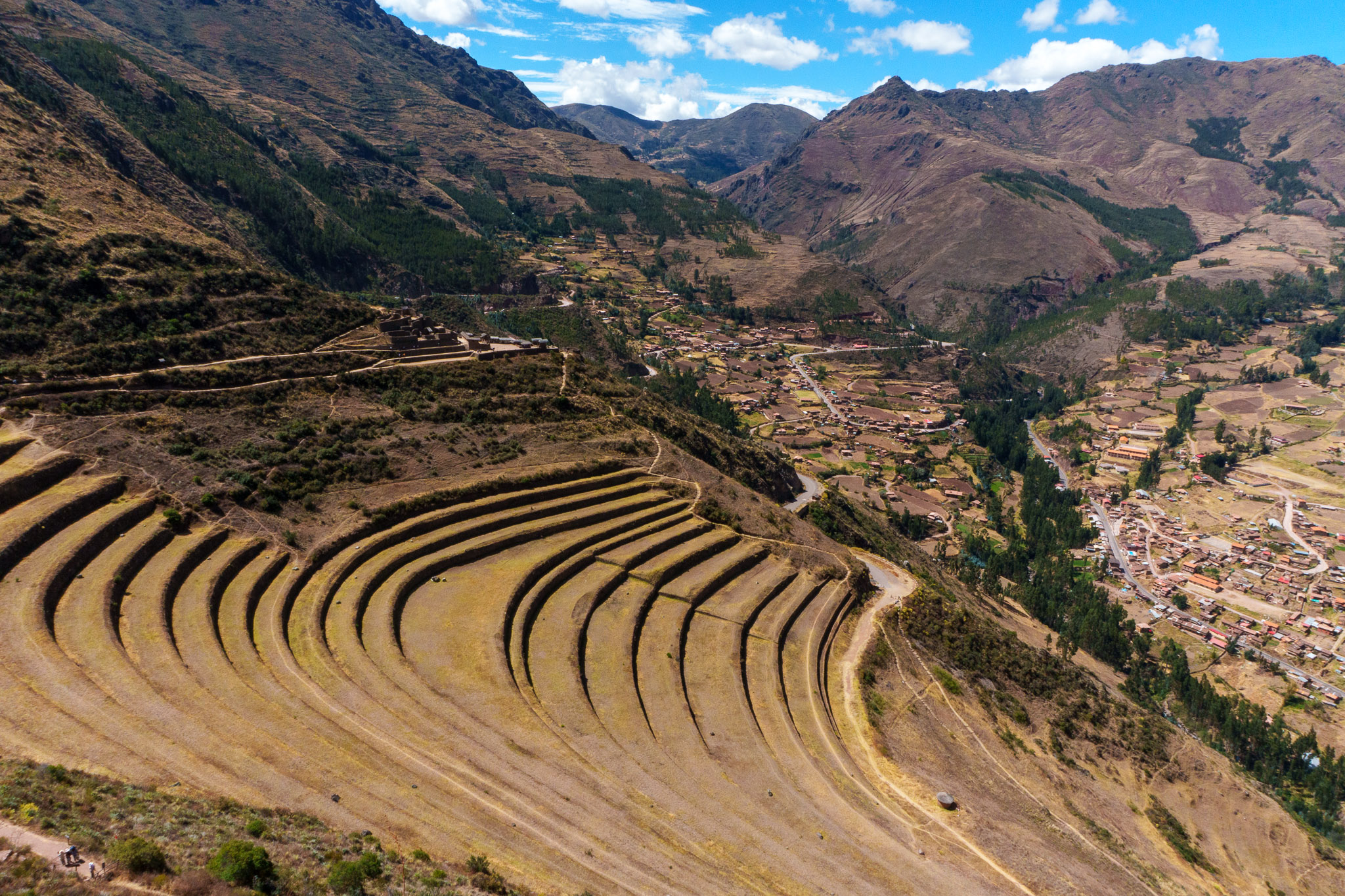
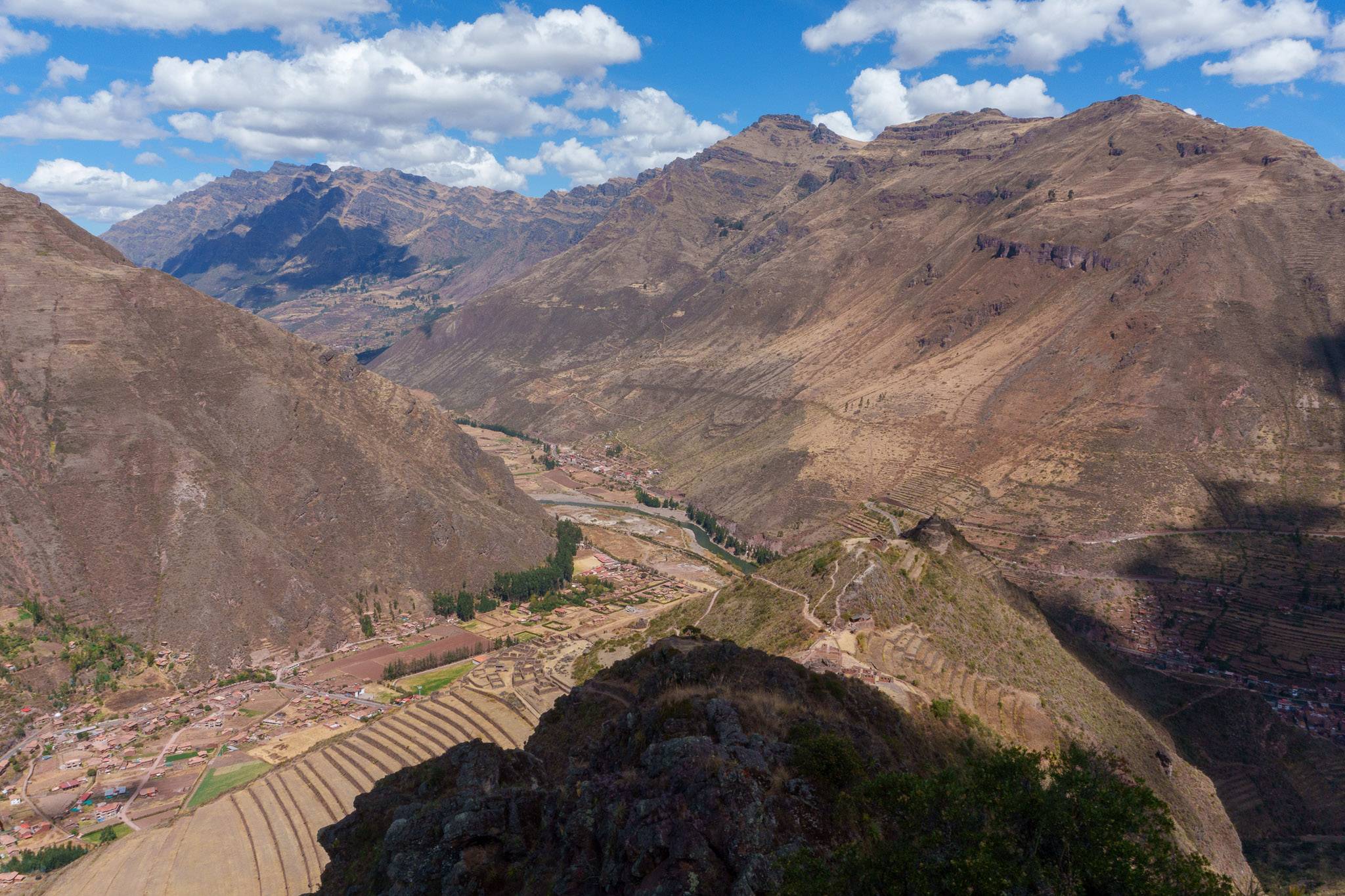
The ruins of Pisac showcase advanced agricultural terraces carved into the mountain, ancient residential areas, ceremonial temples, and breathtaking views that sweep across the valley.
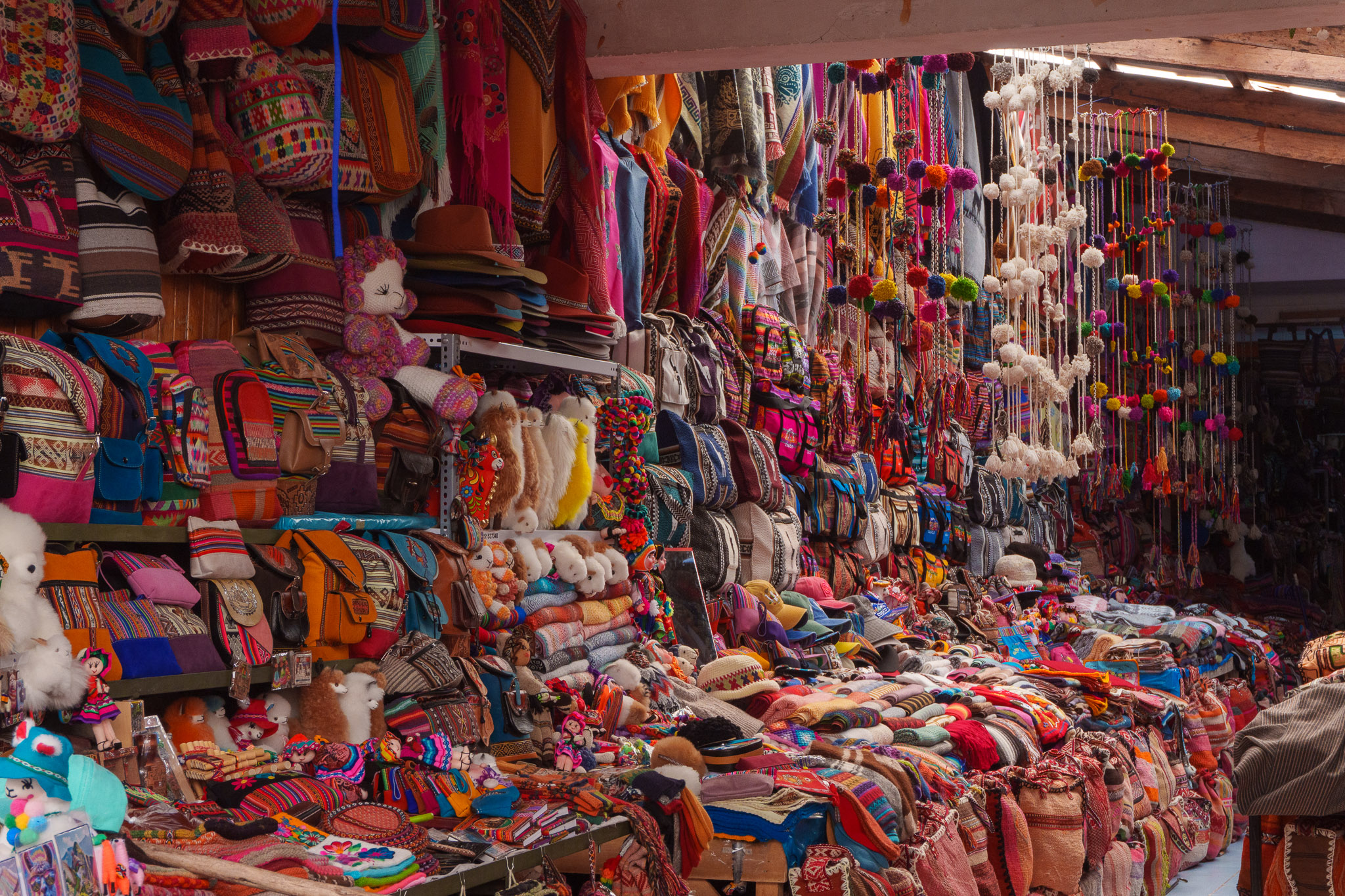
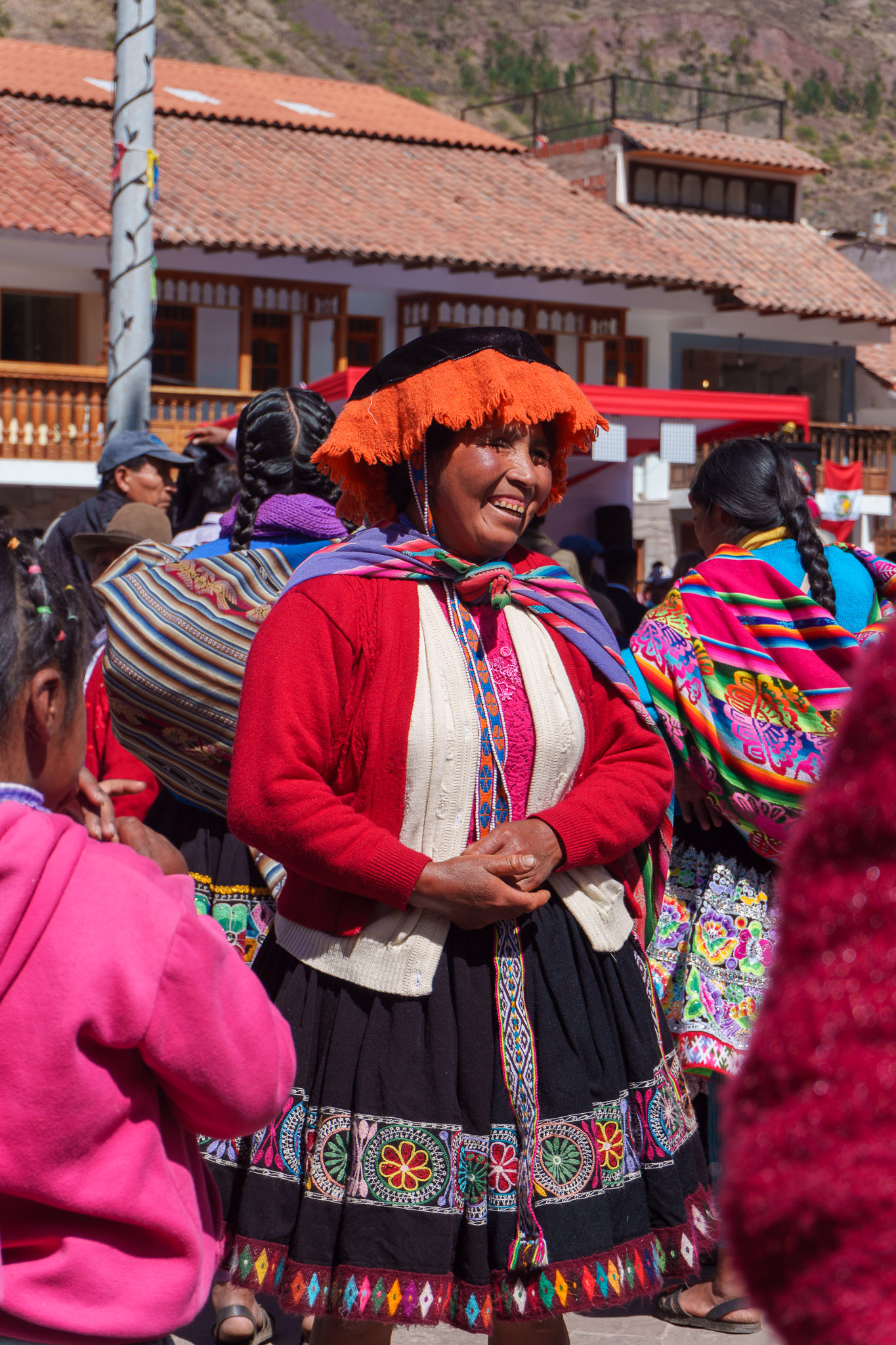
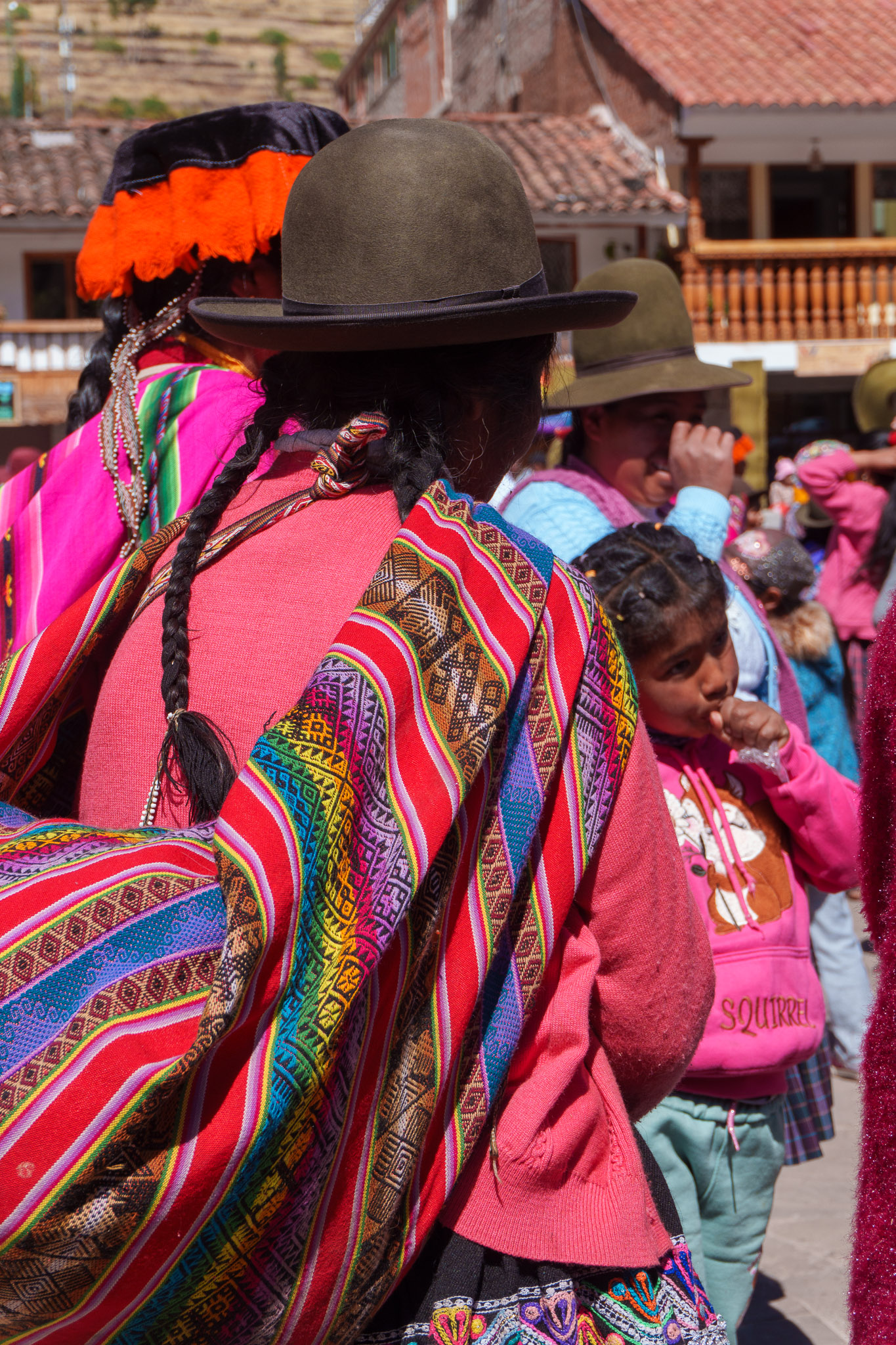
The town center itself is also famous. Pisac is home to one of the busiest traditional markets in the Sacred Valley, where travelers can shop for colorful handicrafts, textiles, jewelry, and local produce.
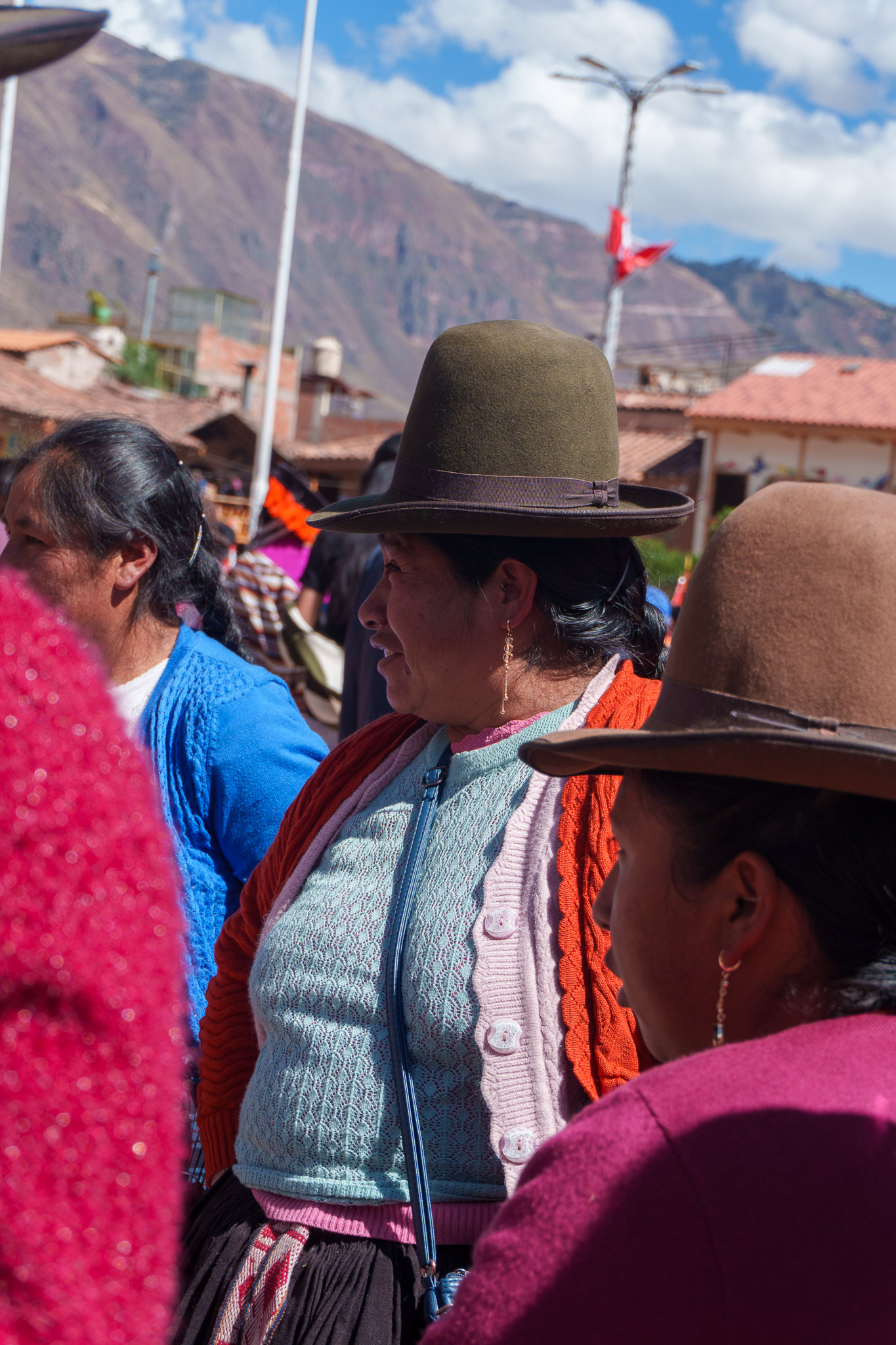
This market has made the town a popular stop for both tourists and Peruvians. Walking through it gives you a glimpse of Andean culture that continues to thrive today.
Where is Pisac Located?
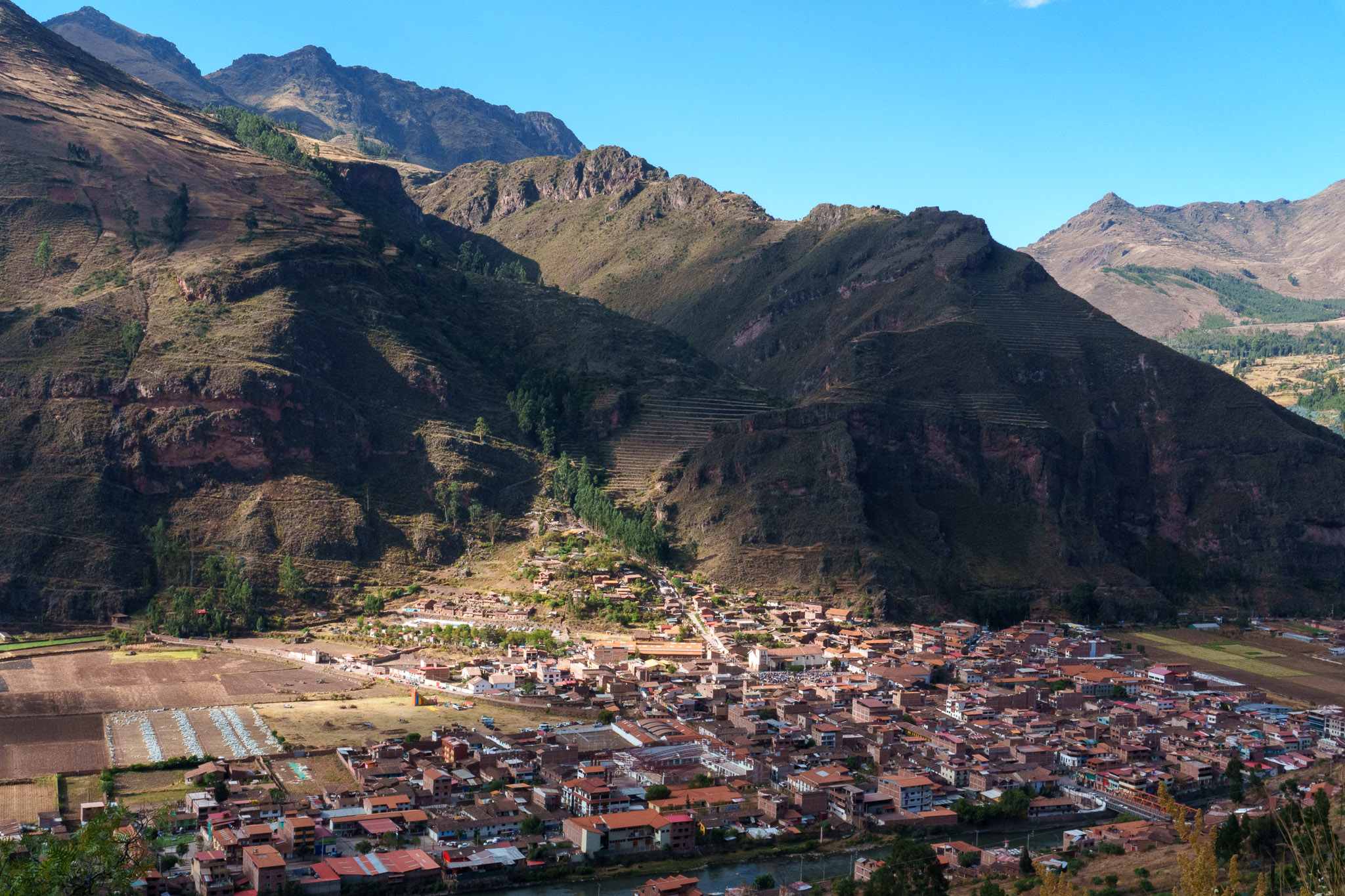
Pisac is part of the Cusco region in Peru, located at an altitude of about 2,972 meters. It lies on the eastern end of the Sacred Valley, making it an excellent base to explore nearby towns and ruins. From Cusco, Pisac is around 33 kilometers away, which means less than one hour by car.
If you are traveling through the Sacred Valley, you will also find that Pisac is well connected to Urubamba and Ollantaytambo. Both towns are less than two hours away and make a nice circuit for those heading towards Machu Picchu.
The road to Pisac is itself a beautiful experience, with spectacular Andean landscapes along the way.
The Weather in Pisac
The altitude of Pisac makes the weather refreshing but not as cold as Cusco.
Days are usually sunny and warm, while nights can get chilly, especially from May to September. This dry season is also the busiest travel period, as the sky is clear and perfect for photography. From November to March, the rainy season brings greener landscapes and fewer crowds.
Whatever the season, mornings and evenings always require a warm jacket.
The Charming Town of Pisac
The City Center and Its Lovely Streets
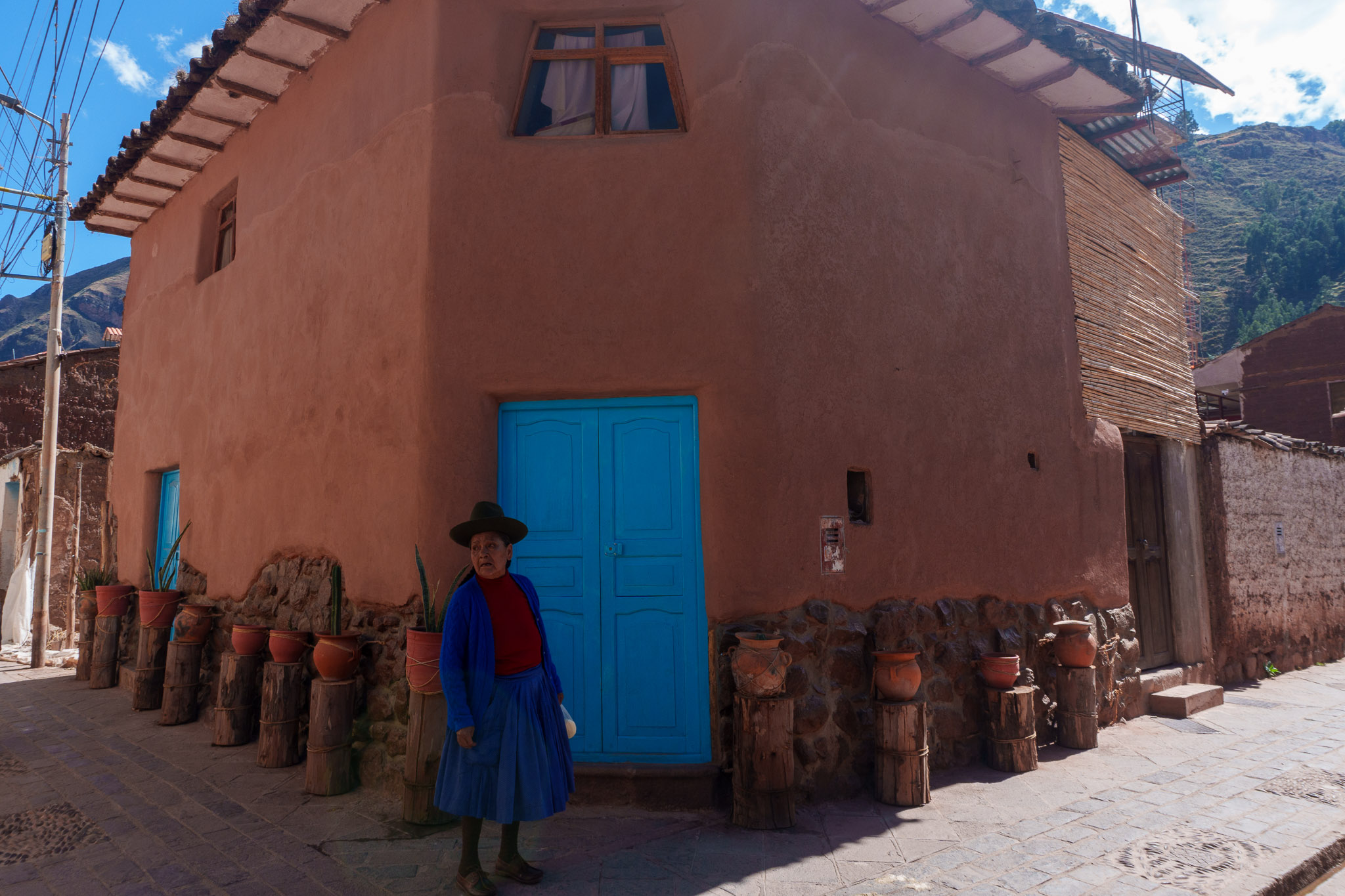
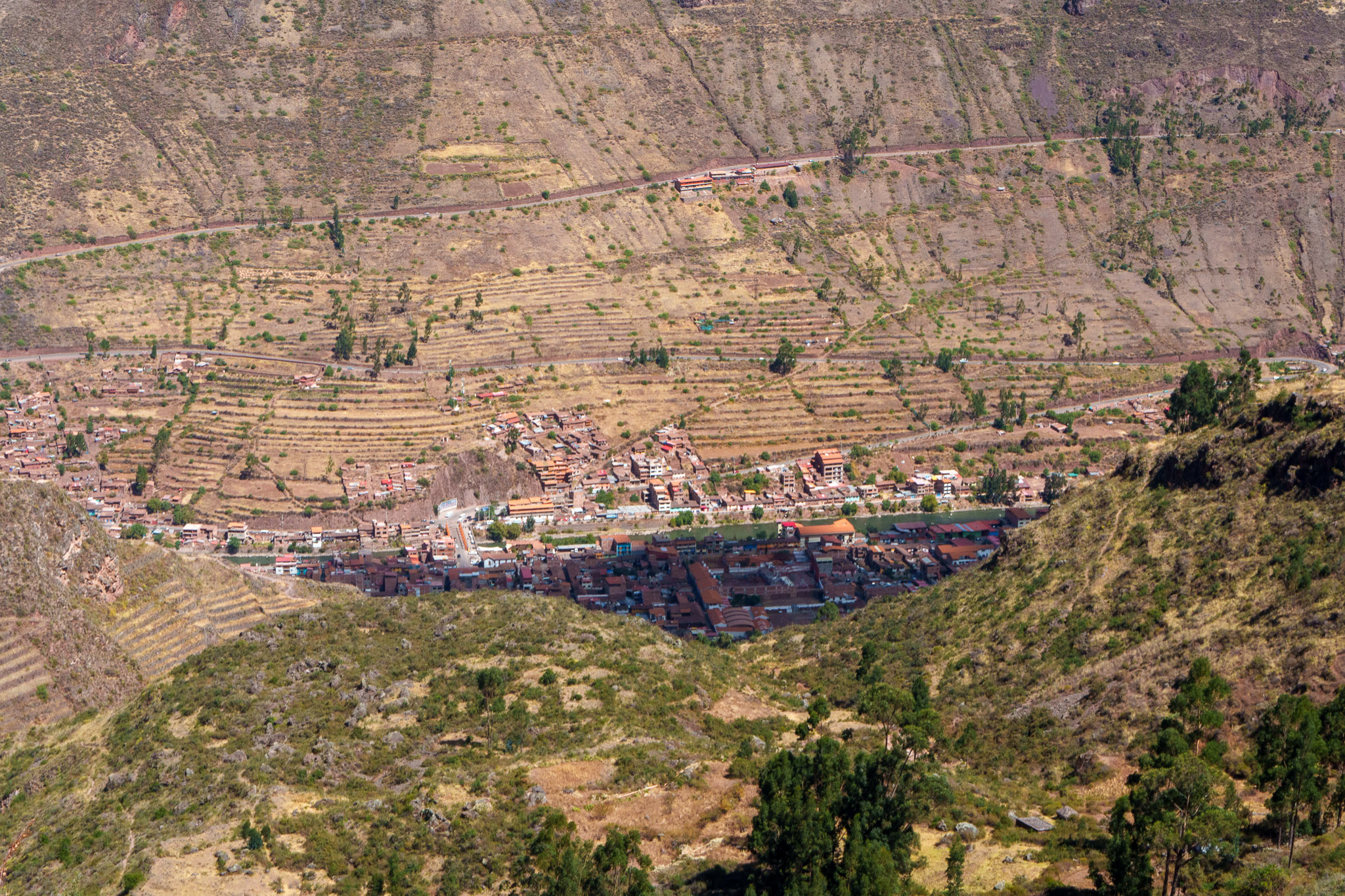
The heart of Pisac is its lively town center, where narrow cobblestone streets lead to small squares full of activity. This is the best place to feel the vibrant atmosphere of the Sacred Valley.
You will find little shops selling textiles and handmade jewelry, cozy cafés serving strong Peruvian coffee, and restaurants where you can taste local dishes such as quinoa soup, fresh trout, or alpaca steak.
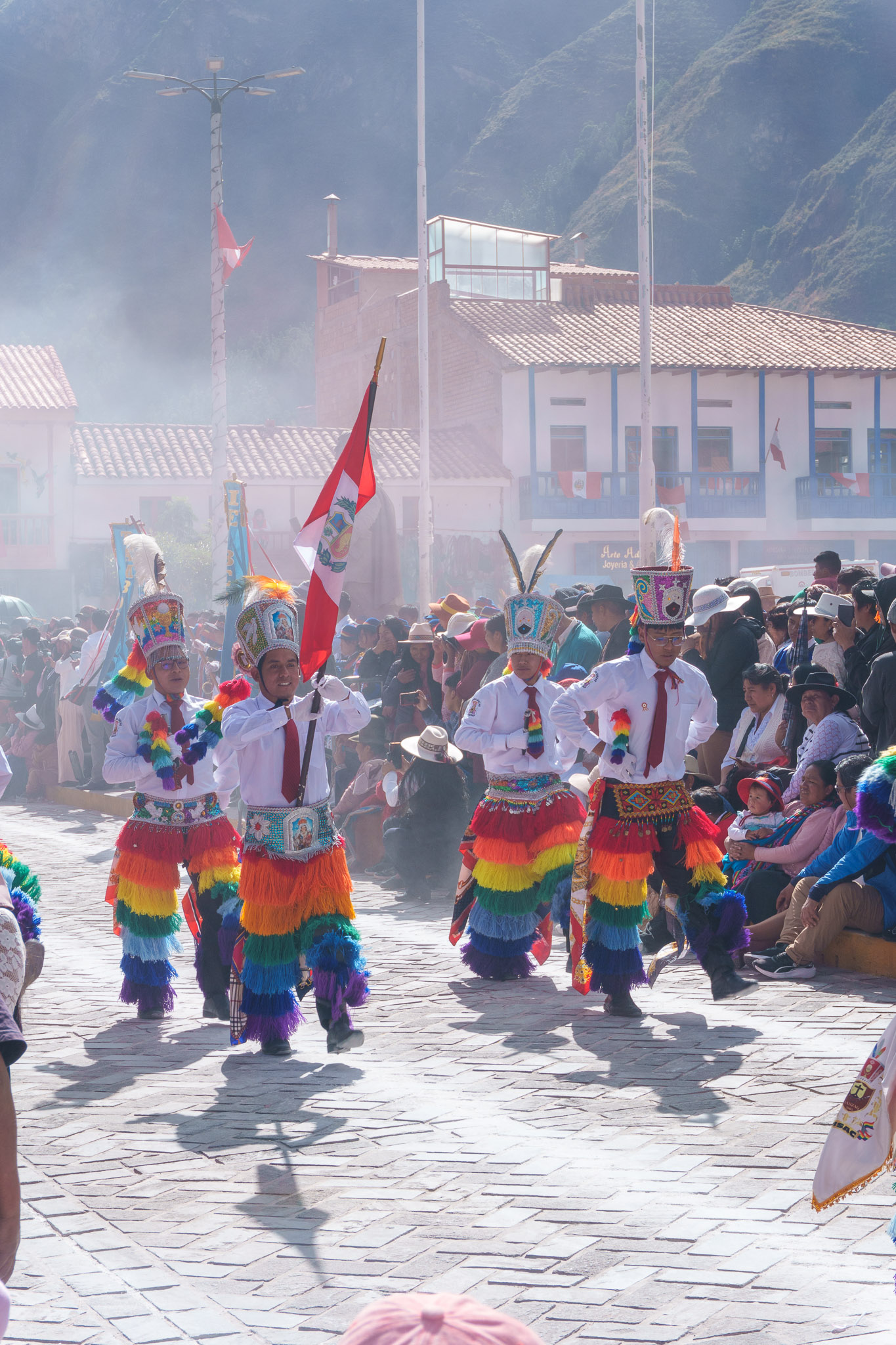
The artisan market is one of the highlights of Pisac. It spreads across the main square and surrounding streets, creating a colorful scene of stalls filled with handwoven fabrics, ceramics, and silverwork.
The market is not only for tourists, though. Locals also come here for food and daily products, giving it a genuine Andean energy.
Staying in the City Center
Several boutique hotels and small hostels are hidden in Pisac’s charming streets. Some occupy old colonial houses with beautiful courtyards, while others offer modern comfort with traditional designs.
Although I could not stay overnight during my visit, I noticed a few special hotels that would be perfect for travelers looking to experience the magical vibe of Pisac after sunset, when most tourists return to Cusco.
The Peaceful Valley of Pisac
A Road into Nature
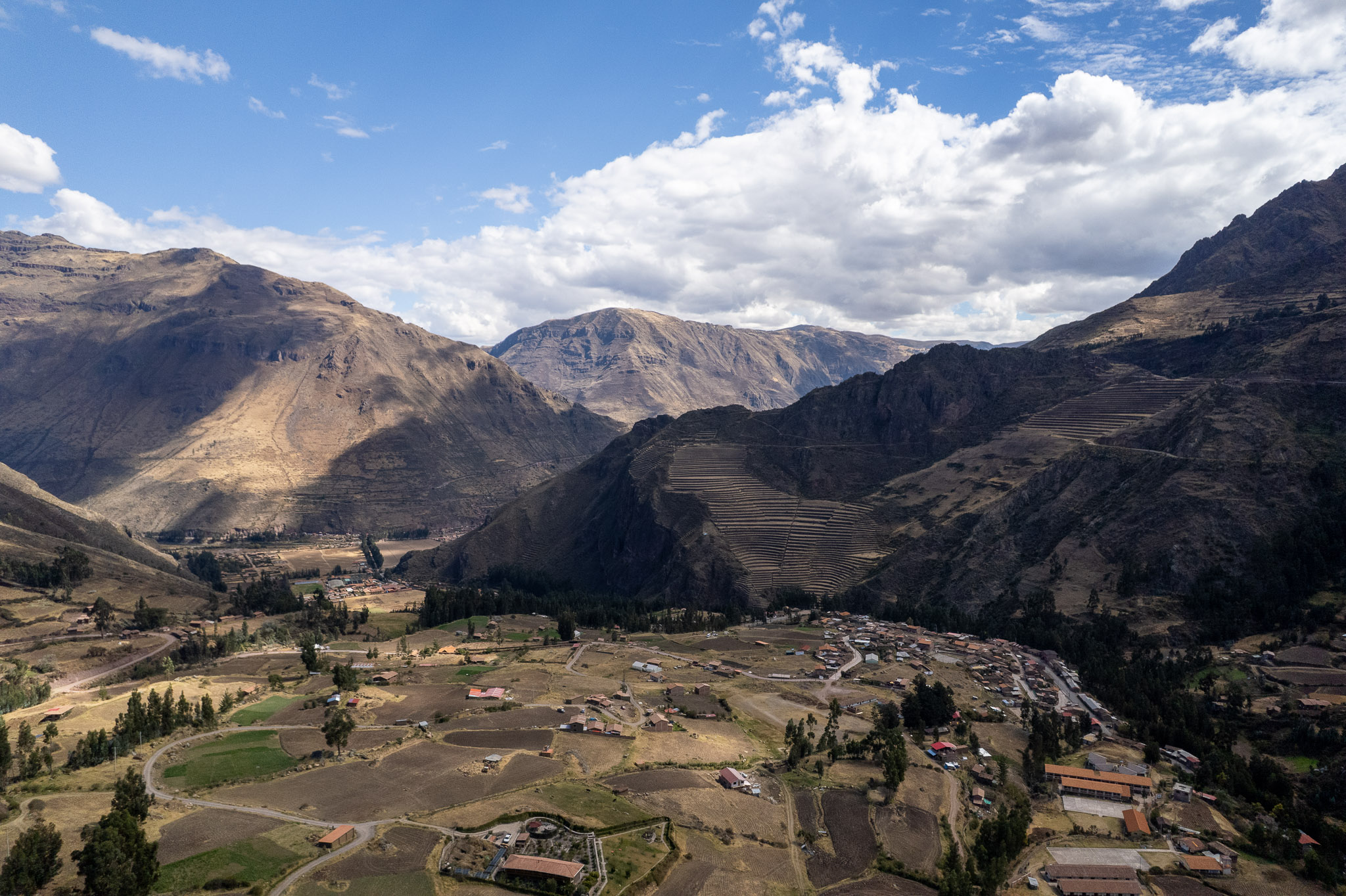
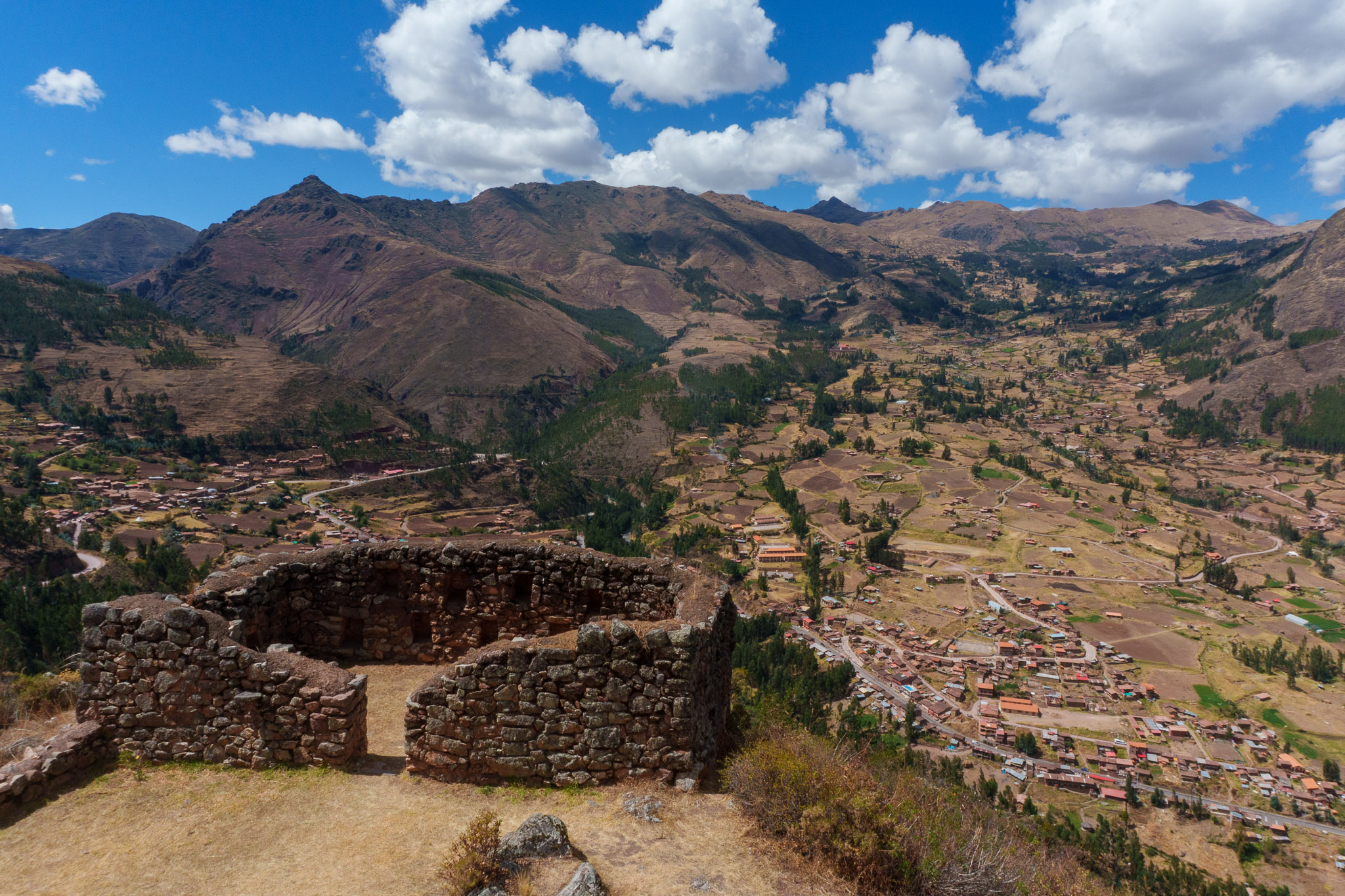
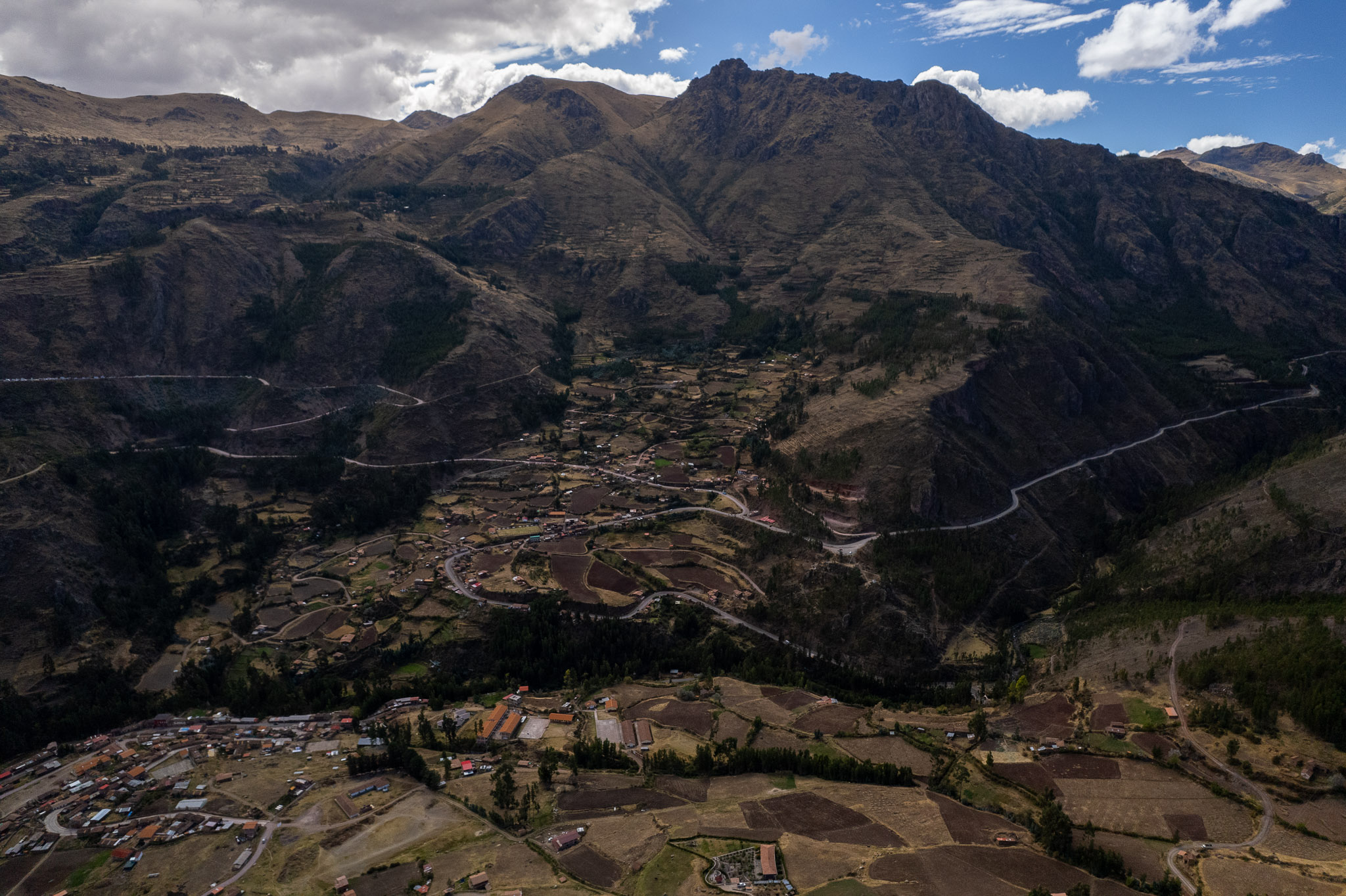
Not far from the central plaza, a quiet road leads into the valley that stretches toward the archaeological site. Here, the atmosphere changes. Cafés and shops become fewer, replaced by open fields, fruit trees, and simple homes surrounded by the silent majesty of the mountains.
Walking or cycling along this road, you can truly feel why Pisac attracts artists, musicians, and spiritual travelers. The valley carries a sense of peace that is hard to describe, with slower rhythms that invite you to reconnect with nature.
Hotels in the Valley
Some of the most stunning accommodations in Pisac are located along this valley road. These boutique retreats often feature spectacular views of the Inca terraces and surrounding peaks. Many focus on wellness, with yoga sessions, meditation gardens, and organic meals.
Staying in the valley is a way to enjoy both the cultural experience of Pisac and the serenity of its natural setting. Watching the sunrise over the ruins from your hotel balcony is an unforgettable experience.
How to Visit Pisac Archaeological Site
The Impressive Inca Terraces and Citadel
Temples, ceremonial baths, and residential areas make the site a fascinating place to explore. From here, the panoramic view of the Sacred Valley is simply unforgettable, especially at sunrise when the golden light hits the mountains.
The Machu Picchu ruins are beautiful, but you won't see terraces like those ones, Pisac is very unique for that.
Exploring Pisac Ruins: Routes and Entrances
There are two main ways to visit the ruins:
- Starting from Pisac town and hiking up to the site. This option requires effort but offers a more immersive experience.
- Driving or taking a taxi to the top entrance, then visiting the ruins downhill. This is the most common option for tour groups.
- Walking the loop that starts and ends at the upper entrance. This route covers most areas and is ideal for visitors who prefer something less demanding.
While most tours from Cusco include only the loop at the top, walking down to the lowest terraces gives a different view of the site. You reach areas that many travelers miss, and it feels rewarding to stand closer to the cliffs where Inca farmers once worked.
Here's the options to visit Pisac :
FAQ
Is Pisac worth visiting?
How do I get to Pisac from Cusco?
What is the altitude of Pisac?
How much time do I need to visit Pisac?
When is the Pisac market open?
Can I hike from Pisac town to the archaeological site?
Do I need a ticket to visit the Pisac ruins?
What are the must-see attractions in Pisac besides the ruins?
Is Pisac a good base for exploring the Sacred Valley?
Are there good vegetarian or vegan options in Pisac?
Is Pisac safe for tourists?
When is the best time to visit Pisac?
Can you visit Pisac on a day trip from Cusco?
What should I bring for a day in Pisac?
How high are the Pisac ruins compared to the town?
Are guided tours available in Pisac?
Can I combine Pisac with Ollantaytambo or other Sacred Valley sites in one day?
Is acclimatization to altitude needed before visiting Pisac?
How much does transportation to Pisac cost?
Is Pisac suitable for families or solo travelers?
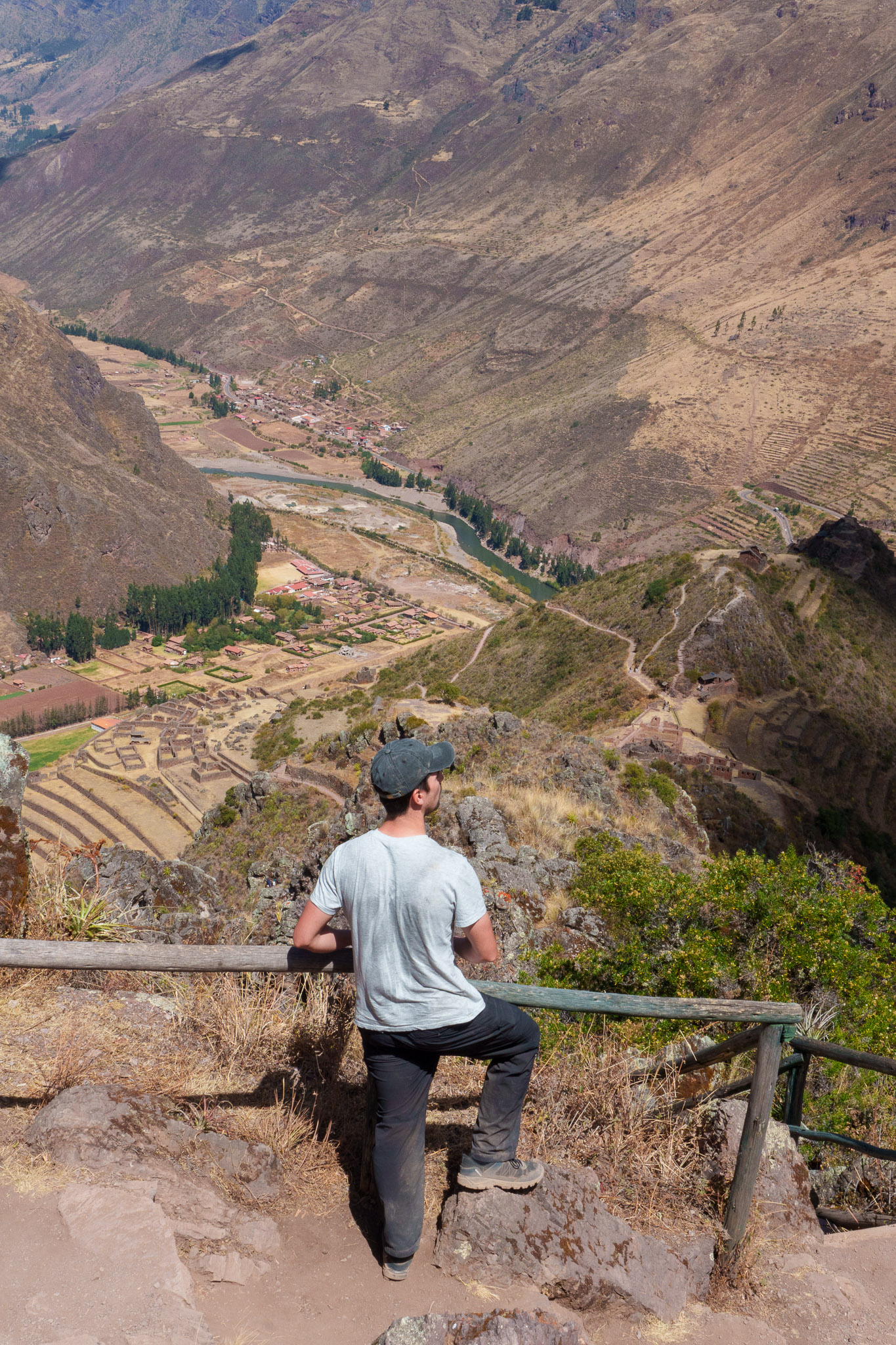
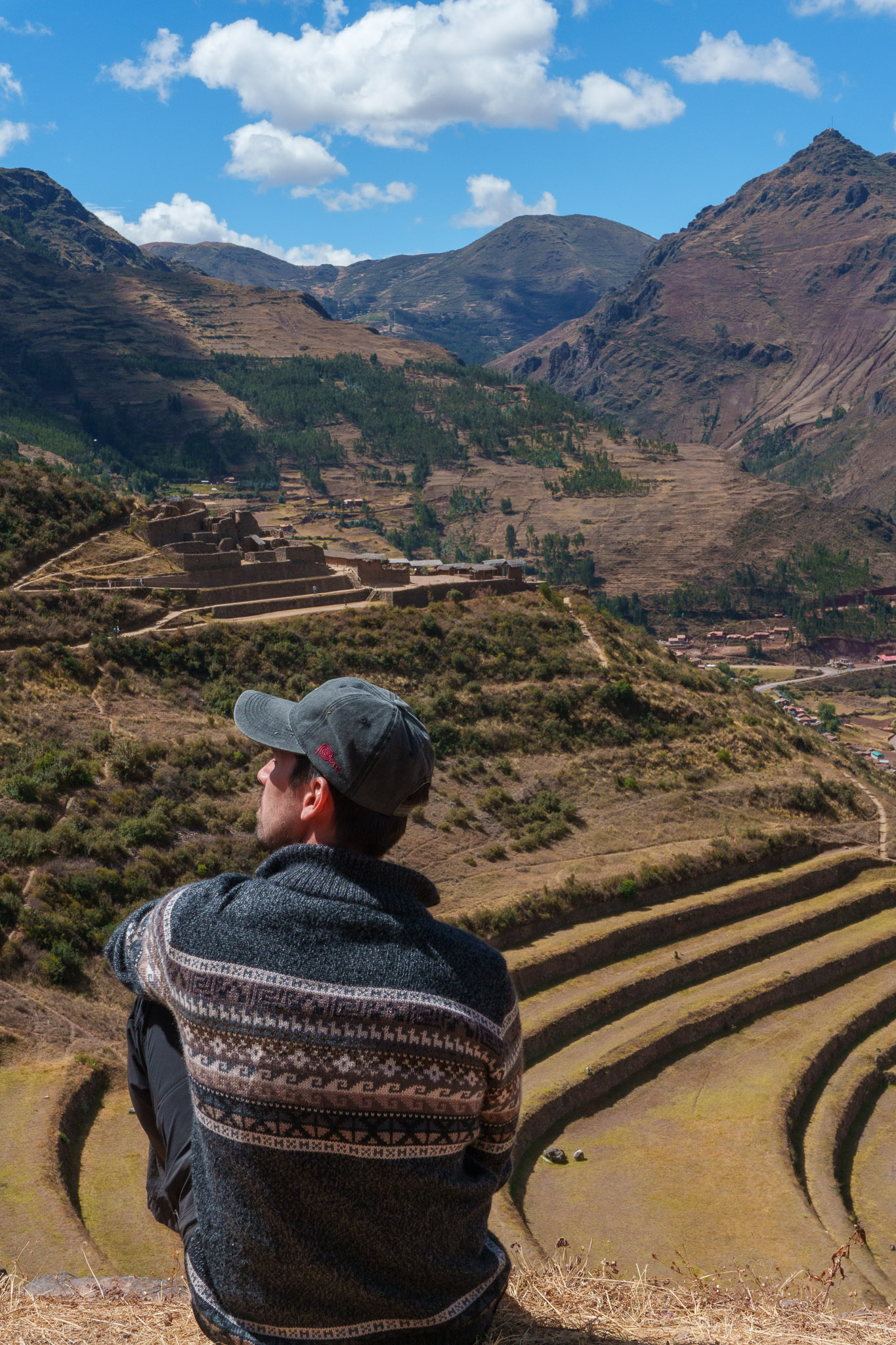
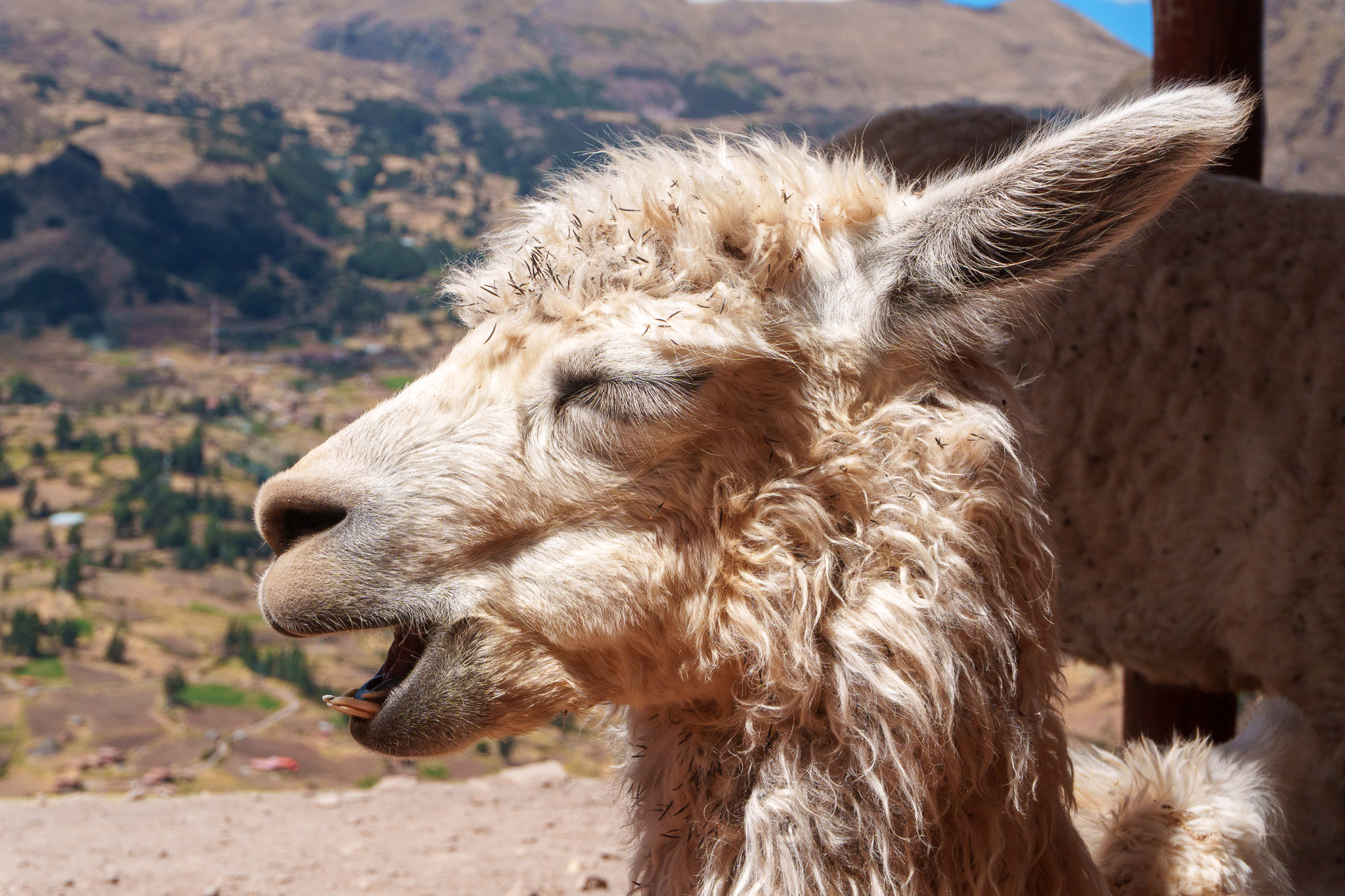
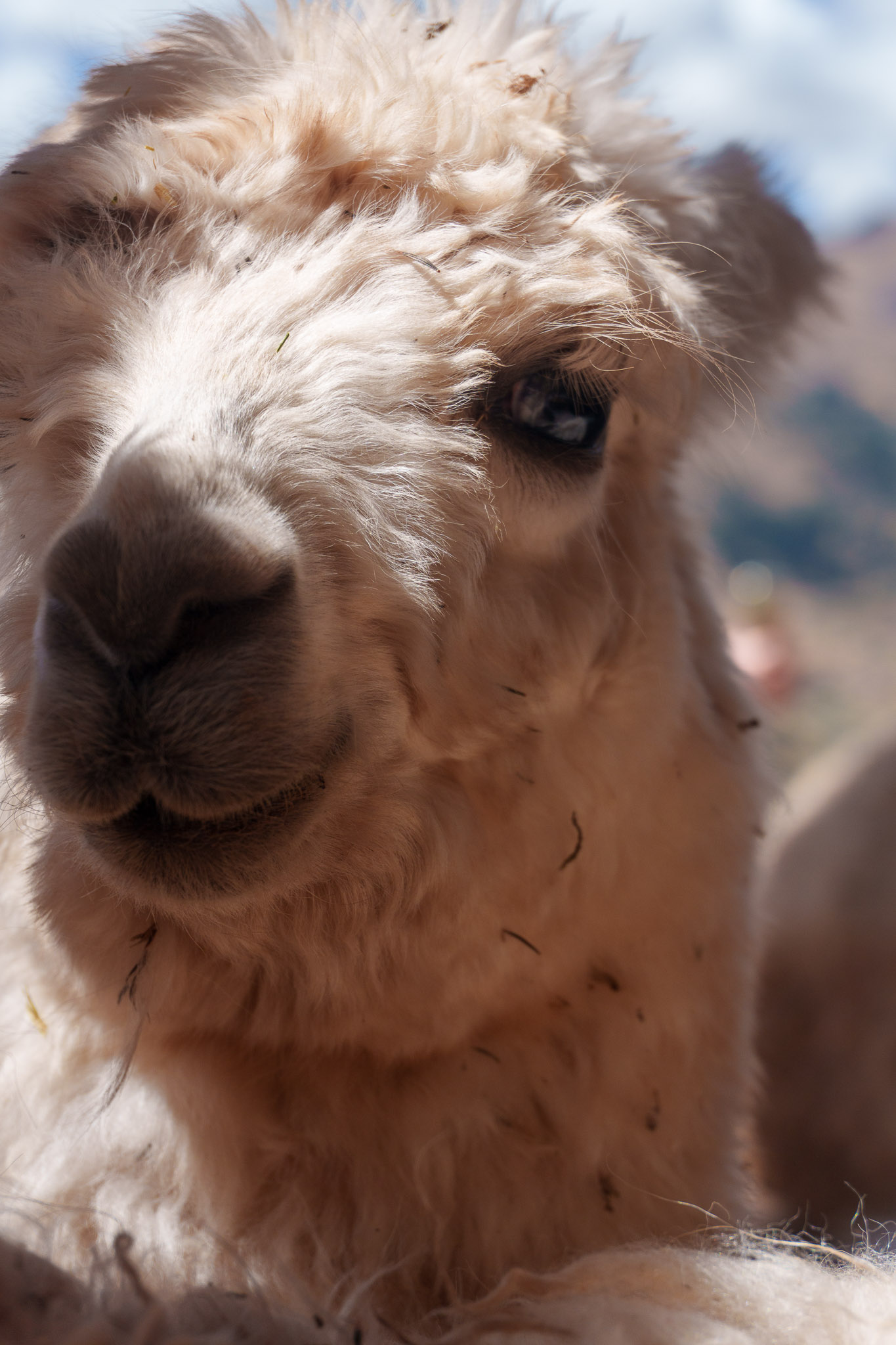
More Photos of Pisac
If you're interested in owning one of the photos (printing them, setting them as your phone wallpaper, or using them for commercial purposes), you can easily get them on Pixieset. If you don't find the photo you like, send me a quick message on Instagram (@HorizonHugo), and I’ll add it!
Why You Shouldn’t Skip Pisac
Pisac is more than just a stop on the Sacred Valley route. It is a destination that combines a majestic archaeological site, a lively Andean town, and a serene valley filled with beauty. Spending at least one night here allows you to experience its peaceful rhythm, enjoy moments of quiet after the day‑tours leave, and connect with the unique vibe that makes Pisac so memorable.
Freebie For You !
Thanks for sticking around until the end — that really means a lot. To show my appreciation, I’ve prepared something special for you: a Travel Guide 101 packed with my favorite tips, useful websites, and practical info to help you plan your next adventure.