There are destinations along the Peruvian coast that surprise you with wild beauty and a unique energy. Paracas is truly one of those places.
The town and its surroundings offer a mix of vast desert landscapes, amazing wildlife, a touch of adventure, and those small moments of calm that let you enjoy every detail. If you are traveling in Peru, whether you rush along the “gringo circuit” or take your time as a backpacker, Paracas always deserves a spot on your route.
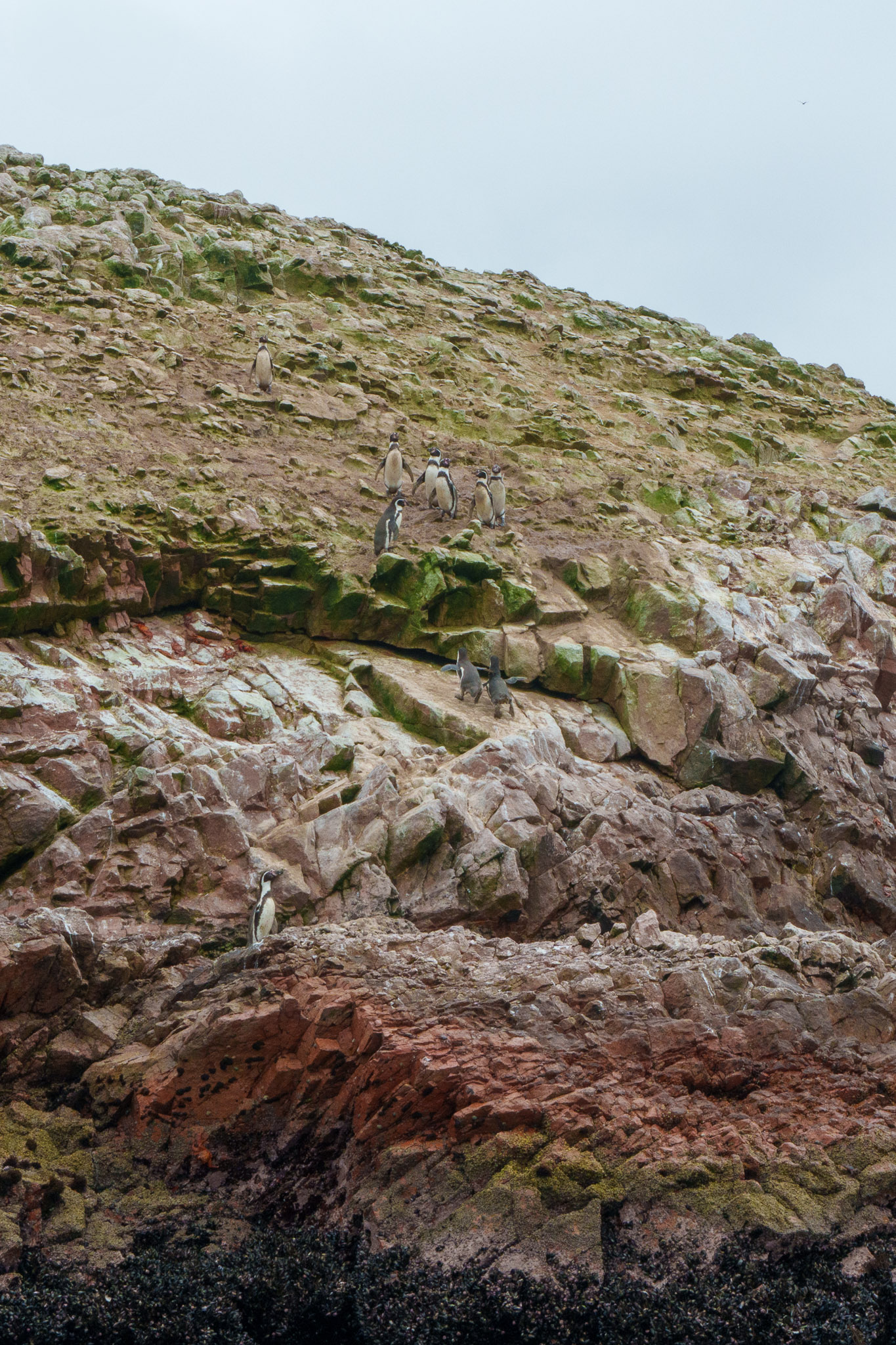
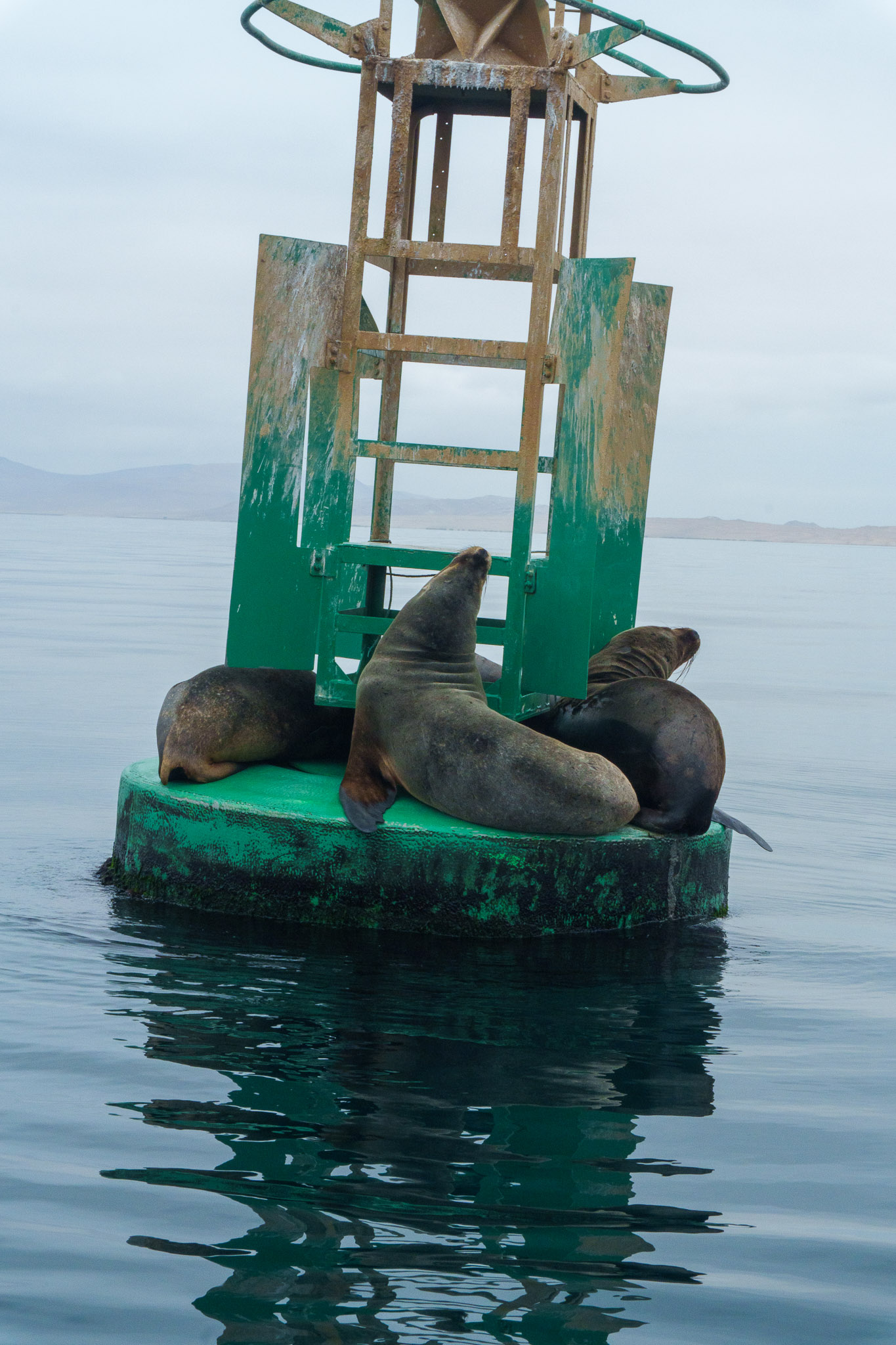

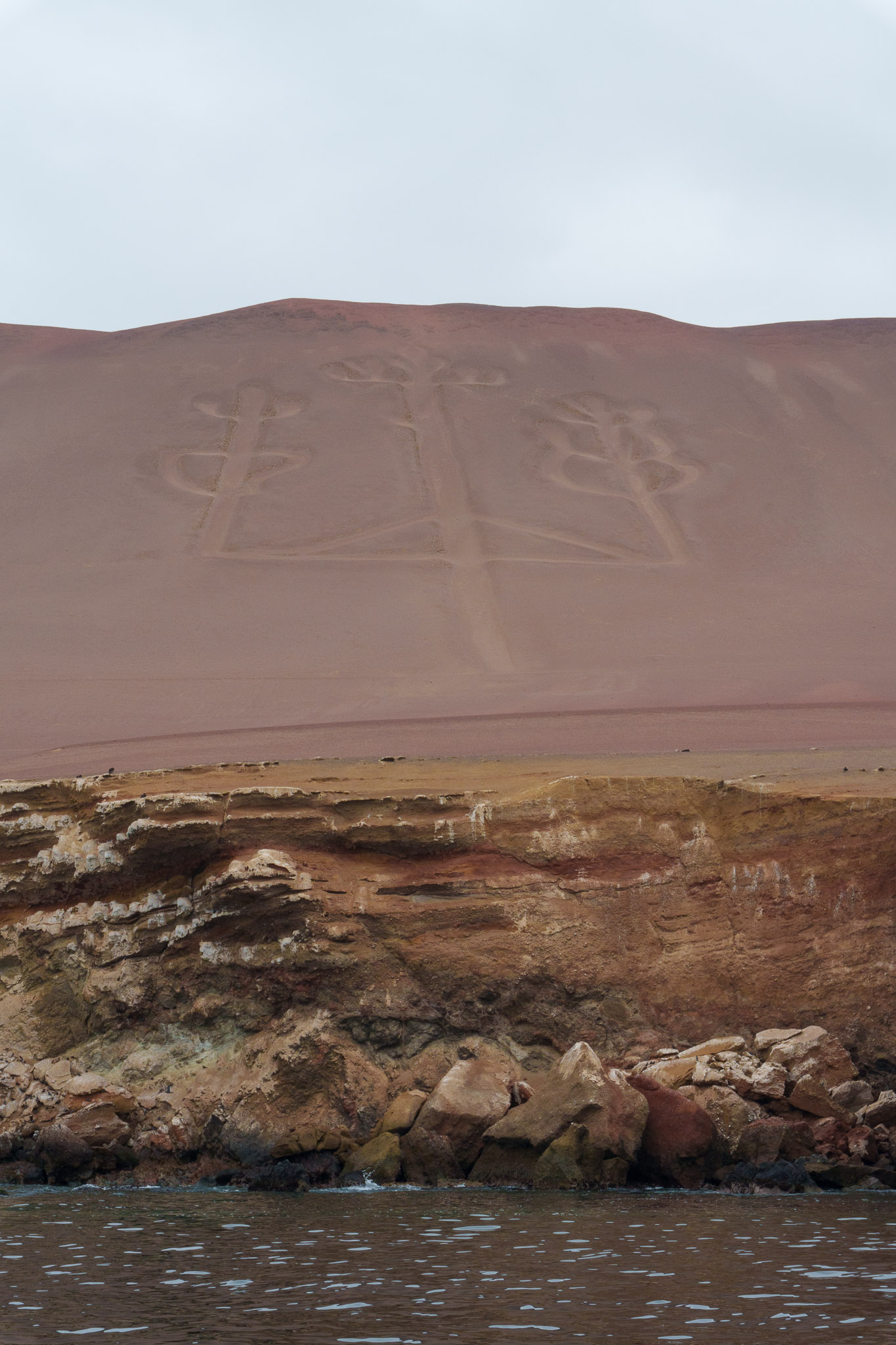

Table of Contents
General Knowledge About Paracas
Where Is Paracas?
Paracas is a small coastal town in southern Peru, right between Lima and Ica. It sits on the edge of the Paracas Peninsula at the start of the Paracas National Reserve. When people search “where is Paracas,” they are usually looking for a way to reach the Ballestas Islands, the reserve, and the endless desert.
For backpackers and slower travelers, Paracas is a classic, easy stop on any Peru adventure. Most people follow by visiting the oasis Huacachina and maybe do a flight above the nasca to see the lines.
If you combine your visit to Paracas with Huacachina and Nasca, I believe this makes for a very unique and affordable trip in South America.


How to Get There
Getting to Paracas is hassle-free. Many buses connect Lima, Ica, and Nazca to Paracas daily. If you come from Lima, companies like Viajes de la Cruz offer big, comfy seats and a smooth three-and-a-half-hour ride with desert views along the way. As soon as the landscape opens up and the sea appears, you know you’ve arrived. There are also operators that offer Paracas tours from Lima, Ica or even from Huacachina.
Paracas Weather
Paracas weather is mostly sunny and dry. The climate stays mild all year, but wind is common, especially by the sea or near the peninsula.
Even during summer, you may want to have a light jacket for the evenings or boat rides. Rain is rare, and most days are perfect for beaches, boat tours or exploring the desert.

High and Low Season
High season in Paracas runs from June to September, plus December and January during school holidays.
You’ll see more travelers and higher prices for hotels and paracas tours at these times. The low season is quieter, especially mid-week, and you’ll often have the main sights nearly to yourself. No matter the season, Paracas feels much calmer than big cities like Lima or Cusco.
What Can You Do in Paracas?
Paracas has more to offer than you first think. Some must-dos:
- Take a tour to the Paracas National Reserve and enjoy the endless desert colors
- Book a Paracas tour to the Islas Ballestas to spot wildlife
- Relax at a local hotel, from simple backpacker places to top Paracas Peru hotels
- Try fresh seafood on the beach
- Take Paracas and Huacachina tours for a perfect desert and adventure combo
Paracas is the perfect stop to slow down, enjoy the wind, and plan your next moves.


Islas Ballestas Tour: Nature’s Show From the Ocean
My Experience on the Ballestas Tour
No trip to Paracas is complete without visiting the Islas Ballestas.
Known as the “Peruvian Galapagos,” these islands are a haven for birds, sea lions, penguins, and sometimes even dolphins.
Every company does the same route: boats leave from the same pier, follow each other to the same wildlife points, and prices are usually similar (about 40 soles in low season and 5 soles for the park entrance).
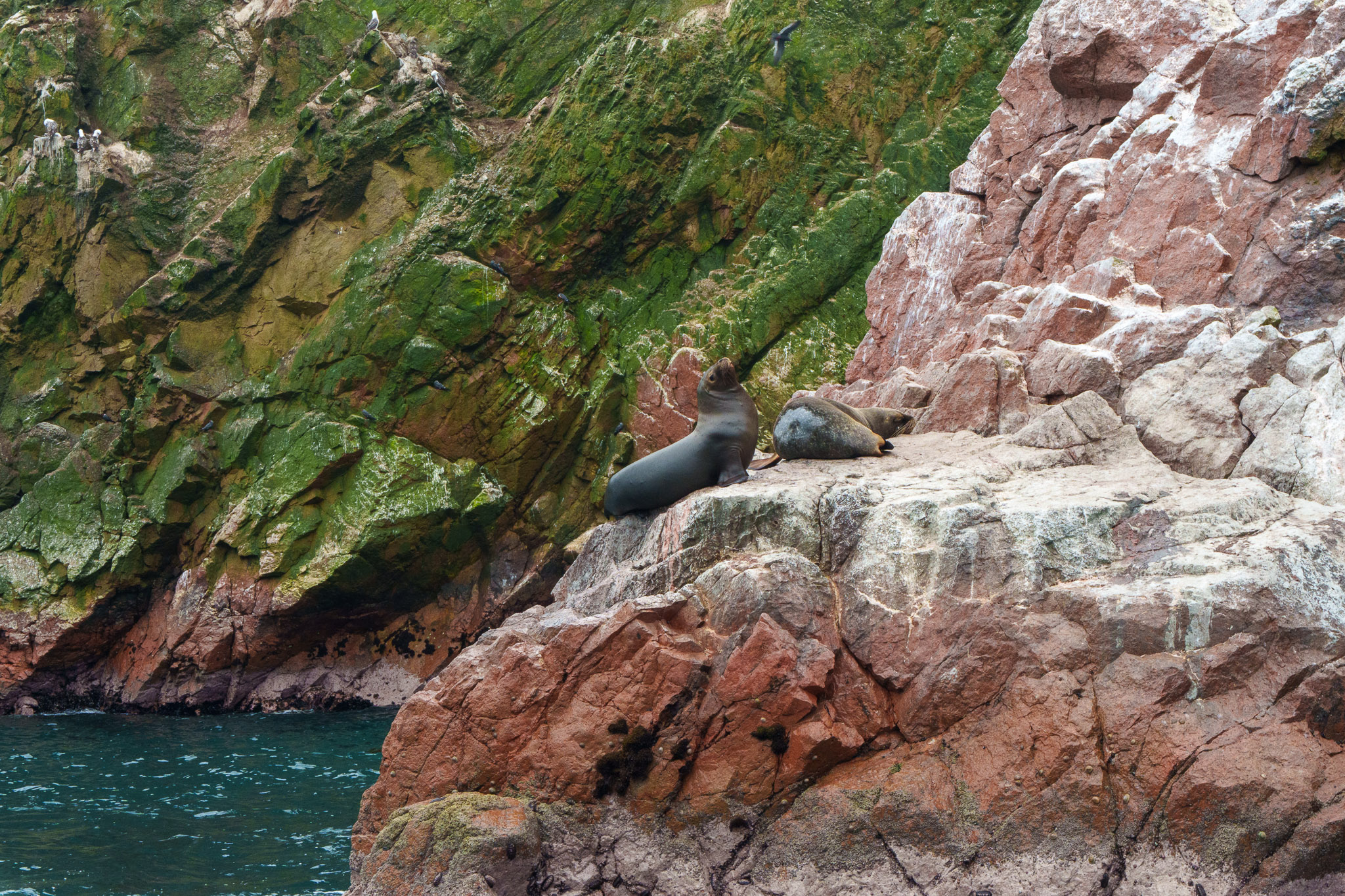
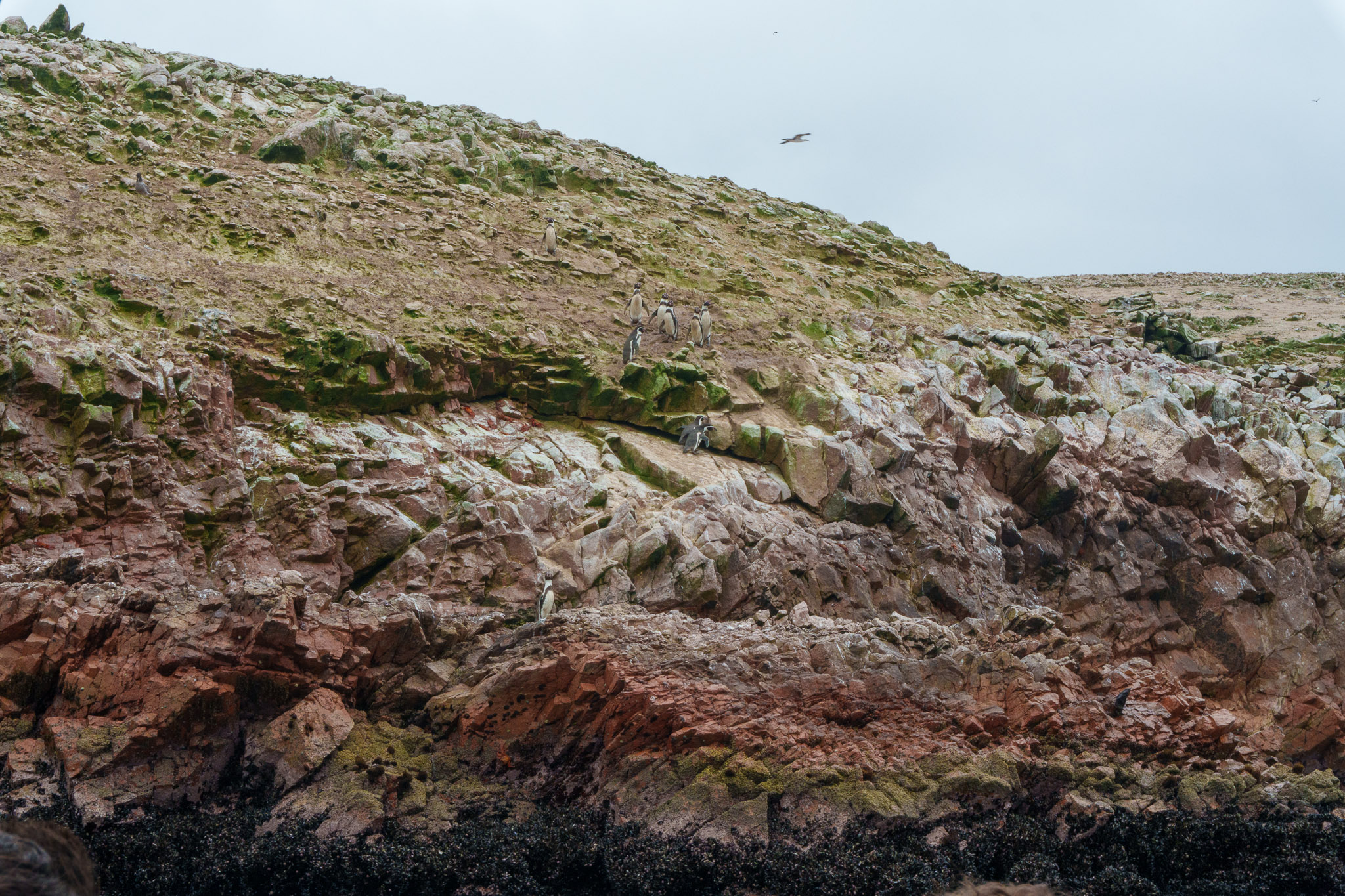
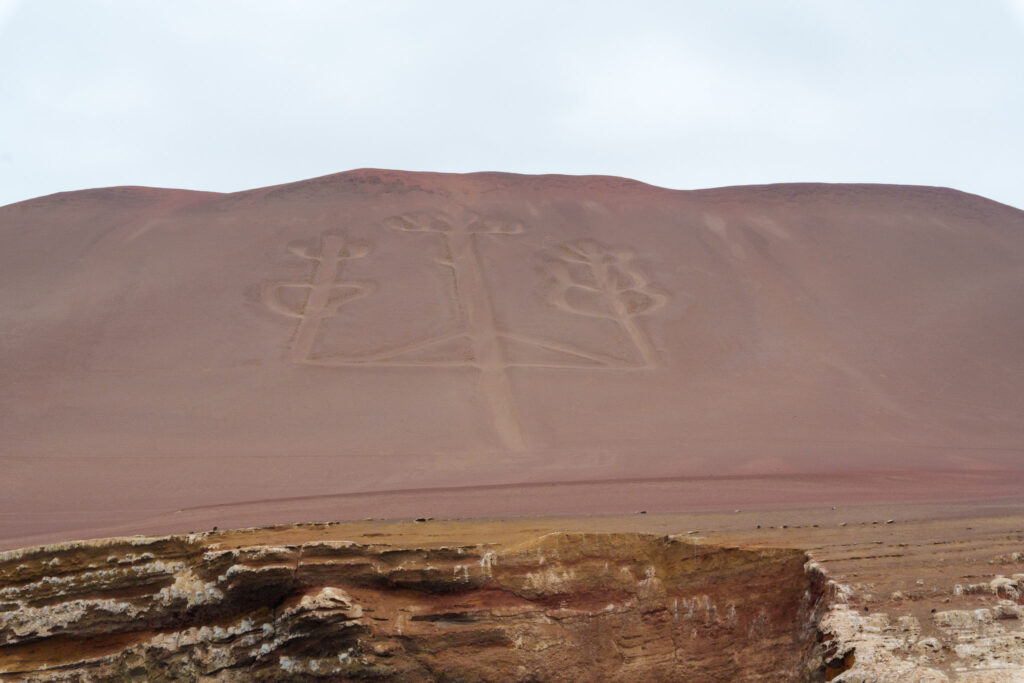
The ride is about two hours. For the best Ballestas experience, choose a seat on the left for close-up views and great photos of the cliffs, the candelabra geoglyph, and the best sea lion moments. Sometimes, the boat circles close to both sides, especially when sea lions or penguins are around.
Birds and Wildlife You Can See at Ballestas
On a normal day, you can expect to see sea lions, Humboldt penguins, Peruvian boobies, guanay cormorants, pelicans, and sometimes even dolphins or whales if it's migration season.
However, after talking with local fishermen and long-time residents, I learned that the wildlife numbers have changed over the years.
Due to warmer waters and a lot of fishing, the old days of seeing hundreds of sea lions together are gone. You will still see sea lions and penguins, but not the massive crowds from the past.
This is important to know so your expectations are in line with today's wildlife reality.

Paracas National Reserve: A Desert of Colors and Secrets
What You Can See in the Paracas National Reserve
- Find prehistoric seashells embedded in rocks, proof that the sea once covered this desert.
- Stop at Mirador Playa Supay for paragliding or just for the view.
- Admire “La Catedral,” a striking rock formation shaped by wind and water.
- Pause at Playa Yumaque and its lookout, not the most dramatic stop but good for a quick break.
- Take in the wide view at Mirador Istmo II, where you can look over the red sand beach and down to Lagunillas village, which is the only spot in the reserve where you’ll find restaurants.
- Relax at Playa Las Minas, a quieter spot at the end of the road, and then visit the excellent Museo de Sitio Julio C. Tello de Paracas, which tells the story of the area.


The main road makes a loop through the reserve.
The outer part of the peninsula is closed to visitors to protect fragile habitats—only researchers and special tours are allowed.
Remember, this is not just empty sand; it is wild Peru at its most colorful and open.
Group Tours Into the Reserve
You can join a group tour by bus or car from Paracas, from Lima, or from Ica/Huacachina.
Most group tours last two hours, which gives a good overview, but sometimes skips a stop or two.
The guide’s stories and facts help bring the landscape to life.


By Quad or Buggy
Exploring by quad or buggy is pure fun, and you still follow marked paths to protect the desert.
These tours last around two hours. You ride out with a group, feeling the wind and the thrill of open space.
While you cannot go off-road onto every dune, the sensation of cruising through this wild place is incredible.
By Scooter (My Choice)
My favorite way is renting a scooter in Paracas (see here)—for about 100 soles, you get all day to go wherever you want and stay as long as you like at each site.
You set the pace and catch your favorite moments, from sunlight on the dunes to quiet ocean views. The downside is you miss a guide, but there are information panels in most spots.
Be ready for wind and chill, especially near the sea. The only places to eat are at Lagunillas, where you get simple but fresh fish dishes and chicken.

The Gem for Kitesurfers: Paracas, Wind, and Sea
Even if you are not a kitesurfer, the energy in Paracas is contagious.
It is famous as a paradise for kitesurfers, with strong, steady wind almost all year. In Quechua, “para” means wind and “accas” means sand—so Paracas literally means sandy wind.
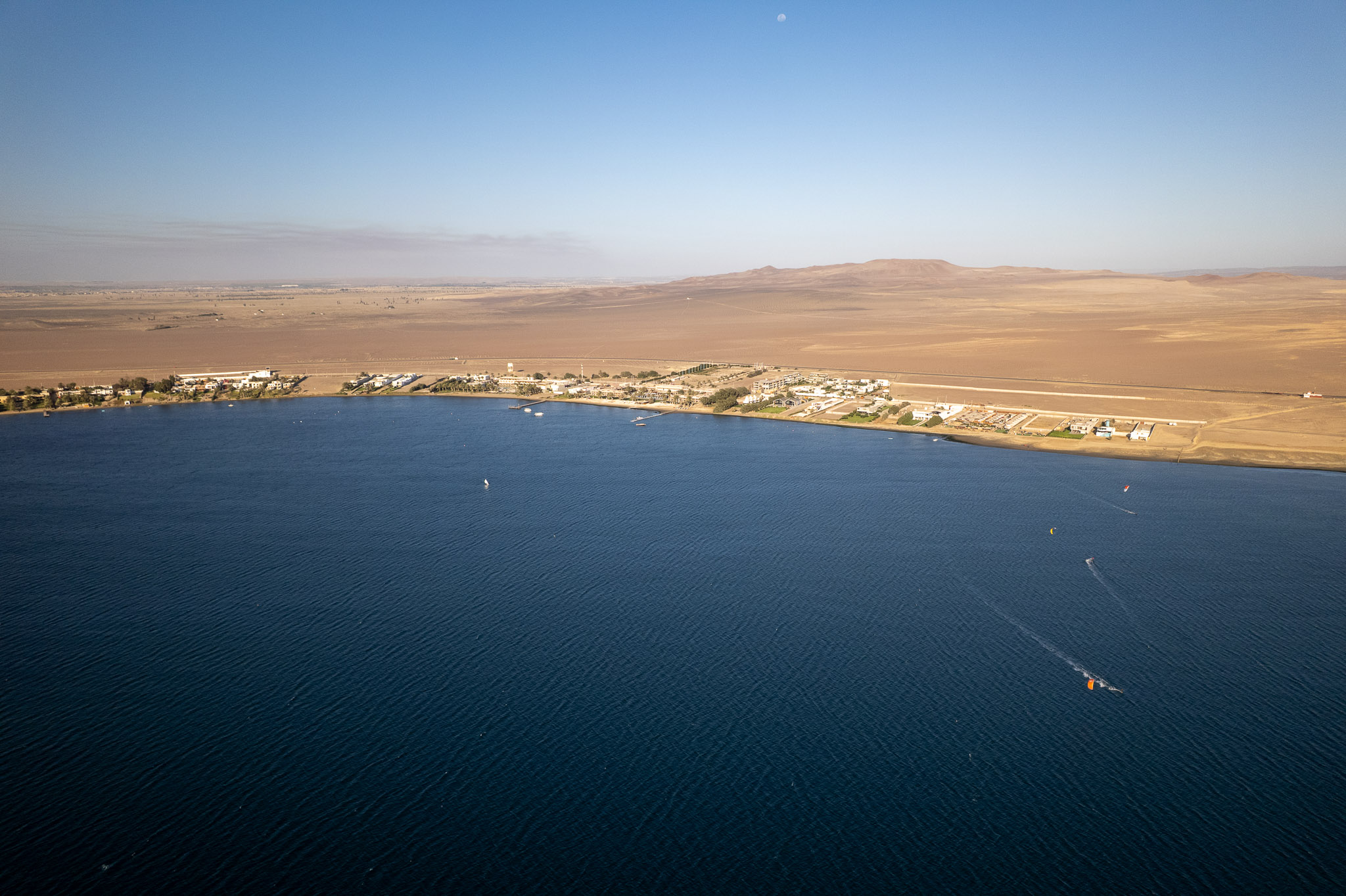
At the end of town, you’ll find an area full of hotels, schools, and shops dedicated to kiting. Because of the peninsula, you get flat water and great wind, making Paracas one of Peru’s top spots for watersports.

If you want something calmer, try a catamaran tour on the bay. It’s a gentle ride on tranquil waters, with a chance to spot sea lions—a private way to enjoy Paracas. Note: catamarans do not reach Ballestas, which is too far out at sea.
Conclusion: Is Paracas Worth a Visit?
Paracas is an excellent stop along Peru’s southern route. The Paracas National Reserve and Islas Ballestas give you beautiful nature, wildlife, and a taste of the desert, especially if you want a break from busy cities.
Still, if you have limited time, you might choose other places like Cusco or Arequipa instead. But if you are traveling along the coast between Lima and Cusco, Paracas is the perfect place for a one-day escape. Sometimes, the best memories are made by pausing for a bit, letting the wind, sand, and sea remind you just how wild Peru can be.
FAQ
Paracas is a coastal town in southern Peru, midway between Lima and Ica, set on the edge of the Paracas Peninsula and close to the Paracas National Reserve.
You can easily reach Paracas by bus from Lima, Ica, or Nazca. The journey from Lima takes about three and a half hours on comfortable buses with frequent departures.
Paracas weather is dry and sunny most of the year, with mild daytime temperatures and cooler, windy evenings. Rain is rare, but the wind from the ocean is a big part of the experience.
High season runs from June to September and in December and January during Peruvian holidays. If you prefer fewer crowds, aim for the shoulder or low season, especially mid-week.
Paracas is known for tours to the Paracas National Reserve and Islas Ballestas, where you can see dramatic desert landscapes and wildlife. You can also enjoy the beaches, fresh seafood, and try activities like kitesurfing or quad biking.
On an Islas Ballestas tour, you can spot sea lions, Humboldt penguins, a range of seabirds like boobies and cormorants, and occasionally dolphins or whales during migration season.
Yes, you can explore the Paracas National Reserve independently by renting a scooter, car, or joining a quad tour. There are also group tours with guides which cover the main sites.
Absolutely. Steady winds and calm, sheltered waters thanks to the Paracas Peninsula make it one of the best kitesurfing spots in Peru, with dedicated areas and businesses for the sport.
The only restaurants inside the Paracas National Reserve are in Lagunillas village, where you’ll find several places focused on fresh fish and seafood dishes as well as chicken options.
Paracas is a worthwhile stop if you are traveling along the coast, especially between Lima and Cusco. The natural beauty, reserve, and Islas Ballestas can all be experienced in a relaxed one-day visit.