
Famous around the globe, just hearing its name conjures an image of stone ruins resting above clouds. Machu Picchu remains difficult to reach and often seems impossible to book, with guides trekking its paths daily while travelers long for a single visit. Yet the reality might surprise you.
Visiting the legendary Machu Picchu does not always require months of advance planning—or luck. Whether you crave an epic multi-day trek or a comfortable tour, you can find your way to the ancient Inca city and create memories to last a lifetime.
In this guide, I share my journey on the Salkantay trek and everything you need to know about Machu Picchu: best tours, hotels, tips, and essential info.

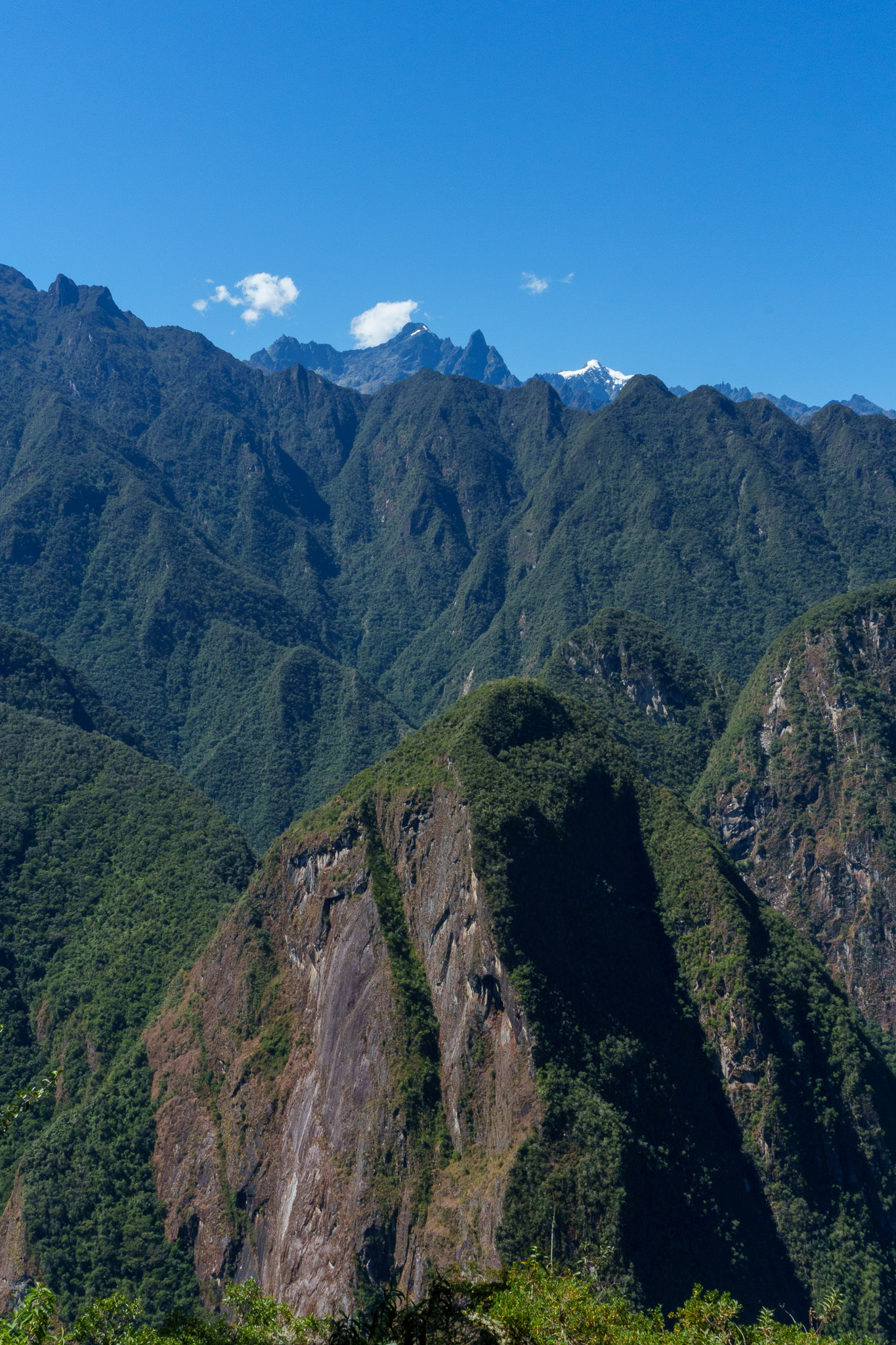
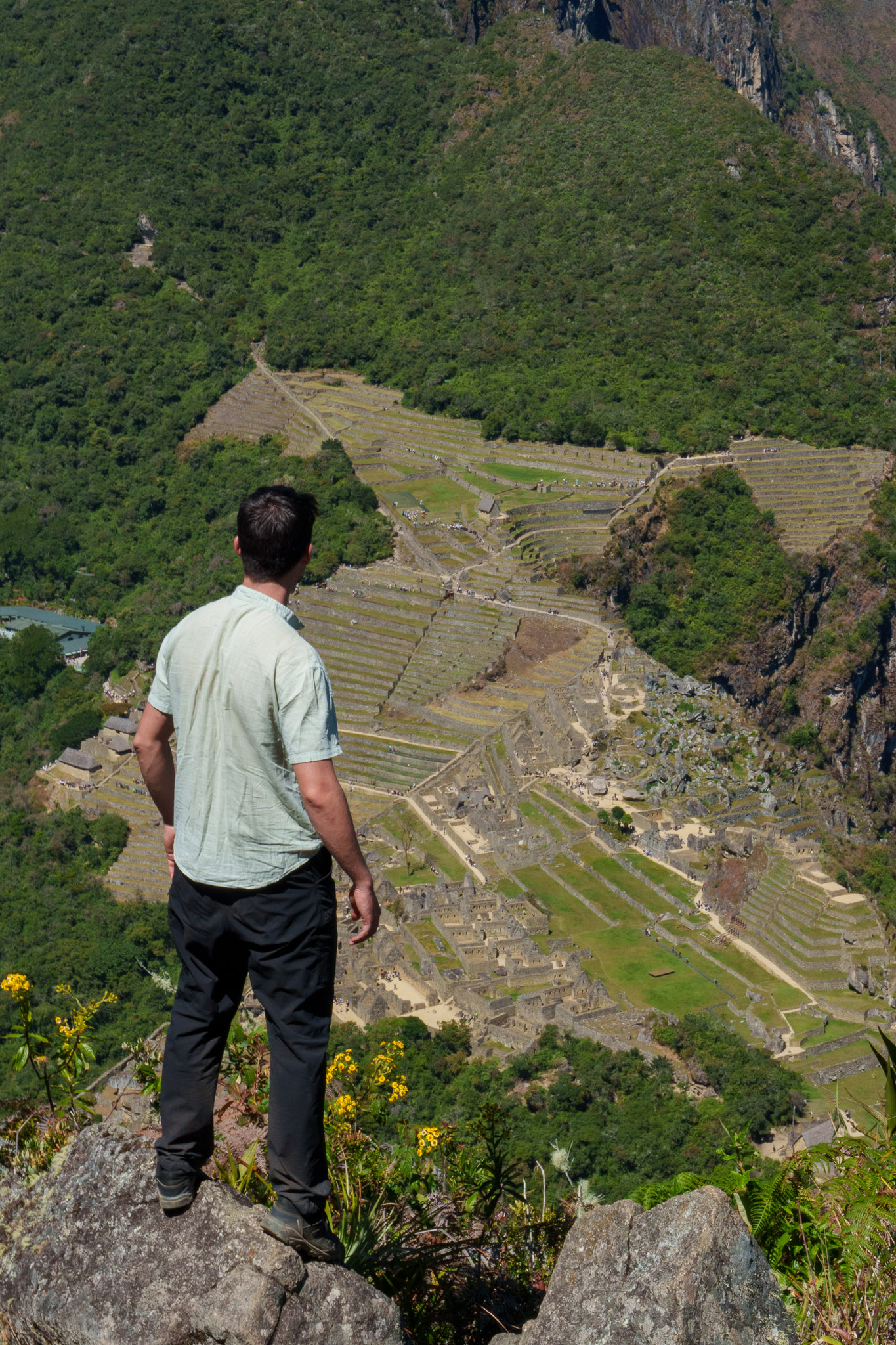
Table of Contents
General Info about Machu Picchu
Why is Machu Picchu Famous?
Where is Machu Picchu Located?
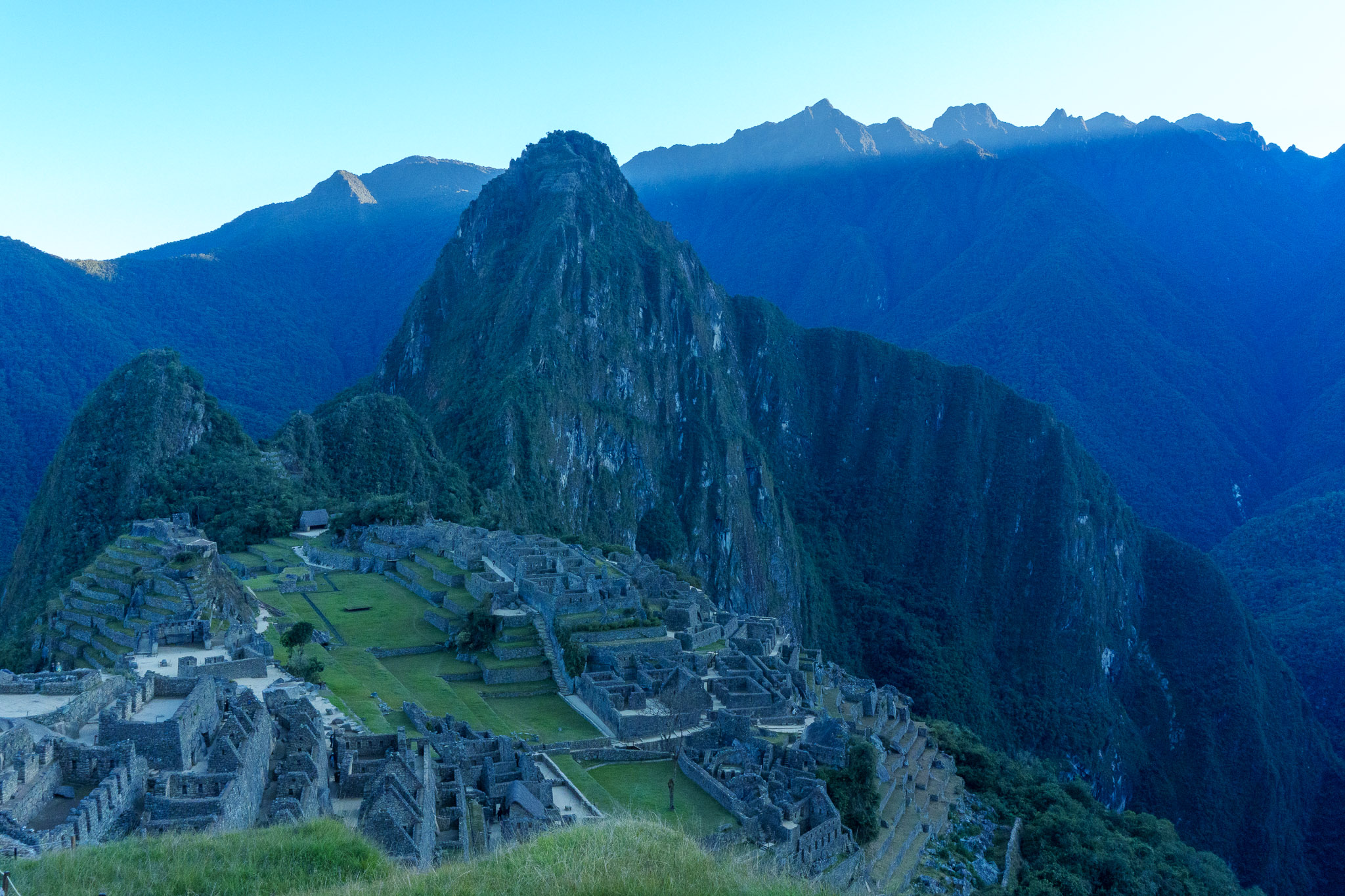
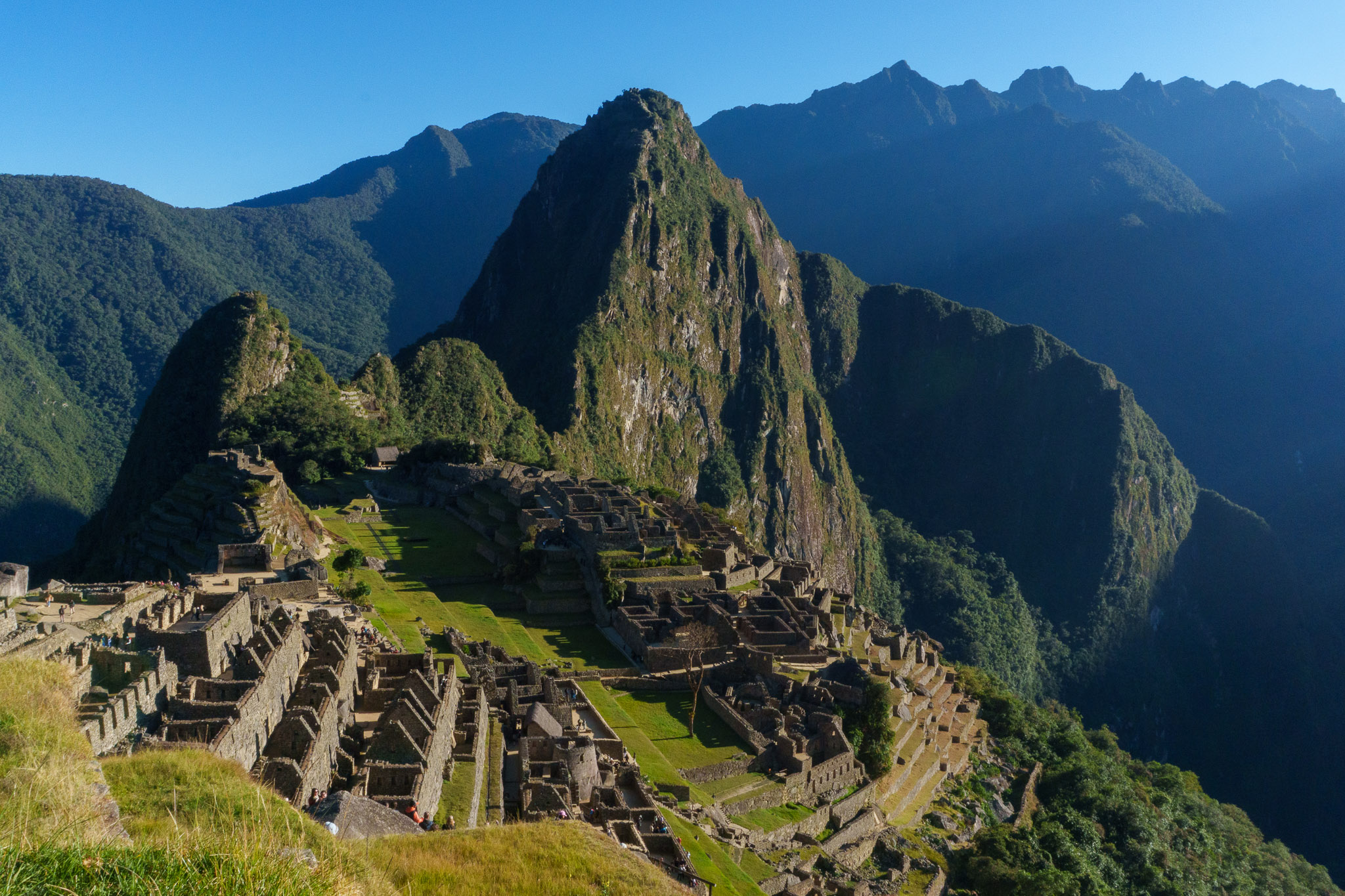
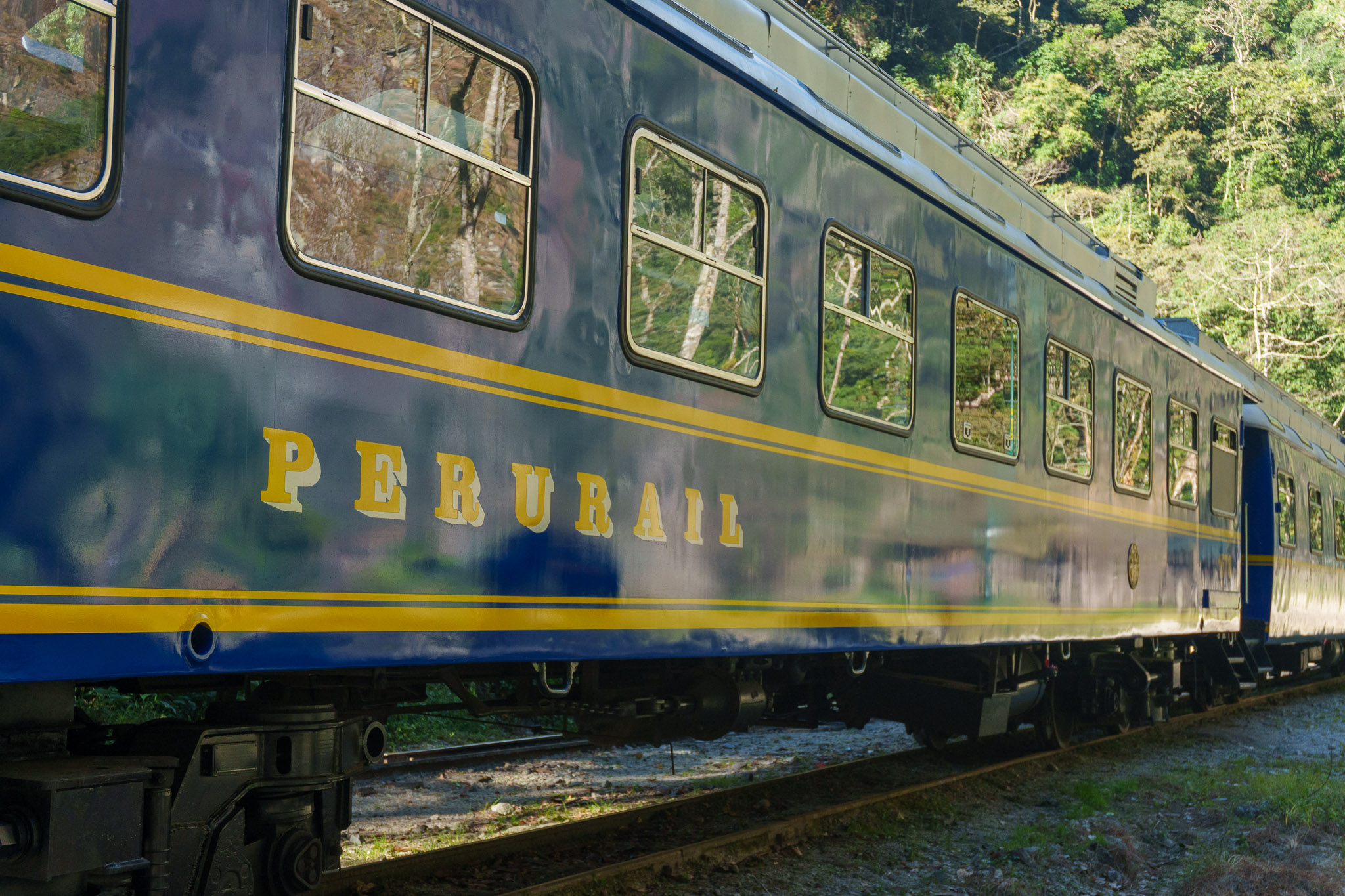
Machu Picchu is close to Cusco, nestled high among the Andean mountains at 2,430 meters (7,970 feet) above sea level. The closest city is Aguas Calientes, also known as Machu Picchu Pueblo. Travelers reach Aguas Calientes by train, car, bus, or even on foot. Multiple trekking routes, like the Inca Trail and Salkantay Trek, are setting the stage for your final approach to Machu Picchu. The journey through valleys and cloud forests makes the arrival feel even more monumental.
Exploring Cusco and Machu Picchu offers one of the most exciting and budget-friendly adventures in South America.
Machu Picchu Weather: When to Visit
What is the weather like at Machu Picchu? The climate is mild year-round, though the experience varies. Dry season runs from May to September, offering mostly sunny skies and little rain—perfect for hiking and photography. During July, I enjoyed endless sun, with clear weather perfect for exploring ruins and taking photos.


How to Reach Aguas Calientes (Machu Picchu Pueblo)
Best Hotels in Aguas Calientes (Machu Picchu Pueblo)
Aguas Calientes is compact yet packed with restaurants and hotels of various styles, catering to travelers from around the world. Whether you seek luxury or something simple, you’ll find a hotel to match your needs.
Notable hotels include:

Sumaq Machu Picchu Hotel
High-end comfort, plush rooms, Peruvian and international cuisine, and cooking classes

Sanctuary Lodge
The only hotel at Machu Picchu's entrance, offering mountain views and exclusive access

Inkaterra Machu Picchu Pueblo
Premium eco-lux retreat with spa, massages, dining, and birdwatching
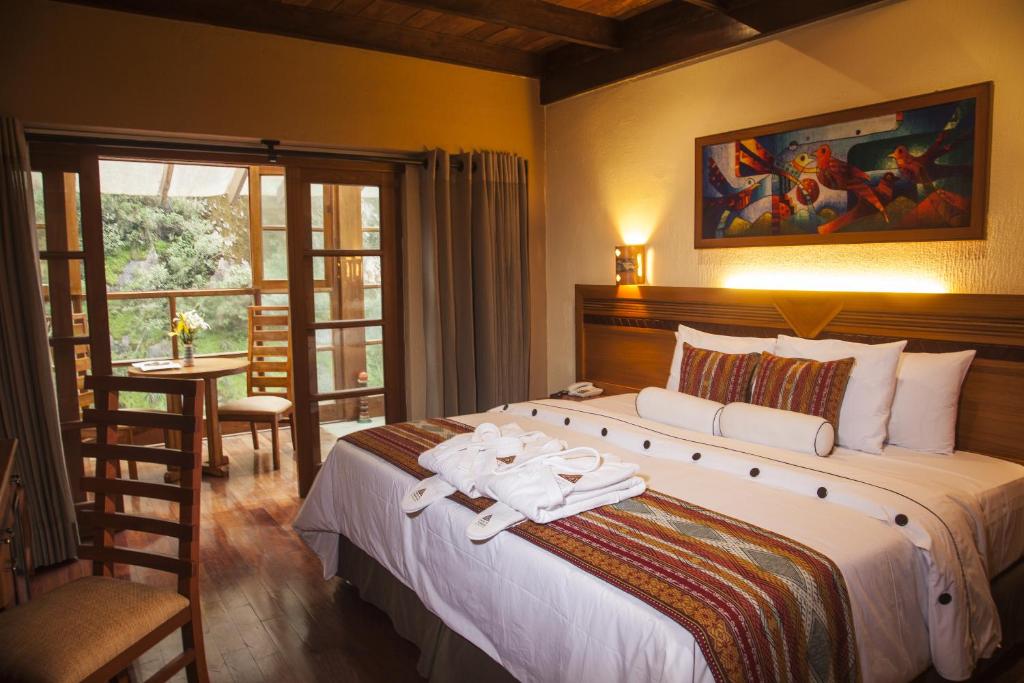

Jaya Machupicchu Hotel
Central, with excellent guest service, jacuzzi and hydromassage, buffet breakfast
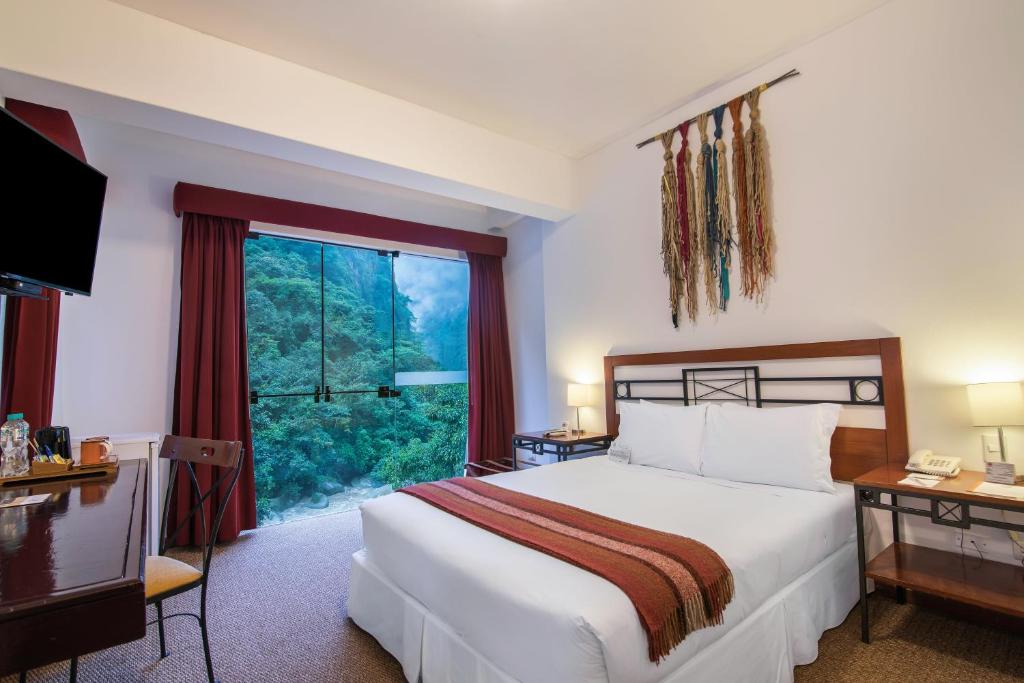
Tierra Viva Cusco Machu Picchu
impressive views of the surrounding hills, comfortable and quiet rooms
Machu Picchu Tours from Cusco—Choose Your Path
You can visit Machu Picchu in two main ways:
- Direct (by train/road): The quick, classic option, ideal for those short on time or not seeking a hiking challenge.
- On foot (trekking): Several multi-day treks provide a deeper immersion into Andean scenery, culture, and history.
Machu Picchu Tour (1 Day)
Day tours from Cusco cover a lot but start early and end late. Expect several hours in a van to Ollantaytambo, then a train to Aguas Calientes. After visiting, you’ll take a train back to Ollantaytambo and a van to Cusco. It’s a long and exhausting day, suitable if your schedule is tight.
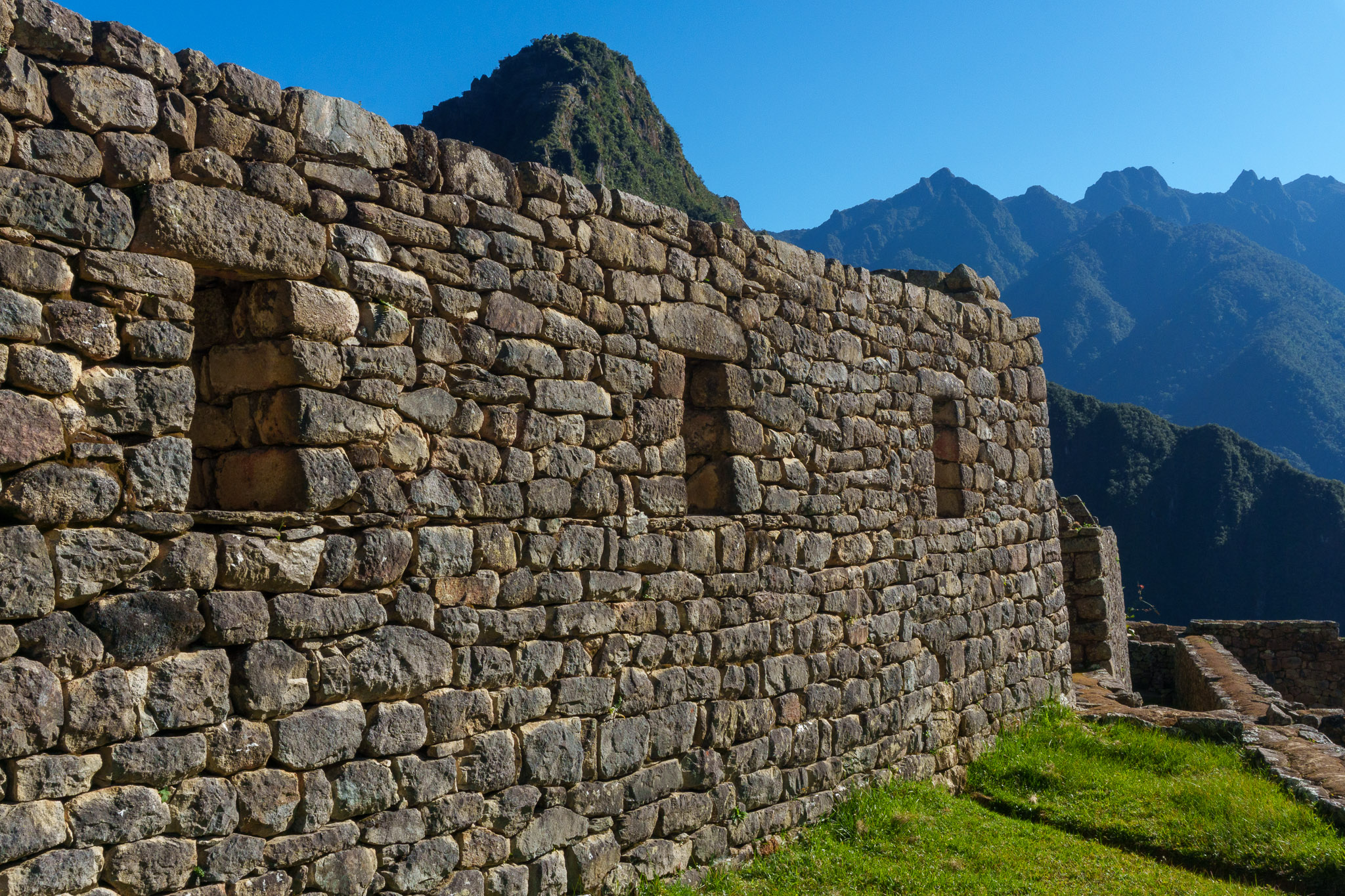
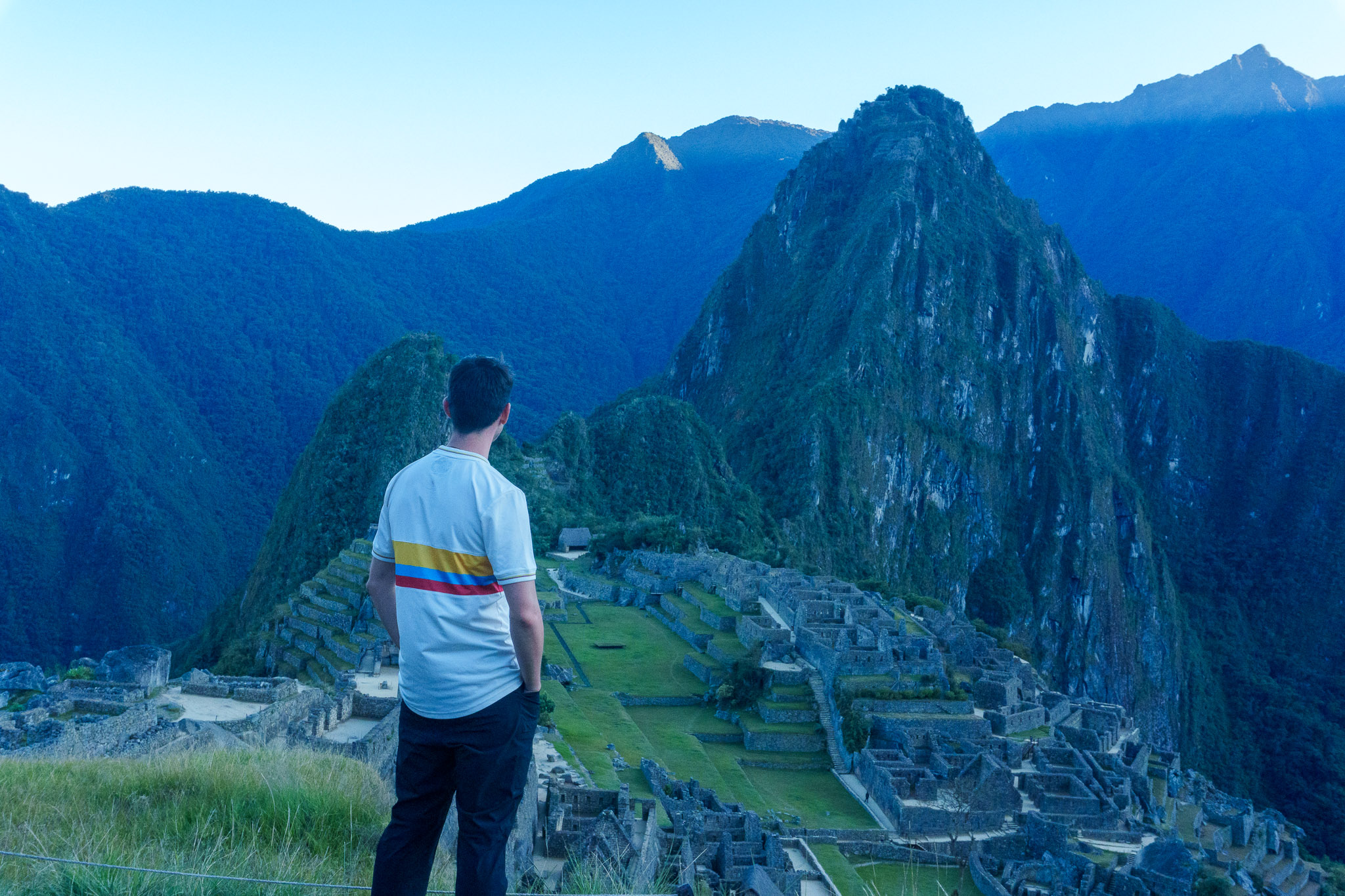
Machu Picchu & Sacred Valley (2 Days)
With a 2-day tour, the first day is spent reaching Aguas Calientes, passing by the sacred valley and other archeological monument on the way, like Moray, Ollaytaytambo. You will arrive in Aguas Calientes in time the first day, letting you relax, explore town, and recover. Early the next morning, you visit Machu Picchu and, if desired, climb a mountain like Huayna Picchu. You can return to Cusco in the afternoon by train and van, feeling less rushed.
The Inca Trail to Machu Picchu
The legendary Inca Trail trek is usually done over 4 days and must be arranged with an agency and guide. Only 500 permits are released daily, including staff and guides, so they run out quickly—reserve well in advance. The trail ends at the Sungate, offering a breathtaking first view of Machu Picchu. As you descend the ancient path, you feel history beneath your feet, just as the Incas did centuries ago.
The Salkantay Trek
Many consider the Salkantay Trek a top alternative to the Inca Trail. Lasting 4 or 5 days, this trek traverses stunning high mountain passes, cloud forest, and remote villages, ending triumphantly at Machu Picchu. I highly recommend TreXperience, Alpaca Expeditions, or Salkantay Trekking for a premium experience. Salkantay can be completed independently—just be prepared and well-researched. Along the route, basic lodges and restaurants are available, making it increasingly accessible for self-guided adventurers.
The Lares Trail
Look for an authentic multi-day hike less traveled? The Lares Trail starts in the town of Calca and passes through rural villages and breathtaking landscapes, ultimately reaching Aguas Calientes in 4-5 days. You’ll get close to local communities and see a different side of the Andes.
Machu Picchu Tours from Aguas Calientes
Once you reach Aguas Calientes—the lively gateway to Machu Picchu—you are just a step away from experiencing Peru’s most iconic archaeological wonder. Whether you already have your Machu Picchu ticket reserved months in advance or you’re hoping to grab a last-minute entrance, this small mountain town is where your final preparations begin.
Here, you’ll find plenty of options to tailor your journey: choose from early morning departures to catch sunrise over the ruins, book a guided tour to uncover rich stories, or—if needed—navigate the queue for last-minute tickets.
What to Do if You Don’t Have a Machu Picchu Ticket Yet
Here’s how the daily ticket allocation works for each circuit (check later in the article the map circuit):
- Circuit 1-A (Panoramic, Machu Picchu Mountain): 50 tickets per day
- Circuit 1-B (Panoramic, Upper Terrace): 100 tickets per day
- Circuit 2-A (Classic/Inca Citadel Route): 300 tickets per day
- Circuit 2-B (Classic, Lower Terrace): 300 tickets per day
- Circuit 3-A (Royalty/Lowersector): 50 tickets per day
- Circuit 3-B (Royalty, Expanded Lowersector): 200 tickets per day

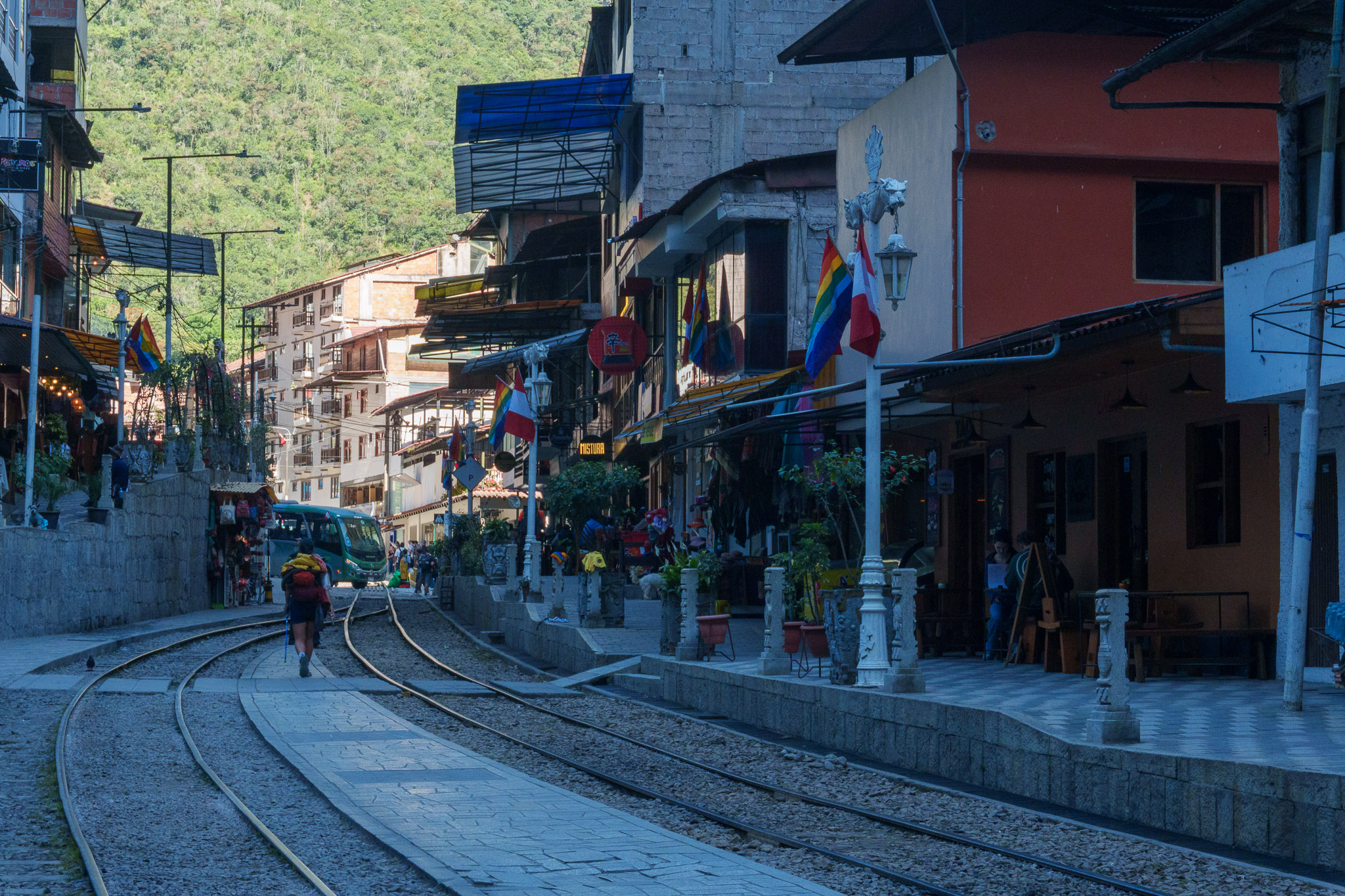
Daily Tours: How to Visit Machu Picchu from Aguas Calientes
You can visit Machu Picchu on your own or with a guide. Entrance tickets don’t include a guide, but hiring one is highly recommended if you want to get the most out of your experience. Local companies offer their services in Aguas Calientes, and official guides are also available right at the entrance gate. Look for guides in blue jackets holding blue flags—they lead small groups of up to 10 people, and the cost is usually around 50 soles (about $10) per person. If you want a more personalized tour with plenty of time for questions and photos, consider hiring a private guide for approximately $50.
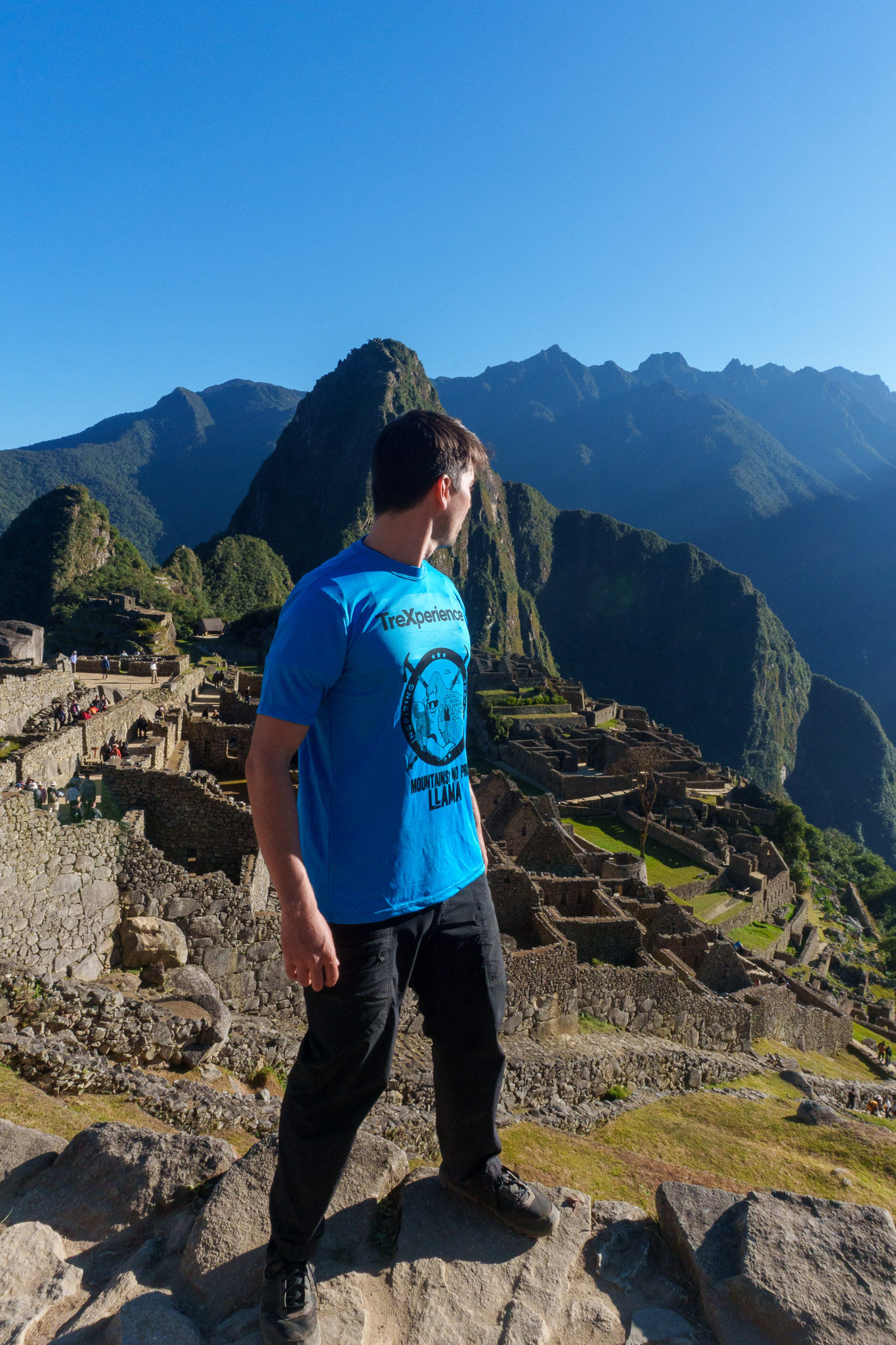
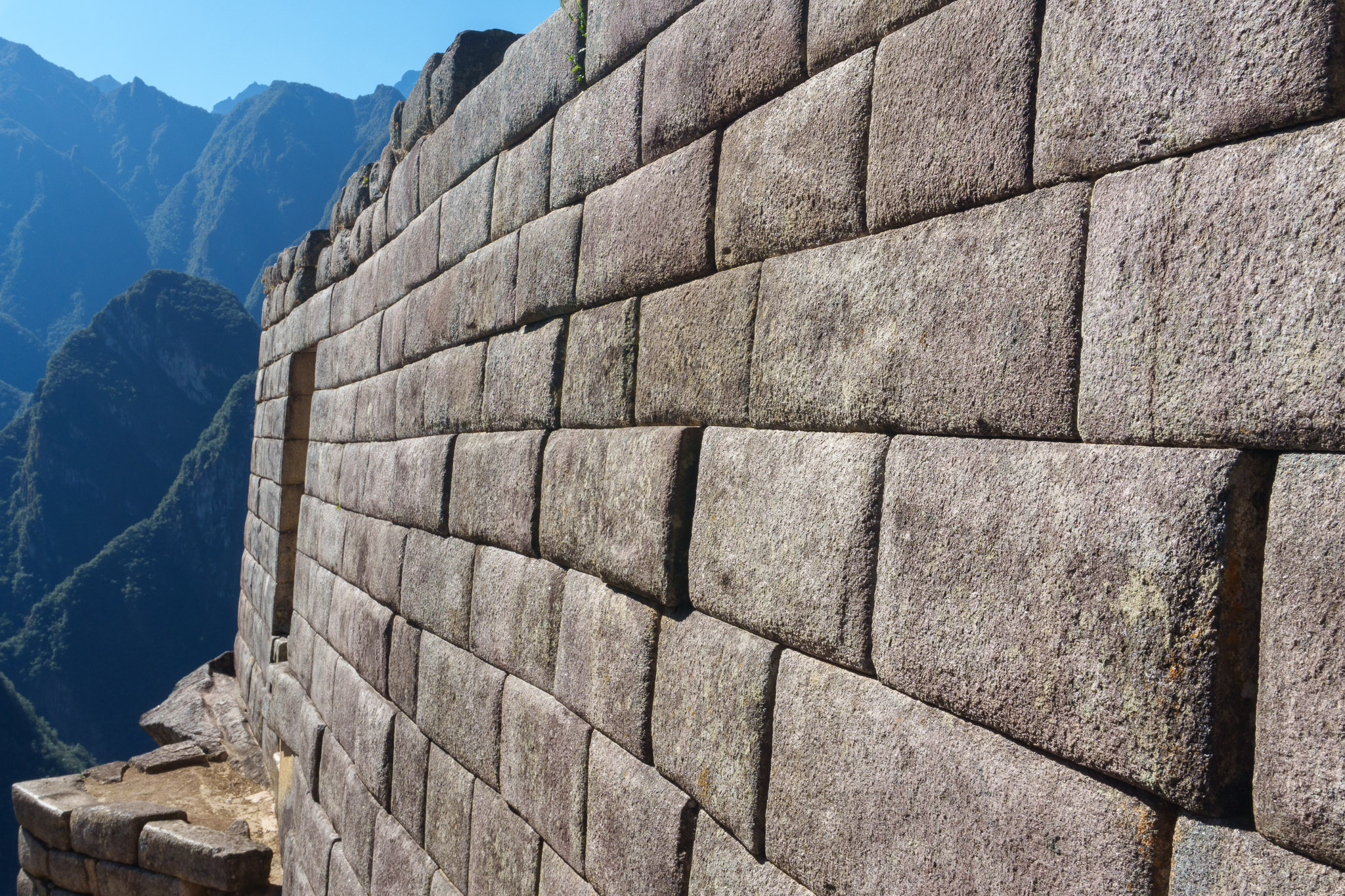
It’s also perfectly fine to explore by yourself. Well-marked, color-coded arrows guide you through the different circuits (1, 2, or 3) you selected when booking your ticket. Occasionally, some paths may cross, but it’s important to stay on your chosen route; wandering onto another circuit could result in a fine or even expulsion from the site. With this flexible system, every traveler can experience the wonder of Machu Picchu in their own way—just follow your circuit, enjoy the spectacular views, and soak in the history surrounding you.
The Machu Picchu Circuits and Mountain Climb Options
All The Circuit in Machu Picchu
Circuit | Name | Note | Estimated Time | Circuit Map |
|---|---|---|---|---|
1A |
Ruta Montaña Machupicchu |
Classic MP viewpoint + Machu Picchu Mountain Hike |
4-5 hours | |
1B |
Ruta Terraza Superior |
Classic MP viewpoint only |
1 hour | |
1C |
Ruta Portada Intipunku |
Classic MP viewpoint + Sun Gate (June 1 to Oct 15 only) |
2.5 hours | |
1D |
Ruta Puente Inka |
Classic MP viewpoint + Inca Bridge Hike |
2-3 hours | |
2A |
Ruta Diseñada |
Classic MP viewpoint + Most of the Site |
2.5-3 hours | |
2B |
Ruta Terraza Inferior |
Classic MP viewpoint (from slightly higher) + Most of the Site |
2.5-3 hours | |
3A |
Ruta Montaña Waynapicchu |
Lower Ruins + Huayna Picchu Hike |
3-4 hours | |
3B |
Ruta Diseñada |
Lower Ruins only |
1 to 1.5 hours | |
3C |
Ruta Gran Caverna |
Lower Ruins + Temple of the Moon Hike (June 1 to Oct 15 only) |
4-5 hours | |
3D |
Ruta Huchuypicchu |
Lower Ruins + Huchuy Picchu Hike (June 1 to Oct 15 only) |
2.5 to 3.5 hours |
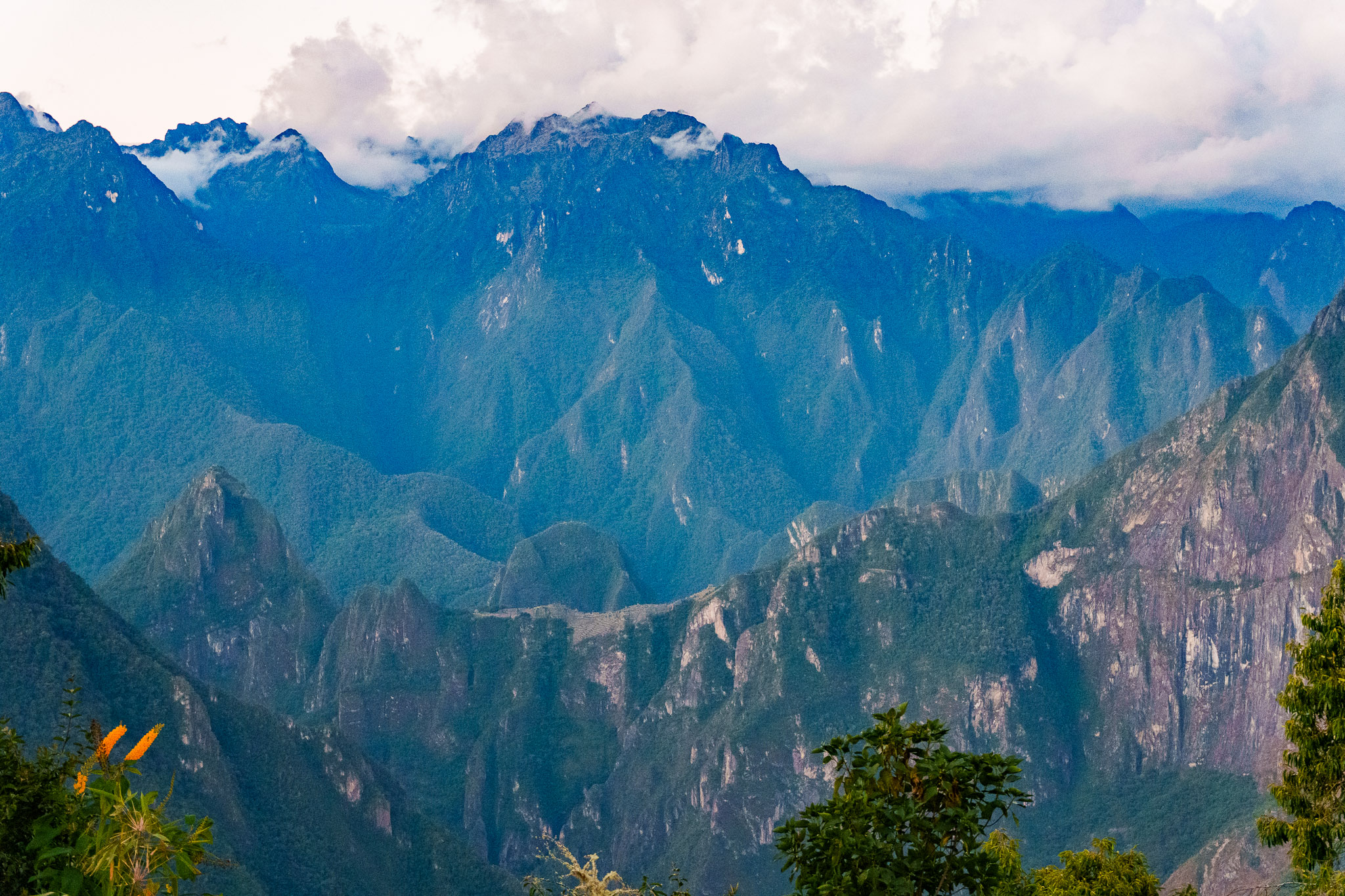
Your ticket gives you access to just one mountain hike per entry: Machu Picchu Mountain (Circuit 1), Huayna Picchu (Circuit 3), or Huchuy Picchu (also Circuit 3). Each trail is unique.
If you want to experience more, you’ll need a separate ticket for another circuit or mountain.
The Best Macu Picchu Circuit
From my experience, Circuit 2 offers the best combination of epic viewpoints and in-depth exploration among the ancient buildings—especially early in the morning when the light is soft and the crowds are minimal.
For those who crave a challenge and thrilling views, securing an extra ticket to climb Huayna Picchu is absolutely worth it. Standing at the summit, the panoramic vision of Machu Picchu beneath you and the vastness of the Andes all around is something you’ll never forget.
If possible, book early entry for the best light and least congestion, and bring your camera—the views are nothing short of sublime!


Don’t Lose Yourself in the Ruins
It is surprisingly easy to lose track of your group inside Machu Picchu. The ruins are a maze of stone passageways, rooms, and terraces, with multiple paths winding through the site.
On my visit, I got so focused on snapping photos that I ended up separated from the rest of my group. I assumed they were ahead and hurried forward, only to realize I had missed vital explanations from my guide and was now exploring solo.
With around 5,500 people visiting Machu Picchu each day, it is simple to get distracted and break away from your group. My advice: stay alert, keep your guide in sight, and enjoy the experience together so you do not miss out on insights and shared moments.
Be Punctual!
A visit to Machu Picchu is not something you want to risk missing, so timing is everything.
Your entry ticket comes with a strict time slot. Usually, you have a 30-minute window to enter (up to 45 minutes in peak season), and you will need to pass through the gate at the top of the mountain before this window closes.
If you are staying in Aguas Calientes, plan ahead—allow at least 20 minutes for the bus without factoring in a potential line, or about an hour if you are hiking to the top.
Neither guides nor entrance staff will wait for latecomers, and missed visits are not refunded. If you have just completed a multi-day trek, do not celebrate too much the night before! It is surprisingly common for travelers to miss their once-in-a-lifetime tour simply because they overslept after a big night. Plan well, go easy, and wake up early—this magical moment is worth every bit of preparation.
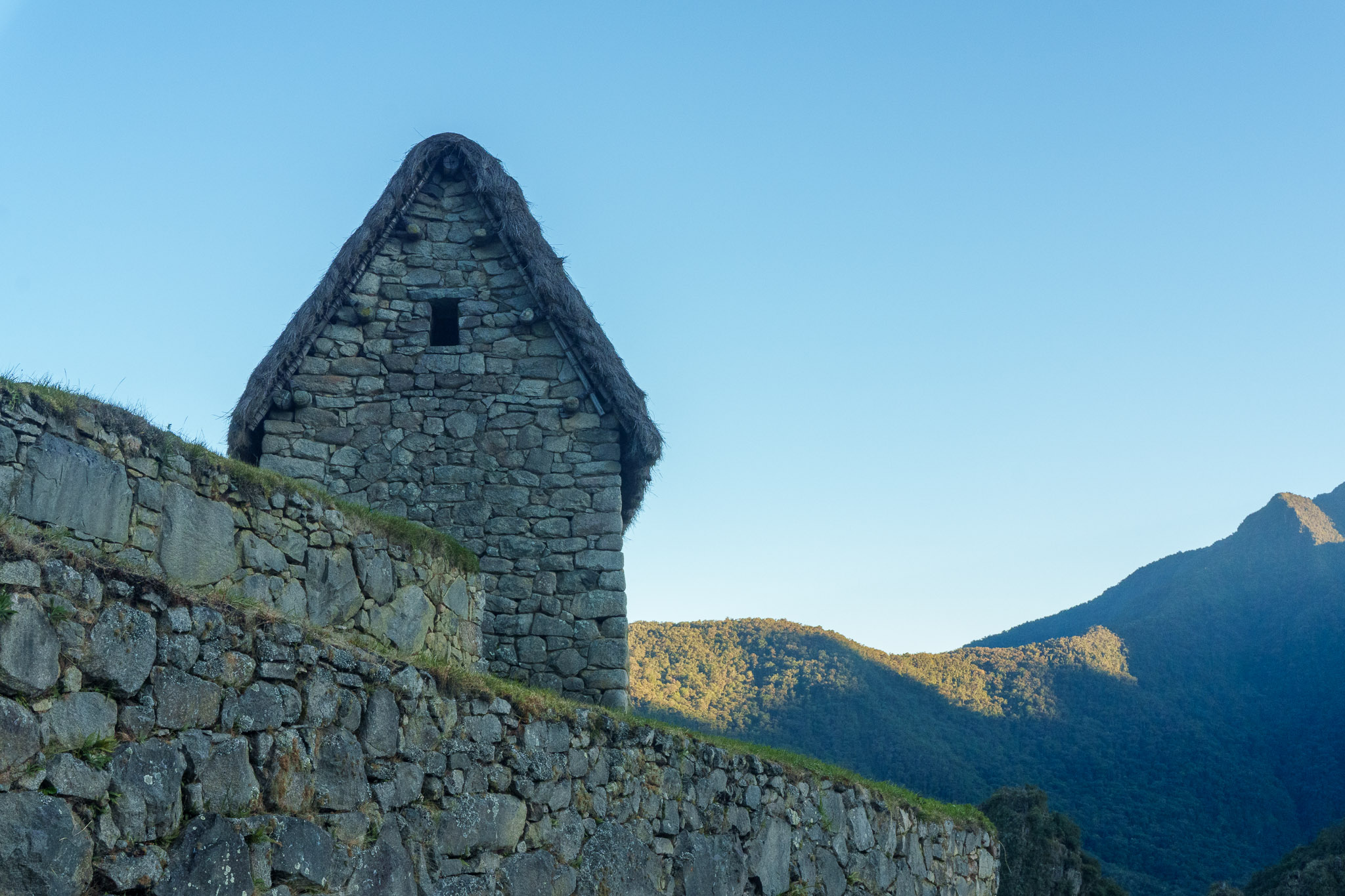
Helpful Official Links and Booking Your Machu Picchu Experience
I had a phenomenal experience doing the Salkantay Trek with TreXperience, a company I can truly recommend for its organization, passionate guides, and focus on creating unforgettable journeys.
For planning your visit, the official Machu Picchu website is your main source for accurate, up-to-date details on tickets, visiting hours, new rules, and all available visitor circuits.
You can also find links to the official platform for purchasing your Machu Picchu entrance ticket and select the circuit and mountain climb you want. Even if you’re booking through a travel agency, these pages let you see the most current options and site regulations.
No matter how you visit, always double-check with official sources before your trip, as policies and routes can change every season.
This will guarantee a smooth, well-informed experience from your very first step onto the legendary Inca trails right up to your first breathtaking glimpse of Machu Picchu itself.
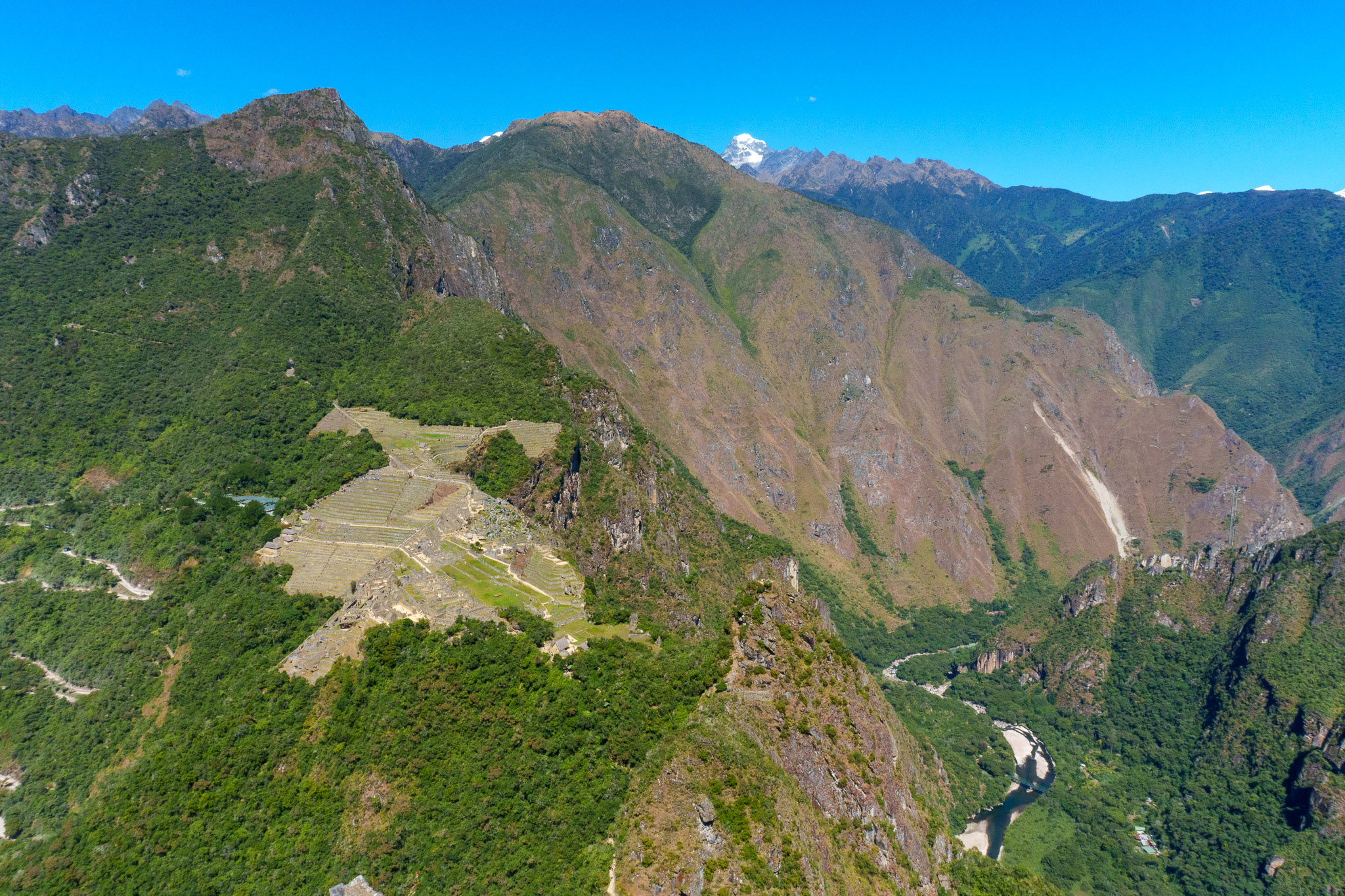
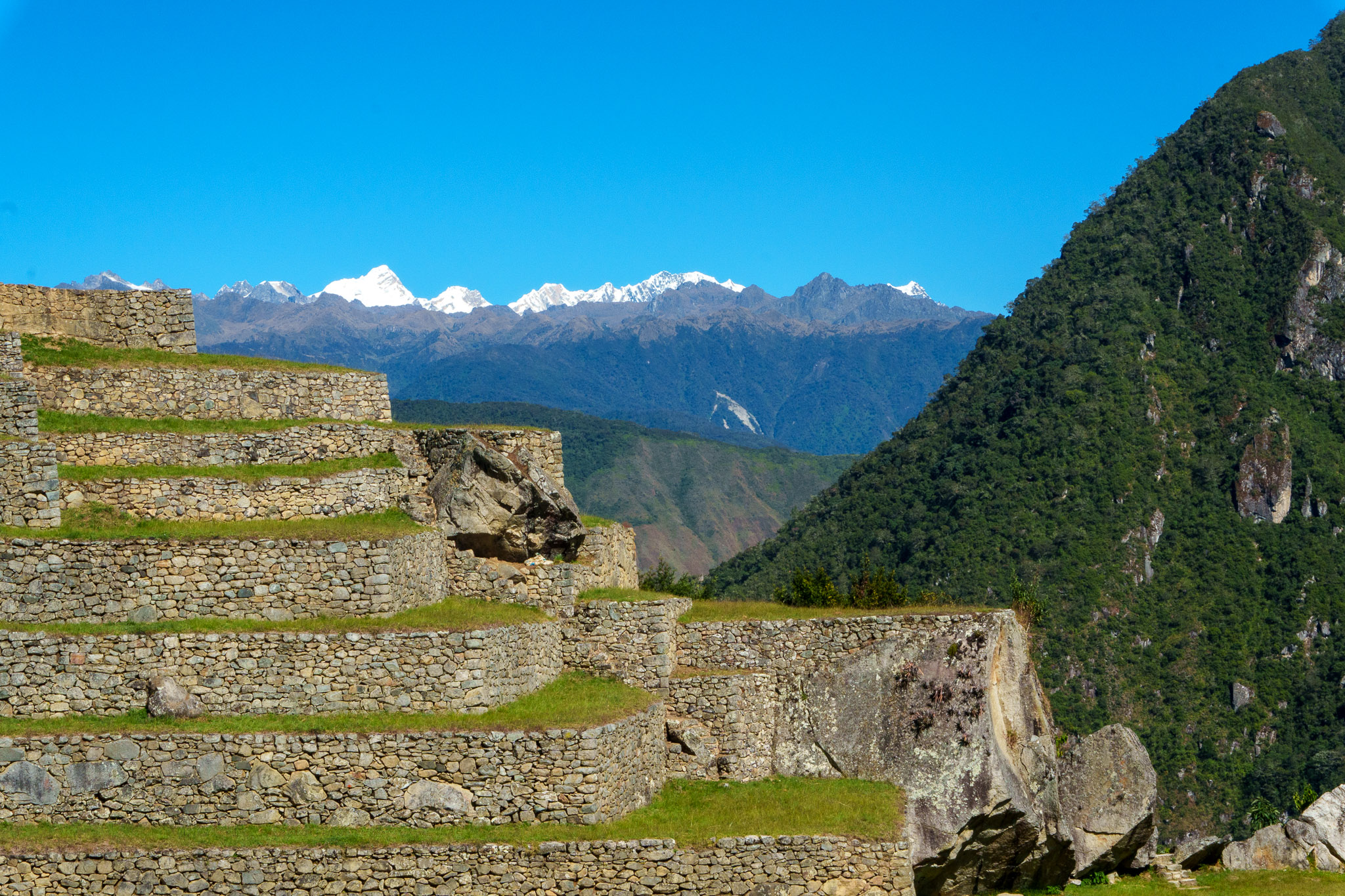
My Personal Experience
The Salkantay Trek
Rather than heading straight to Machu Picchu, I chose to take the scenic and immersive route: five unforgettable days trekking through the high Andes before finally arriving at the ancient Inca city on the final day. This approach allowed anticipation to build with every step, letting me truly appreciate the region’s wild beauty and the reward that awaited at the end—a glimpse of the legendary city in the clouds.
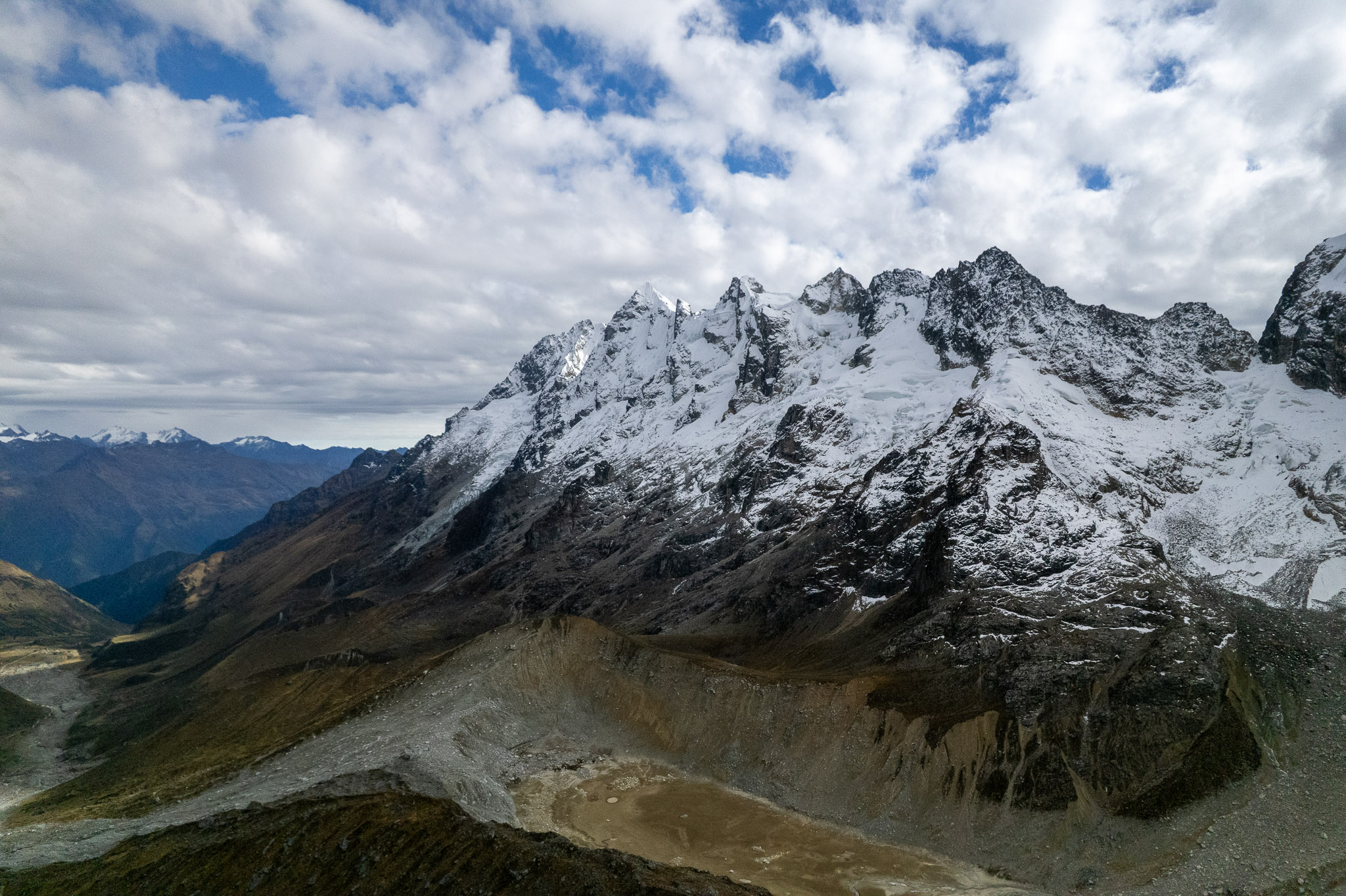
The Salkantay Trek is a journey of contrasts. Each day introduced a new environment, from the turquoise waters of Humantay Lake to the imposing, snow-capped Salkantay mountain.
The trail elevates you over dramatic high passes, down into humid cloud forest, and then through lush rainforest, echoing with bird calls. The weather shifted constantly—one moment sharp and cold, the next warm and sunny, and sometimes enveloped in mist or rain. The diversity adds challenge and keeps every day fresh and exciting. Prepare to walk about 15 kilometers a day, but trust me: the effort is always repaid with staggering landscapes.
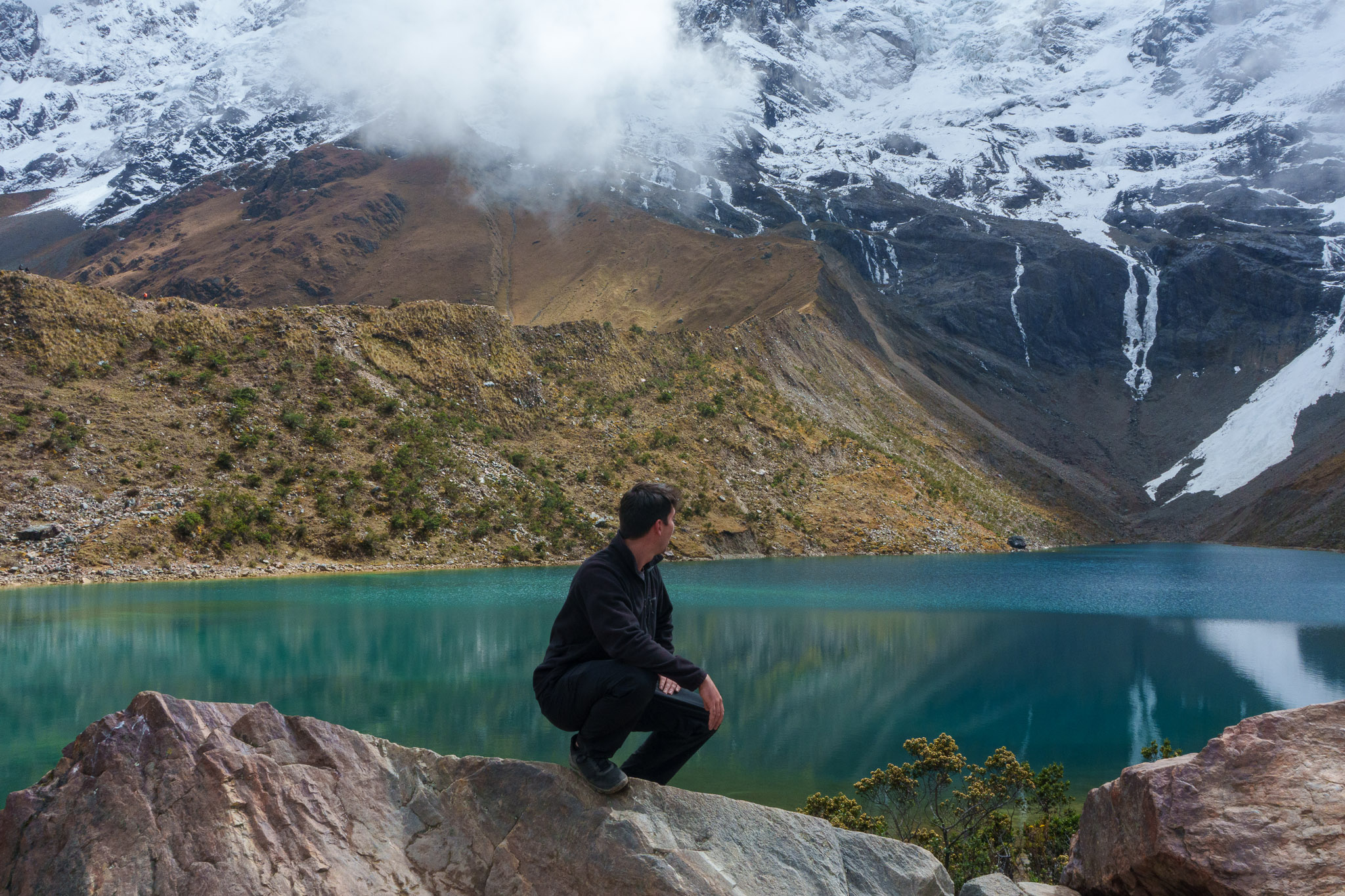
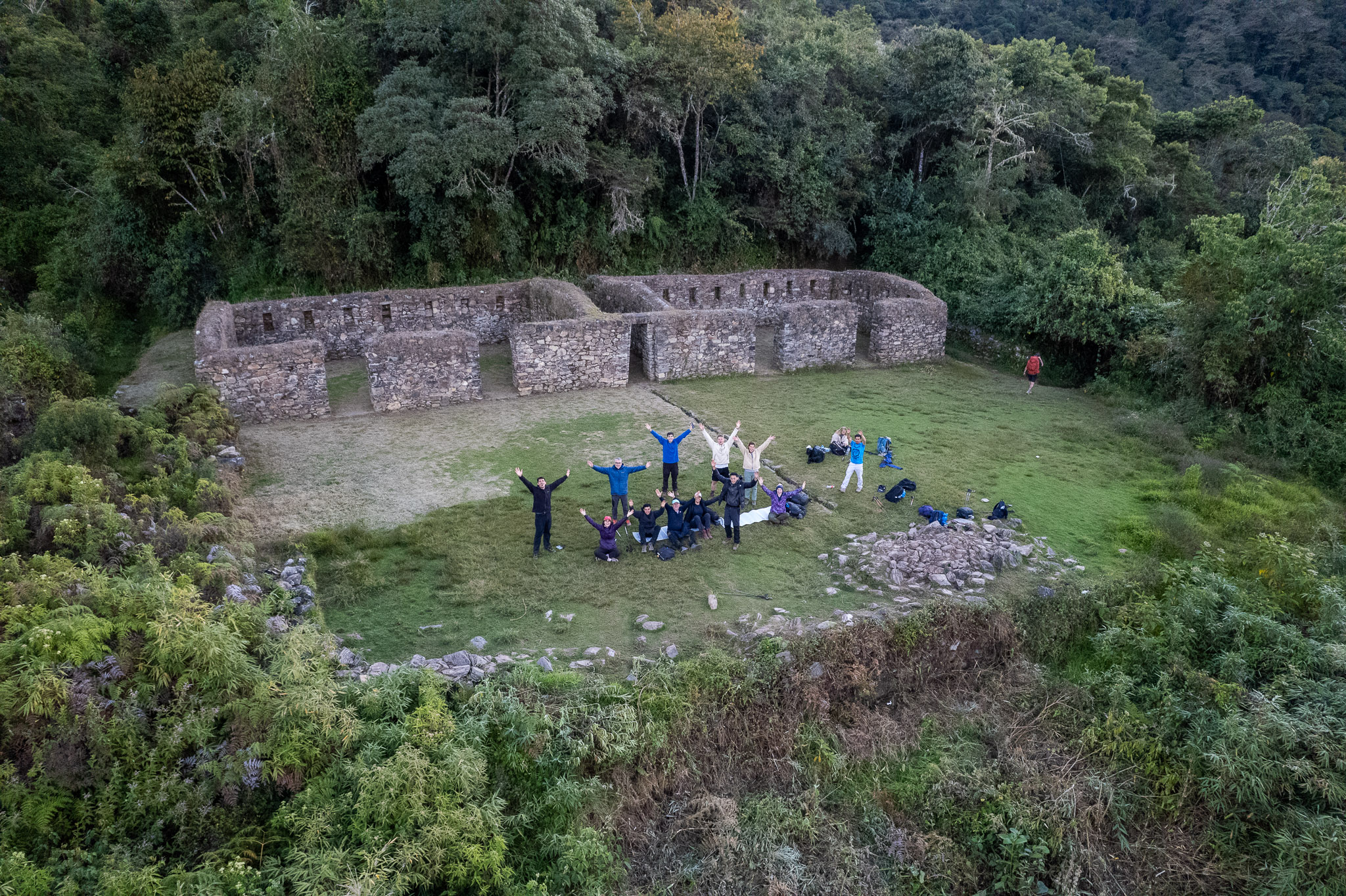
What made the trek even more special was sharing it with an incredible group. Our team of sixteen included teenagers, adventurous adults, and travelers in their sixties.
Everyone pushed themselves, and even when the trail tested us, laughter and encouragement always returned at dinner, where we’d relive the day’s scenes and refuel with hearty Peruvian meals. These nights became just as memorable as the hikes, turning strangers into friends against a backdrop of starlit Andean skies and mountain silhouettes.
By the time we reached Machu Picchu, the sense of accomplishment was immense. The city’s magnificent ruins felt even more magical, knowing how far I had come—physically and emotionally—just to stand there. For anyone who loves dramatic nature, connection, and adventure, this is the journey of a lifetime.
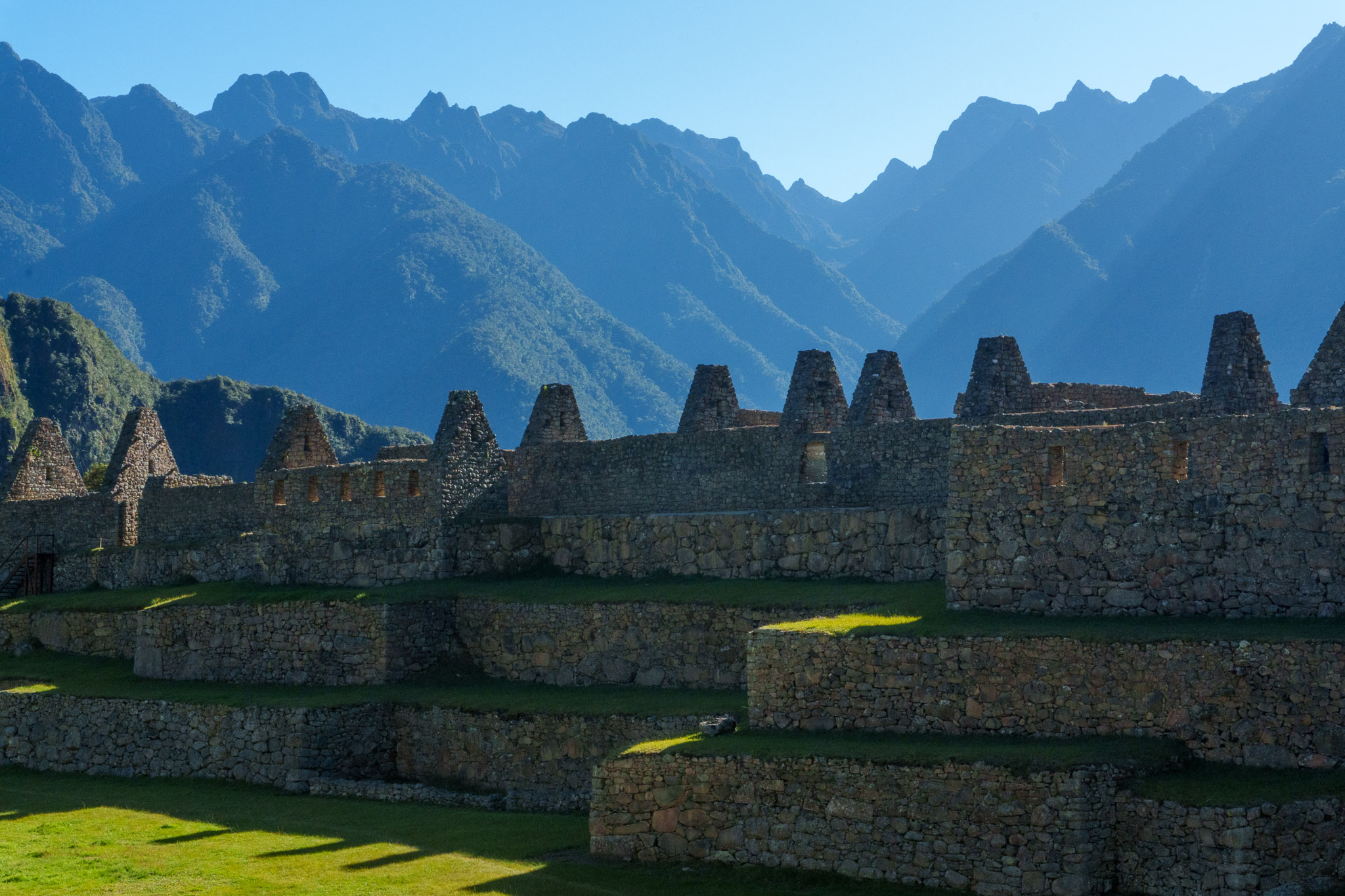
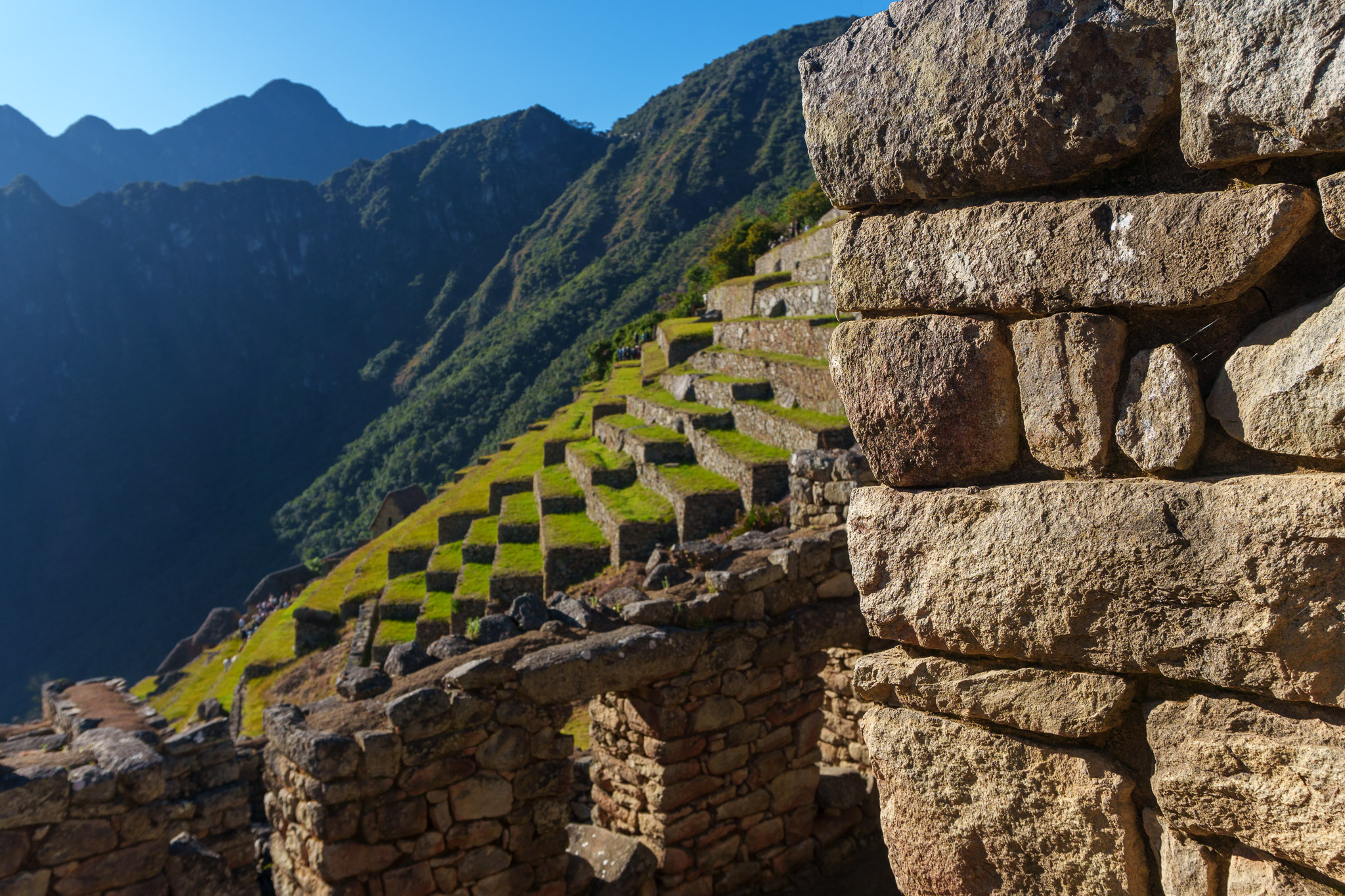
The Circuit 2 of Machu Picchu – Sunrise Adventure at 6 am
There’s something magical about this early hour. Even if there’s already a short line at the entrance and at bus boarding, you can feel the peace of the moment; the crowds are still thin and the site feels all the more secret and special.
If you’re lucky with the weather, you get to watch the sunrise from one of Machu Picchu’s iconic viewpoints. Whether the city is cloaked in twilight or basking in golden light, it’s a rewarding scene to photograph—and there is plenty of room to move, to soak in the scale of the place, and to simply admire the view.
Climbing Huayna Picchu – The Bonus Adventure
After completing my first tour of Machu Picchu, I took a quick break for a snack and made sure to use the facilities—important tip: there are no toilets inside the archaeological site, only outside near the entrance (and they cost 2 soles), so plan accordingly!
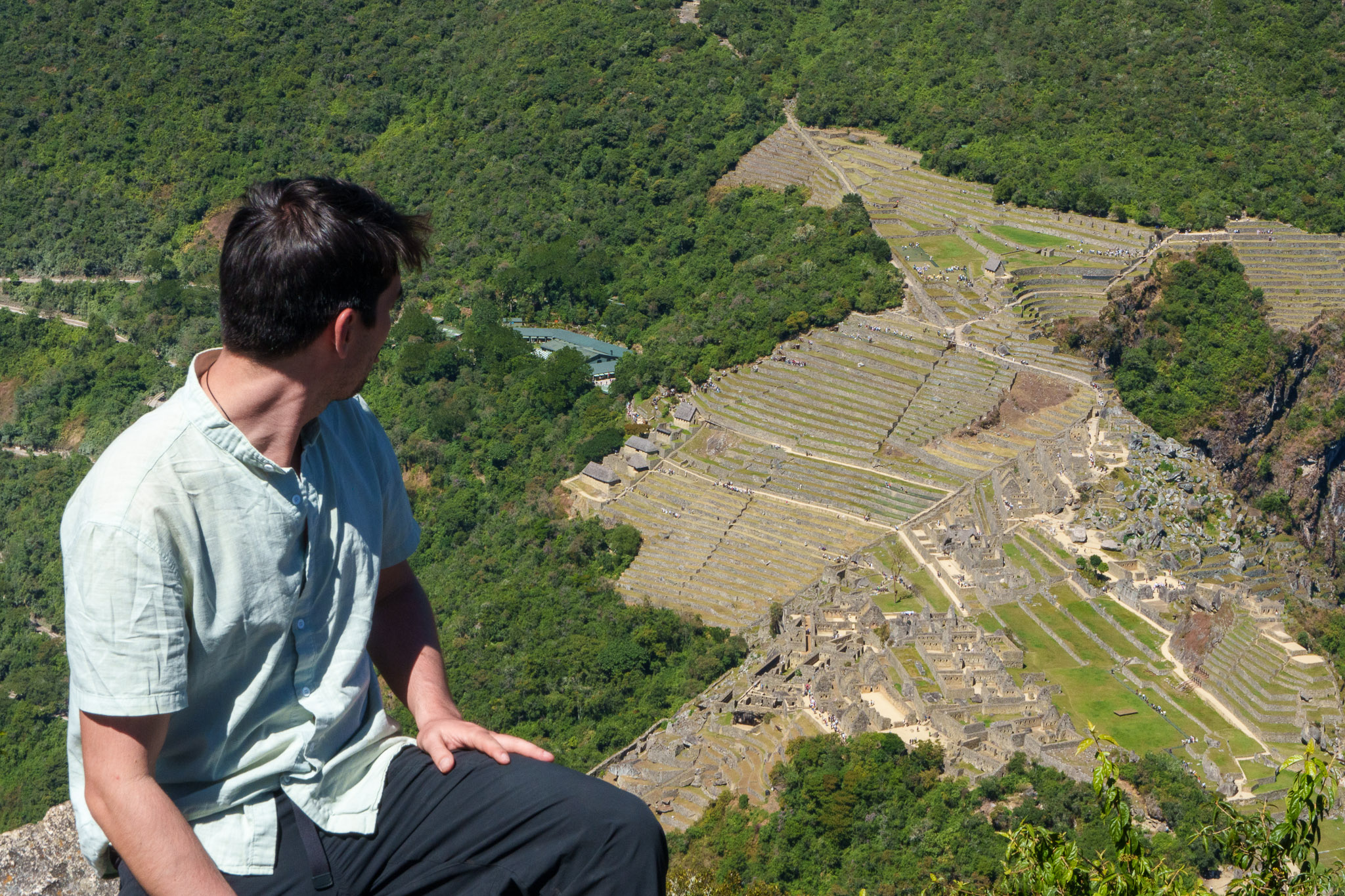
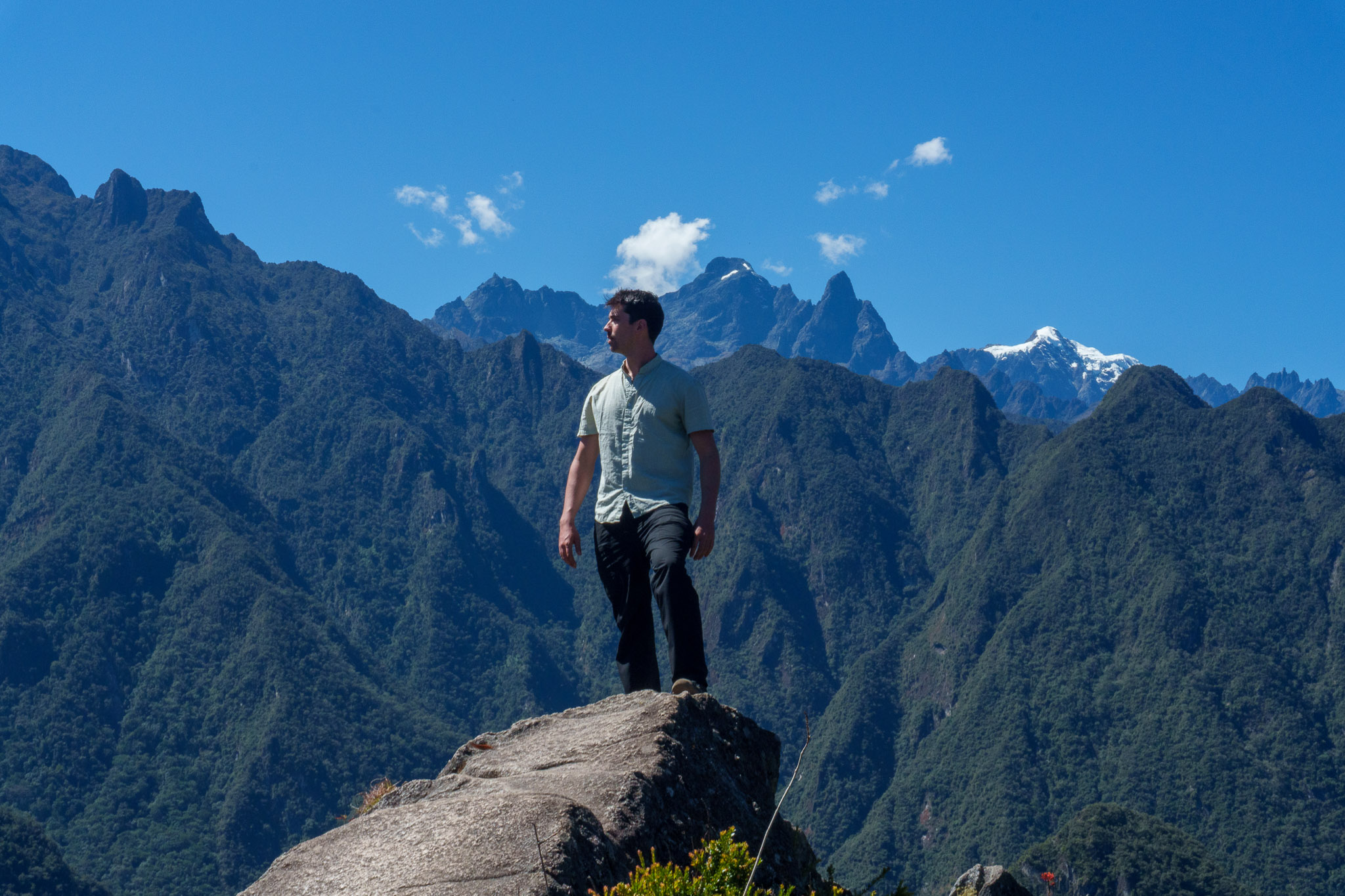
With my second ticket slotted for 9 am, I returned for Circuit 3, which includes the famous climb up Huayna Picchu.
Since I had already explored most of the ruins, I passed through the site quickly, saving energy and focus for the mountain itself.
At the base of the trail, a guard checks your ticket, and you must sign in with your name and entry time.
The posted guidance suggests 45 minutes up and 45 minutes down, but I ended up spending closer to two hours—I couldn’t resist savoring every view and snapping plenty of photos!

Why Machu Picchu Should Be on Your Bucket List
Taking the long route to Machu Picchu—walking days through wild Andean landscapes, climbing steep paths, and finally exploring the majestic ruins—turned my visit into something far greater than just a day trip.
Each sunrise, every step on rocky trails, and the challenge of Huayna Picchu built not only anticipation but also a deep connection to this legendary place. These moments didn’t just fill my camera; they created a core memory, a journey of personal growth, determination, and awe.
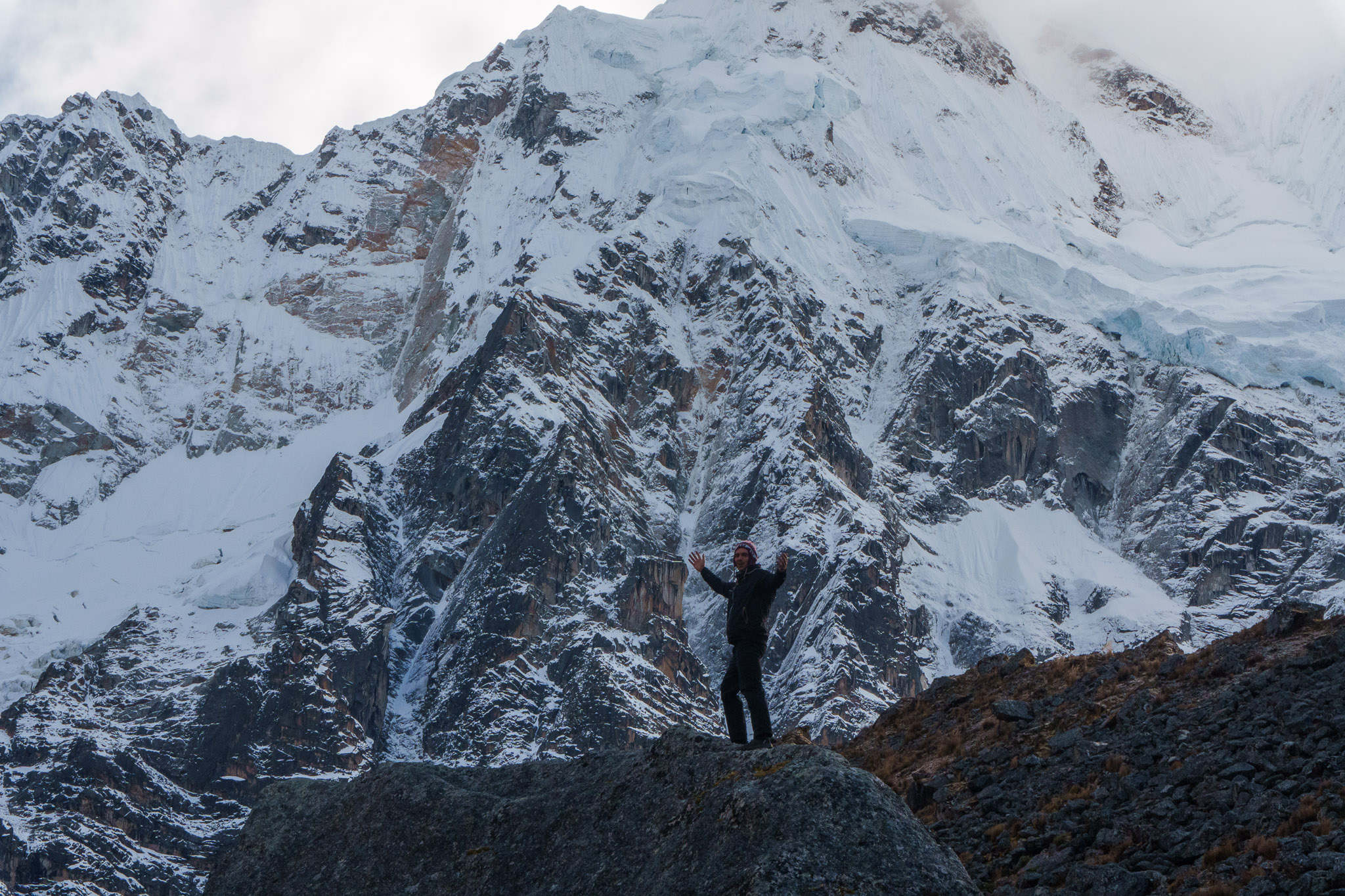
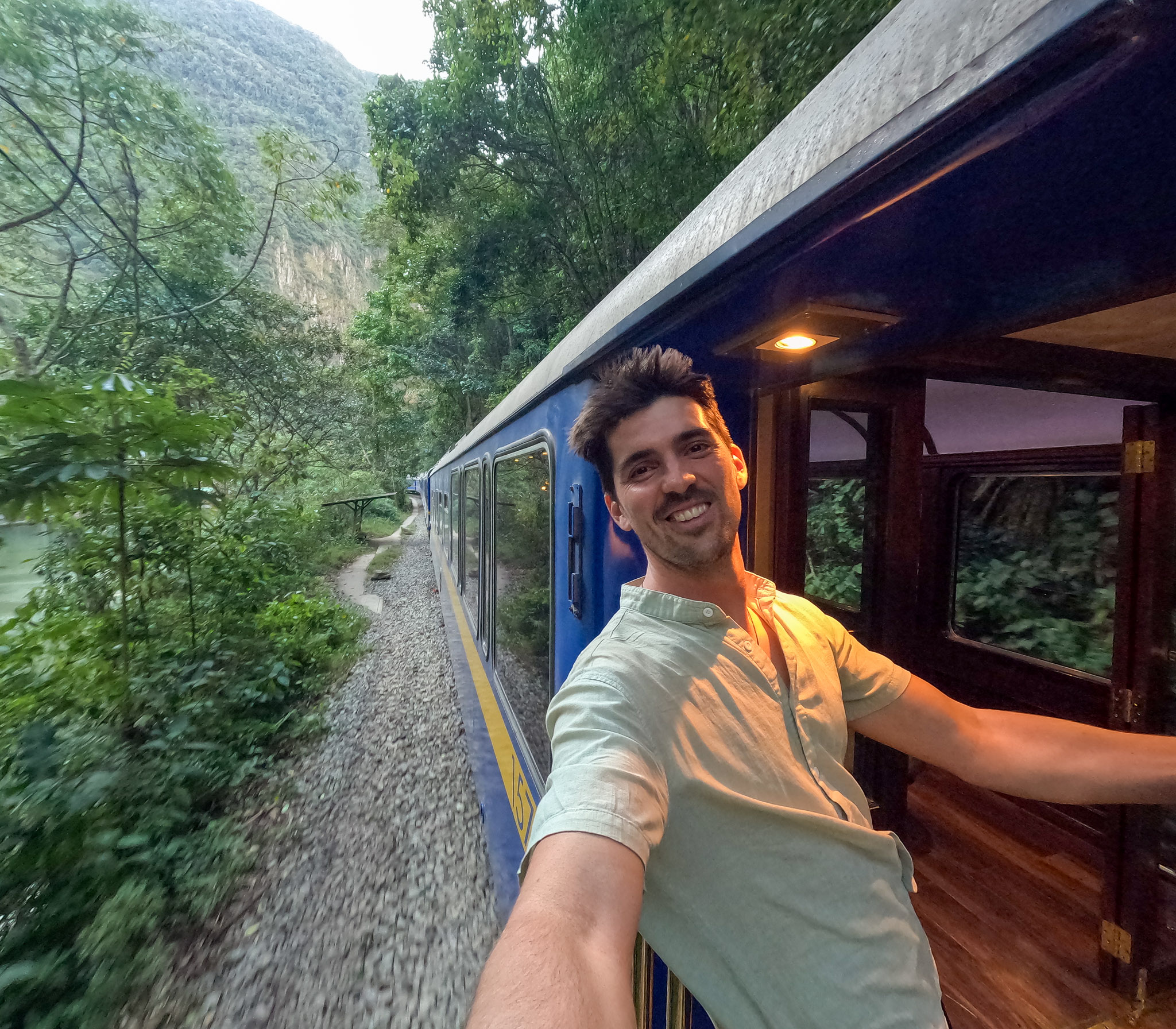
Arranging my adventure with TreXperience ensured everything was smooth and enriching—from high mountain passes on the Salkantay Trek to that first breathtaking view of the Inca city.
Their passion for meaningful travel made a big difference, and I recommend them to anyone seeking more than the standard tour.
Whether you love trekking or simply want to witness a bucket-list wonder, visiting Machu Picchu truly is a highlight of any trip to Peru.
Even if you haven’t planned months ahead, multiple travel options and last-minute tickets mean the site remains within reach for many explorers. With flexible tours, incredible scenery, and a profound sense of history, Machu Picchu offers an experience as rewarding as the journey itself.
For every traveler seeking adventure, culture, or simply a moment of wonder in the clouds, this is a memory you will carry for life.
I have visited many archeological sites in Peru, like the nasca lines by plane, or the terraces of Pisac , and many others. We can say everything we want, Machu Picchu is one, if not the msot impressive site to visit.
Freebie For You !
Thanks for sticking around until the end — that really means a lot. To show my appreciation, I’ve prepared something special for you: a Travel Guide 101 packed with my favorite tips, useful websites, and practical info to help you plan your next adventure.
Choose Your Adventure !
FAQ
Machu Picchu lies in the eastern Peruvian Andes, above the Urubamba River valley. The closest town is Aguas Calientes (also called Machu Picchu Pueblo), reached by train, bus, or trekking from Cusco or Ollantaytambo.
The elevation of Machu Picchu is 2,430 meters (7,970 feet) above sea level1.
The dry season, from May to September, is ideal for Machu Picchu. Expect sunny skies, mild temperatures, and minimal rain. July and August are most popular (and crowded); the rainy season is from October to April, when clouds, lush landscapes, and showers are frequent.
The classic route combines van or bus from Cusco to Ollantaytambo, then train to Aguas Calientes. From Aguas Calientes, you can take the shuttle bus or walk up to the Machu Picchu entrance.
Yes! You can hike from Aguas Calientes to the entrance (about 1 hour, steep and scenic). Trekkers also arrive via multi-day routes such as the Inca Trail, Salkantay Trek, or Lares Trek.
It’s highly recommended, especially in high season. Tickets can sell out months ahead, especially for mountain climbs and Inca Trail permits. However, a limited number of last-minute tickets are released daily in Aguas Calientes.
You can purchase:
A standard entrance (for a specific circuit)
Entrance + mountain hike (Huayna Picchu, Machu Picchu Mountain, or Huchuy Picchu)
Your choice determines the areas you can visit inside the site.
There are three main circuits, each with different highlights and walking routes. Circuit 2 is the most complete, offering both panoramic viewpoints and access to the heart of the ruins.
A typical circuit visit takes 2.5 to 3 hours. Mountain hikes (Huayna Picchu or Machu Picchu Mountain) add another 1.5 to 2 hours.
Only one circuit and one mountain climb are allowed per ticket. To visit another, you’ll need a second ticket for a different circuit or mountain, and re-enter the site at your new time slot.
Essentials: passport, ticket, comfortable walking shoes, light rain jacket, sun protection, water, snacks, and some cash (for toilets, snacks, bus, etc.).
Guides are not mandatory, but highly recommended for context, history, and navigation. Hire them in advance, through a local agency, or at the entrance.
Large backpacks, tripod stands, drones, and food are restricted; plastic bottles and single-use plastics are discouraged. Always follow your marked circuit and do not stray—security staff enforce the routes.
No restrooms inside the archaeological site. Toilets are available only outside, near the entrance, and cost a small fee (about 2 soles).
Book the earliest entry slot (6 am) for fewer visitors and the sunrise. Avoid weekends and local holidays when possible.
Top options include:
- The classic 4-day Inca Trail (permit required)
- 4- or 5-day Salkantay Trek
- Lares Trek (4-5 days through Andean villages)
- Shorter day hikes in the area
Cusco, at 3,400m, is higher than Machu Picchu. Spend a few days acclimatizing before your trek or visit, stay hydrated, and avoid heavy exertion immediately after arrival.
Unfortunately, most paths in Machu Picchu include steep stairs and uneven stone surfaces. Access is limited for those with mobility challenges, but some assistance and adaptations may be available at the entrance.
Yes, independent travel is possible. You can book tickets, trains, buses, and hotels yourself; guides are available at the entrance if you want one.
Bring Peruvian soles. Small expenses like bus tickets, restrooms, snacks, and tipping guides are cash only in most cases.