Costa Rica is a land where the magic of the rainforest is alive in every corner. Every morning, a new sound or shape in the green canopy reminded me why costa rica animals attract so many wildlife lovers worldwide.
There is nothing quite like the feeling of walking a misty trail, not knowing if the next sight will be a monkey swinging overhead or a colorful bird hidden among the branches.
If you are searching for the best costa rica wildlife sanctuary or simply wondering what makes wildlife in costa rica rainforest so special, this journey will give you the inspiration you need.
NB: Most of the photos in this article are my own, taken during my adventures in Costa Rica’s rainforests and reserves. To complete the visual story, I’ve also included a few images from other talented photographers—sometimes, the wildlife was just too quick or elusive for my camera.

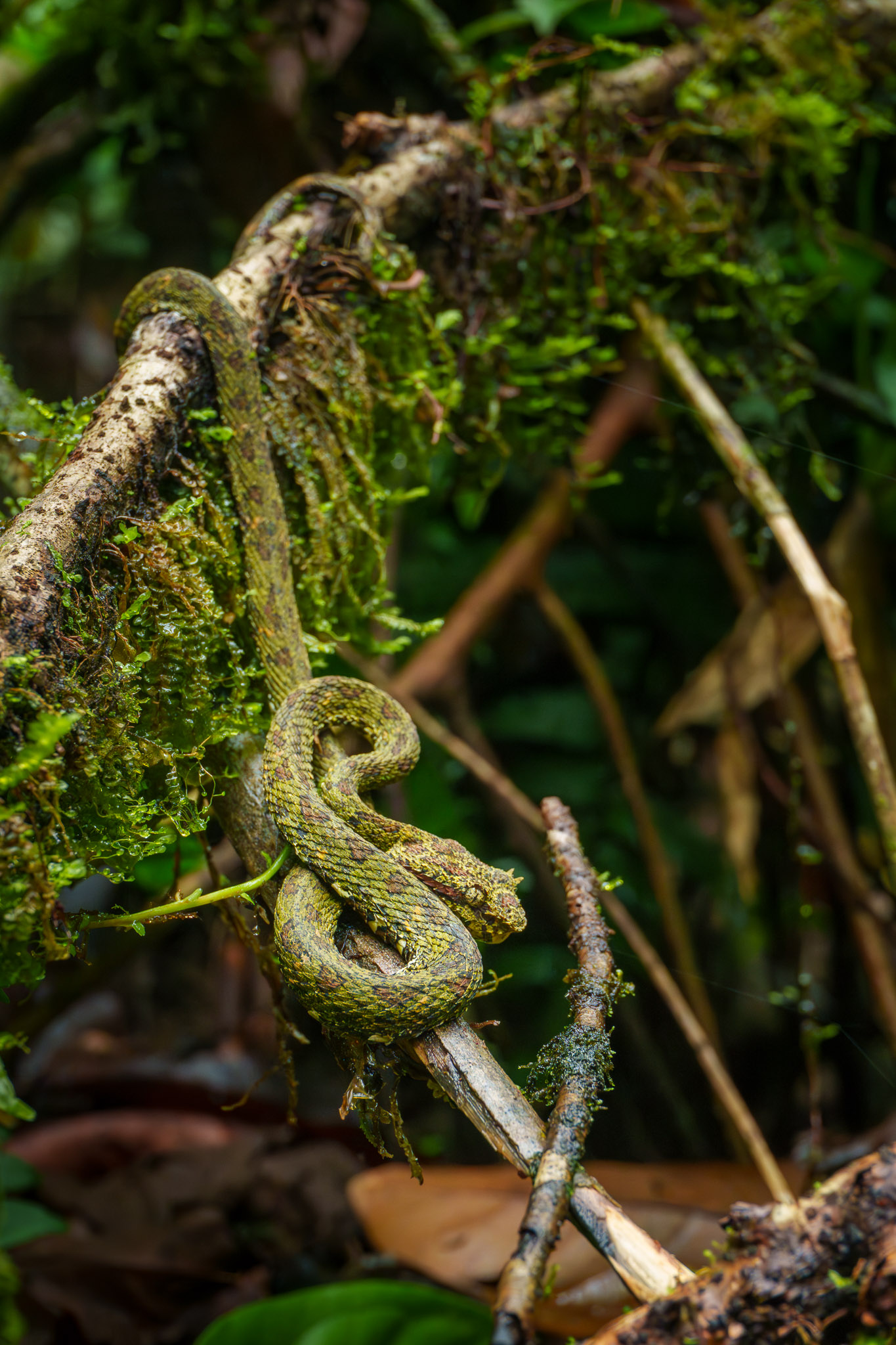
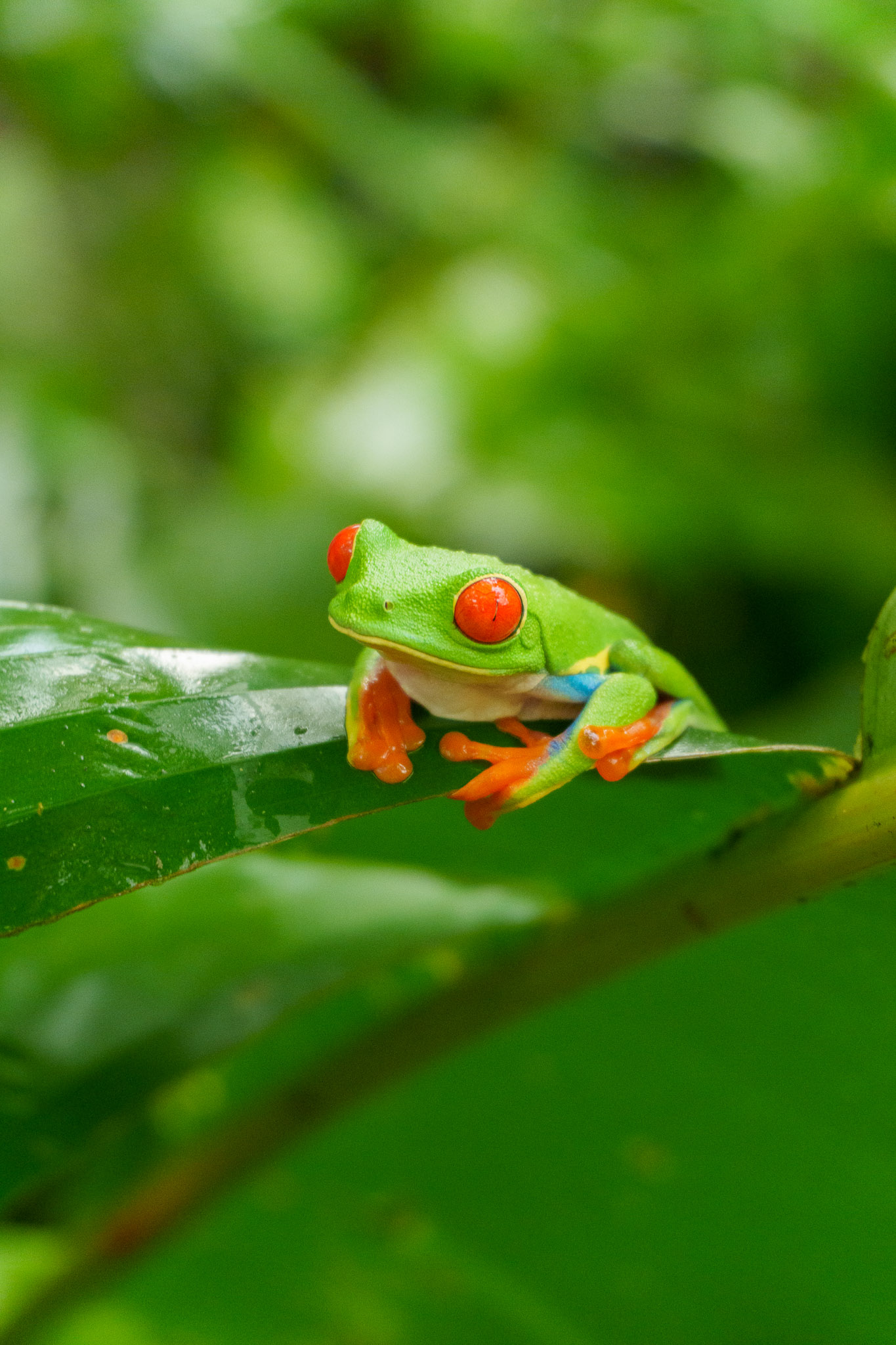
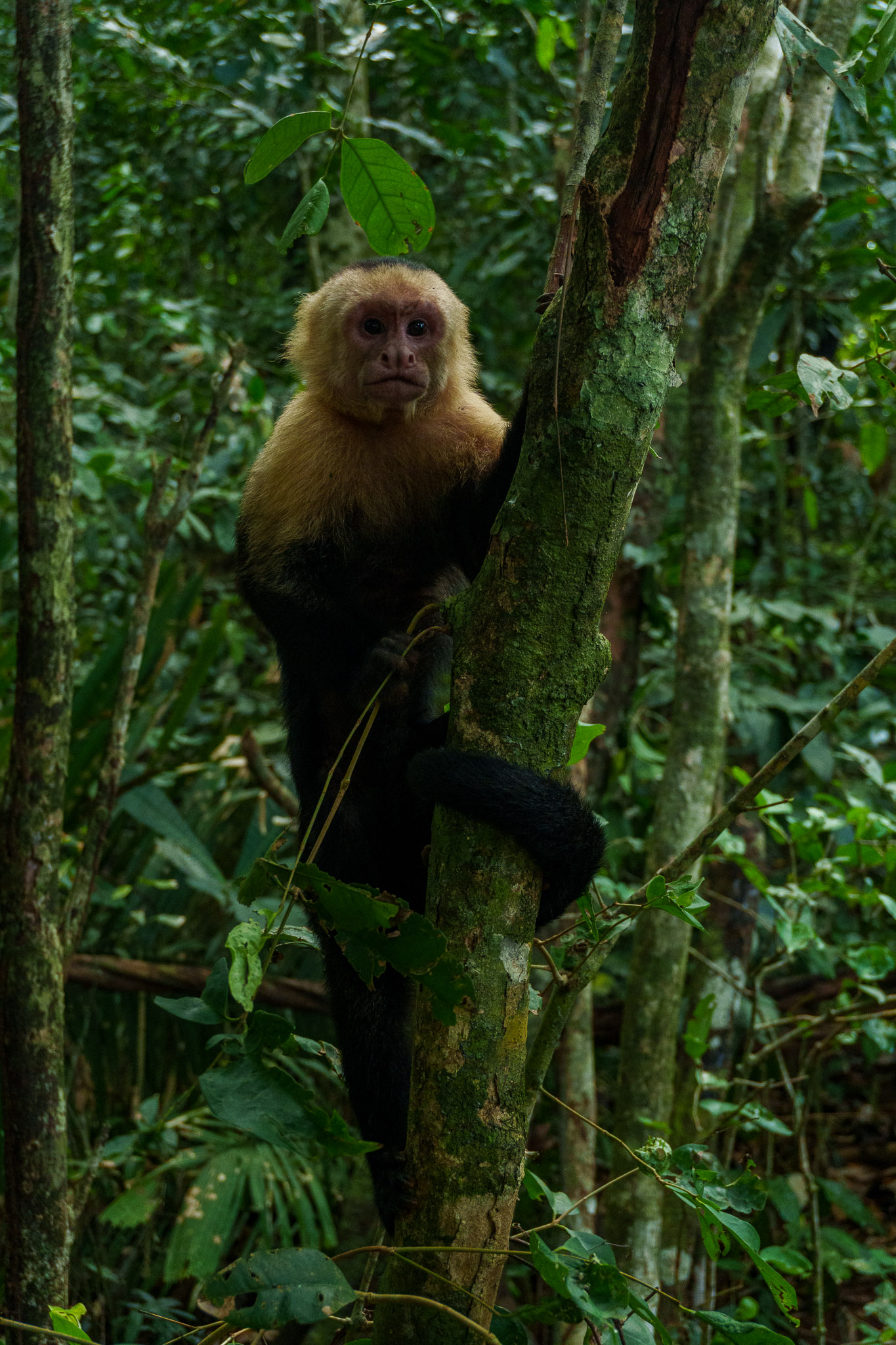
Table of Contents
The Costa Rica Animals I Spotted
Monkeys: The Playful Faces of Costa Rica Wildlife
Howler Monkeys
The deep, echoing call of howler monkeys begins before sunrise. These costa rica monkeys move slowly through the trees, forming shadows in the leaves above. Their loud voices fill the air, and seeing an entire family feeding or grooming is a perfect reminder that wildlife in costa rica rainforest is constantly alive and moving.
This is one of the monkey you can spot easily in the amazon rainforest as well.


Squirrel Monkeys
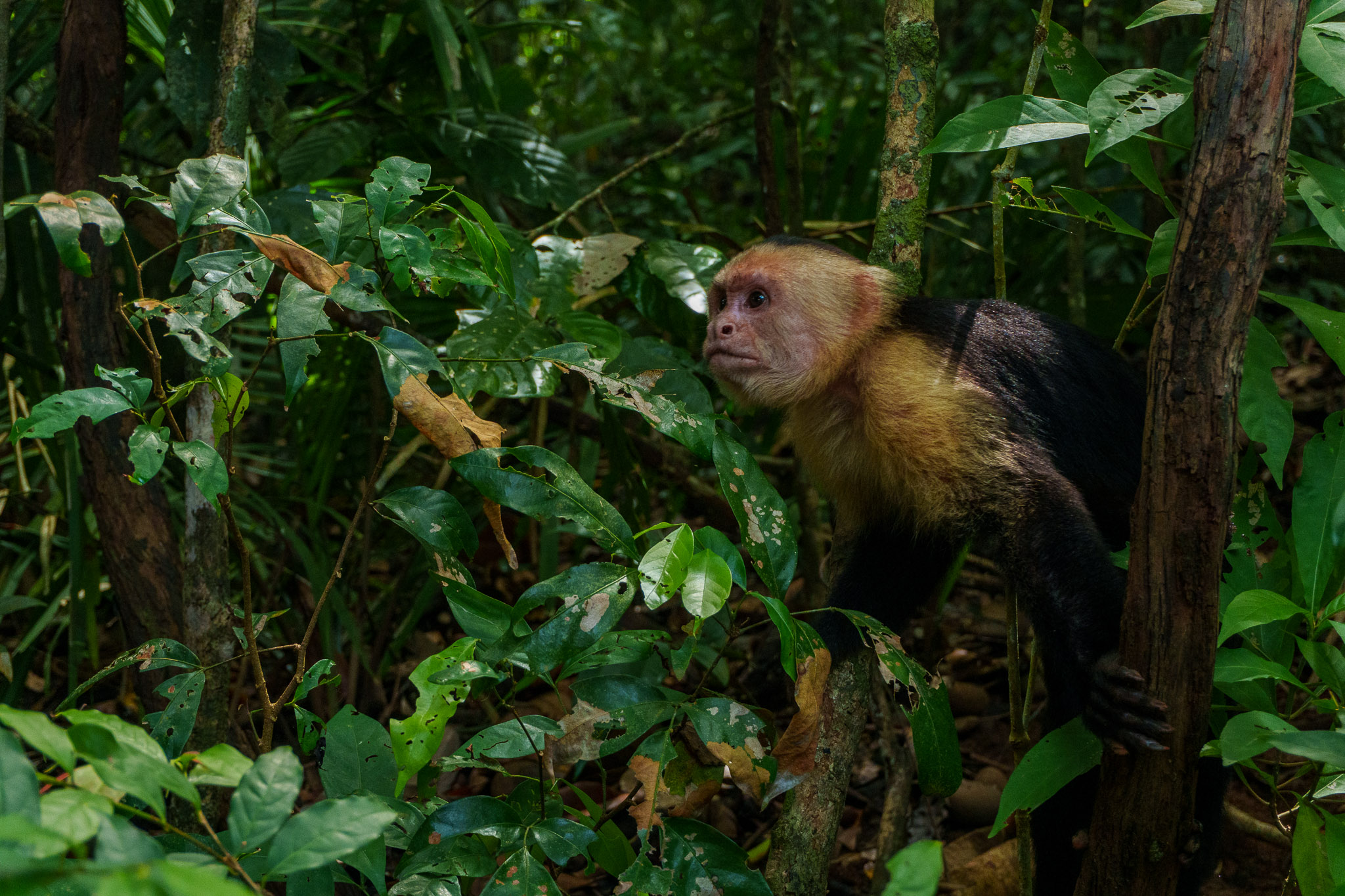
White-Faced Monkeys
Birds: The Colorful Gems of Costa Rica
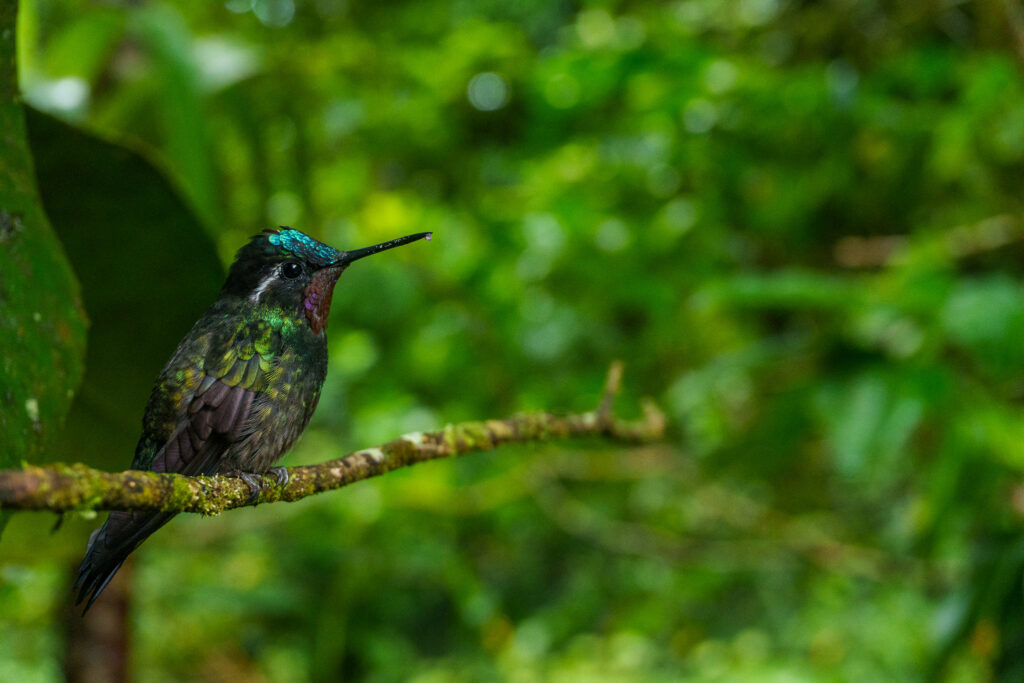
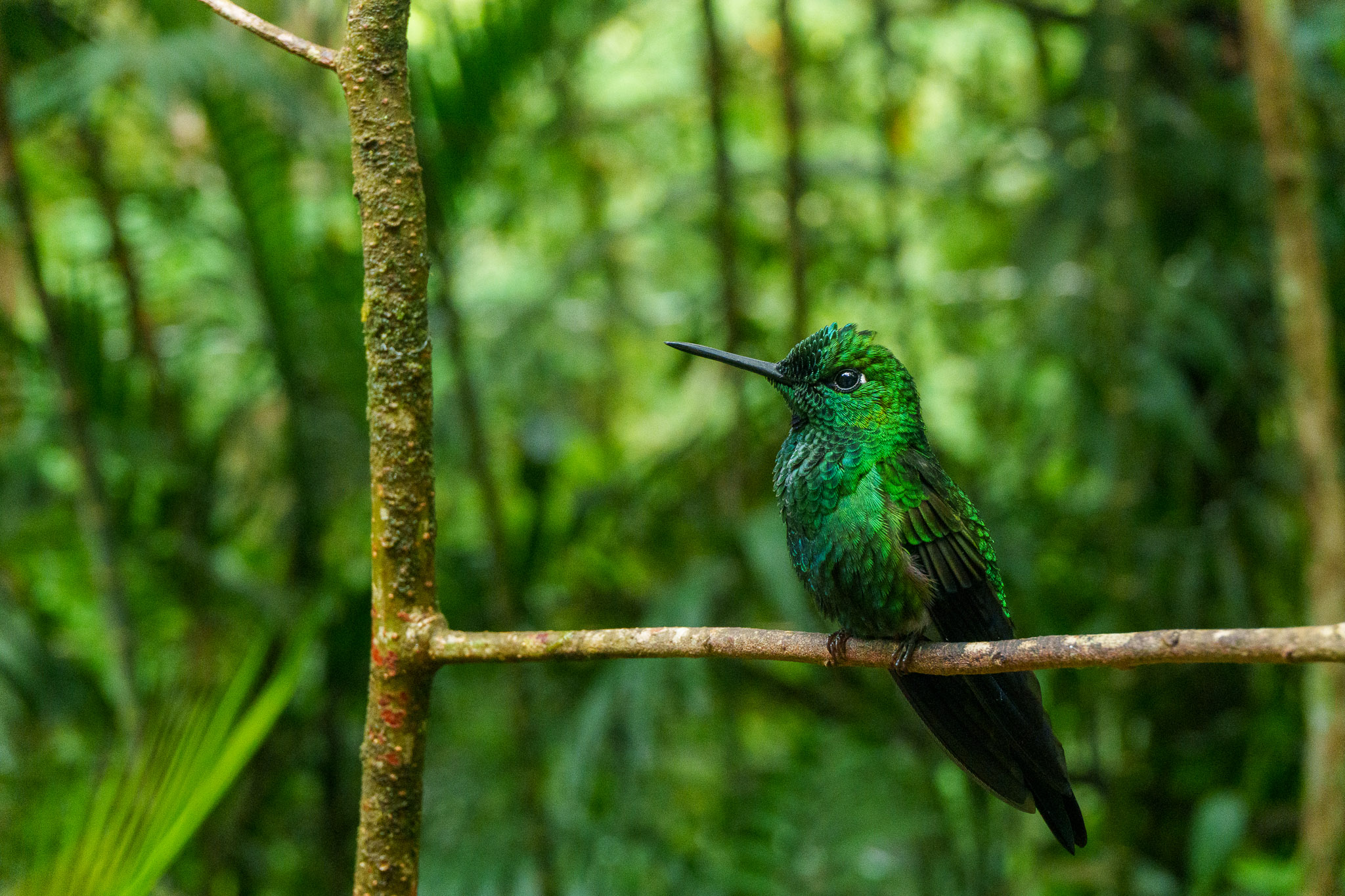
Hummingbirds
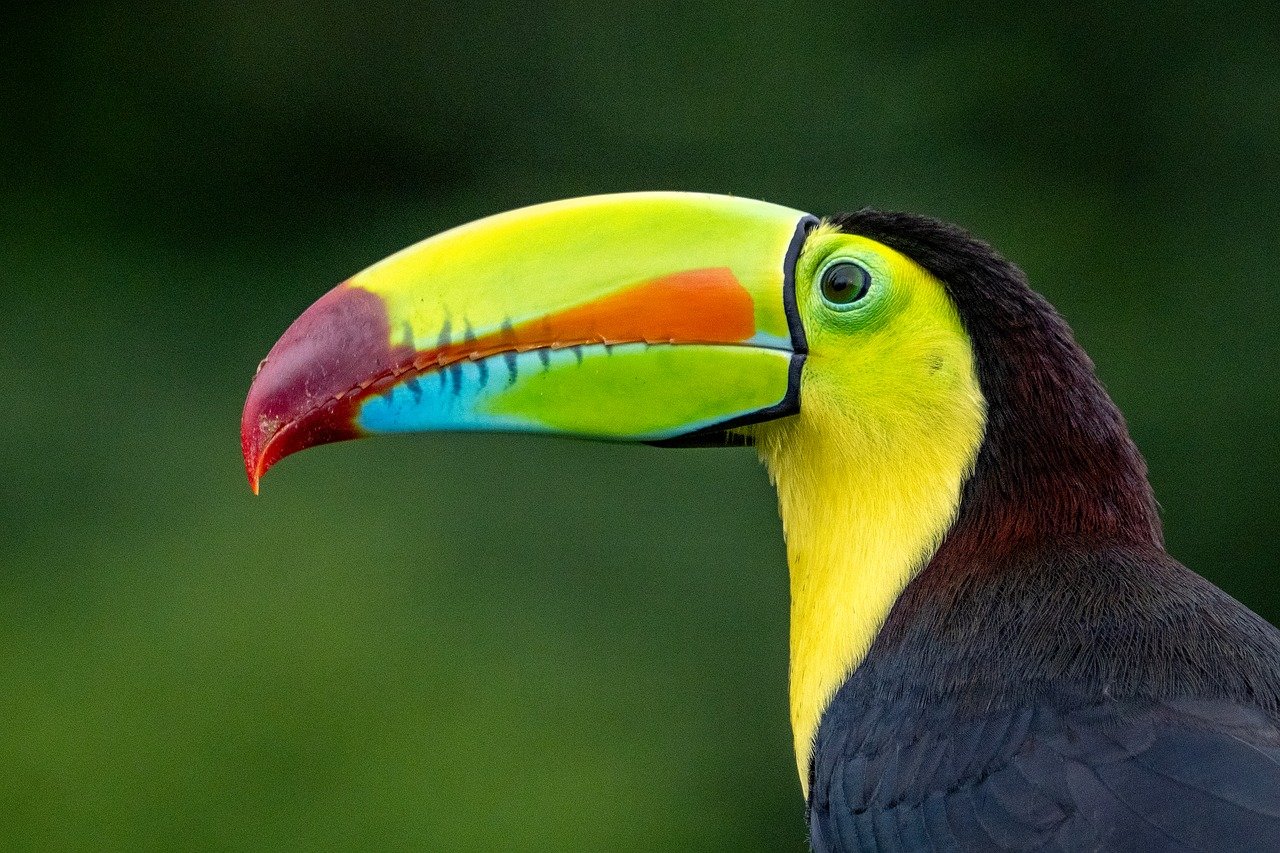
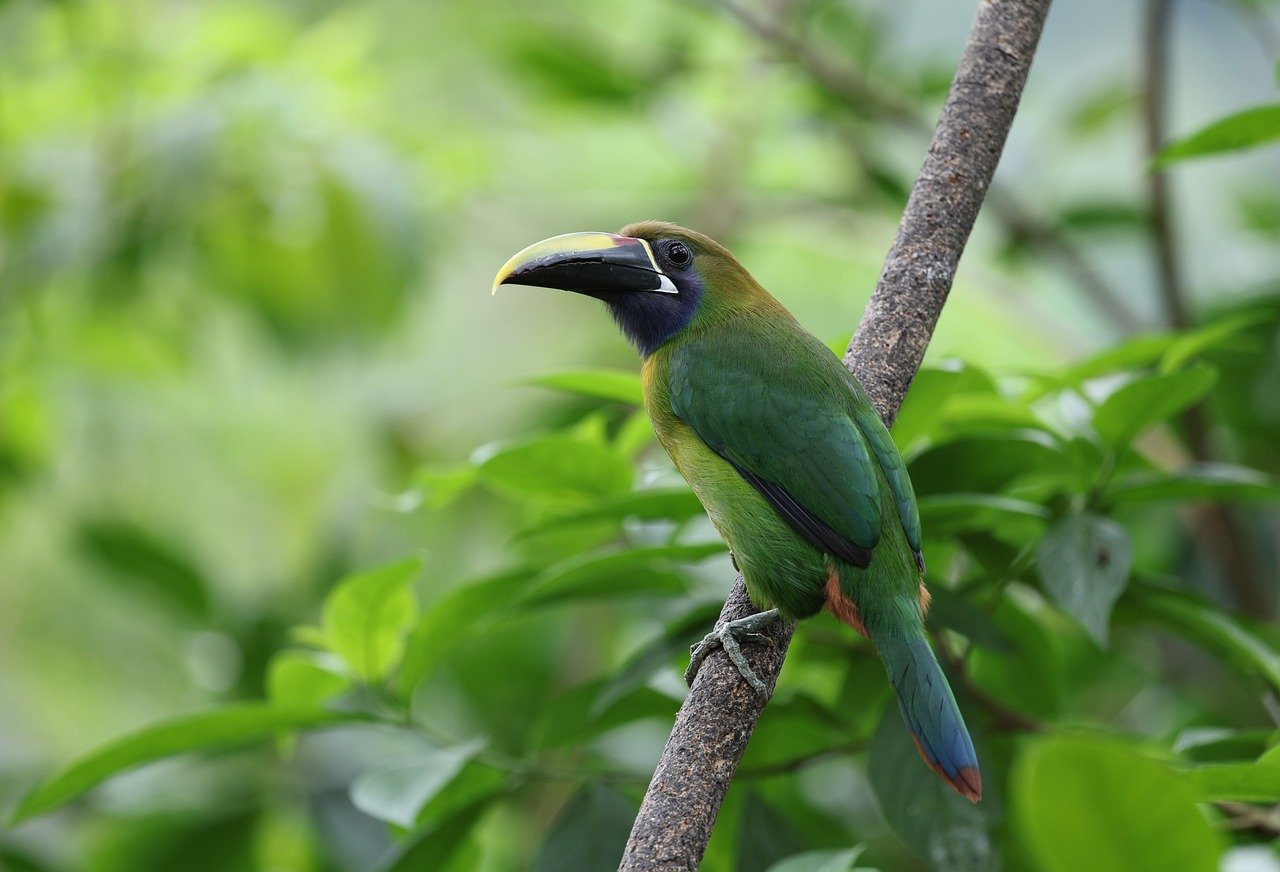
Toucan
Motmot

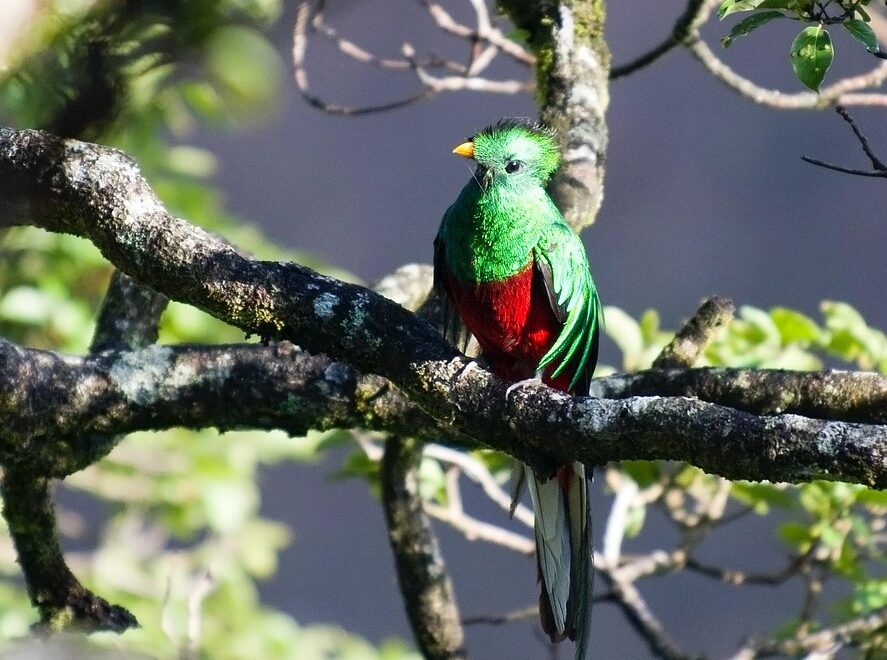
Quetzal
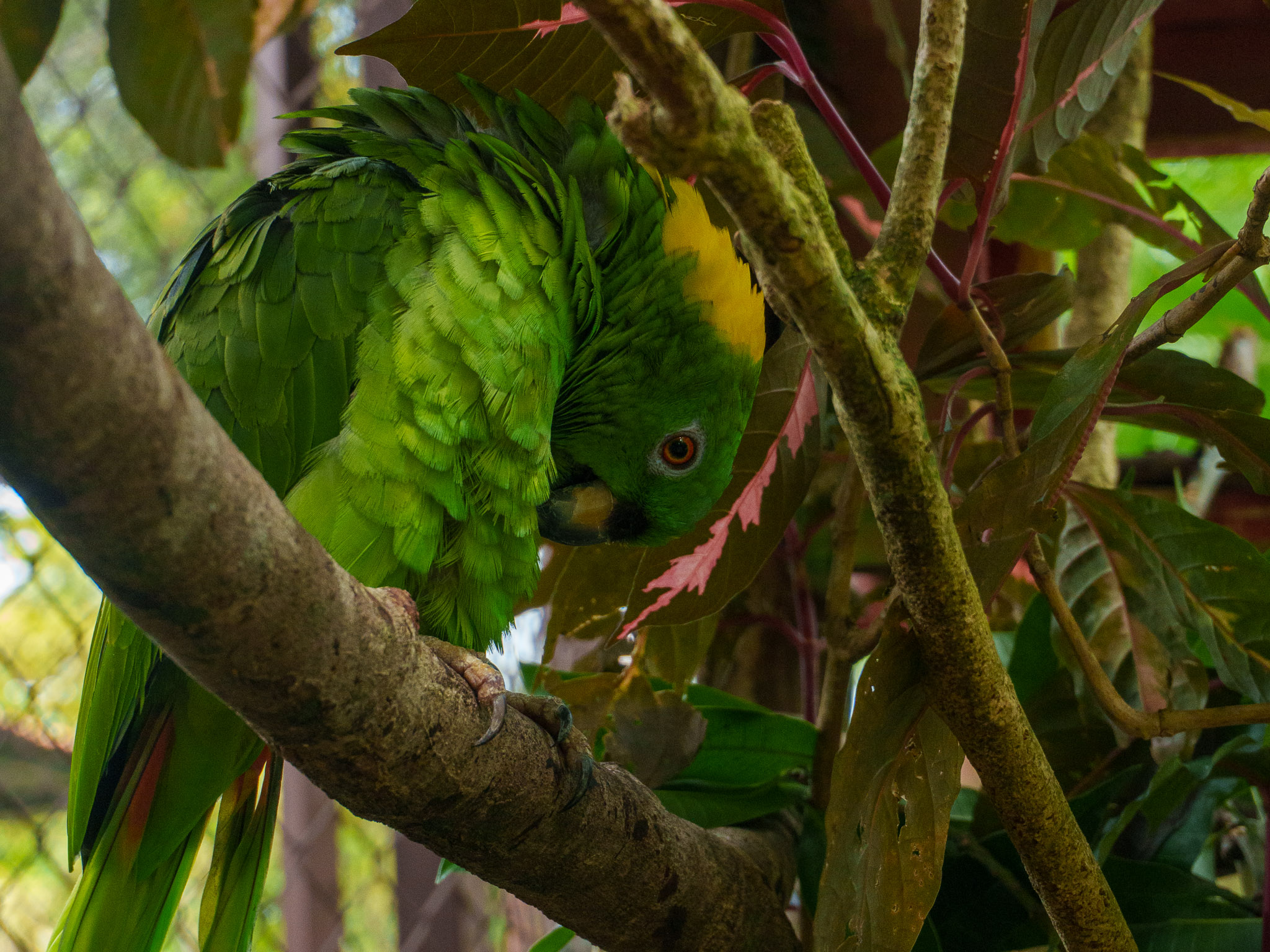
Scarlet Macaw & Green Parrot
Snakes, Frogs, and Other Creatures in Costa Rica Animal Reserves
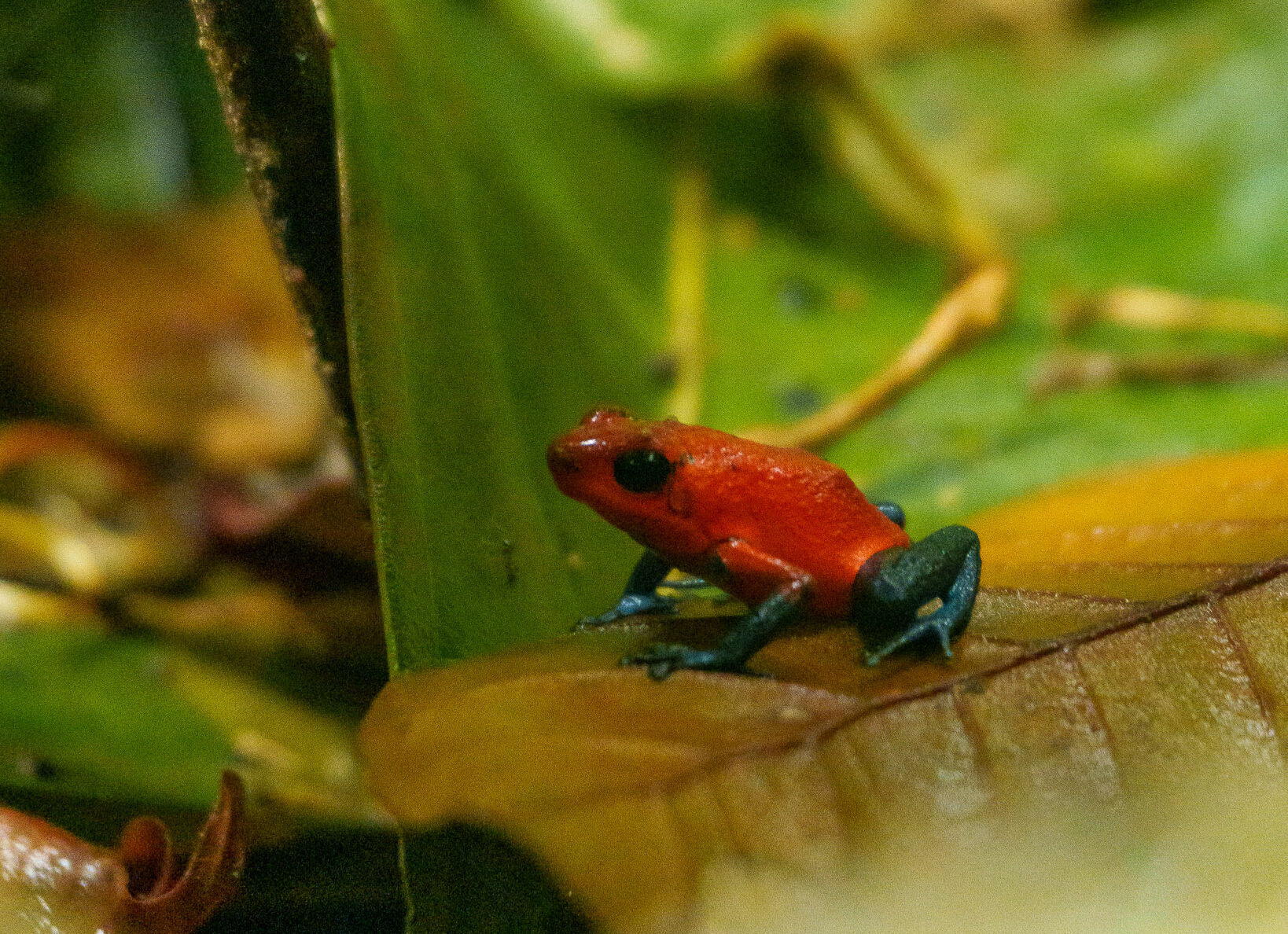
- Blue Jean Frog: The blue jean frog, or strawberry poison dart frog, was a highlight. Its bold red and blue colors are impossible to miss. For anyone who loves costa rica frogs, seeing one in the wild is a moment to remember.
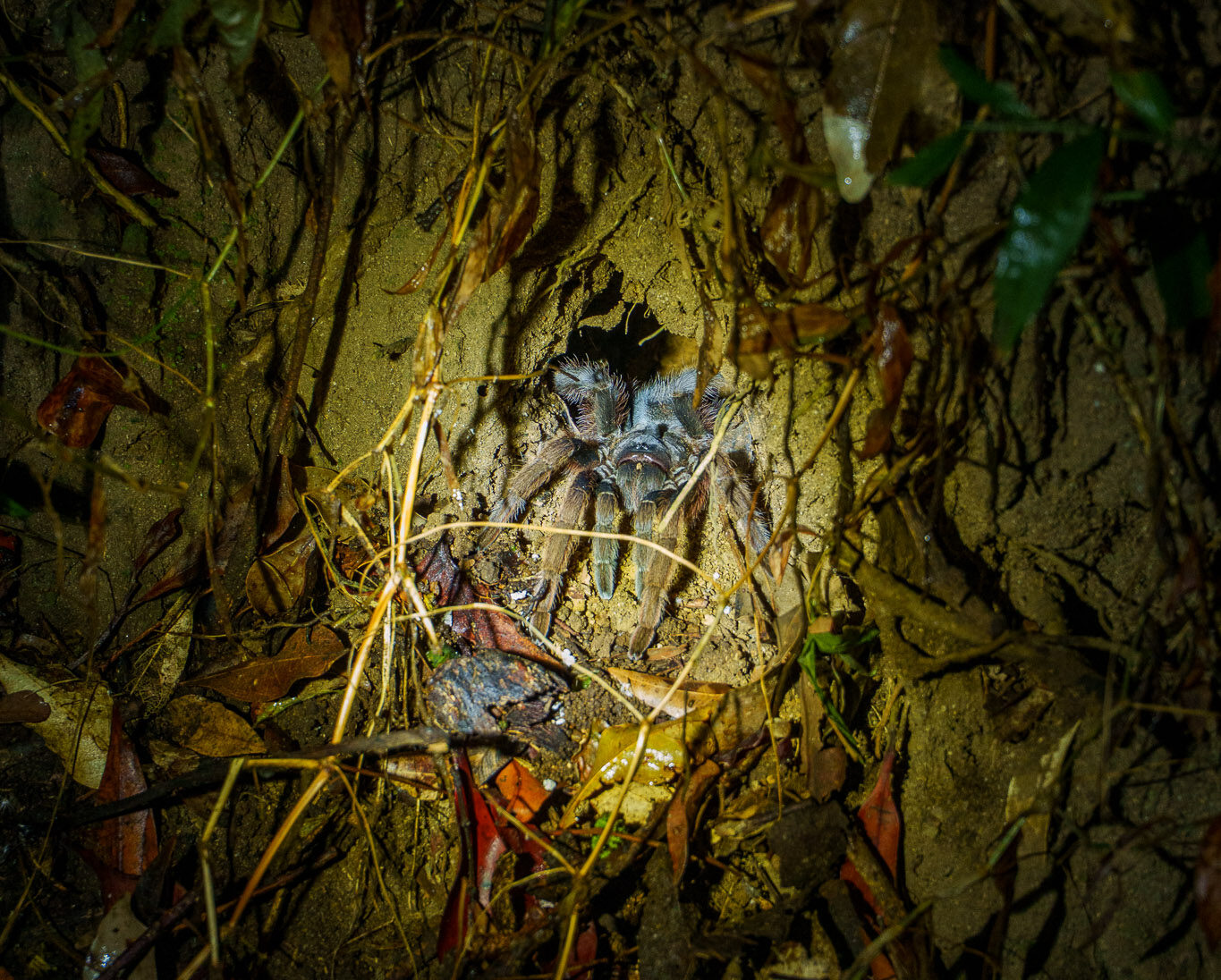
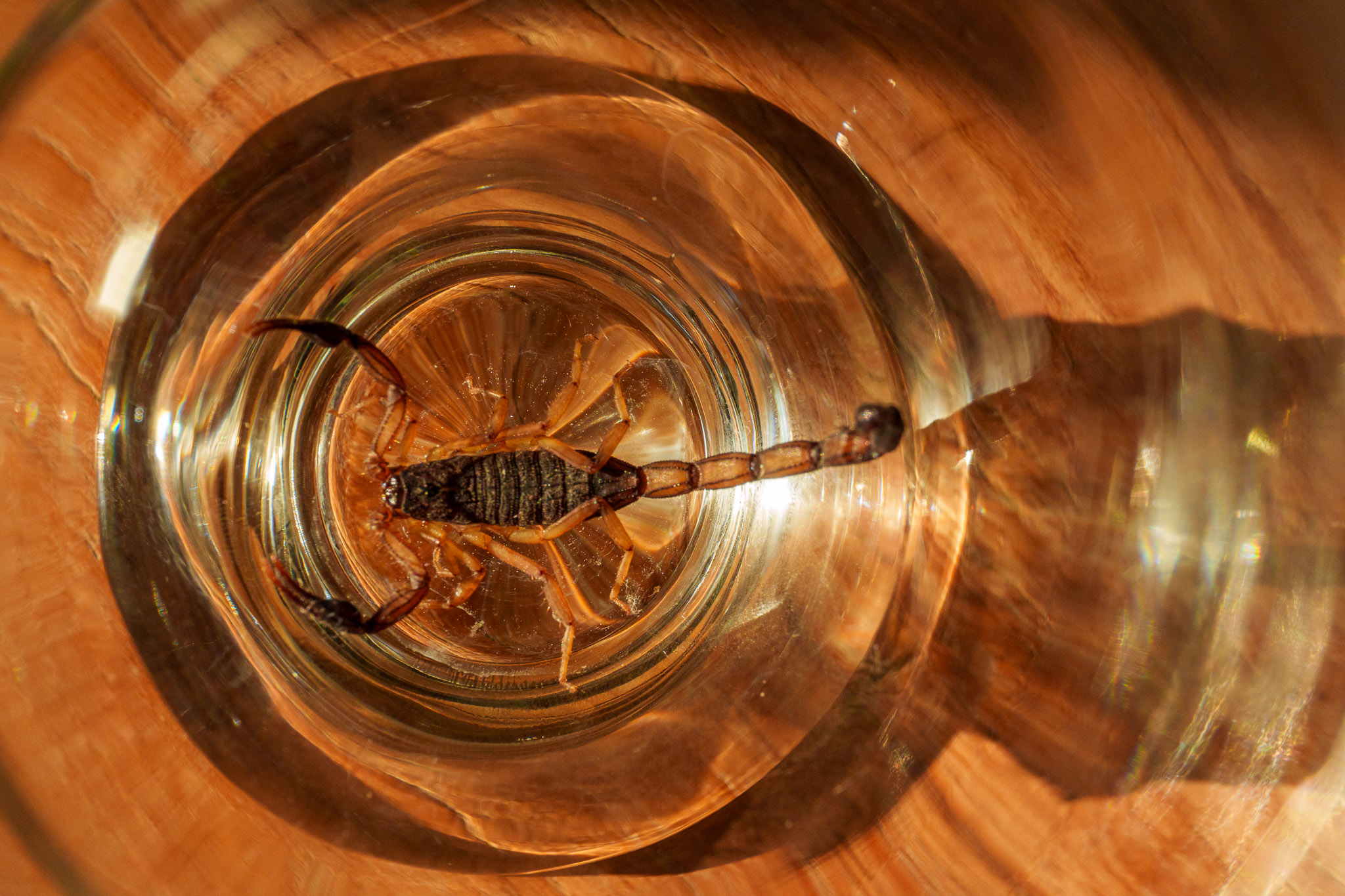
- Tarantula & Scorpion: Nighttime brings out the mysterious costa rica wildlife. I found tarantulas and scorpions during guided night walks—reminders that this animal kingdom includes creatures that are dramatic and sometimes a bit intimidating.
- Lizards & Iguanas: From small anoles hiding under leaves to big green iguanas sunbathing on rocks, these costa rica animals add to every trail and are constant along the riverbanks and reserves.
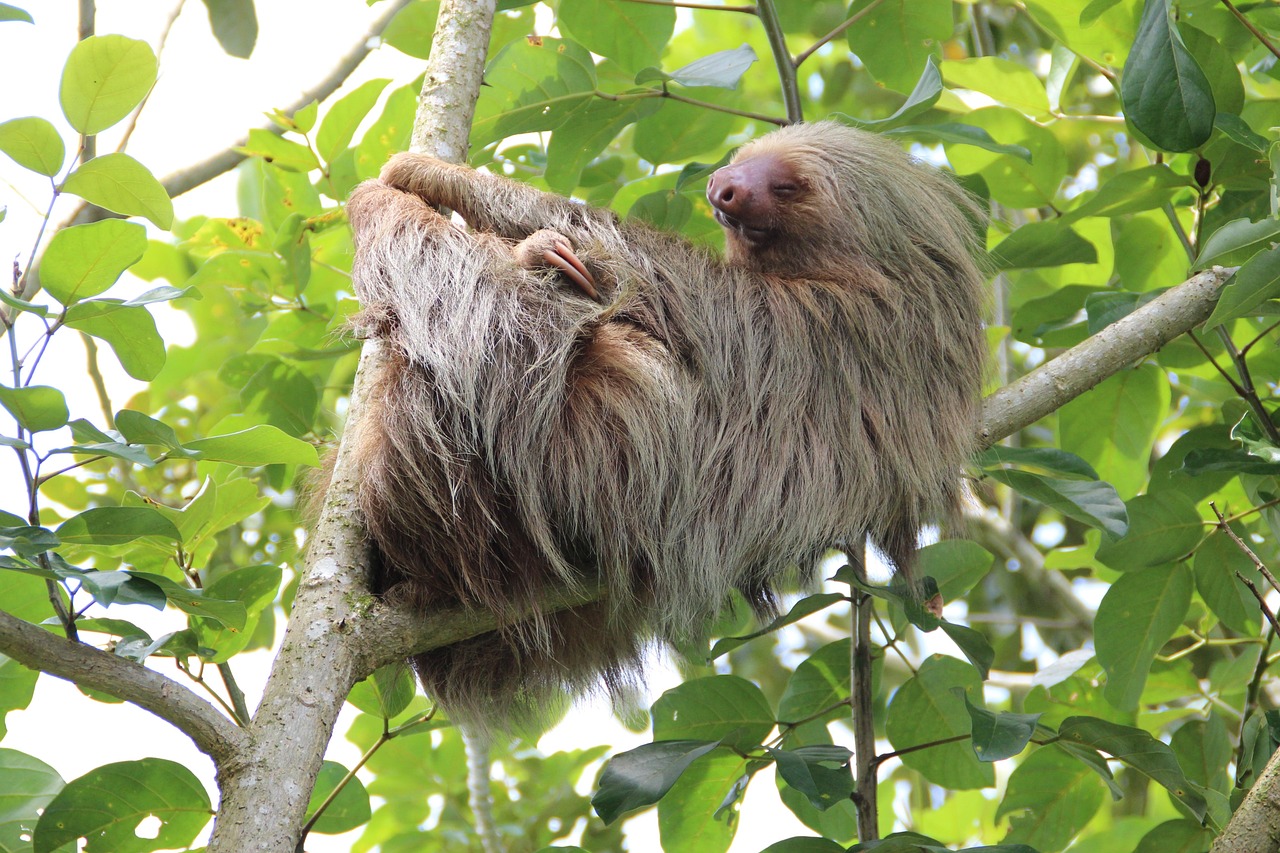
Sloth: The Ultimate Slow-Mover in Costa Rica Wildlife
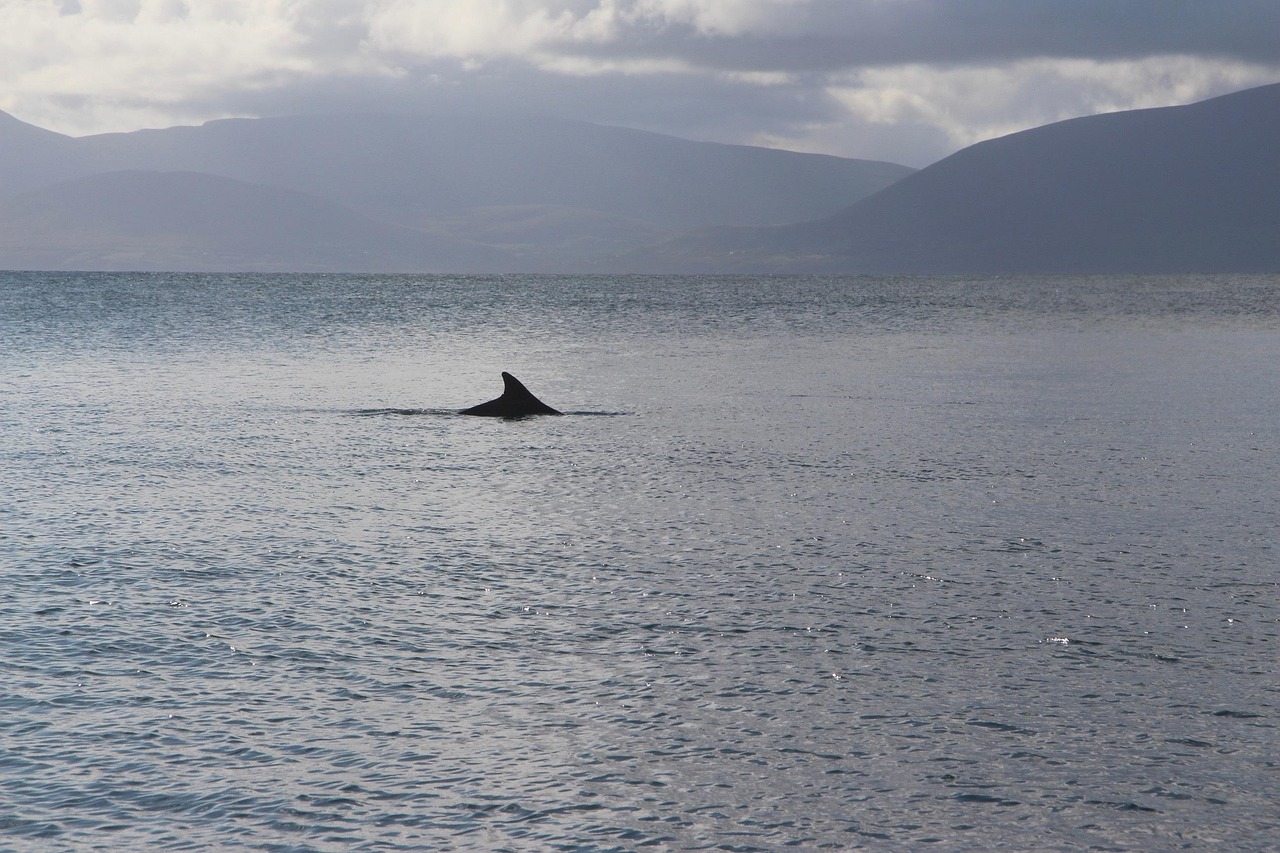
Dolphin: A Brief Encounter in Costa Rica Waters
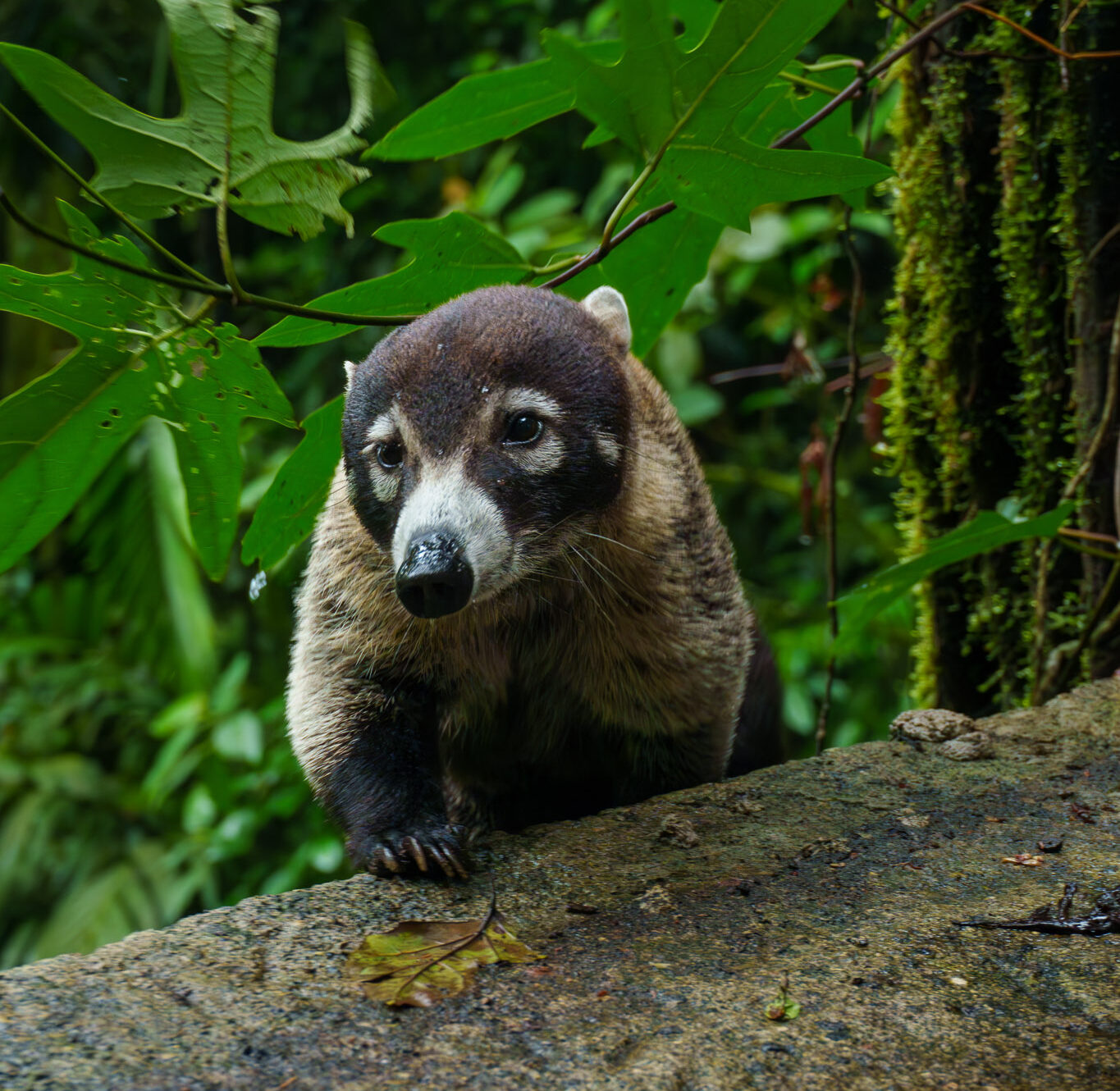
Coatis: The Curious Foragers of the Costa Rica Animal Kingdom
The Costa Rica Animals I Haven’t Spotted Yet
- Kinkajou: This nocturnal mammal is incredibly hard to find. After several night walks I have yet to see one.
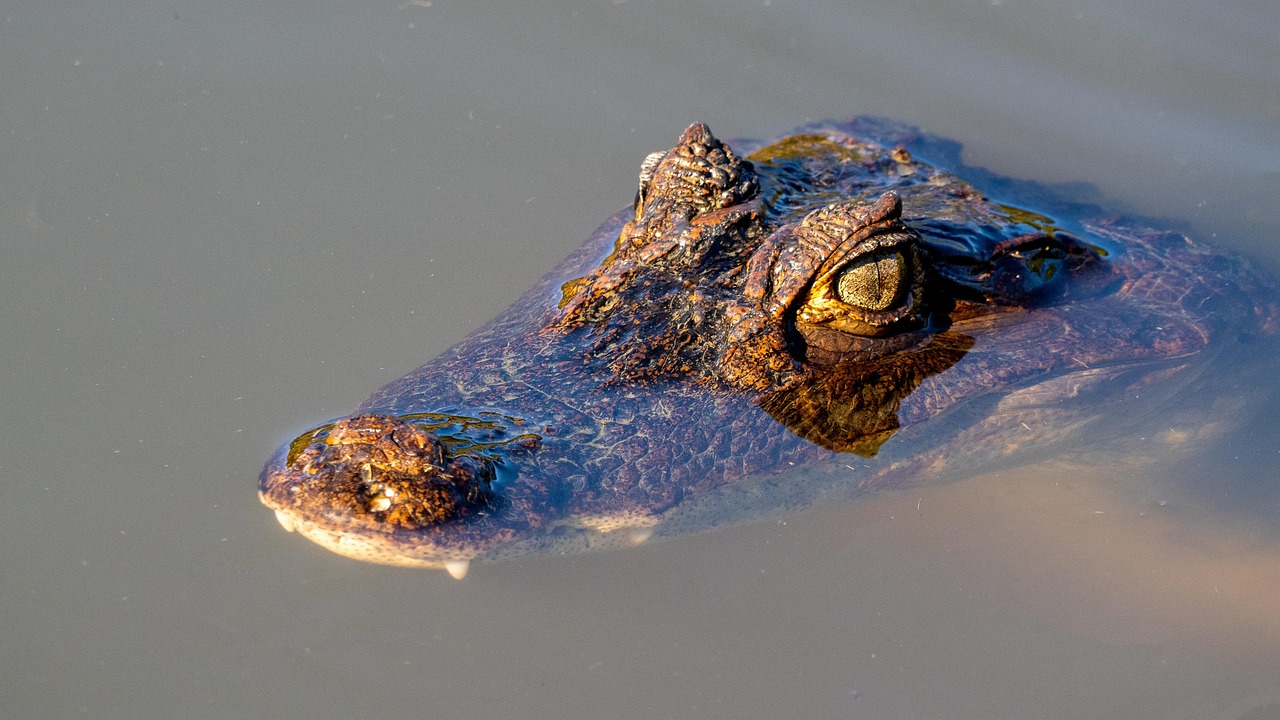
- Boa & Crocodile: Both species are rumored to live around Manuel Antonio, but so far, I have not found them in the wild.
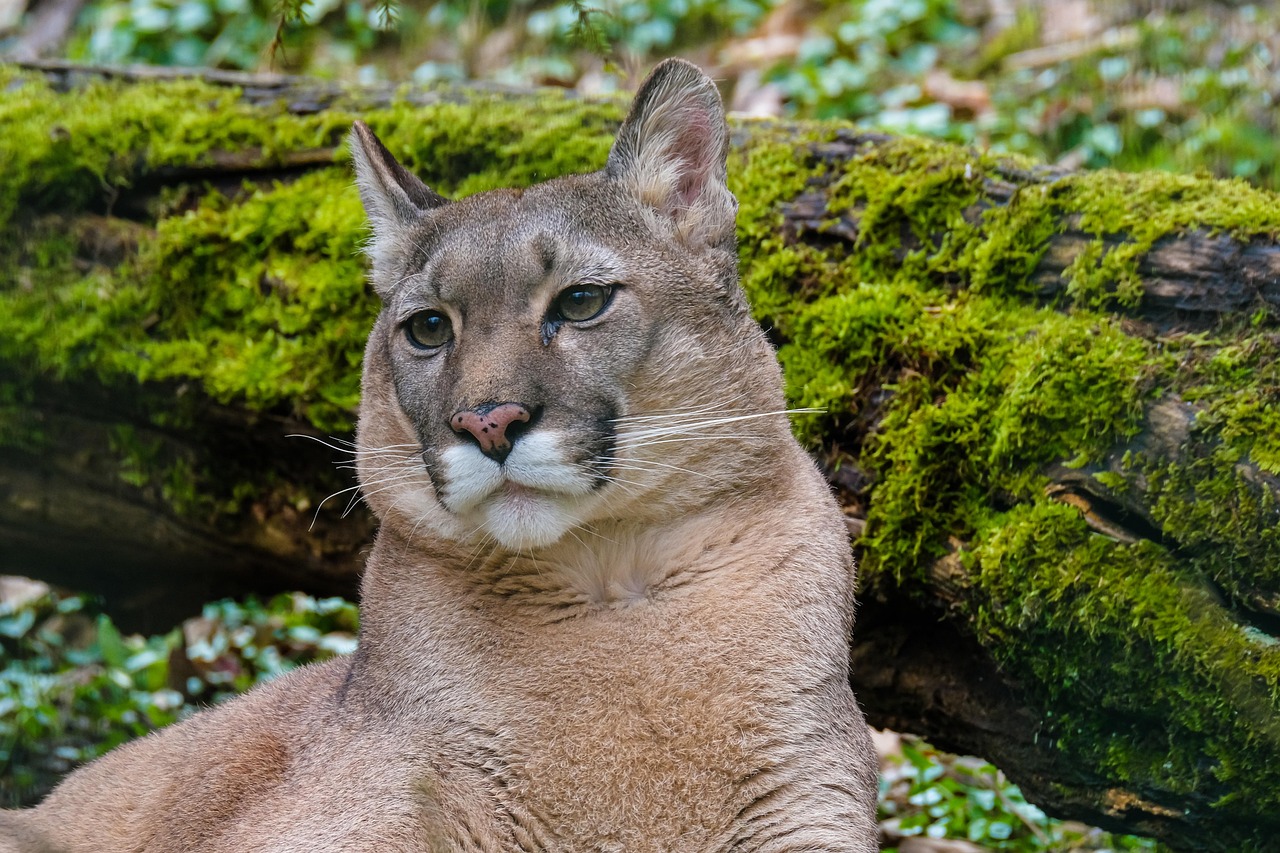
- Puma: These elusive big cats are seen sometimes in Corcovado National Park. For many wildlife enthusiasts, spotting a puma is the ultimate achievement. I hope to try again.
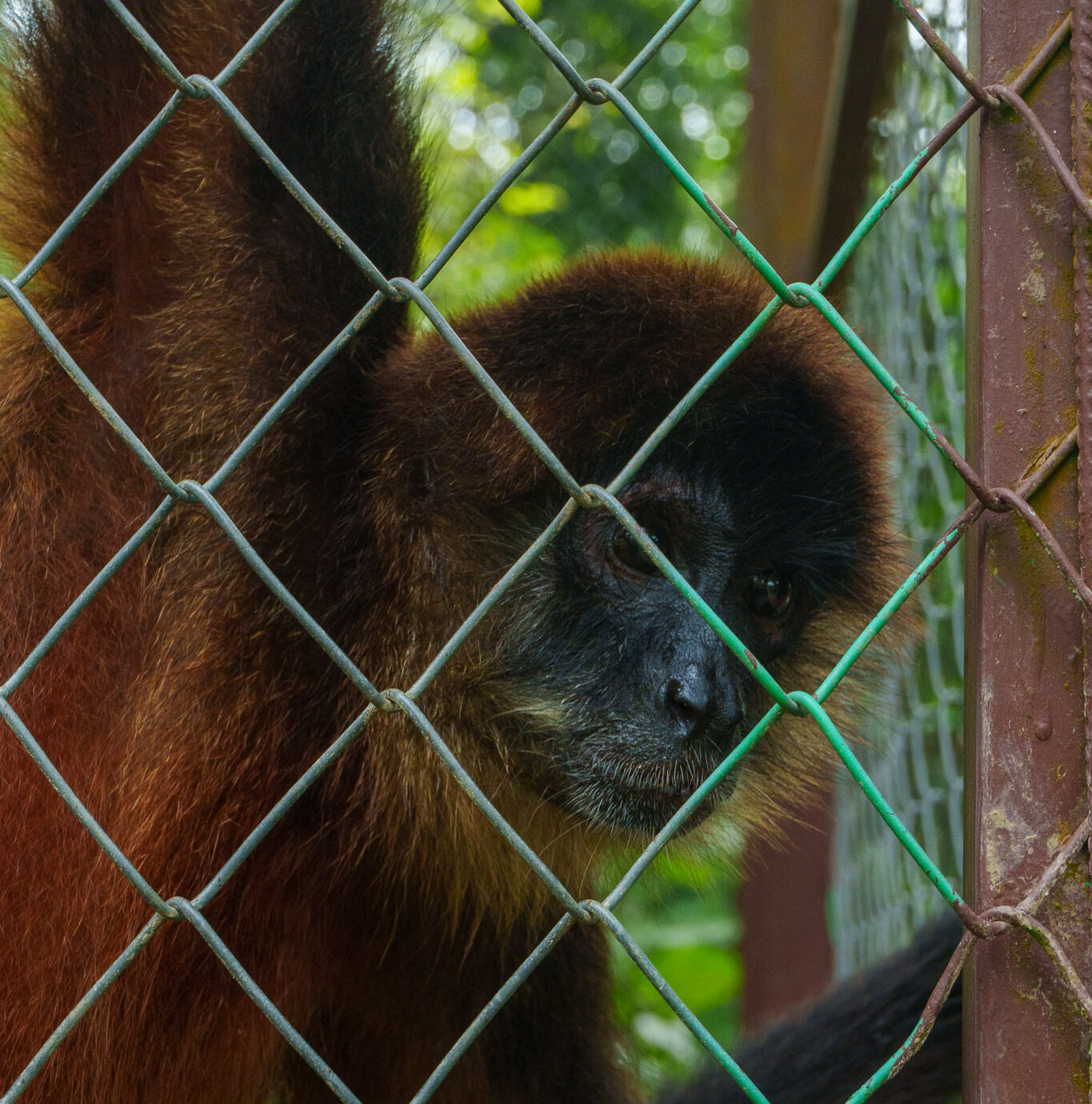
- Spider Monkey: I spotted a spider monkey once, but only in a refuge, which is not the same as a wild sighting.
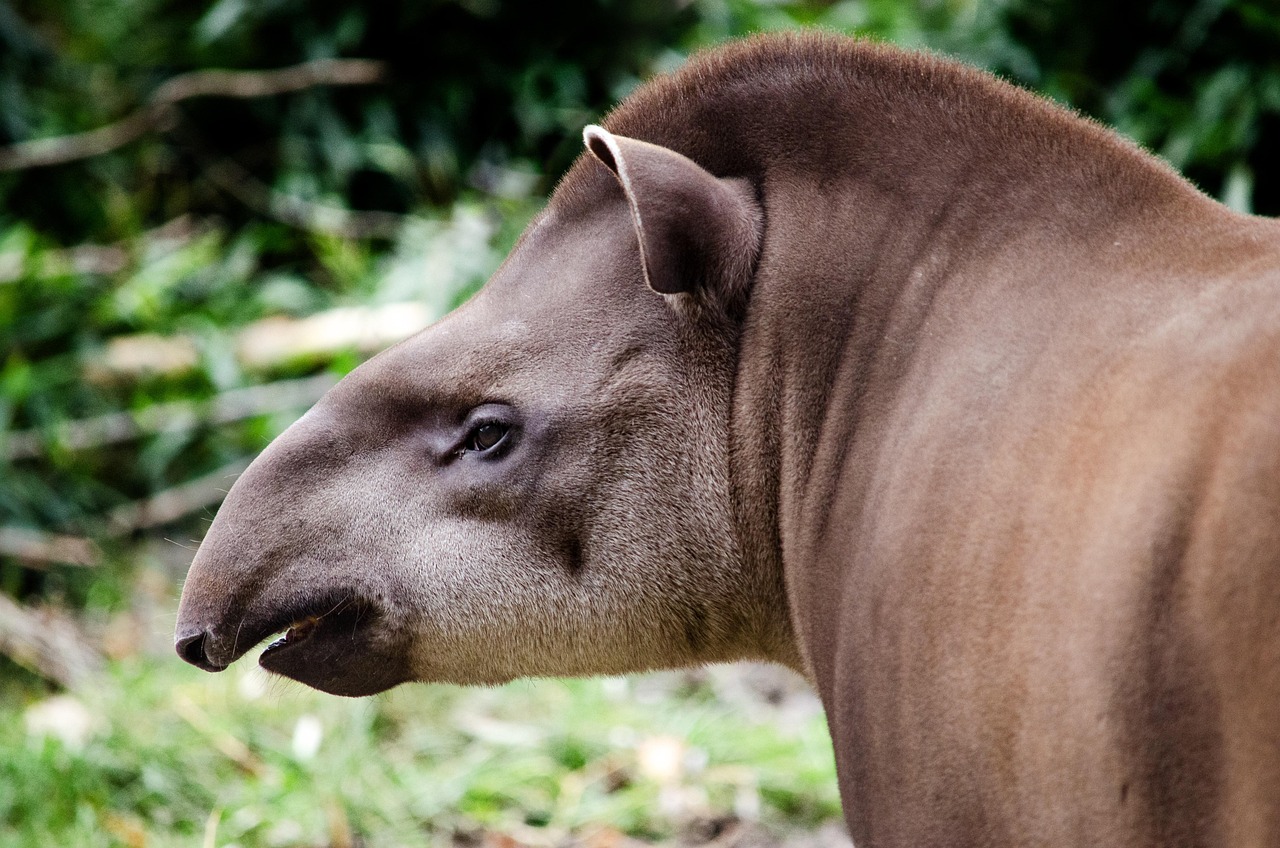
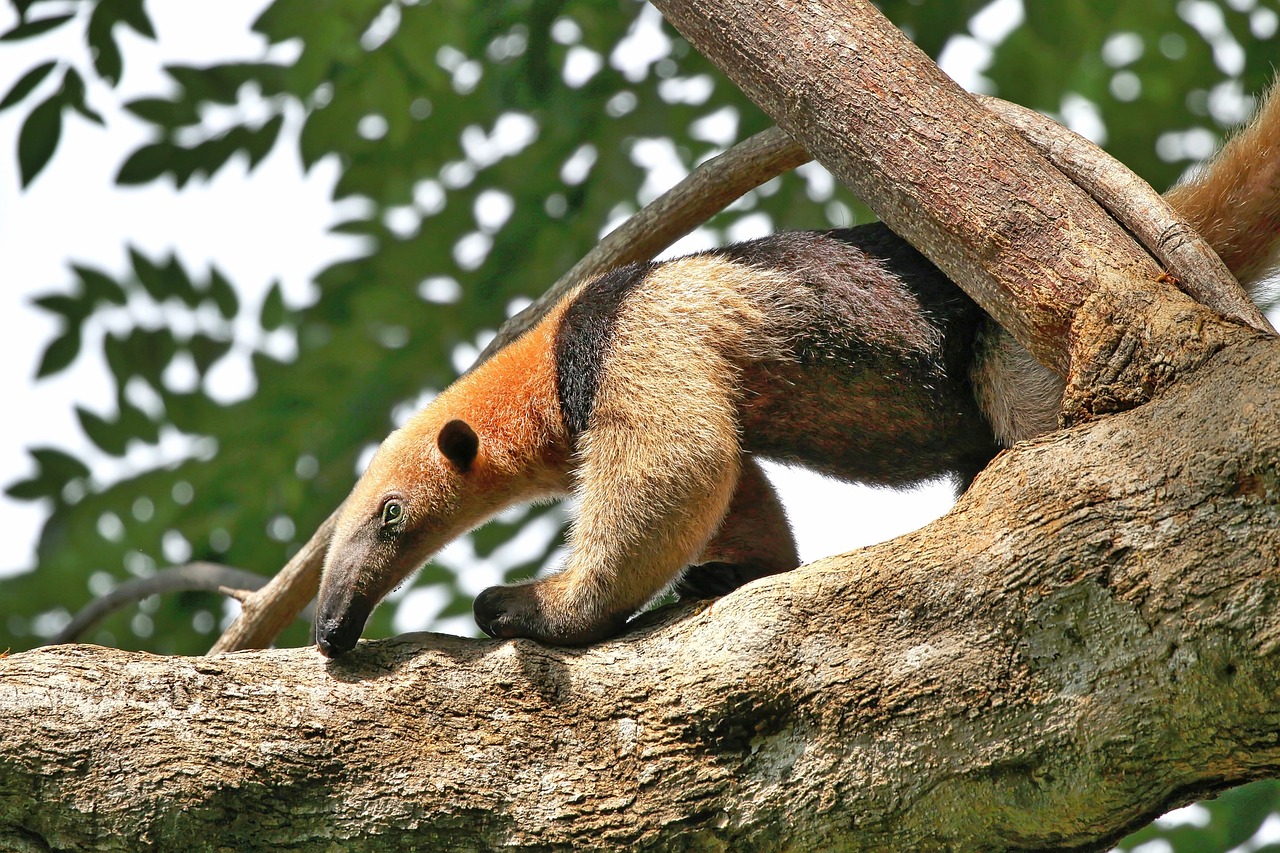
- Tapir & Tamandua: These rare and unique costa rica animals still wait on my list for next time.
Conclusion
Exploring the wildlife in costa rica rainforest is a journey packed with wonder, patience, and constant discovery.
Not all animals are located in the same region. You'll have to travel in Costa Rica to see a max of them.
Every costa rica animal sighting is a celebration of the country’s immense biodiversity and its endless wild beauty.
Whether you visit a costa rica wildlife sanctuary, hike through a costa rica animal reserve, or simply wander the jungle, you will remember that Costa Rica is a place where nature writes the best stories.
Freebie For You !
Thanks for sticking around until the end — that really means a lot. To show my appreciation, I’ve prepared something special for you: a Travel Guide 101 packed with my favorite tips, useful websites, and practical info to help you plan your next adventure.
FAQ
Costa Rica is home to over 500,000 animal species, including monkeys, sloths, coatis, tree frogs, toucans, and scarlet macaws. In the rainforest, you can also spot iguanas, snakes, and vibrant birds in every costa rica wildlife sanctuary.
The top spots for wildlife are Manuel Antonio, Corcovado, Tortuguero, Monteverde, and the Osa Peninsula. Each park and costa rica animal reserve offers unique viewing opportunities for costa rica animals, from sloths to monkeys.
Wildlife can be seen year-round, but for sea turtles the best time is from June to November, and whale watching is best July–October and December–March. Many costa rica animals like monkeys and sloths are visible all year.
Some snakes like vipers are venomous, and crocodiles live in certain rivers. Always stay on marked trails at any costa rica wildlife sanctuary and follow guide instructions for safety.
There are four monkey species: howler, white-faced capuchin, squirrel, and spider monkeys. All are found in the rainforest, especially in Costa Rica animal reserves in the south.
Yes, many sanctuaries rescue and rehabilitate animals like sloths, monkeys, and birds. Visitors can learn about costa rica wildlife, but reputable centers do not allow touching or holding sloths.
Sloths are most common in the humid rainforests of Manuel Antonio, Tortuguero, La Fortuna, and the Southern Caribbean. They are harder to spot in the dry northwest, but easy to see in a costa rica wildlife sanctuary.
Costa Rica has over 5% of the world’s biodiversity. Its huge range of climates and protected areas make spotting a unique animal likely on every trip into a costa rica animal reserve.
Tree frogs, especially the famous red-eyed species, are highlights. Guided night walks in rainforests and reserves help visitors spot costa rica frogs and other elusive animals.
No, you should never feed or touch wild animals, including monkeys and sloths. Keeping a respectful distance protects both the animals and visitors in all costa rica wildlife sanctuaries.