
Carnival de Rio de Janeiro stands out as the world's largest party. It draws over two million people each year with samba beats and vibrant street celebrations. While Carnival happens across Latin America, this guide focuses on Rio de Janeiro Carnival.
Picture yourself diving into Rio Carnival 2026, set for February 13 to 21. You'll navigate blocos, parades, and Rio carnival music that pulses through the city. First-timers need prep on culture, crowd vibes, party spots, and pro tips to maximize fun.
Ready to samba?
Table of Contents
The Essentials
- Rio Carnival 2026 runs from February 13 to 21, with blocos already popping up on weekends in December and January, so the party starts long before the official dates.
- The real magic of Rio Carnival happens in the streets, at blocos with live Rio carnival music, while the Sambódromo parades are an epic but more formal show.
- To move like a local, use apps such as Moovit, Blocos da Rua, Uber, and bike rentals, and set up digital payments instead of carrying lots of cash.
- Costumes stay light and fun because of the heat, think glitter, comfy shoes, and minimal layers rather than heavy outfits, for both girls and guys.
- Is Rio Carnival safe? Yes, if you use a money belt, avoid valuables, stick with your group, and stay in busy, well-lit areas, since pickpocketing is the main risk.
Rio Carnival Essential Information
Rio Carnival 2026 Dates
Rio Carnival 2026 spans February 13 to 21. Special Group parades take the Sambódromo on February 13 to 17 and the champions parade the 21.
Plenty of blocos happen even before those dates. Weekends in December and January already pack streets with early parties.
For more information go to the official website of Rio de Janeiro Carnival.
If you plan to visit that country, especially during high season, don’t wait too long—prices can rise quickly. Trip.com is the perfect place to compare flights, hotels, car rentals, and even book activities. Everything you need, all in one place!

Rio Carnival History
Carnival traces to Portuguese colonizers in 16th-century Brazil. They brought Entrudo from Europe. It’s a chaotic pre-Lent game of throwing water, flour, eggs, and fruits, rooted in medieval Portugal, Spain, and Italy
Rio's first recorded bash hit in 1723 with European tunes like polka, waltz, mazurka, and marchas.
The samba came later.
African slaves and indigenous beats fused in during the 1800s. Samba emerged around the early 1900s in Rio's favelas from Bahia migrants blending African rhythms with local folk
Carnival in Brazil in general aren’t the firsts, Europe had earlier version.
But Rio Carnival made it iconic.
Sambódromo Parades
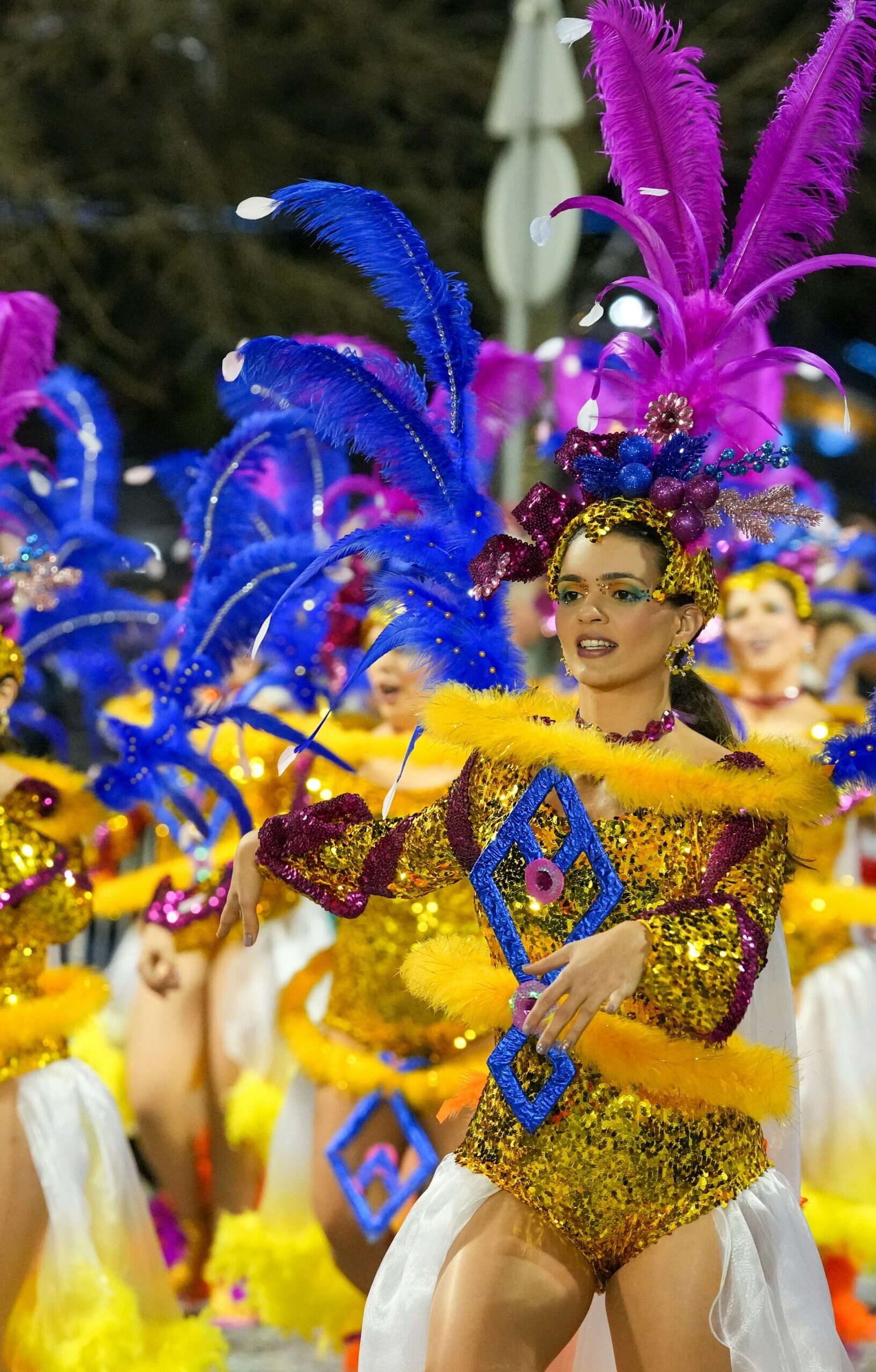
This is probably the Rio Carnival you've seen on TV and photos. Biggest samba schools compete to deliver the best spectacle and snag first place.
Parades span a few days with Access Group (or Ouro Série), Special Group, and Champions Parade. Tickets vary from $25 to $1,500, like a football game with better seats and private cabins.
To buy the tickets, go on the same website above, the official website of Rio de Janeiro Carnival.
One night starts at 10 p.m. and ends at 6 a.m., a full samba blast.
People arrive even earlier for unnumbered seats. Mythic part of Rio de Janeiro Carnival, yet not everyone accesses it. For me, it's a very beautiful spectacle, but not the real carnival. The real one happens in Rio's streets.

When you travel abroad for holidays, you’re always exposed to risks like food poisoning, injuries, or even lost luggage. By booking insurance with EKTA, you’ll have peace of mind knowing you’re covered, so you can focus on enjoying your trip stress-free.
Blocos de Rua
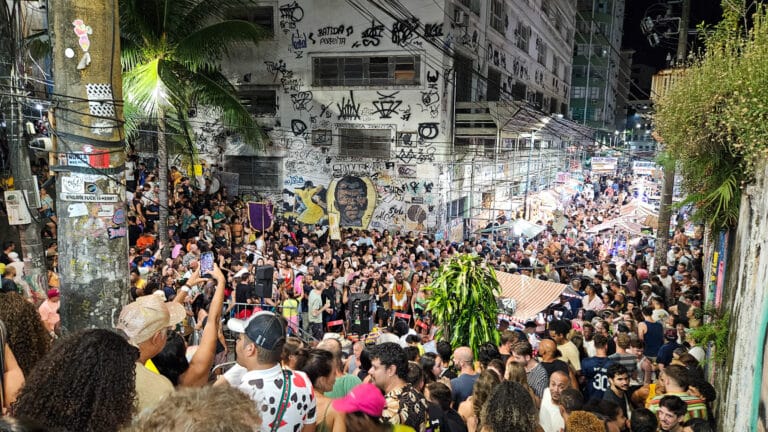
Samba schools parading at the Sambódromo aren't the only ones doing Rio carnival music. An impressive amount of big groups like Monobloco or Anitta the famous Brazilian singer, and small groups of friends or still-not-very-famous acts, perform in the streets.
Those performances mostly happen on a moving bus. The group or singer rides on top with huge speakers, so everyone around can see the group, hear the music, and move at the same time. This is a “bloco,” and THIS is Rio Carnival.
Vibes in the streets during those blocos are insane. It can get overcrowded, you're packed as you pass through a small street following the bloco, you can all jump together to a famous song everyone knows. Tens of small sellers trail with beers and caipirinhas, so you won't miss out.
During official Carnival de Rio dates, 10-15 maybe even 20 blocos happen every day. Some are extremely famous, can't miss them. Later I'll share apps to know which ones happen and where.
Bars & Private Parties
During Carnival, clubs stay open and throw lots of parties. Clubs and spots like Marina da Glória host shows.
These are private parties because you pay to enter, while blocos stay completely free. Famous events hit the Museu do Amanhã too.
They mostly run at night, completing the day and evening since blocos wrap by 10 p.m. max.
Bars stay open too, and becomes crowded. Go to places like Rio Scenarium or Carioca da Gema in the city center to get the samba vibe. In general the district of Lapa is where you have a great energy in the street.
When you travel abroad, your phone current plan often doesn’t include internet. Buying a local SIM card can be expensive and takes time at the store. With Yesim, you can purchase an eSIM in advance (just make sure your phone supports it) and get connected instantly upon arrival. That way, you can book your Uber straight from the airport instead of paying for an overpriced taxi.
When you travel abroad, your phone current plan often doesn’t include internet. Buying a local SIM card can be expensive and takes time at the store. With Yesim, you can purchase an eSIM in advance (just make sure your phone supports it) and get connected instantly upon arrival. That way, you can book your Uber straight from the airport instead of paying for an overpriced taxi.
Is Rio Carnival Safe?
I've done two Carnivals in Rio and never had any problem.
Once I saw an old woman trying to reach my pocket, I spotted her and she walked very fast back into the crowd, no chance to confront her.
In general, without scaring you, someone might try to rob you softly during a bloco since it's packed and they can reach your pocket to steal. But you'll never have someone attacking you.
Around the blocos in the streets there's really a lot of police doing surveillance, and many people like you going to or leaving for another bloco. So ther’s always people and not so empty streets, which is where robbery takes place.
In general I find it safe, there's a lot of people for someone to attack someone else. The vibe stays cheerful. I've never seen anything happening during the Carnivals.
Tips to Get the Best Carnival in Rio
The Most Useful Apps
- Moovit : Planning your Carnival days gets easier with apps. Moovit helps you navigate Rio’s buses and metro, telling you when the next ride arrives—even if traffic tries to confuse the schedule.
- Blocos da Rua : it’s probably the most important app. It lists every music group (called Banda) doing a bloco, showing daily start times and locations. You can organize your Carnival itinerary to catch the best blocos.
- Bloco do Rio is the official app with similar info but fewer events. It’s good to check both.
- Uber works great in Brazil, especially during Carnival when transport is tricky. It’s reliable and easy to use. An other one that works well is 99
- WanderWallet is a newer app for cashless payments, using QR codes and Pix (a popular Brazilian instant payment method). Even if you don’t have a Brazilian bank account, this app helps you create one and pay local merchants quickly without cash.
- Bike Itau lets you rent bikes all over Rio, a smart way to avoid traffic and see the city. Itau is a bank, but they run the bike system too. Rentals are affordable and flexible.


Essentials to Carry During Carnival
Money belt to keep valuables safe
Trust this one. Blocos get seriously packed, and it is much better to keep your phone, card, and cash in a small belt under your shorts instead of in your pockets, where busy hands can reach them easily.
Good shoes for long hours on your feet
If you want to be a true carioca, people living in Rio, you can go with flip flops. To be honest, after three hours of dancing in them, walking gets painful for most visitors. Pack good comfortable shoes, and ideally a pair you are ready to throw away after Carnival, because they might not survive several intense days of partying.
Cash, only if you don’t have WanderWallet set up
Cash is king for some street vendors, but carrying a lot is risky. Take a little for beers or snacks, and for the rest try to pay like a carioca, with card or QR code and Pix on your phone, so you have one less thing to worry about in the crowd.
Hat and sunscreen to protect from the strong sun
Most blocos happen in open streets with very little shade. You can easily spend three or four hours under the sun in the same spot, so if you forget sunscreen this might be your first and last bloco of Rio Carnival that year.
The Best Blocos
Rio hosts dozens of blocos daily during Carnival, but some stand out. Keep an eye out for massive favorites like:
- Monobloco, classic samba songs
- Cordão da Bola Preta, classic samba songs
- Banda de Ipanema, traditional group
- Cordão do Boi Tolo, young and very energetic
- Amigo da Onça, young, energetic, with classic songs
- Bloco da Anitta, young pop music, mostly from Anitta or guests


Going to the Sambódromo
If you want to experience the spectacular samba school parades, the Sambódromo is the place to be.
Tickets range widely in price, so book ahead if possible.
Remember, these shows start late and run all night, a true marathon of samba energy, but they represent the formal side of Carnival.
For many, the real magic is in the streets, but you still have to go to the Sambódromo to experience this unique spectacle.
Rio Carnival Music
Carnival screams samba, no doubt, with Sambódromo nights pure percussion frenzy. Streets and private parties open up though. You'll catch funk, pagode, pop, even axé rhythms blending with Rio carnival music.
Rock lovers get options too. Blocos mix Beatles covers or marchinhas with guitars, less common but lively. Private bashes at clubs crank electronic or indie sets after blocos fade.
Samba
Samba owns Rio de Janeiro streets first. Bandas pack 20-50 musicians on signature gear—massive surdo bass drums set the pulse, caixas snap sharp beats, repiniques lead calls, tamborins shake agogô patterns, chocalhos rattle highs, cuicas screech slides.
Master of ceremonies directs the flow. They drill one catchy enredo theme all year, samba-enredo anthems everyone belts while dancing.
Blocos pulse this live, crowds syncing steps to bateria thunder. It's raw energy, not polished school parades.
If you want to get the rythm of samba and some songs you’ll hear during carnival, listen to Jorge Ben Jor, Seu Jorge, Tim Maria, Alcione, Samba de Raiz.

Electro
Electro blocos don't flood streets much. You spot a few like Bangalafumenga fusing samba with beats, but they're outliers.
Private parties fill the gap perfectly. Boat raves in Marina da Glória drop house till dawn, or clubs like Fosfobox spin techno Carnival sets.
Rock
Rock blocos carve a niche. Sargento Pimenta twists Beatles classics into samba-rock marches, drawing diehards yearly.
Simpatia É Quase Amor mashes punk-rock with frevo steps. Others like Bloco da Donna rock out female anthems in Botafogo.
These rarer gems pop mid-week, perfect if samba overload hits.
Rio Carnival Costumes
History of Costumes and Parades
People wore costumes from Carnival's start in colonial Brazil, pulling from European masquerades for freedom and mystery. Early outfits included donkeys, devils, harlequins, or Italian comedians—elaborate masks and heavy fabrics.
By the 1930s heat forced lighter, cheaper looks as crowds grew. 1950s brought bikinis and shirtless styles, shedding coverage for feathers, beads, and headdresses we see today.
Parades evolved too. Samba schools turned costumes competitive, blending Afro-Brazilian feathers and beads with folklore themes.
Girls Costumes in Rio Carnival
So what should you wear as a girl while enjoying Rio Carnival?
Street blocos keep it light and fun for girls—no parade-level sparkle needed. Foreigners grab neon bikinis or crop tops with fringe skirts, feather boas, glitter body paint, and flower crowns.
Bright floral dresses or tie-dye tanks pair with shorts and sandals. Add LED accessories or face gems for bloco glow—comfort rules over perfection.
Baiana-inspired wraps or simple sequin shorts work too. Blend in by keeping it colorful, breathable, dance-ready.

Guys Costumes in Rio Carnival
Guys hit streets in Hawaiian shirts, board shorts, flip-flops, and leis for easy foreigner flair. Grass skirts over swim trunks or printed tees with bead necklaces amp the vibe.
Athletic shorts, tank tops, sunglasses, and body paint let you jump freely. Straw hats or pirate bandanas add theme without bulk.
No rigid rules—plaid shirts, face masks, or glow sticks match bloco energy. Prioritize sweat-wicking fabrics for all-night moves
In general, girls go heavier on costumes and glitter than boys. You can go all in and create a very themed outfit, but remember that during the day it is hot, very hot, so keep it as light as possible or you will suffocate.
Is Rio Carnival Worth It?
Rio Carnival absolutely deserves a spot on your bucket list. Live it once, and the samba rhythms stick forever.
You need party stamina though. It's a marathon hitting multiple blocos daily, not a sprint.
The city shuts down for pure music and celebration. Everything revolves around the beats.
Nail Rio de Janeiro Carnival by prepping early. Grab a friend group, fire up apps for the next big bloco, dance like a Brazilian till dawn.
Sambaaaaaaaaaa

Freebie For You !
Thanks for sticking around until the end — that really means a lot. To show my appreciation, I’ve prepared something special for you: a Travel Guide 101 packed with my favorite tips, useful websites, and practical info to help you plan your next adventure.