
Creating your itinerary for Bolivia can be tricky, as the country has two distinct regions: Oriente and Occidente.
Occidente is the most famous, with cities like La Paz and natural wonders such as the Salt Flats. However, Oriente has a lot to offer too, with its unique landscapes and vibrant culture.
I have visited both regions and can confirm that every part of Bolivia is worth visiting.
Depending on your schedule, I suggest three different Bolivia itinerary 10 days options to explore specific areas of the country.
And if you have plenty of time, there are also two Bolivia itinerary 1 month plans that will allow you to discover even more of this incredible destination.


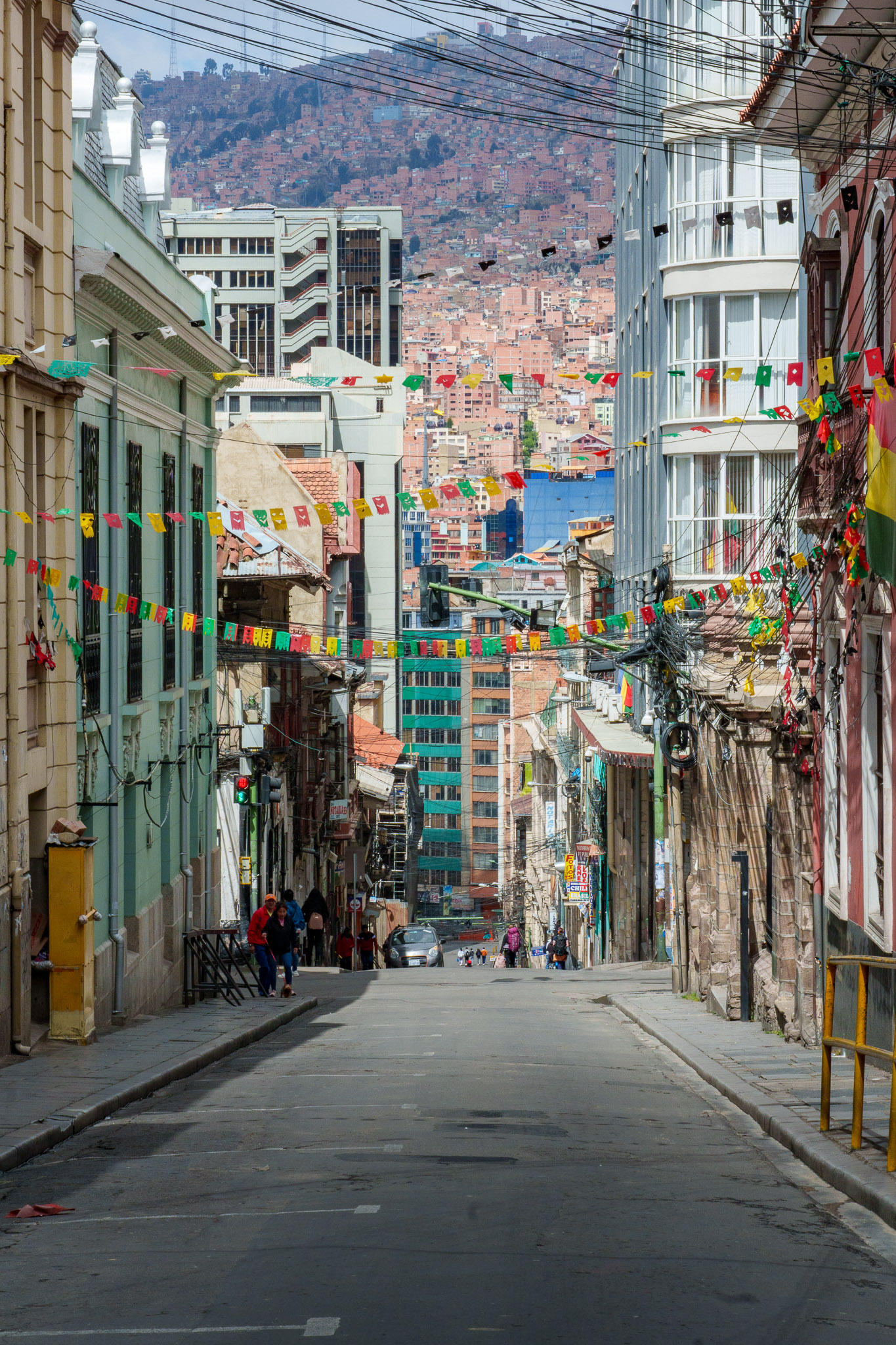
Table of Contents
Is Bolivia Worth Visiting?
Many travelers wonder if Bolivia is worth visiting. The answer is a strong yes. Bolivia is a country full of surprises that can fit any traveler’s budget and interests.
Is Bolivia Expensive to Visit?
Generally, Bolivia is one of the cheapest countries you can visit in South America.
Accommodation, food, and transportation are affordable compared to many other South American destinations. This means you can enjoy a lot of quality experiences without breaking the bank.
For example, many people choose to visit the Amazonas jungle and do a multi-day tour in Bolivia, which tends to be much cheaper than similar tours in Peru.
Having traveled extensively in South America, I can confidently say that Bolivia is probably one of the cheapest countries I have visited.

Amazing Landscapes
Because of its two distinct regions, Bolivia’s landscape is very, very diverse.
You have the snowy mountains near La Paz (you can even climb some of them!), this white desert (oh, actually it’s salt!), huge red rocks with forests on top of them, and dense jungle with monkeys shouting.
Well, I told you, you have everything in this country… except the sea! What a shame, I know.
During my three months here, I really saw a variety of landscapes I rarely see anywhere else.
The Delicious Bolivian Food
Bolivia’s cuisine is very rich. You get a real mix of cultures here with the indigenous, the Andean culture, and Spanish influences.
To name a few traditional dishes you have to try: salteñas, pique macho, and sopa de maní.
In the Oriente region, that’s where they raise cows, so the meat is cheap and amazingly good!
You can have a delicious filet mignon for 10-12€, while in Europe it would cost you something like 40-60€. Really, really amazing for that.
When you travel abroad, your phone current plan often doesn’t include internet. Buying a local SIM card can be expensive and takes time at the store. With Yesim, you can purchase an eSIM in advance (just make sure your phone supports it) and get connected instantly upon arrival. That way, you can book your Uber straight from the airport instead of paying for an overpriced taxi.
When you travel abroad, your phone current plan often doesn’t include internet. Buying a local SIM card can be expensive and takes time at the store. With Yesim, you can purchase an eSIM in advance (just make sure your phone supports it) and get connected instantly upon arrival. That way, you can book your Uber straight from the airport instead of paying for an overpriced taxi.


Bolivian People Are Kind
Bolivian people are very kind and sympathetic. They are curious about you, the “gringo” visiting their country.
To be honest, in general, throughout South America, I didn’t have any problems, and I didn’t meet people with bad intentions.
Bolivia is one of those nice countries where you can meet friendly local people.
Ultimate Tips for a Great Trip in Bolivia
Visa Process
Normally, for Europeans, you have a three-month visa-free period. You don’t need to do anything except enjoy the country!
For Americans, the process used to be complex and costly, but it seems that with the new president ( November 2025), things are changing. You now don’t need to ask for a visa and will have the same three-month visa-free period.
The requirements haven’t changed yet on the official website of the US embassy, but keep an eye on it, as it should change soon.
If you want to check more precisely based on your nationality, you can visit passportindex.org.

Get Some USD with You
Before the presidency change in November 2025, having USD with you was very useful. You could trade them for bolivianos at a very good rate.
The official rate for USD to bolivianos is something like 1 USD = 7 Bs, and for euros, it’s around 1€ = 8 Bs. But the unofficial rate, the one you find on the street, was something like 1 USD = 14 Bs.
Double the official rate! Can you imagine that?
I think the rate is still good, but not as much as when I was there. Still, get some cash with you (dollars, euros) when you go there—you’ll get your trip cheaper that way by exchanging currency.
When to Visit Bolivia?
The best time to visit Bolivia depends on what you want to see. The dry season (May to October) is ideal for outdoor adventures in general.
I visited Bolivia from mid-August to mid-November. I had very little rain across the whole country, with pretty sunny and nice weather.
But for the Salt Flats, it depends what you want. When I was there, it was sunny, so the “mirror effect” you get with the water wasn’t there at all.
For that, you need to come in December, January, or February.


How to Get Around in Bolivia?
Well, the main way to travel from one city to another is by bus. It’s just the way it is here—big buses for long distances, and vans or smaller buses for mid distances.
If the bus time is more than 6 hours, it’s probably going to be a night bus. They are comfy, but it won’t be your best night’s sleep.
You can check flights, but generally they are expensive.
If that’s your only option—like it was for me to reach Riberalta for volunteering (20 hours by bus or 3 hours by flight)—then go to the office or call them directly because prices online are usually higher.
Is It Safe to Visit Bolivia?
Bolivia is generally safe for tourists. Many locals told me, “Be careful, here at night is dangerous,” but honestly, nothing ever happened to me.
I think Bolivia is quite a chill country, with both big cities and small towns. Yes, always be careful, just like in your own city. Don’t wear too obvious jewelry, just in case.
Anyway, if you’re here for the adventure, you probably won’t have many expensive things on you, which is better anyway. That way, robbers won’t target you!
Oriente vs Occidente in Bolivia
What’s the Difference in Geography?
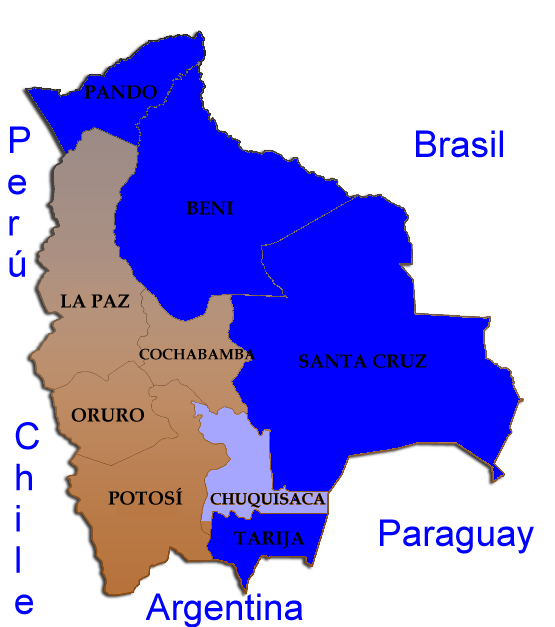
Bolivia is divided into two main geographical regions.
The Occidente is the mountainous western highlands, home to cities like La Paz and the famous Salt Flats.
Oriente, on the other hand, is the eastern lowland jungle with lush rainforests and a very different climate and landscape.
If you plan to visit that country, especially during high season, don’t wait too long—prices can rise quickly. Trip.com is the perfect place to compare flights, hotels, car rentals, and even book activities. Everything you need, all in one place!

The Different Culture
The culture in these regions also varies widely.
Occidente is rich in indigenous Andean traditions, with colorful traditional clothes, like the ‘cholitas’ with their dresses and more things like that.
While Oriente reflects more of the tropical and mestizo influences. People there wear modern clothes, a bit boring… but it’s in their social skills that things get interesting. People here are very kind, will talk a lot with you, and will probably invite you to do something with them.
These two cultures are different, but both offer unique experiences. This part why Bolivia is so unique.
How Many Days in Bolivia?
It depends on how much time you have. You could spend just 10 days exploring the highlights, or like me, spend three months without getting bored.
Bolivia has so many cities, activities, and adventures to offer—it's richer than you might think.
Most People Visit the Occidente Part
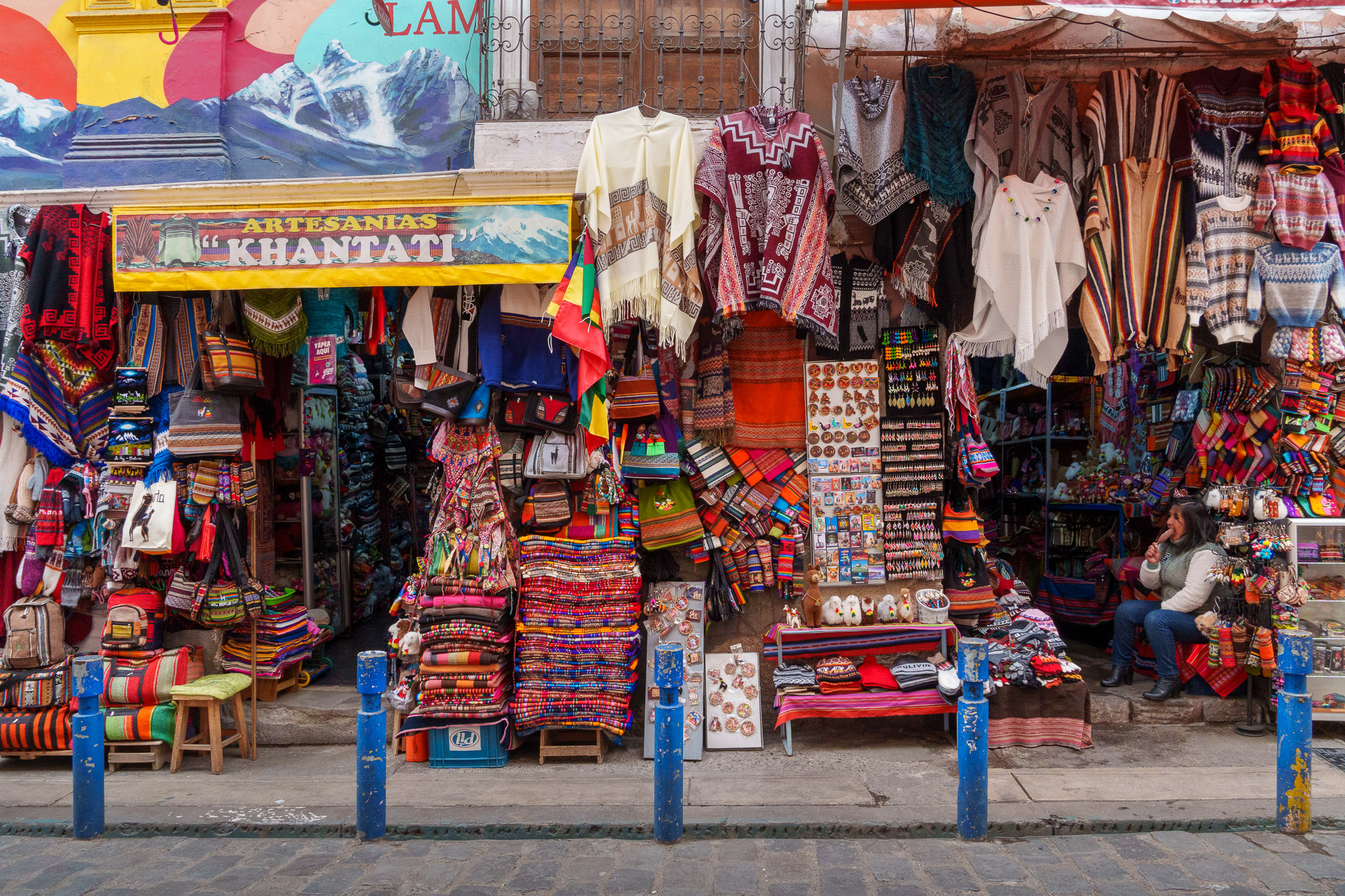
Most travelers head to the Occidente, as it’s the most famous and accessible. This is the Andean mountain region, with La Paz, Uyuni, and some may even go to the jungle for a “pampa tour.”
Usually, visitors stay around 10 days, sometimes up to 2 weeks, to explore the key sights in this region.
If you dare to go to the Oriente, you’ll discover a different type of landscape and people, and it’s just as great as the Occidente.
Cities in the Oriente to include in your itinerary in Bolivia
Samaipata
Samaipata is a small town with an incredible park and archaeological site worth visiting.
Often called the “small Swiss” because of its pleasant climate and beautiful rolling hills, it’s becoming popular among foreigners deciding to settle here.
You’ll find a bit of everything growing in Samaipata—wine production, peach orchards, olive trees—thanks to its fertile land.
The town is best known for its main tourist attraction, “El Fuerte,” an archaeological site perched on top of a hill or mountain.
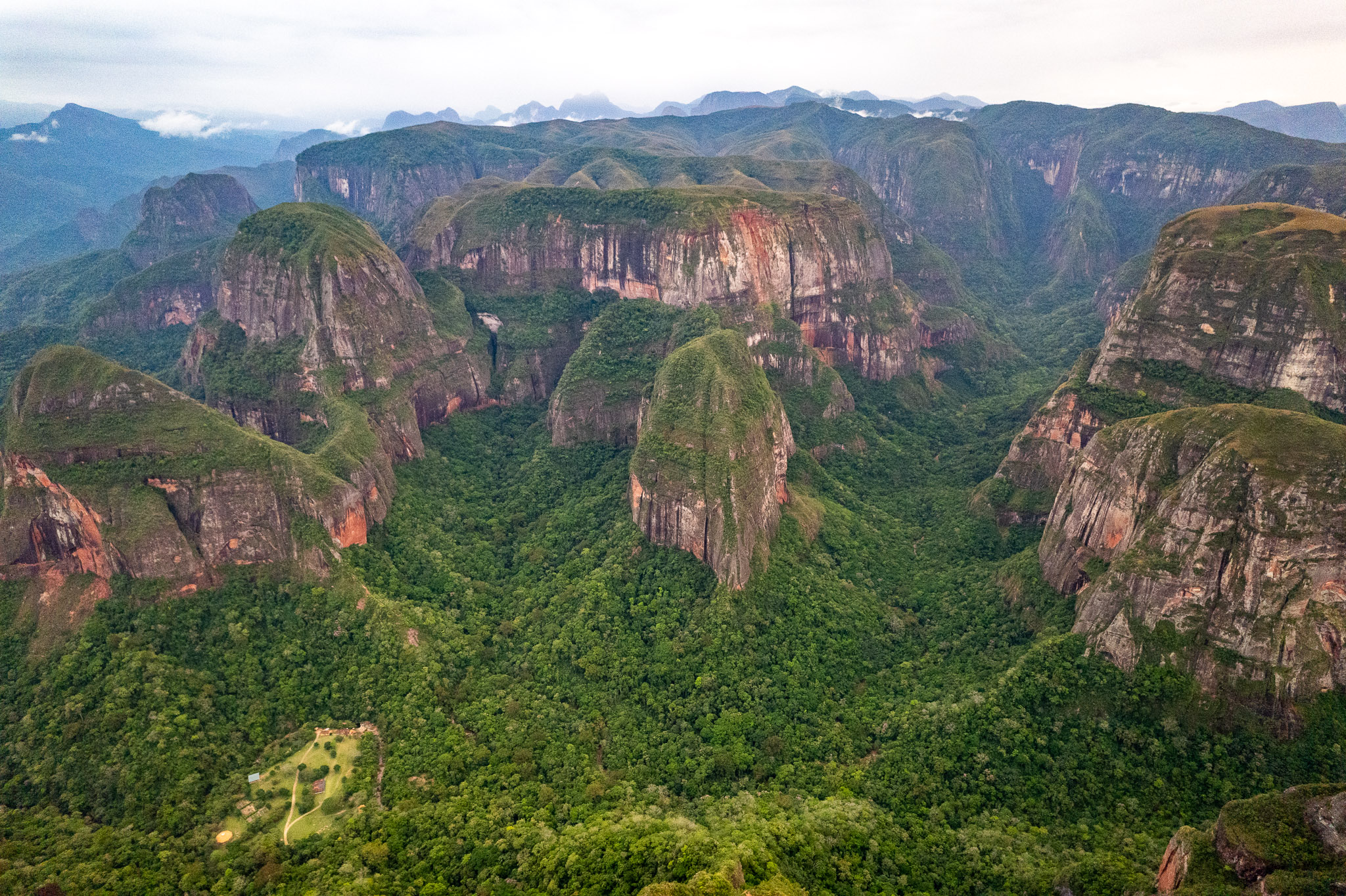
Beyond that, you can explore the Amboró National Park nearby, where thousands-year-old ferns, volcano-shaped hills, and waterfalls make for unforgettable adventures.
I personaly prefered the park, so much more to see and so incredible !

Santa Cruz de la Sierra
Santa Cruz has the main international airport, with direct flights from Madrid and other European cities. If you’re flying directly from Europe or the USA, chances are you’ll land at Santa Cruz de la Sierra, Bolivia’s international gateway.
Santa Cruz is the modern city of Bolivia, perfect for staying a few days at the beginning or end of your trip. It’s a chill city with a cute center, though not as impressive as some other Bolivian cities.
The real charm of Santa Cruz is its luxury district, Equipetrol.
Here, you’ll find amazing residences fully equipped with workspaces, swimming pools, saunas, jacuzzis, and barbecue spots. It’s a little dream!
Renting an apartment in Equipetrol is surprisingly affordable—around $25 a night for a small place with all these perks. Definitely worth it!
Santa Cruz is also a great starting point for day trips or multi-day tours to nearby national parks, such as Amboró National Park and also Kaieteur (if referring to that), offering nature escapes close to the city.
Cochabamba
Cochabamba has a similar vibe to Santa Cruz—modern and green. But there’s more to do here.
You can visit some old but magnificent houses like the Albini House, explore the city center, and visit the Convento Santa Teresa. Don’t miss walking by the main park, known as Parque Bolívar.
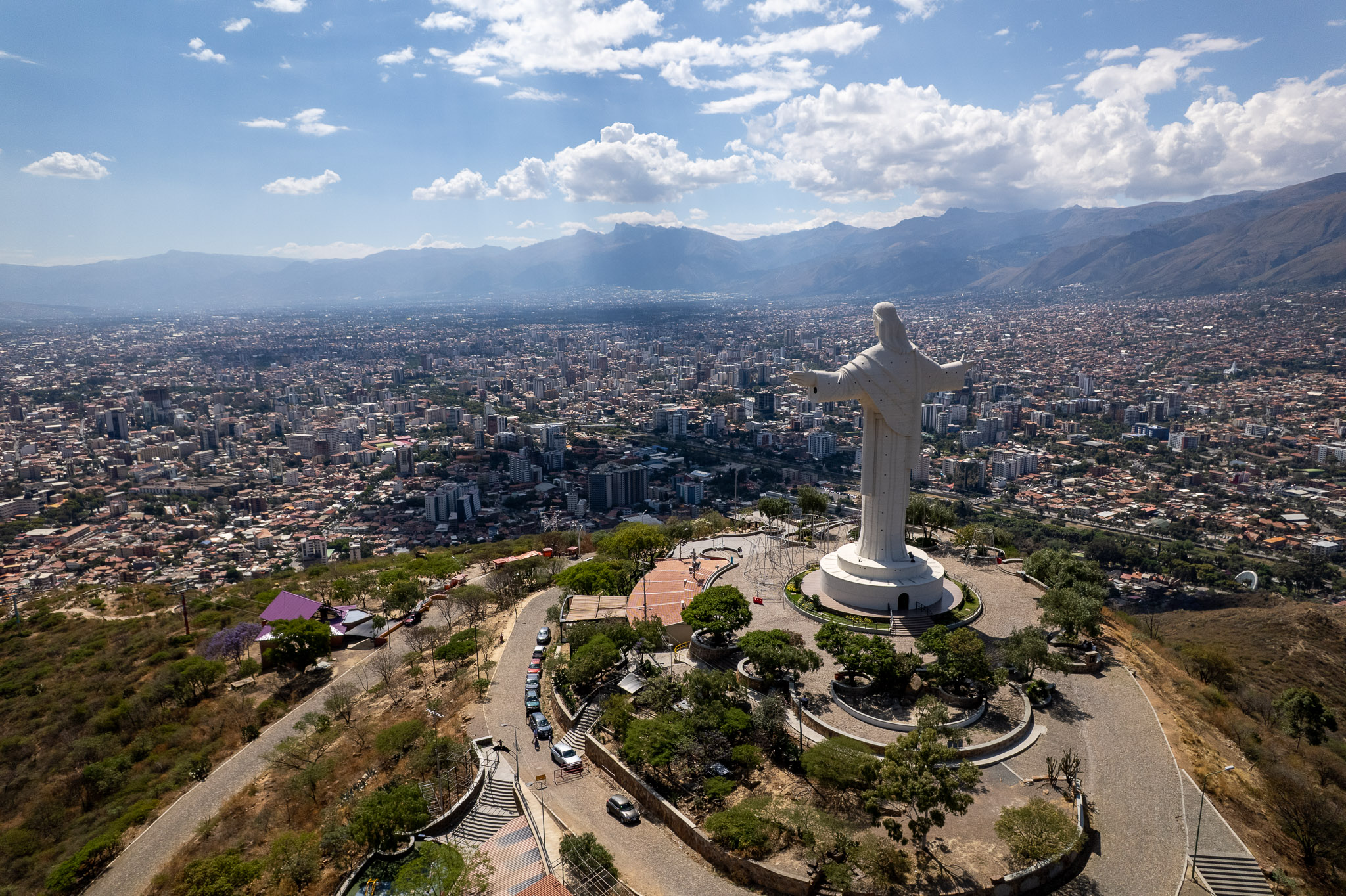
One thing you’ll probably spot from almost everywhere in Cochabamba is its Cristo Redentor on the hill. Yes, Rio is not the only city with one! You can visit it too, taking a cute little cable car that brings you up to the statue.
The view is amazing, even if the Cristo itself is a bit smaller than Rio’s.

The Amazon with Rurrenabaque, Riberalta, or Trinidad
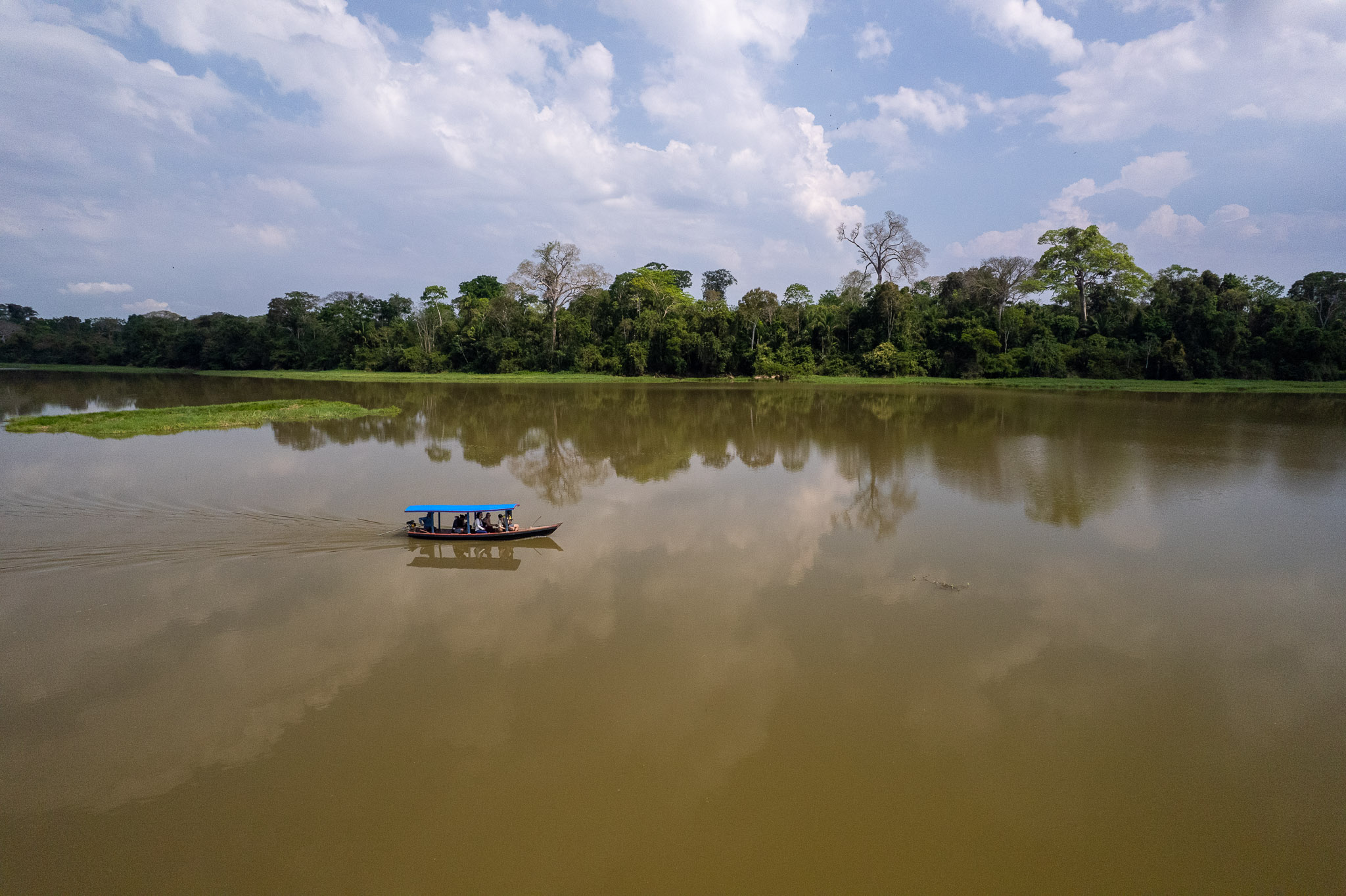
Rurrenabaque, Riberalta, and Trinidad are three gateway cities to the Amazon rainforest and all its wildlife tours.
Rurrenabaque is the most famous, as it’s the closest to La Paz. You’ll find more tour companies here offering trips to the pampas or the Madidi National Park for jungle adventures.
Riberalta is the furthest from everything, located way up north. It’s the perfect example of a chill Amazon city—hot, humid, with intense sun, huge trees in and around the city, green parrots flying above at sunset, and monkeys jumping from trees to trees.
There are fewer tour operators here, but options are still available. For example, I volunteered for a month with Sustainable Bolivia near Riberalta, deep in the jungle, which was an amazing experience with rich wildlife encounters.
Trinidad lies between Rurrenabaque and Riberalta in term of travel agency, and is closest to Santa Cruz. You can find companies offering similar multi-day Amazon jungle trips to explore its environment.
Tarija
Tarija is apparently a famous destination for young Bolivians for New Year's celebrations. Here, you can visit some museums like the Museo de Paleontología and beautiful houses such as Casa Dorada or Casa Azul.
But to be honest, those weren’t the most impressive things I’ve seen in my life.
What I liked there was the ‘Ruta del vino’. Most, if not all, Bolivian wine producers have their wineries here.
You can visit some of them—there are tours directly from the city center that take you to various houses for wine degustations and also to try singani, the local strong alcohol.

Cities in the Occidente to include in your itinerary in Bolivia
Sucre, The Real Capital
Sucre is officially the capital of Bolivia, though no politics or government offices have been based here for many years. It used to be the main city where everything happened in Bolivia’s early days.
In this city, you can dive into the rich history of Bolivia and discover how it became the country it is today. There are walking tours available, along with many historical buildings and museums to visit.
For those interested in geology and precious minerals, the Museo del Tesoro is an amazing spot to learn about Bolivia’s mineral wealth and history.
Many foreigners fall in love with the “White City” of Bolivia. Personally, I found it cute, but it’s definitely a must-visit for anyone following a Bolivia itinerary, especially those looking for a mix of culture and history.


Potosí
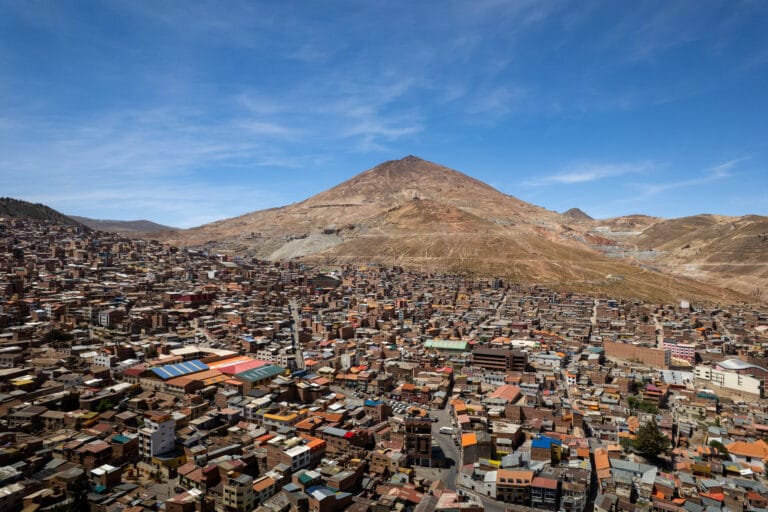
Potosí is a small city in the mountains but was once one of the richest cities in South America, thanks to its famous mines. It used to extract vast amounts of silver back in the day.
Today, the mining focus has shifted mainly to other minerals like tin, zinc, and lead.
Visitors can tour the mines to see firsthand how miners work and experience what a hard life it is under the surface.
You’ll also learn about the local traditions and culture, including meeting the “uncles” who protect the mines—made sacred through offerings made by miners to ensure safety and prosperity.
Including Potosí in your Bolivia itinerary offers a fascinating glimpse into the country’s rich mining history and the resilience of its people.
Uyuni and the Salt Flats
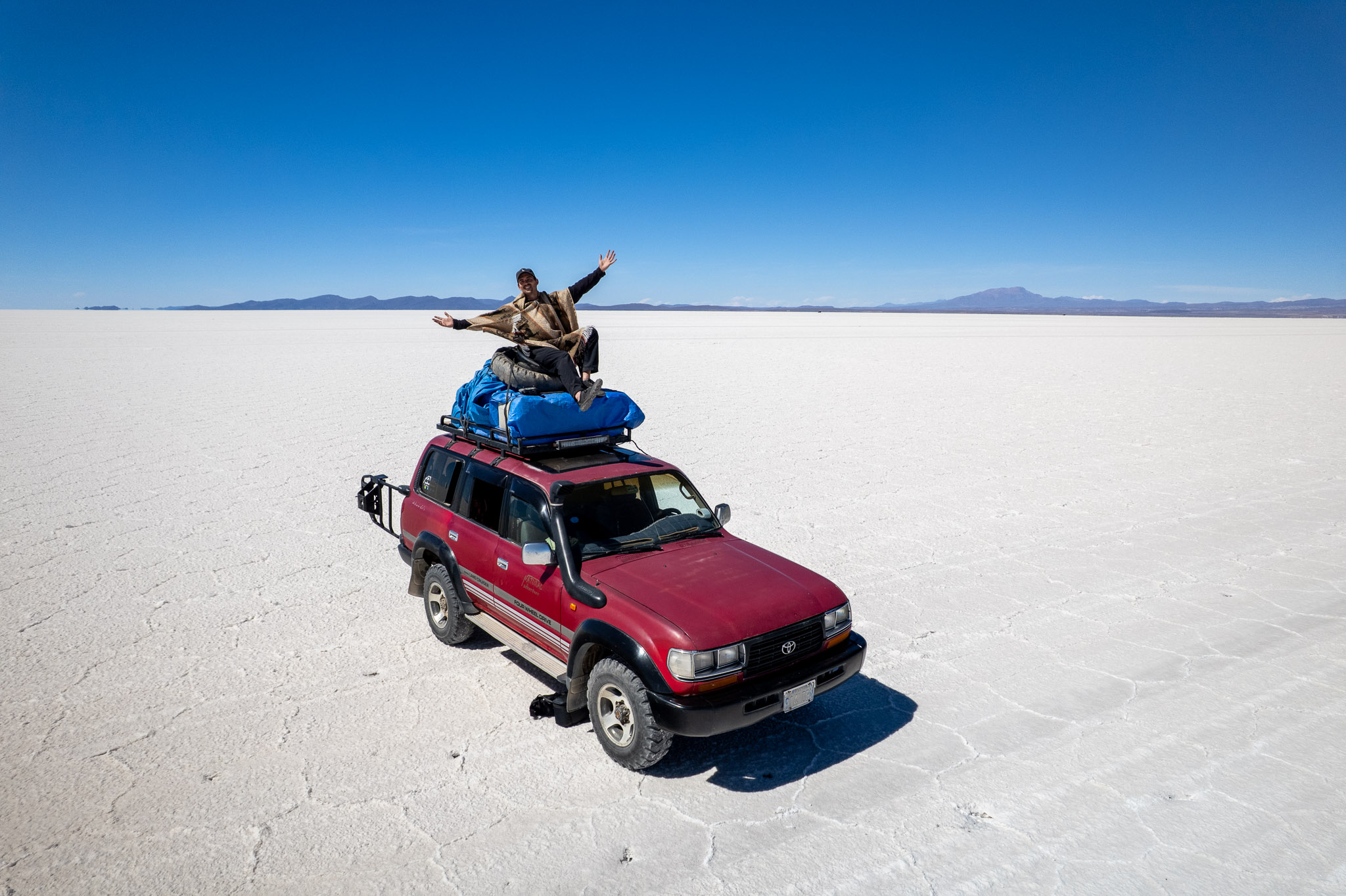
One of the most famous places in Bolivia, and South America in general, is Uyuni. The city itself is small, but its name is closely associated with the stunning salt flats, often called “El espejo del mundo” or “the mirror of the world.”
The salt desert covers roughly 2,000 km²—huge, truly enormous. Once you’re in the middle of it, you see nothing but white salt stretching in every direction. It’s an unforgettable sight.
Many companies offer tours ranging from 1 to 3 days (sometimes even 4, though that’s rare). These tours let you explore not only the salt flats but also nearby deserts, mountains, and volcanoes. The landscapes are incredible and constantly changing.
I did this tour myself, and it had been on my bucket list for years!
Tupiza
Tupiza is a small city in the south of Bolivia where the weather tends to be warmer than in the highlands.
It’s a great place to relax after your travels or before starting outdoor adventures. From Tupiza, you can embark on tours exploring the nearby canyons and valleys, often compared to those in the American Southwest with dramatic red rock formations.
Popular activities include horseback riding through the stunning landscapes and 4×4 tours that head towards the entrance of the Eduardo Avaroa Reserve.
It’s less crowded than the salt flats but offers equally impressive scenery for those who want to explore the rugged beauty of southern Bolivia.
When you travel abroad for holidays, you’re always exposed to risks like food poisoning, injuries, or even lost luggage. By booking insurance with EKTA, you’ll have peace of mind knowing you’re covered, so you can focus on enjoying your trip stress-free.
Oruro
Oruro is known as the folklore city of Bolivia, deeply rooted in Andean mountain culture.
It’s famous as the host of the Carnaval de Oruro, Bolivia’s biggest and most colorful carnival held every February, drawing visitors from around the world.
Even outside carnival season, Oruro offers rich cultural experiences, with traditional markets, mining history, and beautiful colonial churches like the Santuario de la Virgen del Socavón.
You can stroll through its lively streets, enjoy local music and dance performances, and soak in the vibrant heritage alive in the city year-round.
La Paz
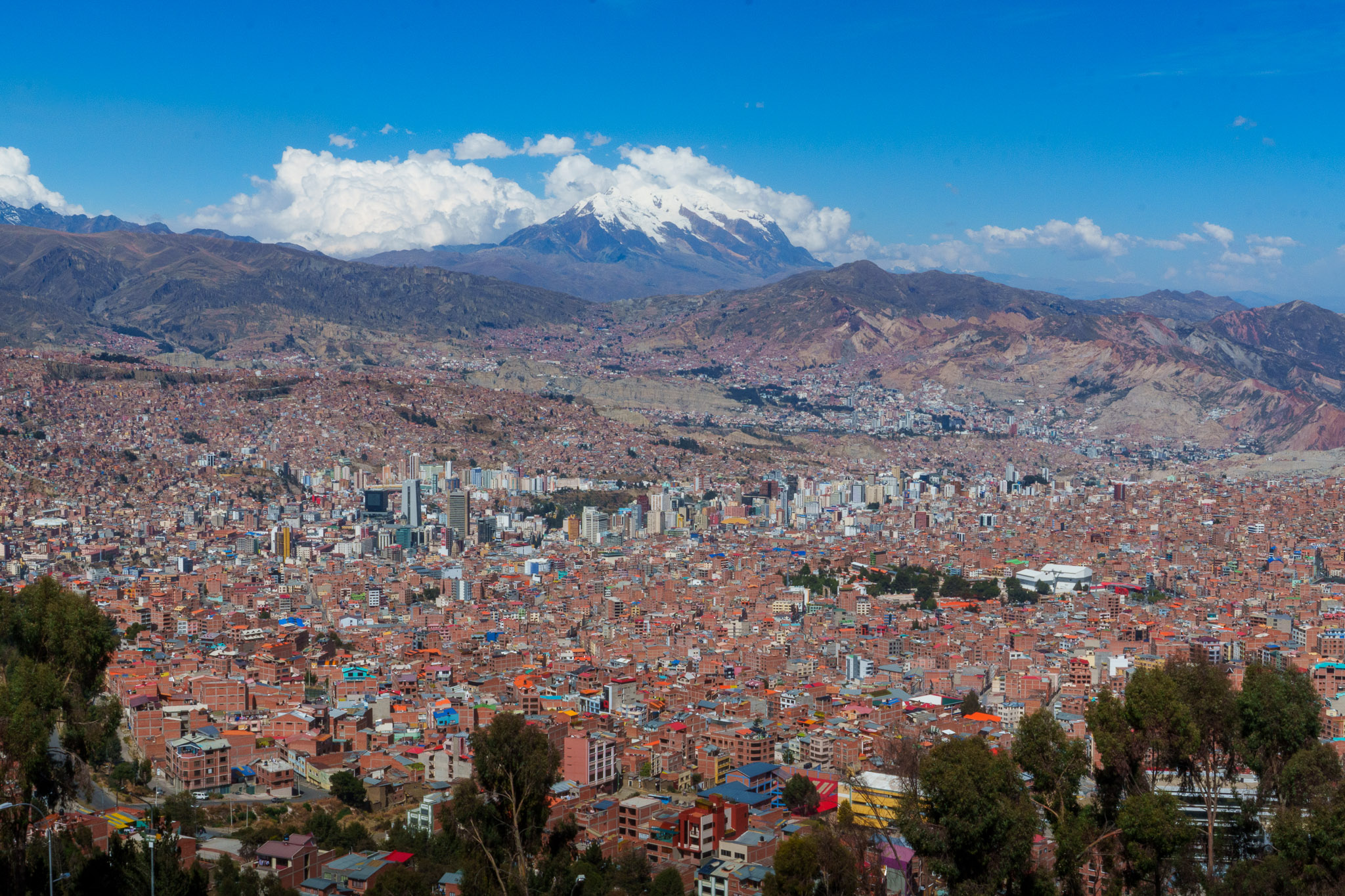
The “second capital” of Bolivia, La Paz, sits at about 3,800 meters — the highest capital city in the world, which can be a challenge if you’re not used to the altitude.
But once you adapt, there’s plenty to explore. You can take walking tours through historic neighborhoods like El Alto and the Witches’ Market, where traditional Aymara remedies and crafts are sold.
Outside the city, you can venture to spots like the Valley of the Moon or take cable cars for breathtaking views of the city nestled among the mountains.
More crazy activity like biking the Death Road or climbing the Huayna Potosi is also an option.
La Paz offers a unique blend of bustling urban life and access to incredible natural landscapes nearby.
3 Perfect 10-Days Itineraries in Bolivia for Your Type of Travel
Let’s look at three classic 10-day itineraries in Bolivia, each focused on a specific travel desire.
1. Learn the Culture
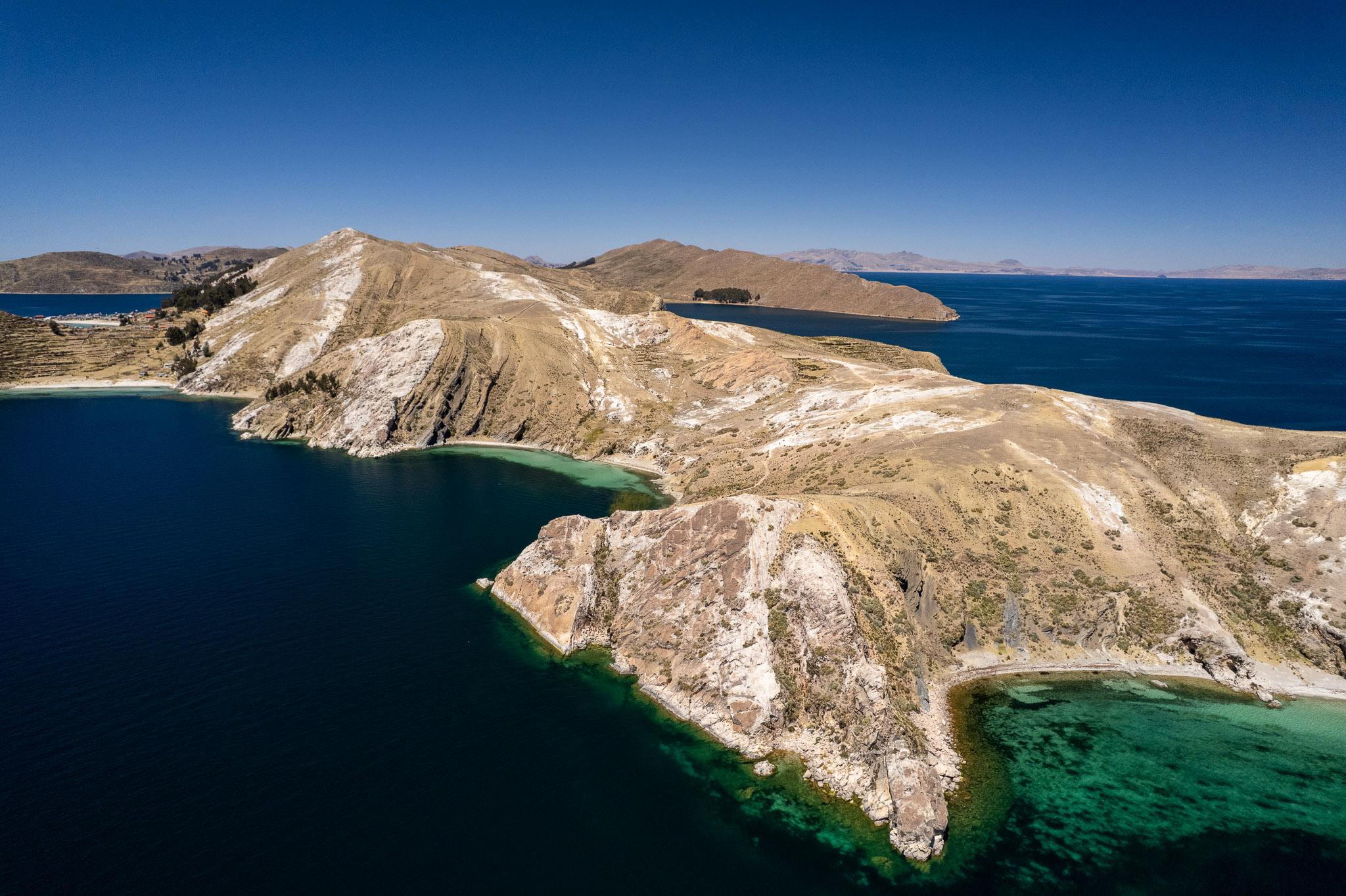
- Start in Copacabana, a charming town by Lake Titicaca, known for its religious festivals and stunning views.
- Spend a few days in La Paz, exploring markets, museums, and the unique blend of modern and indigenous culture.
- Head to Oruro to experience Andean folklore and, if your timing is right, the famous carnival.
- Finish in Sucre, the “White City,” where you can walk historic streets and visit important museums to learn about Bolivia’s past.

2. Full Adventure
For those who crave adrenaline and varied natural landscapes, this 10-day plan packs it all.
- Begin in La Paz, acclimatizing and exploring the city and nearby sites like the Valley of the Moon.
- Fly or take a bus to Rurrenabaque to dive into the Amazon jungle with unforgettable wildlife tours.
- Head south to Potosí to discover mining culture and dramatic landscapes.
- End your trip in Uyuni to experience the famous salt flats and high-altitude deserts on multi-day tours.
This trip is part of the best affordable tours you can do in South America.
3. Discover the Oriente
If you want to explore Bolivia’s greener, tropical side, this itinerary covers the best of Oriente.
- Start in Santa Cruz, the modern economic hub with a relaxed vibe and access to nearby nature parks.
- Visit Samaipata, the small town famous for its archaeological sites and pleasant climate.
- Finish in Trinidad, gateway to Amazon jungle tours with rich biodiversity and cultural encounters.

2 Amazing 1-Month Itineraries in Bolivia to Discover Everything About This Country
1. From Peru to Argentina
This itinerary is ideal if you enter Bolivia through Peru and want to travel south towards Argentina, soaking in the full diversity of the country.
- Copacabana – 3 days to relax by Lake Titicaca and explore local culture
- La Paz – 4 days for city life, markets, and nearby natural wonders
- Rurrenabaque – 5 days to dive deep into Amazon jungle adventures
- Cochabamba – 3 days to enjoy a green city with history and modern life
- Oruro – 3 days to experience folklore and carnival traditions
- Sucre – 4 days wandering the “White City” and historical sites
- Potosí – 2 days visiting famous mining towns and dramatic landscapes
- Uyuni – 4 days exploring the vast salt flats and high-altitude desert
- Tupiza – 2 days to relax and explore beautiful canyon landscapes

2. Arriving from the International Airport of Santa Cruz de la Sierra
This itinerary suits travelers arriving via Bolivia’s main international airport in Santa Cruz, focusing on the lush Oriente and key highlights across the country.
- Santa Cruz – 2 days to experience the modern city and its nearby parks
- Samaipata – 3 days for archaeological sites and pleasant hillside nature
- Sucre – 4 days in the historical and cultural heart of Bolivia
- Potosí – 3 days to delve into its rich mining history
- Uyuni – 4 days exploring the salt flats and surrounding natural wonders
- La Paz – 5 days for urban exploration and surrounding landscapes
- Rurrenabaque – 5 days for an unforgettable Amazon jungle experience
- Santa Cruz – 4 days to relax and revisit favorite spots before departure

Ready to visit Bolivia ?
Bolivia is truly a country full of surprises. Whether you have just 10 days or a whole month, there’s something unforgettable waiting for you here.
It was such a great pleasure to visit all those cities and do all the possible adventures in Bolivia. This was my first time visiting the country, and I think I discovered it well—from north to south, east to west!
Plan your trip in advance to get the best of Bolivia. If done right, it may become one of your favorite countries in South America!

Freebie For You !
Thanks for sticking around until the end — that really means a lot. To show my appreciation, I’ve prepared something special for you: a Travel Guide 101 packed with my favorite tips, useful websites, and practical info to help you plan your next adventure.