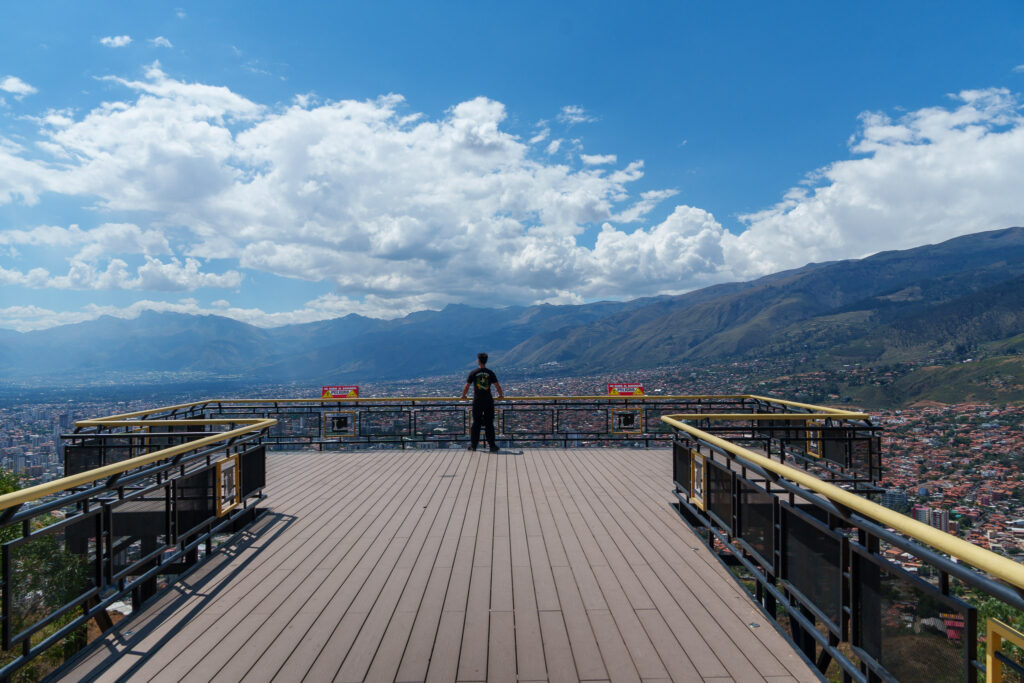
Ever wondered why Bolivia feels like the world's best-kept secret? This landlocked powerhouse packs more extremes, traditions, and surprises per square kilometer than anywhere else.
From the planet's highest everything to rituals that sound straight out of a movie, let me walk you through more than 65 fun facts about Bolivia that'll make you book that ticket tomorrow.
Table of Contents
Interesting Facts About Bolivia Flag & Symbols
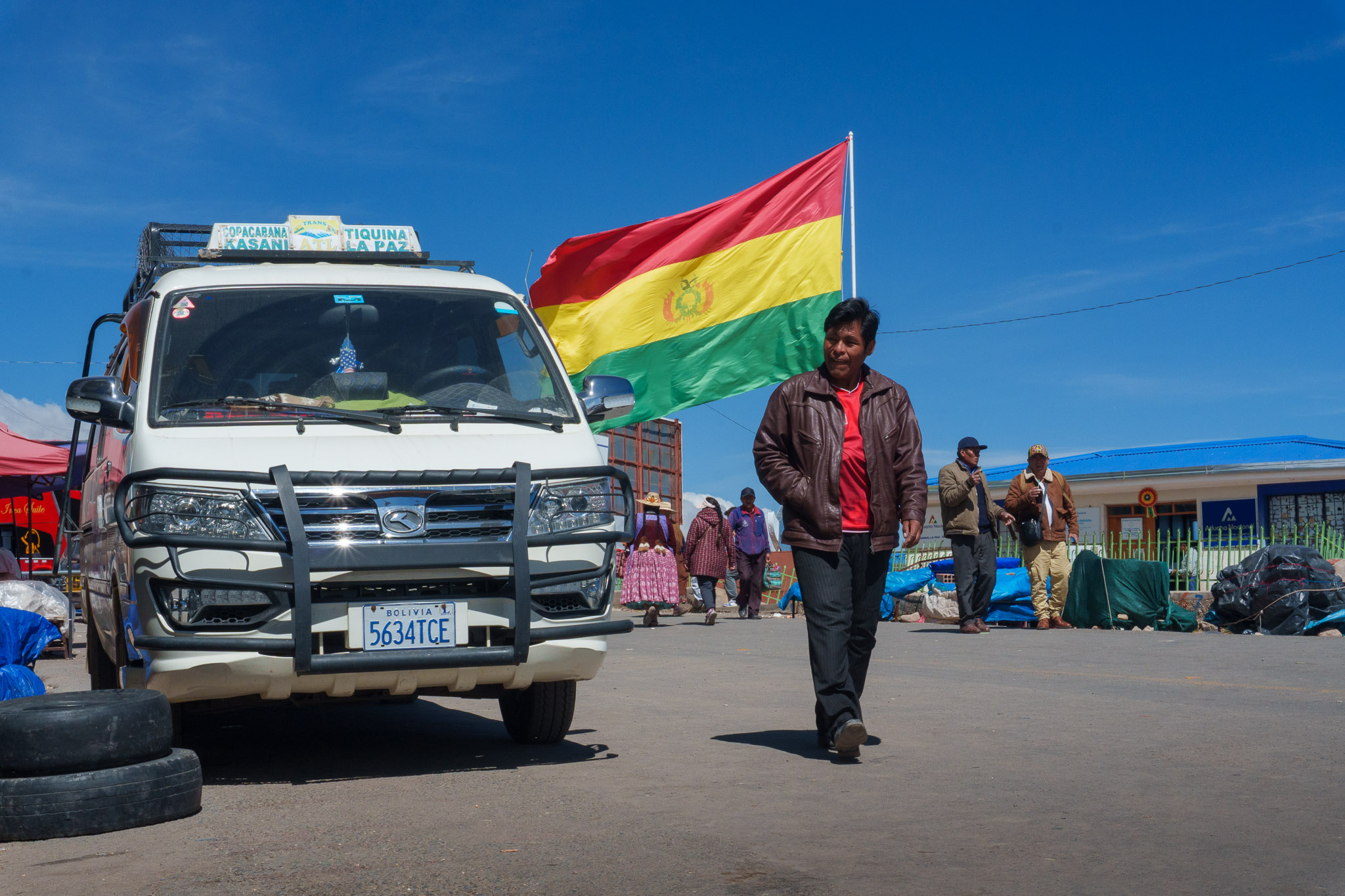
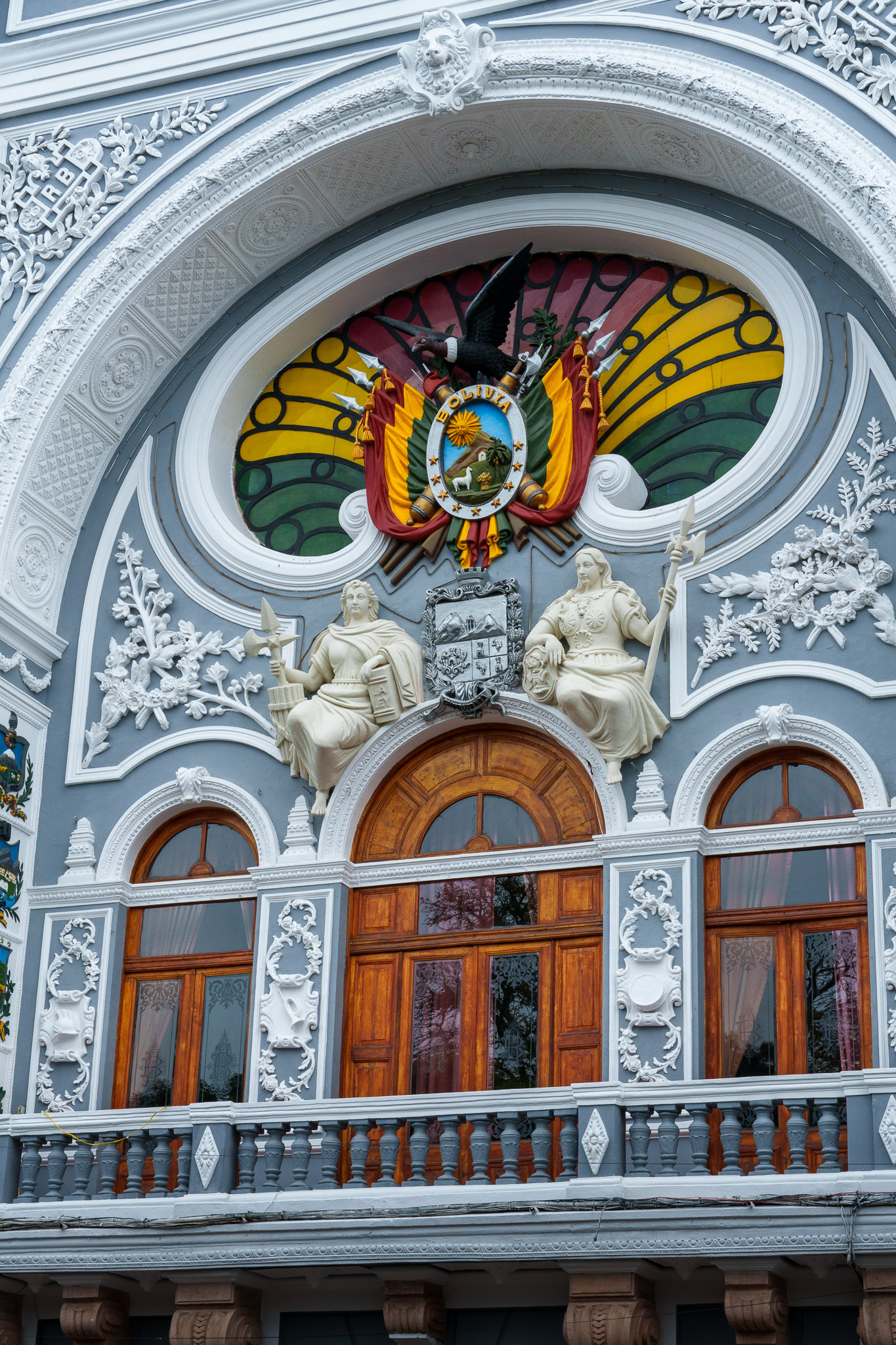
1. Fun facts about Bolivia flag - red for brave soldiers, green for fertility, yellow for mineral deposits
Red stands for the bravery of soldiers who fought for independence. Yellow highlights the nation's rich mineral resources. Green symbolizes fertile lands and hope for the future.
2. Bolivia Has Two Flags
Bolivia uses the tricolor flag plus the Wiphala as dual national flags. The 2009 constitution made the indigenous Wiphala official alongside the red-yellow-green one. This reflects the plurinational state.
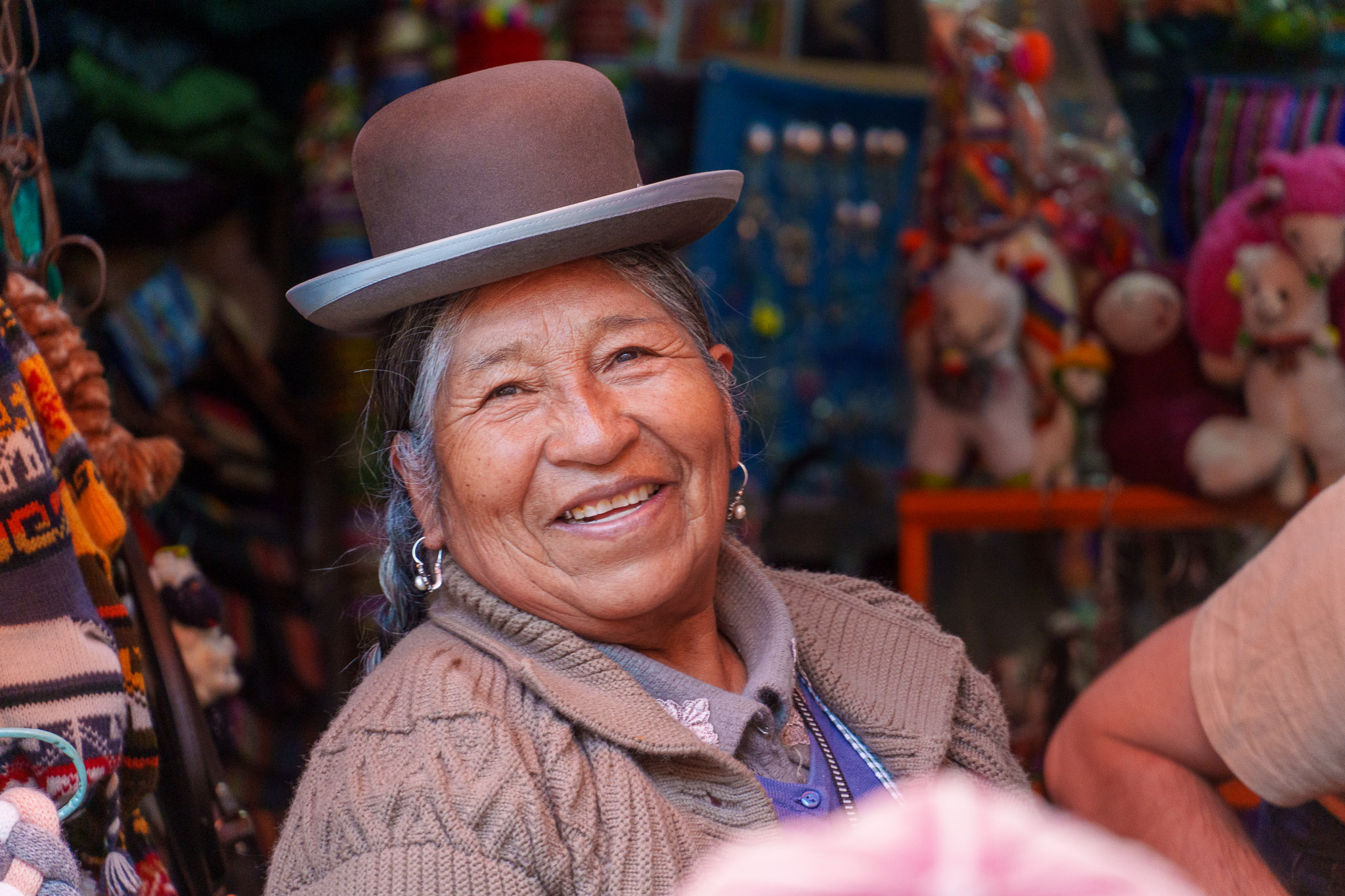
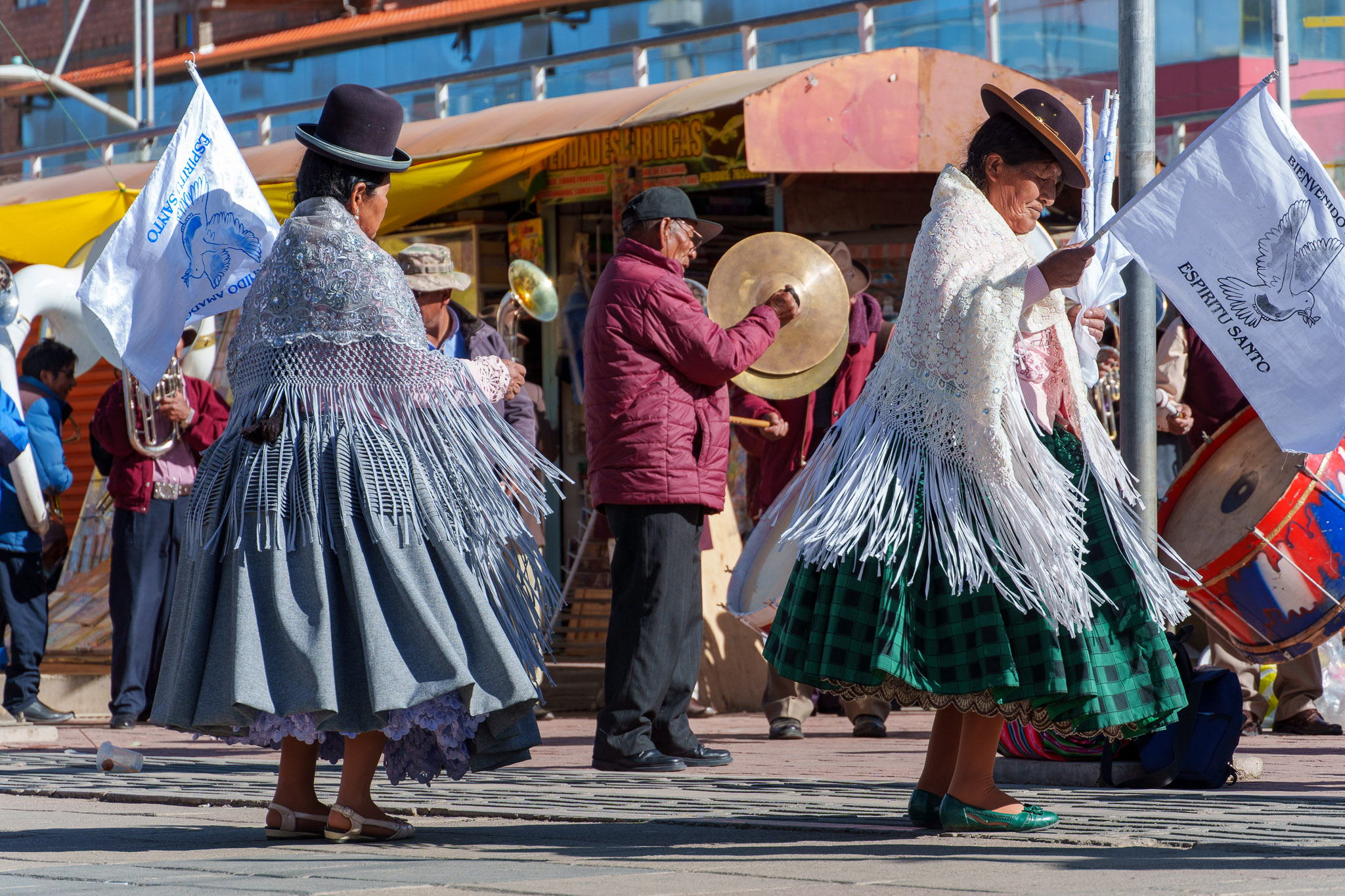
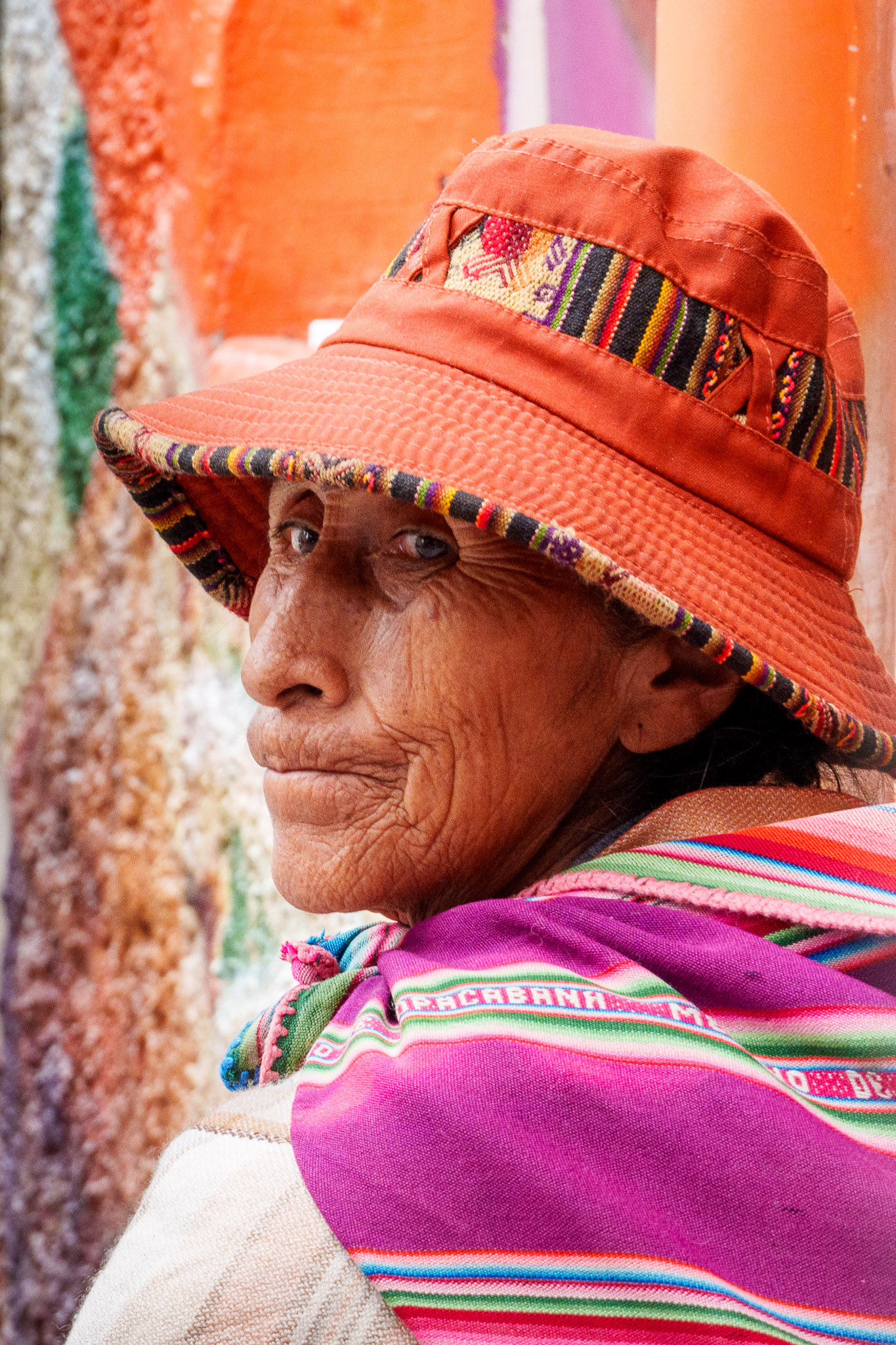
3. Traditional bombín or cholita hat is iconic
Cholitas wear the bombín bowler hat tilted just so. British railway workers brought them to Bolivia in the 1920s. Now they mark strong indigenous women in La Paz markets.
Bolivia Capitals & Geography
4. Bolivia has two national capitals
You know Bolivia does things differently – it splits power between Sucre and La Paz. Sucre holds the official constitutional title. Meanwhile La Paz handles all the real government work day to day.
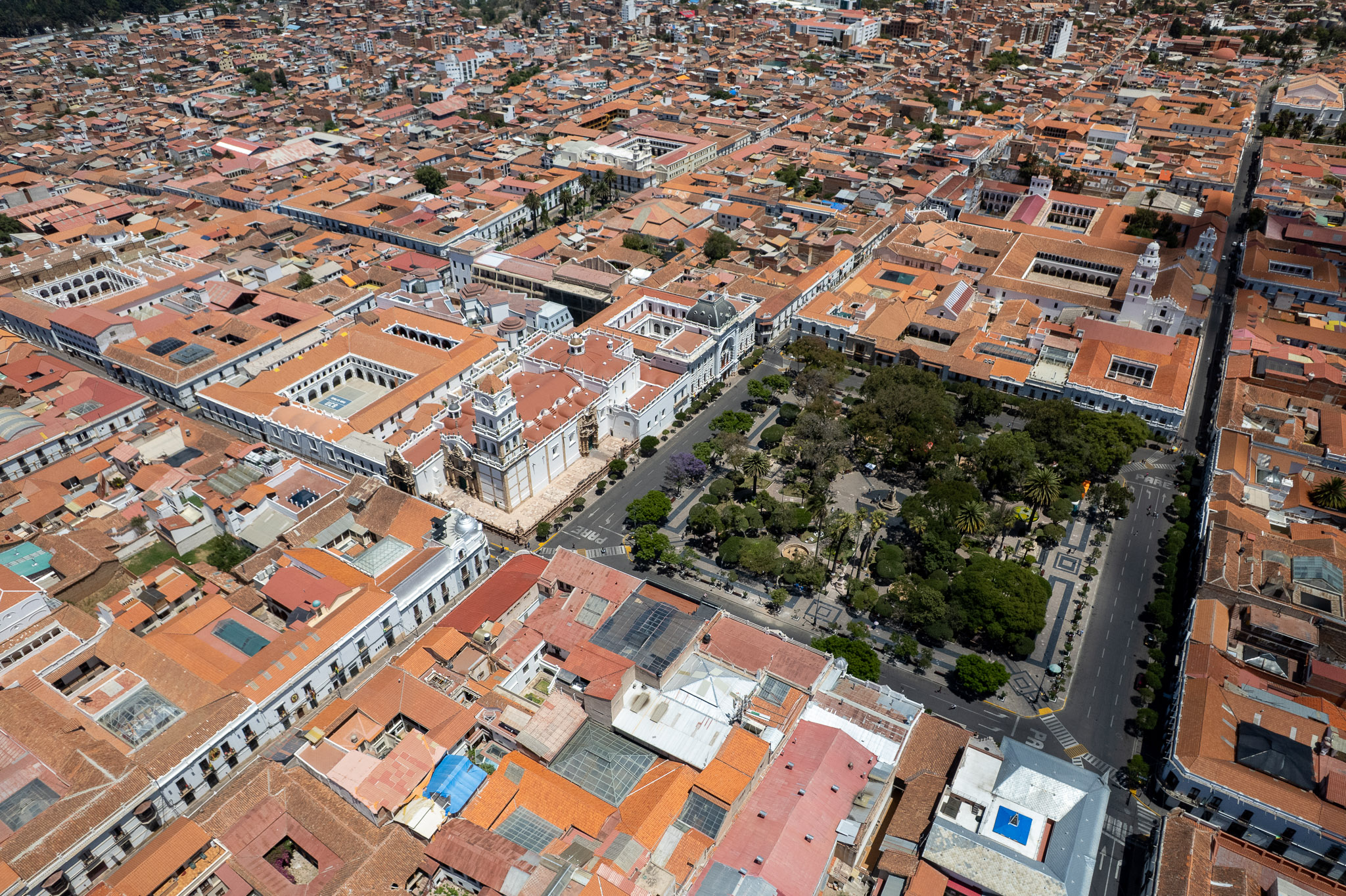
5. Sucre - The city of four names
Sucre earned nicknames like La Plata, Charcas, and Chuquisaca over centuries. Spanish founded it as La Plata in 1538 for silver riches nearby. Now it shines as Bolivia's official constitutional capital with that UNESCO historic core. White colonial buildings line the streets.
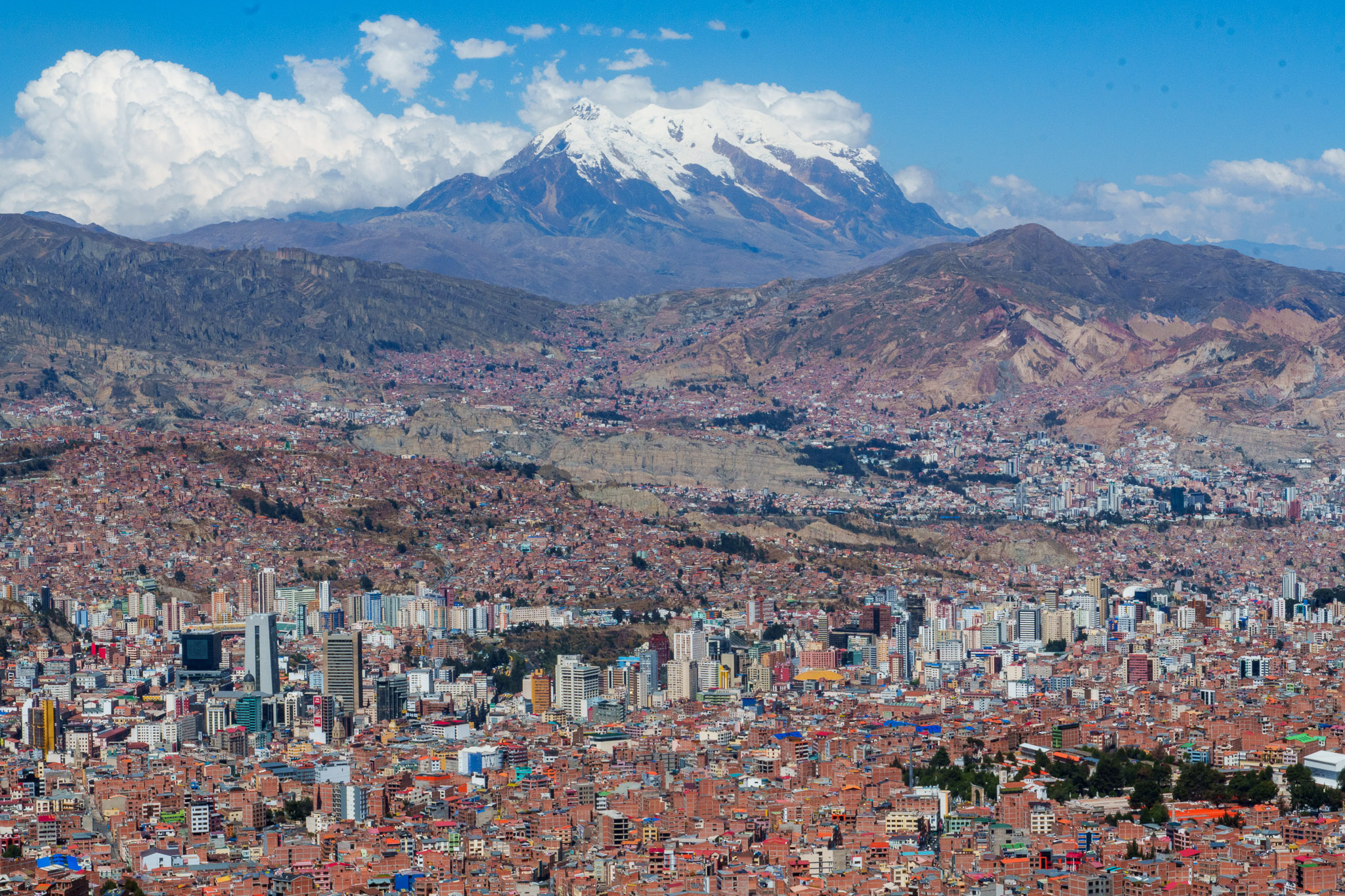
6. La Paz is the highest capital city in the world at more than 3,500 meters
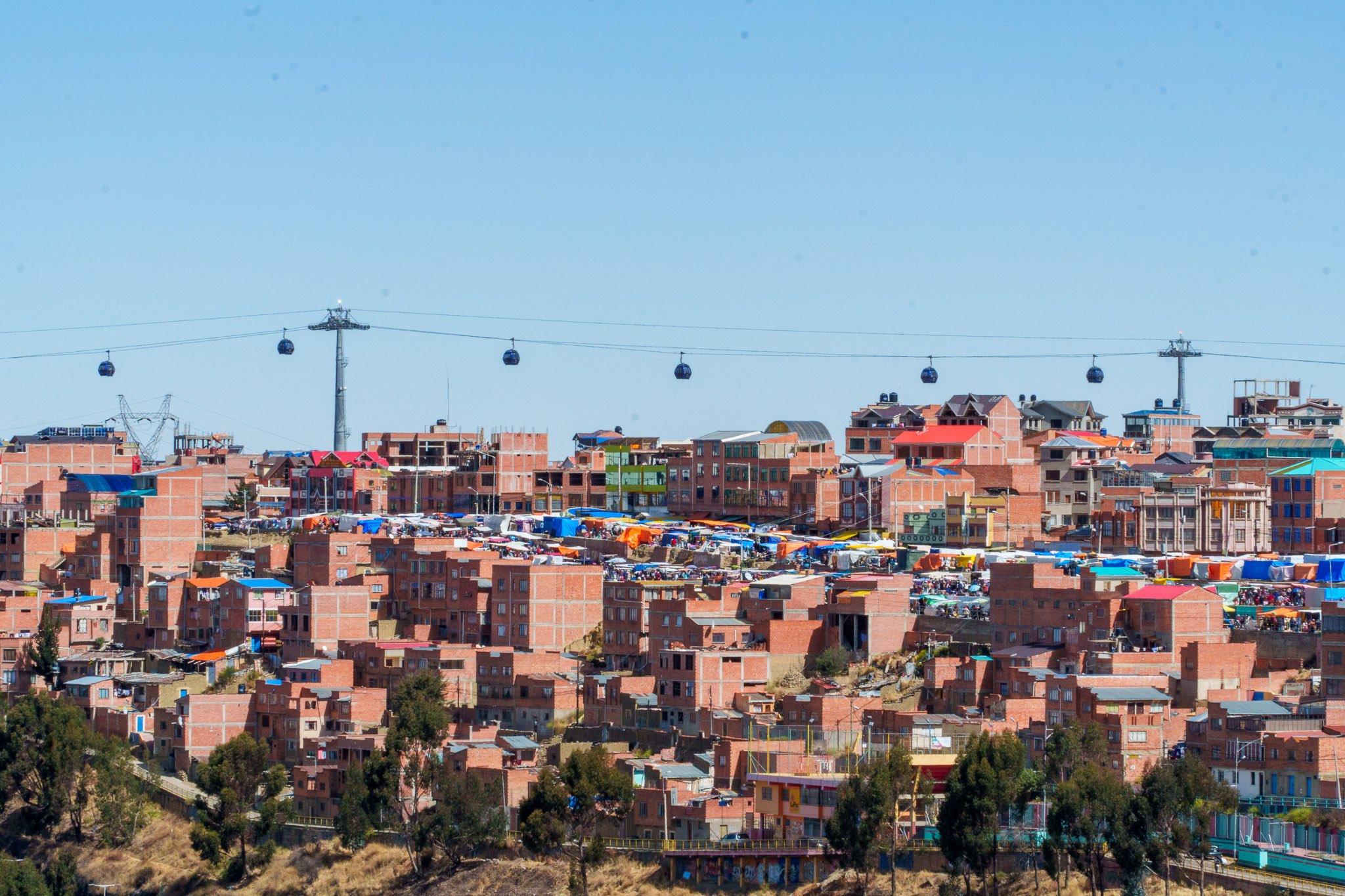
La Paz sits way up at 3,650 meters above sea level. That thin air hits newcomers pretty hard right away. You'll see cable cars buzzing over the canyon city everywhere you look.
7. Bolivia is the highest and most isolated country in South America
Picture this – Bolivia averages over 3,500 meters elevation across the whole country. Those rugged Andes mountains cut it off from any easy coast access. Being landlocked just makes the remoteness feel even bigger.
8. El Alto is the highest administrative city in the world
El Alto perches right on the Altiplano at 4,000 meters high. It's bigger than La Paz below with 940,000 residents now. Aymara culture really takes over in the bustling markets and streets.
9. Bolivia has the 5th highest airport in the world
El Alto International Airport lands at a crazy 4,061 meters up. It's the highest spot for commercial international flights anywhere. Planes need special engine tweaks for that thin air. Even Boeing 747s have to fly lighter here.
10. Bolivia is a landlocked country in South America due to wars with Peru and Chile - pays double tax to import by sea
Bolivia lost its Pacific coast back in the 1879-1883 War of the Pacific. Chile grabbed that nitrate-rich Litoral region. Now they route all imports through neighbors which jacks up costs with extra fees. Treaties keep it locked landlocked forever.
11. Bolivia has a navy despite not having access to the sea
The Armada Boliviana trains hard on Lake Titicaca. The U.S. sent patrol boats to start it back in 1963. It's a total symbol of their never-give-up dream to reclaim the coast. They patrol rivers and lakes like pros.
Fun Facts About Bolivia Natural Wonders
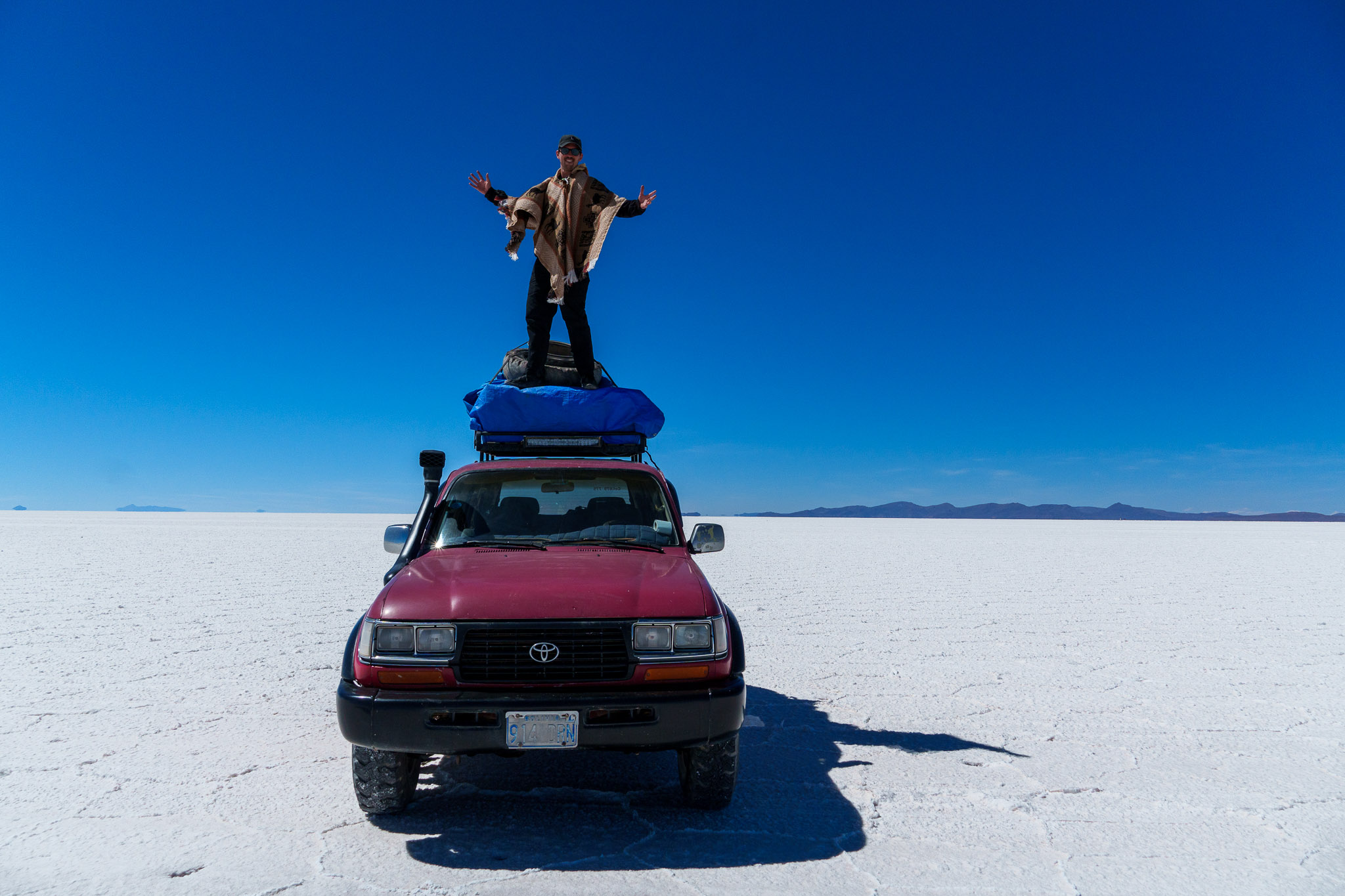
12. Bolivia has the world’s largest salt flat
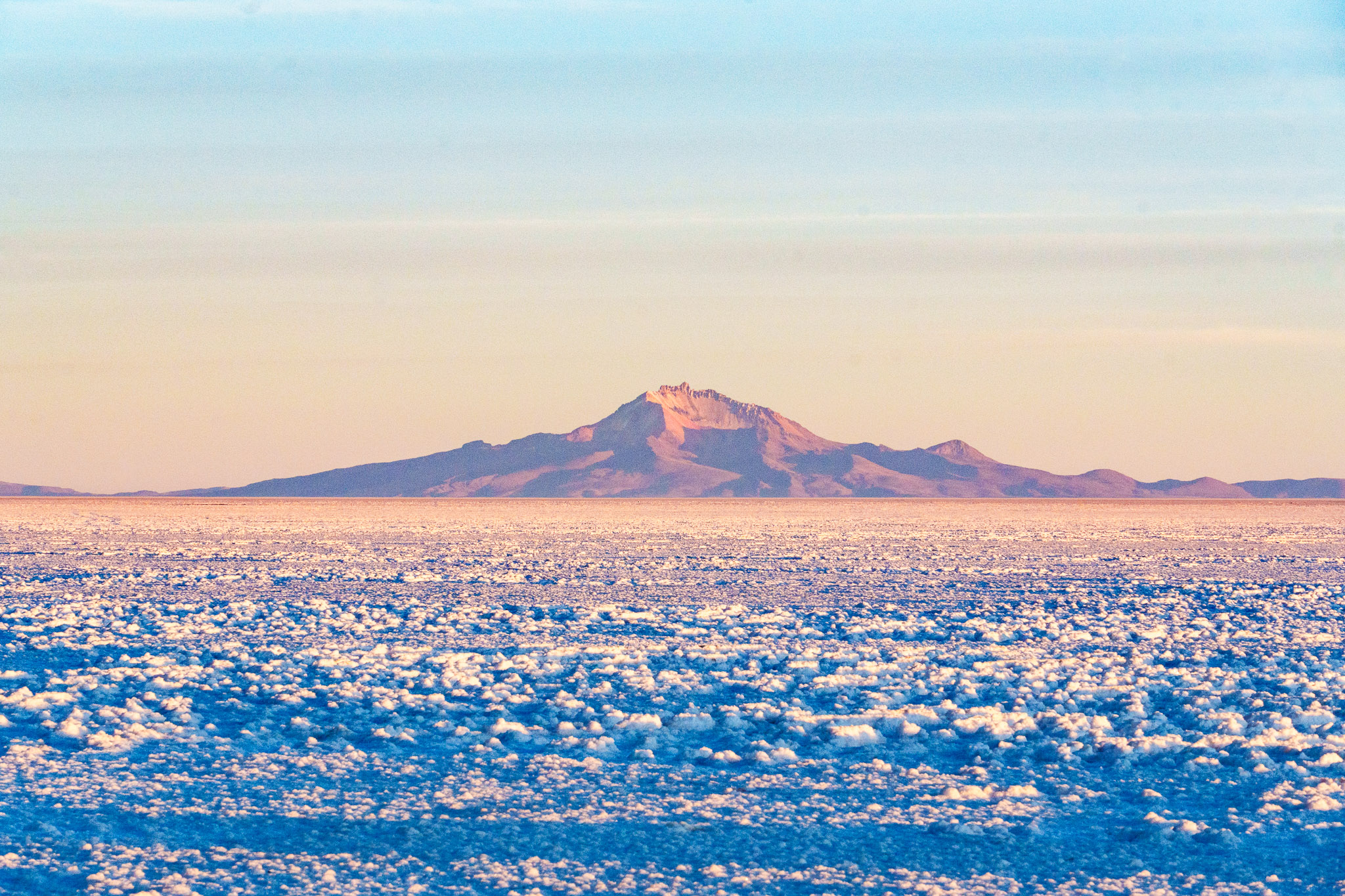
Salar de Uyuni blankets 10,582 square kilometers in southwest Bolivia. It packs 10 billion tons of salt under a super thin crust. When rain hits, it turns into this massive mirror sky perfect for those epic photos. Oh and lithium brine underneath powers the future of batteries.
But this Salt Flats is classic spot when passing in Bolivia.
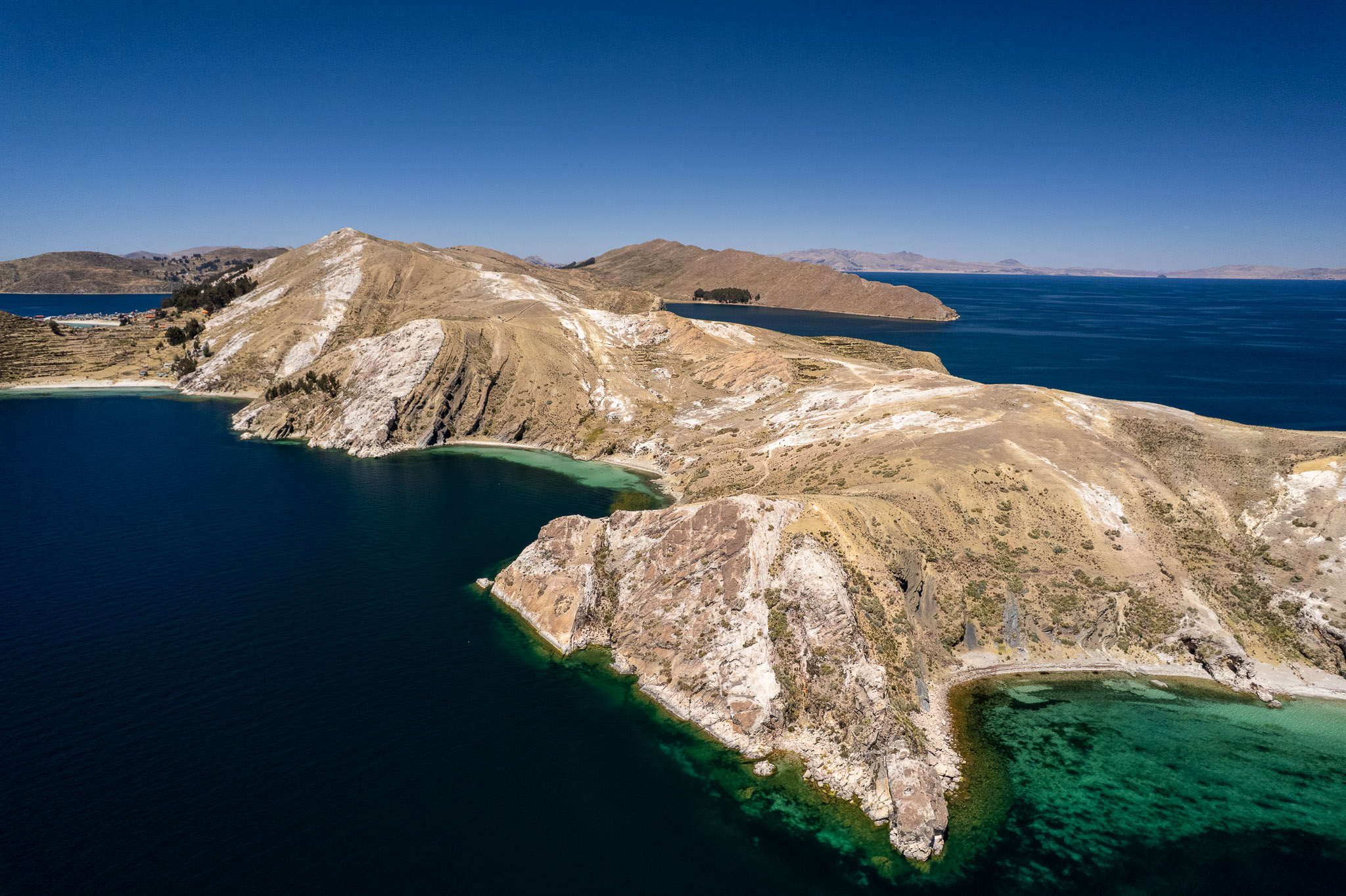
13. Lake Titicaca is the highest navigable lake in the world
Lake Titicaca chills at 3,812 meters above sea level. Boats cruise its waters for trade and all kinds of tourism. Bolivia and Peru split this 8,372 square kilometer giant right down the middle.
14. Lake Titicaca is also the largest lake in South America
Titicaca beats every other South American lake in surface area and volume. Fresh water keeps those floating Uros reed islands alive. Locals pull in trout and fish there every single day.
15. Bolivia has the world’s largest high altitude ice field - Quelccaya Ice Cap
Quelccaya stretches 42.8 square kilometers high in the Andes at 5,200 to 5,700 meters. It's the biggest tropical ice cap anywhere outside Peru. Melting reveals ancient climate secrets trapped in ice cores. But warming hits it hard these days.
16. Chacaltaya is the highest ski resort in the world
Chacaltaya topped out at 5,300 meters near La Paz with a simple rope tow. Skiers shredded an 800-meter slope way back when. Glacial melt shut it down years ago – now hikers chase Illimani views instead.
17. Highest cable car system in the world
Mi Teleférico runs at 4,000 meters between La Paz and El Alto. It hauls 3,000 people per hour and cuts commutes from an hour to just 10 minutes. Color-coded lines connect markets to suburbs with killer city views. It’s a classic things to do while visiting La Paz.
18. Highest altitude soccer match at 5,600 meters
Bolivia owns soccer's extreme altitude records. El Alto's stadium at 4,285 meters crushed visiting teams in Copa Libertadores – thin air turns games into home blowouts. The unofficial world record hit 6,542 meters in 2007 when Palca beat Viloco up in the Andes. Fans still pack those gasping stadiums.
19. Highest professional golf course in the world
La Paz Golf Club kicks off at 3,260 meters in a rocky valley. Pine trees frame fairways with Moon Valley right there. Weekend green fees run $100 – oxygen masks stay optional for hackers.
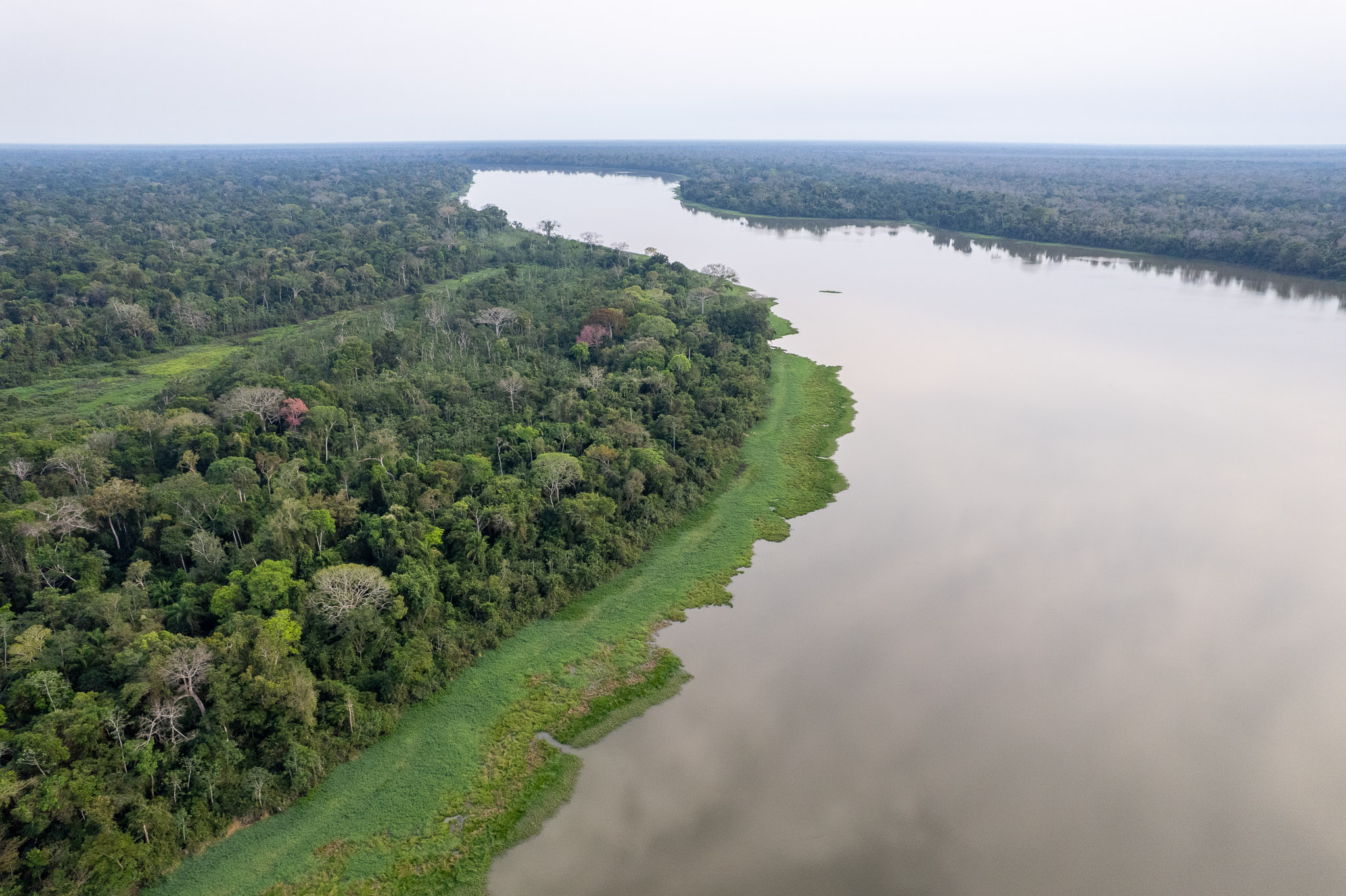
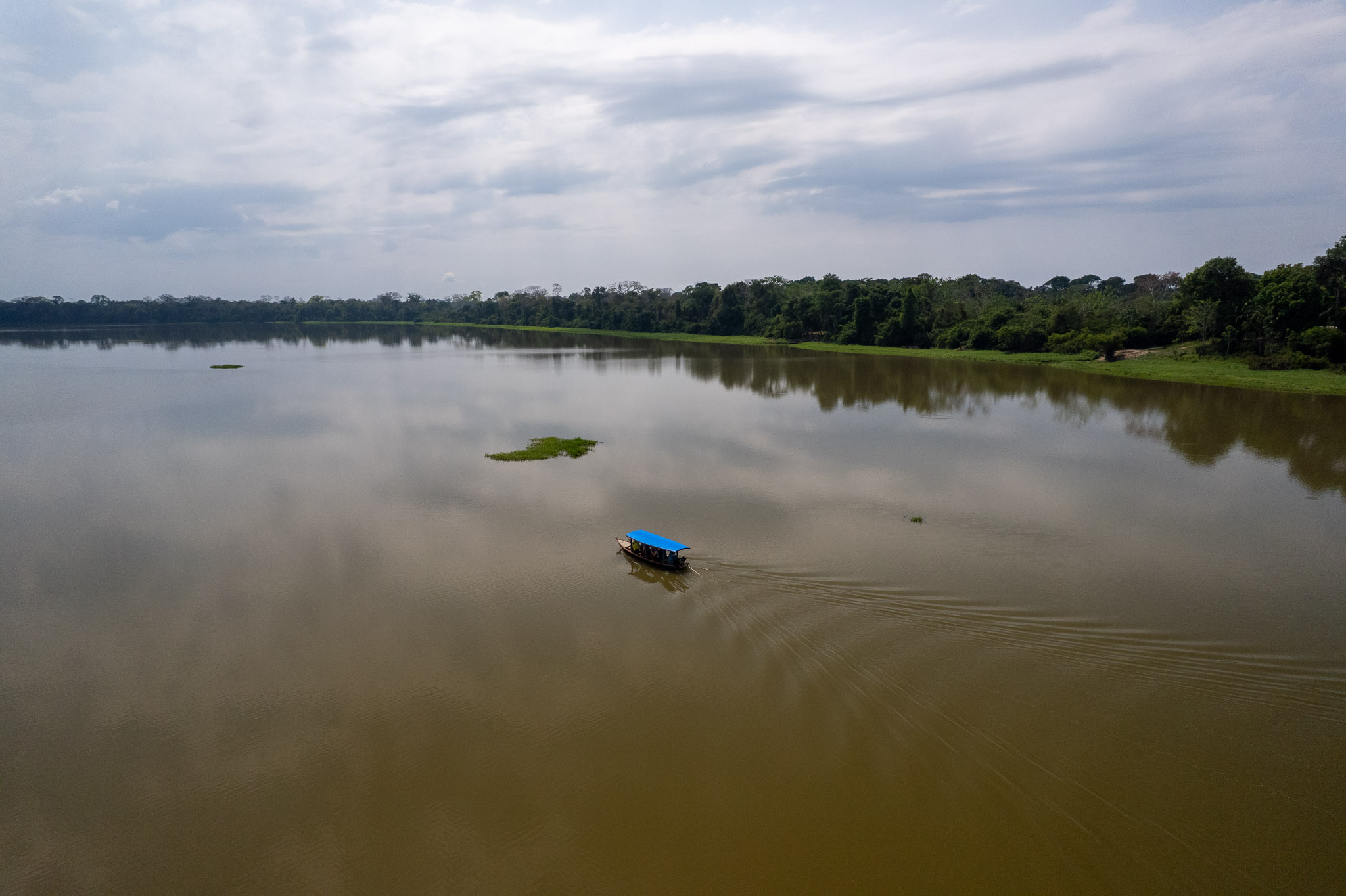
20. Significant part of the Amazon rainforest lies in Bolivia
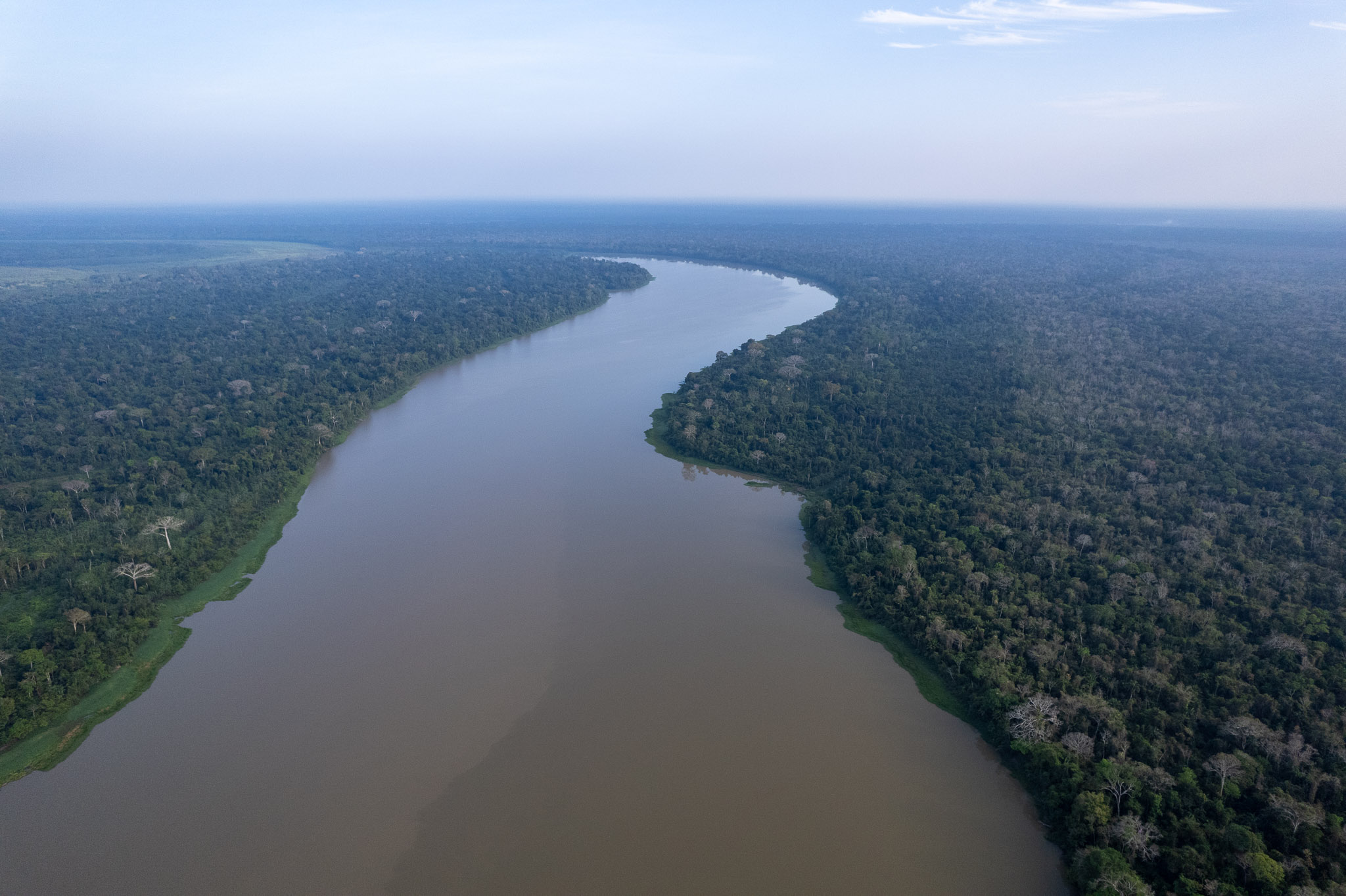
Bolivia puts 66% of its land in the Amazon basin – that's 724,000 square kilometers. Rainforest covers two-thirds of it packed with biodiversity. Pando, Beni, and Santa Cruz hold the hottest wildlife spots.
Interesting Facts About Bolivia History & Name
21. Bolivia was once part of the Inca Empire.
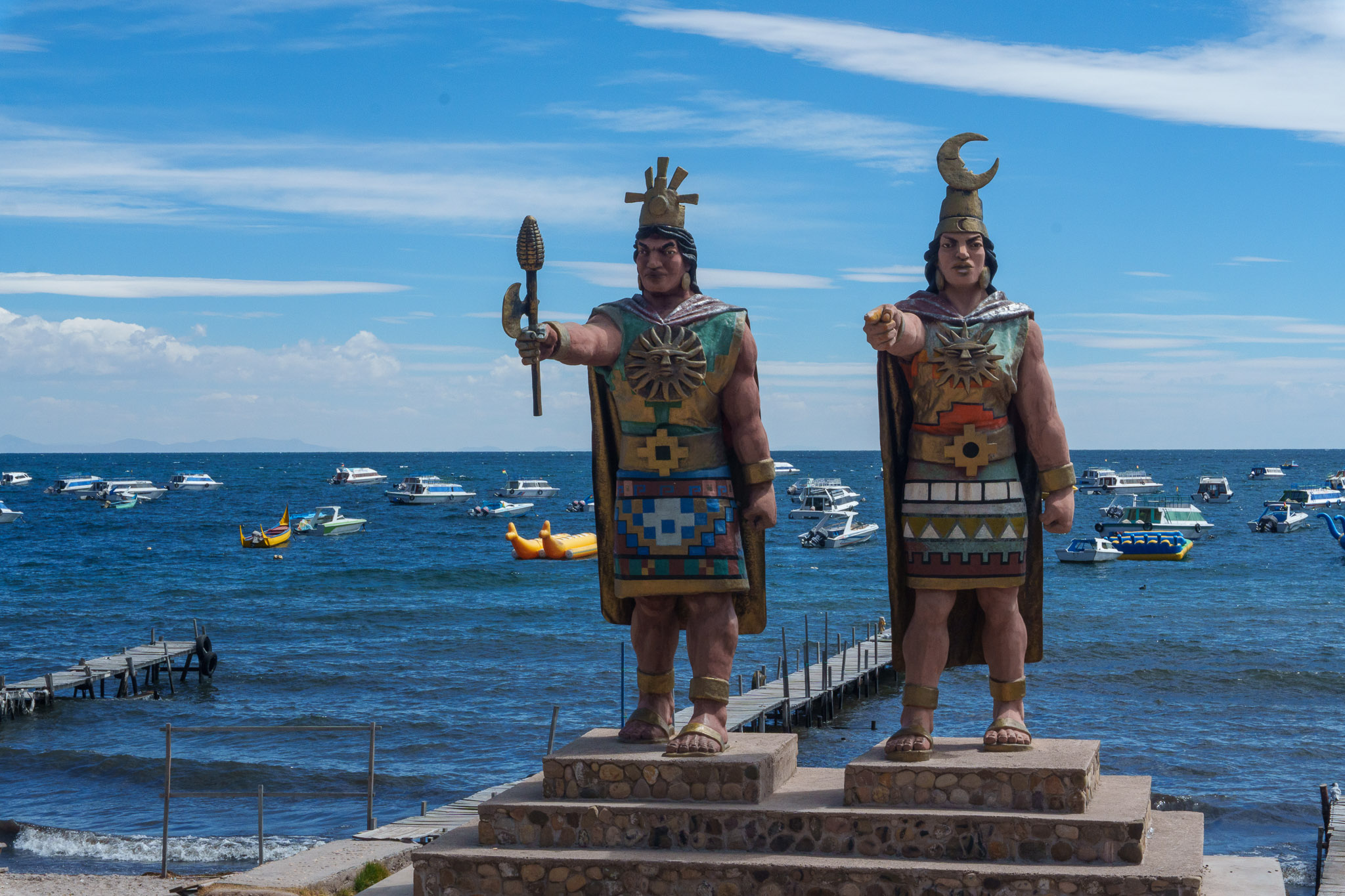
Incas conquered western Bolivia under Pachacuti from 1438-1471. Topa Inca expanded it into Qullasuyu territory with a million people. They built roads and fortresses like Incallajta but never tamed eastern lowlands tribes. Aymara kingdoms rebelled yet got Quechua settlers. Spanish arrived to topple it all by 1533.
22. The country is named after Simon Bolivar.
Simon Bolivar led independence wars across South America. His forces freed Upper Peru in 1825 under Sucre. Locals renamed it Bolivia to honor him – “If from Romulus, Rome; from Bolivar, Bolivia.” He wrote its first constitution reluctantly. The name stuck despite his mixed feelings.
23. Bolivia was once known as Upper Peru.
Spanish controlled it as Alto Peru under the Viceroy of Lima for centuries. Independence battles raged from 1810 to 1826 against Buenos Aires forces. Guerrillas fought 16 long years until Antonio José de Sucre's army won. The Chuquisaca congress declared it separate in 1825.
24. Bolivia abolished slavery in 1831.
Bolivia dropped slavery just six years after gaining independence. It moved faster than Chile's 1823 ban in Latin America. Haiti led the way back in 1804, but Bolivia jumped quick after Spanish rule. Indigenous workers shifted straight to the silver mines instead.
25. Potosi (Cerro Rico) was once the richest place in the world.
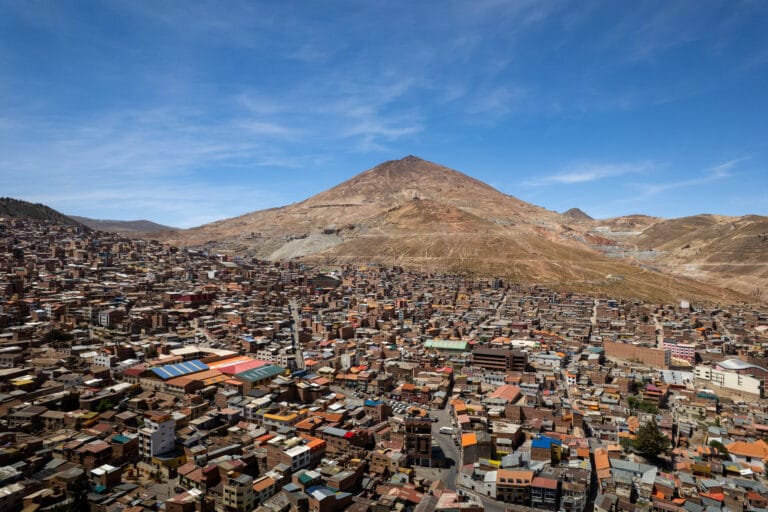
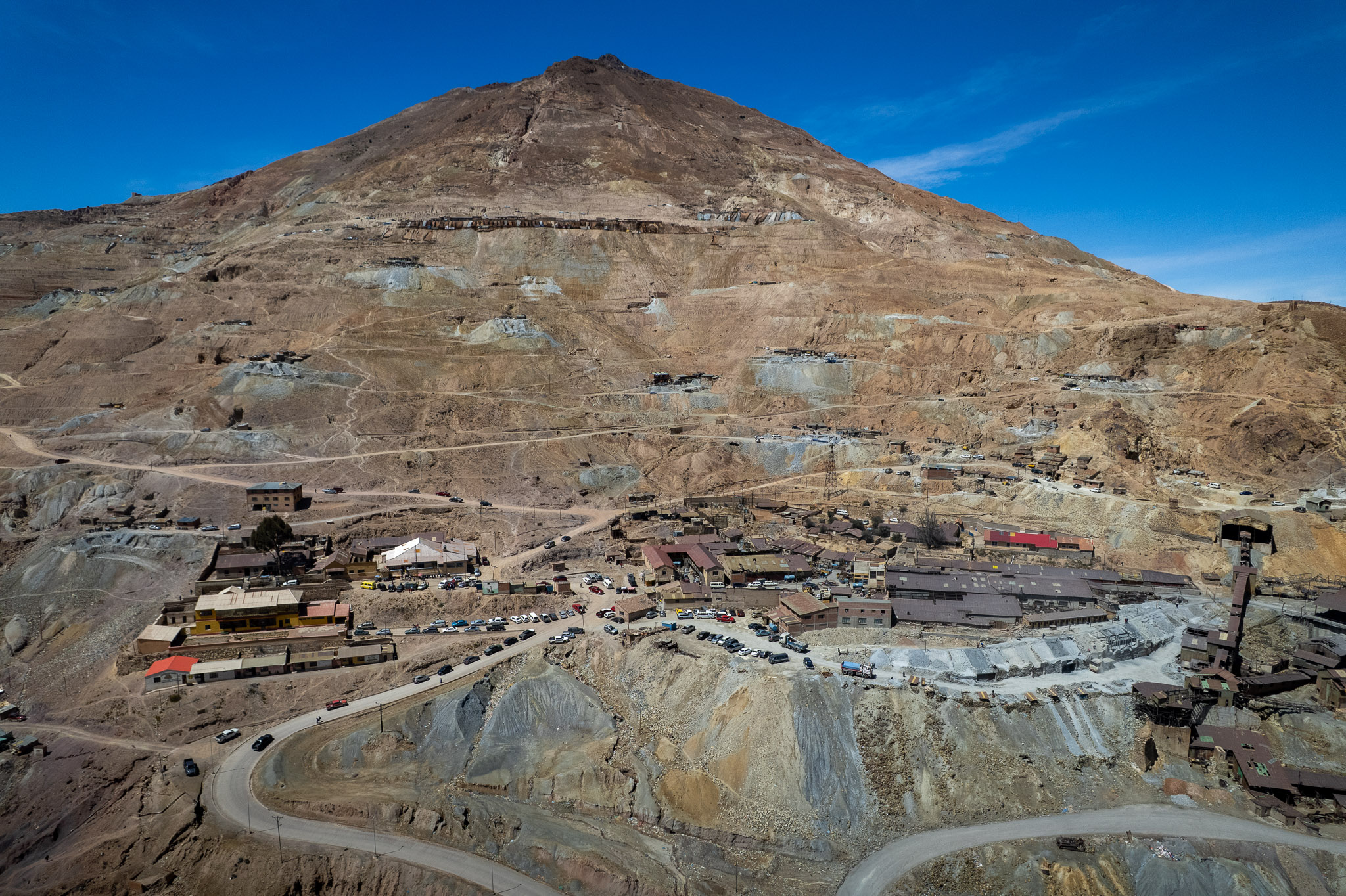
Cerro Rico's silver veins powered 80% of the world's supply from the 16th to 18th centuries. Spaniards started mining in 1545 after locals found the lode. It funded the entire Spanish Empire with 60,000 tons pulled out. Mountaintop removal carved its famous cone shape. Now endless tunnels threaten collapse.
You can visit those mines and see what miners' lives are like.
26. Millions died in Cerro Rico’s mine
Potosí exploded when Cerro Rico silver struck in 1545. Conquistadors forced indigenous miners into brutal underground shifts. The city pulled in crowds from across the globe, but millions died below. Silver caravans shipped it to Spain through Argentina. Veins finally ran thin by the 19th century.
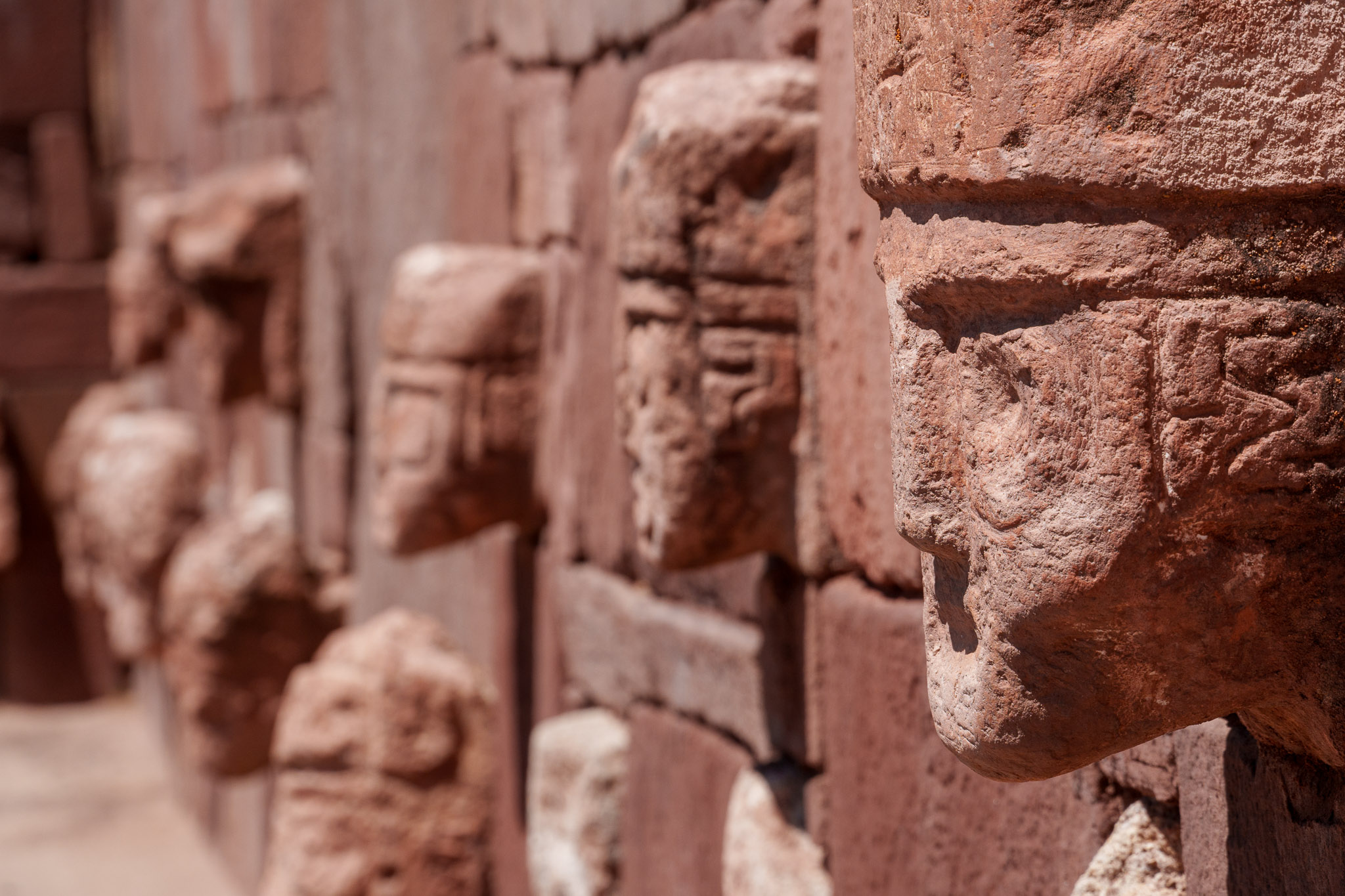
27. The ancient ruins of Tiwanaku are located in Bolivia.
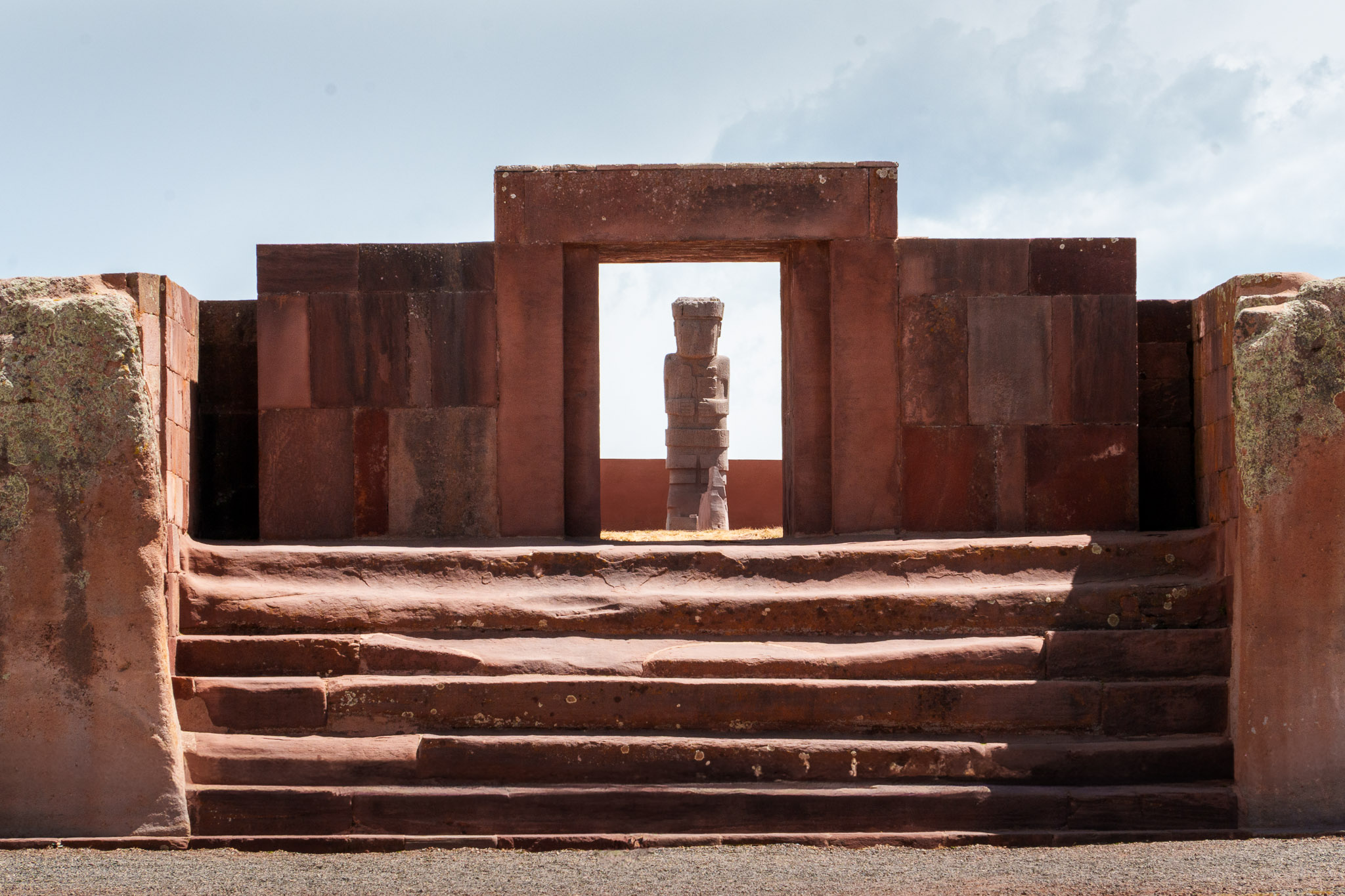
Tiwanaku rose near Lake Titicaca before the Incas as an early Andean powerhouse. A new temple discovery 130 miles south reveals trade hubs with chicha drinking cups. It connected highlands, herding lands, and Cochabamba farms around 1000 CE. The whole society vanished mysteriously soon after. Local farmers always knew the hill, but archaeologists just dug it up.
Knowledge About Bolivia Culture & Traditions
28. Bolivia has 37 official languages.
The 2009 constitution made Spanish plus 36 indigenous languages official nationwide. Aymara, Quechua, and Guarani stand out as the main ones. Some dialects barely hang on with just a handful of speakers left.
29. Spanish, Quechua, and Aymara are the most commonly spoken languages
Spanish covers about 70% of Bolivians across the country. Quechua really thrives in the Andes around Potosí and Cochabamba. Aymara takes over on the Altiplano near Lake Titicaca.
30. There’s a tradition where people hang skulls known as natitas in homes for good luck
Natitas turn decorated human skulls into household guardians for protection. Owners paint eyes on them, add cigarettes, and pray for love or money. The Fiesta de las Ñatitas fills La Paz cemeteries every November with believers. Some skulls even become local celebrities for their miracles.
31. Purchase miniature versions of things you want on Day of Alasitas for good luck
La Paz hosts the Alasitas fair in January selling tiny houses, cars, even diplomas. Aymara folks buy them to offer Ekeko, their god of abundance. They pin the minis to his figurine hoping real versions show up by year's end. Newspapers join in with miniature spoof editions.
32. Bolivia celebrates Day of the Sea to mourn lost coastline to Chile
March 23 brings Día del Mar since the 1879-83 War of the Pacific. Parades in La Paz plazas honor hero Eduardo Abaroa who fought to the end. The navy marches proudly even without an ocean – singing anthems to reclaim Antofagasta someday.
33. Tinku Festival is a traditional indigenous fighting festival where fights to the death are legal
Highland and lowland groups clash during May-June Tinku to settle old grudges. Men wear feathered helmets for one-on-one brawls until blood spills for Pachamama. Police swing whips through tear gas crowds while kids jump into the action.
34. Tinku dance is ritual combat for resolving conflicts via fistfights
Dancers recreate the fights with crouched kicks and punches during parades. Women rock feathers and embroidered jackets while men don helmets. Groups sync up for rhythmic mock battles that hype up every festival.
35. Misa del Gallo on Christmas Eve features midnight mass and fireworks
Church bells summon families for the Rooster's Mass at midnight on Christmas Eve. It celebrates Jesus' birth through late-night prayers and devotion. No home lights or carols beforehand – everything stays focused on faith and family.
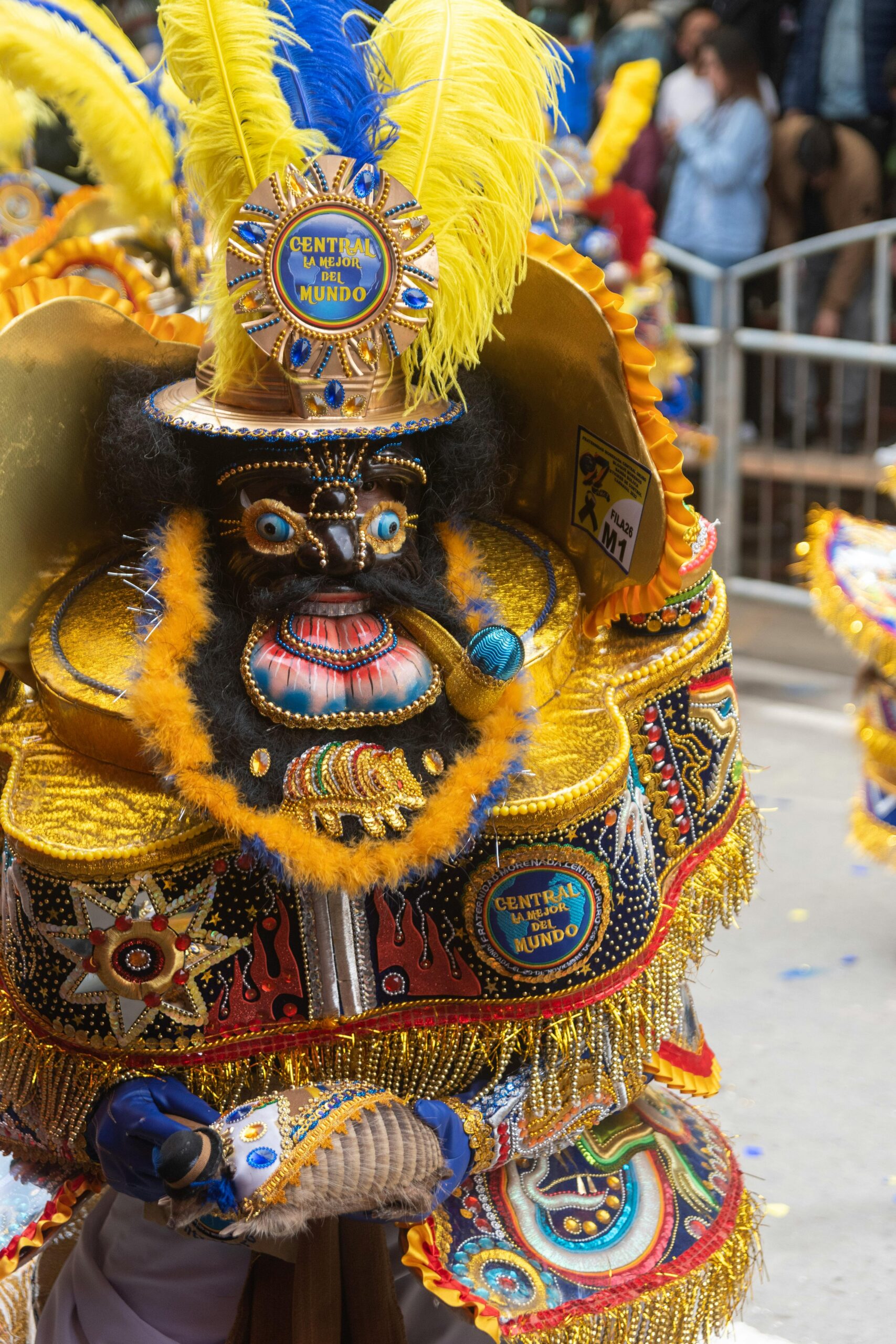
36. Andean festivals like Carnaval de Oruro and Diablada
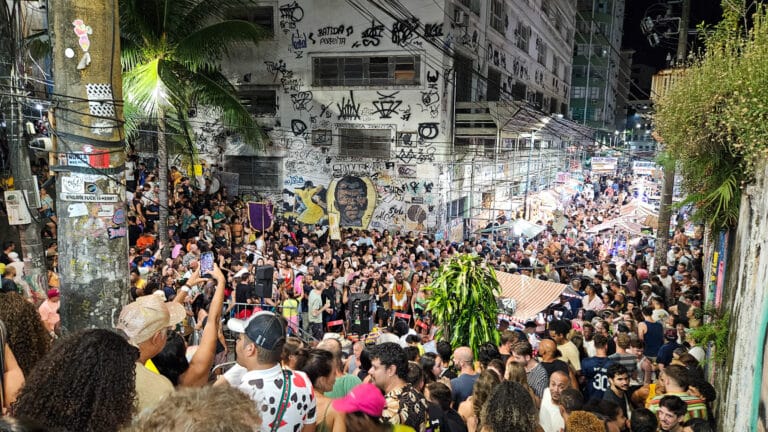
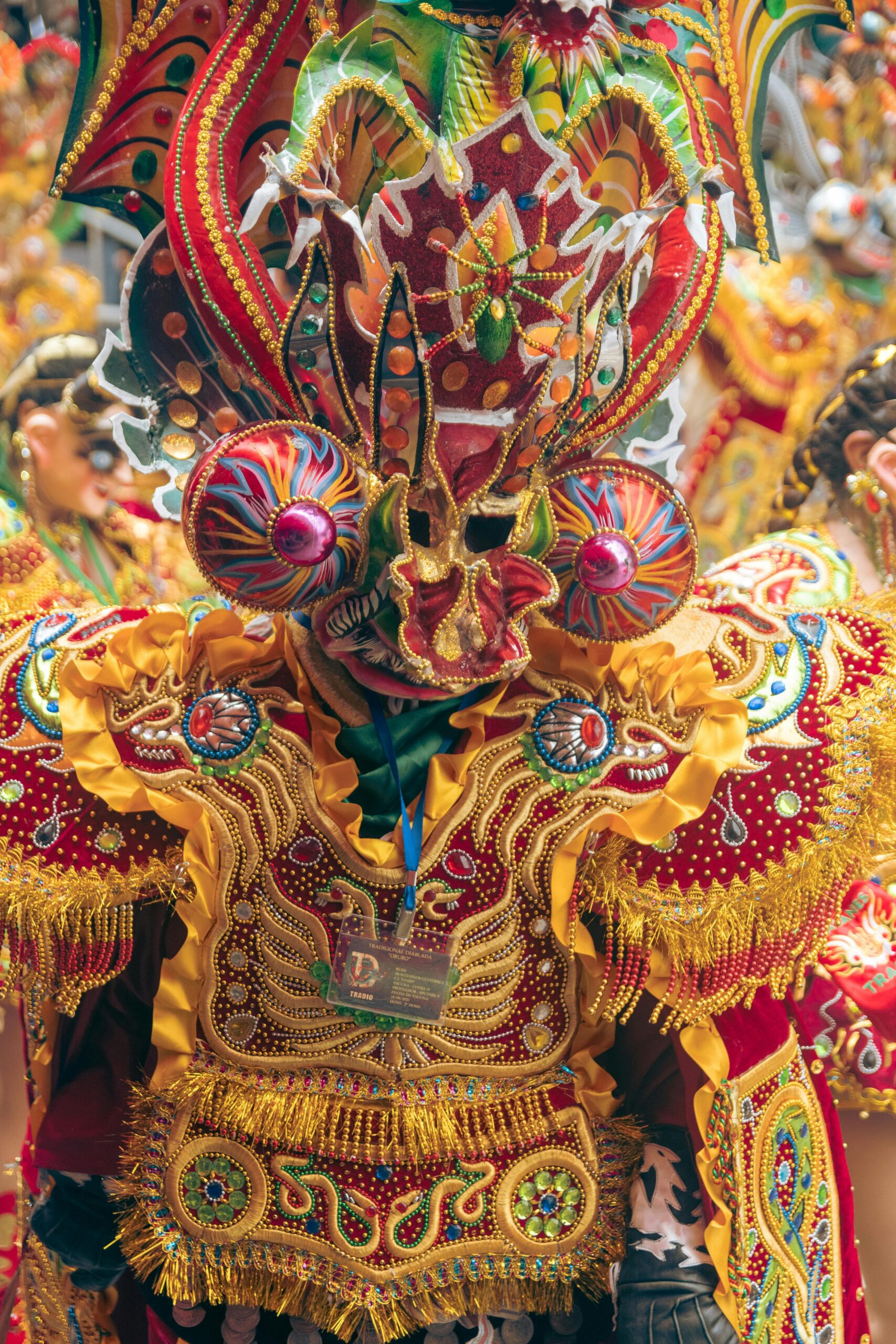
Oruro Carnival runs 18 days of UNESCO-listed dances led by Diablada devils. Miners pay tribute to the Virgin del Socavón through folk steps and rituals. Dazzling costumes shine as 50,000 dancers parade for the crowds.

Funny Facts About Bolivia Food
37. Bolivian cuisine features salteñas, a baked empanada
Salteñas burst with juicy meat stews made from beef, chicken, or pork. They mix in olives, raisins, potatoes, and hard-boiled egg inside a tender crust. That sweet-spicy jigote sauce melts right in your mouth. Pick one up for breakfast at stands in La Paz or Cochabamba.
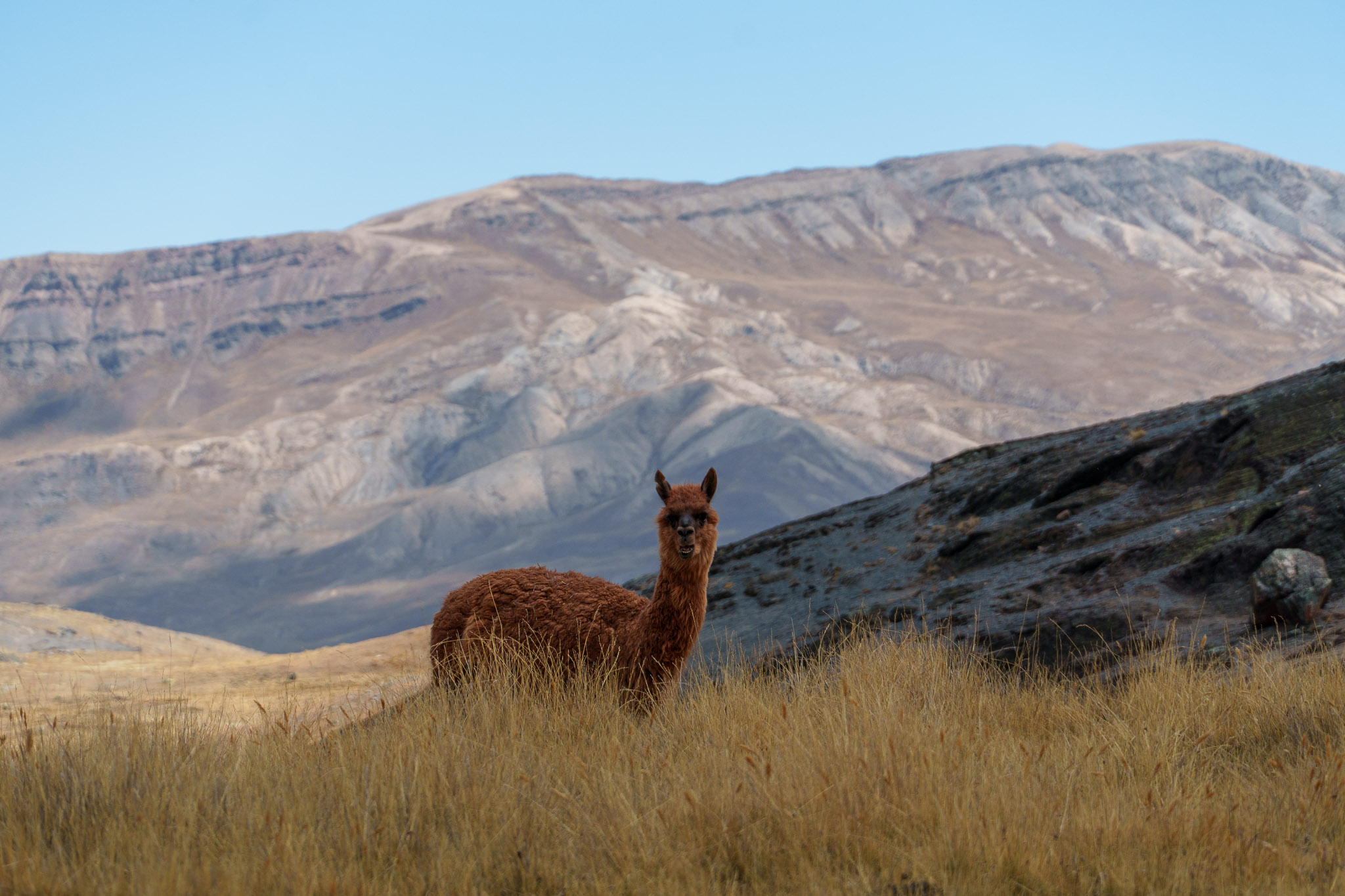
38. Llama meat is commonly consumed, and llamas serve as pack animals
Llama meat stands out as leaner and higher in protein than beef. Indigenous cooks love grilling steaks or simmering it with quinoa for hearty meals. Llamas double as pack animals hauling loads along those steep Andean trails. Fresh cuts go cheap at Oruro markets.
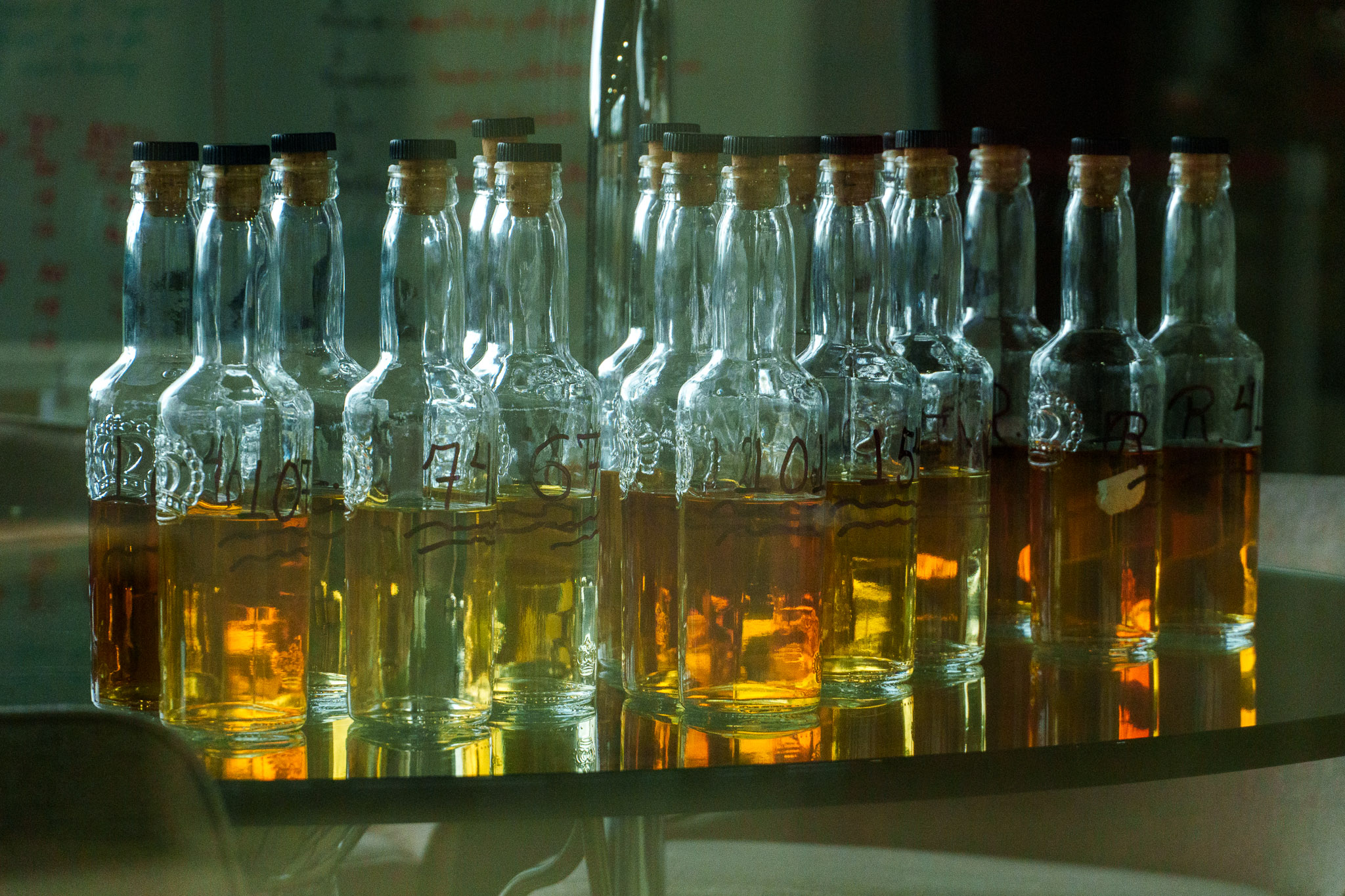
39. Singani is a traditional drink distilled from Muscat grapes
Singani distills only from high-valley white Muscat of Alexandria grapes. This national spirit clocks in at 40% ABV with smooth fruity notes. Shake up a chuflay with ginger ale or sip it neat. Tarija valleys produce the finest bottles.
40. In Yungas, chew or brew coca leaves for energy
Yungas farmers chew coca leaves with lime to beat altitude fatigue all day. They brew mate de coca tea that fights hunger and soroche sickness too. This legal tradition keeps miners and trekkers going strong. The Yungas is where the coca is produce, but you can see Bolivian on the whole Andes chewing coca leaves.
41. Guinea pig is a Bolivian delicacy
Cuy roasts whole with crispy skin for big Andean fiestas. They spice it up or fry it alongside fiery ají peppers. People domesticated it back in Inca times for that highland protein boost. It’s surely msot famous in Peru, but it is a dish too in Bolivia.
Fun Facts About Bolivia Animals
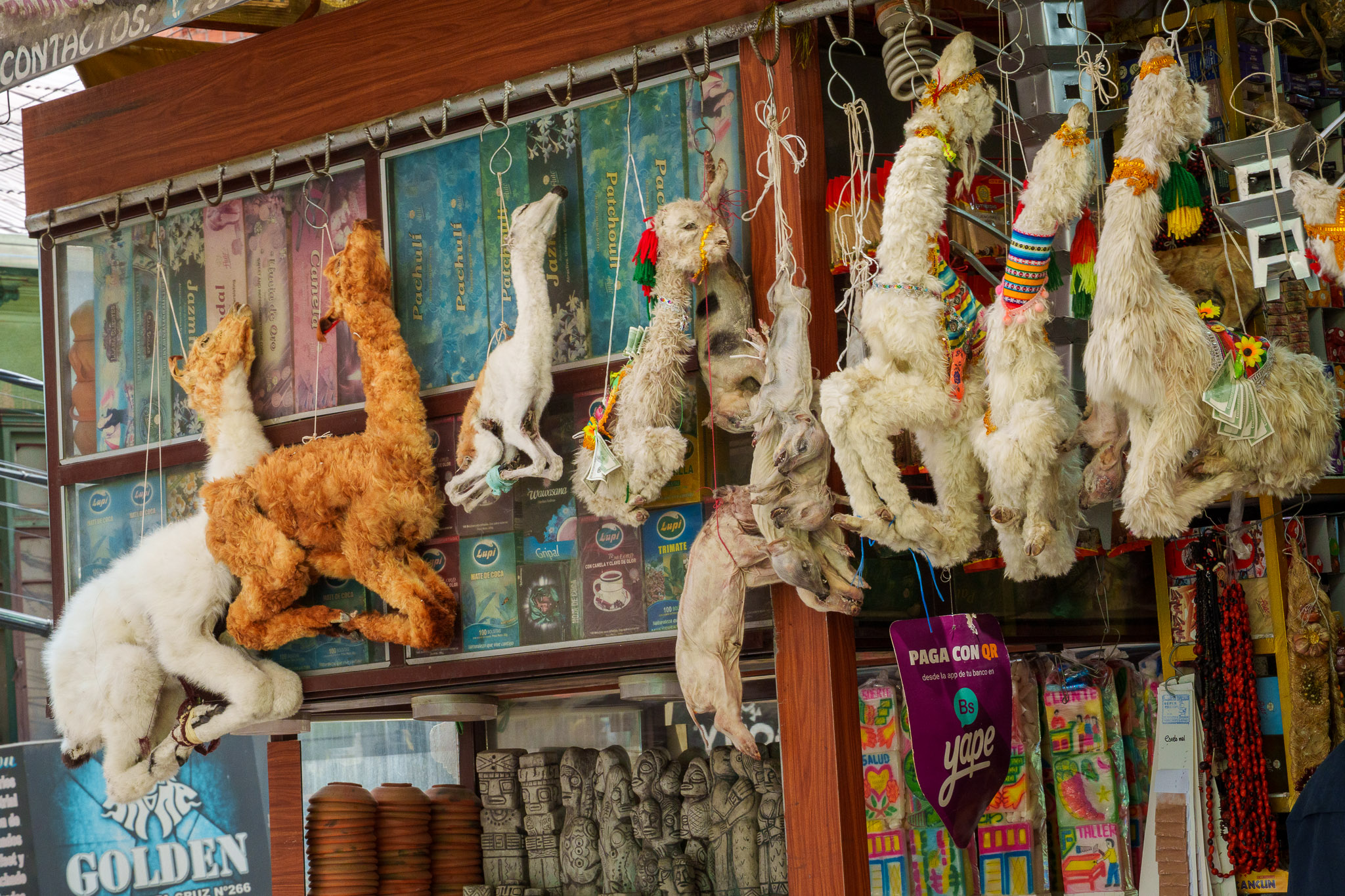
42. Llama fetuses sold at markets for good luck rituals
Dried llama fetuses line stalls at La Paz's Witch Market. People bury one under new homes to win Pachamama's protection. Most come from natural miscarriages so no live animals suffer. Wealthier folks sacrifice whole llamas for bigger blessings.
43. Bolivia has more than 300 species of mammals
Bolivia officially records around 300 mammal species ranging from jaguars to rare pacaranas. Medium and large mammals alone number 116 with over 31,000 individual sightings tracked. Bats and rodents fill out the rest in remote wild areas.
44. National animal is the Andean condor, one of the largest flying birds
The Andean condor stands alone on Bolivia's coat of arms among all animals. It boasts a 3.3-meter wingspan and can live up to 70 years. Aymara people view it as a sacred messenger from the sky.
45. Pink dolphins called bufeo in the Amazon River
Bufeo Colorado dolphins flush pink from blood vessels in Bolivia's Amazon waters. This local subspecies hunts fish with its long snout. Locals revere them as shape-shifters and guard them closely.
46. Madidi National Park is one of the most biodiverse areas on the planet
Madidi squeezes 272 mammals, 1,254 birds, and 496 fish into 18,958 square kilometers. Jaguars, tapirs, and giant otters roam from Andean peaks to Amazon lowlands. It consistently tops global biodiversity rankings.
47. Bolivia is one of the most biologically diverse countries
Bolivia cracks the top 15 worldwide – 11th for plants and 6th for birds. Over 17% of its land stays protected while claiming 40% of Amazon biodiversity. Butterflies and reptiles add even more variety.
48. Santa Cruz has the biggest national park in Bolivia
Kaa-Iya del Gran Chaco covers 34,411 square kilometers south of Santa Cruz. That's bigger than Belgium protecting Gran Chaco dry forests. Jaguars and peccaries call it home.
49. Bolivia has one of the world’s largest butterfly sanctuaries
Guembe Biocenter near Santa Cruz houses what claims to be the world's biggest butterfly dome. Thousands of butterflies flutter free in a huge enclosed space. The next-door aviary brings in macaws and toucans too.
Funny Facts About Bolivia Unique Traditions
50. Traffic zebras in zebra costumes direct streets in La Paz
La Paz started hiring at-risk youth as “zebras” back in 2001 to control crazy traffic. They dance around, hand out safety flyers, and block reckless drivers at busy crossings. The program slashed road deaths and now runs in other Bolivian cities too.
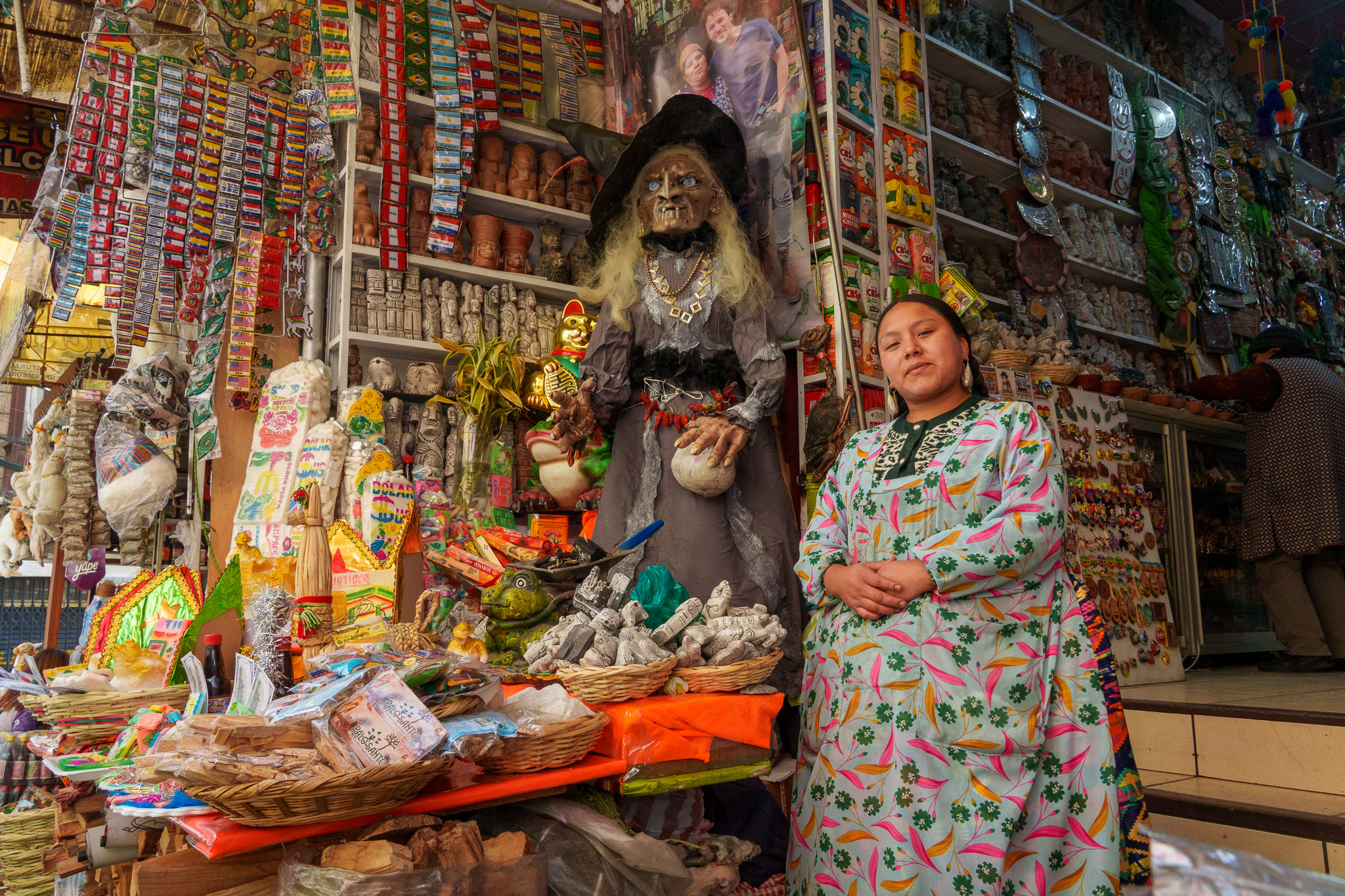
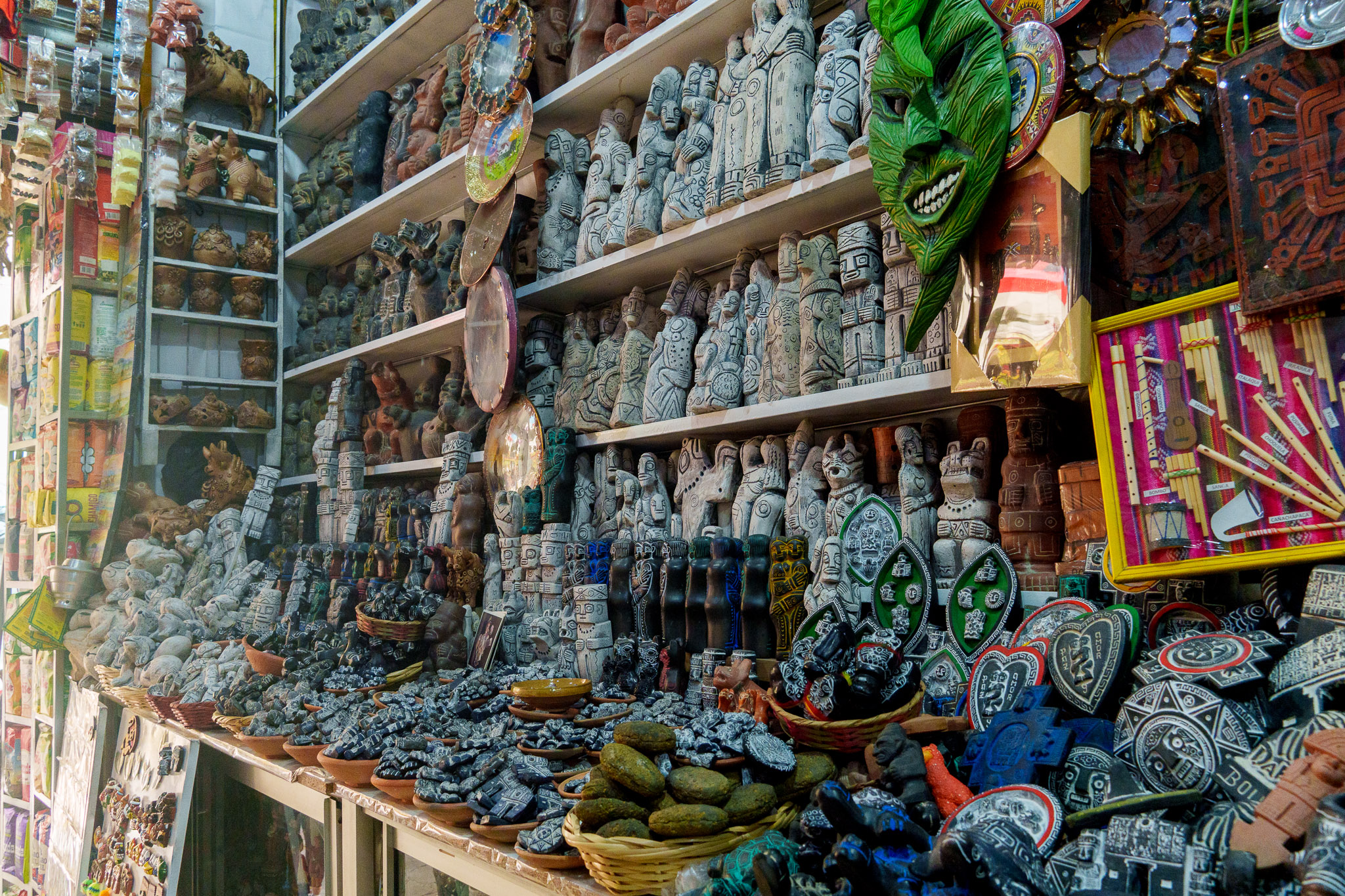
51. Witches’ Market in La Paz sells healing artifacts like dried frogs for luck
La Paz's Mercado de las Brujas overflows with potions, herbs, and lacquered frogs meant to bring cash luck. People tie coins to dried frogs and bury them under businesses. Stalls blend real Aymara magic with tourist souvenirs.
52. Tradition of building Witch Markets for herbs and potions
Witch Markets pop up across Bolivian cities beyond just La Paz for yatiri shamans. Shoppers grab love spells, health potions, even armadillos for rituals. The tradition mixes ancient Andean practices with Catholic influences.
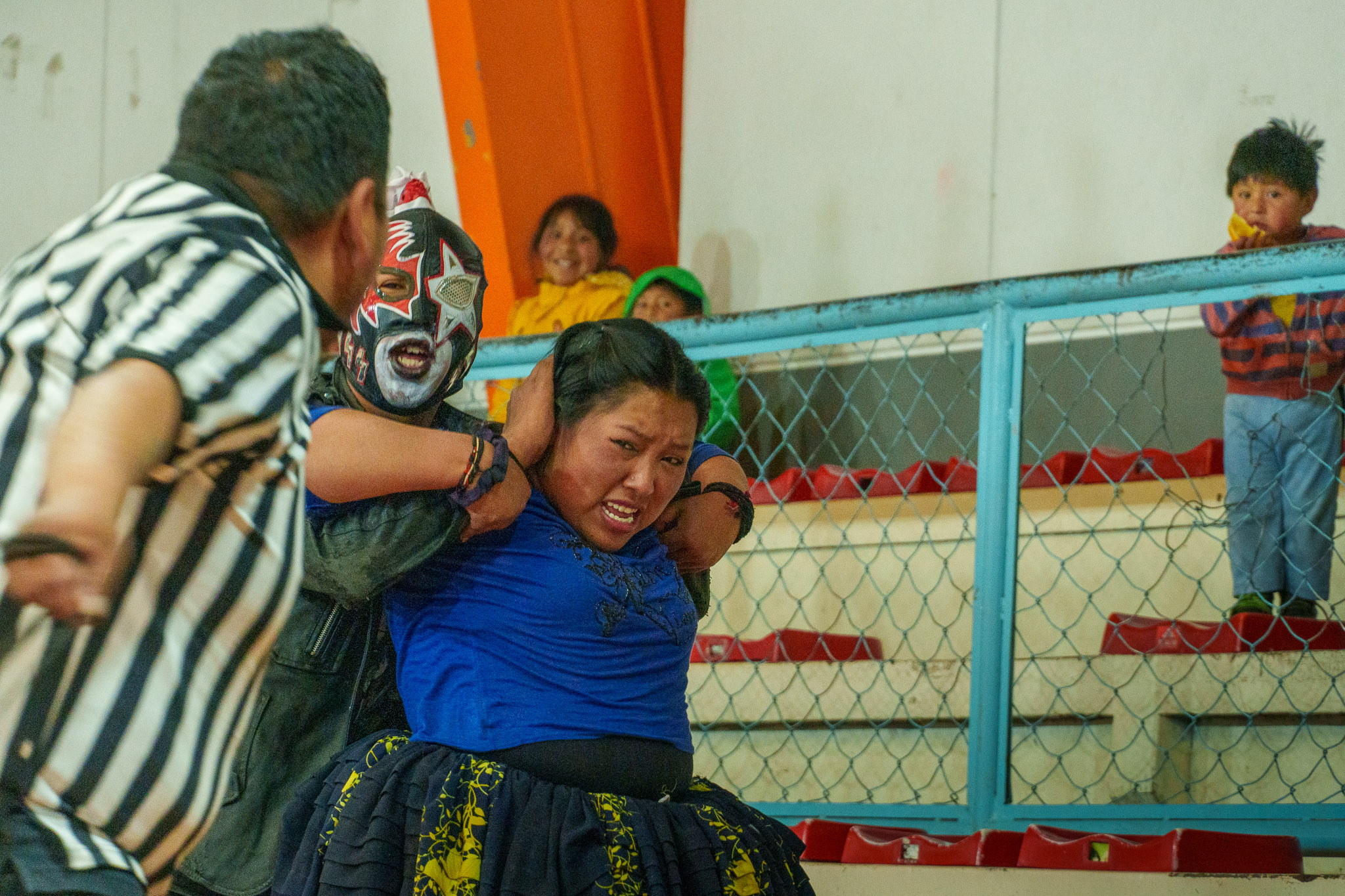
53. Cholita Wrestling is unique to Bolivia
Cholitas wear polleras and bowler hats while flipping opponents in El Alto rings every Sunday. Titans del Ring launched it in the early 2000s for excitement – now it packs 1,000 fans weekly. Indigenous women channel everyday frustrations into dramatic wrestling matches.
54. Carmelo Flores Laura lived to 123 years old
Aymara farmer Carmelo Flores Laura reached 123 years old in 2013 according to Bolivian records. He kept farming potatoes right up to the end in remote Totora village. Guinness considered it the oldest verified claim until church records burned.
55. Rude to refuse offered coca leaves
Andeans share coca leaves as sacred hospitality – saying no insults your host big time. Locals chew them with llqta paste to fight altitude sickness and stay energized. The custom beats hunger on those long mountain treks.
56. Bolivia enshrined being a plurinational state into its 17th constitution
The 2009 17th constitution renamed Bolivia a “Plurinational State” recognizing 36 indigenous nations. It blends state, private, cooperative, and communitarian economies. Evo Morales drove decolonization through indigenous self-rule rights.
Facts Bolivia's Economy
57. Bolivia is the world’s largest exporter of Brazil nuts and this is protecting the rainforest
Bolivia ships out 25,000 tons of Brazil nuts every year – leading the global trade. Harvesters climb 50-meter Amazon trees without chopping them down. Fairtrade programs pay locals to protect Pando and Beni forests instead.
58. Bolivia is one of the top three cocaine producers, but coca leaves are legal traditionally
Coca fields stay capped at 22,000 hectares for tea, chewing, and rituals across the country. Farmers legally employ tens of thousands thanks to Morales-era expansions. Bolivia pushes the UN and WHO to remove the leaf from drug lists.
59. Largest lithium deposit in the world
Uyuni Salt Flat contains 23 million tons – 38% of known global reserves in the Lithium Triangle. State company YLB runs pilot brine plants but produces just 3,500 tons yearly so far. President Arce wants battery factories to boost value over raw exports.
60. Official currency is the boliviano
The Central Bank pegs the boliviano (BOB) at 6.9 to the USD since 2012 for stability. Coins go up to 5 bolivianos while notes reach 200. Gas and zinc exports keep inflation hovering under 2%.
61. Bolivia has the largest indigenous population in Latin America
Census shows 41-62% identify as indigenous – about 2.8 million adults topping the region. Aymara and Quechua lead numbers in the Andes. Plurinational laws give them stronger economic influence.
62. Country has more than 200 indigenous groups
HighlandBolivia recognizes 36 nations speaking 36 languages from highlands to Amazon lowlands. Chiquitano and Guarani fill out the lowlands after Aymara and Quechua. Self-rule territories help local economies thrive. and lowland groups clash during May-June Tinku to settle old grudges. Men wear feathered helmets for one-on-one brawls until blood spills for Pachamama. Police swing whips through tear gas crowds while kids jump into the action.
What is Bolivia Known For - Politics & Modern Facts
63. Bolivia’s San Pedro prison is not a typical system
San Pedro prison in La Paz crams 3,000 inmates into space meant for 600 with no guards inside the walls. Prisoners buy or rent their own cells, run shops, brew alcohol, and even live with families. Drugs circulate freely and tourists used to visit until the 2016 ban.
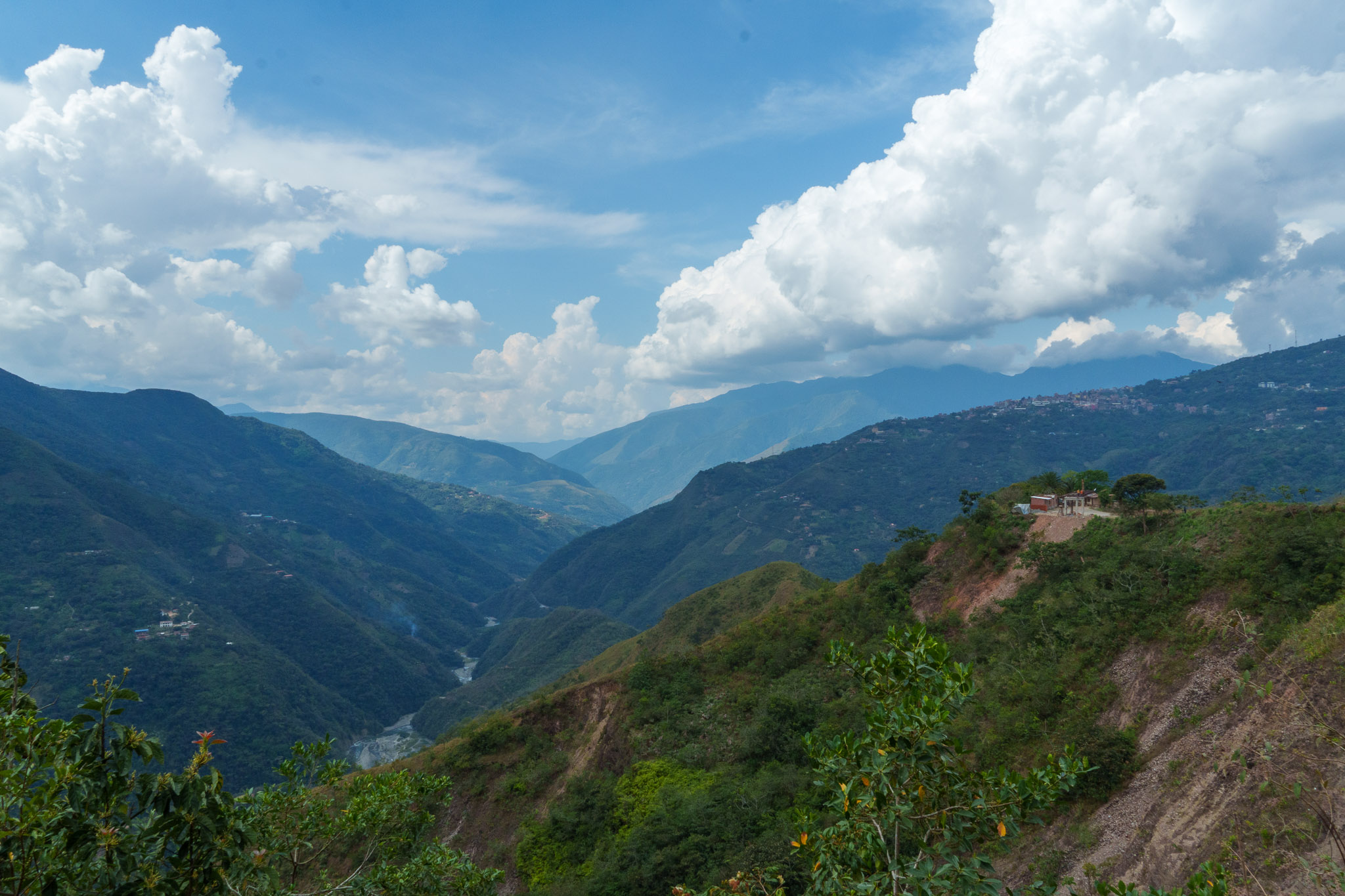
64. Bolivia has one of the world’s most dangerous roads
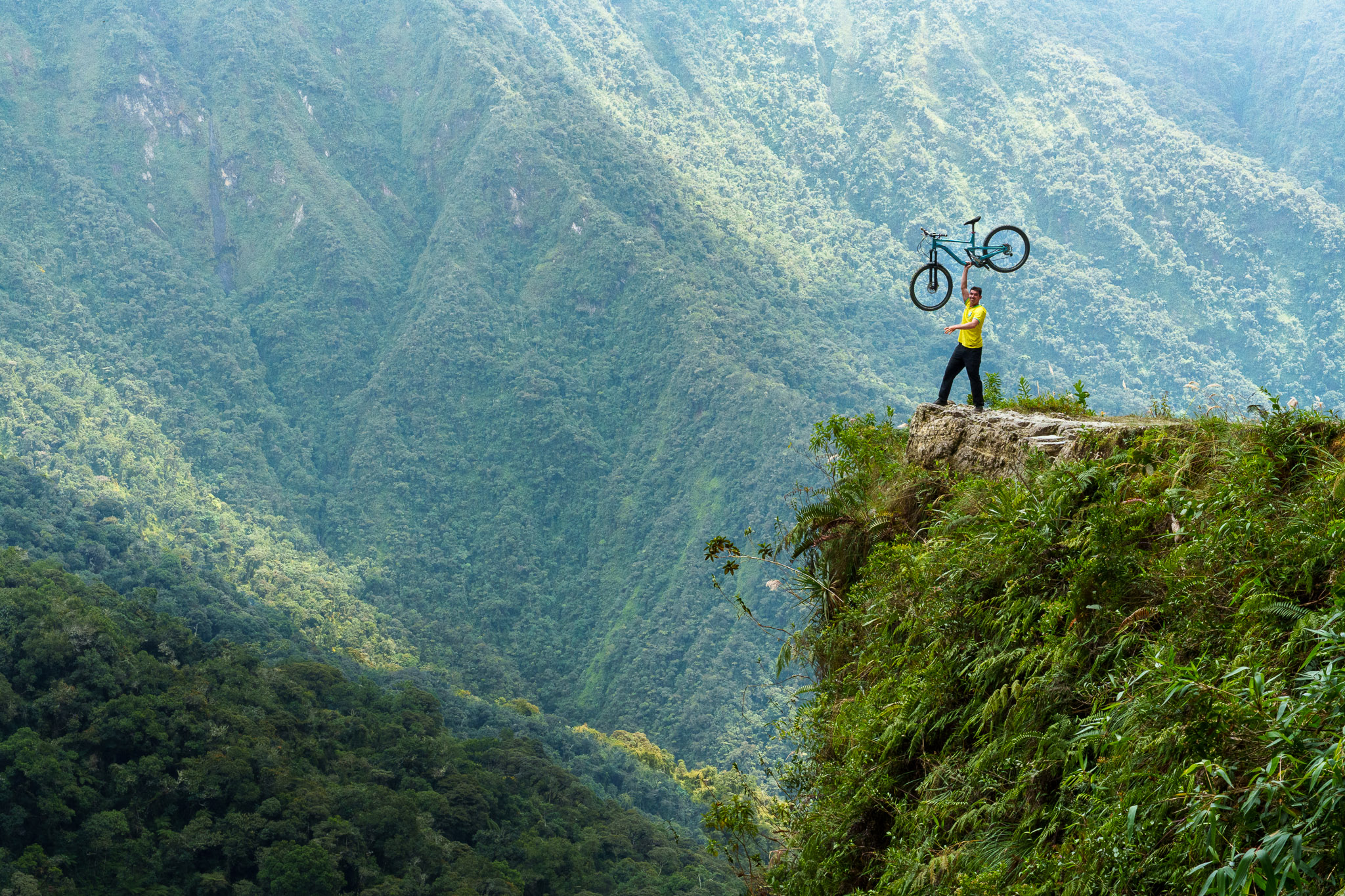
Yungas Road plunges 3,500 meters over 64 kilometers with sheer cliff drops and zero guardrails. It claimed 200-300 lives yearly before 1995 when mountain bikers turned it famous. Thrill tours now bike through the mud and waterfalls.
65. Bolivia’s Oruro Carnival is a UNESCO World Heritage event
UNESCO declared Oruro Carnival a 2001 Masterpiece of Oral and Intangible Heritage. Over 60,000 dancers and 20,000 musicians parade for 18 days honoring the Virgin del Socavón. Miners lead rituals blending Andean and Catholic traditions.
66. Carnival of Oruro features spectacular folk dances
Diablada devils, Morenada slaves, and Caporales strut in dazzling costumes through the streets. Tinku mock-fights pay tribute to Pachamama alongside brass bands. Plaza 10 de Noviembre draws 350,000 spectators every year.
67. 2009 constitution recognizes rights of nature
Bolivia's 17th constitution grants nature the right to exist, regenerate, and maintain clean water. It blocks mega-projects that damage ecosystems. Indigenous beliefs place Pachamama at the center over exploitation.
68. Law of Mother Earth grants nature equal rights to humans
The 2012 Law 300 names Mother Earth a legal subject with 11 specific rights. A Plurinational Authority enforces balance against pollution and destruction. Evo Morales linked it to traditional Andean harmony with the planet.
69. Bolivia has 7 UNESCO World Heritage Sites
Potosí's silver city, Sucre's historic core, and Tiwanaku ruins headline the cultural sites. Jesuit missions in Chiquitos and Noel Kempff Mercado park mix in natural wonders. Qhapaq Ñan roads connect ancient Inca networks.
70. Vote at 18 if married, 21 if single
Bolivians cast secret ballots starting at 21, or 18 if married – everyone registers with ID beforehand. Voting stays compulsory from 18 to 75 with high turnout rates.
Conclusion
Freebie For You !
Thanks for sticking around until the end — that really means a lot. To show my appreciation, I’ve prepared something special for you: a Travel Guide 101 packed with my favorite tips, useful websites, and practical info to help you plan your next adventure.