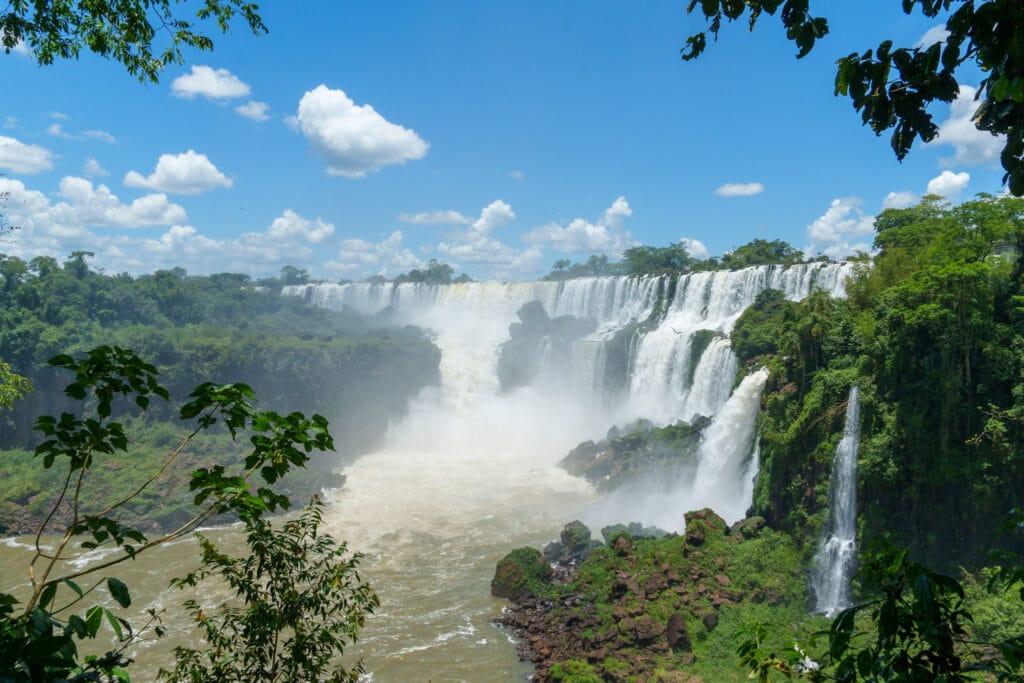
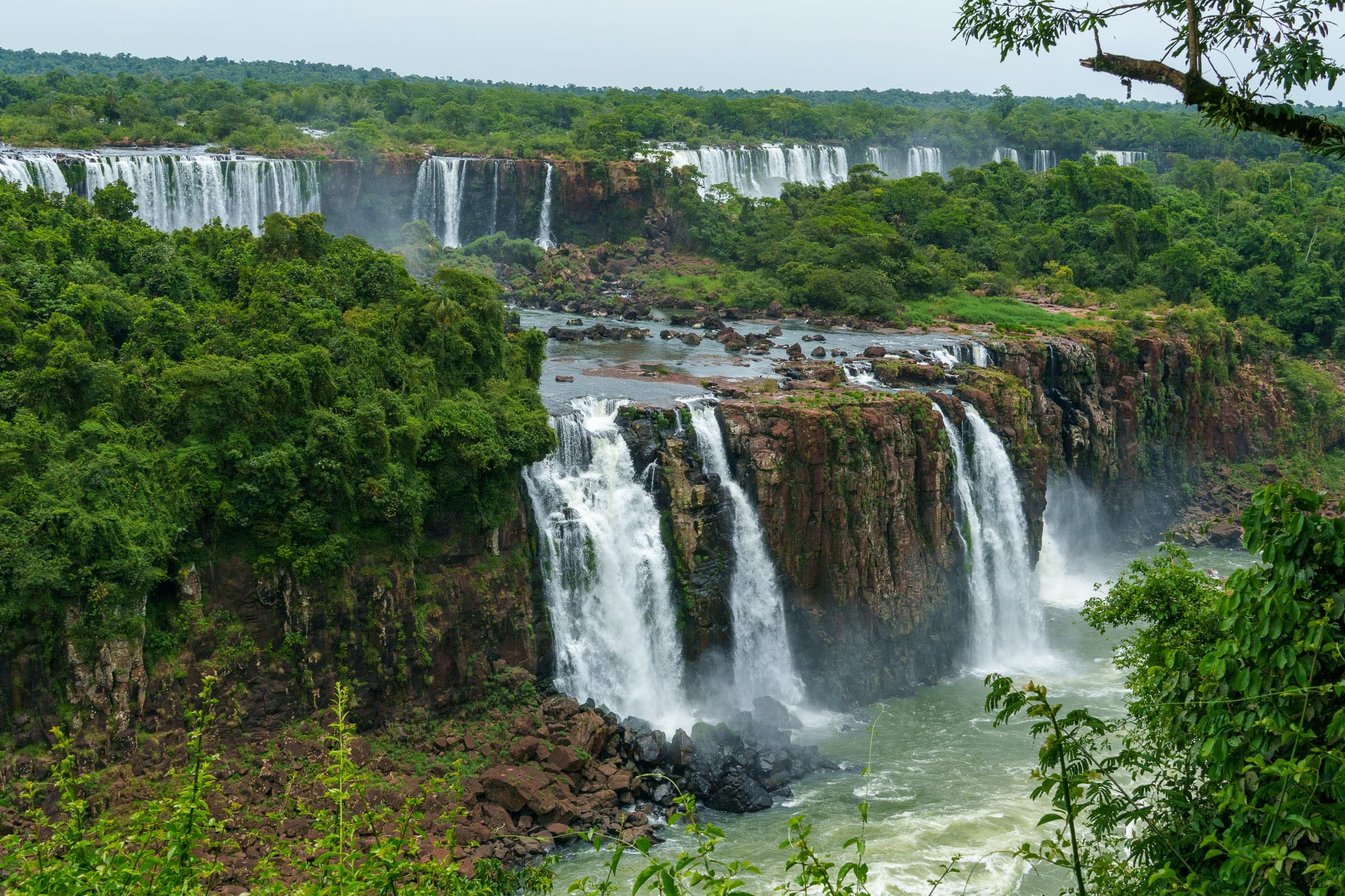
Iguazu Falls sits on the border between Brazil and Argentina, where 275 individual waterfalls thunder across nearly 3 kilometers of subtropical forest. This is one natural wonder you need to see once in your lifetime.
I've visited twice, and both times I stood there thinking the same thing – pictures don't capture the raw power of this place.
I'm sharing everything I learned from my visits so you can experience Iguazu Falls in the best way. Which side is better (spoiler: you need both), how to get there, where to stay, and which Iguazu Falls tours are worth your money.
Intro Intro
Table of Contents
The Essentials
- Visit both sides – Brazil for panoramic views, Argentina for close-up experience
- Allow 2 full days minimum – one day per side to explore properly
- Best time: April-May or September-October for clear water and smaller crowds
- Self-guided visits work perfectly, or book tours for zero-hassle exploration
- Day trippers can skip passport stamps when crossing by bus
Understanding Iguazu Falls
Do we say Iguaçu, Iguazu or Iguassu?
All three spellings are correct – it just depends on which side of the border you're standing on. Iguazú is the Spanish spelling used in Argentina, Iguaçu is the Portuguese spelling used in Brazil, and Iguassu is the older English spelling you'll see in guidebooks.
The name comes from the Guaraní indigenous language, combining “y” (water) and “guasu” (big) – literally meaning “big water”.
I use Iguazu throughout this guide because it's the most common international spelling, but you'll see all three versions on maps, signs, and tours.
Why is it famous?
Iguazu Falls is one of the largest waterfall systems on the planet, with 275 individual cascades stretching across 3 kilometers of river. A Spanish explorer named Alvar Nuñez Cabeza de Vaca stumbled upon them in 1541 during a journey from what's now Asunción, Paraguay, calling them “Saltos del Santa Maria”.
The falls became protected when Argentina established Iguazu National Park in 1934, followed by Brazil creating their side in 1939. UNESCO recognized both parks as World Heritage Sites in the 1980s, cementing their status as natural wonders worth protecting for all humanity.
Here's what makes them genuinely impressive – the water flow can reach 24.2 million liters per second during peak rainy season, compared to a normal 1.5 million liters.
That's enough water to fill an Olympic swimming pool in less than half a second !
This is for one of the most beautiful spot to discover in Latin America, that are affordable for backpackers.
Where are the Iguazu Falls?
Iguazu Falls sits at the triple frontier where Brazil, Argentina, and Paraguay meet. The Iguazu River marks the border between Brazil and Argentina, and the falls themselves are shared only between these two countries – Paraguay doesn't get a piece of the waterfall action.
On the Brazilian side, you'll base yourself in Foz do Iguaçu, a city of about 260,000 people built around tourism and the nearby Itaipu Dam. The Argentine side has Puerto Iguazú, a smaller, more laid-back town that feels less developed.
Paraguay's Ciudad del Este sits across the river, famous for its massive shopping malls selling electronics and goods at duty-free prices. Some travelers make a quick afternoon run for cheap deals.
The Weather: Best time to visit Iguazu Falls
Iguazu Falls sits in a subtropical climate with distinct wet and dry seasons. The rainy season runs from November through March, with November being the wettest month of the year. During this time, water volume peaks and the falls are at their most powerful – but there's a catch.
Heavy rainfall turns the water muddy brown as sediment washes into the river from surrounding areas. The normally clear water becomes thick with dirt, and during extreme flooding, the Brazilian side sometimes closes walkways for safety.
Both times I visited Iguazu Falls were in late November. I visited both sides on different days and it was pretty sunny, with the water being more brown than blue. But it can really depend on if there was a storm days before. This will primarily impact the water color and volume.
Winter months from June to September offer drier conditions with clearer water, though lower flow rates. April-May and September-October hit the sweet spot – you get 70-85% of the water volume without the intense heat, afternoon storms, or crowds. If I were planning another visit, I'd aim for late April or early May.
Peak Season
December through February is peak tourist season, when Southern Hemisphere summer vacations, Brazilian school holidays, and international visitors all converge at the falls. January is the absolute busiest month – expect packed walkways, long waits for boat rides, and hotel prices that jump 50-100% above normal rates.
The second half of July brings another crowd surge when Argentine winter school holidays hit. Semana Santa (Holy Week) in March or April turns the parks into chaos – hotels fill up months in advance and rates skyrocket.
Here's what I learned about avoiding the worst crowds – visit during the weekdays (Tuesdays and Wednesdays are perfect) and try to arrive at opening time. With this setup, you'll have fewer people around you and enjoy the waterfalls more.
Getting to Iguazu Falls
From Brazilian Side
Foz do Iguaçu International Airport (IGU) connects to all major Brazilian cities with direct flights. You can fly direct from São Paulo, Rio de Janeiro, Curitiba, Brasília, Porto Alegre, and Belo Horizonte.
Flying is the smart move if you're coming from anywhere beyond southern Brazil. Buses are an option but they eat up serious travel time. Even from Curitiba, the nearest major city, you're looking at 10-11 hours on the road.
I've done both – flying and taking the bus. The plane was cheap thanks to some discount, but on the return trip it wasn't, so I took the bus. It's seriously slow and annoying. It's a way of traveling for backpackers, but have a look at those flights because sometimes they're very cheap, like $50-100.
Buenos Aires to Iguazu Falls
Buenos Aires to Iguazu Falls is roughly 1,073 km, and you have two realistic options. Flying takes about 4 hours door-to-door including airport time, while the bus requires 16-21 hours depending on which service you choose.
It's kind of the same options as the Brazilian side, but because Buenos Aires is bigger and the capital of Argentina (compared to Curitiba, a large city in Brazil), many more people take the bus on the Argentine side.
So yeah, check the flights first, and if they're full or too expensive, choose the night bus. But I'd suggest you bring a book or download some movies before going.
Bus to the National Park of Iguazu
Getting to both parks by public bus is straightforward and cheap – you just need to know which bus to catch and where it stops.
Brazilian side: Take bus 120 from the Terminal Transporte Urbano (TTU) in downtown Foz do Iguaçu. The sign on the front says “Parque Nacional/Aeroporto” since it stops at the airport before continuing to the park entrance. Buses run every 30 minutes throughout the day.
Argentine side: Buses depart from the Puerto Iguazú terminal on Avenida Córdoba to the park entrance every 15-30 minutes from 7:00 AM to 7:00 PM. Rio Uruguay is the main company running this route.
The journey takes 20-25 minutes to cover the 18 km along Ruta 12 to the park. The destination “Cataratas” is displayed in huge letters on the front of the bus, making it impossible to miss.
Crossing the border by bus: This is where it gets slightly complicated but totally doable. You need to take multiple buses and get off at both immigration checkpoints to get your passport stamped only if you won’t coming back.
If you're crossing the border just for the day, you don't need to stamp your passport and can stay on the bus waiting for the others to stamp theirs. Just to be sure, ask your driver, but this was the actual way of doing it last time I visited in November 2025.
Visit the Iguazu Falls on Both Sides
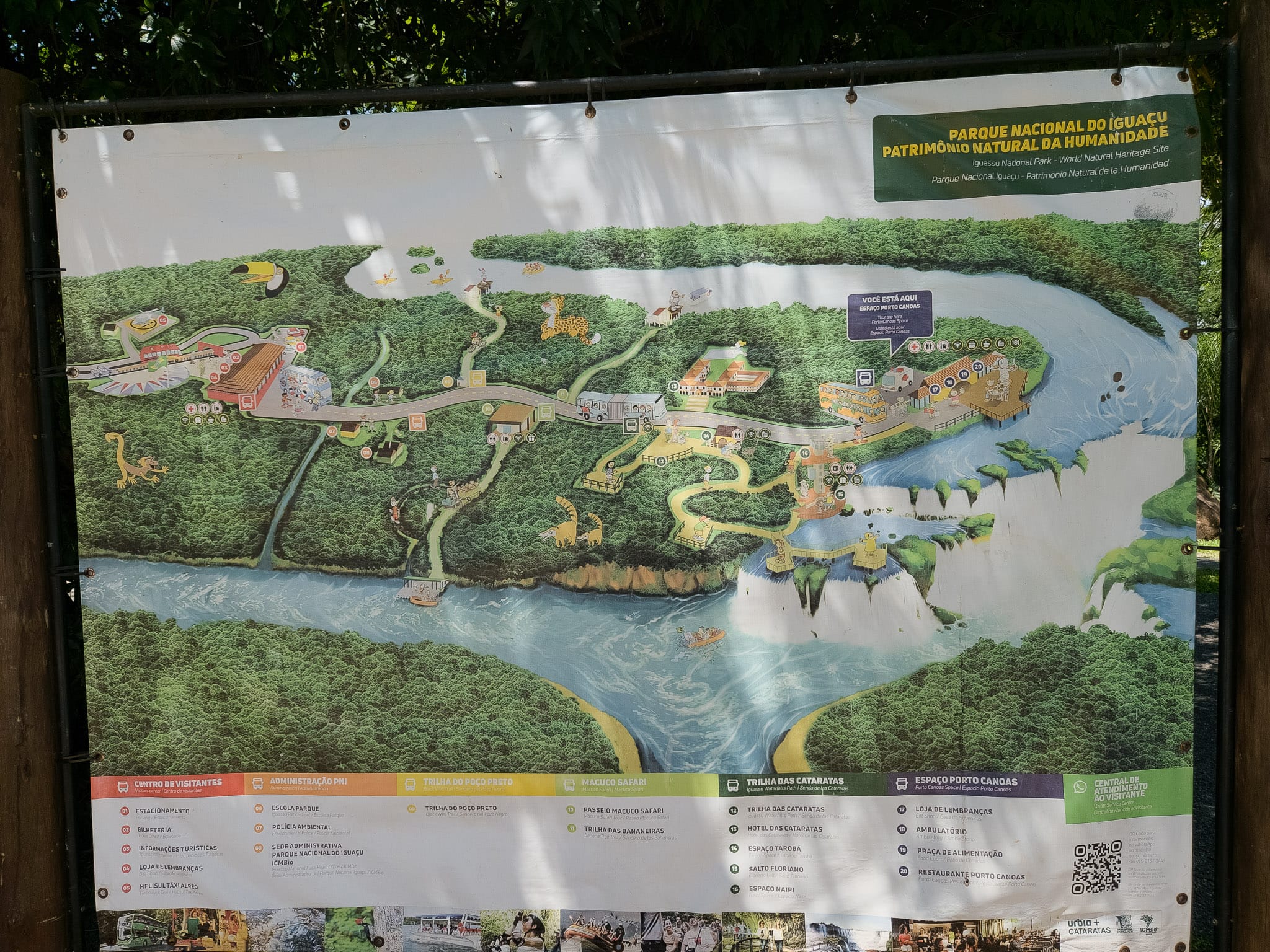
Both sides feature visitor centers with viewpoints, restaurants, and well-maintained trails to explore. Each delivers a completely different perspective of the waterfalls – the Brazilian side gives you the panoramic “postcard” view, while the Argentine side puts you right in the middle of the action.
Brazilian Side
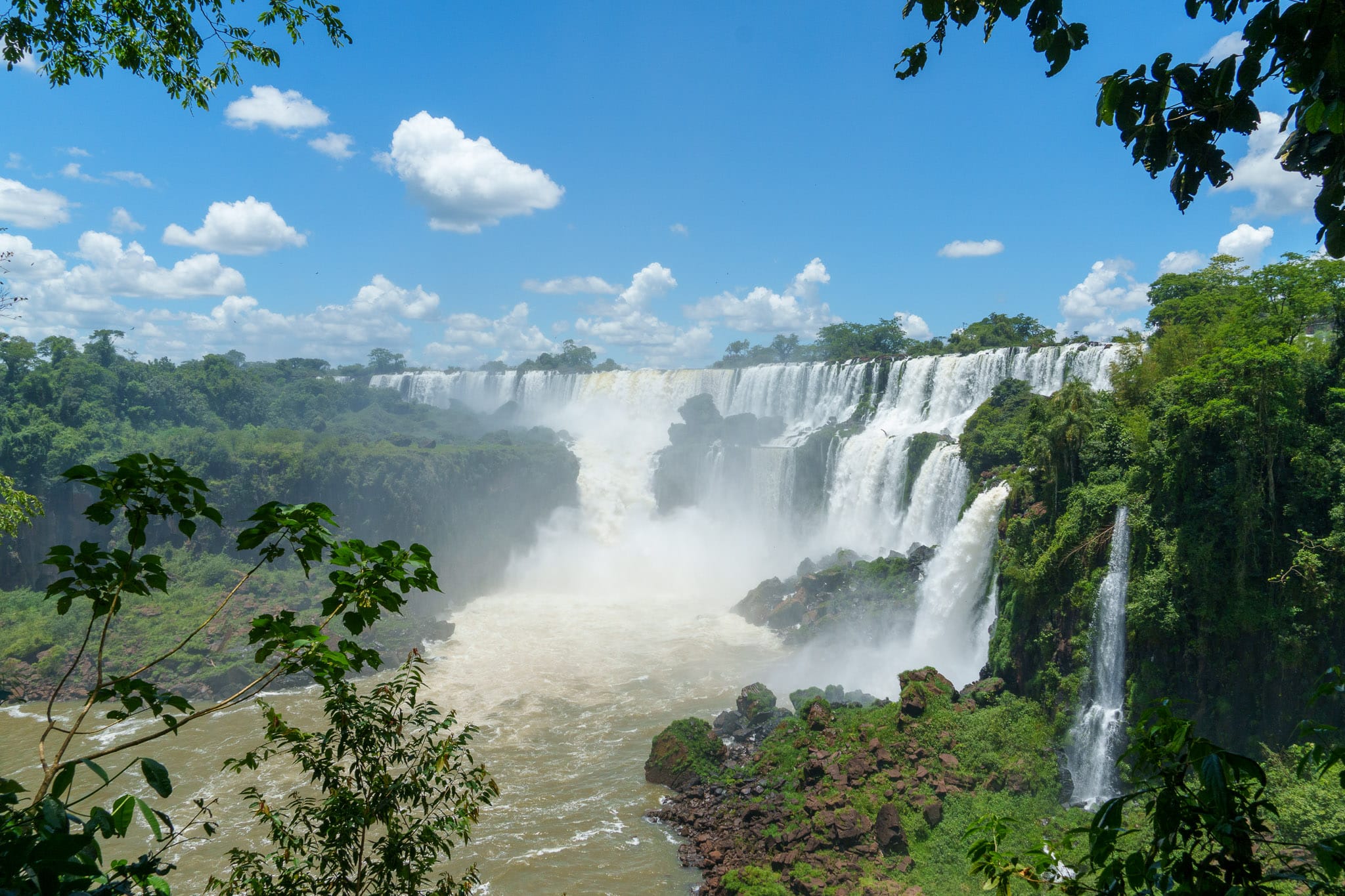
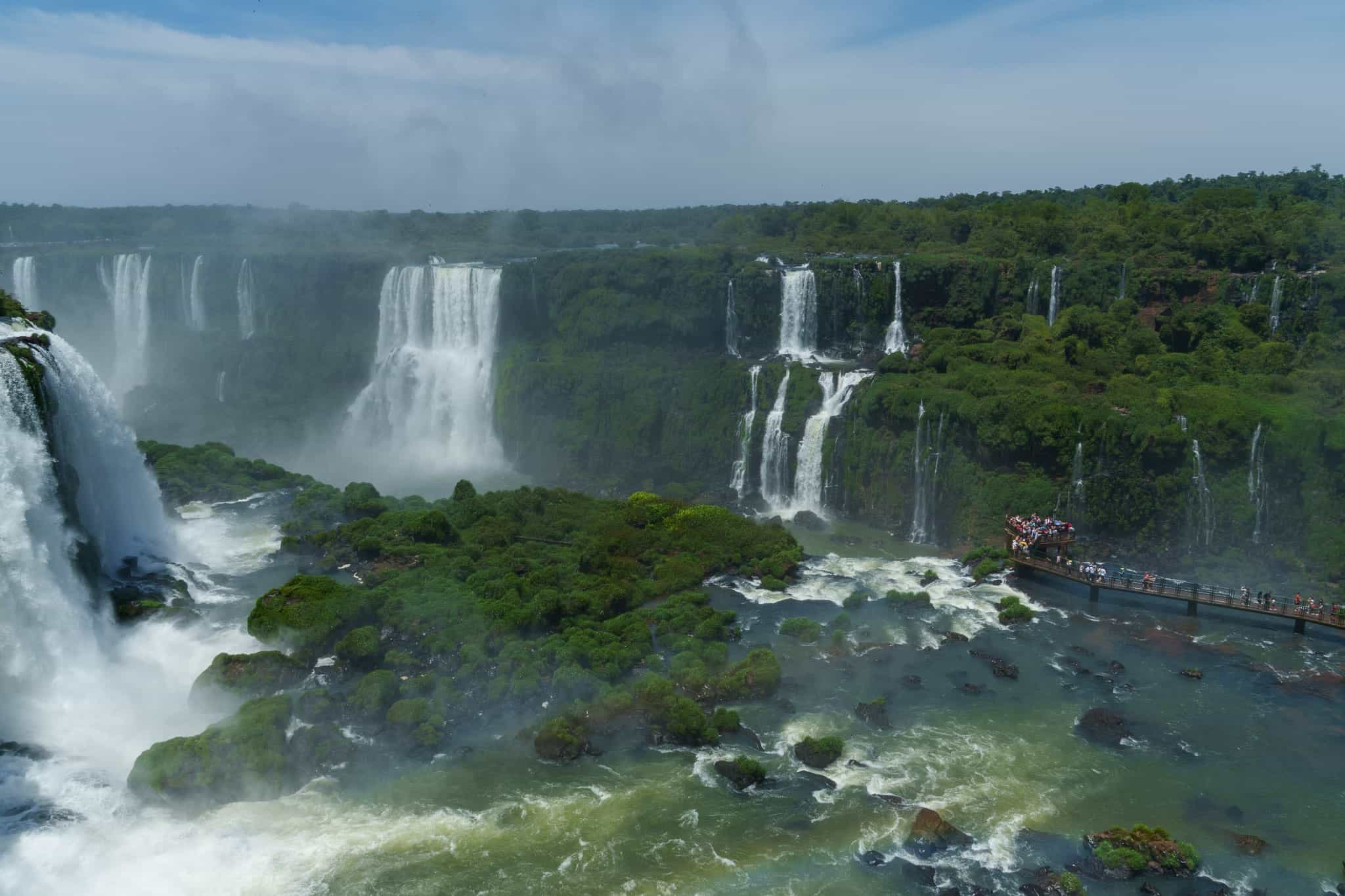
The Brazilian Iguazu Falls side is all about that sweeping panorama. You get one main trail about 1.6 km long that runs along the opposite riverbank, giving you front-row seats to watch the Argentine falls crash down across the gorge.
The walk takes about 90 minutes at a relaxed pace, with multiple designated photo stops along the way. The trail is paved, mostly flat, and accessible for wheelchairs – anyone can do this walk. You ride a bus from the visitor center to the trailhead, then follow the path as it gradually brings you closer to the falls.
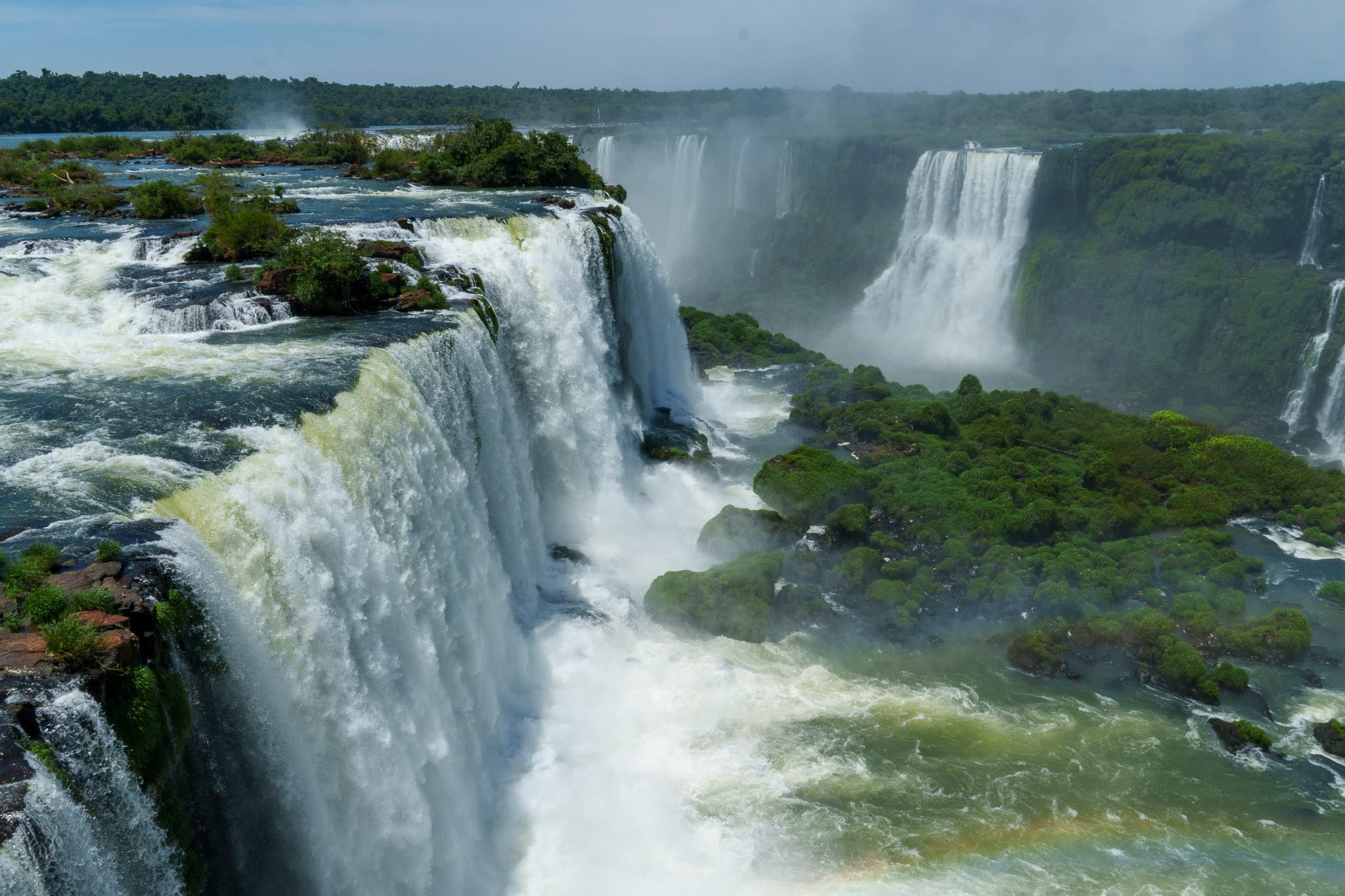
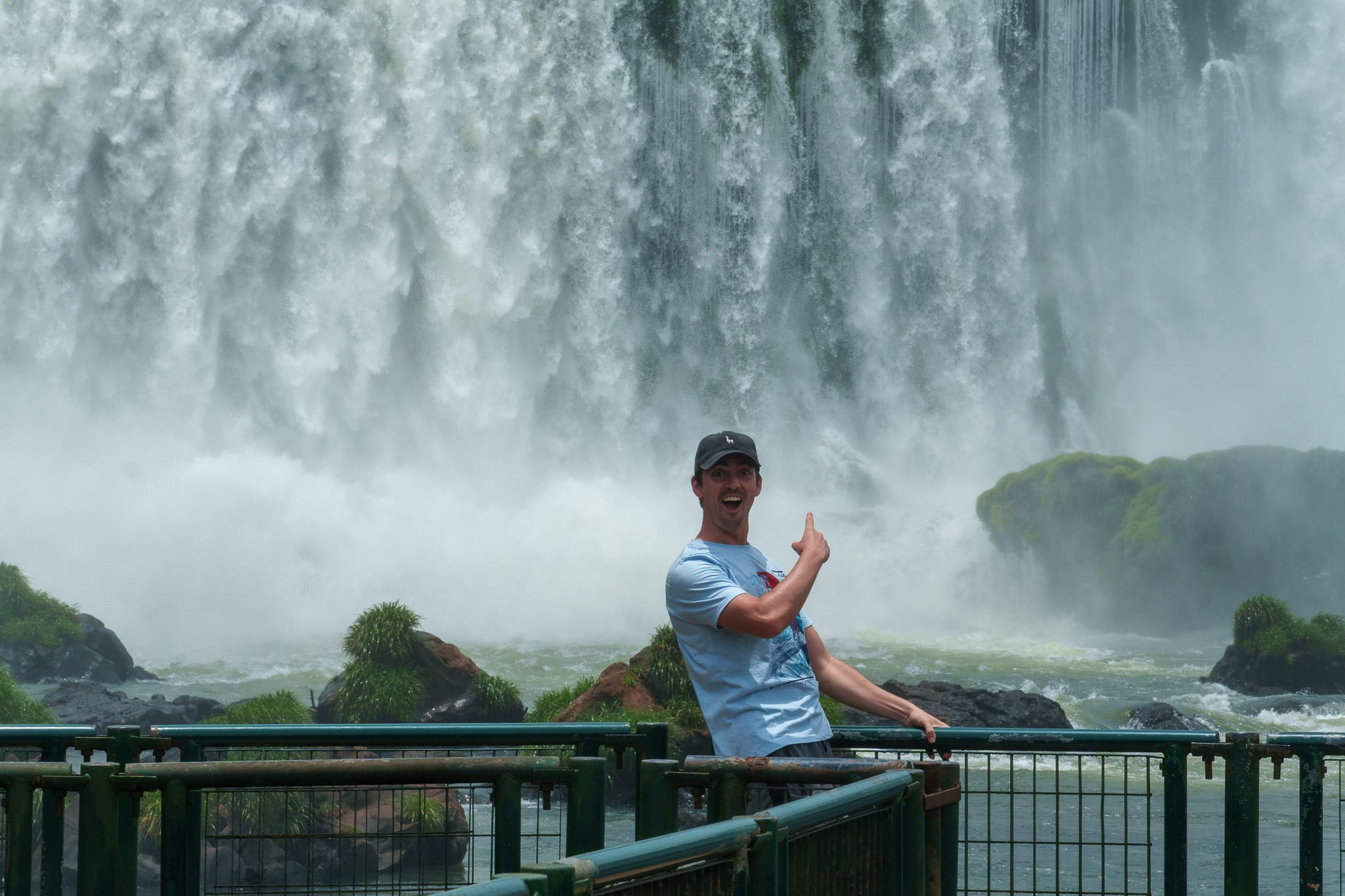
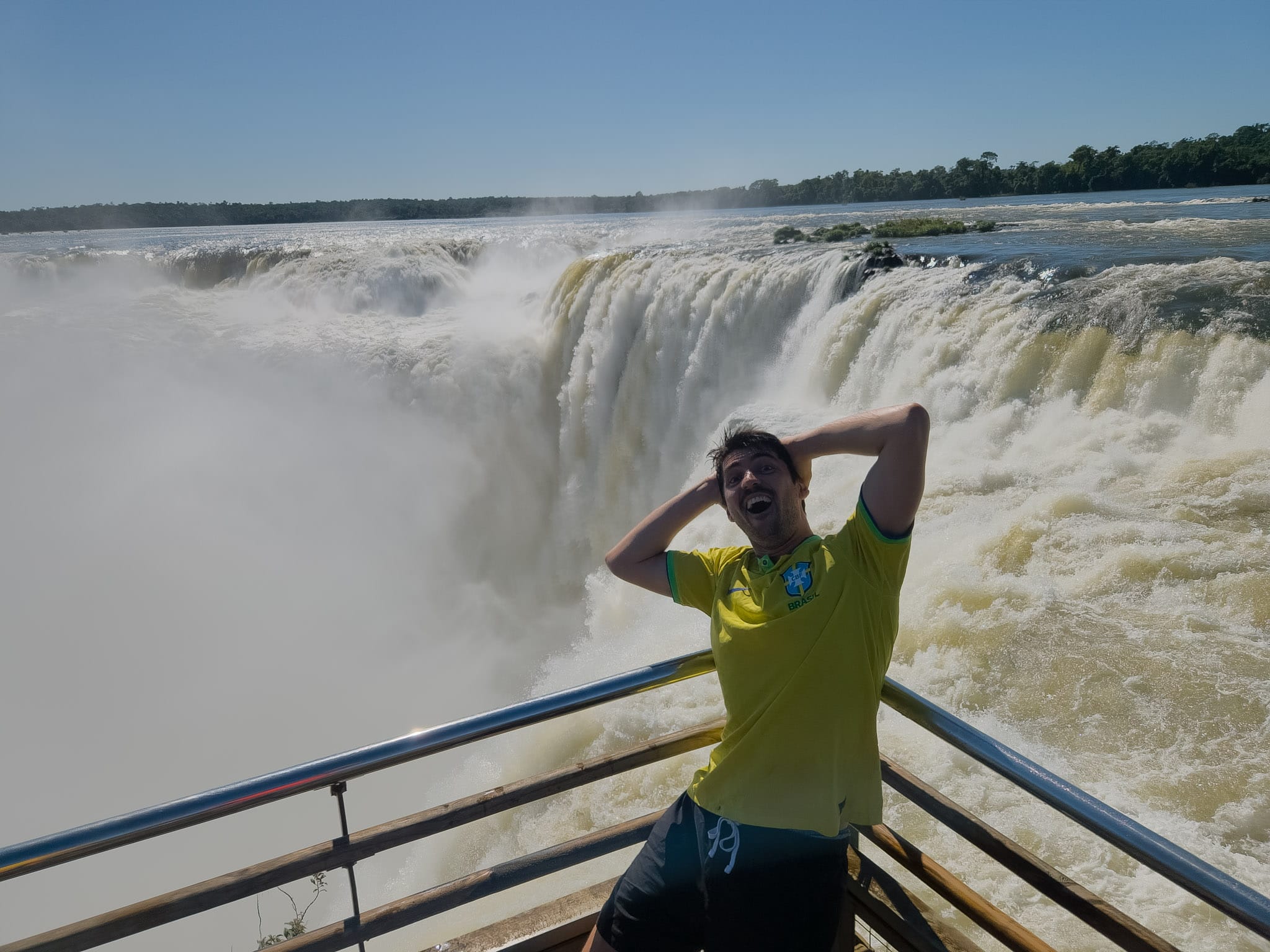
The finale is the walkway extending to Devil's Throat, where you stand directly in front of the massive horseshoe-shaped cascade. The mist soaks you completely – bring a waterproof bag for your phone or accept that you're getting drenched. This is where I got my best photos both times I visited.
Argentine Side
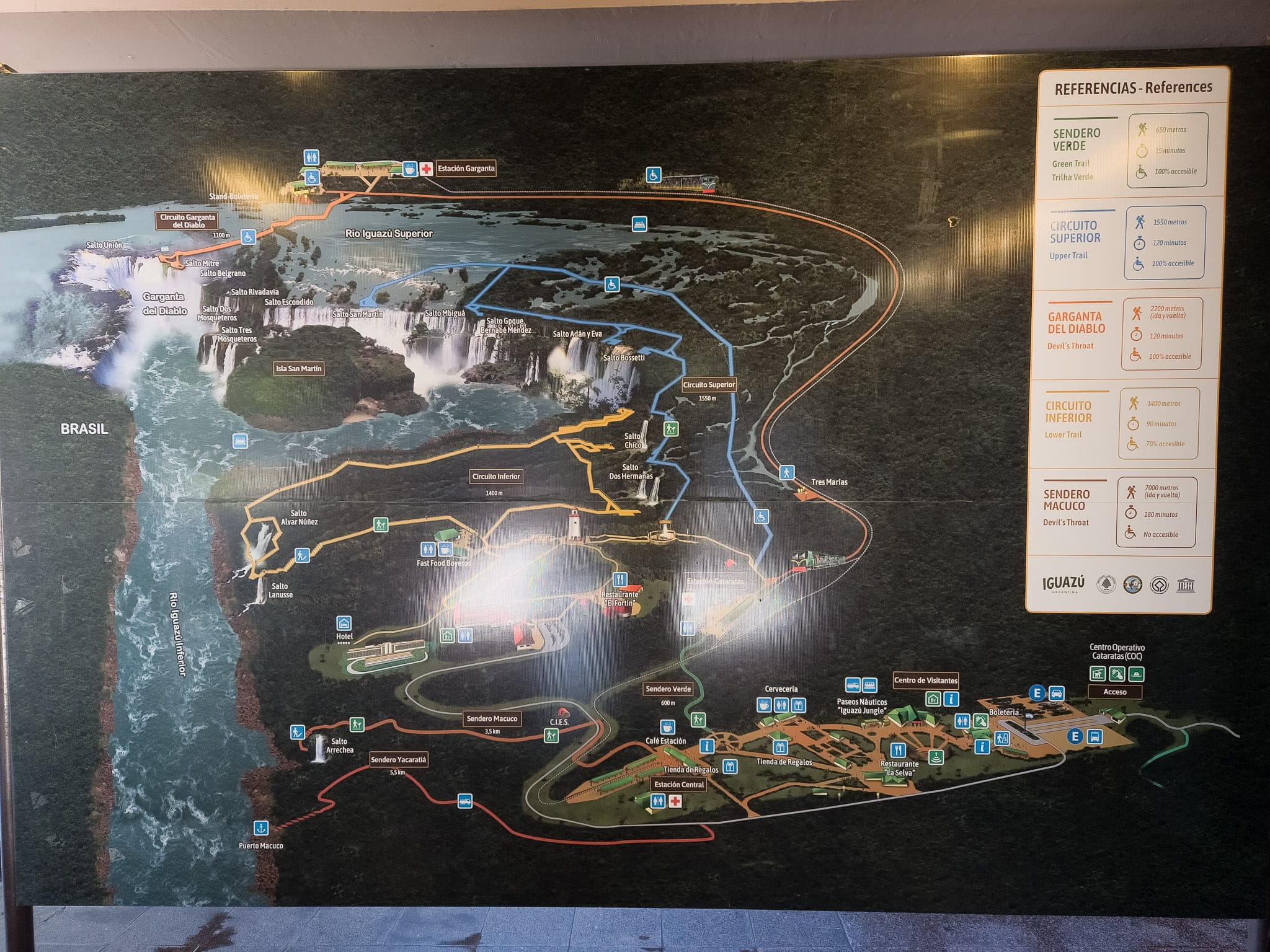
Iguazu Falls Argentina gives you 80% of the actual waterfalls spread across a massive park. You take the Ecological Jungle Train to access different trail circuits – the Upper Circuit shows panoramic views from above the falls, while the Lower Circuit takes you to the base where you feel the power up close.
The Upper Circuit is a 1.7 km walkway along the top edge of the waterfalls, looking straight down into cascades like Dos Hermanas, Chico, Ramírez, and Bosetti. The Lower Circuit descends to water level where you walk through subtropical rainforest between individual falls.
Devil's Throat from the Argentine side requires a 2.2 km round-trip walk on steel footbridges over the calm upper river. You spend most of the walk thinking “where are the falls” until suddenly a giant chasm opens up and half the river disappears into a roaring hole you can barely see the bottom of.
Opening Hours on Both Sides
The Argentine side opens daily from 8:00 AM to 6:00 PM year-round. Ticket sales and access to the Cataratas area stop at 4:00 PM, and the last train to Devil's Throat typically leaves around 3:30 PM – show up early if you want the full experience.
The Brazilian side opens Monday-Friday from 9:00 AM to 4:00 PM, and Saturday-Sunday from 8:30 AM to 4:00 PM. Once you're inside, you can stay until 5:30 PM. The later opening time on weekdays catches some people off guard, so plan accordingly.
Both parks stay open on holidays and rainy days – they only close trails during dangerous flooding conditions.
Which Side is Best
Brazil wins for views, Argentina wins for experience. That's the honest take after visiting both sides twice.
The Brazilian side gives you that jaw-dropping panoramic shot where you see dozens of falls at once – this is the photo that ends up on Instagram. You spend less time walking and more time soaking in the massive scale of the place.
The Argentine side has more variety with different circuits, longer trails, closer encounters with individual falls, and better chances to spot wildlife in the surrounding jungle, like monkeys or coatis ( becareful of your food! ). You feel like you're exploring rather than just viewing.
Most travelers ask which side to skip if they only have time for one. Don't skip either – you need both to understand why this place is a natural wonder.
Boat Ride
Both sides offer boat rides that take you directly under the waterfalls, and yes, you will get absolutely soaked. These aren't gentle sightseeing cruises – they're adrenaline-pumping speedboat rides that deliberately drive into the base of the falls.
On the Brazilian side, the boats hold 20 passengers and depart every 10-20 minutes from 8:00 AM to 4:40 PM. You get about 5 minutes of being completely drenched as the boat parks under the cascades, followed by 5 minutes of photo opportunities from calmer water.
The Argentine side this boat ride is longer than Brazil's and goes into the waterfalls multiple times, giving you more opportunities to experience the power up close. The boats are slightly more spacious with better photo opportunities between the waterfall approaches.
Bring a waterproof bag for everything you don't want destroyed – phones, wallets, cameras all need protection. Some people wear swimsuits under their clothes and change after, which honestly seems smart.
Helicopter Ride
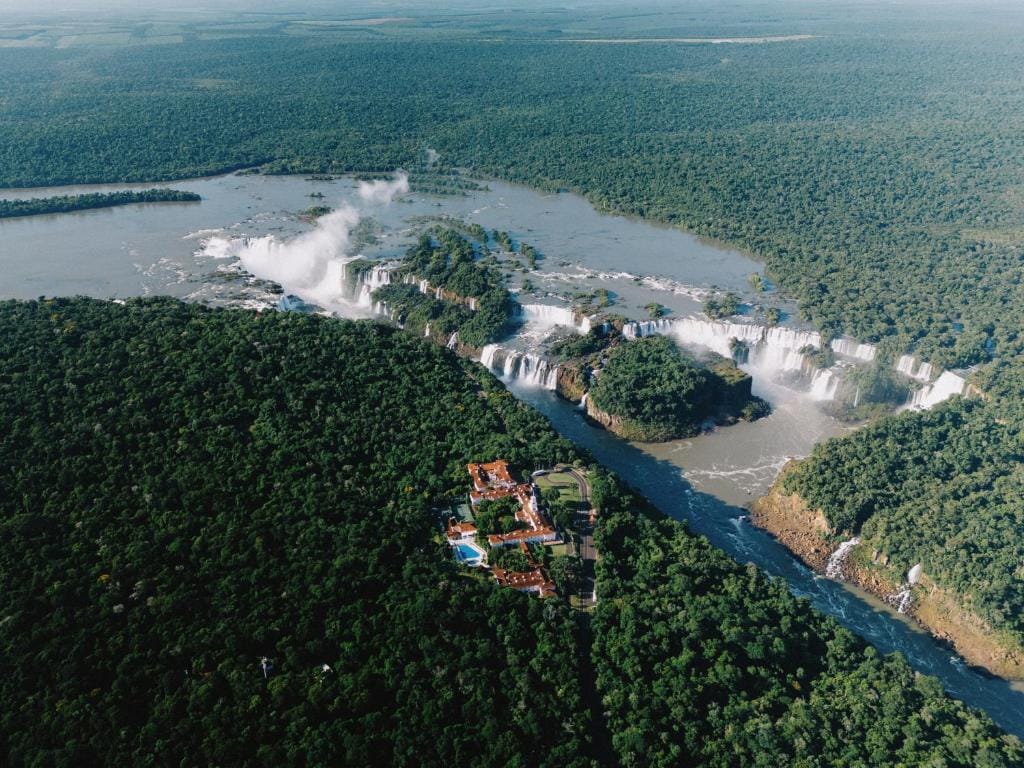
Helicopter tours operate from the Brazilian side only, giving you 10-12 minutes of aerial views over the falls.
You fly over the entire waterfall system, the tri-border area, and the surrounding rainforest. The perspective from above shows you the sheer scale that's impossible to grasp from ground level. Bring your passport since you cross into Brazilian airspace, and expect to share the helicopter with 3-4 other passengers.
Is it worth the money for 10 minutes in the air? That depends on your budget and how much you value unique perspectives.
My Recommendation
Give yourself one full day for each side. Some guides claim you can rush through both in a single day, and technically you can, but you'll be sprinting through one of the world's great natural wonders.
I spent a full day on the Argentine side exploring all three circuits without feeling rushed. The Brazilian side takes less time – you can finish in 3-4 hours – but pairing it with a relaxed afternoon at the nearby bird park makes for a perfect day.
If you absolutely must do both in one day, hit the Brazilian side first thing in the morning when it opens, then cross to Argentina for the afternoon. You'll see the highlights but miss the deeper experience of actually being present in the moment.

Sleeping Inside the Iguazu Parks: Iguazu Falls Hotels
The first two hotels sit directly inside the national parks, giving you the exceptional privilege of experiencing the waterfalls before crowds arrive and after everyone else leaves.
Hotel das Cataratas (Brazil side)
Hotel at Iguazu Falls on the Brazilian side is the Belmond Hotel das Cataratas, a Portuguese colonial-style property, just a two-minute walk from the falls. This is the only hotel inside Brazil's national park, and that location comes with serious perks.
Guests get exclusive access to the falls trails before the park opens to the public and after it closes in the evening. I've heard from travelers who walked to Devil's Throat at sunrise with maybe five other people total. During full moon periods, the hotel even organizes special nighttime visits to see the lunar rainbow over the falls.
Gran Melia Iguazu (Argentina side)
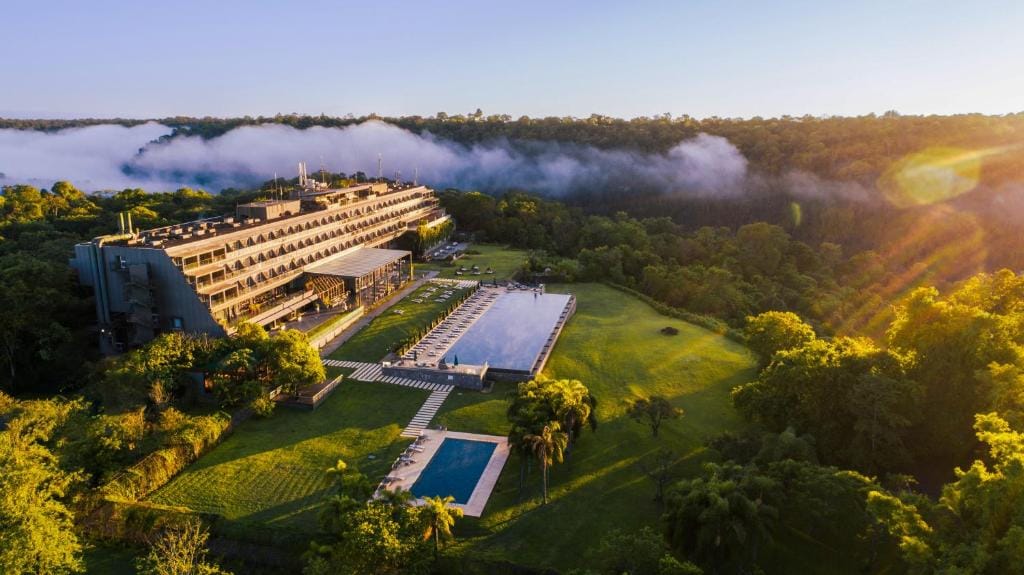
The Gran Melia Iguazu (formerly Sheraton Iguazu) is the only hotel inside Argentina's national park, positioned literally at the edge of the falls with unparalleled views. This hotel gives you the same early access privilege – you can reach Devil's Throat, the Upper Circuit, and Lower Circuit trails before tour groups flood in.
Staying here means you never technically have to leave the property – there's the Merkado restaurant, Amaro Bar, Yasi Spa, and an infinity pool overlooking the waterfalls. After everyone else exits the park at closing time, you can grab a drink at the bar and watch the sunset over the falls from your balcony.
The location inside the park is both the biggest advantage and potential drawback – you're isolated from Puerto Iguazú's restaurants and nightlife, so you're essentially committed to hotel dining for dinner.
Other Hotels on Argentina Side
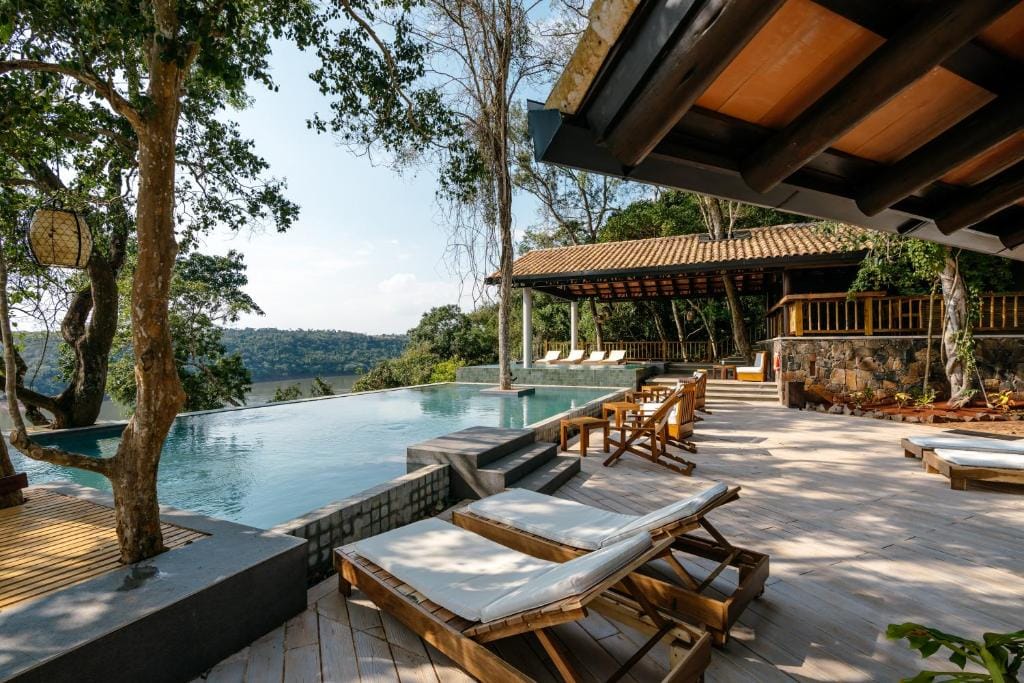
Loi Suites Iguazu Hotel consistently ranks as the top choice outside the national park for couples and families. The property sits in the middle of the jungle with wooden walkways suspended in the treetops connecting different buildings. Some suites include hot tubs on private balconies overlooking the forest.
Iguazu Jungle Lodge works well for families and younger travelers who want comfortable rooms without luxury pricing. The rooms are newly renovated with big showers, excellent hot water, and very comfortable beds. There's a small pool area and on-site restaurant, making it convenient for families with kids who need easy meal options.
Selvaje Lodge Iguazu appeals to couples and adventure-seekers looking for a boutique experience. It's rated highly for romance and offers a more intimate atmosphere than the larger resorts.
Other Hotels on Brazilian Side
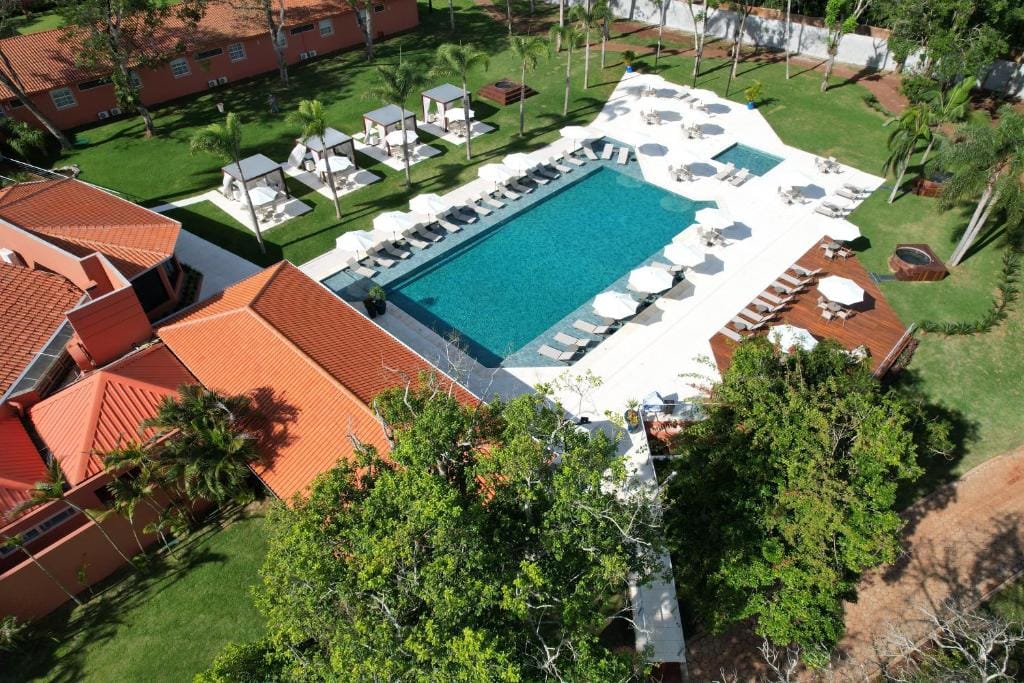
Sanma Hotel sits just 400 meters from the national park entrance, making it incredibly convenient for early morning visits. The 5-star property offers leisure activities, a pool area with gardens, and works particularly well for families who want comfort close to the falls without the premium price of Hotel das Cataratas.
Hotel Bella Italia gets strong reviews from families with children. The kids love the pool and playground, while parents appreciate the complete breakfast buffet, attentive staff, and cozy rooms. It's in Foz do Iguaçu city rather than near the park, but public buses make getting to the falls straightforward.
Del Rey Quality Hotel is the budget pick if you want a clean, well-maintained base without frills. It's right on the bus line to the falls and airport – both the 120 bus and national park bus stop directly in front. The breakfast buffet gets consistently good reviews, and you're paying a fraction of what the park hotels cost while still accessing everything easily.
Plan Your Iguazu Adventure
Iguazu Falls delivers on every expectation you bring to it. The scale, the power, the mist soaking through your clothes at Devil's Throat. This is the kind of place that reminds you why you started traveling in the first place.
Give yourself at least two full days to see both the Brazilian and Argentine sides properly. Book your flights or buses early if you're visiting during peak season, and seriously consider staying inside one of the park hotels if your budget allows – waking up to the falls before anyone else arrives is worth the splurge.
Pack waterproof bags for your electronics, wear comfortable shoes you don't mind getting soaked, and show up ready to be amazed. This is one destination that actually lives up to the hype.
Freebie For You !
Thanks for sticking around until the end — that really means a lot. To show my appreciation, I’ve prepared something special for you: a Travel Guide 101 packed with my favorite tips, useful websites, and practical info to help you plan your next adventure.