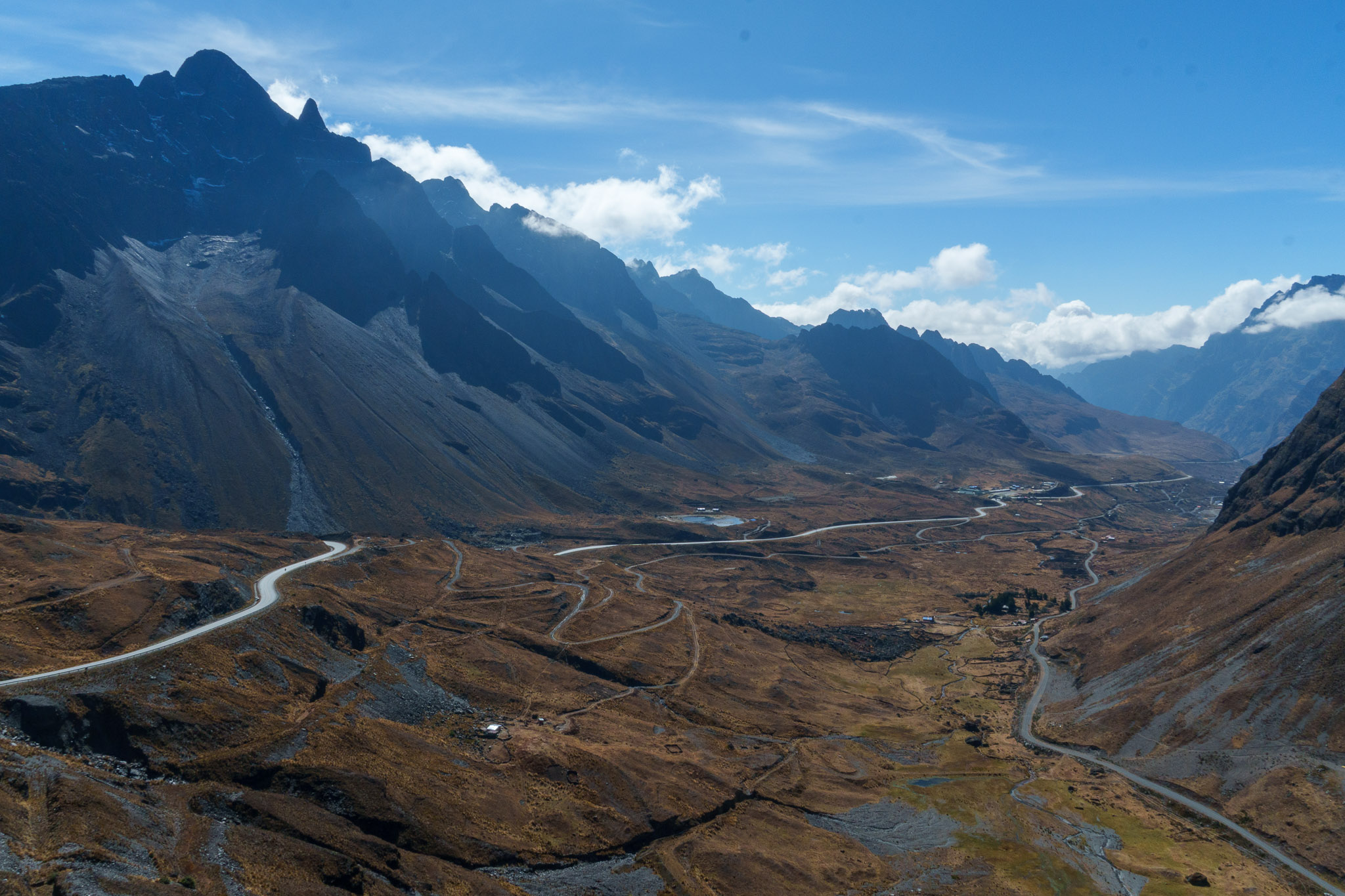
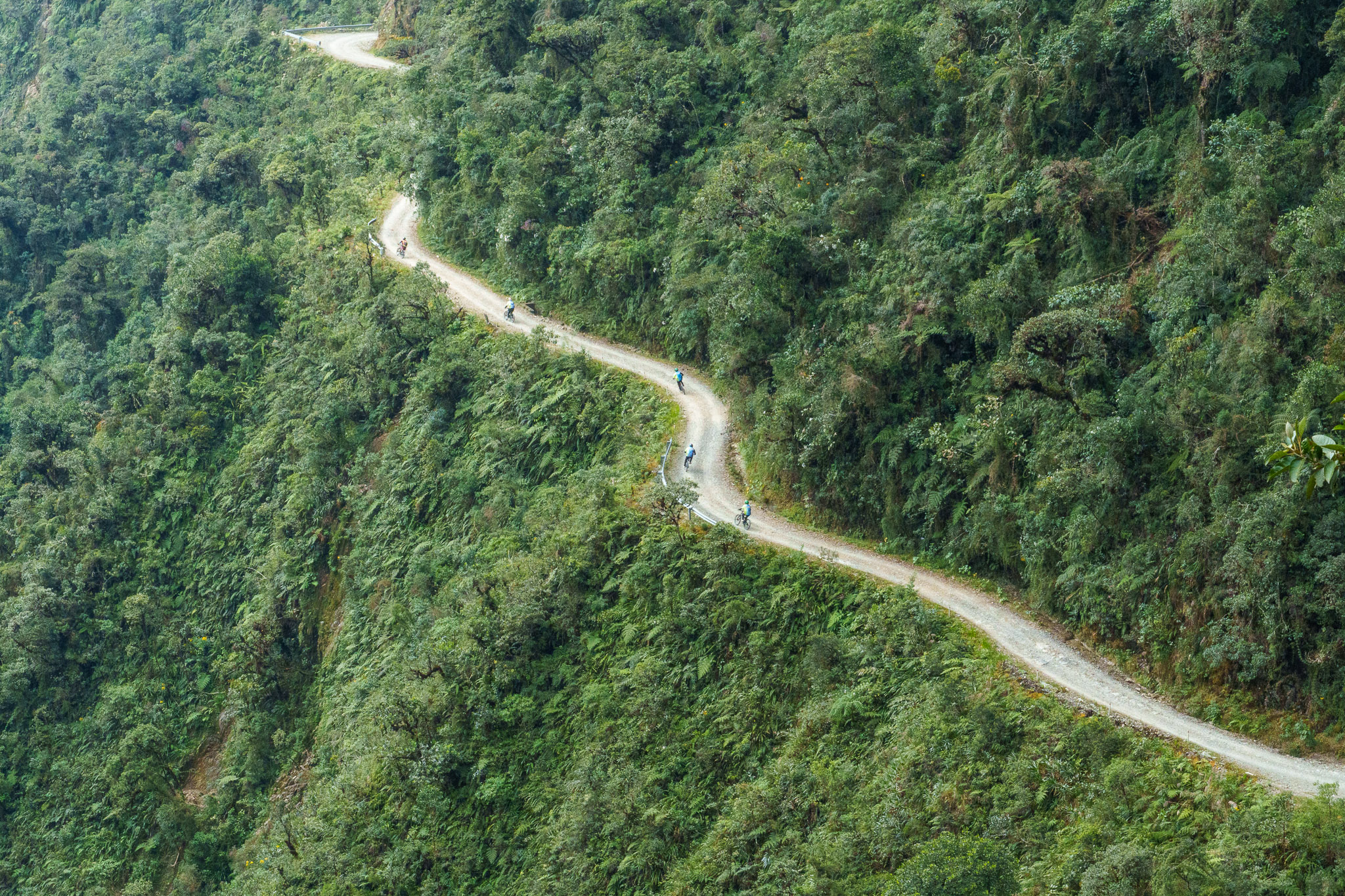
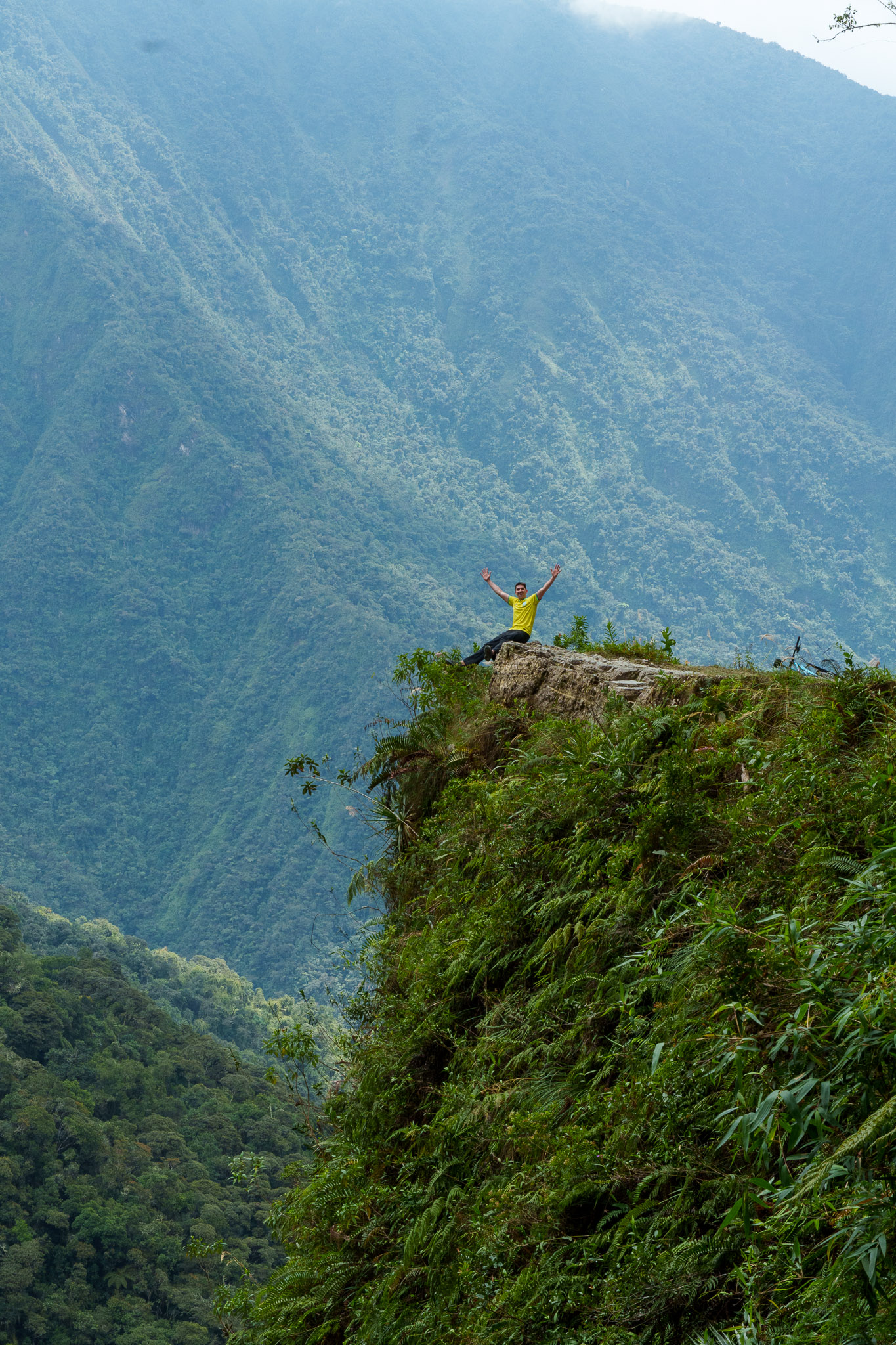
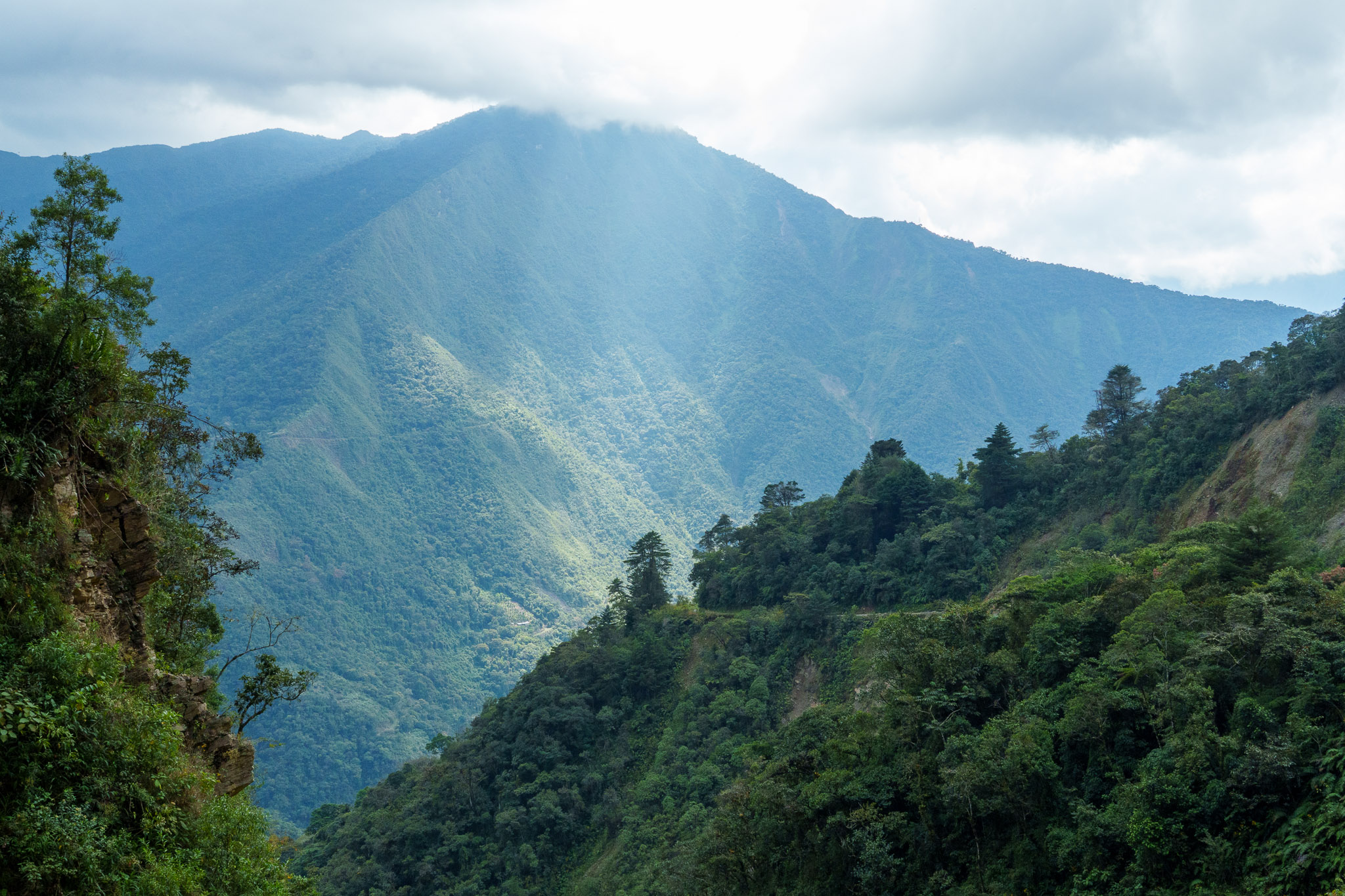
Wide view of the Death Road Valley with the visible road on the right side of the picture

Is The Death Road in Bolivia Worth It? Ultimate Guide

This post is also available in :

Bolivia’s most dangerous road isn’t just a name—it’s an experience that is both exhilarating and intimidating. If you’ve ever wondered, “Is Death Road Bolivia worth it?” the short answer is yes, but be prepared for a wild ride.

This iconic route, officially known as Yungas Road, has earned its deadly reputation for good reason: sheer drops, unpredictable weather, and a history steeped in real danger.

In this guide, you can expect honest, practical information. I’ll share my experience—from choosing the safest tour operator to understanding the risks and rewards of this famous adventure.

Ready to dive in and find out if Bolivia’s Death Road lives up to the hype? Let’s get started.

Table of Contents

What Is the Death Road?

Location and Elevation

Bolivia’s Death Road is the unofficial name of it. It spanish it’s “Camino de la muerte”. The officiall name is “Yungas Road” .

It lies northeast of La Paz, snaking down from the high Andes into the lush Amazon basin.

It’s about an hour’s drive from La Paz to the starting point, the Death Road elevation starts at 4,650 meters at La Cumbre Pass down to roughly 1,525 meters in Coroico.

It’s a 60-kilometer descent, with 30 kilometers of nice and new highway with plenty of space for both side to pass, and 30 kilometers of old road with narrow passage ( the real death road)

History and Old Truck Route

Built in the 1930s by Paraguayan prisoners after the Chaco War, Yungas Road was the only way to access La Paz from the north for decades.

Truckers, traders, and locals had no alternative; this cliff-hugging dirt road linked the capital with the Amazon Rainforest.

For years, heavy trucks and buses navigated its narrow, foggy passages because there simply wasn’t another road.

Why Is It Called the Death Road?

The nickname isn’t just for show. The Death Road earned its fearsome reputation as Bolivia’s most dangerous road due to a staggering number of fatalities.

Before the construction of the new highway, it was estimated that between 200 and 300 people died on the road each year, mostly truck drivers and bus passengers.

Thankfully, those numbers are from the past. Nowadays, trucks no longer use the “Camino de la Muerte” to travel between the Yungas region and La Paz.

However, some fatalities still occur annually, primarily involving tourists biking or hiking on the old road.

According to my guide, approximately 1 to 5 people still lose their lives on Death Road each year, mostly adventurers seeking the thrill of this infamous route.

Despite safer infrastructure nearby, the Death Road Bolivia bike tour continues to be a high-risk, adrenaline-charged experience.

Check the wikipedia page fore more infos

Why Is Bolivia’s Death Road So Dangerous?

All the risks stem from the road itself and the weather conditions.
  • Extreme weather—rain, fog, and cascading waterfalls—can suddenly cut visibility and soak the road, making it slippery and hazardous.
  • The passages are ultra-narrow, sometimes only 3 meters wide, with sheer drops of up to 600 meters and no guardrails.
  • The road is prone to landslides and falling rocks, combined with muddy and loose surfaces that easily cause vehicles or bikes to slide off.
  • It was the only access road between La Paz and the northern Amazon region, increasing traffic of heavy vehicles on a precarious path.
All these factors make driver error or bad luck a matter of life and death. Even today, during the popular Death Road Bolivia bike tour, the route remains extremely risky and demands full attention from adventurers.

Is Death Road in Bolivia Still Open?

Yes, the Death Road is still open today, but with significant changes. A newer, safer highway was opened in 2006, diverting most of the heavy truck and bus traffic away from the infamous old route.

While trucks now use the modern highway, the original Yungas Road (Death Road) remains open mainly for adventure tourism.

Guided bike tours have transformed this once deadly road into a world-famous thrill ride, attracting adrenaline junkies from around the globe. This one of the most crazy activity you can do in La Paz, maybe climbing the Huayna Potosi is on the same craziness level.

You’ll encounter almost no large vehicles—just fellow bikers, tour vans, and occasionally hikers.

Biking this road has become the ultimate bucket-list activity for those seeking to experience Bolivia’s wild landscapes up close while tackling what remains one of Bolivia’s most dangerous roads.

Since the highway’s opening, Death Road continues to be a major attraction for extreme sports enthusiasts.

Biking Through the Death Road

The preparation to ride the Death Road

Biking the Death Road is an unforgettable journey marked by dramatic changes in landscape and altitude.

Your adventure begins in La Paz, a must-do when planning your trip to Bolivia, where you meet fellow thrill-seekers ready to tackle this iconic route. Breakfast is usually included with your tour.

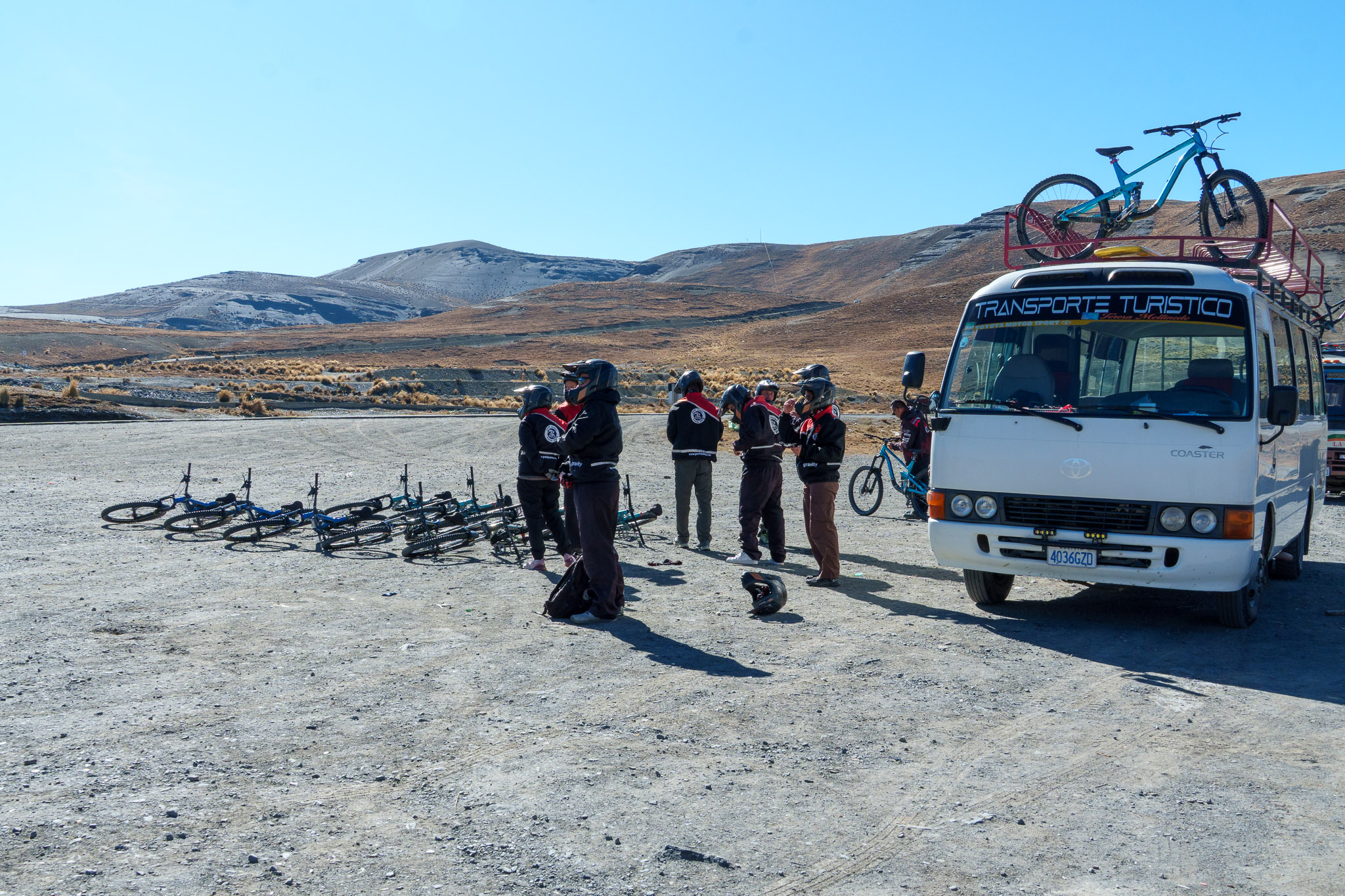
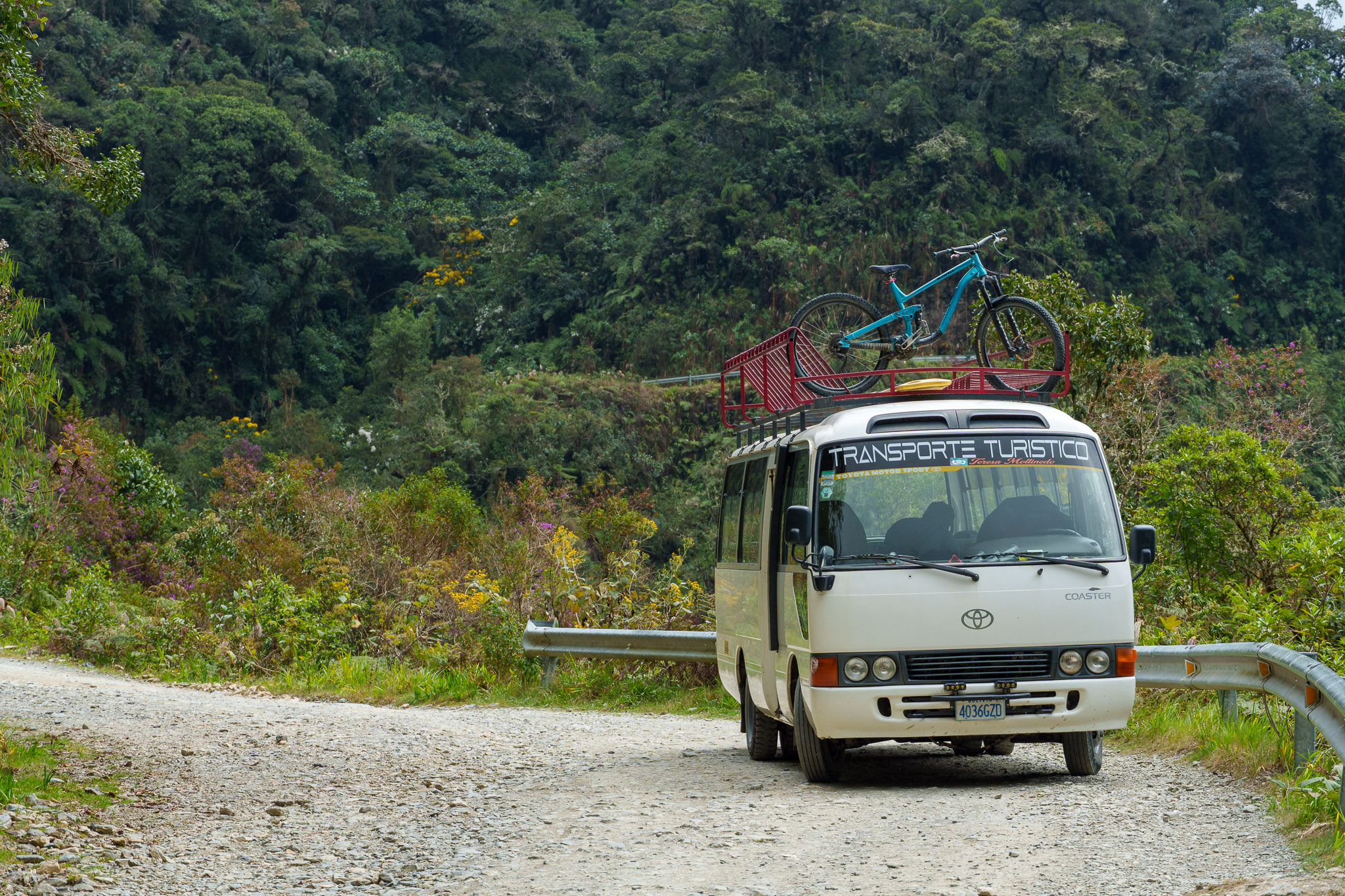
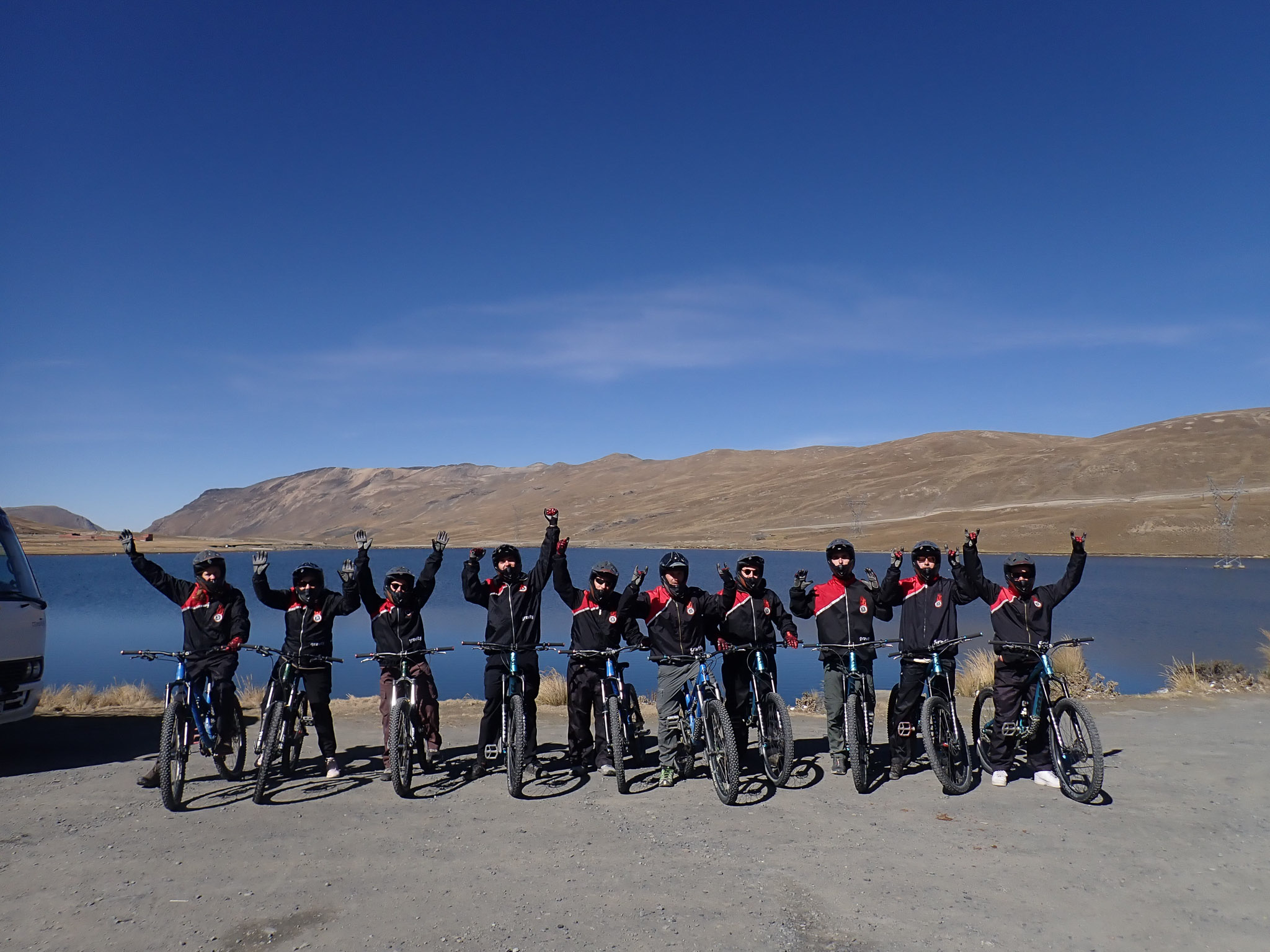
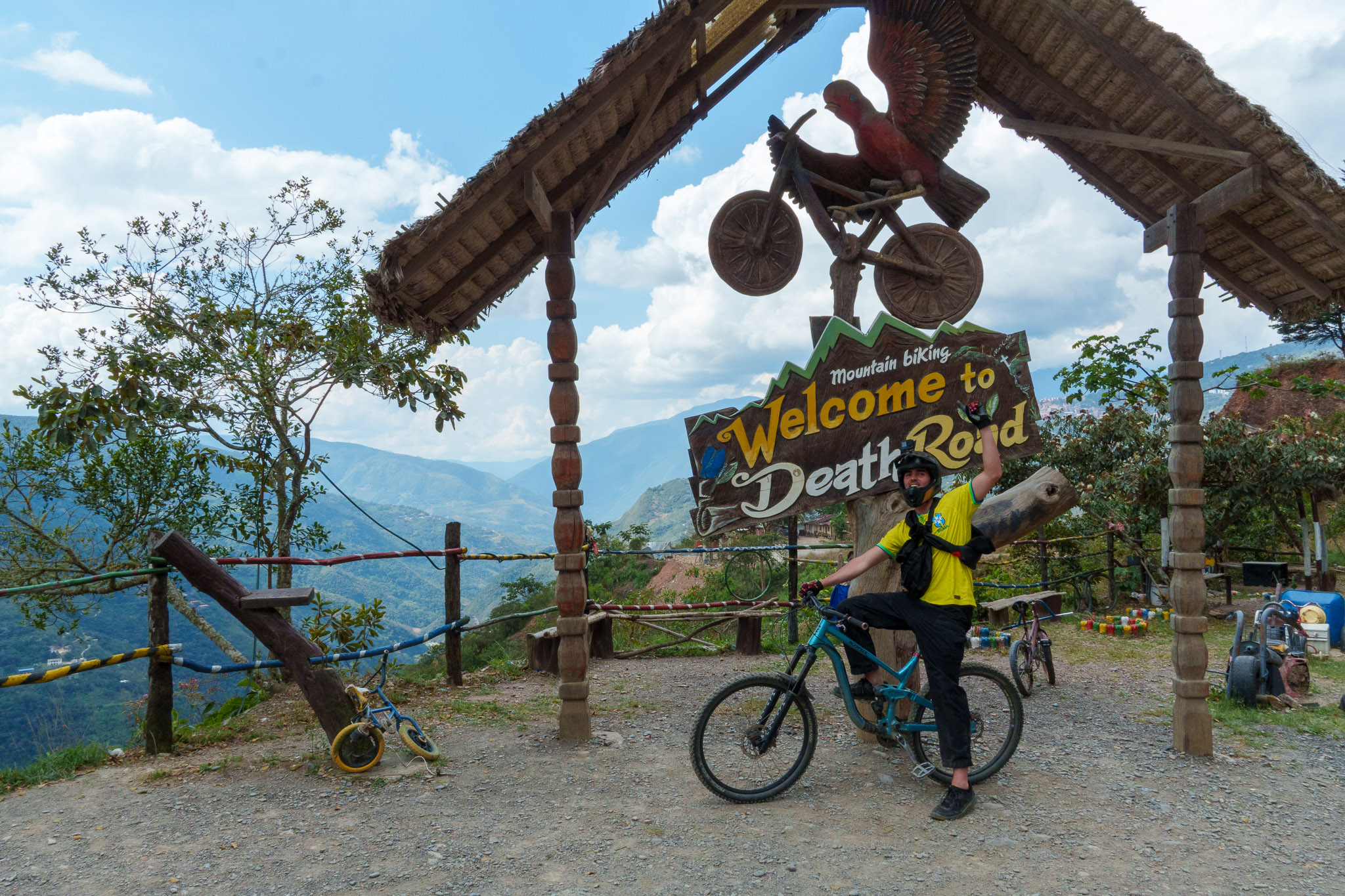
Everyone hops into a van for about a one-hour drive to the starting point of the descent, usually at “Laguna Estrellani”.

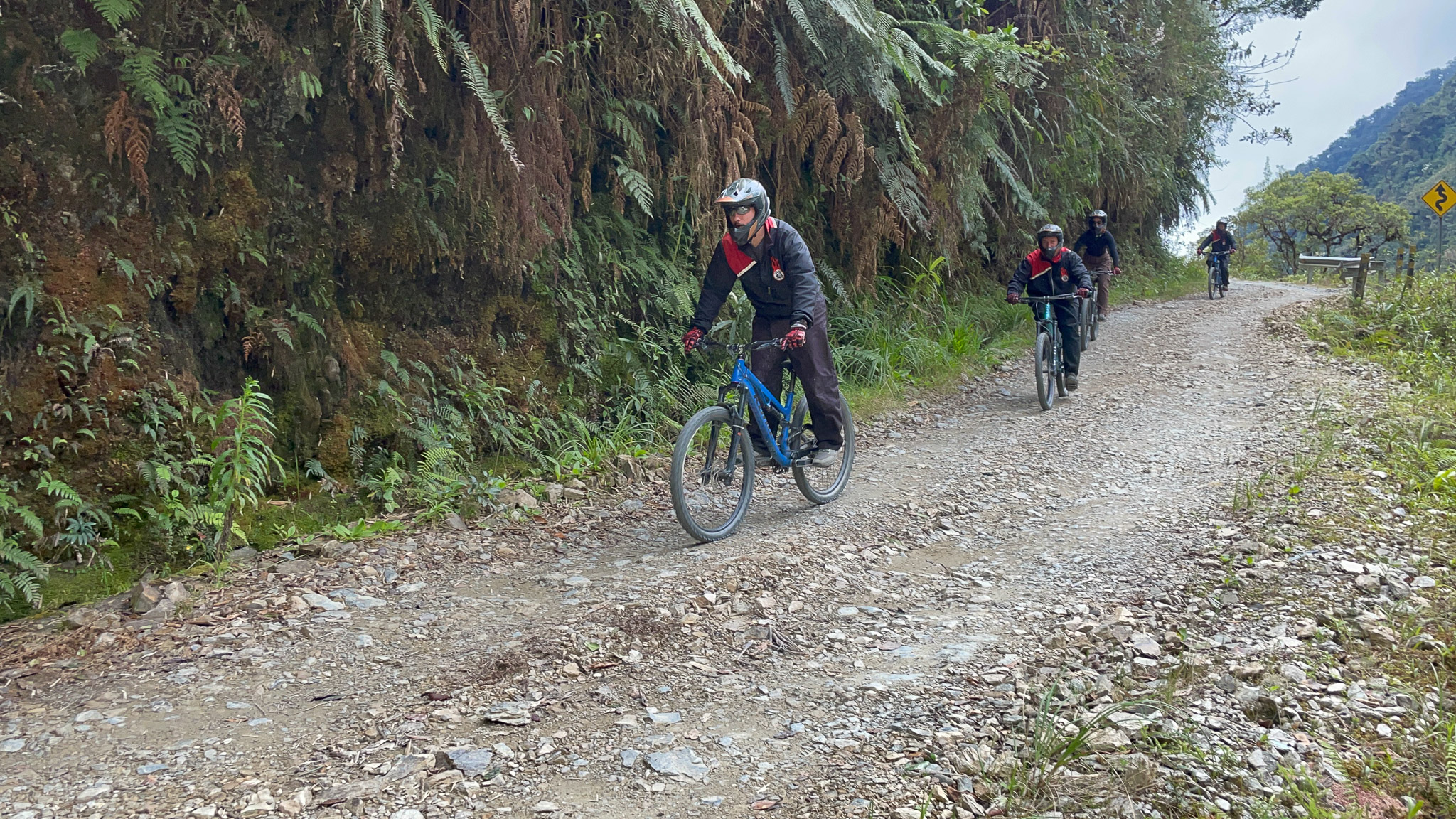
Before you start riding, there’s a 30-minute preparation session where guides provide essential equipment—jackets, gloves, helmets—and you get to test your bike.

Most importantly, the guide explains all safety rules to ensure everyone’s well-being on this challenging path.

The first part of the ride is on a new highway, perfect for warming up and testing your skills. The road here is steep but smooth, which makes it easier to get comfortable.

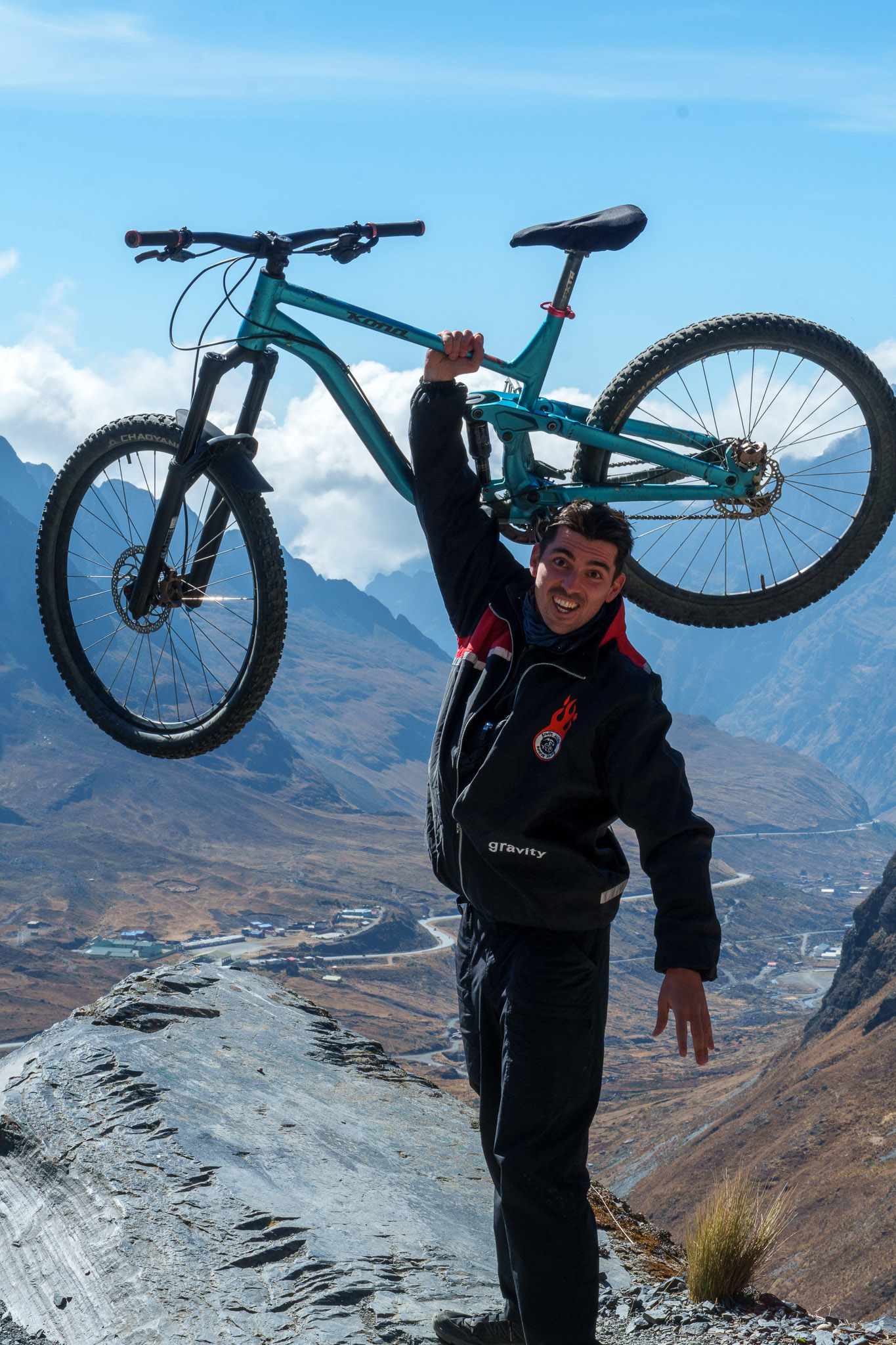
At around 4,500 meters elevation, the landscape is dominated by majestic rocky mountains. For those new to mountain biking like me, the start feels great and encouraging.

During the ride, you’ll stop frequently to take pictures and appreciate the stunning scenery.

The tour is well-organized with one guide leading the group at the front and another closing at the back, so you can’t get lost.

This setup makes the Death Road Bolivia bike tour not only thrilling but also safe and well-supported for adventurers of varying skill levels.

Biking the Real Death Road

Now the real challenge begins!

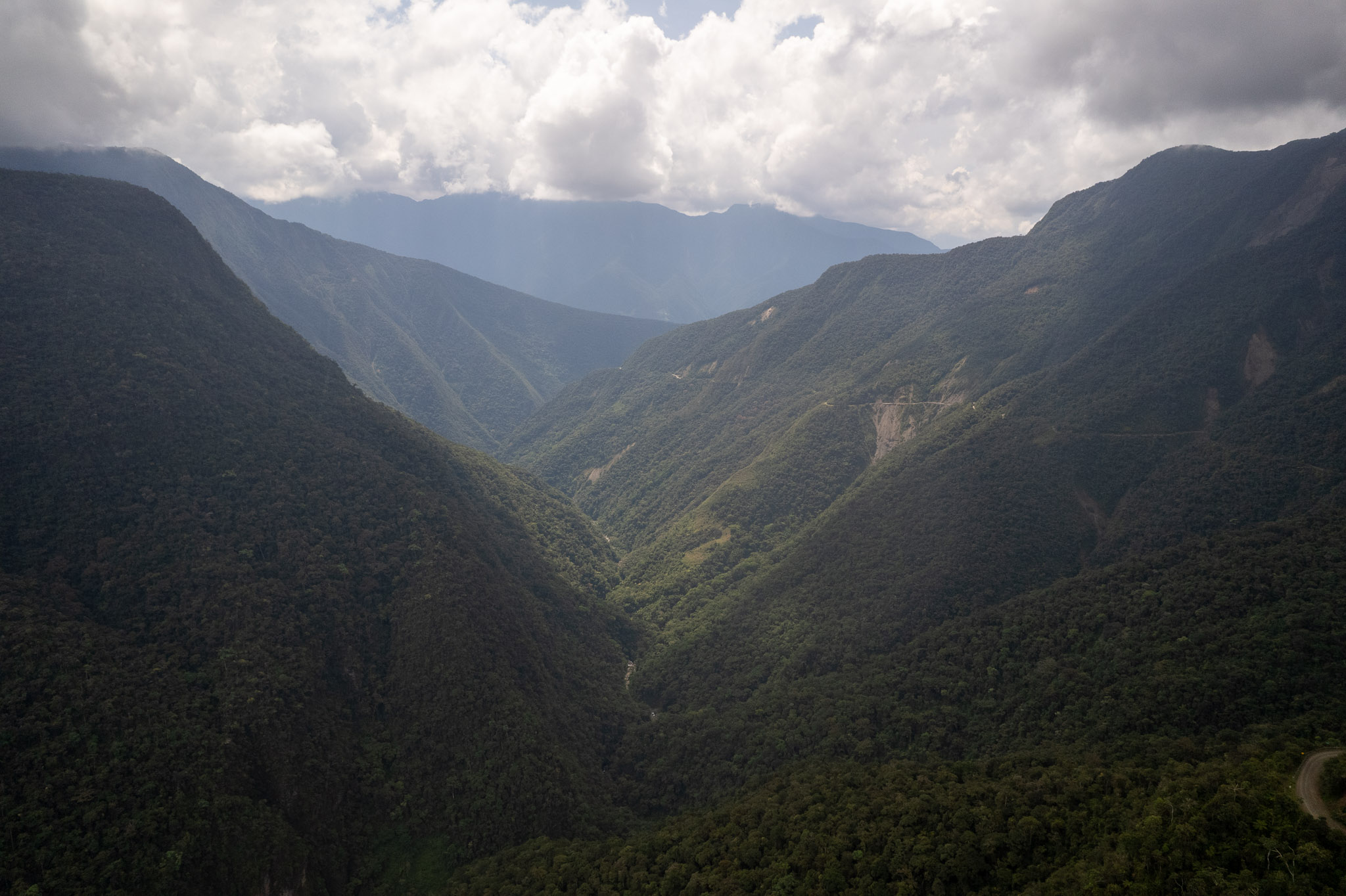
We’ve entered the Death Road proper—it’s much greener, much narrower, and the smooth asphalt road is gone.

At the beginning, we go slowly to get used to the road. It’s more challenging here with sharper curves. You have to manage many things at once: your speed, braking, and the fear of falling off the cliff.

To be honest with you, sometimes it’s scary—speed builds up before a curve, so you have to brake carefully, but not too hard, or else you’ll risk falling.

Sometimes you bike on a very narrow passage where the cliff is just right next to you.

It might start raining lightly, just enough to make the road wet and even slipperier.

If you manage everything correctly (and I’m sure you will!), you’ll have an amazing trip all the way to the end.

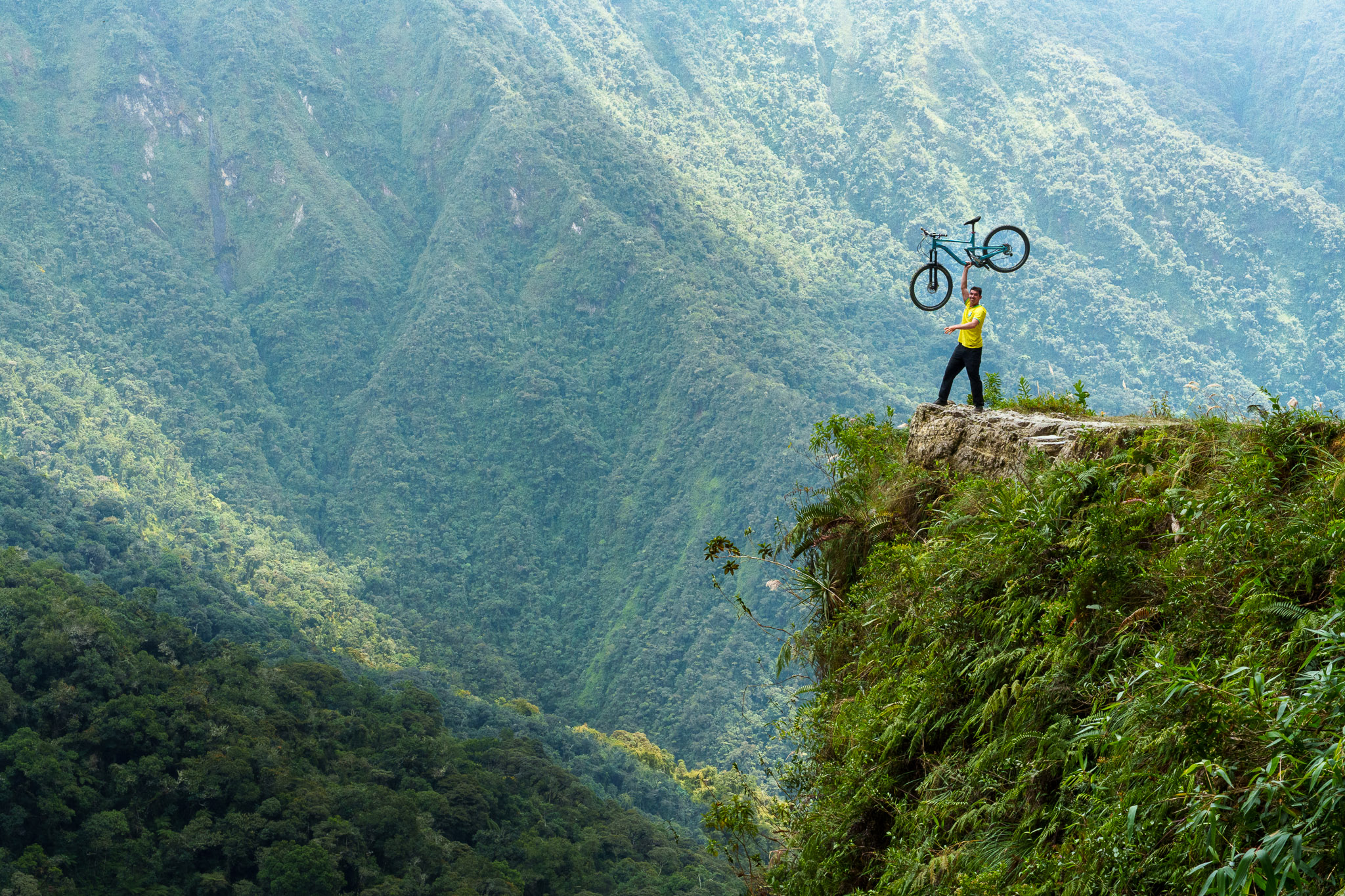
The landscape is breathtaking—the whole valley is an endless sea of green, green, green! With your team, you’ll stop several times to rest your arms, take pictures, and soak in the incredible views.

The Death Road experience is unique—not just for the challenging biking but also for the stunning landscape unfolding in front of you. These two factors make this an unforgettable adventure.

Bonus: Gravity Tours and Senda Verde

I’ll discuss tour companies in more detail later in this post, but I wanted to highlight that some companies offer much more than just riding the Death Road.

I went with Gravity Bolivia, one of the best companies for this tour—you can check their ratings on Google for proof.

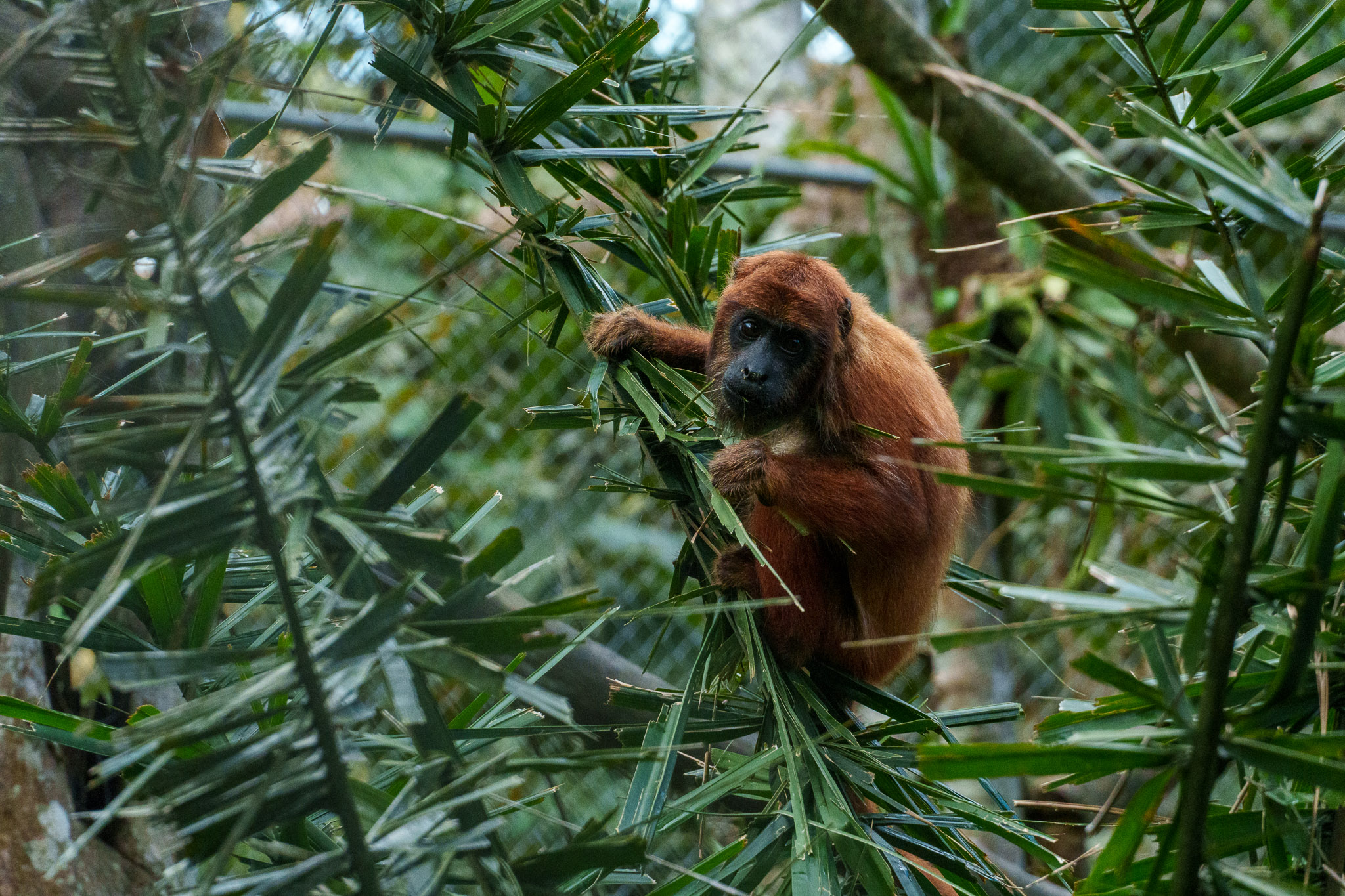
With Gravity Bolivia, the experience doesn’t end at the Death Road. After the ride, you continue a bit further to arrive at “Senda Verde”, an animal sanctuary where you can see some of Bolivia’s unique wildlife.

You’re treated to a real meal, a cold beer, and even a small gift.

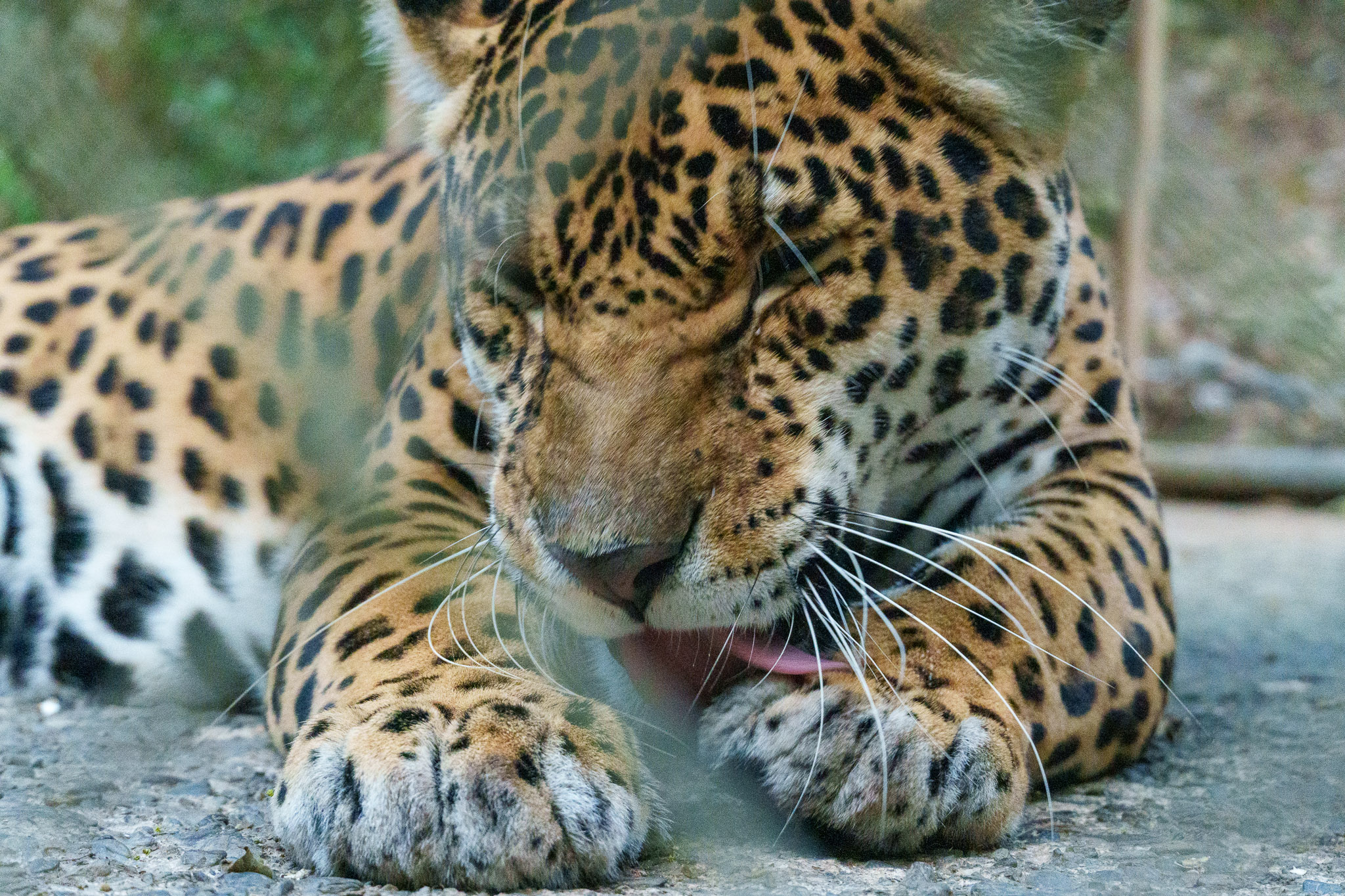
On top of that, you have the opportunity to meet wildlife from the Yungas region like tapirs, monkeys of the amazon rainforest, parrots, bears, and, if you’re lucky, even a jaguar!

This was a wonderful surprise and a perfect way to finish the tour.

Death Road Rules and Safety

Biking the Death Road is carefully controlled to ensure safety, and every reputable tour company enforces strict rules:
  • Safety briefings before each section keep you updated on current road conditions and important guidelines.
  • Groups are kept small—usually no more than 4 to 6 riders per guide—to maintain control and personalized attention.
  • Helmets, gloves, and full-suspension bikes are standard equipment provided by all professional tour operators.
  • Riders are required to keep to the left side of the road (mountain side) to best avoid cliff-edge dangers—a tradition dating back to when trucks used this road.
Following these rules and listening carefully to your guide is crucial.While the death toll dropped drastically after trucks moved to the new road, the challenge and adrenaline of the Death Road Bolivia bike tour remain very real.Ride smart, stay focused, and enjoy the breathtaking views safely.

Choosing Your Death Road Tour Company

Equipment Your Death Road Company Should Provide

Not all tour companies are created equal, and safety should be your top priority when choosing a Death Road tour.A trustworthy company will provide full safety gear for every rider.Rental packages should always include:
  • A modern mountain bike with front and rear suspension, inspected daily by professional mechanics.
  • A full-face helmet and, ideally, a neck cover for extra protection.
  • A thick jacket and pants designed to protect against wind, rain, and mud (some companies even use waterproof materials).
  • Elbow and knee pads, plus gloves, to protect you on rough, rocky descents.
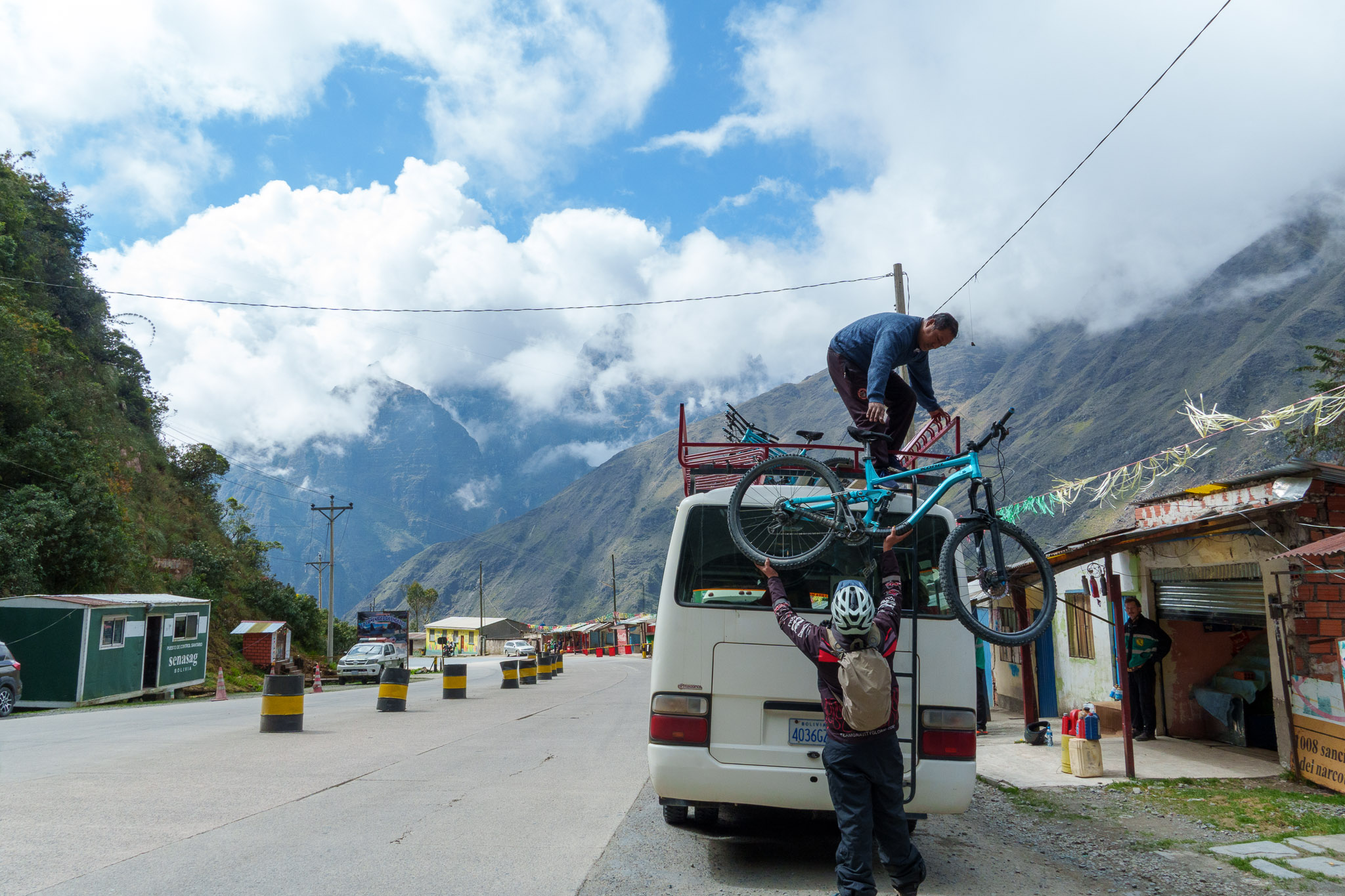
  • A support bus that follows the group for added security and carries spare bikes, just in case.
With Gravity Bolivia, I had all this essential equipment. In my experience, the most critical item is the bike—it needs to have reliable brakes and excellent suspension.I noticed that some other groups didn’t have bikes of the same quality, which can make a big difference in safety and enjoyment.

Group Size

Safety and enjoyment increase when groups are kept small. Top operators limit each guide to 4–6 riders, which means you’ll get more attention, less waiting, and a better overall vibe on the road.

With my group, we were 10 people. We had one guide in front and one guide at the back. The whole ride was smooth and fluid—we didn’t have to wait long or brake unnecessarily because of the person in front of us.

This setup made the experience safer and more enjoyable, reinforcing why choosing the right tour company is so important for a successful Death Road Bolivia bike tour.

Which Death Road Company to choose ?

Expect to pay anywhere between $80 and $135 USD for a reputable Death Road Bolivia bike tour, depending on the operator and what’s included. Cheaper tours often skimp on vital safety equipment or bike quality—a risk you definitely don’t want to take.

As you may already know, I chose Gravity Bolivia. It’s the most expensive option, but considering the full experience, including top-notch equipment and the bonus visit to the animal sanctuary, it was definitely worth it!

When I was researching, I also came across two other legitimate companies with good ratings:

  • Vertigo Biking offers Death Road bike tours at a lower price. Their tour doesn’t include the sanctuary visit but does pass by a hotel with a pool where you can relax at the end. Check here their tour
  • Uyuni Expeditions is a third option. Their prices are similar to Gravity Bolivia, and their ratings are good, but from what I found, they don’t offer a sanctuary visit or a hotel stop to rest before heading back to La Paz. If you’re curious, here’s the link to their tour info. Check here their tour

Is Death Road Bolivia Safe? My Personal Experience

If you still want more info about the Death Road experience in Bolivia, I’m happy to share a bit more about my personal journey and what happened to some people in my group.

Gravity Tours Was Surely the Best Company for the Death Road

First, I want to reiterate that the tour with Gravity Bolivia was simply amazing.

From the very beginning in La Paz, through the Death Road adventure, and back to La Paz, everything was very well handled.

The way the guides shared their experiences with us, how they taught the safety rules, and the good vibes they brought—honestly, that made a huge difference!

If anyone had any problems with their equipment or felt even a bit of fear, the guides handled it really well. In fact, they had to step in at some point, as some people in our group experienced serious accidents.

The professionalism and care of the team gave me confidence throughout the ride on this famously dangerous route.

Bike Accidents on the Death Road

My group consisted of 8 young men and women, and 2 older women. Both older women prepared themselves well for this experience—they knew where they were going and the risks involved.

I usually stayed at the end of the group, and from there I witnessed some minor and more serious accidents.

At one point, one of the older women braked a bit too hard, causing her bike to slip on the rocks, and she fell quite hard. Fortunately, she wore a full helmet, knee protectors, and all the necessary safety gear. She was a bit shocked but got back on her bike after just two minutes.

Some others in the group fell as well; the road was wet and slippery. I myself had two or three moments where I almost fell.

One accident was more alarming—a man crashed hard and couldn’t get up immediately.

When we looked, we saw a large hole in his leg from hitting a sharp rock. Although he wasn’t bleeding heavily, the injury was serious.

The van following us quickly transported him to the main highway where an ambulance took him to a hospital in La Paz.

He needed stitches but recovered well.

This experience underlines why choosing a reputable company with a support van is essential for your safety on the Death Road Bolivia bike tour.

The Death Road Is an Unforgettable Experience

Overall, this was an amazing and unforgettable experience—something I had never done before in my life.

From what I understood, it’s like mountain biking but on a whole different level. The history of the road combined with the breathtaking landscape makes this adventure truly one of a kind in the world.

I’m really happy to have done it—it’s one more checked box on my bucket list!

Tips Before Cycling the Death Road

Prepare Your Trip: Insurance Is a Must

Before you take on Bolivia’s Death Road, make sure to get travel insurance that covers extreme sports and mountain biking.This protects you not only in case of accidents but also for medical evacuation, which can be very costly in remote areas.Speaking from my own experience on the Death Road, having good insurance proved to be very useful—accidents can happen even when you’re careful.

When you travel abroad for holidays, you’re always exposed to risks like food poisoning, injuries, or even lost luggage. By booking insurance with EKTA, you’ll have peace of mind knowing you’re covered, so you can focus on enjoying your trip stress-free.

What to Bring on the Ride

Pack smart for your Death Road cycling adventure:
  • Dress in layers. You’ll start in cold mountain air but end in humid jungle warmth, so be prepared for big temperature swings.
  • Gloves are essential for a comfortable grip over the vibrations and rough road sections (these are included in the equipment with Gravity Bolivia).
  • Sunscreen and sunglasses are must-haves to protect your skin and eyes from intense UV rays at high altitudes.
  • Insect repellent is necessary for the jungle part of the ride.
  • An extra change of clothes and a swimsuit can come in handy if your tour includes stops like the “Senda Verde” animal refuge, where you can even take a shower.
  • Most tours provide water and snacks, but it’s a good idea to bring a little extra. You can leave supplies in the support van that follows your group.
  • Don’t forget your GoPro! With Gravity Bolivia, you can request a helmet equipped with a GoPro mount to capture your ride.

When to Do the Death Road: Best Seasons

The dry season, from June to August, is widely regarded as the best time to bike the Death Road due to clearer skies, less mud, and fewer landslides.

However, this is also peak tourist season, so be prepared for larger groups.

I did the ride at the beginning of September.

There weren’t many groups on the road, and the weather was mostly sunny and pleasant at the start. Later on the Death Road, some clouds, fog, and a bit of rain appeared.

By the time we reached “Senda Verde”, the clouds had cleared, and the sun was shining again.

Overall, it was a nice day—not raining heavily, just enough to wet the road and make the ride a bit more challenging!

The rainy season runs from November through April. If you enjoy more challenging conditions, those months are for you, but be extra careful.

So, is Death Road Bolivia Worth It?

Biking Bolivia’s Death Road is not for the faint-hearted—but that’s exactly what makes it so unforgettable. If you crave adrenaline, stunning landscapes, and a story worth telling, this ride offers a one-of-a-kind adventure.

I’m someone who enjoys these kinds of adrenaline-filled adventures, and it was a perfect mix of challenging, scary, funny, and unforgettable moments all in one day.

If you feel the same, then of course this adventure is for you!

If you’re into adventure but prefer something less intense, think it over, there are plenty of things to do in La Paz. But during the tour, you can take your time and go slowly. Just remember that the experience lasts the whole day with many hours on the bike.

Ultimately, Death Road is more than just a bike tour. It’s a way to discover the Yungas, an amazing valley with lush green landscapes. It’s a chance to meet new people during your trip and do something you probably can’t find in your own country!

So, why not? 🙂

Freebie For You !

Thanks for sticking around until the end — that really means a lot. To show my appreciation, I’ve prepared something special for you: a Travel Guide 101 packed with my favorite tips, useful websites, and practical info to help you plan your next adventure.

    If you're interested in owning one of the photos (printing them, setting them as your phone wallpaper, or using them for commercial purposes), you can easily get them on Pixieset. If you don't find the photo you like, send me a quick message on Instagram (@HorizonHugo), and I’ll add it!

    Get Your Guide Widget

    Powered by GetYourGuide

    This post is also available in :

    Picture of Hugo Mathieu
    I'm Hugo, a traveler driven by curiosity and a passion for discovering the world's hidden corners. After exploring over 30 countries across Latin America and Southeast Asia, I've learned that every adventure shapes who we become. I'm here to share those lessons and inspire your next great journey.

    Subscribe to the Newsletter

    Join our community and receive exclusive travel stories, guides, and special offers!

      Now Exploring

      Brasil

      Let's Connect

      Affiliate Disclosure

      Some of my posts include affiliate links. If you choose to make a purchase through them, I may earn a small commission—at absolutely no extra cost to you.


      Using these links is the best way to support my work and say thank you, and I appreciate it so much! Of course, everything I share reflects my honest opinions and experiences.

      You Like The Photos ?

      You can purchase them as prints, digital downloads, or with a commercial license.

      Visit my photo shop to bring these moments into your home or project.

      Buy Me A Coffee

      Related Adventure

      View from the plane of Rio d ejaneiro with a beautiful blue sky. We can see the buildings and the beach of copacabana.
      Discover the 31 best things to do in Rio de Janeiro...
      Pedra do sal on a monday night in the center of Rio de Janeiro, Brazil. there is a huge crowded listening to a samba group in the middle.
      Discover where to go out in Rio, best bars in Rio, samba...
      Aerial view of the rice terrace field in Bali island above Ubud city
      Wondering where to stay in Bali? This practical guide...
      Drone view of Potosi and the Cerro Rico in the background.
      Discover the Mines of Potosi and Cerro Rico silver...
      Bloco at Ipanema beach during the Rio de Janeiro Carnival.
      Plan your first Rio Carnival like a pro. Learn about...

      Hugo Mathieu

      I'm Hugo, a traveler driven by curiosity and a passion for discovering the world's hidden corners. After exploring over 30 countries across Latin America and Southeast Asia, I've learned that every adventure shapes who we become. I'm here to share those lessons and inspire your next great journey.

      Share it with the person you to travel with !

      You might also like to read these articles

      Scroll to Top